
Un taux résiduel de voriconazole prélevé au bon moment aide à déterminer si l’exposition à l’antifongique est adéquate sans devenir excessive. De nombreux protocoles thérapeutiques utilisent une fourchette d’environ 1–5,5 mg/L, mais l’infection, le plan de prévention et les effets secondaires déterminent votre objectif personnel.

Points clés à retenir
- Taux résiduel de voriconazole correspond à la concentration du médicament juste avant la prochaine dose prévue ; il mesure l’exposition, et non la guérison de l’infection.
- Objectifs du traitement nécessitent généralement un taux résiduel supérieur à 1–1,5 mg/L, certaines équipes visant au moins 2 mg/L pour les infections difficiles à traiter ou graves.
- Les limites supérieures se situent généralement autour de 5–6 mg/L, car une exposition excessive accroît le risque d’effets indésirables neurologiques et autres.
- Les objectifs de prévention dépendent du protocole ; un seuil inférieur utilisé en prophylaxie ne doit pas être automatiquement appliqué au traitement d’une infection avérée.
- Moment du dosage du taux signifie généralement un prélèvement effectué dans les quelque 30 minutes précédant la dose suivante, en suivant les instructions du laboratoire.
- Conversion d’unités est exacte : 1 mg/L équivaut à 1 µg/mL et à 1 000 ng/mL.
- Exposition faible peut refléter des doses oubliées, des effets des aliments, une absorption altérée, des interactions médicamenteuses ou un métabolisme plus rapide — et non simplement une prescription insuffisante.
- Sécurité de la dose nécessite des modifications sous la supervision d’un clinicien, car une augmentation de dose de 25% peut entraîner une hausse disproportionnée de la concentration.
Que vous indique réellement un taux résiduel de voriconazole ?
A concentration résiduelle de voriconazole indique aux cliniciens la quantité de médicament antifongique restant juste avant la dose suivante. Un résultat correctement recueilli, autour de 1–5,5 mg/L, correspond souvent à un protocole thérapeutique, mais la dose efficace dépend également de la sensibilité du champignon, du foyer infectieux et de l’amélioration clinique.
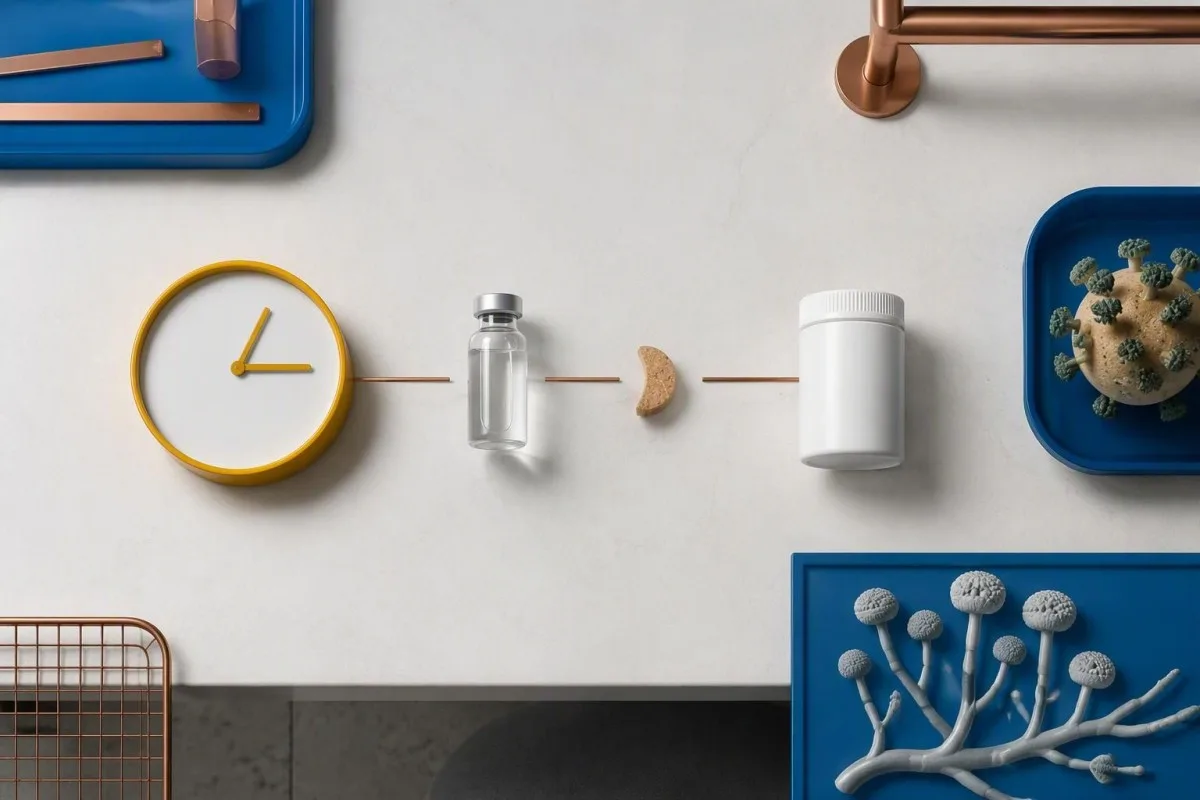
Une concentration résiduelle est un marqueur pratique de l’exposition sur un intervalle posologique, et non une mesure directe du médicament dans un poumon ou un cerveau atteint. Pour une personne prenant du voriconazole toutes les 12 heures, la concentration avant la dose aide à déterminer si l’exposition risque de devenir trop faible entre les doses.
Le suivi thérapeutique pharmacologique a deux objectifs distincts : maintenir une exposition suffisante pour l’activité antifongique et éviter une exposition excessive. Les recommandations de l’IDSA sur l’aspergillose indiquent que des concentrations résiduelles supérieures à 1–1,5 mg/L et inférieures à 5–6 mg/L sont des objectifs experts couramment utilisés, notamment pour limiter la neurotoxicité centrale (Patterson et al., 2016).
Kantesti est un Analyseur de test sanguin AI qui peut aider à interpréter un résultat de voriconazole téléversé en parallèle des tests hépatiques, tandis que l’équipe prescriptrice détermine la cible. Un résultat de 1,2 mg/L doit être accompagné de son indication et de l’heure du prélèvement ; notre explication ne doit pas transformer ce chiffre en consigne posologique.
Un signalement du laboratoire ne constitue pas un verdict sur l’efficacité du traitement. Contrairement à de nombreux intervalles de référence en biochimie courante, un intervalle de suivi pharmacologique représente un objectif d’exposition clinique ; notre explication de résultats de laboratoire hors limites aide à distinguer un signalement d’un diagnostic.
Quand faut-il prélever votre taux de voriconazole ?
Correct moment du dosage du voriconazole signifie que le prélèvement doit être effectué juste avant la dose suivante prévue, généralement dans les 30 minutes qui la précèdent. Le premier dosage de routine est souvent réalisé entre le 4e et le 7e jour, bien qu’une dose de charge, une maladie grave et les protocoles locaux puissent justifier une évaluation plus précoce.

Par exemple, imaginons un schéma posologique prescrit à 8 h et à 20 h. Un prélèvement effectué à 7 h 45, avant la prise du médicament du matin, représente étroitement une concentration résiduelle ; un prélèvement effectué à 10 h après la prise ne le fait pas, même si le compte rendu du laboratoire le qualifie de concentration résiduelle.
Un retard de dose peut également fausser l’interprétation dans le sens inverse. Si la dose suivante était prévue à 8 h, mais que le prélèvement a eu lieu à 11 h, les 3 heures supplémentaires sans médicament peuvent abaisser la concentration mesurée ; l’équipe a besoin des heures réelles, et pas seulement du schéma prévu.
Le voriconazole par voie intraveineuse nécessite également un prélèvement avant la dose, généralement avant le début de la perfusion suivante. Un prélèvement sur une voie utilisée pour administrer le médicament peut entraîner un risque de contamination ; le laboratoire ou l’équipe de perfusion devrait donc choisir la voie de prélèvement, plutôt que de supposer que toutes les voies accessibles donnent un résultat équivalent.
Il n’est pas nécessaire de jeûner toute la nuit pour le dosage de la concentration, mais le voriconazole oral a ses propres instructions concernant les repas. Vérifiez le plan de prélèvement à l’avance ; les règles de prélèvement propres à chaque médicament expliquent pourquoi une règle de timing valable pour un médicament ne peut pas être transposée à un autre.
Quelle est la fourchette thérapeutique du voriconazole ?
Le intervalle thérapeutique du voriconazole est généralement d’environ 1–5,5 mg/L pour le traitement, mais il n’existe pas d’intervalle universel adapté à chaque patient. Les recommandations de l’IDSA évoquent une cible minimale supérieure à 1–1,5 mg/L et une limite supérieure inférieure à 5–6 mg/L ; certaines infections difficiles justifient un seuil minimal plus élevé.

These boundaries describe probabilities, not biological switches. A trough of 0.9 mg/L does not prove failure, and 5.6 mg/L does not prove toxicity; repeated results, symptoms and organism susceptibility help determine whether a small boundary crossing is clinically meaningful or simply requires confirmation.
For invasive aspergillosis, the British Society for Medical Mycology recommends a treatment trough above 1 mg/L and discusses higher exposure goals for poor-prognosis situations, including central nervous system disease (Ashbee et al., 2014). A team may therefore consider 1.3 mg/L acceptable for one indication but insufficient for another.
The reason for a higher minimum is that the concentration needed to inhibit a less-susceptible fungus may exceed the concentration needed for a susceptible organism. Raising exposure indefinitely is not a safe solution: a trough approaching 5–6 mg/L can leave little room between a desired antifungal effect and adverse effects.
Always read the units before comparing reports. A result of 2 µg/mL is exactly 2 mg/L, not twice or half that value; the biomarker and units guide provides context for comparing laboratory values without mistaking a therapeutic target for a healthy-population range.
| Niveau | Intervalle | Signification |
|---|---|---|
| Below many treatment targets | <1 mg/L | Check collection timing, dosing history, absorption and interactions; not proof of treatment failure. |
| Lower treatment exposure | 1–<2 mg/L | May meet the prescribed target, but severe disease or reduced fungal susceptibility can require a higher minimum. |
| Common treatment exposure window | 2–5.5 mg/L | Often compatible with treatment goals when correctly timed; does not guarantee efficacy or freedom from toxicity. |
| Above many local upper limits | >5.5 mg/L | Requires review of symptoms, liver tests, timing and the local protocol; there is no universal emergency cutoff. |
Pourquoi les objectifs diffèrent-ils entre traitement et prévention ?
Treatment targets may be more demanding than prevention targets because an established fungal infection must be controlled, not merely prevented. Some local prophylaxis protocols accept 0.5 mg/L, whereas British guidance recommends a prophylaxis trough above 1 mg/L; these thresholds are not interchangeable.

Prophylaxis studies are harder to interpret because breakthrough fungal disease may be uncommon and heavily influenced by immune status. A threshold of 0.5 mg/L used in one prevention programme cannot establish equivalent protection for every stem-cell transplant recipient, particularly during prolonged neutropenia or intensive immunosuppression.
The British Society for Medical Mycology's prophylaxis recommendation above 1 mg/L carries a weaker evidence base than some treatment recommendations (Ashbee et al., 2014). The uncertainty is genuine: the exact preventive minimum is less settled than the principle that persistently very low exposure deserves investigation.
Consider a hypothetical result of 0.8 mg/L in two people. One is receiving prevention under a documented local protocol; the other has confirmed invasive aspergillosis. The same concentration can lead to different discussions because the indication, fungal burden and acceptable risk of inadequate exposure differ.
Transplant recipients often have several parallel monitoring plans, not one combined 'infection score.' Voriconazole does not prevent every opportunistic infection, and CMV results after transplantation answer a different question; a satisfactory antifungal trough does not replace viral surveillance or other prescribed prophylaxis.
Qu’est-ce qui peut entraîner un faible taux de voriconazole ?
A low voriconazole level can result from missed or delayed doses, food effects, impaired gastrointestinal absorption, enzyme-inducing medicines or faster metabolism. Before changing treatment, clinicians verify whether a result below 1 mg/L is a correctly timed trough and whether the prescribed doses actually reached the patient.
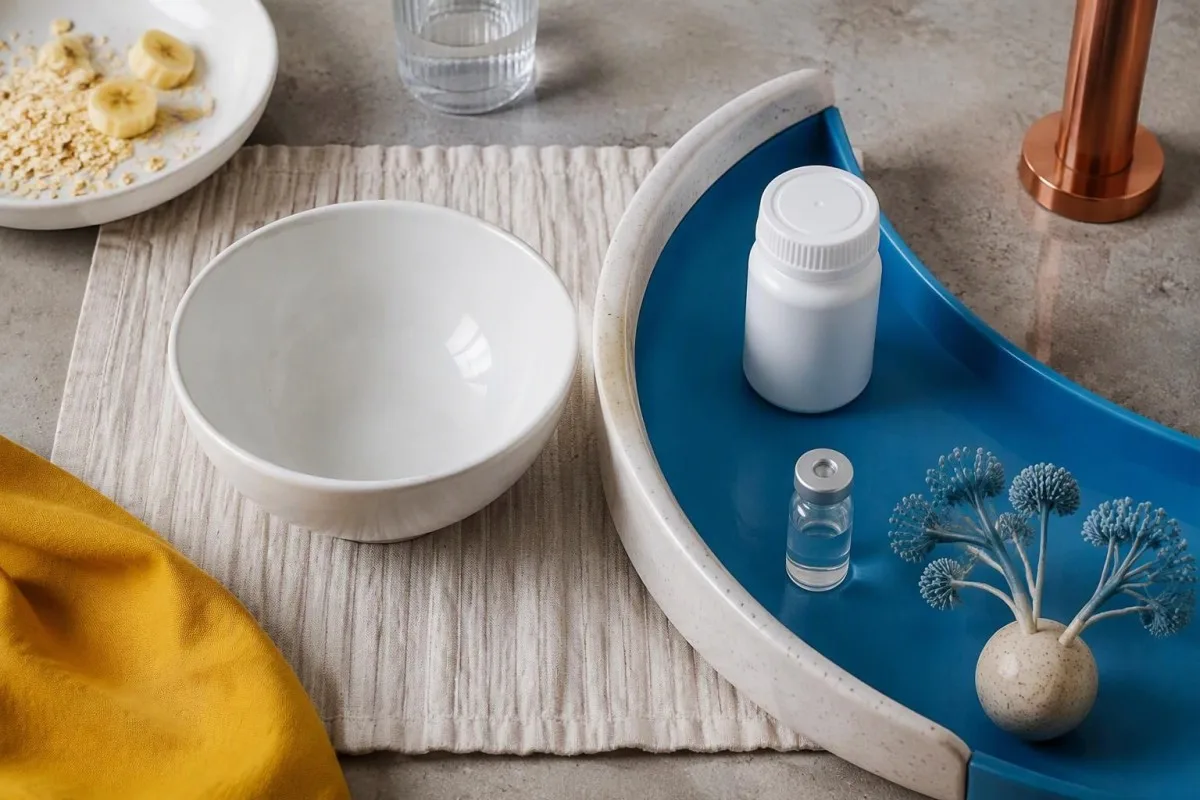
Oral voriconazole is generally taken at least 1 hour before or 1 hour after a meal, following the product instructions. Food can reduce exposure, but a low result should not be blamed on breakfast without checking the complete dosing history, formulation, vomiting and other medicines.
Imagine a hypothetical adult prescribed 200 mg every 12 hours whose trough is 0.6 mg/L. Taking each dose with a substantial meal and vomiting one evening dose creates two plausible explanations for low exposure; automatically escalating the prescription could cause excessive exposure once those problems resolve.
Severe diarrhoea, mucositis, gastrointestinal surgery and feeding-tube administration can make oral delivery less predictable. Clinicians may review the formulation or route rather than simply the milligram amount; testing for impaired fat absorption explains why gastrointestinal dysfunction needs its own assessment rather than being diagnosed from one drug level.
Acid-suppressing medicines deserve a medication review, but voriconazole should not be treated like an antifungal whose absorption always requires stomach acid. Some proton pump inhibitors inhibit metabolism and can raise exposure; our reflux treatment context helps readers identify these medicines without stopping them independently.
Pourquoi une légère modification de dose peut-elle parfois faire fortement varier le taux ?
Voriconazole has nonlinear metabolism in adults, meaning a dose increase can produce a more-than-proportional concentration increase. Changing a prescribed dose from 200 mg to 250 mg is a 25% increase, but the resulting trough cannot safely be predicted by multiplying the old result by 1.25.
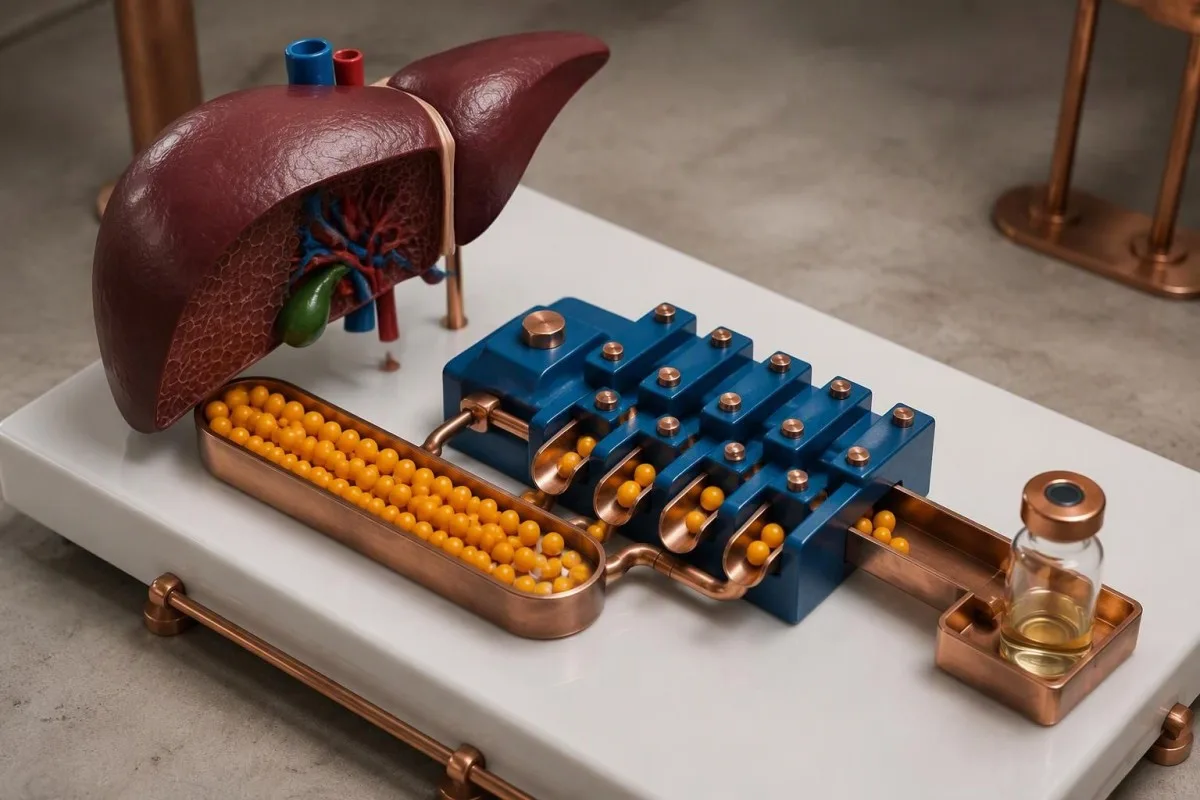
Metabolising enzymes can approach their processing capacity as exposure rises, so each additional milligram may be cleared less efficiently. A hypothetical rise from 2 mg/L to 4 mg/L after a modest dose adjustment is therefore plausible, but no single example provides a reliable formula for an individual patient.
The reverse calculation is unreliable too. A dose reduction of 25% does not guarantee a 25% concentration reduction, particularly when liver function or interacting medicines are changing; clinicians use repeat monitoring rather than assuming that the prescription and laboratory result move along a straight line.
A trough also reflects conditions during the preceding doses, not only the dose taken most recently. If a new prescription began 1 day before collection, the result may not represent the eventual exposure on that regimen, and an early result should be labelled as such rather than interpreted as settled.
This is a major reason not to borrow another person's adjustment advice. Nonlinear phenytoin monitoring illustrates a related principle, although phenytoin's free-versus-total measurement issues and target intervals are different; the shared lesson is that arithmetic alone cannot determine a safe drug dose.
Comment le CYP2C19 influe-t-il sur l’exposition au voriconazole ?
CYP2C19 genetic variation can influence voriconazole clearance: rapid and ultrarapid metabolisers may have low exposure, while poor metabolisers may develop higher concentrations. A genetic result can help explain a repeated trough below 1 mg/L or above the prescribed ceiling, but it does not replace drug monitoring.
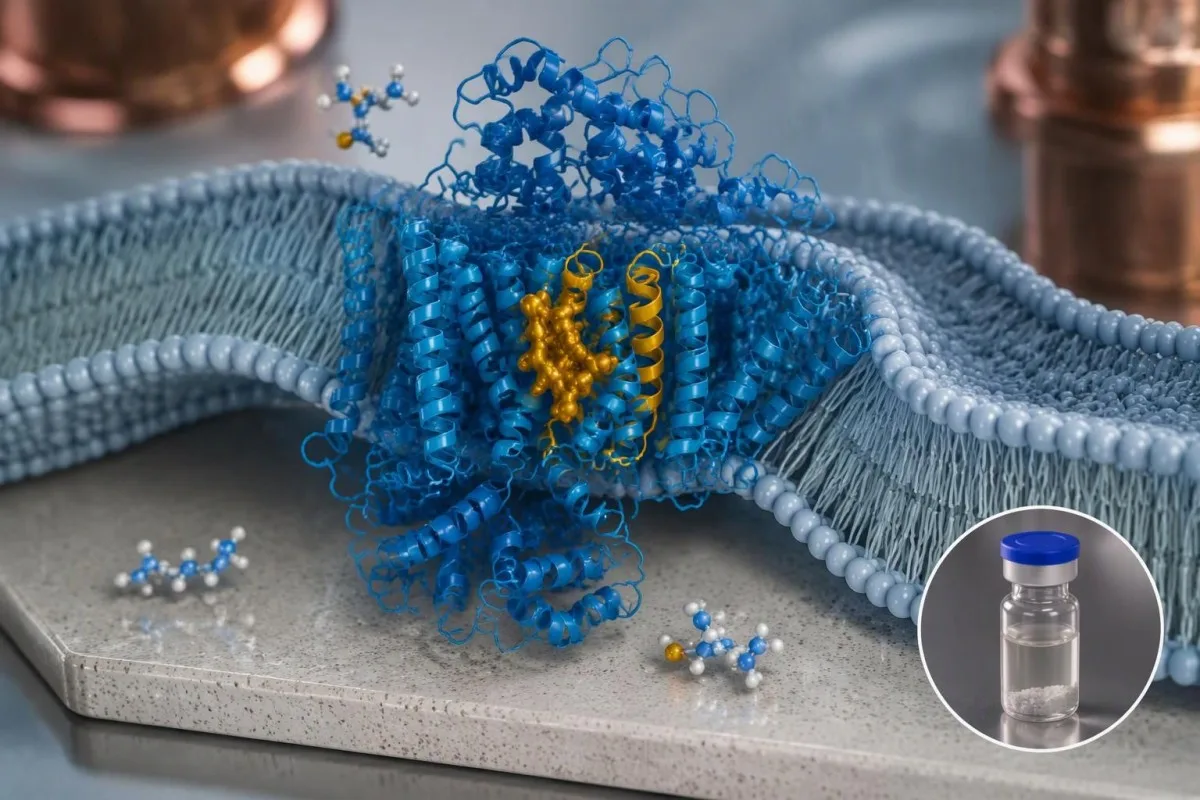
CPIC guidance recommends considering an alternative antifungal for certain CYP2C19 phenotypes when achieving reliable voriconazole exposure is difficult or adverse-effect risk is increased (Moriyama et al., 2017). This is a clinician-led choice between suitable treatments, not an instruction to stop an effective medicine after seeing a genetic category.
Genotype is only one input because liver illness, interacting medicines and systemic inflammatory responses can alter enzyme activity. A person genetically classified as a rapid metaboliser can still develop a trough of 6 mg/L under changed clinical conditions; inherited tendency does not establish a permanent, safe dose.
CYP2C19 influences more than one medicine, but the consequences are drug-specific. An enzyme variant that reduces activation of a prodrug can have a different clinical meaning from a variant that slows clearance of an active antifungal; 'fast metaboliser' is not automatically a favourable or unfavourable label.
Kantesti est un plateforme d’interprétation prise de sang AI that can help organise the laboratory and medication context around a reported voriconazole concentration. Our explication de la technologie IA describes the interpretation workflow; a chemistry panel cannot reveal CYP2C19 genotype unless a separate genetic test has actually been performed.
Quelles interactions médicamenteuses peuvent modifier le résultat ?
Voriconazole interactions can either lower its concentration or increase exposure to voriconazole and other medicines. Rifampicin and carbamazepine are major enzyme-inducing concerns, while voriconazole can substantially increase tacrolimus exposure; a satisfactory trough of 2 mg/L does not make the combination automatically safe.

Rifampicin, carbamazepine and St John's wort can substantially reduce voriconazole exposure, and some combinations are contraindicated. Phenytoin creates a particularly complicated bidirectional interaction; any specialist exception requires an explicit monitoring plan rather than the assumption that increasing voriconazole will reliably overcome induction.
Starting or stopping an interacting medicine can matter as much as adding a new voriconazole dose. Enzyme induction and its reversal do not necessarily disappear within 24 hours, so clinicians need medication start and stop dates when explaining a concentration that changes despite an unchanged antifungal prescription.
Tacrolimus is a separate safety priority because voriconazole inhibits pathways involved in its clearance. A transplant team may need to adjust and closely monitor tacrolimus when voriconazole starts or stops; our tacrolimus trough interpretation guide explains why both drug concentrations must be reviewed independently.
Warfarin and medicines that prolong the QT interval also require attention even when the antifungal trough is within range. Voriconazole can increase anticoagulant effect, so understanding INR monitoring is useful; an antifungal level does not substitute for coagulation testing or an electrocardiogram.
Comment les tests hépatiques influent-ils sur l’interprétation du taux résiduel ?
Liver dysfunction can reduce voriconazole clearance and increase exposure, while voriconazole itself can cause liver injury. A rising trough above 5–6 mg/L together with increasing ALT or bilirubin deserves prompt clinical review, but an isolated liver-test abnormality does not prove the antifungal caused it.
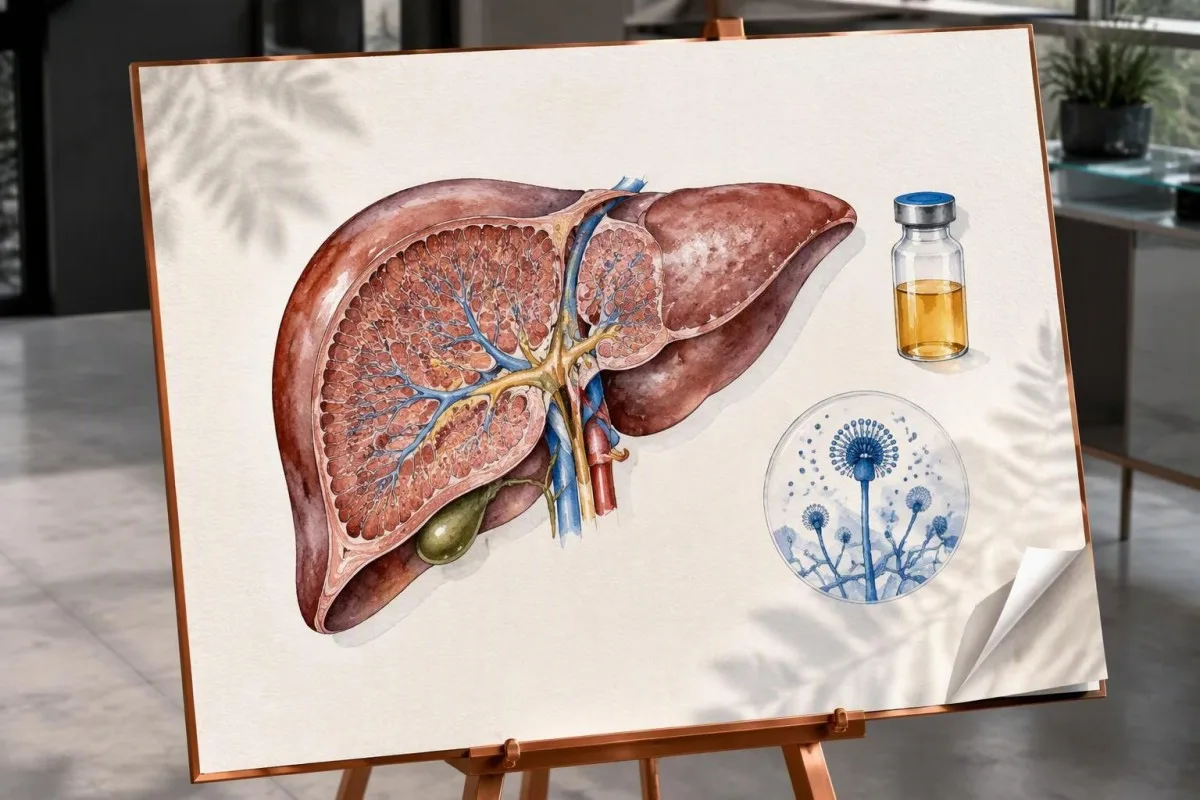
Product information recommends halving the usual maintenance dose in adults with mild-to-moderate cirrhosis, classified as Child–Pugh A or B, while retaining the standard loading regimen. That is prescribing guidance for clinicians, not a self-adjustment rule; severe hepatic impairment has less-established dosing evidence and needs specialist assessment.
Liver-test monitoring is generally recommended at least weekly during the first month, with frequency potentially reduced to monthly if results remain stable. The explication du bilan hépatique distinguishes injury markers from synthetic-function measures; ALT alone does not quantify the liver's capacity to clear voriconazole.
For example, ALT of 180 IU/L with a laboratory upper limit of 40 IU/L is 4.5 times that limit. Clinicians compare the change with baseline, bilirubin, ALP, symptoms and alternative causes; our guide de suivi de l’ALT explains why a multiple of the upper limit is more informative than a raw number.
At Kantesti, we explain why a seemingly acceptable total concentration can still need context when albumin is markedly low. An albumin result of 22 g/L can affect drug binding, but there is no universally adopted albumin-correction formula for voriconazole; the guide d'interprétation des protéines sériques helps separate binding concerns from a diagnosis of cirrhosis.
Les troubles visuels signifient-ils que le taux résiduel est trop élevé ?
Visual disturbances are a recognised voriconazole effect and do not automatically mean the trough exceeds 5.5 mg/L. Temporary changes in brightness, colour perception or blurred vision can occur at otherwise acceptable exposure, whereas persistent visual loss, hallucinations or confusion require a different level of concern.

Clinical-trial information describes visual disturbances in approximately 30% of recipients, often occurring early in treatment and resolving within about 30 minutes. The frequency varies across populations and reporting methods, and the symptom alone cannot establish whether a result of 2 mg/L or 6 mg/L is responsible.
Repeated brief brightness changes soon after a dose differ from continuous loss of vision throughout the day. A pre-dose trough may not capture the maximum post-dose concentration associated with an episode; write down when symptoms start, how long they last and whether both eyes are affected.
New hallucinations, marked confusion or worsening visual impairment warrant prompt medical assessment, especially alongside a high concentration. Sudden loss of vision, severe eye pain or a new neurological deficit requires urgent evaluation regardless of the trough; do not wait 4–7 days for routine repeat monitoring.
For treatment continuing beyond 28 days, product information recommends monitoring visual function, including acuity, visual fields and colour perception. Formal eye-function testing illustrates some of these assessments, although voriconazole symptoms do not by themselves diagnose glaucoma; avoid driving while vision is affected.
Quand un taux élevé de voriconazole nécessite-t-il une attention urgente ?
A trough above approximately 5–6 mg/L raises concern for excessive exposure, particularly when accompanied by confusion, hallucinations or worsening liver tests. Urgency depends on symptoms and organ effects, not a universal critical concentration; serious adverse effects can also occur below this numerical boundary.

A hypothetical trough of 7.2 mg/L with new hallucinations needs prompt contact with the prescribing team rather than a routine appointment weeks later. The team may change or temporarily interrupt treatment, but the patient should not independently halve the dose, skip repeated doses or wait for an AI explanation.
Fainting, sustained palpitations, seizures, severe confusion, a serious rash or jaundice with systemic illness warrant urgent assessment. Voriconazole can prolong the QT interval, and low potassium or magnesium adds risk; an electrolyte panel safety review addresses hazards that the antifungal concentration does not measure.
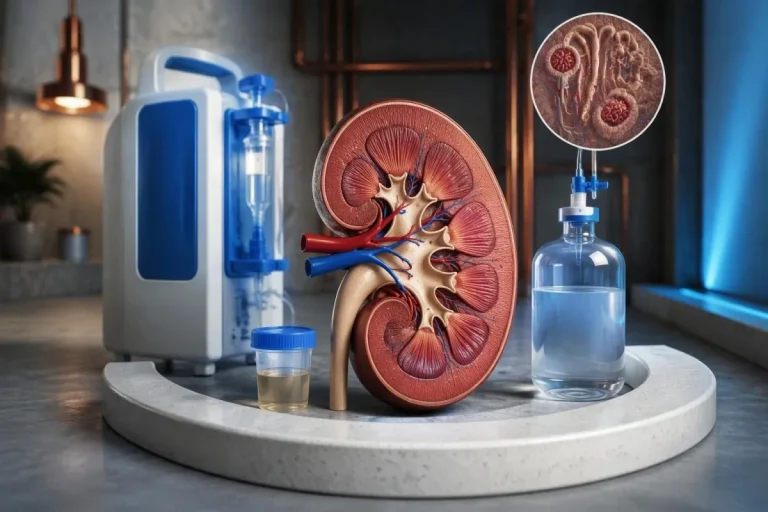
Kidney function affects the intravenous formulation differently from the active antifungal's liver metabolism. The cyclodextrin vehicle can accumulate when creatinine clearance is below 50 mL/min, prompting a route-specific risk–benefit review; a normal voriconazole trough cannot establish that the intravenous vehicle is harmless.
Long courses introduce problems not reliably predicted by a single trough, including photosensitivity and fluoride-associated periostitis. New persistent bone pain during a hypothetical 6-month course deserves review even at 3 mg/L, and sun-protection advice remains relevant when the drug concentration falls within the intended treatment window.
Le taux peut-il être thérapeutique alors que l’infection s’aggrave ?
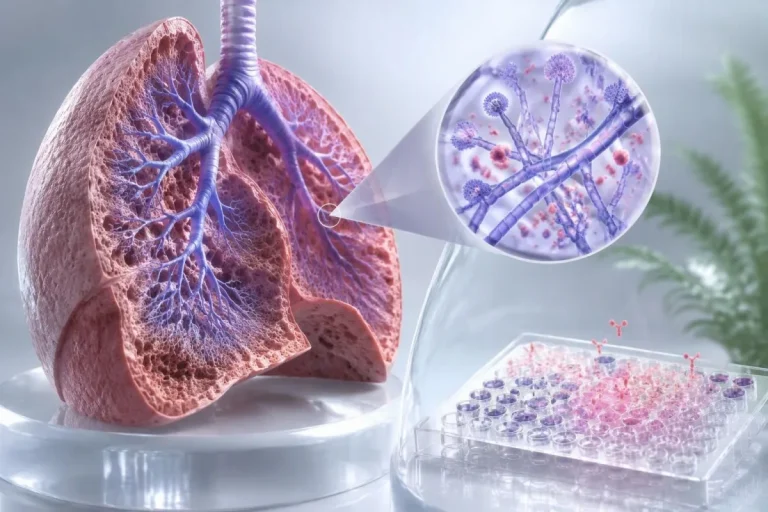
Yes—a therapeutic voriconazole trough does not guarantee treatment success because fungal resistance, an incorrect diagnosis, inadequate source control or profound immunosuppression can overcome adequate exposure. A result of 3 mg/L confirms neither fungal susceptibility nor sufficient drug delivery to every affected site.

The organism's minimum inhibitory concentration, or MIC, helps describe how much drug inhibits growth under laboratory conditions. If the fungal MIC is 2 mg/L rather than 0.25 mg/L, the same trough has a different exposure-to-susceptibility relationship; a trough-to-MIC ratio is not a self-dosing calculator.
Clinicians review imaging, cultures, susceptibility testing and relevant fungal markers alongside the concentration. A galactomannan result interpretation can clarify another piece of the assessment, but neither one positive marker nor one therapeutic trough independently proves active aspergillosis or its resolution.
Voriconazole lacks reliable activity against Mucorales, the fungi responsible for mucormycosis. A trough of 4 mg/L therefore cannot solve a mismatch between the medicine and the organism; persistent deterioration may require diagnostic reassessment and a different antifungal strategy rather than progressively increasing exposure.
Early imaging changes are also not always equivalent to failure because inflammatory responses can change as immune function recovers. Nonetheless, worsening breathing, new neurological symptoms or fever during severe neutropenia needs prompt clinical assessment; the infection team decides whether a 1-week trend reflects expected evolution or an inadequate treatment plan.
Quand faut-il répéter le dosage du taux résiduel ?
Voriconazole monitoring is commonly repeated after a dose change, a major interaction change, altered liver function, a route change or suspected treatment failure. A routine reassessment often occurs within 4–7 days, but concerning neurological symptoms or liver deterioration justify earlier clinical action rather than waiting for steady exposure.
Two concentrations are meaningfully comparable only when the dosing interval and collection conditions are documented. A change from 1.1 mg/L to 3.4 mg/L may represent improved exposure, but it may instead compare a delayed trough with a post-dose sample; the size of the difference cannot correct a timing error.
Changing from intravenous to oral treatment can alter exposure even when the intended prescription seems equivalent. Clinicians may repeat the level after the switch, especially if eating, vomiting or tube feeding has changed; the route belongs beside the concentration in the monitoring record, not only in the medication history.
Kantesti est un Outil d’analyse de prise de sang alimenté par l’IA that can help organise uploaded drug levels alongside liver-test trends and reported dose times. Our medication-safety trend workflow supports preparation for review, but a rise from 2 mg/L to 6 mg/L still requires clinician-led interpretation and treatment decisions.
Stable treatment does not create one universal long-term testing interval. The team balances infection risk, treatment duration, prior variability and access to testing; keep a record of at least the previous dose time, collection time, current prescription, formulation and medication changes so the next result answers a usable question.
Que devez-vous apporter à la consultation de suivi, et quels éléments étayent ces conseils ?
Bring the actual dose and collection times, the prescribed treatment goal, recent liver results and a complete medication list to your voriconazole review. Ask whether a result such as 1.4 mg/L meets your specific indication—not whether it fits a single internet range—and do not adjust the prescription yourself.
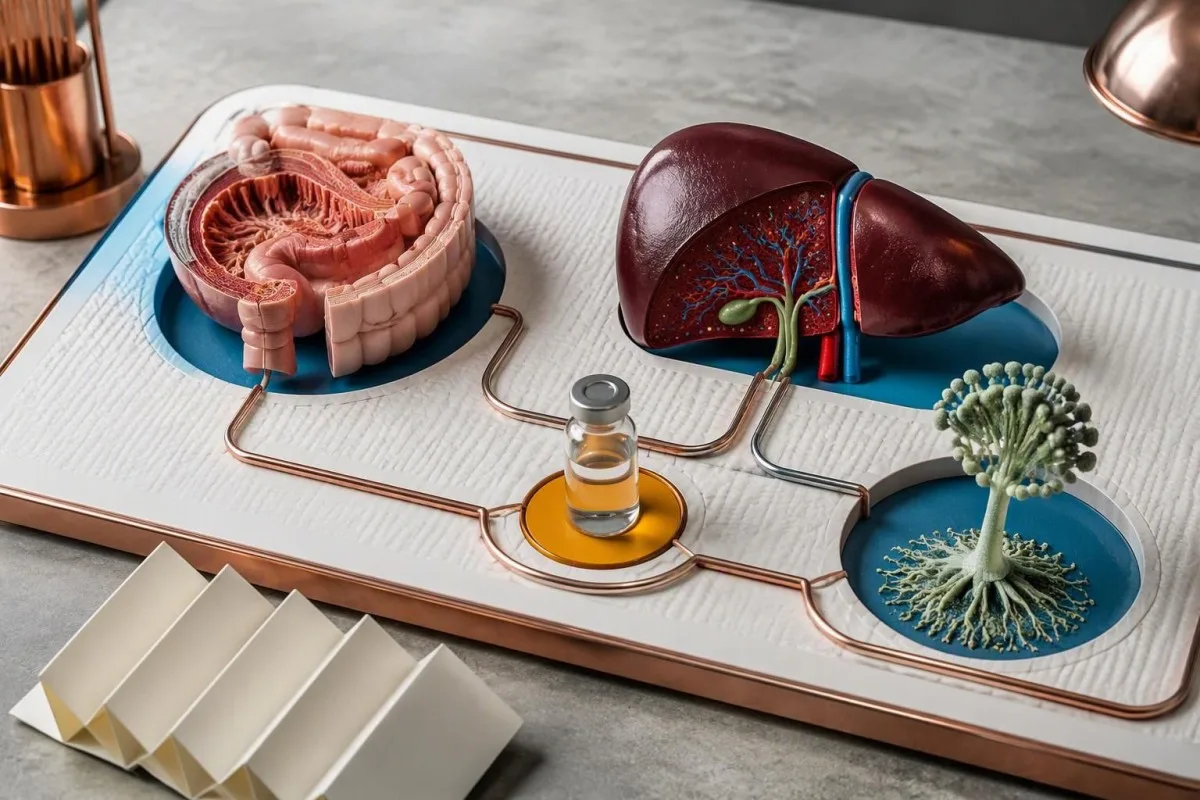
A practical review has three questions: was the sample a true trough, is exposure appropriate for this infection or prevention plan, and are there adverse effects or interactions? Include missed doses and meal timing honestly; a 12-hour prescription does not mean every dose was actually separated by 12 hours.
The clinical recommendations here draw on the 2016 IDSA aspergillosis guideline, the 2014 British Society for Medical Mycology monitoring guideline and the 2017 CPIC voriconazole guideline. These sources address different questions—clinical treatment, concentration monitoring and pharmacogenetics—so their recommendations should be combined thoughtfully rather than presented as one identical range.
Kantesti Ltd's role is to help readers understand laboratory information, not to prescribe antifungal treatment. Our organisation and purpose are described separately; technical evaluation on 100,000 synthetic cases cannot establish that a particular voriconazole dose improves clinical outcomes in a patient with invasive fungal disease.
The two research publications listed below describe an automated technical benchmark and a clinical-validation framework, not a voriconazole therapeutic-monitoring trial. Our validation methodology and limits explain that distinction; use our interpretation to prepare questions, while your infection specialist or prescribing team determines the dose and follow-up plan.
Foire aux questions
Quel est le taux résiduel normal de voriconazole ?
Voriconazole does not have a healthy-population 'normal' concentration; it has a therapeutic exposure target. Many treatment protocols use approximately 1–5.5 mg/L, while IDSA guidance discusses a minimum above 1–1.5 mg/L and an upper boundary below 5–6 mg/L. Severe disease, fungal susceptibility and prevention protocols can change the intended target. Your prescribing team should interpret the result using the actual collection time and clinical indication.
Combien de temps avant ma dose faut-il mesurer le taux de voriconazole ?
Un taux résiduel de voriconazole est généralement prélevé juste avant la dose suivante prévue, souvent dans les 30 minutes qui la précèdent, conformément aux instructions du laboratoire local. Pour une dose à 8 h, un prélèvement à 7 h 45 avant la prise du médicament serait généralement approprié. Prendre la dose d’abord peut produire un résultat post-dose qui ne doit pas être comparé directement aux valeurs cibles résiduelles. Convenez du plan de prélèvement avec l’équipe plutôt que de retarder la dose de plusieurs heures sans instructions.
Que signifie un taux faible de voriconazole ?
Une concentration résiduelle de voriconazole inférieure à 1 mg/L est en dessous de nombreuses concentrations cibles thérapeutiques, mais ne prouve pas que la dose prescrite est trop faible. Des doses oubliées, un prélèvement effectué trop tard, les effets de l’alimentation, des vomissements, une absorption altérée et des médicaments inducteurs enzymatiques peuvent tous expliquer une faible exposition. Le voriconazole par voie orale se prend généralement au moins 1 heure avant ou après un repas, conformément aux instructions du produit. Contactez l’équipe prescriptrice pour un examen de la situation plutôt que d’augmenter vous-même la dose.
Les résultats du voriconazole en mg/L et en µg/mL sont-ils identiques ?
Les concentrations de voriconazole en mg/L et en µg/mL ont la même valeur numérique. Un résultat de 2 mg/L correspond exactement à 2 µg/mL, soit également 2 000 ng/mL. Les laboratoires peuvent utiliser différentes unités et plages cibles ; vérifiez donc les deux avant de comparer les résultats. Cette conversion d’unités ne corrige pas un prélèvement effectué au mauvais moment.
Une vision floue ou des hallucinations sont-elles des signes de toxicité du voriconazole ?
De brefs troubles visuels peuvent survenir avec le voriconazole même lorsque le taux résiduel se situe dans la plage cible, tandis que des hallucinations ou une confusion sont davantage préoccupantes et peuvent évoquer une exposition excessive ou un autre problème médical. Les informations sur le produit font état de troubles visuels chez environ 30% des patients, qui disparaissent souvent en une trentaine de minutes. En cas de nouvelles hallucinations, de troubles persistants ou de symptômes qui s’aggravent, contactez rapidement l’équipe prescriptrice ; une perte soudaine de la vision ou des symptômes neurologiques graves nécessitent une évaluation urgente. Ne conduisez pas tant que votre vision est affectée et ne modifiez pas vous-même la dose de l’antifongique.
Quand faut-il vérifier à nouveau les concentrations de voriconazole après une modification de la dose ?
Le taux résiduel de voriconazole est souvent contrôlé à nouveau dans les 4 à 7 jours suivant une modification de dose, selon le schéma thérapeutique, les doses de charge et le protocole local. Un contrôle plus précoce ou une intervention clinique peut être nécessaire en cas de suspicion de toxicité, de modification de la fonction hépatique ou d’interactions médicamenteuses importantes. Le métabolisme non linéaire signifie qu’une augmentation de dose de 25% ne garantit pas une augmentation de concentration de seulement 25%. L’équipe prescriptrice doit fixer la date du contrôle répété et interpréter le résultat avant toute autre modification.
Faites-vous expliquer vos résultats prise de sang
Téléversez votre compte rendu d’analyses et l’IA de Kantesti explique chaque biomarqueur en langage clair en quelques secondes. Déjà utilisé par plus de 2 millions de personnes dans le monde.
Références
- Klein, T., Mitchell, S., & Weber, H. (2026). Un benchmark technique automatisé pré-enregistré, basé sur une grille d’évaluation, de l’outil d’interprétation des analyses sanguines Kantesti sur 100 000 cas de test synthétiques. Recherche médicale par IA de Kantesti. DOI
- Klein, T., Mitchell, S., & Weber, H. (2026). Cadre de validation clinique v2.0 (page de validation médicale). Recherche médicale par IA de Kantesti. DOI
- Patterson TF et al. (2016). Recommandations de pratique clinique pour le diagnostic et la prise en charge de l’aspergillose : mise à jour 2016 de l’Infectious Diseases Society of America. Clinical Infectious Diseases. DOI
- Ashbee HR et al. (2014). Therapeutic drug monitoring (TDM) of antifungal agents: guidelines from the British Society for Medical Mycology. Journal of Antimicrobial Chemotherapy. DOI
- Moriyama B et al. (2017). Clinical Pharmacogenetics Implementation Consortium (CPIC) Guidelines for CYP2C19 and Voriconazole Therapy. Clinical Pharmacology & Therapeutics. DOI
- 2 millions et plusTests analysés
- 127+Des pays
- 100+Langues
À propos de l’équipe médicale


Signaux de confiance E-E-A-T
Expérience
Revue clinique guidée par un médecin des flux d’interprétation des analyses.
Compétence
Orientation en médecine de laboratoire sur la façon dont les biomarqueurs se comportent dans un contexte clinique.
autorité
Révisé médicalement par le Dr Thomas Klein, avec la contribution de la Dre Sarah Mitchell et du Pr Dr Hans Weber.
Fiabilité
Interprétation fondée sur des preuves, avec des parcours de suivi clairs pour réduire l’alarme.

Avertissement médical
Cet article est fourni à des fins éducatives uniquement et ne constitue pas un avis médical. Consultez toujours un professionnel de santé qualifié pour les décisions de diagnostic et de traitement.
Publié · Contacter l’équipe éditoriale
Publié par Kantesti Ltd, immatriculée en Angleterre et au pays de Galles, sous le numéro d’entreprise. 17090423, Londres, Royaume-Uni.
