சரியான நேரத்தில் அளவிடப்படும் voriconazole குறைந்தபட்ச செறிவு, பூஞ்சை எதிர்ப்பு மருந்தின் வெளிப்பாடு போதுமானதா, அதேசமயம் அளவுக்கு அதிகமாக இல்லையா என்பதை மதிப்பிட உதவுகிறது. பல சிகிச்சை நெறிமுறைகள் தோராயமாக 1–5.5 mg/L அளவைப் பயன்படுத்துகின்றன; ஆனால் தொற்று, தடுப்புத் திட்டம் மற்றும் பக்கவிளைவுகள் ஆகியவை உங்களுக்கான இலக்கைத் தீர்மானிக்கின்றன.

முக்கிய குறிப்புகள்
- Voriconazole குறைந்தபட்ச செறிவு என்பது அடுத்ததாகத் திட்டமிடப்பட்டுள்ள அளவை எடுத்துக்கொள்வதற்கு உடனுள்ள மருந்துச் செறிவு; இது மருந்து வெளிப்பாட்டை அளவிடுகிறது, தொற்று குணமாகிவிட்டதா என்பதை அல்ல.
- சிகிச்சை இலக்குகள் (Treatment targets) பொதுவாக 1–1.5 mg/L-க்கு மேல் குறைந்தபட்ச செறிவு தேவைப்படுகிறது; கடினமான அல்லது கடுமையான தொற்றுகளுக்கு சில குழுக்கள் குறைந்தது 2 mg/L இலக்காகக் கொள்கின்றன.
- மேல் வரம்புகள் பொதுவாக 5–6 mg/L அளவில் இருக்கும்; ஏனெனில் அதிகப்படியான வெளிப்பாடு நரம்பியல் மற்றும் பிற பக்கவிளைவுகள் குறித்த கவலையை அதிகரிக்கிறது.
- தடுப்பு இலக்குகள் நெறிமுறைக்கு ஏற்ப மாறுபடும்; நோய்த்தடுப்பு சிகிச்சைக்குப் பயன்படுத்தப்படும் குறைந்த வரம்பை, ஏற்கெனவே ஏற்பட்ட தொற்றுக்கான சிகிச்சைக்கும் தானாகவே பொருந்தும் எனக் கருதக்கூடாது.
- அளவு எடுக்கும் நேரம் பொதுவாக, அடுத்த அளவை எடுத்துக்கொள்வதற்கு சுமார் 30 நிமிடங்களுக்கு முன், ஆய்வகத்தின் வழிமுறைகளைப் பின்பற்றி மாதிரி சேகரிப்பதைக் குறிக்கிறது.
- அலகு மாற்றம் என்பது துல்லியமானது: 1 mg/L என்பது 1 µg/mL மற்றும் 1,000 ng/mL-க்கு சமம்.
- குறைவான மருந்து வெளிப்பாடு தவறவிட்ட அளவுகள், உணவின் தாக்கம், உறிஞ்சுதல் குறைபாடு, இடைவினை ஏற்படுத்தும் மருந்துகள் அல்லது வேகமான வளர்சிதை மாற்றம் ஆகியவற்றைக் குறிக்கலாம்—மருந்துச் சீட்டில் அளவு போதாமை என்பதை மட்டும் அல்ல.
- டோஸ் பாதுகாப்பு மருத்துவர் வழிநடத்தும் மாற்றங்கள் தேவை; ஏனெனில், 25% அளவை அதிகரிப்பது செறிவில் அளவுக்கு மீறிய அதிகரிப்பை ஏற்படுத்தக்கூடும்.
Voriconazole குறைந்தபட்ச செறிவு உண்மையில் எதைச் சொல்கிறது?
A வோரிகோனசோல் குறைந்தபட்ச செறிவு அடுத்த அளவை எடுத்துக்கொள்வதற்கு உடனடியாக முன்பு உடலில் எவ்வளவு பூஞ்சை எதிர்ப்பு மருந்து மீதமுள்ளது என்பதை மருத்துவர்களுக்குத் தெரிவிக்கிறது. சரியாகச் சேகரிக்கப்பட்ட முடிவு சுமார் 1–5.5 mg/L இருந்தால், அது பெரும்பாலும் சிகிச்சை நெறிமுறைக்குப் பொருந்தும்; ஆனால் பயனுள்ள அளவு, பூஞ்சையின் உணர்திறன், தொற்று ஏற்பட்டுள்ள இடம் மற்றும் மருத்துவ முன்னேற்றம் ஆகியவற்றையும் சார்ந்துள்ளது.
குறைந்தபட்ச செறிவு என்பது ஒரு மருந்தளவு இடைவெளி முழுவதிலும் ஏற்படும் வெளிப்பாட்டைக் குறிக்கும் நடைமுறை அளவுகோல்; பாதிக்கப்பட்ட நுரையீரல் அல்லது மூளைக்குள் உள்ள மருந்தை நேரடியாக அளப்பதல்ல. வோரிகோனசோலை ஒவ்வொரு 12 மணிநேரத்திற்கும் எடுத்துக்கொள்ளும் ஒருவருக்கு, மருந்துக்கு முந்தைய செறிவு, அளவுகளுக்கு இடையில் வெளிப்பாடு மிகக் குறையக்கூடுமா என்பதைக் கண்டறிய உதவுகிறது.
சிகிச்சை மருந்து கண்காணிப்புக்கு இரண்டு தனித்த நோக்கங்கள் உள்ளன: பூஞ்சை எதிர்ப்புச் செயல்பாட்டுக்குப் போதுமான வெளிப்பாட்டைப் பேணுவது, மிகையான வெளிப்பாட்டைத் தவிர்ப்பது. IDSA அஸ்பர்ஜில்லோசிஸ் வழிகாட்டுதல், சிகிச்சைக்கான குறைந்தபட்ச செறிவு 1–1.5 mg/L-க்கு மேல் மற்றும் 5–6 mg/L-க்குக் கீழ் இருப்பதை, குறிப்பாக மத்திய நரம்பு மண்டல நச்சுத்தன்மையைக் கட்டுப்படுத்த, நிபுணர்கள் பொதுவாகப் பயன்படுத்தும் இலக்குகளாகக் குறிப்பிடுகிறது (Patterson et al., 2016).
கான்டெஸ்டி என்பது ஒரு AI இரத்த பரிசோதனை பகுப்பாய்வி பதிவேற்றப்பட்ட வோரிகோனசோல் முடிவை கல்லீரல் பரிசோதனைகளுடன் சேர்த்துப் புரிந்துகொள்ள இது உதவக்கூடும்; அதேவேளை, இலக்கை உங்கள் மருந்துப் பரிந்துரைக் குழு தீர்மானிக்கும். 1.2 mg/L என்ற முடிவுடன், அது எந்தக் காரணத்திற்காகச் செய்யப்பட்டது மற்றும் மாதிரி எடுக்கப்பட்ட நேரம் ஆகியவை குறிப்பிடப்பட வேண்டும்; எங்கள் விளக்கம் அந்த எண்ணை மருந்தளவு அறிவுறுத்தலாக மாற்றக்கூடாது.
ஆய்வக எச்சரிக்கைக் குறியீடு என்பது சிகிச்சை வெற்றிக்கான தீர்ப்பு அல்ல. பல வழக்கமான வேதியியல் குறிப்பு வரம்புகளைப் போலன்றி, மருந்துக் கண்காணிப்பு வரம்பு என்பது மருத்துவ ரீதியான வெளிப்பாட்டு இலக்கைக் குறிக்கிறது; எங்களின் விளக்கம் வரம்பிற்கு அப்பாற்பட்ட ஆய்வக முடிவுகள் எச்சரிக்கைக் குறியீட்டையும் நோயறிதலையும் வேறுபடுத்த உதவுகிறது.
உங்கள் voriconazole அளவை எப்போது சேகரிக்க வேண்டும்?
சரியான வோரிகோனசோல் அளவு எடுக்கும் நேரம் என்பது, அடுத்ததாகத் திட்டமிடப்பட்ட அளவை எடுத்துக்கொள்வதற்கு உடனடியாக முன், பொதுவாக அதற்கு 30 நிமிடங்களுக்குள் மாதிரியைச் சேகரிப்பதைக் குறிக்கிறது. முதல் வழக்கமான அளவீடு பெரும்பாலும் 4–7ஆம் நாட்களில் பெறப்படும்; எனினும், தொடக்க அதிக அளவுகள், தீவிர நோய் மற்றும் உள்ளூர் நெறிமுறைகள் ஆகியவை அதற்கு முன்பே மதிப்பீடு செய்வதை நியாயப்படுத்தலாம்.

உதாரணமாக, காலை 8 மணி மற்றும் இரவு 8 மணி என்ற பரிந்துரைக்கப்பட்ட அட்டவணையைக் கருதுங்கள். காலை மருந்தை எடுத்துக்கொள்வதற்கு முன், காலை 7:45 மணிக்கு எடுக்கப்படும் மாதிரி குறைந்தபட்ச செறிவை நெருக்கமாகப் பிரதிபலிக்கும்; மருந்தை எடுத்த பிறகு காலை 10 மணிக்கு எடுக்கப்படும் மாதிரி, ஆய்வக அறிக்கை அதை குறைந்தபட்ச செறிவு என்று குறிப்பிட்டாலும், அதைப் பிரதிபலிக்காது.
தாமதமான மருந்தளவும் இதற்கு எதிர்மாறான திசையில் விளக்கத்தைச் சிதைக்கக்கூடும். அடுத்த அளவு காலை 8 மணிக்கு எடுக்கப்பட வேண்டியிருந்தும், காலை 11 மணிக்கு மாதிரி சேகரிக்கப்பட்டிருந்தால், மருந்தின்றி இருந்த கூடுதல் 3 மணிநேரம் அளவிடப்பட்ட செறிவைக் குறைக்கக்கூடும்; திட்டமிட்ட அட்டவணை மட்டுமல்ல, உண்மையான நேரங்களும் குழுவுக்குத் தேவை.
நரம்புவழி வோரிகோனசோலுக்கும் அடுத்த உட்செலுத்தலைத் தொடங்குவதற்கு முன், பொதுவாக மருந்துக்கு முந்தைய மாதிரி தேவைப்படுகிறது. மருந்தைச் செலுத்தப் பயன்படுத்திய வழித்தடத்திலிருந்து மாதிரி எடுப்பது மாசுபாட்டு அபாயத்தை ஏற்படுத்தலாம்; எனவே, அணுகக்கூடிய ஒவ்வொரு வழித்தடமும் சமமான முடிவைத் தரும் எனக் கருதாமல், மாதிரி எடுக்கும் வழியை ஆய்வகம் அல்லது உட்செலுத்தல் குழு தேர்ந்தெடுக்க வேண்டும்.
செறிவு பரிசோதனைக்காக இரவு முழுவதும் உண்ணாவிரதம் இருப்பது இயல்பாகவே அவசியமில்லை; ஆனால் வாய்வழி வோரிகோனசோலுக்கு உணவு நேரம் குறித்த தனித்த வழிமுறைகள் உள்ளன. முன்கூட்டியே மாதிரி சேகரிப்புத் திட்டத்தைச் சரிபார்க்கவும்; மருந்துக்கே உரிய மாதிரி சேகரிப்பு விதிகள் ஒரு மருந்துக்கான சரியான நேர விதியை மற்றொரு மருந்துக்கு ஏன் மாற்றிப் பயன்படுத்த முடியாது என்பதை விளக்குகின்றன.
Voriconazole சிகிச்சை வரம்பு என்ன?
தி வோரிகோனசோலின் சிகிச்சை வரம்பு is commonly approximately 1–5.5 mg/L for treatment, but there is no universal interval suitable for every patient. IDSA guidance discusses a lower goal above 1–1.5 mg/L and an upper boundary below 5–6 mg/L; some difficult infections prompt a higher minimum.

These boundaries describe probabilities, not biological switches. A trough of 0.9 mg/L does not prove failure, and 5.6 mg/L does not prove toxicity; repeated results, symptoms and organism susceptibility help determine whether a small boundary crossing is clinically meaningful or simply requires confirmation.
For invasive aspergillosis, the British Society for Medical Mycology recommends a treatment trough above 1 mg/L and discusses higher exposure goals for poor-prognosis situations, including central nervous system disease (Ashbee et al., 2014). A team may therefore consider 1.3 mg/L acceptable for one indication but insufficient for another.
The reason for a higher minimum is that the concentration needed to inhibit a less-susceptible fungus may exceed the concentration needed for a susceptible organism. Raising exposure indefinitely is not a safe solution: a trough approaching 5–6 mg/L can leave little room between a desired antifungal effect and adverse effects.
Always read the units before comparing reports. A result of 2 µg/mL is exactly 2 mg/L, not twice or half that value; the biomarker and units guide provides context for comparing laboratory values without mistaking a therapeutic target for a healthy-population range.
| நிலை | வரம்பு | அதன் பொருள் |
|---|---|---|
| Below many treatment targets | <1 மி.கி/லி | Check collection timing, dosing history, absorption and interactions; not proof of treatment failure. |
| Lower treatment exposure | 1–<2 mg/L | May meet the prescribed target, but severe disease or reduced fungal susceptibility can require a higher minimum. |
| Common treatment exposure window | 2–5.5 mg/L | Often compatible with treatment goals when correctly timed; does not guarantee efficacy or freedom from toxicity. |
| Above many local upper limits | >5.5 mg/L | Requires review of symptoms, liver tests, timing and the local protocol; there is no universal emergency cutoff. |
சிகிச்சை மற்றும் தடுப்பு இலக்குகள் ஏன் வேறுபடலாம்?
Treatment targets may be more demanding than prevention targets because an established fungal infection must be controlled, not merely prevented. Some local prophylaxis protocols accept 0.5 mg/L, whereas British guidance recommends a prophylaxis trough above 1 mg/L; these thresholds are not interchangeable.

Prophylaxis studies are harder to interpret because breakthrough fungal disease may be uncommon and heavily influenced by immune status. A threshold of 0.5 mg/L used in one prevention programme cannot establish equivalent protection for every stem-cell transplant recipient, particularly during prolonged neutropenia or intensive immunosuppression.
The British Society for Medical Mycology's prophylaxis recommendation above 1 mg/L carries a weaker evidence base than some treatment recommendations (Ashbee et al., 2014). The uncertainty is genuine: the exact preventive minimum is less settled than the principle that persistently very low exposure deserves investigation.
Consider a hypothetical result of 0.8 mg/L in two people. One is receiving prevention under a documented local protocol; the other has confirmed invasive aspergillosis. The same concentration can lead to different discussions because the indication, fungal burden and acceptable risk of inadequate exposure differ.
Transplant recipients often have several parallel monitoring plans, not one combined 'infection score.' Voriconazole does not prevent every opportunistic infection, and CMV results after transplantation answer a different question; a satisfactory antifungal trough does not replace viral surveillance or other prescribed prophylaxis.
Voriconazole அளவு குறைவாக இருப்பதற்கு என்ன காரணமாகலாம்?
A low voriconazole level can result from missed or delayed doses, food effects, impaired gastrointestinal absorption, enzyme-inducing medicines or faster metabolism. Before changing treatment, clinicians verify whether a result below 1 mg/L is a correctly timed trough and whether the prescribed doses actually reached the patient.
Oral voriconazole is generally taken at least 1 hour before or 1 hour after a meal, following the product instructions. Food can reduce exposure, but a low result should not be blamed on breakfast without checking the complete dosing history, formulation, vomiting and other medicines.
Imagine a hypothetical adult prescribed 200 mg every 12 hours whose trough is 0.6 mg/L. Taking each dose with a substantial meal and vomiting one evening dose creates two plausible explanations for low exposure; automatically escalating the prescription could cause excessive exposure once those problems resolve.
Severe diarrhoea, mucositis, gastrointestinal surgery and feeding-tube administration can make oral delivery less predictable. Clinicians may review the formulation or route rather than simply the milligram amount; testing for impaired fat absorption explains why gastrointestinal dysfunction needs its own assessment rather than being diagnosed from one drug level.
Acid-suppressing medicines deserve a medication review, but voriconazole should not be treated like an antifungal whose absorption always requires stomach acid. Some proton pump inhibitors inhibit metabolism and can raise exposure; our reflux treatment context helps readers identify these medicines without stopping them independently.
சிறிய அளவு மாற்றம் சில நேரங்களில் செறிவை ஏன் பெரிதும் மாற்றுகிறது?
Voriconazole has nonlinear metabolism in adults, meaning a dose increase can produce a more-than-proportional concentration increase. Changing a prescribed dose from 200 mg to 250 mg is a 25% increase, but the resulting trough cannot safely be predicted by multiplying the old result by 1.25.
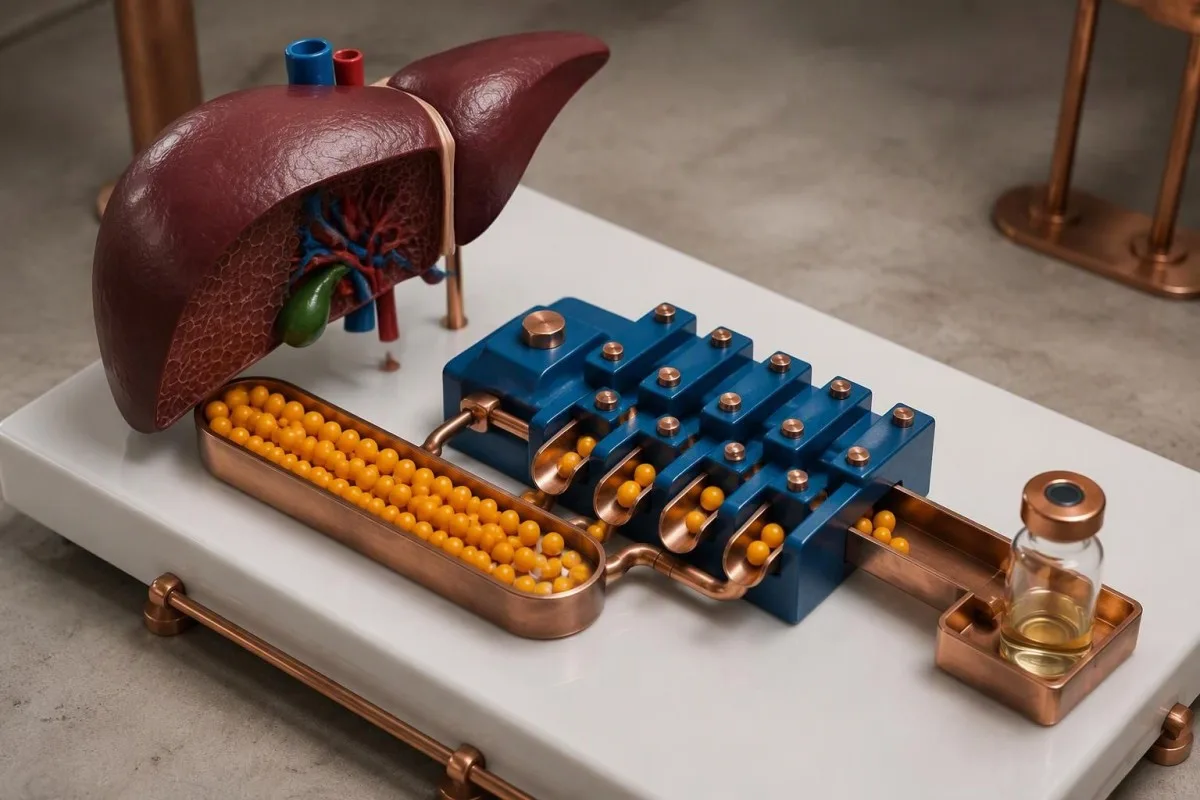
Metabolising enzymes can approach their processing capacity as exposure rises, so each additional milligram may be cleared less efficiently. A hypothetical rise from 2 mg/L to 4 mg/L after a modest dose adjustment is therefore plausible, but no single example provides a reliable formula for an individual patient.
The reverse calculation is unreliable too. A dose reduction of 25% does not guarantee a 25% concentration reduction, particularly when liver function or interacting medicines are changing; clinicians use repeat monitoring rather than assuming that the prescription and laboratory result move along a straight line.
A trough also reflects conditions during the preceding doses, not only the dose taken most recently. If a new prescription began 1 day before collection, the result may not represent the eventual exposure on that regimen, and an early result should be labelled as such rather than interpreted as settled.
This is a major reason not to borrow another person's adjustment advice. Nonlinear phenytoin monitoring illustrates a related principle, although phenytoin's free-versus-total measurement issues and target intervals are different; the shared lesson is that arithmetic alone cannot determine a safe drug dose.
CYP2C19 voriconazole வெளிப்பாட்டை எவ்வாறு பாதிக்கிறது?
CYP2C19 genetic variation can influence voriconazole clearance: rapid and ultrarapid metabolisers may have low exposure, while poor metabolisers may develop higher concentrations. A genetic result can help explain a repeated trough below 1 mg/L or above the prescribed ceiling, but it does not replace drug monitoring.
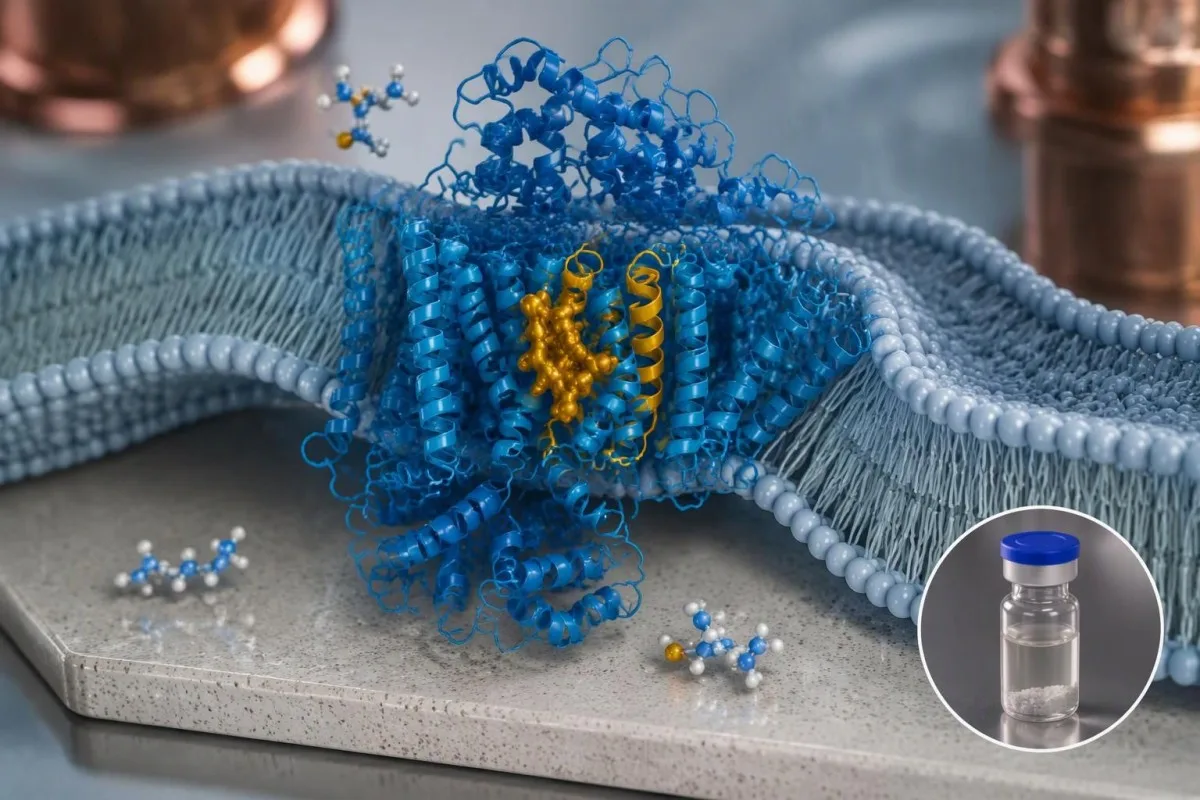
CPIC guidance recommends considering an alternative antifungal for certain CYP2C19 phenotypes when achieving reliable voriconazole exposure is difficult or adverse-effect risk is increased (Moriyama et al., 2017). This is a clinician-led choice between suitable treatments, not an instruction to stop an effective medicine after seeing a genetic category.
Genotype is only one input because liver illness, interacting medicines and systemic inflammatory responses can alter enzyme activity. A person genetically classified as a rapid metaboliser can still develop a trough of 6 mg/L under changed clinical conditions; inherited tendency does not establish a permanent, safe dose.
CYP2C19 influences more than one medicine, but the consequences are drug-specific. An enzyme variant that reduces activation of a prodrug can have a different clinical meaning from a variant that slows clearance of an active antifungal; 'fast metaboliser' is not automatically a favourable or unfavourable label.
கான்டெஸ்டி என்பது ஒரு AI இரத்த பரிசோதனை விளக்கம் தளம் that can help organise the laboratory and medication context around a reported voriconazole concentration. Our AI தொழில்நுட்ப விளக்கம் describes the interpretation workflow; a chemistry panel cannot reveal CYP2C19 genotype unless a separate genetic test has actually been performed.
எந்த மருந்து இடைவினைகள் முடிவை மாற்றக்கூடும்?
Voriconazole interactions can either lower its concentration or increase exposure to voriconazole and other medicines. Rifampicin and carbamazepine are major enzyme-inducing concerns, while voriconazole can substantially increase tacrolimus exposure; a satisfactory trough of 2 mg/L does not make the combination automatically safe.

Rifampicin, carbamazepine and St John's wort can substantially reduce voriconazole exposure, and some combinations are contraindicated. Phenytoin creates a particularly complicated bidirectional interaction; any specialist exception requires an explicit monitoring plan rather than the assumption that increasing voriconazole will reliably overcome induction.
Starting or stopping an interacting medicine can matter as much as adding a new voriconazole dose. Enzyme induction and its reversal do not necessarily disappear within 24 hours, so clinicians need medication start and stop dates when explaining a concentration that changes despite an unchanged antifungal prescription.
Tacrolimus is a separate safety priority because voriconazole inhibits pathways involved in its clearance. A transplant team may need to adjust and closely monitor tacrolimus when voriconazole starts or stops; our tacrolimus trough interpretation guide explains why both drug concentrations must be reviewed independently.
Warfarin and medicines that prolong the QT interval also require attention even when the antifungal trough is within range. Voriconazole can increase anticoagulant effect, so understanding INR monitoring is useful; an antifungal level does not substitute for coagulation testing or an electrocardiogram.
கல்லீரல் பரிசோதனைகள் குறைந்தபட்ச செறிவின் விளக்கத்தை எவ்வாறு மாற்றுகின்றன?
Liver dysfunction can reduce voriconazole clearance and increase exposure, while voriconazole itself can cause liver injury. A rising trough above 5–6 mg/L together with increasing ALT or bilirubin deserves prompt clinical review, but an isolated liver-test abnormality does not prove the antifungal caused it.
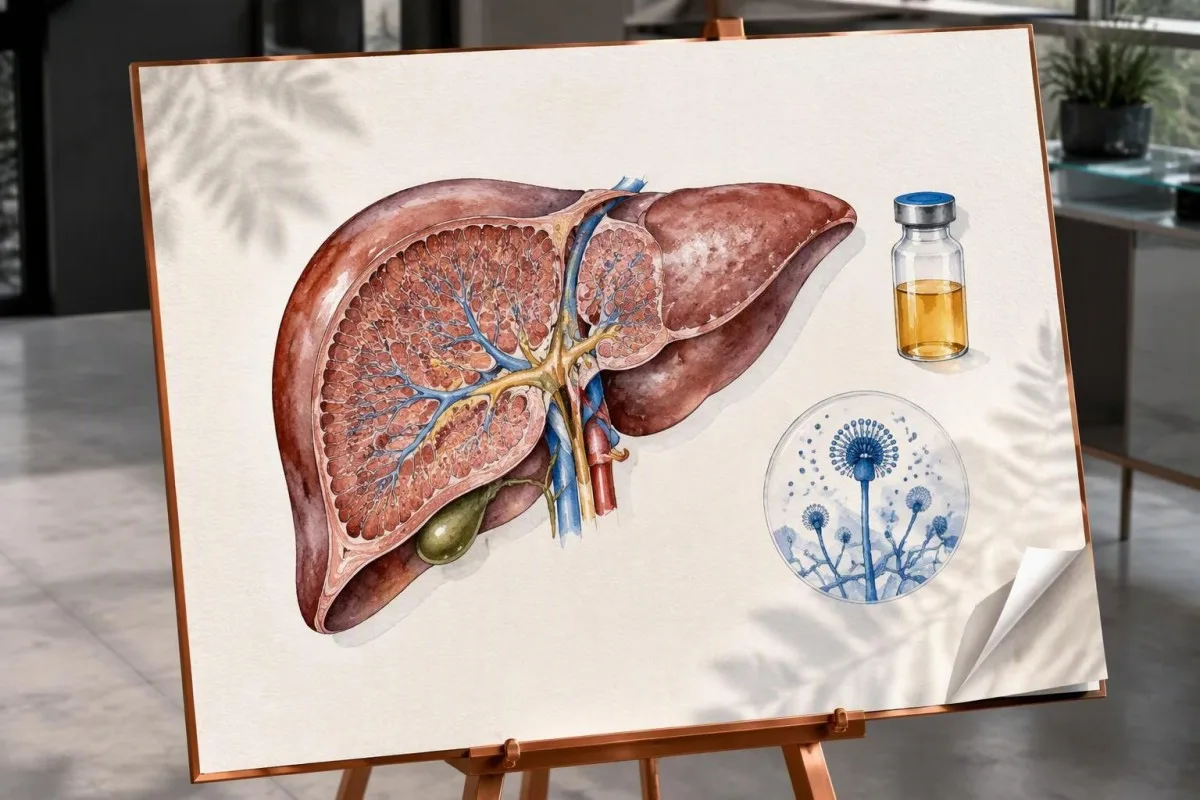
Product information recommends halving the usual maintenance dose in adults with mild-to-moderate cirrhosis, classified as Child–Pugh A or B, while retaining the standard loading regimen. That is prescribing guidance for clinicians, not a self-adjustment rule; severe hepatic impairment has less-established dosing evidence and needs specialist assessment.
Liver-test monitoring is generally recommended at least weekly during the first month, with frequency potentially reduced to monthly if results remain stable. The கல்லீரல் பேனல் விளக்கம் distinguishes injury markers from synthetic-function measures; ALT alone does not quantify the liver's capacity to clear voriconazole.
For example, ALT of 180 IU/L with a laboratory upper limit of 40 IU/L is 4.5 times that limit. Clinicians compare the change with baseline, bilirubin, ALP, symptoms and alternative causes; our ALT பின்தொடர்பு வழிகாட்டி explains why a multiple of the upper limit is more informative than a raw number.
At Kantesti, we explain why a seemingly acceptable total concentration can still need context when albumin is markedly low. An albumin result of 22 g/L can affect drug binding, but there is no universally adopted albumin-correction formula for voriconazole; the சீரம் புரத விளக்கம் வழிகாட்டி helps separate binding concerns from a diagnosis of cirrhosis.
பார்வைக் கோளாறுகள் குறைந்தபட்ச செறிவு மிக அதிகமாக இருப்பதைக் குறிக்கிறதா?
Visual disturbances are a recognised voriconazole effect and do not automatically mean the trough exceeds 5.5 mg/L. Temporary changes in brightness, colour perception or blurred vision can occur at otherwise acceptable exposure, whereas persistent visual loss, hallucinations or confusion require a different level of concern.

Clinical-trial information describes visual disturbances in approximately 30% of recipients, often occurring early in treatment and resolving within about 30 minutes. The frequency varies across populations and reporting methods, and the symptom alone cannot establish whether a result of 2 mg/L or 6 mg/L is responsible.
Repeated brief brightness changes soon after a dose differ from continuous loss of vision throughout the day. A pre-dose trough may not capture the maximum post-dose concentration associated with an episode; write down when symptoms start, how long they last and whether both eyes are affected.
New hallucinations, marked confusion or worsening visual impairment warrant prompt medical assessment, especially alongside a high concentration. Sudden loss of vision, severe eye pain or a new neurological deficit requires urgent evaluation regardless of the trough; do not wait 4–7 days for routine repeat monitoring.
For treatment continuing beyond 28 days, product information recommends monitoring visual function, including acuity, visual fields and colour perception. Formal eye-function testing illustrates some of these assessments, although voriconazole symptoms do not by themselves diagnose glaucoma; avoid driving while vision is affected.
அதிகமான voriconazole அளவுக்கு எப்போது அவசர கவனம் தேவை?
A trough above approximately 5–6 mg/L raises concern for excessive exposure, particularly when accompanied by confusion, hallucinations or worsening liver tests. Urgency depends on symptoms and organ effects, not a universal critical concentration; serious adverse effects can also occur below this numerical boundary.

A hypothetical trough of 7.2 mg/L with new hallucinations needs prompt contact with the prescribing team rather than a routine appointment weeks later. The team may change or temporarily interrupt treatment, but the patient should not independently halve the dose, skip repeated doses or wait for an AI explanation.
Fainting, sustained palpitations, seizures, severe confusion, a serious rash or jaundice with systemic illness warrant urgent assessment. Voriconazole can prolong the QT interval, and low potassium or magnesium adds risk; an electrolyte panel safety review addresses hazards that the antifungal concentration does not measure.
Kidney function affects the intravenous formulation differently from the active antifungal's liver metabolism. The cyclodextrin vehicle can accumulate when creatinine clearance is below 50 mL/min, prompting a route-specific risk–benefit review; a normal voriconazole trough cannot establish that the intravenous vehicle is harmless.
Long courses introduce problems not reliably predicted by a single trough, including photosensitivity and fluoride-associated periostitis. New persistent bone pain during a hypothetical 6-month course deserves review even at 3 mg/L, and sun-protection advice remains relevant when the drug concentration falls within the intended treatment window.
அளவு சிகிச்சை வரம்பில் இருந்தும் தொற்று மோசமடையுமா?
Yes—a therapeutic voriconazole trough does not guarantee treatment success because fungal resistance, an incorrect diagnosis, inadequate source control or profound immunosuppression can overcome adequate exposure. A result of 3 mg/L confirms neither fungal susceptibility nor sufficient drug delivery to every affected site.

The organism's minimum inhibitory concentration, or MIC, helps describe how much drug inhibits growth under laboratory conditions. If the fungal MIC is 2 mg/L rather than 0.25 mg/L, the same trough has a different exposure-to-susceptibility relationship; a trough-to-MIC ratio is not a self-dosing calculator.
Clinicians review imaging, cultures, susceptibility testing and relevant fungal markers alongside the concentration. A galactomannan result interpretation can clarify another piece of the assessment, but neither one positive marker nor one therapeutic trough independently proves active aspergillosis or its resolution.
Voriconazole lacks reliable activity against Mucorales, the fungi responsible for mucormycosis. A trough of 4 mg/L therefore cannot solve a mismatch between the medicine and the organism; persistent deterioration may require diagnostic reassessment and a different antifungal strategy rather than progressively increasing exposure.
Early imaging changes are also not always equivalent to failure because inflammatory responses can change as immune function recovers. Nonetheless, worsening breathing, new neurological symptoms or fever during severe neutropenia needs prompt clinical assessment; the infection team decides whether a 1-week trend reflects expected evolution or an inadequate treatment plan.
குறைந்தபட்ச செறிவை எப்போது மீண்டும் பரிசோதிக்க வேண்டும்?
Voriconazole monitoring is commonly repeated after a dose change, a major interaction change, altered liver function, a route change or suspected treatment failure. A routine reassessment often occurs within 4–7 days, but concerning neurological symptoms or liver deterioration justify earlier clinical action rather than waiting for steady exposure.
Two concentrations are meaningfully comparable only when the dosing interval and collection conditions are documented. A change from 1.1 mg/L to 3.4 mg/L may represent improved exposure, but it may instead compare a delayed trough with a post-dose sample; the size of the difference cannot correct a timing error.
Changing from intravenous to oral treatment can alter exposure even when the intended prescription seems equivalent. Clinicians may repeat the level after the switch, especially if eating, vomiting or tube feeding has changed; the route belongs beside the concentration in the monitoring record, not only in the medication history.
கான்டெஸ்டி என்பது ஒரு AI-இயங்கும் இரத்த பரிசோதனை பகுப்பாய்வு கருவி that can help organise uploaded drug levels alongside liver-test trends and reported dose times. Our medication-safety trend workflow supports preparation for review, but a rise from 2 mg/L to 6 mg/L still requires clinician-led interpretation and treatment decisions.
Stable treatment does not create one universal long-term testing interval. The team balances infection risk, treatment duration, prior variability and access to testing; keep a record of at least the previous dose time, collection time, current prescription, formulation and medication changes so the next result answers a usable question.
மறுபரிசீலனைக்காக நீங்கள் எவற்றைக் கொண்டுவர வேண்டும், இந்த ஆலோசனைக்கு ஆதாரம் எது?
Bring the actual dose and collection times, the prescribed treatment goal, recent liver results and a complete medication list to your voriconazole review. Ask whether a result such as 1.4 mg/L meets your specific indication—not whether it fits a single internet range—and do not adjust the prescription yourself.
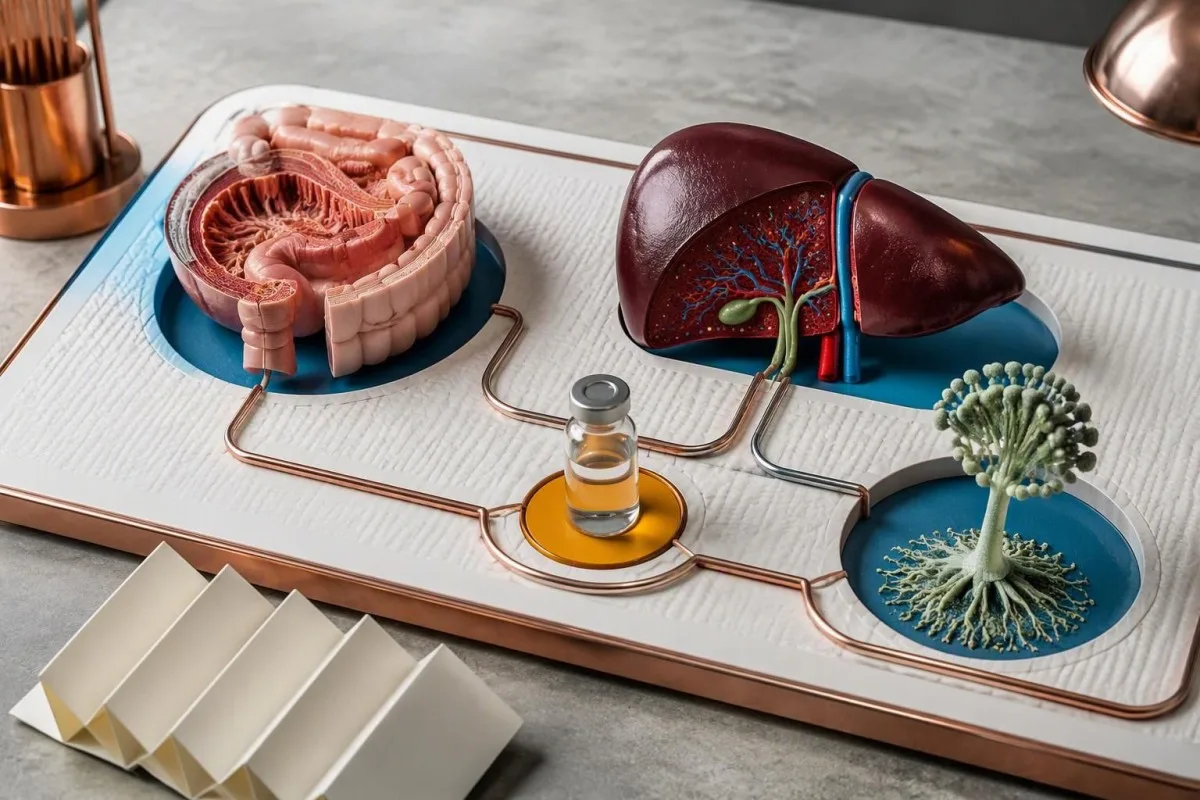
A practical review has three questions: was the sample a true trough, is exposure appropriate for this infection or prevention plan, and are there adverse effects or interactions? Include missed doses and meal timing honestly; a 12-hour prescription does not mean every dose was actually separated by 12 hours.
The clinical recommendations here draw on the 2016 IDSA aspergillosis guideline, the 2014 British Society for Medical Mycology monitoring guideline and the 2017 CPIC voriconazole guideline. These sources address different questions—clinical treatment, concentration monitoring and pharmacogenetics—so their recommendations should be combined thoughtfully rather than presented as one identical range.
Kantesti Ltd's role is to help readers understand laboratory information, not to prescribe antifungal treatment. Our organisation and purpose are described separately; technical evaluation on 100,000 synthetic cases cannot establish that a particular voriconazole dose improves clinical outcomes in a patient with invasive fungal disease.
The two research publications listed below describe an automated technical benchmark and a clinical-validation framework, not a voriconazole therapeutic-monitoring trial. Our validation methodology and limits explain that distinction; use our interpretation to prepare questions, while your infection specialist or prescribing team determines the dose and follow-up plan.
அடிக்கடி கேட்கப்படும் கேள்விகள்
வோரிகோனசோலின் இயல்பான ட்ரஃப் அளவு என்ன?
Voriconazole does not have a healthy-population 'normal' concentration; it has a therapeutic exposure target. Many treatment protocols use approximately 1–5.5 mg/L, while IDSA guidance discusses a minimum above 1–1.5 mg/L and an upper boundary below 5–6 mg/L. Severe disease, fungal susceptibility and prevention protocols can change the intended target. Your prescribing team should interpret the result using the actual collection time and clinical indication.
எனது மருந்தளவுக்கு எவ்வளவு நேரத்திற்கு முன்பு வோரிகோனசோல் அளவைப் பரிசோதிக்க வேண்டும்?
உள்ளூர் ஆய்வகத்தின் வழிமுறைகளின்படி, வோரிகோனசோல் குறைந்தபட்ச மருந்தளவு செறிவுப் பரிசோதனைக்கான மாதிரி பொதுவாக அடுத்ததாகத் திட்டமிடப்பட்ட மருந்தளவுக்கு உடனடியாக முன்பு, பெரும்பாலும் 30 நிமிடங்களுக்குள் சேகரிக்கப்படுகிறது. காலை 8 மணிக்கு மருந்து எடுத்துக்கொள்ளத் திட்டமிட்டிருந்தால், மருந்தை எடுத்துக்கொள்வதற்கு முன் காலை 7:45 மணிக்கு மாதிரி சேகரிப்பது பொதுவாகப் பொருத்தமாக இருக்கும். முதலில் மருந்தை எடுத்துக்கொண்டால், மருந்தளவுக்குப் பிந்தைய பரிசோதனை முடிவு கிடைக்கலாம்; அதை குறைந்தபட்ச செறிவு இலக்குகளுடன் நேரடியாக ஒப்பிடக் கூடாது. வழிமுறையின்றி மருந்தளவைப் பல மணி நேரம் தாமதிப்பதற்குப் பதிலாக, மாதிரி சேகரிப்புத் திட்டத்தை மருத்துவக் குழுவுடன் ஏற்பாடு செய்யுங்கள்.
குறைந்த வோரிகோனசோல் அளவு என்றால் என்ன?
1 mg/L-க்குக் குறைவான வோரிகோனசோல் குறைந்தபட்ச செறிவு, பல சிகிச்சை இலக்குகளுக்குக் கீழே உள்ளது; ஆனால் பரிந்துரைக்கப்பட்ட அளவு மிகவும் குறைவு என்பதை இது நிரூபிக்காது. மருந்து தவறவிடப்பட்டிருத்தல், தாமதமாக எடுக்கப்பட்ட மாதிரி, உணவின் தாக்கம், வாந்தி, உறிஞ்சுதல் குறைபாடு மற்றும் நொதிகளைத் தூண்டும் மருந்துகள் ஆகிய அனைத்தும் குறைந்த மருந்து வெளிப்பாட்டை விளக்கக்கூடும். தயாரிப்பு வழிமுறைகளைப் பின்பற்றி, வாய்வழி வோரிகோனசோலை பொதுவாக உணவுக்கு குறைந்தது 1 மணி நேரத்திற்கு முன்போ அல்லது பின்போ எடுத்துக்கொள்ள வேண்டும். நீங்களாகவே அளவை அதிகரிப்பதற்குப் பதிலாக, மறுஆய்வுக்காக மருந்தைப் பரிந்துரைத்த குழுவைத் தொடர்புகொள்ளுங்கள்.
வோரிகோனசோல் முடிவுகள் mg/L மற்றும் µg/mL-ல் ஒரே அளவைக் குறிக்கின்றனவா?
mg/L மற்றும் µg/mL-இல் உள்ள வோரிகோனசோல் செறிவுகள் ஒரே எண்ணியல் மதிப்பைக் கொண்டுள்ளன. 2 mg/L என்ற முடிவு சரியாக 2 µg/mL ஆகும்; அதுவே 2,000 ng/mL ஆகவும் இருக்கும். ஆய்வகங்கள் வெவ்வேறு அலகுகளையும் இலக்கு வரம்புகளையும் பயன்படுத்தலாம், எனவே அறிக்கைகளை ஒப்பிடுவதற்கு முன் இரண்டையும் சரிபார்க்கவும். தவறான நேரத்தில் எடுக்கப்பட்ட மாதிரியை இந்த அலகு மாற்றம் சரிசெய்யாது.
மங்கலான பார்வை அல்லது மாயத்தோற்றங்கள் வோரிகோனசோல் நச்சுத்தன்மையைக் குறிக்கின்றனவா?
0] Voriconazole எடுத்துக்கொள்ளும்போது trough அளவு நோக்கமிட்ட வரம்பிற்குள் இருந்தாலும், சிறிது நேரம் நீடிக்கும் பார்வைக் கோளாறுகள் ஏற்படலாம்; அதேவேளையில், மாயத்தோற்றங்கள் அல்லது குழப்பம் அதிகப்படியான மருந்து வெளிப்பாடு அல்லது வேறொரு மருத்துவப் பிரச்சினை குறித்த அதிக கவலையை ஏற்படுத்துகின்றன. தயாரிப்புத் தகவலின்படி, மருந்தைப் பெறுபவர்களில் சுமார் 30% பேருக்கு பார்வைக் கோளாறுகள் ஏற்படுகின்றன; அவை பெரும்பாலும் சுமார் 30 நிமிடங்களுக்குள் மறைந்துவிடுகின்றன. புதிதாகத் தோன்றும் மாயத்தோற்றங்கள், தொடர்ந்து நீடிக்கும் பாதிப்பு அல்லது மோசமடையும் அறிகுறிகள் இருந்தால், மருந்தை பரிந்துரைத்த மருத்துவக் குழுவை உடனடியாகத் தொடர்புகொள்ள வேண்டும்; திடீர் பார்வை இழப்பு அல்லது கடுமையான நரம்பியல் அறிகுறிகள் ஏற்பட்டால் அவசர மதிப்பீடு தேவை. பார்வை பாதிக்கப்பட்டிருக்கும்போது வாகனம் ஓட்ட வேண்டாம்; பூஞ்சை எதிர்ப்பு மருந்தின் அளவை நீங்களாகவே மாற்ற வேண்டாம்.
மருந்தளவை மாற்றிய பிறகு வோரிகோனசோல் அளவுகளை எப்போது மீண்டும் பரிசோதிக்க வேண்டும்?
மருந்தளவு மாற்றத்திற்குப் பிறகு, சிகிச்சை முறை, ஏற்றுமருந்தளவுகள் மற்றும் உள்ளூர் நெறிமுறையைப் பொறுத்து, voriconazole குறைந்தபட்ச செறிவு பொதுவாக 4–7 நாட்களுக்குள் மீண்டும் பரிசோதிக்கப்படும். நச்சுத்தன்மை சந்தேகம், கல்லீரல் செயல்பாட்டில் மாற்றம் அல்லது முக்கியமான மருந்து இடைவினைகள் இருந்தால், அதற்கு முன்னதாகவே பரிசோதனை அல்லது மருத்துவ நடவடிக்கை தேவைப்படலாம். நேரியல் அல்லாத வளர்சிதை மாற்றம் காரணமாக, மருந்தளவை 25% அதிகரிப்பது, செறிவு 25% மட்டுமே அதிகரிக்கும் என்பதற்கு உத்தரவாதமளிக்காது. மேலும் மாற்றங்களைச் செய்வதற்கு முன், மீண்டும் பரிசோதிக்கும் தேதியை மருந்து பரிந்துரைக்கும் குழு நிர்ணயித்து, முடிவைப் பொருள் விளக்க வேண்டும்.
உங்கள் இரத்த பரிசோதனை முடிவுகளை புரிந்துகொள்ளுங்கள்
உங்கள் ஆய்வக அறிக்கையைப் பதிவேற்றுங்கள்; Kantesti-இன் AI ஒவ்வொரு உயிர்குறியீட்டையும் சில நொடிகளில் எளிய மொழியில் விளக்குகிறது. உலகம் முழுவதும் 2 மில்லியனுக்கும் அதிகமானோர் பயன்படுத்துகின்றனர்.
குறிப்புகள்
- Klein, T., Mitchell, S., & Weber, H. (2026). Kantesti Blood-Test Interpretation Engine-க்கான 100,000 செயற்கை (synthetic) பரிசோதனை வழக்குகளில், முன்பதிவு செய்யப்பட்ட (Pre-Registered), ரூப்ரிக் அடிப்படையிலான தானியக்க தொழில்நுட்ப அளவுகோல் (Technical Benchmark). Kantesti AI மருத்துவ ஆராய்ச்சி. டி.ஓ.ஐ.
- Klein, T., Mitchell, S., & Weber, H. (2026). மருத்துவ சரிபார்ப்பு கட்டமைப்பு v2.0 (மருத்துவ சரிபார்ப்பு பக்கம்). Kantesti AI மருத்துவ ஆராய்ச்சி. டி.ஓ.ஐ.
- Patterson TF மற்றும் பலர் (2016). அஸ்பெர்ஜில்லோசிஸைக் கண்டறிதல் மற்றும் நிர்வகிப்பதற்கான நடைமுறை வழிகாட்டுதல்கள்: அமெரிக்க தொற்றுநோய்கள் சங்கத்தின் 2016 புதுப்பிப்பு. மருத்துவத் தொற்றுநோய்கள். டி.ஓ.ஐ.
- Ashbee HR et al. (2014). Therapeutic drug monitoring (TDM) of antifungal agents: guidelines from the British Society for Medical Mycology. Journal of Antimicrobial Chemotherapy. டி.ஓ.ஐ.
- Moriyama B et al. (2017). Clinical Pharmacogenetics Implementation Consortium (CPIC) Guidelines for CYP2C19 and Voriconazole Therapy. Clinical Pharmacology & Therapeutics. டி.ஓ.ஐ.
- 2மி+பகுப்பாய்வு செய்யப்பட்ட பரிசோதனைகள்
- 127+நாடுகள்
- 100+மொழிகள்
மருத்துவக் குழுவைப் பற்றி


E-E-A-T நம்பிக்கை சிக்னல்கள்
அனுபவம்
ஆய்வக விளக்க (lab interpretation) பணிச்சூழல்களின் மீது மருத்துவர் வழிநடத்தும் மருத்துவ மதிப்பாய்வு.
நிபுணத்துவம்
மருத்துவ சூழலில் உயிர்க்குறிகள் (biomarkers) எவ்வாறு நடக்கின்றன என்பதில் ஆய்வக மருத்துவத்தின் கவனம்.
அதிகாரம்
டாக்டர் தாமஸ் க்ளைனால் மருத்துவ ரீதியாக மதிப்பாய்வு செய்யப்பட்டது; டாக்டர் சாரா மிட்செல் மற்றும் பேராசிரியர் டாக்டர் ஹான்ஸ் வெபர் ஆகியோரின் பங்களிப்புகளுடன்.
நம்பகத்தன்மை
எச்சரிக்கையை குறைக்க தெளிவான பின்தொடர்பு பாதைகளுடன் ஆதார அடிப்படையிலான விளக்கம்.

மருத்துவ மறுப்பு அறிவிப்பு
இந்த கட்டுரை கல்வி நோக்கங்களுக்காக மட்டுமே; இது மருத்துவ ஆலோசனையாகாது. நோயறிதல் மற்றும் சிகிச்சை முடிவுகளுக்காக எப்போதும் தகுதியான சுகாதார வழங்குநரை அணுகுங்கள்.
வெளியிடப்பட்டது · ஆசிரியர் குழுவைத் தொடர்புகொள்ளவும்
Kantesti Ltd ஆல் வெளியிடப்பட்டது; இங்கிலாந்து மற்றும் வேல்ஸில் பதிவு செய்யப்பட்டது; நிறுவன எண். 17090423, லண்டன், ஐக்கிய இராச்சியம்.
