
Voriconazolearen hondar-maila une egokian neurtzeak laguntzen du ebaluatzen onddoen aurkako esposizioa nahikoa den, gehiegizkoa izan gabe. Tratamendu-protokolo askok gutxi gorabehera 1–5,5 mg/L erabiltzen dute, baina infekzioak, prebentzio-planak eta albo-ondorioek zehazten dute zure helburu pertsonala.

Ondorio nagusiak
- Voriconazolearen hondar-maila da hurrengo dosia hartu aurre-aurretik dagoen sendagai-kontzentrazioa; esposizioa neurtzen du, ez infekzioa sendatu den.
- Tratamenduaren helburuak normalean 1–1,5 mg/L-tik gorako hondar-maila behar dute, eta zenbait taldek gutxienez 2 mg/L bilatzen dute infekzio zail edo larrietarako.
- Goiko mugak normalean 5–6 mg/L ingurukoak dira, gehiegizko esposizioak ondorio neurologikoen eta bestelako albo-ondorioen kezka areagotzen baitu.
- Prebentziorako helburuak protokoloaren araberakoak dira; profilaxirako erabiltzen den muga txikiagoa ez litzateke automatikoki aplikatu behar ezarritako infekzio baten tratamenduan.
- Mailaren unea normalean hurrengo dosia baino 30 minutu inguru lehenago biltzea esan nahi du, laborategiaren jarraibideei jarraituz.
- Unitate-bihurketa zehatza da: 1 mg/L = 1 µg/mL eta 1,000 ng/mL.
- Esposizio txikia dosiak hartzea ahaztearen, elikagaien eraginen, xurgapen narriadaren, elkarrekintzan diharduten sendagaien edo metabolismo azkarragoaren ondorio izan daiteke, ez soilik agindutako tratamendua nahikoa ez izatearena.
- Dosi segurtasuna klinikoak gidatutako aldaketak behar ditu, 25% dosia handitzeak kontzentrazioa neurriz kanpo handitzea eragin baitezake.
Zer adierazten dizu benetan voriconazolearen hondar-mailak?
A vorikonazolaren hondar-kontzentrazioa klinikoei esaten die zenbat sendagai antifungiko geratzen den hurrengo dosia hartu aurretik. Behar bezala bildutako emaitza batek, 1–5.5 mg/L ingurukoa, maiz tratamendu-protokolo batekin bat egiten du, baina dosi eraginkorra onddoaren sentikortasunaren, infekzioaren kokapenaren eta hobekuntza klinikoaren araberakoa ere bada.
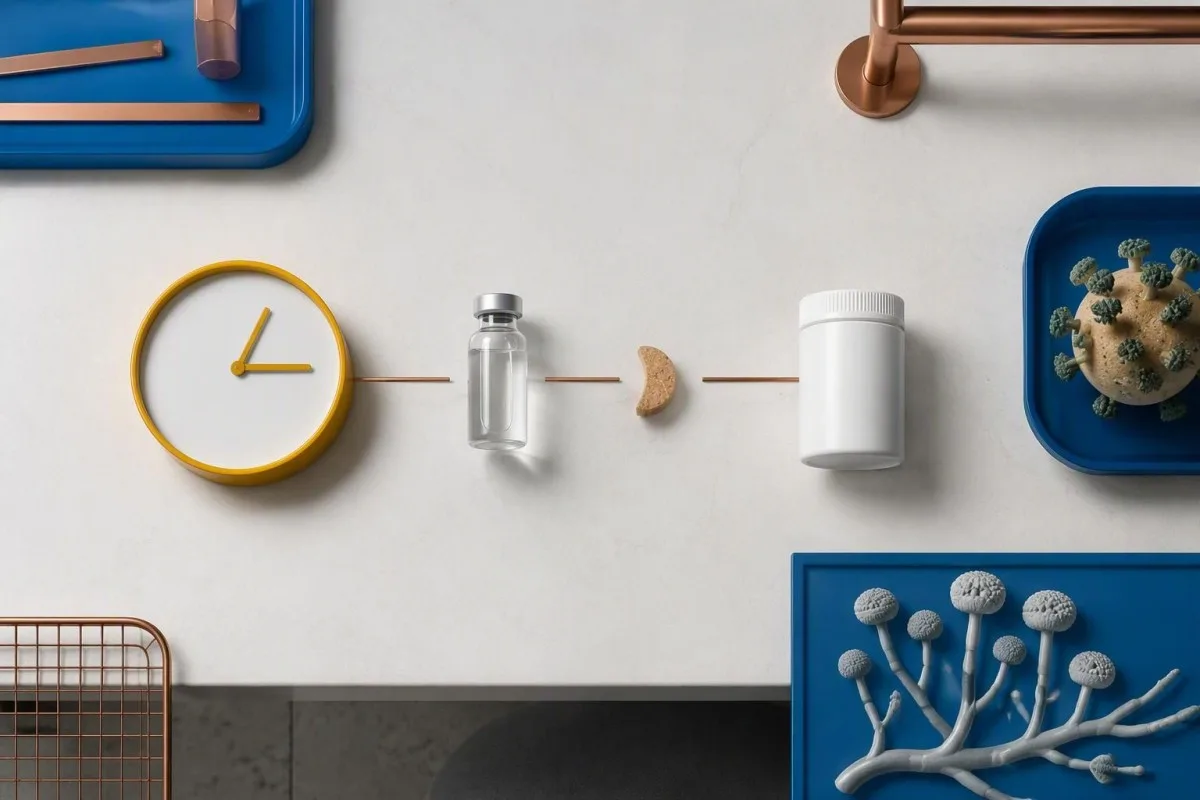
Hondar-kontzentrazioa dosi-tarte bateko esposizioaren adierazle praktikoa da, ez kaltetutako birikan edo garunean dagoen sendagaiaren neurketa zuzena. Vorikonazola 12 orduro hartzen duen pertsona batentzat, dosiaren aurreko kontzentrazioak laguntzen du zehazten dosien artean esposizioa txikiegia izan ote daitekeen.
Farmakoen monitorizazio terapeutikoak bi helburu bereizi ditu: jarduera antifungikorako behar besteko esposizioari eustea eta gehiegizko esposizioa saihestea. Aspergilosiari buruzko IDSAren gidalerroak tratamenduko hondar-kontzentrazioetarako 1–1.5 mg/L-tik gorako eta 5–6 mg/L-tik beherako balioak aipatzen ditu adituek maiz erabiltzen dituzten helburu gisa, bereziki nerbio-sistema zentraleko toxikotasuna mugatzeko (Patterson et al., 2016).
Kantesti bat da. AI odol-analisi analizatzailea horrek igotako vorikonazol-emaitza gibeleko probekin batera azaltzen lagun dezake, zure preskripzio-taldeak helburua zehazten duen bitartean. 1.2 mg/L-ko emaitzari indikazioa eta lagina hartzeko ordua erantsi behar zaizkio; gure azalpenak ez luke zenbaki hori dosia hartzeko jarraibide bihurtu behar.
Laborategiko bandera bat ez da tratamenduaren arrakastari buruzko epaia. Ohiko erreferentzia-tarte biokimiko askotan ez bezala, sendagaiak monitorizatzeko tarte batek esposizio klinikoaren helburua adierazten du; gure azalpenak laborategiko balio normaletik kanpokoak bandera bat diagnostikotik bereizten laguntzen du.
Noiz bildu behar da voriconazole-maila neurtzeko lagina?
Zuzena vorikonazol-maila neurtzeko unea lagina hurrengo dosi programatua hartu baino berehala lehenago biltzea esan nahi du, normalean dosi hori hartu aurreko 30 minutuen barruan. Ohiko lehen maila 4.–7. egunetan lortu ohi da, nahiz eta dosi-kargatzaileek, gaixotasun larriak eta tokiko protokoloek ebaluazio goiztiarragoa justifika dezaketen.

Adibidez, pentsa ezazu agindutako ordutegia goizeko 8ak eta arratsaldeko 8ak direla. Goizeko 7:45ean, goizeko sendagaia hartu aurretik, bildutako laginak hondar-kontzentrazioa hurbiletik adierazten du; dosia hartu ondoren goizeko 10etan bildutako laginak, aldiz, ez, laborategiko txostenak hondar-kontzentrazio gisa izendatu arren.
Atzeratutako dosi batek interpretazioa kontrako noranzkoan ere desitxura dezake. Hurrengo dosia goizeko 8etan hartzekoa bazen baina lagina 11etan bildu bazen, sendagairik gabe igarotako 3 ordu gehigarriek neurtutako kontzentrazioa jaits dezakete; taldeak benetako orduak behar ditu, ez aurreikusitako ordutegia soilik.
Zain barneko vorikonazolaren kasuan ere dosiaren aurreko lagina behar da, normalean hurrengo infusioa hasi aurretik. Sendagaia emateko erabilitako zain-bide batetik lagina hartzeak kutsadura-arriskua ekar dezake; beraz, laborategiak edo infusio-taldeak aukeratu behar du lagina hartzeko bidea, ez baita pentsatu behar eskuragarri dagoen zain-bide guztiek emaitza baliokidea ematen dutenik.
Kontzentrazioaren analisirako ez da berez beharrezkoa gau osoan baraurik egotea, baina ahozko vorikonazolak baditu otorduen orduari buruzko jarraibide propioak. Egiaztatu lagina hartzeko plana aurrez; sendagai bakoitzari dagozkion lagina hartzeko arauek azaltzen dute zergatik ezin den sendagai baterako balio duen denbora-arau bat beste bati aplikatu.
Zein da voriconazolearen tarte terapeutikoa?
The vorikonazolaren tarte terapeutikoa is commonly approximately 1–5.5 mg/L for treatment, but there is no universal interval suitable for every patient. IDSA guidance discusses a lower goal above 1–1.5 mg/L and an upper boundary below 5–6 mg/L; some difficult infections prompt a higher minimum.

These boundaries describe probabilities, not biological switches. A trough of 0.9 mg/L does not prove failure, and 5.6 mg/L does not prove toxicity; repeated results, symptoms and organism susceptibility help determine whether a small boundary crossing is clinically meaningful or simply requires confirmation.
For invasive aspergillosis, the British Society for Medical Mycology recommends a treatment trough above 1 mg/L and discusses higher exposure goals for poor-prognosis situations, including central nervous system disease (Ashbee et al., 2014). A team may therefore consider 1.3 mg/L acceptable for one indication but insufficient for another.
The reason for a higher minimum is that the concentration needed to inhibit a less-susceptible fungus may exceed the concentration needed for a susceptible organism. Raising exposure indefinitely is not a safe solution: a trough approaching 5–6 mg/L can leave little room between a desired antifungal effect and adverse effects.
Always read the units before comparing reports. A result of 2 µg/mL is exactly 2 mg/L, not twice or half that value; the biomarker and units guide provides context for comparing laboratory values without mistaking a therapeutic target for a healthy-population range.
| Maila | Tartea | Zer esan nahi duen |
|---|---|---|
| Below many treatment targets | <1 mg/L | Check collection timing, dosing history, absorption and interactions; not proof of treatment failure. |
| Lower treatment exposure | 1–<2 mg/L | May meet the prescribed target, but severe disease or reduced fungal susceptibility can require a higher minimum. |
| Common treatment exposure window | 2–5.5 mg/L | Often compatible with treatment goals when correctly timed; does not guarantee efficacy or freedom from toxicity. |
| Above many local upper limits | >5.5 mg/L | Requires review of symptoms, liver tests, timing and the local protocol; there is no universal emergency cutoff. |
Zergatik izan daitezke desberdinak tratamenduaren eta prebentzioaren helburuak?
Treatment targets may be more demanding than prevention targets because an established fungal infection must be controlled, not merely prevented. Some local prophylaxis protocols accept 0.5 mg/L, whereas British guidance recommends a prophylaxis trough above 1 mg/L; these thresholds are not interchangeable.

Prophylaxis studies are harder to interpret because breakthrough fungal disease may be uncommon and heavily influenced by immune status. A threshold of 0.5 mg/L used in one prevention programme cannot establish equivalent protection for every stem-cell transplant recipient, particularly during prolonged neutropenia or intensive immunosuppression.
The British Society for Medical Mycology's prophylaxis recommendation above 1 mg/L carries a weaker evidence base than some treatment recommendations (Ashbee et al., 2014). The uncertainty is genuine: the exact preventive minimum is less settled than the principle that persistently very low exposure deserves investigation.
Consider a hypothetical result of 0.8 mg/L in two people. One is receiving prevention under a documented local protocol; the other has confirmed invasive aspergillosis. The same concentration can lead to different discussions because the indication, fungal burden and acceptable risk of inadequate exposure differ.
Transplant recipients often have several parallel monitoring plans, not one combined 'infection score.' Voriconazole does not prevent every opportunistic infection, and CMV results after transplantation answer a different question; a satisfactory antifungal trough does not replace viral surveillance or other prescribed prophylaxis.
Zerk eragin dezake voriconazole-maila baxua?
A low voriconazole level can result from missed or delayed doses, food effects, impaired gastrointestinal absorption, enzyme-inducing medicines or faster metabolism. Before changing treatment, clinicians verify whether a result below 1 mg/L is a correctly timed trough and whether the prescribed doses actually reached the patient.
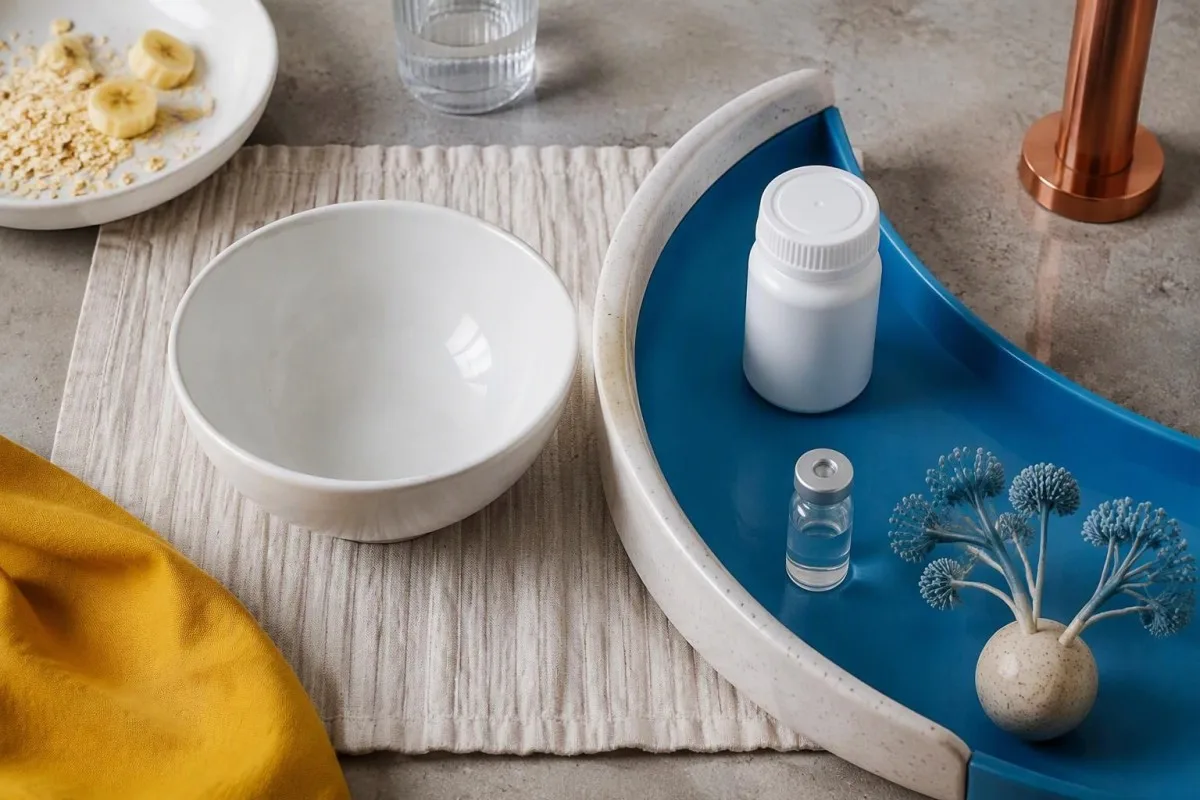
Oral voriconazole is generally taken at least 1 hour before or 1 hour after a meal, following the product instructions. Food can reduce exposure, but a low result should not be blamed on breakfast without checking the complete dosing history, formulation, vomiting and other medicines.
Imagine a hypothetical adult prescribed 200 mg every 12 hours whose trough is 0.6 mg/L. Taking each dose with a substantial meal and vomiting one evening dose creates two plausible explanations for low exposure; automatically escalating the prescription could cause excessive exposure once those problems resolve.
Severe diarrhoea, mucositis, gastrointestinal surgery and feeding-tube administration can make oral delivery less predictable. Clinicians may review the formulation or route rather than simply the milligram amount; testing for impaired fat absorption explains why gastrointestinal dysfunction needs its own assessment rather than being diagnosed from one drug level.
Acid-suppressing medicines deserve a medication review, but voriconazole should not be treated like an antifungal whose absorption always requires stomach acid. Some proton pump inhibitors inhibit metabolism and can raise exposure; our reflux treatment context helps readers identify these medicines without stopping them independently.
Zergatik aldatzen du batzuetan dosi-aldaketa txiki batek maila nabarmen?
Voriconazole has nonlinear metabolism in adults, meaning a dose increase can produce a more-than-proportional concentration increase. Changing a prescribed dose from 200 mg to 250 mg is a 25% increase, but the resulting trough cannot safely be predicted by multiplying the old result by 1.25.
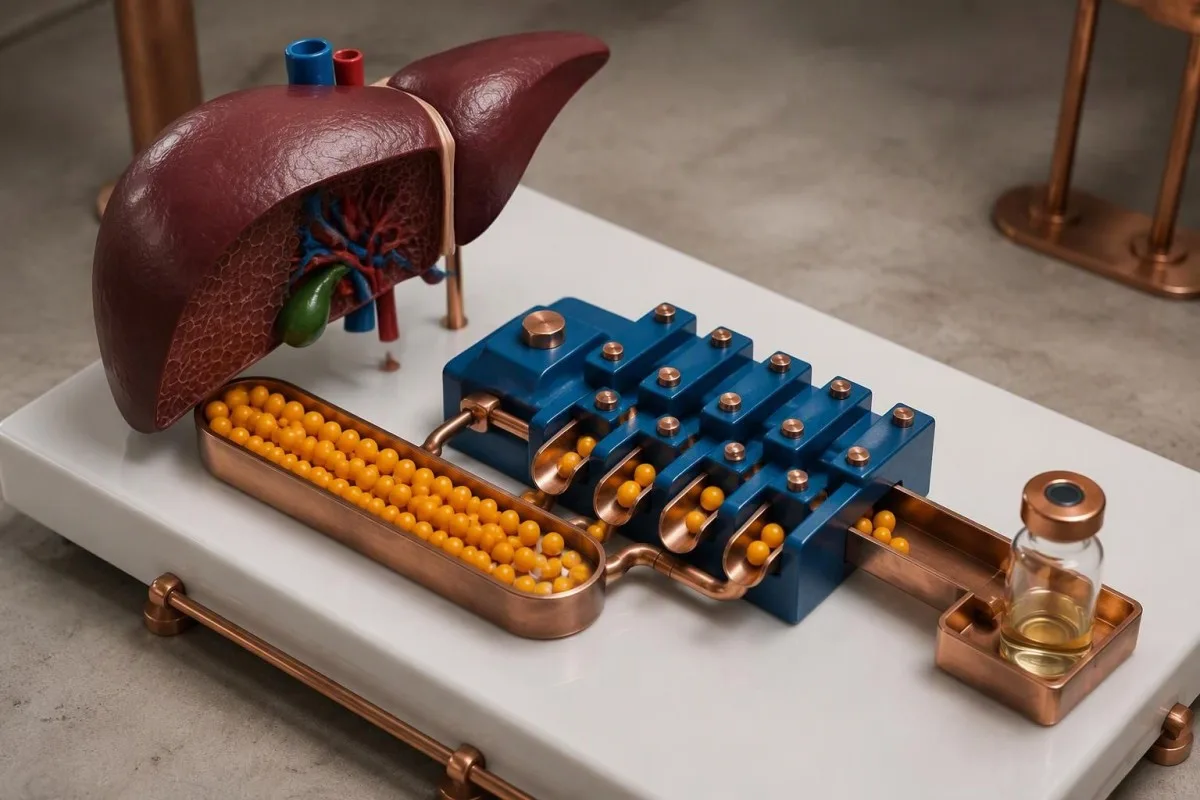
Metabolising enzymes can approach their processing capacity as exposure rises, so each additional milligram may be cleared less efficiently. A hypothetical rise from 2 mg/L to 4 mg/L after a modest dose adjustment is therefore plausible, but no single example provides a reliable formula for an individual patient.
The reverse calculation is unreliable too. A dose reduction of 25% does not guarantee a 25% concentration reduction, particularly when liver function or interacting medicines are changing; clinicians use repeat monitoring rather than assuming that the prescription and laboratory result move along a straight line.
A trough also reflects conditions during the preceding doses, not only the dose taken most recently. If a new prescription began 1 day before collection, the result may not represent the eventual exposure on that regimen, and an early result should be labelled as such rather than interpreted as settled.
This is a major reason not to borrow another person's adjustment advice. Nonlinear phenytoin monitoring illustrates a related principle, although phenytoin's free-versus-total measurement issues and target intervals are different; the shared lesson is that arithmetic alone cannot determine a safe drug dose.
Nola eragiten dio CYP2C19k voriconazolearen esposizioari?
CYP2C19 genetic variation can influence voriconazole clearance: rapid and ultrarapid metabolisers may have low exposure, while poor metabolisers may develop higher concentrations. A genetic result can help explain a repeated trough below 1 mg/L or above the prescribed ceiling, but it does not replace drug monitoring.
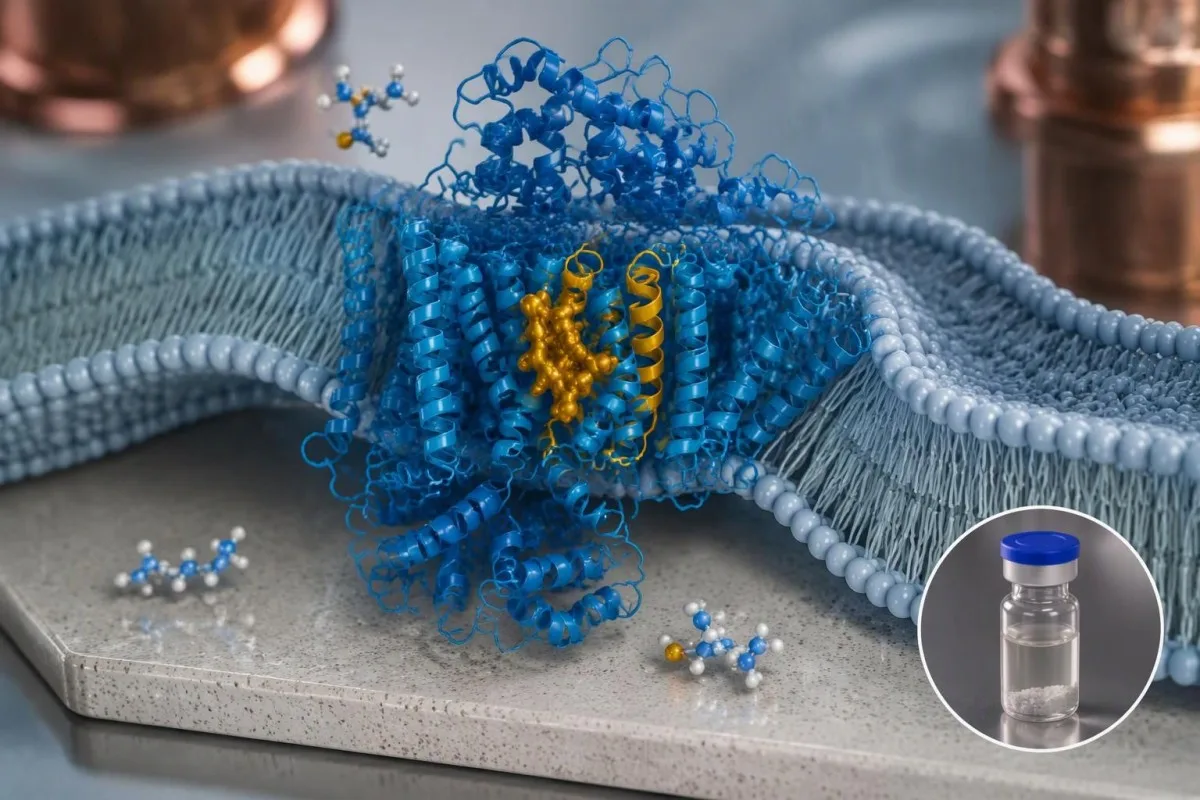
CPIC guidance recommends considering an alternative antifungal for certain CYP2C19 phenotypes when achieving reliable voriconazole exposure is difficult or adverse-effect risk is increased (Moriyama et al., 2017). This is a clinician-led choice between suitable treatments, not an instruction to stop an effective medicine after seeing a genetic category.
Genotype is only one input because liver illness, interacting medicines and systemic inflammatory responses can alter enzyme activity. A person genetically classified as a rapid metaboliser can still develop a trough of 6 mg/L under changed clinical conditions; inherited tendency does not establish a permanent, safe dose.
CYP2C19 influences more than one medicine, but the consequences are drug-specific. An enzyme variant that reduces activation of a prodrug can have a different clinical meaning from a variant that slows clearance of an active antifungal; 'fast metaboliser' is not automatically a favourable or unfavourable label.
Kantesti bat da. AI odol-analisien interpretazio-plataforma that can help organise the laboratory and medication context around a reported voriconazole concentration. Our AI teknologiaren azalpena describes the interpretation workflow; a chemistry panel cannot reveal CYP2C19 genotype unless a separate genetic test has actually been performed.
Sendagaien zer interakziok alda dezakete emaitza?
Voriconazole interactions can either lower its concentration or increase exposure to voriconazole and other medicines. Rifampicin and carbamazepine are major enzyme-inducing concerns, while voriconazole can substantially increase tacrolimus exposure; a satisfactory trough of 2 mg/L does not make the combination automatically safe.

Rifampicin, carbamazepine and St John's wort can substantially reduce voriconazole exposure, and some combinations are contraindicated. Phenytoin creates a particularly complicated bidirectional interaction; any specialist exception requires an explicit monitoring plan rather than the assumption that increasing voriconazole will reliably overcome induction.
Starting or stopping an interacting medicine can matter as much as adding a new voriconazole dose. Enzyme induction and its reversal do not necessarily disappear within 24 hours, so clinicians need medication start and stop dates when explaining a concentration that changes despite an unchanged antifungal prescription.
Tacrolimus is a separate safety priority because voriconazole inhibits pathways involved in its clearance. A transplant team may need to adjust and closely monitor tacrolimus when voriconazole starts or stops; our tacrolimus trough interpretation guide explains why both drug concentrations must be reviewed independently.
Warfarin and medicines that prolong the QT interval also require attention even when the antifungal trough is within range. Voriconazole can increase anticoagulant effect, so understanding INR monitoring is useful; an antifungal level does not substitute for coagulation testing or an electrocardiogram.
Nola aldatzen dute gibeleko probek hondar-mailaren interpretazioa?
Liver dysfunction can reduce voriconazole clearance and increase exposure, while voriconazole itself can cause liver injury. A rising trough above 5–6 mg/L together with increasing ALT or bilirubin deserves prompt clinical review, but an isolated liver-test abnormality does not prove the antifungal caused it.
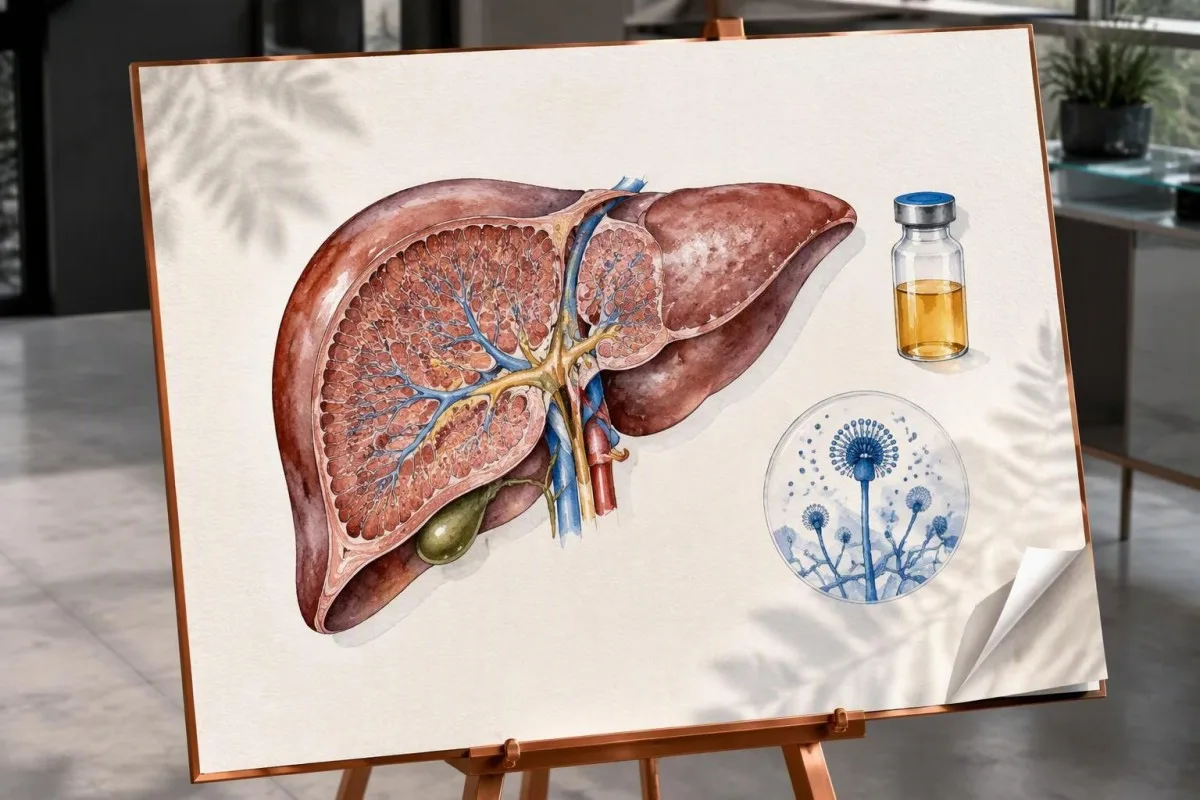
Product information recommends halving the usual maintenance dose in adults with mild-to-moderate cirrhosis, classified as Child–Pugh A or B, while retaining the standard loading regimen. That is prescribing guidance for clinicians, not a self-adjustment rule; severe hepatic impairment has less-established dosing evidence and needs specialist assessment.
Liver-test monitoring is generally recommended at least weekly during the first month, with frequency potentially reduced to monthly if results remain stable. The gibeleko panelaren azalpenarekin distinguishes injury markers from synthetic-function measures; ALT alone does not quantify the liver's capacity to clear voriconazole.
For example, ALT of 180 IU/L with a laboratory upper limit of 40 IU/L is 4.5 times that limit. Clinicians compare the change with baseline, bilirubin, ALP, symptoms and alternative causes; our ALT jarraipen-gida explains why a multiple of the upper limit is more informative than a raw number.
At Kantesti, we explain why a seemingly acceptable total concentration can still need context when albumin is markedly low. An albumin result of 22 g/L can affect drug binding, but there is no universally adopted albumin-correction formula for voriconazole; the serumeko proteina interpretatzeko gida helps separate binding concerns from a diagnosis of cirrhosis.
Ikusmen-asaldurek esan nahi dute hondar-maila altuegia dela?
Visual disturbances are a recognised voriconazole effect and do not automatically mean the trough exceeds 5.5 mg/L. Temporary changes in brightness, colour perception or blurred vision can occur at otherwise acceptable exposure, whereas persistent visual loss, hallucinations or confusion require a different level of concern.

Clinical-trial information describes visual disturbances in approximately 30% of recipients, often occurring early in treatment and resolving within about 30 minutes. The frequency varies across populations and reporting methods, and the symptom alone cannot establish whether a result of 2 mg/L or 6 mg/L is responsible.
Repeated brief brightness changes soon after a dose differ from continuous loss of vision throughout the day. A pre-dose trough may not capture the maximum post-dose concentration associated with an episode; write down when symptoms start, how long they last and whether both eyes are affected.
New hallucinations, marked confusion or worsening visual impairment warrant prompt medical assessment, especially alongside a high concentration. Sudden loss of vision, severe eye pain or a new neurological deficit requires urgent evaluation regardless of the trough; do not wait 4–7 days for routine repeat monitoring.
For treatment continuing beyond 28 days, product information recommends monitoring visual function, including acuity, visual fields and colour perception. Formal eye-function testing illustrates some of these assessments, although voriconazole symptoms do not by themselves diagnose glaucoma; avoid driving while vision is affected.
Noiz behar du voriconazole-maila altu batek berehalako arreta?
A trough above approximately 5–6 mg/L raises concern for excessive exposure, particularly when accompanied by confusion, hallucinations or worsening liver tests. Urgency depends on symptoms and organ effects, not a universal critical concentration; serious adverse effects can also occur below this numerical boundary.

A hypothetical trough of 7.2 mg/L with new hallucinations needs prompt contact with the prescribing team rather than a routine appointment weeks later. The team may change or temporarily interrupt treatment, but the patient should not independently halve the dose, skip repeated doses or wait for an AI explanation.
Fainting, sustained palpitations, seizures, severe confusion, a serious rash or jaundice with systemic illness warrant urgent assessment. Voriconazole can prolong the QT interval, and low potassium or magnesium adds risk; an electrolyte panel safety review addresses hazards that the antifungal concentration does not measure.
Kidney function affects the intravenous formulation differently from the active antifungal's liver metabolism. The cyclodextrin vehicle can accumulate when creatinine clearance is below 50 mL/min, prompting a route-specific risk–benefit review; a normal voriconazole trough cannot establish that the intravenous vehicle is harmless.
Long courses introduce problems not reliably predicted by a single trough, including photosensitivity and fluoride-associated periostitis. New persistent bone pain during a hypothetical 6-month course deserves review even at 3 mg/L, and sun-protection advice remains relevant when the drug concentration falls within the intended treatment window.
Maila terapeutikoa izan daiteke infekzioa okertzen ari den bitartean?
Yes—a therapeutic voriconazole trough does not guarantee treatment success because fungal resistance, an incorrect diagnosis, inadequate source control or profound immunosuppression can overcome adequate exposure. A result of 3 mg/L confirms neither fungal susceptibility nor sufficient drug delivery to every affected site.

The organism's minimum inhibitory concentration, or MIC, helps describe how much drug inhibits growth under laboratory conditions. If the fungal MIC is 2 mg/L rather than 0.25 mg/L, the same trough has a different exposure-to-susceptibility relationship; a trough-to-MIC ratio is not a self-dosing calculator.
Clinicians review imaging, cultures, susceptibility testing and relevant fungal markers alongside the concentration. A galactomannan result interpretation can clarify another piece of the assessment, but neither one positive marker nor one therapeutic trough independently proves active aspergillosis or its resolution.
Voriconazole lacks reliable activity against Mucorales, the fungi responsible for mucormycosis. A trough of 4 mg/L therefore cannot solve a mismatch between the medicine and the organism; persistent deterioration may require diagnostic reassessment and a different antifungal strategy rather than progressively increasing exposure.
Early imaging changes are also not always equivalent to failure because inflammatory responses can change as immune function recovers. Nonetheless, worsening breathing, new neurological symptoms or fever during severe neutropenia needs prompt clinical assessment; the infection team decides whether a 1-week trend reflects expected evolution or an inadequate treatment plan.
Noiz errepikatu behar da hondar-mailaren neurketa?
Voriconazole monitoring is commonly repeated after a dose change, a major interaction change, altered liver function, a route change or suspected treatment failure. A routine reassessment often occurs within 4–7 days, but concerning neurological symptoms or liver deterioration justify earlier clinical action rather than waiting for steady exposure.
Two concentrations are meaningfully comparable only when the dosing interval and collection conditions are documented. A change from 1.1 mg/L to 3.4 mg/L may represent improved exposure, but it may instead compare a delayed trough with a post-dose sample; the size of the difference cannot correct a timing error.
Changing from intravenous to oral treatment can alter exposure even when the intended prescription seems equivalent. Clinicians may repeat the level after the switch, especially if eating, vomiting or tube feeding has changed; the route belongs beside the concentration in the monitoring record, not only in the medication history.
Kantesti bat da. AI bidezko odol-analisien analisi-tresna that can help organise uploaded drug levels alongside liver-test trends and reported dose times. Our medication-safety trend workflow supports preparation for review, but a rise from 2 mg/L to 6 mg/L still requires clinician-led interpretation and treatment decisions.
Stable treatment does not create one universal long-term testing interval. The team balances infection risk, treatment duration, prior variability and access to testing; keep a record of at least the previous dose time, collection time, current prescription, formulation and medication changes so the next result answers a usable question.
Zer eraman behar duzu berrikusketara, eta zerk babesten du aholku hau?
Bring the actual dose and collection times, the prescribed treatment goal, recent liver results and a complete medication list to your voriconazole review. Ask whether a result such as 1.4 mg/L meets your specific indication—not whether it fits a single internet range—and do not adjust the prescription yourself.
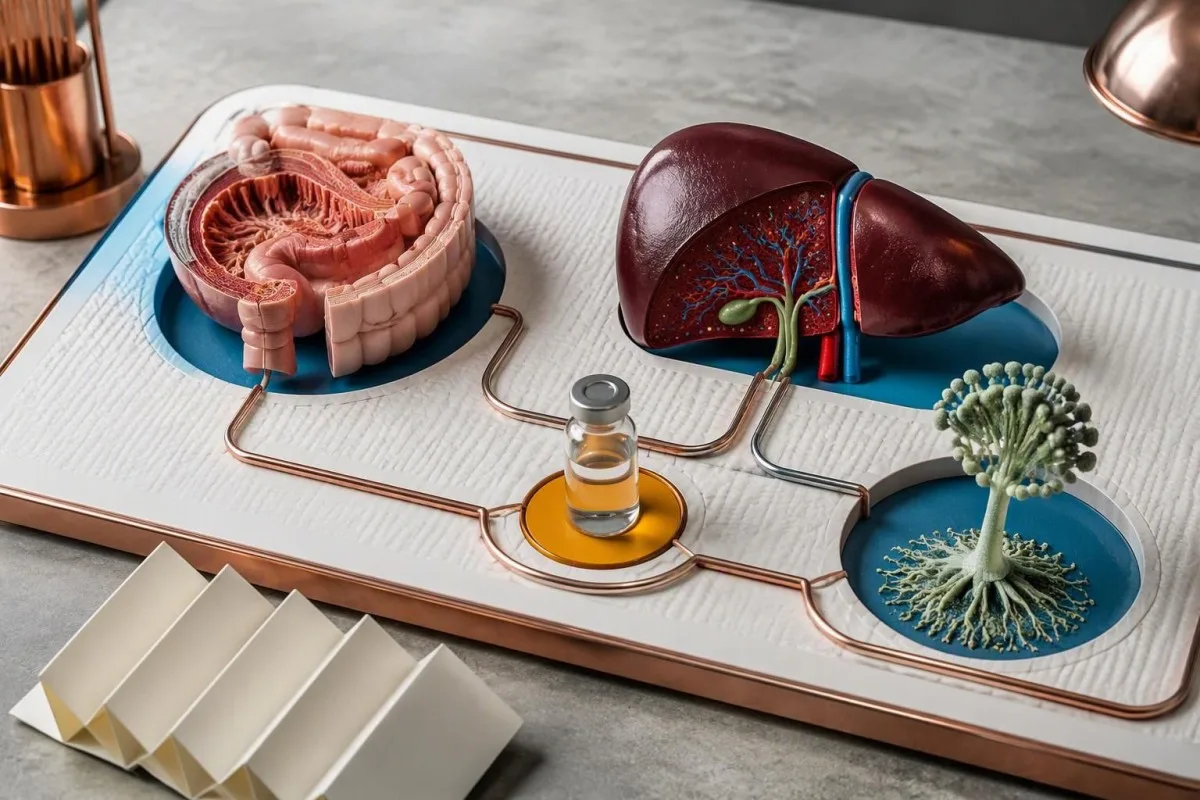
A practical review has three questions: was the sample a true trough, is exposure appropriate for this infection or prevention plan, and are there adverse effects or interactions? Include missed doses and meal timing honestly; a 12-hour prescription does not mean every dose was actually separated by 12 hours.
The clinical recommendations here draw on the 2016 IDSA aspergillosis guideline, the 2014 British Society for Medical Mycology monitoring guideline and the 2017 CPIC voriconazole guideline. These sources address different questions—clinical treatment, concentration monitoring and pharmacogenetics—so their recommendations should be combined thoughtfully rather than presented as one identical range.
Kantesti Ltd's role is to help readers understand laboratory information, not to prescribe antifungal treatment. Our organisation and purpose are described separately; technical evaluation on 100,000 synthetic cases cannot establish that a particular voriconazole dose improves clinical outcomes in a patient with invasive fungal disease.
The two research publications listed below describe an automated technical benchmark and a clinical-validation framework, not a voriconazole therapeutic-monitoring trial. Our validation methodology and limits explain that distinction; use our interpretation to prepare questions, while your infection specialist or prescribing team determines the dose and follow-up plan.
Ohiko galderak
Zein da vorikonazolaren hondar-maila normala?
Voriconazole does not have a healthy-population 'normal' concentration; it has a therapeutic exposure target. Many treatment protocols use approximately 1–5.5 mg/L, while IDSA guidance discusses a minimum above 1–1.5 mg/L and an upper boundary below 5–6 mg/L. Severe disease, fungal susceptibility and prevention protocols can change the intended target. Your prescribing team should interpret the result using the actual collection time and clinical indication.
Zenbat lehenago hartu behar da vorikonazol-maila nire dosia hartu aurretik?
Voriconazolaren hondar-kontzentrazioa, oro har, hurrengo dosi programatua hartu baino berehala lehenago biltzen da, normalean 30 minutuko tartean, tokiko laborategiaren jarraibideen arabera. Goizeko 8etako dosi baterako, odol-lagina goizeko 7:45ean hartzea, sendagaia hartu aurretik, egokia izan ohi da. Dosia lehenago hartzeak dosi ondoko emaitza eragin dezake, eta emaitza hori ez litzateke zuzenean alderatu behar hondar-kontzentraziorako helburuekin. Antolatu lagina hartzeko plana taldearekin, jarraibiderik gabe dosia hainbat orduz atzeratu beharrean.
Zer esan nahi du vorikonazol-maila baxu batek?
1 mg/L-tik beherako vorikonazolaren ibar-kontzentrazioa tratamendu-helburu askoren azpitik dago, baina ez du frogatzen agindutako dosia txikiegia denik. Dosiak ez hartzeak, lagina berandu hartzeak, elikagaien eraginak, gorakoek, xurgapen urrituak eta entzimak induzitzen dituzten sendagaiek azal dezakete esposizio txikia. Ahozko vorikonazola, oro har, otordu bat baino gutxienez ordu 1 lehenago edo ondoren hartzen da, produktuaren jarraibideei jarraituz. Berrikus dezaten, jarri harremanetan preskribatu dizun taldearekin, dosia zeure kabuz handitu ordez.
0 Voriconazolearen emaitzak mg/L-tan eta µg/mL-tan berdinak al dira?
Vorikonazolaren mg/L-ko eta µg/mL-ko kontzentrazioek zenbakizko balio bera dute. 2 mg/L-ko emaitza 2 µg/mL da zehazki, eta hori 2.000 ng/mL ere bada. Laborategiek unitate eta helburu-tarte desberdinak erabil ditzakete; beraz, egiaztatu biak txostenak alderatu aurretik. Unitate-bihurketa horrek ez du gaizki hartutako laginaren unea zuzentzen.
Ikusmen lausoa edo haluzinazioak vorikonazolaren toxikotasunaren seinale al dira?
Ikusmen-asaldura iragankorrak gerta daitezke vorikonazolarekin, baita hondar-kontzentrazioa nahi den tartearen barruan dagoenean ere; haluzinazioek edo nahasmenduak, ordea, esposizio gehiegizkoaren edo beste arazo mediko baten kezka handiagoa eragiten dute. Produktuaren informazioak adierazten du hartzaileen gutxi gorabehera 30%-k ikusmen-asaldurak izaten dituela, eta horiek 30 minutu inguruan desagertu ohi direla. Haluzinazio berriak, narriadura iraunkorra edo sintomak okertzea izanez gero, jarri harremanetan berehala preskripzioa egin duen taldearekin; bat-bateko ikusmen-galerak edo sintoma neurologiko larriek premiazko ebaluazioa behar dute. Ez gidatu ikusmena kaltetuta dagoen bitartean, eta ez aldatu antifungikoaren dosia zure kabuz.
Noiz egiaztatu behar dira berriro vorikonazol-mailak dosia aldatu ondoren?
0 A voriconazolaren hondar-maila askotan berriz egiaztatzen da dosia aldatu eta 4–7 egunera, erregimenaren, karga-dosien eta tokiko protokoloaren arabera. Toxikotasunaren susmoa, gibeleko funtzioaren aldaketak edo farmakoen arteko interakzio handiak badaude, lehenago egin beharko dira azterketak edo hartu beharko dira neurri klinikoak. Metabolismo ez-linealak esan nahi du dosia 25% handitzeak ez duela bermatzen kontzentrazioa 25% baino ez handitzea. Preskripzio-taldeak zehaztu behar du noiz errepikatu azterketa, eta emaitza interpretatu, beste aldaketarik egin aurretik.
Jaso odol-analisien emaitzak nola irakurri
Kargatu zure laborategiko txostena, eta Kantesti-ren AIak biomarkatzaile bakoitza hizkera arruntean azalduko du segundo gutxitan. Mundu osoan 2 milioi pertsona baino gehiagok erabiltzen dute.
Erreferentziak
- Klein, T., Mitchell, S., & Weber, H. (2026). Kantesti Odol-probaren Interpretazio Motor automatizatuaren errendimendu teknikoaren erreferentzia kuantifikatu bat, aurrez erregistratua eta rubrika bidezkoa, 100.000 proba-kasu sintetikoetan. Kantesti AI Ikerketa Medikoa. DOI
- Klein, T., Mitchell, S., & Weber, H. (2026). Baliozkotze Klinikoaren Esparrua v2.0 (Baliozkotze Medikuaren Orria). Kantesti AI Ikerketa Medikoa. DOI
- Patterson TF et al. (2016). Aspergilosiaren diagnostikorako eta tratamendurako praktika-gidalerroak: Infectious Diseases Society of America erakundearen 2016ko eguneratzea. Gaixotasun Infekzioso Klinikoak. DOI
- Ashbee HR et al. (2014). Therapeutic drug monitoring (TDM) of antifungal agents: guidelines from the British Society for Medical Mycology. Journal of Antimicrobial Chemotherapy. DOI
- Moriyama B et al. (2017). Clinical Pharmacogenetics Implementation Consortium (CPIC) Guidelines for CYP2C19 and Voriconazole Therapy. Clinical Pharmacology & Therapeutics. DOI
- 2M+Aztertutako probak
- 127+Herrialdeak
- 100+Hizkuntzak
Medikuntza-taldeari buruz


E-E-A-T Konfiantza-seinaleak
Esperientzia
Medikuek gidatutako berrikuspen klinikoa laborategiko interpretazioaren lan-fluxuei buruz.
Espezializazioa
Laborategiko medikuntzaren ikuspegia biomarkatzaileek testuinguru klinikoan nola jokatzen duten aztertzean.
Autoritatea
Thomas Klein doktoreak medikoki berrikusia, Sarah Mitchell doktorearen eta Hans Weber irakasle doktorearen ekarpenekin.
Fidagarritasuna
Ebidentzian oinarritutako interpretazioa, alarma murrizteko jarraipen-bide argiekin.


Ohar medikoa
Artikulu hau hezkuntza-helburuetarako da soilik eta ez du mediku-aholkurik ematen. Diagnostiko- eta tratamendu-erabakietarako, beti kontsultatu osasun-profesional kualifikatu bati.
Argitaratua · Jarri harremanetan erredakzio-taldearekin
Kantesti Ltd-k argitaratua, Ingalaterran eta Galesen erregistratua, enpresa zk. 17090423, Londres, Erresuma Batua.
