
A correctly timed voriconazole trough helps assess whether antifungal exposure is adequate without becoming excessive. Many treatment protocols use approximately 1–5.5 mg/L, but the infection, prevention plan and side effects determine your personal target.

핵심 요점
- Voriconazole trough is the drug concentration immediately before the next scheduled dose; it measures exposure, not whether an infection has been cured.
- 치료 목표 commonly require a trough above 1–1.5 mg/L, with some teams seeking at least 2 mg/L for difficult or severe infections.
- Upper limits commonly fall around 5–6 mg/L because excessive exposure increases concern for neurological and other adverse effects.
- Prevention targets are protocol-specific; a lower cutoff used for prophylaxis should not automatically be applied to treatment of an established infection.
- Level timing usually means collection within about 30 minutes before the next dose, following the laboratory's instructions.
- 단위 변환 is exact: 1 mg/L equals 1 µg/mL and 1,000 ng/mL.
- Low exposure can reflect missed doses, food effects, impaired absorption, interacting medicines or faster metabolism—not simply an insufficient prescription.
- 용량 안전성 requires clinician-led changes because a 25% dose increase can produce a disproportionately large concentration increase.
What does a voriconazole trough actually tell you?
A voriconazole trough tells clinicians how much antifungal medicine remains immediately before the next dose. A correctly collected result around 1–5.5 mg/L often fits a treatment protocol, but an effective dose also depends on fungal susceptibility, infection location and clinical improvement.
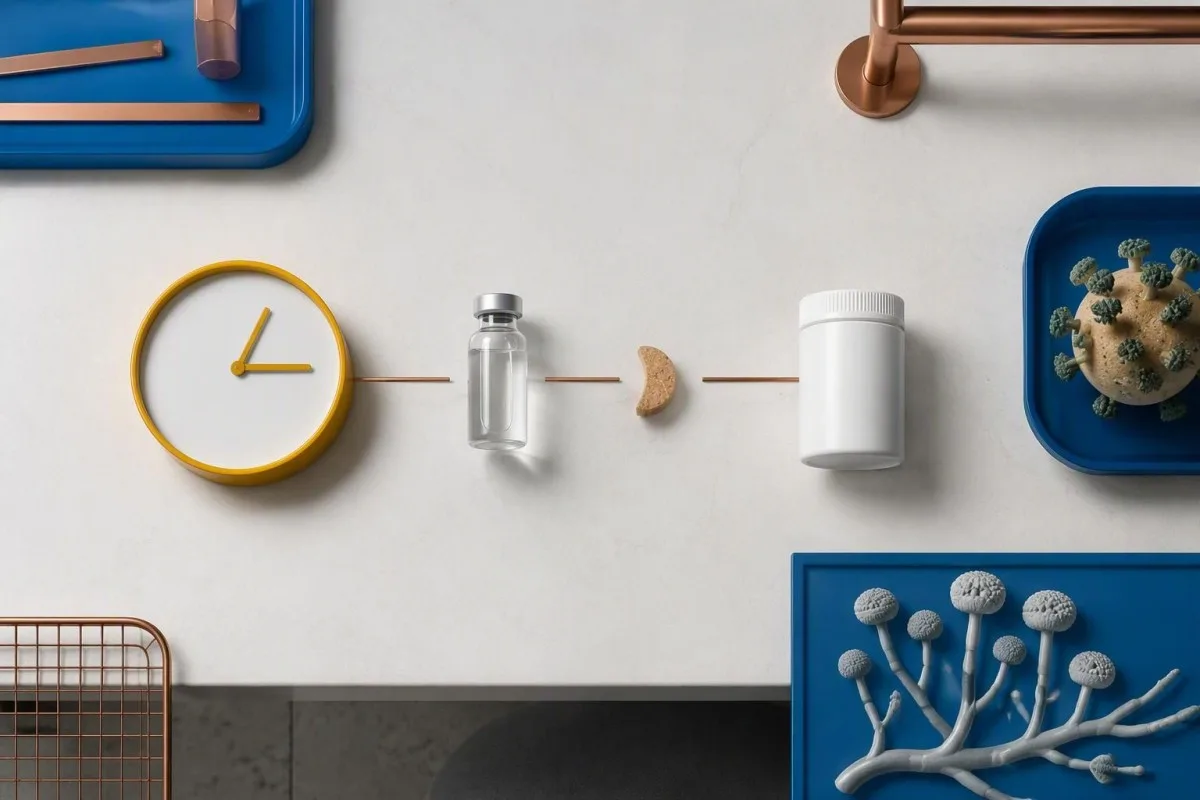
A trough is a practical marker of exposure across a dosing interval, not a direct measurement of medicine inside an affected lung or brain. For a person taking voriconazole every 12 hours, the pre-dose concentration helps identify whether exposure may fall too low between doses.
Therapeutic drug monitoring has two separate aims: maintaining enough exposure for antifungal activity and avoiding excessive exposure. The IDSA aspergillosis guideline describes treatment troughs above 1–1.5 mg/L and below 5–6 mg/L as commonly used expert targets, particularly to limit central nervous system toxicity (Patterson et al., 2016).
칸테스티는 AI 혈액검사 분석기 that can help explain an uploaded voriconazole result alongside liver tests, while your prescribing team determines the target. A result of 1.2 mg/L needs its indication and collection time attached; our explanation should not turn that number into a dose instruction.
A laboratory flag is not a verdict on treatment success. Unlike many routine chemistry reference intervals, a drug-monitoring interval represents a clinical exposure goal; our explanation of 범위를 벗어난 실험실 결과 helps distinguish a flag from a diagnosis.
When should your voriconazole level be collected?
Correct voriconazole level timing means collecting the sample immediately before the next scheduled dose, commonly within 30 minutes of it. The first routine level is often obtained during days 4–7, although loading doses, serious illness and local protocols can justify earlier assessment.

For example, imagine a prescribed schedule of 8 a.m. and 8 p.m. A sample collected at 7:45 a.m., before the morning medicine, closely represents a trough; a sample collected at 10 a.m. after taking the dose does not, even if the laboratory report calls it a trough.
A delayed dose can also distort interpretation in the opposite direction. If the next dose was due at 8 a.m. but collection occurred at 11 a.m., the extra 3 hours without medicine may lower the measured concentration; the team needs the actual times, not just the intended schedule.
Intravenous voriconazole still requires a pre-dose sample, usually before the next infusion begins. Collection from a line used to administer the medicine can create contamination concerns, so the laboratory or infusion team should choose the sampling route rather than assuming every accessible line gives an equivalent result.
Fasting all night is not inherently required for the concentration assay, but oral voriconazole has its own meal-timing instructions. Check the collection plan beforehand; medicine-specific sampling rules explain why a valid timing rule for one drug cannot be transferred to another.
What is the voriconazole therapeutic range?
그만큼 voriconazole therapeutic range is commonly approximately 1–5.5 mg/L for treatment, but there is no universal interval suitable for every patient. IDSA guidance discusses a lower goal above 1–1.5 mg/L and an upper boundary below 5–6 mg/L; some difficult infections prompt a higher minimum.

These boundaries describe probabilities, not biological switches. A trough of 0.9 mg/L does not prove failure, and 5.6 mg/L does not prove toxicity; repeated results, symptoms and organism susceptibility help determine whether a small boundary crossing is clinically meaningful or simply requires confirmation.
For invasive aspergillosis, the British Society for Medical Mycology recommends a treatment trough above 1 mg/L and discusses higher exposure goals for poor-prognosis situations, including central nervous system disease (Ashbee et al., 2014). A team may therefore consider 1.3 mg/L acceptable for one indication but insufficient for another.
The reason for a higher minimum is that the concentration needed to inhibit a less-susceptible fungus may exceed the concentration needed for a susceptible organism. Raising exposure indefinitely is not a safe solution: a trough approaching 5–6 mg/L can leave little room between a desired antifungal effect and adverse effects.
Always read the units before comparing reports. A result of 2 µg/mL is exactly 2 mg/L, not twice or half that value; the biomarker and units guide provides context for comparing laboratory values without mistaking a therapeutic target for a healthy-population range.
| 수준 | 범위 | 의미 |
|---|---|---|
| Below many treatment targets | <1mg/L | Check collection timing, dosing history, absorption and interactions; not proof of treatment failure. |
| Lower treatment exposure | 1–<2 mg/L | May meet the prescribed target, but severe disease or reduced fungal susceptibility can require a higher minimum. |
| Common treatment exposure window | 2–5.5 mg/L | Often compatible with treatment goals when correctly timed; does not guarantee efficacy or freedom from toxicity. |
| Above many local upper limits | >5.5 mg/L | Requires review of symptoms, liver tests, timing and the local protocol; there is no universal emergency cutoff. |
Why can treatment and prevention targets differ?
Treatment targets may be more demanding than prevention targets because an established fungal infection must be controlled, not merely prevented. Some local prophylaxis protocols accept 0.5 mg/L, whereas British guidance recommends a prophylaxis trough above 1 mg/L; these thresholds are not interchangeable.

Prophylaxis studies are harder to interpret because breakthrough fungal disease may be uncommon and heavily influenced by immune status. A threshold of 0.5 mg/L used in one prevention programme cannot establish equivalent protection for every stem-cell transplant recipient, particularly during prolonged neutropenia or intensive immunosuppression.
The British Society for Medical Mycology's prophylaxis recommendation above 1 mg/L carries a weaker evidence base than some treatment recommendations (Ashbee et al., 2014). The uncertainty is genuine: the exact preventive minimum is less settled than the principle that persistently very low exposure deserves investigation.
Consider a hypothetical result of 0.8 mg/L in two people. One is receiving prevention under a documented local protocol; the other has confirmed invasive aspergillosis. The same concentration can lead to different discussions because the indication, fungal burden and acceptable risk of inadequate exposure differ.
Transplant recipients often have several parallel monitoring plans, not one combined 'infection score.' Voriconazole does not prevent every opportunistic infection, and CMV results after transplantation answer a different question; a satisfactory antifungal trough does not replace viral surveillance or other prescribed prophylaxis.
What can cause a low voriconazole level?
A low voriconazole level can result from missed or delayed doses, food effects, impaired gastrointestinal absorption, enzyme-inducing medicines or faster metabolism. Before changing treatment, clinicians verify whether a result below 1 mg/L is a correctly timed trough and whether the prescribed doses actually reached the patient.
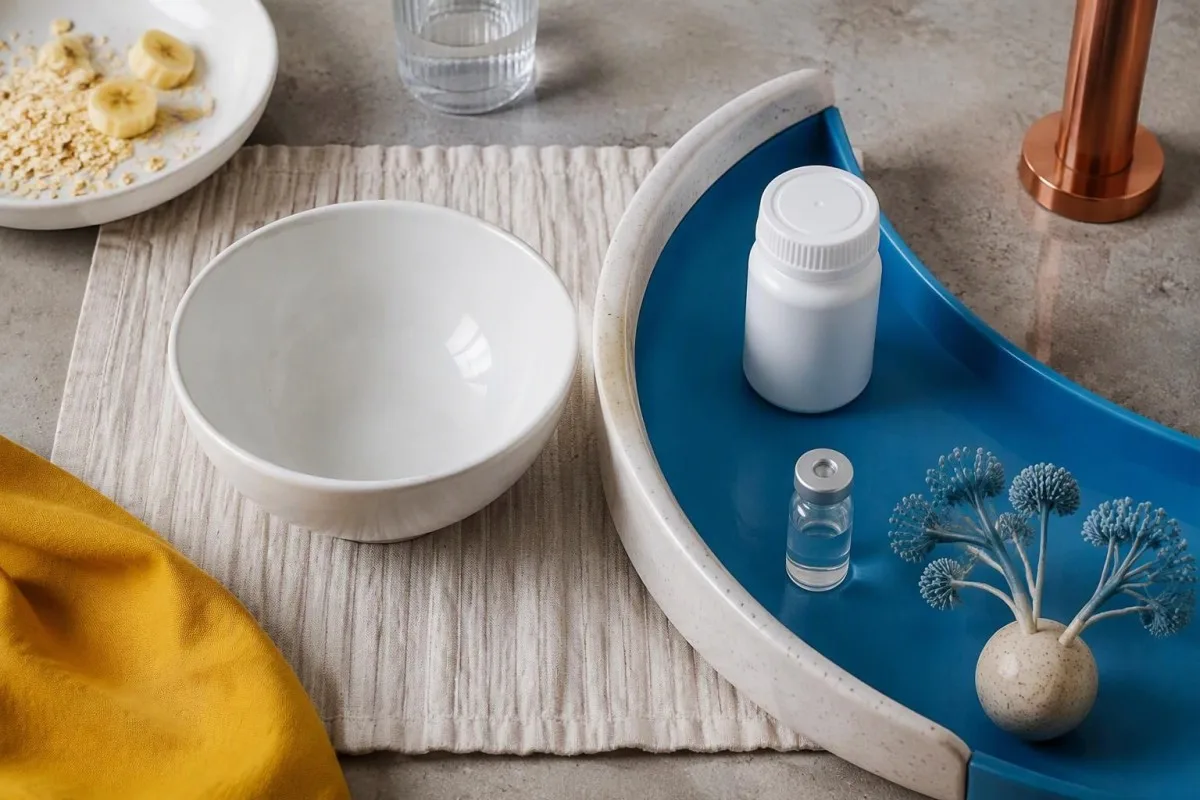
Oral voriconazole is generally taken at least 1 hour before or 1 hour after a meal, following the product instructions. Food can reduce exposure, but a low result should not be blamed on breakfast without checking the complete dosing history, formulation, vomiting and other medicines.
Imagine a hypothetical adult prescribed 200 mg every 12 hours whose trough is 0.6 mg/L. Taking each dose with a substantial meal and vomiting one evening dose creates two plausible explanations for low exposure; automatically escalating the prescription could cause excessive exposure once those problems resolve.
Severe diarrhoea, mucositis, gastrointestinal surgery and feeding-tube administration can make oral delivery less predictable. Clinicians may review the formulation or route rather than simply the milligram amount; testing for impaired fat absorption explains why gastrointestinal dysfunction needs its own assessment rather than being diagnosed from one drug level.
Acid-suppressing medicines deserve a medication review, but voriconazole should not be treated like an antifungal whose absorption always requires stomach acid. Some proton pump inhibitors inhibit metabolism and can raise exposure; our reflux treatment context helps readers identify these medicines without stopping them independently.
Why does a small dose change sometimes alter the level greatly?
Voriconazole has nonlinear metabolism in adults, meaning a dose increase can produce a more-than-proportional concentration increase. Changing a prescribed dose from 200 mg to 250 mg is a 25% increase, but the resulting trough cannot safely be predicted by multiplying the old result by 1.25.
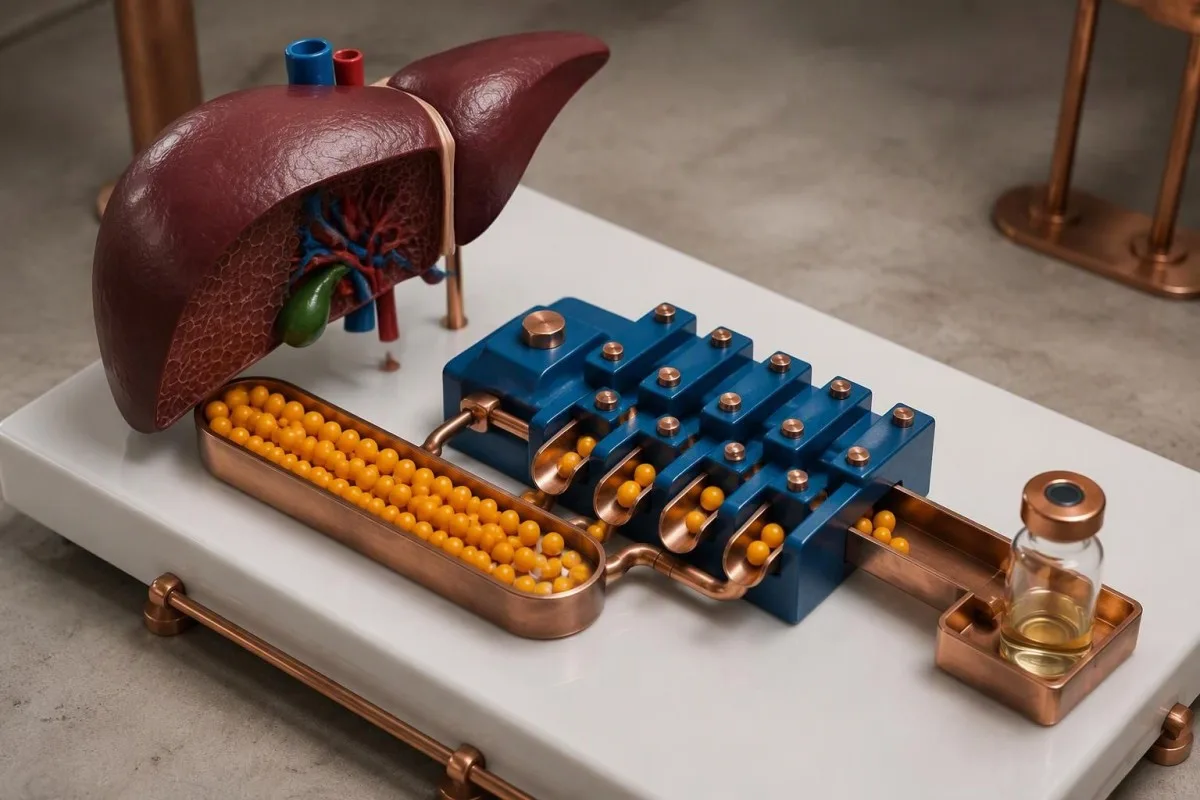
Metabolising enzymes can approach their processing capacity as exposure rises, so each additional milligram may be cleared less efficiently. A hypothetical rise from 2 mg/L to 4 mg/L after a modest dose adjustment is therefore plausible, but no single example provides a reliable formula for an individual patient.
The reverse calculation is unreliable too. A dose reduction of 25% does not guarantee a 25% concentration reduction, particularly when liver function or interacting medicines are changing; clinicians use repeat monitoring rather than assuming that the prescription and laboratory result move along a straight line.
A trough also reflects conditions during the preceding doses, not only the dose taken most recently. If a new prescription began 1 day before collection, the result may not represent the eventual exposure on that regimen, and an early result should be labelled as such rather than interpreted as settled.
This is a major reason not to borrow another person's adjustment advice. Nonlinear phenytoin monitoring illustrates a related principle, although phenytoin's free-versus-total measurement issues and target intervals are different; the shared lesson is that arithmetic alone cannot determine a safe drug dose.
How does CYP2C19 affect voriconazole exposure?
CYP2C19 genetic variation can influence voriconazole clearance: rapid and ultrarapid metabolisers may have low exposure, while poor metabolisers may develop higher concentrations. A genetic result can help explain a repeated trough below 1 mg/L or above the prescribed ceiling, but it does not replace drug monitoring.
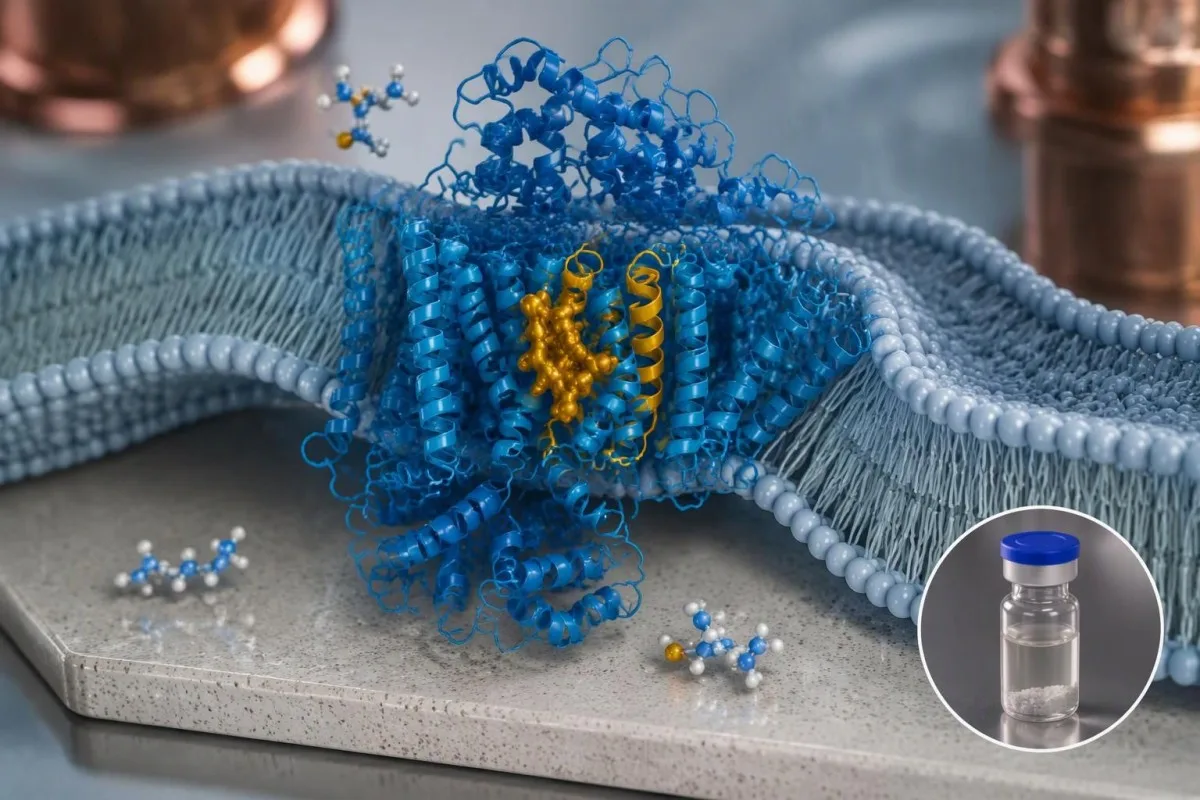
CPIC guidance recommends considering an alternative antifungal for certain CYP2C19 phenotypes when achieving reliable voriconazole exposure is difficult or adverse-effect risk is increased (Moriyama et al., 2017). This is a clinician-led choice between suitable treatments, not an instruction to stop an effective medicine after seeing a genetic category.
Genotype is only one input because liver illness, interacting medicines and systemic inflammatory responses can alter enzyme activity. A person genetically classified as a rapid metaboliser can still develop a trough of 6 mg/L under changed clinical conditions; inherited tendency does not establish a permanent, safe dose.
CYP2C19 influences more than one medicine, but the consequences are drug-specific. An enzyme variant that reduces activation of a prodrug can have a different clinical meaning from a variant that slows clearance of an active antifungal; 'fast metaboliser' is not automatically a favourable or unfavourable label.
칸테스티는 AI 혈액검사 결과 해석 플랫폼 that can help organise the laboratory and medication context around a reported voriconazole concentration. Our AI 기술 설명 describes the interpretation workflow; a chemistry panel cannot reveal CYP2C19 genotype unless a separate genetic test has actually been performed.
Which medicine interactions can change the result?
Voriconazole interactions can either lower its concentration or increase exposure to voriconazole and other medicines. Rifampicin and carbamazepine are major enzyme-inducing concerns, while voriconazole can substantially increase tacrolimus exposure; a satisfactory trough of 2 mg/L does not make the combination automatically safe.

Rifampicin, carbamazepine and St John's wort can substantially reduce voriconazole exposure, and some combinations are contraindicated. Phenytoin creates a particularly complicated bidirectional interaction; any specialist exception requires an explicit monitoring plan rather than the assumption that increasing voriconazole will reliably overcome induction.
Starting or stopping an interacting medicine can matter as much as adding a new voriconazole dose. Enzyme induction and its reversal do not necessarily disappear within 24 hours, so clinicians need medication start and stop dates when explaining a concentration that changes despite an unchanged antifungal prescription.
Tacrolimus is a separate safety priority because voriconazole inhibits pathways involved in its clearance. A transplant team may need to adjust and closely monitor tacrolimus when voriconazole starts or stops; our tacrolimus trough interpretation guide explains why both drug concentrations must be reviewed independently.
Warfarin and medicines that prolong the QT interval also require attention even when the antifungal trough is within range. Voriconazole can increase anticoagulant effect, so understanding INR monitoring is useful; an antifungal level does not substitute for coagulation testing or an electrocardiogram.
How do liver tests change trough interpretation?
Liver dysfunction can reduce voriconazole clearance and increase exposure, while voriconazole itself can cause liver injury. A rising trough above 5–6 mg/L together with increasing ALT or bilirubin deserves prompt clinical review, but an isolated liver-test abnormality does not prove the antifungal caused it.
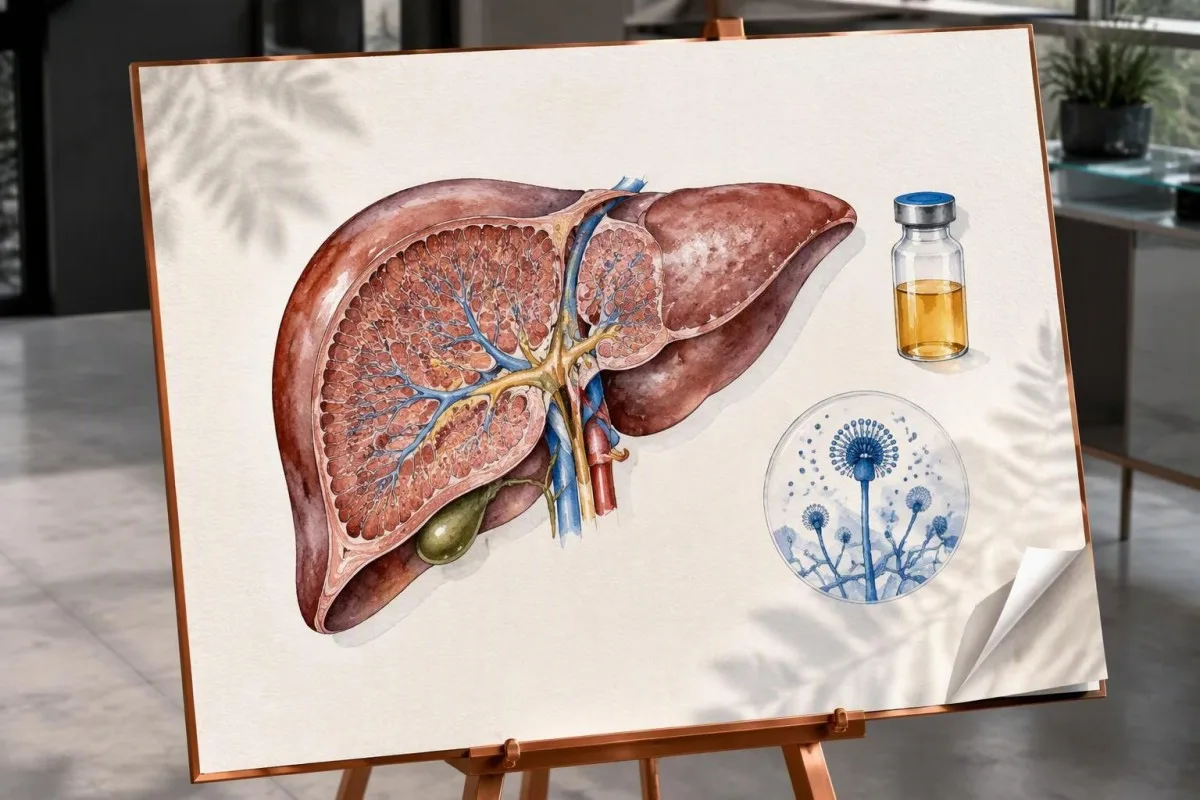
Product information recommends halving the usual maintenance dose in adults with mild-to-moderate cirrhosis, classified as Child–Pugh A or B, while retaining the standard loading regimen. That is prescribing guidance for clinicians, not a self-adjustment rule; severe hepatic impairment has less-established dosing evidence and needs specialist assessment.
Liver-test monitoring is generally recommended at least weekly during the first month, with frequency potentially reduced to monthly if results remain stable. The 간 패널 설명 distinguishes injury markers from synthetic-function measures; ALT alone does not quantify the liver's capacity to clear voriconazole.
For example, ALT of 180 IU/L with a laboratory upper limit of 40 IU/L is 4.5 times that limit. Clinicians compare the change with baseline, bilirubin, ALP, symptoms and alternative causes; our ALT 추적 가이드 explains why a multiple of the upper limit is more informative than a raw number.
At Kantesti, we explain why a seemingly acceptable total concentration can still need context when albumin is markedly low. An albumin result of 22 g/L can affect drug binding, but there is no universally adopted albumin-correction formula for voriconazole; the 혈청 단백질 해석 가이드 helps separate binding concerns from a diagnosis of cirrhosis.
Do visual disturbances mean the trough is too high?
Visual disturbances are a recognised voriconazole effect and do not automatically mean the trough exceeds 5.5 mg/L. Temporary changes in brightness, colour perception or blurred vision can occur at otherwise acceptable exposure, whereas persistent visual loss, hallucinations or confusion require a different level of concern.

Clinical-trial information describes visual disturbances in approximately 30% of recipients, often occurring early in treatment and resolving within about 30 minutes. The frequency varies across populations and reporting methods, and the symptom alone cannot establish whether a result of 2 mg/L or 6 mg/L is responsible.
Repeated brief brightness changes soon after a dose differ from continuous loss of vision throughout the day. A pre-dose trough may not capture the maximum post-dose concentration associated with an episode; write down when symptoms start, how long they last and whether both eyes are affected.
New hallucinations, marked confusion or worsening visual impairment warrant prompt medical assessment, especially alongside a high concentration. Sudden loss of vision, severe eye pain or a new neurological deficit requires urgent evaluation regardless of the trough; do not wait 4–7 days for routine repeat monitoring.
For treatment continuing beyond 28 days, product information recommends monitoring visual function, including acuity, visual fields and colour perception. Formal eye-function testing illustrates some of these assessments, although voriconazole symptoms do not by themselves diagnose glaucoma; avoid driving while vision is affected.
When does a high voriconazole level need urgent attention?
A trough above approximately 5–6 mg/L raises concern for excessive exposure, particularly when accompanied by confusion, hallucinations or worsening liver tests. Urgency depends on symptoms and organ effects, not a universal critical concentration; serious adverse effects can also occur below this numerical boundary.
A hypothetical trough of 7.2 mg/L with new hallucinations needs prompt contact with the prescribing team rather than a routine appointment weeks later. The team may change or temporarily interrupt treatment, but the patient should not independently halve the dose, skip repeated doses or wait for an AI explanation.
Fainting, sustained palpitations, seizures, severe confusion, a serious rash or jaundice with systemic illness warrant urgent assessment. Voriconazole can prolong the QT interval, and low potassium or magnesium adds risk; an electrolyte panel safety review addresses hazards that the antifungal concentration does not measure.
Kidney function affects the intravenous formulation differently from the active antifungal's liver metabolism. The cyclodextrin vehicle can accumulate when creatinine clearance is below 50 mL/min, prompting a route-specific risk–benefit review; a normal voriconazole trough cannot establish that the intravenous vehicle is harmless.
Long courses introduce problems not reliably predicted by a single trough, including photosensitivity and fluoride-associated periostitis. New persistent bone pain during a hypothetical 6-month course deserves review even at 3 mg/L, and sun-protection advice remains relevant when the drug concentration falls within the intended treatment window.
Can the level be therapeutic while the infection worsens?
Yes—a therapeutic voriconazole trough does not guarantee treatment success because fungal resistance, an incorrect diagnosis, inadequate source control or profound immunosuppression can overcome adequate exposure. A result of 3 mg/L confirms neither fungal susceptibility nor sufficient drug delivery to every affected site.

The organism's minimum inhibitory concentration, or MIC, helps describe how much drug inhibits growth under laboratory conditions. If the fungal MIC is 2 mg/L rather than 0.25 mg/L, the same trough has a different exposure-to-susceptibility relationship; a trough-to-MIC ratio is not a self-dosing calculator.
Clinicians review imaging, cultures, susceptibility testing and relevant fungal markers alongside the concentration. A galactomannan result interpretation can clarify another piece of the assessment, but neither one positive marker nor one therapeutic trough independently proves active aspergillosis or its resolution.
Voriconazole lacks reliable activity against Mucorales, the fungi responsible for mucormycosis. A trough of 4 mg/L therefore cannot solve a mismatch between the medicine and the organism; persistent deterioration may require diagnostic reassessment and a different antifungal strategy rather than progressively increasing exposure.
Early imaging changes are also not always equivalent to failure because inflammatory responses can change as immune function recovers. Nonetheless, worsening breathing, new neurological symptoms or fever during severe neutropenia needs prompt clinical assessment; the infection team decides whether a 1-week trend reflects expected evolution or an inadequate treatment plan.
When should the trough be repeated?
Voriconazole monitoring is commonly repeated after a dose change, a major interaction change, altered liver function, a route change or suspected treatment failure. A routine reassessment often occurs within 4–7 days, but concerning neurological symptoms or liver deterioration justify earlier clinical action rather than waiting for steady exposure.
Two concentrations are meaningfully comparable only when the dosing interval and collection conditions are documented. A change from 1.1 mg/L to 3.4 mg/L may represent improved exposure, but it may instead compare a delayed trough with a post-dose sample; the size of the difference cannot correct a timing error.
Changing from intravenous to oral treatment can alter exposure even when the intended prescription seems equivalent. Clinicians may repeat the level after the switch, especially if eating, vomiting or tube feeding has changed; the route belongs beside the concentration in the monitoring record, not only in the medication history.
칸테스티는 AI 기반 혈액검사 분석 도구 that can help organise uploaded drug levels alongside liver-test trends and reported dose times. Our medication-safety trend workflow supports preparation for review, but a rise from 2 mg/L to 6 mg/L still requires clinician-led interpretation and treatment decisions.
Stable treatment does not create one universal long-term testing interval. The team balances infection risk, treatment duration, prior variability and access to testing; keep a record of at least the previous dose time, collection time, current prescription, formulation and medication changes so the next result answers a usable question.
What should you bring to review, and what supports this advice?
Bring the actual dose and collection times, the prescribed treatment goal, recent liver results and a complete medication list to your voriconazole review. Ask whether a result such as 1.4 mg/L meets your specific indication—not whether it fits a single internet range—and do not adjust the prescription yourself.
A practical review has three questions: was the sample a true trough, is exposure appropriate for this infection or prevention plan, and are there adverse effects or interactions? Include missed doses and meal timing honestly; a 12-hour prescription does not mean every dose was actually separated by 12 hours.
The clinical recommendations here draw on the 2016 IDSA aspergillosis guideline, the 2014 British Society for Medical Mycology monitoring guideline and the 2017 CPIC voriconazole guideline. These sources address different questions—clinical treatment, concentration monitoring and pharmacogenetics—so their recommendations should be combined thoughtfully rather than presented as one identical range.
Kantesti Ltd's role is to help readers understand laboratory information, not to prescribe antifungal treatment. Our organisation and purpose are described separately; technical evaluation on 100,000 synthetic cases cannot establish that a particular voriconazole dose improves clinical outcomes in a patient with invasive fungal disease.
The two research publications listed below describe an automated technical benchmark and a clinical-validation framework, not a voriconazole therapeutic-monitoring trial. Our validation methodology and limits explain that distinction; use our interpretation to prepare questions, while your infection specialist or prescribing team determines the dose and follow-up plan.
자주 묻는 질문
정상적인 보리코나졸 최저 혈중 농도는 얼마인가요?
Voriconazole does not have a healthy-population 'normal' concentration; it has a therapeutic exposure target. Many treatment protocols use approximately 1–5.5 mg/L, while IDSA guidance discusses a minimum above 1–1.5 mg/L and an upper boundary below 5–6 mg/L. Severe disease, fungal susceptibility and prevention protocols can change the intended target. Your prescribing team should interpret the result using the actual collection time and clinical indication.
보리코나졸 농도 검사는 복용 전 얼마나 일찍 받아야 하나요?
보리코나졸 최저 농도 검체는 일반적으로 다음 예정 투여 직전, 보통 30분 이내에 채취하며, 현지 검사실의 지침을 따릅니다. 오전 8시 투여 예정이라면 약을 복용하기 전인 오전 7시 45분에 채취하는 것이 대개 적절합니다. 먼저 약을 복용하면 투여 후 결과가 나올 수 있으며, 이는 최저 농도 목표치와 직접 비교해서는 안 됩니다. 지시 없이 투여를 몇 시간씩 미루지 말고 담당 팀과 검체 채취 계획을 조율하세요.
낮은 보리코나졸 농도는 무엇을 의미하나요?
0 보리코나졸 최저 혈중 농도가 1 mg/L 미만이면 많은 치료 목표치에 미치지 못하지만, 처방된 용량이 너무 적다는 것을 입증하지는 않습니다. 복용 누락, 채혈 지연, 음식의 영향, 구토, 흡수 장애 및 효소 유도 약물은 모두 약물 노출이 낮은 원인이 될 수 있습니다. 경구 보리코나졸은 일반적으로 제품 설명에 따라 식전 또는 식후 최소 1시간 간격을 두고 복용합니다. 스스로 용량을 늘리지 말고 처방팀에 연락해 검토를 받으세요.
보리코나졸 결과는 mg/L와 µg/mL로 표시해도 동일한가요?
mg/L 및 µg/mL 단위의 보리코나졸 농도는 수치가 같습니다. 2 mg/L의 결과는 정확히 2 µg/mL이며, 이는 2,000 ng/mL이기도 합니다. 검사실마다 단위와 목표 범위가 다를 수 있으므로 검사 결과를 비교하기 전에 둘 다 확인하십시오. 이 단위 변환으로 잘못된 시점에 채취한 검체가 바로잡히지는 않습니다.
시야 흐림이나 환각은 보리코나졸 독성을 의미하나요?
0 짧은 시각 장애는 최저 농도가 목표 범위 내에 있더라도 보리코나졸 복용 중 발생할 수 있지만, 환각이나 혼돈은 과도한 약물 노출 또는 다른 의학적 문제에 대한 우려를 더 크게 합니다. 제품 정보에 따르면 복용자의 약 30%에서 시각 장애가 나타나며, 대개 약 30분 이내에 해소됩니다. 새로 발생한 환각, 지속적인 기능 저하 또는 증상 악화가 있으면 처방 의료진에게 신속히 연락해야 합니다. 갑작스러운 시력 상실이나 심각한 신경학적 증상이 나타나면 긴급한 평가가 필요합니다. 시력에 영향이 있는 동안에는 운전하지 말고 항진균제 용량을 임의로 조정하지 마세요.
용량 변경 후 보리코나졸 농도는 언제 다시 확인해야 하나요?
보리코나졸 최저 농도는 투여 요법, 부하 용량 및 현지 프로토콜에 따라 용량 변경 후 4–7일 이내에 재검하는 경우가 많습니다. 독성이 의심되거나 간 기능이 변하거나 중대한 약물 상호작용이 있는 경우에는 더 이른 검사나 임상적 조치가 필요할 수 있습니다. 비선형 대사 때문에 용량을 25% 늘려도 농도가 25%만 증가한다고 보장할 수는 없습니다. 처방팀은 추가 변경 전에 재검 날짜를 정하고 결과를 해석해야 합니다.
혈액검사 결과 보는법
검사실 보고서를 업로드하면 Kantesti의 AI가 몇 초 안에 각 바이오마커를 쉬운 말로 설명합니다. 전 세계 200만 명 이상이 사용하고 있습니다.
참고 자료
- Klein, T., Mitchell, S., & Weber, H. (2026). 100,000개의 합성 테스트 케이스에서 Kantesti 혈액검사 해석 엔진에 대한 사전 등록, 루브릭 기반 자동 기술 벤치마크. Kantesti AI 의학 연구. DOI
- Klein, T., Mitchell, S., & Weber, H. (2026). 임상 검증 프레임워크 v2.0 (의학적 검증 페이지). Kantesti AI 의학 연구. DOI
- Patterson TF 외. (2016). 아스페르길루스증의 진단 및 관리 진료 지침: 미국감염병학회가 2016년에 갱신한 지침. 임상감염병학. DOI
- Ashbee HR et al. (2014). Therapeutic drug monitoring (TDM) of antifungal agents: guidelines from the British Society for Medical Mycology. Journal of Antimicrobial Chemotherapy. DOI
- Moriyama B et al. (2017). Clinical Pharmacogenetics Implementation Consortium (CPIC) Guidelines for CYP2C19 and Voriconazole Therapy. Clinical Pharmacology & Therapeutics. DOI
- 200만+분석한 검사
- 127+국가
- 100+언어
의료진 소개


E-E-A-T 신뢰 신호
경험
의사가 주도하는 검사 해석 워크플로 임상 검토.
전문적 지식
임상 맥락에서 바이오마커가 어떻게 거동하는지에 대한 검사실 의학 중심.
권위
Thomas Klein 박사의 의학적 검토를 거쳤으며, Sarah Mitchell 박사와 Hans Weber 교수의 기여가 있었습니다.
신뢰성
경고를 줄이기 위한 명확한 후속 경로가 포함된 근거 기반 해석.


의학적 면책 조항
이 글은 교육 목적만을 위한 것이며 의학적 조언을 구성하지 않습니다. 진단 및 치료 결정에는 항상 자격을 갖춘 의료 전문가와 상담하세요.
게시됨 · 편집팀에 문의
Kantesti Ltd 발행, 잉글랜드 및 웨일스에 등록된 회사, 회사 번호. 17090423, 런던, 영국.
