درست وقت پر لیا گیا ووریکونازول ٹراف اس بات کا جائزہ لینے میں مدد دیتا ہے کہ اینٹی فنگل دوا کی مقدار کافی ہے یا ضرورت سے زیادہ تو نہیں۔ علاج کے بہت سے پروٹوکول تقریباً 1–5.5 mg/L استعمال کرتے ہیں، لیکن انفیکشن، بچاؤ کا منصوبہ اور مضر اثرات آپ کا ذاتی ہدف متعین کرتے ہیں۔.

اہم نکات
- ووریکونازول ٹراف اگلی مقررہ خوراک سے فوراً پہلے دوا کی مقدار ہوتی ہے؛ یہ جسم میں دوا کی مقدار ناپتی ہے، یہ نہیں کہ آیا انفیکشن ٹھیک ہو چکا ہے۔.
- علاج کے اہداف عموماً 1–1.5 mg/L سے زیادہ ٹراف درکار ہوتا ہے، جبکہ بعض ٹیمیں مشکل یا شدید انفیکشن کے لیے کم از کم 2 mg/L کا ہدف رکھتی ہیں۔.
- بالائی حدیں عموماً 5–6 mg/L کے آس پاس ہوتی ہیں، کیونکہ دوا کی ضرورت سے زیادہ مقدار سے اعصابی اور دیگر مضر اثرات کا خدشہ بڑھ جاتا ہے۔.
- بچاؤ کے اہداف پروٹوکول کے مطابق مخصوص ہوتے ہیں؛ بچاؤ کے لیے استعمال ہونے والی کم حد کو پہلے سے موجود انفیکشن کے علاج پر خودکار طور پر لاگو نہیں کرنا چاہیے۔.
- لیول کے وقت کا تعین عموماً اس کا مطلب ہے کہ اگلی خوراک سے تقریباً 30 منٹ پہلے، لیبارٹری کی ہدایات کے مطابق نمونہ جمع کیا جائے۔.
- یونٹ کنورژن بالکل درست ہے: 1 mg/L برابر ہے 1 µg/mL اور 1,000 ng/mL کے۔.
- کم ایکسپوژر خوراکیں چھوٹ جانے، غذا کے اثرات، جذب میں خرابی، باہمی اثرانداز ہونے والی ادویات یا تیز میٹابولزم کی عکاسی کر سکتا ہے—صرف ناکافی نسخے کی نہیں۔.
- خوراک کی حفاظت معالج کی نگرانی میں تبدیلیاں ضروری ہیں، کیونکہ 25% خوراک میں اضافہ ارتکاز میں غیر متناسب طور پر بڑا اضافہ پیدا کر سکتا ہے۔.
ووریکونازول کا ٹراف دراصل آپ کو کیا بتاتا ہے؟
A ووریکونازول ٹراف معالجین کو بتاتا ہے کہ اگلی خوراک سے فوراً پہلے جسم میں کتنی اینٹی فنگل دوا باقی ہے۔ درست وقت پر جمع کیا گیا تقریباً 1–5.5 mg/L کا نتیجہ اکثر علاج کے پروٹوکول کے مطابق ہوتا ہے، لیکن مؤثر خوراک کا انحصار فنگس کی حساسیت، انفیکشن کی جگہ اور طبی بہتری پر بھی ہوتا ہے۔.
ٹراف، خوراکوں کے درمیانی وقفے میں ایکسپوژر کا عملی اشاریہ ہے، نہ کہ متاثرہ پھیپھڑے یا دماغ میں دوا کی براہِ راست پیمائش۔ ہر 12 گھنٹے بعد ووریکونازول لینے والے شخص میں، خوراک سے پہلے کا ارتکاز یہ شناخت کرنے میں مدد دیتا ہے کہ آیا خوراکوں کے درمیان ایکسپوژر بہت کم ہو سکتا ہے۔.
علاجی دوا کی نگرانی کے دو الگ مقاصد ہیں: اینٹی فنگل اثر کے لیے کافی ایکسپوژر برقرار رکھنا اور ضرورت سے زیادہ ایکسپوژر سے بچنا۔ IDSA کی ایسپرجلوسس گائیڈلائن علاج کے لیے 1–1.5 mg/L سے زیادہ اور 5–6 mg/L سے کم ٹراف کو عام طور پر استعمال ہونے والے ماہرین کے اہداف قرار دیتی ہے، بالخصوص مرکزی اعصابی نظام کے زہریلے اثرات محدود رکھنے کے لیے (Patterson et al., 2016)۔.
کنٹیسٹی ایک ہے۔ اے آئی بلڈ ٹیسٹ تجزیہ کار جو جگر کے ٹیسٹوں کے ساتھ اپ لوڈ کیے گئے ووریکونازول کے نتیجے کی وضاحت میں مدد کر سکتا ہے، جبکہ ہدف آپ کی تجویز کنندہ ٹیم طے کرتی ہے۔ 1.2 mg/L کے نتیجے کے ساتھ اس کے استعمال کی وجہ اور نمونہ جمع کرنے کا وقت بھی درج ہونا چاہیے؛ ہماری وضاحت کو اس عدد کو خوراک سے متعلق ہدایت میں تبدیل نہیں کرنا چاہیے۔.
لیبارٹری کا نشان علاج کی کامیابی یا ناکامی کا حتمی فیصلہ نہیں ہوتا۔ معمول کے بہت سے کیمیائی ٹیسٹوں کے حوالہ جاتی حدود کے برعکس، دوا کی نگرانی کا وقفہ طبی ایکسپوژر کا ہدف ظاہر کرتا ہے؛ ہماری وضاحت حد سے باہر لیبارٹری کے نتائج کسی نشان اور تشخیص میں فرق واضح کرنے میں مدد دیتی ہے۔.
ووریکونازول کی سطح کب جانچنی چاہیے؟
درست ووریکونازول لیول کے وقت کا تعین کا مطلب ہے کہ نمونہ اگلی طے شدہ خوراک سے فوراً پہلے، عموماً اس سے 30 منٹ کے اندر، جمع کیا جائے۔ پہلی معمول کی سطح اکثر دن 4–7 کے دوران حاصل کی جاتی ہے، اگرچہ لوڈنگ خوراکیں، سنگین بیماری اور مقامی پروٹوکول پہلے جانچ کا جواز فراہم کر سکتے ہیں۔.
مثال کے طور پر، صبح 8 بجے اور رات 8 بجے کے طے شدہ نسخے پر غور کریں۔ صبح کی دوا لینے سے پہلے، صبح 7:45 بجے جمع کیا گیا نمونہ ٹراف کی درست عکاسی کرتا ہے؛ خوراک لینے کے بعد صبح 10 بجے جمع کیا گیا نمونہ ایسا نہیں کرتا، خواہ لیبارٹری رپورٹ اسے ٹراف کہے۔.
خوراک میں تاخیر بھی اس کی تشریح کو الٹی سمت میں متاثر کر سکتی ہے۔ اگر اگلی خوراک صبح 8 بجے مقرر تھی لیکن نمونہ 11 بجے جمع کیا گیا، تو دوا کے بغیر اضافی 3 گھنٹے ناپے گئے ارتکاز کو کم کر سکتے ہیں؛ ٹیم کو اصل اوقات درکار ہیں، صرف مقررہ شیڈول نہیں۔.
ووریکونازول کی وریدی ادویات کے لیے بھی خوراک سے پہلے نمونہ درکار ہوتا ہے، عموماً اگلی انفیوژن شروع ہونے سے پہلے۔ دوا دینے کے لیے استعمال ہونے والی لائن سے نمونہ لینے پر آلودگی کا خدشہ ہو سکتا ہے، اس لیے ہر دستیاب لائن سے یکساں نتیجہ ملنے کا مفروضہ کرنے کے بجائے لیبارٹری یا انفیوژن ٹیم کو نمونہ لینے کا راستہ منتخب کرنا چاہیے۔.
ارتکاز کے ٹیسٹ کے لیے پوری رات فاقہ کرنا لازمی نہیں، لیکن منہ سے لیے جانے والے ووریکونازول کے کھانے کے وقت سے متعلق اپنے الگ ہدایات ہیں۔ پہلے سے نمونہ جمع کرنے کا منصوبہ معلوم کر لیں؛; دوا کے لحاظ سے نمونہ لینے کے مخصوص اصول واضح کرتے ہیں کہ ایک دوا کے لیے وقت کا درست اصول دوسری دوا پر لاگو نہیں کیا جا سکتا۔.
ووریکونازول کی علاجی حد کیا ہے؟
دی ووریکونازول کی علاجی حد is commonly approximately 1–5.5 mg/L for treatment, but there is no universal interval suitable for every patient. IDSA guidance discusses a lower goal above 1–1.5 mg/L and an upper boundary below 5–6 mg/L; some difficult infections prompt a higher minimum.

These boundaries describe probabilities, not biological switches. A trough of 0.9 mg/L does not prove failure, and 5.6 mg/L does not prove toxicity; repeated results, symptoms and organism susceptibility help determine whether a small boundary crossing is clinically meaningful or simply requires confirmation.
For invasive aspergillosis, the British Society for Medical Mycology recommends a treatment trough above 1 mg/L and discusses higher exposure goals for poor-prognosis situations, including central nervous system disease (Ashbee et al., 2014). A team may therefore consider 1.3 mg/L acceptable for one indication but insufficient for another.
The reason for a higher minimum is that the concentration needed to inhibit a less-susceptible fungus may exceed the concentration needed for a susceptible organism. Raising exposure indefinitely is not a safe solution: a trough approaching 5–6 mg/L can leave little room between a desired antifungal effect and adverse effects.
Always read the units before comparing reports. A result of 2 µg/mL is exactly 2 mg/L, not twice or half that value; the biomarker and units guide provides context for comparing laboratory values without mistaking a therapeutic target for a healthy-population range.
| سطح | حد | اس کا مطلب |
|---|---|---|
| Below many treatment targets | <1 mg/L | Check collection timing, dosing history, absorption and interactions; not proof of treatment failure. |
| Lower treatment exposure | 1–<2 mg/L | May meet the prescribed target, but severe disease or reduced fungal susceptibility can require a higher minimum. |
| Common treatment exposure window | 2–5.5 mg/L | Often compatible with treatment goals when correctly timed; does not guarantee efficacy or freedom from toxicity. |
| Above many local upper limits | >5.5 mg/L | Requires review of symptoms, liver tests, timing and the local protocol; there is no universal emergency cutoff. |
علاج اور بچاؤ کے اہداف مختلف کیوں ہو سکتے ہیں؟
Treatment targets may be more demanding than prevention targets because an established fungal infection must be controlled, not merely prevented. Some local prophylaxis protocols accept 0.5 mg/L, whereas British guidance recommends a prophylaxis trough above 1 mg/L; these thresholds are not interchangeable.

Prophylaxis studies are harder to interpret because breakthrough fungal disease may be uncommon and heavily influenced by immune status. A threshold of 0.5 mg/L used in one prevention programme cannot establish equivalent protection for every stem-cell transplant recipient, particularly during prolonged neutropenia or intensive immunosuppression.
The British Society for Medical Mycology's prophylaxis recommendation above 1 mg/L carries a weaker evidence base than some treatment recommendations (Ashbee et al., 2014). The uncertainty is genuine: the exact preventive minimum is less settled than the principle that persistently very low exposure deserves investigation.
Consider a hypothetical result of 0.8 mg/L in two people. One is receiving prevention under a documented local protocol; the other has confirmed invasive aspergillosis. The same concentration can lead to different discussions because the indication, fungal burden and acceptable risk of inadequate exposure differ.
Transplant recipients often have several parallel monitoring plans, not one combined 'infection score.' Voriconazole does not prevent every opportunistic infection, and CMV results after transplantation answer a different question; a satisfactory antifungal trough does not replace viral surveillance or other prescribed prophylaxis.
ووریکونازول کی سطح کم ہونے کی کیا وجوہات ہو سکتی ہیں؟
A low voriconazole level can result from missed or delayed doses, food effects, impaired gastrointestinal absorption, enzyme-inducing medicines or faster metabolism. Before changing treatment, clinicians verify whether a result below 1 mg/L is a correctly timed trough and whether the prescribed doses actually reached the patient.
Oral voriconazole is generally taken at least 1 hour before or 1 hour after a meal, following the product instructions. Food can reduce exposure, but a low result should not be blamed on breakfast without checking the complete dosing history, formulation, vomiting and other medicines.
Imagine a hypothetical adult prescribed 200 mg every 12 hours whose trough is 0.6 mg/L. Taking each dose with a substantial meal and vomiting one evening dose creates two plausible explanations for low exposure; automatically escalating the prescription could cause excessive exposure once those problems resolve.
Severe diarrhoea, mucositis, gastrointestinal surgery and feeding-tube administration can make oral delivery less predictable. Clinicians may review the formulation or route rather than simply the milligram amount; testing for impaired fat absorption explains why gastrointestinal dysfunction needs its own assessment rather than being diagnosed from one drug level.
Acid-suppressing medicines deserve a medication review, but voriconazole should not be treated like an antifungal whose absorption always requires stomach acid. Some proton pump inhibitors inhibit metabolism and can raise exposure; our reflux treatment context helps readers identify these medicines without stopping them independently.
خوراک میں معمولی تبدیلی سے کبھی کبھی سطح میں بہت زیادہ فرق کیوں آ جاتا ہے؟
Voriconazole has nonlinear metabolism in adults, meaning a dose increase can produce a more-than-proportional concentration increase. Changing a prescribed dose from 200 mg to 250 mg is a 25% increase, but the resulting trough cannot safely be predicted by multiplying the old result by 1.25.
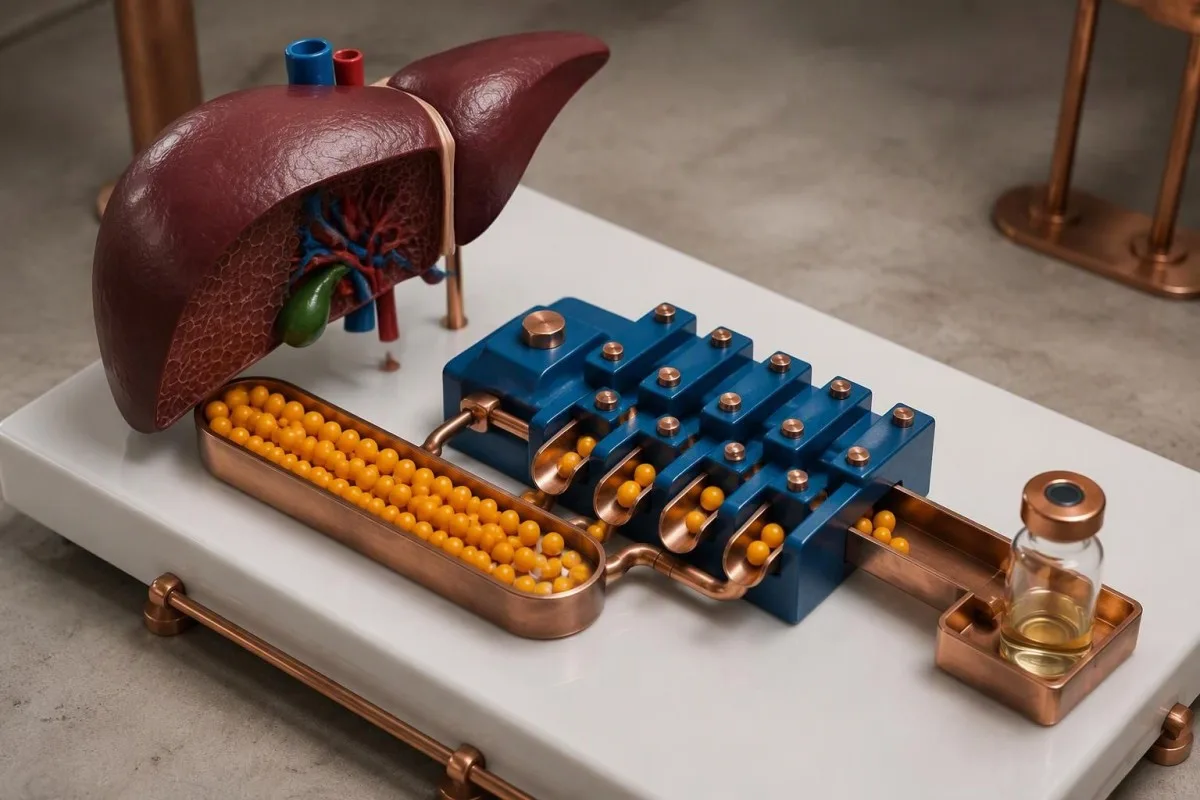
Metabolising enzymes can approach their processing capacity as exposure rises, so each additional milligram may be cleared less efficiently. A hypothetical rise from 2 mg/L to 4 mg/L after a modest dose adjustment is therefore plausible, but no single example provides a reliable formula for an individual patient.
The reverse calculation is unreliable too. A dose reduction of 25% does not guarantee a 25% concentration reduction, particularly when liver function or interacting medicines are changing; clinicians use repeat monitoring rather than assuming that the prescription and laboratory result move along a straight line.
A trough also reflects conditions during the preceding doses, not only the dose taken most recently. If a new prescription began 1 day before collection, the result may not represent the eventual exposure on that regimen, and an early result should be labelled as such rather than interpreted as settled.
This is a major reason not to borrow another person's adjustment advice. Nonlinear phenytoin monitoring illustrates a related principle, although phenytoin's free-versus-total measurement issues and target intervals are different; the shared lesson is that arithmetic alone cannot determine a safe drug dose.
CYP2C19 ووریکونازول کی جسم میں مقدار پر کیسے اثر انداز ہوتا ہے؟
CYP2C19 genetic variation can influence voriconazole clearance: rapid and ultrarapid metabolisers may have low exposure, while poor metabolisers may develop higher concentrations. A genetic result can help explain a repeated trough below 1 mg/L or above the prescribed ceiling, but it does not replace drug monitoring.
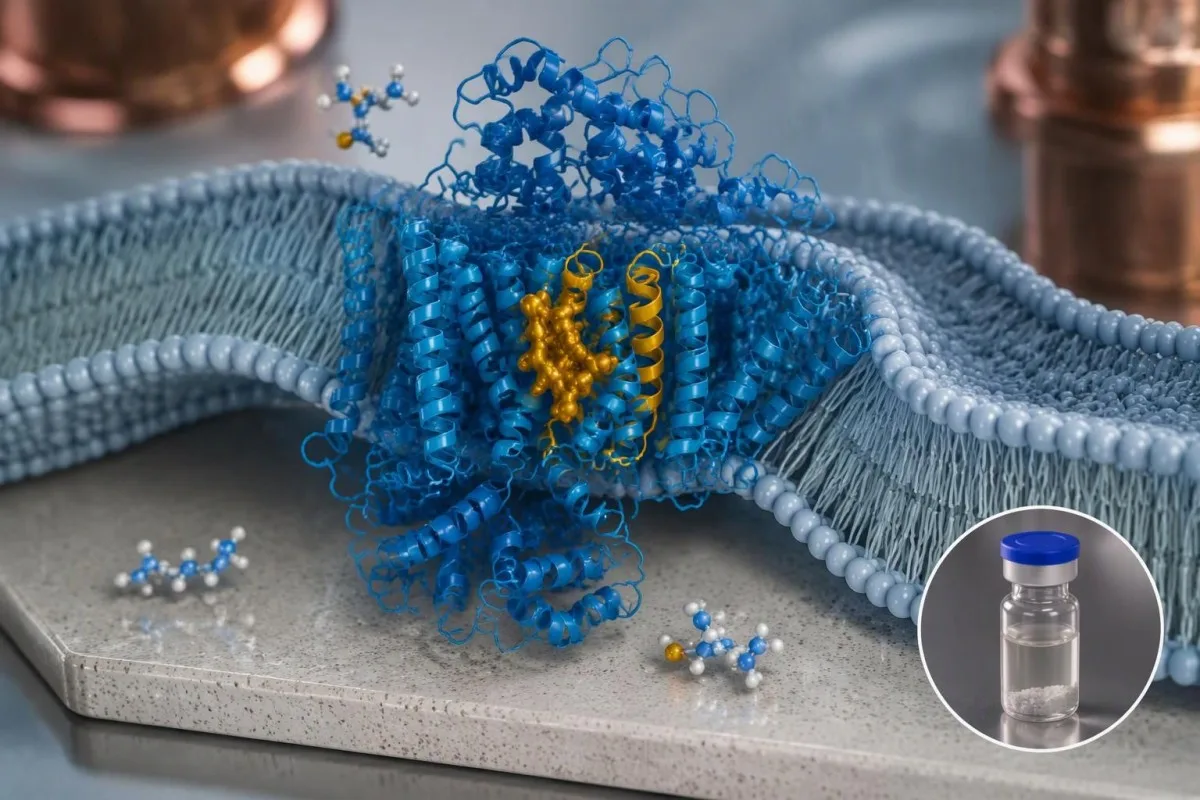
CPIC guidance recommends considering an alternative antifungal for certain CYP2C19 phenotypes when achieving reliable voriconazole exposure is difficult or adverse-effect risk is increased (Moriyama et al., 2017). This is a clinician-led choice between suitable treatments, not an instruction to stop an effective medicine after seeing a genetic category.
Genotype is only one input because liver illness, interacting medicines and systemic inflammatory responses can alter enzyme activity. A person genetically classified as a rapid metaboliser can still develop a trough of 6 mg/L under changed clinical conditions; inherited tendency does not establish a permanent, safe dose.
CYP2C19 influences more than one medicine, but the consequences are drug-specific. An enzyme variant that reduces activation of a prodrug can have a different clinical meaning from a variant that slows clearance of an active antifungal; 'fast metaboliser' is not automatically a favourable or unfavourable label.
کنٹیسٹی ایک ہے۔ AI خون کے ٹیسٹ کی رپورٹ کی تشریح that can help organise the laboratory and medication context around a reported voriconazole concentration. Our AI प्रौद्योगिकी व्याख्या describes the interpretation workflow; a chemistry panel cannot reveal CYP2C19 genotype unless a separate genetic test has actually been performed.
کون سی ادویات کے باہمی اثرات نتیجہ بدل سکتے ہیں؟
Voriconazole interactions can either lower its concentration or increase exposure to voriconazole and other medicines. Rifampicin and carbamazepine are major enzyme-inducing concerns, while voriconazole can substantially increase tacrolimus exposure; a satisfactory trough of 2 mg/L does not make the combination automatically safe.

Rifampicin, carbamazepine and St John's wort can substantially reduce voriconazole exposure, and some combinations are contraindicated. Phenytoin creates a particularly complicated bidirectional interaction; any specialist exception requires an explicit monitoring plan rather than the assumption that increasing voriconazole will reliably overcome induction.
Starting or stopping an interacting medicine can matter as much as adding a new voriconazole dose. Enzyme induction and its reversal do not necessarily disappear within 24 hours, so clinicians need medication start and stop dates when explaining a concentration that changes despite an unchanged antifungal prescription.
Tacrolimus is a separate safety priority because voriconazole inhibits pathways involved in its clearance. A transplant team may need to adjust and closely monitor tacrolimus when voriconazole starts or stops; our tacrolimus trough interpretation guide explains why both drug concentrations must be reviewed independently.
Warfarin and medicines that prolong the QT interval also require attention even when the antifungal trough is within range. Voriconazole can increase anticoagulant effect, so understanding INR monitoring is useful; an antifungal level does not substitute for coagulation testing or an electrocardiogram.
جگر کے ٹیسٹ ٹراف کی تشریح کو کیسے بدلتے ہیں؟
Liver dysfunction can reduce voriconazole clearance and increase exposure, while voriconazole itself can cause liver injury. A rising trough above 5–6 mg/L together with increasing ALT or bilirubin deserves prompt clinical review, but an isolated liver-test abnormality does not prove the antifungal caused it.
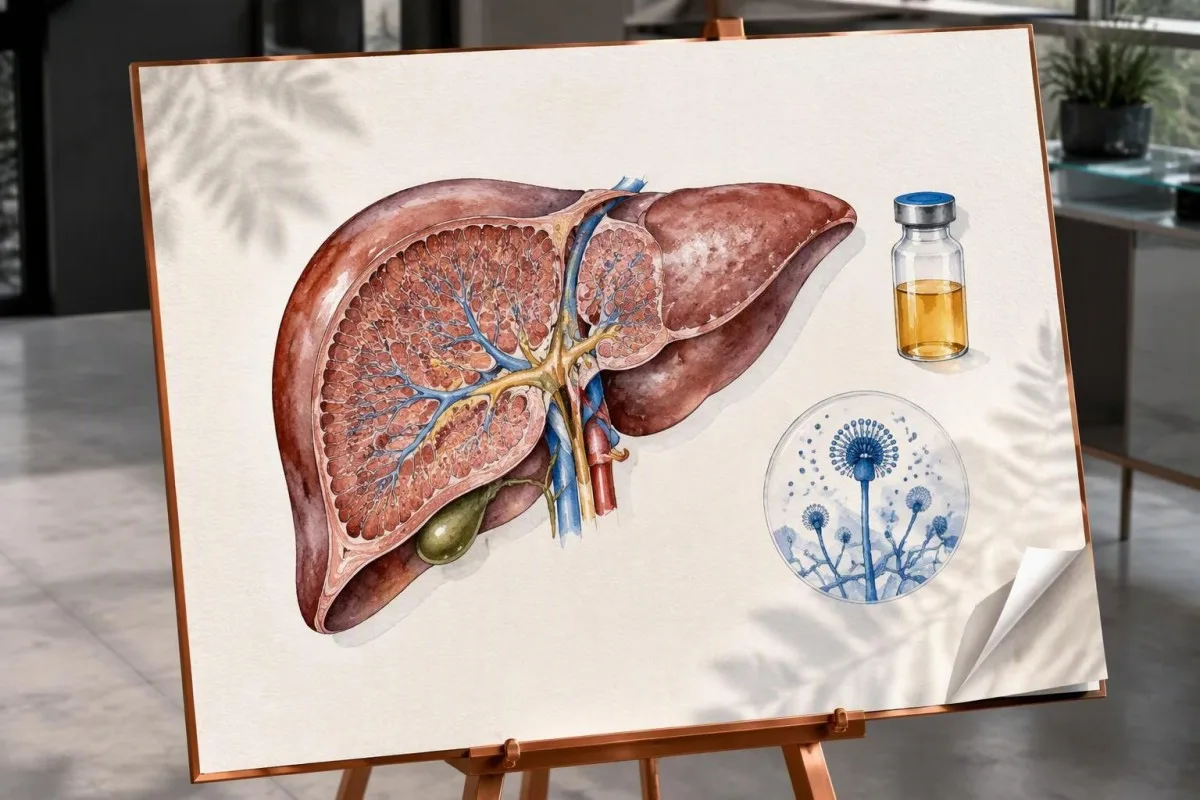
Product information recommends halving the usual maintenance dose in adults with mild-to-moderate cirrhosis, classified as Child–Pugh A or B, while retaining the standard loading regimen. That is prescribing guidance for clinicians, not a self-adjustment rule; severe hepatic impairment has less-established dosing evidence and needs specialist assessment.
Liver-test monitoring is generally recommended at least weekly during the first month, with frequency potentially reduced to monthly if results remain stable. The جگر کے فنکشن کی تفصیل distinguishes injury markers from synthetic-function measures; ALT alone does not quantify the liver's capacity to clear voriconazole.
For example, ALT of 180 IU/L with a laboratory upper limit of 40 IU/L is 4.5 times that limit. Clinicians compare the change with baseline, bilirubin, ALP, symptoms and alternative causes; our ALT فالو اپ گائیڈ explains why a multiple of the upper limit is more informative than a raw number.
At Kantesti, we explain why a seemingly acceptable total concentration can still need context when albumin is markedly low. An albumin result of 22 g/L can affect drug binding, but there is no universally adopted albumin-correction formula for voriconazole; the سیرم پروٹین کی تشریح کا رہنما اصول helps separate binding concerns from a diagnosis of cirrhosis.
کیا بصارت میں خلل کا مطلب ہے کہ ٹراف بہت زیادہ ہے؟
Visual disturbances are a recognised voriconazole effect and do not automatically mean the trough exceeds 5.5 mg/L. Temporary changes in brightness, colour perception or blurred vision can occur at otherwise acceptable exposure, whereas persistent visual loss, hallucinations or confusion require a different level of concern.

Clinical-trial information describes visual disturbances in approximately 30% of recipients, often occurring early in treatment and resolving within about 30 minutes. The frequency varies across populations and reporting methods, and the symptom alone cannot establish whether a result of 2 mg/L or 6 mg/L is responsible.
Repeated brief brightness changes soon after a dose differ from continuous loss of vision throughout the day. A pre-dose trough may not capture the maximum post-dose concentration associated with an episode; write down when symptoms start, how long they last and whether both eyes are affected.
New hallucinations, marked confusion or worsening visual impairment warrant prompt medical assessment, especially alongside a high concentration. Sudden loss of vision, severe eye pain or a new neurological deficit requires urgent evaluation regardless of the trough; do not wait 4–7 days for routine repeat monitoring.
For treatment continuing beyond 28 days, product information recommends monitoring visual function, including acuity, visual fields and colour perception. Formal eye-function testing illustrates some of these assessments, although voriconazole symptoms do not by themselves diagnose glaucoma; avoid driving while vision is affected.
ووریکونازول کی زیادہ سطح پر کب فوری توجہ دینے کی ضرورت ہوتی ہے؟
A trough above approximately 5–6 mg/L raises concern for excessive exposure, particularly when accompanied by confusion, hallucinations or worsening liver tests. Urgency depends on symptoms and organ effects, not a universal critical concentration; serious adverse effects can also occur below this numerical boundary.
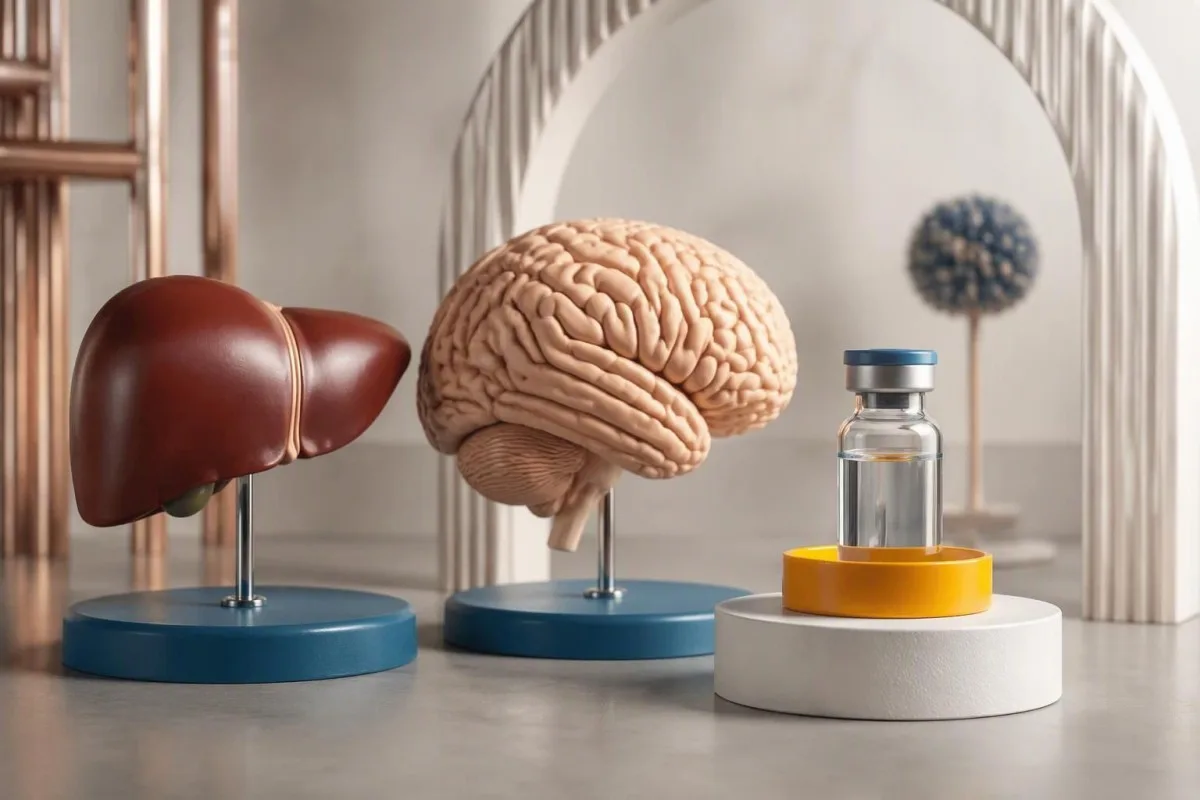
A hypothetical trough of 7.2 mg/L with new hallucinations needs prompt contact with the prescribing team rather than a routine appointment weeks later. The team may change or temporarily interrupt treatment, but the patient should not independently halve the dose, skip repeated doses or wait for an AI explanation.
Fainting, sustained palpitations, seizures, severe confusion, a serious rash or jaundice with systemic illness warrant urgent assessment. Voriconazole can prolong the QT interval, and low potassium or magnesium adds risk; an electrolyte panel safety review addresses hazards that the antifungal concentration does not measure.
Kidney function affects the intravenous formulation differently from the active antifungal's liver metabolism. The cyclodextrin vehicle can accumulate when creatinine clearance is below 50 mL/min, prompting a route-specific risk–benefit review; a normal voriconazole trough cannot establish that the intravenous vehicle is harmless.
Long courses introduce problems not reliably predicted by a single trough, including photosensitivity and fluoride-associated periostitis. New persistent bone pain during a hypothetical 6-month course deserves review even at 3 mg/L, and sun-protection advice remains relevant when the drug concentration falls within the intended treatment window.
کیا انفیکشن بگڑنے کے باوجود سطح علاجی حد میں ہو سکتی ہے؟
Yes—a therapeutic voriconazole trough does not guarantee treatment success because fungal resistance, an incorrect diagnosis, inadequate source control or profound immunosuppression can overcome adequate exposure. A result of 3 mg/L confirms neither fungal susceptibility nor sufficient drug delivery to every affected site.

The organism's minimum inhibitory concentration, or MIC, helps describe how much drug inhibits growth under laboratory conditions. If the fungal MIC is 2 mg/L rather than 0.25 mg/L, the same trough has a different exposure-to-susceptibility relationship; a trough-to-MIC ratio is not a self-dosing calculator.
Clinicians review imaging, cultures, susceptibility testing and relevant fungal markers alongside the concentration. A galactomannan result interpretation can clarify another piece of the assessment, but neither one positive marker nor one therapeutic trough independently proves active aspergillosis or its resolution.
Voriconazole lacks reliable activity against Mucorales, the fungi responsible for mucormycosis. A trough of 4 mg/L therefore cannot solve a mismatch between the medicine and the organism; persistent deterioration may require diagnostic reassessment and a different antifungal strategy rather than progressively increasing exposure.
Early imaging changes are also not always equivalent to failure because inflammatory responses can change as immune function recovers. Nonetheless, worsening breathing, new neurological symptoms or fever during severe neutropenia needs prompt clinical assessment; the infection team decides whether a 1-week trend reflects expected evolution or an inadequate treatment plan.
ٹراف دوبارہ کب جانچنا چاہیے؟
Voriconazole monitoring is commonly repeated after a dose change, a major interaction change, altered liver function, a route change or suspected treatment failure. A routine reassessment often occurs within 4–7 days, but concerning neurological symptoms or liver deterioration justify earlier clinical action rather than waiting for steady exposure.
Two concentrations are meaningfully comparable only when the dosing interval and collection conditions are documented. A change from 1.1 mg/L to 3.4 mg/L may represent improved exposure, but it may instead compare a delayed trough with a post-dose sample; the size of the difference cannot correct a timing error.
Changing from intravenous to oral treatment can alter exposure even when the intended prescription seems equivalent. Clinicians may repeat the level after the switch, especially if eating, vomiting or tube feeding has changed; the route belongs beside the concentration in the monitoring record, not only in the medication history.
کنٹیسٹی ایک ہے۔ اے آئی سے چلنے والا خون کے ٹیسٹ کا تجزیہ کا آلہ that can help organise uploaded drug levels alongside liver-test trends and reported dose times. Our medication-safety trend workflow supports preparation for review, but a rise from 2 mg/L to 6 mg/L still requires clinician-led interpretation and treatment decisions.
Stable treatment does not create one universal long-term testing interval. The team balances infection risk, treatment duration, prior variability and access to testing; keep a record of at least the previous dose time, collection time, current prescription, formulation and medication changes so the next result answers a usable question.
معائنے کے لیے آپ کو کیا ساتھ لانا چاہیے، اور اس مشورے کی تائید میں کیا ہے؟
Bring the actual dose and collection times, the prescribed treatment goal, recent liver results and a complete medication list to your voriconazole review. Ask whether a result such as 1.4 mg/L meets your specific indication—not whether it fits a single internet range—and do not adjust the prescription yourself.
A practical review has three questions: was the sample a true trough, is exposure appropriate for this infection or prevention plan, and are there adverse effects or interactions? Include missed doses and meal timing honestly; a 12-hour prescription does not mean every dose was actually separated by 12 hours.
The clinical recommendations here draw on the 2016 IDSA aspergillosis guideline, the 2014 British Society for Medical Mycology monitoring guideline and the 2017 CPIC voriconazole guideline. These sources address different questions—clinical treatment, concentration monitoring and pharmacogenetics—so their recommendations should be combined thoughtfully rather than presented as one identical range.
Kantesti Ltd's role is to help readers understand laboratory information, not to prescribe antifungal treatment. Our organisation and purpose are described separately; technical evaluation on 100,000 synthetic cases cannot establish that a particular voriconazole dose improves clinical outcomes in a patient with invasive fungal disease.
The two research publications listed below describe an automated technical benchmark and a clinical-validation framework, not a voriconazole therapeutic-monitoring trial. Our validation methodology and limits explain that distinction; use our interpretation to prepare questions, while your infection specialist or prescribing team determines the dose and follow-up plan.
اکثر پوچھے جانے والے سوالات
ووریکونازول کی معمول کی ٹراف سطح کیا ہے؟
Voriconazole does not have a healthy-population 'normal' concentration; it has a therapeutic exposure target. Many treatment protocols use approximately 1–5.5 mg/L, while IDSA guidance discusses a minimum above 1–1.5 mg/L and an upper boundary below 5–6 mg/L. Severe disease, fungal susceptibility and prevention protocols can change the intended target. Your prescribing team should interpret the result using the actual collection time and clinical indication.
ووریکونازول کی سطح میری خوراک سے کتنی دیر پہلے لینی چاہیے؟
ووریکونازول کی ٹراف سطح عموماً اگلی مقررہ خوراک سے فوراً پہلے، عام طور پر 30 منٹ کے اندر، مقامی لیبارٹری کی ہدایات کے مطابق لی جاتی ہے۔ صبح 8 بجے کی خوراک کے لیے دوا لینے سے پہلے صبح 7:45 بجے نمونہ لینا عموماً مناسب ہوگا۔ پہلے خوراک لینے سے دوا لینے کے بعد کا نتیجہ آ سکتا ہے، جس کا ٹراف اہداف سے براہِ راست موازنہ نہیں کرنا چاہیے۔ کئی گھنٹوں تک ہدایات کے بغیر خوراک مؤخر کرنے کے بجائے، نمونہ لینے کا منصوبہ اپنی طبی ٹیم کے ساتھ طے کریں۔.
ووریکونازول کی کم سطح کا کیا مطلب ہے؟
ووریکونازول کی ٹراف سطح 1 mg/L سے کم ہونا کئی علاجی اہداف سے نیچے ہے، لیکن اس سے یہ ثابت نہیں ہوتا کہ تجویز کردہ خوراک بہت کم ہے۔ خوراکیں چھوٹ جانا، نمونہ دیر سے لینا، غذا کے اثرات، قے، جذب میں کمی اور انزائم پیدا کرنے والی ادویات، سب کم ایکسپوژر کی وجہ بن سکتی ہیں۔ منہ سے لی جانے والی ووریکونازول عموماً کھانے سے کم از کم 1 گھنٹہ پہلے یا بعد میں، دوا کے پیک پر دی گئی ہدایات کے مطابق لی جاتی ہے۔ خود سے خوراک بڑھانے کے بجائے جائزے کے لیے تجویز کنندہ ٹیم سے رابطہ کریں۔.
کیا ووریکونازول کے نتائج mg/L اور µg/mL میں یکساں ہوتے ہیں؟
Voriconazole کی mg/L اور µg/mL میں مقدار کی عددی قدر یکساں ہوتی ہے۔ 2 mg/L کا نتیجہ بالکل 2 µg/mL کے برابر ہے، جو 2,000 ng/mL بھی ہے۔ لیبارٹریاں مختلف اکائیاں اور ہدفی حدود استعمال کر سکتی ہیں، اس لیے رپورٹس کا موازنہ کرنے سے پہلے دونوں کو چیک کریں۔ اکائی کی یہ تبدیلی غلط وقت پر لیے گئے نمونے کو درست نہیں کرتی۔.
کیا دھندلا نظر آنا یا فریبِ نظر ووریکونازول کے زہریلے اثرات کی علامت ہے؟
voriconazole کے ساتھ مختصر بصری خلل ہو سکتا ہے، چاہے ٹراف کی سطح مطلوبہ حد کے اندر ہو، جبکہ فریبِ نظر یا الجھن حد سے زیادہ دوا کے اثر یا کسی دوسرے طبی مسئلے کے بارے میں زیادہ تشویش پیدا کرتے ہیں۔ پروڈکٹ کی معلومات کے مطابق تقریباً 30% مریضوں میں بصری خلل ہوتا ہے، جو اکثر تقریباً 30 منٹ میں ٹھیک ہو جاتا ہے۔ نئے فریبِ نظر، مسلسل بصری خرابی یا بگڑتی ہوئی علامات کی صورت میں تجویز کنندہ طبی ٹیم سے فوری رابطہ کریں؛ اچانک بینائی چلی جانے یا شدید اعصابی علامات کی صورت میں فوری معائنہ ضروری ہے۔ جب تک بینائی متاثر ہو گاڑی نہ چلائیں اور اینٹی فنگل دوا کی خوراک خود سے تبدیل نہ کریں۔.
خوراک میں تبدیلی کے بعد ووریکونازول کی سطح دوبارہ کب چیک کرنی چاہیے؟
0 ورائیکونازول کی ٹراف سطح کو خوراک میں تبدیلی کے 4–7 دن کے اندر اکثر دوبارہ جانچا جاتا ہے، جس کا انحصار طریقۂ علاج، لوڈنگ خوراکوں اور مقامی پروٹوکول پر ہوتا ہے۔ مشتبہ زہریلے اثرات، جگر کے فعل میں تبدیلی یا اہم دوائیوں کے باہمی تعاملات کی صورت میں پہلے جانچ یا طبی اقدام کی ضرورت ہو سکتی ہے۔ غیر خطی میٹابولزم کا مطلب ہے کہ خوراک میں 25% اضافہ صرف 25% ارتکاز میں اضافے کی ضمانت نہیں دیتا۔ مزید تبدیلیاں کرنے سے پہلے تجویز کنندہ ٹیم کو دوبارہ جانچ کی تاریخ مقرر کرنی چاہیے اور نتیجے کی تشریح کرنی چاہیے۔.
اپنے خون کے ٹیسٹ کے نتائج کی وضاحت حاصل کریں
اپنی لیب رپورٹ اپ لوڈ کریں اور Kantesti کا AI چند سیکنڈ میں ہر بائیومارکر کو آسان زبان میں سمجھائے گا۔ دنیا بھر میں 2 ملین سے زیادہ افراد استعمال کرتے ہیں۔.
حوالہ جات
- Klein, T., Mitchell, S., & Weber, H. (2026). Kantesti Blood-Test Interpretation Engine کی 100,000 مصنوعی ٹیسٹ کیسز پر ایک Pre-Registered، Rubric-Based Automated Technical Benchmark۔. Kantesti AI طبی تحقیق۔. ڈی او آئی
- Klein, T., Mitchell, S., & Weber, H. (2026). کلینیکل ویلیڈیشن فریم ورک v2.0 (میڈیکل ویلیڈیشن پیج)۔. Kantesti AI طبی تحقیق۔. ڈی او آئی
- Patterson TF et al. (2016). ایسپرجیلس کی تشخیص اور انتظام کے لیے عملی رہنما خطوط: Infectious Diseases Society of America کی جانب سے 2016 کی تازہ کاری۔. کلینیکل انفیکشس ڈیزیزز۔. ڈی او آئی
- Ashbee HR et al. (2014). Therapeutic drug monitoring (TDM) of antifungal agents: guidelines from the British Society for Medical Mycology. Journal of Antimicrobial Chemotherapy. ڈی او آئی
- Moriyama B et al. (2017). Clinical Pharmacogenetics Implementation Consortium (CPIC) Guidelines for CYP2C19 and Voriconazole Therapy. Clinical Pharmacology & Therapeutics. ڈی او آئی
- 2M+تجزیہ کیے گئے ٹیسٹ
- 127+ممالک
- 100+زبانیں
طبی ٹیم کے بارے میں


E-E-A-T اعتماد کے اشارے
تجربہ
معالج کی قیادت میں لیب تشریح کے ورک فلو کا کلینیکل جائزہ۔.
مہارت
لیبارٹری میڈیسن کا فوکس یہ کہ بایومارکرز کلینیکل سیاق میں کیسے برتاؤ کرتے ہیں۔.
مستندیت
ڈاکٹر تھامس کلائن نے طبی جائزہ لیا، جبکہ ڈاکٹر سارہ مچل اور پروفیسر ڈاکٹر ہانس ویبر نے بھی تعاون کیا۔.
امانت داری
شواہد پر مبنی تشریح واضح فالو اپ راستوں کے ساتھ تاکہ گھبراہٹ کم ہو۔.

طبی دستبرداری
یہ مضمون صرف تعلیمی مقاصد کے لیے ہے اور طبی مشورہ نہیں ہے۔ تشخیص اور علاج کے فیصلوں کے لیے ہمیشہ کسی مستند صحت کے ماہر سے رجوع کریں۔.
شائع ہوا۔ · ادارتی ٹیم سے رابطہ کریں
Kantesti Ltd کی جانب سے شائع کردہ، انگلینڈ اور ویلز میں رجسٹرڈ، کمپنی نمبر. 17090423, ، لندن، برطانیہ۔.
