
Правилно временски узет најнижи ниво вориконазола помаже у процени да ли је изложеност антимикотику адекватна, а да не постане прекомерна. Многи протоколи лечења користе приближно 1–5.5 mg/L, али инфекција, план превенције и нежељена дејства одређују ваш циљни ниво.

Кључне поруке
- Најнижи ниво вориконазола је концентрација лека непосредно пре следеће планиране дозе; њиме се мери изложеност, а не да ли је инфекција излечена.
- Terapijski ciljevi обично захтевају најнижи ниво изнад 1–1.5 mg/L, а неки тимови за тешке или озбиљне инфекције настоје да постигну најмање 2 mg/L.
- Горње границе обично су око 5–6 mg/L, јер прекомерна изложеност повећава забринутост због неуролошких и других нежељених дејстава.
- Циљне вредности за превенцију зависе од протокола; нижа гранична вредност која се користи за профилаксу не треба аутоматски да се примењује на лечење већ постојеће инфекције.
- Vreme uzimanja nivoa obično podrazumeva uzimanje uzorka u roku od oko 30 minuta pre sledeće doze, u skladu sa uputstvima laboratorije.
- Претварање јединица je tačno: 1 mg/L jednako je 1 µg/mL i 1,000 ng/mL.
- Niska izloženost može ukazivati na propuštene doze, uticaj hrane, oslabljenu apsorpciju, interakcije sa lekovima ili brži metabolizam — a ne samo na nedovoljnu propisanu dozu.
- Bezbednost doze zahteva izmene pod nadzorom kliničara, jer povećanje doze za 25% može dovesti do nesrazmerno velikog porasta koncentracije.
Шта вам заправо говори најнижи ниво вориконазола?
A najniža koncentracija vorikonazola pokazuje kliničarima koliko je antifungalnog leka preostalo neposredno pre sledeće doze. Pravilno uzet rezultat od oko 1–5.5 mg/L često odgovara protokolu lečenja, ali efektivna doza zavisi i od osetljivosti gljivice, mesta infekcije i kliničkog poboljšanja.
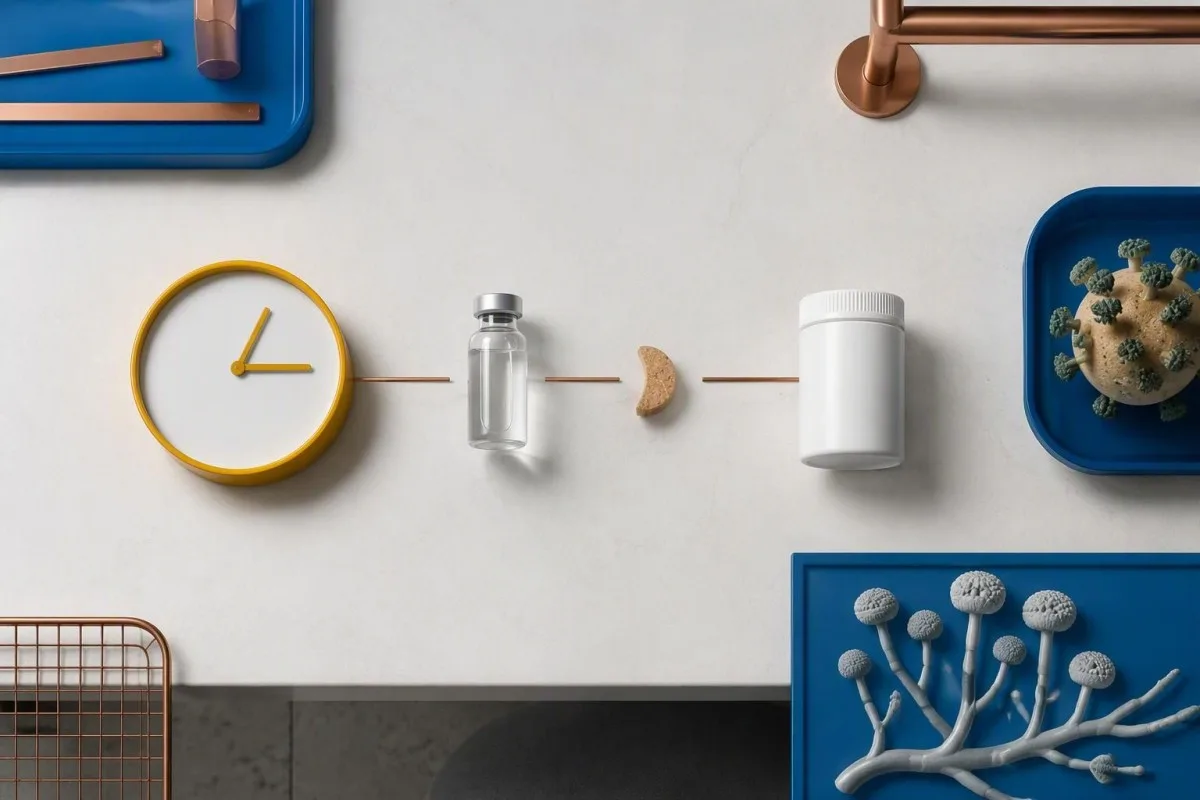
Najniža koncentracija praktičan je pokazatelj izloženosti tokom intervala doziranja, a ne neposredno merenje leka u zahvaćenom plućnom tkivu ili mozgu. Kod osobe koja uzima vorikonazol na svakih 12 sati, koncentracija pre doze pomaže da se utvrdi da li izloženost između doza može pasti prenisko.
Terapijsko praćenje koncentracije ima dva odvojena cilja: održavanje dovoljne izloženosti za antifungalno dejstvo i izbegavanje prekomerne izloženosti. Smernice IDSA za aspergilozu navode da se kao uobičajeni ekspertski ciljevi za koncentraciju leka tokom lečenja koriste vrednosti iznad 1–1.5 mg/L i ispod 5–6 mg/L, naročito radi ograničavanja toksičnosti za centralni nervni sistem (Patterson et al., 2016).
Кантести је АИ анализатор крви što može pomoći u tumačenju otpremljenog rezultata vorikonazola uz testove jetre, dok vaš tim koji propisuje terapiju određuje ciljnu vrednost. Rezultat od 1.2 mg/L treba povezati sa indikacijom i vremenom uzimanja uzorka; naše objašnjenje ne bi trebalo da pretvori taj broj u uputstvo za doziranje.
Oznaka laboratorije nije konačna ocena uspeha lečenja. Za razliku od mnogih referentnih intervala u rutinskoj biohemiji, interval za praćenje leka predstavlja cilj kliničke izloženosti; naše objašnjenje laboratorijske rezultate van opsega pomaže da se oznaka razlikuje od dijagnoze.
Када треба узети узорак за одређивање нивоа вориконазола?
Pravilno vreme određivanja nivoa vorikonazola podrazumeva uzimanje uzorka neposredno pre sledeće planirane doze, obično u roku od 30 minuta pre nje. Prvo rutinsko određivanje nivoa često se obavlja tokom 4–7. dana, mada udarne doze, ozbiljno oboljenje i lokalni protokoli mogu opravdati raniju procenu.

Na primer, zamislite propisani raspored u 8 ujutru i 8 uveče. Uzorak uzet u 7:45 ujutru, pre jutarnjeg leka, verno predstavlja najnižu koncentraciju; uzorak uzet u 10 ujutru nakon uzimanja doze ne predstavlja je, čak i ako ga laboratorijski izveštaj označava kao najnižu koncentraciju.
Odložena doza takođe može iskriviti tumačenje u suprotnom smeru. Ako je sledeća doza trebalo da se uzme u 8 ujutru, a uzorak je uzet u 11 pre podne, dodatna 3 sata bez leka mogu sniziti izmerenu koncentraciju; timu su potrebna stvarna vremena, a ne samo planirani raspored.
Za intravenski vorikonazol takođe je potreban uzorak pre doze, obično pre početka sledeće infuzije. Uzimanje uzorka iz linije koja se koristi za primenu leka može izazvati zabrinutost zbog kontaminacije, pa laboratorija ili infuzioni tim treba da odaberu način uzimanja uzorka, umesto da se pretpostavi da svaka dostupna linija daje ekvivalentan rezultat.
Noćno gladovanje nije samo po sebi neophodno za test koncentracije, ali oralni vorikonazol ima zasebna uputstva u vezi sa obrocima. Unapred proverite plan uzimanja uzorka; pravila za uzimanje uzoraka specifična za lek objašnjavaju zašto se važeće pravilo o vremenu za jedan lek ne može primeniti na drugi.
Који је терапијски опсег вориконазола?
Тхе terapijski raspon vorikonazola is commonly approximately 1–5.5 mg/L for treatment, but there is no universal interval suitable for every patient. IDSA guidance discusses a lower goal above 1–1.5 mg/L and an upper boundary below 5–6 mg/L; some difficult infections prompt a higher minimum.

These boundaries describe probabilities, not biological switches. A trough of 0.9 mg/L does not prove failure, and 5.6 mg/L does not prove toxicity; repeated results, symptoms and organism susceptibility help determine whether a small boundary crossing is clinically meaningful or simply requires confirmation.
For invasive aspergillosis, the British Society for Medical Mycology recommends a treatment trough above 1 mg/L and discusses higher exposure goals for poor-prognosis situations, including central nervous system disease (Ashbee et al., 2014). A team may therefore consider 1.3 mg/L acceptable for one indication but insufficient for another.
The reason for a higher minimum is that the concentration needed to inhibit a less-susceptible fungus may exceed the concentration needed for a susceptible organism. Raising exposure indefinitely is not a safe solution: a trough approaching 5–6 mg/L can leave little room between a desired antifungal effect and adverse effects.
Always read the units before comparing reports. A result of 2 µg/mL is exactly 2 mg/L, not twice or half that value; the biomarker and units guide provides context for comparing laboratory values without mistaking a therapeutic target for a healthy-population range.
| Nivo | Opseg | Značenje |
|---|---|---|
| Below many treatment targets | <1 мг/л | Check collection timing, dosing history, absorption and interactions; not proof of treatment failure. |
| Lower treatment exposure | 1–<2 mg/L | May meet the prescribed target, but severe disease or reduced fungal susceptibility can require a higher minimum. |
| Common treatment exposure window | 2–5.5 mg/L | Often compatible with treatment goals when correctly timed; does not guarantee efficacy or freedom from toxicity. |
| Above many local upper limits | >5.5 mg/L | Requires review of symptoms, liver tests, timing and the local protocol; there is no universal emergency cutoff. |
Зашто се циљне вредности за лечење и превенцију могу разликовати?
Treatment targets may be more demanding than prevention targets because an established fungal infection must be controlled, not merely prevented. Some local prophylaxis protocols accept 0.5 mg/L, whereas British guidance recommends a prophylaxis trough above 1 mg/L; these thresholds are not interchangeable.

Prophylaxis studies are harder to interpret because breakthrough fungal disease may be uncommon and heavily influenced by immune status. A threshold of 0.5 mg/L used in one prevention programme cannot establish equivalent protection for every stem-cell transplant recipient, particularly during prolonged neutropenia or intensive immunosuppression.
The British Society for Medical Mycology's prophylaxis recommendation above 1 mg/L carries a weaker evidence base than some treatment recommendations (Ashbee et al., 2014). The uncertainty is genuine: the exact preventive minimum is less settled than the principle that persistently very low exposure deserves investigation.
Consider a hypothetical result of 0.8 mg/L in two people. One is receiving prevention under a documented local protocol; the other has confirmed invasive aspergillosis. The same concentration can lead to different discussions because the indication, fungal burden and acceptable risk of inadequate exposure differ.
Transplant recipients often have several parallel monitoring plans, not one combined 'infection score.' Voriconazole does not prevent every opportunistic infection, and CMV results after transplantation answer a different question; a satisfactory antifungal trough does not replace viral surveillance or other prescribed prophylaxis.
Шта може изазвати низак ниво вориконазола?
A low voriconazole level can result from missed or delayed doses, food effects, impaired gastrointestinal absorption, enzyme-inducing medicines or faster metabolism. Before changing treatment, clinicians verify whether a result below 1 mg/L is a correctly timed trough and whether the prescribed doses actually reached the patient.
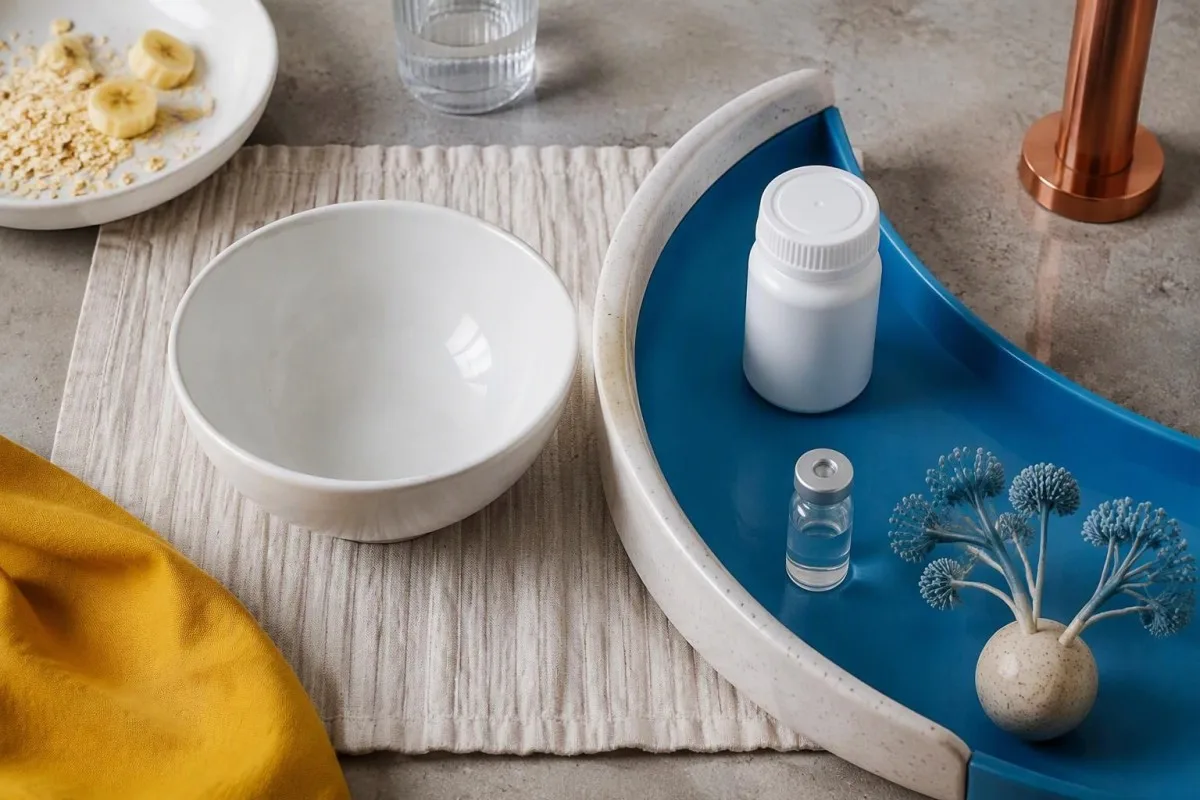
Oral voriconazole is generally taken at least 1 hour before or 1 hour after a meal, following the product instructions. Food can reduce exposure, but a low result should not be blamed on breakfast without checking the complete dosing history, formulation, vomiting and other medicines.
Imagine a hypothetical adult prescribed 200 mg every 12 hours whose trough is 0.6 mg/L. Taking each dose with a substantial meal and vomiting one evening dose creates two plausible explanations for low exposure; automatically escalating the prescription could cause excessive exposure once those problems resolve.
Severe diarrhoea, mucositis, gastrointestinal surgery and feeding-tube administration can make oral delivery less predictable. Clinicians may review the formulation or route rather than simply the milligram amount; testing for impaired fat absorption explains why gastrointestinal dysfunction needs its own assessment rather than being diagnosed from one drug level.
Acid-suppressing medicines deserve a medication review, but voriconazole should not be treated like an antifungal whose absorption always requires stomach acid. Some proton pump inhibitors inhibit metabolism and can raise exposure; our reflux treatment context helps readers identify these medicines without stopping them independently.
Зашто мала промена дозе понекад доводи до велике промене нивоа?
Voriconazole has nonlinear metabolism in adults, meaning a dose increase can produce a more-than-proportional concentration increase. Changing a prescribed dose from 200 mg to 250 mg is a 25% increase, but the resulting trough cannot safely be predicted by multiplying the old result by 1.25.
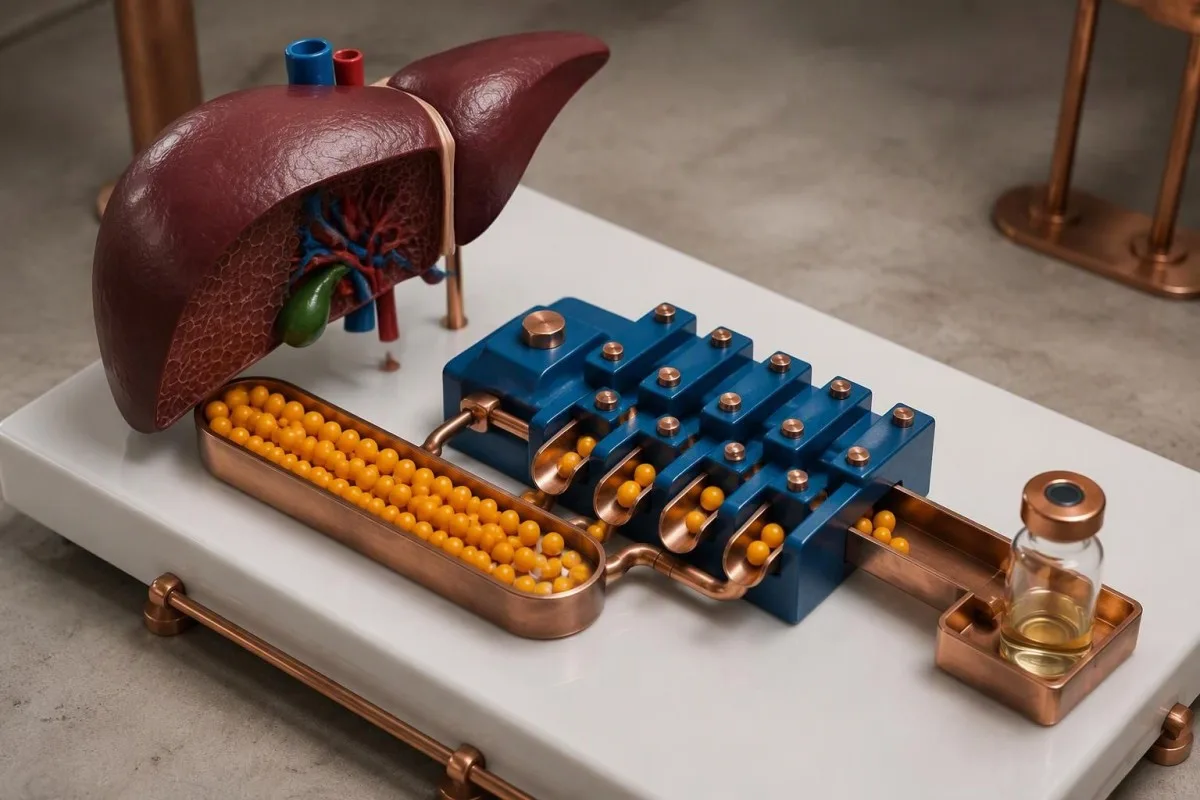
Metabolising enzymes can approach their processing capacity as exposure rises, so each additional milligram may be cleared less efficiently. A hypothetical rise from 2 mg/L to 4 mg/L after a modest dose adjustment is therefore plausible, but no single example provides a reliable formula for an individual patient.
The reverse calculation is unreliable too. A dose reduction of 25% does not guarantee a 25% concentration reduction, particularly when liver function or interacting medicines are changing; clinicians use repeat monitoring rather than assuming that the prescription and laboratory result move along a straight line.
A trough also reflects conditions during the preceding doses, not only the dose taken most recently. If a new prescription began 1 day before collection, the result may not represent the eventual exposure on that regimen, and an early result should be labelled as such rather than interpreted as settled.
This is a major reason not to borrow another person's adjustment advice. Nonlinear phenytoin monitoring illustrates a related principle, although phenytoin's free-versus-total measurement issues and target intervals are different; the shared lesson is that arithmetic alone cannot determine a safe drug dose.
Како CYP2C19 утиче на изложеност вориконазолу?
CYP2C19 genetic variation can influence voriconazole clearance: rapid and ultrarapid metabolisers may have low exposure, while poor metabolisers may develop higher concentrations. A genetic result can help explain a repeated trough below 1 mg/L or above the prescribed ceiling, but it does not replace drug monitoring.
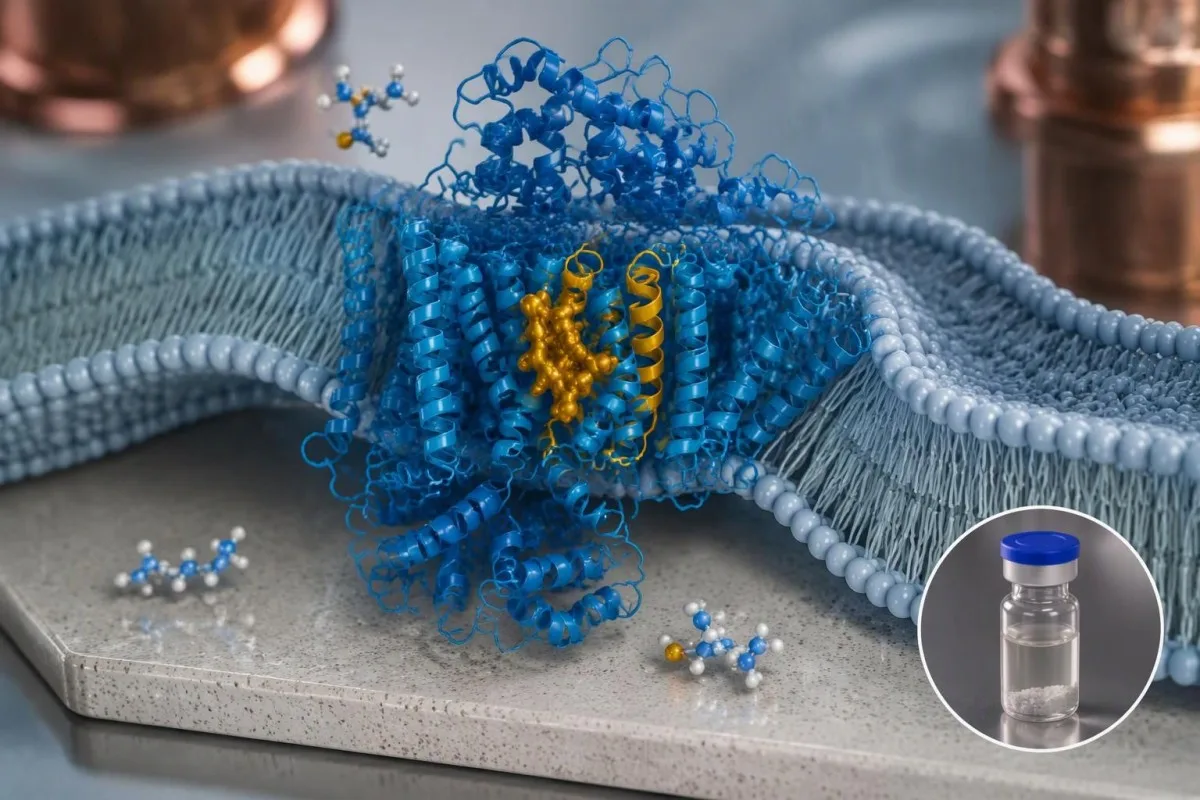
CPIC guidance recommends considering an alternative antifungal for certain CYP2C19 phenotypes when achieving reliable voriconazole exposure is difficult or adverse-effect risk is increased (Moriyama et al., 2017). This is a clinician-led choice between suitable treatments, not an instruction to stop an effective medicine after seeing a genetic category.
Genotype is only one input because liver illness, interacting medicines and systemic inflammatory responses can alter enzyme activity. A person genetically classified as a rapid metaboliser can still develop a trough of 6 mg/L under changed clinical conditions; inherited tendency does not establish a permanent, safe dose.
CYP2C19 influences more than one medicine, but the consequences are drug-specific. An enzyme variant that reduces activation of a prodrug can have a different clinical meaning from a variant that slows clearance of an active antifungal; 'fast metaboliser' is not automatically a favourable or unfavourable label.
Кантести је AI платформа за тумачење крвне слике that can help organise the laboratory and medication context around a reported voriconazole concentration. Our objašnjenje AI tehnologije describes the interpretation workflow; a chemistry panel cannot reveal CYP2C19 genotype unless a separate genetic test has actually been performed.
Које интеракције са лековима могу да промене резултат?
Voriconazole interactions can either lower its concentration or increase exposure to voriconazole and other medicines. Rifampicin and carbamazepine are major enzyme-inducing concerns, while voriconazole can substantially increase tacrolimus exposure; a satisfactory trough of 2 mg/L does not make the combination automatically safe.

Rifampicin, carbamazepine and St John's wort can substantially reduce voriconazole exposure, and some combinations are contraindicated. Phenytoin creates a particularly complicated bidirectional interaction; any specialist exception requires an explicit monitoring plan rather than the assumption that increasing voriconazole will reliably overcome induction.
Starting or stopping an interacting medicine can matter as much as adding a new voriconazole dose. Enzyme induction and its reversal do not necessarily disappear within 24 hours, so clinicians need medication start and stop dates when explaining a concentration that changes despite an unchanged antifungal prescription.
Tacrolimus is a separate safety priority because voriconazole inhibits pathways involved in its clearance. A transplant team may need to adjust and closely monitor tacrolimus when voriconazole starts or stops; our tacrolimus trough interpretation guide explains why both drug concentrations must be reviewed independently.
Warfarin and medicines that prolong the QT interval also require attention even when the antifungal trough is within range. Voriconazole can increase anticoagulant effect, so understanding INR monitoring is useful; an antifungal level does not substitute for coagulation testing or an electrocardiogram.
Како тестови функције јетре утичу на тумачење најнижег нивоа?
Liver dysfunction can reduce voriconazole clearance and increase exposure, while voriconazole itself can cause liver injury. A rising trough above 5–6 mg/L together with increasing ALT or bilirubin deserves prompt clinical review, but an isolated liver-test abnormality does not prove the antifungal caused it.
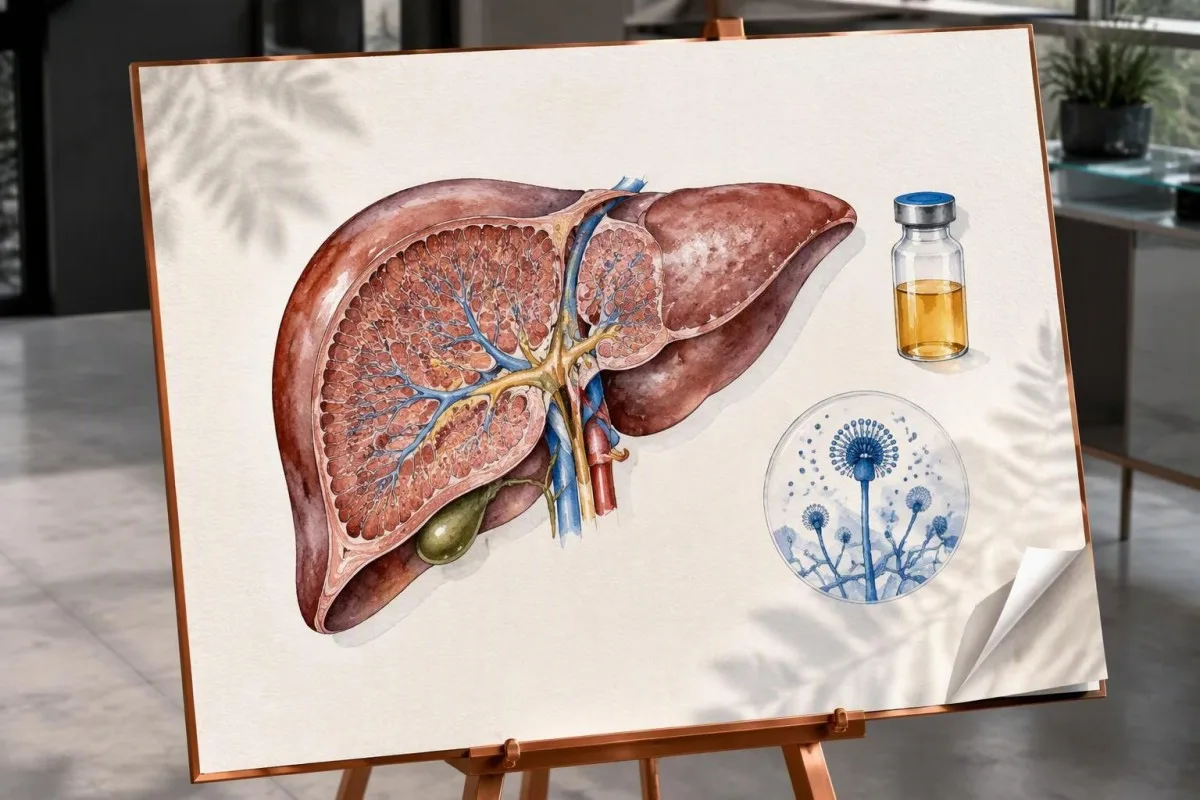
Product information recommends halving the usual maintenance dose in adults with mild-to-moderate cirrhosis, classified as Child–Pugh A or B, while retaining the standard loading regimen. That is prescribing guidance for clinicians, not a self-adjustment rule; severe hepatic impairment has less-established dosing evidence and needs specialist assessment.
Liver-test monitoring is generally recommended at least weekly during the first month, with frequency potentially reduced to monthly if results remain stable. The objašnjenjem hepatičkog panela distinguishes injury markers from synthetic-function measures; ALT alone does not quantify the liver's capacity to clear voriconazole.
For example, ALT of 180 IU/L with a laboratory upper limit of 40 IU/L is 4.5 times that limit. Clinicians compare the change with baseline, bilirubin, ALP, symptoms and alternative causes; our Vodič za praćenje ALT explains why a multiple of the upper limit is more informative than a raw number.
At Kantesti, we explain why a seemingly acceptable total concentration can still need context when albumin is markedly low. An albumin result of 22 g/L can affect drug binding, but there is no universally adopted albumin-correction formula for voriconazole; the vodič za tumačenje serumskih proteina helps separate binding concerns from a diagnosis of cirrhosis.
Да ли поремећаји вида значе да је најнижи ниво превисок?
Visual disturbances are a recognised voriconazole effect and do not automatically mean the trough exceeds 5.5 mg/L. Temporary changes in brightness, colour perception or blurred vision can occur at otherwise acceptable exposure, whereas persistent visual loss, hallucinations or confusion require a different level of concern.

Clinical-trial information describes visual disturbances in approximately 30% of recipients, often occurring early in treatment and resolving within about 30 minutes. The frequency varies across populations and reporting methods, and the symptom alone cannot establish whether a result of 2 mg/L or 6 mg/L is responsible.
Repeated brief brightness changes soon after a dose differ from continuous loss of vision throughout the day. A pre-dose trough may not capture the maximum post-dose concentration associated with an episode; write down when symptoms start, how long they last and whether both eyes are affected.
New hallucinations, marked confusion or worsening visual impairment warrant prompt medical assessment, especially alongside a high concentration. Sudden loss of vision, severe eye pain or a new neurological deficit requires urgent evaluation regardless of the trough; do not wait 4–7 days for routine repeat monitoring.
For treatment continuing beyond 28 days, product information recommends monitoring visual function, including acuity, visual fields and colour perception. Formal eye-function testing illustrates some of these assessments, although voriconazole symptoms do not by themselves diagnose glaucoma; avoid driving while vision is affected.
Када висок ниво вориконазола захтева хитну пажњу?
A trough above approximately 5–6 mg/L raises concern for excessive exposure, particularly when accompanied by confusion, hallucinations or worsening liver tests. Urgency depends on symptoms and organ effects, not a universal critical concentration; serious adverse effects can also occur below this numerical boundary.

A hypothetical trough of 7.2 mg/L with new hallucinations needs prompt contact with the prescribing team rather than a routine appointment weeks later. The team may change or temporarily interrupt treatment, but the patient should not independently halve the dose, skip repeated doses or wait for an AI explanation.
Fainting, sustained palpitations, seizures, severe confusion, a serious rash or jaundice with systemic illness warrant urgent assessment. Voriconazole can prolong the QT interval, and low potassium or magnesium adds risk; an electrolyte panel safety review addresses hazards that the antifungal concentration does not measure.
Kidney function affects the intravenous formulation differently from the active antifungal's liver metabolism. The cyclodextrin vehicle can accumulate when creatinine clearance is below 50 mL/min, prompting a route-specific risk–benefit review; a normal voriconazole trough cannot establish that the intravenous vehicle is harmless.
Long courses introduce problems not reliably predicted by a single trough, including photosensitivity and fluoride-associated periostitis. New persistent bone pain during a hypothetical 6-month course deserves review even at 3 mg/L, and sun-protection advice remains relevant when the drug concentration falls within the intended treatment window.
Може ли ниво бити у терапијском опсегу док се инфекција погоршава?
Yes—a therapeutic voriconazole trough does not guarantee treatment success because fungal resistance, an incorrect diagnosis, inadequate source control or profound immunosuppression can overcome adequate exposure. A result of 3 mg/L confirms neither fungal susceptibility nor sufficient drug delivery to every affected site.

The organism's minimum inhibitory concentration, or MIC, helps describe how much drug inhibits growth under laboratory conditions. If the fungal MIC is 2 mg/L rather than 0.25 mg/L, the same trough has a different exposure-to-susceptibility relationship; a trough-to-MIC ratio is not a self-dosing calculator.
Clinicians review imaging, cultures, susceptibility testing and relevant fungal markers alongside the concentration. A galactomannan result interpretation can clarify another piece of the assessment, but neither one positive marker nor one therapeutic trough independently proves active aspergillosis or its resolution.
Voriconazole lacks reliable activity against Mucorales, the fungi responsible for mucormycosis. A trough of 4 mg/L therefore cannot solve a mismatch between the medicine and the organism; persistent deterioration may require diagnostic reassessment and a different antifungal strategy rather than progressively increasing exposure.
Early imaging changes are also not always equivalent to failure because inflammatory responses can change as immune function recovers. Nonetheless, worsening breathing, new neurological symptoms or fever during severe neutropenia needs prompt clinical assessment; the infection team decides whether a 1-week trend reflects expected evolution or an inadequate treatment plan.
Када треба поновити мерење најнижег нивоа?
Voriconazole monitoring is commonly repeated after a dose change, a major interaction change, altered liver function, a route change or suspected treatment failure. A routine reassessment often occurs within 4–7 days, but concerning neurological symptoms or liver deterioration justify earlier clinical action rather than waiting for steady exposure.
Two concentrations are meaningfully comparable only when the dosing interval and collection conditions are documented. A change from 1.1 mg/L to 3.4 mg/L may represent improved exposure, but it may instead compare a delayed trough with a post-dose sample; the size of the difference cannot correct a timing error.
Changing from intravenous to oral treatment can alter exposure even when the intended prescription seems equivalent. Clinicians may repeat the level after the switch, especially if eating, vomiting or tube feeding has changed; the route belongs beside the concentration in the monitoring record, not only in the medication history.
Кантести је Алат за анализу крвних тестова уз помоћ AI that can help organise uploaded drug levels alongside liver-test trends and reported dose times. Our medication-safety trend workflow supports preparation for review, but a rise from 2 mg/L to 6 mg/L still requires clinician-led interpretation and treatment decisions.
Stable treatment does not create one universal long-term testing interval. The team balances infection risk, treatment duration, prior variability and access to testing; keep a record of at least the previous dose time, collection time, current prescription, formulation and medication changes so the next result answers a usable question.
Шта треба да понесете на контролни преглед и који докази поткрепљују овај савет?
Bring the actual dose and collection times, the prescribed treatment goal, recent liver results and a complete medication list to your voriconazole review. Ask whether a result such as 1.4 mg/L meets your specific indication—not whether it fits a single internet range—and do not adjust the prescription yourself.
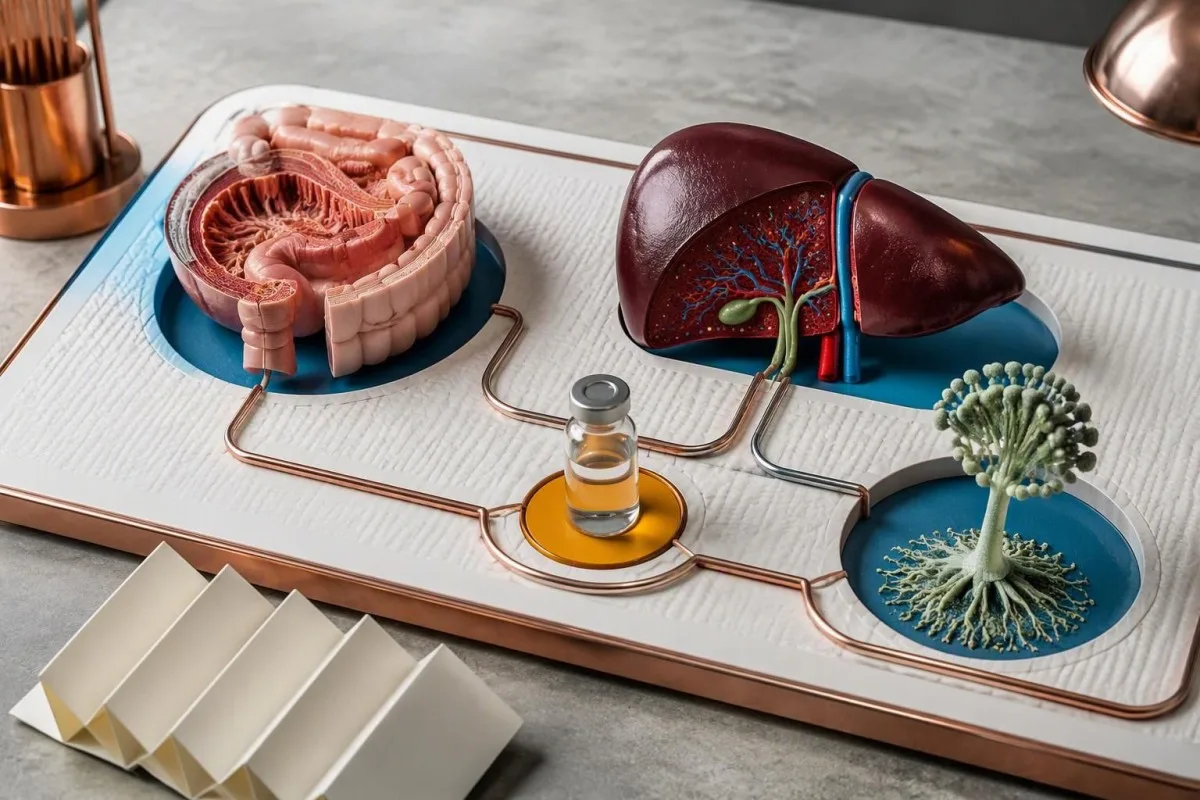
A practical review has three questions: was the sample a true trough, is exposure appropriate for this infection or prevention plan, and are there adverse effects or interactions? Include missed doses and meal timing honestly; a 12-hour prescription does not mean every dose was actually separated by 12 hours.
The clinical recommendations here draw on the 2016 IDSA aspergillosis guideline, the 2014 British Society for Medical Mycology monitoring guideline and the 2017 CPIC voriconazole guideline. These sources address different questions—clinical treatment, concentration monitoring and pharmacogenetics—so their recommendations should be combined thoughtfully rather than presented as one identical range.
Kantesti Ltd's role is to help readers understand laboratory information, not to prescribe antifungal treatment. Our organisation and purpose are described separately; technical evaluation on 100,000 synthetic cases cannot establish that a particular voriconazole dose improves clinical outcomes in a patient with invasive fungal disease.
The two research publications listed below describe an automated technical benchmark and a clinical-validation framework, not a voriconazole therapeutic-monitoring trial. Our validation methodology and limits explain that distinction; use our interpretation to prepare questions, while your infection specialist or prescribing team determines the dose and follow-up plan.
Često postavljana pitanja
Koja je normalna najniža koncentracija vorikonazola?
Voriconazole does not have a healthy-population 'normal' concentration; it has a therapeutic exposure target. Many treatment protocols use approximately 1–5.5 mg/L, while IDSA guidance discusses a minimum above 1–1.5 mg/L and an upper boundary below 5–6 mg/L. Severe disease, fungal susceptibility and prevention protocols can change the intended target. Your prescribing team should interpret the result using the actual collection time and clinical indication.
Koliko vremena pre doze treba izmeriti koncentraciju vorikonazola?
Najniža koncentracija vorikonazola obično se određuje neposredno pre sledeće zakazane doze, najčešće u roku od 30 minuta, u skladu sa uputstvima lokalne laboratorije. Ako je doza zakazana za 8 ujutru, uzimanje uzorka u 7:45, pre uzimanja leka, obično bi bilo odgovarajuće. Uzimanje doze pre vađenja uzorka može dovesti do rezultata nakon doze koji ne treba direktno porediti sa ciljnim najnižim koncentracijama. Dogovorite plan uzimanja uzorka sa timom, umesto da bez uputstava odlažete dozu za nekoliko sati.
Šta znači niska koncentracija vorikonazola?
Najniža koncentracija vorikonazola ispod 1 mg/L niža je od mnogih ciljnih vrednosti za lečenje, ali to ne dokazuje da je propisana doza premala. Propuštene doze, kasno uzet uzorak, uticaj hrane, povraćanje, oslabljena apsorpcija i lekovi koji indukuju enzime mogu objasniti nisku izloženost. Vorikonazol za oralnu primenu se uglavnom uzima najmanje 1 sat pre ili posle obroka, u skladu sa uputstvima za lek. Obratite se timu koji je propisao lek radi procene, umesto da sami povećavate dozu.
Da li su rezultati vorikonazola izraženi u mg/L i µg/mL isti?
Koncentracije vorikonazola izražene u mg/L i µg/mL imaju istu brojčanu vrednost. Rezultat od 2 mg/L je tačno 2 µg/mL, što je takođe 2.000 ng/mL. Laboratorije mogu koristiti različite jedinice i ciljne intervale, zato proverite obe stavke pre poređenja nalaza. Ova konverzija jedinica ne ispravlja uzorak uzet u pogrešno vreme.
Da li zamagljen vid ili halucinacije ukazuju na toksičnost vorikonazola?
Kratkotrajni poremećaji vida mogu se javiti pri primeni vorikonazola čak i kada je koncentracija u dolini unutar ciljnog opsega, dok halucinacije ili konfuzija izazivaju veću zabrinutost zbog prekomerne izloženosti ili drugog zdravstvenog problema. U informacijama o leku navodi se da se poremećaji vida javljaju kod približno 30% pacijenata, a često se povlače za oko 30 minuta. O novim halucinacijama, trajnom oštećenju vida ili pogoršanju simptoma treba odmah obavestiti tim koji je propisao lek; iznenadni gubitak vida ili teški neurološki simptomi zahtevaju hitnu procenu. Nemojte voziti dok vam je vid poremećen niti samostalno menjati dozu antimikotika.
Kada treba ponovo proveriti nivoe vorikonazola nakon promene doze?
Nivo vorikonazola se često ponovo proverava u roku od 4–7 dana nakon promene doze, u zavisnosti od režima, udarnih doza i lokalnog protokola. Ranije testiranje ili klinička intervencija mogu biti potrebni ako se sumnja na toksičnost, ako se funkcija jetre menja ili postoje značajne interakcije lekova. Nelinearni metabolizam znači da povećanje doze za 25% ne garantuje povećanje koncentracije za samo 25%. Tim koji propisuje terapiju treba da odredi datum ponovnog testiranja i protumači rezultat pre daljih promena.
Сазнајте како да читате крвну слику
Отпремите свој лабораторијски извештај, а AI алата Kantesti ће за неколико секунди објаснити сваки биомаркер једноставним језиком. Користи га више од 2 милиона људи широм света.
Референце
- Klein, T., Mitchell, S., & Weber, H. (2026). Pre-registrisano, automatizovano tehničko merilo zasnovano na rubrici (rubric-based) interpretacije Kantesti motora za tumačenje nalaza iz krvi na 100.000 sintetičkih test slučajeva. Kantesti AI Medical Research. ДОИ
- Klein, T., Mitchell, S., & Weber, H. (2026). Клинички оквир валидације v2.0 (страница за медицинску валидацију). Kantesti AI Medical Research. ДОИ
- Patterson TF et al. (2016). Smernice za dijagnostiku i lečenje aspergiloze: ažuriranje iz 2016. godine, Udruženja za infektivne bolesti Amerike. Clinical Infectious Diseases. ДОИ
- Ashbee HR et al. (2014). Therapeutic drug monitoring (TDM) of antifungal agents: guidelines from the British Society for Medical Mycology. Journal of Antimicrobial Chemotherapy. ДОИ
- Moriyama B et al. (2017). Clinical Pharmacogenetics Implementation Consortium (CPIC) Guidelines for CYP2C19 and Voriconazole Therapy. Clinical Pharmacology & Therapeutics. ДОИ
- 2 милиона+Analizirani testovi
- 127+Земље
- 100+Језици
O medicinskom timu


Е-Е-А-Т сигнали поверења
Искуство
Клиничка ревизија процеса тумачења лабораторијских налаза коју води лекар.
Експертиза
Фокус на лабораторијску медицину: како се биомаркери понашају у клиничком контексту.
Ауторитативност
Medicinski pregledao dr Thomas Klein, uz doprinos dr Sarah Mitchell i prof. dr Hansa Webera.
Поузданост
Тумачење засновано на доказима, са јасним путевима праћења како би се смањила узнемиреност.



Medicinsko odricanje od odgovornosti
Овај чланак је само у образовне сврхе и не представља медицински савет. За одлуке о дијагнози и лечењу увек се консултујте са квалификованим здравственим радником.
Objavljeno · Kontaktirajte urednički tim
Objavio Kantesti Ltd, registrovan u Engleskoj i Velsu, broj kompanije. 17090423, London, Ujedinjeno Kraljevstvo.
