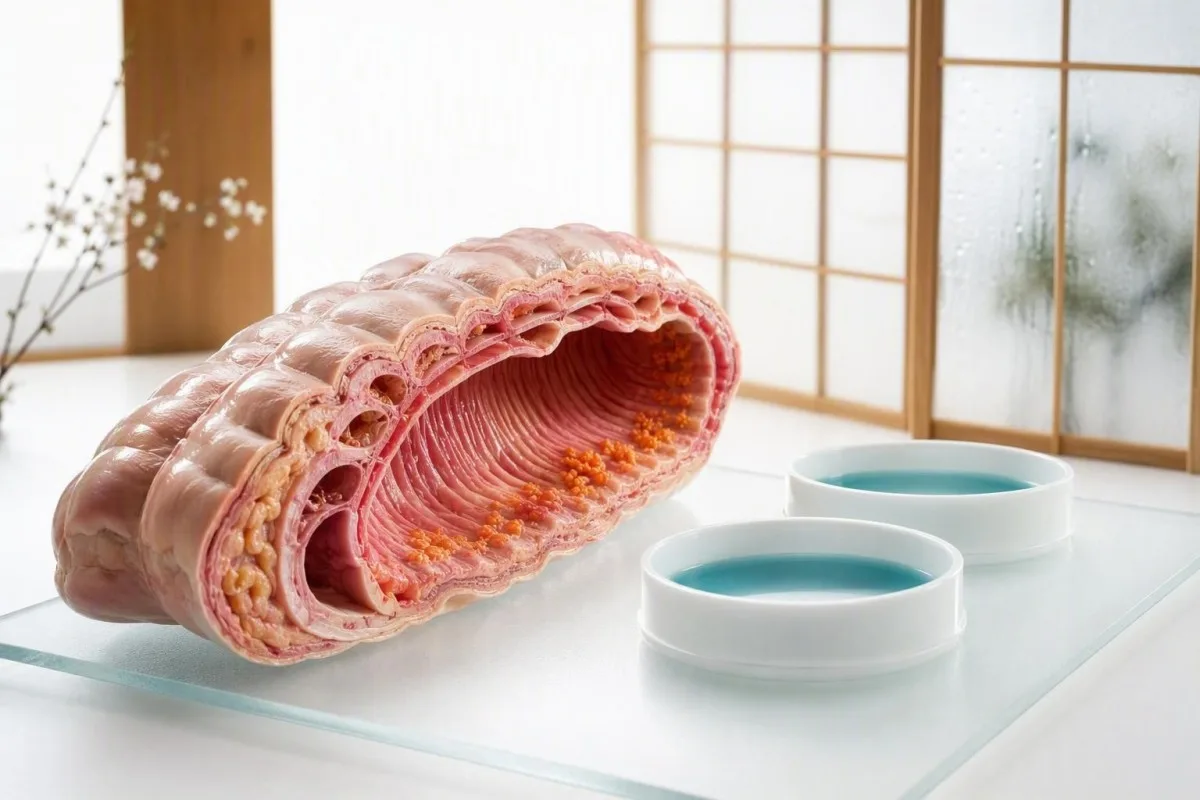
Molemmat testit havaitsevat neutrofiilien aiheuttaman suolentulehduksen, mutta kalprotektiini on yleensä hyödyllisempi kvantitatiivinen seurantatyökalu. Oikea tulos on sellainen, joka muuttaa seuraavaa kliinistä päätöstä – ei sellainen, joka leimaa sinut IBD:llä.


- Kalprotektiini alle 50 µg/g on yleensä rauhoittava ärtyvän suolen oireyhtymää (IBS) epäilevillä aikuisilla, joilla ei ole hälyttäviä oireita.
- Laktoferriini on neutrofiilien proteiini; monet kvantitatiiviset määritykset käyttävät alle 7,25 µg/g negatiivisena, mutta laboratoriorajataulukot vaihtelevat.
- Korkeat ulostemarkkerit viittaavat suolen tulehdukseen, eivät spesifiseen diagnoosiin; infektio, NSAID-lääkkeet, divertikuliitti ja paksusuolen neoplasia voivat kohottaa molempia.
- Raja-arvoinen kalprotektiini 50–150 µg/g vaatii usein uuden näytteen 2–6 viikon kuluttua välittömän kolonoskopian sijaan.
- Kalprotektiini yli 250 µg/g lisää huolta aktiivisesta limakalvon tulehduksesta ja johtaa yleensä kliiniseen arvioon, ulosteen infektioiden testaamiseen tai endoskopian suunnitteluun.
- Normaalit verikoetulokset aktiivinen paksusuolen IBD vähemmän todennäköisenä, mutta eristetyn ohutsuolen Crohnin taudin poissulkeminen ei ole luotettavaa.
- IBD:n seuranta käyttää oireita sekä biomarkkereita, CRP:tä, anemiaan viittaavia merkkiaineita, kuvantamista ja tähystystä; mikään ulosteen merkkiaine ei itsenäisesti diagnosoi pahenemisvaihetta.
- Kiireelliset oireet kuten musta uloste, jatkuva näkyvä veri, kuume, kova kipu, pyörtyminen tai nestehukka vaativat lääketieteellistä arviota merkkiainetuloksesta riippumatta.
Minkä ulostemarkkerin valitset ensin?
Fekaalinen kalprotektiini on yleensä ensimmäinen valinta ulosteen tulehdusmerkkiaineeksi koska se on laajalti saatavilla, kvantitatiivinen ja sillä on vahvin rooli todennäköisen tulehduksellisen suolistosairauden erottamisessa toiminnallisista suolisto-oireista. Fekaalinen laktoferriinitesti tulokset ovat järkevä vaihtoehto, kun kyseessä on paikallisesti validoitu määritys, mutta molempien tilaaminen alussa harvoin muuttaa hoitoa.
Henkilöllä, jolla on ollut 6 viikkoa löysiä ulosteita, kouristelua eikä painonlaskua tai peräsuolen verenvuotoa, aloittaisin yleensä kalprotektiinillä ja kohdennetulla infektion testauksella kolonoskopian sijaan. Tulos alle 50 µg/g tekee merkittävästä paksusuolen tulehduksesta vähemmän todennäköisen, kun taas selvästi kohonnut tulos antaa syyn tutkia asiaa tarkemmin. AGA:n ohjeistus krooniseen vetiseen ripuliin tukee kalprotektiiniä tai laktoferriiniä tulehdustilojen seulontatesteinä (Smalley et al., 2019).
Valitse laktoferriini, kun erikoislääkäripalvelusi käyttää sitä johdonmukaisesti, kun laboratorio raportoi validoidun kvantitatiivisen arvon tai kun se sisältyy infektioripulin tutkimuksiin. Älä valitse sitä sen perusteella, että se kuulostaa spesifimmältä: molempia proteiineja vapautuu, kun neutrofiilit tunkeutuvat suolikanavaan. Käytännön kysymys on, voiko lääkärisi verrata tulosta aiempiin näytteisiisi käyttämällä samaa määritysmenetelmää.
Kantesti on Tekoälyinen verikoeanalysaattori joka asettaa asiaan liittyvät tulokset, kuten hemoglobiinin, CRP:n, albumiinin ja rautaindeksit, ulosteen merkkiaineraportin rinnalle; se ei korvaa ulosteen määritystä tai lääkärin diagnoosia. Jos ripuliin liittyy väsymystä, verikoe ripuliin voi auttaa tunnistamaan nestehukkaa, anemiaa tai elektrolyyttitasapainon häiriöitä, jotka muuttavat kiireellisyyttä.
Hyödyllinen nyrkkisääntö
Käytä ensin yhtä validoitua merkkiainetta, toista sama merkkiaine, kun tulos on rajatapaus tai kun seurataan hoitoa, ja säästä kaksoistestaus erityiseen erikoislääkärin kysymykseen. Menetelmämuutos seurannan puolivälissä luo näennäisiä trendejä, jotka voivat olla laboratorion kohinaa pikemminkin kuin biologiaa.
Mitä ulosteen kalprotektiini todella havaitsee
Kalprotektiini mittaa kalsium- ja sinkkiä sitovaa proteiinia, jota vapautuu pääasiassa neutrofiileista suolistossa. Korkeampi pitoisuus ulosteessa heijastaa neutrofiilien siirtymistä suolistoon, mikä on yleistä aktiivisessa IBD:ssä, mutta esiintyy myös useissa IBD:hen liittymättömissä tiloissa.
Kalprotektiini on S100A8/S100A9-proteiinikompleksi, ja se pysyy suhteellisen vakaana ulosteessa useita päiviä huoneenlämmössä – yksi syy siihen, miksi se toimii hyvin kotikeräystestinä. Sen biologinen vahvuus on paikallisuus: toisin kuin CRP, se heijastaa solujen aktiivisuutta suolikanavassa pikemminkin kuin koko kehon akuutin vaiheen reaktiota. Normaali CRP ei siis kumoa korkeaa kalprotektiinitulosta.
Aikuispotilaiden käytännössä laboratoriot luokittelevat yleensä alle 50 µg/g normaaliksi ja yli 150–250 µg/g yhä enemmän aktiiviseen suoliston tulehdukseen viittaavaksi. Nämä ovat päätöskynnyksiä, eivät yleismaailmallisia biologisia rajoja. Jotkut eurooppalaiset palvelut käyttävät 100 µg/g lähetekyynnysarvona, kun taas pediatriset ja määritysmenetelmäkohtaiset viitevälit voivat vaihdella huomattavasti.
Olen nähnyt 28-vuotiaan henkilön, jonka kalprotektiini oli 680 µg/g, CRP normaali, ja hänellä todettiin lopulta peräsuoleen ja sigmasuoleen rajoittuva haavainen paksusuolitulehdus. Tuollainen kuvio ei ole epätavallinen: paikallinen limakalvon tulehdus voi olla aktiivinen ilman voimakasta systeemistä signaalia. Meidän ulostautin kalproteiinien viitearvo-opas selittää, miksi laboratorion oma menetelmä ja yksiköt tulee liittää jokaiseen tulokseen.
Mitä ulosteen laktoferriini havaitsee eri tavalla
Laktoferriini havaitsee toisen neutrofiileistä peräisin olevan proteiinin ja vastaa lähes samaan biologiseen kysymykseen kuin kalproteiini: onko suolistossa aktiivista neutrofiili-inflammaatiota? Se ei yksinään tunnista haavaista koliittia, Crohnin tautia, bakteerikoliittia tai muuta syytä.
Laktoferriini on rautaa sitova glykoproteiini, jota varastoituu neutrofiilien sekundäärisiin granuloihin ja vapautuu aktivaation aikana. Positiivinen kvalitatiivinen ulostautin laktoferriinitesti on hyödyllinen, koska se puhuu yksinkertaistetun IBS:n puolesta oikeassa kliinisessä tilanteessa. Kvantitatiiviset määritykset vaihtelevat: yksi yleisesti käytetty menetelmä määrittelee negatiivisen arvon alle 7,25 µg/g, joten älä koskaan sovella kalproteiinin katkaisuarvoa laktoferriinitulokseen.
Todisteet eivät osoita, että laktoferriini olisi kategorisesti parempi. Diagnostisessa meta-analyysissä Wang ja kollegat totesivat, että ulostautin laktoferriinin yhdistetty herkkyys oli 82 % ja spesifisyys 14 % IBD:n erottamisessa ei-IBD-kontrolleista, vaikka tarkkuusarviot muuttuvat sairauden yleisyyden ja tutkimussuunnittelun mukaan (Wang et al., 2015). Tämä vaikuttava spesifisyys ei vieläkään muuta positiivista tulosta IBD-diagnoosiksi.
Positiivinen laktoferriinitulos on erityisen keskustelun arvoinen, kun ripuli alkoi äkillisesti matkan, antibioottien, saastuneen ruoan altistuksen tai sairaan henkilön kosketuksen jälkeen. Näissä tilanteissa lääkärit yleensä tekevät patogeenitestauksen sen sijaan, että hyppäisivät suoraan IBD-merkintään. Oppaamme ulosteviljelyn tulokset selittää, mitä negatiivinen tai sekakasvuinen raportti voi ja ei voi ratkaista.
Kuinka tulkita raja-arvoja yli-reagoimatta
Kalproteiiniarvo alle 50 µg/g on yleensä normaali aikuisilla, 50–150 µg/g on usein epämääräinen vyöhyke ja yli 250 µg/g:n arvot herättävät huolta aktiivisesta tulehduksesta. Laktoferriinissä käytetään määrityskohtaisia katkaisuarvoja, yleensä kvalitatiivista positiivista tai kvantitatiivista rajaa lähellä 7,25 µg/g.
50 µg/g kalproteiinin raja-arvo on suunniteltu herkkyyttä varten: se havaitsee useimmat kliinisesti merkittävät tulehdussairaudet pienten väärien positiivisten kustannuksella. 250 µg/g raja-arvo on hyödyllisempi spesifisyyttä ja vakiintuneen IBD:n seurantaa varten. Niiden välissä on turhauttava keskialue, jossa lääkkeiden käyttö, äskettäinen:(lääkkeiden käyttö), ikä ja kehitys ovat tärkeämpiä kuin yksittäinen numero.
Muutos 72:sta 94 µg/g:aan on usein vähemmän merkityksellinen kuin muutos 85:stä 430 µg/g:aan, erityisesti jos molemmat näytteet testattiin samassa laboratoriossa. Ulosteen koostumus voi vaikuttaa uuttoon ja biologinen vaihtelu on todellista. Tri Thomas Kleinin käytännön neuvo on kirjata NSAID-lääkkeiden käyttö, äskettäinen infektio, kuukautiskontaminaatio ja keräyspäivämäärä ennen kohtalaisen nousun tulkintaa.
Järjestelmälliseen lähestymistapaan sarja-arvoissa, vertaa näytepäivää oireisiin ja liittyviin laboratoriotutkimuksiin sen sijaan, että jokaista merkittyä tulosta pidettäisiin sairauden etenemisenä. Meidän 3–10 mEq/L ilman kaliumia; 8–16 mEq/L kaliumin kanssa selittää saman periaatteen viitearvon muutoksesta ja analyyttisesta vaihtelusta laboratorio-lääketieteessä.
Miksi molemmat markkerit voivat olla koholla ilman IBD:tä
Kohonneita ulosteen tulehdusmerkkiaineita esiintyy suolistoinfektiossa, NSAID-altistuksessa, divertikuliitissa, paksusuolen kasvaimissa, mikroskooppisessa koliitissa ja IBD:ssä. Tulos vahvistaa tulehdussignaalin; se ei yksin kerro syytä, sijaintia, kestoa tai vakavuutta.
Tulehduskipulääkkeet (NSAID) voivat kohottaa ulosteen kalprotektiinia, joskus merkittävästi, lisäämällä suoliston läpäisevyyttä ja aiheuttamalla pieniä limakalvovaurioita. Ibuprofeeni, naprokseeni ja diklofenaakki ovat merkittäviä; lääkäri voi harkita niiden tauottamista, jos se on lääketieteellisesti turvallista ennen testin uusimista. Älä lopeta määrättyä aspiriinia, antikoagulantteja tai kipulääkkeitä kysymättä ensin lääkäriltä.
Akuutti bakteeriripuli voi tuottaa kalprotektiiniarvoja yli 500 µg/g ja positiivisen laktoferriinin, minkä vuoksi ulosteen patogeenipaneeli voi olla informatiivisempi kuin kiireellinen kolonoskopia sairauden alkuvaiheessa. Päinvastoin, giardiaasi voi aiheuttaa pitkittynyttä ripulia vähemmän merkittävällä neutrofiilien merkkiaineen nousulla. Oireiden aikajana on usein odotettua merkityksellisempi diagnostiikassa.
Kantesti on AI-laboratoriotestien tulkintapalvelu joka voi nostaa esiin tulehduskuvion, kuten matalan hemoglobiinin, matalan albumiinin, trombosytoosin ja kohonneen CRP:n lääkärin arvioitavaksi, mutta nämä verilöydökset eivät todista suoliston olevan tulehduksen lähde. Ulosteen verenvuodosta kärsiville, FIT-seuranta ja kolonoskopian ajoitus on eri asia kuin kalprotektiini, eikä sitä pidä viivästyttää.
Milloin normaali tulos voi silti jättää huomaamatta sairauden
Normaali kalprotektiini tai laktoferriini tekee aktiivisen paksusuolen tulehduksen epätodennäköiseksi, mutta se ei voi täysin sulkea pois Crohnin tautia, erityisesti lievää tai vain ohutsuolta koskevaa tautia. Normaali tulos ei myöskään selitä jatkuvaa painonlaskua, raudanpuuteanemiaa, yöllistä ripulia tai toistuvaa näkyvää verenvuotoa.
Ohutsuolen Crohnin tauti voi erittää vähemmän neutrofiiliproteiinia ulostenäytteeseen kuin laaja koliitti, erityisesti kun vauriot ovat proksimaalisia tai lieviä. Tämä on yksi syy siihen, miksi oireet ja hälytysmerkit ohittavat rauhoittavan numeron. ECCO-ESGAR -diagnostiikkaohje suosittelee biomarkkereiden yhdistämistä ileokolonoskopiaan ja poikkileikkauskuvantamiseen, kun IBD on edelleen kliinisesti epäilty (Maaser et al., 2019).
46-vuotias, jonka kalprotektiini on 38 µg/g, ferritiini 7 ng/mL ja etenevä väsymys, ansaitsee arvioinnin maha-suolikanavan verenvuodon tai imeytymishäiriön varalta, vaikka suolen toiminta olisi normaalia. Kokemukseni mukaan raudanpuutteen ja selittämättömien oireiden yhdistelmä on paljon merkityksellisempi kuin yksittäinen matala ulostemerkki. Lue meidän matala ferritiini ja suoliston vihjeet tavallisimpia seuraavia laboratoriotutkimuksia varten.
keliakia, sappihapporipuli, haiman vajaatoiminta ja monet lääkevaikutukset voivat aiheuttaa oireita normaaleilla ulosteen tulehdusmerkkiaineilla. Normaali testi on siksi risteyskohta kohti tulehduksettomia diagnooseja, ei julistus siitä, että oireet ovat psykologisia tai merkityksettömiä.
Mitä tehdä rajatapauksena olevan kalprotektiinituloksen kanssa
Rajatapaus ulosteen kalprotektiinitulos 50–150 µg/g toistetaan yleensä 2–6 viikon kuluttua, jos oireet ovat vakaat eikä hälytysmerkkejä ole. Uusintatesti tulisi tehdä samalla laboratoriolla ja sen ajoitus tulisi olla kaukana äskettäisestä maha-suolikanavan infektiosta, jos mahdollista.
Ennen uudelleen testausta lääkärit tarkistavat NSAID:t, protonipumpun estäjät, antibiootit, akuutit infektiot, raskaan kestävyysliikunnan ja ikään liittyvät riskit. Yleisesti hyväksyttyä huuhteluväliä jokaiselle lääkkeelle ei ole. Käytännöllinen suunnitelma on usein 2 viikkoa akuutin sairauden tasaannuttua, edellyttäen ettei oireet signaloi tarvetta aiemmalle hoidolle.
Jos uusintatesti laskee 118:sta 32 µg/g ja oireet helpottavat, invasiivinen testaus voi olla vältettävissä. Jos se nousee 96:sta 310 µg/g, suunta lisää hyödyllistä näyttöä jo ennen endoskopiatuloksen saapumista. Siksi yksittäisen rajatapausarvon ei pitäisi harvoin aiheuttaa paniikkia – tai väärää turvallisuuden tunnetta.
Meidän rajatapaus kalprotektiini seurantaohje esittää kysymykset, jotka on tuotava ensihoito- tai gastroenterologian vastaanotolle. Lyhyt oirepäiväkirja, jossa on suolen toiminta, yölliset heräämiset, kuume ja lääkityspäivämäärät, on yleensä hyödyllisempi kuin ruoka-ärsykkeiden pakonomainen tarkistaminen.
Kuinka lääkärit käyttävät markkereita IBD:n diagnosoinnin jälkeen
Vakiintuneessa IBD:ssä kalprotektiini on hyödyllisin objektiivisen suolistotulehduksen seurantaan ja auttaa päättämään, edustavatko oireet pahenemisvaihetta, infektiota, IBS-päällekkäisyyttä vai hoitovastetta. Laktoferriini voi myös seurata aktiivisuutta, mutta kalproteiinilla on enemmän ohjeistojen tukemia raja-arvoja "treat-to-target" -seurantaan.
Oireet ja limakalvojen aktiivisuus eroavat usein. Ulseratiivista koliittia sairastava potilas voi voida hyvin, vaikka kalproteiini nousisi 80:stä 360 µg/g:aan, tai hänellä voi olla kiireellisiä suolenliikkeitä sappihappojen imeytymishäiriön vuoksi, vaikka kalproteiini pysyisi 28 µg/g:ssa. Vuoden 2023 AGA:n ulseratiivista koliittia koskevassa ohjeistossa suositellaan oireiden yhdistämistä biomarkkereihin sen sijaan, että luotettaisiin vain toiseen (Singh et al., 2023).
Remission seurannassa monet lääkärit pitävät alle 150 µg/g rauhoittavana, kun taas yli 150 µg/g voi vaatia toistuvia testejä, endoskopiaa tai hoidon arviointia riippuen oireista ja aiemmasta taudinkulusta. Aktiivisessa oireisessa ulseratiivisessa koliitissa, yli 250 µg/g tukee jatkuvaa tulehdusta. Raja-arvot ovat ohjeita, eivät käskyjä muuttaa biologista hoitoa ilman erikoislääkärin arviota.
Kantesti AI on AI-biomarkkerien tulkinta-alusta joka järjestää verikokeiden trendit potilaan ilmoittamien hoitopäivämäärien ympärille; se ei voi arvioida ulosteen endoskooppista vakavuutta pelkän numeron perusteella. Biologisia lääkkeitä käyttävien potilaiden tulee myös ymmärtää, mitkä veriturvallisuustestit seuraavat hoitoa ja mitkä oireet vaativat nopeaa yhteydenottoa IBD-tiimiinsä.
Kuinka näytteenotto-ongelmat ja ajoitus vaikuttavat tuloksiin
Keräyksen laatu vaikuttaa ulostemittarin tulkintaan, koska saastunut, myöhässä toimitettu tai huonosti otettu näyte voidaan hylätä tai tuottaa epäluotettavampi mittaustulos. Useimmat laboratoriot haluavat pienen ulostenäytteen toimitetulle steriilille astialle ilman WC-vettä tai virtsaa.
Löysä uloste on yleensä hyväksyttävää kalproteiini- ja laktoferriinitestauksessa; älä odota kiinteää näytettä, jos ripuli on kliininen ongelma. Vältä keräystä WC-vedestä ja kerro laboratoriossa, jos näyte sisältää näkyvää kuukautisverta. Säilytysohjeet vaihtelevat pakkauskohtaisesti, mutta monet sallivat lyhyen kuljetuksen huoneenlämmössä, koska kalproteiini on suhteellisen vakaa.
Näytteenotto päivää maratonin, maha-suolitulehduksen tai kolonoskopian suoliston valmistelun jälkeen voi antaa väärän vastauksen. Kestävyysurheilu voi ohimenevästi lisätä suoliston läpäisevyyttä ja provosoida maha-suolikanavan oireita. Jos olet kestävyysurheilija ilman hälyttäviä oireita, harkitse näytteenoton ajoittamista pois merkittävästä tapahtumasta; meidän kestävyysurheilijan laboratoriopassioppaassa selittää, miksi konteksti muuttaa testin tulkintaa.
Asia on niin, että täydellinen keräys ei tee epäspesifistä biomarkkerista spesifiä. Laadukas näyte lisää luottamusta mittaustulokseen; se ei voi korvata kliinistä anamneesia, tutkimusta ja erotusdiagnoosia.
Mitkä verikokeet tekevät ulostemarkkerista hyödyllisemmän
CBC, CRP, ferritiini, albumiini, munuaisten toiminta ja keliakian serologia lisäävät usein enemmän kliinistä arvoa kohonneeseen ulostemittariin kuin toisen ulosteen tulehdusproteiinin tilaaminen. Huolestuttava kuvio ei ole yksittäinen poikkeama, vaan useita tuloksia, jotka viittaavat tulehdukseen, imeytymishäiriöön tai verenvuotoon.
Alhainen hemoglobiini, ferritiini alle 15 ng/mL, albumiini alle laboratorion viitealueen, kohonneet verihiutaleet tai kohonnut CRP voivat vahvistaa huolta kliinisesti merkityksellisestä suolistosairaudesta. Mikään näistä ei ole IBD:n diagnostinen. Itse asiassa CRP voi pysyä normaalina lievässä ulseratiivisessa koliitissa, ja ferritiini voi näyttää väärin normaalilta, kun tulehdus nostaa sitä akuutin faasin proteiinina.
Kantesti on AI-pohjainen verikokeiden analyysityökalu joka lukee CBC:n, rautakokeet ja CRP:n samassa kliinisessä kehyksessä, mukaan lukien sen, voiko muuttuva hemoglobiinitaso oikeuttaa aikaisemman arvioinnin. Tohtori Thomas Klein varoittaa rutiininomaisesti, että erillinen CRP 12 mg/L on epäspesifinen, kun taas CRP 12 mg/L sekä laskeva albumiini ja kalproteiini 740 µg/g ovat paljon toimintakelpoisempi ryväs.
Potilaille, joiden rauta-arvot vaikuttavat ristiriitaisilta, rautatutkimusten opas selittää tulehduksen aikaisen transferriinisaturaation ja ferriinin. Tulosopas verenkuvalle voi myös auttaa tunnistamaan, onko anemia mikrosyyttinen, tulehduksellinen vai sekamuotoinen.
Milloin molempien testien tilaaminen voi olla järkevää
Kalprotektiinin ja laktoriinin määrääminen yhdessä on yleensä tarpeetonta, mutta se voi olla perusteltua, kun erikoislääkäri sovittaa yhteen ristiriitaisia oireita, aiempaa analyysiä ei voida toistaa tai paikallinen hoitopolku vaatii vahvistusta. Yhdenmukaiset tulokset lisäävät kohtalaisesti luottamusta tulehdussignaaliin; ristiriitaiset tulokset johtavat yleensä tarkistukseen, eivätkä aritmeettiseen keskiarvoistamiseen.
Korkea kalprotektiini ja negatiivinen laktoriini voivat heijastaa analyysin ajoitusta, raja-arvon lähellä olevaa tulosta, näytteen heterogeenisyyttä tai analyyttisiä eroja. Matala kalprotektiini ja positiivinen laktoriini ansaitsevat saman kurinalaisen vastauksen: tarkista näytteenotto, tarkastele tarkkaa analyysiä, arvioi oireita ja testaa infektio tarvittaessa. Kumpikaan yhdistelmä ei tarjoa validoitua oikotietä diagnoosiin.
Kaksinkertainen testaus voi olla hyödyllistä myös tutkimusasetelmissa, joissa protokolla edellyttää molempia biomarkkereita. Se eroaa rutiininomaisesta potilashoidosta, jossa päällekkäinen testaus voi lisätä kustannuksia parantamatta päätöksentekoa. Kysy tilaavalta lääkäriltä yksinkertainen kysymys: “Mitä teemme toisin, jos toinen testi on positiivinen?”
Jos raportti vaikuttaa sisäisesti epäjohdonmukaiselta, käytä kvalitatiivinen vs. kvantitatiivinen testausopas ymmärtääksesi, miksi “positiivinen” ja “korkea” eivät ole vaihdettavissa olevia laboratoriotuloksia. Menetelmän johdonmukaisuus on tärkeämpää kuin kaikkien saatavilla olevien merkkiaineiden kerääminen.
Mikä todella vahvistaa tai sulkee pois IBD:n
IBD diagnosoidaan oireiden, ileokolonoskopian kudosnäytteenoton, histologian, laboratoriotutkimusten ja joskus MRI- tai CT-enterografian synteesin perusteella – ei pelkästään kalprotektiinin tai laktoriinin perusteella. Ulosteen merkkiaineet auttavat päättämään, kuka tarvitsee näitä tutkimuksia ja muuttuuko tulehdus ajan myötä.
Kolonoskopia mahdollistaa ohutsuolen ja paksusuolen suoran arvioinnin ja mahdollistaa kudosnäytteiden tutkimisen kroonisten tulehduspiirteiden, infektion, mikroskooppisen koliitin, dysplasian ja muiden syiden varalta. Kuvantaminen on erityisen arvokasta, kun Crohnin tauti voi vaikuttaa ohutsuoleen, joka on tavallisen kolonoskopian ulottumattomissa. Ulosteen merkkiaine on triage-signaali, ei mikroskooppinen diagnoosi.
Älä sekoita ulosteen immunokemiallista testiä (FIT) kumpaankaan tulehdusmerkkiaineeseen. FIT havaitsee ihmisen hemoglobiinia ja sitä käytetään ensisijaisesti paksusuolensyövän seulonnassa tai alemman ruoansulatuskanavan verenvuotopoluissa, kun taas kalprotektiini ja laktoriini havaitsevat neutrofiilien tuotteita. Vertailemme FIT- ja FOBT-testejä ja selitämme, miksi negatiivinen tulehdusmerkkiaine ei korvaa suositeltua syöpäseulontaa.
4. syyskuuta 2026 mennessä mikään merkittävä gastroenterologian ohjeistus ei suosittele Crohnin taudin tai haavaarisen koliitin diagnosointia yhdestä ulosteen biomarkkerikynnyksestä. Tämä rajoitus suojaa potilaita sekä menetetyltä taudilta että tarpeettomilta elinikäisiltä diagnoosimerkinnöiltä.
Oireet, jotka painavat enemmän kuin mikään ulostetestin tulos
Jatkuva näkyvä peräsuolen verenvuoto, musta tervamainen uloste, vaikea vatsakipu, kuume, pyörtyminen, nestehukka, nopeasti paheneva heikkous tai tahaton painon lasku vaativat nopeaa lääketieteellistä arviointia riippumatta kalprotektiini- tai laktoriiniarvoista. Normaalia tulosta ei koskaan pidä käyttää potentiaalisesti kiireellisten oireiden ohittamiseen.
Kiireellinen huolenaihe on fysiologia, ei laboratorioraportin merkintä. Tiheä vetinen ripuli voi aiheuttaa matalan kaliumin, akuutin munuaisvaurion ja ortostaattisia oireita ennen kuin tulehdusmerkkiaine palaa. Aikuisten, jotka eivät pysty pidättämään nesteitä, sekavuudesta, pyörtymisestä tai vähäisestä virtsanerityksestä kärsivien tulisi hakeutua kiireelliseen hoitoon.
Uudet suolisto-oireet 50 ikävuoden jälkeen, vahva paksusuolensyövän sukuhistoria ja raudanpuuteanemia muuttavat paksusuolen arvioinnin kynnystä, vaikka kalprotektiini olisi matala. Ulosteen merkkiaine ei arvioi syöpäriskiä kattavasti. liman punaisen lipun opas erottaa yleiset hyvänlaatuiset oirekuvat oireista, jotka vaativat tutkimusta.
Lasten, raskaana olevien, iäkkäiden ja immuunivastetta heikentäviä lääkkeitä käyttävien henkilöiden hoidon tarpeen arviointi on yksilöllistettävä, koska heidän lähtökohtaiset riskinsä poikkeavat toisistaan. Jos et ole varma, ovatko oireet kiireellisiä, paikalliseen lääkäriin tai kiirevastaanottoon yhteyden ottaminen on turvallisempaa kuin yksittäisen lukeman yrittäminen tulkita erillään muista tiedoista.
Käytännön keskustelu tuloksen saamisen jälkeen
Hyödyllisin jatkokysymys on: “Muuttavatko nämä tulokset tarvettani infektiotutkimuksiin, uusintatutkimuksiin, kuvantamiseen tai tähystykseen?” Tarkan arvon, analyysin nimen, oireiden aikajanan, lääkityksen ja aiempien tulosten tuominen tekee keskustelusta nopeamman ja kliinisesti täsmällisemmän.
Ota mukaan luettelo viimeisten 14 päivän ajalta: ulostamiskerrat, yölliset oireet, kuume, painonmuutos, matkustaminen, antibiootit, tulehduskipulääkkeet ja sukuhistoria. Kalprotektiiniarvo 180 µg/g kolmen päivän kuumeisen ripulitaudin jälkeen edellyttää erilaista suunnitelmaa kuin sama tulos neljän kuukauden yöaikaisen ripulin ja laihtumisen jälkeen.
Kantesti AI voi auttaa sinua järjestämään vastaanotolle mukaan otettavat verikoetulokset, mutta diagnoosi- ja hoitopäätökset kuuluvat lääkärille, joka voi tutkia sinut ja järjestää varmistavat tutkimukset. Sivustomme lääketieteellinen validointilähestymistapamme kertoo, miten kliininen valvonta ja lähteiden tarkistaminen on sisällytetty vastuulliseen laboratoriotulosten tulkintaan.
Monimutkaisissa tapauksissa kysy, kuka vastaa seurannasta ja milloin voit odottaa uusintatulosta tai päätöstä lähetteestä. Sivustomme kliinikot Lääketieteellinen neuvoa-antava toimikunta korostavat, että dokumentoitu suunnitelma on parempi kuin epämääräinen kehotus “tarkistaa myöhemmin”, erityisesti silloin, kun tulehdusmarkkerit ja anemia kehittyvät samaan suuntaan.
Päätöksiin keskittyvä ydinviesti
Valitse useimmissa tilanteissa ensisijaisesti kalprotektiini, käytä laktoferriiniä, kun se on palvelusi validoitu vaihtoehto, äläkä oleta kummankaan tuloksen diagnosoivan IBD:tä. Matala tulos suuntaa huomion toiminnallisiin ja ei-tulehduksellisiin syihin, kun taas jatkuvasti korkea tulos tunnistaa henkilöt, jotka saattavat tarvita infektiotutkimuksia, erikoislääkärin arviota tai tähystystä.
Komplisoitumattomassa kroonisessa ripulissa yksi normaali merkkiaine — kalprotektiini alle 50 µg/g tai kyseisen laboratorion mukaan negatiivinen laktoferriini — voi vähentää aktiivisen tulehduksellisen sairauden todennäköisyyttä. Jos arvo on yli 250 µg/g tai laktoferriini positiivinen ja oireet jatkuvat, seuraava kysymys koskee syytä, ei varmuutta. Infektio, lääkealtistus, IBD ja muut tulehdukselliset sairaudet ovat edelleen mahdollisia.
Useimmille potilaille epäselvin on kalprotektiinin alue 50–150 µg/g. Kokemukseni mukaan paras seuraava askel on yleensä huolellisesti ajoitettu uusintatutkimus, ei suoliston puhdistuskuuri, omatoiminen steroidien käyttö tai internetissä tehty diagnoosi. Käytä mahdollisuuksien mukaan samaa laboratoriota, jotta kehityssuuntaa voidaan tulkita.
Kantesti:n Tekoälyteknologiaopas kertoo, miten järjestelmämme säilyttävät laboratoriotulosten kontekstin ja samalla nostavat esiin lääkärin arviota vaativat kysymykset. Minkä tahansa tekoälytulkinnan turvallinen käyttö toimii tässä samoin: käytä sitä paremman lääkärikeskustelun valmisteluun, älä koskaan ohita sillä hälytysmerkkejä tai korvaa diagnostista hoitoa.
Usein kysytyt kysymykset
Onko kalprotektiini parempi kuin laktferriini IBD:n havaitsemisessa?
Kalprotektiinia suositaan yleensä epäillyssä IBD:ssä, koska se on laajalti saatavilla kvantitatiivisena testinä ja sillä on yleisesti käytetyt seurannan raja-arvot, kuten alle 50 µg/g ja yli 250 µg/g. Laktoferriini on myös hyödyllinen neutrofiileistä peräisin oleva ulostemarkkeri, ja se voi toimia hyvin, kun laboratorio käyttää validoitua määritysmenetelmää. Kumpikaan markkeri ei vahvista IBD:tä, koska infektiot, NSAID-lääkkeet, divertikuliitti ja muut suolistosairaudet voivat nostaa molempia. Parempi testi on yleensä se, jonka kliinikkosi voi tulkita yhdessä oireiden kanssa ja toistaa käyttämällä samaa laboratoriotekniikkaa.
Mikä kalsiproktiinitaso on huolestuttava?
Ulosteen kalprotektiinitaso alle 50 µg/g on yleensä rauhoittava aikuisilla ilman hälyttäviä oireita, kun taas 50–150 µg/g pidetään usein rajatapauksena ja se voidaan toistaa 2–6 viikon kuluttua. Yli 150–250 µg/g arvot ovat huolestuttavampia suoliston tulehduksen kannalta, ja yli 250 µg/g tasot johtavat yleensä kliiniseen arviointiin tai lisätutkimuksiin. Tarkka toimenpide riippuu määritysmenetelmästä, oireista, iästä, NSAID-lääkkeiden käytöstä ja siitä, nouseeko arvo. 600 µg/g arvolla akuutin bakteeriperäisen ripulin jälkeen voi olla eri merkitys kuin 600 µg/g useiden kuukausien kroonisten oireiden aikana.
Voiko IBS-oireyhtymä aiheuttaa korkeaa kalprotektiini- tai laktoferriinitasoa?
Oireeton IBD ei yleensä aiheuta kohonneita ulosteen kalprotektiini- tai laktoferriinitasoja, koska IBD ei aiheuta neutrofiilivälitteistä suoliston tulehdusta. Lievät kalprotektiinin nousut 50 ja 150 µg/g välillä voivat johtua hiljattain sairastetusta infektiosta, NSAID-lääkkeiden käytöstä, ikään liittyvistä tekijöistä tai määritysmenetelmän vaihtelusta, joten ne eivät automaattisesti sulje pois IBD:tä. Positiivinen laktoferriini tai kalprotektiini yli 250 µg/g tulisi johtaa tulehduksellisen tai infektiivisen syyn selvittämiseen IBD:n olettamisen sijaan. IBD ja tulehduksellinen suolistosairaus (IBD) voivat esiintyä samanaikaisesti, mikä on toinen syy siihen, miksi oireet ja niiden kehitys ovat tärkeitä.
Voiko normaali kalprotektiini sulkea pois Crohnin taudin?
Normaali kalprotektiinitulos vähentää aktiivisen paksusuolen tulehduksellisen suolistosairauden (IBD) todennäköisyyttä, mutta ei voi täysin sulkea pois Crohnin tautia, etenkään lievää tai vain ohutsuoleen rajoittuvaa Crohnin tautia. Arvo alle 50 µg/g ei saa ohittaa hälyttäviä piirteitä, kuten raudanpuuteanemiaa, laihtumista, yöllistä ripulia, jatkuvaa verenvuotoa tai vahvaa sukuhistoriaa. Kliinikot voivat käyttää ileokolonoskopiaa, MR-enterografiaa tai kapselitutkimusta, kun kliininen epäily pysyy korkeana. Tulosta on parasta käsitellä todennäköisyyttä muokkaavana todisteena eikä lopullisena poissulkutestinä.
Pitäisikö minun uusia rajatapauksen ulosteen kalprotektiinitulos?
Kalprotektiinin rajatapausarvo 50–150 µg/g toistetaan usein 2–6 viikon kuluttua, kun oireet ovat vakaat eikä hälyttäviä merkkejä ole. Ennen toistamista lääkärit yleensä tarkistavat hiljattain sairastetun maha-suolitulehduksen, NSAID-lääkkeiden käytön, antibiootit ja näytteenottotavan, koska kukin voi vaikuttaa arvoon. Käytä mahdollisuuksien mukaan samaa laboratoriomääritystä, koska eri menetelmien tulokset eivät välttämättä ole suoraan vertailukelpoisia. Yleensä nouseva tulos kohti 250 µg/g tai sen yli on kliinisesti merkittävämpi kuin vakaa matala koholla oleva arvo.
Voivatko antibiootit vaikuttaa ulosteen kalprotektiiniin ja laktoferriiniin?
Antibiootit voivat vaikuttaa ulosteen tulehdusmerkkiaineisiin epäsuorasti hoitamalla, laukaisemalla tai ajoittumalla samanaikaisesti tarttuvan ripulin kanssa ja muuttamalla suoliston mikrobiomia. Antibiootteihin liittyvää ripulia sairastavalle tulisi arvioida syitä, kuten Clostridioides difficile, sen sijaan, että kohonnutta kalprotektiinia tai positiivista laktoferriinia tulkittaisiin IBD:ksi. Antibioottihoidon jälkeen testaukseen odotettavaa luotettavaa yleispäivien määrää ei ole; ajoitus riippuu oireista ja kliinisestä kysymyksestä. Pitkittynyt ripuli, kuume tai vatsakipu antibioottihoidon jälkeen vaatii lääkärin ohjaamaa testausta itsehoitoon ryhtymisen sijaan.
Hanki tekoälypohjainen verikoeanalyysi tänään
Liity yli 2 miljoonan käyttäjän joukkoon maailmanlaajuisesti, jotka luottavat Kantesti:hen saadakseen välittömän ja tarkan laboratoriotestianalyysin. Lataa verikoetuloksesi ja saat kattavan tulkinnan 15,000+-biomarkkereista sekunneissa.
📚 Viitatut tutkimusjulkaisut
Klein, T., Mitchell, S., & Weber, H. (2026). Kantesti LTD. (2026). Urobilinogeeni virtsassa -testi: Kattava virtsatutkimusopas 2026. Zenodo.. Kantesti AI Medical Research.
Klein, T., Mitchell, S., & Weber, H. (2026). Kantesti LTD. (2026). Rautatutkimusten opas: TIBC, raudan saturaatio ja sitoutumiskyky. Zenodo.. Kantesti AI Medical Research.
📖 Ulkoiset lääketieteelliset lähteet
Singh S ym. (2023). AGA:n kliinisen käytännön ohje biomarkkereiden roolista haavaisen paksusuolitulehduksen hoidossa. Gastroenterologia.
⚕️ Lääketieteellinen vastuuvapauslauseke
Tämä artikkeli on tarkoitettu vain koulutustarkoituksiin eikä se muodosta lääketieteellistä neuvontaa. Ota aina yhteyttä pätevään terveydenhuollon ammattilaiseen diagnoosi- ja hoitopäätöksiä varten.
E-E-A-T-luottamussignaalit
Kokea
Lääkärin johtama kliininen arviointi laboratoriotulkinnan työnkuluista.
Asiantuntemus
Laboratoriolääketiede keskittyy siihen, miten biomarkkerit käyttäytyvät kliinisessä kontekstissa.
Auktoriteetti
Kirjoittanut tohtori Thomas Klein, tarkistanut tohtori Sarah Mitchell ja professori tohtori Hans Weber.
Luotettavuus
Näyttöön perustuva tulkinta selkeillä jatkopoluilla, jotka vähentävät hälytystä.