
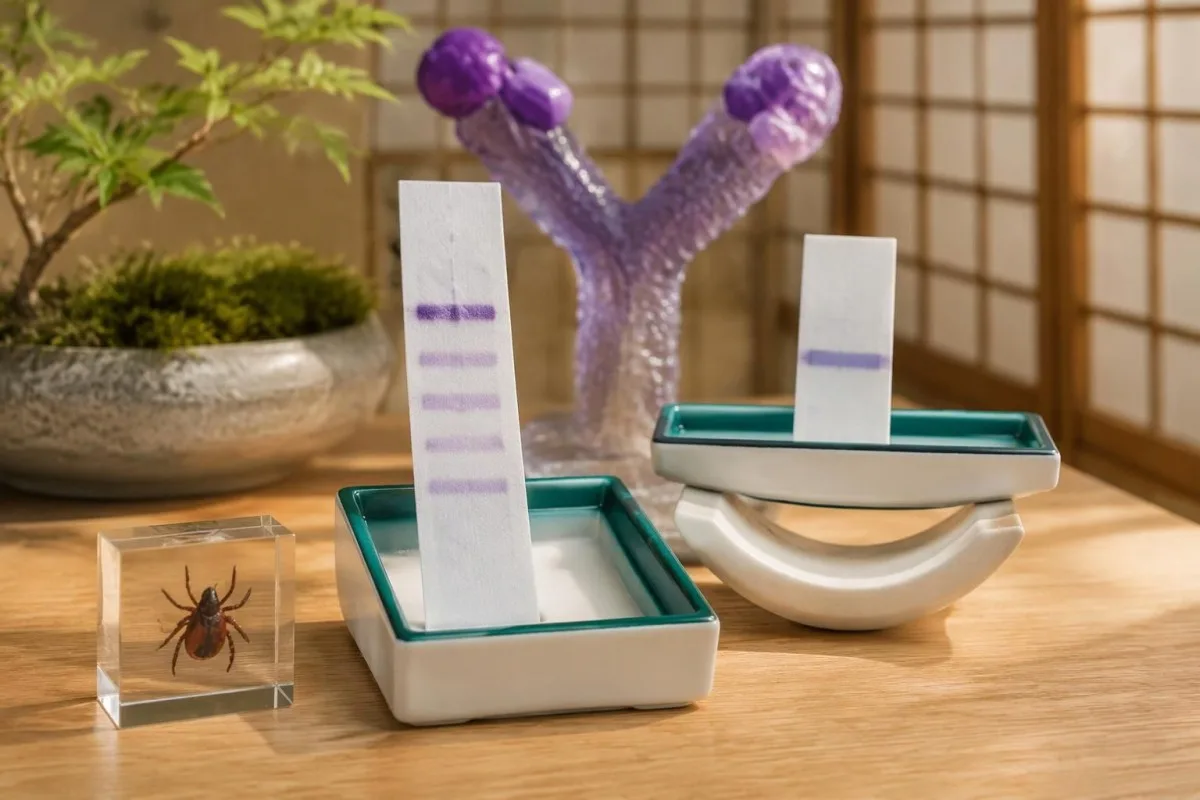
ایک ری ایکٹو بینڈ اینٹی باڈی کے بندھنے کو ظاہر کرتا ہے—تشخیص کو نہیں۔ مکمل جانچ کا الگورتھم، مرض سے واسطے کی تاریخ اور علامات کی زمانی ترتیب طے کرتی ہے کہ آیا یہ نتیجہ لائم بیماری کی تائید کرتا ہے۔

اہم نکات
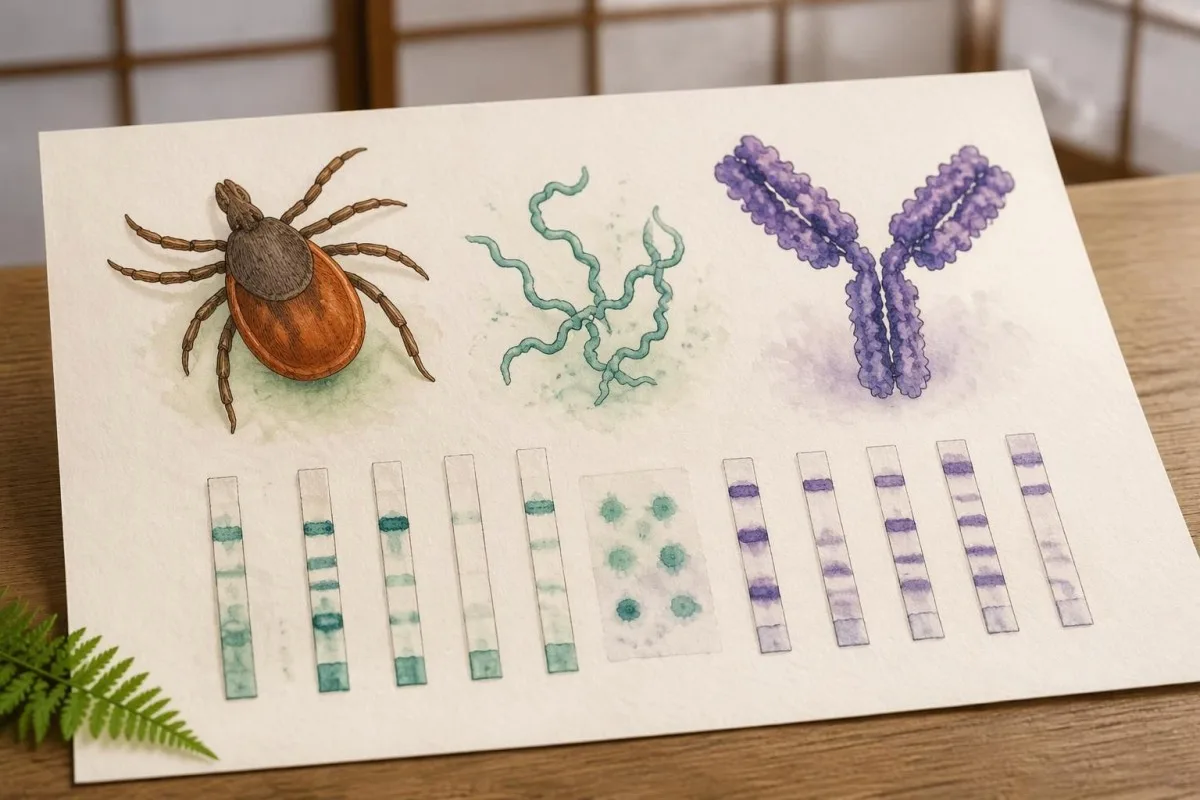
- انفرادی بینڈز لائم بیماری ثابت نہیں کرتے؛ نسبتاً مخصوص بینڈ کی بھی توثیق شدہ دو مرحلہ جانچ کے الگورتھم کے اندر تشریح ضروری ہے۔
- روایتی IgM معیار کے مطابق مقررہ 3 بینڈز میں سے کم از کم 2 درکار ہیں: تقریباً 23–25، 39 اور 41 kDa۔
- روایتی IgG معیار کے مطابق مقررہ 10 بینڈز میں سے کم از کم 5 درکار ہیں: 18، 23، 28، 30، 39، 41، 45، 58، 66 اور 93 kDa۔
- 30 دن کا اصول کا مطلب ہے کہ علامات 30 دن سے زیادہ عرصے سے موجود ہوں تو صرف IgM کی بنیاد پر لائم کی تشخیص نہیں ہونی چاہیے۔
- مجموعی منفی نتیجہ موجودہ ردِعمل والے بینڈز کے ساتھ بھی ہو سکتا ہے، کیونکہ لیبارٹری یہ جانچتی ہے کہ کوئی توثیق شدہ پیٹرن موجود ہے یا نہیں، نہ کہ کوئی بینڈ ظاہر ہوتا ہے یا نہیں۔
- ترمیم شدہ دو مرحلہ جانچ امیونوبلاٹ کے بجائے 2 سلسلہ وار انزائم امیونواسے استعمال کرتی ہے؛ اس میں بینڈز کی فہرست شاید فراہم نہ کی جائے۔
- ابتدائی جانچ اینٹی باڈیز بننے سے پہلے منفی ہو سکتا ہے؛ مناسب ماحول میں ممکنہ ایکسپوژر کے بعد ہونے والے مخصوص ایری تھیما مائیگرینز ریش کی تشخیص طبی طور پر کی جاتی ہے۔
- برقرار رہنے والی اینٹی باڈیز علاج کے بعد بھی برسوں تک قابلِ شناخت رہ سکتا ہے اور جاری انفیکشن ثابت نہیں کر سکتا یا علاج کے اثر کا اندازہ نہیں لگا سکتا۔
لائم ویسٹرن بلاٹ کا مثبت بینڈ دراصل کیا معنی رکھتا ہے؟
A لائم ویسٹرن بلاٹ کا مثبت بینڈ کا مطلب ہے کہ اینٹی باڈیز ٹیسٹ کے اینٹیجن سے جڑ گئیں؛ یہ بذاتِ خود لائم بیماری کی تشخیص ثابت نہیں کرتا۔ امریکہ میں روایتی دو مرحلہ جانچ میں علامات کے پہلے 30 دنوں کے دوران IgM کے لیے نامزد 3 بینڈز میں سے 2، جبکہ IgG کے لیے 10 میں سے 5 بینڈز درکار ہوتے ہیں؛ ترمیم شدہ جانچ اس کے بجائے 2 امیونواسے استعمال کرتی ہے۔

دی مجموعی نتیجہ پہلے مرحلے کے اسکریننگ اسائے کو مناسب دوسرے مرحلے کے نتیجے کے ساتھ ملا کر طے ہوتا ہے، بجائے اس کے کہ ہر دکھائی دینے والی پٹی کو الگ تشخیص سمجھا جائے۔ لہٰذا 1 ردِعمل والے بینڈ کی رپورٹ درست طور پر منفی کہہ سکتی ہے، اور اینٹی باڈیز کا مکمل مثبت نتیجہ بھی ایکسپوژر، موزوں علامات اور سابقہ لائم بیماری کو مدنظر رکھ کر جانچا جانا چاہیے۔
بینڈ کی شناخت ایک محدود سوال کا جواب دیتی ہے: اس اسائے کے حالات میں کون سا اینٹیجن اینٹی باڈی کے اتصال کا باعث بنا؟ یہ ان 3 سوالات کا جواب نہیں دیتی جن کی مریضوں کو عموماً فکر ہوتی ہے—آیا انفیکشن اس وقت موجود ہے، آیا یہ ان کی علامات کی وضاحت کرتا ہے، یا آیا اینٹی بایوٹکس کی ضرورت ہے؛ ہماری رہنما معلومات مثبت اینٹی باڈی کے نتائج ان معاملات کو الگ الگ واضح کرتی ہیں۔
کنٹیسٹی ایک ہے۔ اے آئی بلڈ ٹیسٹ تجزیہ کار جو یہ سمجھنے میں مدد دے سکتا ہے کہ لائم کی رپورٹ میں ردِعمل والے بینڈز ہونے کے باوجود دو مرحلہ تشریح منفی کیوں ہے۔ ہم لیبارٹری کی حتمی تشریح، اسائے کے طریقۂ کار اور علامات کے دورانیے کو لازمی سیاق و سباق سمجھتے ہیں—ایسی تفصیلات نہیں جنہیں اپ لوڈ کردہ رپورٹ میں نمایاں سطریں گن کر نظرانداز کیا جا سکے۔
روایتی دو مرحلہ لائم جانچ نتیجہ کیسے متعین کرتی ہے
معیاری دو مرحلہ جانچ کا آغاز انزائم امیونواسے، یا کبھی امیونو فلوروسینس اسائے سے ہوتا ہے، اور پہلے ٹیسٹ کے مثبت یا غیر فیصلہ کن ہونے پر امیونوبلاٹ کیا جاتا ہے۔ یہ 2 مراحل مل کر کام کرتے ہیں؛ صرف مثبت اسکریننگ نتیجہ لائم سیرولوجی کے مثبت تصدیق شدہ نتیجے کے برابر نہیں ہوتا۔

A پہلے مرحلے کا مثبت یا غیر فیصلہ کن ٹیسٹ، جس کے بعد مناسب امیونوبلاٹس منفی ہوں تو معیاری الگورتھم کے مطابق اسے منفی سمجھا جاتا ہے۔ ابتدائی اسکرین جان بوجھ کر زیادہ ممکنہ ردِعمل پکڑتی ہے، جبکہ دوسرا مرحلہ غیر مخصوص ردِعمل کو چھانٹتا ہے؛ Moore et al. نے 2016 میں Emerging Infectious Diseases میں اس توازن اور تشریح کی عام غلطیوں کو بیان کیا۔
ایک اسکریننگ اسائے پر 1.4 کا اشاریہ دوسرے اسائے پر 1.4 کے مساوی نہیں، کیونکہ اینٹیجن کی ترکیب اور مینوفیکچرر کی مقرر کردہ حدیں مختلف ہوتی ہیں۔ اسی طرح، اسکریننگ کا غیر فیصلہ کن نتیجہ الگورتھم مکمل کرنے کی ہدایت ہے—انفیکشن ہونے اور نہ ہونے کے درمیان کوئی درمیانی تشخیص نہیں؛ کیو لٹیٹیو بمقابلہ کوانٹیٹیو نتائج یہ واضح کرتا ہے کہ رپورٹ کی شکلیں کیوں اہم ہیں۔
اسکرین منفی آنے کے بعد، وقت یا اسائے کی موزونیت پر دوبارہ غور کرنے کی طبی وجہ کے بغیر، امیونوبلاٹ کروانا اس ترتیب کو نظرانداز کرتا ہے جس کی کارکردگی کا جائزہ لیا گیا تھا۔ معلومات کے 3 نکات طلب کریں: اسکریننگ کا نتیجہ، دوسرے مرحلے کی تشریح، اور آیا دونوں اسی توثیق شدہ جانچ کے طریقۂ کار سے تعلق رکھتے ہیں؛ نامکمل رپورٹ کو صرف بینڈز کی بنیاد پر ازسرِنو مرتب نہیں کرنا چاہیے۔
لائم ویسٹرن بلاٹ بینڈز کی وضاحت: IgM اور IgG کے معیار
امریکہ کے روایتی معیار کے تحت، IgM امیونوبلاٹ کا مثبت نتیجہ حاصل کرنے کے لیے 23–25، 39 اور 41 kDa کے بینڈز میں سے کم از کم 2 درکار ہیں۔ ایک IgG امیونوبلاٹ کا مثبت نتیجہ requires at least 5 of the 18, 23, 28, 30, 39, 41, 45, 58, 66 and 93 kDa bands.
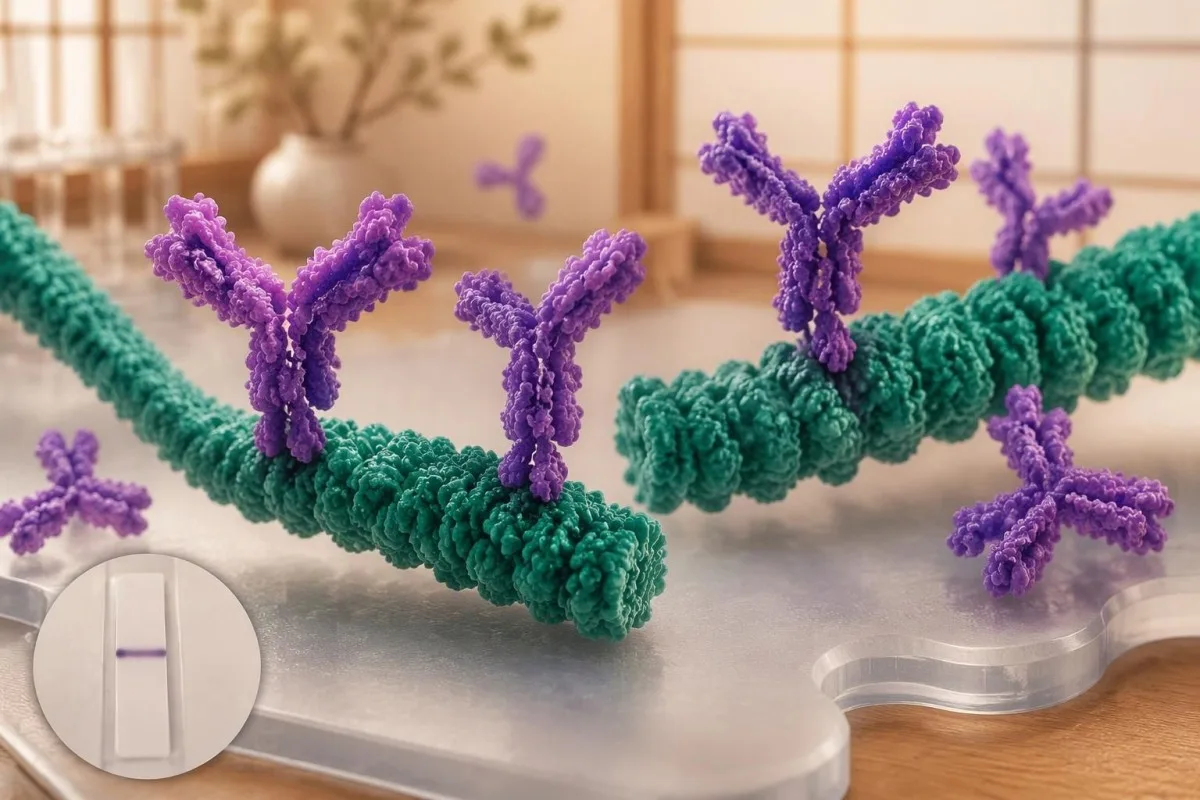
Kilodaltons, abbreviated kDa, describe approximate protein molecular mass, not antibody concentration or disease severity. The approximately 23–25 kDa band commonly represents outer surface protein C, 39 kDa represents BmpA and 41 kDa represents flagellin; the numbers identify antigen regions, so a higher-numbered band does not mean a more advanced infection.
The IgG list's 58 kDa criterion excludes GroEL, and reports may use assay-specific names or approximate mass conventions rather than identical labels. Because not every commercial strip uses the same antigen preparation, our بلڈ ٹیسٹ مارکر گائیڈ should complement—not replace—the actual laboratory legend and the assay manufacturer's interpretation instructions.
Bands at 31 and 34 kDa are not part of the conventional CDC IgG counting criteria, even though they may appear on some reports. Their absence from that list does not make them meaningless biologically, but adding them to manufacture a 5-band positive result changes the validated rule; neither band darkness nor extra bands quantify bacterial burden.
بینڈ 41 اور دیگر ری ایکٹو بینڈز غلط اشارے کیوں ہو سکتے ہیں
دی 41 kDa band reacts with flagellin, a protein associated with bacterial movement, and can cross-react with antibodies unrelated to Lyme disease. A single reactive 41 kDa band is therefore insufficient to diagnose Lyme disease, even when a patient has fatigue, aching or a remembered tick bite.
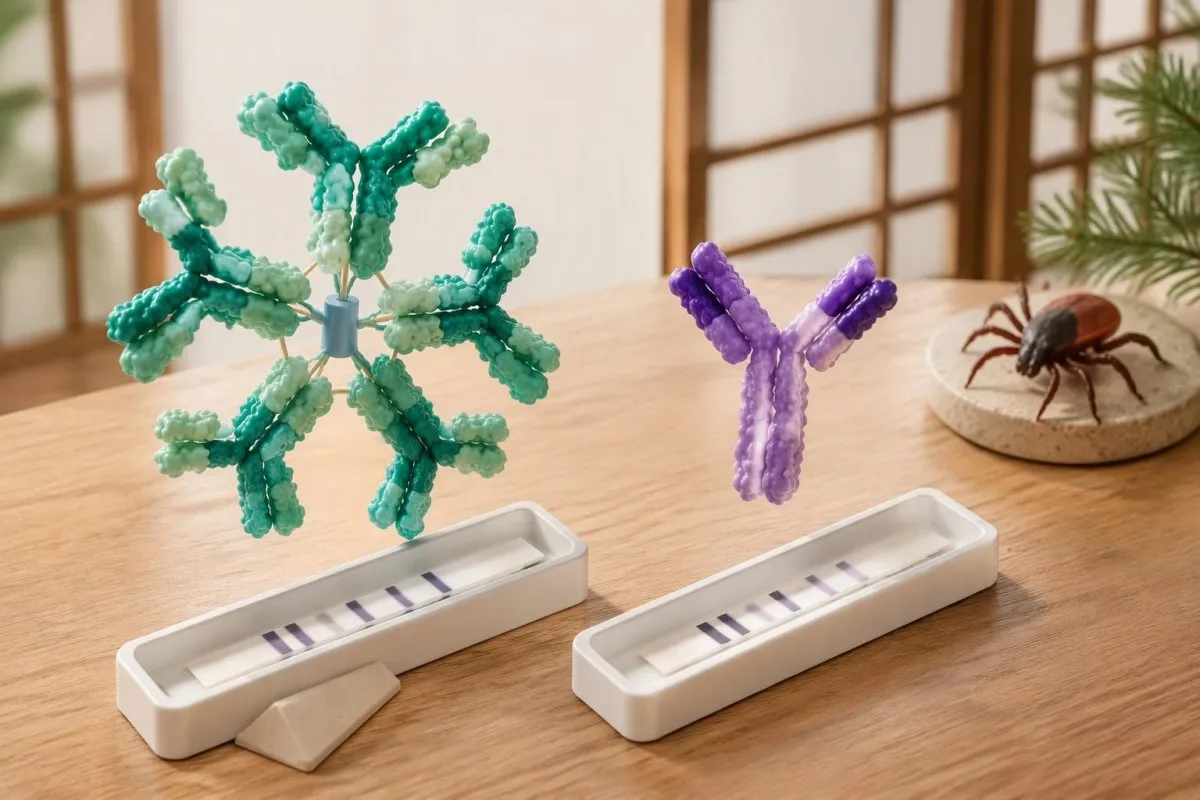
Moore et al. (2016) cited a study in which 41 kDa reactivity occurred in 43% of healthy controls, illustrating why this band cannot stand alone. That percentage is not a universal false-positive rate for every modern assay; it is evidence that recognizable antigen binding can occur in people without the clinical condition being investigated.
Epstein–Barr virus, syphilis, relapsing-fever Borrelia and some autoimmune conditions can contribute to false-positive Lyme serology, although the mechanism and affected assay vary. A recent mononucleosis-like illness should prompt attention to the complete EBV antibody pattern, not the assumption that 1 Lyme band proves a simultaneous tick-borne infection.
Cross-reactivity is not a reason to order every alternative antibody panel: 1 unexplained band usually does not justify broad autoimmune screening. When examination findings genuinely suggest an immune disorder, کمپلیمنٹ اور ANA کی تشریح belongs to a separate clinical question; repeated low-probability testing can generate additional misleading positives rather than a clearer answer.
لائم IgM بمقابلہ IgG: 30 دن کے علامات کے اصول کی اہمیت
Lyme IgM should not be used to support a diagnosis when symptoms have lasted more than 30 days. IgM is most useful early, whereas an appropriate IgG response carries greater diagnostic weight later; the clock starts with symptoms of the suspected illness, not the testing date or remembered tick removal.
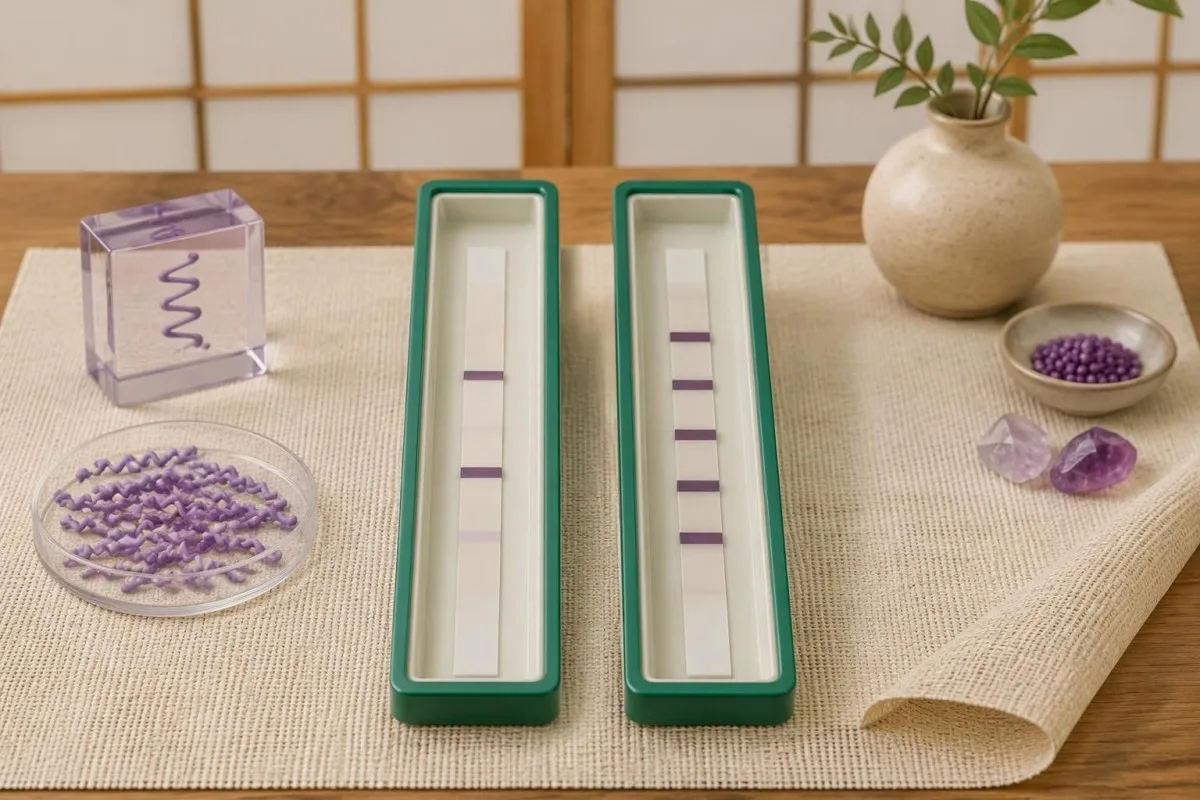
دی 30-day restriction reduces misclassification from persistent or nonspecific IgM responses when later disease should usually have an established IgG response. It is an interpretation rule, not a biological switch that flips overnight: antibody maturation varies, and early treatment may alter seroconversion, but those exceptions do not make isolated late IgM reliable evidence.
For a hypothetical patient tested on day 75 of continuous symptoms, IgM bands 23 and 41 with negative IgG should not be used as proof of Lyme disease. By contrast, the same IgM pattern on day 12, following a reactive first-tier assay and compatible exposure, can support an early diagnosis; the numerical band count is identical, but its evidential value changes.
A positive IgM result does not automatically mean a new infection, a misconception also addressed in our Mycoplasma IgM interpretation guide. If symptoms began 8 weeks ago but one symptom appeared yesterday, clinicians need to decide whether this is a genuinely new illness or another feature of the original episode—not simply restart the IgM clock.
لائم کے مثبت بینڈز لیکن مجموعی نتیجہ منفی: حل شدہ مثالیں
Positive Lyme bands but negative overall usually means the report did not meet the required pattern within the testing algorithm. For example, 3 designated IgG bands are below the conventional 5-of-10 threshold; that result is negative, not a smaller positive, and it does not measure how much infection is present.
Consider a clearly hypothetical 42-year-old with 10 weeks of fatigue, a reactive screening assay and IgG bands 18, 41 and 58. The IgG immunoblot is negative because only 3 qualifying bands are present; if the examination lacks objective Lyme findings, the next step is a symptom-focused assessment rather than antibiotics prescribed to treat the band's molecular masses.
A second hypothetical patient has a reactive screen, IgM bands 23 and 39, and compatible symptoms beginning 14 days earlier. This can meet the traditional early serologic criteria, but an atypical exposure history or a stronger alternative diagnosis still affects the clinical conclusion; Kantesti AI can explain the 2-of-3 rule without converting it into an independent diagnosis.
A third report lists 5 IgG bands but provides no first-tier result; the missing screening stage prevents straightforward confirmation of a standard 2-tier outcome. Confirmation requirements are assay-specific, as our HSV IgG confirmation guide also illustrates, so request the complete laboratory report rather than borrowing a cutoff or confirmation rule from another infection.
ترمیم شدہ دو مرحلہ جانچ ویسٹرن بلاٹ سے کیسے مختلف ہے
Modified two-tier testing, or MTTT, uses 2 sequential enzyme immunoassays instead of an enzyme immunoassay followed by an immunoblot. A report from this pathway may have no bands at all; its overall interpretation depends on the particular assay combination and its cleared instructions, not the conventional immunoblot band-count criteria.
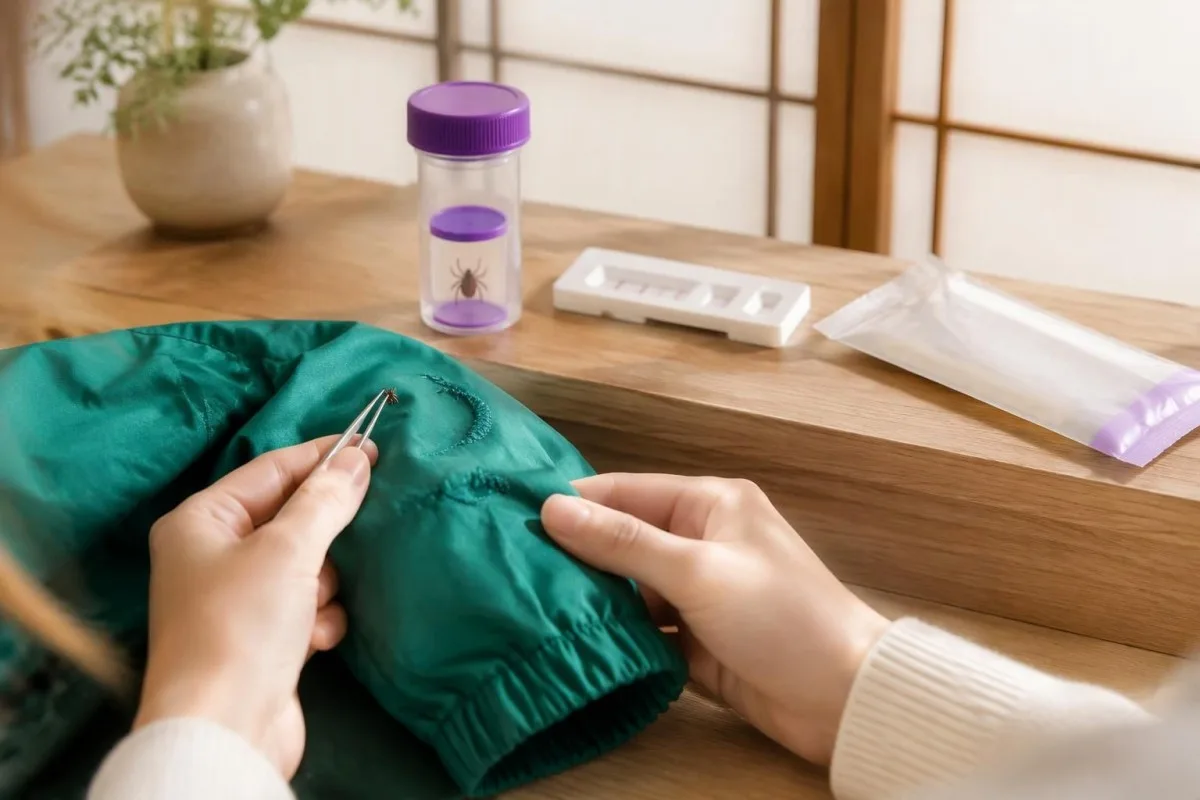
دی 2019 CDC recommendation accepted modified algorithms using FDA-cleared assays for that purpose, following clearance of relevant test combinations (Mead et al., 2019). The change was not permission to combine any 2 tests: the evaluated pairing matters, and some combinations improve early sensitivity while preserving high specificity compared with standard two-tier testing.
Some modified algorithms measure total antibodies, while others report separate IgM and IgG components; consequently, the familiar 30-day IgM restriction cannot be mechanically applied to a total-antibody result. Kantesti is an AI خون کے ٹیسٹ کی رپورٹ کی تشریح that can help distinguish a 2-immunoassay report from an immunoblot report before discussing what its positive or negative designation means.
A second immunoassay is not simply a repeat of the same screening test, and an immunoblot is not routinely needed after a completed validated MTTT result. Our چاگاس کی تصدیق کی رہنما کتاب illustrates the broader principle of complementary assays, but its 2-test rules are different; ask your laboratory which Lyme algorithm produced the final interpretation.
کیا انفیکشن کے باوجود ابتدائی مرحلے میں لائم جانچ منفی آ سکتی ہے؟
Lyme antibody testing can be negative early because antibodies have not yet reached detectable levels. A typical erythema migrans rash with an appropriate exposure history is diagnosed clinically rather than by waiting for a positive immunoblot; a negative result during the first 1–2 weeks does not safely exclude that presentation.
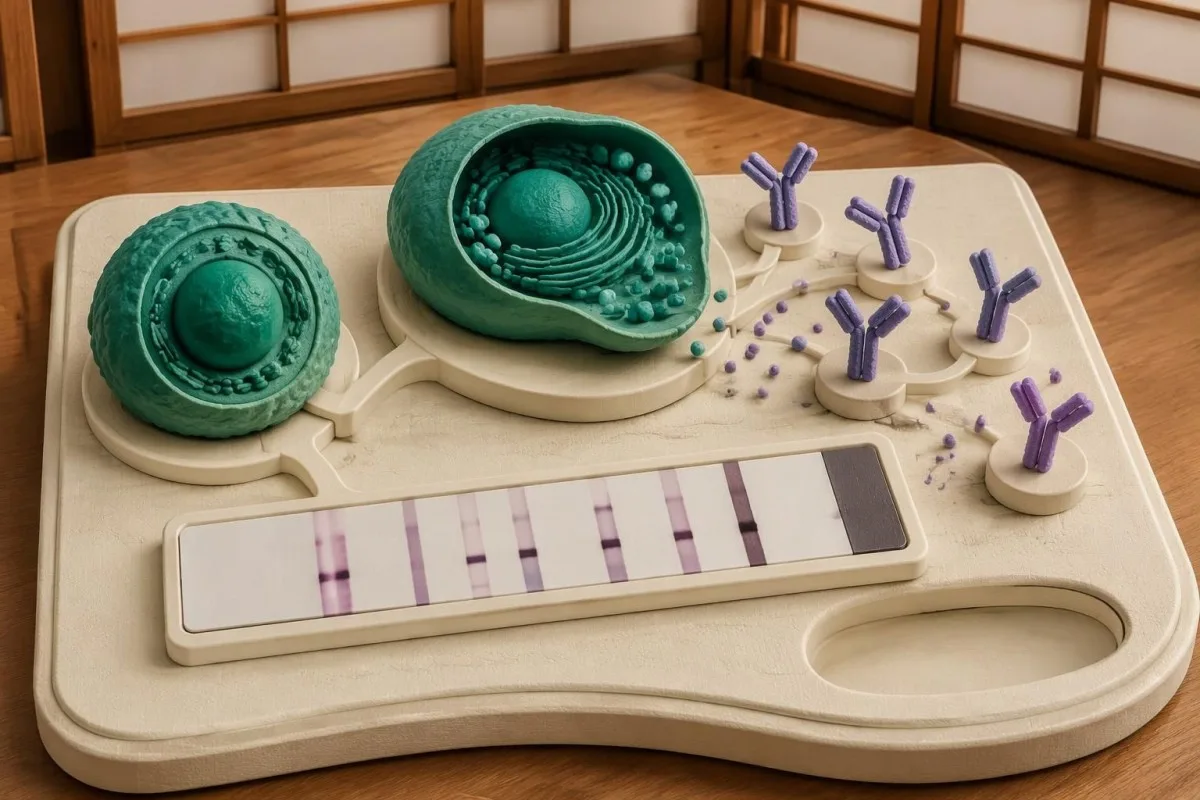
Across early-infection settings, conventional 2-tier sensitivity has been reported at approximately 30–40%, while specificity remains high when testing and interpretation are appropriate (Moore et al., 2016). These are population estimates, not a personal probability: sensitivity changes with the clinical manifestation, time since onset and whether the patient has already received antibiotics.
For a rash suggestive of but not typical for erythema migrans, the 2020 IDSA/AAN/ACR guideline supports acute serology and, if initially negative, a convalescent sample at least 2–3 weeks later (Lantos et al., 2021). The same guideline recommends clinical diagnosis for a typical lesion; a rash need not have textbook concentric rings to warrant assessment.
Repeating a test 24 hours later usually offers little advantage when the limitation is antibody development rather than a processing error. Our spotted fever testing guide explains a related timing problem, but suspected spotted fever has its own urgent treatment rules; do not delay care for an expanding rash or significant illness while waiting for more bands.
کیا لائم IgG کا مثبت ہونا فعال انفیکشن یا علاج کی ناکامی کی علامت ہے؟
Positive Lyme IgG cannot distinguish active infection from a previous infection that has resolved. Lyme antibodies can remain detectable for years or decades, and repeat immunoblot testing is not a test of cure; neither a persistent 5-band pattern nor changes in band intensity establish that treatment failed.
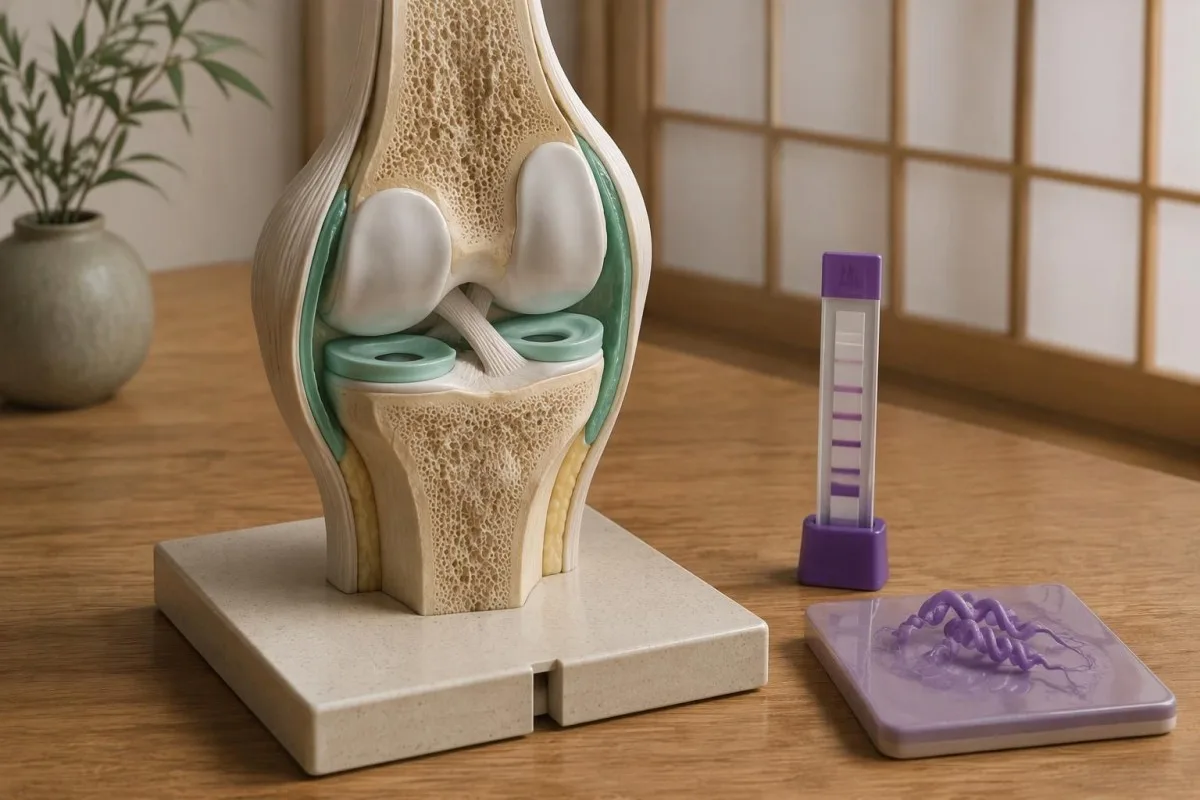
دی 2020 IDSA/AAN/ACR guideline describes persistence of both IgM and IgG responses after infection, which complicates interpretation in previously affected patients (Lantos et al., 2021). A positive result obtained 4 years after treatment must therefore be compared with the clinical history, not interpreted as a laboratory photograph of living bacteria in the body.
Reinfection can occur because previous Lyme disease does not provide reliable lifelong protection, but an old positive antibody result cannot prove a new episode. For a hypothetical person with positive IgG from 2019 and a new expanding rash after recent tick exposure, the new clinical findings matter more than whether a sixth band appears; CMV اینٹی باڈی کے نمونے illustrate why exposure history and current illness are separate questions.
Persistent fatigue, pain or cognitive symptoms deserve evaluation even when no new laboratory evidence appears. The guideline recommends against additional antibiotics for persistent nonspecific symptoms after recommended treatment when there is no objective evidence of reinfection or treatment failure; 1 positive antibody panel cannot identify the cause of those symptoms or justify an open-ended antibiotic course.
مشتبہ لائم آرتھرائٹس یا اعصابی بیماری میں IgG کا مطلب
Lyme arthritis usually produces a strong IgG response, so isolated IgM is poor evidence for that diagnosis. Conventional two-tier serology has approximately 95–100% sensitivity in Lyme arthritis, according to the 2020 IDSA/AAN/ACR guideline; a negative appropriate IgG result should prompt serious consideration of other causes of joint swelling.
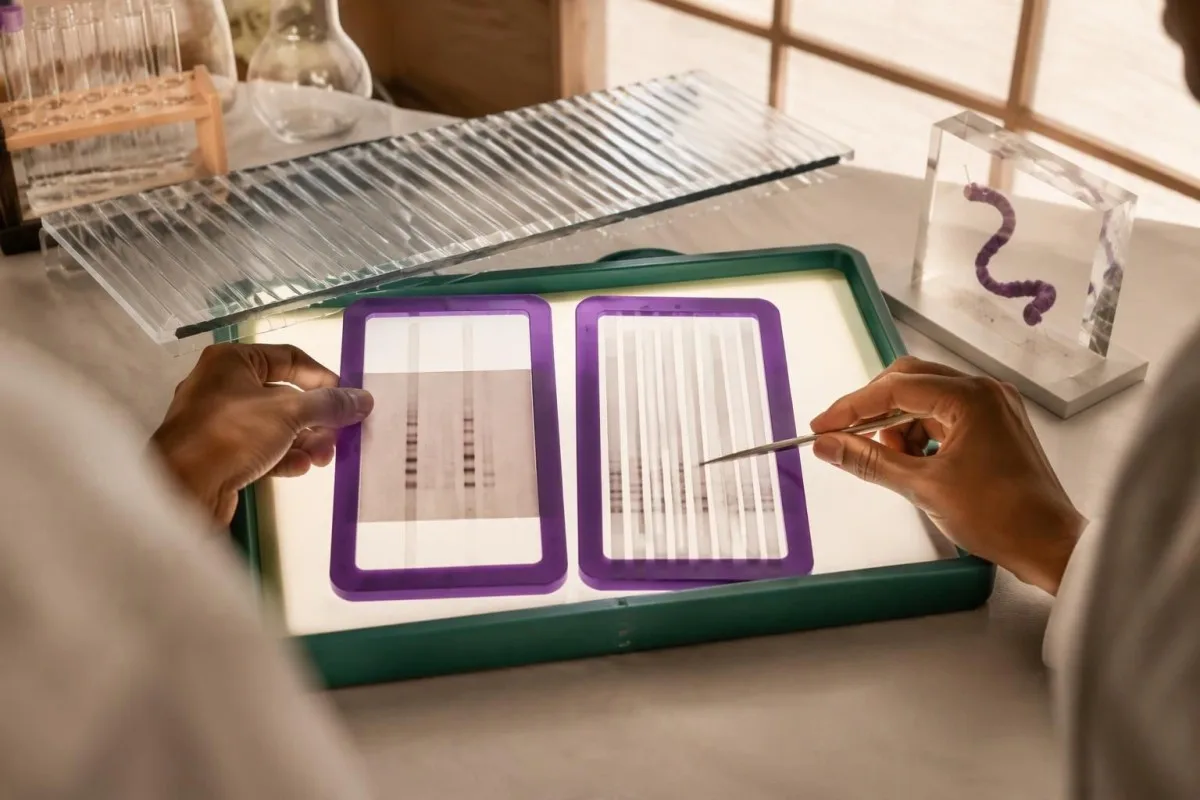
A hypothetical patient with a markedly swollen knee and only 2 IgM bands after 3 months of symptoms does not have the expected serologic pattern for Lyme arthritis. The clinician should reassess alternative causes and assay reliability rather than call this late Lyme based on IgM alone; when indicated, joint fluid examination answers additional questions that the antibody test cannot.
Suspected central nervous system Lyme disease requires clinical assessment and, when cerebrospinal fluid testing is undertaken, simultaneous CSF and serum for a validated antibody index. Testing CSF antibody alone or running a standalone CSF immunoblot is not the preferred approach; 1 elevated index may also persist after treatment, so it must be interpreted alongside the neurological findings and CSF cell response.
Numb feet or tingling do not become Lyme-specific because 41 kDa is reactive; neuropathy has metabolic, mechanical and immune causes. Our anti-MAG neuropathy guide explains one targeted alternative, while immunoglobulin panel interpretation clarifies that total serum IgG is different from the 5-of-10 Lyme-specific IgG immunoblot criterion.
لیبارٹریاں اور ممالک لائم کے مختلف معیار کیوں استعمال کر سکتے ہیں
Lyme immunoblot criteria are assay- and region-dependent, so conventional US 5-of-10 IgG counting rules should not automatically be imposed on every European report. European assays may use different Borrelia antigens and recombinant line blots because the species causing human Lyme borreliosis differ across regions.
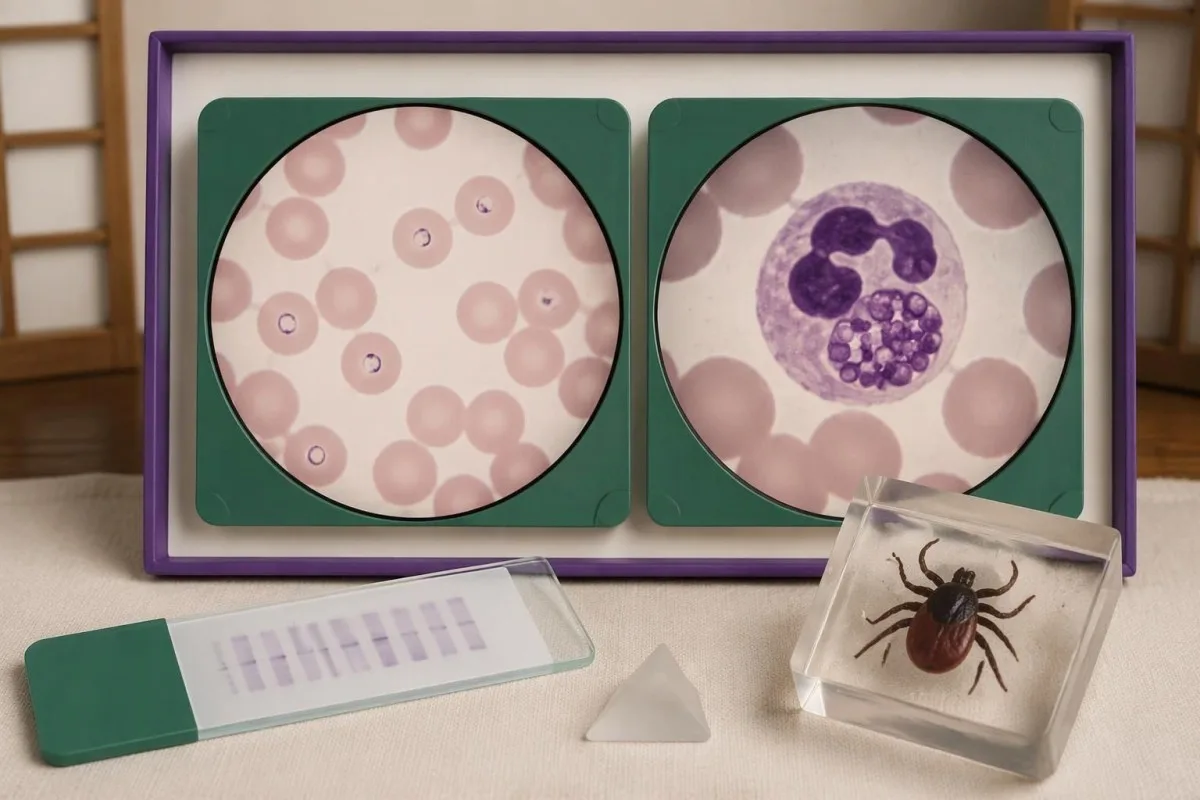
B. burgdorferi sensu stricto predominates in North America, while European disease also commonly involves B. afzelii and B. garinii. A report using VlsE, OspC or other recombinant antigen labels may therefore not resemble a 10-position conventional US blot; the clinically useful question is whether the assay was validated for the exposure setting and interpreted according to its instructions.
Different laboratory criteria are not automatically inferior, but claims that 1 or 2 bands prove disease require evidence for that assay's complete diagnostic performance. When reading a report described by Kantesti, consult the laboratory's interpretation and our میڈیکل ویلیڈیشن فریم ورک separately; general AI assessment or a software benchmark is not proof that a particular Lyme assay has validated sensitivity and specificity.
Record 3 details before comparing reports from different laboratories: assay manufacturer, algorithm type and the country where exposure occurred. Our AI رپورٹ سورس-چیک گائیڈ explains why preserving source wording matters; apparent conversion from negative to positive may reflect a changed method or cutoff rather than a newly acquired infection or worsening illness.
کیا لائم بینڈز بابیزیا، ایناپلازما یا دیگر شریک انفیکشنز کی شناخت کرتے ہیں؟
Lyme Western blot bands do not diagnose tick-borne coinfections. Babesia, Anaplasma and Ehrlichia require their own clinical assessment and tests; 1 positive Lyme antibody result neither confirms nor excludes these infections, even when an exposure setting allows more than one tick-borne organism to be transmitted.

بابیزیوسس deserves consideration when relevant exposure accompanies fever and evidence such as anemia, low platelets or hemolysis, especially if fever persists during Lyme-directed treatment. A Babesia antibody titer of 1:256 alone does not establish current infection; our Babesia test interpretation guide explains why a cellular sample examination or PCR may be needed to demonstrate active infection.
ایناپلازموسس can produce fever, leukopenia, thrombocytopenia and elevated liver enzymes, findings that should not be explained away as extra Lyme bands. PCR is most useful during the first week of illness and becomes less sensitive after appropriate antibiotics; our Anaplasma sample timing guide separates this early direct-detection window from later antibody interpretation.
Ehrlichiosis follows a different organism-specific testing pathway, and a negative early antibody result is not a safe reason to dismiss significant febrile illness. Our Ehrlichia PCR and titer guide explains why 2 samples collected at different times may help establish seroconversion; targeted testing should follow symptoms, geography and laboratory abnormalities rather than an indiscriminate panel ordered for isolated fatigue.
لائم ٹیسٹ کی غیر واضح رپورٹ کے بارے میں آپ کو کیا کرنا چاہیے؟
For an unclear Lyme report, obtain the complete 2-tier interpretation, write down symptom onset and discuss exposure plus objective findings with a clinician. Faint or isolated bands do not determine urgency; fainting, chest pain, breathlessness, a markedly slow pulse or new neurological deficits require prompt assessment regardless of the antibody result.
Lyme carditis can cause heart conduction block, so fainting or palpitations after compatible exposure should not wait for an immunoblot to become positive. The 2020 IDSA/AAN/ACR guideline identifies a PR interval greater than 300 milliseconds, other arrhythmias or features of myopericarditis as reasons for hospital admission with monitoring; that interval is measured on an ECG, not inferred from band intensity.
New facial weakness warrants urgent assessment, and sudden facial droop with arm weakness or speech difficulty needs emergency evaluation for stroke rather than attribution to Lyme. Our فالج کی انتباہی علامات سے متعلق رہنما explains that distinction; for a routine appointment, bring 4 dates—possible exposure, first symptom, sample collection and antibiotic initiation—because each changes a different part of the reasoning.
کنٹیسٹی ایک ہے۔ اے آئی سے چلنے والا خون کے ٹیسٹ کا تجزیہ کا آلہ that can help organize the 2-tier result, reported bands and missing clinical context into questions for your appointment. Our اے آئی ٹیکنالوجی گائیڈ describes the explanation workflow, but our AI cannot examine a rash, measure an ECG interval, confirm Lyme disease independently or decide whether you should start, stop or extend antibiotics.
تحقیقی اشاعتیں، شواہد کی حدود اور محفوظ تشریح
The clinical interpretation in this article rests on 3 directly relevant sources: a laboratory-diagnosis review, the CDC's modified two-tier recommendation and the IDSA/AAN/ACR Lyme guideline. The 2 additional Figshare publications listed below concern other health topics and must not be treated as validation of Lyme band interpretation or Lyme diagnosis.
Moore et al. (2016) explains why individual bands and incomplete testing sequences create diagnostic errors; Mead et al. (2019) establishes the CDC recommendation for appropriately cleared modified algorithms. Lantos et al. (2021), publishing the 2020 guideline, connects testing to clinical manifestations, including early rash, arthritis and neurological disease; these sources support different parts of the reasoning rather than one universal band shortcut.
The 2 Figshare records address women's hormonal health and multilingual AI-assisted hantavirus triage, respectively, not Lyme immunoblot performance. A deployment involving 50,000 interpreted reports, as described in the hantavirus publication's title, cannot establish sensitivity, specificity or patient benefit for Lyme diagnosis; those claims would require Lyme-specific methods, reference standards and evaluation populations.
Kantesti کے ذمہ دار AI کے اصول place report explanation alongside—not above—the laboratory and clinician, including when IgM appears after 30 days of symptoms. For symptoms linked to cycle changes or menopausal transition, our hormonal symptom guide addresses a separate assessment pathway; symptom overlap is a reason to investigate carefully, not evidence that a reactive Lyme band explains everything.
اکثر پوچھے جانے والے سوالات
کیا لائم ویسٹرن بلاٹ کا ایک مثبت بینڈ اس بات کا مطلب ہے کہ مجھے لائم بیماری ہے؟
لائم ویسٹرن بلاٹ میں ایک ری ایکٹو بینڈ لائم بیماری کی تشخیص ثابت نہیں کرتا۔ امریکہ کے روایتی معیار کے مطابق، علامات کے پہلے 30 دنوں کے دوران مخصوص 3 میں سے کم از کم 2 IgM بینڈز، یا مخصوص 10 میں سے 5 IgG بینڈز درکار ہوتے ہیں، اور یہ دو مرحلوں پر مشتمل مناسب جانچ کے طریقۂ کار کے تحت ہونا چاہیے۔ صورتِ حال کے لحاظ سے، ایک بینڈ کراس ری ایکٹیویٹی یا ابتدائی مرحلے میں نامکمل اینٹی باڈی ردِعمل کی عکاسی کر سکتا ہے۔ مناسب طریقے سے لاحق ہونے کے بعد ہونے والا مخصوص اریتیما مائیگرینز (erythema migrans) دانہ، ابتدائی سیرولوجی منفی ہونے کے باوجود، طبی تشخیص کی تائید کر سکتا ہے۔
لائم بیماری کے کچھ بینڈز مثبت ہونے کے باوجود مجموعی ٹیسٹ منفی کیوں ہوتا ہے؟
لائم ٹیسٹ میں ردِعمل ظاہر کرنے والے بینڈز موجود ہو سکتے ہیں، لیکن نتیجہ پھر بھی منفی رہ سکتا ہے کیونکہ امیونوبلاٹ اپنے ٹیسٹنگ الگورتھم کے مطابق مطلوبہ توثیق شدہ پیٹرن پر پورا نہیں اترا۔ مثال کے طور پر، IgG کے 3 اہل بینڈ روایتی 5-of-10 IgG حد سے کم ہوتے ہیں۔ معیاری دو مرحلہ ٹیسٹنگ میں، پہلے مرحلے کی مثبت یا غیر حتمی اسکریننگ کے بعد مناسب امیونوبلاٹس کے منفی نتائج کو منفی سمجھا جاتا ہے۔ اگر علامات بالکل حال ہی میں ظاہر ہوئی ہوں تو معالج نامکمل پیٹرن کو مثبت قرار دینے کے بجائے مناسب وقفے کے بعد دوبارہ ٹیسٹ کرنے پر غور کر سکتا ہے۔
لائم بیماری میں 41 کلوڈالٹن کا مثبت بینڈ کیا معنی رکھتا ہے؟
41 کلوڈالٹن کا لائم بینڈ عموماً فلیجیلیِن سے اینٹی باڈی کے بندھنے کی عکاسی کرتا ہے، جو بیکٹیریا کی حرکت سے متعلق ایک پروٹین ہے اور لائم بیماری سے غیر متعلق اینٹی باڈیز کے ساتھ بھی کراس ری ایکٹ کر سکتا ہے۔ یہ روایتی امیونو بلاٹ معیار میں استعمال ہونے والے مخصوص بینڈز میں سے صرف 1 ہے اور اکیلا لائم بیماری کی تشخیص نہیں کر سکتا۔ Moore et al. (2016) نے ایک ایسی تحقیق کا حوالہ دیا جس میں یہ بینڈ صحت مند کنٹرولز کے 43% میں پایا گیا، اگرچہ یہ شرح تمام اسّیز کے لیے یکساں نہیں ہے۔ جانچ کے مکمل سلسلے اور طبی علامات سے یہ طے ہوتا ہے کہ آیا نتیجہ لائم بیماری کی تائید کرتا ہے۔
کیا لائم IgM مثبت اور IgG منفی ہونا حالیہ انفیکشن کا ثبوت ہے؟
منفی IgG کے ساتھ Lyme IgM کی مثبتیت صرف اسی صورت میں ابتدائی انفیکشن کی تائید کر سکتی ہے جب وہ مناسب ٹیسٹنگ الگورتھم، طبی علامات اور وقت کے تناظر میں درست بیٹھتی ہو۔ اگر علامات 30 دن سے زیادہ عرصے سے موجود ہوں تو Lyme disease کی تائید کے لیے صرف IgM پر انحصار نہیں کرنا چاہیے، کیونکہ برقرار رہنے والا یا غیر مخصوص IgM نتائج کی تشریح کو گمراہ کر سکتا ہے۔ مثال کے طور پر، 14ویں دن 2 مطلوبہ IgM بینڈز کی اہمیت، مسلسل علامات کے 3 ماہ بعد اسی پیٹرن سے مختلف ہوتی ہے۔ وقت سے متعلق یہ اصول علامات کے آغاز پر لاگو ہوتا ہے، نہ کہ اس دن پر جب لیبارٹری کا نمونہ جمع کیا گیا تھا۔
کیا ویسٹرن بلاٹ کے کسی بھی بینڈ کے بغیر میرا لائم ٹیسٹ مثبت آ سکتا ہے؟
جی ہاں: لائم کے لیے توثیق شدہ ترمیم شدہ دو مرحلوں والا الگورتھم، انزائم امیونواسے کے دو یکے بعد دیگرے ٹیسٹ استعمال کرتا ہے اور ممکن ہے کہ ویسٹرن بلاٹ بالکل نہ کرے۔ CDC نے 2019 میں مناسب طور پر FDA سے کلیئر شدہ ترمیم شدہ الگورتھم تجویز کیے تھے۔ کچھ اسیس مجموعی اینٹی باڈیز کی پیمائش کرتے ہیں، جبکہ دیگر IgM اور IgG کے الگ الگ نتائج دیتے ہیں، اس لیے روایتی بینڈ گننے کے اصول ہر رپورٹ پر لاگو نہیں ہوتے۔ لیبارٹری سے پوچھیں کہ حتمی تشریح کس الگورتھم اور اسیس کے امتزاج سے تیار کی گئی ہے۔
کیا اینٹی بایوٹکس کے بعد لائم ویسٹرن بلاٹ کے بینڈز غائب ہو جانے چاہئیں؟
کامیاب علاج کے بعد لائم ویسٹرن بلاٹ کے بینڈز کا ختم ہونا ضروری نہیں، کیونکہ اینٹی باڈیز برسوں یا دہائیوں تک برقرار رہ سکتی ہیں۔ IgG کے 5 بینڈز کا مسلسل پیٹرن جاری انفیکشن کا ثبوت نہیں، اور بینڈز کی بار بار جانچ علاج کی کامیابی کا توثیق شدہ ٹیسٹ نہیں ہے۔ علاج کے ردِعمل کا اندازہ طبی کیفیت کے دوران اور متعلقہ معروضی نتائج کی بنیاد پر کیا جاتا ہے، نہ کہ اینٹی باڈی پینل کے منفی ہونے کی شرط پر۔ نئی علامات یا ٹِک کے دوبارہ کاٹنے کی صورت میں نئے سرے سے طبی جائزہ ضروری ہے، کیونکہ پرانی اینٹی باڈیز دوبارہ انفیکشن کی تصدیق نہیں کر سکتیں۔
اپنے خون کے ٹیسٹ کے نتائج کی وضاحت حاصل کریں
اپنی لیب رپورٹ اپ لوڈ کریں اور Kantesti کا AI چند سیکنڈ میں ہر بائیومارکر کو آسان زبان میں سمجھائے گا۔ دنیا بھر میں 2 ملین سے زیادہ افراد استعمال کرتے ہیں۔.
حوالہ جات
- Klein, T., Mitchell, S., & Weber, H. (2026). خواتین کی صحت کی رہنما: بیضہ ریزی، سن یاس اور ہارمونل علامات۔. Kantesti AI طبی تحقیق۔. ڈی او آئی
- Klein, T., Mitchell, S., & Weber, H. (2026). ہینٹا وائرس کی ابتدائی ٹرائیج کے لیے کثیر لسانی AI معاون طبی فیصلہ سازی: ڈیزائن، انجینئرنگ کی توثیق، اور 50,000 تشریح شدہ خون کے ٹیسٹ کی رپورٹس پر حقیقی دنیا میں نفاذ۔. Kantesti AI طبی تحقیق۔. ڈی او آئی
- Moore A et al. (2016). Current Guidelines, Common Clinical Pitfalls, and Future Directions for Laboratory Diagnosis of Lyme Disease, United States. Emerging Infectious Diseases. ڈی او آئی پب میڈ
- Mead P et al. (2019). Updated CDC Recommendation for Serologic Diagnosis of Lyme Disease. MMWR امراض اور اموات کی ہفتہ وار رپورٹ۔. ڈی او آئی
- Lantos PM et al. (2021). Clinical Practice Guidelines by the Infectious Diseases Society of America (IDSA), American Academy of Neurology (AAN), and American College of Rheumatology (ACR): 2020 Guidelines for the Prevention, Diagnosis and Treatment of Lyme Disease. کلینیکل انفیکشس ڈیزیزز۔. ڈی او آئی
- 2M+تجزیہ کیے گئے ٹیسٹ
- 127+ممالک
- 100+زبانیں
طبی ٹیم کے بارے میں


E-E-A-T اعتماد کے اشارے
تجربہ
معالج کی قیادت میں لیب تشریح کے ورک فلو کا کلینیکل جائزہ۔.
مہارت
لیبارٹری میڈیسن کا فوکس یہ کہ بایومارکرز کلینیکل سیاق میں کیسے برتاؤ کرتے ہیں۔.
مستندیت
ڈاکٹر تھامس کلائن نے طبی جائزہ لیا، جبکہ ڈاکٹر سارہ مچل اور پروفیسر ڈاکٹر ہانس ویبر نے بھی تعاون کیا۔.
امانت داری
شواہد پر مبنی تشریح واضح فالو اپ راستوں کے ساتھ تاکہ گھبراہٹ کم ہو۔.






طبی دستبرداری
یہ مضمون صرف تعلیمی مقاصد کے لیے ہے اور طبی مشورہ نہیں ہے۔ تشخیص اور علاج کے فیصلوں کے لیے ہمیشہ کسی مستند صحت کے ماہر سے رجوع کریں۔.
شائع ہوا۔ · ادارتی ٹیم سے رابطہ کریں
Kantesti Ltd کی جانب سے شائع کردہ، انگلینڈ اور ویلز میں رجسٹرڈ، کمپنی نمبر. 17090423, ، لندن، برطانیہ۔.
