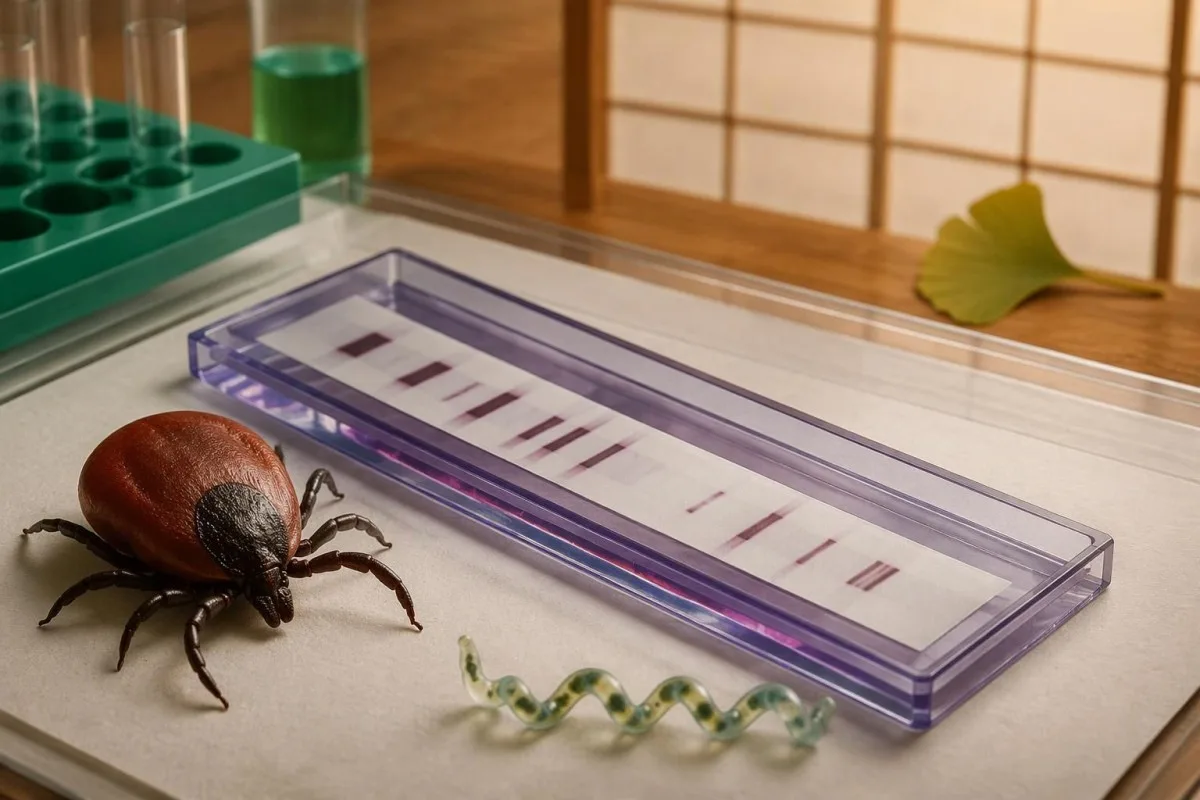
A reactive band shows antibody binding—not a diagnosis. The complete testing algorithm, exposure history and symptom timeline determine whether that finding supports Lyme disease.

મુખ્ય તારણો
- Individual bands do not establish Lyme disease; even a relatively specific band needs interpretation within a validated 2-tier testing algorithm.
- Traditional IgM criteria require at least 2 of 3 designated bands: approximately 23–25, 39 and 41 kDa.
- Traditional IgG criteria require at least 5 of 10 designated bands: 18, 23, 28, 30, 39, 41, 45, 58, 66 and 93 kDa.
- The 30-day rule means isolated IgM should not support a Lyme diagnosis when symptoms have lasted more than 30 days.
- A negative overall result can coexist with reactive bands because the laboratory evaluates a validated pattern, not whether any band appears.
- Modified two-tier testing uses 2 sequential enzyme immunoassays instead of an immunoblot; it may provide no band list.
- પ્રારંભિક પરીક્ષણ can be negative before antibodies develop; a typical erythema migrans rash in an appropriate exposure setting is diagnosed clinically.
- લાંબા સમય સુધી રહેતી એન્ટિબોડીઝ can remain detectable for years after treatment and cannot establish ongoing infection or measure cure.
What does a positive Lyme Western blot band actually mean?
A positive Lyme Western blot band means antibodies bound to a test antigen; it does not independently establish Lyme disease. In traditional US two-tier testing, IgM requires 2 of 3 designated bands during the first 30 days of symptoms, while IgG requires 5 of 10; modified testing uses 2 immunoassays instead.
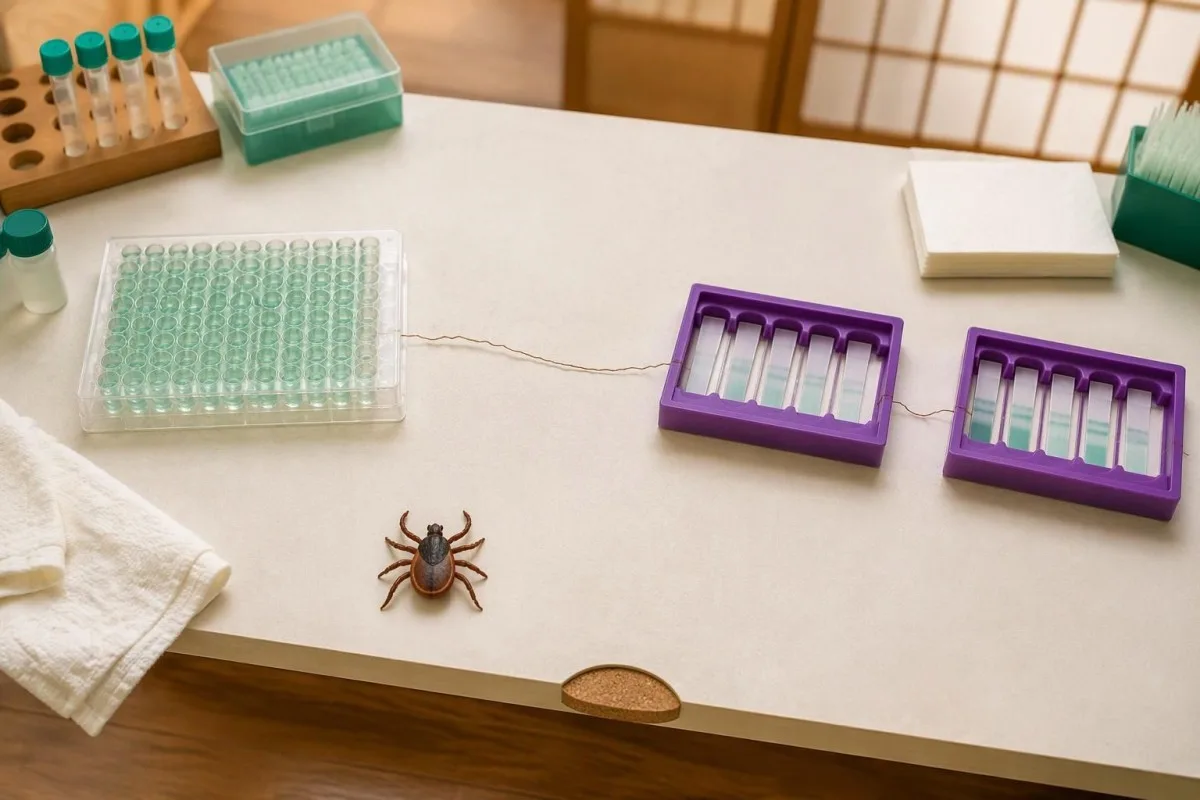
આ overall result combines the first-tier screening assay with the appropriate second-tier result, rather than treating every visible stripe as a separate diagnosis. A report showing 1 reactive band can therefore correctly say negative, and even a positive complete antibody result must be weighed against exposure, compatible findings and previous Lyme disease.
Band identity answers a narrow question: which antigen attracted antibody binding under this assay's conditions? It does not answer the 3 questions patients usually care about—whether infection is present now, whether it explains their symptoms, or whether antibiotics are needed; our guide to હકારાત્મક એન્ટિબોડી પરિણામો separates these issues.
કાન્ટેસ્ટી એક છે AI રક્ત પરીક્ષણ વિશ્લેષક that can help explain why a Lyme report contains reactive bands but a negative 2-tier interpretation. We treat the laboratory's final interpretation, assay method and symptom duration as essential context—not details that can be overridden by counting highlighted lines in an uploaded report.
How traditional two-tier Lyme testing determines the result
Standard two-tier testing starts with an enzyme immunoassay, or sometimes an immunofluorescence assay, and proceeds to an immunoblot when the first test is positive or equivocal. The 2 stages work together; a positive screening result alone is not a confirmed positive Lyme serology result.
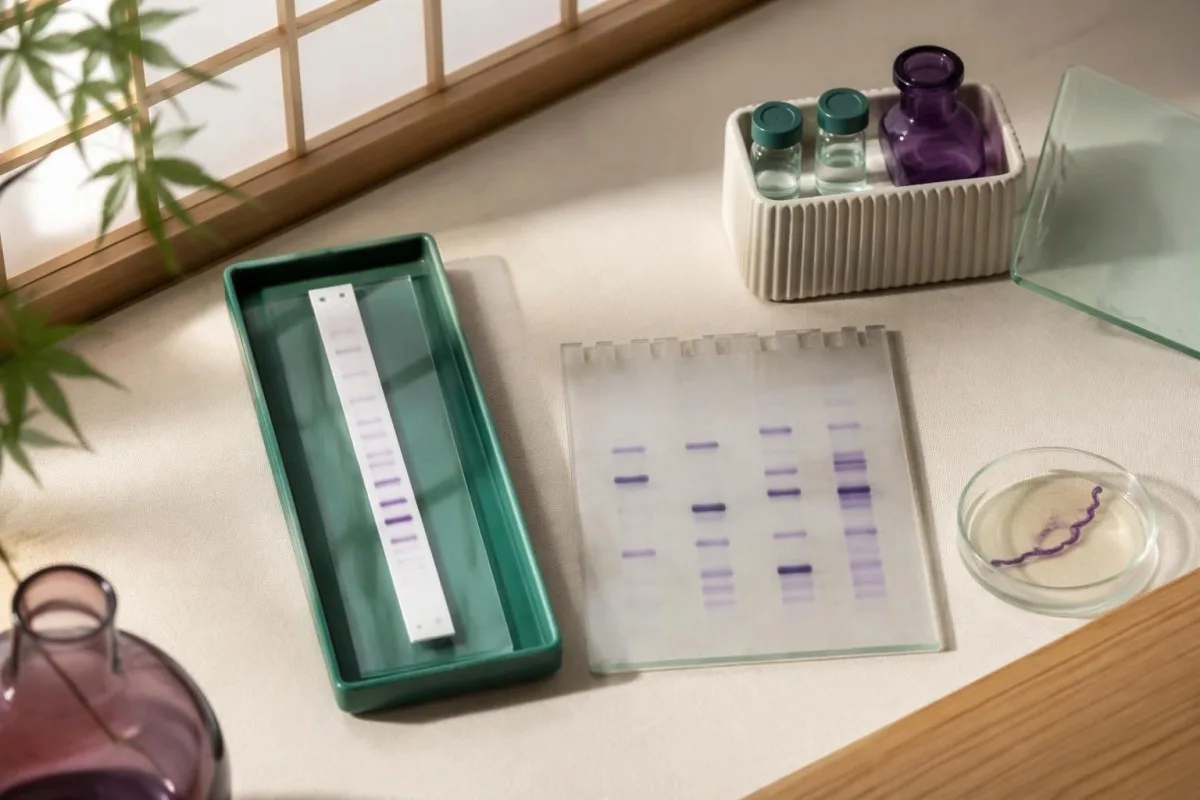
A positive or equivocal first-tier test followed by negative appropriate immunoblots is interpreted as negative by the standard algorithm. The initial screen deliberately captures more possible responses, while the second tier filters nonspecific reactivity; Moore et al. described this balance and its common interpretation errors in Emerging Infectious Diseases in 2016.
An index of 1.4 on one screening assay is not interchangeable with 1.4 on another, because antigen composition and manufacturer cutoffs differ. Likewise, an equivocal screening result is an instruction to complete the algorithm—not a diagnosis halfway between infection and no infection; ગુણાત્મક વિરુદ્ધ માત્રાત્મક પરિણામો explains why report formats matter.
Ordering an immunoblot after a negative screen, without a clinical reason to reconsider timing or assay suitability, bypasses the sequence whose performance was evaluated. Ask for 3 pieces of information: the screening result, the second-tier interpretation and whether both belong to the same validated testing pathway; an incomplete report should not be reconstructed from bands alone.
Lyme Western blot bands explained: IgM and IgG criteria
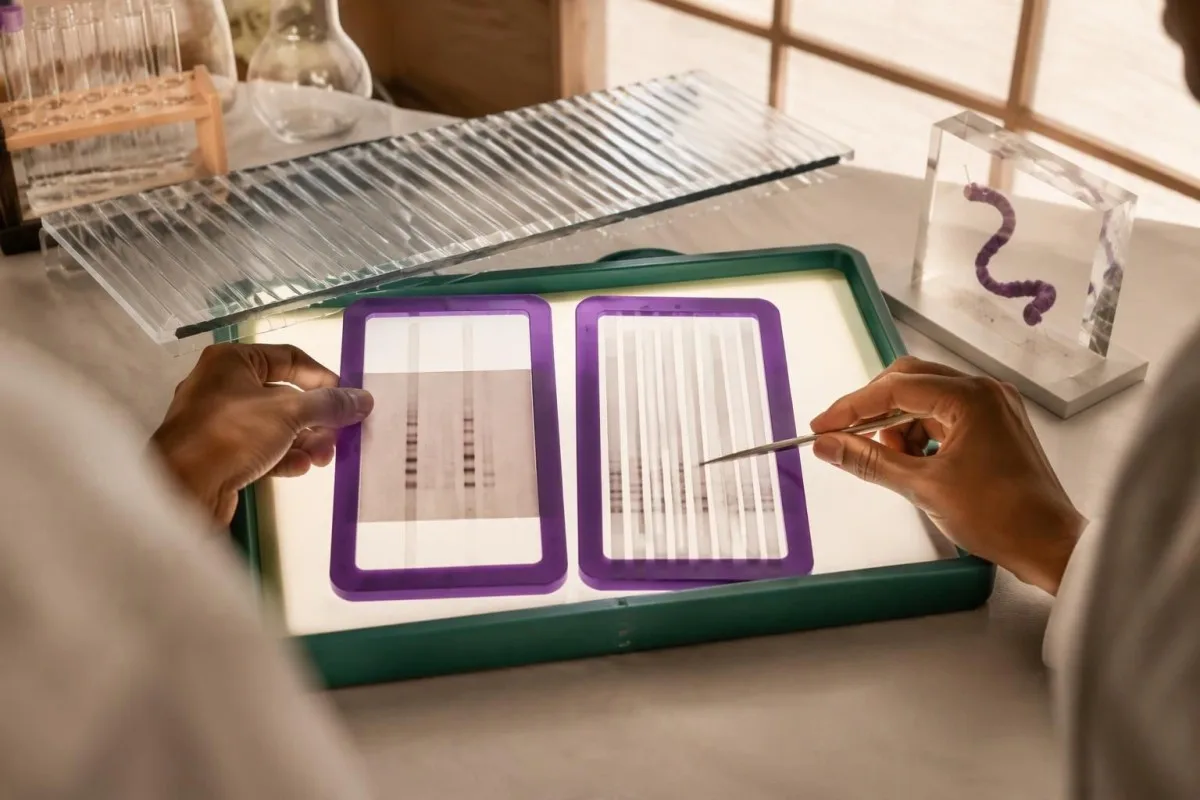
Under conventional US criteria, a positive IgM immunoblot requires at least 2 of the 23–25, 39 and 41 kDa bands. A positive IgG immunoblot માટે 18, 23, 28, 30, 39, 41, 45, 58, 66 અને 93 kDa બૅન્ડમાંથી ઓછામાં ઓછા 5 જરૂરી છે.
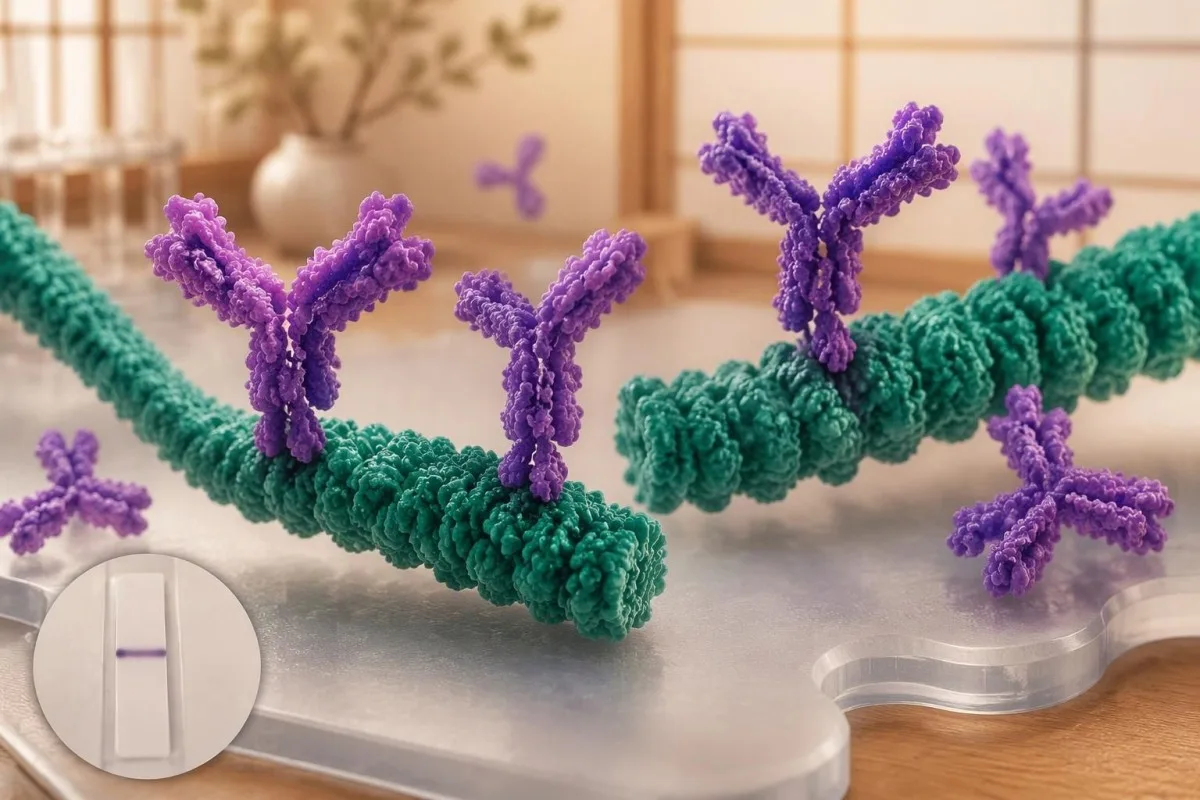
કિલોડાલ્ટન, સંક્ષેપમાં kDa, પ્રોટીનના અંદાજિત આણ્વિક દળનું વર્ણન કરે છે, એન્ટિબોડીની સાંદ્રતા અથવા રોગની ગંભીરતાનું નહીં. આશરે 23–25 kDa બૅન્ડ સામાન્ય રીતે બાહ્ય સપાટીનું પ્રોટીન C દર્શાવે છે, 39 kDa BmpA દર્શાવે છે અને 41 kDa ફ્લેજેલિન દર્શાવે છે; આ સંખ્યાઓ એન્ટિજનના વિસ્તારો ઓળખાવે છે, તેથી વધુ સંખ્યાવાળો બૅન્ડ વધુ આગળ વધેલા ચેપનો અર્થ આપતો નથી.
IgG યાદીની 58 kDa માપદંડમાં GroELનો સમાવેશ થતો નથી, અને અહેવાલોમાં એકસરખા લેબલને બદલે પરીક્ષણ-વિશિષ્ટ નામો અથવા અંદાજિત દળના સંમેલનો વપરાઈ શકે છે. દરેક વ્યાવસાયિક સ્ટ્રિપમાં એકસરખી એન્ટિજન તૈયારી વપરાતી નથી, તેથી અમારી બ્લડ ટેસ્ટ માર્કર માર્ગદર્શિકા વાસ્તવિક પ્રયોગશાળા સૂચિ અને પરીક્ષણ ઉત્પાદકની અર્થઘટન સૂચનાઓને પૂરક હોવી જોઈએ—તેનું સ્થાન લેવું નહીં.
પરના બૅન્ડ 31 અને 34 kDa પરંપરાગત CDC IgG ગણતરીના માપદંડોનો ભાગ નથી, ભલે તે કેટલાક અહેવાલોમાં દેખાય. તે યાદીમાં ન હોવાનો અર્થ એ નથી કે જૈવિક રીતે તેમનું કોઈ મહત્ત્વ નથી, પરંતુ 5-બૅન્ડનું પોઝિટિવ પરિણામ કૃત્રિમ રીતે બનાવવા માટે તેમને ઉમેરવાથી માન્ય નિયમ બદલાઈ જાય છે; બૅન્ડની ગાઢતા કે વધારાના બૅન્ડમાંથી કોઈ પણ બૅક્ટેરિયાના ભારનું પ્રમાણ માપતું નથી.
Why band 41 and other reactive bands can be false signals
આ 41 kDa બૅન્ડ ફ્લેજેલિન સાથે પ્રતિક્રિયા આપે છે, જે બૅક્ટેરિયાની હિલચાલ સાથે સંકળાયેલું પ્રોટીન છે, અને લાઇમ રોગ સાથે અસંબંધિત એન્ટિબોડીઓ સાથે ક્રોસ-પ્રતિક્રિયા કરી શકે છે. તેથી, દર્દીને થાક, દુખાવો કે યાદ રહેલો ટિક કરડવાનો અનુભવ હોય તોપણ, એકલો પ્રતિક્રિયાશીલ 41 kDa બૅન્ડ લાઇમ રોગનું નિદાન કરવા માટે પૂરતો નથી.
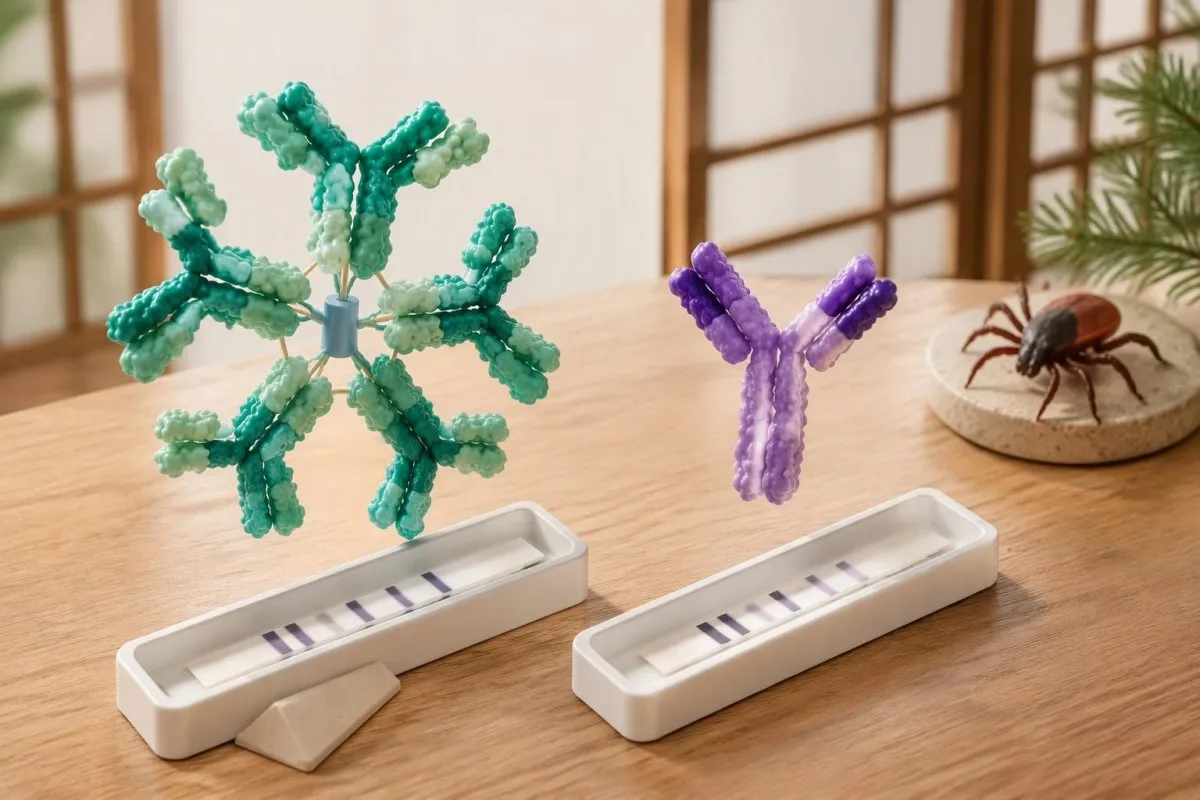
Moore et al. (2016) એ એક અભ્યાસનો ઉલ્લેખ કર્યો હતો જેમાં સ્વસ્થ નિયંત્રણ જૂથના 43% લોકોમાં 41 kDa પ્રતિક્રિયાશીલતા જોવા મળી હતી, જે દર્શાવે છે કે આ બૅન્ડ એકલો પૂરતો કેમ નથી. આ ટકાવારી દરેક આધુનિક પરીક્ષણ માટેનો સાર્વત્રિક ખોટા-પોઝિટિવ દર નથી; તે પુરાવો છે કે તપાસ હેઠળની તબીબી સ્થિતિ ન ધરાવતા લોકોમાં પણ ઓળખી શકાય તેવું એન્ટિજન બંધન થઈ શકે છે.
એપસ્ટીન–બાર વાયરસ, સિફિલિસ, પુનરાવર્તી તાવ પેદા કરતા Borrelia અને કેટલીક સ્વપ્રતિરક્ષી સ્થિતિઓ લાઇમ સેરોલોજીમાં ખોટા-પોઝિટિવ પરિણામોમાં ફાળો આપી શકે છે, જોકે તેની પદ્ધતિ અને અસરગ્રસ્ત પરીક્ષણ અલગ અલગ હોય છે. તાજેતરની મોનોન્યુક્લિયોસિસ જેવી બીમારીમાં સંપૂર્ણ EBV એન્ટિબોડી પેટર્ન, પર ધ્યાન આપવું જોઈએ, 1 લાઇમ બૅન્ડ એકસાથે થયેલા ટિકજન્ય ચેપને સાબિત કરે છે એવું માની લેવું નહીં.
ક્રોસ-પ્રતિક્રિયા એ દરેક વૈકલ્પિક એન્ટિબોડી પેનલ કરાવવાનું કારણ નથી: સમજાવી ન શકાય એવો 1 બૅન્ડ સામાન્ય રીતે વ્યાપક સ્વપ્રતિરક્ષા તપાસને યોગ્ય ઠરાવતો નથી. જ્યારે તપાસના તારણો ખરેખર રોગપ્રતિકારક વિકાર સૂચવે, આપેલી Zenodo માર્ગદર્શિકા ત્યારે તે અલગ તબીબી પ્રશ્નનો ભાગ છે; ઓછી સંભાવનાવાળી વારંવારની તપાસ વધુ ગેરમાર્ગે દોરતાં પોઝિટિવ પરિણામો આપી શકે છે, સ્પષ્ટ જવાબ નહીં.
Lyme IgM vs IgG: why the 30-day symptom rule matters
લક્ષણો 30 દિવસથી વધુ સમયથી હોય ત્યારે લાઇમ IgMનો ઉપયોગ નિદાનને સમર્થન આપવા માટે ન કરવો જોઈએ. IgM શરૂઆતના તબક્કામાં સૌથી વધુ ઉપયોગી છે, જ્યારે યોગ્ય IgG પ્રતિક્રિયા પછીના તબક્કામાં વધુ નિદાનાત્મક મહત્ત્વ ધરાવે છે; ગણતરી શંકાસ્પદ બીમારીનાં લક્ષણો શરૂ થયાની તારીખથી થાય છે, પરીક્ષણની તારીખથી કે ટિક દૂર કર્યાની યાદ રહેલી તારીખથી નહીં.
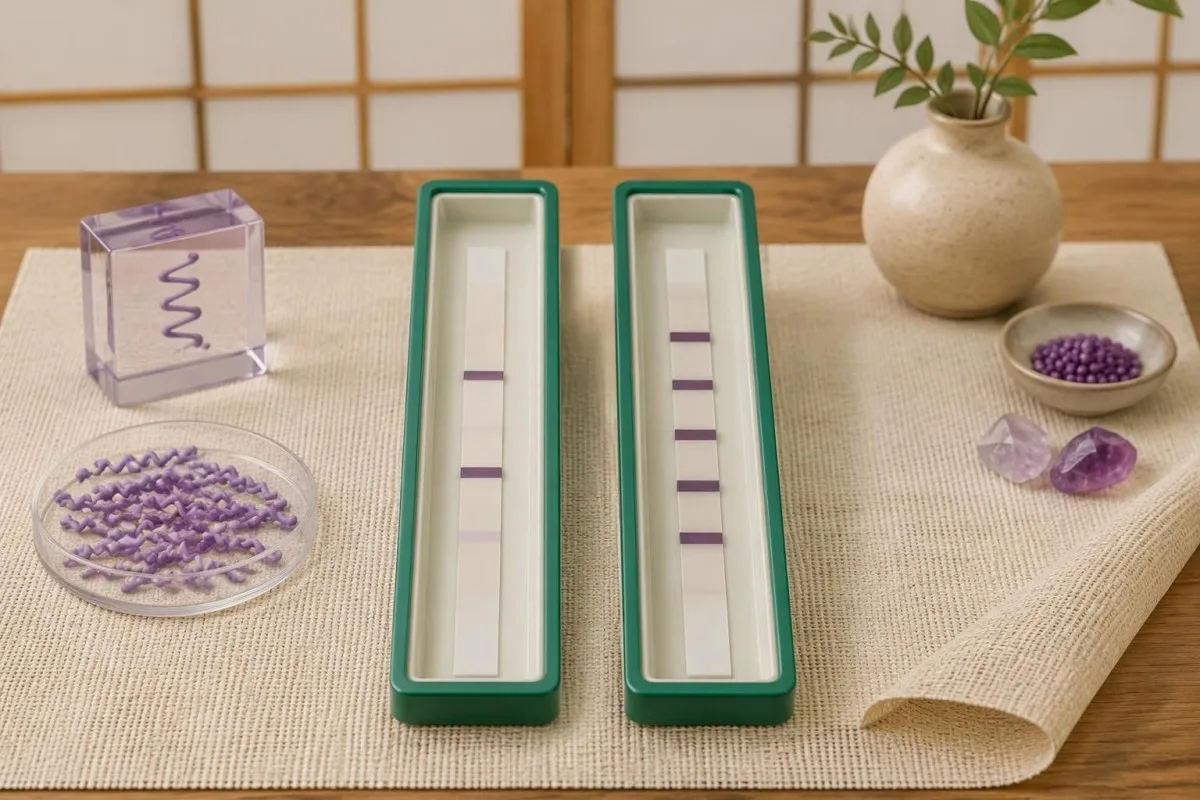
આ 30-દિવસનો પ્રતિબંધ જ્યારે પછીના તબક્કાના રોગમાં સામાન્ય રીતે સ્થાપિત IgG પ્રતિભાવ હોવો જોઈએ, ત્યારે સતત અથવા બિનવિશિષ્ટ IgM પ્રતિભાવોને કારણે થતી ખોટી વર્ગીકરણની શક્યતા ઘટાડે છે. આ અર્થઘટનનો નિયમ છે, રાતોરાત બદલાઈ જતું જૈવિક સ્વિચ નહીં: એન્ટિબોડીનું પરિપક્વ થવું વ્યક્તિગત રીતે બદલાય છે અને વહેલી સારવાર સેરોકન્વર્ઝનને અસર કરી શકે છે, પરંતુ આ અપવાદોને કારણે મોડા તબક્કામાં માત્ર IgMને વિશ્વસનીય પુરાવો માનવો યોગ્ય નથી.
સતત લક્ષણોના 75મા દિવસે તપાસ કરાયેલા કાલ્પનિક દર્દી માટે, નકારાત્મક IgG સાથે IgM બેન્ડ 23 અને 41 ને લાઇમ રોગના પુરાવા તરીકે ઉપયોગમાં ન લેવા જોઈએ. તેનાથી વિપરીત, પ્રતિક્રિયાશીલ પ્રથમ-તબક્કાની તપાસ અને સુસંગત સંપર્ક-ઇતિહાસ પછી 12મા દિવસે જોવા મળેલો આ જ IgM પેટર્ન પ્રારંભિક નિદાનને સમર્થન આપી શકે છે; બેન્ડની સંખ્યાત્મક ગણતરી સરખી છે, પરંતુ તેનું પુરાવાકીય મૂલ્ય બદલાય છે.
સકારાત્મક IgM પરિણામનો અર્થ આપમેળે નવો ચેપ થતો નથી; આ ગેરસમજની ચર્ચા અમારી માયકોપ્લાઝ્મા IgM અર્થઘટન માર્ગદર્શિકા. માં પણ કરવામાં આવી છે. જો લક્ષણો 8 અઠવાડિયા પહેલાં શરૂ થયાં હોય, પરંતુ એક લક્ષણ ગઈ કાલે દેખાયું હોય, તો ચિકિત્સકોએ નક્કી કરવું જોઈએ કે આ ખરેખર નવી બીમારી છે કે મૂળ પ્રકરણનું બીજું લક્ષણ—માત્ર IgMની સમયગણતરી ફરીથી શરૂ કરવી નહીં.
Positive Lyme bands but negative overall: worked examples
લાઇમ બેન્ડ સકારાત્મક, પરંતુ એકંદરે નકારાત્મક નો સામાન્ય અર્થ એ છે કે તપાસ અલ્ગોરિધમમાં અહેવાલ જરૂરી પેટર્નને પૂર્ણ કરતો નથી. ઉદાહરણ તરીકે, નિર્દિષ્ટ IgG બેન્ડમાંથી 3 પરંપરાગત 5-માંથી-10 મર્યાદા કરતાં ઓછા છે; તે પરિણામ નકારાત્મક છે, ઓછું સકારાત્મક નહીં, અને ચેપ કેટલો છે તેનું માપ પણ આપતું નથી.
10 અઠવાડિયાથી થાક, પ્રતિક્રિયાશીલ સ્ક્રીનિંગ તપાસ અને IgG બેન્ડ 18, 41 અને 58 ધરાવતા, સ્પષ્ટપણે કાલ્પનિક 42-વર્ષીય વ્યક્તિનો વિચાર કરો. માત્ર 3 પાત્ર બેન્ડ હાજર હોવાથી IgG ઇમ્યુનોબ્લોટ નકારાત્મક છે; જો તપાસમાં લાઇમ રોગના વસ્તુલક્ષી ચિહ્નો ન હોય, તો આગળનું પગલું લક્ષણો પર કેન્દ્રિત મૂલ્યાંકન છે, બેન્ડના આણ્વિક દળની સારવાર માટે સૂચવેલી એન્ટિબાયોટિક્સ નહીં.
બીજા કાલ્પનિક દર્દીની સ્ક્રીન પ્રતિક્રિયાશીલ છે, IgM બેન્ડ 23 અને 39, અને 14 દિવસ પહેલાં શરૂ થયેલાં સુસંગત લક્ષણો છે. આ પરંપરાગત પ્રારંભિક સિરોલોજીકલ માપદંડોને પૂર્ણ કરી શકે છે, પરંતુ સંપર્કનો અસામાન્ય ઇતિહાસ અથવા વધુ મજબૂત વૈકલ્પિક નિદાન હજી પણ તબીબી નિષ્કર્ષને અસર કરે છે; Kantesti AI સ્વતંત્ર નિદાનમાં ફેરવ્યા વિના 2-માંથી-3 નિયમ સમજાવી શકે છે.
ત્રીજા અહેવાલમાં 5 IgG બેન્ડ દર્શાવ્યા છે, પરંતુ પ્રથમ-તબક્કાનું પરિણામ આપવામાં આવ્યું નથી; સ્ક્રીનિંગનો તબક્કો ન હોવાથી પ્રમાણભૂત 2-તબક્કાના પરિણામની સીધી પુષ્ટિ થઈ શકતી નથી. પુષ્ટિની આવશ્યકતાઓ તપાસ-પદ્ધતિ પ્રમાણે બદલાય છે, જેમ કે અમારી HSV IgG પુષ્ટિ માર્ગદર્શિકા પણ દર્શાવે છે; તેથી બીજા ચેપમાંથી મર્યાદા અથવા પુષ્ટિના નિયમને ઉધાર લેવાને બદલે સંપૂર્ણ પ્રયોગશાળા અહેવાલ માગો.
How modified two-tier testing differs from a Western blot
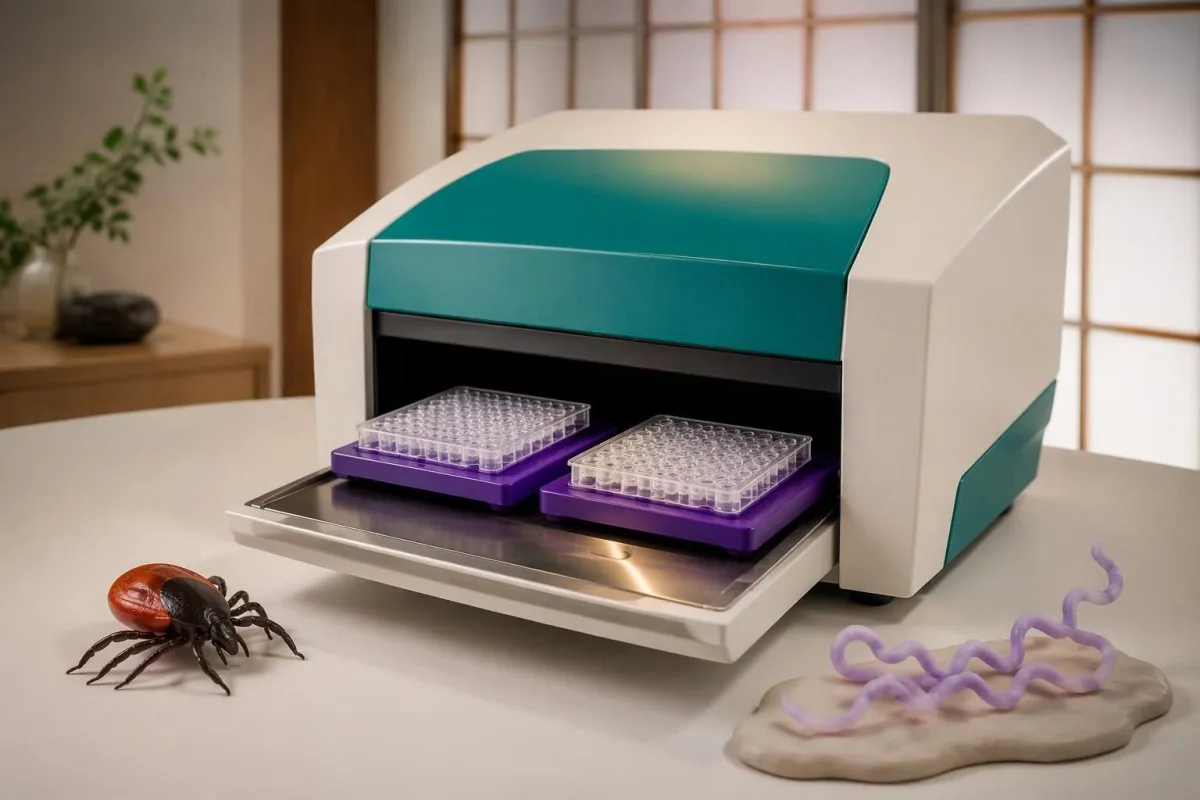
સુધારેલી દ્વિ-તબક્કાની તપાસ, અથવા MTTT, એન્ઝાઇમ ઇમ્યુનોએસે પછી ઇમ્યુનોબ્લોટ કરવાને બદલે ક્રમશઃ 2 એન્ઝાઇમ ઇમ્યુનોએસેનો ઉપયોગ કરે છે. આ પદ્ધતિના અહેવાલમાં કોઈ બેન્ડ ન પણ હોય; તેનું એકંદર અર્થઘટન ચોક્કસ એસે-સંયોજન અને તેને મંજૂરી આપતી સૂચનાઓ પર આધાર રાખે છે, પરંપરાગત ઇમ્યુનોબ્લોટ બેન્ડ-ગણતરીના માપદંડો પર નહીં.
આ 2019ની CDC ભલામણ એ સંબંધિત તપાસ-સંયોજનોને મંજૂરી મળ્યા પછી, તે હેતુ માટે FDA-મંજૂર એસેનો ઉપયોગ કરતા સુધારેલા અલ્ગોરિધમ્સ સ્વીકાર્યા (Mead et al., 2019). આ ફેરફારનો અર્થ કોઈપણ 2 તપાસોને ભેગી કરવાની મંજૂરી એવો નહોતો: મૂલ્યાંકિત જોડાણ મહત્ત્વનું છે, અને કેટલાક સંયોજનો પ્રમાણભૂત દ્વિ-તબક્કાની તપાસની સરખામણીમાં ઉચ્ચ વિશિષ્ટતા જાળવીને પ્રારંભિક સંવેદનશીલતામાં સુધારો કરે છે.
કેટલાક સુધારેલા અલ્ગોરિધમ્સ માપે છે total antibodies, while others report separate IgM and IgG components; consequently, the familiar 30-day IgM restriction cannot be mechanically applied to a total-antibody result. Kantesti is an AI બ્લડ ટેસ્ટ રિપોર્ટ સમજો પ્લેટફોર્મ that can help distinguish a 2-immunoassay report from an immunoblot report before discussing what its positive or negative designation means.
A second immunoassay is not simply a repeat of the same screening test, and an immunoblot is not routinely needed after a completed validated MTTT result. Our ચાગાસ પુષ્ટિકરણ માર્ગદર્શિકા illustrates the broader principle of complementary assays, but its 2-test rules are different; ask your laboratory which Lyme algorithm produced the final interpretation.
Can Lyme testing be negative early despite infection?
Lyme antibody testing can be negative early because antibodies have not yet reached detectable levels. A typical erythema migrans rash with an appropriate exposure history is diagnosed clinically rather than by waiting for a positive immunoblot; a negative result during the first 1–2 weeks does not safely exclude that presentation.
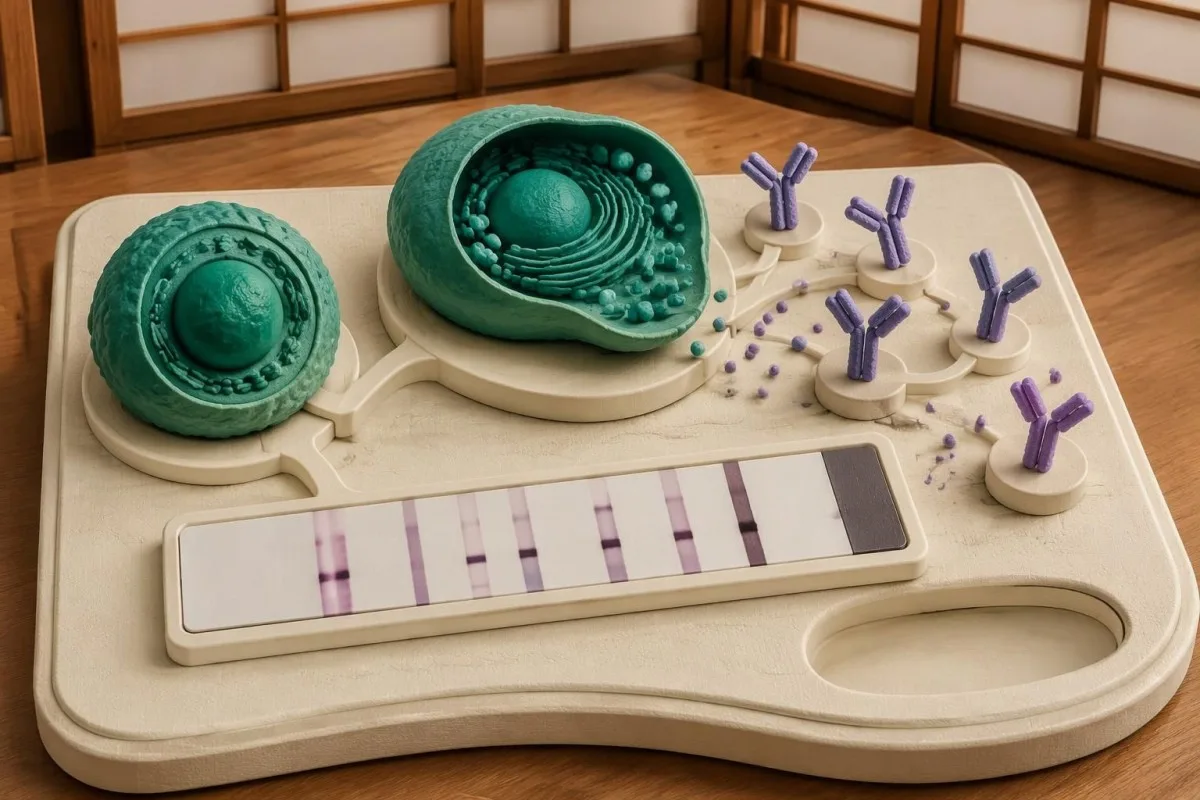
Across early-infection settings, conventional 2-tier sensitivity has been reported at approximately 30–40%, while specificity remains high when testing and interpretation are appropriate (Moore et al., 2016). These are population estimates, not a personal probability: sensitivity changes with the clinical manifestation, time since onset and whether the patient has already received antibiotics.
For a rash suggestive of but not typical for erythema migrans, the 2020 IDSA/AAN/ACR guideline supports acute serology and, if initially negative, a convalescent sample at least 2–3 weeks later (Lantos et al., 2021). The same guideline recommends clinical diagnosis for a typical lesion; a rash need not have textbook concentric rings to warrant assessment.
Repeating a test 24 hours later usually offers little advantage when the limitation is antibody development rather than a processing error. Our spotted fever testing guide explains a related timing problem, but suspected spotted fever has its own urgent treatment rules; do not delay care for an expanding rash or significant illness while waiting for more bands.
Does positive Lyme IgG mean active infection or failed treatment?
Positive Lyme IgG cannot distinguish active infection from a previous infection that has resolved. Lyme antibodies can remain detectable for years or decades, and repeat immunoblot testing is not a test of cure; neither a persistent 5-band pattern nor changes in band intensity establish that treatment failed.
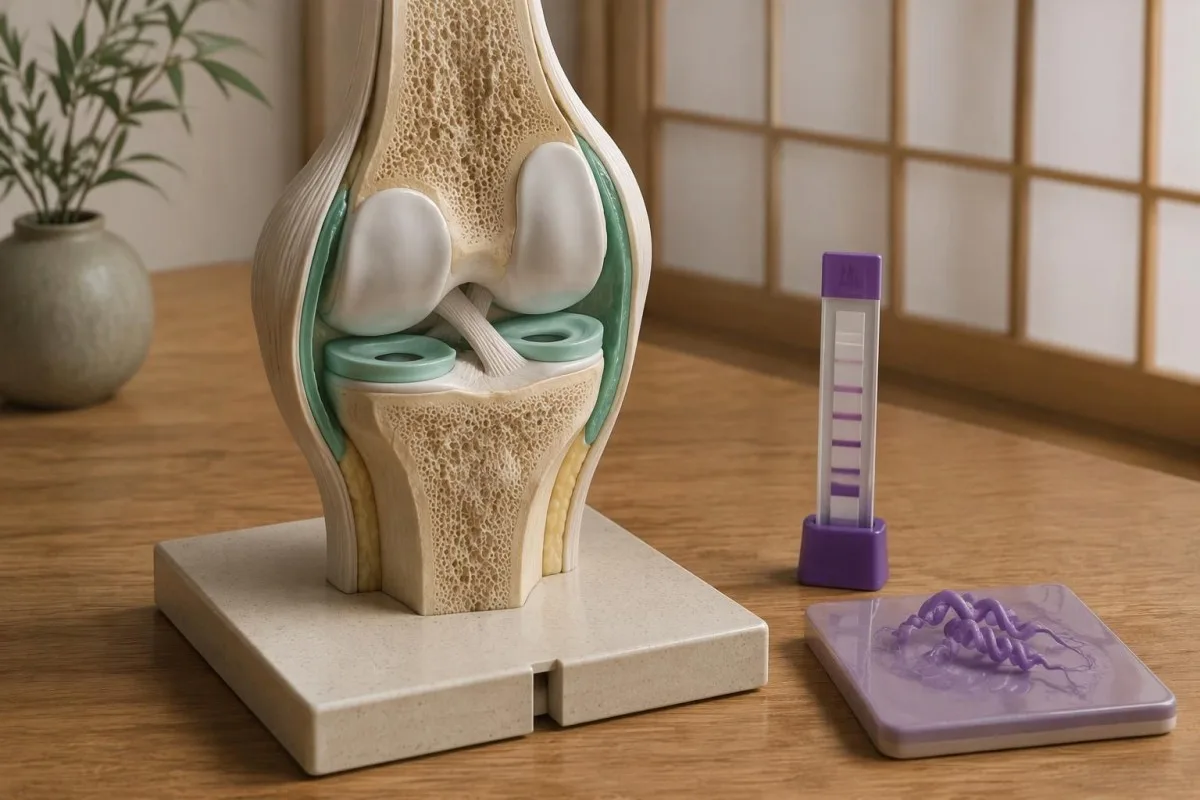
આ 2020 IDSA/AAN/ACR guideline describes persistence of both IgM and IgG responses after infection, which complicates interpretation in previously affected patients (Lantos et al., 2021). A positive result obtained 4 years after treatment must therefore be compared with the clinical history, not interpreted as a laboratory photograph of living bacteria in the body.
Reinfection can occur because previous Lyme disease does not provide reliable lifelong protection, but an old positive antibody result cannot prove a new episode. For a hypothetical person with positive IgG from 2019 and a new expanding rash after recent tick exposure, the new clinical findings matter more than whether a sixth band appears; CMV antibody patterns illustrate why exposure history and current illness are separate questions.
Persistent fatigue, pain or cognitive symptoms deserve evaluation even when no new laboratory evidence appears. The guideline recommends against additional antibiotics for persistent nonspecific symptoms after recommended treatment when there is no objective evidence of reinfection or treatment failure; 1 positive antibody panel cannot identify the cause of those symptoms or justify an open-ended antibiotic course.
What IgG means in suspected Lyme arthritis or neurologic disease
Lyme arthritis usually produces a strong IgG response, so isolated IgM is poor evidence for that diagnosis. Conventional two-tier serology has approximately 95–100% sensitivity in Lyme arthritis, according to the 2020 IDSA/AAN/ACR guideline; a negative appropriate IgG result should prompt serious consideration of other causes of joint swelling.
A hypothetical patient with a markedly swollen knee and only 2 IgM bands after 3 months of symptoms does not have the expected serologic pattern for Lyme arthritis. The clinician should reassess alternative causes and assay reliability rather than call this late Lyme based on IgM alone; when indicated, joint fluid examination answers additional questions that the antibody test cannot.
Suspected central nervous system Lyme disease requires clinical assessment and, when cerebrospinal fluid testing is undertaken, simultaneous CSF and serum for a validated antibody index. Testing CSF antibody alone or running a standalone CSF immunoblot is not the preferred approach; 1 elevated index may also persist after treatment, so it must be interpreted alongside the neurological findings and CSF cell response.
Numb feet or tingling do not become Lyme-specific because 41 kDa is reactive; neuropathy has metabolic, mechanical and immune causes. Our anti-MAG neuropathy guide explains one targeted alternative, while immunoglobulin panel interpretation clarifies that total serum IgG is different from the 5-of-10 Lyme-specific IgG immunoblot criterion.
Why laboratories and countries may use different Lyme criteria
Lyme immunoblot criteria are assay- and region-dependent, so conventional US 5-of-10 IgG counting rules should not automatically be imposed on every European report. European assays may use different Borrelia antigens and recombinant line blots because the species causing human Lyme borreliosis differ across regions.
B. burgdorferi sensu stricto predominates in North America, while European disease also commonly involves B. afzelii and B. garinii. A report using VlsE, OspC or other recombinant antigen labels may therefore not resemble a 10-position conventional US blot; the clinically useful question is whether the assay was validated for the exposure setting and interpreted according to its instructions.
Different laboratory criteria are not automatically inferior, but claims that 1 or 2 bands prove disease require evidence for that assay's complete diagnostic performance. When reading a report described by Kantesti, consult the laboratory's interpretation and our મેડિકલ વેલિડેશન ફ્રેમવર્ક separately; general AI assessment or a software benchmark is not proof that a particular Lyme assay has validated sensitivity and specificity.
Record 3 details before comparing reports from different laboratories: assay manufacturer, algorithm type and the country where exposure occurred. Our AI રિપોર્ટ સોર્સ-ચેક માર્ગદર્શિકા explains why preserving source wording matters; apparent conversion from negative to positive may reflect a changed method or cutoff rather than a newly acquired infection or worsening illness.
Do Lyme bands identify Babesia, Anaplasma or other coinfections?
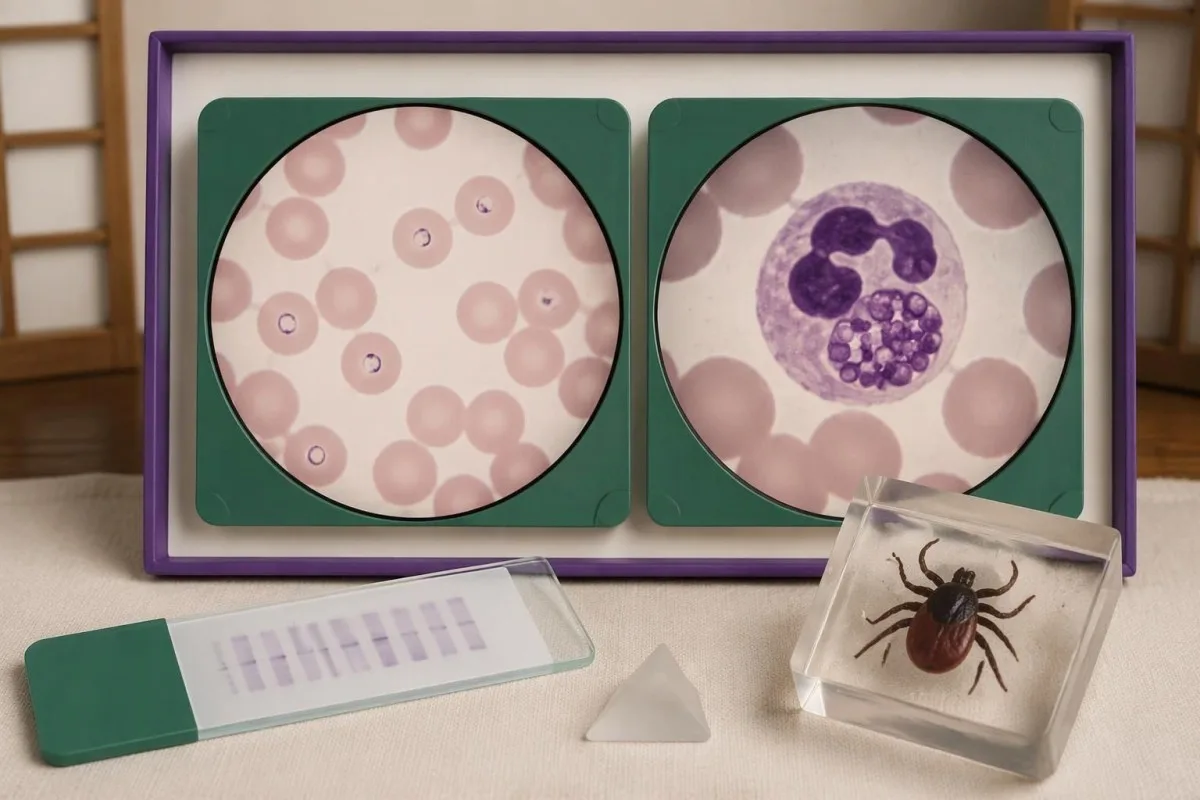
Lyme Western blot bands do not diagnose tick-borne coinfections. Babesia, Anaplasma and Ehrlichia require their own clinical assessment and tests; 1 positive Lyme antibody result neither confirms nor excludes these infections, even when an exposure setting allows more than one tick-borne organism to be transmitted.

બેબેસિયોસિસ deserves consideration when relevant exposure accompanies fever and evidence such as anemia, low platelets or hemolysis, especially if fever persists during Lyme-directed treatment. A Babesia antibody titer of 1:256 alone does not establish current infection; our Babesia test interpretation guide explains why a cellular sample examination or PCR may be needed to demonstrate active infection.
એનાપ્લાઝ્મોસિસ can produce fever, leukopenia, thrombocytopenia and elevated liver enzymes, findings that should not be explained away as extra Lyme bands. PCR is most useful during the first week of illness and becomes less sensitive after appropriate antibiotics; our Anaplasma sample timing guide separates this early direct-detection window from later antibody interpretation.
Ehrlichiosis follows a different organism-specific testing pathway, and a negative early antibody result is not a safe reason to dismiss significant febrile illness. Our Ehrlichia PCR and titer guide explains why 2 samples collected at different times may help establish seroconversion; targeted testing should follow symptoms, geography and laboratory abnormalities rather than an indiscriminate panel ordered for isolated fatigue.
What should you do with an unclear Lyme test report?
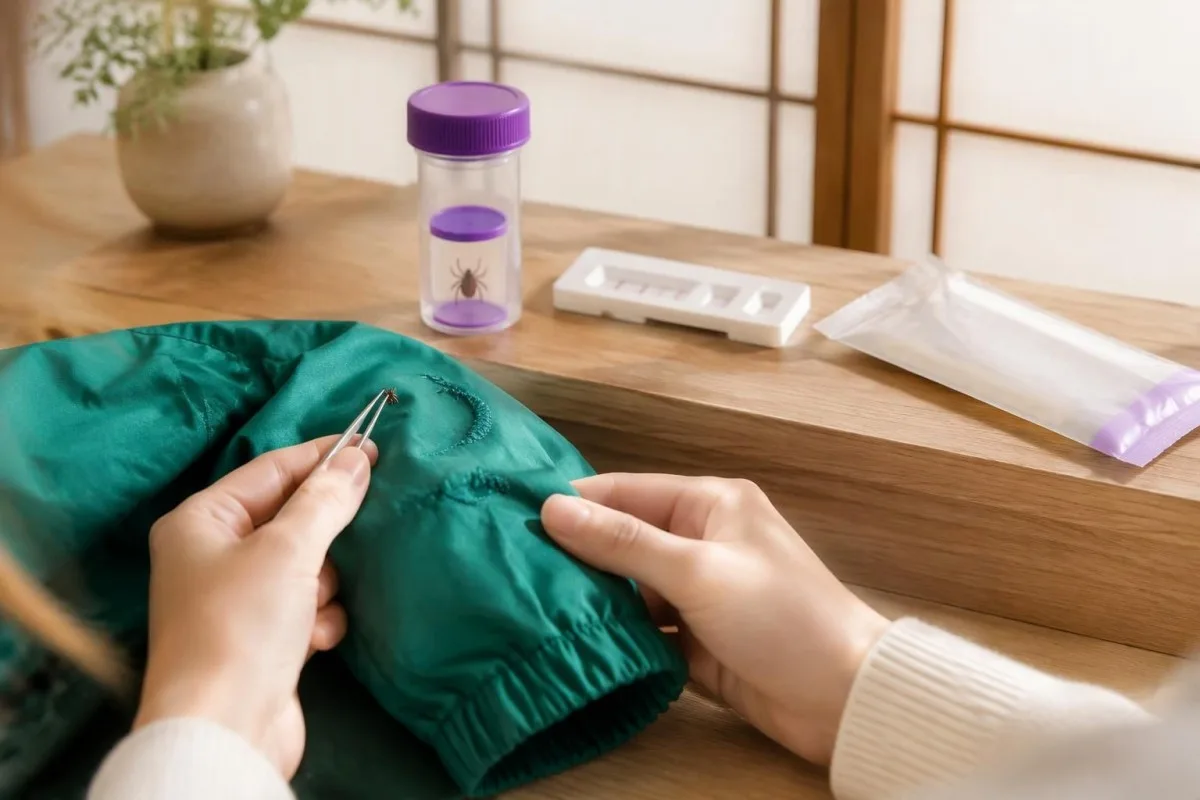
For an unclear Lyme report, obtain the complete 2-tier interpretation, write down symptom onset and discuss exposure plus objective findings with a clinician. Faint or isolated bands do not determine urgency; fainting, chest pain, breathlessness, a markedly slow pulse or new neurological deficits require prompt assessment regardless of the antibody result.
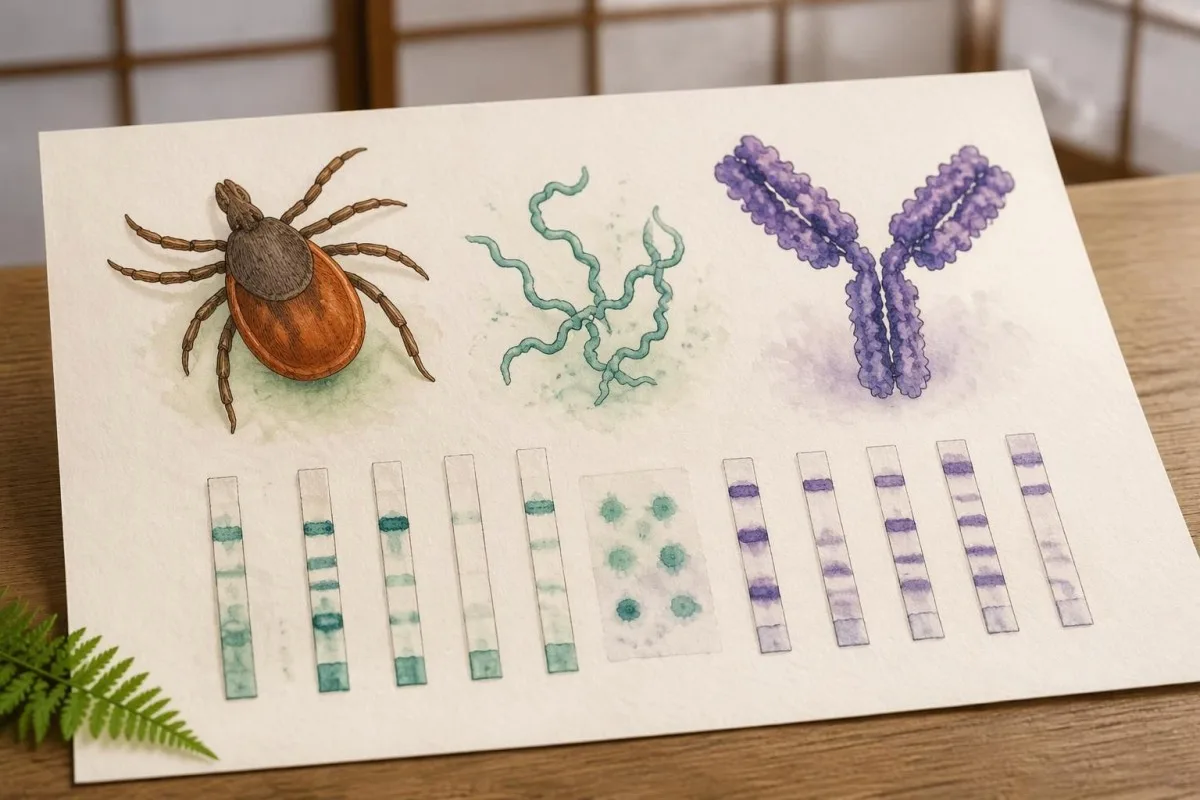
Lyme carditis can cause heart conduction block, so fainting or palpitations after compatible exposure should not wait for an immunoblot to become positive. The 2020 IDSA/AAN/ACR guideline identifies a PR interval greater than 300 milliseconds, other arrhythmias or features of myopericarditis as reasons for hospital admission with monitoring; that interval is measured on an ECG, not inferred from band intensity.
New facial weakness warrants urgent assessment, and sudden facial droop with arm weakness or speech difficulty needs emergency evaluation for stroke rather than attribution to Lyme. Our સ્ટ્રોકના ચેતવણીચિહ્નો અંગેની માર્ગદર્શિકા explains that distinction; for a routine appointment, bring 4 dates—possible exposure, first symptom, sample collection and antibiotic initiation—because each changes a different part of the reasoning.
કાન્ટેસ્ટી એક છે AI-સંચાલિત બ્લડ ટેસ્ટ એનાલિસિસ ટૂલ that can help organize the 2-tier result, reported bands and missing clinical context into questions for your appointment. Our AI ટેકનોલોજી માર્ગદર્શિકા describes the explanation workflow, but our AI cannot examine a rash, measure an ECG interval, confirm Lyme disease independently or decide whether you should start, stop or extend antibiotics.
Research publications, evidence boundaries and safe interpretation
The clinical interpretation in this article rests on 3 directly relevant sources: a laboratory-diagnosis review, the CDC's modified two-tier recommendation and the IDSA/AAN/ACR Lyme guideline. The 2 additional Figshare publications listed below concern other health topics and must not be treated as validation of Lyme band interpretation or Lyme diagnosis.
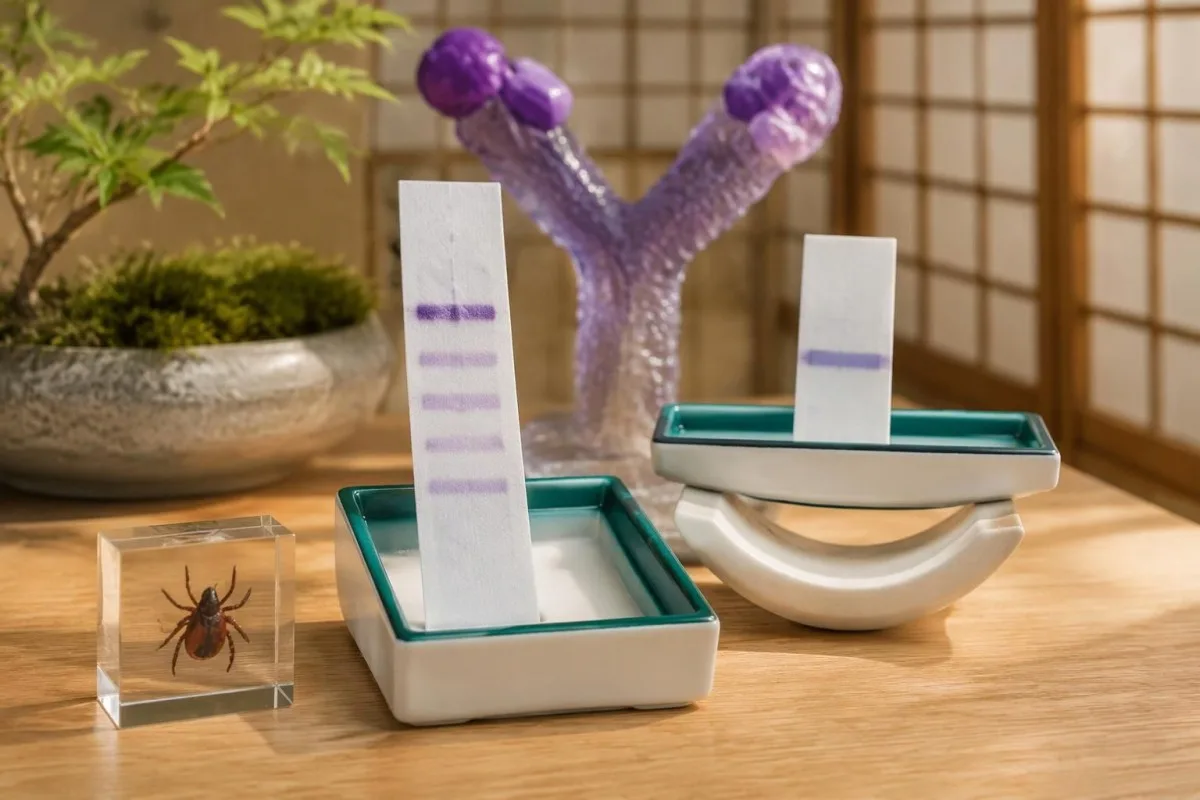
Moore et al. (2016) explains why individual bands and incomplete testing sequences create diagnostic errors; Mead et al. (2019) establishes the CDC recommendation for appropriately cleared modified algorithms. Lantos et al. (2021), publishing the 2020 guideline, connects testing to clinical manifestations, including early rash, arthritis and neurological disease; these sources support different parts of the reasoning rather than one universal band shortcut.
The 2 Figshare records address women's hormonal health and multilingual AI-assisted hantavirus triage, respectively, not Lyme immunoblot performance. A deployment involving 50,000 interpreted reports, as described in the hantavirus publication's title, cannot establish sensitivity, specificity or patient benefit for Lyme diagnosis; those claims would require Lyme-specific methods, reference standards and evaluation populations.
Kantestiની જવાબદાર AI સિદ્ધાંતો place report explanation alongside—not above—the laboratory and clinician, including when IgM appears after 30 days of symptoms. For symptoms linked to cycle changes or menopausal transition, our hormonal symptom guide addresses a separate assessment pathway; symptom overlap is a reason to investigate carefully, not evidence that a reactive Lyme band explains everything.
વારંવાર પૂછાતા પ્રશ્નો
શું લાઇમ વેસ્ટર્ન બ્લોટનો એક પોઝિટિવ બેન્ડ હોવાનો અર્થ એ છે કે મને લાઇમ રોગ છે?
એક રિએક્ટિવ લાઇમ વેસ્ટર્ન બ્લોટ બેન્ડથી લાઇમ રોગનું નિદાન સ્થાપિત થતું નથી. પરંપરાગત યુએસ માપદંડો અનુસાર, લક્ષણો શરૂ થયાના પ્રથમ 30 દિવસ દરમિયાન નિર્ધારિત 3 IgM બેન્ડમાંથી ઓછામાં ઓછા 2, અથવા નિર્ધારિત 10 IgG બેન્ડમાંથી 5, યોગ્ય ટુ-ટિયર પરીક્ષણ પદ્ધતિમાં જરૂરી છે. પરિસ્થિતિના આધારે, એક બેન્ડ ક્રોસ-રિએક્ટિવિટી અથવા પ્રારંભિક એન્ટિબોડી પ્રતિભાવ અધૂરો હોવાનો સંકેત હોઈ શકે છે. યોગ્ય સંપર્ક પછી દેખાતો લાક્ષણિક ઇરિથેમા માઇગ્રન્સ ફોલ્લીઓ, પ્રારંભિક સેરોલોજી નેગેટિવ હોવા છતાં, ક્લિનિકલ નિદાનને સમર્થન આપી શકે છે.
લાઇમના કેટલાક બેન્ડ પોઝિટિવ હોવા છતાં સમગ્ર ટેસ્ટ નેગેટિવ કેમ આવે છે?
લાઇમ પરીક્ષણમાં પ્રતિક્રિયાશીલ બેન્ડ હોઈ શકે છે, છતાં પરિણામ નકારાત્મક રહી શકે છે, કારણ કે ઇમ્યુનોબ્લોટ પરીક્ષણના અલ્ગોરિધમ દ્વારા જરૂરી માન્ય પેટર્નને પૂર્ણ કરતું નથી. ઉદાહરણ તરીકે, 3 લાયકાત ધરાવતા IgG બેન્ડ પરંપરાગત 5-માંથી-10 IgG મર્યાદા કરતાં ઓછા હોય છે. પ્રથમ-સ્તરની સ્ક્રીનિંગ તપાસ હકારાત્મક અથવા અનિર્ણાયક હોય અને ત્યારબાદની યોગ્ય ઇમ્યુનોબ્લોટ તપાસો નકારાત્મક હોય, તો પ્રમાણભૂત દ્વિ-સ્તરીય પરીક્ષણમાં તેને નકારાત્મક તરીકે સમજવામાં આવે છે. જો લક્ષણો તાજેતરમાં જ શરૂ થયાં હોય, તો અધૂરી પેટર્નને હકારાત્મક ગણવાને બદલે, ચિકિત્સક યોગ્ય સમયાંતરે ફરી પરીક્ષણ કરવાનું વિચારી શકે છે.
લાઈમના 41 kDa બેન્ડનો પોઝિટિવ પરિણામ શું સૂચવે છે?
41 kDaનો લાઇમ બેન્ડ સામાન્ય રીતે ફ્લેજેલિન સાથેના એન્ટિબોડી બંધનને દર્શાવે છે. ફ્લેજેલિન બેક્ટેરિયાનો ગતિ-સંબંધિત પ્રોટીન છે, જે લાઇમ રોગ સાથે અસંબંધિત એન્ટિબોડીઓ સાથે ક્રોસ-રિએક્ટ કરી શકે છે. પરંપરાગત ઇમ્યુનોબ્લોટ માપદંડોમાં વપરાતા નિયુક્ત બેન્ડમાંથી આ માત્ર 1 છે અને એકલા હાથે લાઇમ રોગનું નિદાન કરી શકતો નથી. Moore et al. (2016)એ એક અભ્યાસનો ઉલ્લેખ કર્યો હતો જેમાં તંદુરસ્ત નિયંત્રણ જૂથના 43% લોકોમાં આ બેન્ડ જોવા મળ્યો હતો, જોકે તમામ એસે માટે આ ટકાવારી સાર્વત્રિક દર નથી. પરીક્ષણનો સંપૂર્ણ ક્રમ અને તબીબી રજૂઆત નક્કી કરે છે કે પરિણામ લાઇમ રોગને સમર્થન આપે છે કે નહીં.
શું લાઇમ IgM પોઝિટિવ અને IgG નેગેટિવ હોવું તાજેતરના ચેપનો પુરાવો છે?
IgG નેગેટિવ સાથે Lyme IgM પોઝિટિવિટી પ્રારંભિક ચેપને સમર્થન આપી શકે છે, પરંતુ માત્ર ત્યારે જ જ્યારે તે યોગ્ય પરીક્ષણ અલ્ગોરિધમ, ક્લિનિકલ રજૂઆત અને સમયગાળા સાથે સુસંગત હોય. લક્ષણો 30 દિવસથી વધુ સમયથી હોય ત્યારે Lyme રોગને સમર્થન આપવા માટે માત્ર IgMનો ઉપયોગ ન કરવો જોઈએ, કારણ કે સતત રહેતું અથવા બિનવિશિષ્ટ IgM અર્થઘટનને ગેરમાર્ગે દોરી શકે છે. ઉદાહરણ તરીકે, 14મા દિવસે 2 લાયક IgM બેન્ડનો અર્થ 3 મહિના સુધી સતત લક્ષણો રહ્યા પછી જોવા મળતી એ જ પેટર્નથી અલગ હોય છે. સમયનો નિયમ લક્ષણો શરૂ થયાના સમયને લગતો છે, પ્રયોગશાળાનો નમૂનો કયા દિવસે એકત્રિત કરવામાં આવ્યો હતો તેને નહીં.
શું વેસ્ટર્ન બ્લોટમાં કોઈ બેન્ડ ન હોવા છતાં મારો લાઇમ ટેસ્ટ પોઝિટિવ આવી શકે?
હા: માન્યતા પ્રાપ્ત સુધારેલી બે-તબક્કાની લાઇમ પદ્ધતિમાં ક્રમશઃ 2 એન્ઝાઇમ ઇમ્યુનોએસેનો ઉપયોગ થાય છે અને તેમાં વેસ્ટર્ન બ્લોટ કરવામાં ન પણ આવે. CDCએ 2019માં યોગ્ય રીતે FDA-મંજૂર કરેલી સુધારેલી પદ્ધતિઓની ભલામણ કરી હતી. કેટલીક પરીક્ષણ-પદ્ધતિઓના સંયોજનો કુલ એન્ટિબોડી માપે છે, જ્યારે અન્ય IgM અને IgGનાં અલગ પરિણામો આપે છે; તેથી પરંપરાગત બેન્ડ-ગણતરીના નિયમો દરેક રિપોર્ટને લાગુ પડતા નથી. અંતિમ અર્થઘટન કઈ પદ્ધતિ અને પરીક્ષણ-પદ્ધતિના સંયોજનથી મળ્યું તે પ્રયોગશાળાને પૂછો.
એન્ટિબાયોટિક્સ પછી લાઇમ વેસ્ટર્ન બ્લોટના બેન્ડ્સ અદૃશ્ય થઈ જવા જોઈએ?
સફળ સારવાર પછી લાઇમ વેસ્ટર્ન બ્લોટના બેન્ડ્સ અદૃશ્ય થવા જરૂરી નથી, કારણ કે એન્ટિબોડીઝ વર્ષો કે દાયકાઓ સુધી રહી શકે છે. 5-બેન્ડનું સતત IgG પેટર્ન ચાલુ ચેપનો પુરાવો નથી, અને બેન્ડ્સનું વારંવાર પરીક્ષણ કરવું સાજા થવાની પુષ્ટિ માટે માન્ય પરીક્ષણ નથી. સારવારની અસરનું મૂલ્યાંકન ક્લિનિકલ ગતિપ્રવાહ અને સંબંધિત વસ્તુલક્ષી તારણો દ્વારા કરવામાં આવે છે, એન્ટિબોડી પેનલ નેગેટિવ થાય તે જરૂરી ગણીને નહીં. નવા લક્ષણો અથવા ટિકનો ફરીથી સંપર્ક થાય તો તાજા ક્લિનિકલ મૂલ્યાંકનની જરૂર પડે છે, કારણ કે જૂની એન્ટિબોડીઝથી પુનઃચેપ સ્થાપિત થઈ શકતો નથી.
તમારા બ્લડ ટેસ્ટ રિપોર્ટ સમજાવી લો
તમારો લેબ રિપોર્ટ અપલોડ કરો અને Kantestiનું AI દરેક બાયોમાર્કરને સરળ ભાષામાં સેકન્ડોમાં સમજાવે છે. વિશ્વભરમાં 2 મિલિયનથી વધુ લોકો તેનો ઉપયોગ કરે છે.
સંદર્ભ
- ક્લાઇન, ટી., મિચેલ, એસ., અને વેબર, એચ. (2026). મહિલાઓનું આરોગ્ય માર્ગદર્શિકા: અંડોત્સર્ગ, મેનોપોઝ અને હોર્મોનલ લક્ષણો. Kantesti AI તબીબી સંશોધન. ડીઓઆઈ
- ક્લાઇન, ટી., મિચેલ, એસ., અને વેબર, એચ. (2026). હાન્ટાવાયરસની પ્રારંભિક ટ્રાયેજ માટે બહુભાષી AI-સહાયિત ક્લિનિકલ નિર્ણય-સહાય: 50,000 અર્થઘટન કરાયેલા બ્લડ ટેસ્ટ રિપોર્ટ્સ પર ડિઝાઇન, એન્જિનિયરિંગ માન્યતા અને વાસ્તવિક પરિસ્થિતિમાં અમલીકરણ. Kantesti AI તબીબી સંશોધન. ડીઓઆઈ
- Moore A et al. (2016). Current Guidelines, Common Clinical Pitfalls, and Future Directions for Laboratory Diagnosis of Lyme Disease, United States. Emerging Infectious Diseases. ડીઓઆઈ પબમેડ
- Mead P et al. (2019). Updated CDC Recommendation for Serologic Diagnosis of Lyme Disease. MMWR રોગિતા અને મૃત્યુદર સાપ્તાહિક અહેવાલ. ડીઓઆઈ
- Lantos PM et al. (2021). Clinical Practice Guidelines by the Infectious Diseases Society of America (IDSA), American Academy of Neurology (AAN), and American College of Rheumatology (ACR): 2020 Guidelines for the Prevention, Diagnosis and Treatment of Lyme Disease. Clinical Infectious Diseases. ડીઓઆઈ
- ૨૦ લાખ+વિશ્લેષિત પરીક્ષણો
- 127+દેશો
- 100+ભાષાઓ
તબીબી ટીમ વિશે


E-E-A-T વિશ્વાસ સંકેતો
અનુભવ
લેબ રિપોર્ટની વ્યાખ્યાયન વર્કફ્લોઝનું ડૉક્ટર-આધારિત ક્લિનિકલ સમીક્ષણ.
કુશળતા
લેબોરેટરી મેડિસિનનો ફોકસ કે બાયોમાર્કર્સ ક્લિનિકલ સંદર્ભમાં કેવી રીતે વર્તે છે તેના પર.
સત્તાવાદ
ડૉ. Thomas Klein દ્વારા તબીબી સમીક્ષા, ડૉ. Sarah Mitchell અને પ્રો. ડૉ. Hans Weberનાં યોગદાન સાથે.
વિશ્વસનીયતા
પુરાવા આધારિત વ્યાખ્યાયન સાથે સ્પષ્ટ અનુસરણ માર્ગો, જેથી ચિંતા/અલાર્મ ઓછું થાય.






તબીબી અસ્વીકરણ
આ લેખ માત્ર શૈક્ષણિક હેતુઓ માટે છે અને તે તબીબી સલાહનું સ્વરૂપ નથી. નિદાન અને સારવાર સંબંધિત નિર્ણય માટે હંમેશા લાયક આરોગ્યસેવા પ્રદાતા સાથે પરામર્શ કરો.
પ્રકાશિત · સંપાદકીય ટીમનો સંપર્ક કરો
Kantesti Ltd દ્વારા પ્રકાશિત, ઇંગ્લેન્ડ અને વેલ્સમાં નોંધાયેલ, કંપની નં. 17090423, લંડન, યુનાઇટેડ કિંગડમ.
