
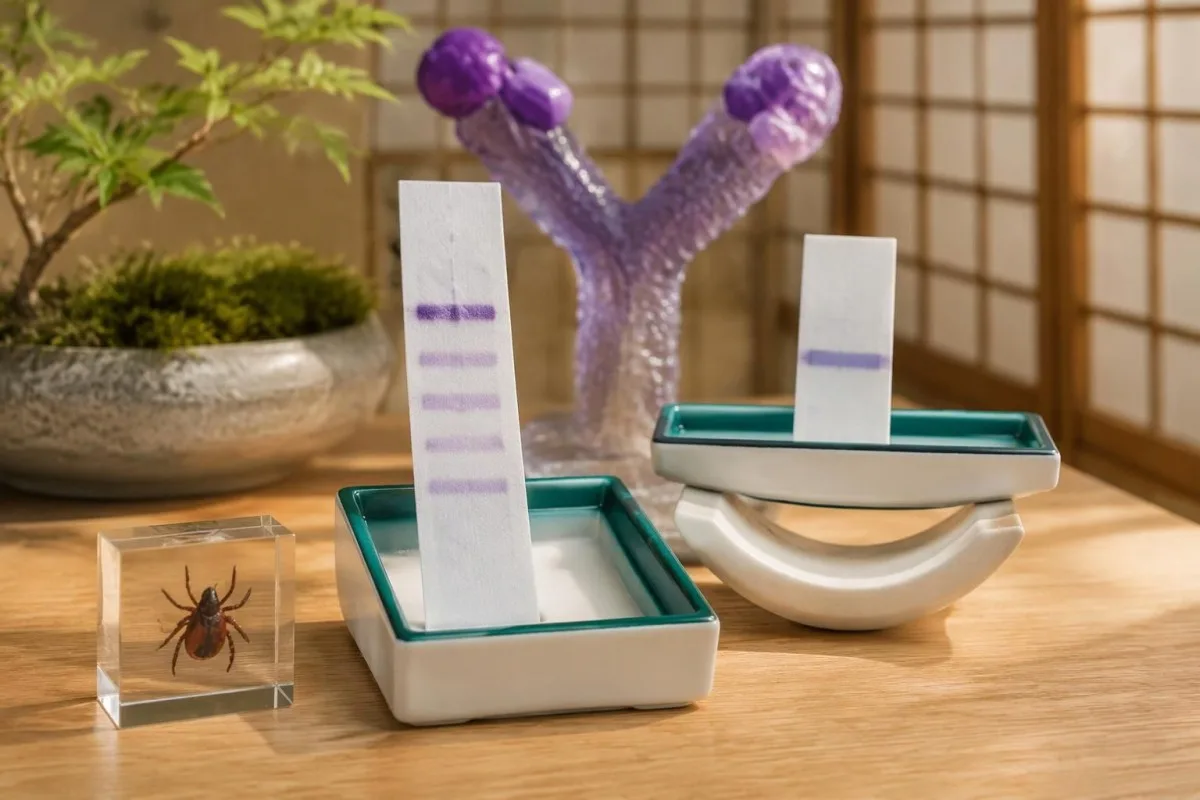
反应性条带显示抗体结合,而非诊断。完整的检测算法、暴露史和症状时间线决定这一结果是否支持莱姆病。

要点
- 单个条带 不能确诊莱姆病;即使是相对特异的条带,也需要结合经过验证的两步法检测算法进行解读。
- 传统 IgM 标准 要求 3 条指定条带中至少有 2 条:约 23–25、39 和 41 kDa。
- 传统 IgG 标准 要求 10 条指定条带中至少有 5 条:18、23、28、30、39、41、45、58、66 和 93 kDa。
- 30 天规则 意味着症状持续超过 30 天时,单独的 IgM 不应作为莱姆病诊断依据。
- 总体结果为阴性 由于实验室评估的是经过验证的模式,而不是是否出现任意条带,因此可以同时出现反应性条带。
- 改良双层检测 使用两种依次进行的酶免疫测定,而非免疫印迹;可能不会提供条带列表。
- 早期检测 在抗体产生前可能呈阴性;在有相应暴露史的情况下,典型的游走性红斑应通过临床诊断。
- 持续存在的抗体 治疗后可能多年仍可检测到,不能据此确认感染仍在持续或衡量是否治愈。
莱姆病蛋白质印迹中的阳性条带究竟意味着什么?
A 莱姆病 Western blot 阳性条带 表示抗体与某种检测抗原结合;单凭这一点不能确诊莱姆病。在美国传统的双层检测中,症状出现后的前30天内,IgM 需有3条指定条带中的2条呈阳性,而 IgG 需有10条中的5条;改良检测则使用两种免疫测定。

这 总体结果 将第一层筛查检测与适当的第二层结果结合起来,而不是把每条可见条带都视为独立诊断。因此,报告显示1条反应性条带却得出阴性结论,可能完全正确;即使完整抗体检测结果为阳性,也必须结合暴露史、相符的临床表现和既往莱姆病史来评估。
条带身份回答的是一个范围有限的问题:在该检测的条件下,哪种抗原吸引了抗体结合?它并不能回答患者通常关心的3个问题——目前是否存在感染、感染是否能解释其症状,或是否需要使用抗生素;我们的指南 阳性抗体结果的解释 将这些问题分别说明。
Kantesti 是一个 人工智能血液检测分析仪 这有助于解释为什么莱姆病报告中有反应性条带,但双层检测结果判读为阴性。我们认为,实验室的最终判读、检测方法和症状持续时间是必不可少的背景信息,不能仅凭上传报告中高亮条带的数量就推翻这些信息。
传统两步法莱姆病检测如何判定结果
标准双层检测 首先进行酶免疫测定,有时也会进行免疫荧光测定;若第一项检测结果为阳性或不确定,则进一步进行免疫印迹检测。这两个阶段需结合起来判读;单凭筛查结果阳性并不能确认为莱姆病血清学检测阳性。

A 第一层检测结果为阳性或不确定,随后适当的免疫印迹检测结果为阴性 按照标准算法应判读为阴性。初筛会有意捕捉更多可能的反应,而第二层检测则会排除非特异性反应;Moore 等人在2016年的《新发传染病》期刊中阐述了这种平衡及常见的判读错误。
某项筛查检测的指数为1.4,不能与另一项检测的1.4互换,因为抗原组成和制造商设定的临界值各不相同。同样,筛查结果不确定意味着需要完成整个算法,而不是诊断结果处于感染与未感染之间; 定性与定量结果 解释了报告格式为何重要。
筛查结果为阴性后,若无临床理由重新考虑检测时机或检测适用性,就进行免疫印迹检测,这样做绕过了其检测性能经过评估的检测流程。请索取3项信息:筛查结果、第二层检测判读,以及两者是否属于同一经过验证的检测流程;不应仅凭条带来还原不完整的报告。
莱姆病蛋白质印迹条带解析:IgM 和 IgG 标准
根据美国传统标准, IgM 免疫印迹阳性 至少需要23–25、39和41 kDa条带中有2条呈阳性。 IgG 免疫印迹阳性 requires at least 5 of the 18, 23, 28, 30, 39, 41, 45, 58, 66 and 93 kDa bands.
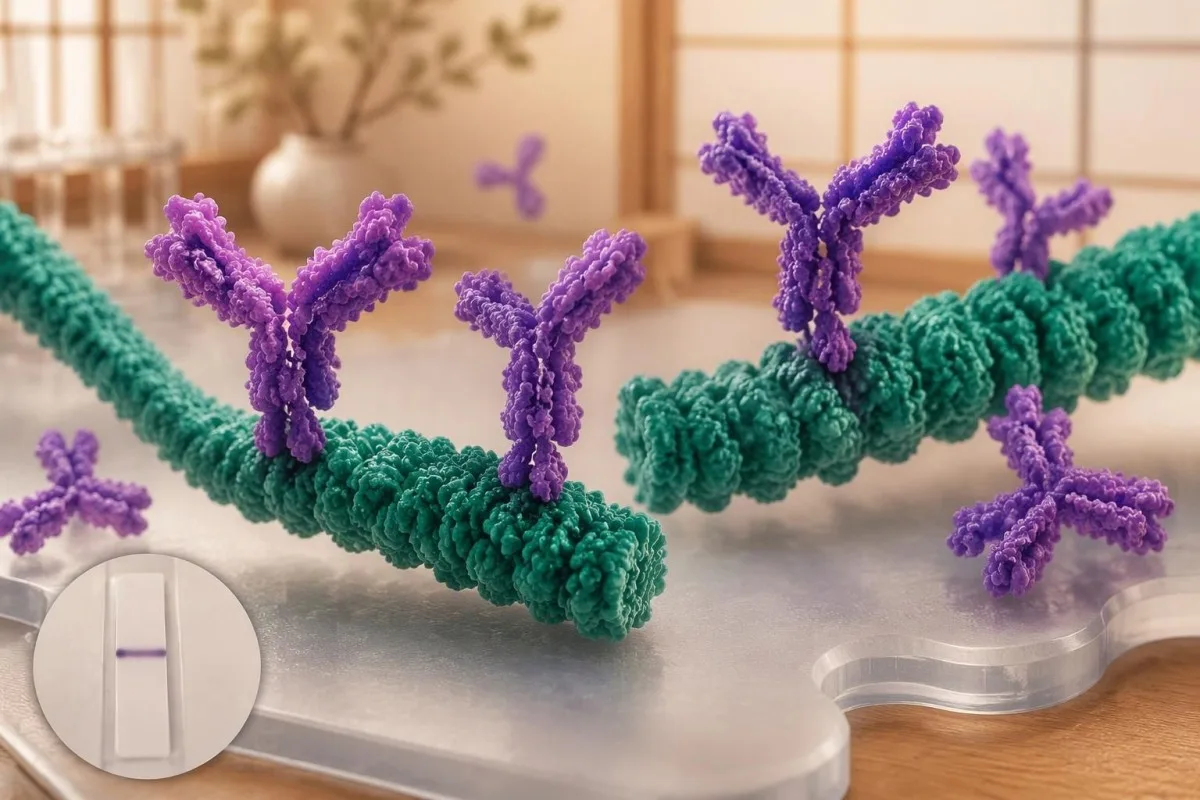
Kilodaltons, abbreviated kDa, describe approximate protein molecular mass, not antibody concentration or disease severity. The approximately 23–25 kDa band commonly represents outer surface protein C, 39 kDa represents BmpA and 41 kDa represents flagellin; the numbers identify antigen regions, so a higher-numbered band does not mean a more advanced infection.
The IgG list's 58 kDa criterion excludes GroEL, and reports may use assay-specific names or approximate mass conventions rather than identical labels. Because not every commercial strip uses the same antigen preparation, our 血液检测标志物指南 should complement—not replace—the actual laboratory legend and the assay manufacturer's interpretation instructions.
Bands at 31 and 34 kDa are not part of the conventional CDC IgG counting criteria, even though they may appear on some reports. Their absence from that list does not make them meaningless biologically, but adding them to manufacture a 5-band positive result changes the validated rule; neither band darkness nor extra bands quantify bacterial burden.
为什么 41 条带和其他反应性条带可能是假阳性信号
这 41 kDa band reacts with flagellin, a protein associated with bacterial movement, and can cross-react with antibodies unrelated to Lyme disease. A single reactive 41 kDa band is therefore insufficient to diagnose Lyme disease, even when a patient has fatigue, aching or a remembered tick bite.
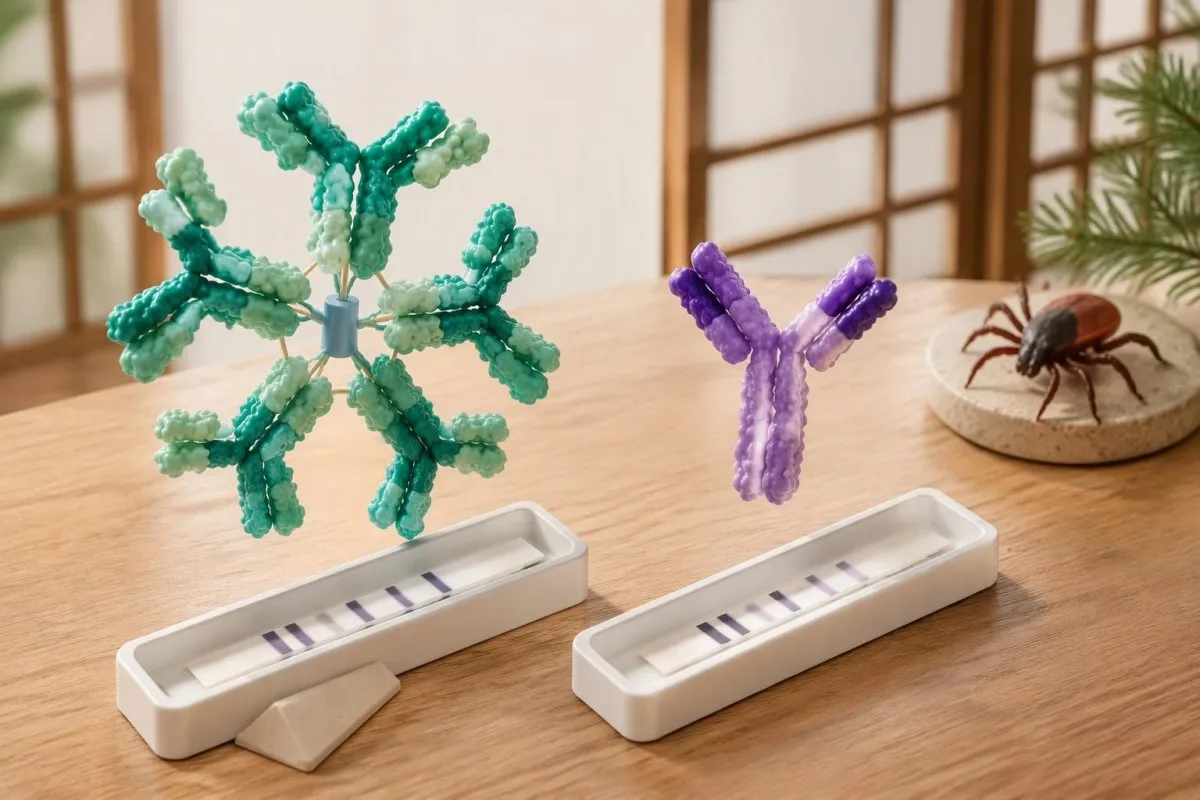
Moore et al. (2016) cited a study in which 41 kDa reactivity occurred in 43% of healthy controls, illustrating why this band cannot stand alone. That percentage is not a universal false-positive rate for every modern assay; it is evidence that recognizable antigen binding can occur in people without the clinical condition being investigated.
Epstein–Barr virus, syphilis, relapsing-fever Borrelia and some autoimmune conditions can contribute to false-positive Lyme serology, although the mechanism and affected assay vary. A recent mononucleosis-like illness should prompt attention to the complete EBV antibody pattern, not the assumption that 1 Lyme band proves a simultaneous tick-borne infection.
Cross-reactivity is not a reason to order every alternative antibody panel: 1 unexplained band usually does not justify broad autoimmune screening. When examination findings genuinely suggest an immune disorder, 补体和 ANA 解读 belongs to a separate clinical question; repeated low-probability testing can generate additional misleading positives rather than a clearer answer.
莱姆病 IgM 与 IgG:30 天症状规则为何重要
Lyme IgM should not be used to support a diagnosis when symptoms have lasted more than 30 days. IgM is most useful early, whereas an appropriate IgG response carries greater diagnostic weight later; the clock starts with symptoms of the suspected illness, not the testing date or remembered tick removal.
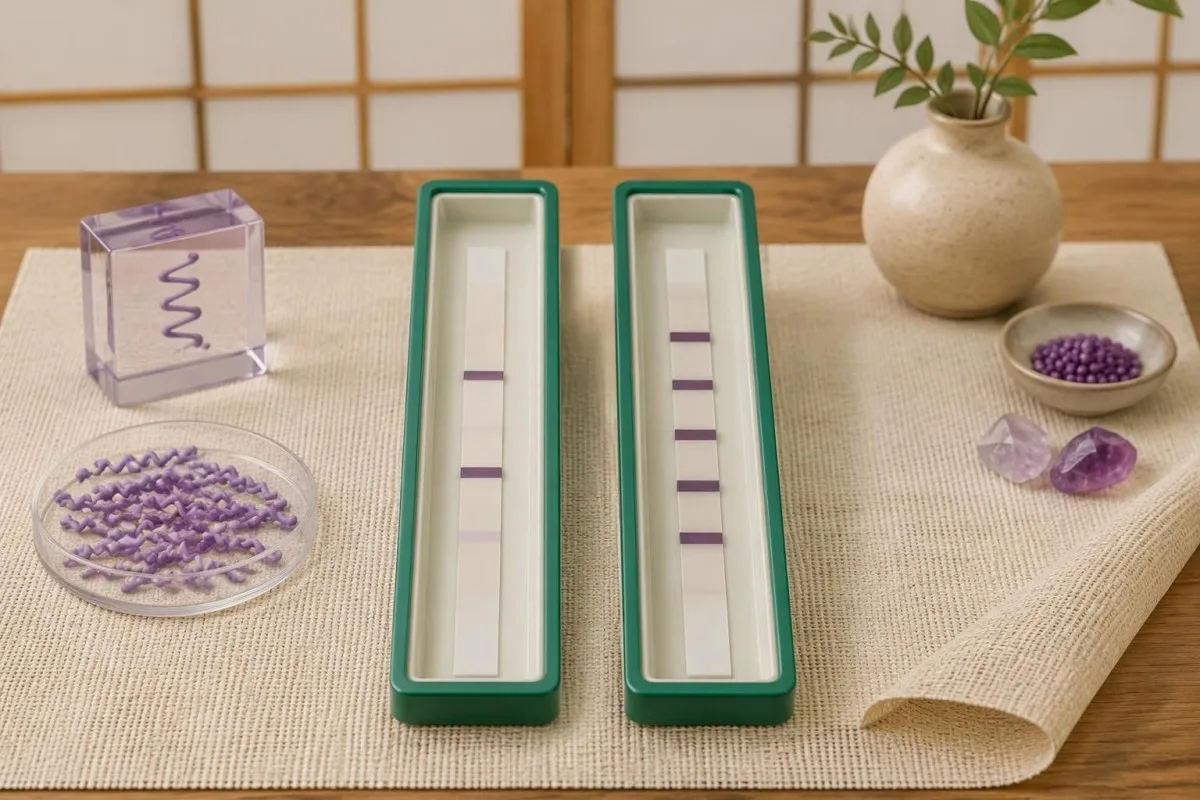
这 30-day restriction reduces misclassification from persistent or nonspecific IgM responses when later disease should usually have an established IgG response. It is an interpretation rule, not a biological switch that flips overnight: antibody maturation varies, and early treatment may alter seroconversion, but those exceptions do not make isolated late IgM reliable evidence.
For a hypothetical patient tested on day 75 of continuous symptoms, IgM bands 23 and 41 with negative IgG should not be used as proof of Lyme disease. By contrast, the same IgM pattern on day 12, following a reactive first-tier assay and compatible exposure, can support an early diagnosis; the numerical band count is identical, but its evidential value changes.
A positive IgM result does not automatically mean a new infection, a misconception also addressed in our Mycoplasma IgM interpretation guide. If symptoms began 8 weeks ago but one symptom appeared yesterday, clinicians need to decide whether this is a genuinely new illness or another feature of the original episode—not simply restart the IgM clock.
莱姆病条带阳性但总体结果阴性:实例解析
Positive Lyme bands but negative overall usually means the report did not meet the required pattern within the testing algorithm. For example, 3 designated IgG bands are below the conventional 5-of-10 threshold; that result is negative, not a smaller positive, and it does not measure how much infection is present.
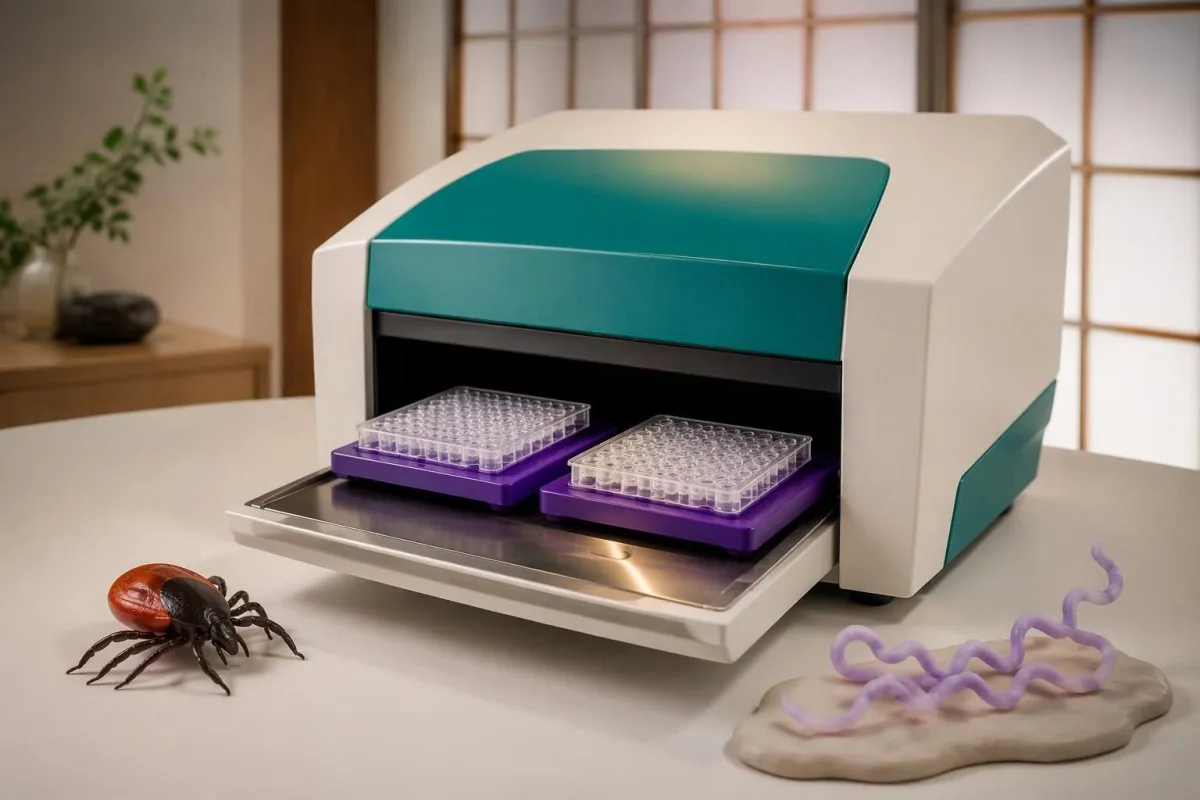
Consider a clearly hypothetical 42-year-old with 10 weeks of fatigue, a reactive screening assay and IgG bands 18, 41 and 58. The IgG immunoblot is negative because only 3 qualifying bands are present; if the examination lacks objective Lyme findings, the next step is a symptom-focused assessment rather than antibiotics prescribed to treat the band's molecular masses.
A second hypothetical patient has a reactive screen, IgM bands 23 and 39, and compatible symptoms beginning 14 days earlier. This can meet the traditional early serologic criteria, but an atypical exposure history or a stronger alternative diagnosis still affects the clinical conclusion; Kantesti AI can explain the 2-of-3 rule without converting it into an independent diagnosis.
A third report lists 5 IgG bands but provides no first-tier result; the missing screening stage prevents straightforward confirmation of a standard 2-tier outcome. Confirmation requirements are assay-specific, as our HSV IgG confirmation guide also illustrates, so request the complete laboratory report rather than borrowing a cutoff or confirmation rule from another infection.
改良两步法检测与蛋白质印迹有何不同
Modified two-tier testing, or MTTT, uses 2 sequential enzyme immunoassays instead of an enzyme immunoassay followed by an immunoblot. A report from this pathway may have no bands at all; its overall interpretation depends on the particular assay combination and its cleared instructions, not the conventional immunoblot band-count criteria.
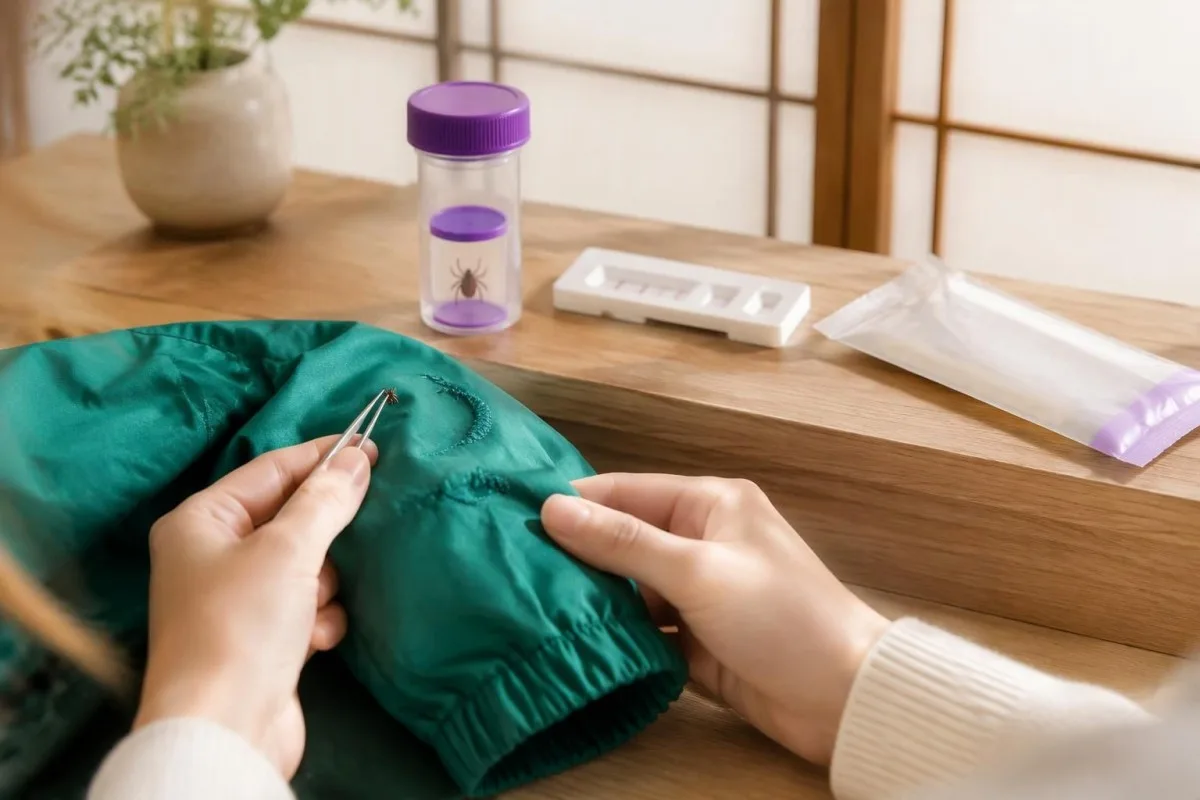
这 2019 CDC recommendation accepted modified algorithms using FDA-cleared assays for that purpose, following clearance of relevant test combinations (Mead et al., 2019). The change was not permission to combine any 2 tests: the evaluated pairing matters, and some combinations improve early sensitivity while preserving high specificity compared with standard two-tier testing.
Some modified algorithms measure total antibodies, while others report separate IgM and IgG components; consequently, the familiar 30-day IgM restriction cannot be mechanically applied to a total-antibody result. Kantesti is an AI 血液检查解读平台 that can help distinguish a 2-immunoassay report from an immunoblot report before discussing what its positive or negative designation means.
A second immunoassay is not simply a repeat of the same screening test, and an immunoblot is not routinely needed after a completed validated MTTT result. Our 恰加斯病确证指南 illustrates the broader principle of complementary assays, but its 2-test rules are different; ask your laboratory which Lyme algorithm produced the final interpretation.
感染早期莱姆病检测会呈阴性吗?
Lyme antibody testing can be negative early because antibodies have not yet reached detectable levels. A typical erythema migrans rash with an appropriate exposure history is diagnosed clinically rather than by waiting for a positive immunoblot; a negative result during the first 1–2 weeks does not safely exclude that presentation.
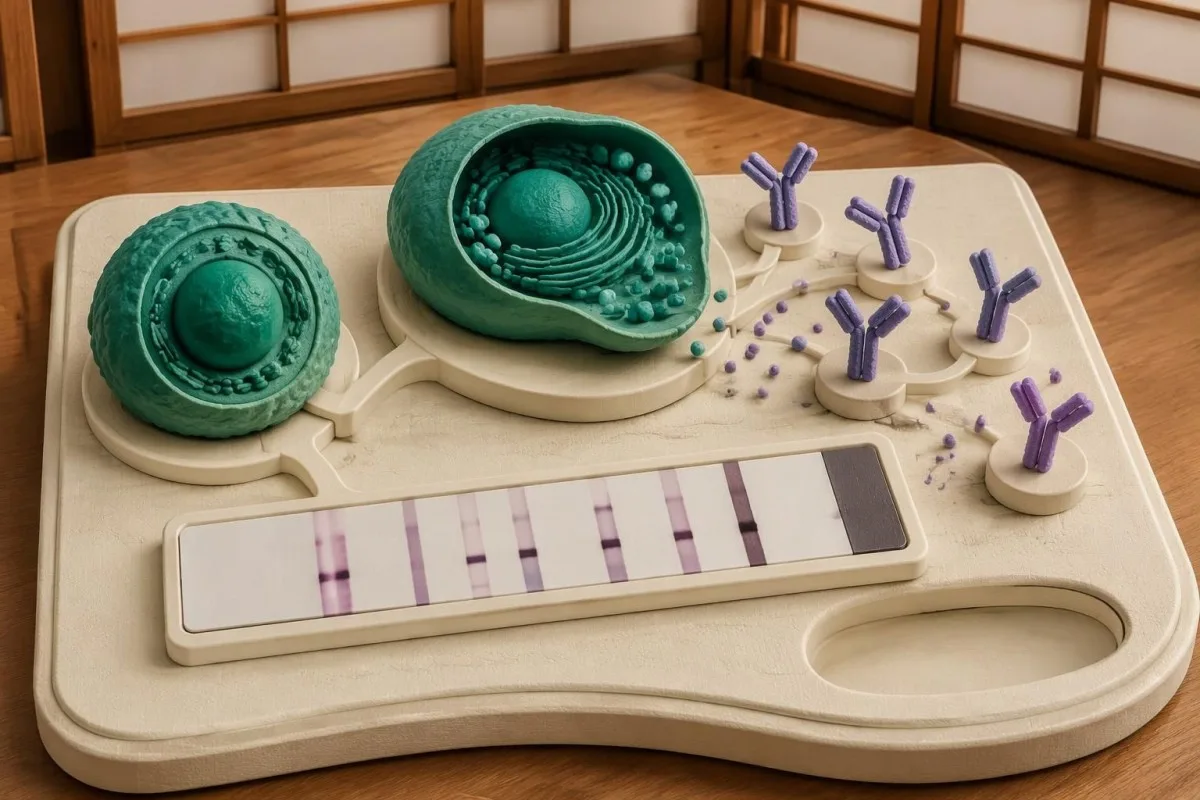
Across early-infection settings, conventional 2-tier sensitivity has been reported at approximately 30–40%, while specificity remains high when testing and interpretation are appropriate (Moore et al., 2016). These are population estimates, not a personal probability: sensitivity changes with the clinical manifestation, time since onset and whether the patient has already received antibiotics.
For a rash suggestive of but not typical for erythema migrans, the 2020 IDSA/AAN/ACR guideline supports acute serology and, if initially negative, a convalescent sample at least 2–3 weeks later (Lantos et al., 2021). The same guideline recommends clinical diagnosis for a typical lesion; a rash need not have textbook concentric rings to warrant assessment.
Repeating a test 24 hours later usually offers little advantage when the limitation is antibody development rather than a processing error. Our spotted fever testing guide explains a related timing problem, but suspected spotted fever has its own urgent treatment rules; do not delay care for an expanding rash or significant illness while waiting for more bands.
莱姆病 IgG 阳性意味着活动性感染还是治疗失败?
Positive Lyme IgG cannot distinguish active infection from a previous infection that has resolved. Lyme antibodies can remain detectable for years or decades, and repeat immunoblot testing is not a test of cure; neither a persistent 5-band pattern nor changes in band intensity establish that treatment failed.
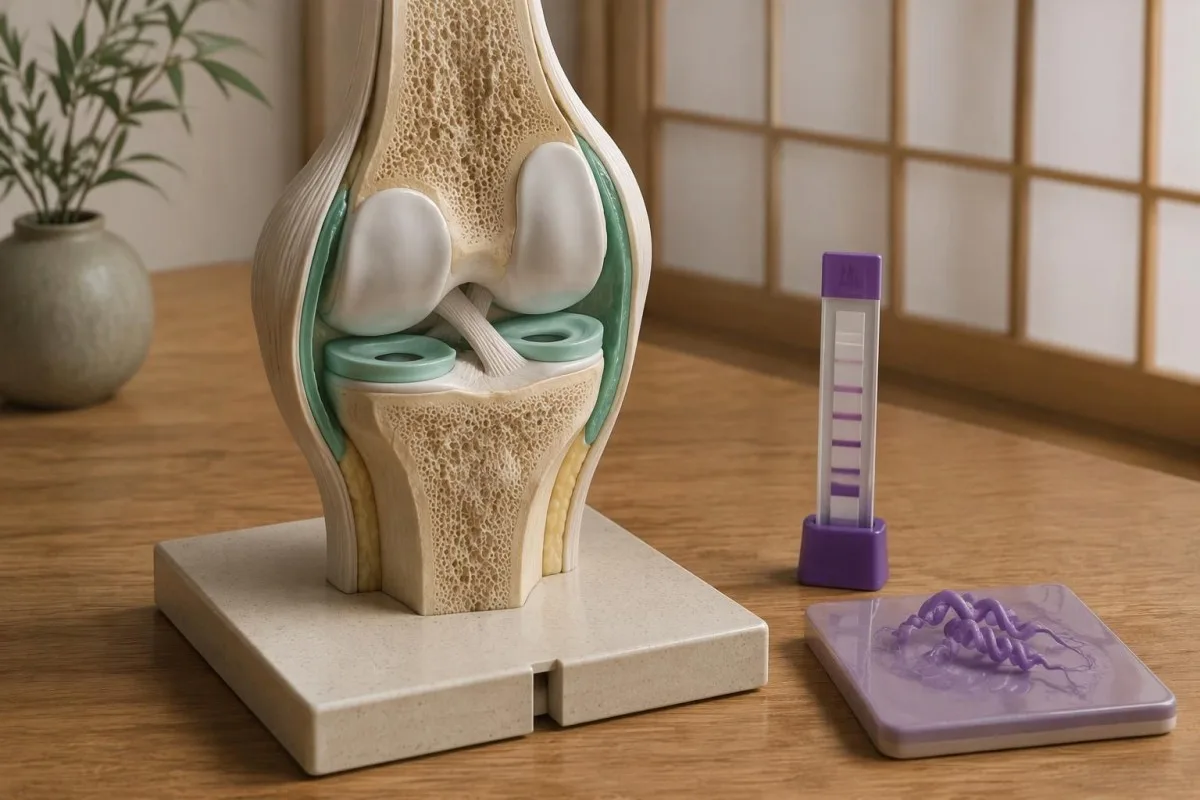
这 2020 IDSA/AAN/ACR guideline describes persistence of both IgM and IgG responses after infection, which complicates interpretation in previously affected patients (Lantos et al., 2021). A positive result obtained 4 years after treatment must therefore be compared with the clinical history, not interpreted as a laboratory photograph of living bacteria in the body.
Reinfection can occur because previous Lyme disease does not provide reliable lifelong protection, but an old positive antibody result cannot prove a new episode. For a hypothetical person with positive IgG from 2019 and a new expanding rash after recent tick exposure, the new clinical findings matter more than whether a sixth band appears; CMV抗体模式 illustrate why exposure history and current illness are separate questions.
Persistent fatigue, pain or cognitive symptoms deserve evaluation even when no new laboratory evidence appears. The guideline recommends against additional antibiotics for persistent nonspecific symptoms after recommended treatment when there is no objective evidence of reinfection or treatment failure; 1 positive antibody panel cannot identify the cause of those symptoms or justify an open-ended antibiotic course.
在疑似莱姆关节炎或神经系统疾病中,IgG 意味着什么
Lyme arthritis usually produces a strong IgG response, so isolated IgM is poor evidence for that diagnosis. Conventional two-tier serology has approximately 95–100% sensitivity in Lyme arthritis, according to the 2020 IDSA/AAN/ACR guideline; a negative appropriate IgG result should prompt serious consideration of other causes of joint swelling.

A hypothetical patient with a markedly swollen knee and only 2 IgM bands after 3 months of symptoms does not have the expected serologic pattern for Lyme arthritis. The clinician should reassess alternative causes and assay reliability rather than call this late Lyme based on IgM alone; when indicated, joint fluid examination answers additional questions that the antibody test cannot.
Suspected central nervous system Lyme disease requires clinical assessment and, when cerebrospinal fluid testing is undertaken, simultaneous CSF and serum for a validated antibody index. Testing CSF antibody alone or running a standalone CSF immunoblot is not the preferred approach; 1 elevated index may also persist after treatment, so it must be interpreted alongside the neurological findings and CSF cell response.
Numb feet or tingling do not become Lyme-specific because 41 kDa is reactive; neuropathy has metabolic, mechanical and immune causes. Our anti-MAG neuropathy guide explains one targeted alternative, while immunoglobulin panel interpretation clarifies that total serum IgG is different from the 5-of-10 Lyme-specific IgG immunoblot criterion.
为什么不同实验室和国家可能采用不同的莱姆病判定标准
Lyme immunoblot criteria are assay- and region-dependent, so conventional US 5-of-10 IgG counting rules should not automatically be imposed on every European report. European assays may use different Borrelia antigens and recombinant line blots because the species causing human Lyme borreliosis differ across regions.
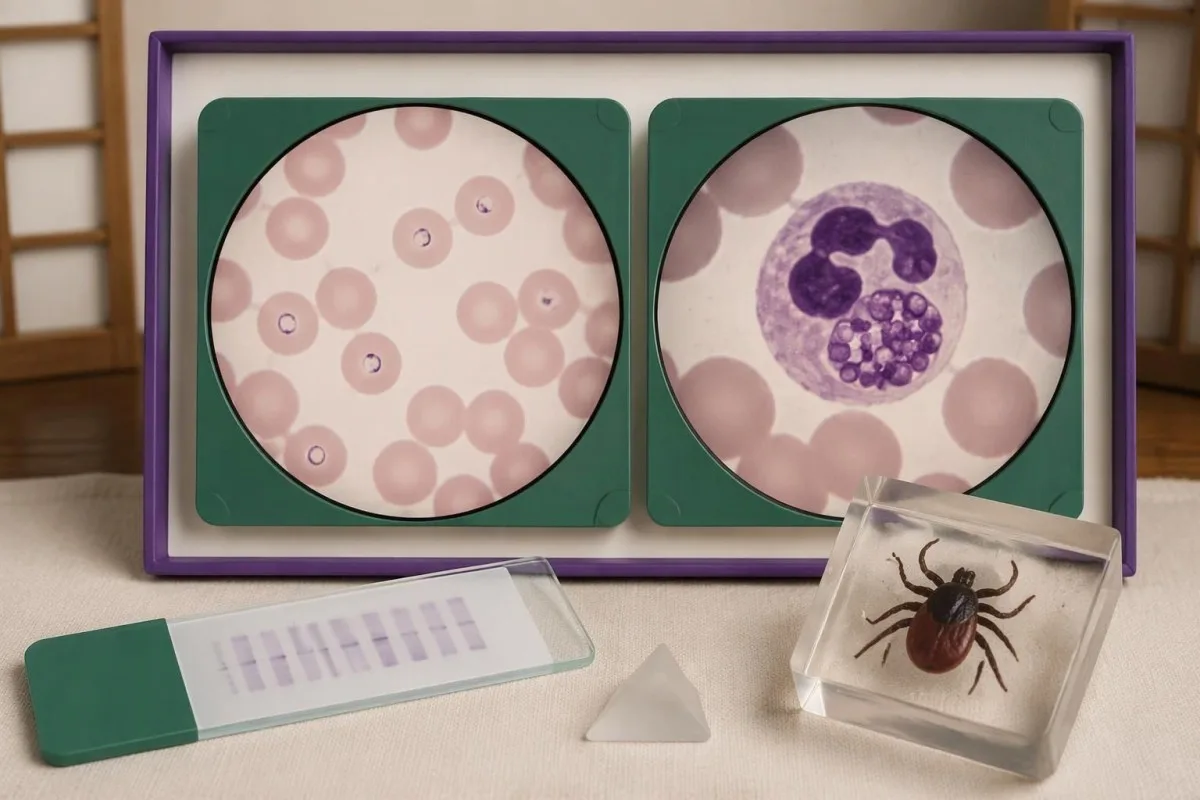
B. burgdorferi sensu stricto predominates in North America, while European disease also commonly involves B. afzelii and B. garinii. A report using VlsE, OspC or other recombinant antigen labels may therefore not resemble a 10-position conventional US blot; the clinically useful question is whether the assay was validated for the exposure setting and interpreted according to its instructions.
Different laboratory criteria are not automatically inferior, but claims that 1 or 2 bands prove disease require evidence for that assay's complete diagnostic performance. When reading a report described by Kantesti, consult the laboratory's interpretation and our 医学验证框架 separately; general AI assessment or a software benchmark is not proof that a particular Lyme assay has validated sensitivity and specificity.
Record 3 details before comparing reports from different laboratories: assay manufacturer, algorithm type and the country where exposure occurred. Our AI 报告来源核查指南 explains why preserving source wording matters; apparent conversion from negative to positive may reflect a changed method or cutoff rather than a newly acquired infection or worsening illness.
莱姆病条带能识别巴贝虫、无形体或其他合并感染吗?
Lyme Western blot bands do not diagnose tick-borne coinfections. Babesia, Anaplasma and Ehrlichia require their own clinical assessment and tests; 1 positive Lyme antibody result neither confirms nor excludes these infections, even when an exposure setting allows more than one tick-borne organism to be transmitted.

巴贝虫病 deserves consideration when relevant exposure accompanies fever and evidence such as anemia, low platelets or hemolysis, especially if fever persists during Lyme-directed treatment. A Babesia antibody titer of 1:256 alone does not establish current infection; our Babesia test interpretation guide explains why a cellular sample examination or PCR may be needed to demonstrate active infection.
无形体病 can produce fever, leukopenia, thrombocytopenia and elevated liver enzymes, findings that should not be explained away as extra Lyme bands. PCR is most useful during the first week of illness and becomes less sensitive after appropriate antibiotics; our Anaplasma sample timing guide separates this early direct-detection window from later antibody interpretation.
Ehrlichiosis follows a different organism-specific testing pathway, and a negative early antibody result is not a safe reason to dismiss significant febrile illness. Our Ehrlichia PCR and titer guide explains why 2 samples collected at different times may help establish seroconversion; targeted testing should follow symptoms, geography and laboratory abnormalities rather than an indiscriminate panel ordered for isolated fatigue.
遇到含糊不清的莱姆病检测报告该怎么办?
For an unclear Lyme report, obtain the complete 2-tier interpretation, write down symptom onset and discuss exposure plus objective findings with a clinician. Faint or isolated bands do not determine urgency; fainting, chest pain, breathlessness, a markedly slow pulse or new neurological deficits require prompt assessment regardless of the antibody result.

Lyme carditis can cause heart conduction block, so fainting or palpitations after compatible exposure should not wait for an immunoblot to become positive. The 2020 IDSA/AAN/ACR guideline identifies a PR interval greater than 300 milliseconds, other arrhythmias or features of myopericarditis as reasons for hospital admission with monitoring; that interval is measured on an ECG, not inferred from band intensity.
New facial weakness warrants urgent assessment, and sudden facial droop with arm weakness or speech difficulty needs emergency evaluation for stroke rather than attribution to Lyme. Our 中风警示征象指南 explains that distinction; for a routine appointment, bring 4 dates—possible exposure, first symptom, sample collection and antibiotic initiation—because each changes a different part of the reasoning.
Kantesti 是一个 基于 AI 的血液检测分析工具 that can help organize the 2-tier result, reported bands and missing clinical context into questions for your appointment. Our AI技术指南 describes the explanation workflow, but our AI cannot examine a rash, measure an ECG interval, confirm Lyme disease independently or decide whether you should start, stop or extend antibiotics.
研究出版物、证据边界与安全解读
The clinical interpretation in this article rests on 3 directly relevant sources: a laboratory-diagnosis review, the CDC's modified two-tier recommendation and the IDSA/AAN/ACR Lyme guideline. The 2 additional Figshare publications listed below concern other health topics and must not be treated as validation of Lyme band interpretation or Lyme diagnosis.
Moore et al. (2016) explains why individual bands and incomplete testing sequences create diagnostic errors; Mead et al. (2019) establishes the CDC recommendation for appropriately cleared modified algorithms. Lantos et al. (2021), publishing the 2020 guideline, connects testing to clinical manifestations, including early rash, arthritis and neurological disease; these sources support different parts of the reasoning rather than one universal band shortcut.
The 2 Figshare records address women's hormonal health and multilingual AI-assisted hantavirus triage, respectively, not Lyme immunoblot performance. A deployment involving 50,000 interpreted reports, as described in the hantavirus publication's title, cannot establish sensitivity, specificity or patient benefit for Lyme diagnosis; those claims would require Lyme-specific methods, reference standards and evaluation populations.
Kantesti 的 负责任 AI 原则 place report explanation alongside—not above—the laboratory and clinician, including when IgM appears after 30 days of symptoms. For symptoms linked to cycle changes or menopausal transition, our hormonal symptom guide addresses a separate assessment pathway; symptom overlap is a reason to investigate carefully, not evidence that a reactive Lyme band explains everything.
常见问题解答
莱姆病免疫印迹检测只有一条阳性条带,是否意味着我患有莱姆病?
莱姆病免疫印迹检测中仅有一条反应性条带,并不能确诊莱姆病。美国常规诊断标准要求:在症状出现后的前30天内,指定的3条IgM条带中至少有2条呈阳性,或指定的10条IgG条带中有5条呈阳性,且检测须符合相应的两级检测流程。单条带可能反映交叉反应,也可能是早期抗体反应尚未完全形成,具体取决于情况。若有相应暴露史且出现典型的游走性红斑,即使早期血清学检测为阴性,仍可支持临床诊断。
为什么某些莱姆病条带呈阳性,但整体检测结果却为阴性?
莱姆病检测可能出现反应性条带,但结果仍为阴性,因为免疫印迹未达到检测算法要求的经验证模式。例如,3条符合条件的IgG条带未达到传统的10条中至少5条的IgG阈值。按照标准的两级检测,第一阶段筛查结果为阳性或临界,随后相应的免疫印迹结果为阴性,则判定为阴性。如果症状出现时间很短,临床医生可能会考虑在适当间隔后重复检测,而不是将不完整的模式重新标记为阳性。
莱姆病41 kDa条带呈阳性意味着什么?
41 kDa 莱姆病条带通常反映抗体与鞭毛蛋白结合。鞭毛蛋白是一种与细菌运动有关的蛋白质,可能与并非针对莱姆病的抗体发生交叉反应。它只是传统免疫印迹判定标准中指定条带之一,不能单独用于诊断莱姆病。Moore 等人(2016 年)引用的一项研究发现,在健康对照者中有 43% 出现该条带,但这一比例并不适用于所有检测方法。是否支持莱姆病诊断,取决于完整的检测流程和临床表现。
莱姆病 IgM 阳性而 IgG 阴性是否能证明是近期感染?
在符合相应检测算法、临床表现和时间条件时,莱姆病 IgM 阳性而 IgG 阴性可支持早期感染。症状持续超过 30 天时,不应仅凭 IgM 阳性支持莱姆病,因为持续存在或非特异性的 IgM 可能导致误判。例如,第 14 天出现 2 条符合判定标准的 IgM 条带,与连续出现症状 3 个月后出现相同模式,意义不同。此处的时间规则以症状开始时间为准,而非实验室采集样本的日期。
没有任何蛋白质印迹条带,我的莱姆病检测结果还能呈阳性吗?
是的:经验证的改良两级莱姆病检测算法会依次使用两种酶免疫分析法,也可能完全不进行蛋白质印迹检测。CDC 于 2019 年建议使用经过适当 FDA 审批的改良算法。有些检测组合测定总抗体,另一些则分别报告 IgM 和 IgG 结果,因此传统的条带计数规则并不适用于所有报告。请询问实验室采用了哪种算法和检测组合来得出最终判读结果。
抗生素治疗后,莱姆病免疫印迹条带会消失吗?
莱姆病免疫印迹检测的条带在成功治疗后不一定会消失,因为抗体可能持续数年甚至数十年。持续出现5条带的IgG模式并不能证明感染仍在持续,反复检测条带也不是经过验证的治愈判定方法。治疗效果应根据临床病程和相关客观检查结果来评估,而不是要求抗体检测组合转为阴性。出现新症状或再次被蜱虫叮咬时,需要重新进行临床评估,因为既往抗体无法证实再感染。
获取血液检查结果解读
上传您的实验室报告,Kantesti 的 AI 会在几秒内用通俗语言解释每项生物标志物。全球已有超过 200 万人使用。.
参考
- Klein, T., Mitchell, S., & Weber, H. (2026). 女性健康指南:排卵、更年期与激素症状。. Kantesti AI 医学研究。. DOI
- Klein, T., Mitchell, S., & Weber, H. (2026). 用于早期汉坦病毒分诊的多语言 AI 辅助临床决策支持:设计、工程验证及在 50,000 份已解读血液检查报告中的真实世界部署。. Kantesti AI 医学研究。. DOI
- Moore A et al. (2016). Current Guidelines, Common Clinical Pitfalls, and Future Directions for Laboratory Diagnosis of Lyme Disease, United States. Emerging Infectious Diseases. DOI PubMed
- Mead P et al. (2019). Updated CDC Recommendation for Serologic Diagnosis of Lyme Disease. 《MMWR 发病率与死亡率周报》。. DOI
- Lantos PM et al. (2021). Clinical Practice Guidelines by the Infectious Diseases Society of America (IDSA), American Academy of Neurology (AAN), and American College of Rheumatology (ACR): 2020 Guidelines for the Prevention, Diagnosis and Treatment of Lyme Disease. 《临床传染病》。. DOI
- 200万+分析的检测项目
- 127+国家
- 100+语言
关于医疗团队


E-E-A-T信任信号
经验
由医生主导的临床审阅:实验室解读工作流程。.
专业知识
实验室医学重点:生物标志物在临床情境中的表现。.
权威
经 Thomas Klein 医生医学审核,并由 Sarah Mitchell 医生和 Hans Weber 教授参与撰写。.
可信度
基于循证的解读,并提供清晰的后续路径以减少警报。.






医疗免责声明
本文仅用于教育目的,不构成医疗建议。诊断和治疗决策请始终咨询合格的医疗专业人员。.
发表 · 联系编辑团队
由 Kantesti Ltd 发布,在英格兰和威尔士注册,注册公司编号:. 17090423, ,英国伦敦。.
