
Një brez reaktiv tregon lidhjen e antitrupave—jo një diagnozë. Algoritmi i plotë i testimit, historia e ekspozimit dhe kronologjia e simptomave përcaktojnë nëse ky rezultat mbështet diagnozën e sëmundjes Lyme.

Përfundimet kryesore
- Brezat individualë nuk përcaktojnë sëmundjen Lyme; edhe një brez relativisht specifik duhet interpretuar brenda një algoritmi të validuar të testimit me 2 nivele.
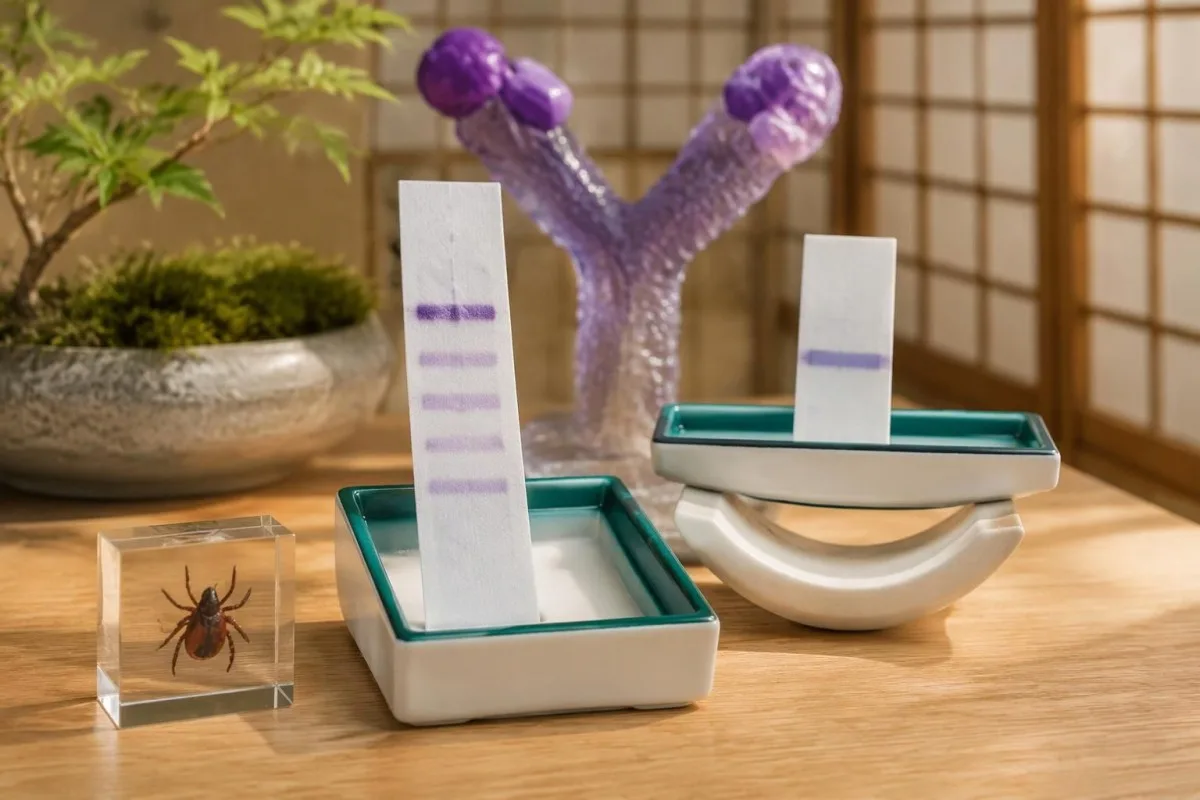
- Kriteret tradicionale të IgM kërkojnë të paktën 2 nga 3 brezat e përcaktuar: afërsisht 23–25, 39 dhe 41 kDa.
- Kriteret tradicionale të IgG kërkojnë të paktën 5 nga 10 brezat e përcaktuar: 18, 23, 28, 30, 39, 41, 45, 58, 66 dhe 93 kDa.
- Rregulli i 30 ditëve nënkupton se IgM e izoluar nuk duhet të mbështesë diagnozën e Lyme kur simptomat kanë zgjatur më shumë se 30 ditë.
- Një rezultat i përgjithshëm negativ mund të bashkëekzistojë me breza reaktivë, sepse laboratori vlerëson një model të validuar, jo nëse shfaqet ndonjë brez.
- Testimi i modifikuar me dy nivele përdor 2 imunoanaliza enzimatike të njëpasnjëshme në vend të një imunoblotimi; mund të mos përfshijë listë brezash.
- Testimi i hershëm mund të jetë negativ para se të zhvillohen antitrupat; një skuqje tipike eritema migrans në një kontekst të përshtatshëm ekspozimi diagnostikohet klinikisht.
- Antitrupat e pranishëm për një kohë të gjatë mund të mbeten të dallueshëm për vite pas trajtimit dhe nuk mund të vërtetojnë infeksion aktiv ose të matin shërimin.
Çfarë do të thotë në të vërtetë një brez pozitiv në Western blot për Lyme?
A brez pozitiv i Western blot-it për Lyme do të thotë se antitrupat janë lidhur me një antigjen të testit; ai nuk vërteton në mënyrë të pavarur sëmundjen Lyme. Në testimin tradicional amerikan me dy nivele, IgM kërkon 2 nga 3 brezat e përcaktuar gjatë 30 ditëve të para të simptomave, ndërsa IgG kërkon 5 nga 10; testimi i modifikuar përdor 2 imunoanaliza në vend të tyre.

I/E/Të/Të rezultati i përgjithshëm ndërthur analizën e depistimit të nivelit të parë me rezultatin e përshtatshëm të nivelit të dytë, në vend që çdo vijë e dukshme të trajtohet si diagnozë më vete. Prandaj, një raport që tregon 1 brez reaktiv mund të deklarojë saktë rezultat negativ, dhe edhe një rezultat pozitiv i plotë i antitrupave duhet vlerësuar duke marrë parasysh ekspozimin, gjetjet përkatëse dhe sëmundjen Lyme të mëparshme.
Identiteti i brezit i përgjigjet një pyetjeje të kufizuar: cili antigjen tërhoqi lidhjen e antitrupave në kushtet e kësaj analize? Ai nuk u përgjigjet 3 pyetjeve që zakonisht u interesojnë pacientëve—nëse infeksioni është i pranishëm tani, nëse shpjegon simptomat e tyre, ose nëse nevojiten antibiotikë; udhëzuesi ynë për rezultateve pozitive të antitrupave i trajton veçmas këto çështje.
Kantesti është një Analizues i testeve të gjakut AI që mund të ndihmojë të shpjegohet pse një raport për Lyme përmban breza reaktivë, por një interpretim negativ me 2 nivele. Ne e trajtojmë interpretimin përfundimtar të laboratorit, metodën e analizës dhe kohëzgjatjen e simptomave si kontekst thelbësor—jo si hollësi që mund të shpërfillen duke numëruar vijat e theksuara në një raport të ngarkuar.
Si e përcakton rezultatin testimi tradicional me dy nivele për Lyme
Testimi standard me dy nivele nis me një imunoanalizë enzimatike, ose ndonjëherë me një analizë imunofluoreshence, dhe vijon me një imunoblotim kur testi i parë është pozitiv ose i papërcaktuar. Të 2 fazat funksionojnë së bashku; një rezultat pozitiv i depistimit vetëm nuk është rezultat i konfirmuar pozitiv i serologjisë për Lyme.

A test pozitiv ose i papërcaktuar i nivelit të parë i ndjekur nga imunoblotime të përshtatshme negative interpretohet si negativ nga algoritmi standard. Depistimi fillestar është krijuar qëllimisht për të kapur më shumë përgjigje të mundshme, ndërsa niveli i dytë filtron reaktivitetin jospecifik; Moore et al. e përshkruan këtë ekuilibër dhe gabimet e zakonshme të interpretimit në Emerging Infectious Diseases në vitin 2016.
Një indeks prej 1.4 në një analizë depistuese nuk është i njëvlershëm me 1.4 në një tjetër, sepse përbërja e antigjeneve dhe pragjet e prodhuesit ndryshojnë. Po kështu, një rezultat depistues i papërcaktuar është udhëzim për të përfunduar algoritmin—jo diagnozë në gjysmë të rrugës mes infeksionit dhe mungesës së tij; rezultate kualitative kundrejt kuantitative shpjegon pse formatet e raporteve kanë rëndësi.
Porositja e një imunoblotimi pas një rezultati negativ të depistimit, pa arsye klinike për të rishqyrtuar kohën ose përshtatshmërinë e analizës, anashkalon sekuencën, performanca e së cilës u vlerësua. Kërkoni 3 informacione: rezultatin e depistimit, interpretimin e nivelit të dytë dhe nëse të dyja i përkasin të njëjtës metodë testimi të validuar; një raport jo i plotë nuk duhet rindërtuar vetëm nga brezat.
Shpjegimi i brezave të Western blot për Lyme: kriteret e IgM dhe IgG
Sipas kritereve konvencionale amerikane, një imunoblot IgM pozitiv kërkon të paktën 2 nga brezat 23–25, 39 dhe 41 kDa. Një imunoblot IgG pozitiv requires at least 5 of the 18, 23, 28, 30, 39, 41, 45, 58, 66 and 93 kDa bands.
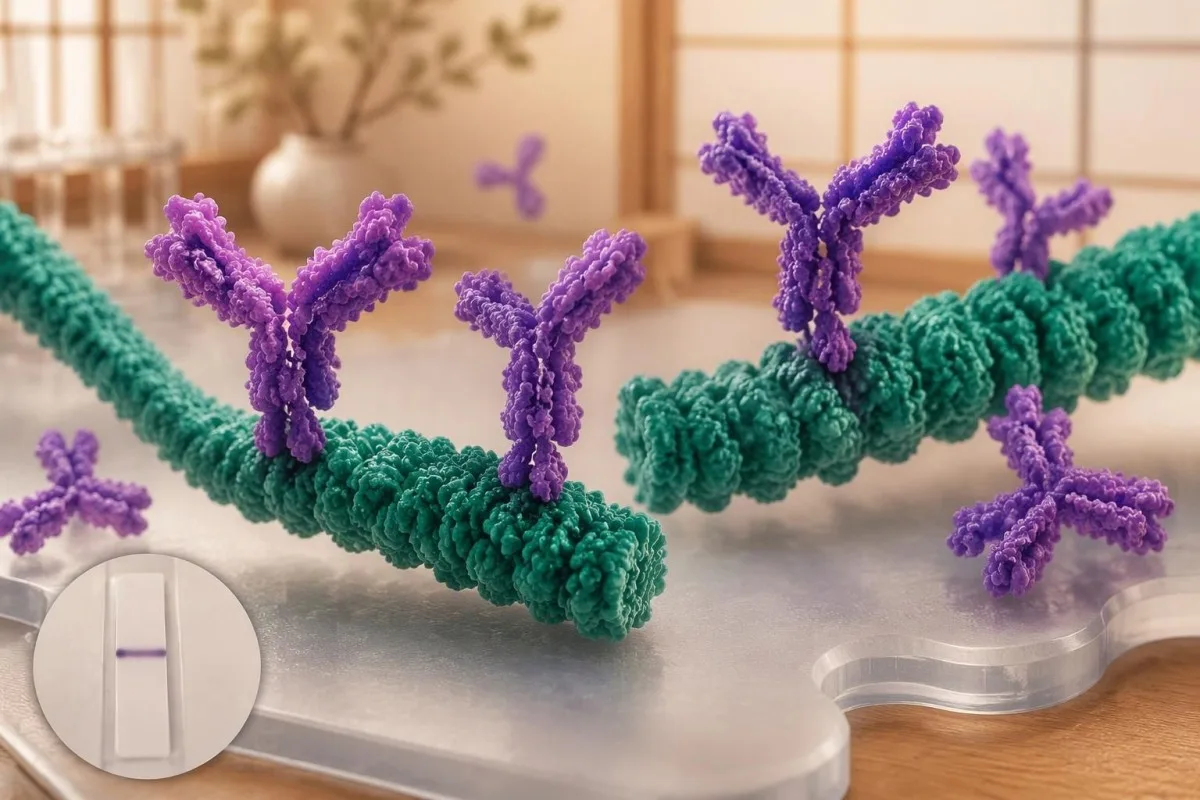
Kilodaltons, abbreviated kDa, describe approximate protein molecular mass, not antibody concentration or disease severity. The approximately 23–25 kDa band commonly represents outer surface protein C, 39 kDa represents BmpA and 41 kDa represents flagellin; the numbers identify antigen regions, so a higher-numbered band does not mean a more advanced infection.
The IgG list's 58 kDa criterion excludes GroEL, and reports may use assay-specific names or approximate mass conventions rather than identical labels. Because not every commercial strip uses the same antigen preparation, our udhëzuesi ynë për markerët e testeve të gjakut should complement—not replace—the actual laboratory legend and the assay manufacturer's interpretation instructions.
Bands at 31 and 34 kDa are not part of the conventional CDC IgG counting criteria, even though they may appear on some reports. Their absence from that list does not make them meaningless biologically, but adding them to manufacture a 5-band positive result changes the validated rule; neither band darkness nor extra bands quantify bacterial burden.
Pse brezi 41 dhe brezat e tjerë reaktivë mund të jenë sinjale false
I/E/Të/Të 41 kDa band reacts with flagellin, a protein associated with bacterial movement, and can cross-react with antibodies unrelated to Lyme disease. A single reactive 41 kDa band is therefore insufficient to diagnose Lyme disease, even when a patient has fatigue, aching or a remembered tick bite.
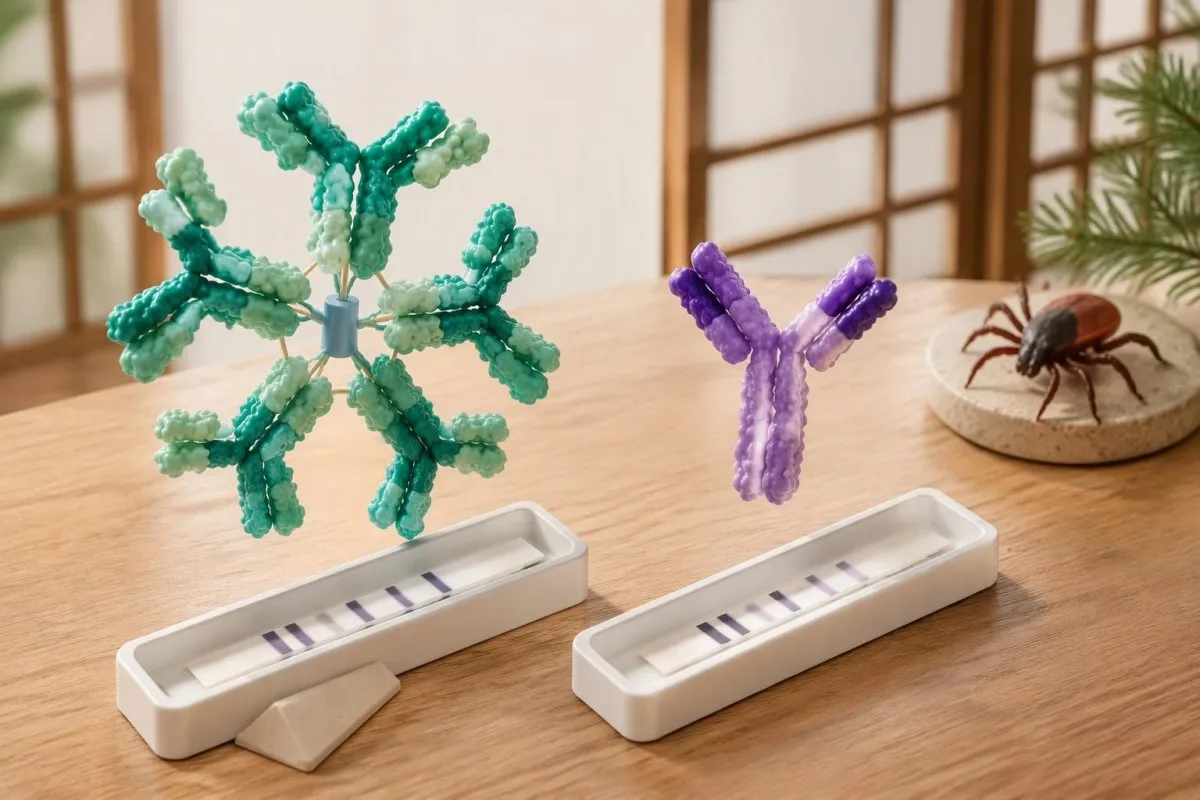
Moore et al. (2016) cited a study in which 41 kDa reactivity occurred in 43% of healthy controls, illustrating why this band cannot stand alone. That percentage is not a universal false-positive rate for every modern assay; it is evidence that recognizable antigen binding can occur in people without the clinical condition being investigated.
Epstein–Barr virus, syphilis, relapsing-fever Borrelia and some autoimmune conditions can contribute to false-positive Lyme serology, although the mechanism and affected assay vary. A recent mononucleosis-like illness should prompt attention to the complete EBV antibody pattern, not the assumption that 1 Lyme band proves a simultaneous tick-borne infection.
Cross-reactivity is not a reason to order every alternative antibody panel: 1 unexplained band usually does not justify broad autoimmune screening. When examination findings genuinely suggest an immune disorder, komplementit dhe ANA-së belongs to a separate clinical question; repeated low-probability testing can generate additional misleading positives rather than a clearer answer.
IgM kundrejt IgG për Lyme: pse ka rëndësi rregulli i 30 ditëve të simptomave
Lyme IgM should not be used to support a diagnosis when symptoms have lasted more than 30 days. IgM is most useful early, whereas an appropriate IgG response carries greater diagnostic weight later; the clock starts with symptoms of the suspected illness, not the testing date or remembered tick removal.
I/E/Të/Të 30-day restriction reduces misclassification from persistent or nonspecific IgM responses when later disease should usually have an established IgG response. It is an interpretation rule, not a biological switch that flips overnight: antibody maturation varies, and early treatment may alter seroconversion, but those exceptions do not make isolated late IgM reliable evidence.
For a hypothetical patient tested on day 75 of continuous symptoms, IgM bands 23 and 41 with negative IgG should not be used as proof of Lyme disease. By contrast, the same IgM pattern on day 12, following a reactive first-tier assay and compatible exposure, can support an early diagnosis; the numerical band count is identical, but its evidential value changes.
A positive IgM result does not automatically mean a new infection, a misconception also addressed in our Mycoplasma IgM interpretation guide. If symptoms began 8 weeks ago but one symptom appeared yesterday, clinicians need to decide whether this is a genuinely new illness or another feature of the original episode—not simply restart the IgM clock.
Breza pozitivë për Lyme, por rezultat i përgjithshëm negativ: shembuj të zgjidhur
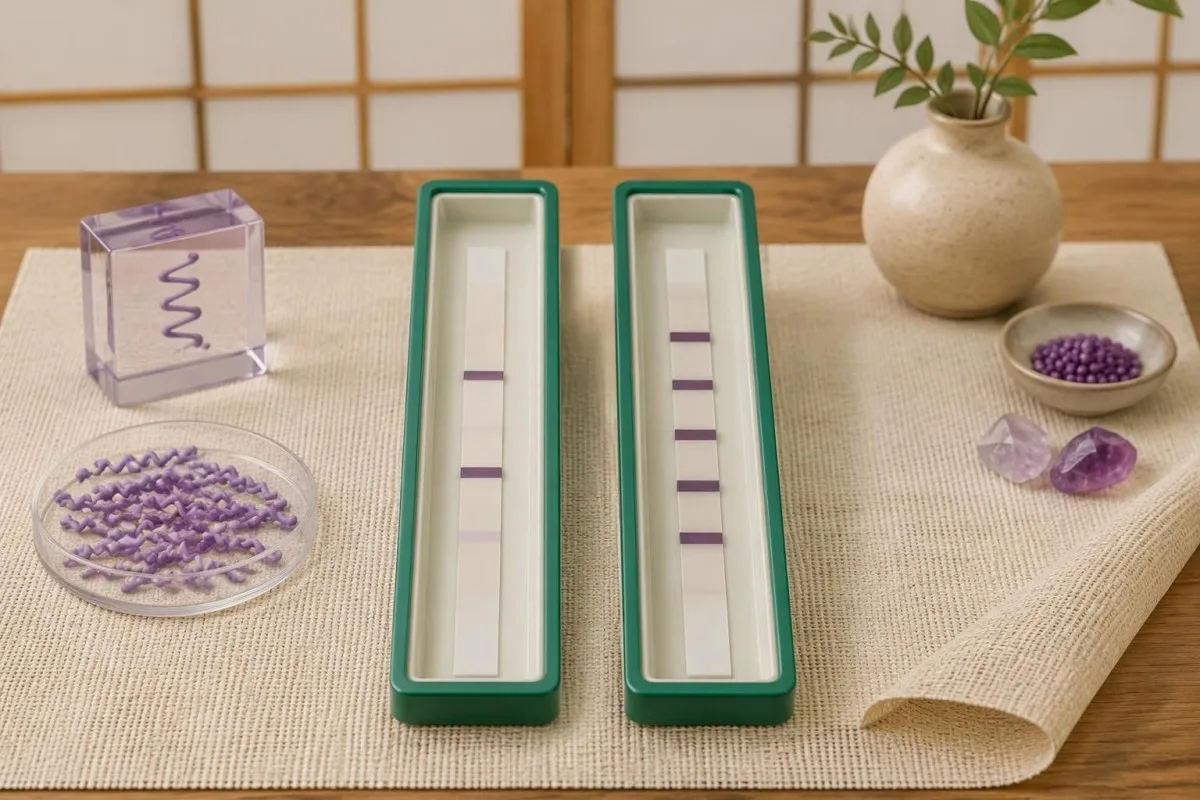
Positive Lyme bands but negative overall usually means the report did not meet the required pattern within the testing algorithm. For example, 3 designated IgG bands are below the conventional 5-of-10 threshold; that result is negative, not a smaller positive, and it does not measure how much infection is present.
Consider a clearly hypothetical 42-year-old with 10 weeks of fatigue, a reactive screening assay and IgG bands 18, 41 and 58. The IgG immunoblot is negative because only 3 qualifying bands are present; if the examination lacks objective Lyme findings, the next step is a symptom-focused assessment rather than antibiotics prescribed to treat the band's molecular masses.
A second hypothetical patient has a reactive screen, IgM bands 23 and 39, and compatible symptoms beginning 14 days earlier. This can meet the traditional early serologic criteria, but an atypical exposure history or a stronger alternative diagnosis still affects the clinical conclusion; Kantesti AI can explain the 2-of-3 rule without converting it into an independent diagnosis.
A third report lists 5 IgG bands but provides no first-tier result; the missing screening stage prevents straightforward confirmation of a standard 2-tier outcome. Confirmation requirements are assay-specific, as our HSV IgG confirmation guide also illustrates, so request the complete laboratory report rather than borrowing a cutoff or confirmation rule from another infection.
Si ndryshon testimi i modifikuar me dy nivele nga Western blot
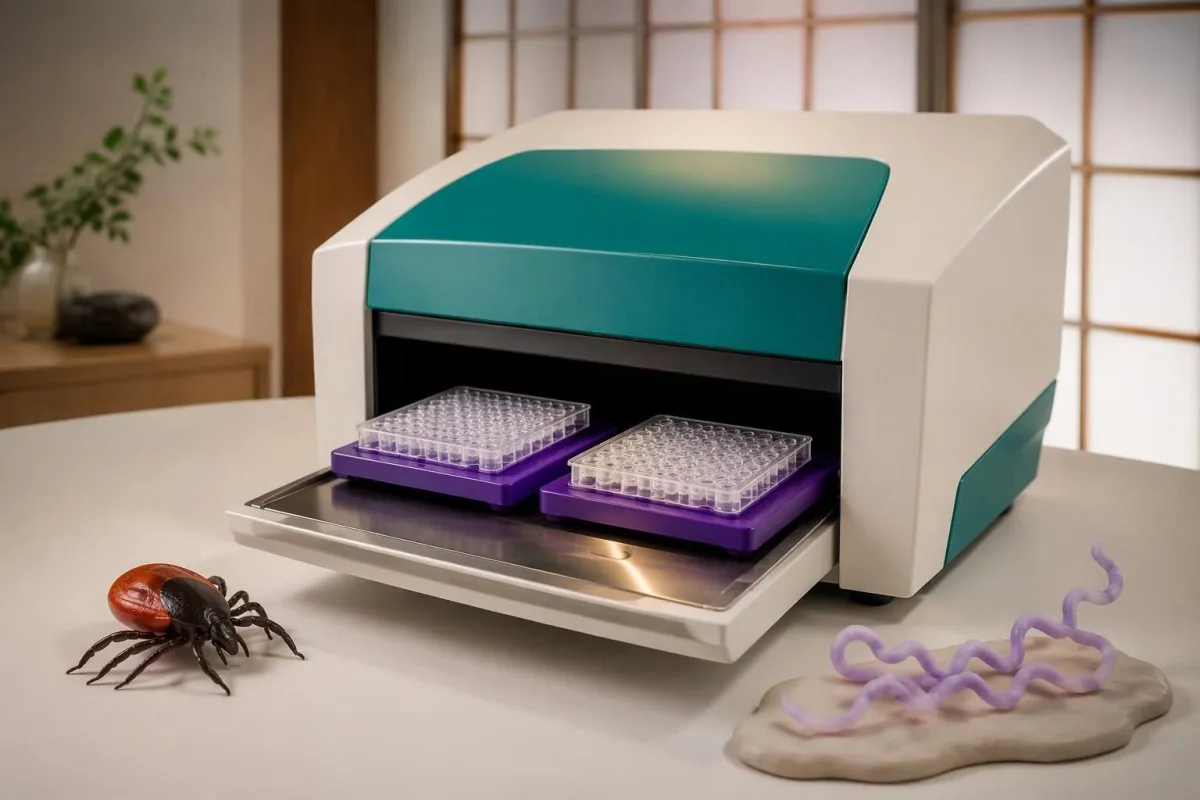
Modified two-tier testing, or MTTT, uses 2 sequential enzyme immunoassays instead of an enzyme immunoassay followed by an immunoblot. A report from this pathway may have no bands at all; its overall interpretation depends on the particular assay combination and its cleared instructions, not the conventional immunoblot band-count criteria.
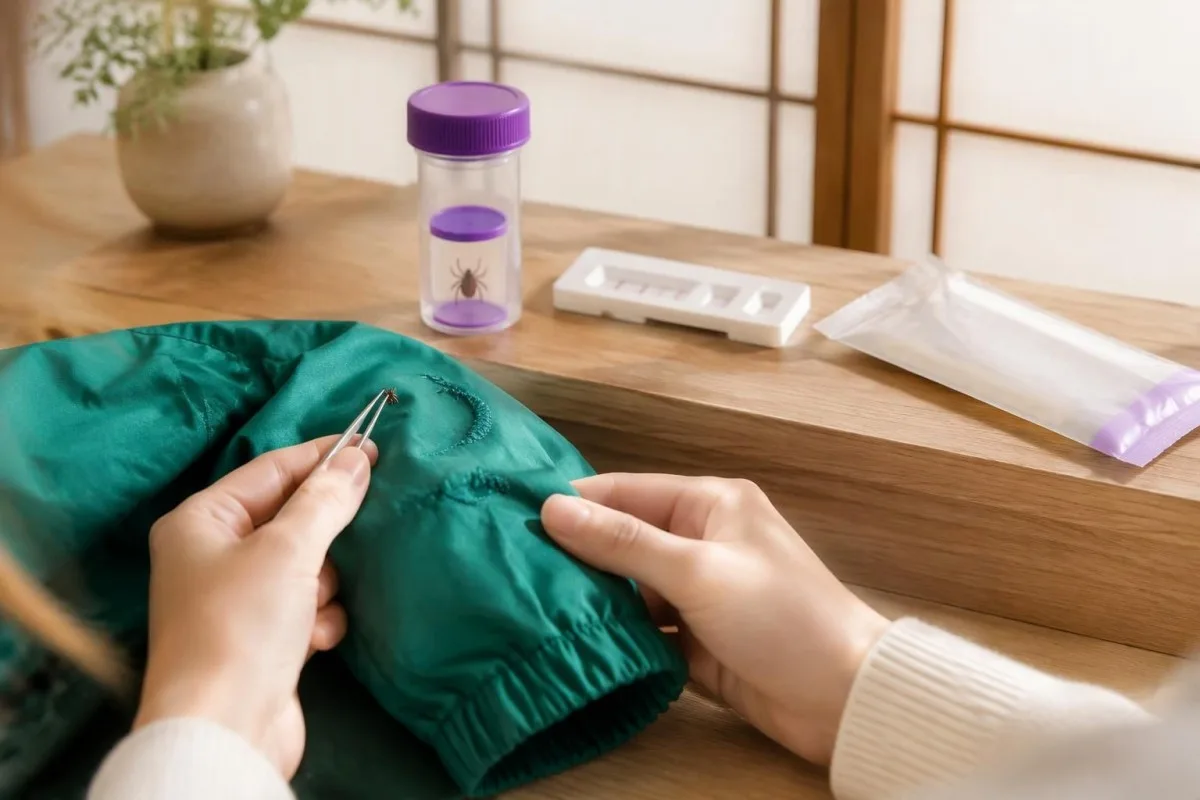
I/E/Të/Të 2019 CDC recommendation accepted modified algorithms using FDA-cleared assays for that purpose, following clearance of relevant test combinations (Mead et al., 2019). The change was not permission to combine any 2 tests: the evaluated pairing matters, and some combinations improve early sensitivity while preserving high specificity compared with standard two-tier testing.
Some modified algorithms measure total antibodies, while others report separate IgM and IgG components; consequently, the familiar 30-day IgM restriction cannot be mechanically applied to a total-antibody result. Kantesti is an platformë e interpretimit të analizave të gjakut AI that can help distinguish a 2-immunoassay report from an immunoblot report before discussing what its positive or negative designation means.
A second immunoassay is not simply a repeat of the same screening test, and an immunoblot is not routinely needed after a completed validated MTTT result. Our udhëzuesi për konfirmimin e sëmundjes Chagas illustrates the broader principle of complementary assays, but its 2-test rules are different; ask your laboratory which Lyme algorithm produced the final interpretation.
A mund të jetë negativ testimi për Lyme në fazat e hershme, pavarësisht infeksionit?
Lyme antibody testing can be negative early because antibodies have not yet reached detectable levels. A typical erythema migrans rash with an appropriate exposure history is diagnosed clinically rather than by waiting for a positive immunoblot; a negative result during the first 1–2 weeks does not safely exclude that presentation.
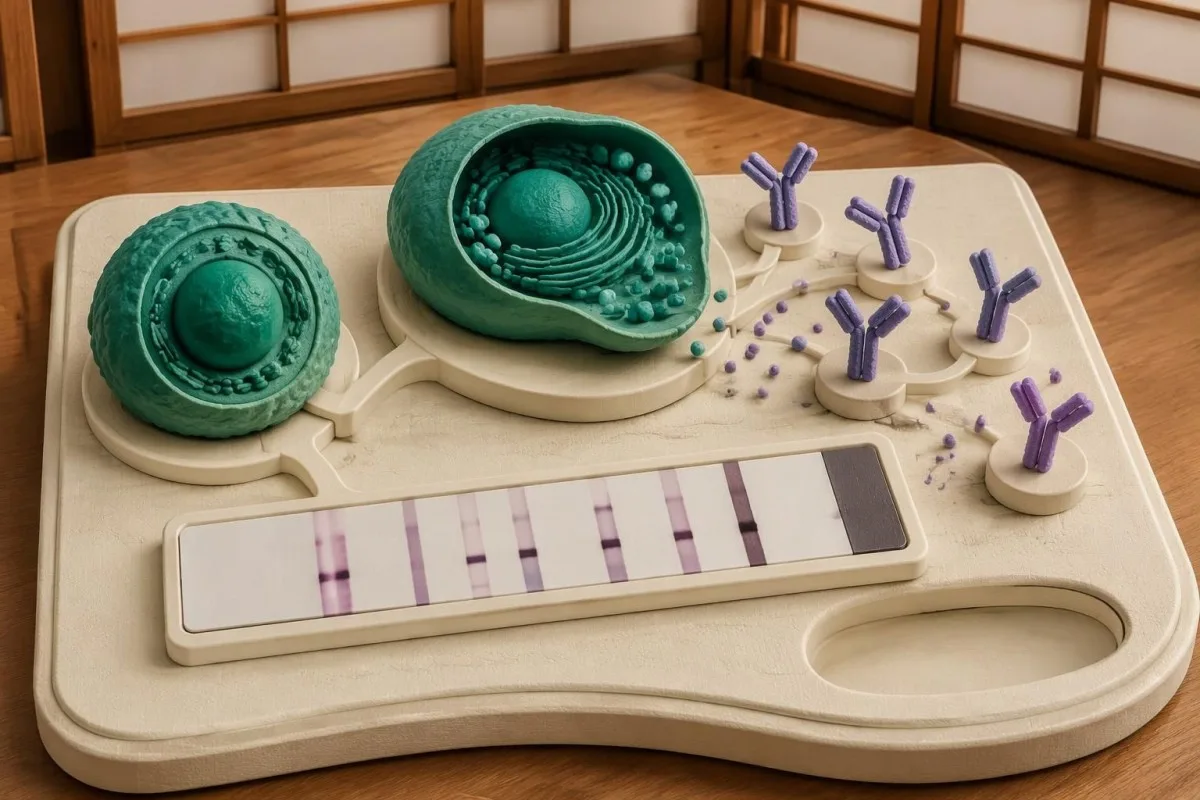
Across early-infection settings, conventional 2-tier sensitivity has been reported at approximately 30–40%, while specificity remains high when testing and interpretation are appropriate (Moore et al., 2016). These are population estimates, not a personal probability: sensitivity changes with the clinical manifestation, time since onset and whether the patient has already received antibiotics.
For a rash suggestive of but not typical for erythema migrans, the 2020 IDSA/AAN/ACR guideline supports acute serology and, if initially negative, a convalescent sample at least 2–3 weeks later (Lantos et al., 2021). The same guideline recommends clinical diagnosis for a typical lesion; a rash need not have textbook concentric rings to warrant assessment.
Repeating a test 24 hours later usually offers little advantage when the limitation is antibody development rather than a processing error. Our spotted fever testing guide explains a related timing problem, but suspected spotted fever has its own urgent treatment rules; do not delay care for an expanding rash or significant illness while waiting for more bands.
A do të thotë IgG pozitive për Lyme infeksion aktiv apo dështim të trajtimit?
Positive Lyme IgG cannot distinguish active infection from a previous infection that has resolved. Lyme antibodies can remain detectable for years or decades, and repeat immunoblot testing is not a test of cure; neither a persistent 5-band pattern nor changes in band intensity establish that treatment failed.
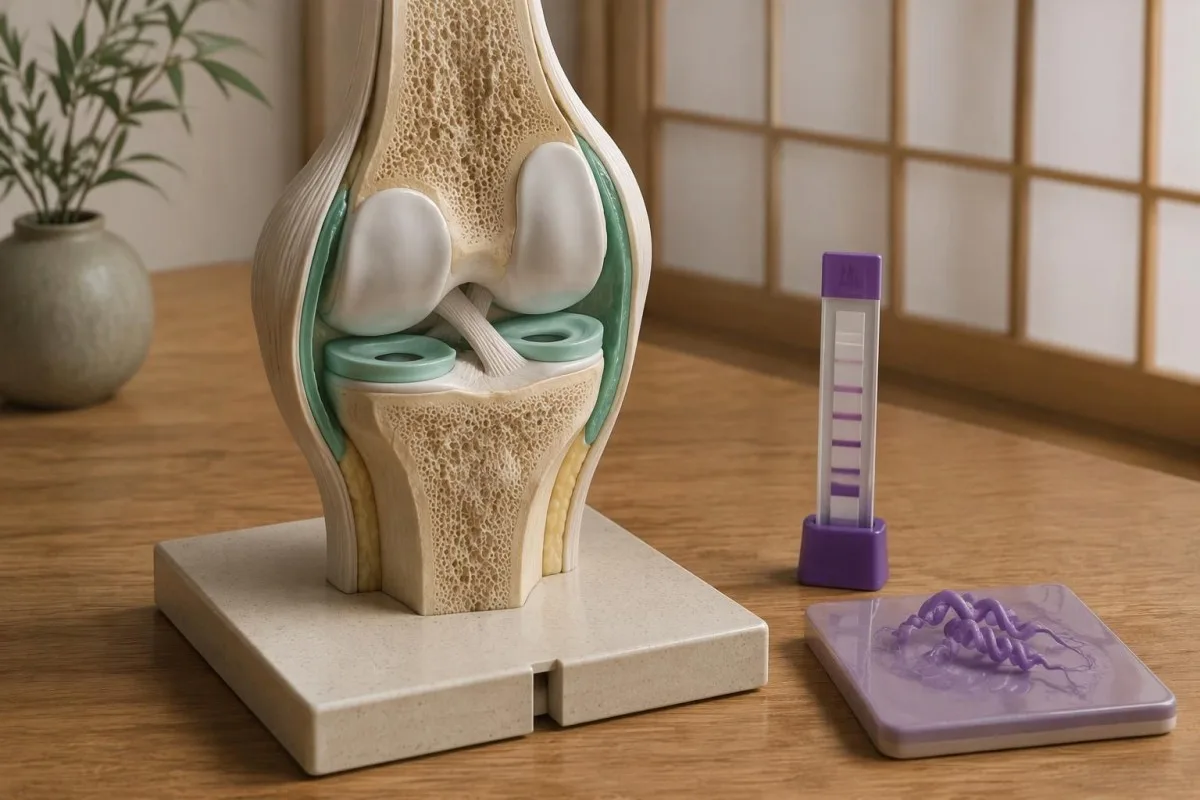
I/E/Të/Të 2020 IDSA/AAN/ACR guideline describes persistence of both IgM and IgG responses after infection, which complicates interpretation in previously affected patients (Lantos et al., 2021). A positive result obtained 4 years after treatment must therefore be compared with the clinical history, not interpreted as a laboratory photograph of living bacteria in the body.
Reinfection can occur because previous Lyme disease does not provide reliable lifelong protection, but an old positive antibody result cannot prove a new episode. For a hypothetical person with positive IgG from 2019 and a new expanding rash after recent tick exposure, the new clinical findings matter more than whether a sixth band appears; modele antitrupash CMV illustrate why exposure history and current illness are separate questions.
Persistent fatigue, pain or cognitive symptoms deserve evaluation even when no new laboratory evidence appears. The guideline recommends against additional antibiotics for persistent nonspecific symptoms after recommended treatment when there is no objective evidence of reinfection or treatment failure; 1 positive antibody panel cannot identify the cause of those symptoms or justify an open-ended antibiotic course.
Çfarë nënkupton IgG në dyshimin për artrit Lyme ose sëmundje neurologjike
Lyme arthritis usually produces a strong IgG response, so isolated IgM is poor evidence for that diagnosis. Conventional two-tier serology has approximately 95–100% sensitivity in Lyme arthritis, according to the 2020 IDSA/AAN/ACR guideline; a negative appropriate IgG result should prompt serious consideration of other causes of joint swelling.
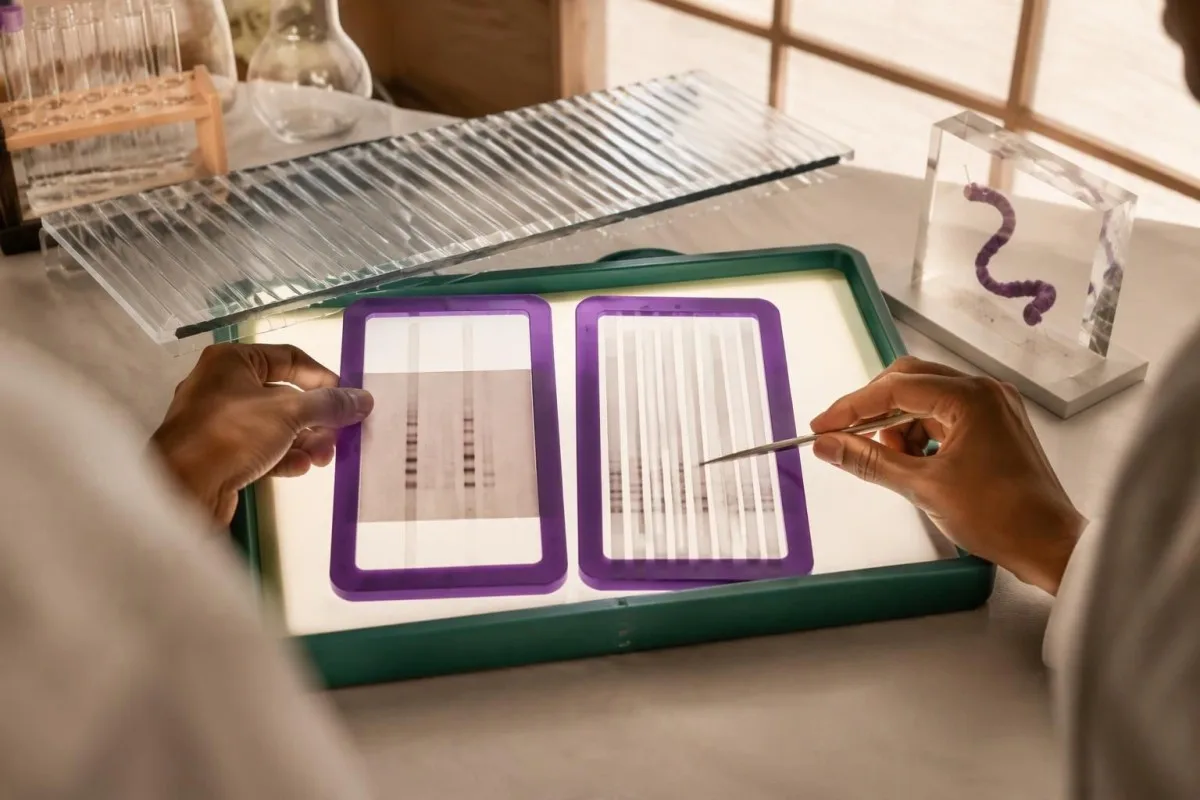
A hypothetical patient with a markedly swollen knee and only 2 IgM bands after 3 months of symptoms does not have the expected serologic pattern for Lyme arthritis. The clinician should reassess alternative causes and assay reliability rather than call this late Lyme based on IgM alone; when indicated, joint fluid examination answers additional questions that the antibody test cannot.
Suspected central nervous system Lyme disease requires clinical assessment and, when cerebrospinal fluid testing is undertaken, simultaneous CSF and serum for a validated antibody index. Testing CSF antibody alone or running a standalone CSF immunoblot is not the preferred approach; 1 elevated index may also persist after treatment, so it must be interpreted alongside the neurological findings and CSF cell response.
Numb feet or tingling do not become Lyme-specific because 41 kDa is reactive; neuropathy has metabolic, mechanical and immune causes. Our anti-MAG neuropathy guide explains one targeted alternative, while immunoglobulin panel interpretation clarifies that total serum IgG is different from the 5-of-10 Lyme-specific IgG immunoblot criterion.
Pse laboratorët dhe vendet mund të përdorin kritere të ndryshme për Lyme
Lyme immunoblot criteria are assay- and region-dependent, so conventional US 5-of-10 IgG counting rules should not automatically be imposed on every European report. European assays may use different Borrelia antigens and recombinant line blots because the species causing human Lyme borreliosis differ across regions.
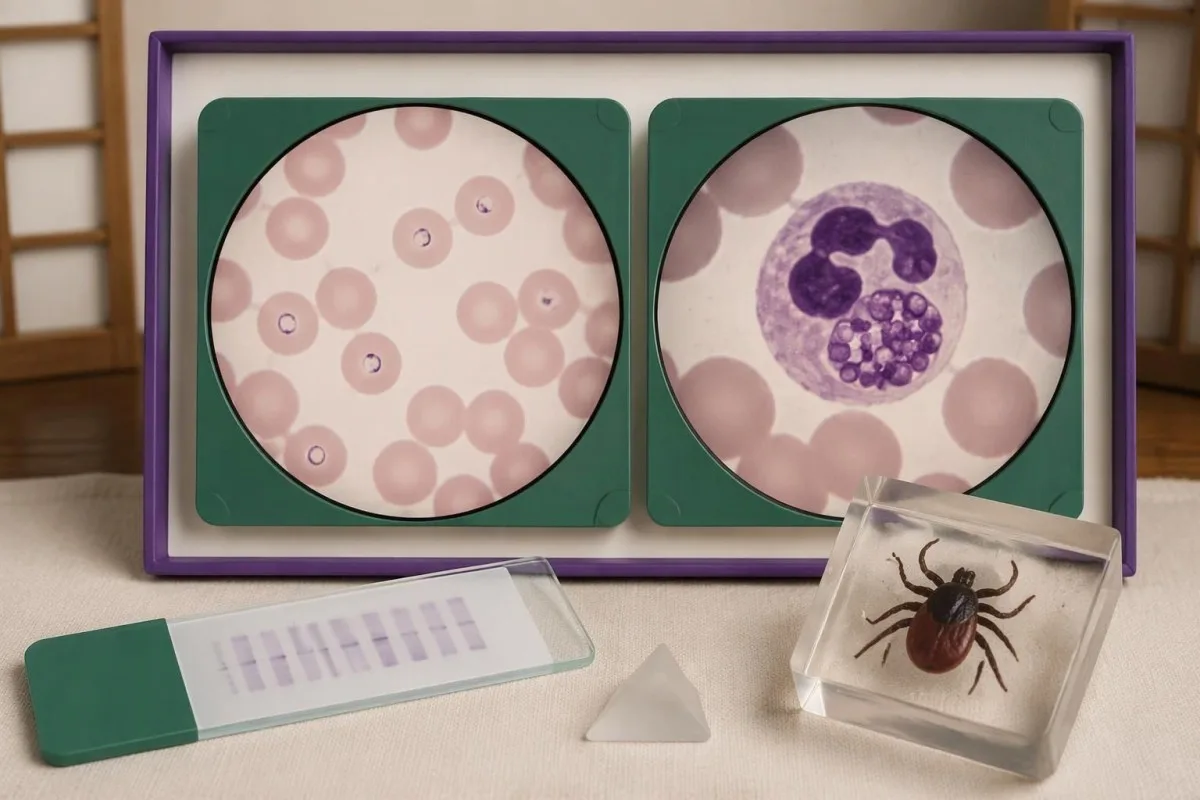
B. burgdorferi sensu stricto predominates in North America, while European disease also commonly involves B. afzelii and B. garinii. A report using VlsE, OspC or other recombinant antigen labels may therefore not resemble a 10-position conventional US blot; the clinically useful question is whether the assay was validated for the exposure setting and interpreted according to its instructions.
Different laboratory criteria are not automatically inferior, but claims that 1 or 2 bands prove disease require evidence for that assay's complete diagnostic performance. When reading a report described by Kantesti, consult the laboratory's interpretation and our kornizë verifikimi mjekësor separately; general AI assessment or a software benchmark is not proof that a particular Lyme assay has validated sensitivity and specificity.
Record 3 details before comparing reports from different laboratories: assay manufacturer, algorithm type and the country where exposure occurred. Our AI report source-check guide explains why preserving source wording matters; apparent conversion from negative to positive may reflect a changed method or cutoff rather than a newly acquired infection or worsening illness.
A identifikojnë brezat e Lyme Babesia, Anaplasma apo bashkëinfeksione të tjera?
Lyme Western blot bands do not diagnose tick-borne coinfections. Babesia, Anaplasma and Ehrlichia require their own clinical assessment and tests; 1 positive Lyme antibody result neither confirms nor excludes these infections, even when an exposure setting allows more than one tick-borne organism to be transmitted.

Babezioza deserves consideration when relevant exposure accompanies fever and evidence such as anemia, low platelets or hemolysis, especially if fever persists during Lyme-directed treatment. A Babesia antibody titer of 1:256 alone does not establish current infection; our Babesia test interpretation guide explains why a cellular sample examination or PCR may be needed to demonstrate active infection.
Anaplazmoza can produce fever, leukopenia, thrombocytopenia and elevated liver enzymes, findings that should not be explained away as extra Lyme bands. PCR is most useful during the first week of illness and becomes less sensitive after appropriate antibiotics; our Anaplasma sample timing guide separates this early direct-detection window from later antibody interpretation.
Ehrlichiosis follows a different organism-specific testing pathway, and a negative early antibody result is not a safe reason to dismiss significant febrile illness. Our Ehrlichia PCR and titer guide explains why 2 samples collected at different times may help establish seroconversion; targeted testing should follow symptoms, geography and laboratory abnormalities rather than an indiscriminate panel ordered for isolated fatigue.
Çfarë duhet të bëni me një raport të paqartë të testit për Lyme?
For an unclear Lyme report, obtain the complete 2-tier interpretation, write down symptom onset and discuss exposure plus objective findings with a clinician. Faint or isolated bands do not determine urgency; fainting, chest pain, breathlessness, a markedly slow pulse or new neurological deficits require prompt assessment regardless of the antibody result.

Lyme carditis can cause heart conduction block, so fainting or palpitations after compatible exposure should not wait for an immunoblot to become positive. The 2020 IDSA/AAN/ACR guideline identifies a PR interval greater than 300 milliseconds, other arrhythmias or features of myopericarditis as reasons for hospital admission with monitoring; that interval is measured on an ECG, not inferred from band intensity.
New facial weakness warrants urgent assessment, and sudden facial droop with arm weakness or speech difficulty needs emergency evaluation for stroke rather than attribution to Lyme. Our udhëzuesin tonë për shenjat paralajmëruese të goditjes në tru explains that distinction; for a routine appointment, bring 4 dates—possible exposure, first symptom, sample collection and antibiotic initiation—because each changes a different part of the reasoning.
Kantesti është një Mjet për analizën e testeve të gjakut me AI that can help organize the 2-tier result, reported bands and missing clinical context into questions for your appointment. Our Udhëzues teknologjik i AI-së describes the explanation workflow, but our AI cannot examine a rash, measure an ECG interval, confirm Lyme disease independently or decide whether you should start, stop or extend antibiotics.
Publikimet kërkimore, kufijtë e provave dhe interpretimi i sigurt
The clinical interpretation in this article rests on 3 directly relevant sources: a laboratory-diagnosis review, the CDC's modified two-tier recommendation and the IDSA/AAN/ACR Lyme guideline. The 2 additional Figshare publications listed below concern other health topics and must not be treated as validation of Lyme band interpretation or Lyme diagnosis.
Moore et al. (2016) explains why individual bands and incomplete testing sequences create diagnostic errors; Mead et al. (2019) establishes the CDC recommendation for appropriately cleared modified algorithms. Lantos et al. (2021), publishing the 2020 guideline, connects testing to clinical manifestations, including early rash, arthritis and neurological disease; these sources support different parts of the reasoning rather than one universal band shortcut.
The 2 Figshare records address women's hormonal health and multilingual AI-assisted hantavirus triage, respectively, not Lyme immunoblot performance. A deployment involving 50,000 interpreted reports, as described in the hantavirus publication's title, cannot establish sensitivity, specificity or patient benefit for Lyme diagnosis; those claims would require Lyme-specific methods, reference standards and evaluation populations.
Materialet e Kantesti parime të inteligjencës artificiale të përgjegjshme place report explanation alongside—not above—the laboratory and clinician, including when IgM appears after 30 days of symptoms. For symptoms linked to cycle changes or menopausal transition, our hormonal symptom guide addresses a separate assessment pathway; symptom overlap is a reason to investigate carefully, not evidence that a reactive Lyme band explains everything.
Pyetjet e bëra shpesh
A mund të nënkuptojë një brez pozitiv në testin Western blot për Lyme se kam sëmundjen e Lyme-it?
Një brez reaktiv në testin Western blot për Lyme nuk mjafton për të vendosur diagnozën e sëmundjes Lyme. Kriteret konvencionale në SHBA kërkojnë të paktën 2 nga 3 brezat e përcaktuar të IgM gjatë 30 ditëve të para të simptomave, ose 5 nga 10 brezat e përcaktuar të IgG, brenda algoritmit përkatës të testimit me dy nivele. Një brez i vetëm mund të pasqyrojë reaktivitet të kryqëzuar ose një përgjigje të paplotë të hershme të antitrupave, në varësi të situatës. Një skuqje tipike eritema migrans pas ekspozimit të duhur mund të mbështesë gjithsesi diagnozën klinike, pavarësisht serologjisë së hershme negative.
Pse disa banda të testit për sëmundjen e Lyme dalin pozitive, por rezultati i përgjithshëm është negativ?
Një test për sëmundjen Lyme mund të përmbajë banda reaktive, por të mbetet negativ, sepse imunoblot-i nuk plotësoi modelin e validuar që kërkon algoritmi i testimit. Për shembull, 3 banda IgG që plotësojnë kriteret janë më pak se pragu konvencional prej 5 nga 10 banda IgG. Një rezultat pozitiv ose i papërcaktuar në testin e shqyrtimit të nivelit të parë, i ndjekur nga imunoblot-e përkatëse negative, interpretohet si negativ në testimin standard me dy nivele. Nëse simptomat janë shfaqur shumë kohët e fundit, mjeku mund të marrë në konsideratë përsëritjen e testimit pas një intervali të përshtatshëm, në vend që modelin e paplotë ta riklasifikojë si pozitiv.
Çfarë do të thotë një brez pozitiv 41 kDa në testin për sëmundjen e Lyme-it?
Brezi i Lyme-it prej 41 kDa zakonisht pasqyron lidhjen e antitrupave me flagelinën, një proteinë bakteriale e lidhur me lëvizjen, e cila mund të reagojë në mënyrë të kryqëzuar me antitrupa që nuk lidhen me sëmundjen Lyme. Ai është vetëm 1 nga brezat e përcaktuar që përdoren në kriteret konvencionale të imunoblotit dhe nuk mund të diagnostikojë i vetëm sëmundjen Lyme. Moore et al. (2016) cituan një studim që e gjeti këtë brez te 43% e personave të shëndetshëm në grupin e kontrollit, megjithëse kjo përqindje nuk përfaqëson një normë universale për të gjitha analizat. Sekuenca e plotë e testimit dhe paraqitja klinike përcaktojnë nëse rezultati mbështet diagnozën e sëmundjes Lyme.
A është IgM-ja për sëmundjen Lyme pozitive dhe IgG-ja negative provë e një infeksioni të kohëve të fundit?
Pozitiviteti i IgM-së për Lyme, me IgG negativ, mund të mbështesë praninë e një infeksioni të hershëm vetëm kur përputhet me algoritmin e duhur të testimit, paraqitjen klinike dhe kohëzgjatjen. IgM-ja e izoluar nuk duhet të përdoret si provë për sëmundjen Lyme kur simptomat kanë zgjatur më shumë se 30 ditë, sepse IgM-ja persistente ose jospecifike mund të çojë në interpretim të gabuar. Për shembull, 2 breza IgM që plotësojnë kriteret në ditën e 14-të kanë kuptim tjetër nga i njëjti model pas 3 muajsh simptomash të vazhdueshme. Rregulli i kohëzgjatjes i referohet fillimit të simptomave, jo ditës kur u mor mostra laboratorike.
A mund të kem një test pozitiv për sëmundjen Lyme pa asnjë brez në Western blot?
Po: një algoritëm i modifikuar, i validuar, me dy nivele për sëmundjen Lyme përdor 2 analiza imunoenzimatike të kryera njëra pas tjetrës dhe mund të mos kryejë fare një test Western blot. Në vitin 2019, CDC rekomandoi algoritme të modifikuara me miratimin e duhur nga FDA. Disa kombinime analizash matin antitrupat totalë, ndërsa të tjera japin rezultate të veçanta për IgM dhe IgG, ndaj rregullat konvencionale të numërimit të bandave nuk vlejnë për çdo raport. Pyeteni laboratorin se cili algoritëm dhe kombinim analizash prodhoi interpretimin përfundimtar.
A duhet të zhduken brezat e testit Western blot për sëmundjen e Lyme pas trajtimit me antibiotikë?
Bandat e Western blot-it për sëmundjen e Lyme nuk kanë pse të zhduken pas trajtimit të suksesshëm, sepse antitrupat mund të vazhdojnë të jenë të pranishëm për vite ose dekada. Një model i qëndrueshëm i IgG-së me 5 banda nuk provon se infeksioni vazhdon, dhe testimi i përsëritur i bandave nuk është një test i vërtetuar për shërimin. Përgjigjja ndaj trajtimit vlerësohet në bazë të ecurisë klinike dhe gjetjeve objektive përkatëse, jo duke kërkuar që paneli i antitrupave të dalë negativ. Simptomat e reja ose një ekspozim tjetër ndaj rriqrave kërkojnë vlerësim të ri klinik, sepse antitrupat e vjetër nuk mund të vërtetojnë riinfektimin.
Merrni shpjegimin e rezultateve të analizave të gjakut
Ngarkoni raportin tuaj laboratorik dhe AI e Kantesti shpjegon çdo biomarker me gjuhë të thjeshtë brenda pak sekondash. Përdoret nga më shumë se 2 milionë njerëz në mbarë botën.
Referencat
- Klein, T., Mitchell, S., & Weber, H. (2026). Udhëzuesi për shëndetin e grave: ovulacioni, menopauza dhe simptomat hormonale. Kërkim mjekësor me Kantesti AI. DOI
- Klein, T., Mitchell, S., & Weber, H. (2026). Mbështetje shumëgjuhëshe e asistuar nga IA-ja për vendimmarrjen klinike në triazhimin e hershëm të hantavirusit: projektimi, vërtetimi inxhinierik dhe zbatimi në botën reale në 50,000 raporte të interpretuara të analizave të gjakut. Kërkim mjekësor me Kantesti AI. DOI
- Moore A et al. (2016). Current Guidelines, Common Clinical Pitfalls, and Future Directions for Laboratory Diagnosis of Lyme Disease, United States. Emerging Infectious Diseases. DOI PubMed
- Mead P et al. (2019). Updated CDC Recommendation for Serologic Diagnosis of Lyme Disease. Raporti javor i sëmundshmërisë dhe vdekshmërisë i MMWR. DOI
- Lantos PM et al. (2021). Clinical Practice Guidelines by the Infectious Diseases Society of America (IDSA), American Academy of Neurology (AAN), and American College of Rheumatology (ACR): 2020 Guidelines for the Prevention, Diagnosis and Treatment of Lyme Disease. Sëmundjet Infektive Klinike. DOI
- 2M+Analizat e kryera
- 127+Vendet
- 100+Gjuhët
Rreth ekipit mjekësor


Sinjalet e Besimit E-E-A-T
Përvoja
Rishikim klinik i udhëhequr nga mjeku i flukseve të punës për interpretimin e analizave.
Ekspertizë
Fokus i mjekësisë laboratorike mbi mënyrën se si sillen biomarkerët në kontekstin klinik.
Autoritariteti
Rishikuar nga ana mjekësore nga Dr. Thomas Klein, me kontribute nga Dr. Sarah Mitchell dhe Prof. Dr. Hans Weber.
Besueshmëria
Interpretim i bazuar në prova, me rrugë të qarta për ndjekje për të reduktuar alarmin.






Mohim përgjegjësie mjekësore
Ky artikull është vetëm për qëllime edukative dhe nuk përbën këshilla mjekësore. Gjithmonë konsultohuni me një ofrues të kualifikuar të kujdesit shëndetësor për vendimet e diagnozës dhe trajtimit.
Botuar · Kontaktoni ekipin redaktues
Botuar nga Kantesti Ltd, e regjistruar në Angli dhe Uells, nr. i kompanisë. 17090423, Londër, Mbretëria e Bashkuar.
