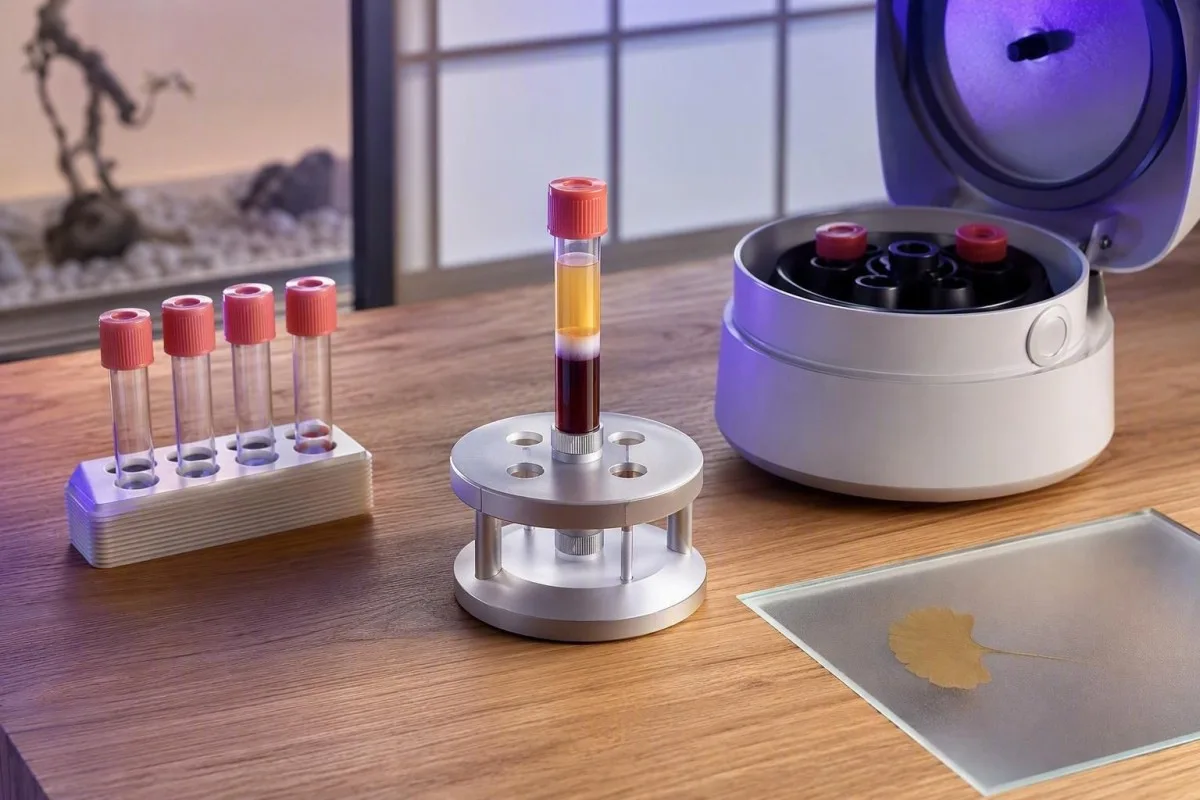
En användbar första provtagning registrerar din vanliga fysiologi, inte den biokemiska ekot från gårdagens träningspass, drycker, dålig sömn eller en övergående virusinfektion. Målet är upprepningsbar kontext som du kan använda i åratal.


- Tidpunkt för baslinjen: boka en morgonprovtagning efter 8-12 timmars fasta om fastande glukos, triglycerider, järnstudier eller insulin ingår.
- Träningspaus: undvik ovanligt hård styrketräning, intervaller eller uthållighetslopp 24-48 timmar före rutinmässig baslinjetestning.
- Alkoholfönster: hoppa över alkohol i minst 48 timmar före testning av triglycerider och leverenzymer; tung alkoholkonsumtion kan förvränga resultat längre.
- Sjukdomsregel: skjut upp en hälsomässig baslinje tills minst 2 veckor efter att feber eller betydande symtom från luftvägar eller mag-tarmkanalen har försvunnit.
- Vätskemål: drick normalt dagen innan och drick 250-500 mL vatten under de 2 timmarna före provtagning, om inte vätskeintaget är begränsat.
- Biotin försiktighet: sluta med receptfritt biotin i hög dos 48-72 timmar före många immunanalyser, men sluta aldrig med receptbelagd behandling utan att fråga förskrivaren.
- Cykelkontext: ange cykeldag för östrogen, progesteron, LH, FSH och ibland lipider; det förändrar tolkningen mer än många tror.
- Repeterbarhet: använd samma laboratorium, liknande tid på morgonen och samma förberedelsesmönster när du följer laboratorieresultat över tid.
Vad gör en första blodprovstagning till en verklig baslinje?
A baslinjeblodprov är mest användbart när det fångar en vanlig vecka: stabila måltider, normal hydrering, ingen akut sjukdom och ingen exceptionell träning eller alkoholkonsumtion. För de flesta vuxna rekommenderar jag ett morgonprov efter 8-12 timmars fasta när glukos, triglycerider, järnmarkörer eller insulin mäts.
Det praktiska målet är inte att få resultaten att se bättre ut. Det är att minska preanalytisk variation– förändringar som sker innan analysatorn ens ser provet. Ett fasteglukos på 96 mg/dL och en triglyceridnivå på 105 mg/dL kan båda vara helt normala, men deras innebörd förändras om personen åt sent, sprang 10 km eller sov 3 timmar.
I mitt kliniska arbete ber jag patienter att behandla den första provtagningen som ett referensfoto. För en kortfattad journal över väckningstid, fastetid, mediciner, kosttillskott, alkohol under de senaste 72 timmarna, träning under de senaste 48 timmarna, menstruationscykeldag och nyligen inträffad infektion. Den journalen är ofta mer användbar vid det andra testet än en enda “normal” flagga.
Kantesti är en AI blodprovsanalysator utformad för att läsa resultat tillsammans med den praktiska kontexten, snarare än att behandla varje markerat värde som en sjukdom. För en vettig testlista, börja med vår årliga guide för blodprovstagning och kom överens om tillägg med en läkare som känner till din historia.
Baslinjen är personlig, inte bara “inom referensintervall”
Ett laboratorier referensintervall innehåller vanligtvis de centrala 95% av värden från en vald population; det definierar inte ditt hälsosammaste eller säkraste personliga nummer. Ett kreatininresultat kan förbli inom ett laboratorieintervall samtidigt som det stiger meningsfullt från ditt eget upprepade värde, vilket är anledningen till att baslinjedokumentation är viktig.
Hur fasta och måltiderna dagen innan formar resultaten
Fasta i 8–12 timmar ger den renaste första jämförelsen för triglycerider, fasteglukos, insulin och serumjärn, även om många lipidpaneler kan tolkas utan fasta. Vatten är tillåtet och oftast hjälpsamt; kaffe, juice, tuggummi och kalorihaltiga drycker utgör inte sann fasta.
Ett fasteplasma glukos under 100 mg/dL är generellt normalt, 100-125 mg/dL indikerar nedsatt fasteglukos, och 126 mg/dL eller högre kräver bekräftelse om inte symtom och tydlig hyperglykemi föreligger. HbA1c återspeglar ungefär de föregående 8-12 veckorna, så en frukost kan inte meningsfullt sänka det; ADA:s laboratorievägledning förklarar varför glukos och HbA1c svarar på olika frågor (Sacks et al., 2023).
Triglycerider är särskilt måltidskänsliga. Ett värde under 150 mg/dL är konventionellt önskvärt, medan 500 mg/dL eller högre väcker oro för pankreatitrisk och kräver omedelbar klinisk bedömning. En rik sen måltid eller alkohol kan ge ett missvisande högt första resultat, så använd en plan för triglycerid omtestning snarare än att försöka “äta perfekt” en dag.
Kantesti är en AI-plattform för tolkning av blodprov som kan bevara fastande status bredvid varje panel, vilket gör senare jämförelser mindre felbenägna. Vår biomarkörguide förklarar vilka tester som är genuint måltidskänsliga och vilka som inte är det.
Hur träning kan efterlikna onormala lever- och njurtester
Hård träning kan tillfälligt höja CK, AST, ALT, kreatinin, vita blodkroppar och ibland kalium, så undvik ovanlig eller högintensiv träning i 24-48 timmar före en baslinjepanel. Lugn promenad och normal daglig rörelse är bra.
En 52-årig maratonlöpare jag undersökte hade AST 89 IU/L efter ett långt lopp, med ALT 36 IU/L och CK över 2 000 IU/L. Det mönstret pekade starkare mot tränad muskel än leverskada, men det behövde fortfarande upprepas efter återhämtning; enstaka siffror räcker sällan. Läs mer om AST efter träning innan du antar ett leverproblem.
Kreatinkinas referensgränser varierar beroende på laboratorium, kön, härkomst, muskelmassa och träningsstatus, men många laboratorier flaggar värden över ungefär 200-300 IU/L. CK som överskrider 5 gånger den övre referensgränsen efter ansträngning är vanligt; CK över 5 000 IU/L med mörk urin, svår muskelvärk eller minskad urinproduktion kräver akut bedömning för ansträngningsutlöst rabdomyolys.
Kreatinin stiger efter intensiv aktivitet delvis genom muskelnedbrytning och minskat njurblodflöde från vätskeförlust. Tolka inte en lägre eGFR från ett prov efter ett lopp som kronisk njursjukdom utan återhämtningstestning; vår träningsguide för kreatinin förklarar det säkrare omprovsfönstret.
48-timmars återställning är inte en regel för alla
För ett fritidsgympass är 24 timmar ofta tillräckligt. Efter ett ultramaraton, CrossFit-tävling, tung excentrisk styrketräning eller värmepåverkan väntar jag ofta 48-72 timmar om syftet är en stabil baslinje snarare än bedömning av själva händelsen.
Varför alkohol förtjänar en 48-timmars paus för baslinjen
Undvik alkohol i minst 48 timmar före ett baslinjeblodprov minskar kortvariga störningar av triglycerider, glukos, GGT, AST, hydreringsmarkörer och sömnrelaterad fysiologi. En enstaka tung kväll kan spela större roll än vad många patienter förväntar sig.
Alkohol kan höja triglycerider genom att öka leverns produktion av mycket lågdensitetslipoproteiner, särskilt efter kolhydratrika måltider. Effekten är variabel: en persons resultat återgår till baslinjen inom 24 timmar, medan en annan med fettlever, diabetes eller tyngre intag kan visa förändringar i flera dagar. En fastande triglycerid på 220 mg/dL efter en helg med alkohol bör upprepas innan någon kallar det ett fast problem.
GGT är känsligt men ospecifikt. Många laboratorier använder övre gränser runt 55-60 IU/L för män och 35-40 IU/L för kvinnor, men mediciner, kolestas, fettlever och alkohol kan alla höja det. Det meningsfulla mönstret är GGT med ALT, ALP, bilirubin, blodplättsantal och alkoholhistorik; se vår leverpanelförklaring för hur dessa delar passar ihop.
Från och med 1 september 2026 råder jag fortfarande emot att “detoxa” eller fasta överdrivet för att förbättra leverresultaten. Normal mat, normalt vatten, ingen alkohol och ett dokumenterat intervall är renare vetenskap. Ihållande ALT över den övre laboratoriegränsen på två prover med flera veckors mellanrum motiverar medicinsk översyn, inte en internet-rensing.
När sjukdom eller vaccination bör fördröja en hälsokontroll
Vänta med en hälsokontroll under feber, aktiv gastrointestinal sjukdom, en betydande luftvägsinfektion eller de första 1-2 veckorna efter tillfrisknande eftersom CRP, ferritin, vita blodkroppar, trombocyter, glukos och sköldkörteltest kan förändras tillfälligt. Brådskande diagnostisk testning är annorlunda: försena den inte när du är sjuk.
C-reaktivt protein stiger vanligtvis inom 6-8 timmar efter en inflammatorisk stimulans och kan snabbt sjunka när utlösaren avtar. Ett CRP under 3 mg/L används ofta för riskstratifiering för kardiovaskulär risk endast när en person är kliniskt frisk; ett resultat på 18 mg/L under en förkylning säger lite om långsiktig vaskulär risk. CRP- och albuminmönster är mer informativt än endera resultatet ensamt.
Ferritin är både ett järnlagringsprotein och en akut fas-reaktant. Ett ferritin på 110 ng/mL under infektion kan dölja uttömda järnförråd, medan ferritin under 15 ng/mL är mycket specifikt för järnbrist hos en annars frisk vuxen. Detta är anledningen till att jag kombinerar ferritin med transferrinmättnad, CRP, hemoglobin och den kliniska historien.
Vaccination kan orsaka en kortvarig immunrespons, inklusive övergående förändringar i CRP och subgrupper av vita blodkroppar. Rutinmässig testning kan vanligtvis vänta 3-7 dagar efter vaccination om målet är en stabil baslinje, men en planerad säkerhetspanel för läkemedelsövervakning bör följa den förskrivande klinikerns instruktioner. Vårt guide för laboratorietester efter vaccination täcker de praktiska skillnaderna.
Tvåveckorsregeln har undantag
Efter lunginflammation, sjukhusvistelse, infektiös mononukleos eller en svår försämring av en kronisk sjukdom, kanske två veckor inte räcker. I dessa fall använder jag ofta symptomåterhämtning, CRP-trend och klinisk bedömning snarare än enbart en kalender.
Hur sömnbrist och tidpunkt förändrar ett blodprov
En dålig natts sömn kan höja fastande glukos, kortisol, blodtryck och inflammatoriska signaler, medan tidpunkten kan påverka testosteron, kortisol, järn och TSH. För en första baslinje, sikta på 7-9 timmars vanlig sömn och ta prov mellan ungefär 7 och 10 på morgonen när det är möjligt.
Kortisol följer en stark dygnsrytm. Morgonserumkortisol mäts vanligtvis runt 8 på morgonen, men ett värde kan inte diagnostisera binjuresjukdom utan tidpunkten för provtagningen, symtom och ofta ACTH-testning. Ett eftermiddagsprov jämfört med ett tidigare 8-morgonsprov utgör inte en giltig trend, även om samma laboratorium utför båda.
Sömnrestriktion på 4-5 timmar kan försämra nästa morgons insulinkänslighet och påverka aptithormoner; storleken på laboratorieförändringen varierar avsevärt mellan individer. Jag ser detta oftast hos skiftarbetare, nyblivna föräldrar och frekventa resenärer, där en “baslinje” måste representera deras faktiska schema snarare än ett idealiserat sådant. Vårt guide för dålig sömnlaboration erbjuder en användbar checklista för annoteringar.
Dr. Thomas Kleins praktiska råd är enkla: avbryt inte ett nödvändigt test för att du har sovit dåligt, utan dokumentera det. Om en gränsfallande fastande glukos är 103 mg/dL efter en hel natt vaken, upprepa under vanliga förhållanden innan du drar slutsatser om prediabetes.
Koffein är inte alltid ofarlig förberedelse
Svart kaffe kan ha liten effekt på många paneler, men det kan påverka glukos, katekolaminer, blodtryck och vissa specialiserade endokrina tester. När fasteinsulin, glukos, kortisol eller metanefriner beställs är vanligt vatten det minst tvetydiga valet.
Vilka kosttillskott och läkemedel som behöver registreras
Sluta inte med föreskrivna mediciner för ett baslinjeblodprov om inte förskrivaren säger till dig det, men anteckna varje läkemedel och kosttillskott med dos och tidpunkt. Biotin, järn, B12, kreatin, jod, kortikosteroider och avsvällande medel kan ändra antingen biologin eller testanalysen.
Höga doser biotin, ofta 5 000–10 000 mikrogram dagligen i hår- och nagelprodukter, kan störa vissa streptavidin-biotin-immunanalyser. Det kan ge falskt lågt TSH eller falskt högt fritt T4, troponin eller hormonresultat beroende på analysdesign. En paus på 48–72 timmar används vanligtvis för icke-föreskrivet biotin, men personer som tar det för ett medicinskt tillstånd bör först fråga sin läkare.
Oralt järn kan höja serumjärnet övergående, och kreatintillskott kan öka kreatinin utan att minska den faktiska filtrationen. Kortikosteroider kan höja glukos och vita blodkroppar; protonpumpshämmare kan påverka magnesium och B12 över tid. Det rätta svaret är sammanhang, inte abrupt egen avslutning; vår vägledning för fastande tillskott förklarar vanliga undantag.
Kantesti är en AI-baserat analysverktyg för blodprov som registrerar rapporterade kosttillskott bredvid resultaten så att en uppenbar sköldkörtel- eller njurförändring kan granskas med den exponering som kan förklara den. Patienter kan också jämföra rapporterade resultat med vår checklista för klinisk noggrannhet innan de agerar på en oväntad flagga.
Medicineringstidpunkt kan vara en del av receptet
Sköldkörtlersättning, testosteronbehandling, insulin, diuretika och antikoagulantia har alla testspecifika tidregler. Till exempel tas sköldkörteltest ofta före dagens dos av levotyroxin vid övervakning av konsekvens, men den förskrivande läkarens protokoll bör prioriteras.
Hur menstruationscykeln påverkar en första hormonbaslinje
För testning av reproduktionshormoner är cykeldag en del av resultatet. FSH, LH, östrogen, progesteron, testosteron, prolaktin och ibland lipider kan variera tillräckligt över cykeln för att ett oregistrerat datum försvagar tolkningen.
Tidig-follikulär testning, ofta cykeldag 2-5, används vanligtvis för baslinjen FSH, LH och östrogen vid fertilitetsbedömning. Progesteron mäts vanligtvis cirka 7 dagar efter ägglossning - inte automatiskt “dag 21”, eftersom en 35-dagars cykel följer en annan biologi. Ett progesteronvärde över cirka 3 ng/mL kan stödja nyligen inträffad ägglossning i många situationer, men exakt tolkning beror på analys och tidpunkt.
Prolaktin är känsligt för stress, nyligen utförd träning, sexuell aktivitet och svår provtagning. Lätta förhöjningar upprepas ofta efter 20-30 minuters lugn vila, helst på morgonen; en nivå som ihållande är över 100 ng/mL förtjänar snar utvärdering av endokrinolog, även om medicineringseffekter fortfarande är vanliga. Se vår vägledning för omprov för prolaktin för de förnuftiga nästa stegen.
Cykelrelaterade lipidskiftningar är verkliga men vanligtvis mindre än förändringarna från vikt, kost, alkohol, diabetes eller genetik. Om du avser att övervaka hälsan med blodprov över flera år, välj en liknande cykelfas för upprepade lipid- och hormonpaneler när det är möjligt, särskilt vid utvärdering av symtom eller behandling.
Hormonell preventivmedel ändrar frågan
Kombinerad hormonell preventivmedel kan undertrycka endogena FSH-, LH-, östrogen- och androgensmätningar, så dessa resultat kanske inte beskriver obehandlad fysiologi. Sluta inte med preventivmedel bara för att få en baslinje utan att beakta graviditetsrisk och det kliniska skälet till testningen.
Varför vätskebalans, hållning och insamlingsteknik spelar roll
Normal hydrering och 10-15 minuters sittande vila före provtagning förbättrar repeterbarheten eftersom dehydrering, långvarigt stående och svår provtagning kan koncentrera eller förvränga flera resultat. Drick normalt dagen innan och, om inte vätskeintaget är begränsat, inta 250-500 mL vatten under de 2 timmarna före besöket.
Minskning av plasmavolymen kan göra att hemoglobin, hematokrit, albumin, kalcium, totalprotein och kreatinin verkar högre än de skulle vara under normal hydrering. Omvänt kan aggressivt drickande av liter vatten omedelbart före provtagning späda ut natrium och andra mätningar. Ett normalt natriumintervall är generellt 135-145 mmol/L, men ett oväntat resultat bör alltid tolkas med hänsyn till hydrerings- och glukosstatus.
Kroppsställning spelar större roll än de flesta tror. Stående kan öka albumin och proteinbundna analyter genom vätskeförskjutningar, medan långvarig stas och upprepad knytning av handen kan falskt höja kalium och laktat. Ett kaliumvärde över 5,5 mmol/L utan njursjukdom, symtom eller EKG-förändringar kontrolleras ofta omgående eftersom insamlingsartefakter är vanliga; vår guide för fel vid kaliumprovtagning förklarar varför.
Menstruation, nyligen vätskeförlust från diarré, diuretika och bastubad hör alla hemma i anmärkningen till provtagningen. Om eGFR är oväntat lågt efter dehydrering, återställ normalt intag och diskutera omprovtagning; se tillfälliga eGFR-förändringar innan du antar permanent njurskada.
En röd provrör är inte en diagnos
Provrörsfärg identifierar tillsatsen som används för laboratoriebearbetning, inte provets allvarlighetsgrad. Det som är kliniskt viktigt är korrekt val av provrör, transporttemperatur, bearbetningsfördröjning och om laboratoriet rapporterar hemolys eller en otillräcklig provmängd.
Hur senare resultat kan jämföras med den första provtagningen
Använd samma laboratorium, en liknande provtagningstid och en liknande förberedelserutin när du följer laboratorieresultat över tid. En verklig biologisk förändring kan vara mindre än den kombinerade effekten av analysmetod, fastestatus, träning och vanlig daglig variation.
LDL-kolesterol kan beräknas snarare än direkt mätas, och beräkningen blir mindre tillförlitlig när triglyceriderna stiger. 2018 års AHA/ACC-riktlinjer för kolesterol stöder icke-fasta screening hos många människor men rekommenderar fasta bedömning under särskilda omständigheter, inklusive mycket höga triglycerider och diagnostisk osäkerhet (Grundy et al., 2019). Den avgörande punkten är konsekvens, inte perfektion.
Referensförändringsvärde, eller RCV, kombinerar analytisk oprecision med en individs normala biologiska variation. En 10% rörelse i en markör kan vara brus medan en 30% förändring i en annan är meningsfull; det finns inget universellt procenttal som gäller för alla tester. Vår är denna förändring verklig guide visar varför trender kräver mer än färgkodade pilar.
Kantesti AI tolkar upprepade paneler genom att jämföra analysenheter, referensintervall, insamlingsdatum och relaterade biomarkörer snarare än att bara räkna onormala flaggor. Vår AI-jämförelsearbetsflöde är byggd för denna longitudinella fråga: vad har förändrats tillräckligt för att förtjäna uppmärksamhet?
Spara den ursprungliga rapporten
Spara PDF:en eller en tydlig bild, inte bara ett inmatat resultat. Enhetsomvandlingar, laboratorieintervall, kommentarer om hemolys och om LDL beräknades kan väsentligt förändra hur en framtida kliniker läser trenden.
Kontextanmärkningen att spara med varje blodprov
En kort kontextanmärkning förvandlar isolerade siffror till användbar longitudinell data. Anteckna datum, tid, fasta timmar, sömn, träning, alkohol, sjukdom, mediciner, kosttillskott, cykeldag, viktförändringar och nya symtom vid varje provtagning.
Min baslinjenotering har åtta punkter: provtagningstid; fastetid; träning inom 48 timmar; alkohol inom 72 timmar; aktuell sjukdom; receptförändringar; tillskottsdos och sista dos; samt menstruations- eller graviditetsstatus där det är relevant. Lägg till resa, jetlag och höjd när det är tillämpligt, eftersom var och en kan påverka hydrering, kortisol, hemoglobin och sömnkänsliga markörer.
En viktnedgång på 1,5 kg på 10 dagar, en ny proteinrik kost eller flera nätters fragmenterad sömn kan förklara blygsamma blodprovsförändringar över tid. Det gör inte resultatet oviktigt – det gör det tolkningsbart. För en återanvändbar version, vår laboratoriekontextspårning inkluderar detaljer som patienter oftast glömmer.
Dr. Thomas Klein rekommenderar att skriva ner noteringen innan du lämnar hemmet, inte medan du väntar på resultat. Minnet blir opålitligt efter en oväntad flagga, och människor rekonstruerar förståeligt nog den föregående veckan för att passa siffran.
Vad som inte ska registreras som en “fix”
Manipulera inte kost, vattenintag, träning eller kosttillskott enbart för att erhålla en mer attraktiv första baslinje. En baslinje ska representera ditt liv; annars kan nästa prov se sämre ut helt enkelt för att det är mer ärligt.
Vilka gränsfall som bör upprepas innan man oroar sig
Många gränsfall till baslinjer bör upprepas under stabila förhållanden innan de behandlas som sjukdom, särskilt isolerade milda förändringar i leverenzymer, kreatinin, kalium, prolaktin, neutrofiler och triglycerider. Akuta symtom eller markant avvikande värden är undantaget.
En ALT mindre än 2 gånger laboratoriets övre gräns med normalt bilirubin, ALP och inga symtom saknas kontrolleras vanligtvis igen efter att tillfälliga bidragande faktorer som alkohol, hård träning eller interkurrent sjukdom har tagits bort. En bilirubinnivå över 3 mg/dL med gulsot, mörk urin, ljus avföring, feber eller buksmärta är annorlunda och bör inte vänta på en rutinmässig baslinjeomdragning.
Ett milt lågt neutrofilantal kan följa en virusinfektion eller återspegla en individs stabila normalvärde. Ett absolut neutrofilantal på 1,0–1,5 × 10⁹/L är vanligtvis mild neutropeni, medan värden under 0,5 × 10⁹/L medför betydligt högre infektionsrisk och kräver brådskande medicinsk vägledning, särskilt vid feber. Vår guide för uppföljning av neutrofiler skiljer vanliga omprov från röda flaggor.
En av de mest användbara skyddsåtgärderna är att kontrollera mönster. Till exempel har högt kalcium med undertryckt parathormon en annan brådska än högt kalcium plus uttorkning och albuminförhöjning; anledningen till att vi oroar oss för kombinationer är att biologin sällan förändrar en markör ensam.
När en baslinjeblodprovstagning inte bör ersätta medicinsk vård
En baslinjeprotokoll är inte lämplig när du har röda flaggsymtom, snabbt försämrad sjukdom, graviditetskomplikationer eller en kritisk laboratorievarning. Bröstsmärta, svår andnöd, förvirring, svimning, gulsot, svart avföring eller svår uttorkning kräver klinisk bedömning nu – inte ett bättre förberett upprepat prov.
Kalium på 6,0 mmol/L eller högre, natrium under 120 mmol/L, glukos över 300 mg/dL med kräkningar eller förvirring, eller hemoglobin nära 7 g/dL är exempel på resultat som kan kräva akut åtgärd, även om den fullständiga kliniska situationen är viktig. Laboratorier kontaktar vanligtvis den beställande teamet om kritiska värden, men patienter bör inte anta att ett missat samtal innebär att ett resultat är säkert.
Om du är gravid, har kronisk njursjukdom, tar insulin, använder antikoagulantia, får kemoterapi eller har känd leversjukdom, kan förberedelseinstruktionerna skilja sig från mallen för välbefinnande. En fastande period kan vara osäker för vissa personer med diabetes, och tidpunkten för medicinering kan vara avgörande. Vår guide om hur ofta man ska testa beskriver varför riskgrupp förändrar planen.
Kantesti är en Tolkningstjänst för AI-labbtester som hjälper till att identifiera frågor för kliniker, inte en ersättning för akut bedömning eller en diagnos. De kliniska skyddsåtgärderna och principerna för medicinsk granskning bakom vårt arbete beskrivs av vår Medicinsk rådgivande nämnd.
Ett praktiskt 72-timmars protokoll för din första baslinje
För en användbar första baslinje, håll din rutin i 72 timmar, hoppa över alkohol i 48 timmar, undvik ansträngande träning i 24-48 timmar, sov normalt, fasta 8-12 timmar när det anges, drick vatten och registrera din kontext. Konsistens är interventionen.
Sjuttio-två till 48 timmar före: börja inte med ett nytt tillskott, kraschdiet, detox eller träningsblock. Om du redan tar ett tillskott, registrera den exakta dosen; om det innehåller höga doser biotin, fråga den beställande klinikern eller apotekaren om en 48-72 timmars paus är lämplig. Undvik alkohol i 48 timmar och skjut upp rutinmässig testning om sjukdom är aktiv.
Dagen före: ät dina vanliga måltider, drick normalt, undvik bastu eller uthållighetslopp och planera 7-9 timmar i säng. För fastande paneler, avsluta maten 8-12 timmar före mötet; vatten går bra. På morgonen för provtagningen, undvik kaffe och nikotin om glukos, insulin, kortisol, katekolaminer eller specialiserad endokrin testning planeras.
När resultatet kommer, spara den ursprungliga rapporten och dess kontextanteckning innan du ändrar något. Kantesti AI kan organisera resultat i en longitudinell vy, medan vår guide om teknik och kliniska metoder förklarar varför mönsterigenkänning fortfarande kräver mänsklig medicinsk uppföljning för symtom, större avvikelser och behandlingsbeslut.
Vanliga frågor
Hur förbereder jag mig för ett baslinjeblodprov?
Förbered dig för ett baslinjeblodprov genom att behålla din vanliga rutin, undvika alkohol i 48 timmar, undvika ansträngande motion i 24-48 timmar, sova normalt och dokumentera mediciner och kosttillskott. Fasta i 8-12 timmar om provbeställningen inkluderar fastande glukos, triglycerider, insulin eller järnstudier; vatten är generellt tillåtet. Drick normalt snarare än att överhydrera, och schemalägg ett morgonprov mellan cirka 7 och 10 på morgonen när hormoner eller järn ingår. Skjut upp en baslinje för välbefinnande under akut sjukdom om inte provet behövs för att utvärdera sjukdomen.
Ska jag fasta inför mitt första blodprov?
En fasta på 8-12 timmar är mest användbar för ett första blodprov som inkluderar triglycerider, fasteglukos, insulin eller serumjärn, även om många rutinen lipidpaneler inte längre kräver fasta. Rent vatten bryter inte fastan och hjälper till att förhindra svår provtagning eller uttorkningsrelaterade koncentrationseffekter. Kaffe, juice, mjölk, alkohol, tuggummi och kosttillskott kan påverka utvalda resultat eller ogiltigförklara den avsedda förberedelsen. Följ de order-specifika instruktionerna om din läkare anger en annan fastetid.
Kan träning påverka blodprovsresultat dagen efter?
Ja, ansträngande motion kan påverka blodprovsresultat under 24-72 timmar genom att höja kreatinkinas, AST, ALT, kreatinin, vita blodkroppar och ibland kalium. Tung styrketräning, maratonlöpning, högintensiva intervaller och värmeexponering ger större förändringar än en vanlig promenad. För en stabil baslinje för välbefinnande, undvik ovanlig eller intensiv motion 24-48 timmar i förväg; efter ett större uthållighetsevenemang är 48-72 timmar ofta mer realistiskt. Skjut inte upp brådskande tester för symtom som svår muskelsmärta, mörk urin, svaghet eller minskad urinproduktion.
Hur länge bör jag undvika alkohol före ett blodprov?
Undvik alkohol i minst 48 timmar före ett baslinjeblodprov, särskilt när triglycerider, glukos, GGT, AST, ALT eller värmekänsliga markörer bedöms. Alkohol kan höja triglyceriderna efter bara en tung kväll, och effekten kan kvarstå i flera dagar hos personer med diabetes, fettlever eller en högre vanlig konsumtion. Ett triglyceridresultat på 500 mg/dL eller högre kräver omedelbar klinisk bedömning eftersom risken för pankreatit ökar avsevärt. Försök inte med en "detox" eller en svår fasta efteråt; vanliga måltider och vätskeintag ger ett mer ärligt upprepat resultat.
Kan dålig sömn ändra blodprovsresultat?
Dålig sömn kan påverka nästa morgons fasteglukos, kortisol, blodtryck och vissa inflammatoriska signaler, särskilt efter 4-5 timmars sömn eller ett nattskift. Det förändrar inte HbA1c meningsfullt, vilket reflekterar genomsnittlig glykemi över ungefär 8-12 veckor. Om ett icke-brådskande baslinjeresultat är gränsfall efter en sömnlös natt, notera sömnbristen och överväg att upprepa testet under normala förhållanden. Nödvändiga tester bör ändå fortsätta, eftersom symtom och tydliga avvikelser är viktigare än idealisk förberedelse.
Bör jag testa hormoner på en specifik dag i min menstruationscykel?
Ja, hormonprovtagning bör tidsbestämmas utifrån den kliniska frågeställningen och menstruationscykeldagen bör alltid noteras. FSH, LH och östrogen bedöms ofta på cykeldag 2-5 för en tidig follikulär baslinje, medan progesteron kontrolleras vanligtvis cirka 7 dagar efter ägglossning snarare än automatiskt på dag 21. En progesteronnivå över cirka 3 ng/mL kan stödja nyligen inträffad ägglossning, men laboratorier och kliniska situationer skiljer sig åt. Hormonell antikonception förändrar endogena hormonsvar, så avbryt den inte enbart för provtagning utan medicinsk rådgivning.
Få AI-drivna analyser av blodprov redan idag
Gå med i över 2 miljoner användare världen över som litar på Kantesti för snabb och korrekt analys av blodprover. Ladda upp dina blodprovsresultat och få en heltäckande tolkning av 15,000+-biomarkörer på sekunder.
📚 Refererade forskningspublikationer
Klein, T., Mitchell, S., & Weber, H. (2026). Kantesti LTD. (2026). C3 C4-komplement blodprov & guide för ANA-titer. Zenodo.. Kantesti AI Medical Research.
Klein, T., Mitchell, S., & Weber, H. (2026). Kantesti LTD. (2026). Nipahvirus blodprov: guide för tidig upptäckt och diagnostik 2026. Zenodo.. Kantesti AI Medical Research.
📖 Externa medicinska referenser
⚕️ Medicinsk ansvarsfriskrivning
Den här artikeln är endast avsedd för utbildningsändamål och utgör inte medicinsk rådgivning. Rådgör alltid med en behörig vårdgivare för beslut om diagnos och behandling.
E-E-A-T förtroendesignaler
Uppleva
Läkarledd klinisk granskning av arbetsflöden för laboratorietolkning.
Expertis
Laboratoriemedicinskt fokus på hur biomarkörer beter sig i kliniskt sammanhang.
Auktoritet
Skrivet av Dr. Thomas Klein med granskning av Dr. Sarah Mitchell och Prof. Dr. Hans Weber.
Trovärdighet
Evidensbaserad tolkning med tydliga uppföljningsspår för att minska larm.