Monitorimi i klozapinës përdor numrin absolut të neutrofileve (ANC) për të zbuluar neutropeninë e rrezikshme; rezultatet e ulëta mund të kërkojnë analiza shtesë, vlerësim nga specialisti ose ndërprerje të trajtimit me udhëzim të mjekut. Oraret ndryshojnë sipas vendit dhe fazës së trajtimit. Temperatura, dhimbja e fytit ose sëmundja e papritur kërkojnë vlerësim urgjent—edhe pas një rezultati qetësues. Mos e ndryshoni vetë trajtimin me klozapinën.

Përfundimet kryesore
- Njësitë e ANC-së: 1.0 × 10⁹/L është e barabartë me 1,000 qeliza/µL; kontrolloni njësitë përpara se t’i krahasoni rezultatet me pragjet e trajtimit.
- Pragjet e përgjithshme në SHBA: ANC prej 1,000–1,499 qelizash/µL mundëson vazhdimin e trajtimit me monitorim më të shpeshtë; 500–999 qeliza/µL zakonisht sjell ndërprerje të trajtimit me udhëzim të mjekut kur dyshohet neutropeni e shkaktuar nga klozapina.
- Neutropeni e rëndë: ANC nën 500 qeliza/µL kërkon menaxhim urgjent klinik, zakonisht ndërprerje të trajtimit dhe përfshirjen e hematologjisë.
- Numrat e Duffy-null: Një numër i dokumentuar i neutrofileve i lidhur me Duffy-null mund të justifikojë një protokoll të ndryshëm trajtimi; prejardhja etnike nuk përcakton vetvetiu përshtatshmërinë.
- Orari në SHBA: Monitorimi sipas informacionit të përshkrimit të barit zakonisht fillon çdo javë për 6 muaj, pastaj çdo 2 javë për 6 muaj dhe më pas çdo muaj.
- Ndryshimet administrative: FDA-ja hoqi REMS-in e klozapinës në SHBA më 13 qershor 2025; kjo hoqi kërkesat për regjistrim, jo nevojën klinike për monitorimin e ANC-së.
- Skemat ndërkombëtare: Rrugët tradicionale në Mbretërinë e Bashkuar parashikojnë analiza çdo javë për 18 javë, çdo dy javë deri në 1 vit dhe më pas çdo 4 javë; rekomandimet e rishikuara evropiane mundësojnë intervale më të gjata për pacientët e përshtatshëm e të qëndrueshëm.
- Simptoma urgjente: Temperatura 38.0°C ose më e lartë, dhimbje e re fyti, plagë në gojë, të dridhura të forta ose përkeqësim i papritur dhe i dukshëm i gjendjes kërkojnë vlerësim urgjent po atë ditë. Konfuzioni, vështirësia në frymëmarrje ose kolapsi kërkojnë ndihmë emergjente.
Çfarë përcakton në të vërtetë monitorimi i klozapinës?
Monitorimi i klozapinës përdor rezultatet e ANC-së për t'i ndihmuar klinicistët të vendosin nëse trajtimi mund të vazhdojë, kërkon mbikëqyrje më të afërt apo duhet ndërprerë. Një ANC nën 500 qeliza/µL është një gjetje serioze për sigurinë, por vendimet për vlera më të larta varen nga protokolli i vendit, rezultatet e mëparshme dhe niveli bazë i dokumentuar i pacientit.
Një rezultat i ANC-së nuk është udhëzim i pavarur për përshkrimin e barit: një numërim prej 1,200 qelizash/µL mund të lejojë vazhdimin e trajtimit në një protokoll, por të nxisë një reagim tjetër në një protokoll tjetër. Përshkruesi duhet të përcaktojë protokollin e saktë përpara se të interpretojë numrin; zbatimi i një pragu amerikan ndaj një njoftimi nga shërbimi i monitorimit në Mbretërinë e Bashkuar mund të krijojë një problem të shmangshëm me furnizimin me barna.
Kantesti është një analizues i analizave të gjakut me inteligjencë artificiale që mund të shpjegojë një ANC prej 1.2 × 10⁹/L si 1,200 qeliza/µL, por interpretimi ynë nuk mund të autorizojë dhënien e klozapinës dhe as të zëvendësojë ekipin përgjegjës për përshkrimin e barit. Ynë informacioni i kompanisë identifikon organizatën që ofron atë shërbim edukativ, jo një regjistër monitorimi të klozapinës.
Një rënie e numërimit meriton vëmendje edhe përpara se të kalojë pragun e trajtimit: një rënie hipotetike nga 4,000 në 1,700 qeliza/µL ndryshon nga një nivel bazë afatgjatë afër 1,700. Udhëzuesi ynë për rezultatet kufitare të neutrofileve shpjegon variacionin e zakonshëm, por përdoruesit e klozapinës duhet të marrin këshilla specifike për barin, jo të ndjekin një orar të përgjithshëm për përsëritjen e analizave.
Si lexohen njësitë e ANC-së dhe si llogaritet numri?
ANC-ja mat numrin absolut të neutrofileve, jo përqindjen e tyre mes qelizave të bardha. Shndërrimi është i saktë: 1.0 × 10⁹/L është e barabartë me 1,000 qeliza/µL. Intervali i referencës së laboratorit dhe pragu i trajtimit me klozapin janë përgjigje për pyetje të ndryshme, ndaj një rezultat i shënuar si jonormal nuk do të thotë automatikisht se trajtimi duhet ndërprerë.
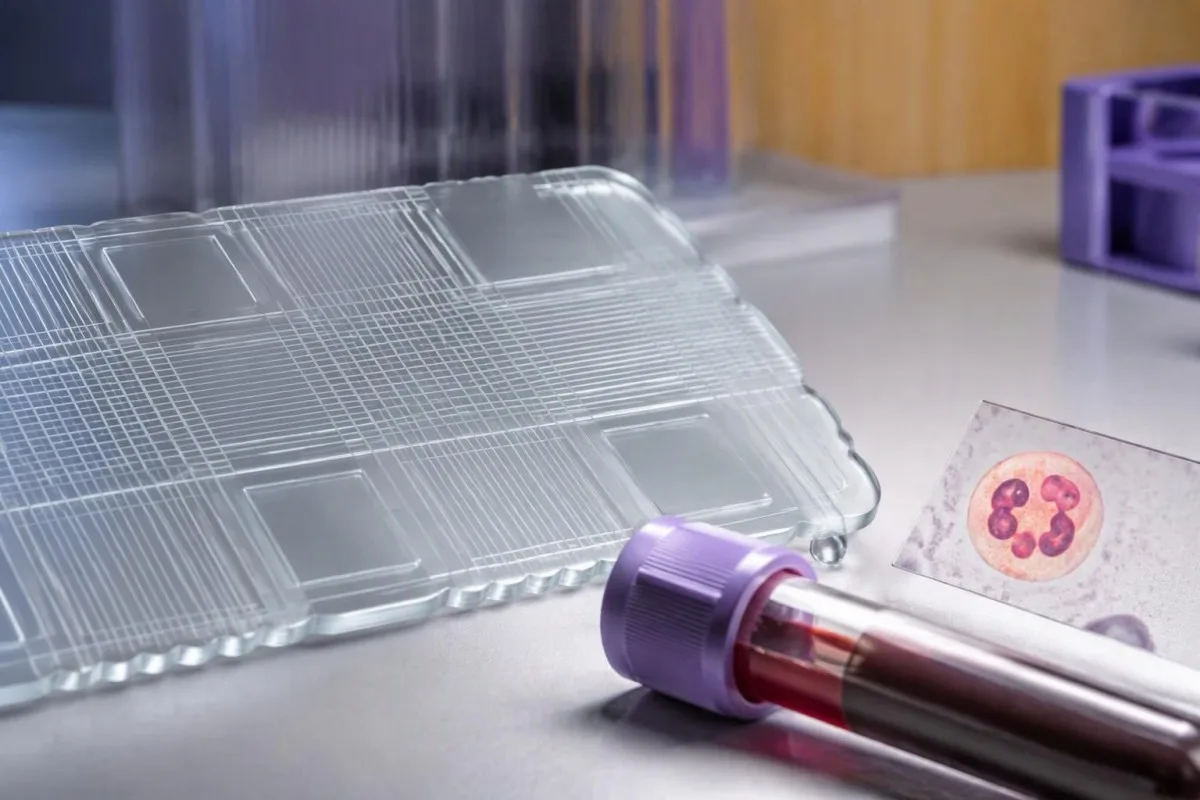
Shumica e laboratorëve modernë raportojnë drejtpërdrejt ANC-në, zakonisht si neutrofile, neutrofile absolute ose NEUT#. Nëse nevojitet llogaritja, shumëzoni WBC-në totale me fraksionin e neutrofileve, duke përfshirë format shkopthore kur raportohen veçmas; për shembull, 4,000 qeliza/µL × 0.40 jep një ANC prej 1,600 qelizash/µL, jo 40 qelizash/µL.
Një WBC hipotetike prej 6,000 qelizash/µL me neutrofile në nivelin 15% jep një ANC prej 900 qelizash/µL, pavarësisht se WBC-ja totale mund të jetë brenda intervalit të referencës së laboratorit. Kjo mospërputhje shpjegon pse udhëzuesi për intervalin e referencës së neutrofileve dallon numërimin absolut nga përqindja e formulës leukocitare.
Shënimi dhjetor mund të shkaktojë keqkuptime të rrezikshme: 0.8 × 10⁹/L do të thotë 800 qeliza/µL, ndërsa 8.0 × 10⁹/L do të thotë 8,000 qeliza/µL. Krahasoni raportin origjinal, datën e marrjes së mostrës dhe njësitë—jo një pamje ekrani të prerë ose një numër të futur manualisht—dhe kërkojini laboratorit ose ekipit të monitorimit të sqarojë çdo paqartësi përpara se rezultati të përdoret për përshkrimin e barit.
| Niveli | Intervali | Çfarë do të thotë |
|---|---|---|
| Mbi pragun konvencional të neutropenisë | ≥1.5 × 10⁹/L; ≥1,500 qeliza/µL | Usually outside the conventional adult neutropenia definition; this is not a universal laboratory reference interval or dispensing rule. |
| Neutropenia e lehtë | 1.0–1.499 × 10⁹/L; 1,000–1,499 cells/µL | Requires interpretation against baseline, symptoms and the applicable clozapine pathway. |
| Neutropenia e moderuar | 0.5–0.999 × 10⁹/L; 500–999 cells/µL | Often requires urgent prescriber review; treatment actions differ for general and documented Duffy-null pathways. |
| Neutropenia e rëndë | <0.5 × 10⁹/L; <500 cells/µL | High-risk finding requiring urgent clinical management, usually hematology involvement and clinician-directed interruption. |
Cilat rezultate të ANC-së e ndryshojnë trajtimin sipas protokollit në SHBA?
The US general-population pathway usually permits clozapine initiation at ANC ≥1,500 cells/µL. During treatment, ANC of 1,000–1,499 cells/µL can allow continuation with intensified monitoring; 500–999 cells/µL generally requires interruption when clozapine-induced neutropenia is suspected. These are clinician actions, not instructions for patients to adjust medication.
For mild neutropenia, the US prescribing-information approach commonly increases ANC checks to 3 times weekly until recovery to at least 1,500 cells/µL. Correll et al. (2022), in CNS Drugs, reproduce these management pathways and emphasize that clozapine's substantial psychiatric benefits must be considered alongside hematological risk rather than treating every low result identically.
For ANC of 500–999 cells/µL in the general pathway, clinicians usually arrange hematology input and daily testing initially, with treatment resumption considered after recovery according to the label. A repeat sample can clarify an unexpected result, but a symptomatic patient or a rapidly falling count should not wait 24 hours merely to obtain a more convenient number.
A count below 500 cells/µL enters the severe-neutropenia pathway, where any later rechallenge requires an explicit specialist risk–benefit decision. Total WBC or CRP cannot substitute for ANC; our explanation of mospërputhjen WBC dhe CRP shows why apparently reassuring results elsewhere in the panel do not cancel a low neutrophil count.
| Niveli | Intervali | Çfarë do të thotë |
|---|---|---|
| US general-pathway initiation threshold | ANC ≥1,500 cells/µL | Usually eligible for initiation from a hematological perspective, subject to the full prescribing assessment. |
| Mild neutropenia during treatment | ANC 1,000–1,499 cells/µL | Treatment can often continue under prescriber direction with ANC monitoring 3 times weekly. |
| Moderate neutropenia during treatment | ANC 500–999 cells/µL | Usually interrupt if clozapine-induced neutropenia is suspected; obtain hematology advice and intensified monitoring. |
| Severe neutropenia during treatment | ANC <500 cells/µL | Interrupt under urgent clinical management; any future rechallenge needs specialist justification. |
Si i ndryshon vendimet një numër i lidhur me Duffy-null?
Documented Duffy-null-associated neutrophil counts can justify lower clozapine ANC thresholds because a stable lower circulating count does not necessarily indicate impaired immunity. US prescribing information has historically called this the benign ethnic neutropenia, or BEN, pathway; its usual initiation threshold is ANC ≥1,000 cells/µL with at least 2 baseline measurements.
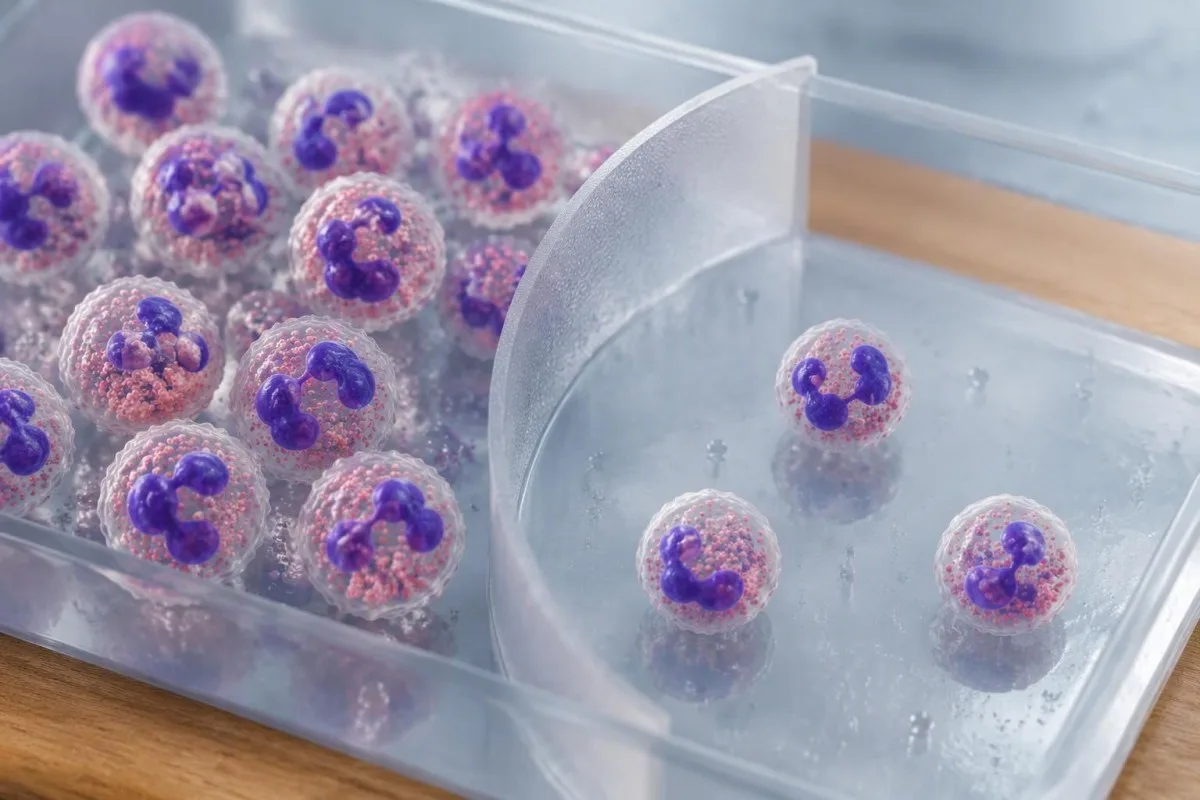
Under the US documented BEN pathway, an ANC of 500–999 cells/µL may permit continued clozapine with hematology consultation and monitoring 3 times weekly. This differs from the general pathway at the same number; the distinction must already be established clinically, not inferred after an alarming result simply to avoid an interruption.
Ancestry is not a diagnostic test for Duffy-null status, and 2 people with similar ancestry may have different baseline ANC patterns. Our Duffy-null count explanation discusses phenotype or genotype evidence, historical counts and assessment for other causes; genetic testing is not universally required, but a clinician-documented explanation is needed for an alternative treatment pathway.
A hypothetical stable baseline of 1,200 cells/µL does not make a new fall to 450 cells/µL harmless: that result meets the severe-neutropenia threshold even in the US BEN pathway. Fever, recurrent unusual infections, anemia or low platelets also weakens the assumption that a low ANC is an isolated constitutional finding and warrants a broader assessment.
Sa i madh është rreziku i neutropenisë nga klozapina me kalimin e kohës?
Clozapine neutropenia risk is concentrated early in treatment, especially during the first 18 weeks to 6 months, but it does not disappear later. Correll et al. (2022) describe agranulocytosis as affecting approximately 1% of treated patients; estimates vary across populations, monitoring systems and definitions, so this is not an individual prediction.

Approximately 1% means roughly 1 in 100 treated people in that broad estimate, not a 1% risk every month and not a 1% risk after every dose. Mild neutropenia is more frequent than agranulocytosis, and studies that combine the two outcomes can make the risk of life-threatening neutrophil depletion appear larger than it actually is.
Early intensive testing reflects the concentration of events during the first 6 months, rather than an assumption that each additional tablet causes predictable cumulative marrow damage. Severe clozapine-associated neutropenia is not reliably prevented by choosing a low dose alone, and a previously normal count cannot guarantee that the next count will remain normal.
After 2 years of stable treatment, the absolute risk is generally much lower than during initiation, which helps explain proposals for less frequent routine testing. Late neutropenia still needs investigation for medication effects, illness and marrow disease; our guide to testimin e infeksioneve të shpeshta explains why symptoms and other cell lines can reveal risks that an ANC-only schedule misses.
Cili është orari i monitorimit të klozapinës në SHBA pas REMS?
The US prescribing-information ANC schedule generally remains weekly for 6 months, every 2 weeks for the next 6 months, then monthly. The FDA removed the clozapine REMS on June 13, 2025, ending its enrollment and ANC-reporting requirements; that administrative change did not remove the clinical recommendation to monitor neutrophils.

The FDA's 2025 clozapine REMS removal communication separates access restrictions from safe prescribing: prescribers, pharmacies and patients no longer need to participate in that federal registry. A pharmacy no longer needs the former REMS dispensing authorization, but the prescriber may still require a recent ANC and a local service may still use an electronic safety workflow.
For a hypothetical patient completing 6 months without a concerning ANC event, the usual label pathway moves from weekly to every-2-week monitoring rather than immediately to monthly testing. Neutropenia, a treatment interruption or a relevant medication change can alter that plan; ask which event starts the next monitoring period instead of counting months independently.
Kantesti can help explain a trend across 3 dated ANC reports, but our platform does not determine the next legally or clinically acceptable dispensing date. Our udhëzuesi ynë për trendin e sigurisë së medikamenteve explains why the original collection dates and the prescribing team's schedule must remain attached to any AI-generated summary.
Pse shërbimet e monitorimit në Mbretërinë e Bashkuar mund të përdorin një orar të ndryshëm?
Traditional UK clozapine monitoring pathways use weekly testing for 18 weeks, every 2 weeks until 1 year, then every 4 weeks. UK dispensing has also depended on product-linked monitoring-service clearance; revised recommendations and local implementation can change the pathway, so the patient's own service must confirm the schedule and action thresholds.

An older UK pathway may classify ANC of 1.5–2.0 × 10⁹/L as amber and below 1.5 × 10⁹/L as red in patients without an approved lower-baseline pathway. Those thresholds are not interchangeable with the US continuation algorithm, and legacy UK systems may also consider total WBC; the relevant service must state which rules it currently applies.
Every 4 weeks means every 28 days, not simply once in each calendar month, so a missed appointment can affect a supply window even when the previous result was satisfactory. A useful baseline testing plan should include who books the sample, who receives it and who contacts the patient if the monitoring service cannot release medication.
Administrative alerts can arise from an overdue sample, an unprocessed sample or a genuinely low count—3 different problems with different solutions. Contact the prescribing team and pharmacy promptly if supply is threatened; do not stretch doses, borrow tablets or assume that a policy change in another country has automatically changed your own monitoring-service rules.
Çfarë ndryshoi në rekomandimet e rishikuara evropiane për ANC-në?
Revised European recommendations allow less frequent ANC testing in eligible stable patients: weekly for 18 weeks, monthly through the first year, every 12 weeks after 1 year and annually after 2 years. These longer intervals depend on the specified absence of neutropenia and the locally implemented product information; they are not a universal schedule.
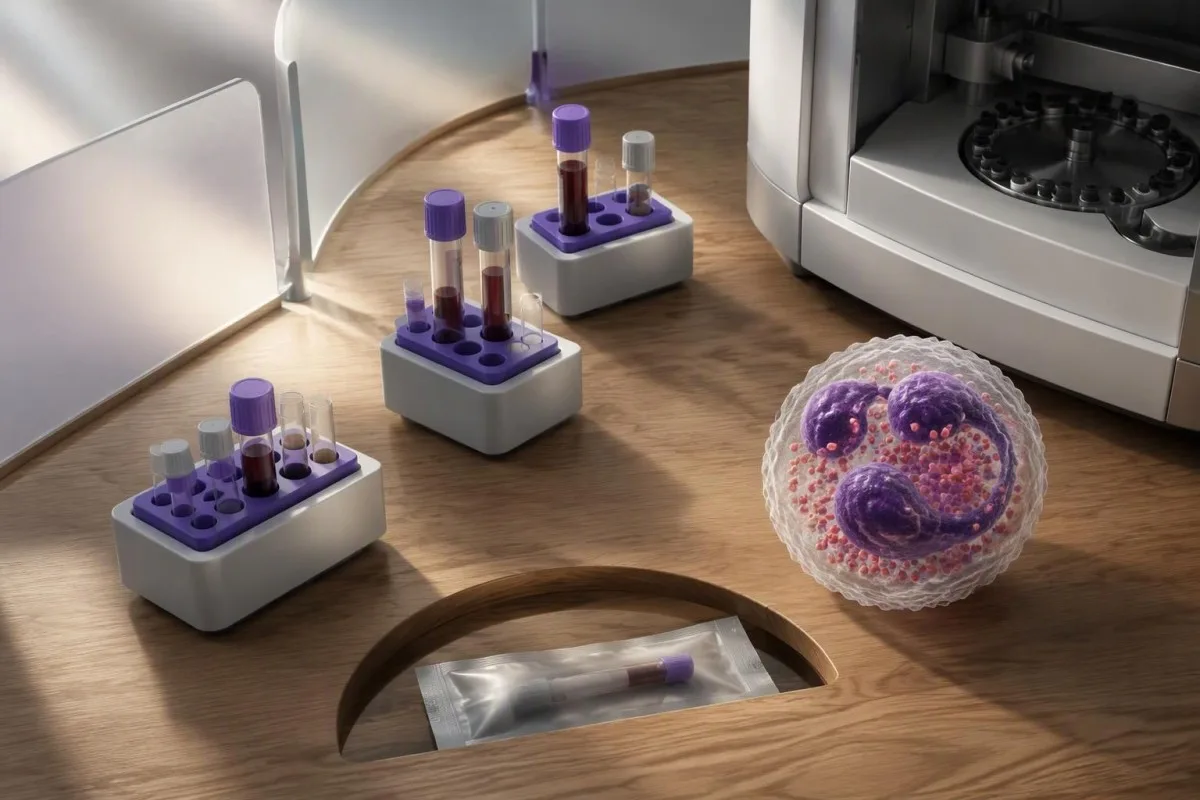
The European Medicines Agency's 2025 communication on revised routine blood count monitoring shifts the principal hematological measure toward ANC rather than combined WBC and ANC surveillance. The revised approach generally uses baseline ANC of at least 1,500 cells/µL, or at least 1,000 cells/µL in an established BEN pathway, while lowering some treatment-interruption thresholds compared with older European systems.
In the revised European approach, ANC below 1,000 cells/µL generally triggers stopping treatment in the standard pathway, whereas below 500 cells/µL is the corresponding threshold for an established BEN pathway. Results above those stopping thresholds can still require intensified surveillance; a hypothetical count of 1,100 cells/µL is not a reason to ignore a new downward trend.
Country authorization, the particular product information and service implementation can differ, even when patients have each taken clozapine for 2 years. Our guide to blood-test timing and changes explains why historical stability matters; obtain written confirmation before assuming that an annual European schedule applies to a UK, US or other national pathway.
Çfarë duhet të ndodhë pas një rezultati të papritur të ulët të ANC-së?
An unexpected low ANC needs prompt prescriber review, confirmation when appropriate and assessment for causes other than clozapine. In the US label pathway, an initial ANC below 1,500 cells/µL is generally confirmed within 24 hours, but severe neutropenia or infection symptoms require immediate management rather than waiting for a routine repeat.
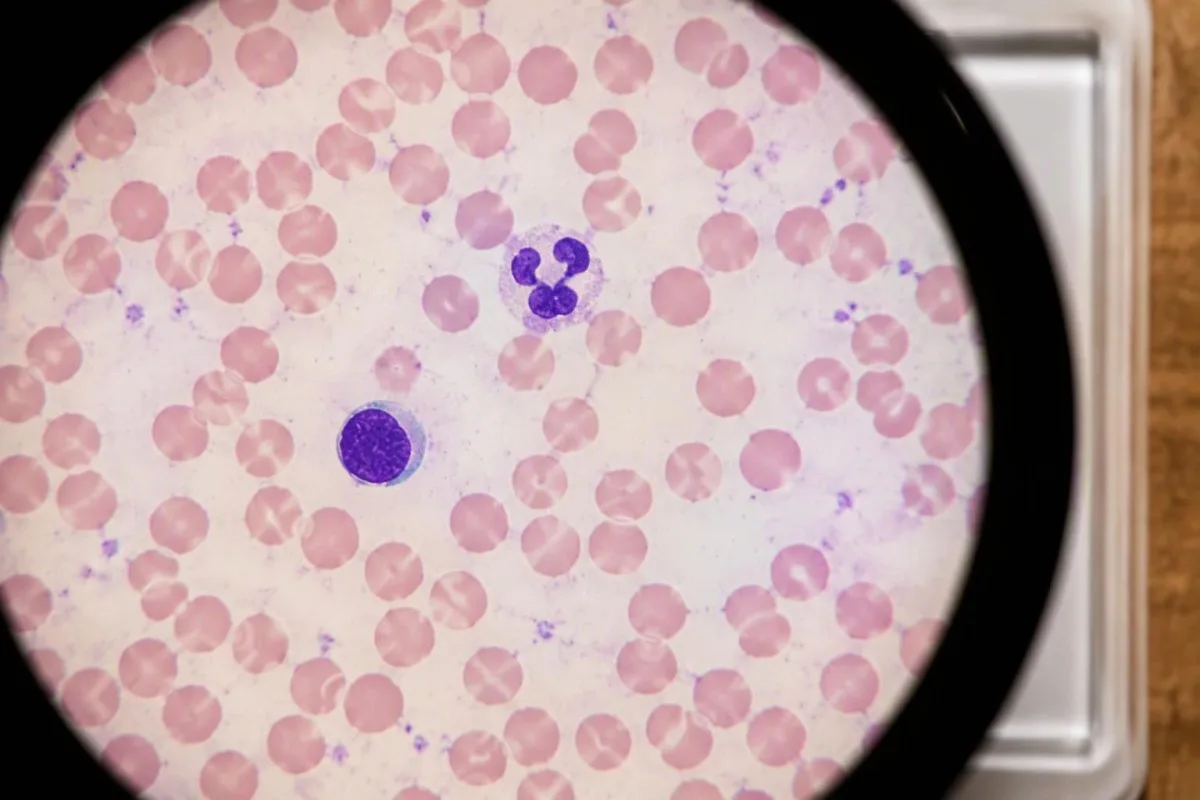
Recent viral illness, other medicines, autoimmune disease and nutritional deficiency can all lower ANC; a count of 900 cells/µL establishes neutropenia but does not establish its cause. Clinicians review the timing of drug exposure and may examine hemoglobin, platelets and a cell sample slide; concurrent abnormalities can justify evaluation for possible marrow disorders.
Kantesti is an AI blood test interpretation platform that can place an ANC of 0.9 × 10⁹/L beside platelet and hemoglobin trends, while leaving causation and medication decisions to clinicians. Our broader udhëzuesi për markerët e hematologjisë explains why a normal red-cell result does not erase an isolated neutrophil problem.
Sampling time and temporary physiological variation can affect a borderline result, but there is no safe rule that an afternoon repeat will always normalize an ANC of 1,400 cells/µL. If a clinician requests a repeat at a consistent time, follow that plan without delaying necessary care; exercise, supplements or deliberate timing changes should not be used to manipulate a treatment-clearance result.
Cilat simptoma të infeksionit kërkojnë vlerësim urgjent?
During clozapine treatment, fever of 38.0°C or higher, new sore throat, mouth sores, shaking chills or sudden marked illness warrants urgent same-day clinical assessment. A known ANC below 500 cells/µL makes possible infection especially urgent. Confusion, breathing difficulty, fainting or rapidly worsening illness requires emergency help, regardless of the last count.
Formal febrile-neutropenia definitions often use a single temperature of at least 38.3°C or at least 38.0°C sustained for 1 hour, together with severe or impending severe neutropenia. Those definitions support clinical classification—not a home instruction to wait an hour; tell the urgent-care team that you take clozapine and provide your last ANC if available.
An ANC of 2,000 cells/µL measured 7 days ago cannot exclude a new fall today, and severe neutropenia can weaken usual local signs such as redness or discharge. Assessment may include an urgent CBC with differential, cultures and examination; our procalcitonin interpretation guide explains why a low infection biomarker cannot independently rule out an early serious infection.
New fever may also signal pneumonia, myocarditis or another illness that raises clozapine concentrations, creating 2 linked safety questions: immune protection and medication toxicity. Call the prescribing team's urgent number immediately for advice about the next dose; if you cannot reach them promptly while significantly unwell, seek urgent care rather than waiting for an app interpretation or routine appointment.
Si ndikojnë barnat e tjera, pirja e duhanit dhe sëmundja te monitorimi?
Other medicines can increase neutropenia risk or change clozapine concentrations, and those are different problems requiring different tests. ANC is measured in cells/µL, whereas clozapine concentration is commonly measured in ng/mL; a normal ANC does not exclude excessive drug exposure, and a therapeutic concentration does not exclude neutropenia.

Carbamazepine is generally avoided with clozapine because of marrow-suppression risk and clinically relevant interactions; concurrent valproate has also been associated with neutropenia in observational studies. A hypothetical ANC decline from 2,600 to 1,300 cells/µL after adding another medicine warrants a complete medication review, not a conclusion that clozapine is necessarily the sole cause; valproate level interpretation addresses the separate issue of drug exposure.
Stopping combustible smoking can raise clozapine concentrations because smoke components—not nicotine itself—induce CYP1A2 metabolism. A person who stops smoking during a 3-day hospital admission may therefore need prescriber-directed concentration monitoring and dose review; our nicotine test explanation clarifies why cotinine alone does not measure the smoke-related enzyme effect.
Kantesti can explain why an ANC of 2,100 cells/µL and a clozapine level of 900 ng/mL describe different risks, but we cannot select a safer dose. Fever, major caffeine changes and interacting medicines such as ciprofloxacin can alter exposure; report new excessive sedation, confusion or muscle jerks promptly, even if the neutrophil result is reassuring.
Çfarë ndodh pas analizave të humbura ose ndërprerjes së trajtimit?
A missed ANC appointment can create a supply problem, while a clozapine treatment break can create a separate restarting hazard. After more than 48 hours without clozapine, many protocols require supervised re-titration beginning at 12.5 mg once or twice daily rather than immediate return to the previous dose; exact instructions depend on the prescribing information.
Tolerance to clozapine's blood-pressure effects can be lost quickly, so restarting a previous 300 mg daily regimen after a break may cause profound hypotension or collapse. US prescribing information also specifies reduced restart doses for shorter interruptions; patients should contact the prescribing team after missed doses rather than using a remembered 48-hour rule to decide what to take.
A treatment break does not always reset ANC surveillance to the beginning, because monitoring rules depend on interruption duration and the reason treatment stopped. In the US normal-ANC pathway, interruptions of 30 days or longer generally return patients to initiation-style monitoring; national monitoring services may use different interruption rules, especially after an abnormal count.
After a hypothetical 5-day admission, confirm the last dose, current prescription, latest ANC and who will supervise the next dose before leaving hospital. Our explanation of rezultateve pas shkarkimit nga spitali helps organize altered laboratory values, but it cannot reconcile prescriptions or authorize restarting after neutropenia.
Çfarë nuk arrin të zbulojë monitorimi i ANC-së për sigurinë e klozapinës?
ANC monitoring does not detect clozapine-related myocarditis, constipation, metabolic complications or excessive drug concentrations. Some initiation protocols add weekly troponin and CRP during the first 4 weeks, while ongoing care assesses bowel function, weight, glucose and lipids. A satisfactory ANC therefore confirms only one part of medication safety.
New chest pain, breathlessness or persistent unexplained tachycardia during the first 4 weeks needs prompt clinical assessment rather than reassurance from a normal ANC. Troponin and CRP can support a myocarditis investigation, but thresholds and screening practices vary; our myocarditis testing explanation describes why laboratory results must be interpreted with symptoms and cardiac evaluation.
Clozapine-related bowel slowing can become dangerous even when stool is still passing, and severe abdominal pain, distension or vomiting requires urgent assessment. Record bowel frequency and stool consistency rather than asking only whether constipation is present; the konsistencën e feçeve provides a shared description, while a change lasting 48 hours should prompt contact according to the patient's bowel-management plan.
Correll et al. (2022) describe a clozapine plasma reference range of approximately 350–600 ng/mL for many treatment-response decisions, while emphasizing individual variation and adverse effects. That range is not an ANC target or a universal safe-dose boundary; concentration samples usually need defined timing relative to the last dose, whereas routine ANC collection generally does not require a trough sample.
Si duhet të përgatiteni për kontrollin e ardhshëm të trajtimit me klozapinën?
Bring the latest ANC, its units, earlier counts and a complete medication list to every clozapine review. Ask which national and service-specific pathway applies, what happens below its thresholds and whom to contact urgently. Keeping at least 3 dated results available helps distinguish a stable baseline from a new decline.

For a hypothetical sequence of 2,400, 1,900 and 1,400 cells/µL, useful questions concern the trend, recent illness, interacting medicines and the required next sample—not simply whether the latest value is red. Also ask who receives results outside office hours and whether the pharmacy needs monitoring-service clearance; these practical details can prevent an avoidable treatment gap.
Kantesti is an AI biomarker interpretation platform that helps translate an ANC of 1.4 × 10⁹/L into an understandable count and a list of clinician questions. Our teknike dhe klinike describes the boundaries of interpretation; it does not establish that an automated answer is a validated clozapine prescribing decision or a substitute for hematology advice.
Kantesti's educational workflow should preserve 3 essentials: the source result, the applicable clinical protocol and the human decision-maker. Our parime të inteligjencës artificiale të përgjegjshme explain why urgent symptoms take priority over automated analysis, while our informacionin për privatësinë dhe të dhënat explains considerations when sharing sensitive psychiatric and laboratory records.
Publikime kërkimore dhe kufijtë e provave
The 2 Kantesti publications listed in the research publication section concern digestive symptoms and women's health, not clozapine ANC thresholds or monitoring schedules. Their Figshare DOIs identify those publications but do not establish peer review or provide evidence for clozapine decisions; the directly relevant medical and regulatory sources are listed separately below.
Pyetjet e bëra shpesh
Sa e ulët duhet të jetë numri absolut i neutrofileve (ANC) që të ndërpritet vazhdimi i klozapinës?
The ANC threshold for continuing clozapine depends on the country and the patient's documented baseline pathway. In the US general pathway, ANC of 1,000–1,499 cells/µL can allow continuation with increased monitoring, while 500–999 cells/µL usually requires interruption when clozapine-induced neutropenia is suspected. A documented BEN or Duffy-null-associated pathway can permit continuation at 500–999 cells/µL under specialist supervision. ANC below 500 cells/µL requires urgent clinical management; patients should obtain immediate prescriber instructions rather than change treatment themselves.
A kam ende nevojë për analiza gjaku të ANC-së pasi u hoq REMS-i i klozapinës?
0 Po, heqja e programit amerikan Clozapine REMS nuk e hoqi rekomandimin klinik për monitorimin e ANC-së. FDA-ja e hoqi regjistrin më 13 qershor 2025, duke i dhënë fund kërkesave për regjistrim, raportim dhe autorizim të dhënies së barit. Skema në informacionin e përshkrimit të barit përgjithësisht mbetet javore për 6 muaj, çdo 2 javë për 6 muajt vijues dhe më pas mujore. Mjeku që ju përshkruan barin mund të kërkojë analiza shtesë pas neutropenisë, një ndërprerjeje ose një ndryshimi tjetër klinik të rëndësishëm.
Why is my clozapine blood test schedule different from someone else's?
Oraret e analizave të gjakut për klozapinën ndryshojnë, sepse informacioni kombëtar i produktit, shërbimet e monitorimit, kohëzgjatja e trajtimit dhe episodet e mëparshme me ANC nuk janë të njëjta. Rrugët tradicionale në Mbretërinë e Bashkuar parashikojnë analiza çdo javë për 18 javë, çdo dy javë deri në 1 vit dhe më pas çdo 4 javë. Rekomandimet e rishikuara evropiane mund të lejojnë analiza çdo 12 javë pas 1 viti dhe analiza vjetore pas 2 vitesh te pacientët e qëndrueshëm që plotësojnë kriteret, në varësi të zbatimit vendor. Kërkojini shërbimit tuaj të përshkrimit të konfirmojë orarin që zbatohet për ju përpara se të ndryshoni ndonjë takim.
A mund të shkaktojë klozapina neutropeni pas vitesh me rezultate normale?
Neutropenia e shoqëruar me klozapinën mund të shfaqet pas vitesh me rezultate normale, megjithëse rreziku është shumë më i lartë gjatë fazës së hershme të trajtimit. 18 javët e para deri në 6 muaj përbëjnë pjesën më të madhe të rasteve të rënda. Një numër i ulët i ri pas 2 vjetësh kërkon ende vlerësim të klozapinës, barnave të tjera, infeksionit dhe gjendjeve të palcës së kockave ose autoimune. Një ANC që më parë ka qenë qetësues nuk e eliminon nevojën për vlerësim urgjent kur shfaqet ethe ose sëmundje e papritur.
Çfarë duhet të bëj nëse kam ethe ndërsa marr klozapinën?
Një temperaturë prej 38.0°C ose më e lartë gjatë marrjes së klozapinës kërkon vlerësim urgjent klinik po atë ditë, sidomos nëse shoqërohet me dhimbje fyti, plagë në gojë, të dridhura të forta ose dobësi të theksuar. Tregojini klinicistit se merrni klozapinë dhe jepini vlerën tuaj më të fundit të ANC-së, nëse e keni. Një ANC e njohur nën 500 qeliza/µL e bën infeksionin e mundshëm veçanërisht urgjent, ndërsa konfuzioni, vështirësia në frymëmarrje ose kolapsi kërkojnë ndihmë urgjente. Kërkoni menjëherë këshillë nga përshkruesi për dozën e radhës, në vend që të prisni testin rutinë të radhës ose ta ndryshoni vetë mjekimin.
A mund ta rifilloj dozën time të zakonshme të klozapinës pasi e kam ndërprerë për dy ditë?
Nuk duhet ta rifilloni dozën tuaj të zakonshme të klozapinës pas një ndërprerjeje të trajtimit pa udhëzime nga ekipi përshkrues. Pas më shumë se 48 orësh pa trajtim, shumë protokolle kërkojnë rititrim duke filluar me 12.5 mg një ose dy herë në ditë, sepse toleranca ndaj efekteve në presionin e gjakut mund të humbasë. Disa informacione të përshkrimit kërkojnë gjithashtu doza të reduktuara pas ndërprerjeve më të shkurtra. Kontaktoni menjëherë ekipin, pasi plani i duhur i rifillimit dhe orari i ANC-së varen nga kohëzgjatja dhe arsyeja e saktë e ndërprerjes.
A do të thotë një numër normal i qelizave të bardha të gjakut se ANC-ja ime gjatë trajtimit me klozapinën është në nivele të sigurta?
Një numër total normal i rruazave të bardha të gjakut nuk garanton që ANC-ja është e përshtatshme për trajtimin me klozapin. Për shembull, një WBC prej 6,000 qelizash/µL me 15% neutrofile jep një ANC prej 900 qelizash/µL. Vendimet për trajtimin kërkojnë numrin absolut të neutrofileve, protokollin përkatës dhe kontekstin klinik, jo vetëm WBC-në. Një ANC normale gjithashtu nuk mund të përjashtojë miokarditin, ngadalësimin e rëndë të zorrëve ose përqendrimet e tepërta të klozapinës.
Merrni shpjegimin e rezultateve të analizave të gjakut
Ngarkoni raportin tuaj laboratorik dhe AI e Kantesti shpjegon çdo biomarker me gjuhë të thjeshtë brenda pak sekondash. Përdoret nga më shumë se 2 milionë njerëz në mbarë botën.
Referencat
- Klein, T., Mitchell, S., & Weber, H. (2026). Diarre pas agjërimit, pika të zeza në feçe dhe udhëzuesi GI 2026. Kërkim mjekësor me Kantesti AI. DOI
- Klein, T., Mitchell, S., & Weber, H. (2026). Udhëzuesi për shëndetin e grave: ovulacioni, menopauza dhe simptomat hormonale. Kërkim mjekësor me Kantesti AI. DOI
- Correll CU et al. (2022). A Guideline and Checklist for Initiating and Managing Clozapine Treatment in Patients with Treatment-Resistant Schizophrenia. CNS Drugs. DOI
- US Food and Drug Administration (2025). FDA removes risk evaluation and mitigation strategy (REMS) program for the antipsychotic drug Clozapine. FDA Drug Safety and Availability.
- European Medicines Agency (2025). Clozapine: revised recommendations for routine blood count monitoring. Direct healthcare professional communication.
- 2M+Analizat e kryera
- 127+Vendet
- 100+Gjuhët
Rreth ekipit mjekësor


Sinjalet e Besimit E-E-A-T
Përvoja
Rishikim klinik i udhëhequr nga mjeku i flukseve të punës për interpretimin e analizave.
Ekspertizë
Fokus i mjekësisë laboratorike mbi mënyrën se si sillen biomarkerët në kontekstin klinik.
Autoritariteti
Rishikuar nga ana mjekësore nga Dr. Thomas Klein, me kontribute nga Dr. Sarah Mitchell dhe Prof. Dr. Hans Weber.
Besueshmëria
Interpretim i bazuar në prova, me rrugë të qarta për ndjekje për të reduktuar alarmin.





Mohim përgjegjësie mjekësore
Ky artikull është vetëm për qëllime edukative dhe nuk përbën këshilla mjekësore. Gjithmonë konsultohuni me një ofrues të kualifikuar të kujdesit shëndetësor për vendimet e diagnozës dhe trajtimit.
Botuar · Kontaktoni ekipin redaktues
Botuar nga Kantesti Ltd, e regjistruar në Angli dhe Uells, nr. i kompanisë. 17090423, Londër, Mbretëria e Bashkuar.
