ಕ್ಲೋಜಪಿನ್ ಮೇಲ್ವಿಚಾರಣೆಯಲ್ಲಿ ಅಪಾಯಕಾರಿ ನ್ಯೂಟ್ರೋಪೀನಿಯಾವನ್ನು ಪತ್ತೆಹಚ್ಚಲು ಸಂಪೂರ್ಣ ನ್ಯೂಟ್ರೋಫಿಲ್ ಎಣಿಕೆ (ANC) ಬಳಸಲಾಗುತ್ತದೆ; ಕಡಿಮೆ ಫಲಿತಾಂಶಗಳು ಹೆಚ್ಚುವರಿ ಪರೀಕ್ಷೆ, ತಜ್ಞರ ಪರಿಶೀಲನೆ ಅಥವಾ ವೈದ್ಯರ ನಿರ್ದೇಶನದ ಚಿಕಿತ್ಸಾ ವಿರಾಮಕ್ಕೆ ಕಾರಣವಾಗಬಹುದು. ದೇಶ ಮತ್ತು ಚಿಕಿತ್ಸೆಯ ಹಂತಕ್ಕೆ ಅನುಗುಣವಾಗಿ ವೇಳಾಪಟ್ಟಿಗಳು ಬದಲಾಗುತ್ತವೆ. ಜ್ವರ, ಗಂಟಲು ನೋವು ಅಥವಾ ಹಠಾತ್ ಅನಾರೋಗ್ಯಕ್ಕೆ ತುರ್ತು ಮೌಲ್ಯಮಾಪನ ಅಗತ್ಯ—ಫಲಿತಾಂಶವು ಸಮಾಧಾನಕರವಾಗಿದ್ದರೂ ಸಹ. ಕ್ಲೋಜಪಿನ್ ಚಿಕಿತ್ಸೆಯನ್ನು ನೀವೇ ಬದಲಾಯಿಸಬೇಡಿ.

ಪ್ರಮುಖ ಅಂಶಗಳು
- ANC ಘಟಕಗಳು: 1.0 × 10⁹/L ಎಂದರೆ 1,000 ಕೋಶಗಳು/µL; ಚಿಕಿತ್ಸೆಯ ಮಿತಿಗಳೊಂದಿಗೆ ಫಲಿತಾಂಶಗಳನ್ನು ಹೋಲಿಸುವ ಮೊದಲು ಘಟಕಗಳನ್ನು ಪರಿಶೀಲಿಸಿ.
- US ಸಾಮಾನ್ಯ ಮಿತಿಗಳು: ANC 1,000–1,499 ಕೋಶಗಳು/µL ಇದ್ದರೆ ಹೆಚ್ಚಿದ ಮೇಲ್ವಿಚಾರಣೆಯೊಂದಿಗೆ ಚಿಕಿತ್ಸೆಯನ್ನು ಮುಂದುವರಿಸಬಹುದು; ಕ್ಲೋಜಪಿನ್ನಿಂದ ಉಂಟಾದ ನ್ಯೂಟ್ರೋಪೀನಿಯಾ ಶಂಕಿತವಾಗಿದ್ದರೆ 500–999 ಕೋಶಗಳು/µL ಸಾಮಾನ್ಯವಾಗಿ ವೈದ್ಯರ ನಿರ್ದೇಶನದ ಚಿಕಿತ್ಸಾ ವಿರಾಮಕ್ಕೆ ಕಾರಣವಾಗುತ್ತದೆ.
- ತೀವ್ರ ನ್ಯೂಟ್ರೋಪೀನಿಯಾ: ANC 500 ಕೋಶಗಳು/µL ಗಿಂತ ಕಡಿಮೆಯಿದ್ದರೆ ತುರ್ತು ವೈದ್ಯಕೀಯ ನಿರ್ವಹಣೆ ಅಗತ್ಯ; ಸಾಮಾನ್ಯವಾಗಿ ಚಿಕಿತ್ಸೆ ನಿಲ್ಲಿಸಿ ಹೆಮಟಾಲಜಿ ತಜ್ಞರನ್ನು ಒಳಗೊಳ್ಳಬೇಕು.
- ಡಫಿ-ನಲ್ ಎಣಿಕೆಗಳು: ದಾಖಲಾಗಿರುವ ಡಫಿ-ನಲ್-ಸಂಬಂಧಿತ ನ್ಯೂಟ್ರೋಫಿಲ್ ಎಣಿಕೆಯು ವಿಭಿನ್ನ ಚಿಕಿತ್ಸಾ ಮಾರ್ಗಕ್ಕೆ ಆಧಾರವಾಗಬಹುದು; ವಂಶಪಾರಂಪರ್ಯವೊಂದೇ ಅರ್ಹತೆಯನ್ನು ಸ್ಥಾಪಿಸುವುದಿಲ್ಲ.
- US ವೇಳಾಪಟ್ಟಿ: ಔಷಧ ಸೂಚನಾ ಮಾಹಿತಿಯ ಪ್ರಕಾರ ಮೇಲ್ವಿಚಾರಣೆ ಸಾಮಾನ್ಯವಾಗಿ 6 ತಿಂಗಳವರೆಗೆ ವಾರಕ್ಕೊಮ್ಮೆ, ನಂತರ 6 ತಿಂಗಳವರೆಗೆ 2 ವಾರಗಳಿಗೊಮ್ಮೆ, ಆಮೇಲೆ ಮಾಸಿಕವಾಗಿ ಆರಂಭವಾಗುತ್ತದೆ.
- ಆಡಳಿತಾತ್ಮಕ ಬದಲಾವಣೆಗಳು: FDA 2025ರ ಜೂನ್ 13ರಂದು US clozapine REMS ಅನ್ನು ತೆಗೆದುಹಾಕಿತು; ಇದರಿಂದ ನೋಂದಣಿ ಅಗತ್ಯಗಳು ತೆಗೆದುಹಾಕಲ್ಪಟ್ಟವು, ಆದರೆ ANC ಮೇಲ್ವಿಚಾರಣೆಯ ವೈದ್ಯಕೀಯ ಅಗತ್ಯವಲ್ಲ.
- ಅಂತರರಾಷ್ಟ್ರೀಯ ವೇಳಾಪಟ್ಟಿಗಳು: ಸಾಂಪ್ರದಾಯಿಕ UK ಮಾರ್ಗಗಳಲ್ಲಿ 18 ವಾರಗಳವರೆಗೆ ವಾರಕ್ಕೊಮ್ಮೆ ಪರೀಕ್ಷೆ, 1 ವರ್ಷದವರೆಗೆ ಎರಡು ವಾರಗಳಿಗೊಮ್ಮೆ ಪರೀಕ್ಷೆ, ನಂತರ ಪ್ರತಿ 4 ವಾರಗಳಿಗೊಮ್ಮೆ ಪರೀಕ್ಷೆ ಬಳಸಲಾಗುತ್ತದೆ; ಪರಿಷ್ಕೃತ ಯುರೋಪಿಯನ್ ಶಿಫಾರಸುಗಳು ಅರ್ಹ ಸ್ಥಿರ ರೋಗಿಗಳಲ್ಲಿ ದೀರ್ಘ ಅಂತರಗಳಿಗೆ ಅನುಮತಿ ನೀಡಬಹುದು.
- ತುರ್ತು ಲಕ್ಷಣಗಳು: 38.0°C ಅಥವಾ ಅದಕ್ಕಿಂತ ಹೆಚ್ಚಿನ ಜ್ವರ, ಹೊಸದಾಗಿ ಕಾಣಿಸಿಕೊಂಡ ಗಂಟಲು ನೋವು, ಬಾಯಿಯ ಹುಣ್ಣುಗಳು, ನಡುಕದೊಂದಿಗೆ ಶೀತ ಅಥವಾ ಹಠಾತ್ ತೀವ್ರ ಅನಾರೋಗ್ಯ ಕಂಡುಬಂದರೆ ಅದೇ ದಿನ ತುರ್ತು ಮೌಲ್ಯಮಾಪನ ಅಗತ್ಯ. ಗೊಂದಲ, ಉಸಿರಾಟದ ತೊಂದರೆ ಅಥವಾ ಕುಸಿದು ಬೀಳುವಿಕೆ ಕಂಡುಬಂದರೆ ತುರ್ತು ಸಹಾಯ ಪಡೆಯಬೇಕು.
ಕ್ಲೋಜಪಿನ್ ಮೇಲ್ವಿಚಾರಣೆಯು ವಾಸ್ತವವಾಗಿ ಯಾವುದನ್ನು ನಿರ್ಧರಿಸುತ್ತದೆ?
ಚಿಕಿತ್ಸೆ ಮುಂದುವರಿಸಬಹುದೇ, ಹೆಚ್ಚು ನಿಕಟ ಮೇಲ್ವಿಚಾರಣೆ ಅಗತ್ಯವೇ ಅಥವಾ ಚಿಕಿತ್ಸೆಯನ್ನು ನಿಲ್ಲಿಸಬೇಕೇ ಎಂಬುದನ್ನು ವೈದ್ಯರು ನಿರ್ಧರಿಸಲು ಸಹಾಯವಾಗುವಂತೆ ಕ್ಲೋಜಪೈನ್ ಮೇಲ್ವಿಚಾರಣೆಯಲ್ಲಿ ANC ಫಲಿತಾಂಶಗಳನ್ನು ಬಳಸಲಾಗುತ್ತದೆ. 500 cells/µLಗಿಂತ ಕಡಿಮೆ ANC ಗಂಭೀರ ಸುರಕ್ಷತಾ ಸೂಚನೆಯಾಗಿದೆ; ಆದರೆ ಇದಕ್ಕಿಂತ ಹೆಚ್ಚಿನ ಎಣಿಕೆಗಳಲ್ಲಿನ ನಿರ್ಧಾರಗಳು ದೇಶದ ಪ್ರೋಟೋಕಾಲ್, ಹಿಂದಿನ ಫಲಿತಾಂಶಗಳು ಮತ್ತು ರೋಗಿಯ ದಾಖಲಿತ ಮೂಲಮಟ್ಟವನ್ನು ಅವಲಂಬಿಸಿರುತ್ತವೆ.

ANC ಫಲಿತಾಂಶವೊಂದೇ ಔಷಧ ಸೂಚಿಸುವ ಸೂಚನೆಯಲ್ಲ: ಒಂದು ಮಾರ್ಗದಲ್ಲಿ 1,200 cells/µL ಎಣಿಕೆ ಚಿಕಿತ್ಸೆಯನ್ನು ಮುಂದುವರಿಸಲು ಅನುಮತಿಸಬಹುದು, ಆದರೆ ಇನ್ನೊಂದು ಮಾರ್ಗದಲ್ಲಿ ಬೇರೆ ಪ್ರತಿಕ್ರಿಯೆಗೆ ಕಾರಣವಾಗಬಹುದು. ಆ ಸಂಖ್ಯೆಯನ್ನು ಅರ್ಥೈಸುವ ಮೊದಲು ಸೂಕ್ತ ಪ್ರೋಟೋಕಾಲ್ ಯಾವುದು ಎಂಬುದನ್ನು ಔಷಧ ಸೂಚಿಸುವವರು ಗುರುತಿಸಬೇಕು; UK ಮೇಲ್ವಿಚಾರಣಾ ಸೇವೆಯ ಎಚ್ಚರಿಕೆಗೆ US ಮಿತಿಯನ್ನು ಅನ್ವಯಿಸುವುದರಿಂದ ತಪ್ಪಿಸಬಹುದಾದ ಔಷಧ ಪೂರೈಕೆ ಸಮಸ್ಯೆ ಉಂಟಾಗಬಹುದು.
Kantesti ಒಂದು AI ರಕ್ತ ಪರೀಕ್ಷಾ ವಿಶ್ಲೇಷಕವಾಗಿದ್ದು, ಅದು ANC 1.2 × 10⁹/L ಅನ್ನು 1,200 cells/µL ಎಂದು ವಿವರಿಸಬಹುದು; ಆದರೆ ನಮ್ಮ ವ್ಯಾಖ್ಯಾನವು ಕ್ಲೋಜಪೈನ್ ವಿತರಿಸಲು ಅನುಮತಿ ನೀಡಲಾರದು ಅಥವಾ ಔಷಧ ಸೂಚಿಸುವ ತಂಡದ ಬದಲಿಯಾಗಲಾರದು. ನಮ್ಮ ಕಂಪನಿಯ ಮಾಹಿತಿ ಕ್ಲೋಜಪೈನ್ ಮೇಲ್ವಿಚಾರಣಾ ನೋಂದಣಿಗಿಂತ, ಆ ಶೈಕ್ಷಣಿಕ ಸೇವೆಯನ್ನು ಒದಗಿಸುವ ಸಂಸ್ಥೆಯನ್ನು ಗುರುತಿಸುತ್ತದೆ.
ಎಣಿಕೆ ಚಿಕಿತ್ಸೆಯ ಮಿತಿಯನ್ನು ದಾಟುವ ಮೊದಲೇ ಇಳಿಕೆಯಾಗುತ್ತಿದ್ದರೆ ಗಮನ ನೀಡಬೇಕು: 4,000ರಿಂದ 1,700 cells/µLಗೆ ಇಳಿಕೆಯಾದ ಕಾಲ್ಪನಿಕ ಉದಾಹರಣೆಯು, ದೀರ್ಘಕಾಲದಿಂದ ಸುಮಾರು 1,700ರಲ್ಲಿರುವ ಮೂಲಮಟ್ಟಕ್ಕಿಂತ ಭಿನ್ನವಾಗಿದೆ. ನಮ್ಮ ಮಾರ್ಗದರ್ಶಿ ಗಡಿರೇಖೆಯ ನ್ಯೂಟ್ರೋಫಿಲ್ ಫಲಿತಾಂಶಗಳು ಸಾಮಾನ್ಯ ಏರಿಳಿತಗಳನ್ನು ವಿವರಿಸುತ್ತದೆ; ಆದರೆ ಕ್ಲೋಜಪೈನ್ ಬಳಸುವವರು ಸಾಮಾನ್ಯ ಮರುಪರೀಕ್ಷೆ ವೇಳಾಪಟ್ಟಿಯನ್ನು ಅನುಸರಿಸುವ ಬದಲು ಔಷಧ-ನಿರ್ದಿಷ್ಟ ಸಲಹೆ ಪಡೆಯಬೇಕು.
ANC ಘಟಕಗಳನ್ನು ನೀವು ಹೇಗೆ ಓದುತ್ತೀರಿ ಮತ್ತು ಎಣಿಕೆಯನ್ನು ಹೇಗೆ ಲೆಕ್ಕ ಹಾಕುತ್ತೀರಿ?
ANC ಬಿಳಿ ರಕ್ತಕಣಗಳಲ್ಲಿನ ನ್ಯೂಟ್ರೋಫಿಲ್ಗಳ ಶೇಕಡಾವಾರು ಪ್ರಮಾಣವನ್ನಲ್ಲ, ನ್ಯೂಟ್ರೋಫಿಲ್ಗಳ ಸಂಪೂರ್ಣ ಸಂಖ್ಯೆಯನ್ನು ಅಳೆಯುತ್ತದೆ. ಪರಿವರ್ತನೆ ನಿಖರವಾಗಿದೆ: 1.0 × 10⁹/L ಎಂದರೆ 1,000 cells/µL. ಪ್ರಯೋಗಾಲಯದ ಉಲ್ಲೇಖ ಮಿತಿ ಮತ್ತು ಕ್ಲೋಜಪೈನ್ ಚಿಕಿತ್ಸೆಯ ಮಿತಿ ಎರಡು ವಿಭಿನ್ನ ಪ್ರಶ್ನೆಗಳಿಗೆ ಉತ್ತರಿಸುತ್ತವೆ; ಆದ್ದರಿಂದ ಗುರುತು ಹಾಕಲಾದ ಫಲಿತಾಂಶವೆಂದರೆ ಚಿಕಿತ್ಸೆ ಕಡ್ಡಾಯವಾಗಿ ನಿಲ್ಲಿಸಬೇಕು ಎಂದರ್ಥವಲ್ಲ.
ಹೆಚ್ಚಿನ ಆಧುನಿಕ ಪ್ರಯೋಗಾಲಯಗಳು ANC ಅನ್ನು ನೇರವಾಗಿ ವರದಿ ಮಾಡುತ್ತವೆ; ಸಾಮಾನ್ಯವಾಗಿ ನ್ಯೂಟ್ರೋಫಿಲ್ಗಳು, ಸಂಪೂರ್ಣ ನ್ಯೂಟ್ರೋಫಿಲ್ಗಳು ಅಥವಾ NEUT# ಎಂದು ಸೂಚಿಸುತ್ತವೆ. ಲೆಕ್ಕಾಚಾರ ಅಗತ್ಯವಿದ್ದರೆ, ಪ್ರತ್ಯೇಕವಾಗಿ ವರದಿ ಮಾಡಿದ ಬ್ಯಾಂಡ್ಗಳನ್ನೂ ಸೇರಿಸಿ, ಒಟ್ಟು WBC ಅನ್ನು ನ್ಯೂಟ್ರೋಫಿಲ್ ಭಿನ್ನರಾಶಿಯಿಂದ ಗುಣಿಸಿ; ಉದಾಹರಣೆಗೆ, 4,000 cells/µL × 0.40 ನೀಡುವುದು 1,600 cells/µL ANC, 40 cells/µL ಅಲ್ಲ.
ನ್ಯೂಟ್ರೋಫಿಲ್ಗಳು 15% ಇರುವ 6,000 cells/µL ಎಂಬ ಕಾಲ್ಪನಿಕ WBC, ಒಟ್ಟು WBC ಪ್ರಯೋಗಾಲಯದ ಉಲ್ಲೇಖ ಮಿತಿಯೊಳಗೆ ಕಂಡುಬಂದರೂ 900 cells/µL ANC ನೀಡುತ್ತದೆ. ಈ ವ್ಯತ್ಯಾಸವು ಏಕೆ ನ್ಯೂಟ್ರೋಫಿಲ್ ಉಲ್ಲೇಖ-ಮಿತಿ ಮಾರ್ಗದರ್ಶಿ ಸಂಪೂರ್ಣ ಎಣಿಕೆಯನ್ನು ವಿಭಿನ್ನ ಎಣಿಕೆಯ ಶೇಕಡಾವಾರು ಪ್ರಮಾಣದಿಂದ ಪ್ರತ್ಯೇಕಿಸುತ್ತದೆ ಎಂಬುದನ್ನು ವಿವರಿಸುತ್ತದೆ.
ದಶಮಾಂಶಗಳನ್ನು ಬರೆಯುವ ರೀತಿ ಅಪಾಯಕಾರಿ ತಪ್ಪುಅರ್ಥಗಳಿಗೆ ಕಾರಣವಾಗಬಹುದು: 0.8 × 10⁹/L ಎಂದರೆ 800 cells/µL, ಆದರೆ 8.0 × 10⁹/L ಎಂದರೆ 8,000 cells/µL. ಕತ್ತರಿಸಿದ ಸ್ಕ್ರೀನ್ಶಾಟ್ ಅಥವಾ ಕೈಯಾರೆ ನಮೂದಿಸಿದ ಸಂಖ್ಯೆಯ ಬದಲಿಗೆ ಮೂಲ ವರದಿ, ಮಾದರಿ ಸಂಗ್ರಹಿಸಿದ ದಿನಾಂಕ ಮತ್ತು ಘಟಕಗಳನ್ನು ಹೋಲಿಸಿ; ಔಷಧ ಸೂಚನೆಗೆ ಫಲಿತಾಂಶವನ್ನು ಬಳಸುವ ಮೊದಲು ಯಾವುದೇ ಅಸ್ಪಷ್ಟತೆಯನ್ನು ಪರಿಹರಿಸಲು ಪ್ರಯೋಗಾಲಯ ಅಥವಾ ಮೇಲ್ವಿಚಾರಣಾ ತಂಡವನ್ನು ಕೇಳಿ.
| ಮಟ್ಟ | ವ್ಯಾಪ್ತಿ | ಅದರ ಅರ್ಥ |
|---|---|---|
| ನ್ಯೂಟ್ರೋಪೀನಿಯಾದ ಸಾಂಪ್ರದಾಯಿಕ ಕಟ್ಆಫ್ಗಿಂತ ಹೆಚ್ಚು | ≥1.5 × 10⁹/L; ≥1,500 cells/µL | Usually outside the conventional adult neutropenia definition; this is not a universal laboratory reference interval or dispensing rule. |
| ಸೌಮ್ಯ ನ್ಯೂಟ್ರೋಪೀನಿಯಾ | 1.0–1.499 × 10⁹/L; 1,000–1,499 cells/µL | Requires interpretation against baseline, symptoms and the applicable clozapine pathway. |
| ಮಧ್ಯಮ ನ್ಯೂಟ್ರೋಪೀನಿಯಾ | 0.5–0.999 × 10⁹/L; 500–999 cells/µL | Often requires urgent prescriber review; treatment actions differ for general and documented Duffy-null pathways. |
| ತೀವ್ರ ನ್ಯೂಟ್ರೋಪೀನಿಯಾ | <0.5 × 10⁹/L; <500 cells/µL | High-risk finding requiring urgent clinical management, usually hematology involvement and clinician-directed interruption. |
US ಚಿಕಿತ್ಸಾ ಮಾರ್ಗದಲ್ಲಿ ಯಾವ ANC ಫಲಿತಾಂಶಗಳು ಚಿಕಿತ್ಸೆಯನ್ನು ಬದಲಾಯಿಸುತ್ತವೆ?
The US general-population pathway usually permits clozapine initiation at ANC ≥1,500 cells/µL. During treatment, ANC of 1,000–1,499 cells/µL can allow continuation with intensified monitoring; 500–999 cells/µL generally requires interruption when clozapine-induced neutropenia is suspected. These are clinician actions, not instructions for patients to adjust medication.
For mild neutropenia, the US prescribing-information approach commonly increases ANC checks to 3 times weekly until recovery to at least 1,500 cells/µL. Correll et al. (2022), in CNS Drugs, reproduce these management pathways and emphasize that clozapine's substantial psychiatric benefits must be considered alongside hematological risk rather than treating every low result identically.
For ANC of 500–999 cells/µL in the general pathway, clinicians usually arrange hematology input and daily testing initially, with treatment resumption considered after recovery according to the label. A repeat sample can clarify an unexpected result, but a symptomatic patient or a rapidly falling count should not wait 24 hours merely to obtain a more convenient number.
A count below 500 cells/µL enters the severe-neutropenia pathway, where any later rechallenge requires an explicit specialist risk–benefit decision. Total WBC or CRP cannot substitute for ANC; our explanation of WBC மற்றும் CRP உடன்பாடு இல்லை shows why apparently reassuring results elsewhere in the panel do not cancel a low neutrophil count.
| ಮಟ್ಟ | ವ್ಯಾಪ್ತಿ | ಅದರ ಅರ್ಥ |
|---|---|---|
| US general-pathway initiation threshold | ANC ≥1,500 cells/µL | Usually eligible for initiation from a hematological perspective, subject to the full prescribing assessment. |
| Mild neutropenia during treatment | ANC 1,000–1,499 cells/µL | Treatment can often continue under prescriber direction with ANC monitoring 3 times weekly. |
| Moderate neutropenia during treatment | ANC 500–999 cells/µL | Usually interrupt if clozapine-induced neutropenia is suspected; obtain hematology advice and intensified monitoring. |
| Severe neutropenia during treatment | ANC <500 cells/µL | Interrupt under urgent clinical management; any future rechallenge needs specialist justification. |
ಡಫಿ-ನಲ್-ಸಂಬಂಧಿತ ಎಣಿಕೆಯು ನಿರ್ಧಾರಗಳನ್ನು ಹೇಗೆ ಬದಲಾಯಿಸುತ್ತದೆ?
Documented Duffy-null-associated neutrophil counts can justify lower clozapine ANC thresholds because a stable lower circulating count does not necessarily indicate impaired immunity. US prescribing information has historically called this the benign ethnic neutropenia, or BEN, pathway; its usual initiation threshold is ANC ≥1,000 cells/µL with at least 2 baseline measurements.
Under the US documented BEN pathway, an ANC of 500–999 cells/µL may permit continued clozapine with hematology consultation and monitoring 3 times weekly. This differs from the general pathway at the same number; the distinction must already be established clinically, not inferred after an alarming result simply to avoid an interruption.
Ancestry is not a diagnostic test for Duffy-null status, and 2 people with similar ancestry may have different baseline ANC patterns. Our Duffy-null count explanation discusses phenotype or genotype evidence, historical counts and assessment for other causes; genetic testing is not universally required, but a clinician-documented explanation is needed for an alternative treatment pathway.
A hypothetical stable baseline of 1,200 cells/µL does not make a new fall to 450 cells/µL harmless: that result meets the severe-neutropenia threshold even in the US BEN pathway. Fever, recurrent unusual infections, anemia or low platelets also weakens the assumption that a low ANC is an isolated constitutional finding and warrants a broader assessment.
ಕಾಲಕ್ರಮೇಣ ಕ್ಲೋಜಪಿನ್ನಿಂದ ನ್ಯೂಟ್ರೋಪೀನಿಯಾ ಉಂಟಾಗುವ ಅಪಾಯ ಎಷ್ಟು?
Clozapine neutropenia risk is concentrated early in treatment, especially during the first 18 weeks to 6 months, but it does not disappear later. Correll et al. (2022) describe agranulocytosis as affecting approximately 1% of treated patients; estimates vary across populations, monitoring systems and definitions, so this is not an individual prediction.

Approximately 1% means roughly 1 in 100 treated people in that broad estimate, not a 1% risk every month and not a 1% risk after every dose. Mild neutropenia is more frequent than agranulocytosis, and studies that combine the two outcomes can make the risk of life-threatening neutrophil depletion appear larger than it actually is.
Early intensive testing reflects the concentration of events during the first 6 months, rather than an assumption that each additional tablet causes predictable cumulative marrow damage. Severe clozapine-associated neutropenia is not reliably prevented by choosing a low dose alone, and a previously normal count cannot guarantee that the next count will remain normal.
After 2 years of stable treatment, the absolute risk is generally much lower than during initiation, which helps explain proposals for less frequent routine testing. Late neutropenia still needs investigation for medication effects, illness and marrow disease; our guide to ಆಗಾಗ್ಗೆ ಬರುವ ಸೋಂಕುಗಳಿಗಾಗಿ ಪರೀಕ್ಷಿಸುವ explains why symptoms and other cell lines can reveal risks that an ANC-only schedule misses.
REMS ನಂತರ US ಕ್ಲೋಜಪಿನ್ ಮೇಲ್ವಿಚಾರಣೆಯ ವೇಳಾಪಟ್ಟಿ ಏನು?
The US prescribing-information ANC schedule generally remains weekly for 6 months, every 2 weeks for the next 6 months, then monthly. The FDA removed the clozapine REMS on June 13, 2025, ending its enrollment and ANC-reporting requirements; that administrative change did not remove the clinical recommendation to monitor neutrophils.

The FDA's 2025 clozapine REMS removal communication separates access restrictions from safe prescribing: prescribers, pharmacies and patients no longer need to participate in that federal registry. A pharmacy no longer needs the former REMS dispensing authorization, but the prescriber may still require a recent ANC and a local service may still use an electronic safety workflow.
For a hypothetical patient completing 6 months without a concerning ANC event, the usual label pathway moves from weekly to every-2-week monitoring rather than immediately to monthly testing. Neutropenia, a treatment interruption or a relevant medication change can alter that plan; ask which event starts the next monitoring period instead of counting months independently.
Kantesti can help explain a trend across 3 dated ANC reports, but our platform does not determine the next legally or clinically acceptable dispensing date. Our ಔಷಧ-ಸುರಕ್ಷತೆ ಟ್ರೆಂಡ್ ಗೈಡ್ explains why the original collection dates and the prescribing team's schedule must remain attached to any AI-generated summary.
UK ಮೇಲ್ವಿಚಾರಣಾ ಸೇವೆಗಳು ಏಕೆ ವಿಭಿನ್ನ ವೇಳಾಪಟ್ಟಿಯನ್ನು ಬಳಸಬಹುದು?
Traditional UK clozapine monitoring pathways use weekly testing for 18 weeks, every 2 weeks until 1 year, then every 4 weeks. UK dispensing has also depended on product-linked monitoring-service clearance; revised recommendations and local implementation can change the pathway, so the patient's own service must confirm the schedule and action thresholds.

An older UK pathway may classify ANC of 1.5–2.0 × 10⁹/L as amber and below 1.5 × 10⁹/L as red in patients without an approved lower-baseline pathway. Those thresholds are not interchangeable with the US continuation algorithm, and legacy UK systems may also consider total WBC; the relevant service must state which rules it currently applies.
Every 4 weeks means every 28 days, not simply once in each calendar month, so a missed appointment can affect a supply window even when the previous result was satisfactory. A useful baseline testing plan should include who books the sample, who receives it and who contacts the patient if the monitoring service cannot release medication.
Administrative alerts can arise from an overdue sample, an unprocessed sample or a genuinely low count—3 different problems with different solutions. Contact the prescribing team and pharmacy promptly if supply is threatened; do not stretch doses, borrow tablets or assume that a policy change in another country has automatically changed your own monitoring-service rules.
ಪರಿಷ್ಕೃತ ಯುರೋಪಿಯನ್ ANC ಶಿಫಾರಸುಗಳಲ್ಲಿ ಏನು ಬದಲಾಯಿತು?
Revised European recommendations allow less frequent ANC testing in eligible stable patients: weekly for 18 weeks, monthly through the first year, every 12 weeks after 1 year and annually after 2 years. These longer intervals depend on the specified absence of neutropenia and the locally implemented product information; they are not a universal schedule.
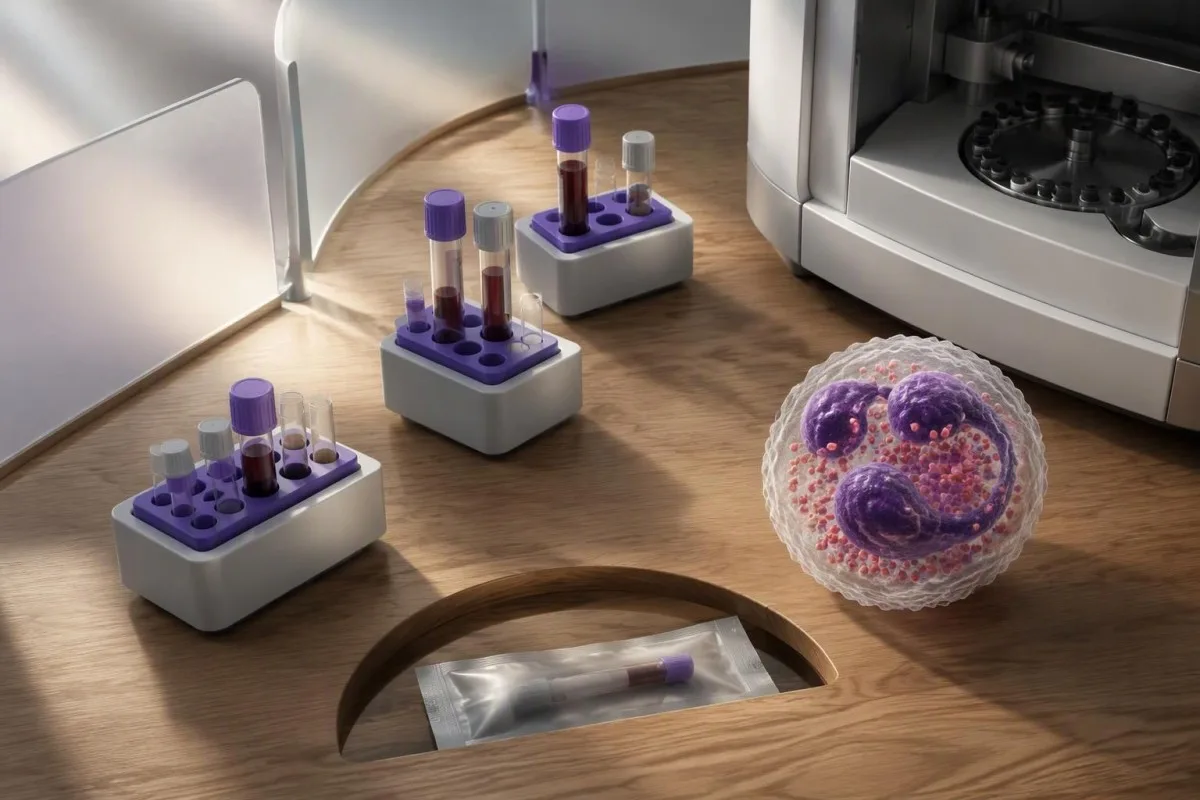
The European Medicines Agency's 2025 communication on revised routine blood count monitoring shifts the principal hematological measure toward ANC rather than combined WBC and ANC surveillance. The revised approach generally uses baseline ANC of at least 1,500 cells/µL, or at least 1,000 cells/µL in an established BEN pathway, while lowering some treatment-interruption thresholds compared with older European systems.
In the revised European approach, ANC below 1,000 cells/µL generally triggers stopping treatment in the standard pathway, whereas below 500 cells/µL is the corresponding threshold for an established BEN pathway. Results above those stopping thresholds can still require intensified surveillance; a hypothetical count of 1,100 cells/µL is not a reason to ignore a new downward trend.
Country authorization, the particular product information and service implementation can differ, even when patients have each taken clozapine for 2 years. Our guide to blood-test timing and changes explains why historical stability matters; obtain written confirmation before assuming that an annual European schedule applies to a UK, US or other national pathway.
ಅನಿರೀಕ್ಷಿತವಾಗಿ ANC ಕಡಿಮೆಯಾದರೆ ಏನು ಮಾಡಬೇಕು?
An unexpected low ANC needs prompt prescriber review, confirmation when appropriate and assessment for causes other than clozapine. In the US label pathway, an initial ANC below 1,500 cells/µL is generally confirmed within 24 hours, but severe neutropenia or infection symptoms require immediate management rather than waiting for a routine repeat.
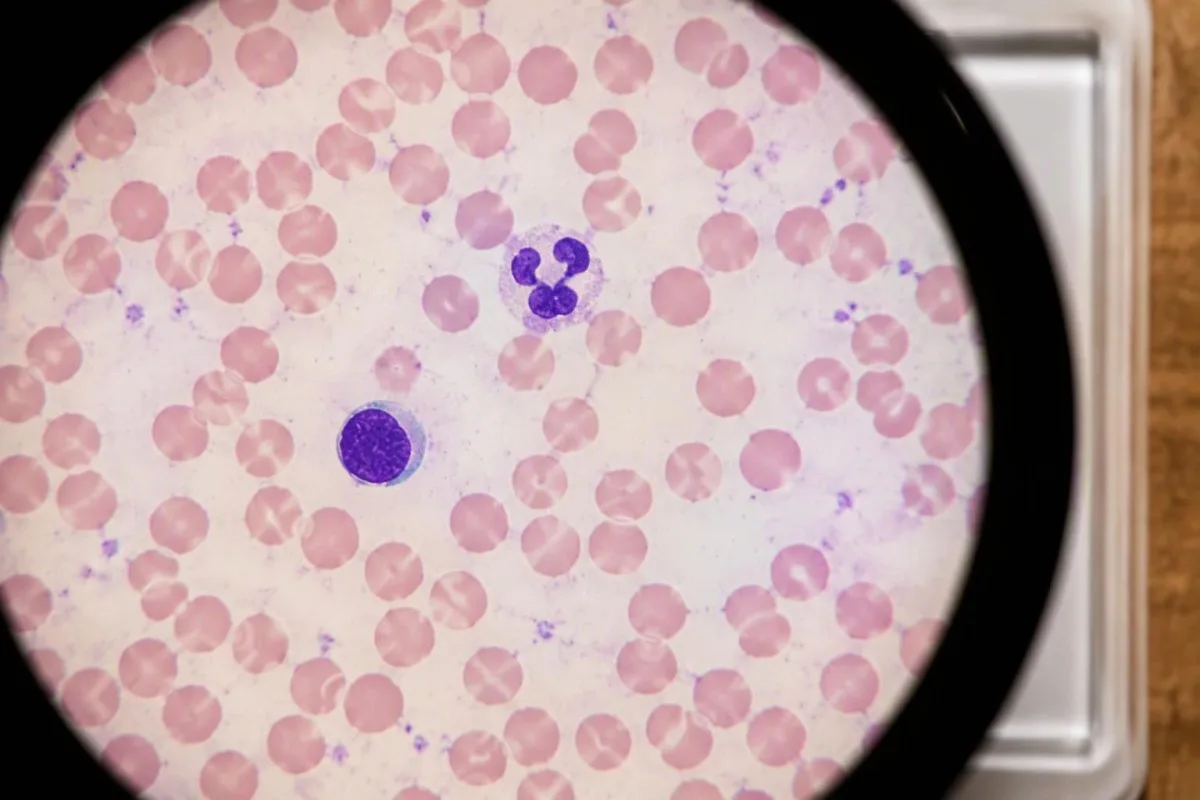
Recent viral illness, other medicines, autoimmune disease and nutritional deficiency can all lower ANC; a count of 900 cells/µL establishes neutropenia but does not establish its cause. Clinicians review the timing of drug exposure and may examine hemoglobin, platelets and a cell sample slide; concurrent abnormalities can justify evaluation for possible marrow disorders.
Kantesti is an AI blood test interpretation platform that can place an ANC of 0.9 × 10⁹/L beside platelet and hemoglobin trends, while leaving causation and medication decisions to clinicians. Our broader ಹೆಮಟಾಲಜಿ ಮಾರ್ಕರ್ ಮಾರ್ಗದರ್ಶಿ explains why a normal red-cell result does not erase an isolated neutrophil problem.
Sampling time and temporary physiological variation can affect a borderline result, but there is no safe rule that an afternoon repeat will always normalize an ANC of 1,400 cells/µL. If a clinician requests a repeat at a consistent time, follow that plan without delaying necessary care; exercise, supplements or deliberate timing changes should not be used to manipulate a treatment-clearance result.
ಯಾವ ಸೋಂಕಿನ ಲಕ್ಷಣಗಳಿಗೆ ತುರ್ತು ಮೌಲ್ಯಮಾಪನ ಅಗತ್ಯ?
During clozapine treatment, fever of 38.0°C or higher, new sore throat, mouth sores, shaking chills or sudden marked illness warrants urgent same-day clinical assessment. A known ANC below 500 cells/µL makes possible infection especially urgent. Confusion, breathing difficulty, fainting or rapidly worsening illness requires emergency help, regardless of the last count.
Formal febrile-neutropenia definitions often use a single temperature of at least 38.3°C or at least 38.0°C sustained for 1 hour, together with severe or impending severe neutropenia. Those definitions support clinical classification—not a home instruction to wait an hour; tell the urgent-care team that you take clozapine and provide your last ANC if available.
An ANC of 2,000 cells/µL measured 7 days ago cannot exclude a new fall today, and severe neutropenia can weaken usual local signs such as redness or discharge. Assessment may include an urgent CBC with differential, cultures and examination; our procalcitonin interpretation guide explains why a low infection biomarker cannot independently rule out an early serious infection.
New fever may also signal pneumonia, myocarditis or another illness that raises clozapine concentrations, creating 2 linked safety questions: immune protection and medication toxicity. Call the prescribing team's urgent number immediately for advice about the next dose; if you cannot reach them promptly while significantly unwell, seek urgent care rather than waiting for an app interpretation or routine appointment.
ಇತರ ಔಷಧಿಗಳು, ಧೂಮಪಾನ ಮತ್ತು ಅನಾರೋಗ್ಯವು ಮೇಲ್ವಿಚಾರಣೆಯ ಮೇಲೆ ಹೇಗೆ ಪರಿಣಾಮ ಬೀರುತ್ತವೆ?
Other medicines can increase neutropenia risk or change clozapine concentrations, and those are different problems requiring different tests. ANC is measured in cells/µL, whereas clozapine concentration is commonly measured in ng/mL; a normal ANC does not exclude excessive drug exposure, and a therapeutic concentration does not exclude neutropenia.

Carbamazepine is generally avoided with clozapine because of marrow-suppression risk and clinically relevant interactions; concurrent valproate has also been associated with neutropenia in observational studies. A hypothetical ANC decline from 2,600 to 1,300 cells/µL after adding another medicine warrants a complete medication review, not a conclusion that clozapine is necessarily the sole cause; valproate level interpretation addresses the separate issue of drug exposure.
Stopping combustible smoking can raise clozapine concentrations because smoke components—not nicotine itself—induce CYP1A2 metabolism. A person who stops smoking during a 3-day hospital admission may therefore need prescriber-directed concentration monitoring and dose review; our nicotine test explanation clarifies why cotinine alone does not measure the smoke-related enzyme effect.
Kantesti can explain why an ANC of 2,100 cells/µL and a clozapine level of 900 ng/mL describe different risks, but we cannot select a safer dose. Fever, major caffeine changes and interacting medicines such as ciprofloxacin can alter exposure; report new excessive sedation, confusion or muscle jerks promptly, even if the neutrophil result is reassuring.
ಪರೀಕ್ಷೆಗಳು ತಪ್ಪಿಹೋದಾಗ ಅಥವಾ ಚಿಕಿತ್ಸೆಯಲ್ಲಿ ವಿರಾಮವಾದಾಗ ಏನಾಗುತ್ತದೆ?
A missed ANC appointment can create a supply problem, while a clozapine treatment break can create a separate restarting hazard. After more than 48 hours without clozapine, many protocols require supervised re-titration beginning at 12.5 mg once or twice daily rather than immediate return to the previous dose; exact instructions depend on the prescribing information.
Tolerance to clozapine's blood-pressure effects can be lost quickly, so restarting a previous 300 mg daily regimen after a break may cause profound hypotension or collapse. US prescribing information also specifies reduced restart doses for shorter interruptions; patients should contact the prescribing team after missed doses rather than using a remembered 48-hour rule to decide what to take.
A treatment break does not always reset ANC surveillance to the beginning, because monitoring rules depend on interruption duration and the reason treatment stopped. In the US normal-ANC pathway, interruptions of 30 days or longer generally return patients to initiation-style monitoring; national monitoring services may use different interruption rules, especially after an abnormal count.
After a hypothetical 5-day admission, confirm the last dose, current prescription, latest ANC and who will supervise the next dose before leaving hospital. Our explanation of ಆಸ್ಪತ್ರೆಯಿಂದ ಬಿಡುಗಡೆಯ ನಂತರದ ಫಲಿತಾಂಶಗಳು helps organize altered laboratory values, but it cannot reconcile prescriptions or authorize restarting after neutropenia.
ಕ್ಲೋಜಪಿನ್ನ ಸುರಕ್ಷತೆಯ ಬಗ್ಗೆ ANC ಮೇಲ್ವಿಚಾರಣೆಯಿಂದ ಯಾವ ಅಂಶಗಳು ತಿಳಿಯುವುದಿಲ್ಲ?
ANC monitoring does not detect clozapine-related myocarditis, constipation, metabolic complications or excessive drug concentrations. Some initiation protocols add weekly troponin and CRP during the first 4 weeks, while ongoing care assesses bowel function, weight, glucose and lipids. A satisfactory ANC therefore confirms only one part of medication safety.
New chest pain, breathlessness or persistent unexplained tachycardia during the first 4 weeks needs prompt clinical assessment rather than reassurance from a normal ANC. Troponin and CRP can support a myocarditis investigation, but thresholds and screening practices vary; our myocarditis testing explanation describes why laboratory results must be interpreted with symptoms and cardiac evaluation.
Clozapine-related bowel slowing can become dangerous even when stool is still passing, and severe abdominal pain, distension or vomiting requires urgent assessment. Record bowel frequency and stool consistency rather than asking only whether constipation is present; the ಮಲದ ಸಾಂದ್ರತೆಯ ಮಾರ್ಗದರ್ಶಿ provides a shared description, while a change lasting 48 hours should prompt contact according to the patient's bowel-management plan.
Correll et al. (2022) describe a clozapine plasma reference range of approximately 350–600 ng/mL for many treatment-response decisions, while emphasizing individual variation and adverse effects. That range is not an ANC target or a universal safe-dose boundary; concentration samples usually need defined timing relative to the last dose, whereas routine ANC collection generally does not require a trough sample.
ನಿಮ್ಮ ಮುಂದಿನ ಕ್ಲೋಜಪಿನ್ ಪರಿಶೀಲನೆಗೆ ನೀವು ಹೇಗೆ ಸಿದ್ಧರಾಗಬೇಕು?
Bring the latest ANC, its units, earlier counts and a complete medication list to every clozapine review. Ask which national and service-specific pathway applies, what happens below its thresholds and whom to contact urgently. Keeping at least 3 dated results available helps distinguish a stable baseline from a new decline.

For a hypothetical sequence of 2,400, 1,900 and 1,400 cells/µL, useful questions concern the trend, recent illness, interacting medicines and the required next sample—not simply whether the latest value is red. Also ask who receives results outside office hours and whether the pharmacy needs monitoring-service clearance; these practical details can prevent an avoidable treatment gap.
Kantesti is an AI biomarker interpretation platform that helps translate an ANC of 1.4 × 10⁹/L into an understandable count and a list of clinician questions. Our ತಾಂತ್ರಿಕ ಮತ್ತು ವೈದ್ಯಕೀಯ ಮೇಲ್ವಿಚಾರಣೆ describes the boundaries of interpretation; it does not establish that an automated answer is a validated clozapine prescribing decision or a substitute for hematology advice.
Kantesti's educational workflow should preserve 3 essentials: the source result, the applicable clinical protocol and the human decision-maker. Our ಜವಾಬ್ದಾರಿಯುತ AI ತತ್ವಗಳು explain why urgent symptoms take priority over automated analysis, while our ಗೌಪ್ಯತೆ ಮತ್ತು ದತ್ತಾಂಶದ ಮಾಹಿತಿ explains considerations when sharing sensitive psychiatric and laboratory records.
ಸಂಶೋಧನಾ ಪ್ರಕಟಣೆಗಳು ಮತ್ತು ಸಾಕ್ಷ್ಯದ ಮಿತಿಗಳು
The 2 Kantesti publications listed in the research publication section concern digestive symptoms and women's health, not clozapine ANC thresholds or monitoring schedules. Their Figshare DOIs identify those publications but do not establish peer review or provide evidence for clozapine decisions; the directly relevant medical and regulatory sources are listed separately below.
ಆಗಾಗ್ಗೆ ಕೇಳಲಾಗುವ ಪ್ರಶ್ನೆಗಳು
ಕ್ಲೋಜಪೈನ್ ಮುಂದುವರಿಸಲು ANC ಎಷ್ಟು ಕಡಿಮೆಯಿರಬಾರದು?
The ANC threshold for continuing clozapine depends on the country and the patient's documented baseline pathway. In the US general pathway, ANC of 1,000–1,499 cells/µL can allow continuation with increased monitoring, while 500–999 cells/µL usually requires interruption when clozapine-induced neutropenia is suspected. A documented BEN or Duffy-null-associated pathway can permit continuation at 500–999 cells/µL under specialist supervision. ANC below 500 cells/µL requires urgent clinical management; patients should obtain immediate prescriber instructions rather than change treatment themselves.
0 ಕ್ಲೋಜಪೈನ್ REMS ಅನ್ನು ತೆಗೆದುಹಾಕಿದ ನಂತರವೂ ನನಗೆ ANC ರಕ್ತ ಪರೀಕ್ಷೆಗಳ ಅಗತ್ಯವಿದೆಯೇ?
ಹೌದು, US ಕ್ಲೊಜಪೈನ್ REMS ಅನ್ನು ತೆಗೆದುಹಾಕಿರುವುದರಿಂದ ANC ಮೇಲ್ವಿಚಾರಣೆಯ ವೈದ್ಯಕೀಯ ಶಿಫಾರಸು ರದ್ದಾಗಿಲ್ಲ. FDA 2025ರ ಜೂನ್ 13ರಂದು ನೋಂದಣಿಯನ್ನು ತೆಗೆದುಹಾಕಿ, ಅದರ ನೋಂದಣಿ, ವರದಿ ಸಲ್ಲಿಕೆ ಮತ್ತು ಔಷಧ ವಿತರಣೆ-ಅಧಿಕಾರ ಅಗತ್ಯಗಳನ್ನು ಕೊನೆಗೊಳಿಸಿತು. ಔಷಧ ಸೂಚನಾ ಮಾಹಿತಿಯಲ್ಲಿನ ವೇಳಾಪಟ್ಟಿಯು ಸಾಮಾನ್ಯವಾಗಿ 6 ತಿಂಗಳವರೆಗೆ ವಾರಕ್ಕೊಮ್ಮೆ, ಮುಂದಿನ 6 ತಿಂಗಳವರೆಗೆ ಪ್ರತಿ 2 ವಾರಕ್ಕೊಮ್ಮೆ, ನಂತರ ತಿಂಗಳಿಗೊಮ್ಮೆ ಎಂಬಂತೆಯೇ ಉಳಿದಿದೆ. ನ್ಯೂಟ್ರೋಪೀನಿಯಾ, ಚಿಕಿತ್ಸೆಯಲ್ಲಿ ವಿರಾಮ ಅಥವಾ ಇತರ ಸಂಬಂಧಿತ ವೈದ್ಯಕೀಯ ಬದಲಾವಣೆಯ ನಂತರ ನಿಮ್ಮ ಔಷಧ ಸೂಚಕರು ಹೆಚ್ಚುವರಿ ಪರೀಕ್ಷೆಗಳನ್ನು ಮಾಡಿಸಬೇಕೆಂದು ಹೇಳಬಹುದು.
Why is my clozapine blood test schedule different from someone else's?
ರಾಷ್ಟ್ರೀಯ ಉತ್ಪನ್ನ ಮಾಹಿತಿಗಳು, ಮೇಲ್ವಿಚಾರಣಾ ಸೇವೆಗಳು, ಚಿಕಿತ್ಸೆಯ ಅವಧಿ ಮತ್ತು ಹಿಂದಿನ ANC ಘಟನೆಗಳು ಒಂದೇ ರೀತಿಯಾಗಿರದ ಕಾರಣ ಕ್ಲೋಜಪಿನ್ ರಕ್ತ ಪರೀಕ್ಷೆಯ ವೇಳಾಪಟ್ಟಿಗಳು ಭಿನ್ನವಾಗಿರುತ್ತವೆ. ಸಾಂಪ್ರದಾಯಿಕ UK ಮಾರ್ಗಗಳಲ್ಲಿ 18 ವಾರಗಳವರೆಗೆ ವಾರಕ್ಕೊಮ್ಮೆ, 1 ವರ್ಷದವರೆಗೆ ಎರಡು ವಾರಕ್ಕೊಮ್ಮೆ ಮತ್ತು ಅದರ ನಂತರ ಪ್ರತಿ 4 ವಾರಗಳಿಗೊಮ್ಮೆ ಪರೀಕ್ಷೆ ಮಾಡಲಾಗುತ್ತದೆ. ಪರಿಷ್ಕೃತ ಯುರೋಪಿಯನ್ ಶಿಫಾರಸುಗಳ ಪ್ರಕಾರ, ಸ್ಥಳೀಯವಾಗಿ ಜಾರಿಗೆ ತರುವುದಕ್ಕೆ ಒಳಪಟ್ಟು, ಅರ್ಹ ಸ್ಥಿರ ರೋಗಿಗಳಲ್ಲಿ 1 ವರ್ಷದ ನಂತರ ಪ್ರತಿ 12 ವಾರಗಳಿಗೊಮ್ಮೆ ಮತ್ತು 2 ವರ್ಷಗಳ ನಂತರ ವಾರ್ಷಿಕವಾಗಿ ಪರೀಕ್ಷೆ ಮಾಡಲು ಅನುಮತಿಸಬಹುದು. ಯಾವುದೇ ಅಪಾಯಿಂಟ್ಮೆಂಟ್ ಬದಲಿಸುವ ಮೊದಲು ಅನ್ವಯವಾಗುವ ವೇಳಾಪಟ್ಟಿಯನ್ನು ಖಚಿತಪಡಿಸಿಕೊಳ್ಳಲು ನಿಮ್ಮ ಔಷಧ ಸೂಚಿಸುವ ಸೇವೆಯನ್ನು ಸಂಪರ್ಕಿಸಿ.
ವರ್ಷಗಳ ಕಾಲ ಫಲಿತಾಂಶಗಳು ಸಾಮಾನ್ಯವಾಗಿದ್ದ ನಂತರವೂ ಕ್ಲೋಜಪಿನ್ ನ್ಯೂಟ್ರೋಪೀನಿಯಾವನ್ನು ಉಂಟುಮಾಡಬಹುದೇ?
0 ಕ್ಲೋಜಪೈನ್ಗೆ ಸಂಬಂಧಿಸಿದ ನ್ಯೂಟ್ರೋಪೀನಿಯಾ, ಫಲಿತಾಂಶಗಳು ವರ್ಷಗಳ ಕಾಲ ಸಾಮಾನ್ಯವಾಗಿದ್ದ ನಂತರವೂ ಕಾಣಿಸಿಕೊಳ್ಳಬಹುದು; ಆದರೂ ಚಿಕಿತ್ಸೆಯ ಆರಂಭಿಕ ಹಂತದಲ್ಲಿ ಅಪಾಯ ಬಹಳ ಹೆಚ್ಚಿರುತ್ತದೆ. ಮೊದಲ 18 ವಾರಗಳಿಂದ 6 ತಿಂಗಳ ಅವಧಿಯಲ್ಲಿ ಹೆಚ್ಚಿನ ತೀವ್ರ ಘಟನೆಗಳು ಸಂಭವಿಸುತ್ತವೆ. 2 ವರ್ಷಗಳ ನಂತರ ಹೊಸದಾಗಿ ಕಡಿಮೆಯಾದ ರಕ್ತಕಣಗಳ ಸಂಖ್ಯೆಗೆ ಕ್ಲೋಜಪೈನ್, ಇತರ ಔಷಧಿಗಳು, ಸೋಂಕು ಹಾಗೂ ಮೂಳೆಮಜ್ಜೆ ಅಥವಾ ಸ್ವಯಂಪ್ರತಿರಕ್ಷಕ ಸ್ಥಿತಿಗಳಿಗಾಗಿ ಇನ್ನೂ ಮೌಲ್ಯಮಾಪನ ಅಗತ್ಯ. ಹಿಂದೆ ಭರವಸೆ ನೀಡಿದ್ದ ANC ಇದ್ದರೂ, ಜ್ವರ ಅಥವಾ ಹಠಾತ್ ಅನಾರೋಗ್ಯ ಉಂಟಾದಾಗ ತುರ್ತು ಮೌಲ್ಯಮಾಪನದ ಅಗತ್ಯ ಕಡಿಮೆಯಾಗುವುದಿಲ್ಲ.
ಕ್ಲೋಜಪಿನ್ ತೆಗೆದುಕೊಳ್ಳುತ್ತಿರುವಾಗ ನನಗೆ ಜ್ವರ ಬಂದರೆ ನಾನು ಏನು ಮಾಡಬೇಕು?
0 ಜ್ವರ 38.0°C ಅಥವಾ ಅದಕ್ಕಿಂತ ಹೆಚ್ಚಾಗಿದ್ದರೆ, ವಿಶೇಷವಾಗಿ ಗಂಟಲು ನೋವು, ಬಾಯಿಯಲ್ಲಿ ಹುಣ್ಣುಗಳು, ನಡುಗಿಸುವ ಚಳಿ ಅಥವಾ ತೀವ್ರ ದೌರ್ಬಲ್ಯ ಇದ್ದರೆ, ಕ್ಲೋಜಪೈನ್ ತೆಗೆದುಕೊಳ್ಳುತ್ತಿರುವಾಗ ಅದೇ ದಿನ ತುರ್ತು ವೈದ್ಯಕೀಯ ಮೌಲ್ಯಮಾಪನ ಅಗತ್ಯ. ನೀವು ಕ್ಲೋಜಪೈನ್ ತೆಗೆದುಕೊಳ್ಳುತ್ತಿದ್ದೀರಿ ಎಂದು ವೈದ್ಯರಿಗೆ ತಿಳಿಸಿ ಮತ್ತು ಲಭ್ಯವಿದ್ದರೆ ನಿಮ್ಮ ಇತ್ತೀಚಿನ ANC ವರದಿಯನ್ನು ನೀಡಿ. ANC 500 cells/µL ಗಿಂತ ಕಡಿಮೆ ಇರುವುದು ತಿಳಿದಿದ್ದರೆ, ಸಂಭವನೀಯ ಸೋಂಕಿಗೆ ವಿಶೇಷವಾಗಿ ತುರ್ತು ಗಮನ ಅಗತ್ಯ; ಗೊಂದಲ, ಉಸಿರಾಟದ ತೊಂದರೆ ಅಥವಾ ಕುಸಿದು ಬೀಳುವಿಕೆ ಕಂಡುಬಂದರೆ ತುರ್ತು ಸಹಾಯ ಪಡೆಯಿರಿ. ಮುಂದಿನ ನಿಯಮಿತ ಪರೀಕ್ಷೆಯವರೆಗೆ ಕಾಯುವ ಬದಲು ಅಥವಾ ಸ್ವತಂತ್ರವಾಗಿ ಔಷಧಿಯನ್ನು ಬದಲಾಯಿಸುವ ಬದಲು, ಮುಂದಿನ ಡೋಸ್ ಕುರಿತು ತಕ್ಷಣ ಔಷಧಿ ಸೂಚಿಸುವ ವೈದ್ಯರಿಂದ ಸಲಹೆ ಪಡೆಯಿರಿ.
ಎರಡು ದಿನ ತಪ್ಪಿಸಿಕೊಂಡ ನಂತರ ನನ್ನ ಸಾಮಾನ್ಯ ಕ್ಲೋಜಪಿನ್ ಪ್ರಮಾಣವನ್ನು ಮತ್ತೆ ಪ್ರಾರಂಭಿಸಬಹುದೇ?
ಔಷಧಿ ನೀಡುವ ತಂಡದ ಸೂಚನೆಗಳಿಲ್ಲದೆ, ಚಿಕಿತ್ಸೆಯಲ್ಲಿ ವಿರಾಮದ ನಂತರ ನಿಮ್ಮ ಸಾಮಾನ್ಯ ಕ್ಲೋಜಪಿನ್ ಪ್ರಮಾಣವನ್ನು ಮರುಪ್ರಾರಂಭಿಸಬಾರದು. ಚಿಕಿತ್ಸೆಯಿಲ್ಲದೆ 48 ಗಂಟೆಗಳಿಗಿಂತ ಹೆಚ್ಚು ಕಾಲ ಕಳೆದಿದ್ದರೆ, ರಕ್ತದೊತ್ತಡದ ಮೇಲಿನ ಪರಿಣಾಮಗಳಿಗೆ ಸಹಿಷ್ಣುತೆ ಕಡಿಮೆಯಾಗಬಹುದಾದ್ದರಿಂದ, ಅನೇಕ ಪ್ರೋಟೋಕಾಲ್ಗಳ ಪ್ರಕಾರ ದಿನಕ್ಕೆ ಒಂದು ಅಥವಾ ಎರಡು ಬಾರಿ 12.5 mg ನಿಂದ ಆರಂಭಿಸಿ ಪ್ರಮಾಣವನ್ನು ಮತ್ತೆ ಕ್ರಮೇಣ ಹೆಚ್ಚಿಸಬೇಕಾಗುತ್ತದೆ. ಕೆಲವು ಔಷಧಿ ಸೂಚನಾ ಮಾಹಿತಿಯ ಪ್ರಕಾರ, ಇದಕ್ಕಿಂತ ಕಡಿಮೆ ಅವಧಿಯ ವಿರಾಮಗಳ ನಂತರವೂ ಪ್ರಮಾಣವನ್ನು ಕಡಿಮೆ ಮಾಡಬೇಕಾಗುತ್ತದೆ. ಸರಿಯಾದ ಮರುಪ್ರಾರಂಭ ಯೋಜನೆ ಮತ್ತು ANC ಪರೀಕ್ಷೆಗಳ ವೇಳಾಪಟ್ಟಿ ವಿರಾಮದ ನಿಖರ ಅವಧಿ ಮತ್ತು ಕಾರಣವನ್ನು ಅವಲಂಬಿಸಿರುವುದರಿಂದ, ತಂಡವನ್ನು ಕೂಡಲೇ ಸಂಪರ್ಕಿಸಿ.
0 ಸಾಮಾನ್ಯ ಶ್ವೇತ ರಕ್ತಕಣಗಳ ಎಣಿಕೆ ಎಂದರೆ ನನ್ನ ಕ್ಲೋಜಪೈನ್ ANC ಸುರಕ್ಷಿತವಾಗಿದೆ ಎಂದರ್ಥವೇ?
0 ಸಾಮಾನ್ಯ ಒಟ್ಟು ಶ್ವೇತ ರಕ್ತಕಣಗಳ ಎಣಿಕೆಯು ಕ್ಲೋಜಪೈನ್ ಚಿಕಿತ್ಸೆಗೆ ANC ತೃಪ್ತಿಕರವಾಗಿದೆ ಎಂದು ಖಚಿತಪಡಿಸುವುದಿಲ್ಲ. ಉದಾಹರಣೆಗೆ, 15% ನ್ಯೂಟ್ರೋಫಿಲ್ಗಳಿರುವ 6,000 cells/µL WBC ಇದ್ದರೆ ANC 900 cells/µL ಆಗುತ್ತದೆ. ಚಿಕಿತ್ಸೆಯ ನಿರ್ಧಾರಗಳಿಗೆ WBC ಮಾತ್ರವಲ್ಲದೆ, ಸಂಪೂರ್ಣ ನ್ಯೂಟ್ರೋಫಿಲ್ ಎಣಿಕೆ, ಅನ್ವಯವಾಗುವ ಪ್ರೋಟೋಕಾಲ್ ಮತ್ತು ವೈದ್ಯಕೀಯ ಸಂದರ್ಭದ ಪರಿಗಣನೆ ಅಗತ್ಯ. ಸಾಮಾನ್ಯ ANC ಇದ್ದರೂ ಮಯೋಕಾರ್ಡೈಟಿಸ್, ತೀವ್ರ ಕರುಳಿನ ಚಲನೆ ನಿಧಾನಗೊಳ್ಳುವಿಕೆ ಅಥವಾ ಕ್ಲೋಜಪೈನ್ನ ಅತಿಯಾದ ಸಾಂದ್ರತೆಯನ್ನು ತಳ್ಳಿಹಾಕಲು ಸಾಧ್ಯವಿಲ್ಲ.
ನಿಮ್ಮ ರಕ್ತ ಪರೀಕ್ಷೆ ಫಲಿತಾಂಶಗಳನ್ನು ವಿವರಿಸಿಕೊಳ್ಳಿ
ನಿಮ್ಮ ಪ್ರಯೋಗಾಲಯ ವರದಿಯನ್ನು ಅಪ್ಲೋಡ್ ಮಾಡಿ; Kantestiಯ AI ಕೆಲವೇ ಸೆಕೆಂಡುಗಳಲ್ಲಿ ಪ್ರತಿಯೊಂದು ಜೈವಿಕ ಸೂಚಕವನ್ನು ಸರಳ ಭಾಷೆಯಲ್ಲಿ ವಿವರಿಸುತ್ತದೆ. ವಿಶ್ವದಾದ್ಯಂತ 2 ದಶಲಕ್ಷಕ್ಕೂ ಹೆಚ್ಚು ಜನರು ಬಳಸಿದ್ದಾರೆ.
ಉಲ್ಲೇಖಗಳು
- Klein, T., Mitchell, S., & Weber, H. (2026). ಉಪವಾಸದ ನಂತರದ ಅತಿಸಾರ, ಮಲದಲ್ಲಿನ ಕಪ್ಪು ಚುಕ್ಕೆಗಳು ಮತ್ತು GI ಮಾರ್ಗದರ್ಶಿ 2026. Kantesti AI ವೈದ್ಯಕೀಯ ಸಂಶೋಧನೆ. ಡಿಒಐ
- Klein, T., Mitchell, S., & Weber, H. (2026). ಮಹಿಳೆಯರ ಆರೋಗ್ಯ ಮಾರ್ಗದರ್ಶಿ: ಅಂಡೋತ್ಸರ್ಗ, ಋತುಬಂಧ ಮತ್ತು ಹಾರ್ಮೋನ್ ಲಕ್ಷಣಗಳು. Kantesti AI ವೈದ್ಯಕೀಯ ಸಂಶೋಧನೆ. ಡಿಒಐ
- Correll CU et al. (2022). A Guideline and Checklist for Initiating and Managing Clozapine Treatment in Patients with Treatment-Resistant Schizophrenia. CNS Drugs. ಡಿಒಐ
- US Food and Drug Administration (2025). FDA removes risk evaluation and mitigation strategy (REMS) program for the antipsychotic drug Clozapine. FDA Drug Safety and Availability.
- European Medicines Agency (2025). Clozapine: revised recommendations for routine blood count monitoring. Direct healthcare professional communication.
- 2ಮಿ+ವಿಶ್ಲೇಷಿಸಿದ ಪರೀಕ್ಷೆಗಳು
- 127+ದೇಶಗಳು
- 100+ಭಾಷೆಗಳು
ವೈದ್ಯಕೀಯ ತಂಡದ ಬಗ್ಗೆ


E-E-A-T ವಿಶ್ವಾಸ ಸಂಕೇತಗಳು
ಅನುಭವ
ಲ್ಯಾಬ್ ಅರ್ಥೈಸುವ ಕಾರ್ಯಪ್ರವಾಹಗಳ ಮೇಲೆ ವೈದ್ಯರಿಂದ ನೇತೃತ್ವದ ಕ್ಲಿನಿಕಲ್ ವಿಮರ್ಶೆ.
ಪರಿಣಿತಿ
ಕ್ಲಿನಿಕಲ್ ಸಂದರ್ಭದಲ್ಲಿನ ಬಯೋಮಾರ್ಕರ್ಗಳು ಹೇಗೆ ವರ್ತಿಸುತ್ತವೆ ಎಂಬುದರ ಮೇಲೆ ಪ್ರಯೋಗಾಲಯ ವೈದ್ಯಕೀಯದ ಕೇಂದ್ರೀಕರಣ.
ಅಧಿಕಾರಯುತತೆ
ಡಾ. ಥಾಮಸ್ ಕ್ಲೈನ್ ಅವರ ವೈದ್ಯಕೀಯ ವಿಮರ್ಶೆ; ಡಾ. ಸಾರಾ ಮಿಚೆಲ್ ಮತ್ತು ಪ್ರೊ. ಡಾ. ಹಾನ್ಸ್ ವೆಬರ್ ಅವರ ಕೊಡುಗೆಗಳೊಂದಿಗೆ.
ವಿಶ್ವಾಸಾರ್ಹತೆ
ಎಚ್ಚರಿಕೆಯನ್ನು ಕಡಿಮೆ ಮಾಡಲು ಸ್ಪಷ್ಟವಾದ ಮುಂದಿನ ಹಂತಗಳೊಂದಿಗೆ ಸಾಕ್ಷ್ಯಾಧಾರಿತ ಅರ್ಥೈಸಿಕೆ.





ವೈದ್ಯಕೀಯ ಹಕ್ಕುತ್ಯಾಗ
ಈ ಲೇಖನವು ಕೇವಲ ಶಿಕ್ಷಣ ಉದ್ದೇಶಗಳಿಗಾಗಿ이며 ವೈದ್ಯಕೀಯ ಸಲಹೆಯನ್ನು ನೀಡುವುದಿಲ್ಲ. ರೋಗನಿರ್ಣಯ ಮತ್ತು ಚಿಕಿತ್ಸೆ ನಿರ್ಧಾರಗಳಿಗಾಗಿ ಸದಾ ಅರ್ಹ ಆರೋಗ್ಯ ಸೇವಾ ಪೂರೈಕೆದಾರರನ್ನು ಸಂಪರ್ಕಿಸಿ.
ಪ್ರಕಟಿಸಲಾಗಿದೆ · ಸಂಪಾದಕೀಯ ತಂಡವನ್ನು ಸಂಪರ್ಕಿಸಿ
Kantesti Ltd ಪ್ರಕಟಿಸಿದೆ, ಇಂಗ್ಲೆಂಡ್ ಮತ್ತು ವೇಲ್ಸ್ನಲ್ಲಿ ನೋಂದಾಯಿತವಾಗಿದೆ, ಕಂಪನಿ ಸಂಖ್ಯೆ. 17090423, ಲಂಡನ್, ಯುನೈಟೆಡ್ ಕಿಂಗ್ಡಮ್.
