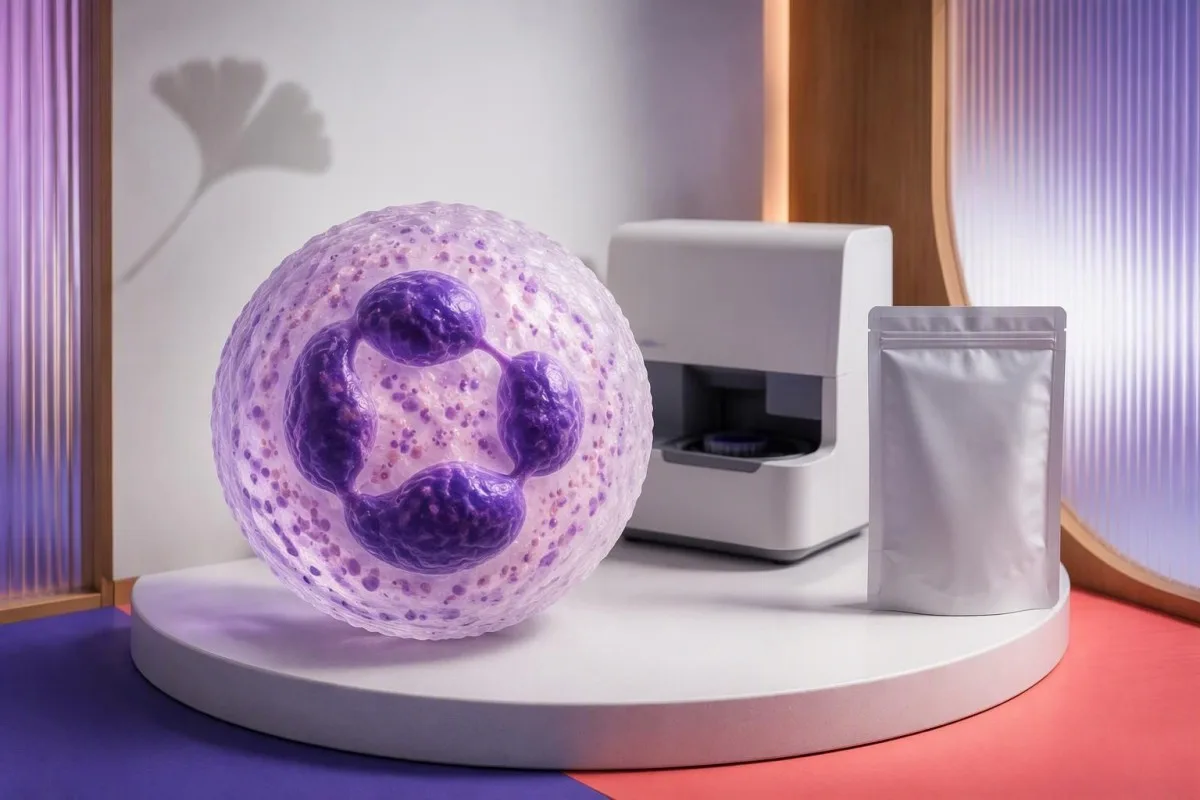
Կլոզապինի մոնիթորինգի ընթացքում վտանգավոր նեյտրոպենիան հայտնաբերելու համար օգտագործվում է նեյտրոֆիլների բացարձակ քանակը (ANC). ցածր արդյունքների դեպքում կարող են նշանակվել լրացուցիչ հետազոտություններ, մասնագետի գնահատում կամ բժշկի որոշմամբ բուժման ընդհատում։ Հետազոտությունների ժամանակացույցը տարբերվում է՝ կախված երկրից և բուժման փուլից։ Տենդը, կոկորդի ցավը կամ հանկարծակի վատառողջությունը պահանջում են անհապաղ գնահատում՝ նույնիսկ եթե նախորդ արդյունքը հանգստացնող է եղել։ Ինքնուրույն մի՛ փոխեք կլոզապինի ընդունումը։.

Հիմնական եզրակացությունները
- ANC-ի միավորներ՝ 1.0 × 10⁹/L-ը հավասար է 1,000 բջիջ/µL-ի. բուժման շեմերի հետ արդյունքները համեմատելուց առաջ ստուգեք միավորները։.
- ԱՄՆ-ի ընդհանուր շեմեր՝ 1,000–1,499 բջիջ/µL ANC-ի դեպքում բուժումը կարող է շարունակվել՝ մոնիթորինգն ուժեղացնելով. 500–999 բջիջ/µL-ի դեպքում սովորաբար նշանակվում է բժշկի որոշմամբ բուժման ընդհատում, երբ կասկածվում է կլոզապինով պայմանավորված նեյտրոպենիա։.
- Ծանր նեյտրոպենիա՝ 500 բջիջ/µL-ից ցածր ANC-ի դեպքում անհրաժեշտ է անհապաղ կլինիկական վարում, որը սովորաբար ներառում է բուժման ընդհատում և արյունաբանի ներգրավում։.
- Duffy-null-ի հետ կապված քանակներ՝ Duffy-null-ի հետ կապված նեյտրոֆիլների քանակի փաստագրված լինելը կարող է հիմք հանդիսանալ բուժման այլ ուղու համար. միայն ծագումնաբանությունը բավարար չէ համապատասխանությունը հաստատելու համար։.
- ԱՄՆ-ի ժամանակացույց՝ Դեղ նշանակելու վերաբերյալ տեղեկատվության մոնիթորինգը սովորաբար սկսվում է 6 ամիս շաբաթական, ապա 6 ամիսը՝ 2 շաբաթը մեկ, այնուհետև՝ ամսական։.
- Վարչական փոփոխություններ․ FDA-ն 2025 թվականի հունիսի 13-ին դադարեցրեց ԱՄՆ-ում կլոզապինի REMS-ը․ դրանով վերացվեցին գրանցամատյանի պահանջները, բայց ոչ ANC-ի մոնիթորինգի կլինիկական անհրաժեշտությունը։.
- Միջազգային ժամանակացույցեր․ Մեծ Բրիտանիայի ավանդական ուղիներով հետազոտություններն իրականացվում են շաբաթական՝ 18 շաբաթ շարունակ, ապա՝ երկու շաբաթը մեկ՝ մինչև 1 տարին, այնուհետև՝ 4 շաբաթը մեկ․ եվրոպական վերանայված առաջարկությունները կարող են թույլատրել ավելի երկար ընդմիջումներ համապատասխանող կայուն հիվանդների դեպքում։.
- Արտակարգ ախտանիշներ․ 38.0°C կամ ավելի բարձր ջերմությունը, նոր առաջացած կոկորդի ցավը, բերանի խոցերը, ուժեղ դողը կամ ինքնազգացողության հանկարծակի կտրուկ վատացումը պահանջում են նույն օրը հրատապ գնահատում։ Շփոթվածությունը, շնչառության դժվարությունը կամ ուշագնացությունը պահանջում են շտապ օգնություն։.
Կլոզապինի մոնիթորինգի արդյունքում իրականում ի՞նչ որոշում է կայացվում։
Կլոզապինի մոնիթորինգի ժամանակ ANC-ի արդյունքներն օգնում են բժիշկներին որոշել՝ բուժումը կարող է շարունակվել, կարիք ունի ավելի խիստ հսկողության, թե պետք է ընդհատվի։. 500 բջիջ/µL-ից ցածր ANC-ն անվտանգության լուրջ ազդանշան է, սակայն ավելի բարձր ցուցանիշների դեպքում որոշումները կախված են երկրի արձանագրությունից, նախորդ արդյունքներից և հիվանդի փաստագրված ելակետային ցուցանիշից։.
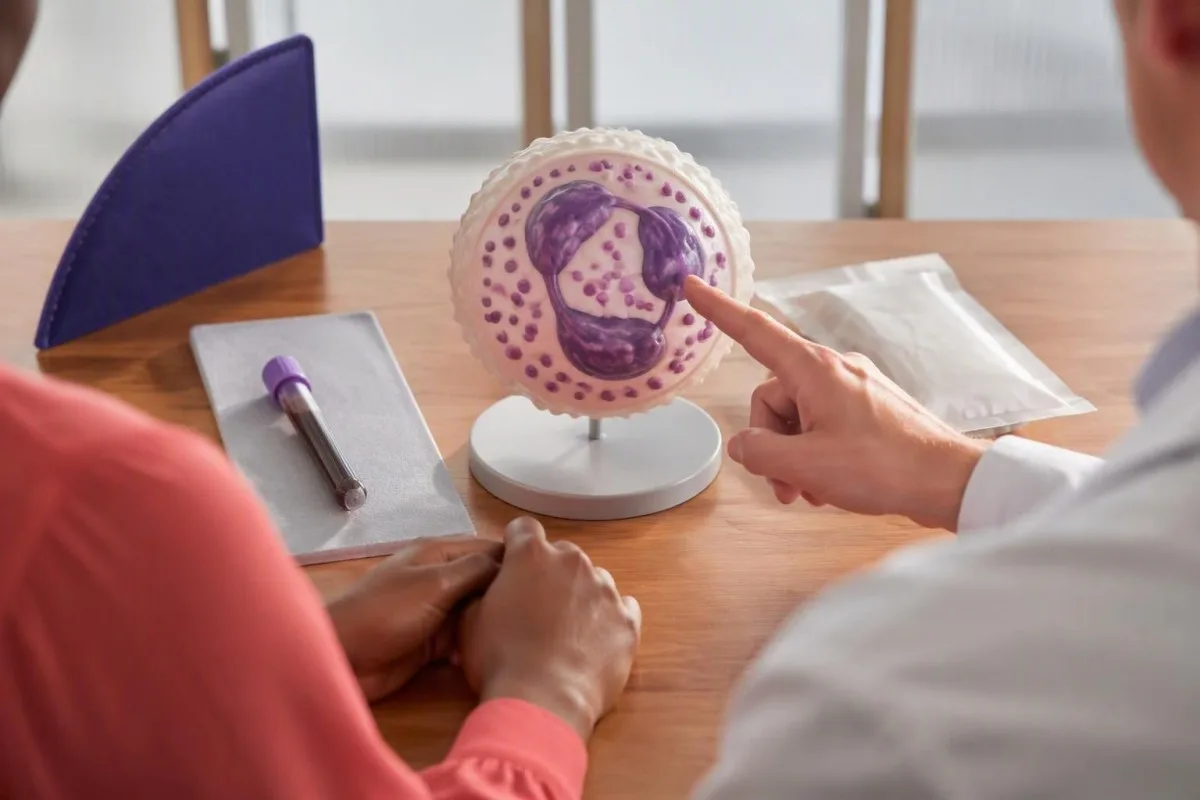
ANC-ի արդյունքն ինքնին բուժում նշանակելու հրահանգ չէ․ 1,200 բջիջ/µL ցուցանիշը մի ուղու դեպքում կարող է թույլատրել շարունակել բուժումը, իսկ մեկ այլ ուղու դեպքում՝ պահանջել այլ արձագանք։ Մինչև այդ թիվը մեկնաբանելը՝ նշանակող բժիշկը պետք է որոշի, թե որ արձանագրությունն է կիրառելի․ ԱՄՆ-ի շեմը Մեծ Բրիտանիայի մոնիթորինգի ծառայության ազդանշանի նկատմամբ կիրառելը կարող է հանգեցնել դեղորայքի մատակարարման կանխելի խնդրի։.
Kantesti-ն արհեստական բանականությամբ աշխատող արյան անալիզների վերլուծիչ է, որը կարող է 1.2 × 10⁹/L ANC-ն բացատրել որպես 1,200 բջիջ/µL, սակայն մեր մեկնաբանությունը չի կարող թույլատրել կլոզապինի տրամադրումը կամ փոխարինել նշանակող թիմին։ Մեր ընկերության մասին տեղեկատվությունը նշում է այդ կրթական ծառայությունը մատուցող կազմակերպությանը, այլ ոչ թե կլոզապինի մոնիթորինգի գրանցամատյանը։.
Նվազող ցուցանիշը ուշադրության է արժանի դեռ մինչև բուժման շեմին հասնելը․ 4,000-ից մինչև 1,700 բջիջ/µL պայմանական նվազումը տարբերվում է 1,700-ի մոտ երկարատև ելակետային ցուցանիշից։ Մեր ուղեցույցը՝ սահմանային նեյտրոֆիլների արդյունքները բացատրում է սովորական տատանումները, սակայն կլոզապին օգտագործողները պետք է ստանան տվյալ դեղին վերաբերող խորհրդատվություն, այլ ոչ թե հետևեն կրկնակի հետազոտության ընդհանուր ժամանակացույցին։.
Ինչպե՞ս կարդալ ANC-ի միավորները և հաշվարկել քանակը։
ANC-ն չափում է նեյտրոֆիլների բացարձակ քանակը, ոչ թե դրանց տոկոսը լեյկոցիտների շրջանում։. Փոխարկումը ճշգրիտ է․ 1.0 × 10⁹/L-ը հավասար է 1,000 բջիջ/µL-ի։ Լաբորատորիայի հղումային միջակայքն ու կլոզապինի բուժման շեմը պատասխանում են տարբեր հարցերի, ուստի նշված շեղումով արդյունքն ինքնաբերաբար չի նշանակում, որ բուժումը պետք է դադարեցնել։.
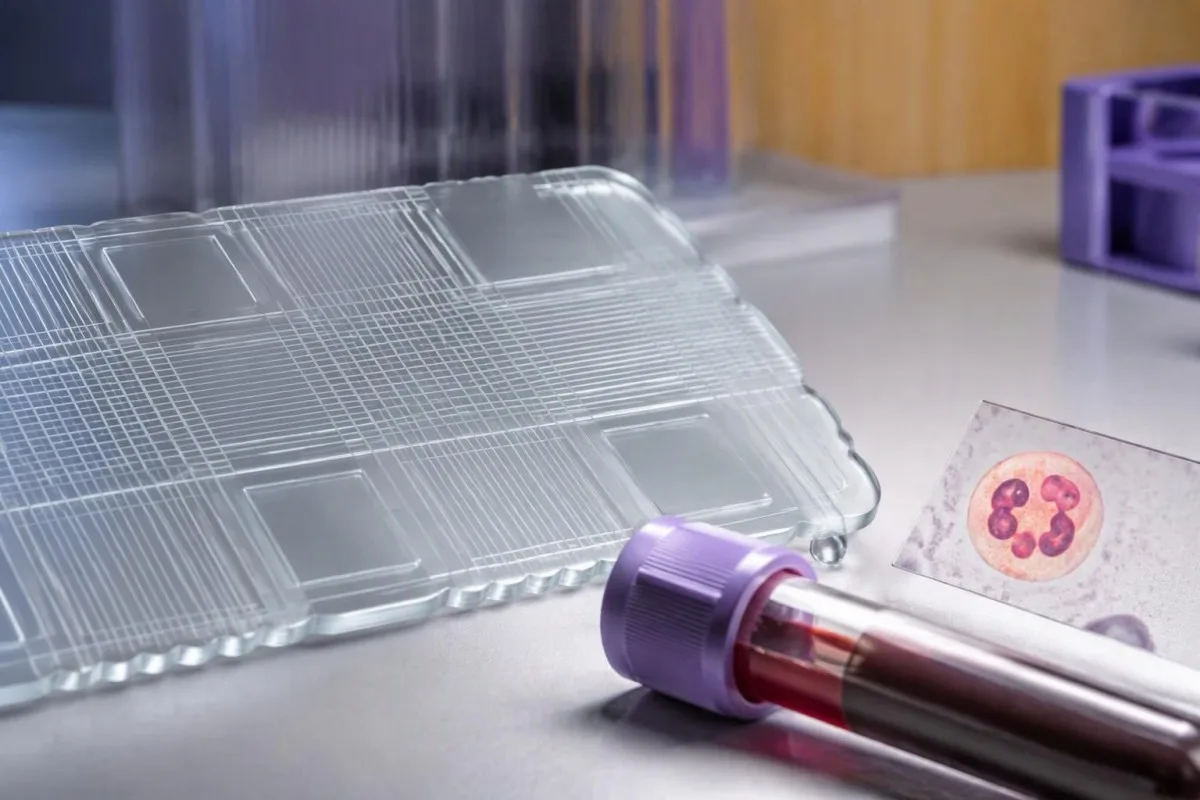
Ժամանակակից լաբորատորիաների մեծ մասը ANC-ն հայտնում է անմիջապես, սովորաբար որպես նեյտրոֆիլներ, բացարձակ նեյտրոֆիլներ կամ NEUT#։ Եթե անհրաժեշտ է հաշվարկ կատարել, ընդհանուր WBC-ն բազմապատկեք նեյտրոֆիլների բաժնով՝ ներառելով նաև ցուպիկակորիզները, եթե դրանք առանձին են նշված․ օրինակ՝ 4,000 բջիջ/µL × 0.40-ը տալիս է 1,600 բջիջ/µL ANC, ոչ թե 40 բջիջ/µL։.
6,000 բջիջ/µL WBC-ի պայմանական ցուցանիշը՝ 15% նեյտրոֆիլներով, տալիս է 900 բջիջ/µL ANC, թեև ընդհանուր WBC-ն կարող է լինել լաբորատորիայի հղումային միջակայքում։ Այդ անհամապատասխանությունը բացատրում է, թե ինչու է նեյտրոֆիլների հղումային միջակայքի ուղեցույցը տարբերակում բացարձակ քանակը և դիֆերենցիալ տոկոսը։.
Տասնորդական գրության ձևաչափը կարող է վտանգավոր թյուրըմբռնումների պատճառ դառնալ․ 0.8 × 10⁹/L-ը նշանակում է 800 բջիջ/µL, մինչդեռ 8.0 × 10⁹/L-ը նշանակում է 8,000 բջիջ/µL։ Համեմատեք բնօրինակ հաշվետվությունը, նմուշառման ամսաթիվն ու միավորները, ոչ թե կտրված սքրինշոթը կամ ձեռքով մուտքագրված թիվը, և նախքան արդյունքը դեղ նշանակելու համար օգտագործելը՝ խնդրեք լաբորատորիային կամ մոնիթորինգի թիմին պարզաբանել ցանկացած անորոշություն։.
| Մակարդակ | Միջակայք | Ինչ է նշանակում |
|---|---|---|
| Նեյտրոպենիայի ընդունված շեմից բարձր | ≥1.5 × 10⁹/L; ≥1,500 բջիջ/µL | Usually outside the conventional adult neutropenia definition; this is not a universal laboratory reference interval or dispensing rule. |
| Թեթև նեյտրոպենիա | 1.0–1.499 × 10⁹/L; 1,000–1,499 cells/µL | Requires interpretation against baseline, symptoms and the applicable clozapine pathway. |
| Չափավոր նեյտրոպենիա | 0.5–0.999 × 10⁹/L; 500–999 cells/µL | Often requires urgent prescriber review; treatment actions differ for general and documented Duffy-null pathways. |
| Ծանր նեյտրոպենիա | <0.5 × 10⁹/L; <500 cells/µL | High-risk finding requiring urgent clinical management, usually hematology involvement and clinician-directed interruption. |
ԱՄՆ-ի ուղեցույցով ANC-ի ո՞ր արդյունքներն են փոխում բուժումը։
The US general-population pathway usually permits clozapine initiation at ANC ≥1,500 cells/µL. During treatment, ANC of 1,000–1,499 cells/µL can allow continuation with intensified monitoring; 500–999 cells/µL generally requires interruption when clozapine-induced neutropenia is suspected. These are clinician actions, not instructions for patients to adjust medication.
For mild neutropenia, the US prescribing-information approach commonly increases ANC checks to 3 times weekly until recovery to at least 1,500 cells/µL. Correll et al. (2022), in CNS Drugs, reproduce these management pathways and emphasize that clozapine's substantial psychiatric benefits must be considered alongside hematological risk rather than treating every low result identically.
For ANC of 500–999 cells/µL in the general pathway, clinicians usually arrange hematology input and daily testing initially, with treatment resumption considered after recovery according to the label. A repeat sample can clarify an unexpected result, but a symptomatic patient or a rapidly falling count should not wait 24 hours merely to obtain a more convenient number.
A count below 500 cells/µL enters the severe-neutropenia pathway, where any later rechallenge requires an explicit specialist risk–benefit decision. Total WBC or CRP cannot substitute for ANC; our explanation of WBC և CRP տարաձայնության վերաբերյալ shows why apparently reassuring results elsewhere in the panel do not cancel a low neutrophil count.
| Մակարդակ | Միջակայք | Ինչ է նշանակում |
|---|---|---|
| US general-pathway initiation threshold | ANC ≥1,500 cells/µL | Usually eligible for initiation from a hematological perspective, subject to the full prescribing assessment. |
| Mild neutropenia during treatment | ANC 1,000–1,499 cells/µL | Treatment can often continue under prescriber direction with ANC monitoring 3 times weekly. |
| Moderate neutropenia during treatment | ANC 500–999 cells/µL | Usually interrupt if clozapine-induced neutropenia is suspected; obtain hematology advice and intensified monitoring. |
| Severe neutropenia during treatment | ANC <500 cells/µL | Interrupt under urgent clinical management; any future rechallenge needs specialist justification. |
Duffy-null-ի հետ կապված քանակն ինչպե՞ս է փոխում որոշումները։
Documented Duffy-null-associated neutrophil counts can justify lower clozapine ANC thresholds because a stable lower circulating count does not necessarily indicate impaired immunity. US prescribing information has historically called this the benign ethnic neutropenia, or BEN, pathway; its usual initiation threshold is ANC ≥1,000 cells/µL with at least 2 baseline measurements.
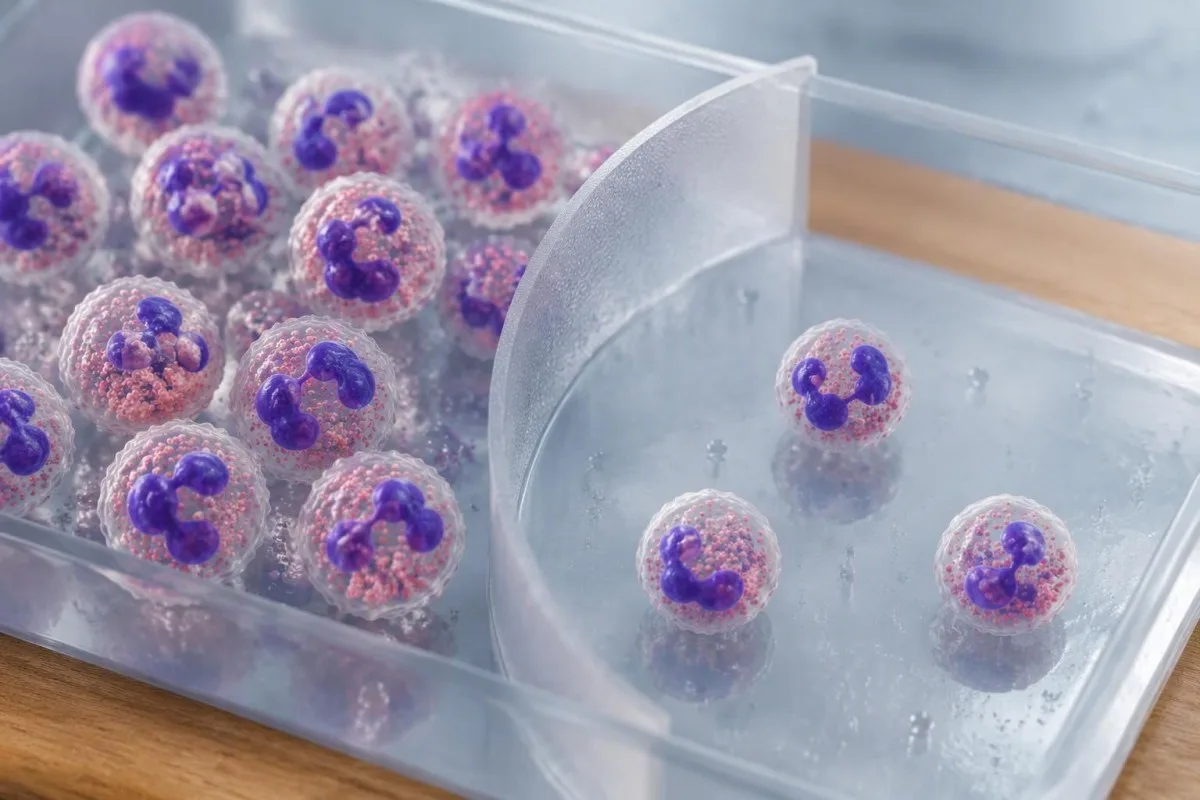
Under the US documented BEN pathway, an ANC of 500–999 cells/µL may permit continued clozapine with hematology consultation and monitoring 3 times weekly. This differs from the general pathway at the same number; the distinction must already be established clinically, not inferred after an alarming result simply to avoid an interruption.
Ancestry is not a diagnostic test for Duffy-null status, and 2 people with similar ancestry may have different baseline ANC patterns. Our Duffy-null count explanation discusses phenotype or genotype evidence, historical counts and assessment for other causes; genetic testing is not universally required, but a clinician-documented explanation is needed for an alternative treatment pathway.
A hypothetical stable baseline of 1,200 cells/µL does not make a new fall to 450 cells/µL harmless: that result meets the severe-neutropenia threshold even in the US BEN pathway. Fever, recurrent unusual infections, anemia or low platelets also weakens the assumption that a low ANC is an isolated constitutional finding and warrants a broader assessment.
Ժամանակի ընթացքում որքանո՞վ է մեծ կլոզապինից առաջացող նեյտրոպենիայի ռիսկը։
Clozapine neutropenia risk is concentrated early in treatment, especially during the first 18 weeks to 6 months, but it does not disappear later. Correll et al. (2022) describe agranulocytosis as affecting approximately 1% of treated patients; estimates vary across populations, monitoring systems and definitions, so this is not an individual prediction.

Approximately 1% means roughly 1 in 100 treated people in that broad estimate, not a 1% risk every month and not a 1% risk after every dose. Mild neutropenia is more frequent than agranulocytosis, and studies that combine the two outcomes can make the risk of life-threatening neutrophil depletion appear larger than it actually is.
Early intensive testing reflects the concentration of events during the first 6 months, rather than an assumption that each additional tablet causes predictable cumulative marrow damage. Severe clozapine-associated neutropenia is not reliably prevented by choosing a low dose alone, and a previously normal count cannot guarantee that the next count will remain normal.
After 2 years of stable treatment, the absolute risk is generally much lower than during initiation, which helps explain proposals for less frequent routine testing. Late neutropenia still needs investigation for medication effects, illness and marrow disease; our guide to հաճախակի վարակների թեստավորման համար explains why symptoms and other cell lines can reveal risks that an ANC-only schedule misses.
Ինչպիսի՞ն է ԱՄՆ-ում կլոզապինի մոնիթորինգի ժամանակացույցը REMS-ից հետո։
The US prescribing-information ANC schedule generally remains weekly for 6 months, every 2 weeks for the next 6 months, then monthly. The FDA removed the clozapine REMS on June 13, 2025, ending its enrollment and ANC-reporting requirements; that administrative change did not remove the clinical recommendation to monitor neutrophils.

The FDA's 2025 clozapine REMS removal communication separates access restrictions from safe prescribing: prescribers, pharmacies and patients no longer need to participate in that federal registry. A pharmacy no longer needs the former REMS dispensing authorization, but the prescriber may still require a recent ANC and a local service may still use an electronic safety workflow.
For a hypothetical patient completing 6 months without a concerning ANC event, the usual label pathway moves from weekly to every-2-week monitoring rather than immediately to monthly testing. Neutropenia, a treatment interruption or a relevant medication change can alter that plan; ask which event starts the next monitoring period instead of counting months independently.
Kantesti can help explain a trend across 3 dated ANC reports, but our platform does not determine the next legally or clinically acceptable dispensing date. Our դեղորայքային անվտանգության միտումների ուղեցույց explains why the original collection dates and the prescribing team's schedule must remain attached to any AI-generated summary.
Ինչո՞ւ կարող են ՄԹ-ի մոնիթորինգի ծառայություններն այլ ժամանակացույց կիրառել։
Traditional UK clozapine monitoring pathways use weekly testing for 18 weeks, every 2 weeks until 1 year, then every 4 weeks. UK dispensing has also depended on product-linked monitoring-service clearance; revised recommendations and local implementation can change the pathway, so the patient's own service must confirm the schedule and action thresholds.

An older UK pathway may classify ANC of 1.5–2.0 × 10⁹/L as amber and below 1.5 × 10⁹/L as red in patients without an approved lower-baseline pathway. Those thresholds are not interchangeable with the US continuation algorithm, and legacy UK systems may also consider total WBC; the relevant service must state which rules it currently applies.
Every 4 weeks means every 28 days, not simply once in each calendar month, so a missed appointment can affect a supply window even when the previous result was satisfactory. A useful baseline testing plan should include who books the sample, who receives it and who contacts the patient if the monitoring service cannot release medication.
Administrative alerts can arise from an overdue sample, an unprocessed sample or a genuinely low count—3 different problems with different solutions. Contact the prescribing team and pharmacy promptly if supply is threatened; do not stretch doses, borrow tablets or assume that a policy change in another country has automatically changed your own monitoring-service rules.
Ի՞նչ փոխվեց ANC-ի վերաբերյալ եվրոպական վերանայված հանձնարարականներում։
Revised European recommendations allow less frequent ANC testing in eligible stable patients: weekly for 18 weeks, monthly through the first year, every 12 weeks after 1 year and annually after 2 years. These longer intervals depend on the specified absence of neutropenia and the locally implemented product information; they are not a universal schedule.
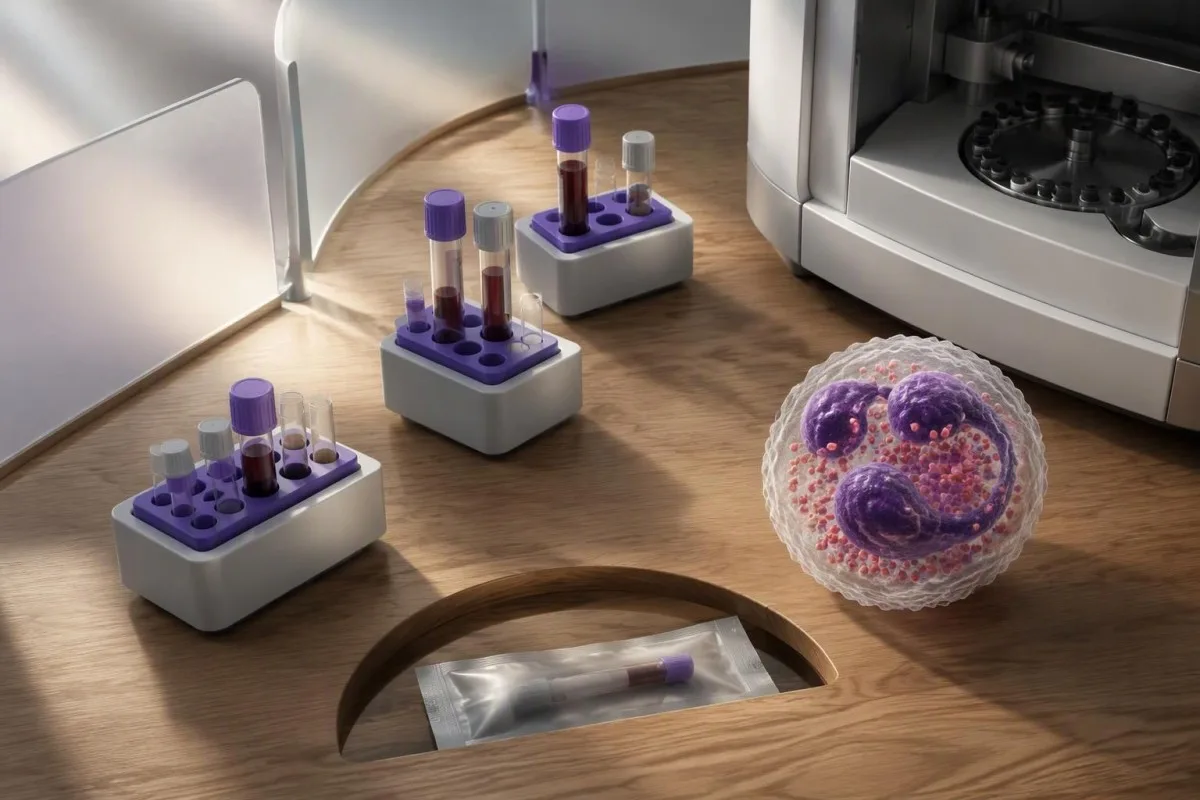
The European Medicines Agency's 2025 communication on revised routine blood count monitoring shifts the principal hematological measure toward ANC rather than combined WBC and ANC surveillance. The revised approach generally uses baseline ANC of at least 1,500 cells/µL, or at least 1,000 cells/µL in an established BEN pathway, while lowering some treatment-interruption thresholds compared with older European systems.
In the revised European approach, ANC below 1,000 cells/µL generally triggers stopping treatment in the standard pathway, whereas below 500 cells/µL is the corresponding threshold for an established BEN pathway. Results above those stopping thresholds can still require intensified surveillance; a hypothetical count of 1,100 cells/µL is not a reason to ignore a new downward trend.
Country authorization, the particular product information and service implementation can differ, even when patients have each taken clozapine for 2 years. Our guide to blood-test timing and changes explains why historical stability matters; obtain written confirmation before assuming that an annual European schedule applies to a UK, US or other national pathway.
Ի՞նչ պետք է արվի ANC-ի անսպասելի ցածր արդյունքից հետո։
An unexpected low ANC needs prompt prescriber review, confirmation when appropriate and assessment for causes other than clozapine. In the US label pathway, an initial ANC below 1,500 cells/µL is generally confirmed within 24 hours, but severe neutropenia or infection symptoms require immediate management rather than waiting for a routine repeat.
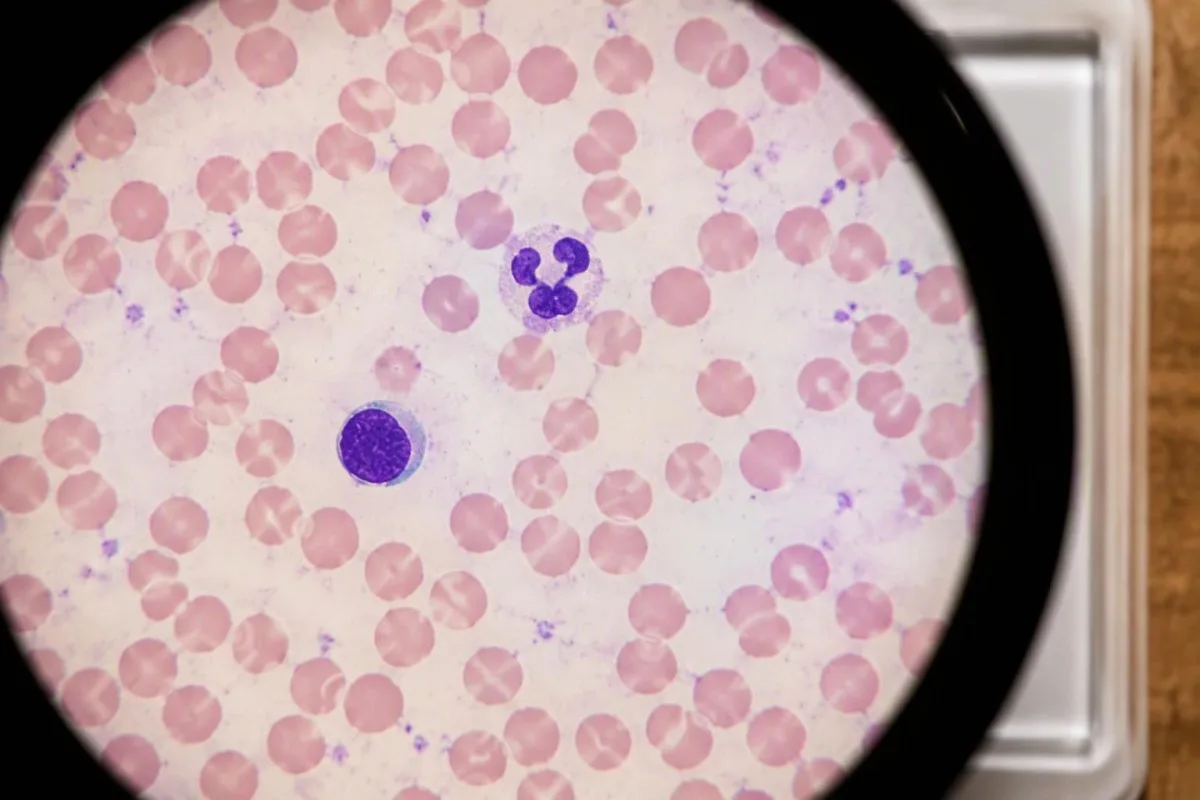
Recent viral illness, other medicines, autoimmune disease and nutritional deficiency can all lower ANC; a count of 900 cells/µL establishes neutropenia but does not establish its cause. Clinicians review the timing of drug exposure and may examine hemoglobin, platelets and a cell sample slide; concurrent abnormalities can justify evaluation for possible marrow disorders.
Kantesti is an AI blood test interpretation platform that can place an ANC of 0.9 × 10⁹/L beside platelet and hemoglobin trends, while leaving causation and medication decisions to clinicians. Our broader հեմատոլոգիական մարկերների ուղեցույցը explains why a normal red-cell result does not erase an isolated neutrophil problem.
Sampling time and temporary physiological variation can affect a borderline result, but there is no safe rule that an afternoon repeat will always normalize an ANC of 1,400 cells/µL. If a clinician requests a repeat at a consistent time, follow that plan without delaying necessary care; exercise, supplements or deliberate timing changes should not be used to manipulate a treatment-clearance result.
Վարակման ո՞ր ախտանշաններն են պահանջում անհապաղ գնահատում։
During clozapine treatment, fever of 38.0°C or higher, new sore throat, mouth sores, shaking chills or sudden marked illness warrants urgent same-day clinical assessment. A known ANC below 500 cells/µL makes possible infection especially urgent. Confusion, breathing difficulty, fainting or rapidly worsening illness requires emergency help, regardless of the last count.
Formal febrile-neutropenia definitions often use a single temperature of at least 38.3°C or at least 38.0°C sustained for 1 hour, together with severe or impending severe neutropenia. Those definitions support clinical classification—not a home instruction to wait an hour; tell the urgent-care team that you take clozapine and provide your last ANC if available.
An ANC of 2,000 cells/µL measured 7 days ago cannot exclude a new fall today, and severe neutropenia can weaken usual local signs such as redness or discharge. Assessment may include an urgent CBC with differential, cultures and examination; our procalcitonin interpretation guide explains why a low infection biomarker cannot independently rule out an early serious infection.
New fever may also signal pneumonia, myocarditis or another illness that raises clozapine concentrations, creating 2 linked safety questions: immune protection and medication toxicity. Call the prescribing team's urgent number immediately for advice about the next dose; if you cannot reach them promptly while significantly unwell, seek urgent care rather than waiting for an app interpretation or routine appointment.
Ինչպե՞ս են մյուս դեղերը, ծխելը և հիվանդությունն ազդում մոնիթորինգի վրա։
Other medicines can increase neutropenia risk or change clozapine concentrations, and those are different problems requiring different tests. ANC is measured in cells/µL, whereas clozapine concentration is commonly measured in ng/mL; a normal ANC does not exclude excessive drug exposure, and a therapeutic concentration does not exclude neutropenia.

Carbamazepine is generally avoided with clozapine because of marrow-suppression risk and clinically relevant interactions; concurrent valproate has also been associated with neutropenia in observational studies. A hypothetical ANC decline from 2,600 to 1,300 cells/µL after adding another medicine warrants a complete medication review, not a conclusion that clozapine is necessarily the sole cause; valproate level interpretation addresses the separate issue of drug exposure.
Stopping combustible smoking can raise clozapine concentrations because smoke components—not nicotine itself—induce CYP1A2 metabolism. A person who stops smoking during a 3-day hospital admission may therefore need prescriber-directed concentration monitoring and dose review; our nicotine test explanation clarifies why cotinine alone does not measure the smoke-related enzyme effect.
Kantesti can explain why an ANC of 2,100 cells/µL and a clozapine level of 900 ng/mL describe different risks, but we cannot select a safer dose. Fever, major caffeine changes and interacting medicines such as ciprofloxacin can alter exposure; report new excessive sedation, confusion or muscle jerks promptly, even if the neutrophil result is reassuring.
Ի՞նչ է տեղի ունենում բաց թողնված հետազոտություններից կամ բուժման ընդմիջումից հետո։
A missed ANC appointment can create a supply problem, while a clozapine treatment break can create a separate restarting hazard. After more than 48 hours without clozapine, many protocols require supervised re-titration beginning at 12.5 mg once or twice daily rather than immediate return to the previous dose; exact instructions depend on the prescribing information.
Tolerance to clozapine's blood-pressure effects can be lost quickly, so restarting a previous 300 mg daily regimen after a break may cause profound hypotension or collapse. US prescribing information also specifies reduced restart doses for shorter interruptions; patients should contact the prescribing team after missed doses rather than using a remembered 48-hour rule to decide what to take.
A treatment break does not always reset ANC surveillance to the beginning, because monitoring rules depend on interruption duration and the reason treatment stopped. In the US normal-ANC pathway, interruptions of 30 days or longer generally return patients to initiation-style monitoring; national monitoring services may use different interruption rules, especially after an abnormal count.
After a hypothetical 5-day admission, confirm the last dose, current prescription, latest ANC and who will supervise the next dose before leaving hospital. Our explanation of հիվանդանոցից դուրս գրվելուց հետո արդյունքներ helps organize altered laboratory values, but it cannot reconcile prescriptions or authorize restarting after neutropenia.
Կլոզապինի անվտանգության վերաբերյալ ի՞նչը չի բացահայտում ANC-ի մոնիթորինգը։
ANC monitoring does not detect clozapine-related myocarditis, constipation, metabolic complications or excessive drug concentrations. Some initiation protocols add weekly troponin and CRP during the first 4 weeks, while ongoing care assesses bowel function, weight, glucose and lipids. A satisfactory ANC therefore confirms only one part of medication safety.
New chest pain, breathlessness or persistent unexplained tachycardia during the first 4 weeks needs prompt clinical assessment rather than reassurance from a normal ANC. Troponin and CRP can support a myocarditis investigation, but thresholds and screening practices vary; our myocarditis testing explanation describes why laboratory results must be interpreted with symptoms and cardiac evaluation.
Clozapine-related bowel slowing can become dangerous even when stool is still passing, and severe abdominal pain, distension or vomiting requires urgent assessment. Record bowel frequency and stool consistency rather than asking only whether constipation is present; the կղանքի խտության ուղեցույցը provides a shared description, while a change lasting 48 hours should prompt contact according to the patient's bowel-management plan.
Correll et al. (2022) describe a clozapine plasma reference range of approximately 350–600 ng/mL for many treatment-response decisions, while emphasizing individual variation and adverse effects. That range is not an ANC target or a universal safe-dose boundary; concentration samples usually need defined timing relative to the last dose, whereas routine ANC collection generally does not require a trough sample.
Ինչպե՞ս պետք է պատրաստվել կլոզապինի ընդունման վերաբերյալ հաջորդ գնահատմանը։
Bring the latest ANC, its units, earlier counts and a complete medication list to every clozapine review. Ask which national and service-specific pathway applies, what happens below its thresholds and whom to contact urgently. Keeping at least 3 dated results available helps distinguish a stable baseline from a new decline.

For a hypothetical sequence of 2,400, 1,900 and 1,400 cells/µL, useful questions concern the trend, recent illness, interacting medicines and the required next sample—not simply whether the latest value is red. Also ask who receives results outside office hours and whether the pharmacy needs monitoring-service clearance; these practical details can prevent an avoidable treatment gap.
Kantesti is an AI biomarker interpretation platform that helps translate an ANC of 1.4 × 10⁹/L into an understandable count and a list of clinician questions. Our տեխնիկական և կլինիկական վերահսկողությունը describes the boundaries of interpretation; it does not establish that an automated answer is a validated clozapine prescribing decision or a substitute for hematology advice.
Kantesti's educational workflow should preserve 3 essentials: the source result, the applicable clinical protocol and the human decision-maker. Our արհեստական բանականության պատասխանատու օգտագործման սկզբունքները explain why urgent symptoms take priority over automated analysis, while our գաղտնիության և տվյալների մասին տեղեկությունները explains considerations when sharing sensitive psychiatric and laboratory records.
Հետազոտական հրապարակումներ և ապացույցների սահմանները
The 2 Kantesti publications listed in the research publication section concern digestive symptoms and women's health, not clozapine ANC thresholds or monitoring schedules. Their Figshare DOIs identify those publications but do not establish peer review or provide evidence for clozapine decisions; the directly relevant medical and regulatory sources are listed separately below.
Հաճախ տրվող հարցեր
Որքա՞ն պետք է ANC-ն ցածր լինի, որպեսզի կլոզապինի ընդունումը շարունակելն անհնար լինի:
The ANC threshold for continuing clozapine depends on the country and the patient's documented baseline pathway. In the US general pathway, ANC of 1,000–1,499 cells/µL can allow continuation with increased monitoring, while 500–999 cells/µL usually requires interruption when clozapine-induced neutropenia is suspected. A documented BEN or Duffy-null-associated pathway can permit continuation at 500–999 cells/µL under specialist supervision. ANC below 500 cells/µL requires urgent clinical management; patients should obtain immediate prescriber instructions rather than change treatment themselves.
Արդյո՞ք կլոզապինի REMS ծրագրի վերացումից հետո դեռևս պետք է ANC արյան անալիզներ հանձնեմ։
Այո, ԱՄՆ-ում կլոզապինի REMS ծրագրի վերացումը չի վերացրել ԱՆՉ-ի հսկողության կլինիկական հանձնարարականը։ FDA-ն 2025 թվականի հունիսի 13-ին վերացրեց ռեեստրը՝ դադարեցնելով գրանցման, հաշվետվության և դեղի տրամադրման թույլտվության պահանջները։ Դեղի նշանակման տեղեկատվության մեջ նշված ժամանակացույցը, ընդհանուր առմամբ, մնում է հետևյալը՝ շաբաթական՝ 6 ամիս, յուրաքանչյուր 2 շաբաթը մեկ՝ հաջորդ 6 ամիսների ընթացքում, ապա՝ ամսական։ Նեյտրոպենիայից, բուժման ընդհատումից կամ կլինիկական վիճակի այլ համապատասխան փոփոխությունից հետո ձեր դեղատոմս գրող բժիշկը կարող է լրացուցիչ հետազոտություններ պահանջել։.
Why is my clozapine blood test schedule different from someone else's?
Կլոզապինի արյան հետազոտությունների ժամանակացույցերը տարբեր են, քանի որ ազգային դեղամիջոցների վերաբերյալ տեղեկատվությունը, մոնիթորինգի ծառայությունները, բուժման տևողությունը և ANC-ի նախկին դեպքերը նույնական չեն։ Մեծ Բրիտանիայի ավանդական ուղիները նախատեսում են շաբաթական հետազոտություն 18 շաբաթ շարունակ, երկու շաբաթը մեկ՝ մինչև 1 տարին, ապա՝ յուրաքանչյուր 4 շաբաթը մեկ։ Եվրոպական վերանայված առաջարկությունները կարող են թույլատրել հետազոտություն յուրաքանչյուր 12 շաբաթը մեկ՝ 1 տարուց հետո, և տարեկան հետազոտություն՝ 2 տարուց հետո, համապատասխան կայուն հիվանդների դեպքում՝ տեղական ներդրման պայմանով։ Նախքան որևէ այցի փոփոխություն կատարելը՝ դիմեք ձեր նշանակող ծառայությանը՝ կիրառելի ժամանակացույցը հաստատելու համար։.
Կարո՞ղ է կլոզապինը նեյտրոպենիա առաջացնել տարիներ շարունակ նորմալ արդյունքներ ունենալուց հետո։
Կլոզապինի հետ կապված նեյտրոպենիա կարող է առաջանալ տարիներ շարունակ նորմալ արդյունքներից հետո, թեև ռիսկը շատ ավելի բարձր է բուժման վաղ շրջանում։ Առաջին 18 շաբաթից մինչև 6 ամիսն ընդգրկում է ծանր դեպքերի զգալի մասը։ 2 տարի անց ի հայտ եկած նոր ցածր ցուցանիշը դեռևս պահանջում է գնահատել կլոզապինի, այլ դեղամիջոցների, վարակի, ինչպես նաև ոսկրածուծի կամ աուտոիմուն վիճակների հնարավոր դերը։ Նախկինում հանգստացնող ANC արդյունքը չի բացառում շտապ գնահատման անհրաժեշտությունը, երբ առաջանում է ջերմություն կամ հանկարծակի հիվանդություն։.
Ի՞նչ պետք է անեմ, եթե կլոզապին ընդունելիս ջերմություն ունենամ:
0 Տենդը՝ 38.0°C կամ ավելի բարձր, կլոզապին ընդունելիս պահանջում է նույն օրը շտապ բժշկական գնահատում, հատկապես՝ կոկորդի ցավի, բերանի խոցերի, ուժեղ դողի կամ արտահայտված թուլության դեպքում։ Բժշկին տեղեկացրեք, որ ընդունում եք կլոզապին, և հնարավորության դեպքում տրամադրեք ANC-ի ձեր վերջին ցուցանիշը։ Հայտնի ANC-ն՝ 500 բջիջ/µL-ից ցածր, հնարավոր վարակը դարձնում է հատկապես հրատապ, իսկ շփոթվածությունը, շնչառության դժվարությունը կամ ուշագնացությունը շտապ օգնություն են պահանջում։ Ստացեք անհապաղ ցուցում նշանակող բժշկից հաջորդ դեղաչափի վերաբերյալ՝ սովորական հաջորդ հետազոտությանը սպասելու կամ դեղորայքն ինքնուրույն փոխելու փոխարեն։.
Կարո՞ղ եմ վերսկսել կլոզապինի իմ սովորական դեղաչափը՝ երկու օր բաց թողնելուց հետո։
Չպետք է վերսկսեք կլոզապինի ձեր սովորական դեղաչափը բուժման ընդմիջումից հետո՝ առանց նշանակող թիմի ցուցումների։ Ավելի քան 48 ժամ բուժում չստանալուց հետո շատ արձանագրություններ պահանջում են դեղաչափի կրկնակի աստիճանական բարձրացում՝ սկսելով 12.5 մգ-ից օրական մեկ կամ երկու անգամ, քանի որ արյան ճնշման վրա ազդեցությունների նկատմամբ տանելիությունը կարող է կորչել։ Նշանակման վերաբերյալ որոշ տեղեկություններ պահանջում են նաև ավելի փոքր դեղաչափեր՝ ավելի կարճ ընդհատումներից հետո։ Անմիջապես կապվեք թիմի հետ, քանի որ վերսկսման ճիշտ ծրագիրը և ANC-ի ժամանակացույցը կախված են ընդմիջման ճշգրիտ տևողությունից և պատճառից։.
Արդյո՞ք լեյկոցիտների նորմալ քանակը նշանակում է, որ կլոզապինի ընդունման դեպքում իմ նեյտրոֆիլների բացարձակ քանակը (ANC) անվտանգ է։
0] Լեյկոցիտների ընդհանուր նորմալ քանակը չի երաշխավորում, որ բացարձակ նեյտրոֆիլների քանակը (ANC) բավարար է կլոզապինով բուժման համար։ Օրինակ՝ 6,000 բջիջ/µL WBC-ն՝ 15% նեյտրոֆիլներով, տալիս է 900 բջիջ/µL ANC։ Բուժման վերաբերյալ որոշումները պետք է հիմնվեն բացարձակ նեյտրոֆիլների քանակի, կիրառելի արձանագրության և կլինիկական համատեքստի վրա, այլ ոչ թե միայն WBC-ի։ Նորմալ ANC-ն նույնպես չի կարող բացառել միոկարդիտը, աղիների շարժունակության խիստ դանդաղումը կամ կլոզապինի չափազանց բարձր կոնցենտրացիաները։.
Ստացեք ձեր արյան անալիզի արդյունքների բացատրությունը
Վերբեռնեք ձեր լաբորատոր հաշվետվությունը, և Kantesti-ի AI-ն վայրկյանների ընթացքում պարզ լեզվով կբացատրի յուրաքանչյուր կենսամարկեր։ Օգտագործում է ավելի քան 2 միլիոն մարդ ամբողջ աշխարհում։.
Հղումներ
- Klein, T., Mitchell, S., & Weber, H. (2026). Փորլուծություն ծոմապահությունից հետո, կղանքում սև մասնիկներ և ստամոքսաղիքային ուղեցույց 2026։. Kantesti AI բժշկական հետազոտություն։. ԴՕԻ
- Klein, T., Mitchell, S., & Weber, H. (2026). Կանանց առողջության ուղեցույց․ օվուլյացիա, դաշտանադադար և հորմոնալ ախտանիշներ։. Kantesti AI բժշկական հետազոտություն։. ԴՕԻ
- Correll CU et al. (2022). A Guideline and Checklist for Initiating and Managing Clozapine Treatment in Patients with Treatment-Resistant Schizophrenia. CNS Drugs. ԴՕԻ
- US Food and Drug Administration (2025). FDA removes risk evaluation and mitigation strategy (REMS) program for the antipsychotic drug Clozapine. FDA Drug Safety and Availability.
- European Medicines Agency (2025). Clozapine: revised recommendations for routine blood count monitoring. Direct healthcare professional communication.
- 2 միլիոն+Վերլուծված թեստեր
- 127+Երկրներ
- 100+Լեզուներ
Բժշկական թիմի մասին


E-E-A-T վստահության ազդանշաններ
Փորձառություն
Բժշկի կողմից ղեկավարվող կլինիկական վերանայում՝ լաբորատոր մեկնաբանության աշխատանքային հոսքերի համար։.
Մասնագիտություն
Լաբորատոր բժշկության կենտրոնացում՝ այն բանի վրա, թե ինչպես են բիոմարկերները դրսևորվում կլինիկական համատեքստում։.
Հեղինակություն
Բժշկական գրախոսությունը՝ դոկտոր Թոմաս Քլայնի կողմից, դոկտոր Սառա Միտչելի և պրոֆ. դոկտոր Հանս Վեբերի մասնակցությամբ։.
Հուսալիություն
Ապացույցների վրա հիմնված մեկնաբանություն՝ հստակ հետագա քայլերի ուղիներով՝ ահազանգերը նվազեցնելու համար։.





Բժշկական հրաժարում պատասխանատվությունից
Այս հոդվածը միայն կրթական նպատակների համար է և չի հանդիսանում բժշկական խորհրդատվություն։ Ախտորոշման և բուժման որոշումների համար միշտ խորհրդակցեք որակավորված բուժաշխատողի հետ։.
Հրապարակված · Կապ հաստատել խմբագրական թիմի հետ
Հրատարակված է Kantesti Ltd-ի կողմից, գրանցված Անգլիայում և Ուելսում, ընկերության համար. 17090423, Լոնդոն, Միացյալ Թագավորություն։.
