
Հակամարմինների դրական արդյունքն ինքնաբերաբար չի նշանակում, որ բուժում է անհրաժեշտ։ Ախտանշանները, վարակի հետ շփման պատմությունը, էոզինոֆիլների քանակը և աչքի զննումը կարող են տարբերակել պատահական հայտնաբերումը բուժում պահանջող հիվանդությունից։.

Հիմնական եզրակացությունները
- Դրական հակամարմիններ վկայում են Տոքսոկարայի անտիգենների նկատմամբ իմունային պատասխանի մասին․ 1 դրական արդյունքը չի կարող հաստատել՝ արդյոք թրթուրները ներկայումս հիվանդություն են առաջացնում։.
- Նախկին վարակում կարող են IgG-ի հայտնաբերելի մակարդակներ պահպանել տարիներ շարունակ, ուստի դրականության պահպանումը բուժման ձախողման հուսալի ցուցիչ չէ։.
- Էոզինոֆիլիա սովորաբար նշանակում է էոզինոֆիլների բացարձակ քանակ՝ 0.5 × 10⁹/L-ից բարձր․ դա հիմք է լրացուցիչ հետազոտության համար, բայց չի բացահայտում, որ պատճառը Տոքսոկարան է։.
- Էոզինոֆիլների ավելի բարձր քանակները առնվազն 1.5 × 10⁹/L-ի դեպքում, եթե պահպանվում են կամ ուղեկցվում են օրգանների ախտանշաններով, պահանջում են գնահատում, այլ ոչ թե մակաբույծների դեմ ավտոմատ բուժում։.
- Աչքի ախտանշաններ ինչպես օրինակ՝ նոր ի հայտ եկած մշուշոտ տեսողությունը, լողացող բծերը կամ 1 աչքի տեսողության նվազումը, պահանջում են անհապաղ գնահատում․ տեսողության հանկարծակի կորուստը շտապ օգնություն է պահանջում։.
- Բուժում Վիսցերալ տոքսոկարիազի դեպքում բուժումը կարող է ներառել ալբենդազոլ՝ 400 mg օրական երկու անգամ, 5 օր շարունակ, բժշկի հսկողությամբ՝ համաձայն CDC-ի ուղեցույցի։.
- Աչքի ախտահարում կարիք ունի մասնագետի կողմից ուղղորդվող բուժման, քանի որ հյուսվածքների արձագանքը վերահսկելը կարող է նույնքան կարևոր լինել, որքան մակաբույծի բուժումը։.
- Հետագա այցելություն պետք է հետևի ախտանշաններին և համապատասխան լաբորատոր ցուցանիշների փոփոխություններին․ հակամարմինների ինդեքսի՝ 2.0-ից 1.5-ի նվազումն ինքնին չի ապացուցում ապաքինումը։.
Տոքսոկարայի նկատմամբ հակամարմինների դրական արդյունքը բուժո՞ւմ է պահանջում։
Տոքսոկարայի նկատմամբ դրական հակամարմիններն ինքնաբերաբար բուժում չեն պահանջում։. Հայտնաբերվող հակամարմինները կարող են վկայել նախկին շփման, այլ ոչ թե ակտիվ տոքսոկարիազի մասին․ բուժման որոշումները կախված են համապատասխան ախտանշաններից, շփման պատմությունից և հաստատող տվյալներից, օրինակ՝ էոզինոֆիլիայից։ Աչքի նոր ախտանշանները պահանջում են անհապաղ գնահատում, նույնիսկ եթե հակամարմինների արդյունքը թույլ դրական է կամ այլ թեստերի արդյունքները նորմալ են։.
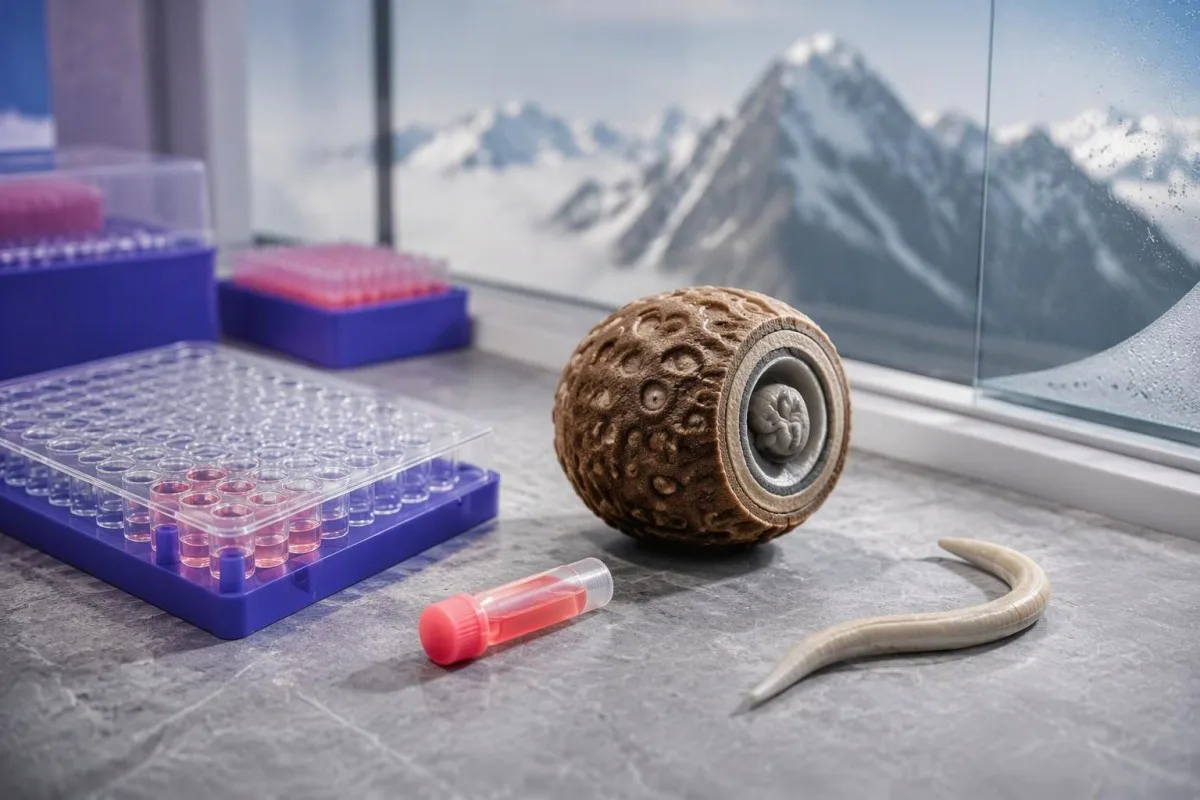
Հակամարմինների դրական թեստը հայտնաբերում է իմունային ճանաչումը, այլ ոչ թե կենդանի մակաբույծների քանակը։. Հետևաբար, բժիշկներն առանձնացնում են 3 հարց․ արդյոք շփում տեղի ունեցե՞լ է, արդյոք առկա՞ է հիվանդություն, և արդյոք բուժումը հավանաբար օգտակար կլինի․ լաբորատոր արդյունքը պատասխանում է միայն առաջին հարցի մի մասին։.
Օրինակ՝ դիտարկենք 38-ամյա անձի հիպոթետիկ դեպք՝ դրական սկրինինգային արդյունքով, առանց ախտանշանների և 0.18 × 10⁹/L բացարձակ էոզինոֆիլների քանակով։ Այս համադրությունը չի հաստատում ակտիվ տոքսոկարիազ, մինչդեռ նույն արդյունքը՝ մշտական հազի, էոզինոֆիլիայի և համապատասխան շփման առկայության դեպքում, կարդարացներ ավելի նպատակային գնահատումը։.
Բուժումը պետք է ուղղված լինի կլինիկական համախտանիշին, այլ ոչ թե հակամարմինների արդյունքը բացասական դարձնելուն։. Magnaval և այլք (2001) նկարագրում են միայն շճաբանական հետազոտության միջոցով նախկին շփումը կլինիկապես նշանակալի տոքսոկարիազից տարբերակելու դժվարությունը․ տե՛ս մեր ուղեցույցը դրական հակամարմինների արդյունքների մեկնաբանությանը բացատրում է, թե ինչու հակամարմինների տարբեր թեստերը հանգեցնում են տարբեր որոշումների։.
Կանտեստին մի է AI արյան անալիզատոր որը կարող է օգնել հակամարմինների արդյունքը կազմակերպված ներկայացնել CBC-ի և լյարդային վահանակի կողքին, սակայն 1 հաշվետվությամբ չի կարող որոշել թրթուրների կենսունակությունը։ Կարդացեք մեր կազմակերպության մասին ՝ մեր մեկնաբանման ծառայությունը բուժում նշանակելու համար անհրաժեշտ՝ բժշկի կողմից իրականացվող գնահատումից տարբերելու մասին։.
Ինչու տոքսոկարայի նկատմամբ հակամարմինները կարող են պահպանվել նախկին շփումից հետո
Toxocara IgG-ն կարող է հայտնաբերվել շփումից հետո տարիներ շարունակ և կարող է պահպանվել բուժումից հետո։. Հակամարմինները իմունային հիշողության մաս են, այլ ոչ թե շփման ժամանակը ցույց տվող նշիչ։ Մեկ դրական նմուշը չի կարող հուսալիորեն տարբերակել հեռավոր անցյալում տեղի ունեցած շփումը, առանց ընթացիկ ախտանշանների պահպանվող թրթուրները և ակտիվ հյուսվածքային հիվանդություն առաջացնող թրթուրները։.

Մարդու օրգանիզմում սովորաբար առկա են Toxocara-ի թրթուրներ, այլ ոչ թե հասուն աղիքային որդեր։. Մարդկանց հիվանդության հետ կապված 2 հիմնական տեսակներն են Toxocara canis-ը և Toxocara cati-ն․ թրթուրները կարող են գաղթել հյուսվածքներ, որտեղ իմունային պատասխաններն ու ախտանշանները տարբերվում են սովորական աղիքային կլոր որդերով վարակումից։.
Պահպանվող թրթուրներն ու պահպանվող հակամարմինները փոխկապակցված, բայց իրար չփոխարինող հասկացություններ են։ Կասկածվող շփումից 3 տարի անց մարդու մոտ կարող է հայտնաբերվել IgG՝ առանց ընթացիկ օրգանային վնասման ապացույցների, իսկ միայն հակամարմինների արդյունքը չի կարող հաստատել՝ արդյոք մնացած թրթուրները կենդանի են։.
Խիստ դրական արդյունքը հուսալիորեն չի ցույց տալիս շփման ժամանակը։. Կրկնվող շփումը կարող է բարձրացնել հակամարմինների մակարդակը, իսկ տարբեր անալիզները ճանաչում են հակածինների տարբեր պատրաստուկներ․ հետևաբար, 4.0 թվային ինդեքսը չի կարելի մեկնաբանել որպես թրթուրների 4 անգամ ավելի մեծ քանակ կամ հիվանդության 4 անգամ ավելի ծանր ընթացք։.
Երկար պահպանվող հակամարմինները տոքսոկարիազը տարբերում են այն վարակներից, որոնց դեպքում հարուցչի անմիջական հայտնաբերումը հեշտությամբ հասանելի է։ Մեր քննարկումը՝ Babesia-ի հակամարմինների և վարակի մասին, ցույց է տալիս նույն ընդհանուր տարբերակումը, թեև Babesia-ի հաստատող թեստերն ու բուժման կանոնները կիրառելի չեն Toxocara-ի դեպքում։.
Ինչպես մեկնաբանել հակամարմինների ինդեքսները, տիտրերը և սահմանային արդյունքները
Toxocara-ի շճաբանական հետազոտությունների մեկնաբանման համար պետք է օգտագործել հետազոտությունն իրականացրած լաբորատորիայի մեթոդը և սահմանային արժեքը։. There is no universal antibody concentration in IU/mL that separates past exposure from active disease. ELISA indexes, optical-density ratios and dilution titres are different measurements, so 2 laboratories can report the same specimen differently.

An antibody index is usually an assay-specific signal rather than an absolute concentration. In a hypothetical laboratory using positivity above 1.1, an index of 1.3 would be just above the cutoff; that invented example is not a reference range to apply to your own report.
Borderline results deserve particular attention when symptoms and exposure are absent. A laboratory may recommend another specimen or a more specific confirmatory method, such as an immunoblot; our explanation of որակական և քանակական արդյունքներ helps distinguish a positive flag from a genuinely comparable numerical measurement.
The probability of disease before testing changes what a positive result means. In an explicitly simulated group of 1,000 people, with 10% disease prevalence, 80% sensitivity and 90% specificity, testing would produce 80 true positives and 90 false positives—only about 47% of positive results would represent disease.
Those simulated figures are not performance estimates for a particular Toxocara assay. Kantesti AI can help identify the method and reference information on a report, but cannot replace missing validation data; antibody index confirmation also requires assay-specific reasoning, not borrowing cutoffs from another infection.
Վարակի հետ շփման ո՞ր պատմություններն են տոքսոկարիազն ավելի հավանական դարձնում։
Toxocariasis is most often acquired by swallowing infective eggs from contaminated soil, hands or food. Dog and cat exposure matters because these animals can shed eggs, but simply owning a pet does not establish infection. Eggs generally require approximately 2–4 weeks in the environment to become infective.

Fresh animal faeces and established soil contamination are not identical exposure situations. Because eggs require environmental development, a garden or play area contaminated over several weeks can be more relevant than a single recent contact; daily pet-waste removal helps prevent eggs from reaching the infective stage.
Ask about 3 practical routes: soil or sand exposure, unwashed produce or hands, and consumption of undercooked tissues from infected animals. Foodborne transmission through larvae in animal tissues is recognised, but its contribution varies by setting; Trichinella antibody assessment involves a different parasite and different exposure clues.
A cat scratch is not the usual mechanism of Toxocara acquisition. Scratches instead raise other diagnostic possibilities, including Bartonella; our guide to cat scratch antibody testing explains why 1 animal-related event should not be used to label every positive infection test.
Geography changes the background likelihood of exposure but does not establish active disease. A hypothetical adult who gardened barefoot for 10 years may have a plausible exposure history, yet current symptoms, eosinophils and examination findings still determine whether that history explains the positive result.
Ո՞ր ախտանշաններն ու էոզինոֆիլների քանակներն են վկայում ակտիվ հիվանդության մասին։
Active visceral toxocariasis becomes more plausible when positive antibodies accompany compatible organ symptoms and eosinophilia. Fever, persistent cough, wheeze, abdominal discomfort or liver enlargement can support investigation, but none is specific. An absolute eosinophil count above approximately 0.5 × 10⁹/L is generally considered elevated in adults.
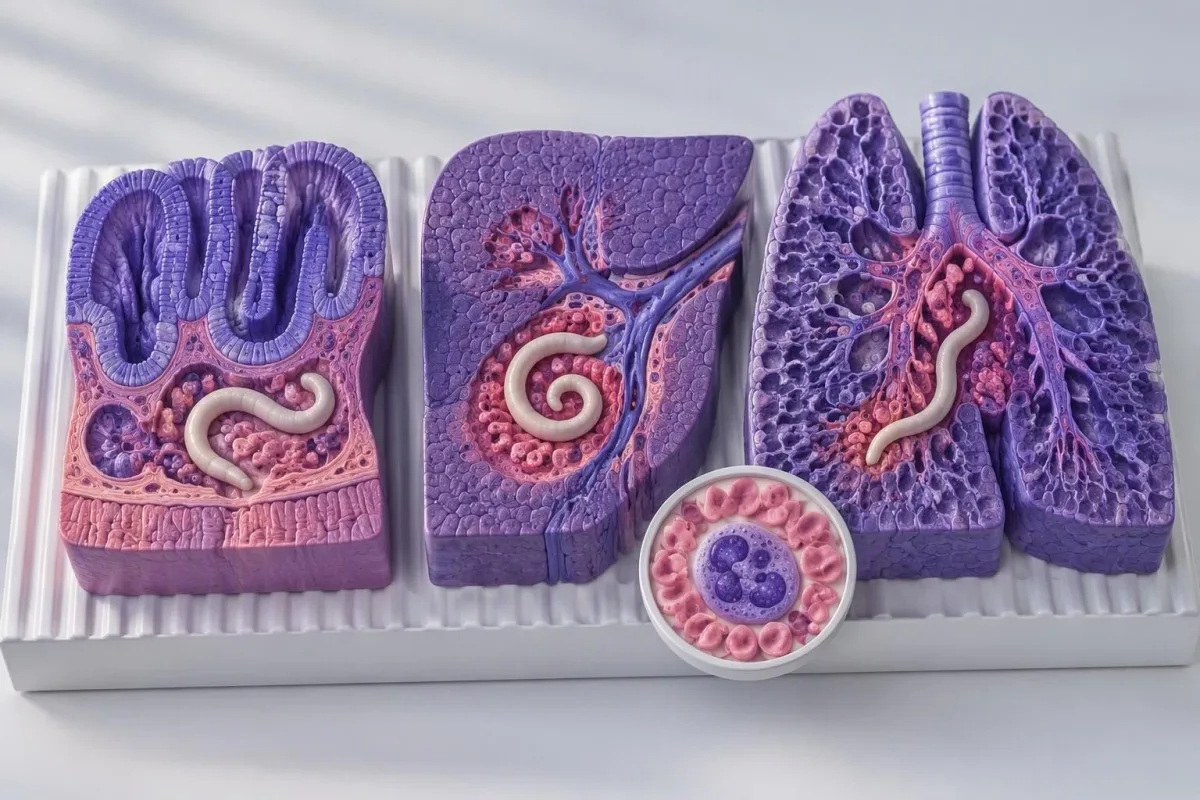
Eosinophilia is a clue to tissue responses, not a parasite identification test. Allergic disease, medicines, other helminths and some haematological disorders can raise eosinophils; a count of 0.8 × 10⁹/L therefore requires context rather than an automatic albendazole prescription.
Persistent counts of at least 1.5 × 10⁹/L warrant evaluation, especially when accompanied by respiratory, cardiac, neurological or other organ symptoms. That threshold reflects concern about hypereosinophilia and potential organ injury—not a validated Toxocara treatment cutoff; high eosinophil assessment բացատրում է ավելի լայն դիֆերենցիալը։.
Normal eosinophils do not exclude ocular toxocariasis. Disease confined to 1 eye may produce little systemic laboratory response, so a normal CBC cannot overrule new visual symptoms; this distinction is why eye complaints are assessed separately from the visceral disease pattern.
Mild or so-called covert toxocariasis is harder to establish because fatigue, itch and abdominal symptoms have many competing explanations. Magnaval et al. (2001) discuss these less specific presentations; when only 1 vague symptom is present, clinicians must avoid treating an incidental antibody result as proof of its cause.
Ո՞ր այլ լաբորատոր արդյունքներն են օգնում մեկնաբանել տոքսոկարայի նկատմամբ հակամարմինները։
A CBC with an absolute eosinophil count usually adds more diagnostic context than the antibody index alone. Liver tests, total IgE and inflammatory markers may help assess a suspected clinical syndrome, but none confirms toxocariasis. Read the actual values and units, not just whether 1 result is flagged red.

The absolute eosinophil count equals the white-cell count multiplied by the eosinophil fraction. A hypothetical WBC of 8.0 × 10⁹/L with 12% eosinophils gives 0.96 × 10⁹/L; 12% alone is less informative because the same percentage produces a different absolute count when total WBC changes.
Inflammatory markers cannot reliably separate Toxocara from allergy or another infection. CRP of 3 mg/L does not exclude localised eye disease, and CRP of 35 mg/L does not prove visceral toxocariasis; our guide to WBC-ի և CRP-ի անհամապատասխանությունների մասին բացատրում է, թե ինչու այս մարկերները տալիս են տարբեր հարցերի պատասխաններ։.
Liver enzyme abnormalities describe tissue stress rather than its cause. A hypothetical ALT of 72 IU/L with a laboratory upper limit of 40 IU/L is 1.8 times that limit, but medicines, metabolic liver disease and other infections remain possibilities; լյարդային վահանակի մեկնաբանության հետ օգնում է տարանջատել այդ օրինաչափությունները։.
Կանտեստին մի է AI բիոմարկերների մեկնաբանման հարթակ that can place eosinophils, ALT and antibody results in 1 organised summary for clinician review. Total IgE is particularly nonspecific: an elevated value may fit an allergic or helminth-related response, but no IgE threshold reliably establishes active toxocariasis.
Ինչո՞ւ են աչքի ախտանշանները պահանջում անհապաղ գնահատում։
New blurred vision, floaters or reduced vision—especially in 1 eye—need prompt assessment for ocular disease, regardless of the Toxocara antibody strength. Sudden visual loss, a curtain-like shadow or severe eye pain requires emergency care. Ocular toxocariasis can occur with low or negative serum antibodies and normal eosinophils.
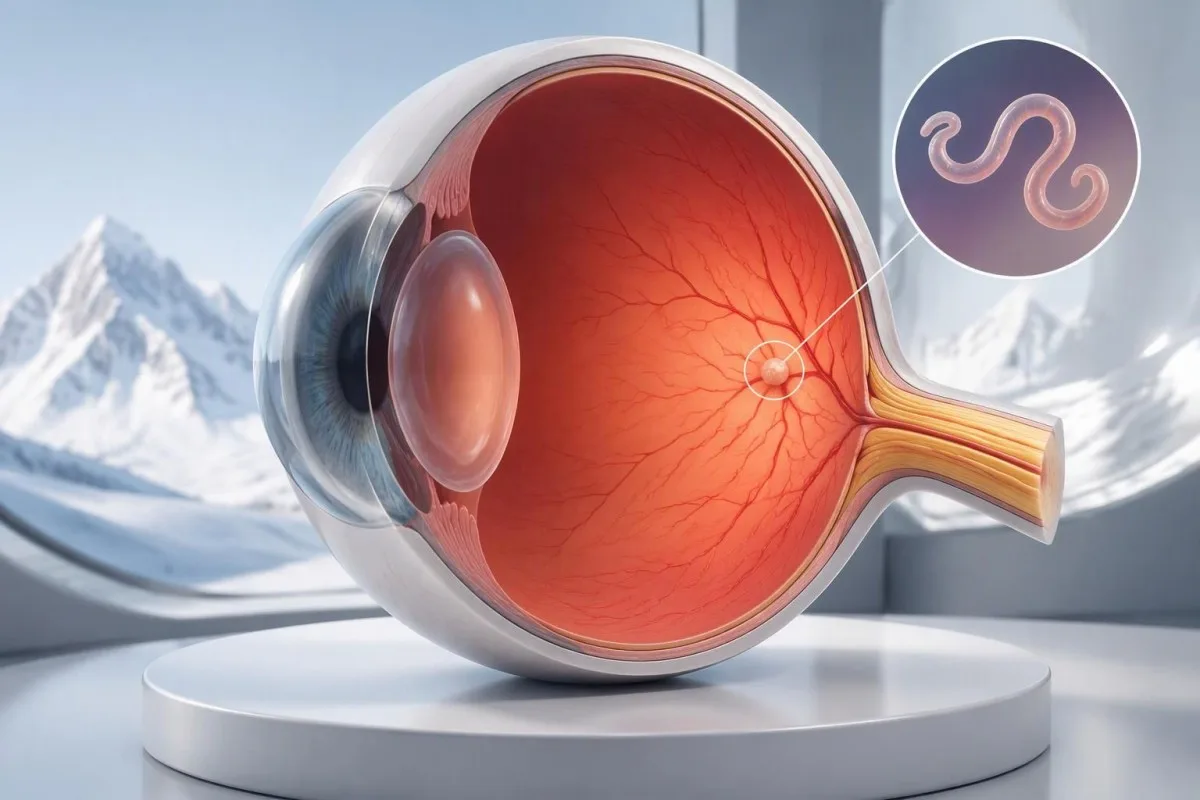
Ocular toxocariasis often affects only 1 eye. Ahn et al. (2014) describe retinal granulomas, vitreous tissue responses and other complications; the small local parasite burden helps explain why serum testing may be less informative than in systemic disease.
A positive antibody result does not identify the cause of every visual complaint. Uveitis, retinal tears, glaucoma and other conditions require different management, and HLA-B27-associated eye symptoms illustrate another reason that 1 positive laboratory marker cannot replace an eye examination.
Ocular toxocariasis diagnosis rests heavily on specialist examination. A dilated retinal examination and, when indicated, OCT or ocular ultrasound assess structures the antibody test cannot show; a weakly positive index of 1.2 should neither confirm the diagnosis nor delay referral in a symptomatic patient.
Do not wait several weeks for a repeat antibody result if vision has changed. Contact an urgent eye service the same day for new visual symptoms; in a child, a newly observed squint or white pupil also warrants urgent assessment because several sight-threatening conditions—not only Toxocara—can present that way.
Ինչպե՞ս են բժիշկները ախտորոշում տոքսոկարիազը։
Toxocariasis diagnosis usually combines exposure history, compatible clinical findings, serology and exclusion of better explanations. No single routine test reliably confirms every form of the disease. Clinicians consider at least 3 evidence domains—exposure, organ findings and laboratory support—rather than treating a positive antibody flag as a diagnosis.
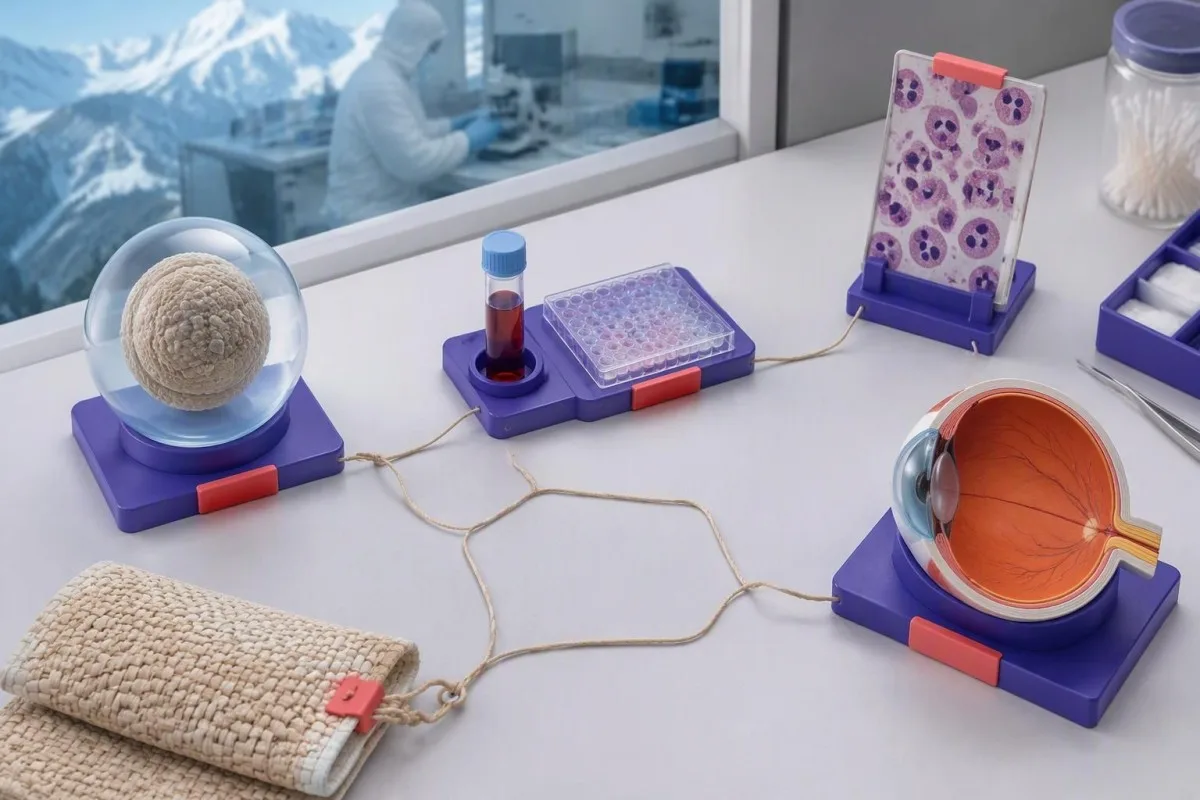
Human stool testing does not normally detect Toxocara eggs. Humans are accidental hosts, and larvae generally do not mature into egg-producing adult worms; 3 negative stool samples therefore do not rule out toxocariasis, although stool testing may help identify other parasites.
Cross-reactivity with other helminths can reduce serological specificity, particularly where multiple parasites circulate. Before prescribing systemic corticosteroids, clinicians may assess Strongyloides risk because steroids can precipitate severe strongyloidiasis; Strongyloides IgG follow-up follows different treatment principles from incidental Toxocara positivity.
Imaging should answer a specific organ-related question. Liver ultrasound or other imaging may be useful when symptoms, examination or laboratory findings suggest organ involvement, but scanning an asymptomatic person because of 1 positive antibody test can discover unrelated abnormalities without clarifying the diagnosis.
Kantesti can help organise these findings, but cannot resolve a discordant clinical picture from laboratory data alone. If antibodies are positive, eosinophils are 0.1 × 10⁹/L and symptoms point strongly toward another condition, the appropriate next step is clinician-led reassessment—not labelling every complaint as a parasite effect.
Դրական արդյունքից հետո ե՞րբ է ողջամիտ դիտարկումը։
Observation can be reasonable when a person has positive Toxocara antibodies but no compatible symptoms or evidence of organ involvement. This is a clinician-led decision, not a rule that all asymptomatic positives can be ignored. One unexplained laboratory abnormality, such as persistent eosinophilia, may still require investigation.
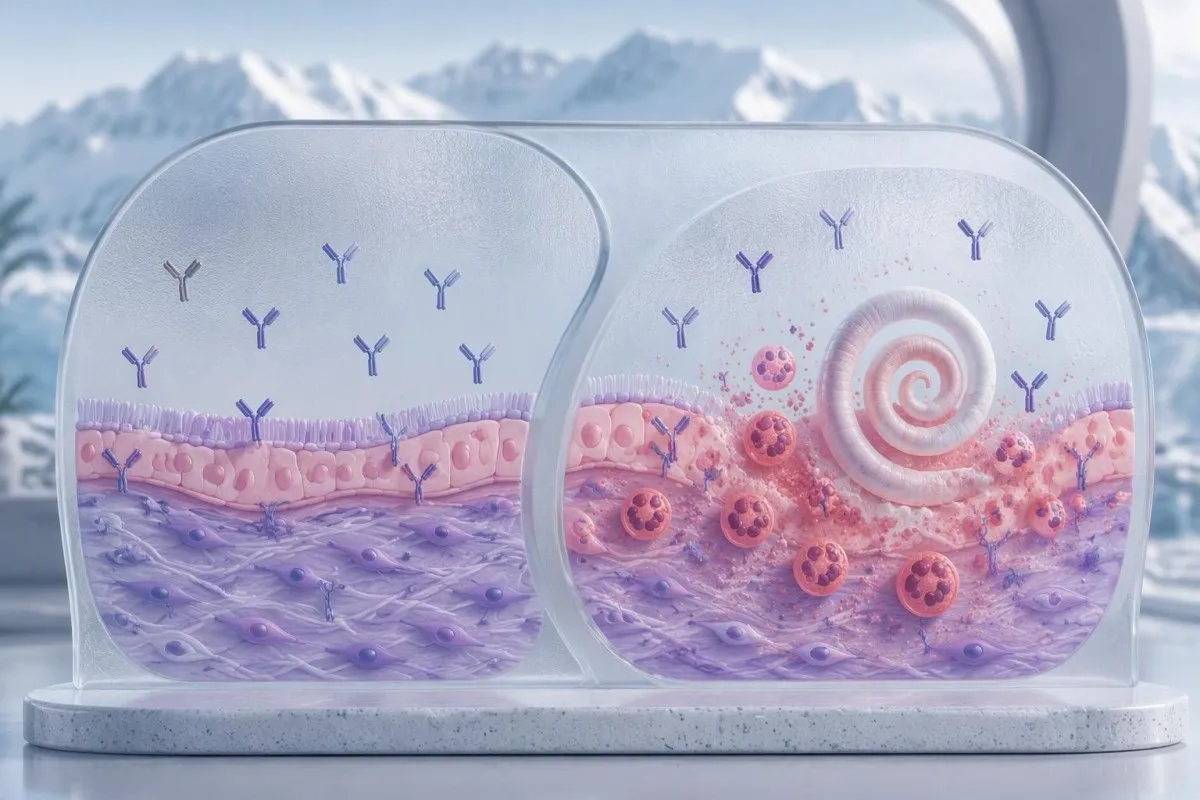
Evidence for treating every asymptomatic seropositive person is limited. Antibody persistence makes eradication difficult to measure, and the balance between benefit and medicine-related harm differs from symptomatic visceral disease; there is no universal antibody index, such as 2.0, that mandates treatment by itself.
An observation plan should specify what will be reviewed and what should trigger earlier contact. For example, a hypothetical clinician might arrange symptom and CBC review in 4–6 weeks when mild unexplained eosinophilia is present; that interval is an illustrative plan, not a universal toxocariasis follow-up guideline.
Routine parasite antibody screening is not usually useful solely because someone feels well and owns a pet. Broad screening increases the chance of finding evidence of past exposure without actionable disease; our guide to blood work without symptoms explains how risk-based testing reduces unnecessary follow-up.
Safety-net instructions make observation an active decision rather than neglect. New visual symptoms, persistent fever, worsening breathing or neurological symptoms should prompt earlier assessment, and a rising eosinophil count from 0.7 to 1.8 × 10⁹/L deserves review even if the antibody result is unchanged.
Ի՞նչ բուժում է կիրառվում ախտանշանային տոքսոկարիազի դեպքում։
Clinicians commonly use albendazole for symptomatic visceral toxocariasis, while ocular disease needs specialist-directed treatment. CDC Clinical Care guidance lists albendazole 400 mg orally twice daily for 5 days for adults and children, but also states that the optimal treatment duration is undefined. This is prescribing information, not a self-treatment instruction.

Treatment duration can differ across specialist practice because evidence is limited. CDC also lists mebendazole 100–200 mg twice daily for 5 days, while longer albendazole courses appear in published clinical practice; different schedules should not be interpreted as proof that a short course always fails.
Ocular management aims to protect sight and control the tissue response. Ahn et al. (2014) discuss antiparasitic therapy, corticosteroids and procedural treatment in selected cases; 1 standard visceral regimen should not be copied into an eye-disease treatment plan without ophthalmology input.
Longer albendazole courses may require liver-enzyme and blood-count monitoring. Baseline liver disease, interacting medicines and treatment duration affect the monitoring plan; our guide to դեղորայքի անվտանգության միտումների վերլուծություն explains why changes from an individual baseline can matter more than a single flag.
Kantesti does not prescribe antiparasitic medicines or corticosteroids. A hypothetical ALT rise from 30 to 110 IU/L during treatment needs clinician review rather than an AI-directed dose change; pregnancy, age under 2 years, liver disease and other medicines also require individual prescribing assessment.
Ինչպե՞ս են երեխաների, հղիության և իմունային վիճակի հանգամանքները փոխում որոշումները։
Children, pregnant people and patients needing immunosuppression require individual assessment rather than automatic treatment after positive serology. Exposure behaviours, eye findings and medicine safety differ across these groups. CDC notes limited albendazole safety evidence in children under 6 years, despite experience with younger children in public-health programmes.
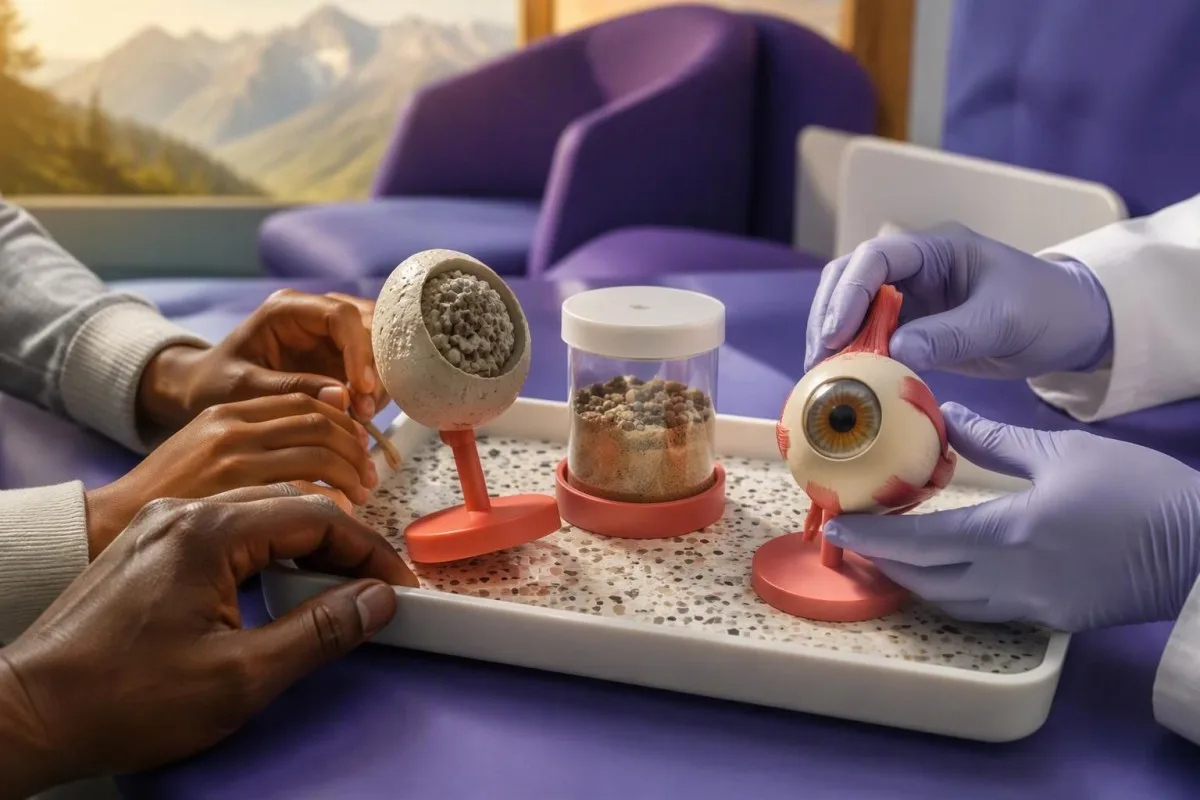
Young children may have greater hand-to-mouth soil exposure, particularly with pica. A 3-year-old with repeated soil ingestion and eosinophilia has a different exposure profile from an asymptomatic adult, but neither age nor behaviour proves that a positive test represents active disease.
Paediatric laboratory interpretation needs age-appropriate reference information and an adult who can provide a reliable symptom history. Our discussion of AI մեկնաբանություն երեխաների համար explains why 1 automated summary cannot replace assessment of growth, visual behaviour and medicine suitability.
Pregnancy does not convert Toxocara IgG into proof of a new infection. Unlike toxoplasmosis, toxocariasis does not have an established routine prenatal serological screening pathway; an isolated positive result at 10 weeks of pregnancy requires contextual review, not assumptions about fetal infection or automatic antiparasitic treatment.
Before prolonged corticosteroid treatment, parasite assessment should match travel and exposure history. The immediate safety concern may be Strongyloides rather than Toxocara, and a patient taking prednisone 40 mg daily should not independently add or stop medicines because of an antibody report.
Բուժումից հետո պե՞տք է կրկնել տոքսոկարայի նկատմամբ հակամարմինների հետազոտությունը։
Repeat Toxocara antibodies are not a reliable stand-alone test of cure because IgG can remain positive for years. Follow-up should prioritise symptom improvement, relevant organ findings and eosinophil trends. One antibody measurement after treatment cannot establish either eradication or failure.
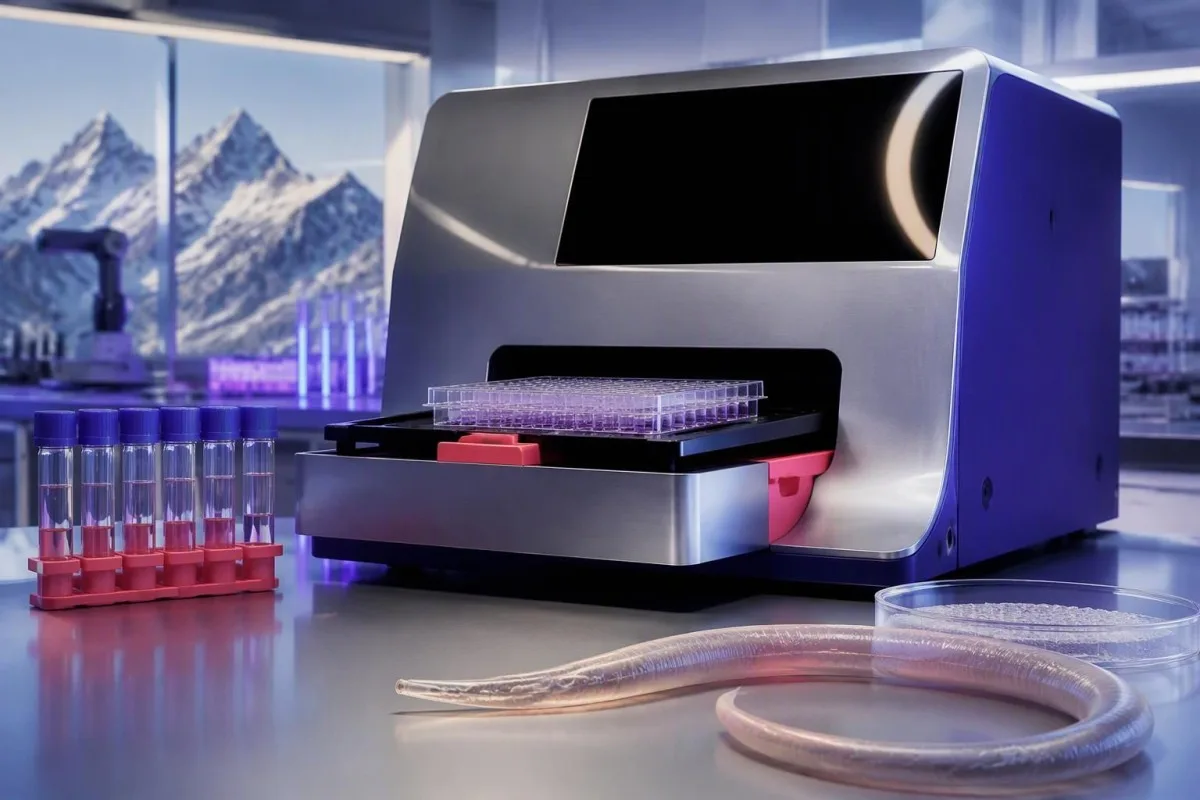
Use the same laboratory method when numerical trends are clinically needed. A result of 2.4 on one assay and 1.7 on another may reflect different calibrators or antigen preparations, rather than biological improvement; switching assays can create a trend that does not exist.
Symptoms and eosinophils often provide a more practical follow-up signal than persistent IgG. In a hypothetical case, cough improving alongside an eosinophil decline from 1.2 to 0.4 × 10⁹/L supports clinical improvement, but does not prove that every larva has been eliminated.
A small numerical change may fall within assay variation. An index shifting from 1.4 to 1.3 should not be treated as meaningful without laboratory information about reproducibility; our guide to արյան թեստի իմաստալից փոփոխությունների explains the distinction between analytical variation and a real trend.
Ocular follow-up requires eye examination rather than antibody tracking alone. Stable serum IgG cannot show whether a retinal affected area is improving, and persistent or recurrent visual symptoms after a 5-day medicine course need specialist reassessment rather than repeated unsupervised treatment.
Ինչպե՞ս կարող է AI-ն օգնել՝ առանց ակտիվ տոքսոկարիազը չափազանց հաճախ ախտորոշելու։
AI can help organise Toxocara antibodies, eosinophils and liver results, but cannot diagnose active disease from serology alone. A useful interpretation preserves uncertainty and highlights missing clinical information. At minimum, the report should be considered with 3 details: symptoms, exposure history and the laboratory’s assay method.
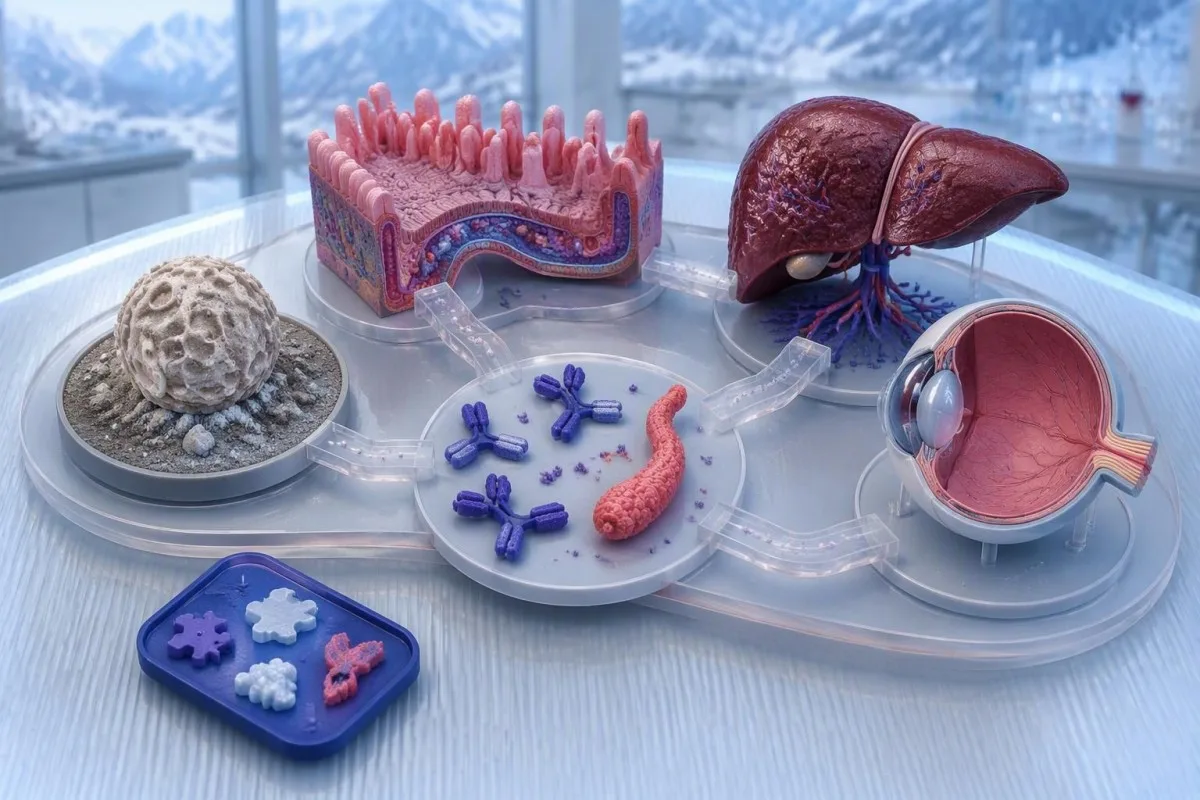
Կանտեստին մի է AI արյան անալիզի մեկնաբանություն հարթակ that can summarise related results and help prepare questions for a clinician. Our AI տեխնոլոգիայի բացատրություն describes the interpretation workflow; a response generated in approximately 60 seconds is not an examination, a parasite-viability test or permission to delay urgent eye care.
Clinical reasoning should remain traceable to the original report. Check that an eosinophil value of 0.8 × 10⁹/L has not been confused with 0.8%, and that borderline and confirmed-positive findings are distinguished; our վավերացման և կլինիկական վերահսկողության information describes how we discuss methodology without claiming every output establishes a diagnosis.
Privacy also matters when sharing laboratory documents. Remove unnecessary identifiers and obtain consent before submitting another person’s report; our գաղտնիության և տվյալների մասին տեղեկությունները explains data handling, but privacy safeguards do not change the medical limitations of interpreting 1 antibody result.
Bring 4 items to the appointment: the complete report, symptom dates, exposure details and a medicine list. Ask whether the result explains a defined clinical syndrome, whether another diagnosis fits better, what would justify treatment, and which symptoms require urgent reassessment.
Հետազոտական հրապարակումներ․ ի՞նչն է հիմնավորում բուժման այս որոշումները։
Treatment decisions in this article rely on Toxocara-specific clinical literature and CDC guidance, not unrelated laboratory publications. The 2 peer-reviewed reviews listed below explain diagnostic limitations and ocular management. The separate Zenodo records cover iron and coagulation testing; they do not establish how positive Toxocara antibodies should be treated.
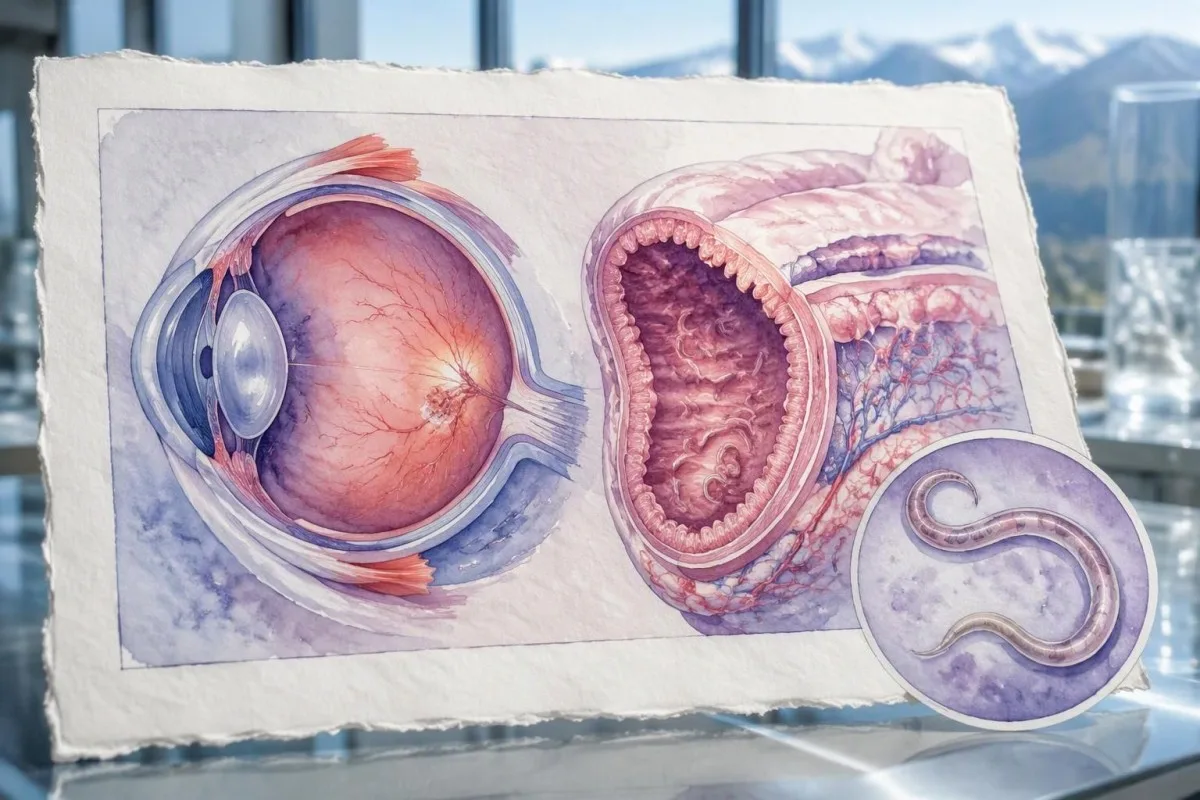
A review article is not the same as a randomised treatment trial. Magnaval et al. (2001) and Ahn et al. (2014) bring together clinical observations and published evidence, but important uncertainties remain about optimal treatment duration and the benefit of treating asymptomatic seropositivity.
Kantesti’s 2 listed Zenodo publications address different laboratory topics. The երկաթի հետազոտությունների վերաբերյալ նախնական ուղեցույց may help with an independently identified iron abnormality, while the coagulation testing background guide addresses clotting tests; neither is a confirmatory test for toxocariasis.
A useful medical article must separate evidence, inference and illustration. The hypothetical antibody indexes and worked examples here are not patient records or validated treatment thresholds; our բժշկական բովանդակության չափանիշներ explain that approach, including why 1 positive antibody finding should never be presented as a complete diagnosis.
Հաճախ տրվող հարցեր
Արդյո՞ք Toxocara-ի հակամարմինների թեստի դրական արդյունքը նշանակում է, որ ինձ անհրաժեշտ է ալբենդազոլ ընդունել։
Toxocara-ի հակամարմինների դրական թեստը ինքնաբերաբար չի նշանակում, որ անհրաժեշտ է ալբենդազոլ ընդունել։ IgG-ն կարող է տարիներ շարունակ հայտնաբերվել, ուստի բժիշկները մեկ դրական արդյունքի հիման վրա բուժելու փոխարեն հաշվի են առնում համապատասխան ախտանիշները, վարակման պատմությունը և օժանդակ տվյալները։ CDC-ն ներքին օրգանների տոքսոկարիազի դեպքում նշում է ալբենդազոլ՝ 400 մգ օրական երկու անգամ, 5 օր շարունակ, սակայն բուժման որոշումը և տևողությունը պահանջում են բժշկի հսկողություն։ Աչքի նոր ախտանիշների դեպքում անհրաժեշտ է անհապաղ դիմել ակնաբույժի՝ ինքնաբուժման փոխարեն։.
Կարո՞ղ են Toxocara-ի հակամարմինները բուժումից հետո մնալ դրական։
Տոքսոկարայի դեմ հակամարմինները վարակումից հետո կարող են տարիներ շարունակ դրական մնալ և բուժումից հետո նույնպես հայտնաբերելի լինել։ 6 ամիս անց դեռևս դրական արդյունքն ինքնին չի ապացուցում բուժման անհաջողությունը։ Ախտանիշները, էոզինոֆիլների ցուցանիշների փոփոխությունները և համապատասխան օրգանների հետազոտությունները սովորաբար ավելի օգտակար են հետագա հսկողության համար։ Հակամարմինների թվային ցուցանիշների փոփոխությունները պետք է համեմատել միայն այն դեպքում, երբ լաբորատոր մեթոդները բավականաչափ համադրելի են։.
Էոզինոֆիլների ինչ քանակն է վկայում տոքսոկարիոզի մասին?
Էոզինոֆիլների բացարձակ քանակը՝ մոտավորապես 0.5 × 10⁹/L-ից բարձր, հիմք է հետագա հետազոտման համար, սակայն հատուկ չի մատնանշում տոքսոկարիազը։ Ալերգիան, դեղամիջոցները, այլ մակաբույծները և արյունաբանական հիվանդությունները կարող են առաջացնել նույն պատկերը։ Առնվազն 1.5 × 10⁹/L-ի կայուն ցուցանիշները գնահատման կարիք ունեն, հատկապես օրգանների ախտանիշների առկայության դեպքում։ Էոզինոֆիլների նորմալ քանակը չի բացառում միայն աչքով սահմանափակված հիվանդությունը։.
Կարո՞ղ է աչքի տոքսոկարիոզ առաջանալ արյան թեստի բացասական արդյունքի դեպքում:
Աչքի տոքսոկարիազը կարող է առաջանալ արյան շիճուկում հակամարմինների ցածր կամ բացասական մակարդակի դեպքում, քանի որ հիվանդությունը կարող է տեղակայված լինել 1 աչքում։ Էոզինոֆիլների նորմալ քանակը նույնպես չի բացառում աչքի ախտահարումը։ Ակնաբույժը գնահատում է ցանցաթաղանթի և ապակենման մարմնի վիճակը՝ երբեմն ախտորոշումը հստակեցնելու համար օգտագործելով OCT կամ ուլտրաձայնային հետազոտություն։ Տեսողության նոր առաջացած մշուշումը կամ լողացող կետերը պահանջում են անհապաղ գնահատում, իսկ տեսողության հանկարծակի կորուստը՝ շտապ բուժօգնություն։.
Արդյո՞ք կղանքի բացասական թեստը բացառում է տոքսոկարոզը։
Կղանքի բացասական թեստը չի բացառում մարդու տոքսոկարիոզը։ Մարդկանց օրգանիզմում սովորաբար հյուսվածքային թրթուրներ են լինում, ոչ թե ձվեր արտադրող հասուն Toxocara որդեր, ուստի նույնիսկ կղանքի 3 բացասական նմուշը չի կարող բացառել այս վիճակը։ Կղանքի հետազոտությունը, այնուամենայնիվ, կարող է հայտնաբերել աղիքային այլ մակաբույծներ։ Տոքսոկարիոզի գնահատումը փոխարենը համադրում է կլինիկական տվյալները, շփումների պատմությունը, շճաբանական հետազոտությունը և, անհրաժեշտության դեպքում, օրգաններին հատուկ գնահատումը։.
Ի՞նչ է նշանակում սահմանային Toxocara-ի հակամարմինների ինդեքսը:
Տոքսոկարայի հակամարմինների սահմանային ինդեքսը նշանակում է, որ անալիզի ազդանշանը մոտ է տվյալ լաբորատորիայի որոշման շեմին, այլ ոչ թե որ ակտիվ հիվանդությունը հաստատվել է։ Օրինակ՝ 1.3 ինդեքսը կարող է փոքր-ինչ բարձր լինել 1.1-ի ենթադրական շեմից, սակայն այս թվերը համընդհանուր հղումային արժեքներ չեն։ Հետազոտության արդյունքները հաղորդող լաբորատորիան կարող է խորհուրդ տալ կրկնակի հետազոտություն կամ հաստատման ավելի սպեցիֆիկ մեթոդ։ Ախտանշաններն ու շփման պատմությունը որոշում են, թե արդյոք պարզաբանումը կլինիկորեն օգտակար է։.
Ստացեք ձեր արյան անալիզի արդյունքների բացատրությունը
Վերբեռնեք ձեր լաբորատոր հաշվետվությունը, և Kantesti-ի AI-ն վայրկյանների ընթացքում պարզ լեզվով կբացատրի յուրաքանչյուր կենսամարկեր։ Օգտագործում է ավելի քան 2 միլիոն մարդ ամբողջ աշխարհում։.
Հղումներ
- Klein, T., Mitchell, S., & Weber, H. (2026). Երկաթի հետազոտությունների ուղեցույց․ TIBC, երկաթի հագեցվածություն և կապելու ունակություն։. Kantesti AI բժշկական հետազոտություն։. ԴՕԻ
- Klein, T., Mitchell, S., & Weber, H. (2026). aPTT-ի նորմալ միջակայքը․ D-Dimer-ի և Protein C-ի՝ արյան մակարդման ուղեցույց։. Kantesti AI բժշկական հետազոտություն։. ԴՕԻ
- Magnaval JF et al. (2001). Highlights of human toxocariasis. The Korean Journal of Parasitology. ԴՕԻ
- Ahn SJ et al. (2014). Ocular toxocariasis: clinical features, diagnosis, treatment, and prevention. Asia Pacific Allergy. ԴՕԻ
- Centers for Disease Control and Prevention (n.d.). Clinical Care of Toxocariasis. CDC Parasites.
- 2 միլիոն+Վերլուծված թեստեր
- 127+Երկրներ
- 100+Լեզուներ
Բժշկական թիմի մասին


E-E-A-T վստահության ազդանշաններ
Փորձառություն
Բժշկի կողմից ղեկավարվող կլինիկական վերանայում՝ լաբորատոր մեկնաբանության աշխատանքային հոսքերի համար։.
Մասնագիտություն
Լաբորատոր բժշկության կենտրոնացում՝ այն բանի վրա, թե ինչպես են բիոմարկերները դրսևորվում կլինիկական համատեքստում։.
Հեղինակություն
Բժշկական գրախոսությունը՝ դոկտոր Թոմաս Քլայնի կողմից, դոկտոր Սառա Միտչելի և պրոֆ. դոկտոր Հանս Վեբերի մասնակցությամբ։.
Հուսալիություն
Ապացույցների վրա հիմնված մեկնաբանություն՝ հստակ հետագա քայլերի ուղիներով՝ ահազանգերը նվազեցնելու համար։.

Բժշկական հրաժարում պատասխանատվությունից
Այս հոդվածը միայն կրթական նպատակների համար է և չի հանդիսանում բժշկական խորհրդատվություն։ Ախտորոշման և բուժման որոշումների համար միշտ խորհրդակցեք որակավորված բուժաշխատողի հետ։.
Հրապարակված · Կապ հաստատել խմբագրական թիմի հետ
Հրատարակված է Kantesti Ltd-ի կողմից, գրանցված Անգլիայում և Ուելսում, ընկերության համար. 17090423, Լոնդոն, Միացյալ Թագավորություն։.
