
In positive antistofresultaat fereasket net automatysk behanneling. Symptomen, bleatstellingsskiednis, eosinofiletellingen en in eachûndersyk kinne in tafallige fynst ûnderskiede fan in sykte dy't behanneling nedich hat.

Wichtichste punten
- Positive antistoffen litte in ymmúnreaksje op Toxocara-antigenen sjen; 1 posityf resultaat kin net fêststelle oft larven op dit stuit sykte feroarsaakje.
- Eardere eksposure kinne jierrenlang mjitber IgG efterlitte, dus oanhâldende positiviteit is gjin betroubere test foar mislearjen fan de behanneling.
- Eosinofilia betsjut yn 't algemien in absolút eosinofiletal boppe 0.5 × 10⁹/L; it is in reden foar fierder ûndersyk, mar jout net oan dat Toxocara de oarsaak is.
- Hegere eosinofiletellingen fan op syn minst 1.5 × 10⁹/L fertsjinje ûndersyk as se oanhâldend binne of mei orgaansymptomen geargeane, ynstee fan automatyske parasytbehanneling.
- Eagsymptomen lykas nij wazich sicht, driuwende flekken of minder sicht yn 1 each fereaskje daliks beoardieling; hommels fisyferlies fereasket needsoarch.
- Behanneling foar viscerale toxocariasis kin neffens de CDC-rjochtlinen albendazol 400 mg twa kear deis foar 5 dagen ûnder tafersjoch fan in dokter omfetsje.
- Okulêre sykte hat behanneling ûnder begelieding fan in spesjalist nedich, om't it beheinen fan de weefselreaksje like wichtich wêze kin as it behanneljen fan de parasyt.
- Ferfolch moat symptomen en relevante laboratoariumtrends folgje; in antykoady-yndeks dy't fan 2.0 nei 1.5 sakket, bewiist op himsels gjin herstel.
Fereasket in posityf Toxocara-antistofresultaat behanneling?
Positive Toxocara-antykoaden hoege net automatysk behannele te wurden. Oantoonbere antykoaden kinne wize op eardere bleatstelling ynstee fan aktive toxocariasis; behannelbesluten binne ôfhinklik fan symptomen dy't dêrby passe, de bleatstellingsskiednis en stypjende befiningen lykas eosinofily. Nije eachsymptomen moatte fuortendaliks beoardiele wurde, sels as de antykoadetest swak posityf is of oare testen normaal binne.
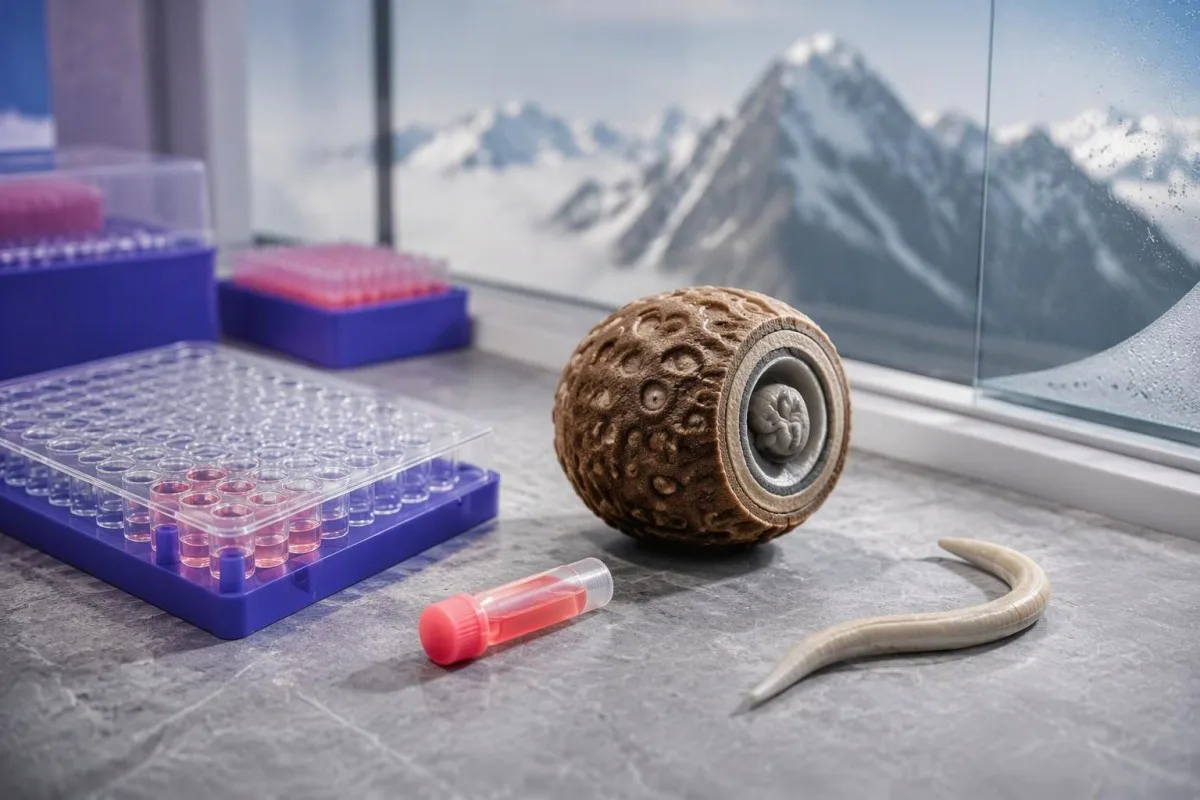
In positive antykoadetest detektearret in ymmúnreaksje, net it oantal libbene parasiten. Dêrom ûnderskiede dokters 3 fragen: oft der bleatstelling west hat, oft de sykte oanwêzich is, en oft behanneling nei alle gedachten helpt; it laboratoariumresultaat jout mar in part fan it antwurd op de earste fraach.
Besjoch bygelyks in hypotetyske persoan fan 38 jier mei in posityf screeningresultaat, gjin symptomen en in absolute eosinofiletelling fan 0.18 × 10⁹/L. Dy kombinaasje stelt aktive toxocariasis net fêst, wylst itselde resultaat tegearre mei oanhâldende hoest, eosinofily en relevante bleatstelling in mear rjochte beoardieling rjochtfeardigje soe.
Behanneling moat in klinysk syndroom oanpakke, net in antykoaderesultaat negatyf meitsje. Magnaval et al. (2001) beskriuwe hoe dreech it is om eardere bleatstelling te ûnderskieden fan klinysk betsjuttingsfolle toxocariasis mei allinnich serology; ús gids foar positive antistoof resultaat ynterpretaasje leit út wêrom't ferskillende antykoadetesten ta ferskillende besluten liede.
Kantesti is in AI bloedtestanalysator dy't helpe kin om in antykoaderesultaat yn kombinaasje mei in CBC en leverpaniel te beoardieljen, mar de libbensfetberens fan larven net út 1 rapport fêststelle kin. Lês oer ús organisaasje foar it ûnderskied tusken ús ynterpretaasjetsjinst en de troch in klinikus liede beoardieling dy't nedich is om behanneling foar te skriuwen.
Wêrom Toxocara-antistoffen nei eardere bleatstelling oanwêzich bliuwe kinne
Toxocara-IgG kin jierren nei bleatstelling oantoonber bliuwe en kin ek nei behanneling oanwêzich bliuwe. Antykoaden meitsje diel út fan it ymmúngeheugen; se binne gjin tiidstimpel dy't sjen lit wannear't de bleatstelling plakfûn. Ien posityf monster kin eardere bleatstelling, oanhâldende larven sûnder hjoeddeistige symptomen en larven dy't aktive weefselsykte feroarsaakje net betrouber faninoar ûnderskiede.

Minsken drage meastal Toxocara-larven yn har, ynstee fan folwoeksen darmwjirms. De 2 wichtichste soarten dy't ferbûn binne mei sykte by minsken binne Toxocara canis en Toxocara cati; larven kinne nei weefsels migrearje, dêr't ymmúnreaksjes en symptomen oars binne as by in gewoane darmwjirmynfeksje.
Oanhâldende larven en oanhâldende antykoaden binne besibbe, mar net útwikselbere begripen. In persoan kin 3 jier nei in fertochte bleatstelling noch oantoonber IgG hawwe sûnder bewiis foar hjoeddeistige oargelskea, en it antykoaderesultaat allinnich kin net fêststelle oft oerbleaune larven noch libje.
In sterk posityf resultaat jout net betrouber oan wannear't de bleatstelling plakfûn. Werhelle bleatstelling kin antykoadenivo's ferheegje, en ferskillende testen werkenne ferskillende antigeentariedingen; in numerike yndeks fan 4.0 kin dêrom net oerset wurde nei 4 kear safolle larven of 4 kear sa'n earnstige sykte.
Lang oanhâldende antykoaden meitsje toxocariasis oars as ynfeksjes wêrby't direkte deteksje fan it organisme maklik beskikber is. Us besprek fan Babesia-antykoaden tsjin ynfeksje lit itselde algemiene ûnderskied sjen, hoewol't de befêstigjende testen en behannelregels foar Babesia net oerdraachber binne nei Toxocara.
Hoe antistofyndeksen, titers en grinswearden ynterpretearre wurde
By de ynterpretaasje fan Toxocara-serology moat de metoade en ôfkapwearde fan it rapportearjende laboratoarium brûkt wurde. There is no universal antibody concentration in IU/mL that separates past exposure from active disease. ELISA indexes, optical-density ratios and dilution titres are different measurements, so 2 laboratories can report the same specimen differently.

An antibody index is usually an assay-specific signal rather than an absolute concentration. In a hypothetical laboratory using positivity above 1.1, an index of 1.3 would be just above the cutoff; that invented example is not a reference range to apply to your own report.
Borderline results deserve particular attention when symptoms and exposure are absent. A laboratory may recommend another specimen or a more specific confirmatory method, such as an immunoblot; our explanation of kwalitative en kwantitative resultaten helps distinguish a positive flag from a genuinely comparable numerical measurement.
The probability of disease before testing changes what a positive result means. In an explicitly simulated group of 1,000 people, with 10% disease prevalence, 80% sensitivity and 90% specificity, testing would produce 80 true positives and 90 false positives—only about 47% of positive results would represent disease.
Those simulated figures are not performance estimates for a particular Toxocara assay. Kantesti AI can help identify the method and reference information on a report, but cannot replace missing validation data; antibody index confirmation also requires assay-specific reasoning, not borrowing cutoffs from another infection.
Hokker bleatstellingsskiednissen meitsje toxocariasis oannimliker?
Toxocariasis is most often acquired by swallowing infective eggs from contaminated soil, hands or food. Dog and cat exposure matters because these animals can shed eggs, but simply owning a pet does not establish infection. Eggs generally require approximately 2–4 weeks in the environment to become infective.

Fresh animal faeces and established soil contamination are not identical exposure situations. Because eggs require environmental development, a garden or play area contaminated over several weeks can be more relevant than a single recent contact; daily pet-waste removal helps prevent eggs from reaching the infective stage.
Ask about 3 practical routes: soil or sand exposure, unwashed produce or hands, and consumption of undercooked tissues from infected animals. Foodborne transmission through larvae in animal tissues is recognised, but its contribution varies by setting; Trichinella antibody assessment involves a different parasite and different exposure clues.
A cat scratch is not the usual mechanism of Toxocara acquisition. Scratches instead raise other diagnostic possibilities, including Bartonella; our guide to cat scratch antibody testing explains why 1 animal-related event should not be used to label every positive infection test.
Geography changes the background likelihood of exposure but does not establish active disease. A hypothetical adult who gardened barefoot for 10 years may have a plausible exposure history, yet current symptoms, eosinophils and examination findings still determine whether that history explains the positive result.
Hokker symptomen en eosinofiletellingen stypje aktive sykte?
Active visceral toxocariasis becomes more plausible when positive antibodies accompany compatible organ symptoms and eosinophilia. Fever, persistent cough, wheeze, abdominal discomfort or liver enlargement can support investigation, but none is specific. An absolute eosinophil count above approximately 0.5 × 10⁹/L is generally considered elevated in adults.
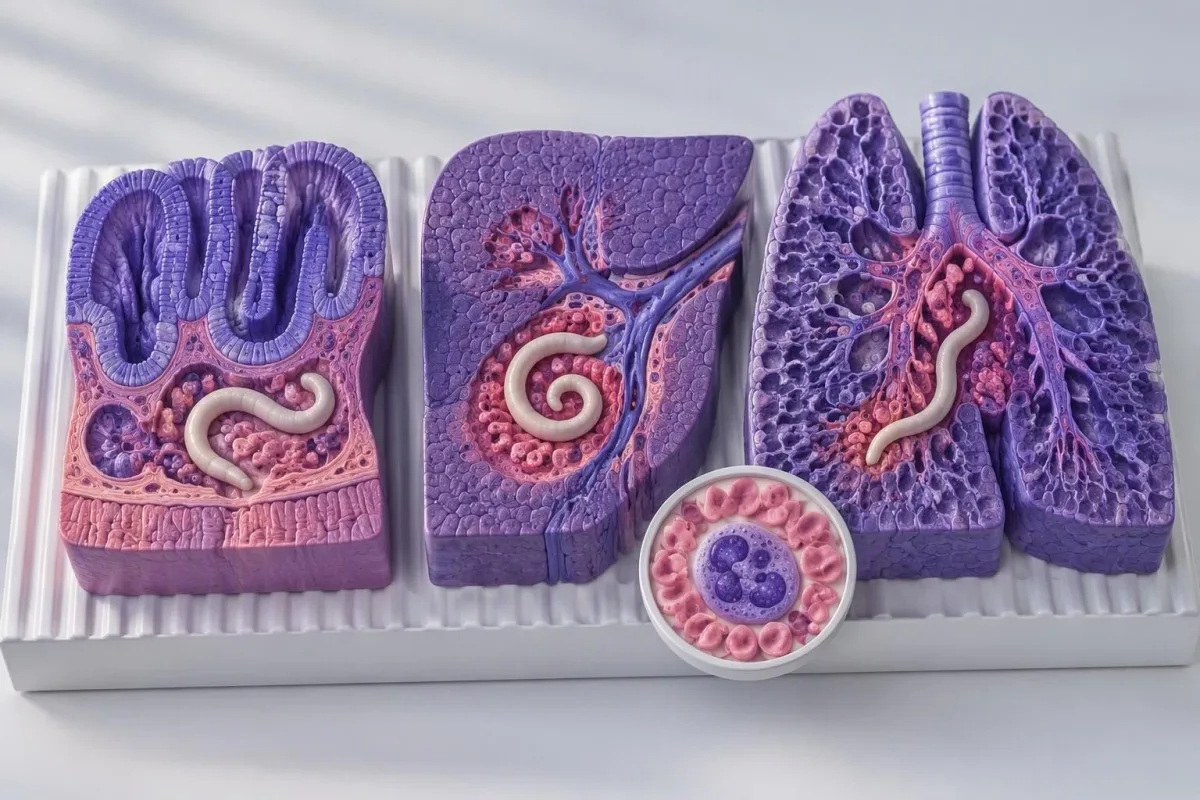
Eosinophilia is a clue to tissue responses, not a parasite identification test. Allergic disease, medicines, other helminths and some haematological disorders can raise eosinophils; a count of 0.8 × 10⁹/L therefore requires context rather than an automatic albendazole prescription.
Persistent counts of at least 1.5 × 10⁹/L warrant evaluation, especially when accompanied by respiratory, cardiac, neurological or other organ symptoms. That threshold reflects concern about hypereosinophilia and potential organ injury—not a validated Toxocara treatment cutoff; high eosinophil assessment ferklearret it bredere differinsjaal.
Normal eosinophils do not exclude ocular toxocariasis. Disease confined to 1 eye may produce little systemic laboratory response, so a normal CBC cannot overrule new visual symptoms; this distinction is why eye complaints are assessed separately from the visceral disease pattern.
Mild or so-called covert toxocariasis is harder to establish because fatigue, itch and abdominal symptoms have many competing explanations. Magnaval et al. (2001) discuss these less specific presentations; when only 1 vague symptom is present, clinicians must avoid treating an incidental antibody result as proof of its cause.
Hokker oare laboratoariumresultaten helpe by it ynterpretearjen fan Toxocara-antistoffen?
A CBC with an absolute eosinophil count usually adds more diagnostic context than the antibody index alone. Liver tests, total IgE and inflammatory markers may help assess a suspected clinical syndrome, but none confirms toxocariasis. Read the actual values and units, not just whether 1 result is flagged red.

The absolute eosinophil count equals the white-cell count multiplied by the eosinophil fraction. A hypothetical WBC of 8.0 × 10⁹/L with 12% eosinophils gives 0.96 × 10⁹/L; 12% alone is less informative because the same percentage produces a different absolute count when total WBC changes.
Inflammatory markers cannot reliably separate Toxocara from allergy or another infection. CRP of 3 mg/L does not exclude localised eye disease, and CRP of 35 mg/L does not prove visceral toxocariasis; our guide to ferskillen tusken WBC en CRP ferklearret wêrom’t dizze markers ferskillende fragen beantwurdzje.
Liver enzyme abnormalities describe tissue stress rather than its cause. A hypothetical ALT of 72 IU/L with a laboratory upper limit of 40 IU/L is 1.8 times that limit, but medicines, metabolic liver disease and other infections remain possibilities; leverpaniel-ynterpretaasje helpt dy patroanen te skieden.
Kantesti is in AI-biomarker-ynterpretaasjeplatfoarm that can place eosinophils, ALT and antibody results in 1 organised summary for clinician review. Total IgE is particularly nonspecific: an elevated value may fit an allergic or helminth-related response, but no IgE threshold reliably establishes active toxocariasis.
Wêrom moatte eachsymptomen daliks beoardiele wurde?
New blurred vision, floaters or reduced vision—especially in 1 eye—need prompt assessment for ocular disease, regardless of the Toxocara antibody strength. Sudden visual loss, a curtain-like shadow or severe eye pain requires emergency care. Ocular toxocariasis can occur with low or negative serum antibodies and normal eosinophils.
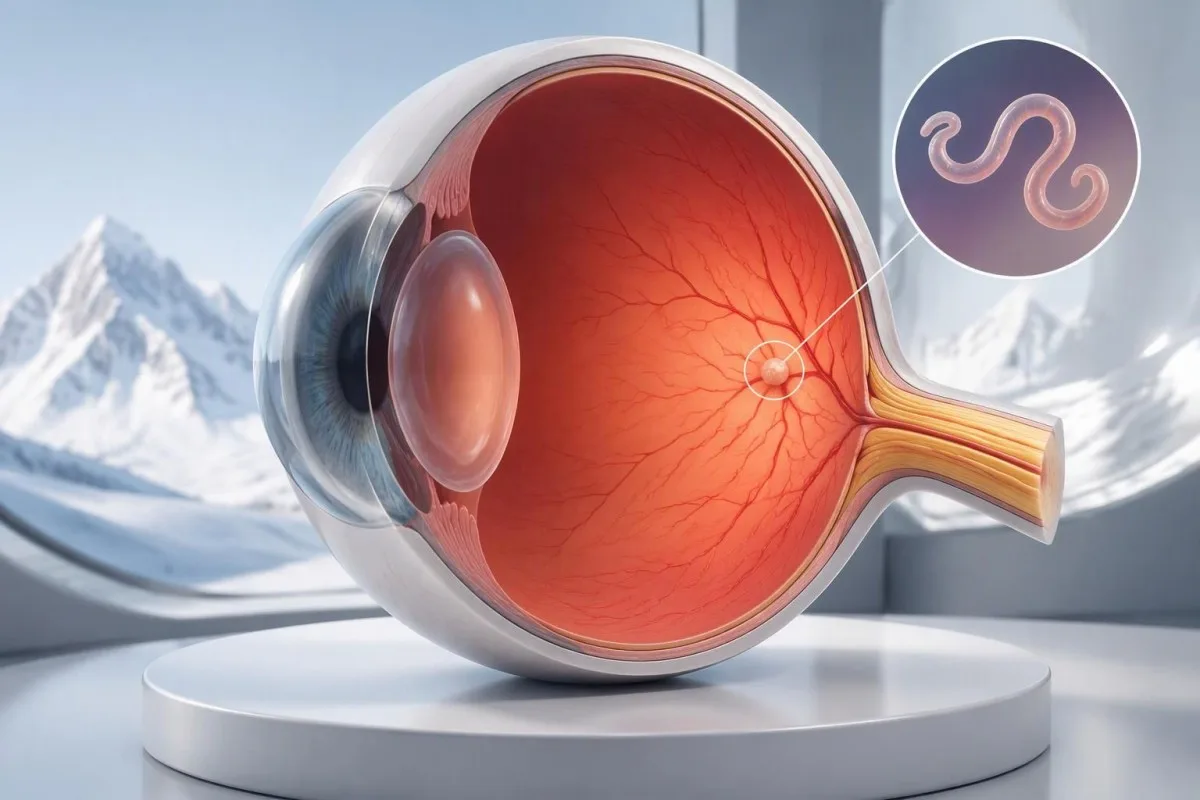
Ocular toxocariasis often affects only 1 eye. Ahn et al. (2014) describe retinal granulomas, vitreous tissue responses and other complications; the small local parasite burden helps explain why serum testing may be less informative than in systemic disease.
A positive antibody result does not identify the cause of every visual complaint. Uveitis, retinal tears, glaucoma and other conditions require different management, and HLA-B27-associated eye symptoms illustrate another reason that 1 positive laboratory marker cannot replace an eye examination.
Ocular toxocariasis diagnosis rests heavily on specialist examination. A dilated retinal examination and, when indicated, OCT or ocular ultrasound assess structures the antibody test cannot show; a weakly positive index of 1.2 should neither confirm the diagnosis nor delay referral in a symptomatic patient.
Do not wait several weeks for a repeat antibody result if vision has changed. Contact an urgent eye service the same day for new visual symptoms; in a child, a newly observed squint or white pupil also warrants urgent assessment because several sight-threatening conditions—not only Toxocara—can present that way.
Hoe stelle dokters in diagnoaze fan toxocariasis?
Toxocariasis diagnosis usually combines exposure history, compatible clinical findings, serology and exclusion of better explanations. No single routine test reliably confirms every form of the disease. Clinicians consider at least 3 evidence domains—exposure, organ findings and laboratory support—rather than treating a positive antibody flag as a diagnosis.
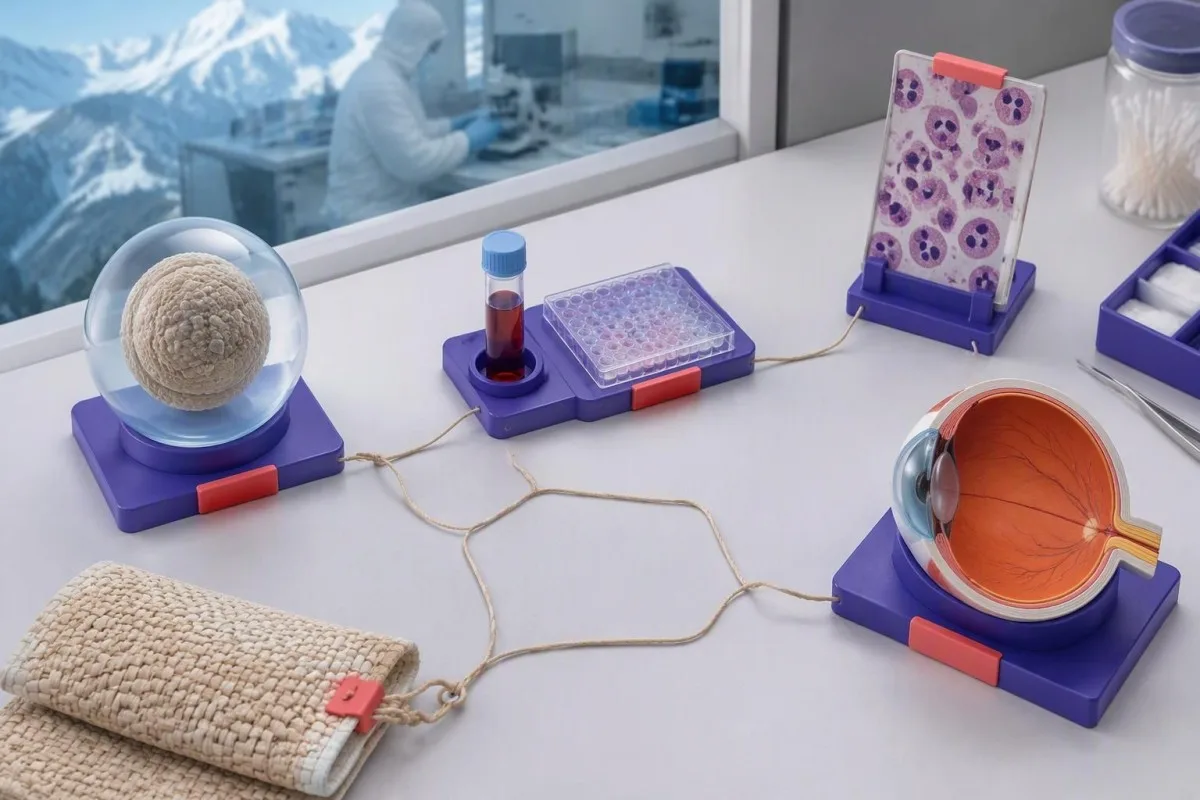
Human stool testing does not normally detect Toxocara eggs. Humans are accidental hosts, and larvae generally do not mature into egg-producing adult worms; 3 negative stool samples therefore do not rule out toxocariasis, although stool testing may help identify other parasites.
Cross-reactivity with other helminths can reduce serological specificity, particularly where multiple parasites circulate. Before prescribing systemic corticosteroids, clinicians may assess Strongyloides risk because steroids can precipitate severe strongyloidiasis; Strongyloides IgG follow-up follows different treatment principles from incidental Toxocara positivity.
Imaging should answer a specific organ-related question. Liver ultrasound or other imaging may be useful when symptoms, examination or laboratory findings suggest organ involvement, but scanning an asymptomatic person because of 1 positive antibody test can discover unrelated abnormalities without clarifying the diagnosis.
Kantesti can help organise these findings, but cannot resolve a discordant clinical picture from laboratory data alone. If antibodies are positive, eosinophils are 0.1 × 10⁹/L and symptoms point strongly toward another condition, the appropriate next step is clinician-led reassessment—not labelling every complaint as a parasite effect.
Wannear is ôfwachtsjen ridlik nei in posityf resultaat?
Observation can be reasonable when a person has positive Toxocara antibodies but no compatible symptoms or evidence of organ involvement. This is a clinician-led decision, not a rule that all asymptomatic positives can be ignored. One unexplained laboratory abnormality, such as persistent eosinophilia, may still require investigation.
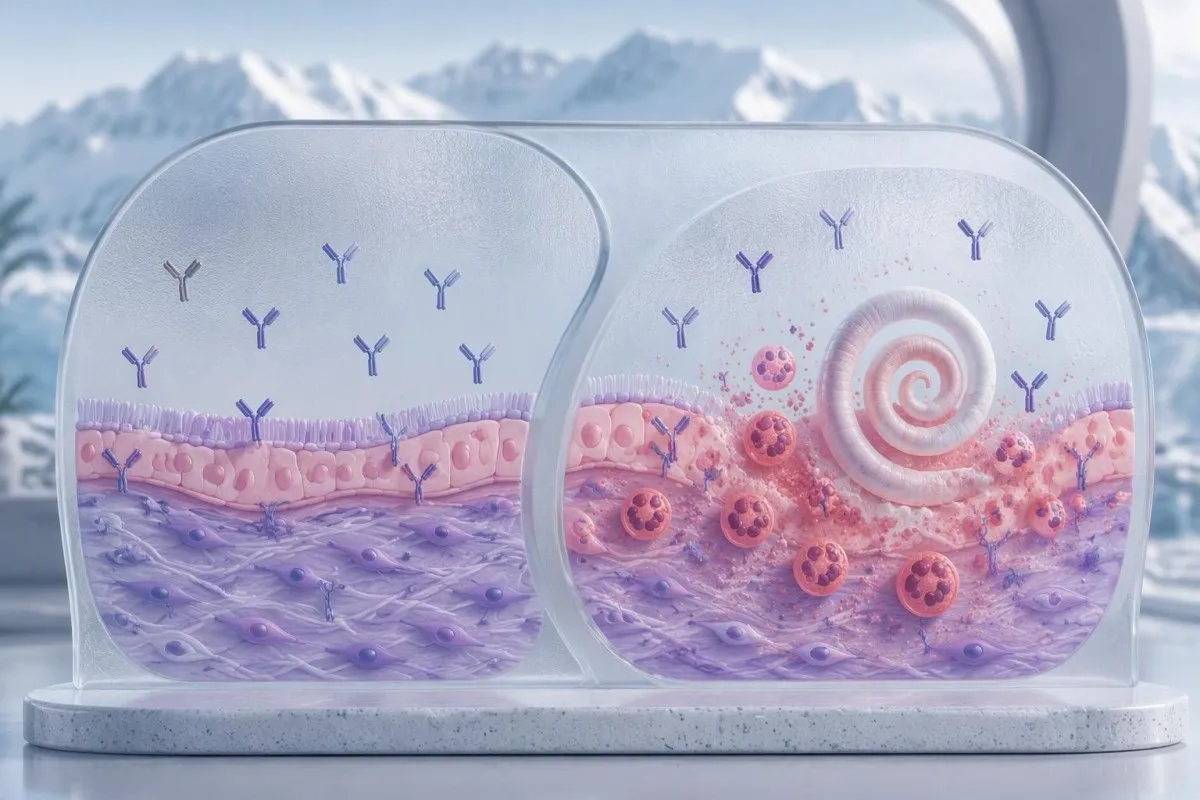
Evidence for treating every asymptomatic seropositive person is limited. Antibody persistence makes eradication difficult to measure, and the balance between benefit and medicine-related harm differs from symptomatic visceral disease; there is no universal antibody index, such as 2.0, that mandates treatment by itself.
An observation plan should specify what will be reviewed and what should trigger earlier contact. For example, a hypothetical clinician might arrange symptom and CBC review in 4–6 weeks when mild unexplained eosinophilia is present; that interval is an illustrative plan, not a universal toxocariasis follow-up guideline.
Routine parasite antibody screening is not usually useful solely because someone feels well and owns a pet. Broad screening increases the chance of finding evidence of past exposure without actionable disease; our guide to blood work without symptoms explains how risk-based testing reduces unnecessary follow-up.
Safety-net instructions make observation an active decision rather than neglect. New visual symptoms, persistent fever, worsening breathing or neurological symptoms should prompt earlier assessment, and a rising eosinophil count from 0.7 to 1.8 × 10⁹/L deserves review even if the antibody result is unchanged.
Hokker behanneling wurdt brûkt foar symptomatyske toxocariasis?
Clinicians commonly use albendazole for symptomatic visceral toxocariasis, while ocular disease needs specialist-directed treatment. CDC Clinical Care guidance lists albendazole 400 mg orally twice daily for 5 days for adults and children, but also states that the optimal treatment duration is undefined. This is prescribing information, not a self-treatment instruction.

Treatment duration can differ across specialist practice because evidence is limited. CDC also lists mebendazole 100–200 mg twice daily for 5 days, while longer albendazole courses appear in published clinical practice; different schedules should not be interpreted as proof that a short course always fails.
Ocular management aims to protect sight and control the tissue response. Ahn et al. (2014) discuss antiparasitic therapy, corticosteroids and procedural treatment in selected cases; 1 standard visceral regimen should not be copied into an eye-disease treatment plan without ophthalmology input.
Longer albendazole courses may require liver-enzyme and blood-count monitoring. Baseline liver disease, interacting medicines and treatment duration affect the monitoring plan; our guide to medisynfeiligens-trendanalyse explains why changes from an individual baseline can matter more than a single flag.
Kantesti does not prescribe antiparasitic medicines or corticosteroids. A hypothetical ALT rise from 30 to 110 IU/L during treatment needs clinician review rather than an AI-directed dose change; pregnancy, age under 2 years, liver disease and other medicines also require individual prescribing assessment.
Hoe feroarje bern, swierwêzen en ymmúnstatus de besluten?
Children, pregnant people and patients needing immunosuppression require individual assessment rather than automatic treatment after positive serology. Exposure behaviours, eye findings and medicine safety differ across these groups. CDC notes limited albendazole safety evidence in children under 6 years, despite experience with younger children in public-health programmes.
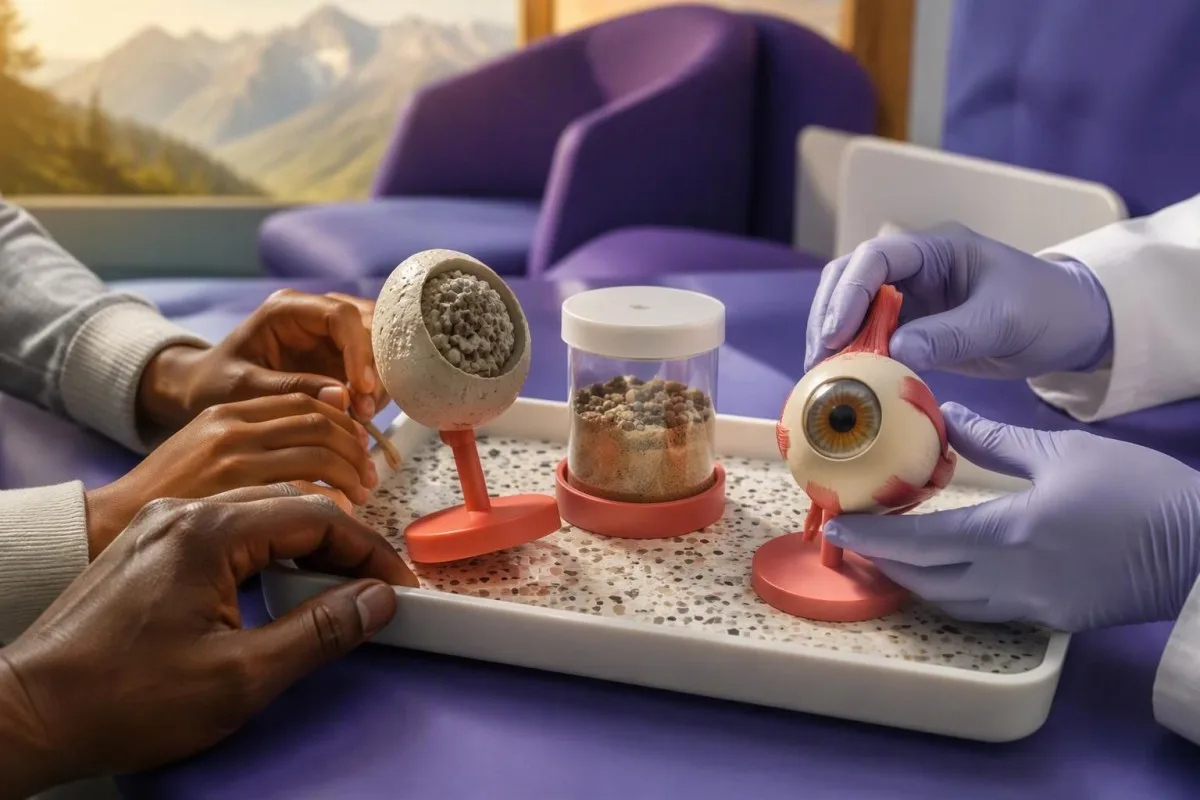
Young children may have greater hand-to-mouth soil exposure, particularly with pica. A 3-year-old with repeated soil ingestion and eosinophilia has a different exposure profile from an asymptomatic adult, but neither age nor behaviour proves that a positive test represents active disease.
Paediatric laboratory interpretation needs age-appropriate reference information and an adult who can provide a reliable symptom history. Our discussion of AI-ynterpretaasje foar bern explains why 1 automated summary cannot replace assessment of growth, visual behaviour and medicine suitability.
Pregnancy does not convert Toxocara IgG into proof of a new infection. Unlike toxoplasmosis, toxocariasis does not have an established routine prenatal serological screening pathway; an isolated positive result at 10 weeks of pregnancy requires contextual review, not assumptions about fetal infection or automatic antiparasitic treatment.
Before prolonged corticosteroid treatment, parasite assessment should match travel and exposure history. The immediate safety concern may be Strongyloides rather than Toxocara, and a patient taking prednisone 40 mg daily should not independently add or stop medicines because of an antibody report.
Moatte Toxocara-antistoffen nei behanneling opnij bepaald wurde?
Repeat Toxocara antibodies are not a reliable stand-alone test of cure because IgG can remain positive for years. Follow-up should prioritise symptom improvement, relevant organ findings and eosinophil trends. One antibody measurement after treatment cannot establish either eradication or failure.
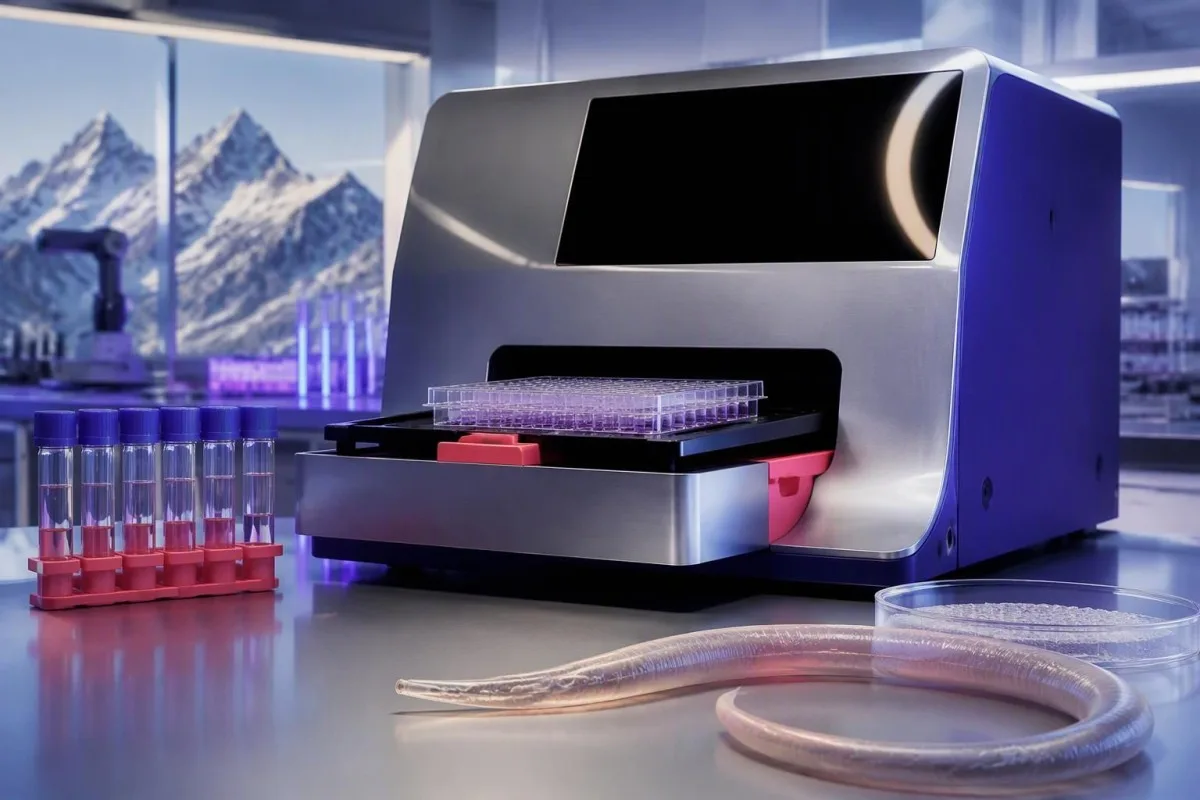
Use the same laboratory method when numerical trends are clinically needed. A result of 2.4 on one assay and 1.7 on another may reflect different calibrators or antigen preparations, rather than biological improvement; switching assays can create a trend that does not exist.
Symptoms and eosinophils often provide a more practical follow-up signal than persistent IgG. In a hypothetical case, cough improving alongside an eosinophil decline from 1.2 to 0.4 × 10⁹/L supports clinical improvement, but does not prove that every larva has been eliminated.
A small numerical change may fall within assay variation. An index shifting from 1.4 to 1.3 should not be treated as meaningful without laboratory information about reproducibility; our guide to sinfolle bloedtestferoarings explains the distinction between analytical variation and a real trend.
Ocular follow-up requires eye examination rather than antibody tracking alone. Stable serum IgG cannot show whether a retinal affected area is improving, and persistent or recurrent visual symptoms after a 5-day medicine course need specialist reassessment rather than repeated unsupervised treatment.
Hoe kin AI helpe sûnder aktive toxocariasis te gau oan te nimmen?
AI can help organise Toxocara antibodies, eosinophils and liver results, but cannot diagnose active disease from serology alone. A useful interpretation preserves uncertainty and highlights missing clinical information. At minimum, the report should be considered with 3 details: symptoms, exposure history and the laboratory’s assay method.
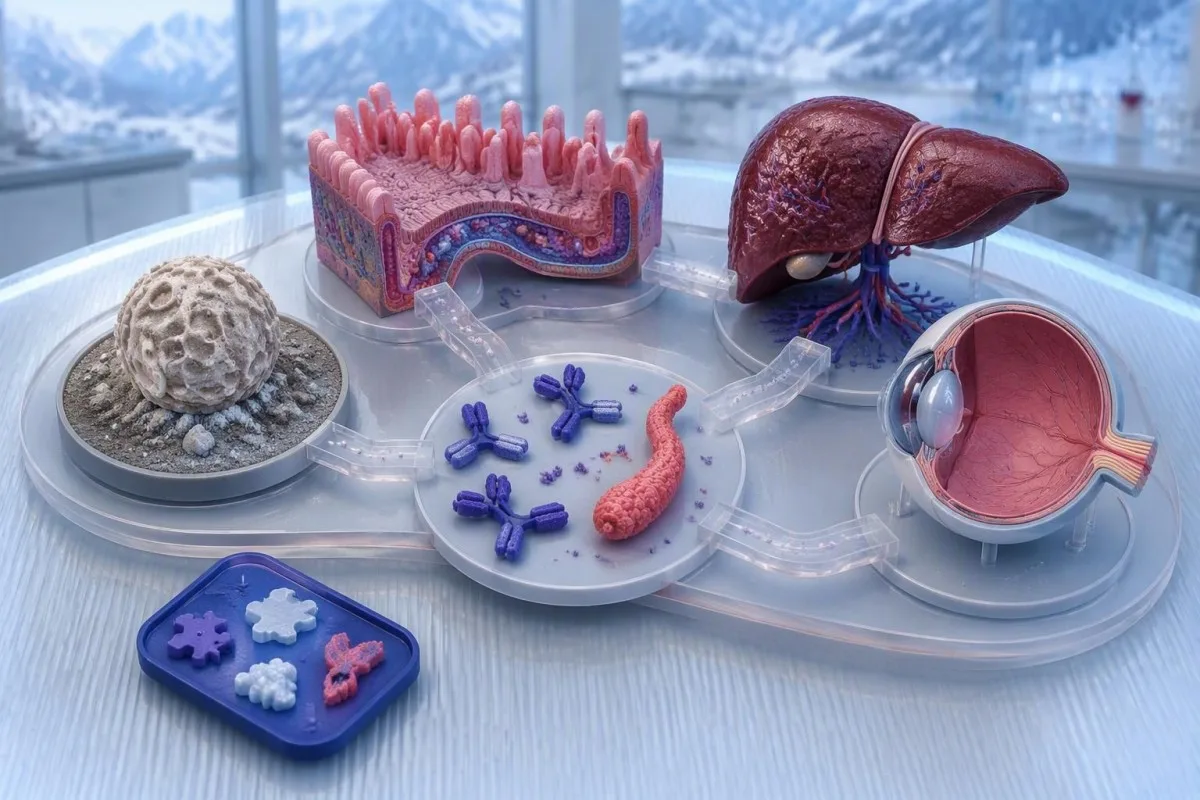
Kantesti is in AI bloedtest-útslachplatfoarm that can summarise related results and help prepare questions for a clinician. Our útlis fan AI-technology describes the interpretation workflow; a response generated in approximately 60 seconds is not an examination, a parasite-viability test or permission to delay urgent eye care.
Clinical reasoning should remain traceable to the original report. Check that an eosinophil value of 0.8 × 10⁹/L has not been confused with 0.8%, and that borderline and confirmed-positive findings are distinguished; our ynformaasje oer falidaasje en klinysk tafersjoch information describes how we discuss methodology without claiming every output establishes a diagnosis.
Privacy also matters when sharing laboratory documents. Remove unnecessary identifiers and obtain consent before submitting another person’s report; our privacy- en gegevensynformaasje explains data handling, but privacy safeguards do not change the medical limitations of interpreting 1 antibody result.
Bring 4 items to the appointment: the complete report, symptom dates, exposure details and a medicine list. Ask whether the result explains a defined clinical syndrome, whether another diagnosis fits better, what would justify treatment, and which symptoms require urgent reassessment.
Undersykspublikaasjes: wat stipet dizze behannelingsbesluten?
Treatment decisions in this article rely on Toxocara-specific clinical literature and CDC guidance, not unrelated laboratory publications. The 2 peer-reviewed reviews listed below explain diagnostic limitations and ocular management. The separate Zenodo records cover iron and coagulation testing; they do not establish how positive Toxocara antibodies should be treated.
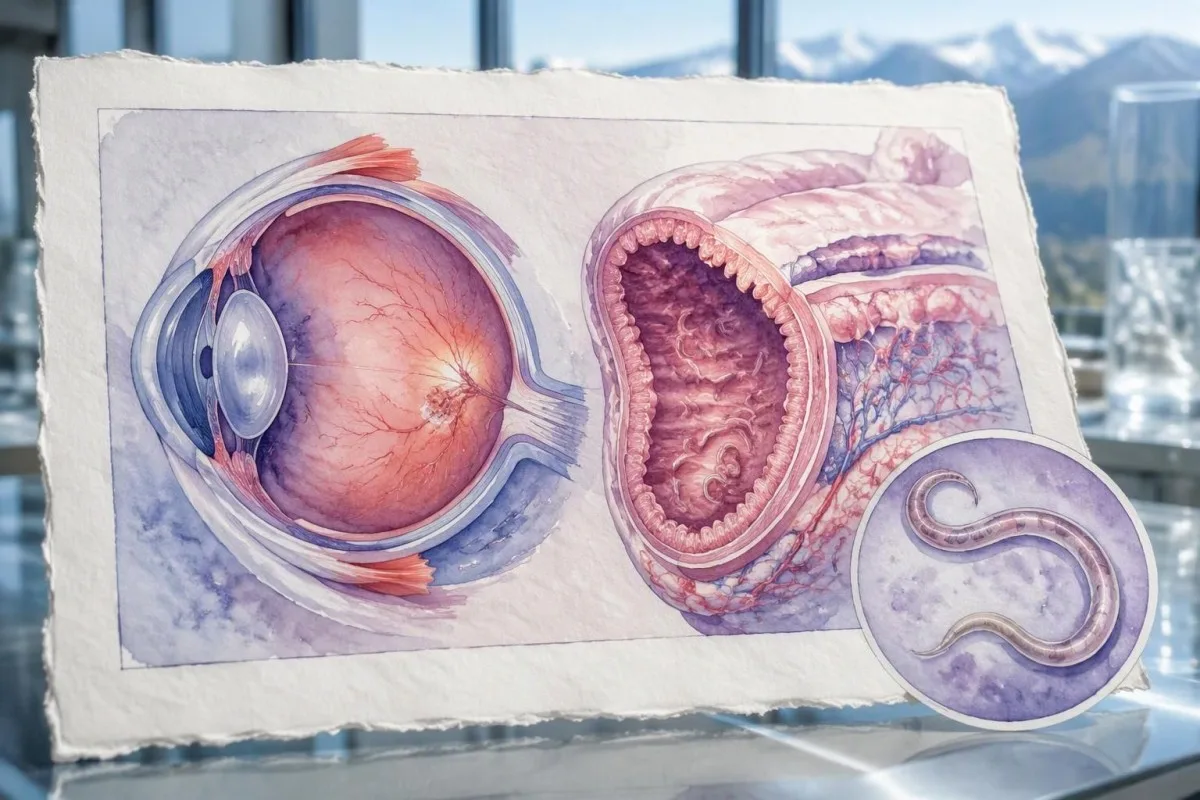
A review article is not the same as a randomised treatment trial. Magnaval et al. (2001) and Ahn et al. (2014) bring together clinical observations and published evidence, but important uncertainties remain about optimal treatment duration and the benefit of treating asymptomatic seropositivity.
Kantesti’s 2 listed Zenodo publications address different laboratory topics. The eftergrûnsgids foar izerstúdzjes may help with an independently identified iron abnormality, while the coagulation testing background guide addresses clotting tests; neither is a confirmatory test for toxocariasis.
A useful medical article must separate evidence, inference and illustration. The hypothetical antibody indexes and worked examples here are not patient records or validated treatment thresholds; our medyske ynhâldsnoarmen explain that approach, including why 1 positive antibody finding should never be presented as a complete diagnosis.
Faak stelde fragen
Betsjut in positive Toxocara-antistoftest dat ik albendazol nedich haw?
In positive Toxocara-antistoffentest betsjut net automatysk dat jo albendazol nedich hawwe. IgG kin jierrenlang aantoonber bliuwe, dus dokters sjogge nei symptomen dy't dêrby passe, de skiednis fan bleatstelling en stypjende befiningen, yn stee fan 1 posityf resultaat op himsels te behanneljen. De CDC neamt albendazol 400 mg twa kear deis foar 5 dagen foar viscerale toxocariasis, mar it beslút en de doer moatte ûnder tafersjoch fan in dokter stean. Nije eachsymptomen moatte prompt oftalmologysk beoardiele wurde ynstee fan selsbehanneling.
Kinne Toxocara-antistoffen nei de behanneling posityf bliuwe?
Toxocara-antistoffen kinne jierren nei bleatstelling posityf bliuwe en kinne nei behanneling noch detektearber wêze. In resultaat dat 6 moannen letter noch posityf is, bewiist op himsels net dat de behanneling mislearre is. Symptomen, trends yn it tal eosinofilen en ûndersiken fan relevante organen binne meastal brûkberder as opfolgingsmaatregels. Numerike trends yn antistoffen moatte allinnich ferlike wurde as de laboratoariummetoaden genôch oerienkomme.
Hokker eosinofiletelling wiist op toxokariasis?
In absolute eosinofiletelling boppe likernôch 0.5 × 10⁹/L is reden foar fierder ûndersyk, mar jout net spesifyk toxokariasis oan. Allergyen, medisinen, oare parasiten en hematologyske oandwaningen kinne deselde útslach jaan. Oanhâldende tellings fan op syn minst 1.5 × 10⁹/L fertsjinje evaluaasje, benammen by symptomen fan organen. Normale eosinofilen slute sykte út dy't beheind is ta it each net út.
Kin okulêre toxokariasis foarkomme mei in negative bloedtest?
Okulêre toxokariasis kin foarkomme mei lege of negative antistoffen yn it serum, om't de sykte beheind wêze kin ta 1 each. In normaal tal eosinofilen slút okulêre belutsenens ek net út. In eachdokter beoardielet de befiningen yn it retina en it glêzich lichem, soms mei OCT of echografy om de diagnoaze te ferdúdlikjen. Nij wazich sicht of driuwers moatte gau beoardiele wurde, wylst ynienen fisyferlies in needgefal is.
Slút in negative kruktest Toxocara út?
In negative ûndersyk fan de kruk slút minsklike toksokariasis net út. By minsken komme oer it algemien larven yn it weefsel foar, ynstee fan folwoeksen Toxocara-wjirms dy't aaien produsearje, sadat sels 3 negative krukmonsters de oandwaning net útslute kinne. Krukûndersyk kin noch wol oare darmparasiten opspoare. By de beoardieling fan toksokariasis wurde ynstee klinyske befiningen, bleatstellingsskiednis, serology en, as it nedich is, orgaanspesifike evaluaasje kombinearre.
Wat betsjut in grinsweardige Toxocara-antystofyndeks?
In grinsweardich Toxocara-antistoffenyndeks betsjut dat it sinjaal fan de test tichtby de beslisgrins fan dat laboratoarium leit, net dat aktive sykte befêstige is. Bygelyks, in yndeks fan 1.3 kin krekt boppe in hypotetyske grins fan 1.1 lizze, mar dy sifers binne gjin universele referinsjewearden. It laboratoarium dat de útslach rapportearret, kin oanbefelje om opnij te testen of in spesifiker befêstigingsmetoade te brûken. Symptomen en bleatstellingsskiednis bepale oft ferdúdliking klinysk nuttich is.
Lit jo bloedtest resultaten útlizze
Laad jo laboratoariumrapport op en de AI fan Kantesti leit elke biomarker binnen sekonden út yn gewoane taal. Brûkt troch mear as 2 miljoen minsken wrâldwiid.
Referinsjes
- Klein, T., Mitchell, S., & Weber, H. (2026). Gids foar izerûndersyk: TIBC, izersaturaasje en izerbindingskapasiteit. Kantesti AI Medysk Undersyk. DOI
- Klein, T., Mitchell, S., & Weber, H. (2026). aPTT Normaalberik: Gids foar D-Dimer, Protein C en bloedstolling. Kantesti AI Medysk Undersyk. DOI
- Magnaval JF et al. (2001). Highlights of human toxocariasis. The Korean Journal of Parasitology. DOI
- Ahn SJ et al. (2014). Ocular toxocariasis: clinical features, diagnosis, treatment, and prevention. Asia Pacific Allergy. DOI
- Centers for Disease Control and Prevention (n.d.). Clinical Care of Toxocariasis. CDC Parasites.
- 2M+Analysearre tests
- 127+Lannen
- 100+Talen
Oer it medyske team


E-E-A-T fertrouwensignalen
Ûnderfining
Dokter-oandreaune klinyske resinsje fan lab-ynterpretaasje-wurkprosessen.
Ekspertize
Fokus fan laboratoariummedisyne op hoe’t biomarkers har gedrage yn in klinyske kontekst.
Autoriteit
Medysk beoardiele troch Dr. Thomas Klein, mei bydragen fan Dr. Sarah Mitchell en prof. dr. Hans Weber.
Betrouberens
Bewiis-basearre ynterpretaasje mei dúdlike ferfolchpaadkes om alarm te ferminderjen.

Medyske disclaimer
Dit artikel is allinnich foar ûnderwiisdoelen en foarmet gjin medysk advys. Rieplachtsje altyd in kwalifisearre soarchferliener foar besluten oer diagnoaze en behanneling.
Publisearre · Nim kontakt op mei it redaksjeteam
Publisearre troch Kantesti Ltd, registrearre yn Ingelân en Wales, bedriuwsnûmer. 17090423, Londen, Feriene Keninkryk.
