ڪلوزاپين جي نگراني ۾ خطرناڪ نيوٽروپينيا معلوم ڪرڻ لاءِ نيوٽروفِلز جو مطلق تعداد (ANC) استعمال ڪيو ويندو آهي؛ گهٽ نتيجن تي اضافي جاچ، ماهر کان جائزو يا طبيب جي هدايت سان علاج ۾ عارضي وقفو ٿي سگهي ٿو. شيڊول ملڪ ۽ علاج جي مرحلي موجب مختلف هوندا آهن. بخار، ڳلي ۾ سور يا اوچتو بيمار ٿيڻ تي فوري طبي جائزو ضروري آهي—جيتوڻيڪ نتيجو اطمينان بخش هجي. ڪلوزاپين پاڻمرادو تبديل نه ڪريو.

اهم ڳالهيون
- ANC جا يونٽ: 1.0 × 10⁹/L برابر آهي 1,000 cells/µL؛ علاج جي حدن سان نتيجن جو مقابلو ڪرڻ کان اڳ يونٽ ضرور ڏسو.
- آمريڪا جون عام حدون: 1,000–1,499 cells/µL جو ANC وڌايل نگرانيءَ سان علاج جاري رکڻ جي اجازت ڏئي سگهي ٿو؛ 500–999 cells/µL تي، جڏهن ڪلوزاپين سبب نيوٽروپينيا جو شڪ هجي، عام طور تي طبيب جي هدايت سان علاج ۾ وقفو ڪيو ويندو آهي.
- شديد نيوٽروپينيا: 500 cells/µL کان گهٽ ANC لاءِ فوري طبي انتظام ضروري آهي، جنهن ۾ عام طور علاج ۾ وقفو ۽ هيماتولوجي ماهرن جي شموليت شامل هوندي آهي.
- ڊفي-نَل سان لاڳاپيل تعداد: دستاويزي طور تصديق ٿيل ڊفي-نَل سان لاڳاپيل نيوٽروفِلز جو تعداد علاج جو مختلف طريقو اختيار ڪرڻ جو جواز ڏئي سگهي ٿو؛ رڳو نسبتي پسمنظر هجڻ سان اهليت ثابت نٿي ٿئي.
- آمريڪا جو شيڊول: نسخي جي معلومات موجب، نگراني عام طور 6 مهينن تائين هفتيوار شروع ٿئي ٿي، پوءِ 6 مهينن تائين هر 2 هفتن ۾، ۽ ان کان پوءِ ماهوار.
- انتظامي تبديليون: FDA، 13 جون 2025 تي آمريڪا ۾ ڪلوزاپين REMS ختم ڪيو؛ ان سان رجسٽري جون گهرجون ختم ٿيون، ANC جي نگراني جي ڪلينڪي ضرورت نه.
- بين الاقوامي شيڊول: برطانيا جا روايتي طريقا 18 هفتن تائين هفتيوار جاچ، 1 سال تائين هر ٻن هفتن ۾ جاچ، ۽ پوءِ هر 4 هفتن ۾ جاچ استعمال ڪن ٿا؛ يورپ جون نظرثاني ٿيل سفارشون، اهل ۽ مستحڪم مريضن لاءِ، وڌيڪ ڊگها وقفا منظور ڪري سگهن ٿيون.
- تڪڙي علامتون: 38.0°C يا ان کان وڌيڪ بخار، نئون ڳلي جو سور، وات جا ڦٽ، ڏڪڻيءَ وارا ٿڌا يا اوچتو شديد بيماري، ساڳئي ڏينهن تڪڙي جائزي جي گهرج ڪن ٿا. مونجهارو، ساهه کڻڻ ۾ ڏکيائي يا ڪري پوڻ جي صورت ۾ هنگامي مدد وٺو.
ڪلوزاپين جي نگراني اصل ۾ ڪهڙا فيصلا ڪري ٿي؟
ڪلوزاپين جي نگراني ۾ ANC جا نتيجا استعمال ڪري ڊاڪٽرن کي فيصلو ڪرڻ ۾ مدد ڏني ويندي آهي ته علاج جاري رهي سگهي ٿو، وڌيڪ ويجهي نگراني گهربل آهي يا علاج روڪڻو پوندو. 500 cells/µL کان گهٽ ANC هڪ سنگين حفاظتي نتيجو آهي، پر ان کان وڌيڪ ڳڻپ تي فيصلا ملڪ جي پروٽوڪول، اڳين نتيجن ۽ مريض جي دستاويزي بنيادي سطح تي دارومدار رکن ٿا.

ANC جو نتيجو پاڻمرادو دوا لکڻ جي هدايت ناهي: 1,200 cells/µL جي ڳڻپ هڪ طريقي ۾ علاج جاري رکڻ جي اجازت ڏئي سگهي ٿي، پر ٻئي ۾ مختلف ردعمل جو سبب بڻجي سگهي ٿي. انگ جي تشريح ڪرڻ کان اڳ نسخو لکڻ واري کي صحيح پروٽوڪول جي سڃاڻپ ڪرڻ گهرجي؛ برطانيا جي نگراني سروس جي الرٽ تي آمريڪي حد لاڳو ڪرڻ سان دوا جي فراهمي جو اهڙو مسئلو پيدا ٿي سگهي ٿو، جنهن کان بچي سگهجي ٿو.
Kantesti هڪ AI رت جي ٽيسٽ جو تجزيو ڪندڙ اوزار آهي، جيڪو ANC جي 1.2 × 10⁹/L نتيجي کي 1,200 cells/µL طور سمجهاڻي ڏئي سگهي ٿو، پر اسان جي تشريح ڪلوزاپين ڏيڻ جي اجازت نٿي ڏئي سگهي ۽ نه ئي نسخو لکڻ واري ٽيم جي جاءِ وٺي سگهي ٿي. اسان جو ڪمپني بابت معلومات ان تعليمي خدمت فراهم ڪندڙ اداري جي سڃاڻپ ڪري ٿو، نه ڪي ڪلوزاپين جي نگراني واري رجسٽري جي.
ڳڻپ ۾ گهٽتائيءَ تي علاج جي حد کان هيٺ اچڻ کان اڳ به ڌيان ڏيڻ گهرجي: 4,000 کان 1,700 cells/µL تائين فرضي گهٽتائي، 1,700 جي لڳ ڀڳ ڊگهي عرصي کان برقرار بنيادي سطح کان مختلف آهي. اسان جي رهنمائي بارڊر لائن نيٽروفيل جا نتيجا عام ڦيرڦار جي وضاحت ڪري ٿي، پر ڪلوزاپين استعمال ڪندڙن کي عام ٻيهر جاچ واري شيڊول تي عمل ڪرڻ بدران دوا بابت مخصوص صلاح وٺڻ گهرجي.
ANC جا يونٽ ڪيئن پڙهجن ۽ تعداد ڪيئن ڳڻجي؟
ANC نيوٽروفلز جو مطلق تعداد ماپي ٿو، نه ڪي سفيد رت جي خلين ۾ انهن جو سيڪڙو. تبديلي بلڪل درست آهي: 1.0 × 10⁹/L برابر آهي 1,000 cells/µL. ليبارٽريءَ جي حوالاتي حد ۽ ڪلوزاپين جي علاج واري حد مختلف سوالن جا جواب ڏين ٿيون، تنهنڪري خبردار ڪيل نتيجي جو مطلب خودبخود اهو ناهي ته علاج بند ڪرڻ ضروري آهي.
اڪثر جديد ليبارٽريون ANC سڌي طرح رپورٽ ڪن ٿيون، عام طور نيوٽروفلز، مطلق نيوٽروفلز يا NEUT# جي نالي سان. جيڪڏهن ڳڻپ ڪرڻ ضروري هجي، ته ڪل WBC کي نيوٽروفلز جي حصي سان ضرب ڏيو، جنهن ۾ الڳ رپورٽ ڪيل بينڊز به شامل هجن؛ مثال طور، 4,000 cells/µL × 0.40 سان ANC، 1,600 cells/µL ٿيندو، 40 cells/µL نه.
نيوٽروفلز 15% رکندڙ 6,000 cells/µL جي فرضي WBC سان ANC، 900 cells/µL نڪري ٿو، جيتوڻيڪ ڪل WBC ليبارٽريءَ جي حوالاتي حد اندر ٿي سگهي ٿو. اهو فرق سمجهائي ٿو ته ڇو نيوٽروفلز جي حوالاتي حد بابت رهنمائي مطلق ڳڻپ کي فرقِي سيڪڙي کان الڳ ڪري ٿي.
اعشاري لکڻيءَ سبب خطرناڪ غلط فهميون پيدا ٿي سگهن ٿيون: 0.8 × 10⁹/L جو مطلب 800 cells/µL آهي، جڏهن ته 8.0 × 10⁹/L جو مطلب 8,000 cells/µL آهي. اصل رپورٽ، نمونو وٺڻ جي تاريخ ۽ يونٽن جو مقابلو ڪريو—رڳو ڪٽيل اسڪرين شاٽ يا هٿ سان داخل ڪيل انگ تي ڀروسو نه ڪريو—۽ نتيجي کي نسخي لاءِ استعمال ڪرڻ کان اڳ ڪنهن به ابهام کي دور ڪرڻ لاءِ ليبارٽري يا نگراني ٽيم کان پڇو.
| سطح | حد | ان جو مطلب |
|---|---|---|
| نيوٽروپينيا جي روايتي حد کان مٿي | ≥1.5 × 10⁹/L؛ ≥1,500 cells/µL | Usually outside the conventional adult neutropenia definition; this is not a universal laboratory reference interval or dispensing rule. |
| هلڪي نيوٽروپينيا | 1.0–1.499 × 10⁹/L; 1,000–1,499 cells/µL | Requires interpretation against baseline, symptoms and the applicable clozapine pathway. |
| وچولي نيوٽروپينيا | 0.5–0.999 × 10⁹/L; 500–999 cells/µL | Often requires urgent prescriber review; treatment actions differ for general and documented Duffy-null pathways. |
| شديد نيوٽروپينيا | <0.5 × 10⁹/L; <500 cells/µL | High-risk finding requiring urgent clinical management, usually hematology involvement and clinician-directed interruption. |
آمريڪا جي طريقيڪار ۾ ڪهڙا ANC نتيجا علاج ۾ تبديلي آڻين ٿا؟
The US general-population pathway usually permits clozapine initiation at ANC ≥1,500 cells/µL. During treatment, ANC of 1,000–1,499 cells/µL can allow continuation with intensified monitoring; 500–999 cells/µL generally requires interruption when clozapine-induced neutropenia is suspected. These are clinician actions, not instructions for patients to adjust medication.
For mild neutropenia, the US prescribing-information approach commonly increases ANC checks to 3 times weekly until recovery to at least 1,500 cells/µL. Correll et al. (2022), in CNS Drugs, reproduce these management pathways and emphasize that clozapine's substantial psychiatric benefits must be considered alongside hematological risk rather than treating every low result identically.
For ANC of 500–999 cells/µL in the general pathway, clinicians usually arrange hematology input and daily testing initially, with treatment resumption considered after recovery according to the label. A repeat sample can clarify an unexpected result, but a symptomatic patient or a rapidly falling count should not wait 24 hours merely to obtain a more convenient number.
A count below 500 cells/µL enters the severe-neutropenia pathway, where any later rechallenge requires an explicit specialist risk–benefit decision. Total WBC or CRP cannot substitute for ANC; our explanation of WBC ۽ CRP اختلاف shows why apparently reassuring results elsewhere in the panel do not cancel a low neutrophil count.
| سطح | حد | ان جو مطلب |
|---|---|---|
| US general-pathway initiation threshold | ANC ≥1,500 cells/µL | Usually eligible for initiation from a hematological perspective, subject to the full prescribing assessment. |
| Mild neutropenia during treatment | ANC 1,000–1,499 cells/µL | Treatment can often continue under prescriber direction with ANC monitoring 3 times weekly. |
| Moderate neutropenia during treatment | ANC 500–999 cells/µL | Usually interrupt if clozapine-induced neutropenia is suspected; obtain hematology advice and intensified monitoring. |
| Severe neutropenia during treatment | ANC <500 cells/µL | Interrupt under urgent clinical management; any future rechallenge needs specialist justification. |
ڊفي-نَل سان لاڳاپيل تعداد فيصلن کي ڪيئن بدلائي ٿو؟
Documented Duffy-null-associated neutrophil counts can justify lower clozapine ANC thresholds because a stable lower circulating count does not necessarily indicate impaired immunity. US prescribing information has historically called this the benign ethnic neutropenia, or BEN, pathway; its usual initiation threshold is ANC ≥1,000 cells/µL with at least 2 baseline measurements.
Under the US documented BEN pathway, an ANC of 500–999 cells/µL may permit continued clozapine with hematology consultation and monitoring 3 times weekly. This differs from the general pathway at the same number; the distinction must already be established clinically, not inferred after an alarming result simply to avoid an interruption.
Ancestry is not a diagnostic test for Duffy-null status, and 2 people with similar ancestry may have different baseline ANC patterns. Our Duffy-null count explanation discusses phenotype or genotype evidence, historical counts and assessment for other causes; genetic testing is not universally required, but a clinician-documented explanation is needed for an alternative treatment pathway.
A hypothetical stable baseline of 1,200 cells/µL does not make a new fall to 450 cells/µL harmless: that result meets the severe-neutropenia threshold even in the US BEN pathway. Fever, recurrent unusual infections, anemia or low platelets also weakens the assumption that a low ANC is an isolated constitutional finding and warrants a broader assessment.
وقت سان گڏ ڪلوزاپين سبب نيوٽروپينيا جو خطرو ڪيترو آهي؟
Clozapine neutropenia risk is concentrated early in treatment, especially during the first 18 weeks to 6 months, but it does not disappear later. Correll et al. (2022) describe agranulocytosis as affecting approximately 1% of treated patients; estimates vary across populations, monitoring systems and definitions, so this is not an individual prediction.

Approximately 1% means roughly 1 in 100 treated people in that broad estimate, not a 1% risk every month and not a 1% risk after every dose. Mild neutropenia is more frequent than agranulocytosis, and studies that combine the two outcomes can make the risk of life-threatening neutrophil depletion appear larger than it actually is.
Early intensive testing reflects the concentration of events during the first 6 months, rather than an assumption that each additional tablet causes predictable cumulative marrow damage. Severe clozapine-associated neutropenia is not reliably prevented by choosing a low dose alone, and a previously normal count cannot guarantee that the next count will remain normal.
After 2 years of stable treatment, the absolute risk is generally much lower than during initiation, which helps explain proposals for less frequent routine testing. Late neutropenia still needs investigation for medication effects, illness and marrow disease; our guide to بار بار ٿيندڙ انفيڪشن لاء جانچ explains why symptoms and other cell lines can reveal risks that an ANC-only schedule misses.
REMS کان پوءِ آمريڪا ۾ ڪلوزاپين جي نگرانيءَ جو شيڊول ڇا آهي؟
The US prescribing-information ANC schedule generally remains weekly for 6 months, every 2 weeks for the next 6 months, then monthly. The FDA removed the clozapine REMS on June 13, 2025, ending its enrollment and ANC-reporting requirements; that administrative change did not remove the clinical recommendation to monitor neutrophils.

The FDA's 2025 clozapine REMS removal communication separates access restrictions from safe prescribing: prescribers, pharmacies and patients no longer need to participate in that federal registry. A pharmacy no longer needs the former REMS dispensing authorization, but the prescriber may still require a recent ANC and a local service may still use an electronic safety workflow.
For a hypothetical patient completing 6 months without a concerning ANC event, the usual label pathway moves from weekly to every-2-week monitoring rather than immediately to monthly testing. Neutropenia, a treatment interruption or a relevant medication change can alter that plan; ask which event starts the next monitoring period instead of counting months independently.
Kantesti can help explain a trend across 3 dated ANC reports, but our platform does not determine the next legally or clinically acceptable dispensing date. Our دوا-حفاظت جي رجحان گائيڊ explains why the original collection dates and the prescribing team's schedule must remain attached to any AI-generated summary.
برطانيا جون نگرانيءَ جون خدمتون مختلف شيڊول ڇو استعمال ڪري سگهن ٿيون؟
Traditional UK clozapine monitoring pathways use weekly testing for 18 weeks, every 2 weeks until 1 year, then every 4 weeks. UK dispensing has also depended on product-linked monitoring-service clearance; revised recommendations and local implementation can change the pathway, so the patient's own service must confirm the schedule and action thresholds.

An older UK pathway may classify ANC of 1.5–2.0 × 10⁹/L as amber and below 1.5 × 10⁹/L as red in patients without an approved lower-baseline pathway. Those thresholds are not interchangeable with the US continuation algorithm, and legacy UK systems may also consider total WBC; the relevant service must state which rules it currently applies.
Every 4 weeks means every 28 days, not simply once in each calendar month, so a missed appointment can affect a supply window even when the previous result was satisfactory. A useful baseline testing plan should include who books the sample, who receives it and who contacts the patient if the monitoring service cannot release medication.
Administrative alerts can arise from an overdue sample, an unprocessed sample or a genuinely low count—3 different problems with different solutions. Contact the prescribing team and pharmacy promptly if supply is threatened; do not stretch doses, borrow tablets or assume that a policy change in another country has automatically changed your own monitoring-service rules.
يورپ جي نظرثاني ڪيل ANC سفارشن ۾ ڪهڙي تبديلي آئي؟
Revised European recommendations allow less frequent ANC testing in eligible stable patients: weekly for 18 weeks, monthly through the first year, every 12 weeks after 1 year and annually after 2 years. These longer intervals depend on the specified absence of neutropenia and the locally implemented product information; they are not a universal schedule.
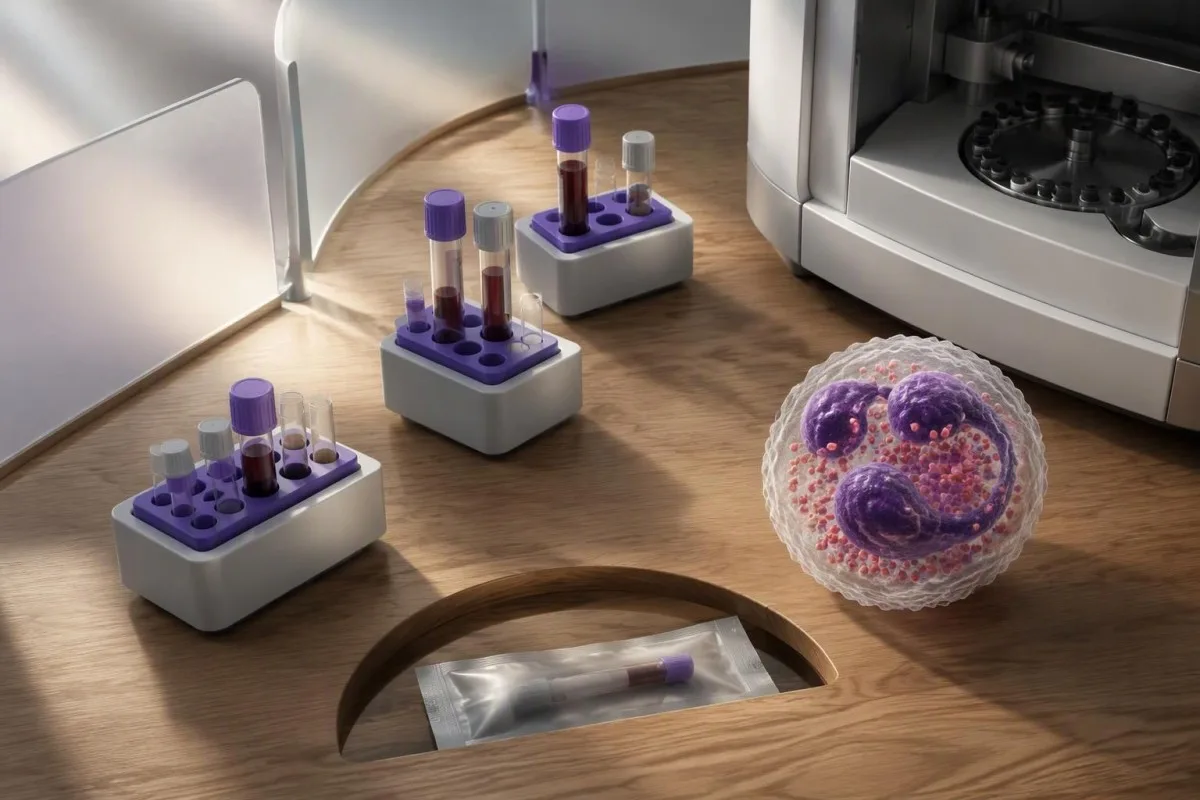
The European Medicines Agency's 2025 communication on revised routine blood count monitoring shifts the principal hematological measure toward ANC rather than combined WBC and ANC surveillance. The revised approach generally uses baseline ANC of at least 1,500 cells/µL, or at least 1,000 cells/µL in an established BEN pathway, while lowering some treatment-interruption thresholds compared with older European systems.
In the revised European approach, ANC below 1,000 cells/µL generally triggers stopping treatment in the standard pathway, whereas below 500 cells/µL is the corresponding threshold for an established BEN pathway. Results above those stopping thresholds can still require intensified surveillance; a hypothetical count of 1,100 cells/µL is not a reason to ignore a new downward trend.
Country authorization, the particular product information and service implementation can differ, even when patients have each taken clozapine for 2 years. Our guide to blood-test timing and changes explains why historical stability matters; obtain written confirmation before assuming that an annual European schedule applies to a UK, US or other national pathway.
اوچتو گهٽ ANC اچڻ کان پوءِ ڇا ٿيڻ گهرجي؟
An unexpected low ANC needs prompt prescriber review, confirmation when appropriate and assessment for causes other than clozapine. In the US label pathway, an initial ANC below 1,500 cells/µL is generally confirmed within 24 hours, but severe neutropenia or infection symptoms require immediate management rather than waiting for a routine repeat.
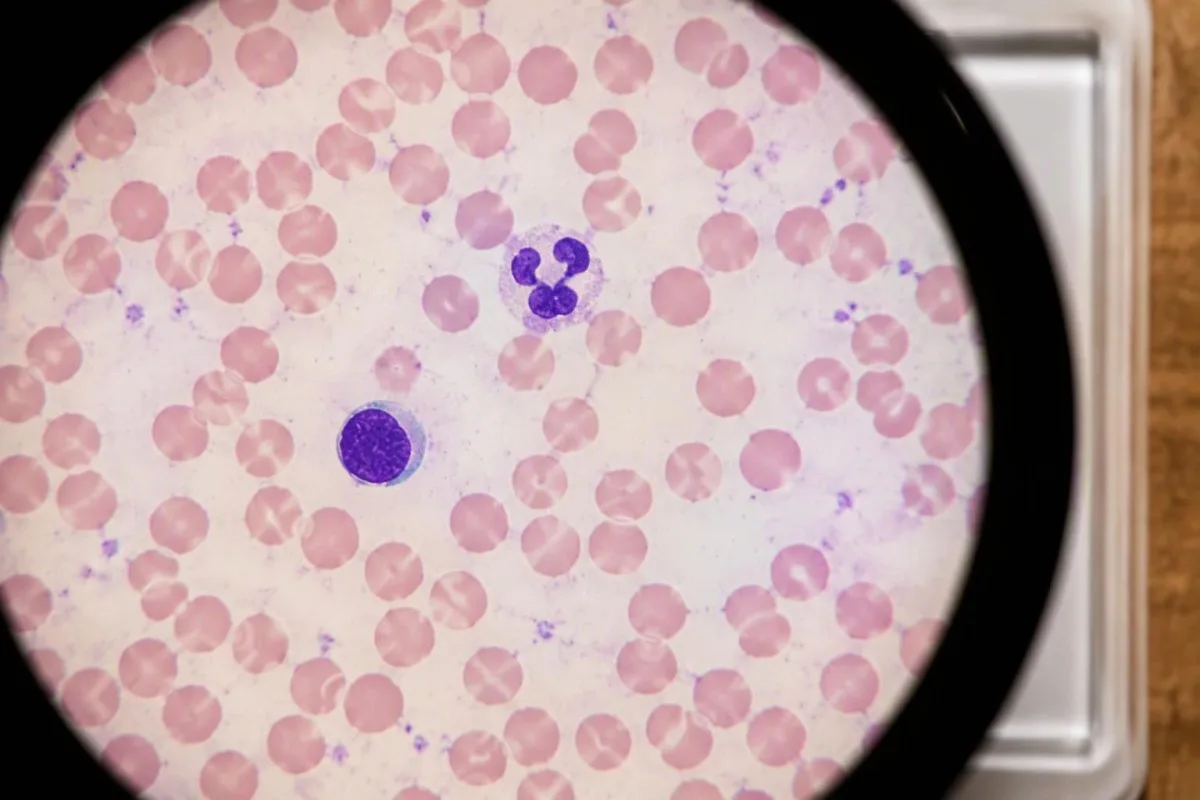
Recent viral illness, other medicines, autoimmune disease and nutritional deficiency can all lower ANC; a count of 900 cells/µL establishes neutropenia but does not establish its cause. Clinicians review the timing of drug exposure and may examine hemoglobin, platelets and a cell sample slide; concurrent abnormalities can justify evaluation for possible marrow disorders.
Kantesti is an AI blood test interpretation platform that can place an ANC of 0.9 × 10⁹/L beside platelet and hemoglobin trends, while leaving causation and medication decisions to clinicians. Our broader هيماتولوجي مارڪر گائيڊ explains why a normal red-cell result does not erase an isolated neutrophil problem.
Sampling time and temporary physiological variation can affect a borderline result, but there is no safe rule that an afternoon repeat will always normalize an ANC of 1,400 cells/µL. If a clinician requests a repeat at a consistent time, follow that plan without delaying necessary care; exercise, supplements or deliberate timing changes should not be used to manipulate a treatment-clearance result.
انفيڪشن جون ڪهڙيون علامتون فوري طبي جائزي گهرن ٿيون؟
During clozapine treatment, fever of 38.0°C or higher, new sore throat, mouth sores, shaking chills or sudden marked illness warrants urgent same-day clinical assessment. A known ANC below 500 cells/µL makes possible infection especially urgent. Confusion, breathing difficulty, fainting or rapidly worsening illness requires emergency help, regardless of the last count.
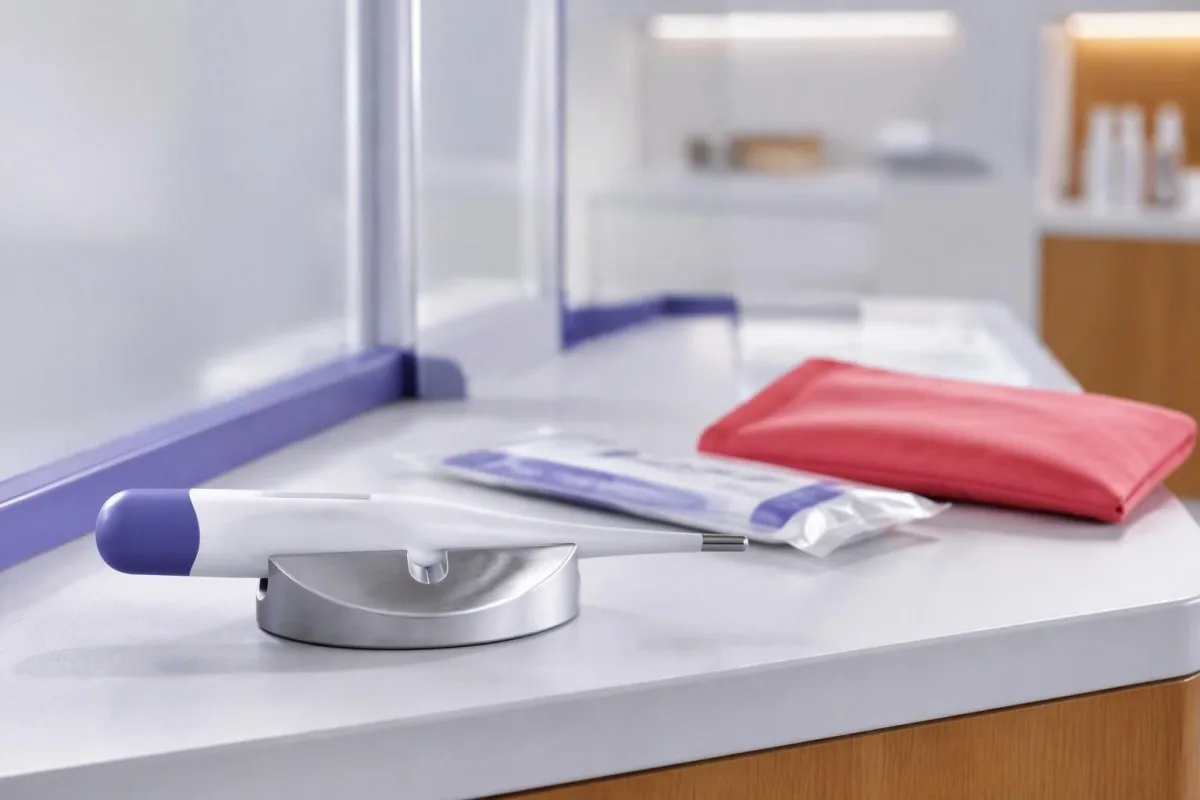
Formal febrile-neutropenia definitions often use a single temperature of at least 38.3°C or at least 38.0°C sustained for 1 hour, together with severe or impending severe neutropenia. Those definitions support clinical classification—not a home instruction to wait an hour; tell the urgent-care team that you take clozapine and provide your last ANC if available.
An ANC of 2,000 cells/µL measured 7 days ago cannot exclude a new fall today, and severe neutropenia can weaken usual local signs such as redness or discharge. Assessment may include an urgent CBC with differential, cultures and examination; our procalcitonin interpretation guide explains why a low infection biomarker cannot independently rule out an early serious infection.
New fever may also signal pneumonia, myocarditis or another illness that raises clozapine concentrations, creating 2 linked safety questions: immune protection and medication toxicity. Call the prescribing team's urgent number immediately for advice about the next dose; if you cannot reach them promptly while significantly unwell, seek urgent care rather than waiting for an app interpretation or routine appointment.
ٻيون دوائون، سگريٽ نوشي ۽ بيماري نگرانيءَ تي ڪيئن اثرانداز ٿين ٿا؟
Other medicines can increase neutropenia risk or change clozapine concentrations, and those are different problems requiring different tests. ANC is measured in cells/µL, whereas clozapine concentration is commonly measured in ng/mL; a normal ANC does not exclude excessive drug exposure, and a therapeutic concentration does not exclude neutropenia.

Carbamazepine is generally avoided with clozapine because of marrow-suppression risk and clinically relevant interactions; concurrent valproate has also been associated with neutropenia in observational studies. A hypothetical ANC decline from 2,600 to 1,300 cells/µL after adding another medicine warrants a complete medication review, not a conclusion that clozapine is necessarily the sole cause; valproate level interpretation addresses the separate issue of drug exposure.
Stopping combustible smoking can raise clozapine concentrations because smoke components—not nicotine itself—induce CYP1A2 metabolism. A person who stops smoking during a 3-day hospital admission may therefore need prescriber-directed concentration monitoring and dose review; our nicotine test explanation clarifies why cotinine alone does not measure the smoke-related enzyme effect.
Kantesti can explain why an ANC of 2,100 cells/µL and a clozapine level of 900 ng/mL describe different risks, but we cannot select a safer dose. Fever, major caffeine changes and interacting medicines such as ciprofloxacin can alter exposure; report new excessive sedation, confusion or muscle jerks promptly, even if the neutrophil result is reassuring.
ٽيسٽون رهجي وڃڻ يا علاج ۾ وقفي کان پوءِ ڇا ٿيندو؟
A missed ANC appointment can create a supply problem, while a clozapine treatment break can create a separate restarting hazard. After more than 48 hours without clozapine, many protocols require supervised re-titration beginning at 12.5 mg once or twice daily rather than immediate return to the previous dose; exact instructions depend on the prescribing information.
Tolerance to clozapine's blood-pressure effects can be lost quickly, so restarting a previous 300 mg daily regimen after a break may cause profound hypotension or collapse. US prescribing information also specifies reduced restart doses for shorter interruptions; patients should contact the prescribing team after missed doses rather than using a remembered 48-hour rule to decide what to take.
A treatment break does not always reset ANC surveillance to the beginning, because monitoring rules depend on interruption duration and the reason treatment stopped. In the US normal-ANC pathway, interruptions of 30 days or longer generally return patients to initiation-style monitoring; national monitoring services may use different interruption rules, especially after an abnormal count.
After a hypothetical 5-day admission, confirm the last dose, current prescription, latest ANC and who will supervise the next dose before leaving hospital. Our explanation of اسپتال مان ڇڏڻ کان پوءِ نتيجا helps organize altered laboratory values, but it cannot reconcile prescriptions or authorize restarting after neutropenia.
ANC جي نگراني ڪلوزاپين جي حفاظت بابت ڪهڙي ڳالهه جي خبر نٿي ڏئي؟
ANC monitoring does not detect clozapine-related myocarditis, constipation, metabolic complications or excessive drug concentrations. Some initiation protocols add weekly troponin and CRP during the first 4 weeks, while ongoing care assesses bowel function, weight, glucose and lipids. A satisfactory ANC therefore confirms only one part of medication safety.

New chest pain, breathlessness or persistent unexplained tachycardia during the first 4 weeks needs prompt clinical assessment rather than reassurance from a normal ANC. Troponin and CRP can support a myocarditis investigation, but thresholds and screening practices vary; our myocarditis testing explanation describes why laboratory results must be interpreted with symptoms and cardiac evaluation.
Clozapine-related bowel slowing can become dangerous even when stool is still passing, and severe abdominal pain, distension or vomiting requires urgent assessment. Record bowel frequency and stool consistency rather than asking only whether constipation is present; the پاخاني جي بناوت بابت رهنمائي provides a shared description, while a change lasting 48 hours should prompt contact according to the patient's bowel-management plan.
Correll et al. (2022) describe a clozapine plasma reference range of approximately 350–600 ng/mL for many treatment-response decisions, while emphasizing individual variation and adverse effects. That range is not an ANC target or a universal safe-dose boundary; concentration samples usually need defined timing relative to the last dose, whereas routine ANC collection generally does not require a trough sample.
توهان کي پنهنجي ايندڙ ڪلوزاپين جائزي لاءِ ڪيئن تياري ڪرڻ گهرجي؟
Bring the latest ANC, its units, earlier counts and a complete medication list to every clozapine review. Ask which national and service-specific pathway applies, what happens below its thresholds and whom to contact urgently. Keeping at least 3 dated results available helps distinguish a stable baseline from a new decline.

For a hypothetical sequence of 2,400, 1,900 and 1,400 cells/µL, useful questions concern the trend, recent illness, interacting medicines and the required next sample—not simply whether the latest value is red. Also ask who receives results outside office hours and whether the pharmacy needs monitoring-service clearance; these practical details can prevent an avoidable treatment gap.
Kantesti is an AI biomarker interpretation platform that helps translate an ANC of 1.4 × 10⁹/L into an understandable count and a list of clinician questions. Our فني ۽ طبي نگراني describes the boundaries of interpretation; it does not establish that an automated answer is a validated clozapine prescribing decision or a substitute for hematology advice.
Kantesti's educational workflow should preserve 3 essentials: the source result, the applicable clinical protocol and the human decision-maker. Our ذميوار AI جا اصول explain why urgent symptoms take priority over automated analysis, while our رازداري ۽ ڊيٽا بابت ڄاڻ explains considerations when sharing sensitive psychiatric and laboratory records.
تحقيقي اشاعتون ۽ ثبوت جون حدون
The 2 Kantesti publications listed in the research publication section concern digestive symptoms and women's health, not clozapine ANC thresholds or monitoring schedules. Their Figshare DOIs identify those publications but do not establish peer review or provide evidence for clozapine decisions; the directly relevant medical and regulatory sources are listed separately below.
اڪثر پڇيا ويندڙ سوال
ڪلوزاپين جاري رکڻ لاءِ ANC ڪيترو گهٽ هجي ته تمام گهٽ سمجهيو ويندو؟
The ANC threshold for continuing clozapine depends on the country and the patient's documented baseline pathway. In the US general pathway, ANC of 1,000–1,499 cells/µL can allow continuation with increased monitoring, while 500–999 cells/µL usually requires interruption when clozapine-induced neutropenia is suspected. A documented BEN or Duffy-null-associated pathway can permit continuation at 500–999 cells/µL under specialist supervision. ANC below 500 cells/µL requires urgent clinical management; patients should obtain immediate prescriber instructions rather than change treatment themselves.
ڇا ڪلوزاپين REMS ختم ٿيڻ کان پوءِ به مون کي ANC رت جا ٽيسٽ ڪرائڻا پوندا؟
0 ها، آمريڪا جي ڪلوزاپين REMS کي ختم ڪرڻ سان ANC جي نگراني بابت ڪلينڪي سفارش ختم نه ٿي. FDA 13 جون 2025 تي رجسٽري ختم ڪئي، جنهن سان ان جي داخلا، رپورٽنگ ۽ دوا جاري ڪرڻ جي اجازت بابت گهرجون ختم ٿي ويون. دوا لکڻ جي معلومات ۾ ڏنل شيڊول عام طور تي 6 مهينن تائين هر هفتي، ايندڙ 6 مهينن تائين هر 2 هفتن ۾، ۽ پوءِ هر مهيني جاري رهندو آهي. نيوٽروپينيا، علاج ۾ وقفي يا ڪنهن ٻي لاڳاپيل ڪلينڪي تبديليءَ کان پوءِ توهان جو ڊاڪٽر وڌيڪ جاچون ڪرائڻ جو چئي سگهي ٿو.
Why is my clozapine blood test schedule different from someone else's?
ڪلوزاپين جي رت جي ٽيسٽن جو شيڊول مختلف هوندو آهي، ڇاڪاڻتہ قومي پراڊڪٽ ڄاڻ، مانيٽرنگ جون خدمتون، علاج جو مدو ۽ ANC جا اڳوڻا واقعا هڪجهڙا ناهن. برطانيا جا روايتي طريقا 18 هفتن تائين هفتيوار ٽيسٽ، 1 سال تائين هر ٻن هفتن ۾ ٽيسٽ ۽ ان کان پوءِ هر 4 هفتن ۾ ٽيسٽ ڪرائڻ جا آهن. يورپ جون نظرثاني ٿيل سفارشون، مقامي طور لاڳو ٿيڻ جي شرط سان، اهل ۽ مستحڪم مريضن ۾ 1 سال کان پوءِ هر 12 هفتن ۾ ۽ 2 سالن کان پوءِ سالياني ٽيسٽ جي اجازت ڏئي سگهن ٿيون. ڪنهن به ملاقات ۾ تبديلي ڪرڻ کان اڳ پنهنجي نسخي لکڻ واري سروس کان لاڳو شيڊول جي تصديق ڪرايو.
ڇا ڪلوزاپين سبب ٿي سگهي ٿو ته ڪيترن سالن تائين نتيجا نارمل اچڻ کان پوءِ نيوٽروپينيا ٿئي؟
ڪلوزاپين سان لاڳاپيل نيوٽروپينيا عام نتيجن جا ڪيترائي سال گذرڻ کان پوءِ به ٿي سگهي ٿي، جيتوڻيڪ شروعاتي علاج دوران خطرو گهڻو وڌيڪ هوندو آهي. پهريان 18 هفتا کان 6 مهينا شديد واقعن جو وڏو حصو آهن. 2 سالن کان پوءِ ڳڻپ ۾ نئين گهٽتائي جي صورت ۾ به ڪلوزاپين، ٻين دوائن، انفيڪشن ۽ بون ميرو يا خودمدافعتي حالتن جي جائزي جي ضرورت آهي. ANC جو اڳ ۾ اطمينان بخش هجڻ، بخار يا اوچتي بيماري پيدا ٿيڻ تي تڪڙي جائزي جي ضرورت ختم نٿو ڪري.
جيڪڏهن ڪلوزاپين وٺندي مون کي بخار ٿي وڃي ته مون کي ڇا ڪرڻ گهرجي؟
ڪلوزاپائن وٺندي 38.0°C يا ان کان وڌيڪ بخار ٿيڻ تي ساڳئي ڏينهن فوري طبي جائزو وٺڻ ضروري آهي، خاص طور تي جيڪڏهن ڳلي ۾ سور، وات ۾ ڦٽ، ڏڪڻي سان ٿڌ لڳڻ يا شديد ڪمزوري هجي. طبي عملي کي ٻڌايو ته توهان ڪلوزاپائن وٺو ٿا ۽ جيڪڏهن موجود هجي ته پنهنجو تازو ANC ٻڌايو. 500 cells/µL کان گهٽ ANC معلوم هئڻ تي ممڪن انفيڪشن خاص طور تي تڪڙي ڌيان جوڳو آهي، ۽ مونجهارو، ساهه کڻڻ ۾ ڏکيائي يا ڪري پوڻ جي صورت ۾ هنگامي مدد گهرو. ايندڙ معمول واري ٽيسٽ جو انتظار ڪرڻ يا پاڻمرادو دوا ۾ تبديلي ڪرڻ بدران، ايندڙ دوز بابت فوري طور ڊاڪٽر کان صلاح وٺو.
ڇا ٻه ڏينهن دوا نه کائڻ کان پوءِ مان ڪلوزاپين جي پنهنجي معمول واري خوراک ٻيهر شروع ڪري سگهان ٿو؟
تجويز ڪندڙ ٽيم جي هدايتن کان سواءِ علاج ۾ وقفي کان پوءِ ڪلوزاپين جي پنهنجي معمولي خوراڪ ٻيهر شروع نه ڪرڻ گهرجي. علاج کان سواءِ 48 ڪلاڪن کان وڌيڪ عرصي کان پوءِ، ڪيترن ئي پروٽوڪولن موجب ٻيهر خوراڪ آهستي آهستي وڌائڻ جي ضرورت هوندي آهي، جنهن جي شروعات روزانو هڪ يا ٻه ڀيرا 12.5 mg سان ٿيندي آهي، ڇاڪاڻتہ بلڊ پريشر تي اثرن جي برداشت ختم ٿي سگهي ٿي. ڪجهه تجويز ڪيل معلومات ۾ ننڍن وقفن کان پوءِ به گهٽ خوراڪ جي گهرج هوندي آهي. ٽيم سان ترت رابطو ڪريو، ڇوتہ ٻيهر شروع ڪرڻ جو صحيح منصوبو ۽ ANC جو شيڊول وقفي جي صحيح مدت ۽ سبب تي دارومدار رکن ٿا.
ڇا اڇي رت جي خلين جو عام انگ هجڻ جو مطلب آهي ته ڪلوزاپين دوران منهنجو ANC محفوظ آهي؟
اڇي رت جي خليات جي ڪل تعداد جو نارمل هجڻ ان ڳالهه جي ضمانت نٿو ڏئي ته ڪلوزاپين جي علاج لاءِ ANC مناسب آهي. مثال طور، 15% نيوٽروفلز سان WBC جو 6,000 cells/µL هجڻ، ANC کي 900 cells/µL بڻائي ٿو. علاج بابت فيصلا صرف WBC جي بنياد تي نه، پر مطلق نيوٽروفل ڳڻپ، لاڳو پروٽوڪول ۽ ڪلينڪي صورتحال کي نظر ۾ رکي ڪرڻ گهرجن. نارمل ANC هجڻ سان پڻ مائيوڪارڊائٽس، آنڊن جي حرڪت ۾ شديد سستي يا ڪلوزاپين جي حد کان وڌيڪ مقدار خارج نٿي ڪري سگهجي.
پنهنجي رت جي جاچ جو نتيجو ڪيئن پڙهجي
پنهنجي ليبارٽري رپورٽ اپلوڊ ڪريو ۽ Kantesti جو AI سيڪنڊن اندر هر بائيو مارڪر کي سادي ٻوليءَ ۾ سمجهائيندو. سڄي دنيا ۾ 2 ملين کان وڌيڪ ماڻهن طرفان استعمال ٿيل.
حوالا
- Klein, T., Mitchell, S., & Weber, H. (2026). روزو رکڻ کان پوءِ دست، پاخاني ۾ ڪارا ذرڙا ۽ معدي ۽ آنڊن بابت رهنمائي 2026. Kantesti AI طبي تحقيق. ڊي او آءِ
- Klein, T., Mitchell, S., & Weber, H. (2026). عورتن جي صحت بابت رهنمائي: بيضو ڇڏڻ، مينيوپاز ۽ هارمونل علامتون. Kantesti AI طبي تحقيق. ڊي او آءِ
- Correll CU et al. (2022). A Guideline and Checklist for Initiating and Managing Clozapine Treatment in Patients with Treatment-Resistant Schizophrenia. CNS Drugs. ڊي او آءِ
- US Food and Drug Administration (2025). FDA removes risk evaluation and mitigation strategy (REMS) program for the antipsychotic drug Clozapine. FDA Drug Safety and Availability.
- European Medicines Agency (2025). Clozapine: revised recommendations for routine blood count monitoring. Direct healthcare professional communication.
- 20 لک+تجزيو ڪيل ٽيسٽون
- 127+ملڪ
- 100+ٻوليون
طبي ٽيم بابت


E-E-A-T اعتماد جا سگنل
تجربو
ڊاڪٽر جي نگرانيءَ هيٺ ليبارٽري نتيجن جي تشريح واري عمل جو جائزو.
ماهر
ليبارٽري دوائن جو ڌيان ان ڳالهه تي ته بايو مارڪرز ڪلينڪل حوالي سان ڪيئن رويو ڏيکارين ٿا.
اختيار
ڊاڪٽر ٿامس ڪلائن طبي جائزو ورتو، جنهن ۾ ڊاڪٽر سارا مچل ۽ پروفيسر ڊاڪٽر هانس ويبر جون ڀاڱيداريون شامل آهن.
اعتبار
ثبوتن تي ٻڌل تشريح، جنهن سان خبرداري گهٽائڻ لاءِ واضح پيرويءَ جا رستا موجود هجن.





طبي ترديد
هي آرٽيڪل صرف تعليمي مقصدن لاءِ آهي ۽ طبي مشورو نٿو بڻجي. تشخيص ۽ علاج جي فيصلن لاءِ هميشه ڪنهن قابل صحت فراهم ڪندڙ سان صلاح ڪريو.
شايع ٿيل · ايڊيٽوريل ٽيم سان رابطو ڪريو
Kantesti Ltd پاران شايع ٿيل، انگلينڊ ۽ ويلز ۾ رجسٽرڊ، ڪمپني نمبر. 17090423, ، لنڊن، برطانيه.
