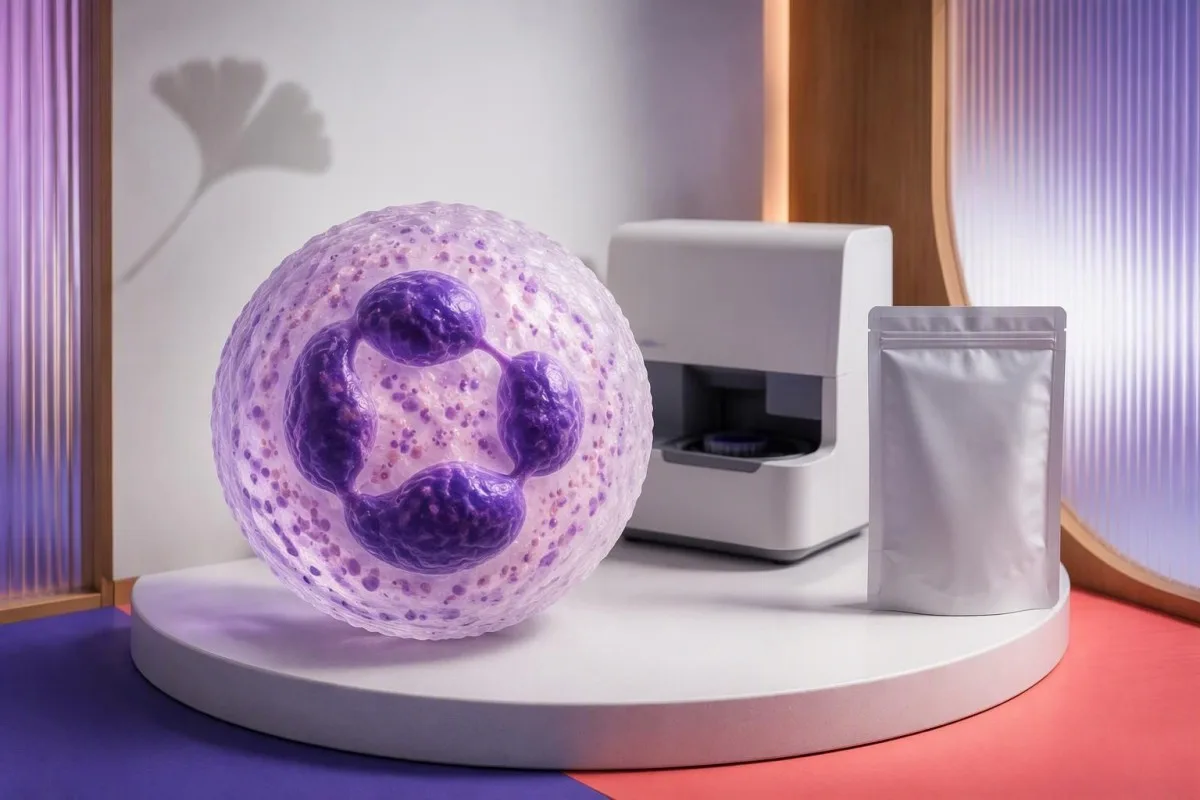
مراقبة الكلوزابين كتستعمل العدد المطلق للعدلات (ANC) باش تكشف نقص العدلات الخطير؛ النتائج المنخفضة تقدر تفرض تحاليل إضافية، مراجعة عند اختصاصي أو توقيف العلاج بتوجيه من الطبيب. الجداول كتختلف حسب البلد ومرحلة العلاج. السخانة، وجع الحلق أو مرض مفاجئ كيحتاجو تقييم مستعجل—حتى من بعد نتيجة مطمئنة. ما تبدلش الكلوزابين بوحدك.

أهم الخلاصات
- وحدات ANC: 1.0 × 10⁹/L كتعادل 1,000 خلية/µL؛ تأكد من الوحدات قبل ما تقارن النتائج بعتبات العلاج.
- العتبات العامة فـ US: ANC من 1,000 حتى 1,499 خلية/µL يقدر يسمح بمواصلة العلاج مع مراقبة مكثفة؛ من 500 حتى 999 خلية/µL كيتسبب غالباً فتوقيف العلاج بتوجيه من الطبيب ملي كيكون مشتبه فنقص العدلات الناجم عن الكلوزابين.
- نقص عدلات حاد: ANC أقل من 500 خلية/µL كيحتاج تدبير طبي مستعجل، وغالباً توقيف العلاج وإشراك اختصاصي أمراض الدم.
- أعداد Duffy-null: عدد عدلات موثق ومرتبط بـ Duffy-null يقدر يبرر مسار علاجي مختلف؛ الأصل العرقي بوحدو ما كيثبتش الأهلية.
- الجدول فـ US: المراقبة ديال معلومات الوصفة كتبدأ عادة كل سيمانة لمدة 6 شهور، ومن بعد كل جوج سيمانات لمدة 6 شهور، ومن بعد كل شهر.
- تغييرات إدارية: حيدات FDA نظام REMS ديال clozapine فالولايات المتحدة نهار 13 يونيو 2025؛ هاد الشي حيد شروط التسجيل، ماشي الحاجة الطبية لمراقبة ANC.
- الجداول الزمنية الدولية: المسارات التقليدية فالمملكة المتحدة كتعتمد التحاليل كل سيمانة لمدة 18 سيمانة، وكل جوج سيمانات حتى تكمل عام، ومن بعد كل 4 سيمانات؛ والتوصيات الأوروبية المراجعة كتسمح بفترات أطول للمرضى المستقرين اللي كيتوفرو فيهم الشروط.
- أعراض مستعجلة: السخانة ديال 38.0°C ولا كثر، ولا وجع جديد فالحلق، ولا تقرحات فالفم، ولا قشعريرة قوية، ولا مرض مفاجئ وخطير، كيتطلب تقييم مستعجل فنفس النهار. التشوش، صعوبة التنفس ولا الإغماء كيتطلبو مساعدة استعجالية.
شنو بالضبط كيتقرر بمراقبة الكلوزابين؟
مراقبة clozapine كتستعمل نتائج ANC باش تعاون الأطباء يقررو واش العلاج يقدر يستمر، ولا خاص مراقبة أقرب، ولا خاص يتوقف. نتيجة ANC أقل من 500 cells/µL كتعتبر مؤشر خطير على السلامة، ولكن القرارات ملي كتكون النتائج أعلى كتعتمد على البروتوكول ديال البلاد، والنتائج السابقة، والقيمة الأساسية الموثقة ديال المريض.
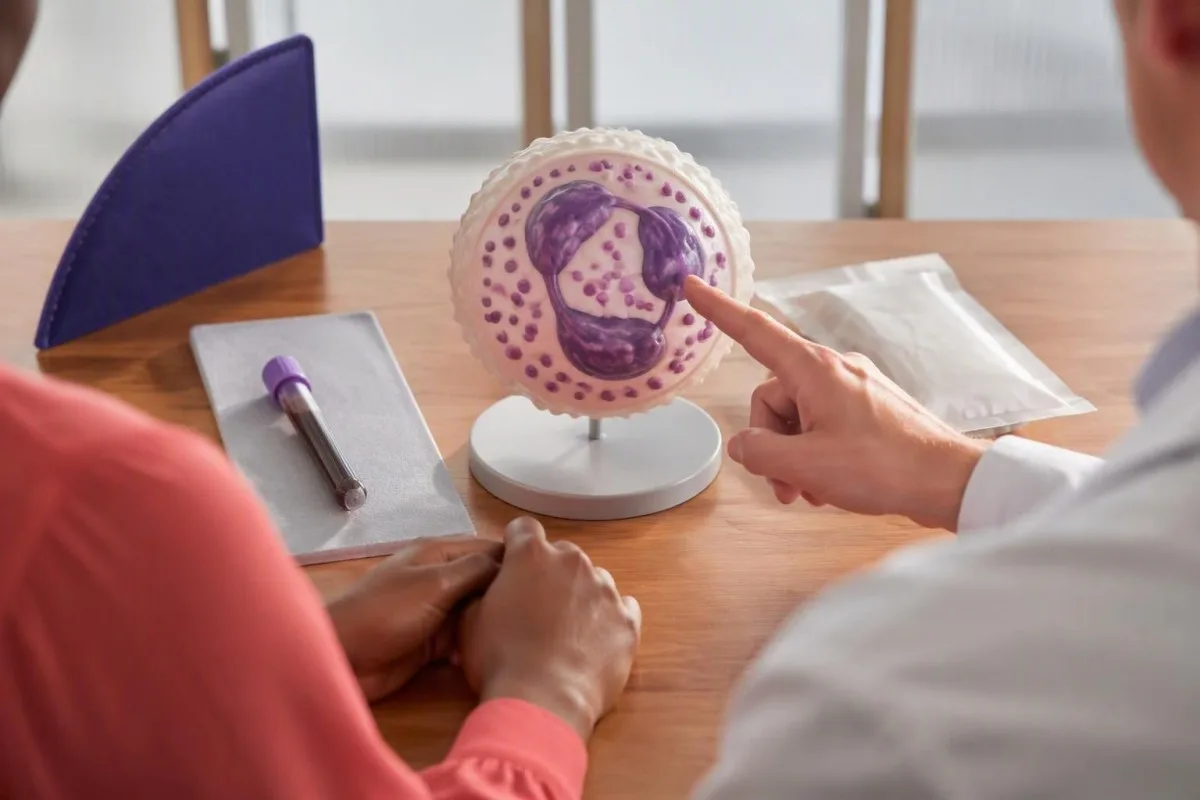
نتيجة ANC ماشي تعليمات بوحدها لوصف الدواء: نتيجة 1,200 cells/µL تقدر تسمح باستمرار العلاج فمسار، ولكن تقدر تستدعي تصرف مختلف فمسار آخر. خاص الطبيب اللي كيوصف الدواء يحدد البروتوكول الصحيح قبل ما يفسر الرقم؛ تطبيق عتبة أمريكية على تنبيه ديال خدمة المراقبة فالمملكة المتحدة يقدر يسبب مشكل فتوفير الدواء كان ممكن نتفاداه.
Kantesti هو محلل ديال تحاليل الدم بالذكاء الاصطناعي، يقدر يشرح ANC ديال 1.2 × 10⁹/L على أنه 1,200 cells/µL، ولكن التفسير ديالنا ما كيخولش صرف clozapine وما كيعوضش الفريق اللي كيوصف الدواء. ديالنا معلومات الشركة كيشير للمنظمة اللي كتقدم هاد الخدمة التثقيفية، ماشي لسجل مراقبة clozapine.
النقصان فالعدد كيستاهل الانتباه حتى قبل ما يوصل لعتبة العلاج: انخفاض افتراضي من 4,000 لـ 1,700 cells/µL مختلف على قيمة أساسية مستقرة من مدة قريبة لـ 1,700. الدليل ديالنا على نتائج العدلات الحدودية كيفسر التغير العادي، ولكن اللي كياخدو clozapine خاصهم يطلبو نصيحة خاصة بالدواء عوض ما يتبعو جدول عام لإعادة التحليل.
كيفاش كتقرا وحدات ANC وكتحسب العدد؟
ANC كيقيس العدد المطلق ديال العدلات، ماشي النسبة ديالها من بين خلايا الدم البيضاء. التحويل دقيق: 1.0 × 10⁹/L كيساوي 1,000 cells/µL. المجال المرجعي ديال المختبر وعتبة العلاج بـ clozapine كيجاوبو على جوج أسئلة مختلفين، وبالتالي النتيجة اللي عليها تنبيه ما كتعنيش تلقائياً أن العلاج خاصو يوقف.
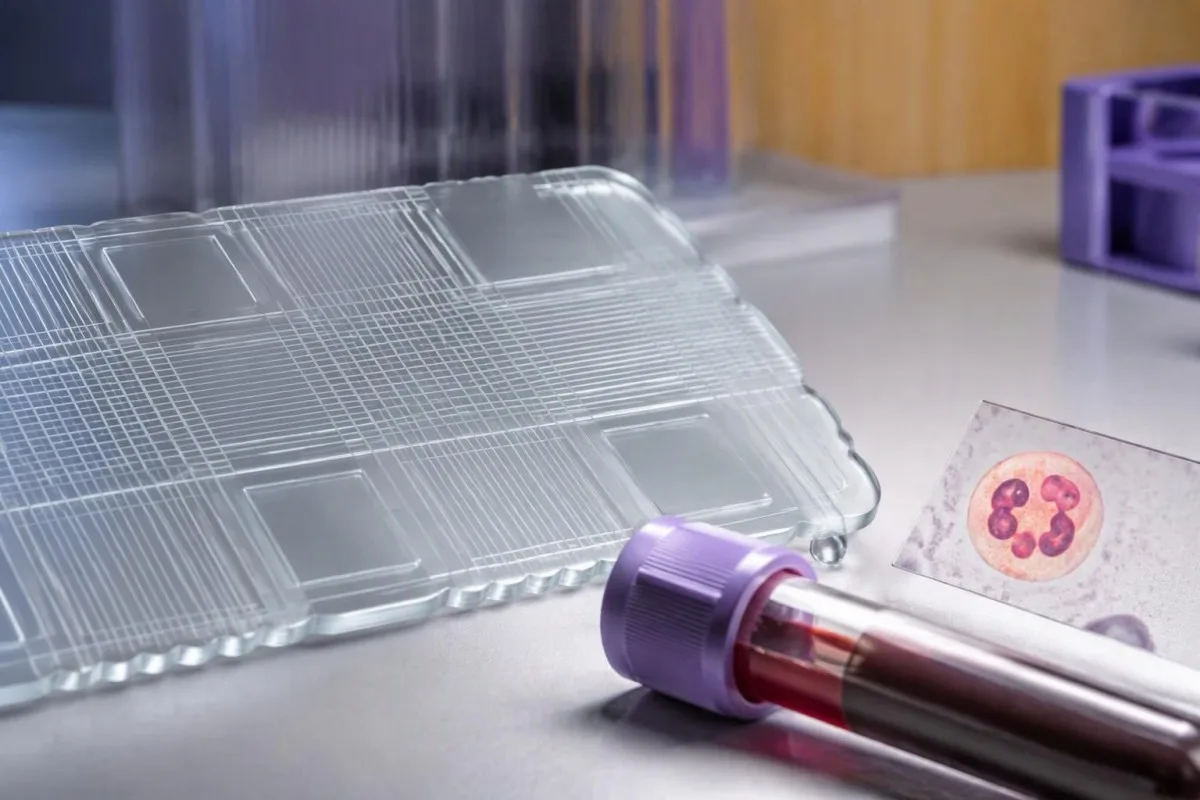
أغلب المختبرات الحديثة كتعطي ANC مباشرة، غالباً تحت أسماء العدلات، العدلات المطلقة أو NEUT#. إلا كان ضروري الحساب، ضرب العدد الإجمالي ديال WBC فالنسبة ديال العدلات، مع احتساب الخلايا العصوية إلا تذكرت بوحدها؛ مثلاً، 4,000 cells/µL × 0.40 كيعطي ANC ديال 1,600 cells/µL، ماشي 40 cells/µL.
WBC افتراضي ديال 6,000 cells/µL مع عدلات بنسبة 15% كيعطي ANC ديال 900 cells/µL، رغم أن WBC الإجمالي يقدر يكون داخل المجال المرجعي ديال المختبر. هاد الفرق كيفسر علاش دليل المجال المرجعي ديال العدلات كيميز بين العدد المطلق والنسبة التفريقية.
طريقة كتابة الأعداد العشرية تقدر تسبب سوء فهم خطير: 0.8 × 10⁹/L كتعني 800 cells/µL، بينما 8.0 × 10⁹/L كتعني 8,000 cells/µL. قارن التقرير الأصلي، وتاريخ أخذ العينة، والوحدات—ماشي لقطة شاشة مقطوعة ولا رقم مدخل يدوياً—وطلب من المختبر ولا فريق المراقبة يوضح أي غموض قبل ما تستعمل النتيجة فالوصف.
| المستوى | النطاق | شنو كتعني |
|---|---|---|
| فوق العتبة التقليدية ديال نقص العدلات | ≥1.5 × 10⁹/L؛ ≥1,500 cells/µL | Usually outside the conventional adult neutropenia definition; this is not a universal laboratory reference interval or dispensing rule. |
| انخفاض عدلات خفيف | 1.0–1.499 × 10⁹/L; 1,000–1,499 cells/µL | Requires interpretation against baseline, symptoms and the applicable clozapine pathway. |
| انخفاض عدلات متوسط | 0.5–0.999 × 10⁹/L; 500–999 cells/µL | Often requires urgent prescriber review; treatment actions differ for general and documented Duffy-null pathways. |
| انخفاض عدلات شديد | <0.5 × 10⁹/L; <500 cells/µL | High-risk finding requiring urgent clinical management, usually hematology involvement and clinician-directed interruption. |
شنو هي نتائج ANC اللي كتبدل العلاج فالمسار الأمريكي؟
The US general-population pathway usually permits clozapine initiation at ANC ≥1,500 cells/µL. During treatment, ANC of 1,000–1,499 cells/µL can allow continuation with intensified monitoring; 500–999 cells/µL generally requires interruption when clozapine-induced neutropenia is suspected. These are clinician actions, not instructions for patients to adjust medication.
For mild neutropenia, the US prescribing-information approach commonly increases ANC checks to 3 times weekly until recovery to at least 1,500 cells/µL. Correll et al. (2022), in CNS Drugs, reproduce these management pathways and emphasize that clozapine's substantial psychiatric benefits must be considered alongside hematological risk rather than treating every low result identically.
For ANC of 500–999 cells/µL in the general pathway, clinicians usually arrange hematology input and daily testing initially, with treatment resumption considered after recovery according to the label. A repeat sample can clarify an unexpected result, but a symptomatic patient or a rapidly falling count should not wait 24 hours merely to obtain a more convenient number.
A count below 500 cells/µL enters the severe-neutropenia pathway, where any later rechallenge requires an explicit specialist risk–benefit decision. Total WBC or CRP cannot substitute for ANC; our explanation of عدم تطابق WBC و CRP shows why apparently reassuring results elsewhere in the panel do not cancel a low neutrophil count.
| المستوى | النطاق | شنو كتعني |
|---|---|---|
| US general-pathway initiation threshold | ANC ≥1,500 cells/µL | Usually eligible for initiation from a hematological perspective, subject to the full prescribing assessment. |
| Mild neutropenia during treatment | ANC 1,000–1,499 cells/µL | Treatment can often continue under prescriber direction with ANC monitoring 3 times weekly. |
| Moderate neutropenia during treatment | ANC 500–999 cells/µL | Usually interrupt if clozapine-induced neutropenia is suspected; obtain hematology advice and intensified monitoring. |
| Severe neutropenia during treatment | ANC <500 cells/µL | Interrupt under urgent clinical management; any future rechallenge needs specialist justification. |
كيفاش كيبدل العدد المرتبط بـ Duffy-null القرارات؟
Documented Duffy-null-associated neutrophil counts can justify lower clozapine ANC thresholds because a stable lower circulating count does not necessarily indicate impaired immunity. US prescribing information has historically called this the benign ethnic neutropenia, or BEN, pathway; its usual initiation threshold is ANC ≥1,000 cells/µL with at least 2 baseline measurements.
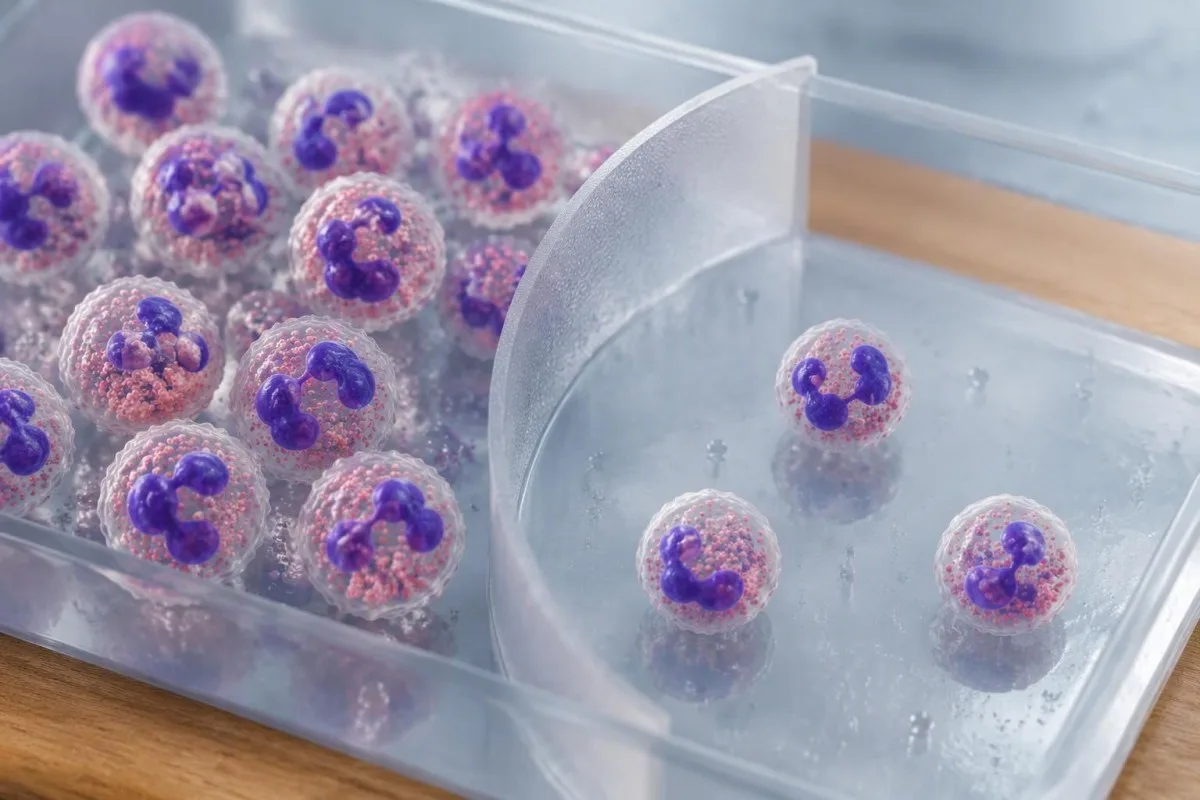
Under the US documented BEN pathway, an ANC of 500–999 cells/µL may permit continued clozapine with hematology consultation and monitoring 3 times weekly. This differs from the general pathway at the same number; the distinction must already be established clinically, not inferred after an alarming result simply to avoid an interruption.
Ancestry is not a diagnostic test for Duffy-null status, and 2 people with similar ancestry may have different baseline ANC patterns. Our Duffy-null count explanation discusses phenotype or genotype evidence, historical counts and assessment for other causes; genetic testing is not universally required, but a clinician-documented explanation is needed for an alternative treatment pathway.
A hypothetical stable baseline of 1,200 cells/µL does not make a new fall to 450 cells/µL harmless: that result meets the severe-neutropenia threshold even in the US BEN pathway. Fever, recurrent unusual infections, anemia or low platelets also weakens the assumption that a low ANC is an isolated constitutional finding and warrants a broader assessment.
شحال كيوصل خطر نقص العدلات بسبب الكلوزابين مع مرور الوقت؟
Clozapine neutropenia risk is concentrated early in treatment, especially during the first 18 weeks to 6 months, but it does not disappear later. Correll et al. (2022) describe agranulocytosis as affecting approximately 1% of treated patients; estimates vary across populations, monitoring systems and definitions, so this is not an individual prediction.

Approximately 1% means roughly 1 in 100 treated people in that broad estimate, not a 1% risk every month and not a 1% risk after every dose. Mild neutropenia is more frequent than agranulocytosis, and studies that combine the two outcomes can make the risk of life-threatening neutrophil depletion appear larger than it actually is.
Early intensive testing reflects the concentration of events during the first 6 months, rather than an assumption that each additional tablet causes predictable cumulative marrow damage. Severe clozapine-associated neutropenia is not reliably prevented by choosing a low dose alone, and a previously normal count cannot guarantee that the next count will remain normal.
After 2 years of stable treatment, the absolute risk is generally much lower than during initiation, which helps explain proposals for less frequent routine testing. Late neutropenia still needs investigation for medication effects, illness and marrow disease; our guide to اختبار العدوى المتكررة explains why symptoms and other cell lines can reveal risks that an ANC-only schedule misses.
شنو هو جدول مراقبة الكلوزابين فـ US من بعد REMS؟
The US prescribing-information ANC schedule generally remains weekly for 6 months, every 2 weeks for the next 6 months, then monthly. The FDA removed the clozapine REMS on June 13, 2025, ending its enrollment and ANC-reporting requirements; that administrative change did not remove the clinical recommendation to monitor neutrophils.

The FDA's 2025 clozapine REMS removal communication separates access restrictions from safe prescribing: prescribers, pharmacies and patients no longer need to participate in that federal registry. A pharmacy no longer needs the former REMS dispensing authorization, but the prescriber may still require a recent ANC and a local service may still use an electronic safety workflow.
For a hypothetical patient completing 6 months without a concerning ANC event, the usual label pathway moves from weekly to every-2-week monitoring rather than immediately to monthly testing. Neutropenia, a treatment interruption or a relevant medication change can alter that plan; ask which event starts the next monitoring period instead of counting months independently.
Kantesti can help explain a trend across 3 dated ANC reports, but our platform does not determine the next legally or clinically acceptable dispensing date. Our سلامة الأدوية على المدى الطويل explains why the original collection dates and the prescribing team's schedule must remain attached to any AI-generated summary.
علاش خدمات المراقبة فـ UK تقدر تستعمل جدول مختلف؟
Traditional UK clozapine monitoring pathways use weekly testing for 18 weeks, every 2 weeks until 1 year, then every 4 weeks. UK dispensing has also depended on product-linked monitoring-service clearance; revised recommendations and local implementation can change the pathway, so the patient's own service must confirm the schedule and action thresholds.

An older UK pathway may classify ANC of 1.5–2.0 × 10⁹/L as amber and below 1.5 × 10⁹/L as red in patients without an approved lower-baseline pathway. Those thresholds are not interchangeable with the US continuation algorithm, and legacy UK systems may also consider total WBC; the relevant service must state which rules it currently applies.
Every 4 weeks means every 28 days, not simply once in each calendar month, so a missed appointment can affect a supply window even when the previous result was satisfactory. A useful baseline testing plan should include who books the sample, who receives it and who contacts the patient if the monitoring service cannot release medication.
Administrative alerts can arise from an overdue sample, an unprocessed sample or a genuinely low count—3 different problems with different solutions. Contact the prescribing team and pharmacy promptly if supply is threatened; do not stretch doses, borrow tablets or assume that a policy change in another country has automatically changed your own monitoring-service rules.
شنو تبدل فالتوصيات الأوروبية المراجعة ديال ANC؟
Revised European recommendations allow less frequent ANC testing in eligible stable patients: weekly for 18 weeks, monthly through the first year, every 12 weeks after 1 year and annually after 2 years. These longer intervals depend on the specified absence of neutropenia and the locally implemented product information; they are not a universal schedule.
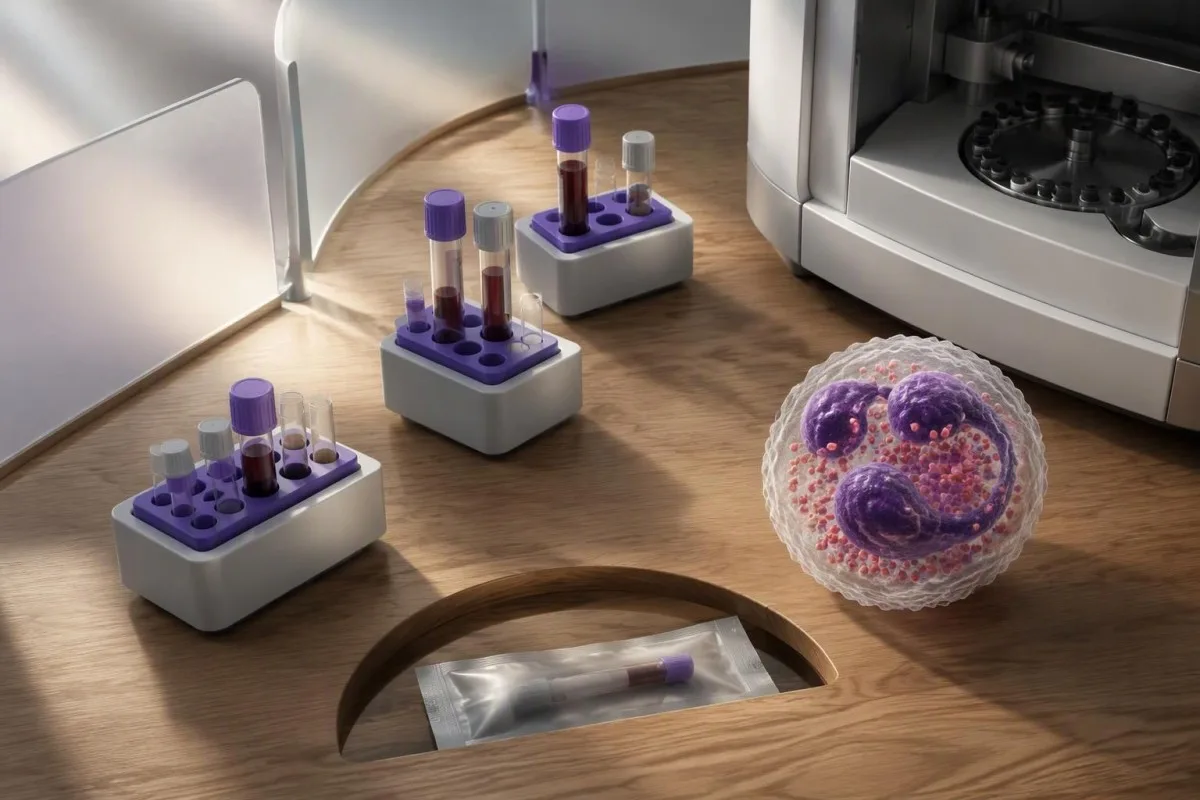
The European Medicines Agency's 2025 communication on revised routine blood count monitoring shifts the principal hematological measure toward ANC rather than combined WBC and ANC surveillance. The revised approach generally uses baseline ANC of at least 1,500 cells/µL, or at least 1,000 cells/µL in an established BEN pathway, while lowering some treatment-interruption thresholds compared with older European systems.
In the revised European approach, ANC below 1,000 cells/µL generally triggers stopping treatment in the standard pathway, whereas below 500 cells/µL is the corresponding threshold for an established BEN pathway. Results above those stopping thresholds can still require intensified surveillance; a hypothetical count of 1,100 cells/µL is not a reason to ignore a new downward trend.
Country authorization, the particular product information and service implementation can differ, even when patients have each taken clozapine for 2 years. Our guide to blood-test timing and changes explains why historical stability matters; obtain written confirmation before assuming that an annual European schedule applies to a UK, US or other national pathway.
شنو خاص يوقع من بعد نتيجة ANC منخفضة وغير متوقعة؟
An unexpected low ANC needs prompt prescriber review, confirmation when appropriate and assessment for causes other than clozapine. In the US label pathway, an initial ANC below 1,500 cells/µL is generally confirmed within 24 hours, but severe neutropenia or infection symptoms require immediate management rather than waiting for a routine repeat.
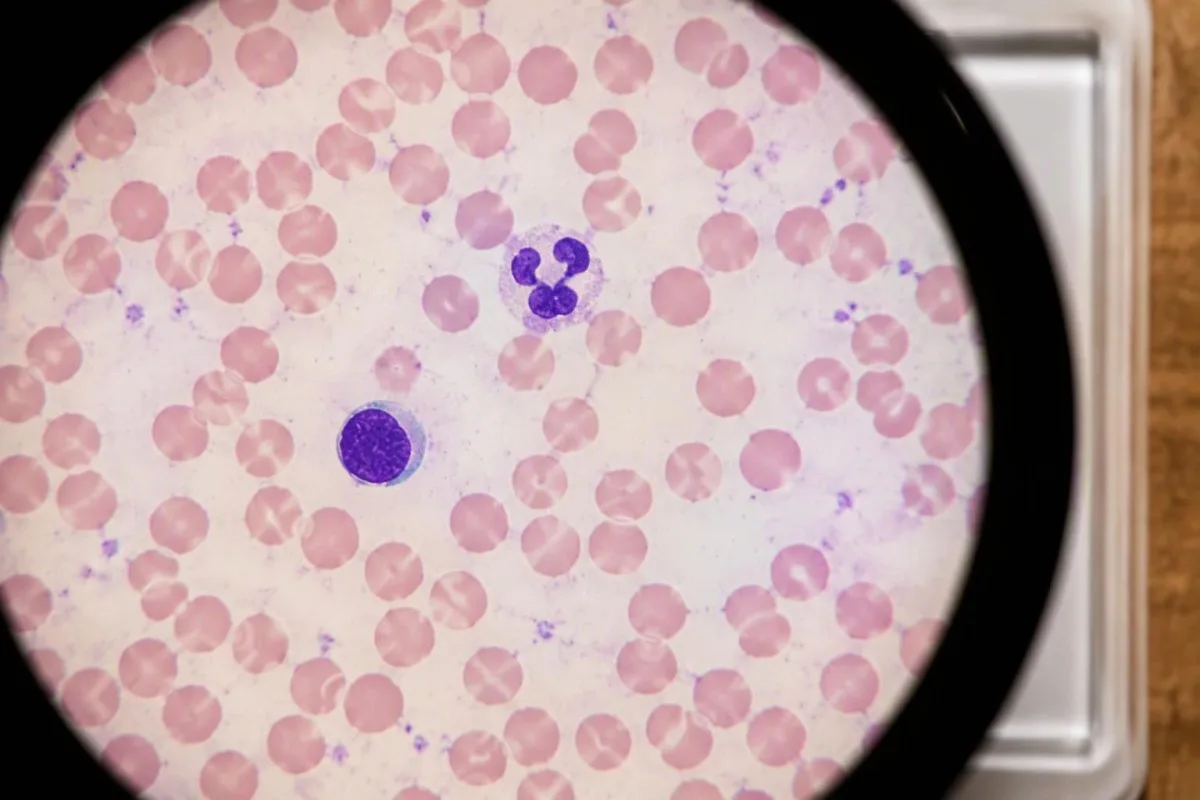
Recent viral illness, other medicines, autoimmune disease and nutritional deficiency can all lower ANC; a count of 900 cells/µL establishes neutropenia but does not establish its cause. Clinicians review the timing of drug exposure and may examine hemoglobin, platelets and a cell sample slide; concurrent abnormalities can justify evaluation for possible marrow disorders.
Kantesti is an AI blood test interpretation platform that can place an ANC of 0.9 × 10⁹/L beside platelet and hemoglobin trends, while leaving causation and medication decisions to clinicians. Our broader دليل مؤشرات أمراض الدم explains why a normal red-cell result does not erase an isolated neutrophil problem.
Sampling time and temporary physiological variation can affect a borderline result, but there is no safe rule that an afternoon repeat will always normalize an ANC of 1,400 cells/µL. If a clinician requests a repeat at a consistent time, follow that plan without delaying necessary care; exercise, supplements or deliberate timing changes should not be used to manipulate a treatment-clearance result.
شنو هي أعراض العدوى اللي كتحتاج تقييم مستعجل؟
During clozapine treatment, fever of 38.0°C or higher, new sore throat, mouth sores, shaking chills or sudden marked illness warrants urgent same-day clinical assessment. A known ANC below 500 cells/µL makes possible infection especially urgent. Confusion, breathing difficulty, fainting or rapidly worsening illness requires emergency help, regardless of the last count.
Formal febrile-neutropenia definitions often use a single temperature of at least 38.3°C or at least 38.0°C sustained for 1 hour, together with severe or impending severe neutropenia. Those definitions support clinical classification—not a home instruction to wait an hour; tell the urgent-care team that you take clozapine and provide your last ANC if available.
An ANC of 2,000 cells/µL measured 7 days ago cannot exclude a new fall today, and severe neutropenia can weaken usual local signs such as redness or discharge. Assessment may include an urgent CBC with differential, cultures and examination; our procalcitonin interpretation guide explains why a low infection biomarker cannot independently rule out an early serious infection.
New fever may also signal pneumonia, myocarditis or another illness that raises clozapine concentrations, creating 2 linked safety questions: immune protection and medication toxicity. Call the prescribing team's urgent number immediately for advice about the next dose; if you cannot reach them promptly while significantly unwell, seek urgent care rather than waiting for an app interpretation or routine appointment.
كيفاش كتأثر الأدوية الأخرى، التدخين والمرض على المراقبة؟
Other medicines can increase neutropenia risk or change clozapine concentrations, and those are different problems requiring different tests. ANC is measured in cells/µL, whereas clozapine concentration is commonly measured in ng/mL; a normal ANC does not exclude excessive drug exposure, and a therapeutic concentration does not exclude neutropenia.

Carbamazepine is generally avoided with clozapine because of marrow-suppression risk and clinically relevant interactions; concurrent valproate has also been associated with neutropenia in observational studies. A hypothetical ANC decline from 2,600 to 1,300 cells/µL after adding another medicine warrants a complete medication review, not a conclusion that clozapine is necessarily the sole cause; valproate level interpretation addresses the separate issue of drug exposure.
Stopping combustible smoking can raise clozapine concentrations because smoke components—not nicotine itself—induce CYP1A2 metabolism. A person who stops smoking during a 3-day hospital admission may therefore need prescriber-directed concentration monitoring and dose review; our nicotine test explanation clarifies why cotinine alone does not measure the smoke-related enzyme effect.
Kantesti can explain why an ANC of 2,100 cells/µL and a clozapine level of 900 ng/mL describe different risks, but we cannot select a safer dose. Fever, major caffeine changes and interacting medicines such as ciprofloxacin can alter exposure; report new excessive sedation, confusion or muscle jerks promptly, even if the neutrophil result is reassuring.
شنو كيوقع من بعد تفويت التحاليل أو انقطاع العلاج؟
A missed ANC appointment can create a supply problem, while a clozapine treatment break can create a separate restarting hazard. After more than 48 hours without clozapine, many protocols require supervised re-titration beginning at 12.5 mg once or twice daily rather than immediate return to the previous dose; exact instructions depend on the prescribing information.
Tolerance to clozapine's blood-pressure effects can be lost quickly, so restarting a previous 300 mg daily regimen after a break may cause profound hypotension or collapse. US prescribing information also specifies reduced restart doses for shorter interruptions; patients should contact the prescribing team after missed doses rather than using a remembered 48-hour rule to decide what to take.
A treatment break does not always reset ANC surveillance to the beginning, because monitoring rules depend on interruption duration and the reason treatment stopped. In the US normal-ANC pathway, interruptions of 30 days or longer generally return patients to initiation-style monitoring; national monitoring services may use different interruption rules, especially after an abnormal count.
After a hypothetical 5-day admission, confirm the last dose, current prescription, latest ANC and who will supervise the next dose before leaving hospital. Our explanation of النتائج بعد خروج المريض من المستشفى helps organize altered laboratory values, but it cannot reconcile prescriptions or authorize restarting after neutropenia.
شنو ما كتكشفش مراقبة ANC على سلامة الكلوزابين؟
ANC monitoring does not detect clozapine-related myocarditis, constipation, metabolic complications or excessive drug concentrations. Some initiation protocols add weekly troponin and CRP during the first 4 weeks, while ongoing care assesses bowel function, weight, glucose and lipids. A satisfactory ANC therefore confirms only one part of medication safety.
New chest pain, breathlessness or persistent unexplained tachycardia during the first 4 weeks needs prompt clinical assessment rather than reassurance from a normal ANC. Troponin and CRP can support a myocarditis investigation, but thresholds and screening practices vary; our myocarditis testing explanation describes why laboratory results must be interpreted with symptoms and cardiac evaluation.
Clozapine-related bowel slowing can become dangerous even when stool is still passing, and severe abdominal pain, distension or vomiting requires urgent assessment. Record bowel frequency and stool consistency rather than asking only whether constipation is present; the قوام البراز provides a shared description, while a change lasting 48 hours should prompt contact according to the patient's bowel-management plan.
Correll et al. (2022) describe a clozapine plasma reference range of approximately 350–600 ng/mL for many treatment-response decisions, while emphasizing individual variation and adverse effects. That range is not an ANC target or a universal safe-dose boundary; concentration samples usually need defined timing relative to the last dose, whereas routine ANC collection generally does not require a trough sample.
كيفاش خاصك توجد للمراجعة الجاية ديال الكلوزابين؟
Bring the latest ANC, its units, earlier counts and a complete medication list to every clozapine review. Ask which national and service-specific pathway applies, what happens below its thresholds and whom to contact urgently. Keeping at least 3 dated results available helps distinguish a stable baseline from a new decline.

For a hypothetical sequence of 2,400, 1,900 and 1,400 cells/µL, useful questions concern the trend, recent illness, interacting medicines and the required next sample—not simply whether the latest value is red. Also ask who receives results outside office hours and whether the pharmacy needs monitoring-service clearance; these practical details can prevent an avoidable treatment gap.
Kantesti is an AI biomarker interpretation platform that helps translate an ANC of 1.4 × 10⁹/L into an understandable count and a list of clinician questions. Our الإشراف التقني والسريري ديالنا describes the boundaries of interpretation; it does not establish that an automated answer is a validated clozapine prescribing decision or a substitute for hematology advice.
Kantesti's educational workflow should preserve 3 essentials: the source result, the applicable clinical protocol and the human decision-maker. Our مبادئ الذكاء الاصطناعي المسؤول explain why urgent symptoms take priority over automated analysis, while our معلومات الخصوصية والبيانات explains considerations when sharing sensitive psychiatric and laboratory records.
المنشورات البحثية وحدود الأدلة
The 2 Kantesti publications listed in the research publication section concern digestive symptoms and women's health, not clozapine ANC thresholds or monitoring schedules. Their Figshare DOIs identify those publications but do not establish peer review or provide evidence for clozapine decisions; the directly relevant medical and regulatory sources are listed separately below.
أسئلة متكررة
0 شحال خاص يكون عدد العدلات المطلق (ANC) منخفض باش ما يبقاش ممكن الاستمرار فكلوزابين؟
The ANC threshold for continuing clozapine depends on the country and the patient's documented baseline pathway. In the US general pathway, ANC of 1,000–1,499 cells/µL can allow continuation with increased monitoring, while 500–999 cells/µL usually requires interruption when clozapine-induced neutropenia is suspected. A documented BEN or Duffy-null-associated pathway can permit continuation at 500–999 cells/µL under specialist supervision. ANC below 500 cells/µL requires urgent clinical management; patients should obtain immediate prescriber instructions rather than change treatment themselves.
واش مازال خاصني ندير تحاليل الدم ديال ANC من بعد ما تحيّد نظام REMS ديال كلوزابين؟
إييه، حيد برنامج REMS الأمريكي ديال كلوزابين ما لغاش التوصية الطبية بمراقبة العدد المطلق ديال العدلات (ANC). حيدات إدارة الغذاء والدواء الأمريكية (FDA) السجل نهار 13 يونيو 2025، وسالات بذلك شروط التسجيل والتبليغ والترخيص بصرف الدوا. الجدول الزمني المذكور فمعلومات وصف الدوا كيبقى عموماً مرة فالسيمانة لمدة 6 شهور، ومرة كل جوج سيمانات خلال 6 شهور اللي من بعد، ومن بعد مرة فالشهر. الطبيب اللي كيوصف ليك الدوا يقدر يطلب تحاليل إضافية من بعد نقص العدلات، أو توقف العلاج، أو شي تغيير طبي آخر مهم.
Why is my clozapine blood test schedule different from someone else's?
0 فمواعيد تحاليل الدم للكْلوزابين كتختلف حيت المعلومات الوطنية ديال المنتوج، وخدمات المراقبة، ومدة العلاج، والحالات السابقة ديال الأحداث المرتبطة بالعدد المطلق للعدلات (ANC) ماشي متطابقة. المسارات التقليدية فالمملكة المتحدة كتستعمل التحليل كل أسبوع لمدة 18 أسبوع، ومن بعد كل جوج سيمانات حتى لعام، ومن بعد كل 4 سيمانات. التوصيات الأوروبية المراجَعة كتسمح بإجراء التحليل كل 12 سيمانة من بعد عام، والتحليل سنوياً من بعد عامين عند المرضى المستقرين المؤهلين، حسب التطبيق المحلي. سَوّل مصلحة وصف العلاج ديالك باش تأكد الجدول الزمني المعمول به قبل ما تبدّل أي موعد.
واش يقدر الكلوزابين يسبب نقص العدلات من بعد سنين ديال النتائج العادية؟
0 نقص العدلات المرتبط بالكلوزابين يقدر يوقع حتى من بعد سنين ديال النتائج العادية، رغم أن الخطر كيكون أكبر بزاف فبداية العلاج. أول 18 أسبوع حتى لـ6 شهور كيشهدو نسبة كبيرة من الحالات الخطيرة. أي نقص جديد فعدد العدلات من بعد عامين خاصو يبقى موضوع تقييم بالنسبة للكلوزابين، والأدوية الأخرى، والعدوى، ومشاكل نخاع العظم أو أمراض المناعة الذاتية. وكون نتيجة ANC السابقة كانت مطمئنة ما كيلغيش الحاجة لتقييم مستعجل إلا طلعات السخانة أو وقع مرض مفاجئ.
0 شنو خاصني ندير إلا طلعات ليا السخانة وأنا كناخد كلوزابين؟
0 الحمى ديال 38.0°C ولا كثر وانت كتستعمل كلوزابين كتستدعي تقييم طبي مستعجل فنفس النهار، خصوصاً إلا كان معاها وجع الحلق، تقرحات فالفم، قشعريرة قوية ولا ضعف باين. قول للطبيب باللي كتستعمل كلوزابين وعطيه آخر نتيجة ديال ANC إلا كانت متوفرة. إلا كان معروف باللي ANC أقل من 500 خلية/µL، فاحتمال وجود التهاب كيولي مستعجل بزاف، والارتباك، وصعوبة التنفس ولا الإغماء كيتطلبو المساعدة الاستعجالية. طلب فوراً نصيحة الطبيب اللي وصف ليك الدوا بخصوص الجرعة الجاية، وما تسناش حتى للفحص الروتيني الجاي وما تبدلش الدوا بوحدك.
واش نقدر نرجع ناخد الجرعة المعتادة ديالي ديال الكلوزابين من بعد ما فاتوني جوج أيام بلا ما ناخدو؟
0) ما خاصكش ترجع للجرعة المعتادة ديالك ديال كلوزابين من بعد انقطاع العلاج بلا تعليمات من الفريق اللي وصف ليك الدوا. من بعد أكثر من 48 ساعة بلا علاج، بزاف ديال البروتوكولات كتشترط إعادة الزيادة التدريجية فالجرعة، والبداية بـ12.5 mg مرة أو جوج مرات فالنهار، حيث ممكن تضيع القدرة على تحمّل تأثيرات الدوا على ضغط الدم. بعض معلومات وصف الدوا كتشترط حتى هي جرعات أقل من بعد انقطاعات أقصر. تاصل بالفريق فالقريب، حيث خطة الرجوع الصحيحة للجرعة وجدول ANC كيعتمدو على المدة والسبب الدقيق ديال الانقطاع.
واش العدد العادي ديال كريات الدم البيضاء كيعني أن العدد المطلق ديال العدلات (ANC) ديال الكلوزابين عندي آمن؟
العدد الإجمالي العادي ديال كريات الدم البيضا ما كيضمنش أن ANC مناسب للعلاج بالكلوزابين. مثلاً، WBC ديال 6,000 خلية/µL مع 15% ديال العدلات كيعطي ANC ديال 900 خلية/µL. قرارات العلاج خاصها تعتمد على العدد المطلق للعدلات، والبروتوكول المعمول به، والسياق السريري، ماشي غير على WBC. وحتى ANC العادي ما كيقدرش ينفي التهاب عضلة القلب، أو بطء شديد فحركة الأمعاء، أو ارتفاع مفرط فتركيزات الكلوزابين.
خذ شرح لنتائج تحليل الدم ديالك
حمّل تقرير التحاليل ديالك، وكيشرح AI ديال Kantesti كل مؤشر حيوي بلغة بسيطة فثواني. كايستعملوه أكثر من 2 مليون شخص فالعالم.
مراجع
- كلاين، ت.، ميتشل، س.، و ويبر، هـ. (2026). الإسهال من بعد الصيام، نقط كحلة فالبراز ودليل الجهاز الهضمي 2026. الأبحاث الطبية ديال Kantesti AI. DOI
- كلاين، ت.، ميتشل، س.، و ويبر، هـ. (2026). دليل صحة المرأة: الإباضة، وانقطاع الطمث، والأعراض الهرمونية. الأبحاث الطبية ديال Kantesti AI. DOI
- Correll CU et al. (2022). A Guideline and Checklist for Initiating and Managing Clozapine Treatment in Patients with Treatment-Resistant Schizophrenia. CNS Drugs. DOI
- US Food and Drug Administration (2025). FDA removes risk evaluation and mitigation strategy (REMS) program for the antipsychotic drug Clozapine. FDA Drug Safety and Availability.
- European Medicines Agency (2025). Clozapine: revised recommendations for routine blood count monitoring. Direct healthcare professional communication.
- 2 مليون+الاختبارات المُحلَّلة
- 127+بلدان
- 100+اللغات
نبذة عن الفريق الطبي


إشارات الثقة E-E-A-T
خبرة
مراجعة سريرية يقودها الأطباء لسير عمل تفسير التحاليل.
خبرة
تركيز طب المختبر على كيفية سلوك الـ biomarkers في السياق السريري.
السلطة
راجعها طبياً الدكتور Thomas Klein، بمساهمات من الدكتورة Sarah Mitchell والأستاذ الدكتور Hans Weber.
الجدارة بالثقة
تفسير قائم على الأدلة مع مسارات متابعة واضحة لتقليل الإنذار.





إخلاء المسؤولية الطبية
هذه المقالة لأغراض تعليمية فقط ولا تشكل نصيحة طبية. استشر دائمًا مقدم رعاية صحية مؤهلًا لاتخاذ قرارات التشخيص والعلاج.
نُشر · تواصل مع فريق التحرير
منشور من طرف Kantesti Ltd، مسجل في إنجلترا وويلز، رقم الشركة. 17090423, ، لندن، المملكة المتحدة.
