
Listeria mund të shkaktojë diarre afatshkurtër ose një infeksion serioz të qarkullimit të gjakut. Temperatura, shtatzënia, imunosupresioni dhe simptomat neurologjike përcaktojnë se cila përgjigje është më e sigurt—jo vetëm ekspozimi ndaj ushqimit.

Përfundimet kryesore
- Sëmundja e zorrëve zakonisht fillon brenda 24 orëve nga ekspozimi dhe zgjat 1–3 ditë; temperatura e vazhdueshme ose përkeqësimi i sëmundjes kërkon rivlerësim.
- Vlerësimi urgjent i temperaturës është i përshtatshëm gjatë shtatzënisë ose imunosupresionit, veçanërisht me temperaturë prej 38.0°C ose më të lartë dhe ekspozim të mundshëm ndaj ushqimit.
- Pragu për testim gjatë shtatzënisë sipas udhëzimeve të ACOG është temperaturë mbi 38.1°C me simptoma të përputhshme pas ekspozimit ndaj ushqimit të dyshuar dhe pa ndonjë shpjegim tjetër; kjo nuk është arsye për ta shtyrë kujdesin kur temperatura është 38.0°C.
- Simptoma të urgjencës përfshijnë konfuzionin, qafën e ngurtë me temperaturë, krizat epileptike, vështirësinë në frymëmarrje ose dobësinë që përkeqësohet shpejt; kërkoni ndihmë urgjente pa pritur raportin laboratorik.
- Periudha e inkubacionit të Listeria-s ndryshon sipas sindromës: simptomat e zorrëve shpesh fillojnë brenda 24 orëve, ndërsa sëmundja invazive mund të shfaqet disa ditë deri në disa javë më vonë.
- Hemokulturat ndihmojnë në diagnostikimin e listeriozës invazive të dyshuar; një CBC, CRP ose panel i zakonshëm i jashtëqitjes nuk mund ta përjashtojë me besueshmëri.
- Ekspozimi pa simptoma në përgjithësi nuk kërkon as testime dhe as antibiotikë parandalues, përfshirë gjatë shtatzënisë; monitoroni shfaqjen e simptomave gjatë 2 muajve vijues.
- kufizimet e interpretimit të AI do të thotë se platforma jonë mund të shpjegojë rezultatet ekzistuese laboratorike, por nuk mund të organizojë kultivime, të identifikojë organizmin nga biomarkerët rutinë ose të përjashtojë listeriozën.
Cilat simptoma të listeriozës kërkojnë vlerësim urgjent?
Simptomat e Listeria-s kërkojnë vlerësim urgjent kur ethet shoqërohen me shtatzëni, imunitet të dobësuar ose shenja të sëmundjes invazive. Kontaktoni sa më shpejt shërbimin e kujdesit të shtatzënisë ose ekipin tuaj mjekues për temperaturë 38.0°C ose më të lartë; konfuzioni, qafa e ngrirë me ethe, krizat epileptike ose vështirësia në frymëmarrje kërkojnë kujdes urgjent.
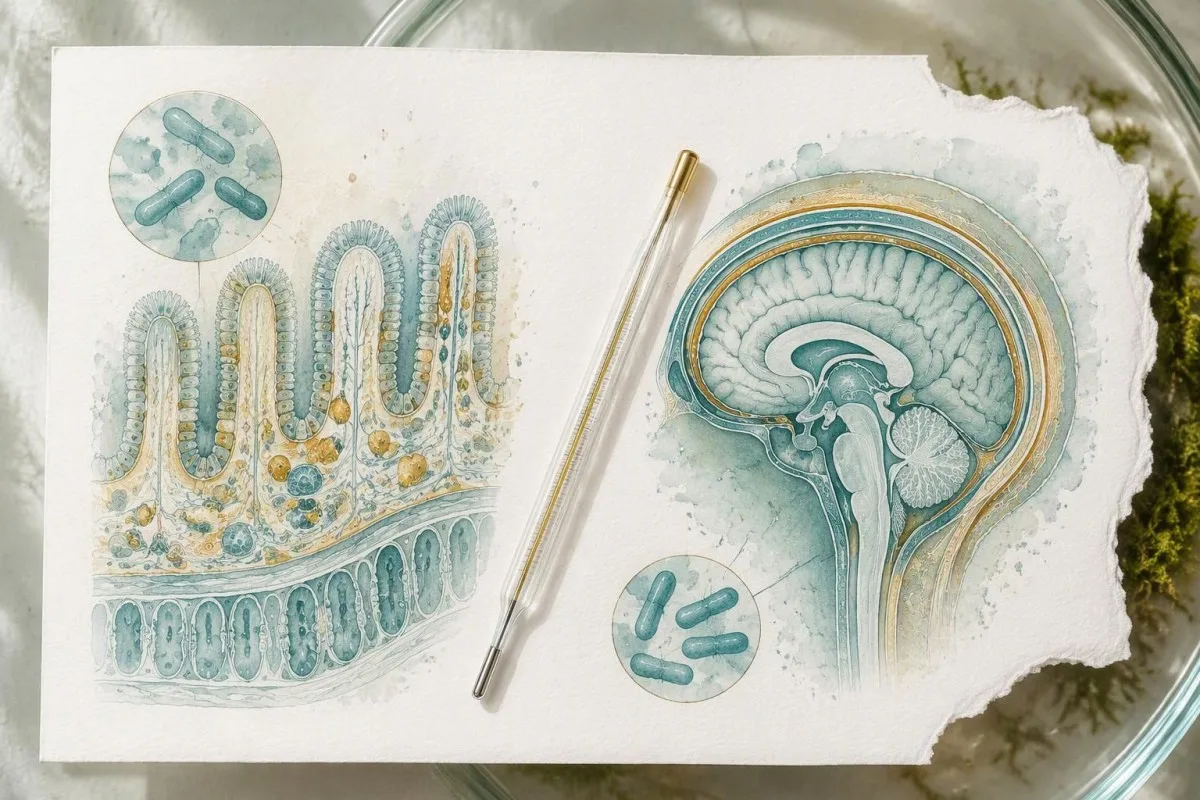
Diarreja e shkurtër te një i rritur përndryshe i shëndetshëm ndryshon nga ethet me të dridhura, dhimbje muskulore ose përgjumje të pazakontë te dikush me rrezik të shtuar. Listeria shkakton 2 sindroma të gjera—sëmundje intestinale dhe sëmundje invazive—dhe i njëjti ekspozim ndaj ushqimit nuk nënkupton të njëjtën urgjencë për çdo person.
Një lexim i temperaturës nën 38.0°C nuk do të thotë se një person që po përkeqësohet shpejt është jashtë rrezikut, veçanërisht pas marrjes së barnave për uljen e etheve ose gjatë imunosupresionit. Arsyeja pse na shqetësojnë ethet e kombinuara me konfuzionin është se së bashku mund të tregojnë për përfshirje të qarkullimit të gjakut ose të sistemit nervor qendror, dhe jo gastroenterit të pakomplikuar.
Për shembull, një person hipotetik shtatzënë me temperaturë 38.2°C dhe dhimbje të reja pas ngrënies së ushqimit të tërhequr nga tregu ka nevojë për vlerësim të shpejtë klinik, jo për të blerë teste në internet. Një i rritur i shëndetshëm me 2 jashtëqitje të ujshme, pa ethe dhe me hidratim normal, mund të ketë nevojë vetëm për vëzhgim, për sa kohë që nuk shfaqen shenja alarmi.
Kantesti është një Analizues i testeve të gjakut AI që ndihmon në shpjegimin e rezultateve ekzistuese laboratorike, por as një CBC normale dhe as një interpretim 60-sekondësh nuk e përjashtojnë listeriozën invazive. Ne organizimi dhe qëllimi përshkruajnë rolin tonë; simptomat urgjente kërkojnë një klinicist që mund t’ju ekzaminojë dhe të organizojë marrjen e mostrave të përshtatshme.
Si ndryshon sëmundja e zorrëve nga listerioza invazive?
Listerioza intestinale shkakton kryesisht diarre dhe të vjella, ndërsa listerioza invazive përhapet përtej zorrëve dhe mund të shkaktojë infeksion të qarkullimit të gjakut ose meningjit. Simptomat intestinale zakonisht fillojnë brenda 24 orëve dhe zgjasin 1–3 ditë; sëmundja invazive mund të shfaqet pa diarre paraprake.

Diarreja e ujshme, të përzierat, ngërçet abdominale dhe ndonjëherë ethet mund të përputhen me sëmundjen intestinale, por këto simptoma nuk mund ta identifikojnë Listeria-n mes shkaqeve ushqimore. Shfaqja brenda 24 orëve përkon edhe me sëmundje të tjera; shpjegimi ynë për shërimin dhe testimin për norovirusin ilustron pse koha e shfaqjes së simptomave rrallë e identifikon vetë organizmin.
Sëmundja invazive shkakton më shpesh ethe, të dridhura, dhimbje muskulore, lodhje të theksuar ose ndryshime neurologjike si humbje të ekuilibrit dhe konfuzion. Dikush që zhvillon ethe 10 ditë pas ekspozimit ndaj një ushqimi mund të mos ketë fare simptoma të zorrëve, ndaj mungesa e diarresë nuk duhet ta mbyllë diskutimin diagnostik.
Një person hipotetik i shëndetshëm 34-vjeçar, të vjellat e të cilit ndalojnë pas 18 orësh dhe që mund të pijë normalisht, ka profil rreziku të ndryshëm nga një 74-vjeçar me ethe të reja dhe paqëndrueshmëri në ecje. Mosha, imunosupresioni dhe shtatzënia e zhvendosin shqetësimin drejt sëmundjes invazive, edhe kur simptomat gastrointestinale fillimisht duken të lehta.
Gjendja duhet të përmirësohet brenda 1–3 ditësh, jo të luhatet mes përmirësimit dhe përkeqësimit të simptomave sistemike. Diarreja që vazhdon përtej këtij intervali, ethet e përsëritura, urinimi i pakësuar ose dhimbja e fortë abdominale kërkojnë rivlerësim; klinicistët mund të hetojnë një patogjen tjetër ose një shkak joinfektiv, në vend që të supozojnë se Listeria vazhdon të jetë shkaku.
Cila është periudha e inkubacionit të Listeria-s?
Periudha e inkubacionit të Listeria-s varion nga disa orë për sëmundjen intestinale deri në ditë ose javë për sëmundjen invazive. Udhëzimet e shëndetit publik përshkruajnë se simptomat invazive zakonisht fillojnë brenda 2 javësh, por sëmundja e lidhur me shtatzëninë mund të shfaqet shumë më vonë; ndjekja pas ekspozimit zakonisht zgjat 2 muaj.

Goulet et al. examined 37 invasive cases with reasonably defined exposures and reported median incubation periods of 2 days for bacteremia, 9 days for central nervous system disease, and 27.5 days for pregnancy-associated illness (Goulet et al., 2013). These were small, selected groups—not precise countdowns for an individual exposure.
The pregnancy-associated range in that study was 17–67 days, which helps explain why a food eaten several weeks earlier can remain relevant. The practical question is not simply whether symptoms began yesterday; clinicians need the date of exposure, the date symptoms started, and the type of illness suspected.
A hypothetical fever starting 6 hours after a particular meal does not prove that meal caused invasive listeriosis. Earlier meals, viral infections, urinary infections, and other causes remain possible; our digestive symptom timing guide explains why timing should narrow possibilities rather than establish a diagnosis.
Monitoring for 2 months after implicated exposure means remaining alert to new compatible symptoms, not measuring your temperature every hour while well. Keep a brief dated note of the food and recall details; repeated eating of the same product makes a single incubation calculation especially unreliable.
Pse simptomat e listeriozës gjatë shtatzënisë kërkojnë vlerësim më të shpejtë?
Listeria symptoms in pregnancy can be mild in the pregnant person while posing serious risks to the fetus or newborn. Fever, muscle aches, or unusual fatigue after implicated food exposure warrant prompt maternity advice; reduced fetal movement, contractions, or fluid leakage require urgent obstetric assessment.

Pregnant people are approximately 10 times more likely to develop listeriosis than the general population, according to CDC risk information. Listeria can cross the placenta, so apparently modest maternal illness can accompany miscarriage, stillbirth, premature delivery, or neonatal infection; symptom intensity is not a dependable measure of fetal safety.
ACOG Committee Opinion No. 614 recommends simultaneous testing and treatment for an exposed pregnant patient with fever above 38.1°C, compatible symptoms, and no other identified cause (ACOG, 2014). That threshold defines a management pathway—not a biological boundary—and a reading of 38.0°C with concerning symptoms should still prompt a call.
A hypothetical person at 28 weeks with aches, a temperature of 38.2°C, and a recalled-food exposure may need blood cultures and obstetric assessment before results return. Routine antenatal antibody tests answer different questions; our toxoplasma results in pregnancy explain one example of this distinction.
Reduced movement should be assessed according to your maternity unit's instructions, regardless of whether you have a fever or can identify an exposure. A fetal fibronectin result concerns preterm-birth assessment; it neither detects Listeria nor replaces evaluation of new contractions or fluid leakage.
Kush ka rrezik më të lartë për listeriozë invazive?
Adults aged 65 years or older, pregnant people, newborns, and people with weakened immunity have increased risk of invasive listeriosis. Transplant medicines, chemotherapy, some immune-suppressing treatments, and conditions such as advanced HIV can lower the threshold for assessing fever or otherwise unexplained illness.

Listeria can survive inside host cells, which makes cell-mediated immune defenses particularly relevant. A normal total white-cell count does not demonstrate normal protection against this organism; an adult aged 68 taking transplant medicines may be vulnerable even when a routine CBC carries no abnormal flags.
Medication exposure needs to be specific: the drug, dose, recent changes, and reason for treatment all help clinicians interpret risk. Someone receiving tacrolimus should not stop it after a food recall; our për monitorimin e takrolimusit explains why treatment changes need transplant-team supervision rather than a single laboratory reading.
Known chemotherapy-related neutropenia creates a separate emergency pathway: commonly used fever definitions include 38.3°C once or 38.0°C sustained for 1 hour. Follow your oncology team's instructions immediately, and do not wait an hour if you feel unwell; broad assessment is needed, not testing for Listeria alone.
Kantesti AI can explain an absolute neutrophil count such as 0.4 × 10⁹/L, but it cannot determine the cause of accompanying fever or whether immune function is otherwise adequate. Our guide to testimin e infeksioneve të shpeshta separates blood-cell counts from wider immune assessment.
Cilat shenja paralajmëruese kërkojnë ndihmë urgjente tani?
Confusion, seizures, stiff neck with fever, severe headache with altered awareness, breathing difficulty, or rapid deterioration require emergency assessment. These signs can indicate meningitis, sepsis, or another serious condition; you do not need a temperature above 38.1°C or a confirmed food exposure before seeking help.

Listeria meningitis may cause headache, neck stiffness, confusion, loss of balance, or seizures, but not everyone develops the full pattern. A hypothetical 72-year-old with fever and new difficulty walking needs urgent assessment even without neck stiffness; waiting for all the classic symptoms can delay appropriate treatment.
Sepsis can present with very low blood pressure, reduced urine output, mottled appearance, or unusual drowsiness, sometimes without a high fever. A lactate above 2 mmol/L can add concern in the appropriate setting, but our lactate result interpretation explains why sampling conditions and noninfectious causes also matter.
A baby younger than 3 months with a temperature of 38.0°C or higher needs urgent medical assessment, whether or not Listeria is suspected. Poor feeding, abnormal sleepiness, breathing changes, or a low temperature can also signal serious neonatal illness; maternal exposure history should be shared but must not delay care.
Hospital teams may check platelets, clotting, kidney function, and lactate when systemic illness is severe; none identifies Listeria on its own. Our sepsis-related clotting patterns explain one complication, but do not wait for even 1 abnormal laboratory result when emergency symptoms are present.
A kërkon vetëm ekspozimi ndaj ushqimit të tërhequr nga tregu kryerjen e analizave?
Eating food recalled for Listeria generally does not require testing or preventive antibiotics when you remain well, including during pregnancy. The CDC exposure-management framework and ACOG guidance instead support symptom awareness, with reassessment if compatible illness develops within the next 2 months.

A recall identifies a potentially contaminated product; it does not establish that every package contained Listeria or that every person who ate it became infected. Three separate questions matter: whether your product matches the recall, whether you actually ate it, and whether you have developed compatible symptoms.
There is no validated blood-test schedule at 24 hours, 7 days, or 2 weeks that reliably screens a well person after exposure. Blood cultures sample what is happening in the bloodstream at collection, so a negative culture obtained without illness would not guarantee that invasive disease cannot develop later.
Save the product name, batch details, exposure date, and recall notice before discarding the food as instructed; these are more useful than repeated routine panels. Our i kohëzimit të testeve të gjakut explains why results from different dates cannot be treated as interchangeable snapshots.
A hypothetical pregnant person who ate recalled food 3 days ago but feels entirely well usually does not need antibiotics or cultures solely for that event. New fever, aches, diarrhea, or obstetric symptoms changes the decision; if you already had symptoms that resolved, describe that history rather than classify yourself as never symptomatic.
Si diagnostikohet listerioza dhe kur janë të përshtatshme kulturat e gjakut?
Invasive listeriosis is diagnosed by identifying Listeria monocytogenes from a normally sterile site, commonly blood or cerebrospinal fluid. Blood cultures are appropriate when compatible systemic illness raises suspicion, especially in pregnancy, older age, or immune suppression—not simply because a recalled food was eaten.

Blood cultures are generally collected before antibiotics when this can be done without delaying urgent treatment; hospitals commonly collect 2 sets for adult bloodstream-infection assessment. Appropriate sample volume and aseptic collection improve usefulness, but pregnancy, children, and difficult access may require an adapted collection plan.
Suspected meningitis may require lumbar puncture for cerebrospinal fluid culture and other tests, provided the procedure is clinically safe. A 1-time negative blood culture does not exclude central nervous system disease, particularly after antibiotics; the team must interpret the specimen source, collection timing, and clinical presentation together.
Standard meningitis molecular panels can include Listeria, whereas other panels do not; a negative result only addresses the organisms and specimen covered by that assay. Our typhoid culture and timing guide discusses a parallel problem: nonspecific blood findings and antibody screens are not substitutes for suitable microbiology.
ACOG's exposed-pregnancy pathway recommends blood cultures when fever above 38.1°C accompanies compatible illness without another cause (ACOG, 2014). A culture that identifies Listeria needs prompt clinician review and treatment planning; incubation and organism identification take time, so the initial decision may need to precede confirmation.
Po sikur të keni simptoma të lehta, por jo temperaturë?
Mild, afebrile symptoms after implicated exposure need individualized assessment in high-risk people, but do not automatically require antibiotics. CDC's framework allows observation or blood cultures in selected higher-risk patients; worsening symptoms or a new temperature of 38.0°C or higher should trigger prompt reassessment.
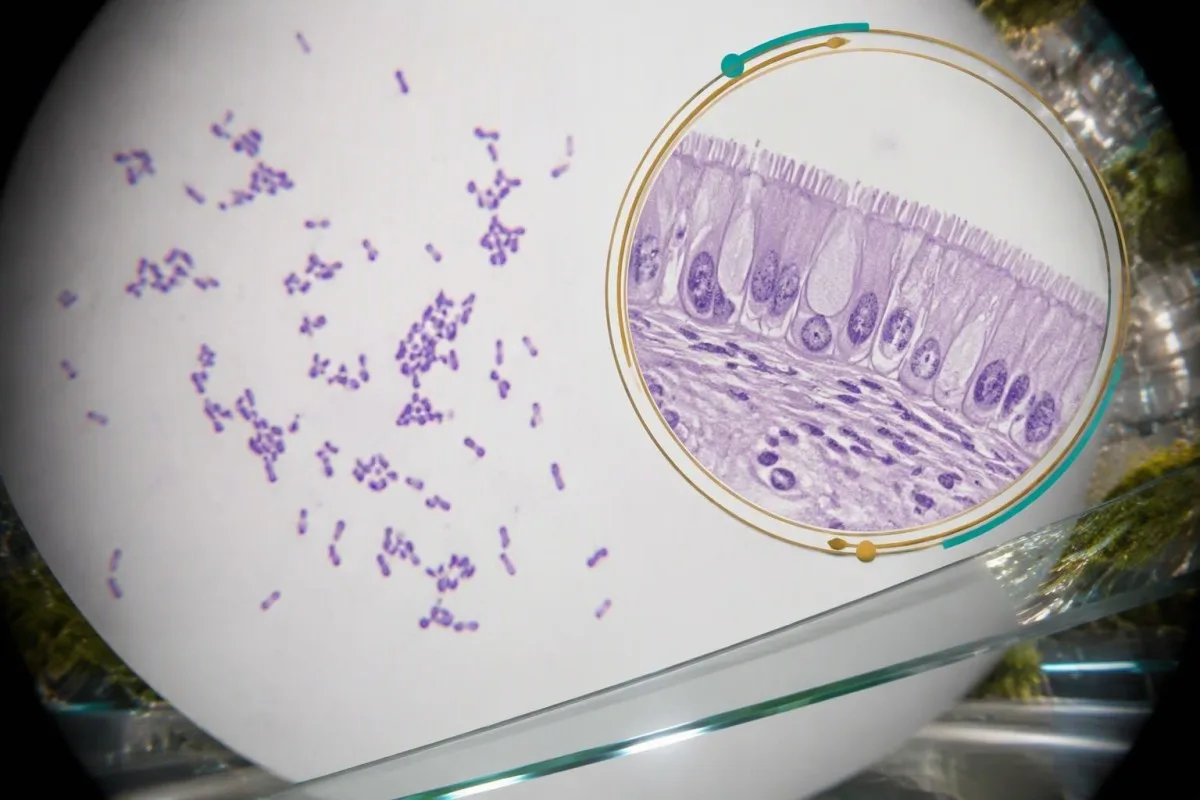
An exposed pregnant person with mild nausea or diarrhea but no fever should contact maternity care for advice rather than assume either infection or complete safety. The evidence for treating this afebrile group is limited; clinicians may reasonably choose different approaches after considering 2 factors—exposure credibility and the symptom pattern.
Ordinary stool cultures and common gastrointestinal PCR panels are not reliable screening tools for invasive listeriosis; many do not test for Listeria at all. A stool result naming another pathogen can explain diarrhea, but it does not necessarily explain persistent systemic symptoms in a high-risk person 1 week later.
A positive stool finding also does not automatically establish invasive disease, because intestinal carriage and systemic infection are different questions. Our guide to Campylobacter stool PCR results explains why detecting an organism, deciding whether it caused illness, and choosing treatment are 3 separate steps.
A hypothetical transplant recipient with 2 days of mild diarrhea, no fever, and a clear recall match may be advised to have cultures or closer observation. Persistent diarrhea also raises medication effects, dehydration, and other pathogens; seek earlier advice if drinking becomes difficult or urine output falls.
Si trajtohet listerioza invazive?
Invasive listeriosis usually requires hospital-directed antibiotics, most often intravenous ampicillin or another appropriate Listeria-active regimen. Treatment depends on the infection site, pregnancy, kidney function, and allergy history; uncomplicated bloodstream infection often needs at least about 14 days, while meningitis usually requires a longer course.
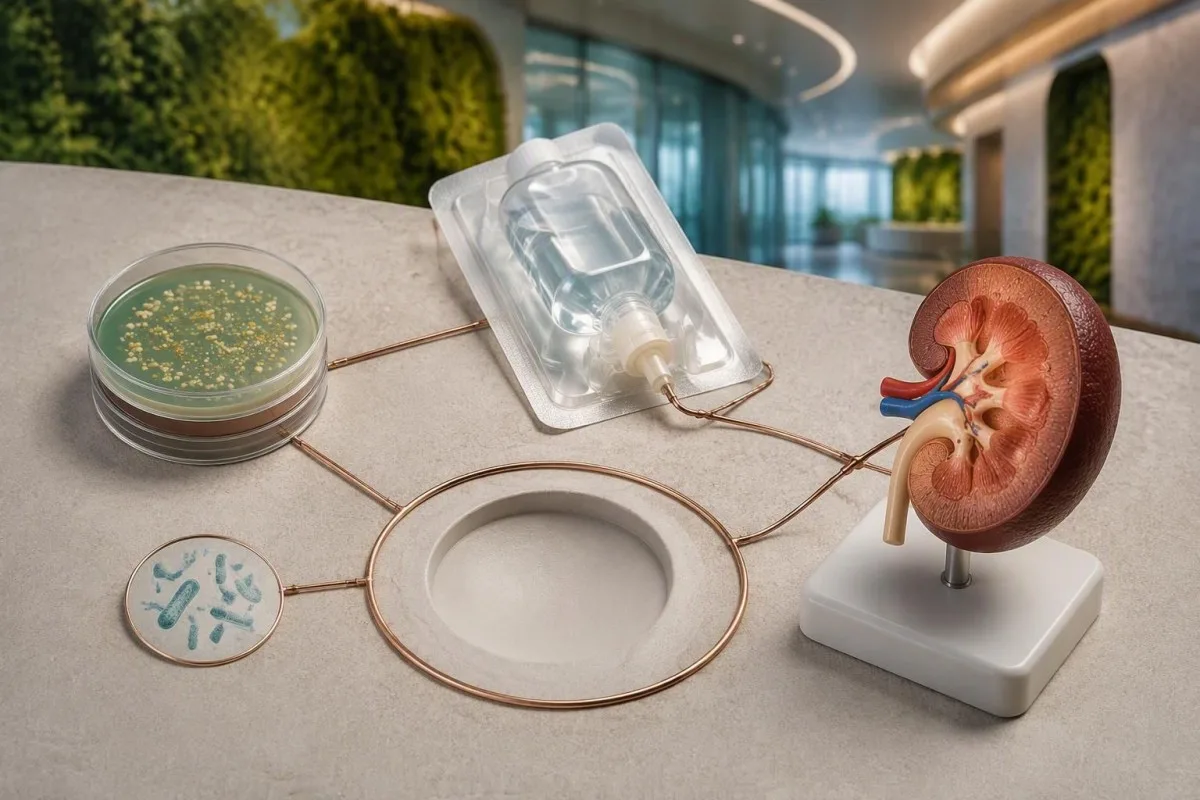
Listeria is not reliably treated by cephalosporins, so ceftriaxone alone is inadequate when Listeria meningitis is a concern. Empirical meningitis regimens add appropriate Listeria coverage for relevant risk groups; antibiotic choice should not be inferred from a generic 'bacterial infection' label or a single CRP result.
A typical adult meningitis regimen may use ampicillin 2 g intravenously every 4 hours when kidney function permits, but doses require clinician adjustment. This is not a home-treatment instruction: the site of illness, body size, renal function, and complications determine both dosing and how long treatment continues.
Gentamicin is sometimes added, although the benefit of combination treatment is uncertain and practice varies; kidney and hearing toxicity matter. Our gentamicin level monitoring explains why a trough above the local target can require intervention rather than simply completing the original dosing schedule.
A serious penicillin allergy can change treatment, with trimethoprim-sulfamethoxazole among possible alternatives under specialist supervision; pregnancy adds further considerations. Tell the team whether the reaction involved hives, breathing problems, or a delayed rash, even if it occurred 20 years ago; our rivlerësimin e alergjisë ndaj penicilinës explains why the details matter.
A mund ta përjashtojnë Listeria-n CBC, CRP ose prokalcitonina?
A CBC, CRP, or procalcitonin result cannot confirm or exclude listeriosis. These tests help assess inflammation, immune-cell patterns, and illness severity, but a normal white-cell count or CRP below 5 mg/L must not override concerning symptoms in pregnancy or immune suppression.
Many adult laboratories use a white-cell reference interval near 4.0–11.0 × 10⁹/L, but local ranges, pregnancy, and medicines alter interpretation. A value inside that interval does not demonstrate the absence of bacteremia; our krahasimi WBC dhe CRP explains why these markers can disagree during evolving illness.
A hypothetical pregnant person with WBC 10.8 × 10⁹/L, CRP 4 mg/L, fever of 38.3°C, and a credible exposure still needs clinical assessment. CRP can lag behind symptom onset, while pregnancy itself can raise white-cell counts; neither direction supplies a Listeria-specific answer.
Procalcitonin below 0.1 ng/mL is often considered low, depending on the assay, but there is no validated low cutoff that safely excludes invasive listeriosis. Our procalcitonin thresholds and trends explain why early infection, localized disease, and clinical context limit standalone reassurance.
Kantesti është një platformë e interpretimit të analizave të gjakut AI that can explain patterns such as CRP 45 mg/L alongside creatinine and CBC findings, without identifying the responsible bacterium. Our technical and clinical safeguards distinguish interpretation support from microbiological diagnosis; antibiotics and cultures must follow clinical assessment.
Çfarë do të thotë një raport paraprak ose negativ i kulturës?
A preliminary culture report describes an incomplete laboratory process, while a negative result only reflects the samples and conditions tested. 'No growth at 24 hours' is not the same as a final negative report; previous antibiotics and inadequate collection can reduce the chance of detecting Listeria.
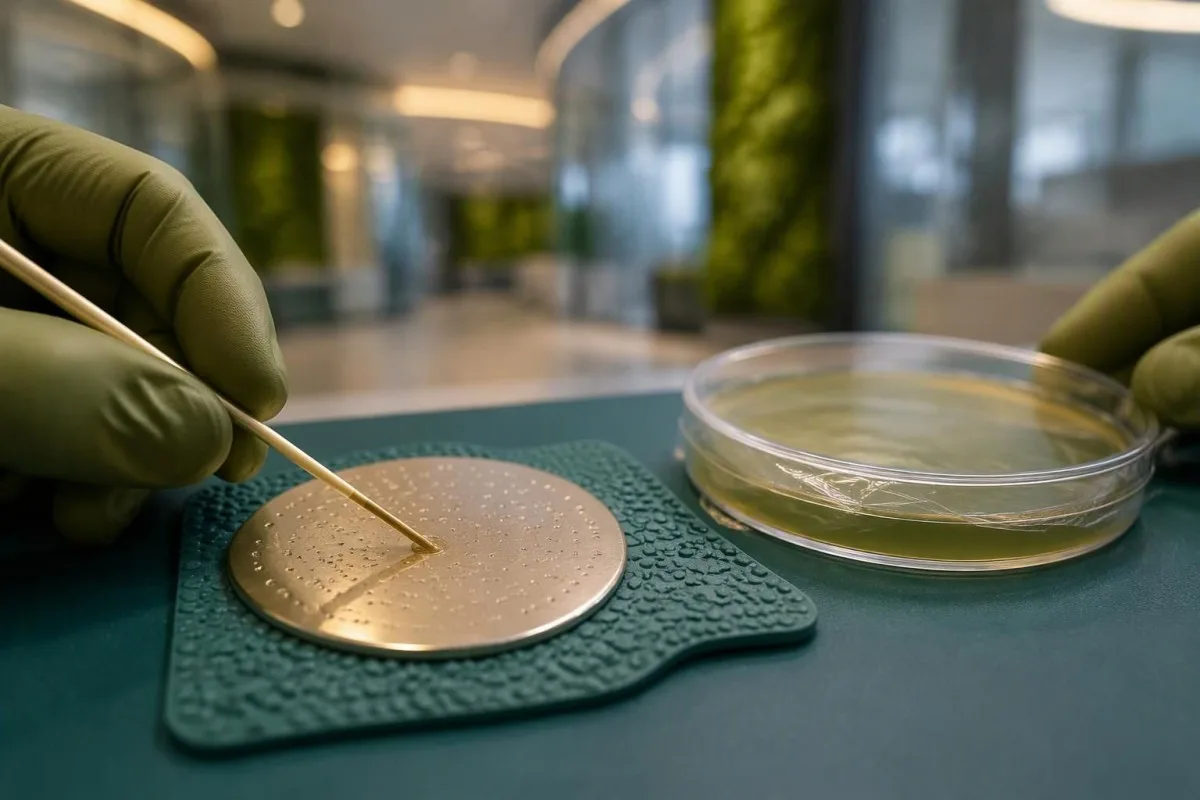
A report of 'Gram-positive rods' means the laboratory has described bacterial shape and staining, not confirmed Listeria species. Some organisms with this appearance may represent contamination, but clinicians must not dismiss the finding automatically in a pregnant or immunocompromised person with fever of 38.2°C.
Many laboratories finalize routine negative blood cultures after approximately 5 days, although systems and special protocols vary. The exact wording matters: 'pending,' 'no growth to date,' and 'final no growth' describe different stages, and an organism detected early still needs identification and susceptibility work where appropriate.
A hypothetical patient whose cultures were collected 2 hours after the first antibiotic dose may have a negative result despite genuine bacterial illness. Persistent neurological symptoms, ongoing fever, or obstetric concerns may therefore justify further investigation; repeat cultures should answer a clinical question rather than follow an automatic calendar.
Kantesti can help explain report terminology, but it cannot turn 'no growth at 24 hours' into an exclusion of invasive listeriosis. Our për teknologjinë e interpretimit me AI describes how report information is processed; incomplete source data remains incomplete, regardless of how clearly the explanation is written.
Cilat masa pasuese dhe masa paraprake për ushqimin janë të dobishme?
After assessment, follow-up should track symptoms and the clinician's plan—not rely on repeated screening while well. After implicated food exposure, remain alert for compatible illness for 2 months; during recovery from confirmed listeriosis, recurrent fever, new neurological symptoms, or obstetric changes need prompt reassessment.

Listeria can grow at refrigerator temperatures, so refrigeration does not make a recalled ready-to-eat product safe. Keep the refrigerator at 4°C or colder, follow storage limits, and clean surfaces that contacted the implicated food; discarding only the visibly spoiled part is not an adequate response.
Higher-risk people should choose pasteurized dairy products and follow local advice about chilled ready-to-eat foods; some chilled foods require reheating rather than simply confirming pasteurization. Where reheating is recommended, reaching 74°C or steaming hot throughout reduces risk, but recalled products should be discarded according to recall instructions rather than salvaged.
A hypothetical person discharged after invasive illness may have improving symptoms while CRP remains above 5 mg/L; conversely, new fever matters even if a previous result was falling. Our laboratory changes after hospital discharge explains why symptoms, sample dates, and treatment timing should be reviewed together.
Kantesti është një shërbimin e interpretimit të analizave të AI that can organize existing results from 2 or more dates, but recovery decisions remain with your treating team. Before sharing reports, review our udhëzimet për privatësinë dhe të dhënat; result uploads should never delay reporting recurrent fever or new neurological symptoms.
Hulumtimi, kufizimet e provave dhe lista juaj e kontrollit për kujdesin
Listeria decisions depend on clinical presentation, risk group, and suitable microbiology—not an exposure history or inflammation marker alone. Prepare 4 details for your consultation: food and recall information, exposure dates, symptom and temperature history, and pregnancy or immune-suppression status.

Goulet et al. (2013) provide useful incubation estimates, but their 37 invasive cases with defined exposures cannot predict an individual's exact symptom-onset date. ACOG's 2014 pregnancy guidance offers a practical exposure-management pathway; its fever threshold supports clinical decisions rather than proving that lower temperatures are harmless.
The MONALISA prospective cohort describes the clinical features and prognostic factors of invasive listeriosis (Charlier et al., 2017), not the likelihood of infection after 1 serving of recalled food. Hospitalized, confirmed cases are a selected population, so their outcomes should not be presented as the risk faced by every exposed, well person.
The 2 DOI-linked laboratory-education publications below concern other diagnostic topics and are not evidence for Listeria incubation, pregnancy management, or antibiotic selection. A DOI identifies a publication record; it does not by itself establish peer review, clinical validity, or relevance to the decision you need to make.
Our Kantesti medical content team separates clinical evidence from interpretation support under our standardet e përmbajtjes mjekësore. Before ending a consultation, ask 3 questions: which results are pending, who will review them, and which symptoms mean you should seek help before the planned follow-up.
Pyetjet e bëra shpesh
Cilat janë simptomat e para të Listeriozës?
Simptomat e para të Listeria-s mund të jenë diarreja dhe të vjellat që fillojnë brenda 24 orëve, ose ethet, dhimbjet dhe lodhja që shfaqen pas ditësh deri në javë në rastin e sëmundjes invazive. Sëmundja e zorrëve zgjat zakonisht 1–3 ditë, por listerioza invazive mund të shfaqet pa diarre. Shtatzënia, mosha 65 vjeç e lart dhe imuniteti i dobësuar rrisin shqetësimin për simptoma sistemike. Konfuzioni, krizat epileptike ose qafa e ngrirë së bashku me ethet kërkojnë vlerësim urgjent.
Cilat janë simptomat e listeriozës gjatë shtatzënisë?
Simptomat e listeriozës gjatë shtatzënisë shpesh përfshijnë ethe, dhimbje muskulore dhe lodhje të pazakontë, ndonjëherë me diarre ose pa simptoma të theksuara gastrointestinale. Një temperaturë prej 38.0°C ose më e lartë, e shoqëruar me simptoma të përputhshme, duhet të jetë arsye për të kërkuar këshillë nga shërbimi i maternitetit, veçanërisht pas ekspozimit ndaj ushqimeve të dyshuara. Udhëzimet e ACOG e konsiderojnë temperaturën mbi 38.1°C, së bashku me simptoma të përputhshme dhe pa ndonjë shkak tjetër, si arsye për testim dhe trajtim te pacientet shtatzëna të ekspozuara. Pakësimi i lëvizjeve fetale, kontraksionet ose rrjedhja e lëngut kërkojnë vlerësim urgjent obstetrik, pavarësisht temperaturës.
0 Sa kohë pas ngrënies së ushqimit të kontaminuar shfaqen simptomat e listeriozës?
Simptomat e listeriozës intestinale shpesh fillojnë brenda 24 orëve, ndërsa simptomat invazive zakonisht fillojnë brenda 2 javësh, por mund të shfaqen edhe më vonë. Një studim i vogël mbi periudhën e inkubacionit raportoi medianat prej 2 ditësh për baktereminë, 9 ditësh për sëmundjen e sistemit nervor qendror dhe 27.5 ditësh për sëmundjen e lidhur me shtatzëninë. Këto shifra përshkruajnë grupe të përzgjedhura dhe nuk japin një numërim mbrapsht të saktë për një individ. Udhëzimet për ekspozimin zakonisht rekomandojnë të jeni vigjilentë ndaj simptomave të përputhshme për 2 muaj.
A duhet të testohem për Listeria pasi kam ngrënë ushqim të tërhequr nga tregu?
0 Testimi dhe antibiotikët profilaktikë përgjithësisht nuk rekomandohen pas ekspozimit ndaj një ushqimi të tërhequr nga tregu, nëse vazhdoni të ndiheni mirë, edhe gjatë shtatzënisë. Vëzhgoni nëse shfaqen simptoma të mundshme gjatë 2 muajve në vijim dhe ruani produktin dhe hollësitë e ekspozimit. Temperatura e re, dhimbjet, diarreja ose simptomat obstetrike mund të ndryshojnë vlerësimin, sidomos te një person me rrezik më të lartë. Nuk ka një plan të validuar rutinë për analizat e gjakut pas 24 orësh ose 7 ditësh që garanton se nuk do të zhvilloni listeriozë më vonë.
Si diagnostikohet Listeria?
0 Listerioza invazive diagnostikohet duke identifikuar Listeria monocytogenes në një vend normalisht steril, si gjaku ose lëngu cerebrospinal. Klinicistët zakonisht marrin 2 sete kulturash gjaku te të rriturit me dyshim për infeksion të qarkullimit të gjakut, të përshtatura sipas rrethanave klinike. CBC, CRP, testet e antitrupave dhe panelet e zakonshme të jashtëqitjes nuk mund ta konfirmojnë ose përjashtojnë me besueshmëri listeriozën invazive. Kulturat duhet të merren para antibiotikëve kur është e mundur, pa vonuar trajtimin urgjent.
A mund ta përjashtojnë analizat normale të gjakut listeriozën?
Analizat rutinë të gjakut me rezultate normale nuk mund ta përjashtojnë listeriozën. Një numër i leukociteve brenda intervalit tipik për të rriturit prej 4.0–11.0 × 10⁹/L ose CRP nën 5 mg/L mund të shfaqet pavarësisht një sëmundjeje klinikisht shqetësuese. Shtatzënia, barnat imunosupresive dhe marrja e mostrave në fazë të hershme mund t’i bëjnë këto rezultate veçanërisht të vështira për t’u interpretuar. Simptomat përputhëse dhe faktorët e rrezikut përcaktojnë nëse nevojiten ekzaminimi, kulturat apo trajtimi urgjent.
A mund të largohet Listeria pa antibiotikë?
Listerioza e lehtë intestinale te një person përndryshe i shëndetshëm shpesh kalon brenda 1–3 ditësh pa antibiotikë. Listerioza invazive kërkon trajtim me antibiotikë të udhëhequr nga mjeku dhe shpesh kujdes spitalor. Shtatzënia, imuniteti i dobësuar, temperatura e vazhdueshme ose ndryshimet neurologjike e bëjnë të pasigurt vetëkujdesin, edhe nëse diarreja duket e lehtë. Temperatura 38.0°C ose më e lartë te një person me rrezik më të lartë kërkon këshillim të menjëhershëm, në vend që të pritet të kalojë periudha e rikuperimit intestinal.
Merrni shpjegimin e rezultateve të analizave të gjakut
Ngarkoni raportin tuaj laboratorik dhe AI e Kantesti shpjegon çdo biomarker me gjuhë të thjeshtë brenda pak sekondash. Përdoret nga më shumë se 2 milionë njerëz në mbarë botën.
Referencat
- Klein, T., Mitchell, S., & Weber, H. (2026). Udhëzues për analizën e gjakut për virusin Nipah: zbulimi i hershëm dhe diagnostikimi 2026. Kërkim mjekësor me Kantesti AI. DOI
- Klein, T., Mitchell, S., & Weber, H. (2026). Udhëzues për grupin e gjakut B negativ, analizën e gjakut për LDH dhe numërimin e retikulociteve. Kërkim mjekësor me Kantesti AI. DOI
- American College of Obstetricians and Gynecologists (2014). Committee Opinion No. 614: Management of Pregnant Women With Presumptive Exposure to Listeria monocytogenes. Obstetrics & Gynecology.
- Goulet V et al. (2013). What is the incubation period for listeriosis? BMC Infectious Diseases. DOI
- Charlier C et al. (2017). Clinical features and prognostic factors of listeriosis: the MONALISA national prospective cohort study. The Lancet Infectious Diseases. DOI
- 2M+Analizat e kryera
- 127+Vendet
- 100+Gjuhët
Rreth ekipit mjekësor


Sinjalet e Besimit E-E-A-T
Përvoja
Rishikim klinik i udhëhequr nga mjeku i flukseve të punës për interpretimin e analizave.
Ekspertizë
Fokus i mjekësisë laboratorike mbi mënyrën se si sillen biomarkerët në kontekstin klinik.
Autoritariteti
Rishikuar nga ana mjekësore nga Dr. Thomas Klein, me kontribute nga Dr. Sarah Mitchell dhe Prof. Dr. Hans Weber.
Besueshmëria
Interpretim i bazuar në prova, me rrugë të qarta për ndjekje për të reduktuar alarmin.



Mohim përgjegjësie mjekësore
Ky artikull është vetëm për qëllime edukative dhe nuk përbën këshilla mjekësore. Gjithmonë konsultohuni me një ofrues të kualifikuar të kujdesit shëndetësor për vendimet e diagnozës dhe trajtimit.
Botuar · Kontaktoni ekipin redaktues
Botuar nga Kantesti Ltd, e regjistruar në Angli dhe Uells, nr. i kompanisë. 17090423, Londër, Mbretëria e Bashkuar.
