
Listerija može izazvati kratkotrajnu dijareju ili ozbiljnu infekciju krvotoka. Groznica, trudnoća, imunosupresija i neurološki simptomi određuju koji je postupak najbezbedniji — a ne samo izloženost hrani.

Кључне поруке
- Intestinalno oboljenje obično počinje u roku od 24 sata od izloženosti i traje 1–3 dana; uporna groznica ili pogoršanje bolesti zahtevaju ponovnu procenu.
- Hitna procena groznice opravdana je tokom trudnoće ili imunosupresije, naročito pri temperaturi od 38.0°C ili višoj i mogućoj izloženosti hrani.
- Prag za testiranje u trudnoći prema smernicama ACOG-a jeste groznica iznad 38.1°C uz kompatibilne simptome nakon izloženosti sumnjivoj hrani i bez drugog objašnjenja; to nije razlog da odložite pregled ako je temperatura 38.0°C.
- Хитни симптоми uključuju konfuziju, ukočen vrat uz groznicu, napade, otežano disanje ili brzo pogoršanje slabosti; potražite hitnu medicinsku pomoć ne čekajući laboratorijski nalaz.
- Inkubacioni period listerije razlikuje se u zavisnosti od sindroma: intestinalni simptomi često počinju u roku od 24 sata, dok se invazivno oboljenje može javiti tek nakon više dana ili nedelja.
- Hemokulture pomažu u dijagnostikovanju sumnje na invazivnu listeriozu; CBC, CRP ili uobičajeni panel za analizu stolice ne mogu je pouzdano isključiti.
- Izloženost bez simptoma uglavnom ne zahteva ni testiranje ni preventivnu primenu antibiotika, uključujući i tokom trudnoće; pratite pojavu simptoma tokom naredna 2 meseca.
- AI tumačenje ograničenja znači da naša platforma može da objasni postojeće laboratorijske rezultate, ali ne može da organizuje uzimanje kultura, identifikuje uzročnika na osnovu rutinskih biomarkera niti isključi listeriozu.
Koji simptomi listerije zahtevaju hitnu procenu?
Simptomi listerioze zahtevaju hitnu procenu kada je povišena temperatura praćena trudnoćom, oslabljenim imunitetom ili znacima invazivne bolesti. Odmah kontaktirajte službu za trudnice ili svoj medicinski tim ako vam je temperatura 38.0°C ili viša; konfuzija, ukočen vrat uz temperaturu, napadi ili otežano disanje zahtevaju hitnu medicinsku pomoć.
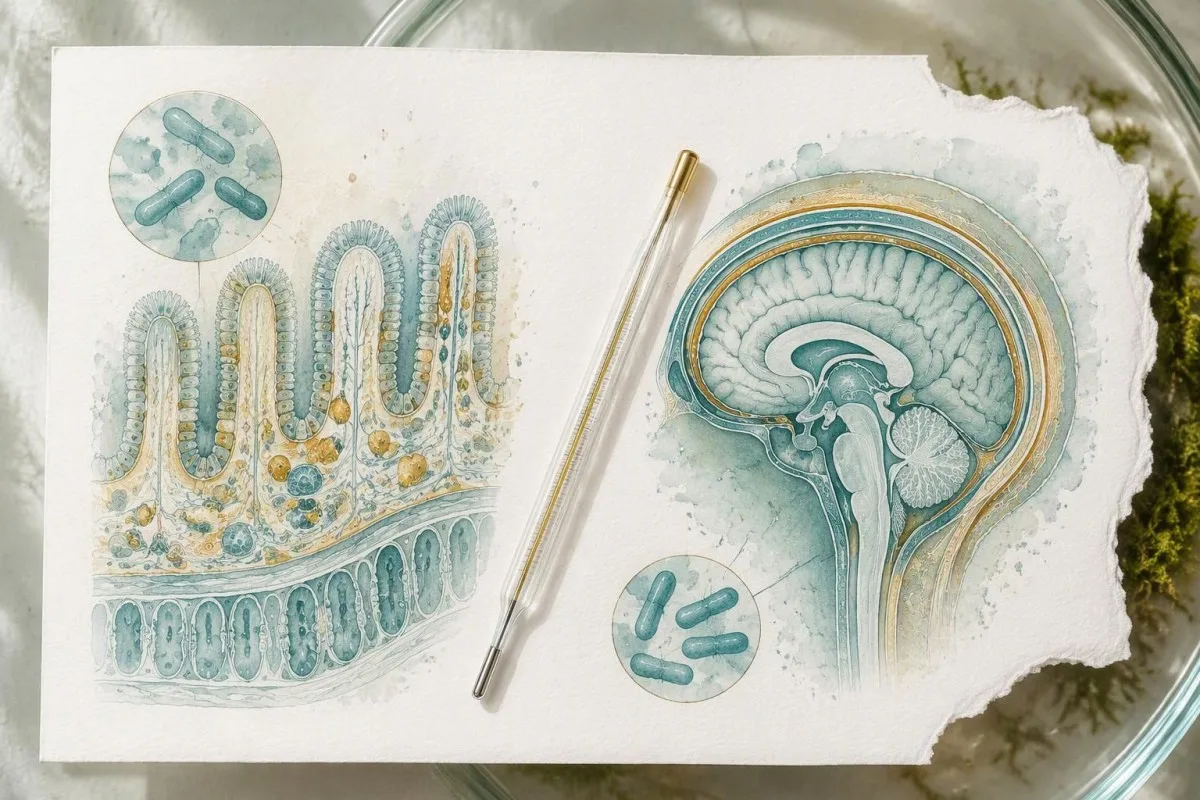
Kratkotrajna dijareja kod inače zdrave odrasle osobe razlikuje se od temperature praćene drhtavicom, bolovima u mišićima ili neuobičajenom pospanošću kod osobe s povećanim rizikom. Listeria izaziva 2 široka sindroma — crevnu bolest i invazivnu bolest — a ista izloženost hrani ne zahteva istu hitnost kod svake osobe.
Očitana temperatura niža od 38.0°C ne znači da je osoba čije se stanje brzo pogoršava van opasnosti, naročito nakon uzimanja lekova za snižavanje temperature ili tokom imunosupresije. Razlog zbog kog nas zabrinjava temperatura udružena s konfuzijom jeste to što zajedno mogu ukazivati na zahvaćenost krvotoka ili centralnog nervnog sistema, a ne na nekomplikovani gastroenteritis.
Na primer, trudnici s temperaturom od 38.2°C i novim bolovima nakon konzumiranja povučene hrane potrebna je brza klinička procena, a ne kupovina testiranja na internetu. Zdravoj odrasloj osobi s 2 retke stolice, bez temperature i uz normalnu hidrataciju možda je dovoljno praćenje, pod uslovom da se ne pojave znaci upozorenja.
Кантести је АИ анализатор крви koji pomaže u objašnjavanju postojećih laboratorijskih nalaza, ali ni normalan CBC ni tumačenje za 60 sekundi ne isključuju invazivnu listeriozu. Naša organizacija i svrha opisuju našu ulogu; hitni simptomi zahtevaju lekara koji može da vas pregleda i organizuje odgovarajuće uzorke.
Po čemu se intestinalno oboljenje razlikuje od invazivne listerioze?
Crevna listerioza prvenstveno izaziva dijareju i povraćanje, dok se invazivna listerioza širi izvan creva i može izazvati infekciju krvotoka ili meningitis. Crevni simptomi obično počinju u roku od 24 sata i traju 1–3 dana; invazivna bolest može se javiti bez prethodne dijareje.

Vodena dijareja, mučnina, grčevi u stomaku i ponekad temperatura mogu odgovarati crevnoj bolesti, ali ovi simptomi ne mogu među uzročnicima bolesti koje se prenose hranom prepoznati Listeria. Početak u roku od 24 sata preklapa se i s drugim bolestima; naše objašnjenje oporavka od norovirusa i testiranja pokazuje zašto se samo na osnovu vremena pojave simptoma retko može utvrditi uzročnik.
Invazivna bolest češće izaziva temperaturu, drhtavicu, bolove u mišićima, izražen umor ili neurološke promene kao što su gubitak ravnoteže i konfuzija. Osoba kod koje se temperatura pojavi 10 dana nakon izlaganja hrani možda uopšte neće imati crevne simptome, pa odsustvo dijareje ne bi trebalo da prekine razgovor o dijagnostici.
Zdrava osoba od 34 godine, kod koje povraćanje prestane nakon 18 sati i koja može normalno da pije, ima drugačiji profil rizika od osobe od 74 godine s novom temperaturom i nestabilnim hodom. Starost, imunosupresija i trudnoća povećavaju zabrinutost zbog invazivne bolesti čak i kada gastrointestinalni simptomi u početku deluju blago.
Oporavak bi trebalo da napreduje tokom 1–3 dana, a ne da se smenjivanje poboljšanja i pogoršanja sistemskih simptoma nastavlja. Dijareja koja traje duže od tog perioda, ponovna pojava temperature, smanjeno mokrenje ili jak bol u stomaku zahtevaju ponovnu procenu; lekari mogu ispitati prisustvo drugog patogena ili neinfektivnog uzroka, umesto da pretpostave da je u pitanju uporna infekcija bakterijom Listeria.
Koliko traje inkubacioni period listerije?
Period inkubacije listerioze kreće se od nekoliko sati kod crevne bolesti do nekoliko dana ili nedelja kod invazivne bolesti. Smernice javnog zdravlja navode da simptomi invazivne bolesti obično počinju u roku od 2 nedelje, ali se bolest povezana s trudnoćom može ispoljiti znatno kasnije; praćenje nakon izlaganja obično traje 2 meseca.

Goulet et al. examined 37 invasive cases with reasonably defined exposures and reported median incubation periods of 2 days for bacteremia, 9 days for central nervous system disease, and 27.5 days for pregnancy-associated illness (Goulet et al., 2013). These were small, selected groups—not precise countdowns for an individual exposure.
The pregnancy-associated range in that study was 17–67 days, which helps explain why a food eaten several weeks earlier can remain relevant. The practical question is not simply whether symptoms began yesterday; clinicians need the date of exposure, the date symptoms started, and the type of illness suspected.
A hypothetical fever starting 6 hours after a particular meal does not prove that meal caused invasive listeriosis. Earlier meals, viral infections, urinary infections, and other causes remain possible; our digestive symptom timing guide explains why timing should narrow possibilities rather than establish a diagnosis.
Monitoring for 2 months after implicated exposure means remaining alert to new compatible symptoms, not measuring your temperature every hour while well. Keep a brief dated note of the food and recall details; repeated eating of the same product makes a single incubation calculation especially unreliable.
Zašto simptome listerije u trudnoći treba brže proceniti?
Listeria symptoms in pregnancy can be mild in the pregnant person while posing serious risks to the fetus or newborn. Fever, muscle aches, or unusual fatigue after implicated food exposure warrant prompt maternity advice; reduced fetal movement, contractions, or fluid leakage require urgent obstetric assessment.

Pregnant people are approximately 10 times more likely to develop listeriosis than the general population, according to CDC risk information. Listeria can cross the placenta, so apparently modest maternal illness can accompany miscarriage, stillbirth, premature delivery, or neonatal infection; symptom intensity is not a dependable measure of fetal safety.
ACOG Committee Opinion No. 614 recommends simultaneous testing and treatment for an exposed pregnant patient with fever above 38.1°C, compatible symptoms, and no other identified cause (ACOG, 2014). That threshold defines a management pathway—not a biological boundary—and a reading of 38.0°C with concerning symptoms should still prompt a call.
A hypothetical person at 28 weeks with aches, a temperature of 38.2°C, and a recalled-food exposure may need blood cultures and obstetric assessment before results return. Routine antenatal antibody tests answer different questions; our toxoplasma results in pregnancy explain one example of this distinction.
Reduced movement should be assessed according to your maternity unit's instructions, regardless of whether you have a fever or can identify an exposure. A fetal fibronectin result concerns preterm-birth assessment; it neither detects Listeria nor replaces evaluation of new contractions or fluid leakage.
Ko je pod većim rizikom od invazivne listerioze?
Adults aged 65 years or older, pregnant people, newborns, and people with weakened immunity have increased risk of invasive listeriosis. Transplant medicines, chemotherapy, some immune-suppressing treatments, and conditions such as advanced HIV can lower the threshold for assessing fever or otherwise unexplained illness.

Listeria can survive inside host cells, which makes cell-mediated immune defenses particularly relevant. A normal total white-cell count does not demonstrate normal protection against this organism; an adult aged 68 taking transplant medicines may be vulnerable even when a routine CBC carries no abnormal flags.
Medication exposure needs to be specific: the drug, dose, recent changes, and reason for treatment all help clinicians interpret risk. Someone receiving tacrolimus should not stop it after a food recall; our vodič za praćenje takrolimusa explains why treatment changes need transplant-team supervision rather than a single laboratory reading.
Known chemotherapy-related neutropenia creates a separate emergency pathway: commonly used fever definitions include 38.3°C once or 38.0°C sustained for 1 hour. Follow your oncology team's instructions immediately, and do not wait an hour if you feel unwell; broad assessment is needed, not testing for Listeria alone.
Kantesti AI can explain an absolute neutrophil count such as 0.4 × 10⁹/L, but it cannot determine the cause of accompanying fever or whether immune function is otherwise adequate. Our guide to testiranju čestih infekcija separates blood-cell counts from wider immune assessment.
Koji znaci upozorenja zahtevaju hitnu medicinsku pomoć?
Confusion, seizures, stiff neck with fever, severe headache with altered awareness, breathing difficulty, or rapid deterioration require emergency assessment. These signs can indicate meningitis, sepsis, or another serious condition; you do not need a temperature above 38.1°C or a confirmed food exposure before seeking help.

Listeria meningitis may cause headache, neck stiffness, confusion, loss of balance, or seizures, but not everyone develops the full pattern. A hypothetical 72-year-old with fever and new difficulty walking needs urgent assessment even without neck stiffness; waiting for all the classic symptoms can delay appropriate treatment.
Sepsis can present with very low blood pressure, reduced urine output, mottled appearance, or unusual drowsiness, sometimes without a high fever. A lactate above 2 mmol/L can add concern in the appropriate setting, but our lactate result interpretation explains why sampling conditions and noninfectious causes also matter.
A baby younger than 3 months with a temperature of 38.0°C or higher needs urgent medical assessment, whether or not Listeria is suspected. Poor feeding, abnormal sleepiness, breathing changes, or a low temperature can also signal serious neonatal illness; maternal exposure history should be shared but must not delay care.
Hospital teams may check platelets, clotting, kidney function, and lactate when systemic illness is severe; none identifies Listeria on its own. Our sepsis-related clotting patterns explain one complication, but do not wait for even 1 abnormal laboratory result when emergency symptoms are present.
Da li je sama izloženost povučenoj hrani razlog za testiranje?
Eating food recalled for Listeria generally does not require testing or preventive antibiotics when you remain well, including during pregnancy. The CDC exposure-management framework and ACOG guidance instead support symptom awareness, with reassessment if compatible illness develops within the next 2 months.

A recall identifies a potentially contaminated product; it does not establish that every package contained Listeria or that every person who ate it became infected. Three separate questions matter: whether your product matches the recall, whether you actually ate it, and whether you have developed compatible symptoms.
There is no validated blood-test schedule at 24 hours, 7 days, or 2 weeks that reliably screens a well person after exposure. Blood cultures sample what is happening in the bloodstream at collection, so a negative culture obtained without illness would not guarantee that invasive disease cannot develop later.
Save the product name, batch details, exposure date, and recall notice before discarding the food as instructed; these are more useful than repeated routine panels. Our vodič za vreme uzimanja krvi explains why results from different dates cannot be treated as interchangeable snapshots.
A hypothetical pregnant person who ate recalled food 3 days ago but feels entirely well usually does not need antibiotics or cultures solely for that event. New fever, aches, diarrhea, or obstetric symptoms changes the decision; if you already had symptoms that resolved, describe that history rather than classify yourself as never symptomatic.
Kako se dijagnostikuje listerija i kada su hemokulture opravdane?
Invasive listeriosis is diagnosed by identifying Listeria monocytogenes from a normally sterile site, commonly blood or cerebrospinal fluid. Blood cultures are appropriate when compatible systemic illness raises suspicion, especially in pregnancy, older age, or immune suppression—not simply because a recalled food was eaten.

Blood cultures are generally collected before antibiotics when this can be done without delaying urgent treatment; hospitals commonly collect 2 sets for adult bloodstream-infection assessment. Appropriate sample volume and aseptic collection improve usefulness, but pregnancy, children, and difficult access may require an adapted collection plan.
Suspected meningitis may require lumbar puncture for cerebrospinal fluid culture and other tests, provided the procedure is clinically safe. A 1-time negative blood culture does not exclude central nervous system disease, particularly after antibiotics; the team must interpret the specimen source, collection timing, and clinical presentation together.
Standard meningitis molecular panels can include Listeria, whereas other panels do not; a negative result only addresses the organisms and specimen covered by that assay. Our typhoid culture and timing guide discusses a parallel problem: nonspecific blood findings and antibody screens are not substitutes for suitable microbiology.
ACOG's exposed-pregnancy pathway recommends blood cultures when fever above 38.1°C accompanies compatible illness without another cause (ACOG, 2014). A culture that identifies Listeria needs prompt clinician review and treatment planning; incubation and organism identification take time, so the initial decision may need to precede confirmation.
Šta ako imate blage simptome, ali nemate groznicu?
Mild, afebrile symptoms after implicated exposure need individualized assessment in high-risk people, but do not automatically require antibiotics. CDC's framework allows observation or blood cultures in selected higher-risk patients; worsening symptoms or a new temperature of 38.0°C or higher should trigger prompt reassessment.
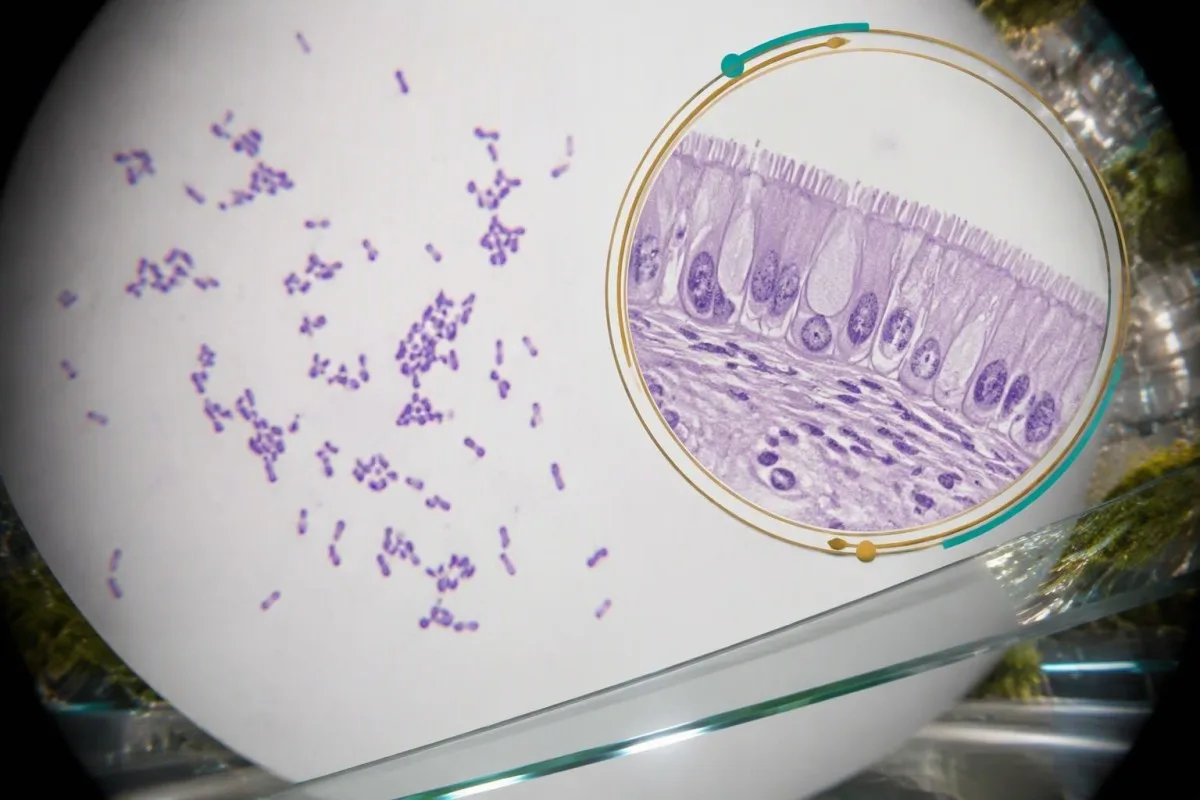
An exposed pregnant person with mild nausea or diarrhea but no fever should contact maternity care for advice rather than assume either infection or complete safety. The evidence for treating this afebrile group is limited; clinicians may reasonably choose different approaches after considering 2 factors—exposure credibility and the symptom pattern.
Ordinary stool cultures and common gastrointestinal PCR panels are not reliable screening tools for invasive listeriosis; many do not test for Listeria at all. A stool result naming another pathogen can explain diarrhea, but it does not necessarily explain persistent systemic symptoms in a high-risk person 1 week later.
A positive stool finding also does not automatically establish invasive disease, because intestinal carriage and systemic infection are different questions. Our guide to Campylobacter stool PCR results explains why detecting an organism, deciding whether it caused illness, and choosing treatment are 3 separate steps.
A hypothetical transplant recipient with 2 days of mild diarrhea, no fever, and a clear recall match may be advised to have cultures or closer observation. Persistent diarrhea also raises medication effects, dehydration, and other pathogens; seek earlier advice if drinking becomes difficult or urine output falls.
Kako se leči invazivna listerioza?
Invasive listeriosis usually requires hospital-directed antibiotics, most often intravenous ampicillin or another appropriate Listeria-active regimen. Treatment depends on the infection site, pregnancy, kidney function, and allergy history; uncomplicated bloodstream infection often needs at least about 14 days, while meningitis usually requires a longer course.
Listeria is not reliably treated by cephalosporins, so ceftriaxone alone is inadequate when Listeria meningitis is a concern. Empirical meningitis regimens add appropriate Listeria coverage for relevant risk groups; antibiotic choice should not be inferred from a generic 'bacterial infection' label or a single CRP result.
A typical adult meningitis regimen may use ampicillin 2 g intravenously every 4 hours when kidney function permits, but doses require clinician adjustment. This is not a home-treatment instruction: the site of illness, body size, renal function, and complications determine both dosing and how long treatment continues.
Gentamicin is sometimes added, although the benefit of combination treatment is uncertain and practice varies; kidney and hearing toxicity matter. Our gentamicin level monitoring explains why a trough above the local target can require intervention rather than simply completing the original dosing schedule.
A serious penicillin allergy can change treatment, with trimethoprim-sulfamethoxazole among possible alternatives under specialist supervision; pregnancy adds further considerations. Tell the team whether the reaction involved hives, breathing problems, or a delayed rash, even if it occurred 20 years ago; our vodič za ponovnu procenu alergije na penicilin explains why the details matter.
Mogu li CBC, CRP ili prokalcitonin isključiti listeriju?
A CBC, CRP, or procalcitonin result cannot confirm or exclude listeriosis. These tests help assess inflammation, immune-cell patterns, and illness severity, but a normal white-cell count or CRP below 5 mg/L must not override concerning symptoms in pregnancy or immune suppression.
Many adult laboratories use a white-cell reference interval near 4.0–11.0 × 10⁹/L, but local ranges, pregnancy, and medicines alter interpretation. A value inside that interval does not demonstrate the absence of bacteremia; our poređenje WBC i CRP explains why these markers can disagree during evolving illness.
A hypothetical pregnant person with WBC 10.8 × 10⁹/L, CRP 4 mg/L, fever of 38.3°C, and a credible exposure still needs clinical assessment. CRP can lag behind symptom onset, while pregnancy itself can raise white-cell counts; neither direction supplies a Listeria-specific answer.
Procalcitonin below 0.1 ng/mL is often considered low, depending on the assay, but there is no validated low cutoff that safely excludes invasive listeriosis. Our procalcitonin thresholds and trends explain why early infection, localized disease, and clinical context limit standalone reassurance.
Кантести је AI платформа за тумачење крвне слике that can explain patterns such as CRP 45 mg/L alongside creatinine and CBC findings, without identifying the responsible bacterium. Our technical and clinical safeguards distinguish interpretation support from microbiological diagnosis; antibiotics and cultures must follow clinical assessment.
Šta znači preliminarni ili negativan nalaz kulture?
A preliminary culture report describes an incomplete laboratory process, while a negative result only reflects the samples and conditions tested. 'No growth at 24 hours' is not the same as a final negative report; previous antibiotics and inadequate collection can reduce the chance of detecting Listeria.
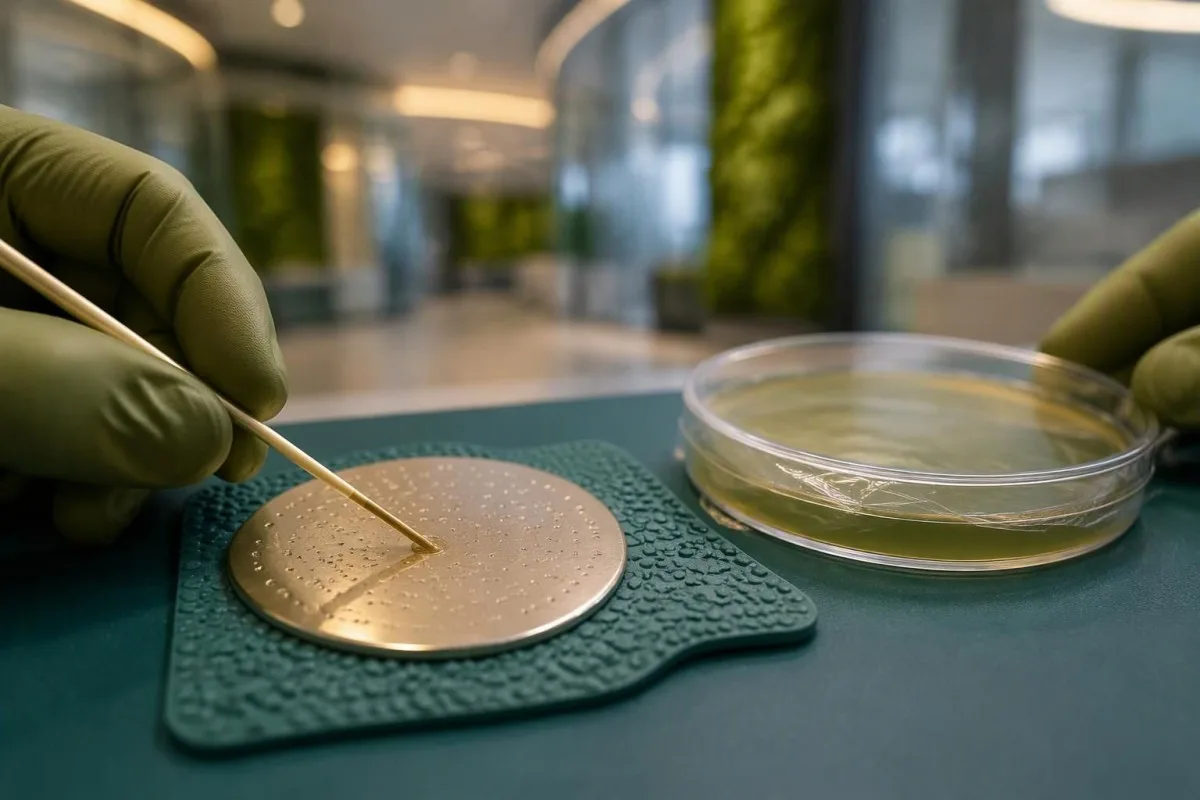
A report of 'Gram-positive rods' means the laboratory has described bacterial shape and staining, not confirmed Listeria species. Some organisms with this appearance may represent contamination, but clinicians must not dismiss the finding automatically in a pregnant or immunocompromised person with fever of 38.2°C.
Many laboratories finalize routine negative blood cultures after approximately 5 days, although systems and special protocols vary. The exact wording matters: 'pending,' 'no growth to date,' and 'final no growth' describe different stages, and an organism detected early still needs identification and susceptibility work where appropriate.
A hypothetical patient whose cultures were collected 2 hours after the first antibiotic dose may have a negative result despite genuine bacterial illness. Persistent neurological symptoms, ongoing fever, or obstetric concerns may therefore justify further investigation; repeat cultures should answer a clinical question rather than follow an automatic calendar.
Kantesti can help explain report terminology, but it cannot turn 'no growth at 24 hours' into an exclusion of invasive listeriosis. Our водич за AI тумачење технологије describes how report information is processed; incomplete source data remains incomplete, regardless of how clearly the explanation is written.
Koje su naknadne kontrole i mere opreza u vezi s hranom korisne?
After assessment, follow-up should track symptoms and the clinician's plan—not rely on repeated screening while well. After implicated food exposure, remain alert for compatible illness for 2 months; during recovery from confirmed listeriosis, recurrent fever, new neurological symptoms, or obstetric changes need prompt reassessment.

Listeria can grow at refrigerator temperatures, so refrigeration does not make a recalled ready-to-eat product safe. Keep the refrigerator at 4°C or colder, follow storage limits, and clean surfaces that contacted the implicated food; discarding only the visibly spoiled part is not an adequate response.
Higher-risk people should choose pasteurized dairy products and follow local advice about chilled ready-to-eat foods; some chilled foods require reheating rather than simply confirming pasteurization. Where reheating is recommended, reaching 74°C or steaming hot throughout reduces risk, but recalled products should be discarded according to recall instructions rather than salvaged.
A hypothetical person discharged after invasive illness may have improving symptoms while CRP remains above 5 mg/L; conversely, new fever matters even if a previous result was falling. Our laboratory changes after hospital discharge explains why symptoms, sample dates, and treatment timing should be reviewed together.
Кантести је услузи за тумачење лабораторијских тестова заснованој на AI-у that can organize existing results from 2 or more dates, but recovery decisions remain with your treating team. Before sharing reports, review our smernice o privatnosti i podacima; result uploads should never delay reporting recurrent fever or new neurological symptoms.
Istraživanja, ograničenja dokaza i kontrolna lista za vašu negu
Listeria decisions depend on clinical presentation, risk group, and suitable microbiology—not an exposure history or inflammation marker alone. Prepare 4 details for your consultation: food and recall information, exposure dates, symptom and temperature history, and pregnancy or immune-suppression status.

Goulet et al. (2013) provide useful incubation estimates, but their 37 invasive cases with defined exposures cannot predict an individual's exact symptom-onset date. ACOG's 2014 pregnancy guidance offers a practical exposure-management pathway; its fever threshold supports clinical decisions rather than proving that lower temperatures are harmless.
The MONALISA prospective cohort describes the clinical features and prognostic factors of invasive listeriosis (Charlier et al., 2017), not the likelihood of infection after 1 serving of recalled food. Hospitalized, confirmed cases are a selected population, so their outcomes should not be presented as the risk faced by every exposed, well person.
The 2 DOI-linked laboratory-education publications below concern other diagnostic topics and are not evidence for Listeria incubation, pregnancy management, or antibiotic selection. A DOI identifies a publication record; it does not by itself establish peer review, clinical validity, or relevance to the decision you need to make.
Our Kantesti medical content team separates clinical evidence from interpretation support under our standardi medicinskog sadržaja. Before ending a consultation, ask 3 questions: which results are pending, who will review them, and which symptoms mean you should seek help before the planned follow-up.
Često postavljana pitanja
Koji su prvi simptomi listerioze?
Prvi simptomi listerioze mogu biti dijareja i povraćanje koji počinju u roku od 24 sata ili groznica, bolovi i umor koji se javljaju danima do nedeljama kasnije kod invazivne bolesti. Crevna bolest obično traje 1–3 dana, ali invazivna listerioza može se javiti bez dijareje. Trudnoća, starost od 65 godina ili više i oslabljen imunitet povećavaju zabrinutost zbog sistemskih simptoma. Zbunjenost, napadi ili ukočen vrat uz groznicu zahtevaju hitnu procenu.
0 Koji su simptomi listerioze u trudnoći?
Simptomi listerioze u trudnoći često uključuju groznicu, bolove u mišićima i neuobičajen umor, ponekad uz dijareju ili bez izraženih gastrointestinalnih simptoma. Temperatura od 38.0°C ili viša uz odgovarajuće simptome treba da bude razlog za savetovanje sa porodilištem, naročito nakon izlaganja sumnjivoj hrani. Smernice ACOG-a koriste groznicu iznad 38.1°C uz odgovarajuće simptome i bez drugog uzroka kao razlog za testiranje i lečenje trudnica koje su bile izložene. Smanjeni pokreti fetusa, kontrakcije ili curenje plodove vode zahtevaju hitnu akušersku procenu bez obzira na temperaturu.
Koliko vremena nakon konzumiranja kontaminirane hrane se javljaju simptomi listerioze?
0 Listeriozni intestinalni simptomi često počinju u roku od 24 sata, dok invazivni simptomi obično počinju u roku od 2 nedelje, ali se mogu pojaviti i kasnije. Jedna mala studija inkubacije navela je medijane od 2 dana za bakterijemiju, 9 dana za oboljenje centralnog nervnog sistema i 27,5 dana za oboljenje povezano sa trudnoćom. Ovi brojevi opisuju odabrane grupe i ne predstavljaju precizno odbrojavanje za pojedinca. Smernice za izloženost obično preporučuju da se tokom 2 meseca motri na pojavu simptoma koji bi mogli ukazivati na infekciju.
0 Da li treba da se testiram na listeriju nakon što sam pojeo/la hranu koja je povučena iz prodaje?
0 Testiranje i preventivni antibiotici uglavnom se ne preporučuju nakon izlaganja povučenoj hrani ako se osećate dobro, uključujući i tokom trudnoće. Pratite pojavu simptoma koji odgovaraju infekciji tokom naredna 2 meseca i sačuvajte proizvod i podatke o izlaganju. Nova pojava povišene temperature, bolova, dijareje ili akušerskih simptoma može promeniti procenu, naročito kod osobe s povećanim rizikom. Ne postoji potvrđen raspored rutinskih analiza krvi nakon 24 sata ili 7 dana koji garantuje da kasnije nećete dobiti listeriozu.
Kako se dijagnostikuje listerioza?
0 Инвазивна листериоза се дијагностикује идентификацијом бактерије Listeria monocytogenes у узорку са места које је иначе стерилно, као што су крв или цереброспинална течност. Код одраслих код којих се сумња на инфекцију крвотока, клиничари обично узимају 2 сета хемокултура, прилагођено клиничким околностима. Рутински CBC, CRP, тестови на антитела и уобичајени панели анализа столице не могу поуздано да потврде нити искључе инвазивну листериозу. Културе треба узети пре примене антибиотика када је то изводљиво, али без одлагања хитног лечења.
Mogu li uobičajene analize krvi da isključe listeriozu?
Uobičajene rutinske analize krvi ne mogu da isključe listeriozu. Broj leukocita unutar tipičnog raspona za odrasle od 4.0–11.0 × 10⁹/L ili CRP ispod 5 mg/L mogu se javiti uprkos klinički zabrinjavajućoj bolesti. Trudnoća, lekovi koji potiskuju imunski sistem i rano uzorkovanje mogu posebno otežati tumačenje ovih rezultata. Simptomi koji odgovaraju bolesti i faktori rizika određuju da li su potrebni pregled, kulture ili hitno lečenje.
Može li listerija da prođe bez antibiotika?
0 Blaga crevna listerioza kod inače zdrave osobe često prolazi za 1–3 dana bez antibiotika. Invazivna listerioza zahteva antibiotsko lečenje prema uputstvu lekara i često bolničku negu. Trudnoća, oslabljen imunitet, uporna groznica ili neurološke promene čine samostalno lečenje nebezbednim, čak i ako dijareja deluje blago. Temperatura od 38,0°C ili viša kod osobe izložene većem riziku zahteva brzo traženje saveta, umesto čekanja da prođe period oporavka creva.
Сазнајте како да читате крвну слику
Отпремите свој лабораторијски извештај, а AI алата Kantesti ће за неколико секунди објаснити сваки биомаркер једноставним језиком. Користи га више од 2 милиона људи широм света.
Референце
- Klein, T., Mitchell, S., & Weber, H. (2026). Testiranje krvi na virus Nipah: vodič za rano otkrivanje i dijagnostiku 2026. Kantesti AI Medical Research. ДОИ
- Klein, T., Mitchell, S., & Weber, H. (2026). Vodič za B negativnu krvnu grupu, LDH u krvi i broj retikulocita. Kantesti AI Medical Research. ДОИ
- American College of Obstetricians and Gynecologists (2014). Committee Opinion No. 614: Management of Pregnant Women With Presumptive Exposure to Listeria monocytogenes. Obstetrics & Gynecology.
- Goulet V et al. (2013). What is the incubation period for listeriosis? BMC Infectious Diseases. ДОИ
- Charlier C et al. (2017). Clinical features and prognostic factors of listeriosis: the MONALISA national prospective cohort study. The Lancet Infectious Diseases. ДОИ
- 2 милиона+Analizirani testovi
- 127+Земље
- 100+Језици
O medicinskom timu


Е-Е-А-Т сигнали поверења
Искуство
Клиничка ревизија процеса тумачења лабораторијских налаза коју води лекар.
Експертиза
Фокус на лабораторијску медицину: како се биомаркери понашају у клиничком контексту.
Ауторитативност
Medicinski pregledao dr Thomas Klein, uz doprinos dr Sarah Mitchell i prof. dr Hansa Webera.
Поузданост
Тумачење засновано на доказима, са јасним путевима праћења како би се смањила узнемиреност.




Medicinsko odricanje od odgovornosti
Овај чланак је само у образовне сврхе и не представља медицински савет. За одлуке о дијагнози и лечењу увек се консултујте са квалификованим здравственим радником.
Objavljeno · Kontaktirajte urednički tim
Objavio Kantesti Ltd, registrovan u Engleskoj i Velsu, broj kompanije. 17090423, London, Ujedinjeno Kraljevstvo.
