
Listeria kin koartduorjende diarree of in earnstige bloedynfeksje feroarsaakje. Koarts, swierwêzen, ûnderdrukking fan it ymmúnsysteem en neurologyske symptomen bepale hokker oanpak it feilichst is—net allinnich bleatstelling oan iten.

Wichtichste punten
- Darmynfeksje begjint ornaris binnen 24 oeren nei bleatstelling en duorret 1–3 dagen; oanhâldende koarts of in slimmer wurdende sykte moat opnij beoardiele wurde.
- Driuwende koartsbeoardieling is passend by swierwêzen of ûnderdrukking fan it ymmúnsysteem, benammen by in temperatuer fan 38.0°C of heger en in oannimlike bleatstelling oan iten.
- Drompel foar testen by swierwêzen neffens de rjochtlinen fan ACOG is koarts boppe 38.1°C mei passende symptomen nei bleatstelling oan fertochte iten en sûnder oare ferklearring; dit is gjin reden om soarch by 38.0°C út te stellen.
- Noodsymptomen omfetsje betizing, in stive nekke mei koarts, oanfallen, sykheljenproblemen of rap slimmer wurdende swakte; sykje needsoarch sûnder op in laboratoariumrapport te wachtsjen.
- Ynkubaasjeperioade fan Listeria ferskilt per syndroom: darmsymptomen begjinne faak binnen 24 oeren, wylst invasive sykte dagen oant wiken letter ûntstean kin.
- Bloedkweken helpe by it diagnostisearjen fan fertochte invasive listerioaze; in CBC, CRP of gewoan stoelgongûndersyk kin it net betrouber útslute.
- Bleatstelling sûnder symptomen fereasket yn 't algemien noch ûndersyk noch previntive antibiotika, ek net yn 'e swierens; hâld de symptomen de kommende 2 moannen yn 'e gaten.
- AI-útslachbeheiningen betsjutte dat ús platfoarm besteande laboratoariumresultaten útlizze kin, mar gjin kweken regelje kin, de sykteferwekker net út routinebiomerkers identifisearje kin en listerioaze net útslute kin.
Hokker symptomen fan listeria moatte driuwend beoardiele wurde?
Symptomen fan Listeria fereaskje driuwende beoardieling as koarts foarkomt yn kombinaasje mei swierens, in ferswakke ymmúnsysteem of tekens fan invasive sykte. Nim daliks kontakt op mei de kreamsoarch of jo behanneljend team by in temperatuer fan 38.0°C of heger; betizing, in stive nekke mei koarts, krampen of sykheljen swierrichheden fereaskje needsoarch.
Koarte diarree by in fierder sûne folwoeksene is wat oars as koarts mei kjeldrillingen, spierpine of ûngewoane slûgens by immen mei ferhege risiko. Listeria feroarsaket 2 brede syndromen—darmsykte en invasive sykte—en deselde bleatstelling oan iten betsjut net foar elkenien deselde urginsje.
In temperatuer ûnder 38.0°C betsjut net dat immen dy't hurd efterútgiet gjin gefaar rint, benammen nei koartsferlegjende medisinen of by ymmúnûnderdrukking. De reden dat wy ús soargen meitsje oer koarts yn kombinaasje mei betizing is dat dy tegearre kinne wize op belutsenens fan 'e bloedstream of it sintrale senuwstelsel, ynstee fan ûnkomplisearre gastro-enteritis.
Bygelyks, in hypotetysk swier persoan mei in temperatuer fan 38.2°C en nije pine nei it iten fan weromroppen iten hat in prompt klinysk ûndersyk nedich, net in online oankeap fan in test. In sûne folwoeksene mei 2 kear wetterige ûntlasting, gjin koarts en in normale floeistofbalâns kin ynstee observearre wurde, mits der gjin warskôgingstekens ûntsteane.
Kantesti is in AI bloedtestanalysator dy't helpt besteande laboratoariumbefiningen út te lizzen, mar noch in normale CBC noch in ynterpretaasje fan 60 sekonden slút invasive listerioaze út. Us organisaasje en doel beskriuwe ús rol; by driuwende symptomen is in klinikus nedich dy't jo ûndersykje kin en passende monsters ôfnimme kin.
Hoe ferskilt in darmynfeksje fan invasive listeriose?
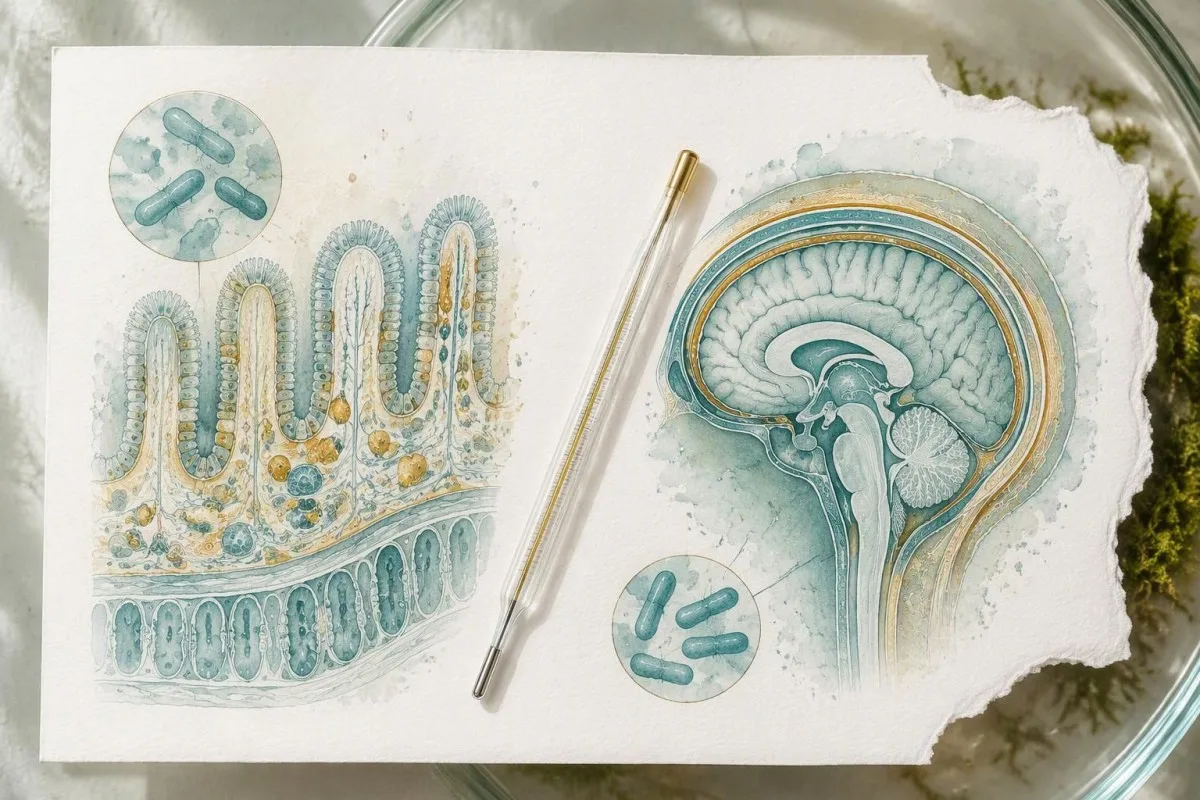
Darm-listerioaze feroarsaket benammen diarree en braken, wylst invasive listerioaze him bûten de darm ferspriedt en in bloedstreamynfeksje of meningitis feroarsaakje kin. Darmsymptomen begjinne ornaris binnen 24 oeren en duorje 1–3 dagen; invasive sykte kin foarkomme sûnder dat der earst diarree wie.

Wetterige diarree, mislikens, búkkrampen en soms koarts kinne passe by in darmsykte, mar dizze symptomen kinne Listeria net ûnderskiede fan oare oarsaken fan sykte troch iten. In begjin binnen 24 oeren falt ek gear mei oare sykten; ús útlis fan herstel en testen by norovirus lit sjen wêrom't de tiid dat symptomen begjinne de sykteferwekker selden identifisearret.
Invasive sykte feroarsaket faker koarts, kjeldrillingen, spierpine, slimme wurgens of neurologyske feroarings lykas lykwichtsproblemen en betizing. Immen dy't 10 dagen nei bleatstelling oan iten koarts ûntwikkelet, kin hielendal gjin darmsymptomen hawwe; it ûntbrekken fan diarree mei dêrom de diagnostyske beoardieling net beëinigje.
In hypotetysk sûn persoan fan 34 jier by wa't it braken nei 18 oeren ophâldt en dy't normaal drinke kin, hat in oar risikoprofyl as in 74-jierrige mei nije koarts en ûnwis rinne. Leeftyd, ymmúnûnderdrukking en swierens ferheegje de soarch oer invasive sykte, sels as de gastrointestinale symptomen earst myld lykje.
It herstel moat yn 1–3 dagen de goede kant op gean, net ôfwikselje tusken ferbettering en slimmer wurdende algemiene symptomen. Diarree dy't langer as dat oanhâldt, weromkommende koarts, minder urinearjen of slimme búkpine fertsjinnet in nije beoardieling; klinisy kinne in oare sykteferwekker of in net-ynfeksjeuze oarsaak ûndersykje ynstee fan oan te nimmen dat Listeria oanhâldt.
Wat is de ynkubaasjeperioade fan listeria?
De ynkubaasjeperioade fan listeriose rint fan oeren by darmsykte oant dagen of wiken by invasive sykte. Rjochtlinen foar folkssûnens beskriuwe dat invasive symptomen ornaris binnen 2 wiken begjinne, mar sykte dy't mei swierens ferbûn is kin oanmerklik letter begjinne; de opfolging nei bleatstelling duorret faak 2 moannen.
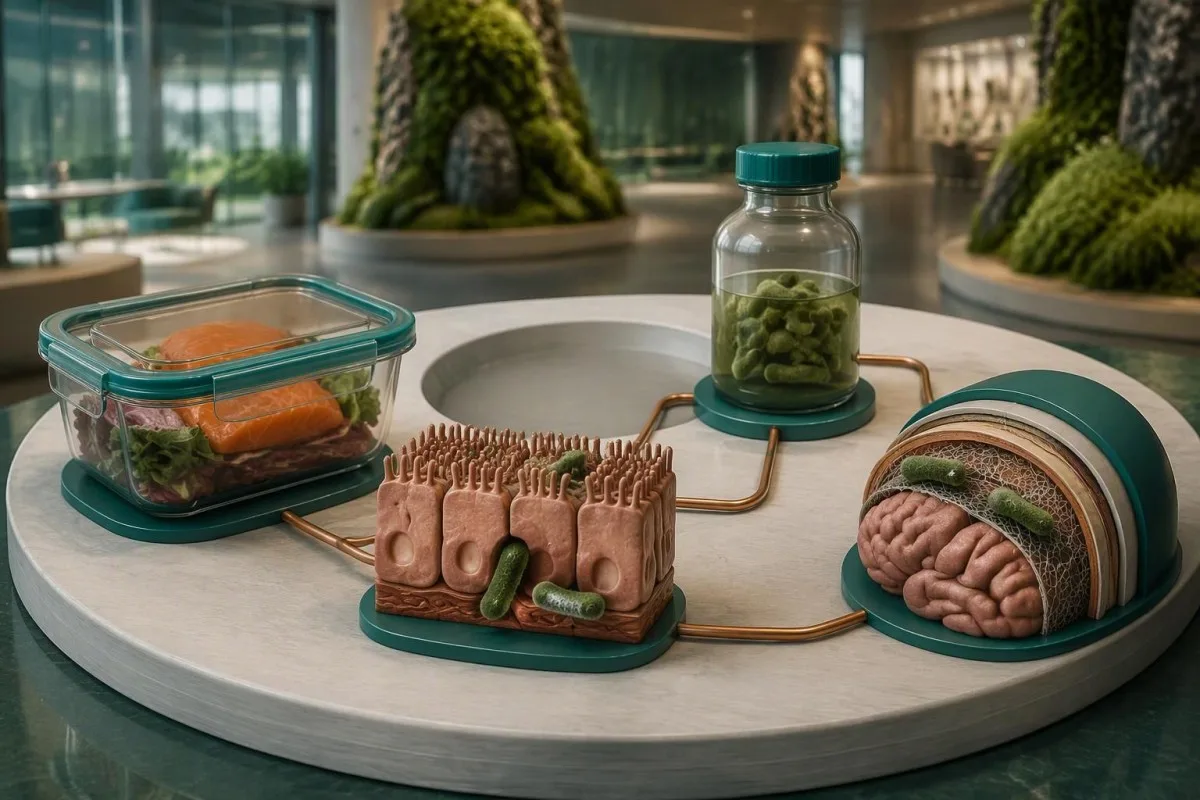
Goulet et al. examined 37 invasive cases with reasonably defined exposures and reported median incubation periods of 2 days for bacteremia, 9 days for central nervous system disease, and 27.5 days for pregnancy-associated illness (Goulet et al., 2013). These were small, selected groups—not precise countdowns for an individual exposure.
The pregnancy-associated range in that study was 17–67 days, which helps explain why a food eaten several weeks earlier can remain relevant. The practical question is not simply whether symptoms began yesterday; clinicians need the date of exposure, the date symptoms started, and the type of illness suspected.
A hypothetical fever starting 6 hours after a particular meal does not prove that meal caused invasive listeriosis. Earlier meals, viral infections, urinary infections, and other causes remain possible; our digestive symptom timing guide explains why timing should narrow possibilities rather than establish a diagnosis.
Monitoring for 2 months after implicated exposure means remaining alert to new compatible symptoms, not measuring your temperature every hour while well. Keep a brief dated note of the food and recall details; repeated eating of the same product makes a single incubation calculation especially unreliable.
Wêrom moatte symptomen fan listeria by swierwêzen flugger beoardiele wurde?
Listeria symptoms in pregnancy can be mild in the pregnant person while posing serious risks to the fetus or newborn. Fever, muscle aches, or unusual fatigue after implicated food exposure warrant prompt maternity advice; reduced fetal movement, contractions, or fluid leakage require urgent obstetric assessment.

Pregnant people are approximately 10 times more likely to develop listeriosis than the general population, according to CDC risk information. Listeria can cross the placenta, so apparently modest maternal illness can accompany miscarriage, stillbirth, premature delivery, or neonatal infection; symptom intensity is not a dependable measure of fetal safety.
ACOG Committee Opinion No. 614 recommends simultaneous testing and treatment for an exposed pregnant patient with fever above 38.1°C, compatible symptoms, and no other identified cause (ACOG, 2014). That threshold defines a management pathway—not a biological boundary—and a reading of 38.0°C with concerning symptoms should still prompt a call.
A hypothetical person at 28 weeks with aches, a temperature of 38.2°C, and a recalled-food exposure may need blood cultures and obstetric assessment before results return. Routine antenatal antibody tests answer different questions; our toxoplasma results in pregnancy explain one example of this distinction.
Reduced movement should be assessed according to your maternity unit's instructions, regardless of whether you have a fever or can identify an exposure. A fetal fibronectin result concerns preterm-birth assessment; it neither detects Listeria nor replaces evaluation of new contractions or fluid leakage.
Wa hat in heger risiko op invasive listeriose?
Adults aged 65 years or older, pregnant people, newborns, and people with weakened immunity have increased risk of invasive listeriosis. Transplant medicines, chemotherapy, some immune-suppressing treatments, and conditions such as advanced HIV can lower the threshold for assessing fever or otherwise unexplained illness.
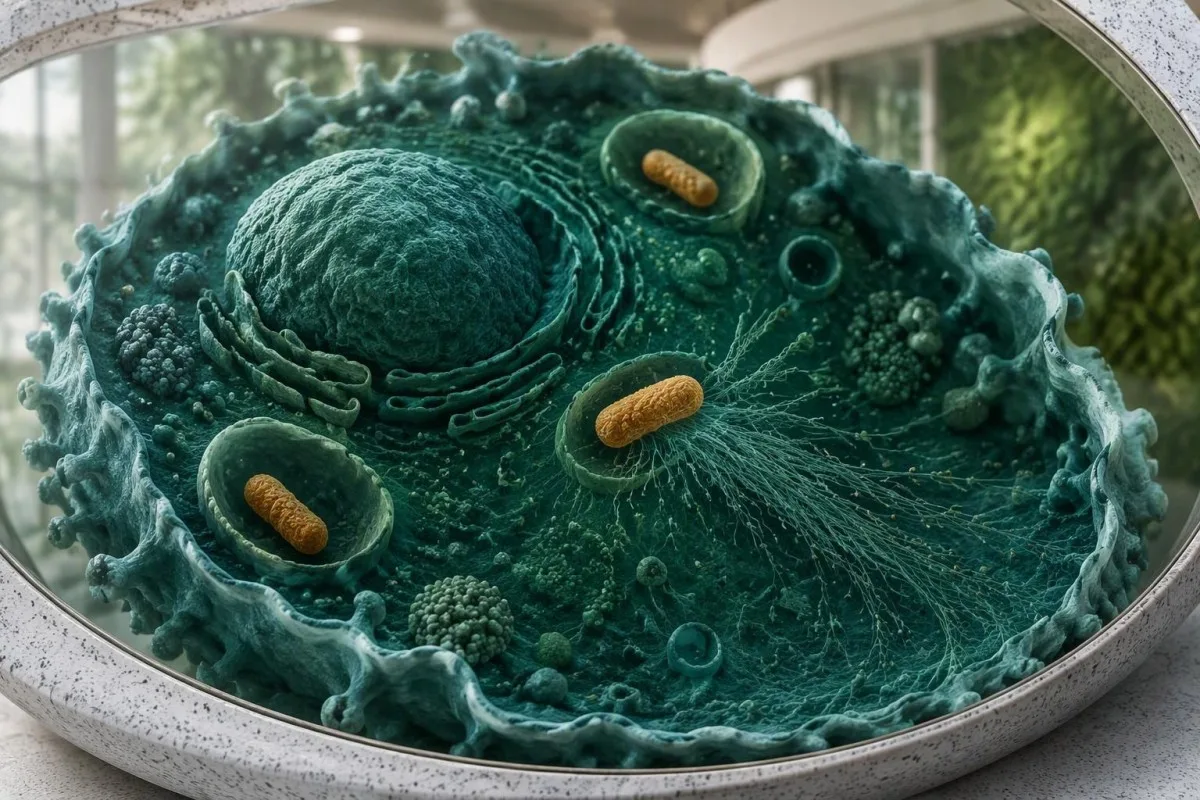
Listeria can survive inside host cells, which makes cell-mediated immune defenses particularly relevant. A normal total white-cell count does not demonstrate normal protection against this organism; an adult aged 68 taking transplant medicines may be vulnerable even when a routine CBC carries no abnormal flags.
Medication exposure needs to be specific: the drug, dose, recent changes, and reason for treatment all help clinicians interpret risk. Someone receiving tacrolimus should not stop it after a food recall; our hantlieding foar tafersjoch op tacrolimus explains why treatment changes need transplant-team supervision rather than a single laboratory reading.
Known chemotherapy-related neutropenia creates a separate emergency pathway: commonly used fever definitions include 38.3°C once or 38.0°C sustained for 1 hour. Follow your oncology team's instructions immediately, and do not wait an hour if you feel unwell; broad assessment is needed, not testing for Listeria alone.
Kantesti AI can explain an absolute neutrophil count such as 0.4 × 10⁹/L, but it cannot determine the cause of accompanying fever or whether immune function is otherwise adequate. Our guide to testjen faak ynfeksjes separates blood-cell counts from wider immune assessment.
Hokker warskôgingstekens fereaskje no needsoarch?
Confusion, seizures, stiff neck with fever, severe headache with altered awareness, breathing difficulty, or rapid deterioration require emergency assessment. These signs can indicate meningitis, sepsis, or another serious condition; you do not need a temperature above 38.1°C or a confirmed food exposure before seeking help.

Listeria meningitis may cause headache, neck stiffness, confusion, loss of balance, or seizures, but not everyone develops the full pattern. A hypothetical 72-year-old with fever and new difficulty walking needs urgent assessment even without neck stiffness; waiting for all the classic symptoms can delay appropriate treatment.
Sepsis can present with very low blood pressure, reduced urine output, mottled appearance, or unusual drowsiness, sometimes without a high fever. A lactate above 2 mmol/L can add concern in the appropriate setting, but our lactate result interpretation explains why sampling conditions and noninfectious causes also matter.
A baby younger than 3 months with a temperature of 38.0°C or higher needs urgent medical assessment, whether or not Listeria is suspected. Poor feeding, abnormal sleepiness, breathing changes, or a low temperature can also signal serious neonatal illness; maternal exposure history should be shared but must not delay care.
Hospital teams may check platelets, clotting, kidney function, and lactate when systemic illness is severe; none identifies Listeria on its own. Our sepsis-related clotting patterns explain one complication, but do not wait for even 1 abnormal laboratory result when emergency symptoms are present.
Fereasket bleatstelling oan weromroppen iten op himsels testen?
Eating food recalled for Listeria generally does not require testing or preventive antibiotics when you remain well, including during pregnancy. The CDC exposure-management framework and ACOG guidance instead support symptom awareness, with reassessment if compatible illness develops within the next 2 months.

A recall identifies a potentially contaminated product; it does not establish that every package contained Listeria or that every person who ate it became infected. Three separate questions matter: whether your product matches the recall, whether you actually ate it, and whether you have developed compatible symptoms.
There is no validated blood-test schedule at 24 hours, 7 days, or 2 weeks that reliably screens a well person after exposure. Blood cultures sample what is happening in the bloodstream at collection, so a negative culture obtained without illness would not guarantee that invasive disease cannot develop later.
Save the product name, batch details, exposure date, and recall notice before discarding the food as instructed; these are more useful than repeated routine panels. Our bloeddtest‑tiidsplan explains why results from different dates cannot be treated as interchangeable snapshots.
A hypothetical pregnant person who ate recalled food 3 days ago but feels entirely well usually does not need antibiotics or cultures solely for that event. New fever, aches, diarrhea, or obstetric symptoms changes the decision; if you already had symptoms that resolved, describe that history rather than classify yourself as never symptomatic.
Hoe wurdt listeria diagnostisearre, en wannear binne bloedkweken passend?
Invasive listeriosis is diagnosed by identifying Listeria monocytogenes from a normally sterile site, commonly blood or cerebrospinal fluid. Blood cultures are appropriate when compatible systemic illness raises suspicion, especially in pregnancy, older age, or immune suppression—not simply because a recalled food was eaten.

Blood cultures are generally collected before antibiotics when this can be done without delaying urgent treatment; hospitals commonly collect 2 sets for adult bloodstream-infection assessment. Appropriate sample volume and aseptic collection improve usefulness, but pregnancy, children, and difficult access may require an adapted collection plan.
Suspected meningitis may require lumbar puncture for cerebrospinal fluid culture and other tests, provided the procedure is clinically safe. A 1-time negative blood culture does not exclude central nervous system disease, particularly after antibiotics; the team must interpret the specimen source, collection timing, and clinical presentation together.
Standard meningitis molecular panels can include Listeria, whereas other panels do not; a negative result only addresses the organisms and specimen covered by that assay. Our typhoid culture and timing guide discusses a parallel problem: nonspecific blood findings and antibody screens are not substitutes for suitable microbiology.
ACOG's exposed-pregnancy pathway recommends blood cultures when fever above 38.1°C accompanies compatible illness without another cause (ACOG, 2014). A culture that identifies Listeria needs prompt clinician review and treatment planning; incubation and organism identification take time, so the initial decision may need to precede confirmation.
Wat as jo lichte symptomen hawwe, mar gjin koarts?
Mild, afebrile symptoms after implicated exposure need individualized assessment in high-risk people, but do not automatically require antibiotics. CDC's framework allows observation or blood cultures in selected higher-risk patients; worsening symptoms or a new temperature of 38.0°C or higher should trigger prompt reassessment.
An exposed pregnant person with mild nausea or diarrhea but no fever should contact maternity care for advice rather than assume either infection or complete safety. The evidence for treating this afebrile group is limited; clinicians may reasonably choose different approaches after considering 2 factors—exposure credibility and the symptom pattern.
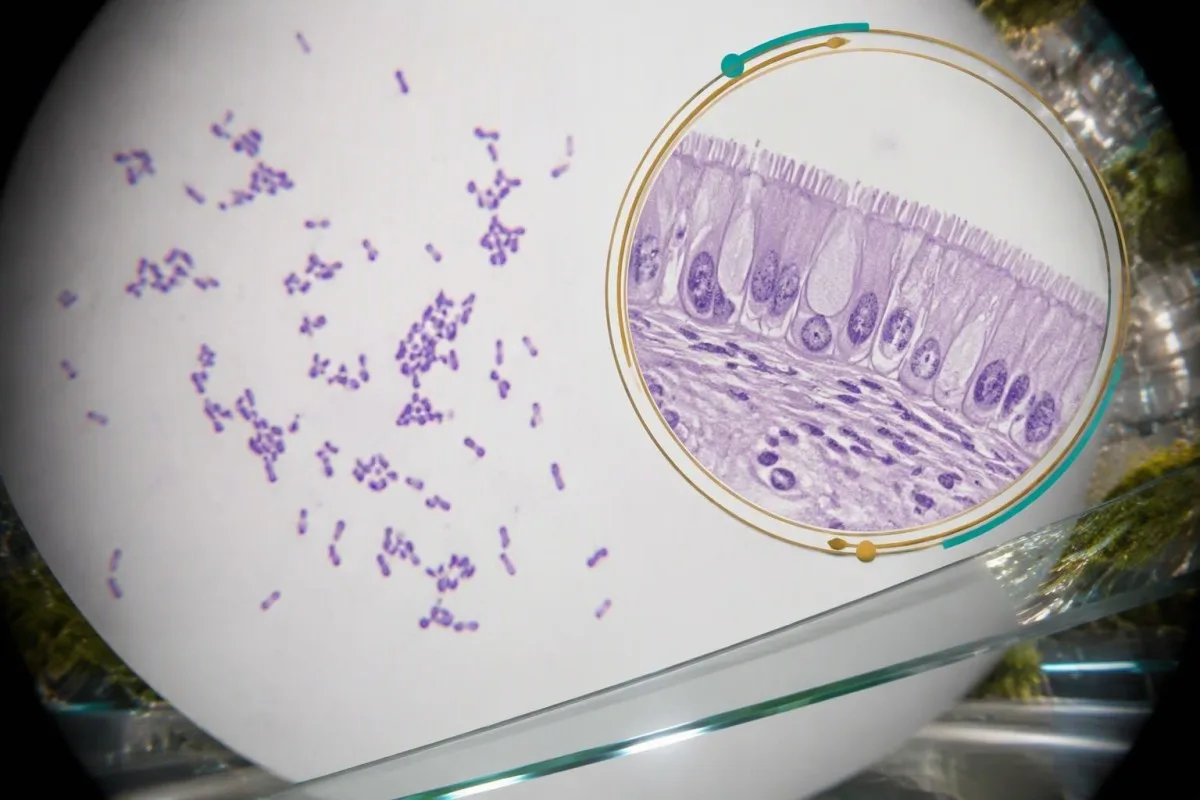
Ordinary stool cultures and common gastrointestinal PCR panels are not reliable screening tools for invasive listeriosis; many do not test for Listeria at all. A stool result naming another pathogen can explain diarrhea, but it does not necessarily explain persistent systemic symptoms in a high-risk person 1 week later.
A positive stool finding also does not automatically establish invasive disease, because intestinal carriage and systemic infection are different questions. Our guide to Campylobacter stool PCR results explains why detecting an organism, deciding whether it caused illness, and choosing treatment are 3 separate steps.
A hypothetical transplant recipient with 2 days of mild diarrhea, no fever, and a clear recall match may be advised to have cultures or closer observation. Persistent diarrhea also raises medication effects, dehydration, and other pathogens; seek earlier advice if drinking becomes difficult or urine output falls.
Hoe wurdt invasive listeriose behannele?
Invasive listeriosis usually requires hospital-directed antibiotics, most often intravenous ampicillin or another appropriate Listeria-active regimen. Treatment depends on the infection site, pregnancy, kidney function, and allergy history; uncomplicated bloodstream infection often needs at least about 14 days, while meningitis usually requires a longer course.
Listeria is not reliably treated by cephalosporins, so ceftriaxone alone is inadequate when Listeria meningitis is a concern. Empirical meningitis regimens add appropriate Listeria coverage for relevant risk groups; antibiotic choice should not be inferred from a generic 'bacterial infection' label or a single CRP result.
A typical adult meningitis regimen may use ampicillin 2 g intravenously every 4 hours when kidney function permits, but doses require clinician adjustment. This is not a home-treatment instruction: the site of illness, body size, renal function, and complications determine both dosing and how long treatment continues.
Gentamicin is sometimes added, although the benefit of combination treatment is uncertain and practice varies; kidney and hearing toxicity matter. Our gentamicin level monitoring explains why a trough above the local target can require intervention rather than simply completing the original dosing schedule.
A serious penicillin allergy can change treatment, with trimethoprim-sulfamethoxazole among possible alternatives under specialist supervision; pregnancy adds further considerations. Tell the team whether the reaction involved hives, breathing problems, or a delayed rash, even if it occurred 20 years ago; our hantlieding foar opnij beoardieljen fan penisilline-allergy explains why the details matter.
Kin CBC, CRP of prokalsitonine Listeria útslute?
A CBC, CRP, or procalcitonin result cannot confirm or exclude listeriosis. These tests help assess inflammation, immune-cell patterns, and illness severity, but a normal white-cell count or CRP below 5 mg/L must not override concerning symptoms in pregnancy or immune suppression.
Many adult laboratories use a white-cell reference interval near 4.0–11.0 × 10⁹/L, but local ranges, pregnancy, and medicines alter interpretation. A value inside that interval does not demonstrate the absence of bacteremia; our WBC en CRP fergeliking explains why these markers can disagree during evolving illness.
A hypothetical pregnant person with WBC 10.8 × 10⁹/L, CRP 4 mg/L, fever of 38.3°C, and a credible exposure still needs clinical assessment. CRP can lag behind symptom onset, while pregnancy itself can raise white-cell counts; neither direction supplies a Listeria-specific answer.
Procalcitonin below 0.1 ng/mL is often considered low, depending on the assay, but there is no validated low cutoff that safely excludes invasive listeriosis. Our procalcitonin thresholds and trends explain why early infection, localized disease, and clinical context limit standalone reassurance.
Kantesti is in AI bloedtest-útslachplatfoarm that can explain patterns such as CRP 45 mg/L alongside creatinine and CBC findings, without identifying the responsible bacterium. Our technical and clinical safeguards distinguish interpretation support from microbiological diagnosis; antibiotics and cultures must follow clinical assessment.
Wat betsjut in foarriedich of negatyf kweekrapport?
A preliminary culture report describes an incomplete laboratory process, while a negative result only reflects the samples and conditions tested. 'No growth at 24 hours' is not the same as a final negative report; previous antibiotics and inadequate collection can reduce the chance of detecting Listeria.
A report of 'Gram-positive rods' means the laboratory has described bacterial shape and staining, not confirmed Listeria species. Some organisms with this appearance may represent contamination, but clinicians must not dismiss the finding automatically in a pregnant or immunocompromised person with fever of 38.2°C.
Many laboratories finalize routine negative blood cultures after approximately 5 days, although systems and special protocols vary. The exact wording matters: 'pending,' 'no growth to date,' and 'final no growth' describe different stages, and an organism detected early still needs identification and susceptibility work where appropriate.
A hypothetical patient whose cultures were collected 2 hours after the first antibiotic dose may have a negative result despite genuine bacterial illness. Persistent neurological symptoms, ongoing fever, or obstetric concerns may therefore justify further investigation; repeat cultures should answer a clinical question rather than follow an automatic calendar.
Kantesti can help explain report terminology, but it cannot turn 'no growth at 24 hours' into an exclusion of invasive listeriosis. Our AI-útlis-technologygids describes how report information is processed; incomplete source data remains incomplete, regardless of how clearly the explanation is written.
Hokker ferfolchsoarch en foarsoarchsmaatregels foar iten binne nuttich?
After assessment, follow-up should track symptoms and the clinician's plan—not rely on repeated screening while well. After implicated food exposure, remain alert for compatible illness for 2 months; during recovery from confirmed listeriosis, recurrent fever, new neurological symptoms, or obstetric changes need prompt reassessment.

Listeria can grow at refrigerator temperatures, so refrigeration does not make a recalled ready-to-eat product safe. Keep the refrigerator at 4°C or colder, follow storage limits, and clean surfaces that contacted the implicated food; discarding only the visibly spoiled part is not an adequate response.
Higher-risk people should choose pasteurized dairy products and follow local advice about chilled ready-to-eat foods; some chilled foods require reheating rather than simply confirming pasteurization. Where reheating is recommended, reaching 74°C or steaming hot throughout reduces risk, but recalled products should be discarded according to recall instructions rather than salvaged.
A hypothetical person discharged after invasive illness may have improving symptoms while CRP remains above 5 mg/L; conversely, new fever matters even if a previous result was falling. Our laboratory changes after hospital discharge explains why symptoms, sample dates, and treatment timing should be reviewed together.
Kantesti is in AI lab test-ynterpretaasjetsjinst that can organize existing results from 2 or more dates, but recovery decisions remain with your treating team. Before sharing reports, review our begelieding oer privacy en gegevens; result uploads should never delay reporting recurrent fever or new neurological symptoms.
Undersyk, beheiningen fan it bewiis en jo checklist foar soarch
Listeria decisions depend on clinical presentation, risk group, and suitable microbiology—not an exposure history or inflammation marker alone. Prepare 4 details for your consultation: food and recall information, exposure dates, symptom and temperature history, and pregnancy or immune-suppression status.

Goulet et al. (2013) provide useful incubation estimates, but their 37 invasive cases with defined exposures cannot predict an individual's exact symptom-onset date. ACOG's 2014 pregnancy guidance offers a practical exposure-management pathway; its fever threshold supports clinical decisions rather than proving that lower temperatures are harmless.
The MONALISA prospective cohort describes the clinical features and prognostic factors of invasive listeriosis (Charlier et al., 2017), not the likelihood of infection after 1 serving of recalled food. Hospitalized, confirmed cases are a selected population, so their outcomes should not be presented as the risk faced by every exposed, well person.
The 2 DOI-linked laboratory-education publications below concern other diagnostic topics and are not evidence for Listeria incubation, pregnancy management, or antibiotic selection. A DOI identifies a publication record; it does not by itself establish peer review, clinical validity, or relevance to the decision you need to make.
Our Kantesti medical content team separates clinical evidence from interpretation support under our medyske ynhâldsnoarmen. Before ending a consultation, ask 3 questions: which results are pending, who will review them, and which symptoms mean you should seek help before the planned follow-up.
Faak stelde fragen
Wat binne de earste symptomen fan Listeria?
De earste symptomen fan Listeria kinne diarree en braken wêze dy't binnen 24 oeren begjinne, of koarts, pine en wurgens dy't dagen oant wiken letter ferskine by invasive sykte. Darmynfeksje duorret meastal 1–3 dagen, mar invasive listeriose kin foarkomme sûnder diarree. Swierwêzen, in leeftyd fan 65 jier of âlder en in ferswakke ymmuniteit fergrutsje de soargen oer systemyske symptomen. Betizing, krampen of in stive nekke by koarts fereaskje in needbeoardieling.
Wat binne de symptomen fan listeria yn de swierens?
Symptomen fan listeriose yn ’e swierens omfetsje faak koarts, spierpine en ûngewoane wurgens, soms mei diarree of sûnder dúdlike mage-darmklachten. By in temperatuer fan 38.0°C of heger mei passende sykteferskynsels moat kontakt opnommen wurde mei de kreamsoarch, benammen nei bleatstelling oan fertochte besmette iten. De ACOG-rjochtlinen brûke koarts boppe 38.1°C mei passende symptomen en sûnder oare oarsaak as oanlieding foar ûndersyk en behanneling by swangere pasjinten dy't bleatsteld binne. Minder foechbeweging, weeën of ferlies fan fruchtwetter fereasket driuwende ferloskundige beoardieling, ûnôfhinklik fan de temperatuer.
Hoe lang nei it iten fan fersmoarge iten ferskine de symptomen fan listeria?
Symptomen fan Listeria yn de terminen begjinne faak binnen 24 oeren, wylst invasive symptomen meastal binnen 2 wiken begjinne, mar letter ferskine kinne. In lytse ynkubaasjestúdzje rapportearre mediaanen fan 2 dagen foar baktearemie, 9 dagen foar sykte fan it sintrale senuwstelsel en 27.5 dagen foar sykte dy't mei swierwêzen ferbûn is. Dizze sifers beskriuwe selektearre groepen en jouwe gjin krekte ôftelling foar in yndividu. Yn advys oer bleatstelling wurdt ornaris oanrikkemandearre om 2 moannen lang alert te bliuwen op symptomen dy't hjirmei oerienkomme.
Moat ik my testen litte op Listeria nei it iten fan weromroppen iten?
Testen en previntive antibiotika wurde oer it algemien net oanrikkemandearre nei bleatstelling oan weromroppen iten as jo sûn bliuwe, ek yn ’e swierens. Hâld de kommende 2 moannen symptomen yn ’e gaten dy’t hjirmei oerienkomme kinne en bewarje de details oer it produkt en de bleatstelling. Nije koarts, pine, diarree of ferloskundige symptomen kinne de beoardieling feroarje, benammen by ien mei in heger risiko. Der is gjin falidearre skema foar routine bloedûndersyk op 24 oeren of 7 dagen dat garandearret dat jo letter gjin listeriose krije.
Hoe wurdt Listeria diagnostisearre?
Invasive listeriose wurdt diagnostisearre troch Listeria monocytogenes te identifisearjen út in normaal sterile lokaasje, lykas bloed of harsens-rêgemurchfloeistof. Klinisy nimme by folwoeksenen mei in fertochte bloedstreamynfeksje ornaris 2 bloedkultuersets ôf, oanpast oan de klinyske omstannichheden. Routine-CBC, CRP, antykoadetests en gewoane stoelgongpanielen kinne invasive listeriose net betrouber befêstigje of útslute. Kweken moatte, as dat mooglik is, foar it jaan fan antibiotika ôfnommen wurde, sûnder urgente behanneling út te stellen.
Kinne normale bloedûndersiken Listeria útslute?
Normale routinebloedûndersiken kinne listeriose net útslute. In tal wite bloedsellen binnen it gebrûklike berik foar folwoeksenen fan 4.0–11.0 × 10⁹/L of in CRP leger as 5 mg/L kin foarkomme nettsjinsteande in klinysk soarchwekkende sykte. Swangerskip, medisinen dy't it ymmúnsysteem ûnderdrukke en betide ôfname kinne it bysûnder dreech meitsje om dizze resultaten te ynterpretearjen. Oerienkommende symptomen en risikofaktoaren bepale oft ûndersyk, kweken of driuwende behanneling nedich is.
Kin Listeria ferdwine sûnder antibiotika?
Milde intestinale listeriose by in fierders sûn persoan giet faak binnen 1–3 dagen oer sûnder antibiotika. Invasive listeriose fereasket antibiotikabehanneling ûnder lieding fan in arts en faak sikehûssoarch. Swangerskip, in ferswakke ymmuniteit, oanhâldende koarts of neurologyske feroarings meitsje selsbehandeling ûnfeilich, ek as de diarree myld liket. In temperatuer fan 38.0°C of heger by in persoan mei in heger risiko freget om prompt advys, yn stee fan te wachtsjen oant de perioade foar it herstel fan de darm foarby is.
Lit jo bloedtest resultaten útlizze
Laad jo laboratoariumrapport op en de AI fan Kantesti leit elke biomarker binnen sekonden út yn gewoane taal. Brûkt troch mear as 2 miljoen minsken wrâldwiid.
Referinsjes
- Klein, T., Mitchell, S., & Weber, H. (2026). Bloedtest foar Nipah-firus: gids foar iere deteksje en diagnoaze 2026. Kantesti AI Medysk Undersyk. DOI
- Klein, T., Mitchell, S., & Weber, H. (2026). Hantlieding foar B-negatyf bloedtype, LDH-bloedtest en retikulosytetelling. Kantesti AI Medysk Undersyk. DOI
- American College of Obstetricians and Gynecologists (2014). Committee Opinion No. 614: Management of Pregnant Women With Presumptive Exposure to Listeria monocytogenes. Obstetrics & Gynecology.
- Goulet V et al. (2013). What is the incubation period for listeriosis? BMC Infectious Diseases. DOI
- Charlier C et al. (2017). Clinical features and prognostic factors of listeriosis: the MONALISA national prospective cohort study. The Lancet Infectious Diseases. DOI
- 2M+Analysearre tests
- 127+Lannen
- 100+Talen
Oer it medyske team


E-E-A-T fertrouwensignalen
Ûnderfining
Dokter-oandreaune klinyske resinsje fan lab-ynterpretaasje-wurkprosessen.
Ekspertize
Fokus fan laboratoariummedisyne op hoe’t biomarkers har gedrage yn in klinyske kontekst.
Autoriteit
Medysk beoardiele troch Dr. Thomas Klein, mei bydragen fan Dr. Sarah Mitchell en prof. dr. Hans Weber.
Betrouberens
Bewiis-basearre ynterpretaasje mei dúdlike ferfolchpaadkes om alarm te ferminderjen.



Medyske disclaimer
Dit artikel is allinnich foar ûnderwiisdoelen en foarmet gjin medysk advys. Rieplachtsje altyd in kwalifisearre soarchferliener foar besluten oer diagnoaze en behanneling.
Publisearre · Nim kontakt op mei it redaksjeteam
Publisearre troch Kantesti Ltd, registrearre yn Ingelân en Wales, bedriuwsnûmer. 17090423, Londen, Feriene Keninkryk.
