
लिस्टेरिया से कुछ समय तक दस्त हो सकते हैं या रक्तप्रवाह का गंभीर संक्रमण हो सकता है। कौन-सी कार्रवाई सबसे सुरक्षित है, यह केवल भोजन के संपर्क पर नहीं, बल्कि बुखार, गर्भावस्था, प्रतिरक्षा-दमन और तंत्रिका संबंधी लक्षणों पर निर्भर करता है।.

मुख्य निष्कर्ष
- आंतों की बीमारी आमतौर पर संपर्क के 24 घंटों के भीतर शुरू होती है और 1–3 दिनों तक रहती है; लगातार बुखार या बिगड़ती बीमारी में दोबारा आकलन आवश्यक है।.
- बुखार का तत्काल आकलन गर्भावस्था या प्रतिरक्षा-दमन के दौरान उपयुक्त है, खासकर जब तापमान 38.0°C या उससे अधिक हो और भोजन के संपर्क की संभावना हो।.
- गर्भावस्था में जाँच की सीमा ACOG के दिशानिर्देशों में, संदिग्ध भोजन के संपर्क के बाद संगत लक्षणों और किसी अन्य स्पष्टीकरण के अभाव में, 38.1°C से अधिक बुखार है; 38.0°C पर देखभाल में देरी करने का यह कारण नहीं है।.
- आपातकालीन लक्षण इनमें भ्रम, बुखार के साथ गर्दन में अकड़न, दौरे, साँस लेने में कठिनाई या तेज़ी से बढ़ती कमजोरी शामिल हैं; प्रयोगशाला रिपोर्ट की प्रतीक्षा किए बिना आपातकालीन देखभाल लें।.
- लिस्टेरिया की ऊष्मायन अवधि सिंड्रोम के अनुसार भिन्न होता है: आंतों के लक्षण अक्सर 24 घंटे के भीतर शुरू होते हैं, जबकि आक्रामक बीमारी कई दिनों से लेकर हफ्तों बाद तक दिखाई दे सकती है।.
- रक्त कल्चर संदिग्ध आक्रामक लिस्टेरियोसिस का निदान करने में मदद करते हैं; CBC, CRP या नियमित मल-पैनल से इसे विश्वसनीय रूप से खारिज नहीं किया जा सकता।.
- लक्षणों के बिना संपर्क आम तौर पर न तो जांच की आवश्यकता होती है, न ही बचाव के लिए एंटीबायोटिक दवाओं की, गर्भावस्था के दौरान भी नहीं; अगले 2 महीनों तक लक्षणों पर नज़र रखें।.
- एआई व्याख्या की सीमाएँ का अर्थ है कि हमारा प्लेटफ़ॉर्म मौजूदा प्रयोगशाला परिणामों की व्याख्या कर सकता है, लेकिन कल्चर की व्यवस्था नहीं कर सकता, नियमित बायोमार्करों से जीव की पहचान नहीं कर सकता, या लिस्टेरियोसिस को खारिज नहीं कर सकता।.
लिस्टेरिया के किन लक्षणों के लिए तत्काल जाँच आवश्यक है?
जब बुखार के साथ गर्भावस्था, कमजोर प्रतिरक्षा या आक्रामक बीमारी के संकेत हों, तो लिस्टेरिया के लक्षणों का तत्काल मूल्यांकन आवश्यक है।. 38.0°C या इससे अधिक तापमान होने पर मातृत्व देखभाल टीम या अपनी उपचार टीम से तुरंत संपर्क करें; भ्रम, बुखार के साथ गर्दन अकड़ना, दौरे या सांस लेने में कठिनाई के लिए आपातकालीन देखभाल लें।.

अन्यथा स्वस्थ वयस्क में थोड़े समय का दस्त, अधिक जोखिम वाले व्यक्ति में ठंड लगने, मांसपेशियों में दर्द या असामान्य उनींदेपन के साथ बुखार होने से अलग है। लिस्टेरिया 2 व्यापक सिंड्रोम पैदा करता है—आंतों की बीमारी और आक्रामक रोग—और एक ही खाद्य-संपर्क से हर व्यक्ति में समान तात्कालिकता पैदा नहीं होती।.
38.0°C से कम तापमान का अर्थ यह नहीं कि तेज़ी से बिगड़ती हालत वाला व्यक्ति सुरक्षित है, खासकर बुखार कम करने वाली दवा लेने के बाद या प्रतिरक्षा-दमन के दौरान। भ्रम के साथ बुखार को लेकर हमारी चिंता का कारण यह है कि दोनों साथ मिलकर रक्तप्रवाह या केंद्रीय तंत्रिका तंत्र की भागीदारी का संकेत दे सकते हैं, न कि केवल साधारण जठरांत्रशोथ का।.
उदाहरण के लिए, दूषित होने की चेतावनी वाले भोजन को खाने के बाद 38.2°C तापमान और नए दर्द वाली किसी काल्पनिक गर्भवती व्यक्ति को ऑनलाइन जांच खरीदने के बजाय तुरंत चिकित्सकीय मूल्यांकन की आवश्यकता है। 2 बार पतला मल होने, बुखार न होने और शरीर में पानी का स्तर सामान्य रहने वाले स्वस्थ वयस्क को, यदि कोई चेतावनी संकेत विकसित न हों, तो केवल निगरानी की आवश्यकता हो सकती है।.
कांटेस्टी एक एआई रक्त परीक्षण विश्लेषक जो मौजूदा प्रयोगशाला निष्कर्षों को समझाने में मदद करता है, लेकिन न तो सामान्य CBC और न ही 60-सेकंड की व्याख्या आक्रामक लिस्टेरियोसिस को खारिज करती है। हमारा संगठन और उद्देश्य हमारी भूमिका का वर्णन करते हैं; तत्काल ध्यान देने वाले लक्षणों के लिए ऐसे चिकित्सक की आवश्यकता है जो आपकी जांच कर सके और उचित नमूनों की व्यवस्था कर सके।.
आंतों की बीमारी आक्रामक लिस्टेरियोसिस से कैसे अलग है?
आंतों का लिस्टेरियोसिस मुख्यतः दस्त और उल्टी का कारण बनता है, जबकि आक्रामक लिस्टेरियोसिस आंतों से आगे फैलता है और रक्तप्रवाह संक्रमण या मस्तिष्कावरण शोथ पैदा कर सकता है।. आंतों के लक्षण आम तौर पर 24 घंटे के भीतर शुरू होते हैं और 1–3 दिन तक रहते हैं; आक्रामक बीमारी बिना पहले दस्त हुए भी हो सकती है।.

पानी जैसे दस्त, मतली, पेट में ऐंठन और कभी-कभी बुखार आंतों की बीमारी के अनुरूप हो सकते हैं, लेकिन इन लक्षणों से खाद्यजनित कारणों में लिस्टेरिया की पहचान नहीं की जा सकती। 24 घंटे में लक्षण शुरू होना अन्य बीमारियों के समय से भी मेल खाता है; हमारी नोरोवायरस से उबरना और जांच यह बताता है कि केवल लक्षणों का समय आम तौर पर रोगजनक की पहचान क्यों नहीं करता।.
आक्रामक रोग में बुखार, ठंड लगना, मांसपेशियों में दर्द, अत्यधिक थकान या संतुलन बिगड़ने और भ्रम जैसे तंत्रिका संबंधी बदलाव अधिक आम हैं। भोजन के संपर्क के 10 दिन बाद बुखार होने वाले व्यक्ति में आंतों के कोई लक्षण न भी हों, इसलिए दस्त न होना निदान पर चर्चा को समाप्त नहीं करना चाहिए।.
एक काल्पनिक स्वस्थ 34-वर्षीय व्यक्ति, जिसकी उल्टी 18 घंटे बाद रुक जाती है और जो सामान्य रूप से तरल पदार्थ पी सकता है, उसका जोखिम-प्रोफ़ाइल नए बुखार और अस्थिर चाल वाले 74-वर्षीय व्यक्ति से अलग है। उम्र, प्रतिरक्षा-दमन और गर्भावस्था की स्थिति चिंता को आक्रामक रोग की ओर बढ़ाती है, भले ही शुरुआत में जठरांत्र संबंधी लक्षण हल्के लगें।.
1–3 दिनों में सुधार लगातार सही दिशा में होना चाहिए, न कि सुधार और बिगड़ते हुए पूरे शरीर के लक्षणों के बीच बदलता रहना चाहिए। इस अवधि से अधिक समय तक दस्त बने रहना, बुखार का दोबारा होना, पेशाब कम होना या पेट में तेज़ दर्द होने पर फिर से मूल्यांकन कराना चाहिए; चिकित्सक लगातार लिस्टेरिया मान लेने के बजाय किसी अन्य रोगजनक या गैर-संक्रामक कारण की जांच कर सकते हैं।.
लिस्टेरिया की ऊष्मायन अवधि कितनी होती है?
लिस्टेरिया की ऊष्मायन अवधि आंतों की बीमारी के लिए कुछ घंटों से लेकर आक्रामक रोग के लिए कई दिनों या हफ्तों तक होती है।. सार्वजनिक-स्वास्थ्य मार्गदर्शन के अनुसार आक्रामक रोग के लक्षण आम तौर पर 2 सप्ताह के भीतर शुरू होते हैं, लेकिन गर्भावस्था से जुड़ी बीमारी काफी देर बाद भी प्रकट हो सकती है; संपर्क के बाद आम तौर पर 2 महीनों तक निगरानी की जाती है।.

Goulet et al. examined 37 invasive cases with reasonably defined exposures and reported median incubation periods of 2 days for bacteremia, 9 days for central nervous system disease, and 27.5 days for pregnancy-associated illness (Goulet et al., 2013). These were small, selected groups—not precise countdowns for an individual exposure.
The pregnancy-associated range in that study was 17–67 days, which helps explain why a food eaten several weeks earlier can remain relevant. The practical question is not simply whether symptoms began yesterday; clinicians need the date of exposure, the date symptoms started, and the type of illness suspected.
A hypothetical fever starting 6 hours after a particular meal does not prove that meal caused invasive listeriosis. Earlier meals, viral infections, urinary infections, and other causes remain possible; our digestive symptom timing guide explains why timing should narrow possibilities rather than establish a diagnosis.
Monitoring for 2 months after implicated exposure means remaining alert to new compatible symptoms, not measuring your temperature every hour while well. Keep a brief dated note of the food and recall details; repeated eating of the same product makes a single incubation calculation especially unreliable.
गर्भावस्था में लिस्टेरिया के लक्षणों का आकलन शीघ्र क्यों होना चाहिए?
Listeria symptoms in pregnancy can be mild in the pregnant person while posing serious risks to the fetus or newborn. Fever, muscle aches, or unusual fatigue after implicated food exposure warrant prompt maternity advice; reduced fetal movement, contractions, or fluid leakage require urgent obstetric assessment.

Pregnant people are approximately 10 times more likely to develop listeriosis than the general population, according to CDC risk information. Listeria can cross the placenta, so apparently modest maternal illness can accompany miscarriage, stillbirth, premature delivery, or neonatal infection; symptom intensity is not a dependable measure of fetal safety.
ACOG Committee Opinion No. 614 recommends simultaneous testing and treatment for an exposed pregnant patient with fever above 38.1°C, compatible symptoms, and no other identified cause (ACOG, 2014). That threshold defines a management pathway—not a biological boundary—and a reading of 38.0°C with concerning symptoms should still prompt a call.
A hypothetical person at 28 weeks with aches, a temperature of 38.2°C, and a recalled-food exposure may need blood cultures and obstetric assessment before results return. Routine antenatal antibody tests answer different questions; our toxoplasma results in pregnancy explain one example of this distinction.
Reduced movement should be assessed according to your maternity unit's instructions, regardless of whether you have a fever or can identify an exposure. A fetal fibronectin result concerns preterm-birth assessment; it neither detects Listeria nor replaces evaluation of new contractions or fluid leakage.
आक्रामक लिस्टेरियोसिस का जोखिम किन लोगों को अधिक होता है?
Adults aged 65 years or older, pregnant people, newborns, and people with weakened immunity have increased risk of invasive listeriosis. Transplant medicines, chemotherapy, some immune-suppressing treatments, and conditions such as advanced HIV can lower the threshold for assessing fever or otherwise unexplained illness.

Listeria can survive inside host cells, which makes cell-mediated immune defenses particularly relevant. A normal total white-cell count does not demonstrate normal protection against this organism; an adult aged 68 taking transplant medicines may be vulnerable even when a routine CBC carries no abnormal flags.
Medication exposure needs to be specific: the drug, dose, recent changes, and reason for treatment all help clinicians interpret risk. Someone receiving tacrolimus should not stop it after a food recall; our टैक्रोलिमस निगरानी मार्गदर्शक explains why treatment changes need transplant-team supervision rather than a single laboratory reading.
Known chemotherapy-related neutropenia creates a separate emergency pathway: commonly used fever definitions include 38.3°C once or 38.0°C sustained for 1 hour. Follow your oncology team's instructions immediately, and do not wait an hour if you feel unwell; broad assessment is needed, not testing for Listeria alone.
Kantesti AI can explain an absolute neutrophil count such as 0.4 × 10⁹/L, but it cannot determine the cause of accompanying fever or whether immune function is otherwise adequate. Our guide to परीक्षण लगातार संक्रमण separates blood-cell counts from wider immune assessment.
किन चेतावनी संकेतों के लिए अभी आपातकालीन देखभाल आवश्यक है?
Confusion, seizures, stiff neck with fever, severe headache with altered awareness, breathing difficulty, or rapid deterioration require emergency assessment. These signs can indicate meningitis, sepsis, or another serious condition; you do not need a temperature above 38.1°C or a confirmed food exposure before seeking help.

Listeria meningitis may cause headache, neck stiffness, confusion, loss of balance, or seizures, but not everyone develops the full pattern. A hypothetical 72-year-old with fever and new difficulty walking needs urgent assessment even without neck stiffness; waiting for all the classic symptoms can delay appropriate treatment.
Sepsis can present with very low blood pressure, reduced urine output, mottled appearance, or unusual drowsiness, sometimes without a high fever. A lactate above 2 mmol/L can add concern in the appropriate setting, but our lactate result interpretation explains why sampling conditions and noninfectious causes also matter.
A baby younger than 3 months with a temperature of 38.0°C or higher needs urgent medical assessment, whether or not Listeria is suspected. Poor feeding, abnormal sleepiness, breathing changes, or a low temperature can also signal serious neonatal illness; maternal exposure history should be shared but must not delay care.
Hospital teams may check platelets, clotting, kidney function, and lactate when systemic illness is severe; none identifies Listeria on its own. Our sepsis-related clotting patterns explain one complication, but do not wait for even 1 abnormal laboratory result when emergency symptoms are present.
क्या केवल वापस मंगाए गए भोजन के संपर्क में आने पर जाँच आवश्यक है?
Eating food recalled for Listeria generally does not require testing or preventive antibiotics when you remain well, including during pregnancy. The CDC exposure-management framework and ACOG guidance instead support symptom awareness, with reassessment if compatible illness develops within the next 2 months.

A recall identifies a potentially contaminated product; it does not establish that every package contained Listeria or that every person who ate it became infected. Three separate questions matter: whether your product matches the recall, whether you actually ate it, and whether you have developed compatible symptoms.
There is no validated blood-test schedule at 24 hours, 7 days, or 2 weeks that reliably screens a well person after exposure. Blood cultures sample what is happening in the bloodstream at collection, so a negative culture obtained without illness would not guarantee that invasive disease cannot develop later.
Save the product name, batch details, exposure date, and recall notice before discarding the food as instructed; these are more useful than repeated routine panels. Our रक्त-टेस्ट समय मार्गदर्शिका explains why results from different dates cannot be treated as interchangeable snapshots.
A hypothetical pregnant person who ate recalled food 3 days ago but feels entirely well usually does not need antibiotics or cultures solely for that event. New fever, aches, diarrhea, or obstetric symptoms changes the decision; if you already had symptoms that resolved, describe that history rather than classify yourself as never symptomatic.
लिस्टेरिया का निदान कैसे किया जाता है, और रक्त कल्चर कब उपयुक्त होते हैं?
Invasive listeriosis is diagnosed by identifying Listeria monocytogenes from a normally sterile site, commonly blood or cerebrospinal fluid. Blood cultures are appropriate when compatible systemic illness raises suspicion, especially in pregnancy, older age, or immune suppression—not simply because a recalled food was eaten.

Blood cultures are generally collected before antibiotics when this can be done without delaying urgent treatment; hospitals commonly collect 2 sets for adult bloodstream-infection assessment. Appropriate sample volume and aseptic collection improve usefulness, but pregnancy, children, and difficult access may require an adapted collection plan.
Suspected meningitis may require lumbar puncture for cerebrospinal fluid culture and other tests, provided the procedure is clinically safe. A 1-time negative blood culture does not exclude central nervous system disease, particularly after antibiotics; the team must interpret the specimen source, collection timing, and clinical presentation together.
Standard meningitis molecular panels can include Listeria, whereas other panels do not; a negative result only addresses the organisms and specimen covered by that assay. Our typhoid culture and timing guide discusses a parallel problem: nonspecific blood findings and antibody screens are not substitutes for suitable microbiology.
ACOG's exposed-pregnancy pathway recommends blood cultures when fever above 38.1°C accompanies compatible illness without another cause (ACOG, 2014). A culture that identifies Listeria needs prompt clinician review and treatment planning; incubation and organism identification take time, so the initial decision may need to precede confirmation.
अगर आपको हल्के लक्षण हैं लेकिन बुखार नहीं है, तो क्या करें?
Mild, afebrile symptoms after implicated exposure need individualized assessment in high-risk people, but do not automatically require antibiotics. CDC's framework allows observation or blood cultures in selected higher-risk patients; worsening symptoms or a new temperature of 38.0°C or higher should trigger prompt reassessment.

An exposed pregnant person with mild nausea or diarrhea but no fever should contact maternity care for advice rather than assume either infection or complete safety. The evidence for treating this afebrile group is limited; clinicians may reasonably choose different approaches after considering 2 factors—exposure credibility and the symptom pattern.
Ordinary stool cultures and common gastrointestinal PCR panels are not reliable screening tools for invasive listeriosis; many do not test for Listeria at all. A stool result naming another pathogen can explain diarrhea, but it does not necessarily explain persistent systemic symptoms in a high-risk person 1 week later.
A positive stool finding also does not automatically establish invasive disease, because intestinal carriage and systemic infection are different questions. Our guide to Campylobacter stool PCR results explains why detecting an organism, deciding whether it caused illness, and choosing treatment are 3 separate steps.
A hypothetical transplant recipient with 2 days of mild diarrhea, no fever, and a clear recall match may be advised to have cultures or closer observation. Persistent diarrhea also raises medication effects, dehydration, and other pathogens; seek earlier advice if drinking becomes difficult or urine output falls.
आक्रामक लिस्टेरियोसिस का इलाज कैसे किया जाता है?
Invasive listeriosis usually requires hospital-directed antibiotics, most often intravenous ampicillin or another appropriate Listeria-active regimen. Treatment depends on the infection site, pregnancy, kidney function, and allergy history; uncomplicated bloodstream infection often needs at least about 14 days, while meningitis usually requires a longer course.
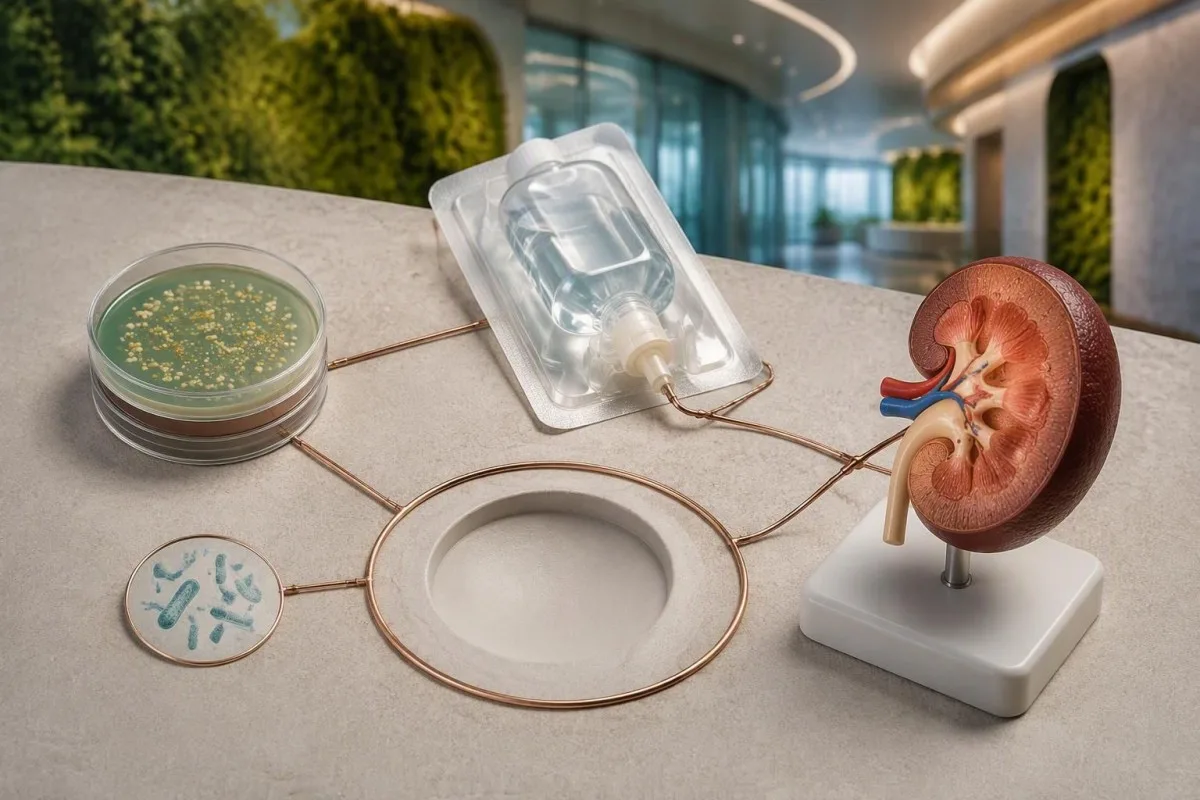
Listeria is not reliably treated by cephalosporins, so ceftriaxone alone is inadequate when Listeria meningitis is a concern. Empirical meningitis regimens add appropriate Listeria coverage for relevant risk groups; antibiotic choice should not be inferred from a generic 'bacterial infection' label or a single CRP result.
A typical adult meningitis regimen may use ampicillin 2 g intravenously every 4 hours when kidney function permits, but doses require clinician adjustment. This is not a home-treatment instruction: the site of illness, body size, renal function, and complications determine both dosing and how long treatment continues.
Gentamicin is sometimes added, although the benefit of combination treatment is uncertain and practice varies; kidney and hearing toxicity matter. Our gentamicin level monitoring explains why a trough above the local target can require intervention rather than simply completing the original dosing schedule.
A serious penicillin allergy can change treatment, with trimethoprim-sulfamethoxazole among possible alternatives under specialist supervision; pregnancy adds further considerations. Tell the team whether the reaction involved hives, breathing problems, or a delayed rash, even if it occurred 20 years ago; our पेनिसिलिन एलर्जी के पुनर्मूल्यांकन संबंधी मार्गदर्शक explains why the details matter.
क्या CBC, CRP या प्रोकेल्सिटोनिन से लिस्टेरिया संक्रमण को खारिज किया जा सकता है?
A CBC, CRP, or procalcitonin result cannot confirm or exclude listeriosis. These tests help assess inflammation, immune-cell patterns, and illness severity, but a normal white-cell count or CRP below 5 mg/L must not override concerning symptoms in pregnancy or immune suppression.

Many adult laboratories use a white-cell reference interval near 4.0–11.0 × 10⁹/L, but local ranges, pregnancy, and medicines alter interpretation. A value inside that interval does not demonstrate the absence of bacteremia; our WBC और CRP तुलना explains why these markers can disagree during evolving illness.
A hypothetical pregnant person with WBC 10.8 × 10⁹/L, CRP 4 mg/L, fever of 38.3°C, and a credible exposure still needs clinical assessment. CRP can lag behind symptom onset, while pregnancy itself can raise white-cell counts; neither direction supplies a Listeria-specific answer.
Procalcitonin below 0.1 ng/mL is often considered low, depending on the assay, but there is no validated low cutoff that safely excludes invasive listeriosis. Our procalcitonin thresholds and trends explain why early infection, localized disease, and clinical context limit standalone reassurance.
कांटेस्टी एक AI ब्लड टेस्ट रिपोर्ट समझें प्लेटफॉर्म that can explain patterns such as CRP 45 mg/L alongside creatinine and CBC findings, without identifying the responsible bacterium. Our technical and clinical safeguards distinguish interpretation support from microbiological diagnosis; antibiotics and cultures must follow clinical assessment.
प्रारंभिक या नकारात्मक कल्चर रिपोर्ट का क्या अर्थ है?
A preliminary culture report describes an incomplete laboratory process, while a negative result only reflects the samples and conditions tested. 'No growth at 24 hours' is not the same as a final negative report; previous antibiotics and inadequate collection can reduce the chance of detecting Listeria.
A report of 'Gram-positive rods' means the laboratory has described bacterial shape and staining, not confirmed Listeria species. Some organisms with this appearance may represent contamination, but clinicians must not dismiss the finding automatically in a pregnant or immunocompromised person with fever of 38.2°C.
Many laboratories finalize routine negative blood cultures after approximately 5 days, although systems and special protocols vary. The exact wording matters: 'pending,' 'no growth to date,' and 'final no growth' describe different stages, and an organism detected early still needs identification and susceptibility work where appropriate.
A hypothetical patient whose cultures were collected 2 hours after the first antibiotic dose may have a negative result despite genuine bacterial illness. Persistent neurological symptoms, ongoing fever, or obstetric concerns may therefore justify further investigation; repeat cultures should answer a clinical question rather than follow an automatic calendar.
Kantesti can help explain report terminology, but it cannot turn 'no growth at 24 hours' into an exclusion of invasive listeriosis. Our एआई व्याख्या तकनीक गाइड describes how report information is processed; incomplete source data remains incomplete, regardless of how clearly the explanation is written.
कौन-सी अनुवर्ती देखभाल और खाद्य सावधानियाँ उपयोगी हैं?
After assessment, follow-up should track symptoms and the clinician's plan—not rely on repeated screening while well. After implicated food exposure, remain alert for compatible illness for 2 months; during recovery from confirmed listeriosis, recurrent fever, new neurological symptoms, or obstetric changes need prompt reassessment.

Listeria can grow at refrigerator temperatures, so refrigeration does not make a recalled ready-to-eat product safe. Keep the refrigerator at 4°C or colder, follow storage limits, and clean surfaces that contacted the implicated food; discarding only the visibly spoiled part is not an adequate response.
Higher-risk people should choose pasteurized dairy products and follow local advice about chilled ready-to-eat foods; some chilled foods require reheating rather than simply confirming pasteurization. Where reheating is recommended, reaching 74°C or steaming hot throughout reduces risk, but recalled products should be discarded according to recall instructions rather than salvaged.
A hypothetical person discharged after invasive illness may have improving symptoms while CRP remains above 5 mg/L; conversely, new fever matters even if a previous result was falling. Our laboratory changes after hospital discharge explains why symptoms, sample dates, and treatment timing should be reviewed together.
कांटेस्टी एक AI लैब टेस्ट इंटरप्रिटेशन सर्विस that can organize existing results from 2 or more dates, but recovery decisions remain with your treating team. Before sharing reports, review our गोपनीयता और डेटा संबंधी मार्गदर्शन; result uploads should never delay reporting recurrent fever or new neurological symptoms.
शोध, साक्ष्य की सीमाएँ और आपकी देखभाल की जाँच-सूची
Listeria decisions depend on clinical presentation, risk group, and suitable microbiology—not an exposure history or inflammation marker alone. Prepare 4 details for your consultation: food and recall information, exposure dates, symptom and temperature history, and pregnancy or immune-suppression status.

Goulet et al. (2013) provide useful incubation estimates, but their 37 invasive cases with defined exposures cannot predict an individual's exact symptom-onset date. ACOG's 2014 pregnancy guidance offers a practical exposure-management pathway; its fever threshold supports clinical decisions rather than proving that lower temperatures are harmless.
The MONALISA prospective cohort describes the clinical features and prognostic factors of invasive listeriosis (Charlier et al., 2017), not the likelihood of infection after 1 serving of recalled food. Hospitalized, confirmed cases are a selected population, so their outcomes should not be presented as the risk faced by every exposed, well person.
The 2 DOI-linked laboratory-education publications below concern other diagnostic topics and are not evidence for Listeria incubation, pregnancy management, or antibiotic selection. A DOI identifies a publication record; it does not by itself establish peer review, clinical validity, or relevance to the decision you need to make.
Our Kantesti medical content team separates clinical evidence from interpretation support under our चिकित्सा सामग्री मानक. Before ending a consultation, ask 3 questions: which results are pending, who will review them, and which symptoms mean you should seek help before the planned follow-up.
अक्सर पूछे जाने वाले प्रश्न
लिस्टेरिया के शुरुआती लक्षण क्या हैं?
लिस्टेरिया के शुरुआती लक्षणों में 24 घंटे के भीतर शुरू होने वाले दस्त और उल्टी शामिल हो सकते हैं, या आक्रामक रोग में कई दिनों से लेकर हफ्तों बाद बुखार, दर्द और थकान दिखाई दे सकती है। आंतों की बीमारी आम तौर पर 1–3 दिन रहती है, लेकिन आक्रामक लिस्टेरियोसिस दस्त के बिना भी हो सकता है। गर्भावस्था, 65 वर्ष या उससे अधिक आयु और कमजोर प्रतिरक्षा प्रणाली से शरीर में संक्रमण के लक्षणों को लेकर चिंता बढ़ जाती है। बुखार के साथ भ्रम, दौरे या गर्दन में अकड़न होने पर आपातकालीन जाँच आवश्यक है।.
गर्भावस्था में लिस्टेरिया के लक्षण क्या हैं?
गर्भावस्था में लिस्टेरिया के लक्षणों में अक्सर बुखार, मांसपेशियों में दर्द और असामान्य थकान शामिल होते हैं, कभी-कभी दस्त के साथ या बिना किसी स्पष्ट जठरांत्र संबंधी लक्षणों के। संभावित रूप से दूषित भोजन के संपर्क के बाद, अनुकूल लक्षणों के साथ 38.0°C या इससे अधिक तापमान होने पर प्रसूति संबंधी सलाह लेनी चाहिए। ACOG के दिशानिर्देशों के अनुसार, संपर्क में आई गर्भवती रोगियों में अनुकूल लक्षणों के साथ 38.1°C से अधिक बुखार और कोई अन्य कारण न होने पर जाँच और उपचार शुरू करना चाहिए। तापमान चाहे जो भी हो, भ्रूण की हलचल कम होना, संकुचन होना या द्रव का रिसाव होना तत्काल प्रसूति मूल्यांकन की आवश्यकता दर्शाता है।.
दूषित भोजन खाने के कितने समय बाद लिस्टेरिया के लक्षण दिखाई देते हैं?
लिस्टेरिया के आंत संबंधी लक्षण अक्सर 24 घंटे के भीतर शुरू हो जाते हैं, जबकि आक्रामक संक्रमण के लक्षण आमतौर पर 2 सप्ताह के भीतर शुरू होते हैं, लेकिन बाद में भी दिखाई दे सकते हैं। एक छोटे ऊष्मायन-अध्ययन में बैक्टेरिमिया के लिए 2 दिन, केंद्रीय तंत्रिका तंत्र की बीमारी के लिए 9 दिन और गर्भावस्था से जुड़ी बीमारी के लिए 27.5 दिन की माध्य अवधि बताई गई। ये आंकड़े चयनित समूहों का वर्णन करते हैं और किसी व्यक्ति के लिए सटीक उलटी गिनती नहीं बताते। संपर्क संबंधी मार्गदर्शन में आमतौर पर 2 महीने तक संगत लक्षणों के प्रति सतर्क रहने की सलाह दी जाती है।.
क्या वापस मंगाए गए खाद्य पदार्थ खाने के बाद मुझे लिस्टेरिया की जांच करवानी चाहिए?
0 परीक्षण और निवारक एंटीबायोटिक दवाओं की आम तौर पर अनुशंसा नहीं की जाती, यदि वापस मंगाए गए खाद्य पदार्थ के संपर्क में आने के बाद आप स्वस्थ बने रहें—गर्भावस्था के दौरान भी। अगले 2 महीनों तक इससे मेल खाने वाले लक्षणों पर नज़र रखें और उत्पाद तथा संपर्क से जुड़ी जानकारी संभालकर रखें। नया बुखार, दर्द, दस्त या प्रसूति-संबंधी लक्षण आकलन को बदल सकते हैं, खासकर अधिक जोखिम वाले व्यक्ति में। 24 घंटे या 7 दिनों पर रक्त-जाँच का ऐसा कोई मान्य नियमित कार्यक्रम नहीं है जो इस बात की गारंटी दे कि आपको बाद में लिस्टेरियोसिस नहीं होगा।.
लिस्टेरिया का निदान कैसे किया जाता है?
इनवेसिव लिस्टेरियोसिस का निदान सामान्यतः निर्जीवाणु स्थल, जैसे रक्त या मस्तिष्कमेरु द्रव, से Listeria monocytogenes की पहचान करके किया जाता है। रक्तप्रवाह संक्रमण का संदेह होने पर चिकित्सक आमतौर पर वयस्कों में रक्त-संवर्धन के 2 सेट लेते हैं, जिन्हें नैदानिक परिस्थितियों के अनुसार समायोजित किया जाता है। नियमित CBC, CRP, एंटीबॉडी परीक्षण और सामान्य मल-पैनल इनवेसिव लिस्टेरियोसिस की विश्वसनीय रूप से पुष्टि या उसे खारिज नहीं कर सकते। जहाँ संभव हो, एंटीबायोटिक देने से पहले कल्चर के नमूने एकत्र किए जाने चाहिए, लेकिन तत्काल उपचार में देरी किए बिना।.
क्या सामान्य रक्त जाँच से लिस्टेरिया संक्रमण की संभावना को खारिज किया जा सकता है?
सामान्य नियमित रक्त परीक्षण लिस्टेरियोसिस की संभावना को खारिज नहीं कर सकते। 4.0–11.0 × 10⁹/L की सामान्य वयस्क सीमा के भीतर श्वेत-रक्त-कोशिका की संख्या या 5 mg/L से कम CRP, चिकित्सकीय रूप से चिंताजनक बीमारी के बावजूद भी हो सकता है। गर्भावस्था, प्रतिरक्षा-दमनकारी दवाएँ और बीमारी के शुरुआती चरण में नमूना लेना इन परिणामों की व्याख्या को विशेष रूप से कठिन बना सकते हैं। मेल खाते लक्षण और जोखिम कारक तय करते हैं कि जाँच, कल्चर या तत्काल उपचार की आवश्यकता है या नहीं।.
क्या लिस्टेरिया बिना एंटीबायोटिक दवाओं के ठीक हो सकता है?
अन्यथा स्वस्थ व्यक्ति में हल्का आंतों का लिस्टेरियोसिस अक्सर एंटीबायोटिक के बिना 1–3 दिनों में ठीक हो जाता है। आक्रामक लिस्टेरियोसिस के लिए चिकित्सक के निर्देशानुसार एंटीबायोटिक उपचार और अक्सर अस्पताल में देखभाल की आवश्यकता होती है। गर्भावस्था, कमजोर प्रतिरक्षा, लगातार बुखार या तंत्रिका संबंधी बदलाव होने पर स्वयं उपचार करना असुरक्षित है, भले ही दस्त हल्का लगे। अधिक जोखिम वाले व्यक्ति में 38.0°C या इससे अधिक तापमान होने पर आंतों के ठीक होने की अवधि बीतने की प्रतीक्षा करने के बजाय तुरंत सलाह लेना उचित है।.
अपनी रक्त जांच रिपोर्ट समझें
अपनी लैब रिपोर्ट अपलोड करें और Kantesti का AI कुछ ही सेकंड में प्रत्येक बायोमार्कर को सरल भाषा में समझाएगा। दुनिया भर में 2 मिलियन से अधिक लोगों द्वारा इस्तेमाल किया जाता है।.
संदर्भ
- क्लाइन, टी., मिशेल, एस., & वेबर, एच. (2026)।. Nipah Virus Blood Test: Early Detection & Diagnosis Guide 2026. Kantesti AI चिकित्सा अनुसंधान।. डीओआई
- क्लाइन, टी., मिशेल, एस., & वेबर, एच. (2026)।. B नेगेटिव रक्त समूह, LDH रक्त परीक्षण और रेटिकुलोसाइट गणना मार्गदर्शिका।. Kantesti AI चिकित्सा अनुसंधान।. डीओआई
- American College of Obstetricians and Gynecologists (2014). Committee Opinion No. 614: Management of Pregnant Women With Presumptive Exposure to Listeria monocytogenes. Obstetrics & Gynecology.
- Goulet V et al. (2013). What is the incubation period for listeriosis? BMC Infectious Diseases. डीओआई
- Charlier C et al. (2017). Clinical features and prognostic factors of listeriosis: the MONALISA national prospective cohort study. The Lancet Infectious Diseases. डीओआई
- 2एम+विश्लेषित परीक्षण
- 127+देशों
- 100+बोली
चिकित्सा दल के बारे में


E-E-A-T भरोसा संकेत
अनुभव
चिकित्सक-नेतृत्व वाली लैब व्याख्या वर्कफ़्लो की क्लिनिकल समीक्षा।.
विशेषज्ञता
लैबोरेटरी मेडिसिन का फोकस इस पर कि बायोमार्कर क्लिनिकल संदर्भ में कैसे व्यवहार करते हैं।.
अधिकारिता
डॉ. Thomas Klein द्वारा चिकित्सकीय समीक्षा, जिसमें डॉ. Sarah Mitchell और प्रो. डॉ. Hans Weber का योगदान शामिल है।.
विश्वसनीयता
साक्ष्य-आधारित व्याख्या, जिसमें अलार्म कम करने के लिए स्पष्ट फॉलो-अप मार्ग शामिल हैं।.





चिकित्सकीय अस्वीकरण
यह लेख केवल शैक्षिक उद्देश्यों के लिए है और चिकित्सा सलाह का गठन नहीं करता। निदान और उपचार संबंधी निर्णयों के लिए हमेशा किसी योग्य स्वास्थ्य सेवा प्रदाता से परामर्श करें।.
प्रकाशित · संपादकीय दल से संपर्क करें
Kantesti Ltd द्वारा प्रकाशित, इंग्लैंड और वेल्स में पंजीकृत, कंपनी संख्या. 17090423, लंदन, यूनाइटेड किंगडम।.
