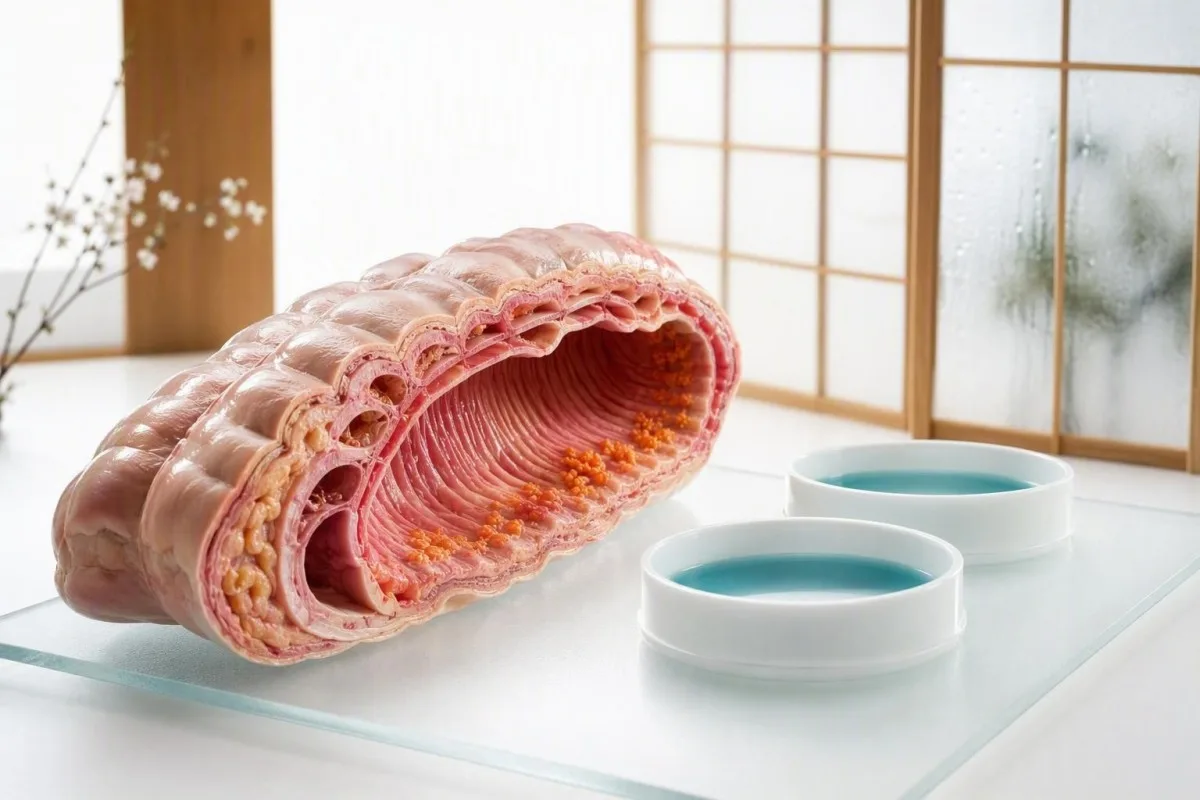
Abu testai nustato neutrofilų sukeltą žarnyno uždegimą, tačiau kalprotektinas paprastai yra naudingesnis kiekybinis stebėjimo įrankis. Tinkamas rezultatas yra tas, kuris pakeičia kitą klinikinį sprendimą, o ne tas, kuris jums suteikia IBD diagnozę.


- Kalprotektinas žemiau 50 µg/g paprastai ramina suaugusiuosius, įtariamus IBS, kai nėra perspėjančių požymių.
- Laktotransferinas yra neutrofilų baltymas; daugelyje kiekybinių tyrimų mažiau nei 7,25 µg/g laikoma neigiama, tačiau laboratorinės ribinės reikšmės skiriasi.
- Aukšti išmatų žymenys rodo žarnyno uždegimą, o ne specifinę diagnozę; infekcija, NVNU, divertikulitas ir kolorektalinis neoplazija gali padidinti abu rodiklius.
- Ribinis kalprotektinas 50–150 µg/g dažnai reikalauja pakartotinio mėginio po 2–6 savaičių, o ne nedelsiant atlikti kolonoskopiją.
- Kalprotektinas virš 250 µg/g didina susirūpinimą dėl aktyvaus gleivinės uždegimo ir paprastai reikalauja klinikinio vertinimo, išmatų infekcijos tyrimų arba endoskopijos planavimo.
- Normalūs rezultatai bet negali patikimai atmesti izoliuotos plonosiosios žarnos Krono ligos.
- UŽ ligų monitoringas naudoja simptomus plius biokompleksus, CRP, anemijos žymenis, vaizdinimo tyrimus ir endoskopiją; nei viena išmatų žymena nepriklausomai nediagnozuoja paūmėjimo.
- Skubūs simptomai tokių kaip juodos išmatos, nuolatinis matomas kraujas, karščiavimas, stiprus skausmas, alpulys ar dehidracija, reikalauja medicininio įvertinimo nepriklausomai nuo žymens rezultato.
Kurį išmatų žymenį turėtumėte pasirinkti pirmiausia?
Fekalinis kalprotektinas paprastai yra pirmo pasirinkimo išmatų uždegimo žymuo nes jis yra plačiai prieinamas, kiekybinis ir turi didžiausią reikšmę, skiriant tikėtiną uždegiminę žarnyno ligą nuo funkcinių žarnyno simptomų. Fekalinio laktotransferrino tyrimas rezultatai yra protinga alternatyva, kai tai yra lokaliai patvirtintas tyrimas, tačiau abiejų tyrimų paskyrimas iš pradžių retai pakeičia gydymą.
Asmeniui, kuris 6 savaites viduriuoja, kamuoja mėšlungis, bet nėra svorio netekimo ar kraujavimo iš tiesiosios žarnos, aš paprastai pradėčiau nuo kalprotektino ir tikslinių infekcijų tyrimų, o ne nuo kolonoskopijos. Rezultatas žemiau 50 µg/g daro mažai tikėtiną reikšmingą storosios žarnos uždegimą, o aiškiai padidėjęs rezultatas suteikia priežastį ieškoti toliau. AGA gairės dėl lėtinio vandeningo viduriavimo palaiko kalprotektiną arba laktoperoksidazę kaip atrankinius tyrimus uždegiminėms būklėms (Smalley et al., 2019).
Pasirinkite laktoperoksidazę, kai jūsų gastroenterologijos tarnyba ją nuolat naudoja, kai laboratorija pateikia patvirtintą kiekybinę vertę, arba kai ji yra įtraukta į infekcinio viduriavimo tyrimų rinkinį. Nesirinkite jos, nes ji skamba specifiškiau: abu baltymai išskiriami, kai neutrofilai patenka į žarnyno liumeną. Praktinis klausimas yra tai, ar jūsų gydytojas gali palyginti rezultatą su jūsų ankstesniais mėginiais, naudojant tą patį tyrimą.
Kantesti yra AI kraujo tyrimo analizatorius kuris susieja susijusius rezultatus, tokius kaip hemoglobinas, CRP, albuminas ir geležies indeksai, su išmatų žymens ataskaita; tai nepakeičia išmatų tyrimo ar gydytojo diagnozės. Jei nuovargis lydi viduriavimą, a kraujo tyrimas dėl viduriavimo gali padėti nustatyti dehidraciją, anemiją ar elektrolitų praradimą, keičiantį būklės skubumą.
Naudinga taisyklė
Pirmiausia naudokite vieną patvirtintą žymenį, pakartokite tą patį žymenį, kai rezultatas yra tarpinis arba stebint gydymą, ir palikite dvigubą tyrimą specifiniam gastroenterologiniam klausimui. Keičiant tyrimą stebėjimo metu, susidaro apgaulingos tendencijos, kurios gali būti laboratorinis triukšmas, o ne biologija.
Ką iš tikrųjų nustato išmatų kalprotektinas
Kalprotektinas matuoja kalcio ir cinko surišantį baltymą, kuris daugiausia išsiskiria iš neutrofilų žarnyne. Didesnė koncentracija išmatose atspindi neutrofilų migraciją į žarnyną, kuri yra dažna aktyvios IBD atveju, bet taip pat pasitaiko esant kelioms ne-IBD būklėms.
Kalprotektinas yra S100A8/S100A9 baltymų kompleksas, ir jis išlieka gana stabilus išmatose kelias dienas kambario temperatūroje – viena iš priežasčių, kodėl jis gerai veikia kaip namų surinkimo testas. Jo biologinė stiprybė yra lokalumas: skirtingai nei CRP, jis atspindi ląstelių aktyvumą žarnyno liumene, o ne viso organizmo ūminės fazės reakciją. Todėl normalus CRP nepadeda atmesti padidėjusio kalprotektino rezultato.
Suaugusiųjų praktikoje laboratorijos paprastai klasifikuoja mažiau nei 50 µg/g kaip normalų ir daugiau nei 150–250 µg/g kaip vis labiau suderinamą su aktyviu žarnyno uždegimu. Tai yra sprendimų ribos, o ne universalios biologinės ribos. Kai kurios Europos tarnybos naudoja 100 µg/g kaip siuntimo ribą, o vaikų ir tyrimų specifiniai referenciniai intervalai gali labai skirtis.
Aš mačiau 28 metų pacientą, kurio kalprotektino lygis buvo 680 µg/g, CRP normalus, o galiausiai diagnozuotas opinis kolitas, apimantis tik tiesiąją žarną ir riestinę gaubtinę. Šis modelis nėra neįprastas: vietinis gleivinės uždegimas gali būti aktyvus be stipraus sisteminio signalo. Mūsų vadovas dėl išmatų kalprotektyno ribų paaiškina, kodėl kiekviename rezultate turėtų likti pirminė laboratorijos metodika ir jos vienetai.
Ką kitaip nustato išmatų laktotransferinas
Laktoferinas aptinka kitą iš neutrofilų kilusį baltymą ir atsako beveik į tą patį biologinį klausimą kaip ir kalprotektynas: ar yra aktyvus žarnyno neutrofilų uždegimas? Vien jo nepakanka diagnozuojant opinį kolitą, Krono ligą, bakterinį kolitą ar kitą priežastį.
Laktoferinas yra geležį rišantis glikoproteinas, kaupiamas neutrofilų antrinėse granulėse ir išsiskiriantis aktyvacijos metu. Teigiamas kokybinis išmatų laktoferino tyrimas yra naudingas, nes jis paneigia nekomplikuotos IBS (dirgliosios žarnos sindromo) diagnozę tinkamame klinikiniame kontekste. Kiekvieniniai tyrimai skiriasi: viena dažniausiai naudojama metodika neigiamu rezultatu laiko mažiau nei 7.25 µg/g, todėl niekada netaikykite kalprotektyno ribos laktoferino ataskaitai.
Nėra duomenų, kad laktoferinas yra kategorizuojamai pranašesnis. Diagnostinėje metaanalizėje Wang ir kolegos nustatė, kad išmatų laktoferino jautrumas IBD (uždegiminės žarnų ligos) atskyrimui nuo ne-IBD kontrolinių grupių buvo 82% , o specifiškumas – 1%. Nors tikslumo įvertinimai skiriasi priklausomai nuo ligos paplitimo ir tyrimo dizaino (Wang ir kt., 2015). Tas įspūdingas specifiškumas vis dar nepaverčia teigiamo rezultato IBD diagnoze.
Teigiamą laktoferino rezultatą ypač verta aptarti, kai viduriavimas prasidėjo staiga po kelionės, antibiotikų vartojimo, užteršto maisto vartojimo ar kontakto su sergančiu asmeniu. Tokiais atvejais gydytojai dažniausiai atlieka patogenų tyrimus, o ne skuba skelbti IBD diagnozę. Mūsų vadove išmatų pasėlio rezultatus paaiškinama, ką gali ir ko negali nustatyti neigiamas ar mišraus augimo rezultatas.
Kaip skaityti ribines vertes nereaguojant per daug
Kalprotektyno vertė mažesnė nei 50 µg/g suaugusiems paprastai yra normali, 50–150 µg/g dažnai yra neapibrėžta zona, o vertės didesnės nei 250 µg/g kelia susirūpinimą dėl aktyvaus uždegimo. Laktoferinas naudoja specifines tyrimų ribas, dažnai kokybinį teigiamą arba kiekybinį rodiklį, artimą 7.25 µg/g.
50 µg/g kalprotektyno riba yra sukurta jautrumui padidinti: ji leidžia aptikti didžiąją dalį kliniškai reikšmingų uždegiminių ligų, tačiau gali sukelti ir klaidingai teigiamų rezultatų. 250 µg/g riba yra naudingesnė specifiškumui ir jau diagnozuotų IBD stebėjimui. Tarp jų yra neapibrėžta zona, kurioje vaistų vartojimas, neseniai persirgta gastroenteritas, amžius ir tendencija yra svarbesni nei vienas skaičius.
Pokytis nuo 72 iki 94 µg/g dažnai yra mažiau reikšmingas nei pokytis nuo 85 iki 430 µg/g, ypač jei abu mėginiai buvo tiriami toje pačioje laboratorijoje. Stoolio konsistencija gali turėti įtakos ekstrahavimui, o biologinė variacija yra reali. Dr. Thomaso Kleino praktinis patarimas yra užfiksuoti NVNU (nesteroidinių vaistų nuo uždegimo) vartojimą, neseniai persirgtą infekciją, mėnesinių taršą ir mėginio paėmimo datą prieš interpretuojant nedidelį padidėjimą.
Sisteminiam serijinių verčių vertinimui palyginkite mėginio datą su simptomais ir susijusiais laboratoriniais tyrimais, o ne laikykite kiekvieną pažymėtą rezultatą ligos progresavimu. Mūsų 3-10 mEq/L be kalio; 8-16 mEq/L su kalio paaiškina tą patį referencinio pokyčio ir analitinės variacijos principą laboratorinėje medicinoje.
Kodėl abu žymenys gali būti aukšti be IBD
Padidėję išmatų uždegimo žymenys atsiranda sergant žarnyno infekcijomis, vartojant NVNU, sergant divertikuliitu, kolorektaliniu naviku, mikroskopiniu kolitu ir UŽK. Rezultatas patvirtina uždegimo signalą; pats savaime jis nenurodo priežasties, vietos, trukmės ar sunkumo.
Nesteroidiniai vaistai nuo uždegimo gali padidinti išmatų kalprotekino kiekį, kartais žymiai, didindami žarnyno pralaidumą ir sukeldami mažas gleivinės traumas. Ibuprofenas, naproksenas ir diklofenakas yra svarbūs; gydytojas gali pasiūlyti nutraukti jų vartojimą, jei tai mediciniškai saugu, prieš pakartojant tyrimą. Nenutraukite paskirto aspirino, antikoaguliantų ar skausmą malšinančių vaistų, pirmiausia nepasitarę su gydytoju.
Ūminė bakterinė gastroenteritas gali sukelti kalprotekino vertes, viršijančias 500 µg/g, ir teigiamą laktiferiną, todėl išmatų patogenų tyrimas gali būti informatyvesnis nei skubi kolonoskopija pirmosiomis ligos dienomis. Priešingai, giardiazė gali sukelti ilgalaikį viduriavimą su mažiau ryškiu neutrofilų žymens padidėjimu. Simptomų laiko eiga dažnai turi didesnę diagnostinę reikšmę, nei pacientai tikisi.
Kantesti yra AI laboratorinio tyrimo interpretavimo paslaugoje kurios gali nurodyti uždegimo modelį, pvz., mažas hemoglobino kiekis, mažas albumino kiekis, trombocitozė ir padidėjęs CRP, kad gydytojas galėtų peržiūrėti, tačiau šie kraujo radiniai neįrodo, kad židinys yra žarnyne. Žmonėms, turintiems kraujo išmatose, FIT sekimas ir kolonoskopijos laikas yra atskira problema nuo kalprotekino ir neturėtų būti atidėtas.
Kada normalus rezultatas vis tiek gali nepataisyti ligos
Normalus kalprotekino ar laktiferino kiekis mažina aktyvaus storosios žarnos uždegimo tikimybę, tačiau negali visiškai atmesti Krono ligos, ypač lengvos ar izoliuotos plonojo žarnyno ligos. Normalus rezultatas taip pat nepaaiškina nuolatinio svorio kritimo, geležies stokos anemijos, naktinio viduriavimo ar pasikartojančio matomo kraujavimo.
Plonojo žarnyno Krono liga gali išskirti mažiau neutrofilų baltymų į išmatų mėginį nei platus kolitas, ypač kai pažeidimai yra proksimaliniai ar lengvi. Tai yra viena iš priežasčių, kodėl simptomai ir pavojaus požymiai viršija raminantį skaičių. ECCO-ESGAR diagnostikos rekomendacija siūlo integruoti biomarkerius su ileokolonoskopija ir skersinio pjūvio vaizdavimu, kai IBD išlieka kliniškai įtariama (Maaser et al., 2019).
46-erių metų pacientas, kurio kalprotekino kiekis yra 38 µg/g, feritino – 7 ng/mL, o nuovargis progresuoja, nusipelno tyrimo dėl virškinimo trakto kraujavimo ar malabsorbcijos, net jei tuštinimosi dažnis yra normalus. Mano patirtimi, geležies trūkumo ir nepaaiškinamų simptomų derinys yra daug svarbesnis nei vienas žemas išmatų žymuo. Skaitykite mūsų mažas feritinas ir žarnyno užuominos dėl įprastų kitų laboratorinių klausimų.
Celiakija, tulžies rūgšties viduriavimas, kasos nepakankamumas ir daugelio vaistų poveikiai gali sukelti simptomus su normaliais išmatų uždegimo žymenimis. Todėl normalus tyrimas yra šakutė kelyje link neuždegiminių diagnozių, o ne pareiškimas, kad simptomai yra psichologiniai ar nesvarbūs.
Ką daryti su neaiškiu kalprotektino rezultatu
Ribinis (borderline) išmatų kalprotekino rezultatas 50–150 µg/g paprastai kartojamas po 2–6 savaičių, jei simptomai yra stabilūs ir nėra pavojaus požymių. Pakartotinis tyrimas turėtų būti atliktas naudojant tą pačią laboratorinę metodiką ir, jei įmanoma, laiku, atskirtu nuo neseniai buvusios virškinimo trakto infekcijos.
Prieš pakartojant tyrimą, gydytojai peržiūri NVNU, protonų siurblio inhibitorius, antibiotikus, ūmines infekcijas, intensyvų ištvermės krūvį ir su amžiumi susijusį riziką. Nėra visuotinai sutarto vaistų poveikio nutraukimo intervalo visiems vaistams. Pragmatinis planas dažnai yra 2 savaitės po to, kai ūminė liga aprimsta, jei simptomai nenurodo poreikio skubesnei pagalbai.
Jei pakartojus tyrimą rezultatas sumažėja nuo 118 iki 32 µg/g ir simptomai aprimsta, invaziniai tyrimai gali būti išvengti. Jei jis padidėja nuo 96 iki 310 µg/g, kryptis suteikia naudingų įrodymų net prieš gaunant endoskopijos rezultatą. Štai kodėl vienas ribinis vertė retai turėtų sukelti paniką ar klaidingą saugumo jausmą.
Mūsų ribinio kalprotekino sekimo vadovas pateikia klausimus, kuriuos reikia pateikti pirminės priežiūros ar gastroenterologo konsultacijos metu. Trumpa simptomų dienoraštis su tuštinimosi dažnumu, naktiniu prabudimu, karščiavimu ir vaistų vartojimo datomis dažnai yra naudingesnis nei aštrus maisto sukėlėjų tikrinimas.
Kaip gydytojai naudoja žymenis po IBD diagnozavimo
Nustatytose UŽK, kalprotekino kiekis yra labai naudingas stebint objektyvų žarnyno uždegimą ir padedant nuspręsti, ar simptomai atspindi paūmėjimą, infekciją, IBS persidengimą ar gydymo nepakankamumą. Ferląktinas taip pat gali sekti aktyvumą, tačiau kalprotektinas turi daugiau gairėmis pagrįstų slenksčių, skirtų gydymo iki tikslo stebėsenai.
Simptomai ir gleivinės aktyvumas dažnai skiriasi. Pacientas, sergantis opinį kolitu, gali jaustis gerai, kol kalprotektino kiekis pakyla nuo 80 iki 360 µg/g, arba turėti skubius tuštinimosi atvejus dėl tulžies rūgščių malabsorbcijos, kol kalprotektino kiekis lieka 28 µg/g. 2023 m. AGA (Amerikos gastroenterologų asociacijos) opinio kolito biop markerio gairės rekomenduoja derinti simptomus su biop markeriais, o ne pasikliauti vienu ar kitu (Singh ir kt., 2023).
Dėl remisijos stebėjimo daugelis gydytojų mažiau nei 150 µg/g laiko raminančiu, o daugiau nei 150 µg/g gali reikėti pakartotinio tyrimo, endoskopijos arba gydymo peržiūros, priklausomai nuo simptomų ir ankstesnės ligos eigos. Esant aktyviam simptominiam opinį kolitui, daugiau nei 250 µg/g patvirtina nuolatinį uždegimą. Slengksniai yra gairės, o ne nurodymai keisti biologinį gydymą be specialistų konsultacijos.
Kantesti AI yra AI biomarkerių interpretavimo platforma kuris kraujo tyrimų tendencijas organizuoja pagal paciento nurodytas gydymo datas; jis negali įvertinti išmatų endoskopinės sunkumo stadijos vien tik pagal skaičių. Biologinius vaistus vartojantys pacientai taip pat turėtų suprasti, kurie kraujo saugos tyrimai stebi gydymą ir kurie simptomai reikalauja nedelsiant susisiekti su savo IBD komanda.
Kaip mėginių surinkimo klaidos ir laikas veikia rezultatus
Surinkimo kokybė turi įtakos išmatų žymenų interpretacijai, nes užteršta, pavėluota arba prastai paimta mėšas gali būti atmesta arba duoti mažiau patikimą matavimą. Dauguma laboratorijų nori, kad nedidelė išmatų dalis būtų įdėta į pateiktą sterilų konteinerį be tualetinio vandens ar šlapimo.
Laisvi išmatys paprastai tinka kalprotektino ir ferląktino tyrimams; nelaukite suformuotos mėšos, jei viduriavimas yra klinikinė problema. Venkite rinkti iš tualetinio vandens ir informuokite laboratoriją, jei mėšyje yra matomų menstruacinių kraujų. Laikymo instrukcijos skiriasi priklausomai nuo rinkinio, tačiau daugelis leidžia trumpą transportavimą kambario temperatūroje, nes kalprotektinas yra palyginti stabilus.
Mėšos paėmimas praėjus dienai po maratono, gastroenterito priepuolio ar kolonoskopijos žarnyno paruošimo gali duoti neteisingą atsakymą. Ištvermės sportas gali laikinai padidinti žarnyno pralaidumą ir sukelti virškinimo trakto simptomus. Jei esate ištvermės sportininkas be įspėjamųjų ženklų, apsvarstykite galimybę atidėti mėšos paėmimą nuo didelio renginio; mūsų ištvermės sportininkės laboratorinių tyrimų vadove paaiškina, kodėl kontekstas keičia testo interpretaciją.
Reikalas tas, kad tobulas surinkimas nepadaro nespecifinio biop žymens specifinio. Aukštos kokybės mėšos pagerina pasitikėjimą matavimu; jis negali pakeisti klinikinės anamnezės, apžiūros ir diferencinės diagnostikos.
Kaip kraujo tyrimai padaro išmatų žymenį naudingesnį
CBC, CRP, feritinas, albuminas, inkstų funkcija ir celiakijos serologija dažnai suteikia daugiau klinikinės vertės nei pakilęs išmatų žymuo, nei užsakant antrą išmatų uždegimo baltymą. Nerimą keliantis modelis yra ne viena anomalija, o keletas rezultatų, rodančių uždegimą, malabsorbciją ar kraujavimą.
Žemas hemoglobino kiekis, feritinas mažiau nei 15 ng/mL, albuminas žemiau laboratorijos referencinio diapazono, padidėjęs trombocitų kiekis arba padidėjęs CRP gali sustiprinti susirūpinimą dėl kliniškai reikšmingos žarnyno ligos. Nė vienas iš jų nėra IBD diagnostika. Tiesą sakant, CRP gali likti normalus esant lengvam opinį kolitui, o feritinas gali atrodyti klaidingai normalus, kai uždegimas jį padidina kaip ūminės fazės baltymą.
Kantesti yra AI pagrindu veikiantis kraujo tyrimų analizės įrankis kuri analizuoja CBC, geležies tyrimus ir CRP toje pačioje klinikinėje sistemoje, įskaitant tai, ar besikeičiantis hemoglobino kiekis gali pateisinti ankstesnę peržiūrą. Dr. Thomasas Kleinas nuolat perspėja, kad izoliuotas CRP 12 mg/L yra nespecifinis, o CRP 12 mg/L kartu su mažėjančiu albumino kiekiu ir 740 µg/g kalprotektino kiekiu yra daug labiau veiksminga grupė.
Pacientams, kurių geležies rodikliai atrodo prieštaringi, mūsų tyrimų dėl geležies vadovas paaiškina transferino satūraciją ir feritiną uždegimo metu. Vadovas pagal CBC rezultatus taip pat gali padėti nustatyti, ar anemija yra mikrocinė, uždegiminė, ar mišri.
Kada gali būti pagrįsta atlikti abu tyrimus
Kalprotektino ir laktiferino tyrimas kartu paprastai nereikalingas, bet gali būti pagrįstas, kai specialistas aiškinasi nesuderinamus simptomus, negali pakartoti ankstesnio tyrimo arba vietinis protokolas reikalauja patvirtinimo. Suderinami rezultatai šiek tiek padidina pasitikėjimą uždegiminiu signalu; nesuderinami rezultatai paprastai reikalauja peržiūros, o ne aritmetinio vidurkio skaičiavimo.
Aukštas kalprotektino kiekis ir neigiamas laktiferino rodmuo gali atspindėti tyrimo laiką, rezultatą arti ribos, mėginio heterogeniškumą arba analitinius skirtumus. Žemas kalprotektino kiekis ir teigiamas laktiferino rodmuo nusipelno tokio pat disciplinuoto atsako: patikrinti mėginio surinkimą, peržiūrėti tikslų tyrimą, įvertinti simptomus ir, kai tinkama, atlikti infekcijos tyrimą. Nei viena iš šių derinių neturi patvirtinto diagnostikos trumpojo kelio.
Dvigubas tyrimas taip pat gali būti naudingas mokslinių tyrimų srityse, kur protokole yra nustatyti abu žymenys. Tai skiriasi nuo įprastos pacientų priežiūros, kur dubliuotas tyrimas gali padidinti išlaidas, nepagerindamas sprendimų. Užduokite skiriančiam gydytojui paprastą klausimą: “Ką darysime kitaip, jei antrasis tyrimas bus teigiamas?”
Jei ataskaita atrodo viduje nenuosekli, naudokite mūsų kokybinio ir kiekybinio tyrimo vadovas suprasti, kodėl “teigiamas” ir “aukštas” nėra keičiami laboratoriniai teiginiai. Metodo nuoseklumas yra svarbesnis nei visų galimų žymenų rinkimas.
Kas iš tikrųjų patvirtina arba paneigia IBD
IBD diagnozuojama per simptomų, ileokolonoskopijos su audinių mėginiu, histologijos, laboratorinių tyrimų, o kartais ir MRT ar CT enterografijos sintezę – ne vien iš kalprotektino ar laktiferino. Išmatų žymenys padeda nuspręsti, kam reikia šių tyrimų ir ar uždegimas gali keistis laikui bėgant.
Kolonoskopija leidžia tiesiogiai įvertinti baigiamąjį klubinės žarnos ir storosios žarnos dalis ir leidžia atlikti audinių tyrimą, ieškant lėtinių uždegiminių požymių, infekcijos, mikroskopinio kolito, displazijos ir kitų priežasčių. Vaizdiniai tyrimai yra ypač vertingi, kai Krono liga gali apimti plonąjį žarnyną, esantį už standartinės kolonoskopijos pasiekiamumo ribų. Išmatų žymuo yra atrankos signalas, o ne mikroskopinė diagnozė.
Ne[ALT]sunkite fekalinio imunocheminio tyrimo su bet kuriuo uždegiminiu žymeniu. FIT aptinka žmogaus hemoglobiną ir daugiausia naudojamas storosios žarnos vėžio atrankos metu arba tiriant apatinės virškinimo trakto kraujavimo atvejus, o kalprotektinas ir laktiferinas aptinka neutrofilų produktus. Mūsų palyginimas FIT ir FOBT paaiškina, kodėl neigiamas uždegimo žymuo nepakeičia rekomenduojamos vėžio atrankos.
Nuo 2026 m. rugsėjo 4 d. jokia pagrindinė gastroenterologijos gairė nerekomenduoja diagnozuoti Krono ligos ar opinio kolito pagal vieną išmatų biogeninio žymens ribą. Šis apribojimas apsaugo pacientus nuo praleistos ligos ir nereikalingų visą gyvenimą trunkančių diagnostinių etikečių.
Simptomai, kurie nusveria bet kurį išmatų tyrimo rezultatą
Nuolatinis matomas tiesiosios žarnos kraujavimas, juodos deguto spalvos išmatos, stiprus pilvo skausmas, karščiavimas, alpulys, dehidracija, greitai blogėjanti silpnumas ar neplanuotas svorio kritimas reikalauja laiku medicininės apžiūros, nepriklausomai nuo kalprotektino ar laktiferino rodmens. Normalus rezultatas niekada neturėtų būti naudojamas laukti potencialiai ūminio simptomo.
Skubus rūpestis yra fiziologija, o ne laboratorinės ataskaitos etiketė. Dažna vandeninga vidurių paleidimo liga gali sukelti žemą kalio kiekį, ūminį inkstų pažeidimą ir ortostatinius simptomus prieš pasirodant uždegimo žymeniui. Suaugusieji, negalintys sulaikyti skysčių, sumišę, alpusieji ar turintys minimalų šlapimo išsiskyrimą, turėtų nedelsdami kreiptis į gydytoją.
Nauji žarnyno simptomai po 50 metų, stipri šeimos anamnezė dėl storosios žarnos vėžio ir geležies stokos anemija keičia kolonoskopijos vertinimo ribą, net jei kalprotektino rodmuo yra žemas. Išmatų žymuo visapusiškai neįvertina vėžio rizikos. Mūsų gleivės išmatose: vadovas apie pavojų atskiria įprastus gerybinius požymius nuo simptomų, kuriuos reikia ištirti.
Vaikams, nėščiosioms, pagyvenusiems žmonėms ir žmonėms, vartojantiems imunosupresinius vaistus, reikia individualaus rūšiavimo, nes jų bazinė rizika skiriasi. Jei nesate tikri, ar simptomai yra skubūs, saugiau susisiekti su vietiniu gydytoju arba skubios pagalbos tarnyba, nei bandyti interpretuoti vieną skaičių.
Praktinis pokalbis po jūsų rezultato
Naudingiausias tolesnis klausimas yra: “Ar šis rezultatas keičia mano poreikį atlikti infekcijos tyrimus, pakartotinus tyrimus, vaizdinius tyrimus ar endoskopiją?” Pateikiant tikslią vertę, tyrimo pavadinimą, simptomų trukmę, vartojamus vaistus ir ankstesnius rezultatus, pokalbis bus greitesnis ir kliniškai tikslesnis.
Pateikite 14 dienų sąrašą: tuštinimosi dažnis, naktiniai simptomai, karščiavimas, svorio pokyčiai, kelionės, antibiotikai, NVNU ir šeimos anamnezė. Kalprotektynas, kurio vertė yra 180 µg/g po 3 dienų karščiuojančio viduriavimo, reikalauja kitokio plano nei ta pati vertė po 4 mėnesių naktinio viduriavimo ir svorio kritimo.
Kantesti AI gali padėti jums sutvarkyti kartu pateikiamus kraujo tyrimų rezultatus prieš paskyrimą, tačiau diagnozės ir gydymo sprendimai priklauso gydytojui, kuris gali jus apžiūrėti ir paskirti galutinius tyrimus. Mūsų medicininio patvirtinimo požiūris paaiškina, kaip klinikinė priežiūra ir šaltinio tikrinimas yra integruoti į atsakingą laboratorinę interpretaciją.
Sudėtingais atvejais paklauskite, kas bus atsakingas už tolesnę priežiūrą ir kada turėtumėte tikėtis pakartotinio rezultato ar sprendimo dėl siuntimo. Mūsų gydytojai Medicinos patariamoji taryba pabrėžia, kad dokumentuotas planas yra geresnis nei neaiški instrukcija “patikrinti vėliau”, ypač kai uždegimo žymenys ir anemija juda ta pačia kryptimi.
Sprendimą orientuojanti pagrindinė mintis
Daugeliu atvejų pirmiausia rinkitės kalprotektyną, naudokite laktoperoksidazę, kai tai yra jūsų tarnybos patvirtintas alternatyvus metodas, ir nemanykite, kad bet kuris rezultatas diagnozuoja IBD. Maža vertė nukreipia dėmesį į funkcines ir neuždegimines priežastis, o nuolat didelė vertė rodo žmones, kuriems gali prireikti infekcijos tyrimų, specialisto konsultacijos ar endoskopijos.
Esant nekomplikuotam lėtiniam viduriavimui, vienas normalus rodiklis – kalprotektynas žemiau 50 µg/g arba neigiamas laktoperoksidazės tyrimas pagal atitinkamą laboratoriją – gali sumažinti aktyvaus uždegiminio susirgimo tikimybę. Esant vertei virš 250 µg/g arba teigiamai laktoperoksidazės tyrimo rezultatui su nuolatiais simptomais, kitas klausimas yra priežastis, o ne tikrumas. Sąraše išlieka infekcija, medikamentų poveikis, IBD ir kitos uždegiminės būklės.
Daugumai pacientų sunkiausia yra neapibrėžtumas kalprotektyno zonoje 50–150 µg/g. Mano patirtimi, geriausias kitas žingsnis paprastai yra kruopščiai laiku atliktas pakartotinis tyrimas, o ne dietos valymas, savarankiškas steroidų vartojimas ar diagnozė iš interneto. Jei įmanoma, naudokite tą pačią laboratoriją, kad tendencija būtų interpretable.
Kantesti’s AI technologijų gidas apibūdina, kaip mūsų sistemos išsaugo laboratorinį kontekstą, tuo pačiu pabrėždamos klausimus medicininei apžvalgai. Saugus bet kokios dirbtinio intelekto interpretacijos naudojimas yra tas pats: naudokite jį, kad pasiruoštumėte geresniam klinikiniam pokalbiui, niekada nenukrypkite nuo pavojingų ženklų ar nepakeiskite diagnostinės priežiūros.
Dažnai užduodami klausimai
Ar kalprotektinas geresnis nei laktotransferinas IBD (uždegiminės žarnų ligos) aptikimui?
Kalprotektynas dažniausiai teikiamas pirmenybė, kai įtariamas UMI, nes jis yra plačiai prieinamas kaip kiekybinis tyrimas ir turi dažniausiai naudojamus stebėjimo slenksčius, tokius kaip mažiau nei 50 µg/g ir daugiau nei 250 µg/g. Laktoferinas taip pat yra naudingas iš neutrofilų kilęs išmatų žymuo, ir gali gerai veikti, kai laboratorija naudoja patvirtintą tyrimą. Nei vienas žymuo nepatvirtina UMI, nes infekcijos, NPLV, divertikulitas ir kitos žarnyno ligos gali padidinti abu. Geresnis tyrimas paprastai yra tas, kurį jūsų gydytojas gali interpretuoti kartu su simptomais ir pakartoti naudojant tą patį laboratorinį metodą.
Koks kalprotektino lygis kelia susirūpinimą?
Fekalinis kalprotektino kiekis, mažesnis nei 50 µg/g, paprastai yra raminantis suaugusiems žmonėms be įspėjamųjų simptomų, o 50–150 µg/g dažnai laikomas ribiniu ir gali būti kartojamas po 2–6 savaičių. Virš 150–250 µg/g vertės labiau kelia susirūpinimą dėl žarnyno uždegimo, o vertės, viršijančios 250 µg/g, dažnai reikalauja klinikinio vertinimo ar papildomų tyrimų. Tikslūs veiksmai priklauso nuo tyrimo metodo, simptomų, amžiaus, NVNU vartojimo ir ar vertė didėja. 600 µg/g vertė po ūminio bakterinio viduriavimo gali reikšti ką kita nei 600 µg/g, esant kelių mėnesių chroniškiems simptomams.
Ar IBS gali sukelti aukštą kalprotektino ar laktoferino kiekį?
Neįprastas IBS paprastai nesukelia padidėjusio išmatų kalprotekino ar lakt Nói, nes IBS nesukelia neutrofilų skatinamo žarnyno uždegimo. Nedidelis kalprotekino padidėjimas tarp 50 ir 150 µg/g gali atsirasti dėl neseniai buvusios infekcijos, NVNU vartojimo, su amžiumi susijusių veiksnių ar tyrimų svyravimų, todėl automatiškai nepanaikina IBS. Teigiamas lakt Nói arba kalprotekino kiekis virš 250 µg/g turėtų paskatinti įvertinti uždegiminę ar infekcinę priežastį, o ne manyti, kad tai IBS. IBS ir IBD gali egzistuoti kartu, todėl simptomai ir tendencijos yra svarbios.
Ar normalus kalprotektyno kiekis gali atmesti Krono ligą?
Normalus kalprotektyno rezultatas sumažina aktyvaus kolito IBD tikimybę, tačiau negali visiškai atmesti Krono ligos, ypač lengvos ar izoliuotos plonosios žarnos Krono ligos. Reikšmė, mažesnė nei 50 µg/g, neturėtų paneigti pavojaus simptomų, tokių kaip geležies stokos anemija, svorio kritimas, naktinis viduriavimas, nuolatinis kraujavimas ar stipri šeimos anamnezė. Klinicistai gali naudoti ileokolonoskopiją, MR enterografiją arba kapsulinį tyrimą, kai klinikinė įtarimų išlieka didelė. Rezultatas geriausiai vertintinas kaip vienas tikimybę koreguojantis įrodymų elementas, o ne galutinis išskyrimo tyrimas.
Ar turėčiau pakartoti ribinį kalprotektino rezultatą?
Ribotas kalprotektyno rezultatas, siekiantis 50–150 µg/g, dažnai kartojamas po 2–6 savaičių, kai simptomai yra stabilūs ir nėra pavojaus požymių. Prieš kartojant, klinikai paprastai peržiūri neseniai buvusį gastroenteritą, NVNU vartojimą, antibiotikus ir mėginio surinkimo sąlygas, nes kiekvienas veiksnys gali turėti įtakos vertei. Jei įmanoma, naudokite tą patį laboratorinį tyrimą, nes skirtingų metodų rezultatai gali būti nepalyginami. Kylantis rezultatas link 250 µg/g ar virš jo paprastai turi didesnę klinikinę reikšmę nei stabilus žemo lygio padidėjimas.
Ar antibiotikai gali paveikti išmatų kalprotektiną ir laktiferiną?
Antibiotikai gali netiesiogiai paveikti žarnyno uždegimo žymenis, gydydami, sukeldami ar sutapdami su infekciniu viduriavimu ir pakeisdami žarnyno mikrobiomą. Pacientą, kuriam pasireiškė antibiotikų sukeltas viduriavimas, reikėtų tirti dėl tokių priežasčių kaip *Clostridioides difficile*, o ne interpretuoti padidėjusį kalprotektiną ar teigiamą laktiferiną kaip IBD. Nėra patikimo bendro dienos skaičiaus, kurio reikėtų laukti po antibiotikų kurso prieš atliekant tyrimus; laikas priklauso nuo simptomų ir klinikinio klausimo. Nuolatinis viduriavimas, karščiavimas ar pilvo skausmas po antibiotikų kurso reikalauja gydytojo atliekamų tyrimų, o ne savigydos.
Gaukite AI pagrįstą kraujo tyrimo analizę jau šiandien
Prisijunkite prie daugiau nei 2 milijonų naudotojų visame pasaulyje, kurie pasitiki Kantesti dėl momentinės, tikslios laboratorinių tyrimų analizės. Įkelkite savo kraujo tyrimo rezultatus ir per kelias sekundes gaukite išsamią 15,000+ biomarkerių interpretaciją.
📚 Nuorodomis pagrįsti moksliniai leidiniai
Klein, T., Mitchell, S., & Weber, H. (2026). Kantesti LTD. (2026). Urobilinogenas šlapimo tyrime: Pilnas šlapimo analizės vadovas 2026. Zenodo.. Kantesti AI Medical Research.
Klein, T., Mitchell, S., & Weber, H. (2026). Kantesti LTD. (2026). Geležies tyrimų vadovas: TIBC, geležies prisotinimas ir prisijungimo talpa. Zenodo.. Kantesti AI Medical Research.
📖 Išorinės medicininės nuorodos
Singh S ir kt. (2023). AGA klinikinės praktikos gairės dėl biocheminių žymenų vaidmens opinių kolitų gydymui.. Gastroenterologija.
⚕️ Medicininis atsakomybės apribojimas
Šis straipsnis skirtas tik mokymo tikslais ir nesudaro medicininės konsultacijos. Visada kreipkitės į kvalifikuotą sveikatos priežiūros specialistą dėl diagnozės ir gydymo sprendimų.
E-E-A-T patikimumo signalai
Patirtis
Gydytojo vadovaujama klinikinė laboratorinių tyrimų interpretavimo darbo eigų peržiūra.
Ekspertizė
Laboratorinės medicinos dėmesys tam, kaip biomarkeriai elgiasi klinikiniame kontekste.
Autoritetas
Parašyta dr. Thomas Klein, peržiūrėjo dr. Sarah Mitchell ir prof. dr. Hans Weber.
Patikimumas
Įrodymais pagrįsta interpretacija su aiškiais tolesnių veiksmų keliais, siekiant sumažinti nerimą.