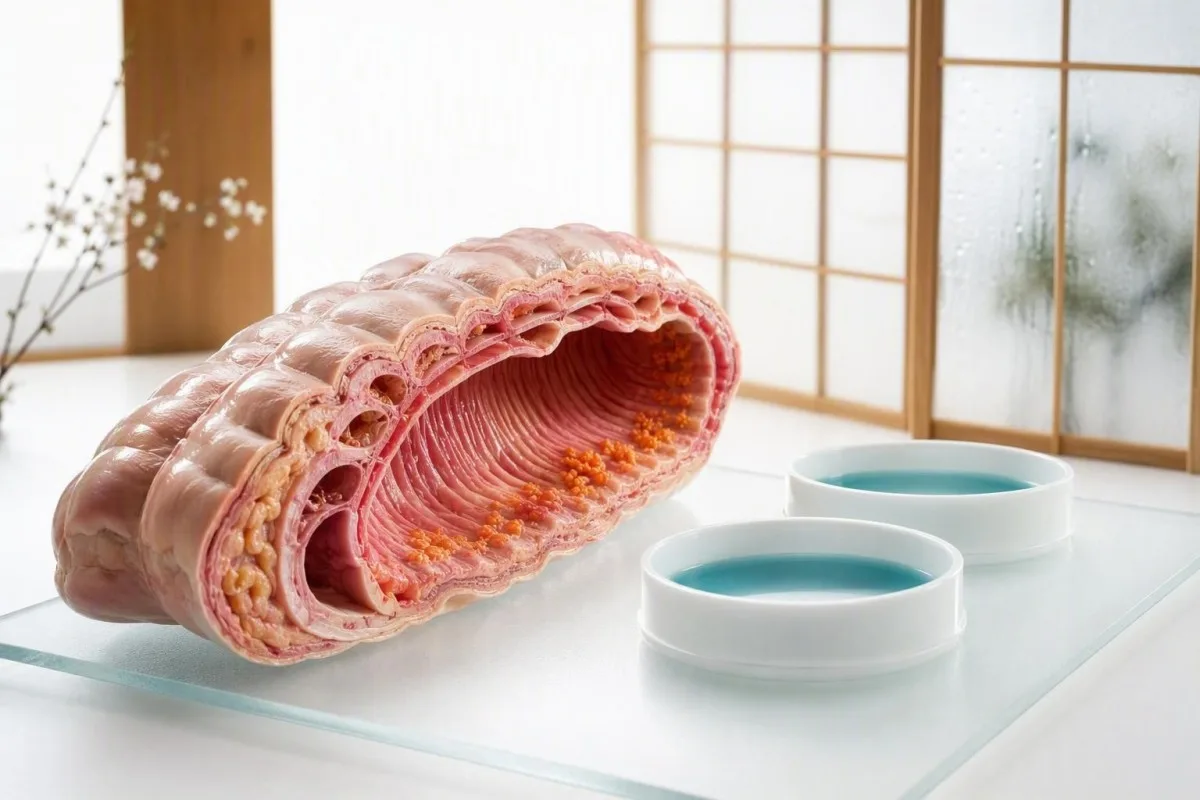
Екі тест те нейтрофилдер тудыратын ішек қабынуын анықтайды, бірақ кальпротектин әдетте сандық бақылаудың тиімді құралы болып табылады. Дұрыс нәтиже - бұл келесі клиникалық шешімді өзгертетін нәтиже, ал сізді ҚҚЖ-мен белгілейтін нәтиже емес.


- Кальпротектин 50 µg/g төмен, егер ескерту белгілері болмаса, әдетте тітіркенген ішек синдромы (ІБС) күдігі бар ересектерде сенімді болып саналады.
- Лактоферрин нейтрофил белок; көптеген сандық сынақтар 7.25 µg/g азды қолданса, теріс деп санайды, бірақ зертханалық шектік мәндер өзгереді.
- Нәжістегі жоғары маркерлер ішек қабынуын білдіреді, белгілі бір диагнозды емес; инфекция, ҚНҚБ, дивертикулит және колоректальді неоплазия екеуін де көтеруі мүмкін.
- Шекаралық кальпротектин 50–150 µg/g, әдетте, дереу колоноскопиядан гөрі, 2–6 аптадан кейін қайта сынама алуды талап етеді.
- 250 µg/g жоғары кальпротектин белсенді шырышты қабық қабынуының алаңдаушылығын арттырады және әдетте клиникалық шолуды, нәжіс инфекциясын тексеруді немесе эндоскопия жоспарын жүргізуді талап етеді.
- Қалыпты нәтижелер белсенді ішек қабынуын азырақ ықтимал етеді, бірақ оқшауланған жіңішке ішек Крон ауруын сенімді түрде жоққа шығара алмайды.
- ІҚА бақылауы симптомдарды, сондай-ақ биомаркерлерді, CRP, анемия маркерлерін, бейнелеуді және эндоскопияны қолданады; нәжіс маркері жалындауды дербес диагностикалай алмайды.
- Шұғыл белгілер нәжістің қараюы, қанның үнемі көрінуі, қызба, қатты ауырсыну, естен тану немесе сусыздану сияқты жағдайлар маркер нәтижесіне қарамастан медициналық бағалауды қажет етеді.
Қандай нәжіс маркерін бірінші таңдау керек?
Нәжістік кальпротектин әдетте нәжістегі қабыну маркері ретінде бірінші таңдау болып табылады өйткені ол кеңінен қол жетімді, сандық және ішек қабыну ауруын ішек функциясының бұзылу симптомдарынан ажыратуда ең күшті рөл атқарады. Фекальды лактоферрин тесті жергілікті валидацияланған сынақ болған жағдайда, бұл нәтижелер ақылға қонымды балама болып табылады, бірақ екеуін де бірден тағайындау сирек жағдайда емдеуді өзгертеді.
6 апта бойы іші өтіп, ішінің шаншуы бар, бірақ салмақ жоғалтпаған немесе тік ішектен қан кетпеген адам үшін, мен әдетте колоноскопияға қарағанда кальпротектинді және мақсатты инфекциялық тесттерді қолданар едім. 50 мкг/г төмен нәтижесі ішек қабынуының маңыздылығын азайтады, ал айқын жоғарылаған нәтижесі одан әрі зерттеуге негіз береді. Созылмалы сулы іш өтуге арналған AGA нұсқаулығы қабыну жағдайларын (Smalley et al., 2019) скринингтік тесттер ретінде кальпротектинді немесе лактоферринды қолдайды.
Сіздің гастроэнтерология қызметіңіз оны үнемі қолданғанда, зертхана валидацияланған сандық мәнді хабарлағанда немесе инфекциялық іш өтуді зерттеумен біріктірілгенде лактоферринды таңдаңыз. Ол анағұрлым спецификалық естілгені үшін таңдамаңыз: нейрофилдер ішек қуысына енгенде екі ақуыз да бөлінеді. Практикалық мәселе - сіздің дәрігеріңіз нәтижені бұрынғы үлгілеріңізбен бірдей сынақ арқылы салыстыра ала ма.
Кантести - бұл AI қан анализінің анализаторы бұл гемоглобин, CRP, альбумин және темір индекстері сияқты нәтижелерді нәжіс маркері есебімен қатар қояды; ол нәжіс сынағын немесе дәрігердің диагнозын алмастырмайды. Егер іш өтумен бірге шаршау болса, диареяға қан сынағы сусыздануды, анемияны немесе жеделдікті өзгертетін электролиттің жоғалуын анықтауға көмектеседі.
Пайдалы ереже
Алдымен бір валидацияланған маркерді қолданыңыз, нәтиже шекаралас болғанда немесе емді бақылау кезінде сол маркерді қайталаңыз және қосарланған тестілеуді гастроэнтерологиялық сұраққа қалдырыңыз. Бақылаудың ортасында сынақты өзгерту биологиядан гөрі зертханалық шуды білдіруі мүмкін көрінген үрдістерді жасайды.
Нәжістегі кальпротектин шынымен не анықтайды
Кальпротектин ішек жолындағы нейтрофилдерден басым бөлінетін кальций мен мырыш байланыстыратын ақуызды өлшейді. Нәжістегі жоғары концентрация ішекке нейтрофилдердің көшірілуін көрсетеді, бұл белсенді ІҚА-да жиі кездеседі, бірақ ІҚА-ға жатпайтын бірнеше жағдайларда да кездеседі.
Кальпротектин - бұл S100A8/S100A9 ақуызды кешені, және ол бөлме температурасында бірнеше күн бойы нәжісте салыстырмалы түрде тұрақты болып қалады - бұл оның үйде жинау тесті ретінде жақсы жұмыс істеуінің бір себебі. Оның биологиялық күші жергіліктілік болып табылады: CRP-дан айырмашылығы, ол бүкіл ағзадағы жедел фазалық реакциядан гөрі, ішек қуысындағы жасушалық белсенділікті көрсетеді. Сондықтан қалыпты CRP жоғары кальпротектин нәтижесін жоққа шығармайды.
Ересектер практикасында зертханалар әдетте 50 мкг/г-дан аз қалыпты деп, ал 150–250 мкг/г-дан жоғары белсенді ішек қабынуымен үйлесімділіктің артуы ретінде жіктейді. Бұл шешім шектері, әмбебап биологиялық шекаралар емес. Кейбір еуропалық қызметтер 100 мкг/г-ды анықтау шегі ретінде пайдаланады, ал педиатриялық және сынаққа тән анықтау аралықтары айтарлықтай өзгешеленуі мүмкін.
Мен 28 жастағы кальпротектині 680 мкг/г, қалыпты CRP және ақырында тік ішек пен сигма ішегімен шектелген ойық жаралы колитпен науқас адамды көрдім. Бұл үлгі ерекше емес: жергілікті шырышты қабықтың қабынуы күшті жүйелік сигналсыз белсенді бола алады. Біздің фекальдік кальпротектин диапазонының нұсқаулығы зертхананың өз әдісі мен бірлігі әр нәтижеге тіркелуі керек екенін түсіндіреді.
Нәжістегі лактоферрин басқаша не анықтайды
Лактоферрин нейтрофилдерден бөлінетін тағы бір ақуызды анықтайды және кальпротектин сияқты биологиялық сұраққа жауап береді: ішектің белсенді нейтрофильді қабынуы бар ма? Ол өздігінен ойық жаралы колитті, Крон ауруын, бактериялық колитті немесе басқа себепті анықтамайды.
Лактоферрин - бұл нейтрофилдің екіншілік гранулаларында сақталатын және белсендіру кезінде бөлінетін темір байланыстыратын гликопротеин. Сапалы фекальді лактоферрин сынағы пайдалы, өйткені ол дұрыс клиникалық жағдайда қоспасыз Тітіркенгіш ішек синдромына қарсы аргумент болып табылады. Сандық талдаулар әртүрлі: кең таралған әдістердің бірі теріс мәнді анықтайды 7.25 мкг/г-ден аз, сондықтан лактоферрин есебіне кальпротектин шекті мәнін ешқашан қолданбаңыз.
Дәлелдер лактоферриннің сапалы жағынан артық екенін көрсетпейді. Диагностикалық мета-талдауда Ванг және әріптестер фекальді лактоферриннің ішек қабыну ауруын (IBS) ішек қабынуы жоқ бақылау тобынан ажырату үшін 82% сезімталдық және 1% меншіктілігін тапты, дегенмен дәлдік бағалары аурудың таралуына және зерттеу дизайнына байланысты өзгереді (Ванг және т.б., 2015). Бұл әсерлі меншіктілік нәтижені IBD диагнозына айналдырмайды.
Егер диарея саяхаттан, антибиотиктерден, ластанған тағамнан немесе ауру адаммен байланыстан кейін кенеттен басталса, лактоферриннің оң нәтижесі ерекше талқылауға тұрарлық. Бұл жағдайларда клиницистер әдетте IBD белгісін қоюға асықпай, патогендерді анықтауды қосады. Біздің нұсқаулығымыз нәжіс өсіріндісі нәтижелері теріс немесе аралас өсу туралы есептің не анықтай алатынын және не анықтай алмайтынын түсіндіреді.
Шектік мәндерді асыра бағаламай қалай оқуға болады
50 мкг/г-ден төмен кальпротектин мәні ересектер үшін әдетте қалыпты, 50–150 мкг/г көбінесе белгісіз аймақ болып табылады, ал 250 мкг/г-ден жоғары мәндер белсенді қабыну туралы алаңдаушылықты тудырады. Лактоферрин сынаққа арналған шекті мәндерді қолданады, әдетте сапалық оң немесе 7.25 мкг/г-ға жақын сандық шекті мән.
50 мкг/г кальпротектин шекті мәні сезімталдық үшін жасалған: ол кейбір жалған оң нәтижелер есебінен көптеген клиникалық маңызды қабыну ауруларын қамтиды. 250 мкг/г шекті мәні меншіктілік және анықталған IBD бақылауы үшін көбірек пайдалы. Олардың арасында дәрі-дәрмектерді қолдану, жақында болған гастроэнтерит, жас және траектория бір саннан гөрі маңыздырақ болатын қиын орта бар.
72-ден 94 мкг/г-ға дейінгі өзгеріс, 85-тен 430 мкг/г-ға дейінгі өзгерістен аз мағыналы, әсіресе егер екі үлгі бір зертханамен тексерілген болса. Қатық консистенциясы экстракцияға әсер етуі мүмкін және биологиялық вариация шынайы. доктор Томас Клейннің практикалық кеңесі - аздап өсуді интерпретациялағанға дейін NSAID қолдануын, жақында болған инфекцияны, етеккірдің ластануын және жинау күнін жазу.
Сериялық мәндерге жүйелі тәсіл үшін, үлгі күнін симптомдармен және байланысты зертханалық зерттеулермен салыстырыңыз, әр белгіленген нәтижені аурудың өршуі ретінде қараудан гөрі. Біздің 3-10 мЭкв/л калийсіз; 8-16 мЭкв/л калиймен зертханалық медицинада сілтеме өзгерісі және аналитикалық вариация принципін түсіндіреді.
Екі маркер де ҚҚЖ жоқ кезде неге жоғары болуы мүмкін
Қабынудың жоғары нәжіс маркерлері ішек инфекциясы, стероидты емес қабынуға қарсы дәрі-дәрмектерді қолдану, дивертикулит, тоқ ішек неоплазиясы, микроскопиялық колит және ІБҚ кезінде пайда болады. Нәтиже қабыну сигналын растайды; себебін, орнын, ұзақтығын немесе ауырлығын өзімен-өзі анықтамайды.
Стероидты емес қабынуға қарсы дәрі-дәрмектер ішек өткізгіштігін арттыру және кішігірім шырышты қабаттың зақымдануын тудыру арқылы нәжістегі кальпротектинді, кейде айтарлықтай жоғарылатуы мүмкін. Ибупрофен, напроксен және диклофенак маңызды; дәрігер қажет болғанда тестті қайталамас бұрын оларды тоқтатуды ұсынуы мүмкін. Жазылған аспирин, антикоагулянттарды немесе ауырсынуды басатын дәрілерді дәрігермен кеңеспей тоқтатпаңыз.
Жедел бактериалды гастроэнтерит 500 мкг/г жоғары кальпротектин мәндерін және лактоферриннің оң нәтижесін тудыруы мүмкін, сондықтан нәжістегі патогендік панель аурудың алғашқы күндерінде жедел колоноскопиядан гөрі ақпараттырақ болуы мүмкін. Керісінше, лямблиоз нейтрофильді маркердің аз айқын жоғарылауымен ұзаққа созылатын іш өтуіне себеп болуы мүмкін. Аурудың барысы пациенттер күткеннен гөрі көбірек диагностикалық салмаққа ие.
Кантести - бұл AI зертханалық талдау интерпретациясы қызметінде жарияланады гемоглобиннің төмендігі, альбуминнің төмендігі, тромбоцитоз және CRP-нің жоғарылауы сияқты қабыну үлгісін дәрігердің қарауына белгілей алады, бірақ бұл қандағы көрсеткіштер ішектің көзі екенін дәлелдемейді. Ішекте қан бар адамдар үшін, FIT бақылауы және колоноскопия уақыты кальпротектиннен бөлек мәселе және оны кешіктірмеу керек.
Қалыпты нәтиже ауруды қалай жіберіп алуы мүмкін
Қалыпты кальпротектин немесе лактоферрин белсенді ішек қабынуын аз ықтимал етеді, бірақ Крон ауруын, әсіресе шағын немесе тек жіңішке ішек ауруын толық жоққа шығара алмайды. Қалыпты нәтиже сонымен қатар салмақ жоғалту, темір жетіспеушілік анемиясы, түнде іш өту немесе қайталанатын көрінетін қан кетуді түсіндірмейді.
Жіңішке ішек Крон ауруы, әсіресе жарақаттар проксималды немесе шағын болған кезде, ішек қабынуымен салыстырғанда нәжіс үлгісіне аз нейтрофильді ақуызды бөле алады. Бұл белгілер мен дабыл белгілерінің сенімді санды басып тастайтын себептерінің бірі. ECCO-ESGAR диагностикалық нұсқаулығы ІБҚ клиникалық түрде күдікті болып қалған кезде (Maaser et al., 2019) биомаркерлерді ілеоколоноскопиямен және көлденең кескінді бейнелеумен интеграциялауды ұсынады.
38 мкг/г кальпротектин, 7 нг/мл ферритин және прогрессивті шаршаумен 46 жастағы науқас, ішек жиілігі қалыпты болса да, асқазан-ішек қан кетуі немесе мальабсорбцияны бағалауға лайықты. Менің тәжірибемде темір тапшылығы мен түсініксіз симптомдардың комбинациясы бір төмен нәжіс маркерінен әлдеқайда маңызды. Біздің темір тапшылығы мен ішек белгілері әдеттегі келесі зертханалық сұрақтар үшін.
Целиакия, өт қышқылының іш өтуі, панкреатикалық жеткіліксіздік және көптеген дәрі-дәрмектердің әсері қалыпты нәжіс қабыну маркерлерімен симптомдарды тудыруы мүмкін. Сондықтан қалыпты тест - бұл қабынусыз диагноздарға апаратын жол айырығы, симптомдардың психологиялық немесе маңызды емес екендігі туралы хабарлама емес.
Шекті кальпротектин нәтижесімен не істеу керек
50–150 мкг/г дейінгі нәжіс кальпротектинінің шекаралық нәтижесі, әдетте, симптомдар тұрақты және дабыл белгілері жоқ болса, 2-6 аптадан кейін қайталанады. Қайталау, мүмкін болса, соңғы ішек инфекциясынан кейін, сол зертханалық әдісті пайдалануы керек.
Қайта сынау алдында, клиницистер NSAID, протон-pump ингибиторларын, антибиотиктерді, жедел инфекцияларды, күрделі төзімділік жаттығуларын және жасына байланысты тәуекелді қарайды. Әрбір дәрі-дәрмек үшін әмбебап келісілген жуу интервалы жоқ. Прагматикалық жоспар, әдетте, жедел аурудан кейін 2 аптадан кейін, ерте емдеу қажеттілігін білдіретін симптомдар болмаған жағдайда.
Егер қайталау 118-ден 32 мкг/г-ға дейін төмендесе және симптомдар жақсарса, инвазивті зерттеуден аулақ болуға болады. Егер 96-дан 310 мкг/г-ға дейін көтерілсе, бағыт эндоскопия нәтижесі келмей тұрып пайдалы дәлел қосады. Сондықтан бір шекаралық мән сирек түрде дүрлігуге немесе жалған сенімділікке себеп болуы керек.
Біздің шекаралық кальпротектин бақылау нұсқаулығы бастапқы медициналық-кеңес немесе гастроэнтерологиялық қабылдауға алып келетін сұрақтарды реттейді. Қысқаша симптомдар журналы, нәжіс жиілігі, түнде ояну, температура және дәрі-дәрмек күндері әдетте тамақ триггерлерін асыға бақылаудан гөрі пайдалы.
ҚҚЖ диагнозы қойылғаннан кейін клиницистер маркерлерді қалай қолданады
Қалыптасқан ІБҚ-да, кальпротектин ішек қабынуын объективті бақылау және симптомдардың өршу, инфекция, ІЖҚ-ның қабаттасуы немесе емдеудің сәтсіздігі болып табылатынын анықтауға көмектесу үшін ең пайдалы. Лактоферрин де белсенділікті бақылай алады, бірақ кальпротектиннің емдеуге бағытталған бақылау үшін нұсқаулықпен қолдау көрсетілген шекті мәндері көбірек.
Симптомдар мен шырышты қабаттың белсенділігі жиі алшақтайды. Асқазан-ішек жолдарының ойық жаралы колиті бар науқас жақсы сезінуі мүмкін, ал кальпротектин 80-нен 360 мкг/г-ға дейін көтеріледі, немесе өт қышқылының мальабсорбциясынан ішек қозғалыстары жеделдейді, ал кальпротектин 28 мкг/г деңгейінде қалады. 2023 жылғы AGA ойық жаралы колит биомаркерлерінің нұсқаулығы симптомдарды жалғыз сенудің орнына биомаркерлермен біріктіруді ұсынады (Сингх және т.б., 2023).
Ремиссияны бақылау үшін көптеген клиницистер 150 мкг/г-дан аз деп сенімділік қабылдайды, ал 150 мкг/г-дан жоғары симптомдар мен бұрынғы аурудың өту барысына байланысты қайта тестілеуді, эндоскопияны немесе емдеуді қарауды талап етуі мүмкін. Белсенді симптоматикалық ойық жаралы колитте, 250 мкг/г-дан жоғары қабынудың жалғасуын растайды. Шекті мәндер-бұл нұсқаулар, мамандардың араласуынсыз биологиялық емдеуді өзгертуге арналған нұсқаулар емес.
Kantesti AI — бұл AI биомаркерлерін түсіндіру платформасы қанды тексеру тенденцияларын науқастың хабарлаған емдеу күндеріне қатысты ұйымдастырады; ол тек сандық көрсеткіштен эндоскопиялық ауырлықты бағалай алмайды. Биологиялық препараттарды қабылдайтын науқастар қандай қан қауіпсіздік сынақтары емдеуді бақылайтынын және қандай симптомдар олардың ІҚЖ тобымен жедел байланыстыруды талап ететінін де білуі керек.
Жиынтық қателер мен уақыт нәтижелерге қалай әсер етеді
Жинау сапасы нәжіс маркерінің интерпретациясына әсер етеді, себебі ластанған, кешіктірілген немесе нашар алынған үлгі қабылданбауы немесе сенімді емес өлшем беруі мүмкін. Көптеген зертханалар кішкентай нәжіс бөлігін дәретхана суы немесе зәрсіз берілген стерильді контейнерге салуды талап етеді.
Қалпына келген нәжіс әдетте кальпротектин мен лактоферрин тестілеуі үшін қолайлы; егер диарея клиникалық мәселе болса, қалыпты үлгіні күтпеңіз. Дәретхана суынан жинаудан аулақ болыңыз және үлгіде көрінетін етеккір қандары болса, зертханаға хабарлаңыз. Сақтау нұсқаулары жинаққа байланысты өзгереді, бірақ кальпротектиннің салыстырмалы түрде тұрақты болуына байланысты көптеген нұсқаулар бөлме температурасында қысқа мерзімді тасымалдауға рұқсат етеді.
Марафоннан, гастроэнтериттен немесе колоноскопия ішек дайындығынан кейін бір күн ішінде сынақ алу дұрыс емес сұраққа жауап беруі мүмкін. Төзімділік жаттығулары ішек өткізгіштігін уақытша арттырып, асқазан-ішек симптомдарын тудыруы мүмкін. Егер сіз қызыл туларсыз төзімділік спортшы болсаңыз, ірі іс-шаралардан уақытты бөліп алуды қарастырыңыз; біздің төзімділік спортшыларына арналған зертханалық нұсқаулықта қамтылған контексттің тест интерпретациясын қалай өзгертетінін түсіндіреді.
Мәселе мынада, мінсіз жинау нәзік емес биомаркерді нақты етпейді. Жоғары сапалы үлгі өлшемге сенімділікті арттырады; ол клиникалық тарихты, тексеруді және дифференциалды диагностиканы алмастыра алмайды.
Қандай қан тесттері нәжіс маркерін тиімдірек етеді
CBC, CRP, ферритин, альбумин, бүйрек функциясы және целиакия серологиясы көбінесе екінші нәжіс қабыну протеинін тапсырудан гөрі, жоғары нәжіс маркеріне көбірек клиникалық құндылық қосады. Алаңдатарлық үлгі - бұл бірден-бір ауытқу емес, қабынуға, мальабсорбцияға немесе қан кетуге бағытталған бірнеше нәтижелер.
Төмен гемоглобин, 15 нг/мл-дан төмен ферритин, зертханалық референтті диапазоннан төмен альбумин, жоғары тромбоциттер немесе жоғары CRP ішектің клиникалық мағыналы ауруына алаңдаушылықты күшейте алады. Ешқайсысы да IBD диагнозы емес. Шындығында, CRP ІҚЖ-нің жеңіл формасында қалыпты болуы мүмкін, ал ферритин қабынудың жедел фаза протеині ретінде көтерілуі кезінде жалған қалыпты көрінуі мүмкін.
Кантести - бұл AI арқылы қуаттандырылған қан талдауын жүргізу құралы CBC, темірді зерттеу және CRP-ны бір клиникалық кадрда оқитын, соның ішінде өзгеретін гемоглобин деңгейі ерте қарауды талап етуі мүмкін бе деген сияқты. Доктор Томас Кляйн жүйелі түрде жалғыз CRP-нің 12 мг/л мәнінің спецификалық емес екенін ескертеді, ал CRP 12 мг/л, төмендеген альбумин және кальпротектин 740 мкг/г - бұл әлдеқайда әрекет етуге болатын кластер.
Темір көрсеткіштері қайшылықты болып көрінетін пациенттер үшін, біздің темір зерттеулері бойынша нұсқаулығымыз қабыну кезіндегі трансферриннің қанығуын және ферритін түсіндіреді. Жалпы қан талдауы (CBC) нәтижелері бойынша нұсқаулық анемияның микроцитарлы, қабынулық немесе аралас екенін анықтауға көмектесе алады.
Екі тестті де бірге тапсыру қашан орынды болады
Калпротектинді және лактоферринді бірге тағайындау әдетте қажет емес, бірақ мамандар үйлеспейтін симптомдарды салыстырғанда, бұрынғы сынақ қайталау мүмкін болмағанда немесе жергілікті жол қажетті растауды талап еткенде бұл орынды болады. Сәйкес келетін нәтижелер қабыну сигналына деген сенімділікті аздап арттырады; сәйкес келмейтін нәтижелер әдетте арифметикалық орташалауды емес, шолуды талап етеді.
Жоғары калпротектин және теріс лактоферрин сынақтың уақытын, шекті жақын нәтижені, сынама біркелкі еместігін немесе аналитикалық айырмашылықтарды көрсете алады. Төмен калпротектин және оң лактоферрин сынаманы жинауды тексеруді, нақты сынақты шолуды, симптомдарды бағалауды және қажет болған жағдайда инфекцияны тексеруді талап етеді. Бұл комбинациялардың ешқайсысы диагноз қоюға валидацияланған қысқа жолға ие емес.
Қос сынақ зерттеу жағдайларында да пайдалы болуы мүмкін, мұнда хаттама екі биомаркерді де алдын ала белгілейді. Бұл кәдімгі пациент күтімінен өзгеше, мұнда қосарланған сынақ шешімдерді жақсартпай шығындарды арттыруы мүмкін. Тағайындаған клиницисттен қарапайым сұрақ қойыңыз: “Екінші сынақ оң болса, біз нені басқаша істейміз?”
Егер есеп іштей үйлеспейтін болып көрінсе, біздің сандық емес, сапалық сынақ нұсқаулығы “оң” және “жоғары” дегендер зертханалық мәлімдемелер ретінде алмастырылмайтындығын түсіну үшін қолданыңыз. Әрбір қол жетімді маркерді жинаудан әдістің үйлесімділігі маңыздырақ.
ҚҚЖ-ны шын мәнінде растайтын немесе жоққа шығаратын не нәрсе
ҚҚЗ диагнозы симптомдар, тіндерді сынаумен бірге ішек-колоноскопия, гистология, зертханалық зерттеулер, және кейде МРТ немесе КТ энтерографиясының синтезі арқылы қойылады – тек калпротектин немесе лактоферрин арқылы емес. Қабыну маркерлері кімге бұл зерттеулер қажет екенін және қабыну уақыт өте келе өзгере ме, анықтауға көмектеседі.
Колоноскопия терминальді ішек пен тоқ ішекті тікелей бағалауға мүмкіндік береді және созылмалы қабыну белгілері, инфекция, микроскопиялық колит, дисплазия және басқа да себептер үшін тіндерді зерттеуге мүмкіндік береді. Қалыпты колоноскопияның қол жетімділігінен тыс ішекке әсер етуі мүмкін Крон ауруы болған жағдайда бейнелеу әсіресе құнды. Қабыну маркері - бұл триаж сигналы, микроскопиялық диагноз емес.
Фекальді иммунохимиялық тестті кез келген қабыну маркерімен шатастырмаңыз. FIT адам гемоглобинін анықтайды және негізінен колоректальды рак скринингінде немесе төменгі асқазан-ішек жолдарының қан кетуі бағыттарында қолданылады, ал калпротектин мен лактоферрин нейтрофил өнімдерін анықтайды. Біздің FIT және FOBT салыстыруымыз, теріс қабыну маркері ұсынылған рак скринингінің орнын толтырмайтынын түсіндіреді.
2026 жылғы 4 қыркүйектегі жағдай бойынша, ешбір ірі гастроэнтерология нұсқаулығы Крон ауруын немесе ойық жаралы колитті бір ғана нәжіс биомаркерінің шекті мәнінен диагностикалауды ұсынбайды. Бұл шектеу пациенттерді жоғалған аурудан да, қажетсіз өмір бойы диагноздық белгілерден де қорғайды.
Нәжіс сынағының кез келген нәтижесінен басым болатын белгілер
Тұрақты көрінетін ректальды қан кету, қара шайыр тәрізді нәжіс, қатты іш ауруы, қызба, естен тану, сусыздану, тез нашарлап бара жатқан әлсіздік немесе кездейсоқ салмақ жоғалту калпротектин немесе лактоферринге қарамастан уақтылы медициналық бағалауды қажет етеді. Қалыпты нәтиже әлеуетті шұғыл симптомдарды күту үшін ешқашан қолданылмауы керек.
Шұғыл алаңдаушылық физиологияға қатысты, зертханалық есептегі белгіден гөрі. Жиі сулы диарея калийдің, жедел бүйрек жеткіліксіздігінің және ортостатикалық симптомдардың пайда болуына әкелуі мүмкін, бұл қабыну маркері қайтар алдында болады. Сұйықтықты ішіне сіңіре алмаған, шатасқан, естен танып қалған немесе зәр шығаруы аз ересектер шұғыл көмекке жүгінуі керек.
50 жастан асқаннан кейін пайда болған жаңа ішек симптомдары, колоректальды рак отбасылық тарихында жиі кездесетіні және темір тапшылығы анемиясы калпротектин төмен болған кезде де тоқ ішекті бағалау шегін өзгертеді. Нәжіс маркері қатерлі ісік қаупін жан-жақты бағаламайды. Біздің Жөтелдегі шырыш: қызыл жалаулар бойынша нұсқаулық қалыпты, бейтарап жағдайларды тексеруді қажет ететін белгілерден ажыратады.
Балалар, жүкті әйелдер, егде жастағы адамдар және иммунитетті басатын дәрі-дәрмектерді қолданатын адамдарға жеке іріктеу қажет, себебі олардың бастапқы тәуекелдері әртүрлі. Егер белгілердің шұғыл екеніне сенімді болмасаңыз, жергілікті дәрігерге немесе шұғыл көмек көрсету қызметіне хабарласу, санды оқшаулаудан гөрі қауіпсіз.
Нәтижеңізден кейін болатын практикалық әңгіме
Ең пайдалы қосымша сұрақ: “Бұл нәтиже инфекцияны тексеру, қайталап тексеру, бейнелеу немесе эндоскопия қажеттілігімді өзгерте ме?” Нақты мәнді, талдау атауын, белгілердің уақыт кестесін, дәрі-дәрмектерді және бұрынғы нәтижелерді әкелу, сол әңгімені жылдам және клиникалық дәлдікпен жүргізуге көмектеседі.
Соңғы 14 күн ішіндегі нәжістің жиілігі, түндегі белгілер, қызба, салмақ өзгеруі, саяхат, антибиотиктер, NSAIDs және отбасылық тарихы бар тізімді әкеліңіз. 3 күндік қызбалы диареядан кейінгі 180 мкг/г кальпротектин нәтижесі, 4 айлық түндегі іш өту және салмақ жоғалтудан кейінгі сол нәтижеге қарағанда басқа жоспарды талап етеді.
Kantesti AI сізге кездесу алдында қан есептерін ұйымдастыруға көмектесе алады, бірақ диагноз және емдеу туралы шешімдер сізді тексере алатын және түпкілікті тестілеуді ұйымдастыра алатын клиницисттің құзыретінде. Біздің медициналық валидация тәсіліміз зертханалық интерпретацияны жауапкершілікпен жүзеге асыруға клиникалық бақылау мен дереккөзді тексеру қалай енгізілгенін түсіндіреді.
Күрделі жағдайларда, кім жауапкершілікті өз мойнына алатынын және қайталама нәтижені немесе мамандарға жолдама беру туралы шешімді қашан күту керектігін сұраңыз. Біздің клиницистер Медициналық консультативтік кеңес құжатталған жоспар “кейінірек қайталап тексеру” деген түсініксіз нұсқаудан артық екенін атап көрсетеді, әсіресе қабыну маркерлері мен анемия бір бағытта қозғалған кезде.
Шешімге бағытталған қорытынды
Көп жағдайларда кальпротектинді бірінші таңдаңыз, егер қызметіңізде расталған балама болса, лактоферринді қолданыңыз және ешқайсысының нәтижесі IBD диагнозын қоймайтынын ұмытпаңыз. Төмен нәтиже функционалды және қабынусыз себептерге назар аударуға бағыттайды, ал үнемі жоғары нәтиже инфекцияны тексеруді, мамандармен кеңесуді немесе эндоскопияны қажет етуі мүмкін адамдарды анықтайды.
Қалыпты созылмалы диарея үшін бір қалыпты маркер - 50 мкг/г төмен кальпротектин немесе зертханаға сәйкес теріс лактоферрин - белсенді қабыну ауруының ықтималдығын азайтады. 250 мкг/г жоғары мәні немесе созылмалы белгілері бар оң лактоферрин болған жағдайда, келесі сұрақ себебі туралы, сенімділік туралы емес. Инфекция, дәрі-дәрмектермен байланыс, IBD және басқа қабыну жағдайлары тізімде қалады.
Көптеген пациенттер үшін 50–150 мкг/г кальпротектин диапазонындағы белгісіздік қиынға соғады. Менің тәжірибемде, әдетте, диеталық тазарту, стероидтерді өз бетінше қолдану немесе интернеттен диагноз қою емес, уақытында қайталап тексеру ең жақсы келесі қадам болып табылады. Мүмкіндігінше сол зертхананы қолданыңыз, сонда тенденцияны түсінуге болады.
Kantesti’s AI технологиясы бойынша нұсқаулық Біздің жүйелеріміз зертханалық контекстін қалай сақтайтынын, сонымен бірге медициналық шолуға арналған сұрақтарды қалай көрсететінін сипаттайды. Кез келген AI интерпретациясын қауіпсіз пайдалану осындай: оны жақсы клиникалық сұхбатқа дайындалу үшін қолданыңыз, ешқашан қызыл жалауларды елемеу немесе диагностикалық көмекті алмастыру үшін емес.
Жиі қойылатын сұрақтар
Қабыну ішек ауруларын (IBD) анықтауда кальпротектин лактоферриннен жақсырақ па?
Калпротектин әдетте IBD күдігі үшін таңдалады, себебі ол сандық тест ретінде кеңінен қолжетімді және 50 мкг/г-дан аз және 250 мкг/г-дан жоғары сияқты жиі қолданылатын бақылау шектері бар. Лактоферрин де нейтрофилдерден шыққан пайдалы нәжіс маркері болып табылады және зертхана расталған сынақты қолданғанда жақсы нәтиже беруі мүмкін. Ешбір маркер IBD-ді растамайды, себебі инфекциялар, NSAIDs, дивертикулит және басқа ішек аурулары екеуін де жоғарылатуы мүмкін. Жақсырақ тест әдетте дәрігеріңіз симптомдармен қатар талдай алатын және бірдей зертханалық әдісті қолдана отырып, қайталай алатын тест болып табылады.
Қандай кальпротектин деңгейі алаңдатушылық туғызады?
Ересектерде ешқандай алаңдатарлық белгілері жоқ болған кезде, нәжістің кальпротектин деңгейі 50 мкг/г төмен болса, бұл әдетте сенімді болып саналады, ал 50–150 мкг/г аралығындағы көрсеткіштер жиі шекаралық деп қарастырылады және 2–6 аптадан кейін қайталануы мүмкін. 150–250 мкг/г жоғары көрсеткіштер ішектік қабыну туралы алаңдаушылықты тудырады, ал 250 мкг/г жоғары көрсеткіштер әдетте клиникалық тексеруге немесе қосымша тестілеуге итермелейді. Нақты әрекет сынақ, симптомдар, жас, NSAID қолдану және көрсеткіштің өсіп-өшпеуіне байланысты. Жедел бактериялық диареядан кейін 600 мкг/г көрсеткішінің бірнеше айлық созылмалы симптомдар кезіндегі 600 мкг/г мәнінен айырмашылығы болуы мүмкін.
ІБС кальпротектин мен лактоферриннің жоғарылауына себеп бола ала ма?
Қалыпты І ішек синдромы (ІШС) әдетте нәжістегі кальпротектиннің немесе лактоферриннің жоғарылауына әкелмейді, себебі ІШС нейтрофилдер тудыратын ішек қабынуын тудырмайды. 50-150 µg/g аралығындағы кальпротектиннің шамалы жоғарылауы жақында болған инфекциядан, стероидты емес қабынуға қарсы препараттарды (NSAID) қолданудан, жасқа байланысты факторлардан немесе зертханалық вариациядан туындауы мүмкін, сондықтан олар ІШС-ні автоматты түрде жоққа шығармайды. 250 µg/g-ден жоғары лактоферриннің немесе кальпротектиннің оң нәтижесі ІШС-ні болжаудың орнына қабыну немесе инфекциялық себебін бағалауды талап етеді. ІШС және ІҚБ қатар өмір сүруі мүмкін, бұл симптомдар мен трендтердің маңыздылығын көрсететін тағы бір себеп.
Қалыпты кальпротектин Крон ауруын жоққа шығара ала ма?
Кальпротектиннің қалыпты нәтижесі белсенді ішек қабыну ауруларының (IBD) ықтималдығын азайтады, бірақ Крон ауруын, әсіресе Кронның жұмсақ немесе тек нәжіс ішекті зақымдайтын түрін толық жоққа шығара алмайды. 50 мкг/г төменгі мәні темір тапшылығы анемиясы, салмақ жоғалту, түнде іш өту, үнемі қан кету немесе отбасында аурудың күшті тарихы сияқты алаңдатарлық белгілерді жоққа шығармауы керек. Клиникалық күдік жоғары болған жағдайда дәрігерлер ileocolonoscopy, MR enterography немесе капсулалық бағалауды қолдануы мүмкін. Нәтиже соңғы жоққа шығару тесті ретінде емес, ықтималдықты реттейтін дәлел ретінде қарастырылған жөн.
Шекті кальпротектин нәтижесін қайталауым керек пе?
Calprotectin нәтижесінің 50–150 µg/g аралығындағы шекті мәні, әдетте, симптомдар тұрақты болғанда және ешқандай алаңдатарлық белгілер болмаған кезде 2–6 аптадан кейін қайталанады. Қайталамас бұрын, клиницистер жиі соңғы гастроэнтеритті, НСПА (NSAID) қолдануды, антибиотиктерді және жинау жағдайларын қарайды, өйткені әрқайсысы мәнге әсер етуі мүмкін. Мүмкін болса, бірдей зертханалық талдауды қолданыңыз, өйткені әртүрлі әдістерден алынған нәтижелер тікелей салыстырыла бермейді. 250 µg/g немесе одан жоғары деңгейге қарай өсетін нәтиже әдетте тұрақты төмен деңгейдегі жоғарылауға қарағанда көбірек клиникалық салмаққа ие.
АБТ сәулесі нәжістік кальпротектин мен лактоферринге әсер ете ала ма?
Антибиотиктер инфекциялық диареяны емдеу, тудыру немесе онымен бір мезгілде болу арқылы және ішек микробиомын өзгерту арқылы нәжістегі қабыну маркерлеріне жанама әсер етуі мүмкін. Антибиотиктерге байланысты диареясы бар адамды IBD ретінде жоғарылаған кальпротектинді немесе оң лактоферринді интерпретациялаудың орнына Clostridioides difficile сияқты себептерді анықтау үшін бағалау керек; Тест жүргізу алдында антибиотиктерден кейін күтуге сенімді әмбебап күн саны жоқ; уақыт симптомдарға және клиникалық сұраққа байланысты. Антибиотиктерден кейін диарея, қызба немесе іштің ауыруы қайталанса, өзін-өзі емдеудің орнына дәрігер жетекшілік ететін тестілеуді қажет етеді.
Бүгін AI арқылы қан талдауы нәтижесін алыңыз
Kantesti-ті лезде әрі дәл зертханалық талдау үшін сенетін бүкіл әлем бойынша 2 миллионнан астам пайдаланушыға қосылыңыз. Қан анализінің нәтижелерін ж.үктеп, бірнеше секунд ішінде 15,000+ биомаркерлерінің жан-жақты түсіндірмесін алыңыз.
📚 Сілтеме жасалған ғылыми жарияланымдар
Кляйн, Т., Митчелл, С., & Вебер, Х. (2026). Kantesti LTD. (2026). Зәрдегі уробилиноген: Толық зәр талдауы нұсқаулығы 2026. Zenodo.. Kantesti AI медициналық зерттеулер.
Кляйн, Т., Митчелл, С., & Вебер, Х. (2026). Kantesti LTD. (2026). Темір зерттеулері бойынша нұсқаулық: TIBC, темірдің қанығуы және байланыстыру қабілеті. Zenodo.. Kantesti AI медициналық зерттеулер.
📖 Сыртқы медициналық сілтемелер
Singh S және т.б. (2023). AGA клиникалық практикалық нұсқаулықтары Сілтілі колитті басқару үшін биомаркерлер рөлі туралы. Гастроэнтерология.
⚕️ Медициналық ескерту
Бұл мақала тек білім беру мақсатында ғана және медициналық кеңес болып табылмайды. Диагноз және ем туралы шешімдер үшін әрдайым білікті медицина қызметкеріне жүгініңіз.
E-E-A-T сенім сигналдары
Тәжірибе
Дәрігер басқаратын зертханалық талдауды түсіндіру жұмыс ағындарын клиникалық шолу.
Сараптама
Биомаркерлердің клиникалық контексте қалай әрекет ететініне зертханалық медицина фокусы.
Билік
Доктор Томас Клейн жазған, доктор Сара Митчелл және профессор доктор Ханс Вебер шолған.
Сенімділік
Дабыл қаупін азайту үшін айқын бақылау жолдарымен дәлелге негізделген түсіндіру.