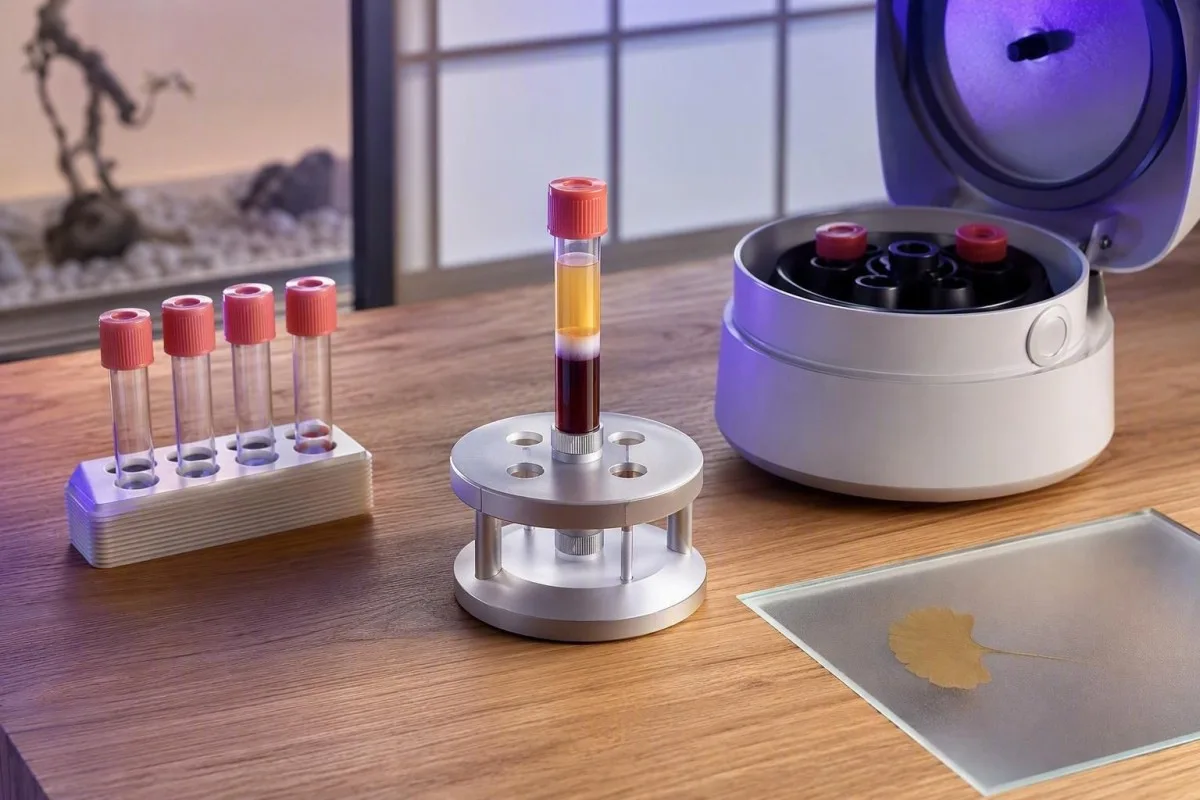
Un primo prelievo utile registra la tua fisiologia abituale, non l'eco biochimico dell'allenamento di ieri, delle bevande, del sonno scarso o di un virus passeggero. L'obiettivo è un contesto ripetibile che puoi utilizzare per anni.


- Tempistica della baseline: prenota un prelievo mattutino dopo 8-12 ore senza cibo se vengono inclusi glucosio a digiuno, trigliceridi, studi sul ferro o insulina.
- Pausa attività fisica: evita allenamenti di resistenza insolitamente intensi, intervalli o eventi di endurance per 24-48 ore prima dei test di baseline di routine.
- Finestra alcolica: evita l'alcol per almeno 48 ore prima dei test di trigliceridi e degli enzimi epatici; il consumo eccessivo di alcol può distorcere i risultati più a lungo.
- Regola sulla malattia: rimanda una baseline per il benessere fino ad almeno 2 settimane dopo la risoluzione della febbre o di sintomi respiratori o gastrointestinali significativi.
- Obiettivo idratazione: bere normalmente il giorno prima e bere 250-500 ml di acqua nelle 2 ore precedenti il prelievo, a meno che non sia richiesto un regime di restrizione dei liquidi.
- Attenzione alla biotina: interrompere l'assunzione di biotina ad alto dosaggio non prescritta per 48-72 ore prima di molti immunoassays, ma non interrompere mai un trattamento prescritto senza consultare il medico.
- Contesto del ciclo: registrare il giorno del ciclo per estradiolo, progesterone, LH, FSH e talvolta lipidi; ciò modifica l'interpretazione più di quanto molti si aspettino.
- Ripetibilità: utilizzare lo stesso laboratorio, un orario mattutino simile e lo stesso schema di preparazione quando si monitorano i risultati di laboratorio nel tempo.
Cosa rende un primo prelievo di sangue una vera baseline?
A esame del sangue di base è più utile quando cattura una settimana ordinaria: pasti stabili, idratazione usuale, nessuna malattia acuta e nessun allenamento o consumo di alcol eccezionali. Per la maggior parte degli adulti, consiglio un campione mattutino dopo un digiuno di 8-12 ore quando vengono misurati glucosio, trigliceridi, marcatori del ferro o insulina.
L'obiettivo pratico non è far apparire migliori i risultati. È ridurre la variazione pre-analitica—cambiamenti che si verificano prima ancora che l'analizzatore veda il campione. Un glucosio a digiuno di 96 mg/dL e un livello di trigliceridi di 105 mg/dL possono essere entrambi del tutto ordinari, eppure il loro significato cambia se la persona ha mangiato tardi, ha corso 10 km o ha dormito 3 ore.
Nel mio lavoro clinico, chiedo ai pazienti di trattare il primo prelievo come una fotografia di riferimento. Tenere un breve registro dell'ora di sveglia, della durata del digiuno, dei farmaci, degli integratori, dell'alcol nelle 72 ore precedenti, dell'esercizio fisico nelle 48 ore precedenti, del giorno del ciclo mestruale e di infezioni recenti. Tale registro è spesso più utile al secondo test che un singolo indicatore di “normalità”.
Kantesti è un Analizzatore di analisi del sangue AI progettato per leggere i risultati insieme a quel contesto pratico, piuttosto che trattare ogni valore evidenziato come una malattia. Per un elenco di test sensato, iniziare con la nostra guida annuale agli esami del sangue e concordare le aggiunte con un medico che conosce la tua storia.
La linea di base è personale, non semplicemente “nell'intervallo”
Un intervallo di riferimento di laboratorio di solito contiene il 95% centrale dei valori di una popolazione selezionata; non definisce il tuo numero personale più sano o più sicuro. Un risultato di creatinina può rimanere all'interno di un intervallo di laboratorio mentre aumenta significativamente rispetto al tuo valore ripetuto, motivo per cui la documentazione della linea di base è importante.
Come il digiuno e i pasti del giorno precedente modellano i risultati
Digiuno per 8-12 ore produce il primo confronto più pulito per trigliceridi, glucosio a digiuno, insulina e ferro sierico, sebbene molti pannelli lipidici possano essere interpretati senza digiuno. L'acqua è permessa e solitamente utile; caffè, succhi di frutta, gomme da masticare e bevande caloriche non costituiscono un vero digiuno.
Un glucosio plasmatico a digiuno inferiore a 100 mg/dL è generalmente normale, 100-125 mg/dL indica ridotta tolleranza al glucosio a digiuno, e 126 mg/dL o superiore richiede conferma, a meno che non siano presenti sintomi e iperglicemia marcata. L'HbA1c riflette approssimativamente le 8-12 settimane precedenti, quindi una colazione non può abbassarla in modo significativo; la guida di laboratorio ADA spiega perché glucosio e HbA1c rispondono a domande diverse (Sacks et al., 2023).
I trigliceridi sono particolarmente sensibili ai pasti. Un valore inferiore a 150 mg/dL è convenzionalmente desiderabile, mentre 500 mg/dL o superiore solleva preoccupazioni per il rischio di pancreatite e merita una pronta valutazione clinica. Un pasto abbondante tardivo o l'alcol possono creare un primo risultato fuorviante, quindi utilizzare un piano di ripetizione del test dei trigliceridi piuttosto che cercare di “mangiare perfettamente” per un giorno.
Kantesti è un Piattaforma di interpretazione esami del sangue AI che possono preservare lo stato di digiuno accanto a ciascun pannello, il che rende i confronti successivi meno soggetti a errori. Il nostro guida ai biomarcatori spiega quali test sono veramente sensibili ai pasti e quali no.
Come l'esercizio fisico può mimare test epatici e renali anomali
L’esercizio fisico intenso può aumentare temporaneamente CK, AST, ALT, creatinina, globuli bianchi e talvolta potassio, quindi evitare allenamenti non familiari o ad alta intensità per 24-48 ore prima di un pannello di base. Camminare lentamente e i normali movimenti quotidiani vanno bene.
Un maratoneta di 52 anni che ho esaminato aveva AST 89 UI/L dopo una lunga gara, con ALT 36 UI/L e CK superiore a 2.000 UI/L. Questo schema indicava più fortemente il muscolo esercitato rispetto a un danno epatico, ma necessitava comunque di una ripetizione dopo il recupero; i numeri isolati sono raramente sufficienti. Per saperne di più su AST dopo l'esercizio prima di presumere un problema epatico.
I limiti di riferimento della creatina chinasi variano in base al laboratorio, al sesso, all'ascendenza, alla massa muscolare e allo stato di allenamento, ma molti laboratori segnalano valori superiori a circa 200-300 UI/L. La CK che supera di 5 volte il limite di riferimento superiore dopo uno sforzo è comune; la CK superiore a 5.000 UI/L con urine scure, forte dolore muscolare o ridotta produzione di urina richiede una valutazione urgente per rabdomiolisi da sforzo.
La creatinina aumenta dopo un'attività intensa in parte a causa della degradazione muscolare e della ridotta perfusione renale dovuta alla perdita di liquidi. Non interpretare una eGFR ridotta da un campione post-gara come malattia renale cronica senza test di recupero; il nostro guida alla creatinina da esercizio spiega la finestra di prelievo più sicura.
Il ripristino di 48 ore non è una regola per tutti
Per una sessione ricreativa in palestra, 24 ore sono spesso adeguate. Dopo un ultramaratona, una competizione CrossFit, un sollevamento pesi eccentrico intenso o un'esposizione al calore, attendo comunemente 48-72 ore se lo scopo è una linea di base stabile piuttosto che la valutazione dell'evento stesso.
Perché l'alcol merita una pausa di 48 ore per la baseline
Evitare l'alcol per almeno 48 ore prima di un esame del sangue di base riduce la distorsione a breve termine di trigliceridi, glucosio, GGT, AST, marcatori di idratazione e fisiologia legata al sonno. Un singolo episodio di consumo eccessivo serale può avere un impatto maggiore di quanto molti pazienti si aspettino.
L'alcol può aumentare i trigliceridi aumentando la produzione epatica di lipoproteine a bassissima densità, in particolare dopo pasti ricchi di carboidrati. L'effetto è variabile: il risultato di una persona torna alla normalità in 24 ore, mentre un'altra con fegato grasso, diabete o un consumo maggiore può mostrare cambiamenti per diversi giorni. Un trigliceride a digiuno di 220 mg/dL dopo un fine settimana di bevute dovrebbe essere ripetuto prima che qualcuno lo etichetti come un problema metabolico fisso.
GGT è sensibile ma aspecifica. Molti laboratori utilizzano limiti superiori intorno a 55-60 UI/L per gli uomini e 35-40 UI/L per le donne, eppure farmaci, colestasi, fegato grasso e alcol possono tutti aumentarla. Il pattern significativo è GGT con ALT, ALP, bilirubina, conta piastrinica e storia di consumo di alcol; vedere il nostro spiegazione del pannello epatico per come questi elementi si incastrano.
A partire dal 1° settembre 2026, sconsiglio ancora la “detossificazione” o il digiuno eccessivo per migliorare i risultati epatici. Cibo normale, acqua normale, niente alcol e un intervallo documentato sono una scienza più pulita. L'ALT persistente al di sopra del limite superiore del laboratorio in due campioni a distanza di diverse settimane giustifica una revisione medica, non una "cura" da internet.
Quando una malattia o una vaccinazione dovrebbero ritardare un prelievo per il benessere
Ritardare una baseline di benessere durante febbre, malattia gastrointestinale attiva, infezione respiratoria significativa o nelle prime 1-2 settimane dopo il recupero perché CRP, ferritina, globuli bianchi, piastrine, glucosio ed esame tiroide possono variare temporaneamente. I test diagnostici urgenti sono diversi: non ritardarli quando non si sta bene.
La proteina C-reattiva aumenta comunemente entro 6-8 ore da uno stimolo infiammatorio e può diminuire rapidamente una volta che il fattore scatenante si placa. Una CRP inferiore a 3 mg/L viene spesso utilizzata per la stratificazione del rischio cardiovascolare solo quando una persona è clinicamente bene; un risultato di 18 mg/L durante un raffreddore dice poco sul rischio vascolare a lungo termine. Il pattern CRP e albumina è più informativo di ciascun risultato da solo.
La ferritina è sia una proteina di deposito del ferro che un reagente di fase acuta. Una ferritina di 110 ng/mL durante un'infezione può mascherare esaurimenti delle scorte di ferro, mentre una ferritina inferiore a 15 ng/mL è altamente specifica per la carenza di ferro in un adulto altrimenti sano. Questo è il motivo per cui abbino la ferritina alla saturazione della transferrina, alla CRP, all'emoglobina e alla storia clinica.
La vaccinazione può causare una breve risposta immunitaria, comprese variazioni transitorie di CRP e sottopopolazioni di globuli bianchi. I test di routine solitamente possono attendere 3-7 giorni dopo la vaccinazione se l'obiettivo è una baseline stabile, ma un pannello di sicurezza programmato per il monitoraggio dei farmaci dovrebbe seguire le istruzioni del medico prescrittore. Il nostro guida di laboratorio post-vaccinazione copre le distinzioni pratiche.
Una regola di due settimane ha eccezioni
Dopo polmonite, ospedalizzazione, mononucleosi infettiva o una grave riacutizzazione di malattia cronica, due settimane potrebbero non essere sufficienti. In questi casi, uso spesso il recupero dei sintomi, l'andamento della CRP e il giudizio clinico piuttosto che un calendario da solo.
Come la perdita di sonno e la tempistica cambiano un esame del sangue
Una sola notte di sonno insufficiente può aumentare il glucosio a digiuno, il cortisolo, la pressione sanguigna e i segnali infiammatori, mentre la tempistica può alterare testosterone, cortisolo, ferro e TSH. Per una prima baseline, punta a 7-9 ore di sonno abituale e campiona tra le 7 e le 10 del mattino, quando possibile.
Il cortisolo segue un forte ritmo circadiano. Il cortisolo sierico mattutino viene comunemente misurato intorno alle 8 del mattino, ma un valore non può diagnosticare una malattia surrenalica senza l'orario di prelievo, i sintomi e spesso test ACTH. Un campione pomeridiano confrontato con un precedente campione delle 8 del mattino non è un trend valido, anche se lo stesso laboratorio esegue entrambi.
La restrizione del sonno di 4-5 ore può peggiorare la sensibilità all'insulina del mattino successivo e alterare gli ormoni dell'appetito; la dimensione della variazione di laboratorio varia considerevolmente da persona a persona. Vedo questo più spesso nei lavoratori turnisti, nei neogenitori e nei viaggiatori frequenti, dove una “baseline” deve rappresentare il loro programma effettivo piuttosto che uno idealizzato. Il nostro guida ai laboratori per il sonno di scarsa qualità offre una utile checklist di annotazione.
Il consiglio pratico del Dr. Thomas Klein è semplice: non annullare un test necessario perché hai dormito male, ma registralo. Se un glucosio a digiuno borderline è 103 mg/dL dopo una nottata insonne, ripetilo in condizioni normali prima di trarre conclusioni sul prediabete.
La caffeina non è sempre una preparazione innocua
Caffè nero può avere poco effetto su molti pannelli, ma può influenzare glucosio, catecolamine, pressione sanguigna e alcuni test endocrini specializzati. Quando vengono richiesti insulina a digiuno, glucosio, cortisolo o metanefrine, l'acqua naturale è la scelta meno ambigua.
Quali integratori e farmaci devono essere registrati
Non interrompere i farmaci prescritti per un esame del sangue di base a meno che non te lo indichi il prescrittore, ma registra ogni farmaco e integratore con dose e tempistica. Biotina, ferro, B12, creatina, iodio, corticosteroidi e decongestionanti possono alterare la biologia o il saggio del test.
L'alto dosaggio di biotina, spesso 5.000-10.000 microgrammi al giorno in prodotti per capelli e unghie, può interferire con alcuni immuno-saggi streptavidina-biotina. Può creare un TSH falsamente basso o un T4 libero, troponina o risultati ormonali falsamente alti a seconda del disegno del saggio. Una pausa di 48-72 ore è comunemente utilizzata per la biotina non prescritta, ma le persone che la assumono per una condizione medica dovrebbero prima chiedere al proprio medico.
Il ferro orale può aumentare transitoriamente il ferro sierico, e gli integratori di creatina possono aumentare la creatinina senza ridurre la filtrazione effettiva. I corticosteroidi possono elevare il glucosio e i globuli bianchi; gli inibitori di pompa protonica possono influenzare il magnesio e la B12 nel tempo. La risposta corretta è il contesto, non l'auto-interruzione brusca; la nostra guida agli integratori a digiuno spiega le eccezioni comuni.
Kantesti è un Strumento di analisi degli esami del sangue basato su AI che registra gli integratori segnalati accanto ai risultati in modo che un apparente cambiamento tiroideo o renale possa essere rivisto con l'esposizione che può spiegarlo. I pazienti possono anche confrontare i risultati segnalati con la nostra lista di controllo di accuratezza clinica prima di agire su un segnale inaspettato.
La tempistica dei farmaci può essere parte della prescrizione
La terapia sostitutiva tiroidea, la terapia con testosterone, l'insulina, i diuretici e gli anticoagulanti hanno ciascuno regole di tempistica specifiche per il test. Ad esempio, i test tiroidei vengono spesso prelevati prima della dose giornaliera di levotiroxina quando si monitora la coerenza, ma il protocollo del medico prescrittore dovrebbe avere la priorità.
Come la tempistica mestruale influisce sulla baseline ormonale iniziale
Per i test degli ormoni riproduttivi, il giorno del ciclo fa parte del risultato. FSH, LH, estradiolo, progesterone, testosterone, prolattina e talvolta lipidi possono variare abbastanza durante il ciclo che una data non registrata indebolisce l'interpretazione.
Il test nella fase follicolare precoce, spesso giorni del ciclo 2-5, è comunemente usato per FSH, LH ed estradiolo di base nella valutazione della fertilità. Il progesterone viene solitamente misurato circa 7 giorni dopo l'ovulazione, non automaticamente “giorno 21”, perché un ciclo di 35 giorni segue una biologia diversa. Un valore di progesterone superiore a circa 3 ng/mL può supportare un'ovulazione recente in molti contesti, ma l'interpretazione esatta dipende dal saggio e dalla tempistica.
La prolattina è sensibile allo stress, all'esercizio fisico recente, all'attività sessuale e a una raccolta difficile del campione. Lievi elevazioni vengono spesso ripetute dopo 20-30 minuti di riposo tranquillo, idealmente al mattino; un livello persistentemente superiore a 100 ng/mL merita una valutazione endocrina tempestiva, sebbene gli effetti dei farmaci rimangano comuni. Vedere la nostra guida al re-test della prolattina per i prossimi passi sensati.
Gli spostamenti dei lipidi correlati al ciclo sono reali ma solitamente inferiori ai cambiamenti dovuti al peso, alla dieta, all'alcol, al diabete o alla genetica. Se si intende monitorare la salute con esami del sangue nel corso degli anni, scegliere una fase del ciclo simile per ripetere i pannelli lipidici e ormonali quando possibile, soprattutto durante la valutazione di sintomi o trattamenti.
La contraccezione ormonale cambia la domanda
La contraccezione ormonale combinata può sopprimere le misurazioni endogene di FSH, LH, estradiolo e androgeni, quindi questi risultati potrebbero non descrivere la fisiologia non trattata. Non interrompere la contraccezione semplicemente per ottenere un valore di base senza considerare il rischio di gravidanza e il motivo clinico del test.
Perché idratazione, postura e tecnica di raccolta sono importanti
Una normale idratazione e 10-15 minuti di riposo seduto prima del prelievo migliorano la ripetibilità poiché la disidratazione, la stazione eretta prolungata e un prelievo difficile possono concentrare o distorcere diversi risultati. Bere normalmente il giorno prima e, a meno che non sia consentrita una restrizione di liquidi, assumere 250-500 mL di acqua nelle 2 ore precedenti l'appuntamento.
La contrazione del volume plasmatico può far apparire l'emoglobina, l'ematocrito, l'albumina, il calcio, le proteine totali e la creatinina più alti di quanto non sarebbero in condizioni di idratazione ordinaria. Al contrario, bere aggressivamente litri di acqua immediatamente prima del test può diluire il sodio e altre misurazioni. Un intervallo normale per il sodio è generalmente 135-145 mmol/L, ma un risultato inaspettato dovrebbe sempre essere interpretato in relazione allo stato di idratazione e glicemia.
La postura conta più di quanto la maggior parte delle persone pensi. Stare in piedi può aumentare l'albumina e gli analiti legati alle proteine attraverso spostamenti di fluidi, mentre un tempo prolungato del laccio emostatico e ripetuti sforzi con la mano chiusa a pugno possono aumentare in modo spurio il potassio e il lattato. Un potassio superiore a 5,5 mmol/L senza malattia renale, sintomi o alterazioni dell'ECG viene spesso ricontrollato prontamente poiché l'artefatto di raccolta è comune; la nostra guida all'errore di prelievo del potassio spiega perché.
Mestruazioni, recente perdita di liquidi dovuta a diarrea, diuretici e uso di sauna appartengono tutti alla nota allegata al prelievo. Se l'eGFR è inaspettatamente basso dopo la disidratazione, ripristinare l'assunzione normale e discutere un nuovo test; vedere variazioni temporanee dell'eGFR prima di presumere un danno renale permanente.
Un provetta rossa non è una diagnosi
Il colore della provetta identifica l'additivo utilizzato per l'elaborazione di laboratorio, non la gravità del test. Ciò che conta clinicamente è la corretta selezione della provetta, la temperatura di trasporto, il ritardo nell'elaborazione e se il laboratorio segnala emolisi o un campione insufficiente.
Come rendere i risultati successivi comparabili al primo prelievo
Utilizzare lo stesso laboratorio, un orario di raccolta simile e una routine di preparazione simile ogni volta che si monitorano i risultati di laboratorio nel tempo. Un reale cambiamento biologico può essere inferiore all'effetto combinato del metodo di saggio, dello stato di digiuno, dell'esercizio fisico e della variazione ordinaria giorno per giorno.
Il colesterolo LDL può essere calcolato piuttosto che misurato direttamente, e il calcolo diventa meno affidabile all'aumentare dei trigliceridi. La linea guida AHA/ACC del 2018 sul colesterolo supporta lo screening non a digiuno in molte persone, ma raccomanda la valutazione a digiuno in circostanze selezionate, inclusi trigliceridi molto elevati e incertezza diagnostica (Grundy et al., 2019). Il punto cruciale è la coerenza, non la perfezione.
Valore di cambiamento di riferimento, o RCV, combina l'imprecisione analitica con la normale variazione biologica individuale. Un movimento di 10% in un marker può essere rumore mentre un cambiamento di 30% in un altro è significativo; non esiste una percentuale universale che si applichi a ogni test. La nostra guida "Questo cambiamento è reale" mostra perché le tendenze richiedono più di frecce colorate.
Kantesti AI interpreta i pannelli ripetuti confrontando le unità di saggio, gli intervalli di riferimento, le date di raccolta e i biomarcatori correlati, piuttosto che semplicemente contare le bandierine anomale. La nostra flusso di lavoro di confronto AI è costruita per questa domanda longitudinale: cosa è cambiato abbastanza da meritare attenzione?
Conservare il referto originale
Salvare il PDF o una fotografia nitida, non solo un risultato digitato. Conversioni di unità, intervalli di laboratorio, commenti sull'emolisi e se l'LDL è stato calcolato possono cambiare materialmente il modo in cui un futuro clinico leggerà la tendenza.
La nota di contesto da salvare con ogni esame del sangue
Una breve nota contestuale trasforma numeri isolati in dati longitudinali utilizzabili. Registrare data, ora, ore di digiuno, sonno, esercizio, alcol, malattie, farmaci, integratori, giorno del ciclo, variazioni di peso e nuovi sintomi ad ogni prelievo.
La mia nota minima ha otto elementi: ora della raccolta; durata del digiuno; esercizio fisico entro 48 ore; alcol entro 72 ore; malattia attuale; modifiche alle prescrizioni; dose e ultima dose dei supplementi; e stato mestruale o gravidanza, ove pertinente. Aggiungere viaggi, jet lag e altitudine quando questi si applicano, poiché ognuno può modificare l'idratazione, il cortisolo, l'emoglobina e i marcatori sensibili al sonno.
Una perdita di peso di 1,5 kg in 10 giorni, una nuova dieta ad alto contenuto proteico o diverse notti di sonno frammentato possono spiegare modesti cambiamenti nei test ematici nel tempo. Ciò non rende il risultato privo di importanza, ma lo rende interpretabile. Per una versione riutilizzabile, il nostro tracker di contesto del laboratorio include i dettagli che i pazienti dimenticano più spesso.
Il dott. Thomas Klein raccomanda di scrivere la nota prima di lasciare casa, non mentre si aspettano i risultati. La memoria diventa inaffidabile dopo un segnale inaspettato e le persone ricostruiscono comprensibilmente la settimana precedente per adattarla al numero.
Cosa non registrare come “correzione”
Non manipolare la dieta, l'assunzione di acqua, l'esercizio fisico o gli integratori al solo scopo di ottenere una prima linea di base più attraente. Una linea di base dovrebbe rappresentare la tua vita; altrimenti il test successivo potrebbe sembrare peggiore semplicemente perché è più onesto.
Quali risultati borderline dovrebbero essere ripetuti prima di preoccuparsi
Molti risultati di base borderline dovrebbero essere ripetuti in condizioni stabili prima di essere trattati come malattia, in particolare lievi alterazioni isolate degli enzimi epatici, creatinina, potassio, prolattina, neutrofili e trigliceridi. Sintomi urgenti o valori marcatamente anomali fanno eccezione.
Un ALT inferiore a 2 volte il limite superiore di laboratorio con bilirubina, ALP normali e assenza di sintomi viene comunemente ricontrollato dopo aver rimosso contributori temporanei come alcol, esercizio fisico intenso o malattia intercorrente. Un livello di bilirubina superiore a 3 mg/dL con ittero, urine scure, feci pallide, febbre o dolore addominale è diverso e non dovrebbe attendere un normale controllo di base.
Un basso conteggio neutrofilo lieve può seguire un'infezione virale o riflettere la normalità stabile di un individuo. Un conteggio assoluto dei neutrofili di 1,0-1,5 × 10⁹/L è solitamente una neutropenia lieve, mentre al di sotto di 0,5 × 10⁹/L comporta un rischio di infezione sostanzialmente più elevato e merita un'urgente consulenza medica, in particolare con la febbre. La nostra guida al follow-up dei neutrofili separa i controlli comuni dai segnali di allarme.
Una delle salvaguardie più utili è il controllo del pattern. Ad esempio, un calcio elevato con un ormone paratiroideo soppresso ha un'urgenza diversa rispetto a un calcio elevato più disidratazione e aumento dell'albumina; il motivo per cui ci preoccupiamo delle combinazioni è che la biologia raramente modifica un solo marcatore.
Quando un esame del sangue di base non dovrebbe sostituire l'assistenza medica
Un protocollo di base non è appropriato quando si hanno sintomi allarmanti, malattia in rapido peggioramento, complicazioni della gravidanza o un allarme di laboratorio critico. Dolore toracico, grave difficoltà respiratoria, confusione, svenimento, ittero, feci nere o grave disidratazione richiedono una valutazione clinica immediata, non un test ripetuto con una migliore preparazione.
Potassio di 6,0 mmol/L o superiore, sodio inferiore a 120 mmol/L, glucosio superiore a 300 mg/dL con vomito o confusione, o emoglobina vicino a 7 g/dL sono esempi di risultati che potrebbero richiedere un'azione urgente, sebbene il contesto clinico completo sia importante. I laboratori contattano comunemente il team richiedente per valori critici, ma i pazienti non devono presumere che una chiamata persa significhi che un risultato sia sicuro.
Se sei incinta, soffri di malattia renale cronica, assumi insulina, usi anticoagulanti, ricevi chemioterapia o hai una malattia epatica nota, le istruzioni di preparazione potrebbero differire dal modello per il benessere. Un periodo di digiuno può essere insicuro per alcune persone con diabete e la tempistica dei farmaci potrebbe essere essenziale. La nostra guida sulla frequenza dei test delinea perché il gruppo di rischio cambia il piano.
Kantesti è un servizio di interpretazione dei test del laboratorio di IA che aiuta a identificare domande per i medici, non è un sostituto per la valutazione urgente o una diagnosi. Le salvaguardie cliniche e i principi di revisione medica alla base del nostro lavoro sono descritti dal nostro Comitato consultivo medico.
Un pratico protocollo di 72 ore per la tua prima baseline
Per una prima linea di base utile, mantieni la tua routine per 72 ore, salta l'alcol per 48 ore, evita esercizi estenuanti per 24-48 ore, dormi normalmente, digiuna 8-12 ore quando indicato, bevi acqua e registra il tuo contesto. La coerenza è l'intervento.
Settantadue-48 ore prima: non iniziare un nuovo integratore, dieta drastica, pulizia o blocco di allenamento. Se assumi già un integratore, registra la dose esatta; se contiene alte dosi di biotina, chiedi al medico curante o al farmacista se una sospensione di 48-72 ore è appropriata. Evita l'alcol per 48 ore e posticipa i test di routine se la malattia è attiva.
Il giorno prima: mangia i tuoi pasti ordinari, idratati normalmente, evita sauna o eventi di resistenza e pianifica 7-9 ore a letto. Per i pannelli a digiuno, termina il cibo 8-12 ore prima dell'appuntamento; l'acqua va bene. La mattina del prelievo, evita caffè e nicotina se sono previsti test di glucosio, insulina, cortisolo, catecolamine o test endocrini specializzati.
Dopo l'arrivo del risultato, salva il rapporto originale e la sua nota contestuale prima di cambiare qualcosa. Kantesti L'IA può organizzare i risultati in una vista longitudinale, mentre la nostra guida tecnologica e clinico-metodologica spiega perché il riconoscimento dei pattern necessita ancora di un follow-up medico umano per sintomi, anomalie maggiori e decisioni terapeutiche.
Domande frequenti
Come ci si prepara per un esame del sangue di base?
Preparati per un esame del sangue di base mantenendo la tua routine abituale, evitando alcolici per 48 ore, evitando esercizi fisici intensi per 24-48 ore, dormendo normalmente e documentando farmaci e integratori. Digiuna per 8-12 ore se l'ordine include glucosio a digiuno, trigliceridi, insulina o studi sul ferro; l'acqua è generalmente consentita. Bevi normalmente piuttosto che idratarti eccessivamente e programma un prelievo al mattino tra le 7 e le 10 circa quando sono inclusi ormoni o ferro. Rimanda un esame di base per il benessere durante una malattia acuta, a meno che il test non sia necessario per valutare tale malattia.
Devo digiunare per il mio primo esame del sangue?
Un digiuno di 8-12 ore è più utile per un primo esame del sangue che include trigliceridi, glucosio a digiuno, insulina o ferro sierico, sebbene molti pannelli lipidici di routine non richiedano più il digiuno. La sola acqua non interrompe il digiuno e aiuta a prevenire difficoltà nella raccolta o effetti di concentrazione legati alla disidratazione. Caffè, succo di frutta, latte, alcol, gomma da masticare e integratori possono alterare risultati selezionati o invalidare la preparazione prevista. Seguire le istruzioni specifiche dell'ordine se il medico fornisce una diversa durata del digiuno.
L'esercizio fisico può influenzare i risultati delle analisi del sangue il giorno dopo?
Sì, un esercizio fisico strenuo può influenzare i risultati delle analisi del sangue per 24-72 ore aumentando la creatina chinasi, AST, ALT, creatinina, globuli bianchi e, occasionalmente, il potassio. Un allenamento di resistenza intenso, la corsa di maratona, gli intervalli ad alta intensità e l'esposizione al calore producono variazioni maggiori rispetto a una camminata normale. Per una linea di base di benessere stabile, evitare esercizi insoliti o intensi per 24-48 ore; dopo un evento di resistenza maggiore, 48-72 ore sono spesso più realistiche. Non ritardare test urgenti per sintomi quali dolore muscolare grave, urine scure, debolezza o diminuzione dell'output urinario.
Quanto tempo devo evitare l'alcol prima di un esame del sangue?
Evitare l'alcol per almeno 48 ore prima di un esame del sangue di base, specialmente quando vengono valutati trigliceridi, glucosio, GGT, AST, ALT o marcatori sensibili all'idratazione. L'alcol può aumentare i trigliceridi anche dopo una sola serata di abbondante consumo e l'effetto può durare diversi giorni nelle persone con diabete, fegato grasso o un consumo abituale più elevato. Un risultato di trigliceridi pari o superiore a 500 mg/dL richiede una pronta valutazione clinica perché il rischio di pancreatite aumenta notevolmente. Non tentare una purga o un digiuno severo in seguito; pasti normali e idratazione producono un risultato di ripetizione più veritiero.
Un sonno scarso può alterare i risultati delle analisi del sangue?
Un sonno insufficiente può alterare la glicemia a digiuno della mattina successiva, il cortisolo, la pressione sanguigna e alcuni segnali infiammatori, in particolare dopo 4-5 ore di sonno o un turno di notte. Non altera in modo significativo l'HbA1c, che riflette la glicemia media su circa 8-12 settimane. Se un risultato di base non urgente è al limite dopo una notte insonne, registrare la perdita di sonno e considerare di ripetere il test in condizioni ordinarie. I test necessari dovrebbero comunque procedere, poiché i sintomi e le anomalie marcate contano più di una preparazione ideale.
Devo fare il dosaggio degli ormoni in un giorno specifico del mio ciclo mestruale?
Sì, i test ormonali dovrebbero essere programmati in base alla domanda clinica e il giorno del ciclo mestruale dovrebbe essere sempre registrato. FSH, LH ed estradiolo vengono spesso valutati nei giorni 2-5 del ciclo per una linea di base precoce nel follicolo, mentre il progesterone viene comunemente controllato circa 7 giorni dopo l'ovulazione piuttosto che automaticamente il giorno 21. Un livello di progesterone superiore a circa 3 ng/mL può supportare l'ovulazione recente, ma i laboratori e le situazioni cliniche differiscono. La contraccezione ormonale altera i risultati degli ormoni endogeni, quindi non interromperla solo per i test senza consiglio medico.
Ottieni oggi l’analisi degli esami del sangue con IA (AI-Powered Blood Test Analysis)
Unisciti a oltre 2 milioni di utenti in tutto il mondo che si fidano di Kantesti per un’analisi istantanea e accurata degli esami di laboratorio. Carica i tuoi risultati analisi del sangue e ricevi un’interpretazione completa dei biomarcatori di 15,000+ in pochi secondi.
📚 Pubblicazioni di ricerca di riferimento
Klein, T., Mitchell, S., & Weber, H. (2026). Kantesti LTD. (2026). Guida al test del sangue C3 C4 del complemento e al titolo ANA. Zenodo.. Kantesti AI Medical Research.
Klein, T., Mitchell, S., & Weber, H. (2026). Kantesti LTD. (2026). Guida 2026 all’esame del sangue per il virus Nipah: rilevazione precoce e diagnosi. Zenodo.. Kantesti AI Medical Research.
📖 Riferimenti medici esterni
⚕️ Esclusione di responsabilità medica
Questo articolo ha solo scopo educativo e non costituisce consulenza medica. Consulta sempre un operatore sanitario qualificato per decisioni su diagnosi e trattamento.
Segnali di fiducia E-E-A-T
Esperienza
Revisione clinica guidata da un medico dei flussi di lavoro di interpretazione degli esami.
Competenza
Focus sulla medicina di laboratorio su come i biomarcatori si comportano nel contesto clinico.
autorevolezza
Scritto dal dott. Thomas Klein con revisione della dott.ssa Sarah Mitchell e del Prof. Dr. Hans Weber.
Affidabilità
Interpretazione basata su evidenze, con percorsi di follow-up chiari per ridurre l’allarme.