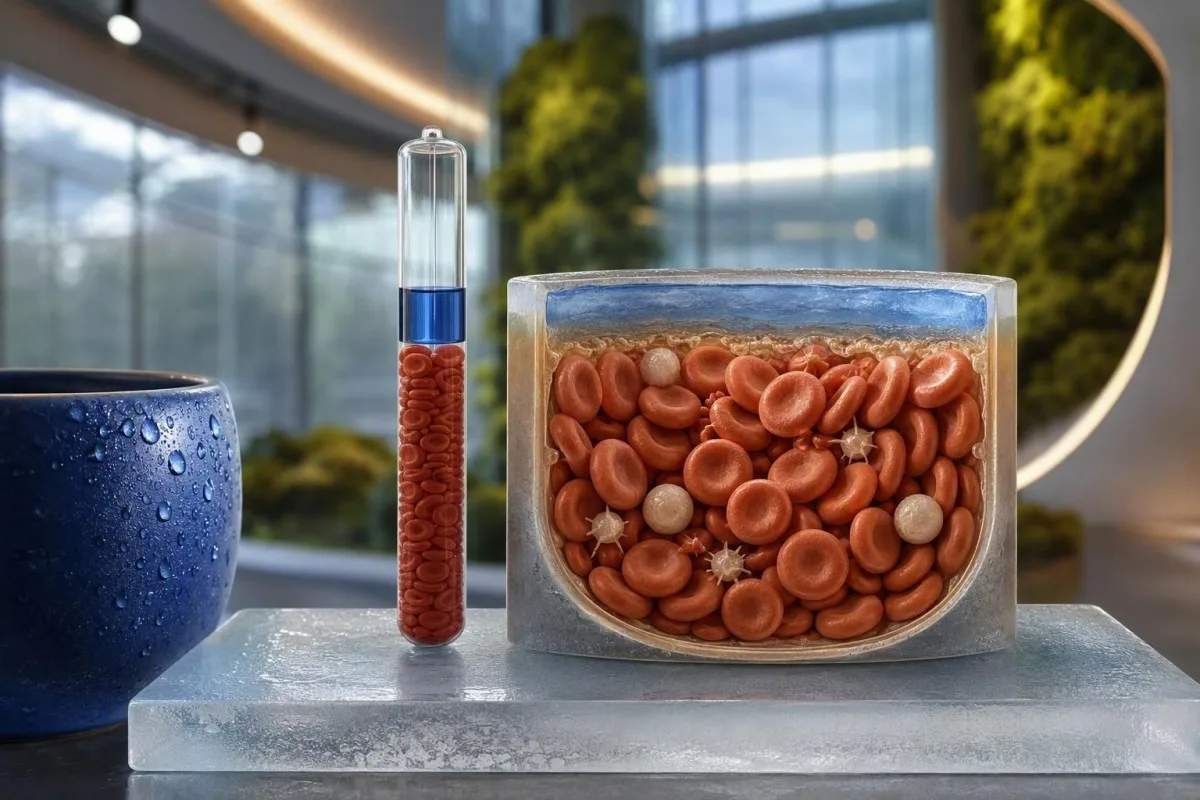
شمارش بالای RBC میتواند نشاندهنده غلیظ شدن خون باشد تا وجود گلبولهای قرمز اضافی. اولین قدم، تفکیک کاهش موقت مایعات بدن از افزایش پایداری است که نیاز به بررسی دقیق دارد.


- اریتروسیتوز نسبی به این معنی است که حجم آب پلاسما کاهش یافته و باعث میشود شمارش RBC، هموگلوبین و هماتوکریت بدون تولید سلولهای جدید، بالا به نظر برسند.
- آستانه WHO مقادیری که از احتمال پلیسیتمی ورا حمایت میکنند عبارتند از: هموگلوبین بالای 16.5 گرم در دسیلیتر در مردان یا 16.0 گرم در دسیلیتر در زنان، یا هماتوکریت بالای 49 درصد و 48 درصد به ترتیب.
- تکرار آزمایش پس از هیدراتاسیون (آبرسانی) معمولاً برای افزایش خفیف و منفرد پس از استفراغ، اسهال، قرار گرفتن در معرض گرما، روزهداری یا ورزش شدید منطقی است—در صورتی که از جهات دیگر مشکلی نداشته باشید.
- داروهای ادرارآور میتواند از طریق از دست دادن مایعات، هماتوکریت را افزایش دهد؛ بدون مشورت با پزشکی که دارو را تجویز کرده است، آن را قطع نکنید.
- الگو مهم است: بالا بودن آلبومین، پروتئین کل، سدیم، نسبت BUN به کراتینین و وزن مخصوص ادرار، بیشتر از تولید بیش از حد واقعی گلبولهای قرمز، نشاندهنده کمآبی بدن است.
- زمانبندی تکرار معمولاً ۱ تا ۲ هفته پس از بهبودی، دریافت مایعات کافی و ۲۴ تا ۴۸ ساعت عدم انجام ورزشهای سنگین غیرمعمول است، مگر اینکه علائم فوری وجود داشته باشد.
- افزایش مداوم پس از هیدراتاسیون مناسب، نیازمند ارزیابی از نظر مواجهه با دود سیگار، اختلالات تنفسی در خواب، ارتفاع، تستوسترون، بیماریهای ریوی یا کلیوی، اریتروپویتین و اغلب آزمایش JAK2 است.
- علائم اورژانسی شامل درد قفسه سینه، تنگی نفس جدید، ضعف یکطرفه، از دست دادن بینایی، گیجی، یا درد و تورم پا است؛ این موارد نیاز به مراقبت فوری دارند، نه آزمایش مجدد در منزل.
معنای معمول نتیجه بالای RBC چیست
شمارش بالای RBC میتواند ناشی از یک افزایش کاذب بر اثر کمآبی بدن باشد، زمانی که از دست دادن مایعات باعث غلیظ شدن بخش سلولی خون میشود؛ این لزوماً به این معنی نیست که مغز استخوان شما بیش از حد گلبول قرمز تولید میکند. سرنخ اصلی این است که آیا هموگلوبین و هماتوکریت پس از بهبودی و نوشیدن مایعات کافی به سطح نرمال برمیگردند یا خیر، بهجای اینکه در یک CBC تکراری که با آمادگی مناسب انجام شده، همچنان بالا باقی بمانند.
شمارش RBC تعداد گلبولهای قرمز در هر لیتر را گزارش میکند، در حالی که هماتوکریت کسر خون کامل اشغالشده توسط آن سلولها را گزارش میدهد. محدودههای مرجع بزرگسالان بسته به آزمایشگاه متفاوت است، اما بسیاری از آنها برای مردان از حدود 4.5–5.9 × 10¹²/L و برای زنان از 4.1–5.1 × 10¹²/L استفاده میکنند. مقداری که کمی بالاتر از محدوده است، اغلب نسبت به هموگلوبین و هماتوکریت کنار آن اطلاعات کمتری ارائه میدهد؛ راهنمای ما برای اینکه CBC چه چیزهایی را شامل میشود توضیح میدهد چرا.
کمآبی بدن طی چند ساعت جزء مایع خون را کاهش میدهد، بنابراین همان توده گلبول قرمز، حجم اندازهگیریشده کمتری را اشغال میکند. در کلینیک، من معمولاً این حالت را پس از بیماریهای گوارشی میبینم: RBC 5.8 × 10¹²/L، هموگلوبین 17.1 g/dL، هماتوکریت 51 درصد، و سپس مقادیر نرمال پس از بهبودی. این وضعیت اریتروسیتوز نسبی, است، نه یک خطای آزمایشگاهی و نه لزوماً یک بیماری.
کانتستی یک آنالایزر آزمایش خون هوش مصنوعی که RBC، هموگلوبین، هماتوکریت، اندیسهای گلبول قرمز، نشانگرهای کلیوی و نتایج قبلی را با هم بررسی میکند. از تاریخ 5 سپتامبر 2026، روند بررسی بالینی ما یک پرچم (flag) مرزی واحد در CBC را به عنوان هشداری برای بررسی آمادگی و روند تغییرات در نظر میگیرد، نه به عنوان یک تشخیص قطعی.
شمارش RBC با توده گلبولهای قرمز متفاوت است.
یک CBC نمیتواند مستقیماً توده کل گلبولهای قرمز را اندازهگیری کند. این آزمایش غلظت را اندازه میگیرد که با کاهش حجم پلاسما افزایش مییابد؛ مطالعات تخصصی ایزوتوپی توده گلبول قرمز امروزه به ندرت مورد نیاز هستند، اما نشان میدهند که چرا یک CBC غلیظشده میتواند بدون افزایش واقعی سلولها، نگرانکننده به نظر برسد.
اریتروسیتوز نسبی در مقابل افزایش واقعی گلبولهای قرمز
اریتروسیتوز نسبی، افزایش RBC، هموگلوبین یا هماتوکریت ناشی از کاهش حجم پلاسما است، در حالی که اریتروسیتوز مطلق نشاندهنده افزایش واقعی توده گلبولهای قرمز است. هیدراتاسیون (آبرسانی) میتواند الگوی اول را اصلاح کند اما الگوی دوم را تغییر نمیدهد.
اریتروسیتوز واقعی ممکن است اولیه باشد، مانند پلیسیتمی ورا، یا ثانویه به افزایش اریتروپویتین ناشی از کمبود اکسیژن، داروها، یا به ندرت یک فرآیند کلیوی. معیارهای WHO در سال 2016 از هموگلوبین بالای 16.5 g/dL در مردان یا 16.0 g/dL در زنان به عنوان حد آستانهای استفاده میکنند که باید احتمال پلیسیتمی ورا را مطرح کند، بهویژه زمانی که پایدار باشد (Arber et al., 2016). یک مقدار واحد برای تشخیص آن کافی نیست.
تفاوت عملی در بقیه پنل آزمایش است. شمارش بالای RBC ناشی از کمآبی بدن اغلب شامل آلبومین بالا، پروتئین کل، اوره/BUN، سدیم و ادرار غلیظ است؛ اریتروسیتوز مطلق ممکن است این نشانگرها را در حد نرمال نگه دارد. مقاله تخصصی ما را در مورد هموگلوبین کمی بالا مطالعه کنید، اگر هموگلوبین، به جای تنها RBC، نتیجهای است که دارای پرچم (flag) شده است.
یک شمارش نرمال RBC در صورت بالا بودن هموگلوبین یا هماتوکریت، اریتروسیتوز را رد نمیکند، و شمارش بالای RBC به تنهایی میتواند با وجود گلبولهای قرمز کوچک ناشی از کمخونی فقر آهن یا تالاسمی مینور رخ دهد. به همین دلیل MCV و فریتین اهمیت دارند؛ RBC بالا با MCV زیر 80 fL یک بحث بالینی متفاوت است.
چگونه کمآبی بدن باعث تغییر CBC و شاخصهای کلیوی میشود
کمآبی بدن معمولاً شمارش RBC، هموگلوبین و هماتوکریت را با هم افزایش میدهد و اغلب باعث افزایش آلبومین، پروتئین کل، اوره/BUN، کراتینین و غلظت ادرار میشود. نتیجه ناهماهنگ—مثلاً RBC بالا با هموگلوبین پایین—با هموکانسانتراسیون (غلیظ شدن خون) ساده مطابقت چندانی ندارد.
نسبت BUN/کراتینین بالاتر از حدود ۲۰:۱ در واحدهای رایج آمریکا میتواند کاهش خونرسانی کلیه ناشی از از دست دادن مایعات را مطرح کند، هرچند خونریزی گوارشی، دریافت پروتئین، کورتیکواستروئیدها و توده عضلانی کم میتوانند این نسبت را تغییر دهند. کراتینین ممکن است پس از قرارگیری در معرض گرما یا دویدن طولانی، بهطور خفیف افزایش یابد، زیرا فیلتراسیون و متابولیسم عضلانی هر دو تغییر میکنند. مقاله ما کم آبی بدن و eGFR زمان تکرار آزمایش در صورت پایین بودن eGFR را پوشش میدهد.
وزن مخصوص ادرار ۱٫۰۲۵ یا بالاتر با ادرار غلیظ سازگار است، اما شاخص مستقیم میزان آب بدن نیست. گلوکز، پروتئین و برخی مواد حاجب تصویربرداری نیز میتوانند آن را افزایش دهند؛ بنابراین پزشک باید آن را با توجه به علائم و الکترولیتها تفسیر کند. یک مرجع وزن مخصوص ادرار زمانی مفید است که CBC و آزمایش ادرار در یک روز انجام شده باشند.
توصیه میکنم برای طبیعی جلوه دادن اجباری نتیجه آزمایش، بلافاصله پیش از خونگیری چند لیتر آب ننوشید. نوشیدن بیشازحد و سریع میتواند سدیم خون را کاهش دهد و نمونهای غیرواقعی ایجاد کند؛ برای افرادی که محدودیت مصرف مایعات ندارند، وعدههای غذایی معمول و مصرف مایعات بر اساس تشنگی طبیعی طی ۲۴ تا ۴۸ ساعت معمولاً ایمنتر است.
استفراغ، اسهال، گرما، روزهداری و داروهای مدر (ادرارآور)
استفراغ، اسهال، تعریق شدید، روزهداری طولانی و داروهای مدر همگی میتوانند با کاهش آب پلاسما، بهطور موقت غلظت RBC را افزایش دهند. میزان افزایش بیشتر به مقدار از دست رفتن و جایگزینی مایعات بستگی دارد تا به شدت احساس ناخوشی فرد.
استفراغ حاد اغلب باعث کاهش کلراید و گاهی افزایش بیکربنات میشود، زیرا اسید معده و مایعات از دست میروند. دیورتیکهای لوپ مانند فوروزماید و تیازیدها نیز میتوانند الگوی مشابهی از کاهش حجم مایعات ایجاد کنند، بهویژه در سالمندان. نتیجه کلراید پایین باید در همین چارچوب بالینی تفسیر شود؛ به سرنخهای مربوط به کلراید در استفراغ و مصرف دیورتیکها ببینید.
برای بهبود CBC، مصرف دیورتیک تجویزشده را بدون مشورت پزشکی قطع نکنید. افرادی که این داروها را برای نارسایی قلبی، سیروز، پرفشاری خون مقاوم یا بیماری کلیوی مصرف میکنند، ممکن است به برنامهای اختصاصی برای مصرف مایعات نیاز داشته باشند، زیرا نوشیدن بیرویه میتواند تورم یا تنگی نفس را بدتر کند. پرسش درست این است که آیا دوز دارو، علائم، وزن، فشار خون و نتایج کلیوی با یکدیگر همخوانی دارند یا خیر.
تشنگی در بزرگسالان بالای ۶۵ سال و افراد مبتلا به دیابت، بیماری کلیوی یا برخی بیماریهای عصبی، راهنمایی مفید اما ناقصی است. ادرار زرد تیره، خشکی دهان، سبکی سر هنگام تغییر وضعیت، کاهش ادرار و کاهش ۱ کیلوگرم وزن طی ۲۴ ساعت میتوانند از دست دادن مایعات را مطرح کنند، اما علائم شدید بهجای خوددرمانی، نیازمند ارزیابی هستند.
ورزش میتواند به طور موقت باعث غلیظ شدن خون شما شود
ورزش استقامتی شدید میتواند بهدلیل از دست رفتن عرق و جابهجایی حجم پلاسما، هماتوکریت و هموگلوبین را برای چند ساعت افزایش دهد، هرچند تمرین مکرر ممکن است بهدلیل افزایش حجم پلاسما، هماتوکریت پایه را کاهش دهد. بنابراین زمانبندی برای ورزشکاران اهمیت ویژهای دارد.
یک دویدن ۹۰ دقیقهای در هوای گرم میتواند بسته به اندازه بدن، آبوهوا و میزان تعریق، ۱ تا ۳ لیتر مایعات از بدن کم کند. نمونهگیری بلافاصله پس از مسابقه نیز ممکن است کراتینین، CK، آلبومین و پروتئین تام بالاتری نشان دهد؛ این مجموعه یافتهها از نتیجه RBC بهتنهایی مفیدتر است. راهنمای ما برای زمانبندی آزمایش خون ماراتن درباره شاخصهای بهبودی که معمولاً تغییر میکنند، توضیح میدهد.
برای پایش معمول، معمولاً پیشنهاد میکنم پیش از خونگیری از ورزش غیرمعمول و شدید به مدت 24 تا 48 ساعت خودداری کنید، در حالت استراحت مراجعه کنید و روز قبل بهطور معمول مایعات بنوشید. این یک قاعده همگانی آزمایشگاهی نیست و پایش ورزشکاران نخبه ممکن است عمداً در شرایط فشار تمرینی انجام شود—اما ثبات شرایط از کمال اهمیت بیشتری دارد. دکتر توماس کلاین موارد زیادی دیده است که پس از تکرار آزمایش ورزشکار در پی یک هفته بهبودی عادی، ارجاعهای غیرضروری برطرف شدهاند.
Kantesti’s راهنمای پژوهش BUN و کراتینین زمانی که یک ورزشکار استقامتی هم هماتوکریت بالا و هم یک شاخص مرزی کلیوی دارد، بهویژه مفید است. کاهش وزن، وزن مخصوص بالای ادرار و فاصله کوتاه از تمرین تا آزمایش، هموکنسانترهشدن را محتمل میکند؛ درد عضلانی، ادرار بهرنگ کولا یا CK بسیار بالا، سطح متفاوتی از احتیاط را میطلبد.
یک برنامه ایمن برای تکرار آزمایش CBC در صورت بالا بودن خفیف
وقتی هیچ علامت هشداردهندهای ندارید، معمولاً میتوان افزایش خفیف شمارش RBC را پس از ۱ تا ۲ هفته استراحت و بهبودی، مصرف معمول مایعات و مصرف ثابت داروها تکرار کرد. آزمایش را زودتر تکرار کنید، فقط اگر پزشکتان درخواست کرده باشد یا نتیجه اولیه بهطور قابلتوجهی بالا بوده باشد.
پیش از آزمایش تکراری، ثبت کنید که آیا در ۷۲ ساعت گذشته اسهال، استفراغ، تب، مصرف الکل، سونا، سفر طولانی، قرار گرفتن در ارتفاع، روزهداری یا ورزش شدید داشتهاید یا خیر. رژیم غذایی و برنامه مصرف داروهای معمول خود را حفظ کنید، مگر اینکه پزشکتان دستور دیگری بدهد. این راهنمای آمادگی برای آزمایش خون پایه یک چکلیست کاربردی برای جلوگیری از تغییرات ناخواسته دارد.
در صورت امکان از همان آزمایشگاه استفاده کنید، زیرا روشهای دستگاههای آنالیز و فواصل مرجع با یکدیگر متفاوتاند. درخواست کنید CBC شامل هموگلوبین، هماتوکریت، MCV، RDW، شمارش گلبولهای سفید و پلاکتها انجام شود؛ افزایش پایدار همراه با پلاکتها یا گلبولهای سفید بالا، بیش از اریتروسیتوز منفرد، نگرانی درباره یک فرایند مغز استخوان را ایجاد میکند. بیماری اخیر میتواند این ردههای سلولی را در جهتهای مخالف تغییر دهد، بنابراین بررسی کامل پنل اهمیت دارد.
کانتستی یک سرویس تفسیر آزمایشهای آزمایشگاه AI منتشر میشوند که CBC جدید را با مقادیر قبلی مقایسه میکند و تغییراتی را که از نوسان معمول فراتر میروند، مشخص میسازد. رویکرد روندی ما جایگزین پزشک نیست، اما میتواند زمینه مهم—ورزش، بیماری، داروها و هماتوکریت قبلی—را حفظ کند؛ زمینهای که اغلب هنگام بررسی جداگانه یک نتیجه، از دست میرود.
چه زمانی یک نتیجه بالای تکراری نیاز به آزمایش اریتروسیتوز دارد
هموگلوبین پایداراً بالاتر از ۱۶٫۵ گرم در دسیلیتر در مردان یا ۱۶٫۰ گرم در دسیلیتر در زنان، یا هماتوکریت بالاتر از ۴۹٪ در مردان یا ۴۸٪ در زنان، باید پس از排除 کمآبی بدن، پزشک را به ارزیابی اریتروسیتوز وادارد. آزمایشهای اولیه معمولاً شامل CBC تکراری، سطح اریتروپویتین، ارزیابی اکسیژن و در صورت مناسب بودن، آزمایش جهش JAK2 هستند.
پلیسیتمی ورا یک نئوپلاسم میلوپرولیفراتیو است که جهشهای JAK2 در حدود ۱۰٪ از بیماران مبتلا به آن یافت میشود. پایین بودن اریتروپویتین سرم از تولید بیشازحد اولیه در مغز استخوان حمایت میکند، اما هیچ آزمایش خونی نباید بهصورت مجزا تفسیر شود. راهنمای انجمن بریتانیایی هماتولوژی رویکردی ساختاریافته را توصیه میکند که اریتروسیتوز اولیه را از ثانویه جدا میسازد (McMullin و همکاران، ۲۰۱۹).
علائم ممکن است ظریف باشند: سردرد، تاری دید، خارش پس از دوش آب گرم، برافروختگی غیرمعمول صورت، خستگی یا سابقه لخته خون ممکن است از مقدار دقیق RBC اهمیت بیشتری داشته باشند. برای توضیح کاملتر درباره هماتوکریت، اریتروپویتین و JAK2، راهنمای ما را بخوانید. راهنمای علائم پلیسیتمی. بسیاری از افرادی که افزایش خفیف آزمایشگاهی دارند، هیچیک از این ویژگیها را ندارند.
مراقبم چنین القا نکنم که هر افزایش پایدار شمارش سلولها به معنای سرطان است. مواجهه با مونوکسیدکربن ناشی از سیگار، آپنه خواب درماننشده، بیماری ریوی، تستوسترون، ارتفاع زیاد و برخی بیماریهای کلیوی، در بسیاری از مراکز درمانی توضیحات شایعتری هستند. بااینحال، پایداری افزایش دقیقاً به همین دلیل است که CBC تکراری نباید به چرخهای بیپایان از آزمایشهای سرسری تبدیل شود.
کمبود اکسیژن، سیگار کشیدن و آپنه خواب به عنوان علل افزایش RBC
کمبود مزمن اکسیژن میتواند اریتروپویتین را تحریک کرده و باعث افزایش واقعی شمارش گلبولهای قرمز شود؛ آپنه خواب، مواجهه با مونوکسیدکربن ناشی از سیگار و بیماری ریوی از علل شایع هستند. میزان طبیعی اشباع اکسیژن در طول روز، افت اکسیژن شبانه را بهطور کامل رد نمیکند.
آپنه انسدادی خواب میتواند باعث اریتروسیتوز متوسط شود، بهویژه هنگامی که افت قابلتوجه اشباع اکسیژن در طول شب وجود داشته باشد. خروپف بلند، وقفههای تنفسی مشاهدهشده، سردردهای صبحگاهی، پرفشاری خون مقاوم و خوابآلودگی روزانه باید به گرفتن شرححال با تمرکز بر خواب منجر شوند، نه این فرض که کمآبی بدن همهچیز را توضیح میدهد. A دلیل ارتباط غلظت اکسیژن، فریتین، عملکرد تیروئید و زمینه قلبی را توضیح می دهد. زمینه گستردهتر قلبیریوی را ترسیم میکند.
سیگار کشیدن سطح کربوکسیهموگلوبین را افزایش میدهد و در نتیجه، با وجود اینکه ممکن است پالساکسیمتر اطمینانبخش به نظر برسد، رساندن اکسیژن کاهش مییابد. ویپینگ مانند دخانیات قابلاحتراق همان میزان مواجهه با مونوکسیدکربن را ایجاد نمیکند، اما خطرات دیگری برای سلامت دارد و همچنان باید صادقانه درباره آن صحبت شود. آزمایش مونوکسیدکربن یا کو-اکسیمتری گاهی از اندازهگیری معمول اشباع اکسیژن مفیدتر است.
Kantesti هوش مصنوعی نتیجه بالای RBC را در کنار هموگلوبین، هماتوکریت، شاخصهای کلیوی و عوامل گزارششده مرتبط با خواب یا سیگار تفسیر میکند، نه اینکه فهرستی کلی از علل ارائه دهد. این خوانش زمینهمحور، بهویژه زمانی ارزشمند است که هماتوکریت پس از دریافت مایعات 50% باشد و بیمار از خواب غیرطراوتبخش گزارش دهد.
ارتفاع، تستوسترون و داروهایی که RBC را افزایش میدهند
زندگی یا تمرین در ارتفاع و استفاده از تستوسترون میتواند تولید گلبول قرمز را افزایش دهد؛ بنابراین این افزایش ممکن است واقعی باشد و ناشی از کمآبی نباشد. زمانبندی مواجهه اغلب بیش از عدد اولیه پاسخ را مشخص میکند.
در ارتفاع، فشار کمتر اکسیژن طی چند روز تا چند هفته اریتروپویتین را تحریک کرده و هموگلوبین را افزایش میدهد؛ محدوده مورد انتظار به ارتفاع، مدت اقامت، تبار و دادههای مرجع آزمایشگاه بستگی دارد. CBC که هنگام اقامت در کوهستان یا مدت کوتاهی پس از آن انجام شود، باید با توجه به این مواجهه تفسیر شود. راهنمای ما برای تکرار آزمایش هموگلوبین پس از اقامت در ارتفاع راهنمای مجدد آزمایش هموگلوبین در ارتفاع توضیح میدهد که چرا زمان بازگشت به سطح دریا اهمیت دارد.
تزریقهای تستوسترون، ژلها، پلتها و برخی داروهای آنابولیک میتوانند موجب اریتروسیتوز شوند. بسیاری از پروتکلهای تجویز، زمانی که هماتوکریت به 54%, برسد، درمان را کاهش میدهند یا موقتاً متوقف میکنند، هرچند تصمیمگیری درباره خطر برای هر فرد متفاوت است؛ بهویژه در افراد مبتلا به بیماری قلبیعروقی یا آپنه خواب. هرگز اهدای خون یا تغییر دوز تجویزشده را جایگزین گفتوگو درباره نتیجه با پزشک تجویزکننده نکنید.
با شیوع کمتر، داروهای دیابت از گروه SGLT2 میتوانند تا حدی از طریق اثر بر حجم پلاسما و احتمالاً پیامرسانی اریتروپویتین، افزایش اندکی در هماتوکریت ایجاد کنند. فهرست داروها باید شامل فرآوردههای آندروژنی بدون نسخه، درمانهای تزریقی و تغییرات اخیر باشد، نه فقط داروهایی که در پرونده الکترونیک ثبت شدهاند.
سرنخهای موجود در CBC که سطح نگرانی را تغییر میدهند
افزایش RBC زمانی نگرانکنندهتر است که هموگلوبین و هماتوکریت نیز بالا باشند، بهویژه همراه با افزایش پلاکتها، گلبولهای سفید، اریتروپویتین پایین یا سلولهای غیرطبیعی در اسمیر. افزایش RBC همراه با MCV پایین، اغلب بیشتر به اختلالات میکروسیتیک اشاره دارد.
MCV کمتر از 80 fL همراه با شمارش نسبتاً بالای RBC میتواند در صفت تالاسمی دیده شود؛ در این حالت سلولها کوچک اما پرشمار هستند. کمبود آهن نیز میتواند MCV را کاهش دهد، هرچند معمولاً با گذشت زمان هموگلوبین را نیز کاهش میدهد؛ فریتین و اشباع ترانسفرین به افتراق این دو کمک میکنند. توضیح ما مقایسه MCV و MCH نشان میدهد که چرا اتکا به عدد RBC بهتنهایی گمراهکننده است.
افزایش گلبولهای سفید یا پلاکتها همراه با هماتوکریت بالا، پلیسیتمیورا را تشخیص نمیدهد، اما آستانه ارجاع برای بررسی هماتولوژی را پایینتر میآورد. ممکن است اسمیر خون محیطی، فریتین، اریتروپویتین، آزمایش JAK2 و گاهی ارزیابی مغز استخوان انجام شود. مطلب ما مسیر غربالگری سرطانهای خونی نشان میدهد که چرا این آزمایشها بهصورت مرحلهای، نه بدون تفکیک، درخواست میشوند.
قاعده عملی دکتر توماس کلاین ساده است: به دنبال هماهنگی میان نشانههای مستقل باشید. هماتوکریت 52%، پلاکت 520 × 10⁹/L و اریتروپویتین پایین، الگویی اساساً متفاوت از هماتوکریت 50% پس از موج گرما، همراه با آلبومین 5.3 g/dL و ادرار غلیظ است.
علائم و خطر لخته شدن خون: چه زمانی بالا بودن RBC فوری است
در صورت بالا بودن RBC همراه با درد قفسه سینه، تنگی نفس ناگهانی، سرفه خونی، غش، ضعف جدید، اختلال گفتار، کاهش بینایی یا درد و تورم ساق پا، فوراً به مراکز درمانی مراجعه کنید. این علائم میتوانند نشاندهنده لخته یا بیماری حاد دیگری باشند و هرگز نباید تا تکرار CBC به تأخیر بیفتند.
افزایش هماتوکریت میتواند ویسکوزیته خون را بیشتر کند، اما علائم و خطر کلی عروقی، فوریت را قابلاعتمادتر از یک افزایش خفیف و منفرد تعیین میکنند. پلیسیتمیورا با خطر شناختهشده ترومبوز همراه است، بهویژه در سنین بالاتر، سابقه ترومبوز، وجود عوامل خطر قلبیعروقی و شمارشهای کنترلنشده. مرور سال 2021 تألیف تفری و باربویی، درمان مبتنی بر سطح خطر را توصیف میکند، نه اینکه همه شمارشهای بالا به یک شیوه درمان شوند.
سردرد بهتنهایی شایع و غیراختصاصی است؛ اما سردرد همراه با علائم بینایی جدید، ضعف یا گیجی چنین نیست. همچنین خارش پس از دوش آب گرم میتواند در پلیسیتمیورا رخ دهد، اما در خشکی پوست و آلرژی نیز دیده میشود؛ بنابراین یک سرنخ است، نه مدرک قطعی. مرور کنید علائم هشدار آزمایش خون در درد قفسه سینه اگر علائم، بخشی از دلیل درخواست آزمایش بودهاند.
فقط به این دلیل که شمارش RBC بالا است، آسپرین مصرف نکنید؛ مگر اینکه پزشک یا متخصص مراقبتهای سلامت شما توصیه کند. آسپرین خطر خونریزی دارد و ممکن است در صورت وجود زخم، مصرف داروهای ضدانعقاد، پایین بودن پلاکتها یا برخی سوابق پزشکی نامناسب باشد. در صورت بروز علائم عصبی کانونی یا قلبیریوی، تماس با خدمات اورژانسی انتخاب ایمنتری است.
چرا نتایج قبلی CBC شما ممکن است پاسخگوی این سوال باشد
بالا بودن خفیف و پایدار شمارش RBC طی سالها، معنایی متفاوت از افزایش سریع آن طی چند هفته دارد و روند تغییرات میتواند خط پایه فردی را از بیماری جدید متمایز کند. در صورت امکان، نتایج را با استفاده از هموگلوبین، هماتوکریت، MCV و همان آزمایشگاه مقایسه کنید.
تغییرات زیستی و تغییرات دستگاه آنالیزور به این معناست که یک تغییر کوچک همیشه نشاندهنده تغییر واقعی فیزیولوژیک نیست. تفاوت 0.3 g/dL در هموگلوبین بین دو نوبت خونگیری ممکن است ناشی از میزان آب بدن، وضعیت بدن، زمان انجام آزمایش یا تغییرات معمول باشد؛ اما افزایش پایدار از 15.2 به 17.3 g/dL نیازمند توجه بیشتری است. مقاله ما درباره تغییرات معنیدار آزمایشگاهی مفهوم «مقدار تغییر مرجع» را توضیح میدهد.
در هر نوبت خونگیری، سابقه سادهای از ارتفاع محل، وضعیت مصرف سیگار، دوز تستوسترون، بیماری، ورزش سنگین، خونریزی قاعدگی و از دست دادن مایعات ثبت کنید. این سابقه از دنبال کردن یک مقدار دقیق و “ایدهآل” برای شمارش RBC از نظر بالینی سودمندتر است. در تجربه من، نبود این اطلاعات زمینهای دلیل دریافت توضیحات متناقض بیماران در ویزیتهای مختلف است.
Kantesti، یک پلتفرم تفسیر بیومارکرهای AI, ، میتواند مقادیر سریالی CBC را در کنار شاخصهای کلیوی و پروتئینی نمایش دهد تا الگوهای تغلیظ شناسایی شوند. ما به کاربران توصیه میکنیم تحلیل روند را آمادگی برای گفتوگو با پزشک بدانند، نه جایگزینی برای معاینه یا آزمایشهای هدفمند.
ملاحظات مربوط به بارداری، سن بالا و بیماریهای مزمن
بارداری معمولاً از طریق افزایش حجم پلاسما، هموگلوبین و هماتوکریت را کاهش میدهد؛ بنابراین بالا بودن این مقادیر در بارداری باید توسط پزشک بررسی شود و نباید صرفاً به کمآبی بدن نسبت داده شود. در سالمندان و افراد مبتلا به بیماری قلبی یا کلیوی، توصیههای مربوط به مصرف مایعات باید بهصورت فردی تنظیم شود.
در دوران بارداری، حجم پلاسما تقریباً 40–50% افزایش مییابد و موجب رقیقشدن فیزیولوژیک میشود؛ بسیاری از مراکز خدمات زایمانی هموگلوبین بالاتر از 16.0 g/dL را بررسی میکنند، زیرا ممکن است نشانه گسترش ناکافی حجم پلاسما یا نگرانیهای دیگری باشد. استفراغ شدید در اوایل بارداری همچنان میتواند CBC را تغلیظ کند، اما افزایش پایدار باید با تیم مراقبتهای بارداری مطرح شود. برای سناریوهای نیازمند اقدام در همان روز، به آزمایش خون در بارداری مراجعه کنید.
سالمندان ممکن است تشنگی را بهطور قابل اعتمادی گزارش نکنند، در حالی که نارسایی قلبی و بیماری پیشرفته کلیه میتواند مصرف مایعات اضافی را خطرناک کند. تغییر سریع در تورم مچ پا، وزن، تنگی نفس یا میزان ادرار اهمیت بیشتری از تلاش برای رسیدن به یک هدف عمومی مصرف آب دارد. تنظیم دوز داروهای ادرارآور باید توسط پزشکی انجام شود که بیماری زمینهای را مدیریت میکند.
کودکان محدودههای سنی خاصی برای هموگلوبین دارند و مقداری که در سامانه مخصوص بزرگسالان بالا به نظر میرسد، ممکن است در سن یا ارتفاع خاصی طبیعی باشد. پزشک اطفال باید افزایش پایدار را تفسیر کند، بهویژه اگر با سیانوز، بیماری مادرزادی قلب یا رشد ناکافی همراه باشد.
سوالاتی که باید پس از مشاهده شمارش بالای RBC از پزشک خود بپرسید
بپرسید آیا نتیجه شما نشاندهنده هموکنسانترهشدن است، آیا هموگلوبین و هماتوکریت نیز بالا هستند، و با توجه به سابقه سلامت شما، انجام آزمایش تکراری در چه شرایطی مناسب است. پرسشهای مناسب از ایجاد نگرانی زودهنگام و همچنین نادیدهگرفتن اریتروسیتوز پایدار جلوگیری میکنند.
گزارش کامل را، نه فقط مقدار RBC علامتگذاریشده، به همراه CBCهای قبلی و فهرست فعلی داروها همراه داشته باشید. بپرسید: “آیا آلبومین، پروتئین تام، سدیم، کراتینین، BUN/اوره و غلظت ادرار با از دست دادن مایعات سازگار بودند؟” این پروتئینهای سرمی ما میتواند به شما کمک کند بفهمید چرا آلبومین در این بحث اهمیت دارد.
اگر افزایش ادامه یافت، بپرسید آیا ارزیابی اکسیژن، آزمایش خواب، اریتروپویتین، فریتین، آزمایش JAK2 یا ارجاع به متخصص خون و سرطان با الگوی شما مطابقت دارد. پاسخ برای یک ورزشکار استقامتی 28 ساله با هماتوکریت 50% و یک فرد سیگاری 67 ساله با هماتوکریت 55% و سابقه لخته خونی متفاوت خواهد بود. سابقه بالینی مشخص، روند بررسی را تغییر میدهد.
روششناسی بالینی Kantesti با استانداردهای کیفی منتشرشده و نظر پزشکان نظارت میشود؛ خوانندگان میتوانند پیش از استفاده از هرگونه تفسیر خودکار، بخش اعتبارسنجی پزشکی ما ما را بررسی کنند. جمعبندی دکتر توماس کلاین این است که برای یک نتیجه خفیف و منفرد، بررسی میزان آب بدن اقدام اولیهای منطقی است، اما مقادیر بالای پایدار نیازمند توضیح واقعی هستند.
نتیجهگیری عملی در مورد کمآبی بدن و بالا بودن RBC
کمآبی میتواند با تغلیظ خون باعث ایجاد نتیجه ظاهراً بالای RBC شود، اما تنها زمانی باید بهعنوان یک توضیح موقت در نظر گرفته شود که زمینه بالینی و شاخصهای آزمایشگاهی همراه با آن همخوانی داشته باشند. طبیعی بودن نتیجه تکرارشده پس از بهبودی اطمینانبخش است؛ بالا ماندن مداوم باید بررسی شود.
در صورت افزایش خفیف و منفرد پس از گرما، بیماری گوارشی، روزهداری یا ورزش شدید، بهطور معمول بهبود یابید و آزمایش CBC را در شرایط ثابت و مشابه، حدود ۱ تا ۲ هفته بعد تکرار کنید. از نوشیدن افراطی آب خودداری کنید و بدون مشورت، داروهای ادرارآور، تستوسترون یا سایر داروهای تجویزشده را تغییر ندهید. اگر مطمئن نیستید که نتیجه شما فقط اندکی بالاتر از حد طبیعی است، راهنمای ما خارج از محدوده پرچمهای آزمایشگاهی را توضیح میدهد.
در صورت هماتوکریت تکرارشده بالاتر از 49% در مردان یا 48% در زنان، یا هموگلوبین بالاتر از ۱۶٫۵ گرم در دسیلیتر یا ۱۶٫۰ گرم در دسیلیتر، بهجای تکرار نامحدود آزمایش، درخواست ارزیابی هدفمند کنید. مواجهه با دود سیگار، آپنه خواب، ارتفاع، اثرات دارویی، اریتروپویتین و وضعیت JAK2 معمولاً در مرحله بعد بررسی میشوند. علائم مطرحکننده لختهشدن خون یا سکته مغزی به مراقبت فوری نیاز دارند.
کانتستی یک ابزار تحلیل آزمایش خون مبتنی بر AI طراحیشده برای سازماندهی این نتایج و روندهای آنها بهمنظور گفتوگویی آگاهانه درباره وضعیت پزشکی. پزشکان بازبین ما و هیئت مشاوره پزشکی بر همین اصل تأکید میکنند: ابتدا زمینه بالینی، تکرار آزمایش در صورت ایمن بودن، و بررسی بالینی سریع در صورت تداوم این الگو.
سوالات متداول
آیا کمآبی میتواند باعث بالا رفتن تعداد RBC شود؟
بله. کمآبی بدن میتواند باعث افزایش شمارش RBC شود، زیرا از دست دادن آب پلاسما، گلبولهای قرمز را در حجم خون کمتری متراکم میکند؛ این وضعیت «اریتروسیتوز نسبی» نام دارد. هموگلوبین و هماتوکریت نیز معمولاً همراه با شمارش RBC افزایش مییابند و آلبومین، پروتئین تام، BUN/اوره یا وزن مخصوص ادرار نیز ممکن است بالا باشند. افزایش خفیف و منفرد اغلب پس از بهبودی و دریافت مایعات معمولی به حالت طبیعی بازمیگردد، اما هماتوکریت پایدار بالاتر از ۴۹٪ در مردان یا ۴۸٪ در زنان به ارزیابی بالینی نیاز دارد.
قبل از تکرار آزمایش RBC بالا، چقدر آب باید بنوشم؟
اکثر بزرگسالان باید به مدت ۲۴ تا ۴۸ ساعت قبل از انجام مجدد CBC، به جای نوشیدن عمدی حجم زیاد مایعات، به میزان معمول و بر اساس تشنگی خود آب بنوشند. یک هدف عملی، داشتن ادرار به رنگ زرد کمرنگ و دفع ادرار طبیعی است، نه ادرار کاملاً شفاف یا نوشیدن اجباری آب. افرادی که دچار نارسایی قلبی، بیماری پیشرفته کلیوی، سیروز کبدی هستند یا محدودیت مصرف مایعات برایشان تجویز شده است، باید از پزشک خود یک برنامه اختصاصی دریافت کنند. نوشیدن سریع چندین لیتر آب میتواند سدیم خون را کاهش داده و منجر به نتایج غیرواقعی در آزمایش شود.
چه مدت پس از رفع کمآبی بدن باید CBC را تکرار کنم؟
یک CBC مجدد معمولاً ۱ تا ۲ هفته پس از برطرف شدن استفراغ، اسهال، تب، قرار گرفتن در معرض گرما یا ورزش شدید انجام میشود. برای تغییرات مرتبط با ورزش، از تمرینات بهطور غیرمعمول سنگین در ۲۴ تا ۴۸ ساعت قبل از نمونهگیری خودداری کنید و میزان دریافت مایعات را در حد نرمال نگه دارید. در صورت بالا بودن قابل توجه هماتوکریت، وجود علائم یا غیرطبیعی بودن شاخصهای کلیوی، زمان انجام آزمایش ممکن است زودتر باشد. در صورت امکان از همان آزمایشگاهی استفاده کنید که قبلاً استفاده کردهاید تا بازههای مرجع و روشهای دستگاه آنالایزر قابل مقایسه باشند.
چه تعداد RBC خطرناک تلقی میشود؟
هیچ مقدار واحدی از RBC وجود ندارد که خطر را تعیین کند، زیرا ریسک بیشتر به هماتوکریت، هموگلوبین، علائم، علت و سابقه لخته شدن خون بستگی دارد. هماتوکریت حدود 60 درصد یا بالاتر، بهطور کلی نیازمند ارزیابی بالینی فوری در همان روز است، در حالی که مقادیر مداوم بالای 49 درصد در مردان یا 48 درصد در زنان، بررسی اریتروسیتوز را توجیه میکند. درد قفسه سینه، تنگی نفس ناگهانی، از دست دادن بینایی، ضعف، اختلال در تکلم یا تورم دردناک پا، بدون در نظر گرفتن عدد دقیق، وضعیتهای فوری محسوب میشوند. این علائم به جای صبر کردن برای هیدراته شدن یا آزمایش مجدد، نیازمند ارزیابی اورژانسی هستند.
آیا داروهای ادرارآور میتوانند باعث افزایش گلبولهای قرمز خون شوند؟
داروهای ادرارآور (دیورتیکها) میتوانند با کاهش حجم پلاسما، بهویژه پس از افزایش دوز، هوای گرم، مصرف ناکافی مایعات، استفراغ یا اسهال، باعث افزایش غلظت گلبولهای قرمز شوند. این داروها معمولاً باعث نمیشوند که مغز استخوان گلبولهای قرمز اضافی تولید کند، بنابراین ممکن است با اصلاح تعادل مایعات، این اثر معکوس شود. مصرف فوروزماید، هیدروکلروتیازید یا سایر داروهای ادرارآور تجویزی را خودسرانه قطع نکنید، زیرا این داروها ممکن است نارسایی قلبی، فشار خون یا تورم را کنترل کنند. در مورد نتایج CBC به همراه وزن، فشار خون، کراتینین، سدیم، پتاسیم و علائم خود با پزشک مشورت کنید.
آیا بالا بودن تعداد RBC همیشه به معنای پلیسیتمی ورا است؟
خیر. اکثر نتایج بالای RBC لزوماً به معنای پلیسیتمی ورا نیستند؛ کمآبی بدن، مونوکسید کربن ناشی از استعمال دخانیات، آپنه خواب، ارتفاع، بیماری ریوی و تستوسترون از عوامل جایگزین شایع هستند. احتمال پلیسیتمی ورا زمانی بیشتر میشود که هموگلوبین در مردان بالای ۱۶.۵ گرم بر دسیلیتر یا در زنان بالای ۱۶.۰ گرم بر دسیلیتر باقی بماند، هماتوکریت بالای ۴۹٪ یا ۴۸٪ باشد، اریتروپویتین پایین باشد و آزمایش JAK2 مثبت شود. پلیسیتمی ورا در حدود ۹۵٪ موارد دارای جهش JAK2 است. پزشک باید این آزمایشها را به عنوان یک الگو تفسیر کند، نه اینکه صرفاً بر اساس یک هشدار در CBC تشخیص دهد.
همین امروز آنالیز آزمایش خون با هوش مصنوعی را دریافت کنید
به بیش از 2 میلیون کاربر در سراسر جهان بپیوندید که Kantesti را برای تحلیل فوری و دقیق آزمایشهای آزمایشگاهی مورد اعتماد قرار میدهند. نتایج آزمایش خون خود را بارگذاری کنید و در عرض چند ثانیه، تفسیر جامع 15,000+ از نشانگرهای زیستی را دریافت کنید.
📚 انتشارات پژوهشی ارجاعشده
کلاین، تی.، میچل، اس.، و وبر، اچ. (۲۰۲۶). نسبت BUN به کراتینین توضیح داده شده است: راهنمای آزمایش عملکرد کلیه. پژوهش پزشکی مبتنی بر هوش مصنوعی Kantesti.
کلاین، تی.، میچل، اس.، و وبر، اچ. (۲۰۲۶). یوروبیلینوژن در آزمایش ادرار: راهنمای کامل آزمایش ادرار 2026. پژوهش پزشکی مبتنی بر هوش مصنوعی Kantesti.
📖 منابع پزشکی خارجی
⚕️ سلب مسئولیت پزشکی
این مقاله فقط برای اهداف آموزشی است و توصیه پزشکی محسوب نمیشود. برای تصمیمهای مربوط به تشخیص و درمان، همیشه با یک ارائهدهنده مراقبتهای بهداشتی واجد شرایط مشورت کنید.
سیگنالهای اعتماد E-E-A-T
تجربه
بازبینی بالینی مبتنی بر نظر پزشک از فرایندهای تفسیر آزمایشگاه.
تخصص
تمرکز بر پزشکی آزمایشگاهی و اینکه نشانگرهای زیستی در زمینه بالینی چگونه رفتار میکنند.
اقتدارگرایی
نوشتهشده توسط دکتر توماس کلاین، با بازبینی توسط دکتر سارا میچل و پروفسور دکتر هانس وبر.
قابل اعتماد بودن
تفسیر مبتنی بر شواهد با مسیرهای پیگیری روشن برای کاهش هشدارها.