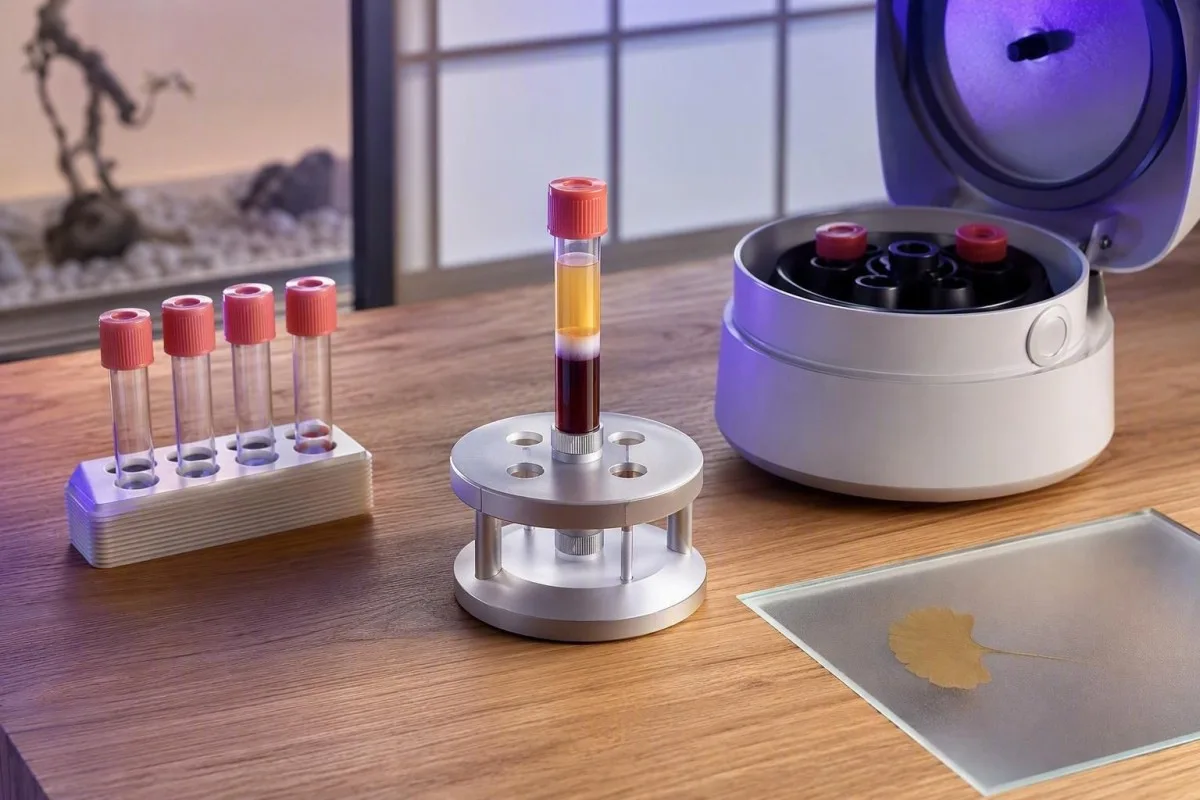
Μια χρήσιμη πρώτη αιμοληψία καταγράφει τη συνήθη φυσιολογία σας, όχι τη βιοχημική ηχώ της προχθεσινής προπόνησης, των ποτών, του κακού ύπνου ή ενός παροδικού ιού. Στόχος είναι ένα επαναλήψιμο πλαίσιο που μπορείτε να χρησιμοποιήσετε για χρόνια.


- Χρονική στιγμή βάσης: κλείστε μια πρωινή αιμοληψία μετά από 8-12 ώρες χωρίς τροφή, όταν περιλαμβάνονται γλυκόζη νηστείας, τριγλυκερίδια, έλεγχοι σιδήρου ή ινσουλίνη.
- Παύση άσκησης: αποφύγετε ασυνήθιστα σκληρή προπόνηση με αντιστάσεις, διαλειμματικές ή αντοχής για 24-48 ώρες πριν από τις συνήθεις βασικές εξετάσεις.
- Παράθυρο αλκοόλ: αποφύγετε το αλκοόλ για τουλάχιστον 48 ώρες πριν από εξετάσεις τριγλυκεριδίων και ηπατικών ενζύμων. Η βαριά κατανάλωση μπορεί να διαστρεβλώσει τα αποτελέσματα για μεγαλύτερο διάστημα.
- Κανόνας ασθένειας: αναβάλετε μια βασική εξέταση ευεξίας έως τουλάχιστον 2 εβδομάδες μετά την ανάρρωση από πυρετό ή σημαντικά αναπνευστικά ή γαστρεντερικά συμπτώματα.
- Στόχος ενυδάτωσης: πίνετε κανονικά την προηγούμενη ημέρα και πίνετε 250-500 mL νερό τις 2 ώρες πριν τη συλλογή, εκτός αν υπάρχει περιορισμός υγρών.
- Προσοχή στη βιοτίνη: διακόψτε τη μη συνταγογραφούμενη βιοτίνη υψηλής δόσης για 48-72 ώρες πριν από πολλές ανοσοδοκιμασίες, αλλά ποτέ μην διακόπτετε τη συνταγογραφούμενη θεραπεία χωρίς να συμβουλευτείτε τον γιατρό.
- Πλαίσιο κύκλου: καταγράψτε την ημέρα του κύκλου για οιστραδιόλη, προγεστερόνη, LH, FSH και μερικές φορές λιπίδια· αλλάζει την ερμηνεία περισσότερο απ' ό,τι πολλοί περιμένουν.
- Επαναληψιμότητα: χρησιμοποιήστε το ίδιο εργαστήριο, παρόμοια πρωινή ώρα και το ίδιο μοτίβο προετοιμασίας όταν παρακολουθείτε τα αποτελέσματα του εργαστηρίου με την πάροδο του χρόνου.
Τι κάνει μια πρώτη αιμοληψία αίματος μια αληθινή βάση;
A αρχική εξέταση αίματος είναι πιο χρήσιμη όταν καταγράφει μια συνηθισμένη εβδομάδα: σταθερά γεύματα, συνήθη ενυδάτωση, καμία οξεία ασθένεια και καμία εξαιρετική προπόνηση ή κατανάλωση αλκοόλ. Για τους περισσότερους ενήλικες, συνιστώ ένα πρωινό δείγμα μετά από 8-12 ώρες νηστείας όταν μετρώνται η γλυκόζη, τα τριγλυκερίδια, οι δείκτες σιδήρου ή η ινσουλίνη.
Ο πρακτικός στόχος δεν είναι να κάνετε τα αποτελέσματα να φαίνονται καλύτερα. Είναι να μειώσετε προ-αναλυτική μεταβλητότητα— αλλαγές που συμβαίνουν πριν ο αναλυτής δει καν το δείγμα. Μια νηστική γλυκόζη 96 mg/dL και ένα επίπεδο τριγλυκεριδίων 105 mg/dL μπορεί να είναι και τα δύο εντελώς συνηθισμένα, ωστόσο το νόημά τους αλλάζει εάν το άτομο έφαγε αργά, έτρεξε 10 χιλιόμετρα ή κοιμήθηκε 3 ώρες.
Στην κλινική μου πρακτική, ζητώ από τους ασθενείς να αντιμετωπίζουν την πρώτη αιμοληψία σαν μια φωτογραφία αναφοράς. Κρατήστε ένα σύντομο αρχείο της ώρας αφύπνισης, της διάρκειας νηστείας, των φαρμάκων, των συμπληρωμάτων, του αλκοόλ τις προηγούμενες 72 ώρες, της άσκησης τις προηγούμενες 48 ώρες, της ημέρας του εμμηνορροϊκού κύκλου και πρόσφατης λοίμωξης. Αυτό το αρχείο είναι συχνά πιο χρήσιμο στη δεύτερη εξέταση από μια μεμονωμένη “φυσιολογική” ένδειξη.
Το Καντέστι είναι ένα Αναλυτής εξέτασης αίματος AI σχεδιασμένο να διαβάζει αποτελέσματα παράλληλα με αυτό το πρακτικό πλαίσιο, αντί να αντιμετωπίζει κάθε επισημασμένη τιμή ως ασθένεια. Για μια λογική λίστα εξετάσεων, ξεκινήστε με τον οδηγό μας για ετήσιες εξετάσεις αίματος και συμφωνήστε για τις προσθήκες με έναν κλινικό ιατρό που γνωρίζει το ιστορικό σας.
Η βάση είναι προσωπική, όχι απλώς “εντός ορίων”
Ένα εργαστηριακό διάστημα αναφοράς συνήθως περιέχει το κεντρικό 95% των τιμών από έναν επιλεγμένο πληθυσμό· δεν ορίζει τον πιο υγιή ή ασφαλέστερο προσωπικό σας αριθμό. Ένα αποτέλεσμα κρεατινίνης μπορεί να παραμείνει εντός του εργαστηριακού ορίου, ενώ αυξάνεται σημαντικά από τη δική σας επαναλαμβανόμενη τιμή, γι' αυτό η τεκμηρίωση της βάσης έχει σημασία.
Πώς η νηστεία και τα γεύματα της προηγούμενης ημέρας διαμορφώνουν τα αποτελέσματα
Νηστεία για 8-12 ώρες παράγει την καθαρότερη πρώτη σύγκριση για τριγλυκερίδια, νηστική γλυκόζη, ινσουλίνη και σιδήρο ορού, αν και πολλά πάνελ λιπιδίων μπορούν να ερμηνευθούν χωρίς νηστεία. Το νερό επιτρέπεται και συνήθως είναι χρήσιμο· ο καφές, οι χυμοί, η τσίχλα και τα ποτά με θερμίδες δεν αποτελούν πραγματική νηστεία.
Μια νηστική γλυκόζη πλάσματος κάτω από 100 mg/dL είναι γενικά φυσιολογική, 100-125 mg/dL υποδηλώνει διαταραγμένη νηστική γλυκόζη, και 126 mg/dL ή άνω απαιτεί επιβεβαίωση, εκτός εάν υπάρχουν συμπτώματα και σαφής υπεργλυκαιμία. Η HbA1c αντικατοπτρίζει περίπου τους προηγούμενους 8-12 εβδομάδες, οπότε ένα πρωινό δεν μπορεί να τη μειώσει σημαντικά· ο εργαστηριακός οδηγός της ADA εξηγεί γιατί η γλυκόζη και η HbA1c απαντούν σε διαφορετικές ερωτήσεις (Sacks et al., 2023).
Τα τριγλυκερίδια είναι ιδιαίτερα ευαίσθητα στο γεύμα. Μια τιμή κάτω από 150 mg/dL είναι συμβατικά επιθυμητή, ενώ 500 mg/dL ή άνω εγείρει ανησυχία για κίνδυνο παγκρεατίτιδας και χρήζει άμεσης κλινικής αξιολόγησης. Ένα πλούσιο βραδινό γεύμα ή αλκοόλ μπορεί να δημιουργήσει ένα παραπλανητικά υψηλό πρώτο αποτέλεσμα, οπότε χρησιμοποιήστε ένα σχέδιο επανεξέτασης τριγλυκεριδίων αντί να προσπαθείτε να “φάτε τέλεια” για μία ημέρα.
Το Καντέστι είναι ένα πλατφόρμα ερμηνείας εξετάσεων αίματος AI που μπορεί να διατηρήσει την κατάσταση νηστείας δίπλα σε κάθε πίνακα, γεγονός που καθιστά τις μεταγενέστερες συγκρίσεις λιγότερο επιρρεπείς σε σφάλματα. Ο οδηγός βιοδεικτών εξηγεί ποιες εξετάσεις είναι πραγματικά ευαίσθητες στη λήψη τροφής και ποιες όχι.
Πώς η άσκηση μπορεί να μιμηθεί αφύσικες εξετάσεις ήπατος και νεφρών
Η έντονη άσκηση μπορεί προσωρινά να αυξήσει CK, AST, ALT, κρεατινίνη, λευκά αιμοσφαίρια και μερικές φορές κάλιο, επομένως αποφύγετε την άγνωστη ή έντονη άσκηση για 24-48 ώρες πριν από έναν βασικό πίνακα. Το ήπιο περπάτημα και η φυσιολογική καθημερινή κίνηση είναι εντάξει.
Ένας 52χρονος δρομέας μαραθωνίου που εξέτασα είχε AST 89 IU/L μετά από έναν μακρύ αγώνα, με ALT 36 IU/L και CK πάνω από 2.000 IU/L. Αυτό το μοτίβο έδειχνε περισσότερο προς μυϊκή άσκηση παρά ηπατική βλάβη, αλλά εξακολουθούσε να χρειάζεται επανάληψη μετά την ανάρρωση· μεμονωμένοι αριθμοί σπάνια αρκούν. Διαβάστε περισσότερα για AST μετά από άσκηση πριν υποθέσετε ηπατικό πρόβλημα.
Τα όρια αναφοράς της κρεατινικής κινάσης διαφέρουν ανάλογα με το εργαστήριο, το φύλο, την καταγωγή, τη μυϊκή μάζα και την κατάσταση προπόνησης, αλλά πολλά εργαστήρια επισημαίνουν τιμές άνω των περίπου 200-300 IU/L. Η CK που υπερβαίνει 5 φορές το ανώτερο όριο αναφοράς μετά από άσκηση είναι συχνή· η CK άνω των 5.000 IU/L με σκούρα ούρα, σοβαρό μυϊκό πόνο ή μειωμένη παραγωγή ούρων απαιτεί επείγουσα αξιολόγηση για ραβδομυόλυση εξ άσκησης.
Η κρεατινίνη αυξάνεται μετά από έντονη δραστηριότητα, εν μέρει λόγω μυϊκής διάσπασης και μειωμένης νεφρικής αιμάτωσης από απώλεια υγρών. Μην ερμηνεύετε χαμηλότερη eGFR από ένα δείγμα μετά τον αγώνα ως χρόνια νεφρική νόσο χωρίς δοκιμές ανάρρωσης· το οδηγός κρεατινίνης από την άσκηση εξηγεί το ασφαλέστερο παράθυρο επαναληπτικής αιμοληψίας.
Η επαναφορά 48 ωρών δεν είναι κανόνας για όλους
Για μια ψυχαγωγική προπόνηση στο γυμναστήριο, οι 24 ώρες είναι συχνά επαρκείς. Μετά από έναν αγώνα υπεραραθωνίου, έναν διαγωνισμό CrossFit, βαριά εκκεντρική άρση βαρών ή έκθεση στη θερμότητα, συνήθως περιμένω 48-72 ώρες εάν ο σκοπός είναι μια σταθερή βάση παρά η αξιολόγηση του ίδιου του γεγονότος.
Γιατί το αλκοόλ απαιτεί 48ωρη παύση βάσης
Η αποχή από αλκοόλ για τουλάχιστον 48 ώρες πριν από μια βασική εξέταση αίματος μειώνει τη βραχυπρόθεσμη παραμόρφωση των τριγλυκεριδίων, της γλυκόζης, της GGT, της AST, των δεικτών ενυδάτωσης και της φυσιολογίας που σχετίζεται με τον ύπνο. Ένα μόνο βαρύ βράδυ μπορεί να έχει μεγαλύτερη σημασία από ό,τι περιμένουν πολλοί ασθενείς.
Το αλκοόλ μπορεί να αυξήσει τα τριγλυκερίδια αυξάνοντας την παραγωγή λιποπρωτεϊνών πολύ χαμηλής πυκνότητας από το ήπαρ, ιδιαίτερα μετά από γεύματα πλούσια σε υδατάνθρακες. Η επίδραση είναι μεταβλητή: το αποτέλεσμα ενός ατόμου επιστρέφει στα βασικά επίπεδα σε 24 ώρες, ενώ ένα άλλο άτομο με λιπώδες ήπαρ, διαβήτη ή βαρύτερη κατανάλωση μπορεί να εμφανίσει αλλαγές για αρκετές ημέρες. Ένα τριγλυκερίδιο νηστείας 220 mg/dL μετά από ένα Σαββατοκύριακο ποτών θα πρέπει να επαναληφθεί πριν κάποιος το χαρακτηρίσει ως σταθερό μεταβολικό πρόβλημα.
Η GGT είναι ευαίσθητη αλλά μη ειδική. Πολλά εργαστήρια χρησιμοποιούν ανώτερα όρια γύρω στα 55-60 IU/L για άνδρες και 35-40 IU/L για γυναίκες, ωστόσο φάρμακα, χολόσταση, λιπώδες ήπαρ και αλκοόλ μπορούν όλα να την αυξήσουν. Το ουσιαστικό μοτίβο είναι η GGT με ALT, ALP, χολερυθρίνη, αριθμό αιμοπεταλίων και ιστορικό αλκοόλ· δείτε το εξήγηση για ηπατικό πάνελ μας για το πώς συνδέονται αυτά τα κομμάτια.
Από την 1η Σεπτεμβρίου 2026, εξακολουθώ να συμβουλεύω κατά της “αποτοξίνωσης” ή της υπερβολικής νηστείας για τη βελτίωση των ηπατικών αποτελεσμάτων. Φυσιολογικό φαγητό, φυσιολογικό νερό, κανένα αλκοόλ και ένα τεκμηριωμένο διάστημα είναι καθαρότερη επιστήμη. Η επίμονη ALT πάνω από το εργαστηριακό ανώτερο όριο σε δύο δείγματα με διαφορά μερικών εβδομάδων δικαιολογεί ιατρική ανασκόπηση, όχι διαδικτυακή «κάθαρση».
Πότε η ασθένεια ή ο εμβολιασμός πρέπει να καθυστερήσουν μια εξέταση ευεξίας
Καθυστερήστε μια βασική τιμή ευεξίας κατά τη διάρκεια πυρετού, ενεργής γαστρεντερικής νόσου, σημαντικής αναπνευστικής λοίμωξης ή τις πρώτες 1-2 εβδομάδες μετά την ανάρρωση επειδή CRP, φερριτίνη, λευκά κύτταρα, αιμοπετάλια, γλυκόζη και εξετάσεις θυρεοειδούς μπορεί να μεταβληθούν προσωρινά. Οι επείγουσες διαγνωστικές εξετάσεις είναι διαφορετικές: μην τις καθυστερείτε όταν δεν αισθάνεστε καλά.
Η C-αντιδραστική πρωτεΐνη συνήθως αυξάνεται εντός 6-8 ωρών από ένα φλεγμονώδες ερέθισμα και μπορεί να μειωθεί γρήγορα μόλις υποχωρήσει το αίτιο. Μια CRP κάτω από 3 mg/L χρησιμοποιείται συχνά για τη στρωματοποίηση του καρδιαγγειακού κινδύνου μόνο όταν ένα άτομο είναι κλινικά καλά. Ένα αποτέλεσμα 18 mg/L κατά τη διάρκεια κρυολογήματος λέει λίγα για τον μακροπρόθεσμο αγγειακό κίνδυνο. Το μοτίβο CRP και αλβουμίνης είναι πιο πληροφοριακό από το καθένα ξεχωριστά.
Η φερριτίνη είναι τόσο μια πρωτεΐνη αποθήκευσης σιδήρου όσο και ένας δείκτης οξείας φάσης. Μια φερριτίνη 110 ng/mL κατά τη διάρκεια λοίμωξης μπορεί να αποκρύψει εξαντλημένες αποθήκες σιδήρου, ενώ η φερριτίνη κάτω από 15 ng/mL είναι εξαιρετικά ειδική για την ανεπάρκεια σιδήρου σε ένα κατά τα άλλα υγιές άτομο. Αυτός είναι ο λόγος που συνδυάζω τη φερριτίνη με τον κορεσμό τρανσφερρίνης, την CRP, την αιμοσφαιρίνη και το κλινικό ιστορικό.
Ο εμβολιασμός μπορεί να προκαλέσει μια σύντομη ανοσολογική απόκριση, συμπεριλαμβανομένων παροδικών αλλαγών στην CRP και σε υποομάδες λευκών αιμοσφαιρίων. Οι συνήθεις εξετάσεις συνήθως μπορούν να περιμένουν 3-7 ημέρες μετά τον εμβολιασμό εάν ο στόχος είναι μια ήρεμη βασική τιμή, αλλά μια προγραμματισμένη εργαστηριακή αξιολόγηση για παρακολούθηση φαρμάκων πρέπει να ακολουθεί τις οδηγίες του θεράποντος ιατρού. Το εργαστηριακός οδηγός μετά τον εμβολιασμό καλύπτει τις πρακτικές διακρίσεις.
Ένας κανόνας δύο εβδομάδων έχει εξαιρέσεις
Μετά από πνευμονία, νοσηλεία, λοιμώδη μονοπυρήνωση ή σοβαρή έξαρση χρόνιας νόσου, δύο εβδομάδες μπορεί να μην είναι αρκετές. Σε αυτές τις περιπτώσεις, χρησιμοποιώ συχνά την ανάρρωση των συμπτωμάτων, την τάση της CRP και την κρίση του ιατρού αντί για ένα ημερολόγιο μόνο.
Πώς η απώλεια ύπνου και η χρονική στιγμή αλλάζουν μια εξέταση αίματος
Μια κακή νύχτα ύπνου μπορεί να αυξήσει τη νηστική γλυκόζη, την κορτιζόλη, την αρτηριακή πίεση και τα φλεγμονώδη σήματα, ενώ ο χρονισμός μπορεί να μεταβάλει την τεστοστερόνη, την κορτιζόλη, τον σίδηρο και το TSH. Για μια πρώτη βασική τιμή, στοχεύστε σε 7-9 ώρες συνηθισμένου ύπνου και κάνετε τη λήψη δείγματος μεταξύ περίπου 7 και 10 π.μ. όταν είναι δυνατόν.
Η κορτιζόλη ακολουθεί έναν ισχυρό ημερήσιο ρυθμό. Η πρωινή ορμόνη κορτιζόλη στον ορό μετράται συνήθως γύρω στις 8 π.μ., αλλά μια τιμή δεν μπορεί να διαγνώσει ασθένεια των επινεφριδίων χωρίς την ώρα λήψης, τα συμπτώματα και συχνά την εξέταση ACTH. Ένα απογευματινό δείγμα σε σύγκριση με ένα προηγούμενο δείγμα στις 8 π.μ. δεν είναι μια έγκυρη τάση, ακόμη και αν το ίδιο εργαστήριο εκτελεί και τα δύο.
Ο περιορισμός ύπνου 4-5 ωρών μπορεί να επιδεινώσει την ευαισθησία στην ινσουλίνη την επόμενη μέρα και να μεταβάλει τις ορμόνες της όρεξης. Το μέγεθος της εργαστηριακής αλλαγής ποικίλλει σημαντικά ανά άτομο. Αυτό το βλέπω συχνότερα σε εργαζόμενους σε βάρδιες, νέους γονείς και συχνούς ταξιδιώτες, όπου μια “βασική τιμή” πρέπει να αντιπροσωπεύει το πραγματικό τους πρόγραμμα αντί για ένα εξιδανικευμένο. Το οδηγός εργαστηρίου κακού ύπνου προσφέρει μια χρήσιμη λίστα ελέγχου σχολιασμού.
Η πρακτική συμβουλή του Δρ. Thomas Klein είναι απλή: μην ακυρώνετε μια απαραίτητη εξέταση επειδή κοιμηθήκατε άσχημα, αλλά καταγράψτε το. Εάν μια οριακή νηστική γλυκόζη είναι 103 mg/dL μετά από ένα ξενύχτι, επαναλάβετε υπό κανονικές συνθήκες πριν καταλήξετε σε συμπεράσματα σχετικά με την προδιαβήτη.
Η καφεΐνη δεν είναι πάντα ακίνδυνη προετοιμασία
Ο μαύρος καφές μπορεί να έχει μικρή επίδραση σε πολλά πάνελ, αλλά μπορεί να επηρεάσει τη γλυκόζη, τις κατεχολαμίνες, την αρτηριακή πίεση και ορισμένες εξειδικευμένες ενδοκρινικές εξετάσεις. Όταν παραγγέλλονται επίπεδα ινσουλίνης νηστείας, γλυκόζης, κορτιζόλης ή μετανεφρινών, το σκέτο νερό είναι η λιγότερο αμφίβολη επιλογή.
Ποια συμπληρώματα και φάρμακα πρέπει να καταγραφούν
Μην διακόπτετε τα συνταγογραφούμενα φάρμακα για μια βασική αιματολογική εξέταση, εκτός αν σας το πει ο γιατρός, αλλά καταγράψτε κάθε φάρμακο και συμπλήρωμα με τη δόση και το χρόνο χορήγησης. Βιοτίνη, σίδηρος, B12, κρεατίνη, ιώδιο, κορτικοστεροειδή και αποσυμφορητικά μπορούν να αλλάξουν είτε τη βιολογία είτε την ανάλυση της εξέτασης.
Η βιοτίνη σε υψηλή δόση, συχνά 5.000-10.000 μικρογραμμάρια ημερησίως σε προϊόντα για μαλλιά και νύχια, μπορεί να παρεμβληθεί σε ορισμένες ανοσοαναλύσεις στρεπταβιδίνης-βιοτίνης. Μπορεί να δημιουργήσει ψευδώς χαμηλό TSH ή ψευδώς υψηλά αποτελέσματα ελεύθερης T4, τροπονίνης ή ορμονών, ανάλογα με τον σχεδιασμό της ανάλυσης. Μια παύση 48-72 ωρών χρησιμοποιείται συνήθως για μη συνταγογραφούμενη βιοτίνη, αλλά οι άνθρωποι που τη λαμβάνουν για ιατρική πάθηση θα πρέπει πρώτα να ρωτήσουν τον κλινικό τους ιατρό.
Ο από του στόματος σίδηρος μπορεί να αυξήσει παροδικά τον ορό σιδήρου, και τα συμπληρώματα κρεατίνης μπορεί να αυξήσουν τη δημιουργίνης χωρίς να μειώσουν την πραγματική διήθηση. Τα κορτικοστεροειδή μπορούν να αυξήσουν τη γλυκόζη και τα λευκά αιμοσφαίρια· οι αναστολείς αντλίας πρωτονίων μπορούν να επηρεάσουν το μαγνήσιο και τη B12 με την πάροδο του χρόνου. Η σωστή αντίδραση είναι το πλαίσιο, όχι η απότομη αυτοδιακοπή· ο οδηγός νηστείας συμπληρωμάτων εξηγεί κοινές εξαιρέσεις.
Το Καντέστι είναι ένα Εργαλείο ανάλυσης αιματολογικών εξετάσεων με AI-powered που καταγράφει αναφερόμενα συμπληρώματα δίπλα στα αποτελέσματα, ώστε μια εμφανής θυρεοειδική ή νεφρική αλλαγή να μπορεί να αναθεωρηθεί σε σχέση με την έκθεση που μπορεί να την εξηγήσει. Οι ασθενείς μπορούν επίσης να συγκρίνουν τα αναφερόμενα αποτελέσματα με τη δική μας λίστα ελέγχου κλινικής ακρίβειας πριν ενεργήσουν βάσει μιας απροσδόκητης σήμανσης.
Ο χρόνος χορήγησης της φαρμακευτικής αγωγής μπορεί να αποτελεί μέρος της συνταγής
Η θεραπεία υποκατάστασης θυρεοειδούς, η θεραπεία τεστοστερόνης, η ινσουλίνη, τα διουρητικά και τα αντιπηκτικά έχουν κανόνες χορήγησης ανάλογα με την εξέταση. Για παράδειγμα, οι εξετάσεις θυρεοειδούς γίνονται συχνά πριν από τη δόση λεβοθυροξίνης της ημέρας κατά την παρακολούθηση της συνέπειας, αλλά το πρωτόκολλο του συνταγογραφούντος ιατρού πρέπει να έχει προτεραιότητα.
Πώς η χρονική στιγμή του κύκλου επηρεάζει μια πρώτη ορμονική βάση
Για τις εξετάσεις αναπαραγωγικών ορμονών, η ημέρα του κύκλου αποτελεί μέρος του αποτελέσματος. FSH, LH, οιστραδιόλη, προγεστερόνη, τεστοστερόνη, προλακτίνη, και μερικές φορές λιπίδια μπορούν να διαφέρουν αρκετά κατά τη διάρκεια του κύκλου, ώστε μια μη καταγεγραμμένη ημερομηνία να αποδυναμώνει την ερμηνεία.
Η πρώιμη-ωοθυλακική εξέταση, συχνά ημέρες 2-5 του κύκλου, χρησιμοποιείται συχνά για βασικές FSH, LH και οιστραδιόλη στην αξιολόγηση γονιμότητας. Η προγεστερόνηνη μετράται συνήθως περίπου 7 ημέρες μετά την ωορρηξία—όχι αυτόματα “ημέρα 21”, επειδή ένας κύκλος 35 ημερών ακολουθεί διαφορετική βιολογία. Μια τιμή προγεστερόνηςης άνω των περίπου 3 ng/mL μπορεί να υποστηρίξει πρόσφατη ωορρηξία σε πολλά περιβάλλοντα, αλλά η ακριβής ερμηνεία εξαρτάται από την ανάλυση και τον χρόνο.
Η προλακτίνη είναι ευαίσθητη στο στρες, την πρόσφατη άσκηση, τη σεξουαλική δραστηριότητα και τη δύσκολη συλλογή δειγμάτων. Ήπιες αυξήσεις επαναλαμβάνονται συχνά μετά από 20-30 λεπτά ήρεμης ανάπαυσης, ιδανικά το πρωί· ένα επίπεδο επίμονα πάνω από 100 ng/mL χρήζει άμεσης ενδοκρινολογικής αξιολόγησης, αν και οι επιδράσεις φαρμάκων παραμένουν συχνές. Δείτε τον οδηγό επαναληπτικών εξετάσεων προλακτίνης για τα λογικά επόμενα βήματα.
Οι κυκλικές διακυμάνσεις των λιπιδίων είναι πραγματικές, αλλά συνήθως μικρότερες από τις αλλαγές λόγω βάρους, διατροφής, αλκοόλ, διαβήτη ή γενετικής. Εάν σκοπεύετε να παρακολουθείτε την υγεία με αιματολογικές εξετάσεις σε βάθος ετών, επιλέξτε μια παρόμοια φάση κύκλου για επαναληπτικά πάνελ λιπιδίων και ορμονών όποτε είναι εφικτό, ειδικά κατά την αξιολόγηση συμπτωμάτων ή θεραπείας.
Η ορμονική αντισύλληψη αλλάζει την ερώτηση
Η συνδυασμένη ορμονική αντισύλληψη μπορεί να καταστείλει τα ενδογενή επίπεδα FSH, LH, οιστραδιόλης και ανδρογόνων, οπότε αυτά τα αποτελέσματα μπορεί να μην περιγράφουν μη θεραπευμένη φυσιολογία. Μην διακόπτετε την αντισύλληψη απλώς για να λάβετε μια βασική τιμή χωρίς να λάβετε υπόψη τον κίνδυνο εγκυμοσύνης και τον κλινικό λόγο της εξέτασης.
Γιατί η ενυδάτωση, η στάση του σώματος και η τεχνική συλλογής έχουν σημασία
Η φυσιολογική ενυδάτωση και 10-15 λεπτά ανάπαυσης σε καθιστή θέση πριν τη συλλογή βελτιώνουν την επαναληψιμότητα, επειδή η αφυδάτωση, η παρατεταμένη ορθοστασία και μια δύσκολη λήψη αίματος μπορούν να συμπυκνώσουν ή να παραμορφώσουν ορισμένα αποτελέσματα. Πίνετε κανονικά την προηγούμενη ημέρα και, εκτός εάν υπάρχει περιορισμός υγρών, έχετε 250-500 mL νερού τις 2 ώρες πριν από το ραντεβού.
Η συστολή του όγκου πλάσματος μπορεί να κάνει την αιμοσφαιρίνη, τον αιματοκρίτη, την αλβουμίνη, το ασβέστιο, την ολική πρωτεΐνη και την κρεατινίνη να εμφανίζονται υψηλότερα από ό,τι θα ήταν σε συνήθη ενυδάτωση. Αντίθετα, η επιθετική κατανάλωση λίτρων νερού αμέσως πριν από τις εξετάσεις μπορεί να αραιώσει το νάτριο και άλλες μετρήσεις. Μια φυσιολογική τιμή νατρίου κυμαίνεται γενικά από 135-145 mmol/L, αλλά ένα απροσδόκητο αποτέλεσμα θα πρέπει πάντα να ερμηνεύεται λαμβάνοντας υπόψη την κατάσταση ενυδάτωσης και γλυκόζης.
Η στάση του σώματος έχει μεγαλύτερη σημασία από ό,τι πιστεύουν οι περισσότεροι. Η ορθοστασία μπορεί να αυξήσει την αλβουμίνη και τις πρωτεϊνικές ουσίες μέσω μετατοπίσεων υγρών, ενώ ο παρατεταμένος χρόνος χρήσης του περιφερικού νάρθηκα και το επαναλαμβανόμενο σφίξιμο της γροθιάς μπορούν να αυξήσουν ψευδώς το κάλιο και τη γαλακτική δεϋδρογονάση. Ένα κάλιο άνω του 5,5 mmol/L χωρίς νεφρική νόσο, συμπτώματα ή αλλαγές στο ΗΚΓ ελέγχεται συχνά εκ νέου άμεσα, καθώς το τεχνούργημα της συλλογής είναι συχνό. Ο οδηγός μας για σφάλματα στη λήψη καλίου εξηγεί το γιατί.
Η έμμηνος ρύση, η πρόσφατη απώλεια υγρών από διάρροια, τα διουρητικά και η χρήση σάουνας πρέπει να σημειώνονται. Εάν το eGFR είναι απροσδόκητα χαμηλό μετά από αφυδάτωση, αποκαταστήστε τη φυσιολογική πρόσληψη και συζητήστε την επανεξέταση. Δείτε προσωρινές αλλαγές eGFR πριν υποθέσετε μόνιμη νεφρική βλάβη.
Ένα κόκκινο σωληνάριο δεν είναι διάγνωση
Το χρώμα του σωληναρίου υποδεικνύει το πρόσθετο που χρησιμοποιείται για την εργαστηριακή επεξεργασία, όχι τη σοβαρότητα της εξέτασης. Αυτό που έχει κλινική σημασία είναι η σωστή επιλογή σωληναρίου, η θερμοκρασία μεταφοράς, η καθυστέρηση επεξεργασίας και εάν το εργαστήριο αναφέρει αιμόλυση ή ανεπαρκές δείγμα.
Πώς να κάνετε τα μεταγενέστερα αποτελέσματα συγκρίσιμα με την πρώτη αιμοληψία
Χρησιμοποιήστε το ίδιο εργαστήριο, παρόμοια ώρα συλλογής και παρόμοια ρουτίνα προετοιμασίας όποτε παρακολουθείτε τα εργαστηριακά αποτελέσματα με την πάροδο του χρόνου. Μια πραγματική βιολογική αλλαγή μπορεί να είναι μικρότερη από τη συνδυασμένη επίδραση της μεθόδου ανάλυσης, της κατάστασης νηστείας, της άσκησης και της συνήθους ημερήσιας διακύμανσης.
Η χοληστερόλη LDL μπορεί να υπολογιστεί αντί να μετρηθεί άμεσα, και ο υπολογισμός γίνεται λιγότερο αξιόπιστος καθώς τα τριγλυκερίδια αυξάνονται. Η οδηγία χοληστερόλης της AHA/ACC του 2018 υποστηρίζει την προβολή χωρίς νηστεία σε πολλούς ανθρώπους, αλλά συνιστά αξιολόγηση με νηστεία σε επιλεγμένες περιστάσεις, συμπεριλαμβανομένων των πολύ υψηλών τριγλυκεριδίων και της διαγνωστικής αβεβαιότητας (Grundy et al., 2019). Το κρίσιμο σημείο είναι η συνέπεια, όχι η τελειότητα.
Η τιμή αναφοράς αλλαγής, ή RCV, συνδυάζει την αναλυτική ανακρίβεια με την ατομική φυσιολογική βιολογική διακύμανση. Μια κίνηση 10% σε έναν δείκτη μπορεί να είναι θόρυβος, ενώ μια αλλαγή 30% σε έναν άλλο είναι ουσιαστική. δεν υπάρχει καθολικό ποσοστό που να ισχύει για κάθε εξέταση. Ο οδηγός μας είναι αυτή η αλλαγή πραγματική δείχνει γιατί οι τάσεις απαιτούν περισσότερα από χρωματιστά βέλη.
Το Kantesti AI ερμηνεύει επαναλαμβανόμενα πάνελ συγκρίνοντας μονάδες ανάλυσης, διαστήματα αναφοράς, ημερομηνίες συλλογής και σχετικούς βιοδείκτες, αντί να μετρά απλώς μη φυσιολογικές σημαίες. Το σύστημά μας Ροή εργασιών σύγκρισης ΤΝ είναι κατασκευασμένο για αυτό το διαχρονικό ερώτημα: τι άλλαξε αρκετά ώστε να αξίζει προσοχής;
Διατηρήστε την αρχική αναφορά
Αποθηκεύστε το PDF ή καθαρή φωτογραφία, όχι μόνο ένα τυπωμένο αποτέλεσμα. Οι μετατροπές μονάδων, τα εύρη του εργαστηρίου, τα σχόλια σχετικά με την αιμόλυση και εάν η LDL υπολογίστηκε μπορούν να αλλάξουν ουσιαστικά τον τρόπο με τον οποίο ένας μελλοντικός κλινικός γιατρός θα διαβάσει την τάση.
Η σημείωση πλαισίου που πρέπει να αποθηκεύετε με κάθε εξέταση αίματος
Μια σύντομη σημείωση πλαισίου μετατρέπει μεμονωμένους αριθμούς σε χρήσιμα διαχρονικά δεδομένα. Καταγράψτε ημερομηνία, ώρα, ώρες νηστείας, ύπνος, άσκηση, αλκοόλ, ασθένεια, φάρμακα, συμπληρώματα, ημέρα κύκλου, αλλαγές βάρους και νέα συμπτώματα σε κάθε λήψη.
Ο ελάχιστος φάκελός μου έχει οκτώ στοιχεία: ώρα συλλογής. διάρκεια νηστείας. άσκηση εντός 48 ωρών. αλκοόλ εντός 72 ωρών. τρέχουσα ασθένεια. αλλαγές συνταγών. δόση συμπληρωμάτων και τελευταία δόση. και έμμηνος ρύση ή κατάσταση εγκυμοσύνης όπου εφαρμόζεται. Προσθέστε ταξίδια, τζετ λαγκ και υψόμετρο όταν ισχύουν, επειδή καθένα μπορεί να μετακινήσει δείκτες που επηρεάζονται από την ενυδάτωση, την κορτιζόλη, την αιμοσφαιρίνη και τον ύπνο.
Μια απώλεια βάρους 1,5 κιλών σε 10 ημέρες, μια νέα δίαιτα υψηλής περιεκτικότητας σε πρωτεΐνες ή αρκετές νύχτες διακοπτόμενου ύπνου μπορεί να εξηγήσουν μέτριες αλλαγές στις εξετάσεις αίματος με την πάροδο του χρόνου. Αυτό δεν καθιστά το αποτέλεσμα ασήμαντο — το καθιστά ερμηνεύσιμο. Για μια επαναχρησιμοποιήσιμη έκδοση, το παρακολούθηση πλαισίου εργαστηρίου μας περιλαμβάνει τις λεπτομέρειες που οι ασθενείς ξεχνούν συχνότερα.
Ο Δρ. Thomas Klein συνιστά να γράψετε τη σημείωση πριν φύγετε από το σπίτι, όχι ενώ περιμένετε τα αποτελέσματα. Η μνήμη γίνεται αναξιόπιστη μετά από μια απροσδόκητη επισήμανση, και οι άνθρωποι ανακατασκευάζουν εύλογα την προηγούμενη εβδομάδα για να ταιριάξουν με τον αριθμό.
Τι να μην καταγράψετε ως “διόρθωση”
Μην χειραγωγείτε τη διατροφή, την πρόσληψη νερού, την άσκηση ή τα συμπληρώματα αποκλειστικά για να αποκτήσετε μια πιο ελκυστική αρχική γραμμή βάσης. Μια γραμμή βάσης πρέπει να αντιπροσωπεύει τη ζωή σας· αλλιώς η επόμενη εξέταση μπορεί να φαίνεται χειρότερη απλώς και μόνο επειδή είναι πιο ειλικρινής.
Ποια οριακά ευρήματα πρέπει να επαναληφθούν πριν ανησυχήσετε
Πολλά οριακά αποτελέσματα γραμμής βάσης πρέπει να επαναληφθούν υπό σταθερές συνθήκες πριν αντιμετωπιστούν ως ασθένεια, ειδικά μεμονωμένες ήπιες αλλαγές στα ηπατικά ένζυμα, την κρεατινίνη, το κάλιο, την προλακτίνη, τα ουδετερόφιλα και τα τριγλυκερίδια. Επείγοντα συμπτώματα ή εμφανώς ανώμαλες τιμές αποτελούν την εξαίρεση.
Μια ALT μικρότερη από 2 φορές το ανώτατο όριο του εργαστηρίου με φυσιολογική χολερυθρίνη, ALP και απουσία συμπτωμάτων, συνήθως επανεξετάζεται αφού αφαιρεθούν προσωρινοί παράγοντες όπως αλκοόλ, έντονη άσκηση ή παρεμπίπτουσα νόσος. Ένα επίπεδο χολερυθρίνης πάνω από 3 mg/dL με ίκτερο, σκούρα ούρα, ωχρά κόπρανα, πυρετό ή κοιλιακό άλγος είναι διαφορετικό και δεν πρέπει να περιμένει μια ρουτίνα επανεξέταση γραμμής βάσης.
Μια ήπια χαμηλή μέτρηση ουδετεροφίλων μπορεί να ακολουθεί μια ιογενή νόσο ή να αντικατοπτρίζει ένα σταθερό φυσιολογικό άτομο. Ένας απόλυτος αριθμός ουδετεροφίλων 1,0-1,5 × 10⁹/L είναι συνήθως ήπια ουδετεροπενία, ενώ κάτω από 0,5 × 10⁹/L φέρει σημαντικά υψηλότερο κίνδυνο λοίμωξης και χρήζει επείγουσας ιατρικής καθοδήγησης, ιδιαίτερα με πυρετό. Ο οδηγός μας για την παρακολούθηση ουδετεροφίλων διαχωρίζει τις κοινές επαναληπτικές εξετάσεις από τις κόκκινες σημαίες.
Μια από τις πιο χρήσιμες διασφαλίσεις είναι ο έλεγχος προτύπων. Για παράδειγμα, το υψηλό ασβέστιο με κατασταλμένη παραθορμόνη έχει διαφορετική επείγουσα ανάγκη από το υψηλό ασβέστιο συν αφυδάτωση και αύξηση λευκώματος. Ο λόγος που ανησυχούμε για συνδυασμούς είναι ότι η βιολογία σπάνια αλλάζει μόνο έναν δείκτη.
Πότε μια βασική εξέταση αίματος δεν πρέπει να αντικαταστήσει την ιατρική φροντίδα
Ένα πρωτόκολλο γραμμής βάσης δεν είναι κατάλληλο όταν έχετε συμπτώματα κόκκινης σημαίας, ταχέως επιδεινούμενη νόσο, επιπλοκές εγκυμοσύνης ή κρίσιμη εργαστηριακή ειδοποίηση. Πόνος στο στήθος, σοβαρή δύσπνοια, σύγχυση, λιποθυμία, ίκτερος, μαύρα κόπρανα ή σοβαρή αφυδάτωση απαιτούν κλινική αξιολόγηση τώρα — όχι μια καλύτερα προετοιμασμένη επαναληπτική εξέταση.
Κάλιο 6,0 mmol/L ή άνω, νάτριο κάτω από 120 mmol/L, γλυκόζη άνω των 300 mg/dL με έμετο ή σύγχυση, ή αιμοσφαιρίνη κοντά στα 7 g/dL είναι παραδείγματα αποτελεσμάτων που μπορεί να χρειαστούν άμεση δράση, αν και το πλήρες κλινικό πλαίσιο έχει σημασία. Τα εργαστήρια συνήθως επικοινωνούν με την ομάδα που έκανε την παραγγελία σχετικά με κρίσιμες τιμές, αλλά οι ασθενείς δεν πρέπει να υποθέτουν ότι μια αναπάντητη κλήση σημαίνει ότι ένα αποτέλεσμα είναι ασφαλές.
Εάν είστε έγκυος, έχετε χρόνια νεφρική νόσο, παίρνετε ινσουλίνη, χρησιμοποιείτε αντιπηκτικά, λαμβάνετε χημειοθεραπεία ή έχετε γνωστή ηπατική νόσο, οι οδηγίες προετοιμασίας μπορεί να διαφέρουν από το πρότυπο ευεξίας. Μια περίοδος νηστείας μπορεί να είναι επισφαλής για ορισμένα άτομα με διαβήτη, και ο χρονισμός των φαρμάκων μπορεί να είναι απαραίτητος. Η οδηγός μας για τη συχνότητα των εξετάσεων περιγράφει γιατί η ομάδα κινδύνου αλλάζει το πλάνο.
Το Καντέστι είναι ένα υπηρεσία ερμηνείας δοκιμών AI που βοηθά στον εντοπισμό ερωτήσεων για τους κλινικούς ιατρούς, δεν υποκαθιστά την επείγουσα αξιολόγηση ή τη διάγνωση. Οι κλινικές δικλείδες ασφαλείας και οι αρχές ιατρικής ανασκόπησης πίσω από την εργασία μας περιγράφονται από την Ιατρική Συμβουλευτική Επιτροπή.
Ένα πρακτικό πρωτόκολλο 72 ωρών για την πρώτη σας βάση
Για μια χρήσιμη πρώτη βασική γραμμή, διατηρήστε τη ρουτίνα σας για 72 ώρες, αποφύγετε το αλκοόλ για 48 ώρες, αποφύγετε την έντονη άσκηση για 24-48 ώρες, κοιμηθείτε κανονικά, νηστέψτε 8-12 ώρες όταν ενδείκνυται, πιείτε νερό και καταγράψτε το πλαίσιο σας. Η συνέπεια είναι η παρέμβαση.
Εβδομήντα δύο έως 48 ώρες πριν: μην ξεκινήσετε ένα νέο συμπλήρωμα, δίαιτα-σοκ, καθαρισμό ή κύκλο προπόνησης. Εάν λαμβάνετε ήδη ένα συμπλήρωμα, καταγράψτε την ακριβή δόση· εάν περιέχει βιοτίνη σε υψηλή δόση, ρωτήστε τον κλινικό ιατρό που έκανε την παραγγελία ή τον φαρμακοποιό εάν η διακοπή για 48-72 ώρες είναι κατάλληλη. Αποφύγετε το αλκοόλ για 48 ώρες και αναβάλετε τις τακτικές εξετάσεις εάν η ασθένεια είναι ενεργή.
Την προηγούμενη ημέρα: φάτε τα συνηθισμένα σας γεύματα, ενυδατωθείτε κανονικά, αποφύγετε σάουνα ή αγώνες αντοχής και προγραμματίστε 7-9 ώρες ύπνου. Για πάνελ νηστείας, ολοκληρώστε την τροφή 8-12 ώρες πριν από το ραντεβού· το νερό είναι εντάξει. Το πρωί της αιμοληψίας, αποφύγετε τον καφέ και τη νικοτίνη εάν έχουν προγραμματιστεί εξετάσεις γλυκόζης, ινσουλίνης, κορτιζόλης, κατεχολαμινών ή εξειδικευμένες ενδοκρινικές εξετάσεις.
Αφού φτάσει το αποτέλεσμα, αποθηκεύστε την αρχική αναφορά και τη σημείωση πλαισίου της πριν αλλάξετε οτιδήποτε. Το Kantesti AI μπορεί να οργανώσει τα αποτελέσματα σε μια διαχρονική προβολή, ενώ η τεχνολογία και ο οδηγός κλινικής μεθόδου εξηγεί γιατί η αναγνώριση προτύπων εξακολουθεί να χρειάζεται ανθρώπινη ιατρική παρακολούθηση για συμπτώματα, σοβαρές ανωμαλίες και αποφάσεις θεραπείας.
Συχνές Ερωτήσεις
Πώς μπορώ να προετοιμαστώ για μια βασική εξέταση αίματος;
Προετοιμαστείτε για μια βασική αιματολογική εξέταση διατηρώντας τη συνήθη ρουτίνα σας, αποφεύγοντας το αλκοόλ για 48 ώρες, αποφεύγοντας έντονη άσκηση για 24-48 ώρες, κοιμώμενοι κανονικά και τεκμηριώνοντας φάρμακα και συμπληρώματα. Νηστέψτε για 8-12 ώρες εάν η παραγγελία περιλαμβάνει νηστική γλυκόζη, τριγλυκερίδια, ινσουλίνη ή μελέτες σιδήρου· το νερό γενικά επιτρέπεται. Πίνετε κανονικά αντί να υπερενυδατώνεστε και προγραμματίστε μια πρωινή λήψη μεταξύ 7 και 10 π.μ. όταν περιλαμβάνονται ορμόνες ή σίδηρος. Αναβάλετε μια βασική εξέταση ευεξίας κατά τη διάρκεια οξείας ασθένειας, εκτός εάν η εξέταση απαιτείται για την αξιολόγηση αυτής της ασθένειας.
Πρέπει να κάνω νηστεία για την πρώτη μου αιματολογική εξέταση;
Μια νηστεία 8-12 ωρών είναι πιο χρήσιμη για μια αρχική αιματολογική εξέταση που περιλαμβάνει τριγλυκερίδια, γλυκόζη νηστείας, ινσουλίνη ή σιδήρο ορού, αν και πολλά τυπικά πάνελ λιπιδίων δεν απαιτούν πλέον νηστεία. Το σκέτο νερό δεν διακόπτει τη νηστεία και βοηθά στην αποφυγή δύσκολης λήψης ή επιδράσεων συγκέντρωσης που σχετίζονται με την αφυδάτωση. Ο καφές, οι χυμοί, το γάλα, το αλκοόλ, η τσίχλα και τα συμπληρώματα μπορούν να επηρεάσουν επιλεγμένα αποτελέσματα ή να ακυρώσουν την προβλεπόμενη προετοιμασία. Ακολουθήστε τις συγκεκριμένες οδηγίες εάν ο κλινικός σας γιατρός παρέχει διαφορετική διάρκεια νηστείας.
Μπορεί η άσκηση να επηρεάσει τα αποτελέσματα εξετάσεων αίματος την επόμενη ημέρα;
Ναι, η έντονη άσκηση μπορεί να επηρεάσει τα αποτελέσματα εξετάσεων αίματος για 24-72 ώρες αυξάνοντας την κρεατινική κινάση, την AST, την ALT, την κρεατινίνη, τα λευκά κύτταρα και, περιστασιακά, το κάλιο. Η σκληρή προπόνηση με αντιστάσεις, το μαραθώνιο, οι προπονήσεις υψηλής έντασης και η έκθεση στη θερμότητα προκαλούν μεγαλύτερες μεταβολές από έναν απλό περίπατο. Για μια σταθερή βάση ευεξίας, αποφύγετε την ασυνήθιστη ή έντονη άσκηση για 24-48 ώρες· μετά από ένα μεγάλο αγώνα αντοχής, οι 48-72 ώρες είναι συχνά πιο ρεαλιστικές. Μην καθυστερείτε επείγουσες εξετάσεις για συμπτώματα όπως έντονος μυϊκός πόνος, σκούρα ούρα, αδυναμία ή μειωμένη παραγωγή ούρων.
Πόσο καιρό πρέπει να αποφεύγω το αλκοόλ πριν από μια εξέταση αίματος;
Αποφύγετε το αλκοόλ για τουλάχιστον 48 ώρες πριν από μια αρχική αιματολογική εξέταση, ειδικά όταν αξιολογούνται τριγλυκερίδια, γλυκόζη, GGT, AST, ALT ή δείκτες που επηρεάζονται από την ενυδάτωση. Το αλκοόλ μπορεί να αυξήσει τα τριγλυκερίδια ακόμη και μετά από ένα βαρύ βράδυ, και η επίδραση μπορεί να διαρκέσει αρκετές ημέρες σε άτομα με διαβήτη, λιπώδη ηπατική νόσο ή μεγαλύτερη συνήθη πρόσληψη. Ένα αποτέλεσμα τριγλυκεριδίων 500 mg/dL ή υψηλότερο απαιτεί άμεση κλινική αξιολόγηση επειδή ο κίνδυνος παγκρεατίτιδας αυξάνεται σημαντικά. Μην επιχειρήσετε κάθαρση ή αυστηρή νηστεία μετά· κανονικά γεύματα και ενυδάτωση παράγουν ένα πιο ειλικρινές επαναληπτικό αποτέλεσμα.
Μπορεί ο κακός ύπνος να αλλάξει τα αποτελέσματα εξετάσεων αίματος;
Ο κακός ύπνος μπορεί να επηρεάσει τα επίπεδα γλυκόζης νηστείας, κορτιζόλης, την αρτηριακή πίεση και ορισμένους φλεγμονώδεις δείκτες το επόμενο πρωί, ιδιαίτερα μετά από 4-5 ώρες ύπνου ή βάρδια κατά τη διάρκεια της νύχτας. Δεν αλλάζει σημαντικά την HbA1c, η οποία αντικατοπτρίζει τη μέση γλυκαιμία σε διάστημα περίπου 8-12 εβδομάδων. Εάν ένα μη επείγον αποτέλεσμα αναφοράς είναι οριακό μετά από μια άυπνη νύχτα, καταγράψτε την έλλειψη ύπνου και εξετάστε το ενδεχόμενο επανάληψης της εξέτασης υπό κανονικές συνθήκες. Οι απαραίτητες εξετάσεις θα πρέπει να συνεχιστούν, διότι τα συμπτώματα και οι έντονες ανωμαλίες έχουν μεγαλύτερη σημασία από την ιδανική προετοιμασία.
Πρέπει να κάνω εξετάσεις ορμονών κάποια συγκεκριμένη ημέρα του κύκλου μου;
Ναι, οι ορμονικές εξετάσεις πρέπει να χρονο-προγραμματίζονται ανάλογα με το κλινικό ερώτημα και η ημέρα του εμμηνορροϊκού κύκλου πρέπει να καταγράφεται πάντα. Η FSH, η LH και η οιστραδιόλη συχνά εκτιμώνται τις ημέρες 2-5 του κύκλου για μια αρχική τιμή αναφοράς στην πρώιμη ωοθυλακική φάση, ενώ η προγεστερόνη ελέγχεται συνήθως περίπου 7 ημέρες μετά την ωορρηξία αντί για την αυτόματη ημέρα 21. Επίπεδο προγεστερόνης άνω των περίπου 3 ng/mL μπορεί να υποστηρίξει πρόσφατη ωορρηξία, αλλά τα εργαστήρια και οι κλινικές καταστάσεις διαφέρουν. Η ορμονική αντισύλληψη αλλάζει τα αποτελέσματα των ενδογενών ορμονών, οπότε μην τη διακόπτετε μόνο για εξετάσεις χωρίς ιατρική συμβουλή.
Λάβετε σήμερα ανάλυση εξετάσεων αίματος με AI
Εγγραφείτε σε πάνω από 2 εκατομμύρια χρήστες παγκοσμίως που εμπιστεύονται το Kantesti για άμεση, ακριβή ανάλυση εργαστηριακών εξετάσεων. Ανεβάστε τα αποτελέσματα εξετάσεων αίματος και λάβετε ολοκληρωμένη ερμηνεία βιοδεικτών του 15,000+ μέσα σε δευτερόλεπτα.
📚 Παραπομπές σε δημοσιεύσεις έρευνας
Klein, T., Mitchell, S., & Weber, H. (2026). Kantesti LTD. (2026). Οδηγός για τις εξετάσεις αίματος C3 C4 συμπληρώματος & τίτρου ANA. Zenodo.. Ιατρική έρευνα του Kantesti με AI.
Klein, T., Mitchell, S., & Weber, H. (2026). Kantesti LTD. (2026). Οδηγός για την εξέταση αίματος για τον ιό Nipah: έγκαιρη ανίχνευση & διάγνωση 2026. Zenodo.. Ιατρική έρευνα του Kantesti με AI.
📖 Εξωτερικές ιατρικές αναφορές
⚕️ Ιατρική αποποίηση ευθύνης
Αυτό το άρθρο προορίζεται μόνο για εκπαιδευτικούς σκοπούς και δεν αποτελεί ιατρική συμβουλή. Συμβουλεύεστε πάντα έναν κατάλληλο επαγγελματία υγείας για αποφάσεις σχετικά με τη διάγνωση και τη θεραπεία.
Σήματα εμπιστοσύνης E-E-A-T
Εμπειρία
Κλινική ανασκόπηση από ιατρό για τις ροές εργασίας ερμηνείας εργαστηριακών αποτελεσμάτων.
Πραγματογνωμοσύνη
Εστίαση στην εργαστηριακή ιατρική στο πώς συμπεριφέρονται οι βιοδείκτες στο κλινικό πλαίσιο.
Αυθεντικότητα
Γραμμένο από τον Δρ. Thomas Klein με ανασκόπηση από την Δρ. Sarah Mitchell και τον Καθ. Dr. Hans Weber.
Αξιοπιστία
Ερμηνεία βασισμένη σε τεκμηριωμένα δεδομένα με σαφείς οδούς παρακολούθησης για τη μείωση του συναγερμού.