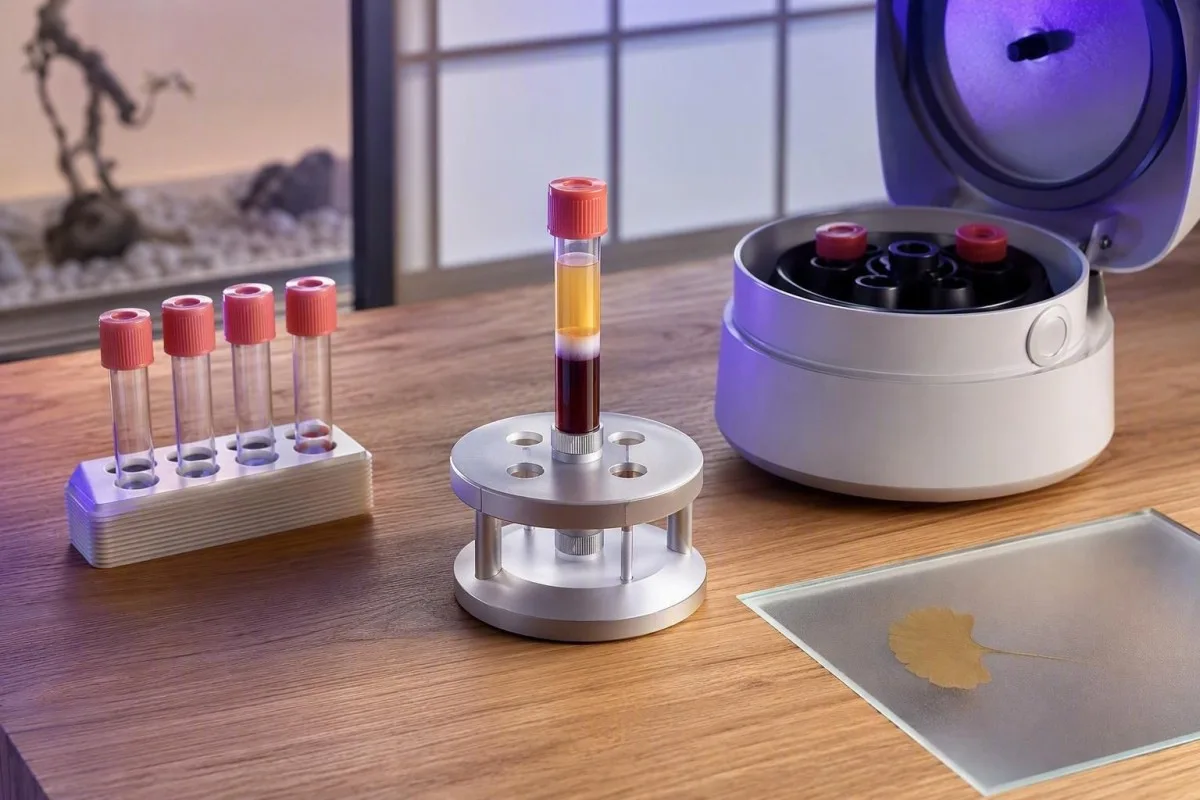
Mchoro wa kwanza unaofaa hurekodi fiziolojia yako ya kawaida, siyo athari za kibiolojia za mazoezi ya jana, vinywaji, usingizi mbaya, au virusi vinavyopita. Lengo ni kuunda mazingira yanayoweza kurudiwa unayoweza kutumia kwa miaka mingi.


- Muda wa msingi: weka miadi ya kupima asubuhi baada ya saa 8-12 bila chakula ikiwa sukari ya kufunga, triglycerides, vipimo vya chuma, au insulini vinajumuishwa.
- Pumziko la mazoezi: epuka mafunzo ya uzito mgumu sana, vipindi, au matukio ya uvumilivu kwa saa 24-48 kabla ya vipimo vya kawaida vya msingi.
- Dirisha la pombe: epuka pombe kwa angalau saa 48 kabla ya vipimo vya triglycerides na enzymes za ini; unywaji mwingi unaweza kupotosha matokeo kwa muda mrefu zaidi.
- Kanuni ya ugonjwa: ahirisha msingi wa afya hadi angalau wiki 2 baada ya homa au dalili kubwa za mfumo wa upumuaji au mfumo wa mmeng'enyo wa chakula kutoweka.
- Lengo la maji mwilini: kunywa kawaida siku iliyotangulia na kunywa 250-500 mL ya maji katika masaa 2 kabla ya kukusanya isipokuwa kama umepunguzwa maji.
- Tahadhari ya Biotin: acha biotin ya kipimo cha juu isiyoagizwa na daktari kwa masaa 48-72 kabla ya vipimo vingi vya kinga, lakini usiwahi kuacha matibabu yaliyoagizwa bila kumwomba daktari.
- Muktadha wa mzunguko: rekodi siku ya mzunguko kwa estrojen, progesterone, LH, FSH, na wakati mwingine lipids; inabadilisha tafsiri zaidi ya watu wengi wanavyotarajia.
- Urudiaji: tumia maabara sawa, wakati uleule wa asubuhi, na ruwaza sawa ya maandalizi unapoangalia matokeo ya maabara kwa muda.
Ni nini hufanya mchoro wa kwanza wa damu kuwa msingi halisi?
A kipimo cha damu cha msingi ni muhimu zaidi kinapokamata wiki ya kawaida: milo thabiti, unywaji wa kawaida wa maji, hakuna ugonjwa mbaya, na hakuna mafunzo au ulevi wa kipekee. Kwa watu wazima wengi, ninapendekeza sampuli ya asubuhi baada ya kufunga kwa masaa 8-12 wakati sukari ya damu, triglycerides, vipimo vya chuma, au insulini vinapopimwa.
Lengo la vitendo sio kufanya matokeo yaonekane bora zaidi. Ni kupunguza mabadiliko kabla ya uchambuzi—mabadiliko yanayotokea kabla ya kichanganuzi kuona sampuli. Sukari ya damu ya kufunga ya 96 mg/dL na kiwango cha triglyceride cha 105 mg/dL zote zinaweza kuwa za kawaida kabisa, lakini maana yake hubadilika ikiwa mtu alikula marehemu, alikimbia kilomita 10, au alilala masaa 3.
Katika kazi yangu ya kimatibabu, huuliza wagonjwa kutibu uchukuaji wa kwanza kama picha ya kumbukumbu. Weka rekodi fupi ya muda wa kuamka, muda wa kufunga, dawa, virutubisho, pombe katika saa 72 zilizopita, mazoezi katika saa 48 zilizopita, siku ya mzunguko wa hedhi, na maambukizi ya hivi karibuni. Rekodi hiyo mara nyingi huwa muhimu zaidi katika kipimo cha pili kuliko bendera moja ya “kawaida”.
Kantesti ni Mchambuzi wa mtihani wa damu wa AI iliyoundwa kusoma matokeo pamoja na muktadha huo wa vitendo, badala ya kutibu kila thamani iliyoangaziwa kama ugonjwa. Kwa orodha ya vipimo vya busara, anza na yetu mwongozo wa vipimo vya damu vya kila mwaka na kubaliana na nyongeza na daktari anayejua historia yako.
Msingi ni wa kibinafsi, sio tu “ndani ya kiwango”
Kiwango cha kumbukumbu cha maabara kwa kawaida hufunika sehemu ya kati ya 95% ya maadili kutoka kwa kundi la watu waliochaguliwa; haifafanui nambari yako ya kibinafsi yenye afya njema au salama zaidi. Matokeo ya kreatini yanaweza kubaki ndani ya kiwango cha maabara huku ikiongezeka kwa maana kutoka kwa thamani yako ya zamani iliyorejeshwa, ndiyo sababu hati za msingi ni muhimu.
Jinsi kufunga na milo ya siku iliyopita huathiri matokeo
. Kufunga kwa Saa 8–12 hutoa kulinganisha kwa kwanza safi zaidi kwa ajili ya triglycerides, sukari ya damu ya kufunga, insulini, na chuma cha damu, ingawa paneli nyingi za lipid zinaweza kutafsiriwa bila kufunga. Maji huruhusiwa na mara nyingi husaidia; kahawa, juisi, gamu, na vinywaji vyenye kalori si kufunga halisi.
Sukari ya damu ya kufunga chini ya 100 mg/dL kwa ujumla ni ya kawaida, 100-125 mg/dL inaonyesha sukari ya damu ya kufunga iliyopungua, na 126 mg/dL au zaidi inahitaji uthibitisho isipokuwa kama dalili na hyperglycaemia iliyokolea zipo. HbA1c huonyesha takriban wiki 8-12 zilizopita, kwa hivyo kifungua kinywa kimoja hakiwezi kuipunguza kwa maana; mwongozo wa maabara wa ADA unaeleza kwa nini sukari ya damu na HbA1c hujibu maswali tofauti (Sacks et al., 2023).
Triglycerides huathiriwa sana na milo. Thamani chini ya 150 mg/dL kwa kawaida hutakiwa, huku 500 mg/dL au zaidi ikileta wasiwasi wa hatari ya kongosho na inastahili tathmini ya haraka ya kimatibabu. Milo mingi ya jioni au pombe inaweza kusababisha matokeo ya kwanza ya juu ya udanganyifu, kwa hivyo tumia mpango wa kupima tena triglyceride badala ya kujaribu “kula kikamilifu” kwa siku moja.
Kantesti ni jukwaa la tafsiri ya vipimo vya damu la AI ambayo huhifadhi hali ya kufunga kando ya kila paneli, na kufanya ulinganisho wa baadaye kuwa na makosa kidogo. Yetu biomarker guide inaeleza ni vipimo vipi vinahusika na milo na vipi havihusiki.
Jinsi mazoezi yanavyoweza kuiga vipimo vya ini na figo visivyo vya kawaida
Mazoezi magumu yanaweza kuongeza kwa muda CK, AST, ALT, creatinine, seli nyeupe, na wakati mwingine potasiamu, kwa hivyo epuka mazoezi yasiyo ya kawaida au ya kiwango cha juu kwa saa 24-48 kabla ya paneli ya msingi. Matembezi mepesi na shughuli za kawaida za kila siku ni sawa.
Mwanariadha wa marathon mwenye umri wa miaka 52 niliyemkagua alikuwa na AST 89 IU/L baada ya mbio ndefu, na ALT 36 IU/L na CK juu ya 2,000 IU/L. Muundo huo uliashiria zaidi misuli iliyofanya mazoezi kuliko uharibifu wa ini, lakini bado ulihitaji kurudiwa baada ya kupona; nambari za pekee mara chache hazitoshi. Soma zaidi kuhusu AST baada ya mazoezi kabla ya kudhania tatizo la ini.
Vizio vya marejeleo vya kreatini kinase hutofautiana kulingana na maabara, jinsia, asili, misa ya misuli, na hali ya mazoezi, lakini maabara nyingi huashiria maadili yaliyo juu ya takriban 200-300 IU/L. CK inayozidi mara 5 kikomo cha juu cha marejeleo baada ya mazoezi ni kawaida; CK iliyo juu ya 5,000 IU/L ikiwa na mkojo wa giza, maumivu makali ya misuli, au kupungua kwa utokaji wa mkojo huhitaji tathmini ya haraka kwa rhabdomyolysis ya mazoezi.
Creatinine huongezeka baada ya shughuli kali hasa kutokana na kuvunjika kwa misuli na kupungua kwa mtiririko wa damu kwenye figo kutokana na upotezaji wa maji. Usitafsiri eGFR ya chini kutoka kwa sampuli ya baada ya mbio kama ugonjwa sugu wa figo bila kupima tena baada ya kupona; yetu mwongozo wa creatinine wakati wa mazoezi inaeleza dirisha salama la kuchukua tena.
Marekebisho ya saa 48 sio sheria kwa kila mtu
Kwa kikao cha mazoezi cha kawaida, saa 24 mara nyingi zinatosha. Baada ya mbio ndefu sana, mashindano ya CrossFit, kuinua vitu vizito kwa njia ya eccentric, au kufichuliwa na joto, mimi huchelewesha saa 48-72 ikiwa lengo ni hali thabiti badala ya tathmini ya tukio lenyewe.
Kwa nini pombe inastahili kusubiri kwa saa 48 kabla ya kupima msingi
Kuepuka pombe kwa angalau saa 48 kabla ya kipimo cha damu cha msingi hupunguza upotoshaji wa muda mfupi wa triglycerides, sukari, GGT, AST, alama za maji mwilini, na fiziolojia inayohusiana na usingizi. Jioni moja nzito inaweza kuwa na umuhimu zaidi kuliko wagonjwa wengi wanavyotarajia.
Pombe inaweza kuongeza triglycerides kwa kuongeza uzalishaji wa kiwango cha chini sana cha mafuta mwilini (very-low-density lipoprotein) ini, hasa baada ya milo yenye wanga nyingi. Athari ni tofauti: matokeo ya mtu mmoja hurudi kwenye kiwango cha kawaida baada ya saa 24, wakati mtu mwingine aliye na ini yenye mafuta, kisukari, au ulaji mzito zaidi anaweza kuonyesha mabadiliko kwa siku kadhaa. Triglyceride ya kufunga ya 220 mg/dL baada ya wikendi ya vinywaji inapaswa kurudiwa kabla mtu yeyote haijatafsiri kama tatizo la kudumu la kimetaboliki.
GGT inahusika lakini si maalum. Maabara nyingi hutumia mipaka ya juu karibu na 55-60 IU/L kwa wanaume na 35-40 IU/L kwa wanawake, hata hivyo dawa, cholestasis, ini yenye mafuta, na pombe vyote vinaweza kuiongeza. Muundo wenye maana ni GGT pamoja na ALT, ALP, bilirubini, hesabu ya chembechembe za damu (platelet count), na historia ya pombe; ona yetu maelezo ya liver panel kuhusu jinsi vipengele hivi vinavyoungana.
Kufikia Septemba 1, 2026, bado ninashauri dhidi ya “detox” au kufunga kupita kiasi ili kuboresha matokeo ya ini. Chakula cha kawaida, maji ya kawaida, pombe hakuna, na muda uliorekodiwa ni sayansi safi zaidi. ALT inayoendelea juu ya kikomo cha juu cha maabara katika sampuli mbili zilizotenganishwa na wiki kadhaa inahitaji tathmini ya kimatibabu, sio kusafisha kupitia mtandao.
Wakati ugonjwa au chanjo vinapaswa kuchelewesha mchoro wa afya
Chelewesha hali ya kawaida ya afya wakati wa homa, ugonjwa unaoendelea wa mfumo wa mmeng'enyo wa chakula, maambukizi makali ya mfumo wa upumuaji, au wiki 1-2 za kwanza baada ya kupona kwa sababu CRP, ferritin, chembechembe nyeupe, plateli, glukosi, na uchunguzi wa tezi zinaweza kubadilika kwa muda. Upimaji wa haraka wa uchunguzi ni tofauti: usiucheleweshe ukiwa mgonjwa.
Protini ya C-reactive huongezeka mara nyingi ndani ya masaa 6-8 ya kichocheo cha kuvimba na inaweza kushuka haraka mara tu kichocheo kinapotulia. CRP chini ya 3 mg/L mara nyingi hutumiwa kwa uainishaji wa hatari ya moyo na mishipa tu wakati mtu hana dalili za kimatibabu; matokeo ya 18 mg/L wakati wa mafua hayana maana kubwa kuhusu hatari ya mishipa ya muda mrefu. Muundo wa CRP na albamini una taarifa zaidi kuliko matokeo yoyote pekee.
Ferritin ni protini ya kuhifadhi chuma na pia ni kiwashio cha awamu ya papo hapo. Ferritin ya 110 ng/mL wakati wa maambukizi inaweza kuficha akiba iliyopungua ya chuma, wakati ferritin chini ya 15 ng/mL ni maalum sana kwa upungufu wa chuma kwa mtu mzima mwenye afya njema. Hii ndiyo sababu mimi huunganisha ferritin na kiwango cha uhamishaji wa protini, CRP, hemoglobin, na hadithi ya kimatibabu.
Chanjo inaweza kusababisha mwitikio wa kinga wa muda mfupi, ikiwa ni pamoja na mabadiliko ya muda mfupi katika CRP na sehemu ndogo za chembechembe nyeupe. Upimaji wa kawaida kwa kawaida unaweza kusubiri siku 3-7 baada ya chanjo ikiwa lengo ni hali ya kawaida ya utulivu, lakini jopo la usalama lililoratibiwa kwa ajili ya ufuatiliaji wa dawa linapaswa kufuata maagizo ya daktari anayehusika. mwongozo wa maabara baada ya chanjo inashughulikia tofauti za vitendo.
Kanuni ya wiki mbili ina vighairi
Baada ya nimonia, kulazwa hospitalini, mononucleosis ya kuambukiza, au kuzorota kali kwa ugonjwa sugu, wiki mbili zinaweza zisitoshe. Katika hali hizo, mara nyingi mimi hutumia kupona kwa dalili, mwelekeo wa CRP, na uamuzi wa daktari badala ya kalenda pekee.
Jinsi upotevu wa usingizi na muda hubadilisha kipimo cha damu
Usiku mmoja mbaya wa usingizi unaweza kuongeza sukari ya damu wakati wa kufunga, cortisol, shinikizo la damu, na ishara za uvimbe, wakati muda unaweza kubadilisha testosterone, cortisol, chuma, na TSH. Kwa hali ya kawaida ya kwanza, lengo ni saa 7-9 za usingizi wa kawaida na sampuli kati ya takriban 7 na 10 asubuhi inapowezekana.
Cortisol hufuata mzunguko wenye nguvu wa kila siku. Cortisol ya seramu ya asubuhi hupimwa mara nyingi karibu saa 8 asubuhi, lakini thamani haiwezi kugundua ugonjwa wa tezi ya adrenal bila muda wa ukusanyaji, dalili, na mara nyingi upimaji wa ACTH. Sampuli ya alasiri ikilinganishwa na sampuli ya awali ya saa 8 asubuhi si mwelekeo halali, hata kama maabara sawa inafanya zote mbili.
Kupunguzwa usingizi kwa saa 4-5 kunaweza kuzidisha usikivu wa insulini asubuhi inayofuata na kubadilisha homoni za hamu ya kula; kiwango cha mabadiliko ya maabara hutofautiana sana kwa mtu binafsi. Ninaona hili mara nyingi kwa wafanyakazi wa zamu, wazazi wapya, na wasafiri wa mara kwa mara, ambapo “hali ya kawaida” inahitaji kuwakilisha ratiba yao halisi badala ya ile iliyoboreshwa. mwongozo wa maabara ya usingizi mbaya inatoa orodha muhimu ya vidokezo vya maelezo.
Ushauri wa vitendo wa Dk. Thomas Klein ni rahisi: usighairi kipimo muhimu kwa sababu umelala vibaya, lakini uandike. Ikiwa sukari ya damu iliyofunga iliyo kwenye mpaka ni 103 mg/dL baada ya kukesha usiku kucha, rudia chini ya hali ya kawaida kabla ya kufikia hitimisho kuhusu ugonjwa wa kisukari.
Kafeini si lazima iwe maandalizi yasiyo na madhara
Kahawa nyeusi inaweza kuwa na athari ndogo kwa paneli nyingi, lakini inaweza kuathiri glukosi, katekolamini, shinikizo la damu, na baadhi ya vipimo maalum vya endokrini. Wakati insulini ya saumu, glukosi, kortisol, au metanephrines vinaamriwa, maji safi ndiyo chaguo la uhakika zaidi.
Ni virutubisho na dawa gani zinahitaji kurekodiwa
Usisimamishe dawa zilizoandikwa kwa uchunguzi wa damu wa msingi isipokuwa daktari wako amekuambia, lakini rekodi kila dawa na nyongeza na kipimo na muda. Biotin, chuma, B12, creatine, iodini, corticosteroids, na decongestants vinaweza kubadilisha biolojia au kipimo cha kipimo.
Biotin ya kipimo cha juu, mara nyingi micrograms 5,000-10,000 kila siku katika bidhaa za nywele na kucha, inaweza kuingilia kati baadhi ya vipimo vya kinga vya streptavidin-biotin. Inaweza kusababisha TSH ya chini bandia au T4 huru ya juu bandia, troponin, au matokeo ya homoni kulingana na muundo wa kipimo. Kucheleweshwa kwa saa 48-72 hutumiwa mara kwa mara kwa biotin isiyoandikwa, lakini watu wanaoichukua kwa ajili ya hali ya matibabu wanapaswa kwanza kumwuliza daktari wao.
Chuma cha mdomo kinaweza kuongeza chuma cha serum kwa muda mfupi, na nyongeza za creatine zinaweza kuongeza creatinine bila kupunguza uchujaji halisi. Corticosteroids zinaweza kuongeza glukosi na seli nyeupe za damu; vizuizi vya proton-pump vinaweza kuathiri magnesiamu na B12 kwa muda. Jibu sahihi ni muktadha, si kukomesha ghafla kwa kujitegemea; yetu mwongozo wa nyongeza ya saumu unaeleza msamaha wa kawaida.
Kantesti ni Zana ya uchambuzi wa vipimo vya damu inayotumia AI unaorekodi nyongeza zilizoripotiwa kando ya matokeo ili mabadiliko yanayoonekana ya tezi au figo yaweze kupitiwa na athari ambayo inaweza kuyaleta. Wagonjwa wanaweza pia kulinganisha matokeo yaliyoripotiwa na yetu orodha ya uhakika wa kimatibabu kabla ya kuchukua hatua kwa ishara isiyotarajiwa.
Muda wa dawa unaweza kuwa sehemu ya maagizo
Uingizwaji wa tezi, tiba ya testosterone, insulini, diuretics, na anticoagulants kila moja ina sheria za muda maalum kwa kipimo. Kwa mfano, uchunguzi wa tezi mara nyingi huchukuliwa kabla ya kipimo cha levothyroxine cha siku wakati wa kufuatilia uthabiti, lakini itifaki ya daktari anayeagiza inapaswa kuchukua kipaumbele.
Jinsi muda wa hedhi unavyoathiri kipimo cha kwanza cha homoni cha msingi
Kwa upimaji wa homoni za uzazi, siku ya mzunguko ni sehemu ya matokeo. FSH, LH, estradiol, progesterone, testosterone, prolactin, na wakati mwingine lipids zinaweza kutofautiana vya kutosha katika mzunguko hivi kwamba tarehe ambayo haijarekodiwa hudhoofisha tafsiri.
Upimaji wa mapema wa folikili, mara nyingi siku za mzunguko 2-5, hutumiwa mara nyingi kwa FSH, LH, na estradiol ya msingi katika tathmini ya uzazi. Progesterone hupimwa kawaida kama siku 7 baada ya ovulation—si lazima “siku ya 21,” kwa sababu mzunguko wa siku 35 unafuata biolojia tofauti. Thamani ya progesterone zaidi ya takriban 3 ng/mL inaweza kuunga mkono ovulation ya hivi karibuni katika mazingira mengi, lakini tafsiri sahihi inategemea kipimo na muda.
Prolactin inahisi sana dhiki, mazoezi ya hivi karibuni, shughuli za ngono, na ukusanyaji mgumu wa sampuli. Viwango vya juu kidogo mara nyingi hurudiwa baada ya dakika 20-30 za kupumzika kwa utulivu, ikiwezekana asubuhi; kiwango kinachoendelea kuwa juu ya 100 ng/mL kinastahili tathmini ya haraka ya endokrini, ingawa athari za dawa bado ni za kawaida. Tazama yetu mwongozo wa kurudisha prolaktini kwa hatua zinazofuata zenye busara.
Mabadiliko ya lipid yanayohusiana na mzunguko ni halisi lakini kwa kawaida huwa madogo kuliko mabadiliko kutoka kwa uzito, lishe, pombe, kisukari, au jenetiki. Ikiwa unakusudia kufuatilia afya na vipimo vya damu kwa miaka mingi, chagua awamu sawa ya mzunguko kwa vipimo vya lipid na homoni mara kwa mara inapowezekana, haswa wakati wa kutathmini dalili au matibabu.
Uzazi wa mpango wa homoni hubadilisha swali
Uzazi wa mpango wa pamoja wa homoni unaweza kukandamiza vipimo vya asili vya FSH, LH, estradiol, na androgen, kwa hivyo matokeo haya yanaweza yasieleze fizikia ambayo haijatibiwa. Usisimamishe uzazi wa mpango ili kupata msingi bila kuzingatia hatari ya mimba na sababu ya kimatibabu ya upimaji.
Kwa nini maji mwilini, mkao, na mbinu ya ukusanyaji ni muhimu
Unywaji wa kawaida wa maji na dakika 10-15 za kupumzika kwa kukaa kabla ya kuchukua sampuli huboresha uwezekano wa kurudiwa kwa sababu ukosefu wa maji mwilini, kusimama kwa muda mrefu, na ugumu wa kutoa damu unaweza kuzidisha au kuharibu matokeo kadhaa. Kunywa kawaida siku iliyotangulia na, isipokuwa kama umeagizwa kupunguza maji, unywe 250-500 mL ya maji ndani ya saa 2 kabla ya miadi.
Kupungua kwa kiasi cha plasma kunaweza kufanya haemoglobini, hematocrit, albamini, kalsiamu, protini jumla, na kreatini kuonekana juu kuliko ingekuwa chini ya unywaji wa kawaida wa maji. Kinyume chake, kunywa kwa nguvu lita za maji mara moja kabla ya kupima kunaweza kupunguza sodiamu na vipimo vingine. Kiwango cha kawaida cha sodiamu kwa ujumla ni 135-145 mmol/L, lakini matokeo yasiyotarajiwa yanapaswa kutafsiriwa kila wakati kwa kuzingatia hali ya unywaji wa maji na glukosi.
Mkao una umuhimu zaidi kuliko watu wengi wanavyotambua. Kusimama kunaweza kuongeza analiti zinazofungamana na albamini na protini kupitia mabadiliko ya maji, wakati muda mrefu wa kutumia utepe na kufinya ngumi mara kwa mara kunaweza kuongeza kwa uongo potasiamu na lakiti. Potasiamu zaidi ya 5.5 mmol/L bila ugonjwa wa figo, dalili, au mabadiliko ya ECG mara nyingi huangaliwa tena mara moja kwa sababu kosa la mkusanyiko ni la kawaida; mwongozo wetu wa kosa la mkusanyiko wa potasiamu inaeleza kwa nini.
Hedhi, kupoteza maji mwilini kwa sababu ya kuhara hivi karibuni, diuretiki, na matumizi ya sauna vyote vinapaswa kuwekwa kwenye dokezo lililounganishwa na sampuli. Ikiwa eGFR haionekani kuwa ya chini baada ya ukosefu wa maji mwilini, rudisha ulaji wa kawaida na jadili kupima tena; angalia mabadiliko ya muda mfupi ya eGFR kabla ya kudhani uharibifu wa kudumu wa figo.
Tiba nyekundu si utambuzi
Rangi ya tiba huonyesha kiunganishi kilichotumiwa kwa ajili ya kuchakata maabara, si uzito wa kipimo. Kinachohesabiwa kiafya ni uteuzi sahihi wa tiba, joto la usafirishaji, ucheleweshaji wa usindikaji, na kama maabara inaripoti uharibifu wa seli nyekundu za damu (hemolysis) au sampuli haitoshi.
Jinsi ya kufanya matokeo ya baadaye kulinganishwa na mchoro wa kwanza
Tumia maabara sawa, wakati sawa wa kuchukua sampuli, na utaratibu sawa wa maandalizi kila unapofuatilia matokeo ya maabara kwa muda. Mabadiliko halisi ya kibaolojia yanaweza kuwa madogo kuliko athari ya pamoja ya mbinu ya kipimo, hali ya kufunga, mazoezi, na mabadiliko ya kawaida ya kila siku.
Cholesterol ya LDL inaweza kuhesabiwa badala ya kupimwa moja kwa moja, na hesabu huwa haina uhakika kadiri triglycerides zinavyoongezeka. Mwongozo wa cholesterol wa AHA/ACC wa 2018 unasaidia uchunguzi usio na kufunga kwa watu wengi lakini unapendekeza uchunguzi wa kufunga katika hali maalum, ikiwa ni pamoja na triglycerides za juu sana na kutokuwa na uhakika wa utambuzi (Grundy et al., 2019). Jambo muhimu ni uthabiti, si ukamilifu.
Thamani ya mabadiliko ya marejeleo, au RCV, huunganisha usahihi wa uchambuzi na mabadiliko ya kawaida ya kibaolojia ya mtu binafsi. Mabadiliko ya 10% katika dalili moja yanaweza kuwa kelele wakati mabadiliko ya 30% katika nyingine yana maana; hakuna asilimia ya ulimwengu inayotumika kwa kila kipimo. Mwongozo wetu wa je, mabadiliko haya ni halisi unaonyesha kwa nini mitindo huhitaji zaidi ya mishale iliyowekwa rangi.
Kantesti AI hutafsiri paneli zilizorudiwa kwa kulinganisha vipimo vya kipimo, vipindi vya marejeleo, tarehe za mkusanyiko, na viumbe hai vinavyohusiana badala ya kuhesabu tu bendera zisizo za kawaida. ulinganishaji wa AI umejengwa kwa swali hili la muda mrefu: ni nini kilichobadilika vya kutosha kustahili umakini?
Hifadhi ripoti asili
Hifadhi PDF au picha safi, si matokeo yaliyoandikwa tu. Miundo ya vitengo, safu za maabara, maoni kuhusu uharibifu wa seli nyekundu za damu (hemolysis), na kama LDL ilikuwa imehesabiwa inaweza kubadilisha jinsi daktari wa baadaye anavyosoma mwelekeo.
Kidokezo cha muktadha cha kuhifadhi na kila kipimo cha damu
Dondoo fupi ya muktadha hubadilisha nambari za pekee kuwa data za longitudinal zinazoweza kutumika. Rekodi tarehe, saa, masaa ya kufunga, usingizi, mazoezi, pombe, ugonjwa, dawa, virutubisho, siku ya mzunguko, mabadiliko ya uzito, na dalili mpya kwa kila sampuli iliyochukuliwa.
Kumbukumbu yangu ya chini kabisa ina vipengele nane: muda wa mkusanyiko; muda wa kufunga; mazoezi ndani ya saa 48; pombe ndani ya saa 72; ugonjwa wa sasa; mabadiliko ya dawa; kipimo cha dawa na kipimo cha mwisho; na hali ya hedhi au ujauzito inapohusika. Ongeza safari, mabadiliko ya saa za kijiografia, na kimo cha juu cha hewa wakati vinapohusika, kwa sababu kila moja inaweza kuhamisha alama zinazohusiana na maji mwilini, cortisol, haemoglobin, na usingizi.
Kupunguza uzito kwa kilo 1.5 katika siku 10, lishe mpya yenye protini nyingi, au usiku kadhaa wa usingizi uliokatizwa unaweza kueleza mabadiliko madogo ya vipimo vya damu kwa muda. Hiyo haifanyi matokeo kuwa si muhimu—inayafanya yaweze kufasiriwa. Kwa toleo linaloweza kutumika tena, yetu muktadha wa kufuatilia maabara inajumuisha maelezo ambayo wagonjwa husahau mara nyingi zaidi.
Daktari Thomas Klein anapendekeza kuandika noti kabla ya kuondoka nyumbani, sio wakati unasubiri matokeo. Kumbukumbu huwa haitegemewi baada ya bendera isiyotarajiwa, na watu hujenga upya wiki iliyopita ili kukidhi nambari.
Nini cha kurekodi kama “urekebisho”
Usidhibiti lishe, ulaji wa maji, mazoezi, au virutubisho ili kupata msingi wa kuvutia zaidi. Msingi unapaswa kuwakilisha maisha yako; vinginevyo kipimo kijacho kinaweza kuonekana kibaya kwa sababu tu ni cha uaminifu zaidi.
Ni matokeo ya mpaka gani yanayopaswa kurudiwa kabla ya kuwa na wasiwasi
Matokeo mengi ya msingi ya mpaka yanapaswa kurudiwa chini ya hali tulivu kabla hayachukuliwi kama ugonjwa, hasa mabadiliko madogo ya pekee kwenye vimeng'enya vya ini, creatinine, potasiamu, prolaktini, neutrophils, na triglycerides. Dalili za haraka au maadili yasiyo ya kawaida sana ni ubaguzi.
ALT chini ya mara 2 ya kikomo cha juu cha maabara na bilirubin, ALP, na dalili hazipo kawaida, kwa kawaida huchunguzwa tena baada ya kuondoa vichocheo vya muda kama vile pombe, mazoezi mazito, au ugonjwa wa kati. Kiwango cha bilirubin cha juu ya 3 mg/dL na homa ya manjano, mkojo wa giza, kinyesi cha rangi ya kijivu, homa, au maumivu ya tumbo ni tofauti na haipaswi kusubiri kuchorwa upya kwa kawaida kwa msingi.
Hesabu ndogo kidogo ya neutrophil inaweza kufuatia ugonjwa wa virusi au kuonyesha hali ya kawaida ya mtu binafsi. Hesabu kamili ya neutrophil ya 1.0-1.5 × 10⁹/L kwa kawaida ni neutropenia kali, wakati chini ya 0.5 × 10⁹/L huleta hatari kubwa zaidi ya kuambukizwa na inahitaji ushauri wa dharura wa kimatibabu, hasa ikiwa kuna homa. Yetu mwongozo wa ufuatiliaji wa neutrophil hutenganisha vipimo vya kawaida vya kurudiwa na ishara za hatari.
Moja ya ulinzi muhimu zaidi ni kuangalia ruwaza. Kwa mfano, kalsiamu nyingi na homoni ya parathyroid iliyozuiliwa ina uharaka tofauti na kalsiamu nyingi pamoja na maji mwilini na ongezeko la albumin; sababu tuna wasiwasi juu ya mchanganyiko ni kwamba biolojia mara chache hubadilisha alama moja pekee.
Wakati kipimo cha damu cha msingi kisipaswi kuchukua nafasi ya huduma ya kimatibabu
Itifaki ya msingi haifai wakati una ishara za hatari, ugonjwa unaozidi kuwa mbaya haraka, matatizo ya ujauzito, au tahadhari muhimu ya maabara. Maumivu ya kifua, ugumu mkubwa wa kupumua, kuchanganyikiwa, kuzirai, homa ya manjano, kinyesi cheusi, au maji mwilini makali huhitaji tathmini ya kimatibabu sasa—sio kipimo kilichoandaliwa vyema zaidi cha kurudiwa.
Potasiamu milimoli 6.0 kwa lita au zaidi, sodiamu chini ya milimoli 120 kwa lita, glukosi juu ya milimoli 300 kwa desilita au zaidi, au haemoglobini karibu na gramu 7 kwa desilita ni mifano ya matokeo ambayo yanaweza kuhitaji hatua ya haraka, ingawa hali kamili ya kimatibabu inazingatiwa. Maabara huwasiliana na timu inayoagiza kuhusu maadili muhimu, lakini wagonjwa hawapaswi kudhani kuwa simu iliyokosekana inamaanisha matokeo ni salama.
Ikiwa una ujauzito, una ugonjwa sugu wa figo, unatumia insulini, unatumia dawa za kuzuia kuganda kwa damu, unapokea chemotherapy, au una magonjwa ya ini yanayojulikana, maelekezo ya maandalizi yanaweza kutofautiana na kiolezo cha afya. Kipindi cha kufunga kinaweza kuwa hatari kwa baadhi ya watu wenye kisukari, na muda wa kunywa dawa unaweza kuwa muhimu. Yetu mwongozo wa kupima mara ngapi unaeleza kwa nini kundi la hatari hubadilisha mpango.
Kantesti ni huduma ya kutafsiri vipimo vya maabara ya AI ambayo husaidia kutambua maswali kwa wataalamu wa matibabu, si mbadala wa tathmini ya haraka au utambuzi. Hifadhi za kimatibabu na kanuni za uhakiki wa kimatibabu nyuma ya kazi yetu zinaelezewa na yetu Bodi ya Ushauri wa Matibabu.
Utaratibu wa vitendo wa saa 72 kwa ajili ya msingi wako wa kwanza
Kwa msingi wa kwanza muhimu, weka utaratibu wako kwa saa 72, acha pombe kwa saa 48, epuka mazoezi makali kwa saa 24-48, kulala kawaida, funga kwa saa 8-12 ikihitajika, kunywa maji, na rekodi mazingira yako. Utulivu ni tiba.
Saa sabini na mbili hadi 48 kabla: usianze nyongeza mpya, chakula kikali, utakaso, au kizuizi cha mafunzo. Ikiwa tayari unatumia nyongeza, rekodi kipimo kamili; ikiwa ina biotin ya kipimo cha juu, uliza daktari anayeagiza au mfamasia ikiwa kusimamishwa kwa saa 48-72 kunafaa. Epuka pombe kwa saa 48 na uahirisha upimaji wa kawaida ikiwa ugonjwa unafanya kazi.
Siku iliyotangulia: kula milo yako ya kawaida, kunywa maji kawaida, epuka sauna au matukio ya uvumilivu, na panga saa 7-9 za kulala. Kwa paneli za kufunga, maliza chakula saa 8-12 kabla ya miadi; maji ni sawa. Asubuhi ya kuchukua sampuli, epuka kahawa na nikotini ikiwa glukosi, insulini, cortisol, catecholamines, au vipimo maalum vya homoni vinapangwa.
Baada ya matokeo kuwasili, hifadhi ripoti ya asili na maelezo ya mazingira yake kabla ya kubadilisha kitu chochote. Kantesti AI inaweza kupanga matokeo kwa mtazamo wa muda mrefu, wakati yetu mwongozo wa teknolojia na mbinu za kimatibabu unaeleza kwa nini utambuzi wa ruwaza bado unahitaji ufuatiliaji wa kimatibabu wa kibinadamu kwa dalili, uharibifu mkuu, na maamuzi ya matibabu.
Maswali Yanayoulizwa Mara Kwa Mara
Ninaandaje kwa ajili ya kipimo cha damu cha awali?
Jitayarishe kwa ajili ya kipimo cha kawaida cha damu kwa kuendelea na ratiba yako ya kawaida, kuepuka pombe kwa saa 48, kuepuka mazoezi makali kwa saa 24-48, kulala kawaida, na kuorodhesha dawa na virutubisho. Funga kwa saa 8-12 ikiwa agizo linajumuisha kipimo cha sukari wakati wa kufunga, trigliserides, insulini, au uchunguzi wa chuma; maji huruhusiwa kwa ujumla. Kunywa kawaida badala ya kunywa maji mengi, na panga kuchukuliwa kwa sampuli asubuhi kati ya saa 7 na 10 alfajiri inapojumuisha homoni au chuma. Weka kando kipimo cha kawaida cha afya wakati wa ugonjwa unaoendelea isipokuwa kipimo kinahitajika kutathmini ugonjwa huo.
Je, ninafaa kufunga kwa ajili ya kipimo changu cha kwanza cha damu?
Mfumo wa kufunga kwa saa 8-12 ni muhimu sana kwa kipimo cha kwanza cha damu kinachojumuisha trigiliseridi, sukari kwenye damu ikiwa umefunga, insulini, au chuma kwenye damu, ingawa paneli nyingi za kawaida za lipidi hazihitaji tena kufunga. Maji ya kawaida hayavunji mfungo na husaidia kuzuia ugumu wa kukusanya au athari za mkusanyiko zinazohusiana na upungufu wa maji mwilini. Kahawa, juisi, maziwa, pombe, gamu ya kutafuna, na virutubisho vinaweza kubadilisha matokeo yaliyochaguliwa au kubatilisha maandalizi yaliyokusudiwa. Fuata maagizo maalum ya agizo lako ikiwa daktari wako atatoa muda tofauti wa kufunga.
Je, mazoezi yanaweza kuathiri matokeo ya vipimo vya damu siku inayofuata?
Ndiyo, mazoezi makali yanaweza kuathiri matokeo ya vipimo vya damu kwa saa 24-72 kwa kuongeza kiwango cha creatine kinase, AST, ALT, creatinine, seli nyeupe, na wakati mwingine potasiamu. Mazoezi makali ya kuimarisha misuli, mbio za marathon, vipindi vya kiwango cha juu, na kukabiliwa na joto huleta mabadiliko makubwa zaidi kuliko matembezi ya kawaida. Kwa kiwango cha kawaida cha afya, epuka mazoezi yasiyo ya kawaida au makali kwa saa 24-48; baada ya tukio kubwa la uvumilivu, saa 48-72 mara nyingi ni za kweli zaidi. Usicheleweshe uchunguzi wa haraka kwa dalili kama vile maumivu makali ya misuli, mkojo mweusi, udhaifu, au kupungua kwa kiasi cha mkojo.
Nikie muda gani wa kuepuka pombe kabla ya uchunguzi wa damu?
Epuka pombe kwa angalau saa 48 kabla ya kipimo cha kawaida cha damu, hasa wakati sukari, triglycerides, GGT, AST, ALT, au alama zinazobadilika kutokana na maji mwilini zinapochunguzwa. Pombe inaweza kuongeza triglycerides hata baada ya jioni moja ya unywaji mzito, na athari inaweza kudumu kwa siku kadhaa kwa watu wenye kisukari, ini lenye mafuta, au wanaokunywa pombe kwa wingi zaidi. Matokeo ya triglyceride ya 500 mg/dL au zaidi yanahitaji tathmini ya haraka ya kimatibabu kwa sababu hatari ya kongosho huongezeka sana. Usijaribu kusafisha mwili au kufunga kwa ukali baada yake; milo ya kawaida na ulaji wa maji hutoa matokeo ya kurudia yenye uhalisia zaidi.
Je, usingizi mbaya unaweza kubadilisha matokeo ya vipimo vya damu?
Usingulala vizuri kunaweza kubadili kiwango cha sukari kwenye damu wakati wa kufunga asubuhi, cortisol, shinikizo la damu, na baadhi ya ishara za uvimbe, hasa baada ya kulala kwa saa 4-5 au kufanya kazi usiku kucha. Haibadilishi kwa maana HbA1c, ambayo huonyesha wastani wa sukari kwenye damu kwa takriban wiki 8-12. Ikiwa matokeo ya kawaida yasiyo ya dharura ni ya mpakani baada ya usiku usiokuwa na usingizi, rekodi kukosa usingizi na fikiria kurudia kipimo chini ya hali za kawaida. Vipimo muhimu vinapaswa kuendelea, kwa sababu dalili na upungufu mkubwa huathiri zaidi kuliko maandalizi bora.
Je, ninapaswa kupima homoni kwa siku maalum ya mzunguko wangu wa hedhi?
Ndiyo, upimaji wa homoni unapaswa kuratibiwa na swali la kimatibabu na siku ya mzunguko wa hedhi inapaswa kurekodiwa kila wakati. FSH, LH, na estrodiol mara nyingi hupimwa kwa siku za mzunguko 2-5 kwa msingi wa awali wa kumeng'enyeka kwa mapema, wakati progesterone mara nyingi huangaliwa kama siku 7 baada ya ovulation badala ya kiotomatiki siku ya 21. Kiwango cha progesterone cha juu ya takriban 3 ng/mL kinaweza kuunga mkono ovulation ya hivi karibuni, lakini maabara na hali za kimatibabu hutofautiana. Kingamimba cha homoni hubadilisha matokeo ya homoni za mwili, kwa hivyo usiishe kwa ajili tu ya kupima bila ushauri wa kimatibabu.
Pata Uchambuzi wa Vipimo vya Damu kwa AI Leo
Jiunge na zaidi ya watumiaji 2 milioni duniani kote wanaoamini Kantesti kwa uchambuzi wa papo hapo na sahihi wa vipimo vya maabara. Pakia matokeo yako ya vipimo vya damu na upate tafsiri ya kina ya viashiria vya 15,000+ ndani ya sekunde.
📚 Machapisho ya Utafiti Yanayorejelewa
Klein, T., Mitchell, S., & Weber, H. (2026). Kantesti LTD. (2026). C3 C4 Complement Blood Test & Mwongozo wa Titer ya ANA. Zenodo.. Kantesti uchambuzi wa damu kwa AI ya utafiti wa matibabu.
Klein, T., Mitchell, S., & Weber, H. (2026). Kantesti LTD. (2026). Mwongozo wa Upimaji wa Virusi vya Nipah kwa Damu: Ugunduzi wa Mapema na Utambuzi 2026. Zenodo.. Kantesti uchambuzi wa damu kwa AI ya utafiti wa matibabu.
📖 Marejeo ya Nje ya Tiba
⚕️ Kanusho la Kimatibabu
Makala haya ni kwa madhumuni ya elimu tu na si ushauri wa kimatibabu. Wasiliana na mtoa huduma aliyehitimu kila wakati kwa maamuzi ya utambuzi na matibabu.
E-E-A-T Trust Signals
Uzoefu
Mapitio ya kimatibabu inayoongozwa na daktari ya mifumo ya tafsiri ya maabara.
Utaalamu
Kuzingatia dawa za maabara kuhusu jinsi viashiria (biomarkers) vinavyobadilika katika muktadha wa kliniki.
Mamlaka
Imeandikwa na Dk. Thomas Klein kwa mapitio ya Dk. Sarah Mitchell na Prof. Dk. Hans Weber.
Uaminifu
Tafsiri inayotegemea ushahidi yenye njia zilizo wazi za ufuatiliaji ili kupunguza tahadhari za hofu.