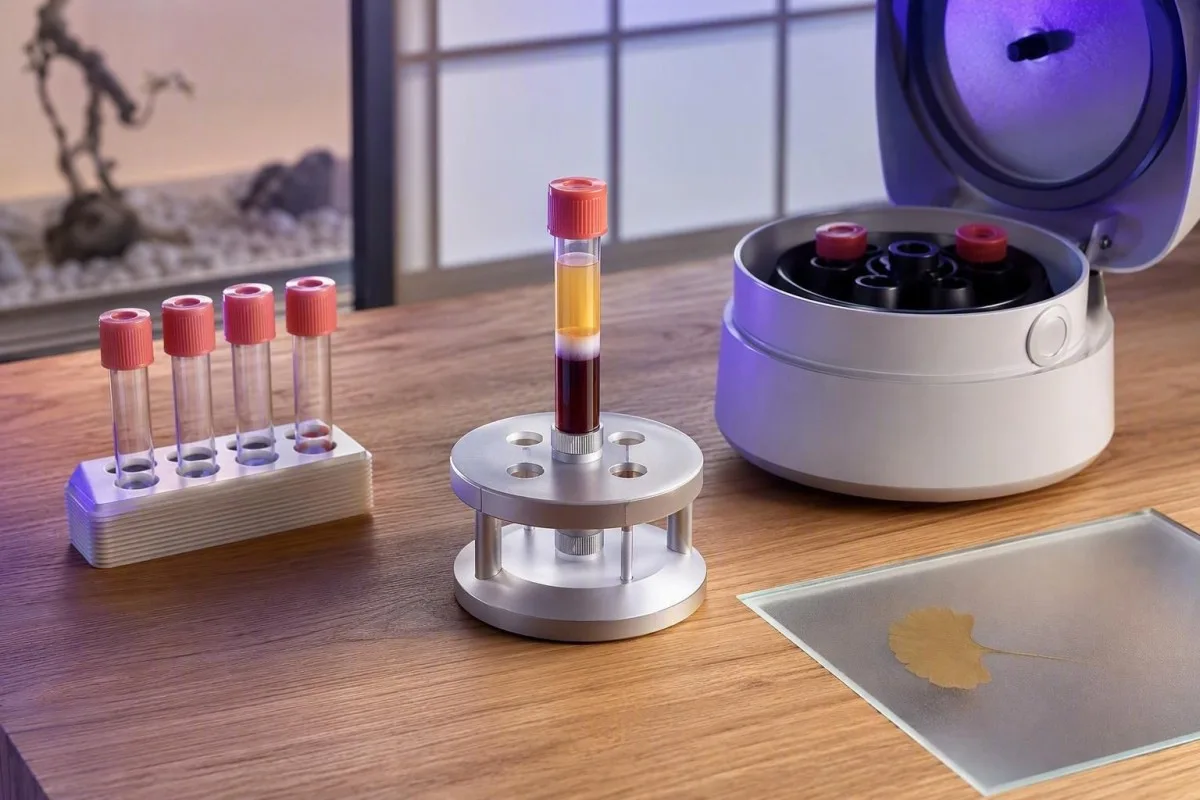
Przydatne pierwsze badanie pozwala zarejestrować Twoją zwykłą fizjologię, a nie biochemiczne echa wczorajszego treningu, spożycia alkoholu, złego snu czy przejściowego wirusa. Celem jest uzyskanie powtarzalnego kontekstu, który można wykorzystywać przez lata.


- Termin wykonania testu bazowego: zaplanuj pobranie krwi rano po 8-12 godzinach bez jedzenia, jeśli uwzględniono badanie poziomu glukozy na czczo, triglicerydów, parametrów żelaza lub insuliny.
- Przerwa od ćwiczeń: unikaj wyjątkowo ciężkich treningów siłowych, interwałowych lub wytrzymałościowych przez 24-48 godzin przed rutynowym badaniem bazowym.
- Okno alkoholowe: zrezygnuj z alkoholu na co najmniej 48 godzin przed badaniem triglicerydów i enzymów wątrobowych; spożywanie dużych ilości alkoholu może zniekształcić wyniki na dłużej.
- Zasada dotycząca choroby: przełóż wykonanie testu bazowego do oceny stanu zdrowia o co najmniej 2 tygodnie po ustąpieniu gorączki lub znaczących objawów ze strony układu oddechowego lub pokarmowego.
- Cel nawodnienia: pić normalnie dzień przed i wypić 250-500 mL wody w ciągu 2 godzin przed pobraniem, chyba że obowiązuje ograniczenie płynów.
- Uwaga dotycząca biotyny: odstawić biotynę w wysokiej dawce, nieprzepisaną na receptę, na 48-72 godziny przed wieloma badaniami immunologicznymi, ale nigdy nie przerywać leczenia na receptę bez konsultacji z lekarzem prowadzącym.
- Kontekst cyklu: zanotować dzień cyklu dla estradiolu, progesteronu, LH, FSH, a czasem lipidów; wpływa to na interpretację bardziej, niż większość ludzi się spodziewa.
- Powtarzalność: używać tego samego laboratorium, podobnej pory porannej i tego samego schematu przygotowania podczas śledzenia wyników laboratoryjnych w czasie.
Co sprawia, że pierwsze pobranie krwi jest prawdziwym punktem wyjścia?
A badanie krwi wyjściowe jest najbardziej przydatne, gdy obejmuje zwykły tydzień: stabilne posiłki, zwykłe nawodnienie, brak ostrej choroby i brak wyjątkowych treningów lub spożycia alkoholu. Dla większości dorosłych zalecam próbkę poranną po 8-12-godzinnym poście, gdy mierzone są glukoza, trójglicerydy, markery żelaza lub insulina.
Praktycznym celem nie jest poprawienie wyników. Jest nim zredukowanie zmienności przedanalitycznej—zmian, które zachodzą przed tym, jak analizator zobaczy próbkę. Stężenie glukozy na czczo 96 mg/dL i poziom trójglicerydów 105 mg/dL mogą być całkowicie zwyczajne, jednak ich znaczenie zmienia się, jeśli osoba zjadła późny posiłek, przebiegła 10 km lub spała 3 godziny.
W mojej pracy klinicznej proszę pacjentów, aby traktowali pierwsze pobranie krwi jak zdjęcie referencyjne. Prowadzić krótki zapis godziny pobudki, czasu postu, leków, suplementów, alkoholu w ciągu ostatnich 72 godzin, ćwiczeń w ciągu ostatnich 48 godzin, dnia cyklu miesiączkowego i niedawnej infekcji. Taki zapis jest często bardziej przydatny przy drugim badaniu niż pojedyncza “normalna” flaga.
Kantesti jest Analizator do badań krwi AI zaprojektowane do odczytu wyników w kontekście praktycznym, zamiast traktować każdą zaznaczoną wartość jako chorobę. Aby uzyskać sensowną listę badań, zacznij od naszego przewodnika po rocznych badaniach krwi i uzgodnij dodatkowe badania z lekarzem, który zna Twoją historię medyczną.
Wynik wyjściowy jest osobisty, a nie tylko “w zakresie”
Laboratoryjny zakres referencyjny zazwyczaj zawiera centralny 95% wartości z wybranej populacji; nie definiuje on Twojej najzdrowszej ani najbezpieczniejszej osobistej liczby. Wynik kreatyniny może pozostać w zakresie laboratoryjnym, jednocześnie znacząco rosnąc od Twojej własnej powtarzanej wartości, dlatego dokumentacja wyjściowa ma znaczenie.
Jak post i posiłki z poprzedniego dnia wpływają na wyniki
Najlepiej na czczo przez 8–12 godzin daje najczystsze pierwsze porównanie dla trójglicerydów, glukozy na czczo, insuliny i żelaza w surowicy, chociaż wiele paneli lipidowych można interpretować bez postu. Woda jest dozwolona i zazwyczaj pomocna; kawa, soki, guma i kaloryczne napoje nie są prawdziwym postem.
Stężenie glukozy w osoczu na czczo poniżej 100 mg/dL jest zazwyczaj prawidłowe, 100-125 mg/dL wskazuje na zaburzenia stężenia glukozy na czczo, a 126 mg/dL lub wyższe wymaga potwierdzenia, chyba że występują objawy i wyraźna hiperglikemia. HbA1c odzwierciedla około poprzednich 8-12 tygodni, więc jedno śniadanie nie może znacząco go obniżyć; wytyczne laboratoryjne ADA wyjaśniają, dlaczego glukoza i HbA1c odpowiadają na różne pytania (Sacks i wsp., 2023).
Trójglicerydy są szczególnie wrażliwe na posiłki. Wartość poniżej 150 mg/dL jest konwencjonalnie pożądana, podczas gdy 500 mg/dL lub wyższa budzi obawy o ryzyko zapalenia trzustki i wymaga pilnej oceny klinicznej. Bogaty późny posiłek lub alkohol może spowodować myląco wysoki pierwszy wynik, dlatego należy stosować plan ponownego badania trójglicerydów zamiast próbować “jeść idealnie” przez jeden dzień.
Kantesti jest platforma do interpretacji wyników badań krwi AI który może zachować status na czczo obok każdego panelu, co sprawia, że późniejsze porównania są mniej podatne na błędy. Nasz przewodnik po biomarkerach wyjaśnia, które testy są faktycznie wrażliwe na posiłki, a które nie.
Jak wysiłek fizyczny może naśladować nieprawidłowe wyniki testów wątrobowych i nerkowych
Intensywne ćwiczenia mogą tymczasowo podnieść CK, AST, ALT, kreatynina, białe krwinki, a czasem potas, dlatego należy unikać nieznanego lub intensywnego treningu na 24-48 godzin przed badaniem podstawowym. Spokojne spacery i codzienne ruchy są w porządku.
52-letnia biegaczka maratońska, którą przejrzałem, miała AST 89 IU/L po długim biegu, z ALT 36 IU/L i CK powyżej 2000 IU/L. Ten wzorzec silniej wskazywał na uszkodzone mięśnie niż na uszkodzenie wątroby, ale nadal wymagało powtórzenia po regeneracji; pojedyncze wyniki rzadko wystarczają. Czytaj więcej o AST po wysiłku fizycznym zanim zaczniesz podejrzewać problem z wątrobą.
Referencyjne limity kinazy kreatynowej różnią się w zależności od laboratorium, płci, pochodzenia etnicznego, masy mięśniowej i stanu wytrenowania, ale wiele laboratoriów oznacza wartości powyżej około 200-300 IU/L. CK przekraczające 5-krotnie górny limit referencyjny po wysiłku jest powszechne; CK powyżej 5000 IU/L z ciemnym moczem, silnym bólem mięśni lub zmniejszoną ilością wydalanego moczu wymaga pilnej oceny pod kątem rabdomiolizy wysiłkowej.
Kreatynina wzrasta po intensywnej aktywności częściowo z powodu rozpadu mięśni i zmniejszonego przepływu krwi przez nerki z powodu utraty płynów. Nie należy interpretować obniżonego eGFR z próbki pobranej po biegu jako przewlekłej choroby nerek bez testów po regeneracji; nasz przewodnik: kreatynina a wysiłek fizyczny wyjaśnia bezpieczniejsze okno ponownego pobrania.
48-godzinne ponowne ustalenie nie jest regułą dla każdego
W przypadku rekreacyjnej sesji na siłowni 24 godziny są często wystarczające. Po ultramaratonie, zawodach CrossFit, intensywnym treningu ekscentrycznym lub ekspozycji na ciepło często czekam 48-72 godzin, jeśli celem jest stabilna baza, a nie ocena samego wydarzenia.
Dlaczego alkohol wymaga 48-godzinnej przerwy przed wykonaniem testu bazowego
Unikanie alkoholu przez co najmniej 48 godzin przed badaniem krwi na czczo zmniejsza krótkotrwałe zniekształcenie triglicerydów, glukozy, GGT, AST, markerów nawodnienia i fizjologii związanej ze snem. Pojedczwartkowy wieczór może mieć większe znaczenie, niż wielu pacjentów oczekuje.
Alkohol może podnosić triglicerydy poprzez zwiększenie produkcji lipoprotein o bardzo niskiej gęstości w wątrobie, szczególnie po posiłkach bogatych w węglowodany. Efekt jest zmienny: wynik jednej osoby wraca do normy w ciągu 24 godzin, podczas gdy u innej osoby z stłuszczeniem wątroby, cukrzycą lub większym spożyciem zmiany mogą utrzymywać się przez kilka dni. Trójglicerydy na czczo na poziomie 220 mg/dL po weekendowym spożyciu alkoholu powinny zostać powtórzone, zanim ktokolwiek nazwie je stałym problemem metabolicznym.
GGT jest czułe, ale niespecyficzne. Wiele laboratoriów stosuje górne granice około 55-60 IU/L dla mężczyzn i 35-40 IU/L dla kobiet, jednak leki, zastój żółci, stłuszczenie wątroby i alkohol mogą je podnosić. Znaczący wzorzec to GGT wraz z ALT, ALP, bilirubiny, liczby płytek krwi i wywiadu dotyczącego spożycia alkoholu; zobacz nasz wyjaśnienia panelu wątrobowego jak te elementy się łączą.
Od 1 września 2026 r. nadal odradzam “detoksykację” lub nadmierne głodówki w celu poprawy wyników wątroby. Normalne jedzenie, normalna woda, brak alkoholu i udokumentowany odstęp czasu to czystsza nauka. Utrzymujące się ALT powyżej górnej granicy laboratoryjnej w dwóch próbkach pobranych w odstępach kilku tygodni wymaga konsultacji lekarskiej, a nie internetowego "oczyszczania".
Kiedy choroba lub szczepienie powinny opóźnić pobranie krwi w celu oceny stanu zdrowia
Odłóż podstawowe badania kontrolne podczas gorączki, aktywnej choroby żołądkowo-jelitowej, znaczącej infekcji dróg oddechowych lub pierwszych 1-2 tygodni po wyzdrowieniu, ponieważ CRP, ferrytyna, białe krwinki, płytki krwi, glukoza i badania tarczycy mogą tymczasowo ulec zmianie. Pilne badania diagnostyczne są inne: nie odkładaj ich, gdy źle się czujesz.
Białko C-reaktywne zazwyczaj wzrasta w ciągu 6-8 godzin od bodźca zapalnego i może szybko spaść po ustąpieniu przyczyny. CRP poniżej 3 mg/L jest często używane do stratyfikacji ryzyka sercowo-naczyniowego tylko wtedy, gdy osoba jest klinicznie zdrowa; wynik 18 mg/L podczas przeziębienia niewiele mówi o długoterminowym ryzyku naczyniowym. Wzór CRP i albumin jest bardziej informacyjny niż każdy wynik z osobna.
Ferrytyna jest zarówno białkiem magazynującym żelazo, jak i białkiem ostrej fazy. Ferrytyna 110 ng/mL podczas infekcji może maskować wyczerpanie zapasów żelaza, podczas gdy ferrytyna poniżej 15 ng/mL jest wysoce specyficzna dla niedoboru żelaza u ogólnie zdrowej osoby dorosłej. Dlatego łączę ferrytynę z wysyceniem transferyny, CRP, hemoglobiną i wywiadem klinicznym.
Szczepienia mogą powodować krótkotrwałą reakcję immunologiczną, w tym przejściowe zmiany w CRP i podzbiorach białych krwinek. Rutynowe badania zazwyczaj mogą poczekać 3-7 dni po szczepieniu, jeśli celem jest uzyskanie spokojnej wartości bazowej, ale zaplanowana ocena bezpieczeństwa w celu monitorowania leków powinna być wykonana zgodnie z instrukcjami lekarza przepisującego lek. Nasz poradnik laboratoryjny po szczepieniu obejmuje praktyczne rozróżnienia.
Dwutygodniowa zasada ma wyjątki
Po zapaleniu płuc, hospitalizacji, mononukleozie zakaźnej lub ciężkim zaostrzeniu choroby przewlekłej, dwa tygodnie mogą nie wystarczyć. W takich przypadkach często opieram się na powrocie objawów, trendzie CRP i ocenie klinicznej, a nie tylko na kalendarzu.
Jak utrata snu i czas wykonania badania zmieniają wynik testu krwi
Jedna zła noc snu może podnieść poziom glukozy na czczo, kortyzolu, ciśnienie krwi i sygnały zapalne, podczas gdy czas pobrania może zmienić poziom testosteronu, kortyzolu, żelaza i TSH. W celu uzyskania pierwszej wartości bazowej należy dążyć do 7-9 godzin zwykłego snu i pobrać próbkę między około 7 a 10 rano, jeśli to możliwe.
Kortyzol podlega silnemu rytmowi dobowemu. Poranne stężenie kortyzolu w surowicy jest powszechnie mierzone około godziny 8:00, ale wartość nie może zdiagnozować choroby nadnerczy bez czasu pobrania, objawów i często testów ACTH. Popołudniowa próbka porównana z poprzednią próbką z godziny 8:00 nie stanowi wiarygodnego trendu, nawet jeśli oba badania wykonano w tym samym laboratorium.
Ograniczenie snu do 4-5 godzin może pogorszyć wrażliwość na insulinę następnego ranka i zmienić hormony apetytu; wielkość zmiany laboratoryjnej jest bardzo zróżnicowana w zależności od osoby. Widzę to najczęściej u pracowników zmianowych, nowych rodziców i częstych podróżnych, gdzie “wartość bazowa” musi odzwierciedlać ich rzeczywisty harmonogram, a nie wyidealizowany. Nasz przewodnik po laboratoriach badań snu oferuje przydatną listę kontrolną adnotacji.
Praktyczna rada dr. Thomasa Kleina jest prosta: nie odwołuj koniecznego testu z powodu złego snu, ale go odnotuj. Jeśli graniczna glukoza na czczo wynosi 103 mg/dL po całej nocy czuwania, powtórz badanie w zwykłych warunkach przed wyciągnięciem wniosków na temat stanu przedcukrzycowego.
Kofeina nie zawsze jest nieszkodliwym przygotowaniem
Czarna kawa może mieć niewielki wpływ na wiele badań, ale może wpływać na poziom glukozy, katecholamin, ciśnienie krwi i niektóre specjalistyczne badania endokrynologiczne. W przypadku zlecenia badania poziomu insuliny na czczo, glukozy, kortyzolu lub metanefryn, czysta woda jest najmniej dwuznacznym wyborem.
Jakie suplementy i leki należy odnotować
Nie przerywaj przyjmowania przepisanych leków przed badaniem krwi, chyba że lekarz zleca inaczej, ale odnotuj każdy lek i suplement z dawką i czasem podania. Biotyna, żelazo, B12, kreatyna, jod, kortykosteroidy i leki obkurczające błonę śluzową nosa mogą zmieniać biologicznie lub wpływać na metodę analityczną testu.
Wysokie dawki biotyny, często 5000-10000 mikrogramów dziennie w produktach do włosów i paznokci, mogą zakłócać niektóre testy immunologiczne z użyciem streptawidyny i biotyny. Mogą powodować fałszywie niski poziom TSH lub fałszywie wysoki poziom wolnej T4, troponiny lub hormonów, w zależności od zastosowanej metody analitycznej. Zwykle stosuje się przerwę 48-72 godzin dla biotyny nieprzepisanej na receptę, ale osoby przyjmujące ją z powodu schorzenia powinny najpierw zapytać swojego lekarza.
Doustne żelazo może przejściowo podnosić poziom żelaza w surowicy, a suplementy kreatyny mogą zwiększać poziom kreatyniny bez zmniejszania rzeczywistej filtracji. Kortykosteroidy mogą podnosić poziom glukozy i białych krwinek; inhibitory pompy protonowej mogą z czasem wpływać na poziom magnezu i B12. Właściwą reakcją jest kontekst, a nie nagłe samowolne przerwanie leczenia; nasz przewodnik po suplementach i poście wyjaśnia częste wyjątki.
Kantesti jest Narzędzie do analizy wyników badań krwi oparte na AI który zapisuje zgłoszone suplementy obok wyników, dzięki czemu wyraźna zmiana w badaniach tarczycy lub nerek może zostać przeanalizowana w kontekście narażenia, które może ją wyjaśniać. Pacjenci mogą również porównać zgłoszone wyniki z naszą listą kontrolną dokładności klinicznej przed podjęciem działań w związku z nieoczekiwanym alarmem.
Czas przyjmowania leków może być częścią recepty
Hormonalna terapia zastępcza, terapia testosteronem, insulina, leki moczopędne i leki przeciwzakrzepowe mają swoje specyficzne zasady dotyczące czasu pobierania próbek. Na przykład, badania tarczycy są często pobierane przed podaniem dziennej dawki lewotyroksyny w celu monitorowania spójności, ale protokół lekarza prowadzącego powinien mieć pierwszeństwo.
Jak cykl menstruacyjny wpływa na pierwszy poziom hormonów bazowych
W przypadku badań hormonów płciowych dzień cyklu jest częścią interpretacji wyniku. FSH, LH, estradiol, progesteron, testosteron, prolaktyna, a czasami lipidy mogą się na tyle różnić w cyklu, że niezapisana data osłabia interpretację.
Badanie we wczesnej fazie folikularnej, często w dniach cyklu 2-5, jest powszechnie stosowane jako badanie wyjściowe FSH, LH i estradiolu w ocenie płodności. Progesteron jest zwykle mierzony około 7 dni po owulacji – niekoniecznie “21. dnia cyklu”, ponieważ 35-dniowy cykl wiąże się z inną biologią. Wartość progesteronu powyżej około 3 ng/mL może potwierdzić niedawną owulację w wielu przypadkach, ale dokładna interpretacja zależy od metody analitycznej i czasu wykonania badania.
Prolaktyna jest wrażliwa na stres, niedawny wysiłek fizyczny, aktywność seksualną i trudne pobranie próbki. Łagodne podwyższenia poziomu są często powtarzane po 20-30 minutach spokojnego odpoczynku, najlepiej rano; poziom stale powyżej 100 ng/mL wymaga pilnej oceny endokrynologicznej, chociaż wpływ leków pozostaje częsty. Patrz nasz przewodnik po ponownym badaniu prolaktyny w celu ustalenia rozsądnych dalszych kroków.
Zmiany poziomu lipidów związane z cyklem są realne, ale zazwyczaj mniejsze niż zmiany spowodowane przez wagę, dietę, alkohol, cukrzycę lub genetykę. Jeśli zamierzasz monitorować zdrowie za pomocą badań krwi w ciągu lat, wybieraj podobną fazę cyklu do powtarzania badań lipidów i hormonów, gdy tylko jest to możliwe, zwłaszcza podczas oceny objawów lub leczenia.
Antykoncepcja hormonalna zmienia pytanie
Połączona antykoncepcja hormonalna może hamować pomiary endogennych FSH, LH, estradiolu i androgenów, dlatego wyniki te mogą nie opisywać fizjologii bez leczenia. Nie przerywaj antykoncepcji tylko po to, aby uzyskać wynik wyjściowy, nie biorąc pod uwagę ryzyka ciąży i klinicznego powodu badania.
Dlaczego nawodnienie, postawa i technika pobrania mają znaczenie
Prawidłowe nawodnienie i 10-15 minut odpoczynku w pozycji siedzącej przed pobraniem poprawiają powtarzalność, ponieważ odwodnienie, długotrwałe stanie i trudne pobranie mogą zagęścić lub zniekształcić kilka wyników. Pij normalnie dzień wcześniej i, chyba że obowiązuje ograniczenie płynów, wypij 250-500 mL wody w ciągu 2 godzin przed wizytą.
Skurcz objętości osocza może sprawić, że hemoglobina, hematokryt, albumina, wapń, białko całkowite i kreatynina będą wydawać się wyższe niż byłyby przy zwykłym nawodnieniu. Odwrotnie, agresywne picie litrów wody bezpośrednio przed badaniem może rozcieńczyć sód i inne pomiary. Normalny zakres sodu wynosi zazwyczaj 135-145 mmol/L, ale nieoczekiwany wynik należy zawsze interpretować w kontekście nawodnienia i statusu glukozy.
Pozycja ciała ma większe znaczenie, niż większość ludzi zdaje sobie sprawę. Stanie może zwiększyć stężenie albumin i analityków związanych z białkami poprzez przesunięcia płynów, podczas gdy przedłużony czas zaciśnięcia opaski uciskowej i wielokrotne zaciskanie pięści mogą sztucznie podnieść poziom potasu i mleczanów. Potas powyżej 5,5 mmol/L bez choroby nerek, objawów czy zmian EKG jest często szybko sprawdzany ponownie, ponieważ błędy wynikające z pobrania są powszechne; nasz przewodnik po błędach pobrania potasu wyjaśnia dlaczego.
Miesiączka, niedawna utrata płynów z powodu biegunki, leki moczopędne i korzystanie z sauny – wszystko to należy odnotować w uwagach do pobrania. Jeśli eGFR jest nieoczekiwanie niski po odwodnieniu, przywróć normalne spożycie i omów powtórne badanie; patrz tymczasowych zmianach eGFR zanim zaczniesz zakładać trwałe uszkodzenie nerek.
Czerwona probówka to nie diagnoza
Kolor probówki identyfikuje dodatek użyty do przetwarzania laboratoryjnego, a nie powagę badania. Klinicznie ważne jest prawidłowe dobranie probówki, temperatura transportu, opóźnienie w przetwarzaniu oraz to, czy laboratorium zgłasza hemolizę lub niewystarczającą próbkę.
Jak sprawić, by późniejsze wyniki były porównywalne z pierwszym pobraniem krwi
Korzystaj z tego samego laboratorium, podobnej pory pobrania i podobnej rutyny przygotowawczej, śledząc wyniki laboratoryjne w czasie. Rzeczywista zmiana biologiczna może być mniejsza niż łączny efekt metody analitycznej, statusu na czczo, wysiłku fizycznego i zwykłych codziennych wahań.
Cholesterol LDL może być obliczany, a nie bezpośrednio mierzony, a obliczenia stają się mniej wiarygodne wraz ze wzrostem trójglicerydów. Wytyczne AHA/ACC z 2018 r. dotyczące cholesterolu wspierają przesiewowe badanie bez konieczności bycia na czczo u wielu osób, ale zalecają badanie na czczo w określonych okolicznościach, w tym przy bardzo wysokich trójglicerydach i niepewności diagnostycznej (Grundy i in., 2019). Kluczowe jest spójność, a nie doskonałość.
Wartość referencyjnej zmiany, czyli RCV, łączy nieprecyzyjność analityczną z indywidualną, normalną zmiennością biologiczną. Ruch o 10% w jednym markerze może być szumem, podczas gdy zmiana o 30% w innym jest znacząca; nie ma uniwersalnego procentu, który ma zastosowanie do każdego testu. Nasz przewodnik "czy ta zmiana jest rzeczywista" pokazuje, dlaczego trendy wymagają czegoś więcej niż kolorowych strzałek.
Kantesti AI interpretuje powtarzane panele, porównując jednostki analityczne, przedziały referencyjne, daty pobrania i powiązane biomarkery, zamiast po prostu liczyć nieprawidłowe flagi. Nasz proces porównywania AI jest stworzony do tego pytania długoterminowego: co się zmieniło na tyle, by zasłużyć na uwagę?
Zachowaj oryginalny raport
Zachowaj PDF lub wyraźne zdjęcie, nie tylko wpisany wynik. Konwersje jednostek, zakresy laboratoryjne, uwagi dotyczące hemolizy i to, czy LDL był obliczany, mogą istotnie zmienić sposób, w jaki przyszły lekarz odczyta trend.
Notatka kontekstowa do zapisania z każdym badaniem krwi
Krótka notatka kontekstowa zamienia izolowane liczby w użyteczne dane długoterminowe. Zapisz datę, godzinę, godziny na czczo, sen, ćwiczenia, alkohol, choroby, leki, suplementy, dzień cyklu, zmiany wagi i nowe objawy przy każdym pobraniu.
Mój minimalny notatnik zawiera osiem pozycji: czas pobrania; czas trwania postu; wysiłek fizyczny w ciągu 48 godzin; alkohol w ciągu 72 godzin; obecna choroba; zmiany w przyjmowaniu leków; dawka i ostatnia dawka suplementu; oraz status menstruacji lub ciąży, tam gdzie ma to zastosowanie. Dodaj podróż, jet lag i wysokość, gdy mają one zastosowanie, ponieważ każdy z nich może wpłynąć na nawodnienie, kortyzol, hemoglobinę i markery wrażliwe na sen.
Utrata masy ciała o 1,5 kg w ciągu 10 dni, nowa dieta wysokobiałkowa lub kilka nocy przerywanego snu może wyjaśniać niewielkie zmiany w wynikach badań krwi w czasie. To nie sprawia, że wynik jest nieważny – sprawia, że jest zrozumiały. W wersji wielokrotnego użytku, nasz śledzenie kontekstu w laboratorium zawiera szczegóły, o których pacjenci najczęściej zapominają.
Dr Thomas Klein zaleca spisanie notatki przed wyjściem z domu, a nie podczas oczekiwania na wyniki. Pamięć staje się zawodna po niespodziewanym sygnale, a ludzie w zrozumiały sposób rekonstruują poprzedni tydzień, aby dopasować liczbę.
Czego nie należy zapisywać jako “poprawki”
Nie należy manipulować dietą, spożyciem wody, ćwiczeniami ani suplementami wyłącznie w celu uzyskania bardziej atrakcyjnego pierwszego punktu wyjścia. Punkt wyjścia powinien odzwierciedlać twoje życie; w przeciwnym razie następny test może wyglądać gorzej po prostu dlatego, że jest bardziej uczciwy.
Które niejednoznaczne wyniki powinny być powtórzone przed wzbudzeniem niepokoju
Wiele wyników granicznych punktów wyjścia powinno zostać powtórzonych w stabilnych warunkach, zanim zostaną potraktowane jako choroba, zwłaszcza izolowane łagodne zmiany enzymów wątrobowych, kreatyniny, potasu, prolaktyny, neutrofili i trójglicerydów. Wyjątkiem są pilne objawy lub znacznie nieprawidłowe wartości.
ALT poniżej 2-krotności górnej granicy laboratoryjnej przy prawidłowym stężeniu bilirubiny, ALP i braku objawów jest zazwyczaj ponownie badane po wyeliminowaniu tymczasowych czynników, takich jak alkohol, intensywny wysiłek fizyczny lub choroba współistniejąca. Poziom bilirubiny powyżej 3 mg/dL z żółtaczką, ciemnym moczem, bladą stolcem, gorączką lub bólem brzucha jest inny i nie powinien czekać na rutynowe ponowne pobranie punktu wyjścia.
Nieznacznie obniżona liczba neutrofili może wystąpić po chorobie wirusowej lub odzwierciedlać stabilną normę danej osoby. Bezwzględna liczba neutrofili wynosząca 1,0–1,5 × 10⁹/l to zazwyczaj łagodna neutropenia, podczas gdy poniżej 0,5 × 10⁹/l wiąże się ze znacznie wyższym ryzykiem infekcji i wymaga pilnej porady medycznej, zwłaszcza w przypadku gorączki. Nasz przewodnik po kontroli neutrofili rozdziela powszechne powtórne badania od czerwonych flag.
Jednym z najbardziej użytecznych zabezpieczeń jest sprawdzanie wzorców. Na przykład, wysokie stężenie wapnia z zahamowanym hormonem przytarczycznym ma inne pilne znaczenie niż wysokie stężenie wapnia z odwodnieniem i podwyższonym stężeniem albumin; powodem, dla którego martwimy się o kombinacje, jest to, że biologia rzadko zmienia tylko jeden marker.
Kiedy badanie krwi w punkcie wyjścia nie powinno zastępować opieki medycznej
Protokół bazowy nie jest odpowiedni w przypadku objawów alarmowych, szybko postępującej choroby, powikłań ciążowych lub krytycznego alertu laboratoryjnego. Ból w klatce piersiowej, silna duszność, dezorientacja, omdlenia, żółtaczka, czarne stolce lub ciężkie odwodnienie wymagają oceny klinicznej teraz – nie lepiej przygotowanego powtórnego badania.
Stężenie potasu wynoszące 6,0 mmol/L lub więcej, sodu poniżej 120 mmol/L, glukozy powyżej 300 mg/dL z wymiotami lub splątaniem, lub hemoglobina w okolicach 7 g/dL to przykłady wyników, które mogą wymagać pilnego działania, chociaż pełny obraz kliniczny jest istotny. Laboratoria zazwyczaj kontaktują się z zespołem zlecającym badania w sprawie wartości krytycznych, ale pacjenci nie powinni zakładać, że brak telefonu oznacza, że wynik jest bezpieczny.
Jeśli jesteś w ciąży, cierpisz na przewlekłą chorobę nerek, przyjmujesz insulinę, stosujesz leki przeciwzakrzepowe, jesteś poddawany chemioterapii lub masz znaną chorobę wątroby, instrukcje przygotowawcze mogą różnić się od standardowych zaleceń dla osób zdrowych. Okres postu może być niebezpieczny dla niektórych osób z cukrzycą, a czas przyjmowania leków może mieć kluczowe znaczenie. Nasze przewodnik „Jak często badać” wyjaśnia, dlaczego grupy ryzyka zmieniają plan.
Kantesti jest usłudze interpretacji testów laboratoryjnych AI który pomaga zidentyfikować pytania dla lekarzy, a nie zastępuje pilnej oceny lub diagnozy. Zasady bezpieczeństwa klinicznego i oceny medycznej leżące u podstaw naszej pracy są opisane w naszym Rada doradcza ds. medycznych.
Praktyczny protokół 72-godzinny dla Twojego pierwszego punktu wyjścia
Aby uzyskać użyteczny pierwszy punkt odniesienia, zachowaj rutynę przez 72 godziny, zrezygnuj z alkoholu na 48 godzin, unikaj intensywnych ćwiczeń przez 24-48 godzin, śpij normalnie, pość 8-12 godzin, gdy jest to wskazane, pij wodę i zapisz swój kontekst. Konsekwencja jest interwencją.
Siedemdziesiąt dwie do 48 godzin wcześniej: nie rozpoczynaj nowego suplementu, drastycznej diety, detoksu ani bloku treningowego. Jeśli już przyjmujesz suplement, zapisz dokładną dawkę; jeśli zawiera wysokie dawki biotyny, zapytaj lekarza prowadzącego lub farmaceutę, czy 48-72 godzinna przerwa jest odpowiednia. Unikaj alkoholu przez 48 godzin i przełóż rutynowe badania, jeśli choroba jest aktywna.
Dzień wcześniej: jedz zwykłe posiłki, pij normalnie, unikaj sauny i imprez wytrzymałościowych oraz zaplanuj 7-9 godzin snu. W przypadku paneli wymagających postu, zakończ jedzenie 8-12 godzin przed wizytą; woda jest dozwolona. Rano pobrania unikaj kawy i nikotyny, jeśli planowane są badania poziomu glukozy, insuliny, kortyzolu, katecholamin lub specjalistyczne badania endokrynologiczne.
Po otrzymaniu wyniku, zachowaj oryginalny raport i jego notatkę kontekstową przed wprowadzeniem jakichkolwiek zmian. Kantesti AI może organizować wyniki w widoku podłużnym, podczas gdy nasz przewodnik technologiczny i kliniczno-metodyczny wyjaśnia, dlaczego rozpoznawanie wzorców nadal wymaga ludzkiego nadzoru medycznego w przypadku objawów, poważnych nieprawidłowości i decyzji terapeutycznych.
Często zadawane pytania
Jak przygotować się do badania krwi z oznaczeniem wartości wyjściowych?
Przygotuj się do wykonania podstawowego badania krwi, przestrzegając zwykłej rutyny, unikając alkoholu na 48 godzin przed badaniem, unikając forsownych ćwiczeń fizycznych na 24-48 godzin przed badaniem, śpiąc normalnie oraz dokumentując przyjmowane leki i suplementy. Bądź na czczo przez 8-12 godzin, jeśli zlecono badanie poziomu glukozy na czczo, trójglicerydów, insuliny lub parametrów gospodarki żelazowej; picie wody jest zazwyczaj dozwolone. Pij normalnie, zamiast nadmiernie nawadniać organizm, i zaplanuj pobranie próbki rano, między godziną 7 a 10, jeśli w zleceniu uwzględniono hormony lub żelazo. Odłóż wykonanie podstawowego badania profilaktycznego w przypadku ostrej choroby, chyba że badanie jest konieczne do oceny tej choroby.
Czy powinnam pościć przed moim pierwszym badaniem krwi?
8-12 godzinna *fasting* jest najbardziej przydatna dla pierwszego badania krwi, które obejmuje trójglicerydy, glukozę na czczo, insulinę lub żelazo w surowicy, chociaż wiele rutynowych paneli lipidowych nie wymaga już *fasting*. Czysta woda nie przerywa *fasting* i pomaga zapobiegać trudnemu pobraniu lub efektom zagęszczenia związanym z odwodnieniem. Kawa, soki, mleko, alkohol, guma do żucia i suplementy mogą zmienić wybrane wyniki lub unieważnić zamierzone przygotowanie. Postępuj zgodnie z instrukcjami określonymi w zleceniu, jeśli lekarz zaleci inny czas trwania *fasting*.
Czy ćwiczenia mogą wpłynąć na wyniki badań krwi następnego dnia?
Tak, intensywny wysiłek fizyczny może wpływać na wyniki badań krwi przez 24-72 godziny, podnosząc poziom kinazy kreatynowej, AST, ALT, kreatyniny, białych krwinek, a czasami potasu. Intensywny trening siłowy, bieganie maratonów, interwały o wysokiej intensywności i ekspozycja na ciepło powodują większe zmiany niż zwykły spacer. Aby uzyskać stabilny poziom wyjściowy dobrego samopoczucia, unikaj nietypowych lub intensywnych ćwiczeń przez 24-48 godzin; po znaczącym wydarzeniu wytrzymałościowym, 48-72 godzin jest często bardziej realistyczne. Nie opóźniaj pilnych badań w przypadku objawów takich jak silny ból mięśni, ciemny mocz, osłabienie lub zmniejszona ilość wydalanego moczu.
Jak długo należy unikać alkoholu przed badaniem krwi?
Unikać alkoholu przez co najmniej 48 godzin przed badaniem krwi z krwi, zwłaszcza gdy oceniane są trójglicerydy, glukoza, GGT, AST, ALT lub markery wrażliwe na nawodnienie. Alkohol może podnieść poziom trójglicerydów nawet po jednym ciężkim wieczorze, a efekt może utrzymywać się przez kilka dni u osób z cukrzycą, stłuszczeniem wątroby lub większym zwykłym spożyciem. Wynik trójglicerydów wynoszący 500 mg/dL lub więcej wymaga pilnej oceny klinicznej, ponieważ ryzyko zapalenia trzustki znacznie wzrasta. Nie należy podejmować prób "oczyszczania" ani surowego postu po tym; zwykłe posiłki i nawodnienie dadzą bardziej wiarygodny wynik powtórny.
Czy zła jakość snu może zmienić wyniki badań krwi?
Zła jakość snu może wpływać na poranne stężenie glukozy na czczo, kortyzol, ciśnienie krwi i niektóre markery zapalenia, szczególnie po 4-5 godzinach snu lub po nocnej zmianie. Nie zmienia ona istotnie wartości HbA1c, która odzwierciedla średnie stężenie glukozy w ciągu około 8-12 tygodni. Jeśli niepilny wynik bazowy jest graniczny po nieprzespanej nocy, należy odnotować brak snu i rozważyć powtórzenie badania w zwykłych warunkach. Konieczne badania należy przeprowadzić, ponieważ objawy i wyraźne nieprawidłowości są ważniejsze niż optymalne przygotowanie.
Czy powinnam wykonać badania hormonów w określonym dniu cyklu menstruacyjnego?
Tak, oznaczenia hormonów powinny być dopasowane do pytania klinicznego, a dzień cyklu miesiączkowego powinien być zawsze odnotowany. FSH, LH i estradiol są często oznaczane w dniach cyklu 2-5 dla oceny podstawowej wczesnofolikularnej, podczas gdy progesteron jest powszechnie sprawdzany około 7 dni po owulacji, a nie automatycznie w dniu 21. Poziom progesteronu powyżej około 3 ng/mL może potwierdzać niedawną owulację, jednak laboratoria i sytuacje kliniczne są różne. Hormonalna antykoncepcja zmienia wyniki endogennych hormonów, dlatego nie należy jej przerywać wyłącznie w celu badań bez porady lekarskiej.
Uzyskaj analizę wyników badań krwi zasilaną przez AI już dziś
Dołącz do ponad 2 milionów użytkowników na całym świecie, którzy ufają Kantesti w zakresie natychmiastowej, dokładnej analizy badań laboratoryjnych. Prześlij swoje wyniki badań krwi i otrzymaj kompleksową interpretację biomarkerów 15,000+ w kilka sekund.
📚 Publikacje badawcze z odniesieniami
Klein, T., Mitchell, S., & Weber, H. (2026). Kantesti LTD. (2026). Przewodnik po teście C3 C4 Complement z krwi i mianem ANA. Zenodo..Kantesti AI Medical Research.
Klein, T., Mitchell, S., & Weber, H. (2026). Kantesti LTD. (2026). Test krwi na wirusa Nipah: przewodnik wczesnego wykrywania i diagnostyki 2026. Zenodo..Kantesti AI Medical Research.
📖 Zewnętrzne medyczne źródła odniesienia
⚕️ Zastrzeżenie medyczne
Ten artykuł ma wyłącznie charakter edukacyjny i nie stanowi porady medycznej. Zawsze konsultuj decyzje dotyczące diagnozy i leczenia z wykwalifikowanym pracownikiem ochrony zdrowia.
Sygnały zaufania E-E-A-T
Doświadczenie
Kliniczna weryfikacja procesów interpretacji przez lekarza.
Ekspertyza
Medycyna laboratoryjna skupiona na tym, jak zachowują się biomarkery w kontekście klinicznym.
Autorytatywność
Napisane przez dr. Thomasa Kleina, z recenzją dr Sarah Mitchell i prof. dr. Hansa Webera.
Solidność
Interpretacja oparta na dowodach, z jasnymi ścieżkami dalszego postępowania, aby ograniczyć alarm.