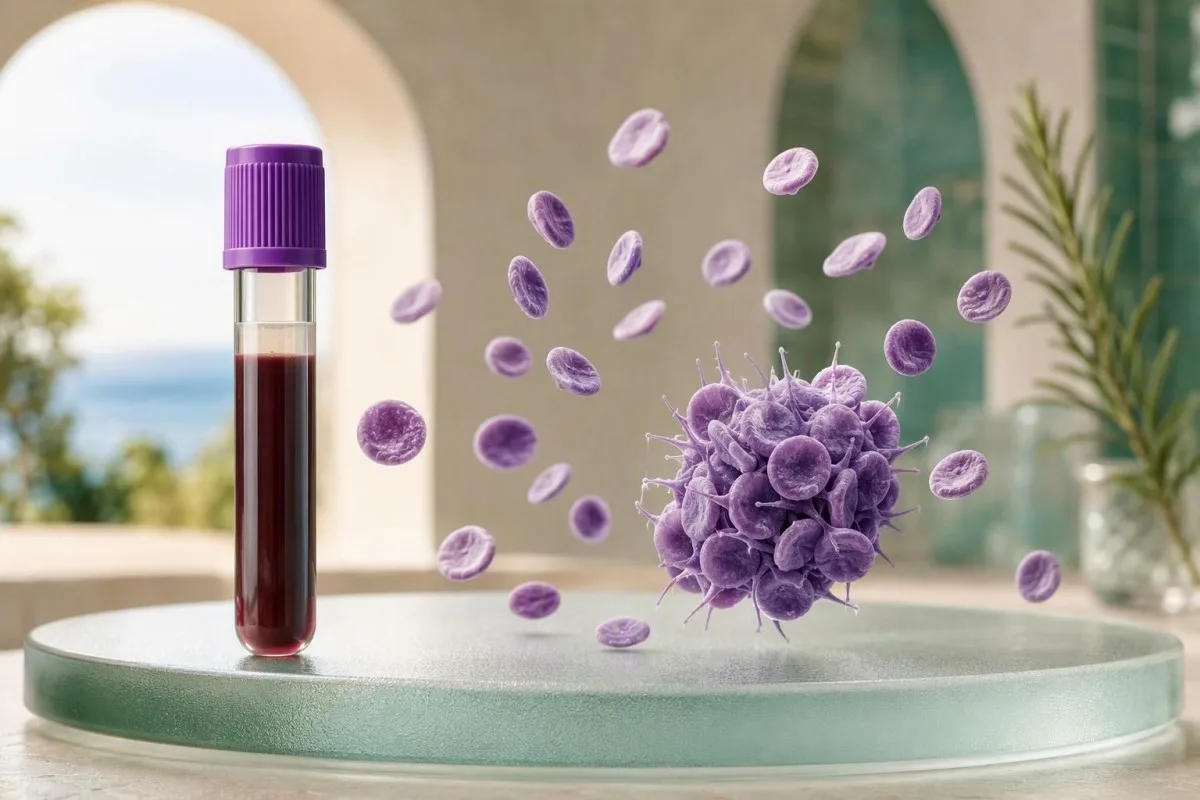
ຈໍານວນเกล็ดเลือดຕ່ໍາ ສາມາດເປັນຄວາມຜິດພາດໃນການວັດແທກຜ່ານທໍ່ໄດ້ ບໍ່ແມ່ນບັນຫາພາຍໃນຮ່າງກາຍຂອງທ່ານ. ນີ້ແມ່ນວິທີການລະບຸຕົວສະເພາະຂອງທໍ່ EDTA ທີ່ເປັນສາເຫດຂອງການຫຼຸດລົງຂອງຈໍານວນเกล็ดເລືອດປອມກ່ອນທີ່ຈະມີຄົນຕິດປ້າຍວ່າທ່ານມີภาวะเกล็ดเลือดຕ່ໍາ.


- ภาวะเกล็ดເລືອດຕ່ຳປອມ ໝາຍເຖິງຈໍານວນเกล็ดເລືອດຕ່ຳທີ່ບໍ່ຖືກຕ້ອງ ຊຶ່ງເກີດຈາກเกล็ดເລືອດເກາະເປັນກ້ອນຫຼັງຈາກການເກັບຕົວຢ່າງ, ສ່ວນຫຼາຍແມ່ນໃນທໍ່ EDTA.
- ຊ່ວງເກັດເລືອດປົກກະຕິ ສຳລັບຜູ້ໃຫຍ່ສ່ວນໃຫຍ່ທີ່ບໍ່ຖືພາແມ່ນປະມານ 150-450 × 10⁹/L, ເຖິງແມ່ນວ່າຫ້ອງທົດລອງຈະກຳນົດຊ່ວງຂອງຕົນເອງ.
- ກ້ອນเกล็ดເລືອດໃນແຜ່ນສະໄລ ສາມາດເຮັດໃຫ້ເຄື່ອງວິເຄາະອັດຕະໂນມັດນັບเกล็ดເລືອດໄດ້ຕ່ຳ ເພາະວ່າກຸ່ມບໍ່ໄດ້ຖືກວັດແທກເປັນຈຸລັງທີ່ແຍກອອກໄດ້.
- ການເກັບເລືອດຄືນດ້ວຍ Citrate ມັກຈະແກ້ໄຂບັນຫາเกล็ดເລືອດທີ່ເກັບດ້ວຍ EDTA ເກາະເປັນກ້ອນ; ຫ້ອງທົດລອງມັກຈະນຳໃຊ້ການປັບທຽບການເຈືອຈາງ 1.1 ກັບຈໍານວນเกล็ดເລືອດທີ່ເກັບດ້ວຍ Citrate.
- ບໍ່ມີອາການເລືອດອອກ ບວກກັບຈໍານວນเกล็ดເລືອດຕ່ຳທີ່ບໍ່ຄາດຄິດຄວນກະຕຸ້ນໃຫ້ກວດແຜ່ນສະໄລກ່ອນການປິ່ນປົວຫຼືການຕັດສິນໃຈສົ່ງຕໍ່ດ່ວນ.
- Thrombocytopenia ທີ່ແທ້ຈິງສາມາດຢູ່ຮ່ວມກັນໄດ້ ກັບການເກາະກັນຂອງເກັບເມັດເລືອດຂາວໃນ EDTA, ສະນັ້ນຜົນລັບທີ່ເປັນກາງທີ່ເປັນປົກກະຕິແມ່ນເປັນທີ່ໜ້າເຊື່ອຖືແຕ່ຕ້ອງເຂົ້າກັບສະພາບທາງການແພດ.
- ການປະເມີນດ່ວນ ຍັງຈຳເປັນສຳລັບເລືອດອອກທີ່ບໍ່ສາມາດຄວບຄຸມໄດ້, petechiae ໃໝ່ທີ່ແຜ່ລາມ, ເຈັບຫົວຢ່າງຮຸນແຮງ, ສະຕິປັນຍາສັບສົນ, ຫລືນັບເມັດເລືອດຂາວຕໍ່າກວ່າ 10 × 10⁹/L.
EDTA ໝາຍເຖິງການເກາະເປັນກ້ອນຂອງเกล็ดເລືອດທີ່ແທ້ຈິງ
ການເກາະກັນຂອງເກັບເມັດເລືອດຂາວໃນ EDTA ແມ່ນຜົນຂອງການທົດລອງໃນຫລອດທົດລອງທີ່ເມັດເລືອດຂາວຕິດເຂົ້າກັນໃນຫລອດເກັບ, ເຮັດໃຫ້ການນັບເມັດເລືອດຂາວອັດຕະໂນມັດຕ່ຳຢ່າງຜິດພາດ. ມັນບໍ່ໄດ້ໝາຍຄວາມວ່າເມັດເລືອດຂາວກຳລັງຖືກທຳລາຍໃນຮ່າງກາຍ, ແລະມັນປົກກະຕິແລ້ວບໍ່ໄດ້ສ້າງຄວາມສ່ຽງຕໍ່ການມີເລືອດອອກ.
EDTA ແມ່ນສານເພີ່ມເຕີມໃນຫລອດສີມ່ວງທີ່ໃຊ້ສຳລັບການນັບເລືອດທັງໝົດສ່ວນໃຫຍ່ເພາະວ່າມັນຈັບກັບແຄລຊຽມແລະປ້ອງກັນການແຂງຕົວຂອງເລືອດ. ໃນກຸ່ມຄົນສ່ວນນ້ອຍ, ການກຳຈັດແຄລຊຽມຈະເປີດເຜີຍເປົ້າໝາຍພື້ນຜິວຂອງເມັດເລືອດຂາວທີ່ອະນຸຍາດໃຫ້ພູມຄຸ້ມກັນທີ່ເກີດຂຶ້ນຕາມທຳມະຊາດເພື່ອເຊື່ອມຕໍ່ເມັດເລືອດຂາວເຂົ້າກັນ. ເຄື່ອງວິເຄາະສາມາດນັບກຸ່ມເມັດເລືອດຂາວເປັນອະນຸພາກທີ່ໃຫຍ່ໜຶ່ງ, ເຫດການຂະໜາດຂອງເມັດເລືອດຂາວ, ຫລືບໍ່ມີຫຍັງເລີຍ; ເບິ່ງພາບລວມຂອງພວກເຮົາ អ្វីដែល CBC រួមបញ្ចូល.
ໃນການເຮັດວຽກທາງການແພດຂອງຂ້າພະເຈົ້າ, ລາຍງານທີ່ເປັນແບບດັ້ງເດີມແມ່ນການນັບເມັດເລືອດຂາວ 48 × 10⁹/L ໃນຄົນທີ່ຮູ້ສຶກສະບາຍດີ, ບໍ່ມີຮອຍຟົກຊ้ำ, ແລະມີເມັດເລືອດແດງແລະເມັດເລືອດຂາວທີ່ເປັນປົກກະຕິ. ຄວາມແຕກຕ່າງນັ້ນບໍ່ແມ່ນຫຼັກຖານ, ແຕ່ມັນເປັນເວລາທີ່ຈະຢຸດຄິດ. AI ເຄື່ອງວິເຄາະເລືອດ ທີ່ສົ່ງສັນຍານການນັບເມັດເລືອດຂາວຕ່ຳໂດດດ່ຽວພ້ອມກັບຄຳຄິດເຫັນໃນຫ້ອງທົດລອງເຊັ່ນການກອງເມັດເລືອດຂາວ, ແທນທີ່ຈະຖືວ່າຕົວເລກນັ້ນເປັນການວິນິດໄສ.
ປະເມີນວ່າການຂາດເມັດເລືອດຂາວປອມທີ່ຂຶ້ນກັບ EDTA ພົບໃນປະມານ 0.03-0.27% ຂອງຕົວຢ່າງຄົນເຈັບນອກເປັນປະຈຳ, ດ້ວຍອັດຕາທີ່ສູງຂຶ້ນໃນບັນດາຕົວຢ່າງທີ່ຖືກສົ່ງໄປແລ້ວສຳລັບການນັບເມັດເລືອດຂາວຕ່ຳ. Lippi ແລະເພື່ອນຮ່ວມງານອະທິບາຍວ່າມັນເປັນປັດໄຈກ່ອນການວິເຄາະທີ່ບໍ່ເປັນອັນຕະລາຍທາງຄລີນິກແຕ່ອາດມີຜົນສະທ້ອນເພາະມັນສາມາດກະຕຸ້ນການເຂົ້າໂຮງໝໍທີ່ບໍ່ຈຳເປັນ, ການຖ່າຍເມັດເລືອດຂາວ, ຫລືການປິ່ນປົວດ້ວຍສະເຕີຣອິດ (Lippi et al., 2012).
ເຄື່ອງວິເຄາະเกล็ดເລືອດສາມາດນັບຕົວຢ່າງທີ່ເກາະເປັນກ້ອນໄດ້ຕ່ຳ
ການນັບເມັດເລືອດຂາວອັດຕະໂນມັດແມ່ນເຊື່ອຖືໄດ້ສຳລັບເມັດເລືອດຂາວທີ່ແຜ່ກະຈາຍ, ແຕ່ກຸ່ມເມັດເລືອດຂາວແມ່ນຢູ່ນອກຂະໜາດແລະຮູບແບບສັນຍານທີ່ເຄື່ອງວິເຄາະຄາດຫວັງ. ດັ່ງນັ້ນ, ການນັບສາມາດຫຼຸດລົງຈາກ 220 × 10⁹/L ທີ່ແທ້ຈິງເປັນ 40 × 10⁹/L ທີ່ເບິ່ງຄືວ່າມີການສູນເສຍເມັດເລືອດທາງຊີວະວິທະຍາໃດໆ.
ເຄື່ອງວິເຄາະການຂັດຂວາງຈັດປະເພດອະນຸພາກສ່ວນໃຫຍ່ຕາມປະລິມານ, ໃນຂະນະທີ່ລະບົບແສງເພີ່ມຂໍ້ມູນການກະຈາຍແສງ. ໂດຍປົກກະຕິແລ້ວເມັດເລືອດຂາວມີຂະໜາດປະມານ 2-3 ໄມໂຄຣມີເຕີ, ແຕ່ກຸ່ມເມັດເລືອດຂາວສາມາດຊ້ອນກັບສ່ວນຂອງເມັດເລືອດແດງຫລືເຂດເມັດເລືອດຂາວ. ນີ້ແມ່ນເຫດຜົນທີ່ຮິສໂຕແກຣມເມັດເລືອດຂາວອາດບໍ່ເປັນປົກກະຕິແລະເປັນຫຍັງຫ້ອງທົດລອງອາດເພີ່ມ “ມີກຸ່ມເມັດເລືອດຂາວຢູ່” ຫລື “ການນັບບໍ່ເຊື່ອຖື”.”
ສັນຍານເມັດເລືອດຂາວຂອງເຄື່ອງວິເຄາະແມ່ນການແຈ້ງເຕືອນສຳລັບການກວດສອບໂດຍມະນຸດ, ບໍ່ແມ່ນການວິນິດໄສສຸດທ້າຍ. ການປະເມີນດ້ວຍຕົນເອງຈາກການຂູດລົບຂອງເສັ້ນເລືອດສ່ວນປາຍທີ່ເຮັດໄດ້ດີສາມາດມີປະໂຫຍດຫຼາຍກວ່າການເຮັດຊ້ຳຫລອດ EDTA ດຽວກັນ, ໂດຍສະເພາະຖ້າຕົວຢ່າງຖືກວາງໄວ້ 2 ຊົ່ວໂມງກ່ອນການວິເຄາະ. ສຳລັບຂອບເຂດການປະຕິບັດກ່ຽວກັບຂັ້ນຕອນ, ຄູ່ມືຂອງພວກເຮົາກ່ຽວກັບ ການນັບເມັດເລືອດຂາວກ່ອນການຖອນແຂ້ວ ອະທິບາຍວ່າເປັນຫຍັງຜົນລັບທີ່ໄດ້ຮັບການຢືນຢັນຈຶ່ງມີຄວາມສຳຄັນ.
ເມັດເລືອດຂາວຂະໜາດໃຫຍ່ສ້າງບັນຫາທີ່ແຕກຕ່າງກັນ, ບາງຄັ້ງກໍຊ້ອນກັນ. ເມັດເລືອດຂາວດຽວທີ່ໃຫຍ່ຫຼາຍອາດຖືກພາດໂດຍວິທີການຂັດຂວາງແມ່ນແຕ່ບໍ່ມີກຸ່ມທີ່ເຫັນໄດ້, ມັກຈະເພີ່ມປະລິມານເມັດເລືອດຂາວສະເລ່ຍ (MPV). MPV ສູງບໍ່ສາມາດໃຊ້ແທນກັນໄດ້ກັບການຂາດເມັດເລືອດຂາວປອມ; ການທົບທວນຂອງພວກເຮົາກ່ຽວກັບ ສາເຫດຂອງເມັດເລືອດຂາວຂະໜາດໃຫຍ່ ແຍກສອງການຄົ້ນພົບນີ້.
ກ້ອນเกล็ดເລືອດໃນແຜ່ນສະໄລເບິ່ງຄືແນວໃດ
ກຸ່ມເມັດເລືອດຂາວໃນການຂູດລົບປາກົດເປັນກຸ່ມຂອງອົງປະກອບເມັດສີມ່ວງຂະໜາດນ້ອຍທີ່ບໍ່ສະໝຳສະເໝີກັນ, ມັກຈະຢູ່ທີ່ຂອບດ້ານຂອງແຜ່ນ. ສະຖານທີ່ຂອງພວກເຂົາມີຄວາມສຳຄັນເພາະການນັບພຽງແຕ່ສ່ວນກາງຂອງການຂູດລົບອາດພາດສິ່ງທີ່ອະທິບາຍຜົນລັບຕ່ຳ.
ນັກວິທະຍາສາດທີ່ໄດ້ຮັບການຝຶກອົບຮົມກວດກາຮ່າງກາຍແລະຫາງຂອງຟິล์ມພາຍໃຕ້ພະລັງງານສູງ, ບໍ່ພຽງແຕ່ພາກສະໜາມຕົວແທນເທົ່ານັ້ນ. Platelet satellitism ແມ່ນຮູບແບບທີ່ກ່ຽວຂ້ອງກັບ EDTA ທີ່ຫາຍາກກວ່າເຊິ່ງເມັດເລືອດຂາວລ້ອມຮອບ neutrophils ເໝືອນກັບດອກກຸຫລາບ; ມັນຍັງສາມາດຫຼຸດການລາຍງານການນັບເມັດເລືອດຂາວ. ທັງສອງການຄົ້ນພົບແມ່ນເຫດການຕົວຢ່າງ, ແມ່ວ່າsatellitism ແລະການກອງທີ່ກວ້າງຂວາງອາດເກີດຂຶ້ນເປັນບາງຄັ້ງຄາວ.
ລາຍລະອຽດທີ່ເປັນປະໂຫຍດຢ່າງໜຶ່ງແມ່ນການເກາະກັນຂອງ EDTA ມັກຈະເພີ່ມຂຶ້ນຕາມການເວລາ. ຕົວຢ່າງທີ່ວັດແທກໄດ້ 10 ນາທີຫຼັງຈາກການເກັບຕົວຢ່າງອາດສະແດງ 118 × 10⁹/L, ຈາກນັ້ນ 42 × 10⁹/L ທີ່ 90 ນາທີເມື່ອມີການກອງເພີ່ມຂຶ້ນ. ຫ້ອງທົດລອງມີຄວາມແຕກຕ່າງກັນໃນການໄຫຼວຽນຂອງວຽກງານ, ດັ່ງນັ້ນການນັບເລີ່ມຕົ້ນທີ່ເປັນປົກກະຕິບໍ່ໄດ້ຍົກເວັ້ນຜົນຂອງການທົດລອງນີ້ຢ່າງສົມບູນຖ້າມີການແຈ້ງເຕືອນເຄື່ອງວິເຄາະໃນພາຍຫລັງປະກົດຂຶ້ນ.
ເມື່ອຂ້ອຍ, Thomas Klein, MD, ເຫັນຈຳນວນຕ່ຳຄຽງຄູ່ກັບຄຳເຫັນໃນ smear ແຕ່ບໍ່ມີອາການເລືອດອອກ, ຂ້ອຍຈະຮ້ອງຂໍການຕີຄວາມໝາຍຂອງ smear ທີ່ແທ້ຈິງກ່ອນທີ່ຈະປຶກສາເລື່ອງ ภาวะเกล็ดเลือดต่ำจากภูมิคุ้มกัน. ເຫດຜົນທີ່ໃຊ້ກ້ອງຈຸລັດຊັພະຄະນາຍົກກ່ອນແມ່ນມີປະໂຫຍດເມື່ອລາຍງານກ່າວເຖິງ เซลล์เม็ดเลือดแดงที่มีรูปร่างผิดปกติบนฟิล์มเลือด, ເຖິງແມ່ນວ່າ schistocytes ຕ້ອງການສະພາບຄລີນິກທີ່ຮີບດ່ວນຫຼາຍ.
ເປັນຫຍັງ EDTA ຈຶ່ງເຮັດໃຫ້เกล็ดເລືອດເກາະເປັນກ້ອນໃນບາງຄົນ
EDTA ສາມາດກະຕຸ້ນການກ້າມຂອງເມັດເລືອດໂດຍການກັກທາດແຄລຊຽມ ແລະປ່ຽນຮູບຮ່າງຂອງ glycoproteins ທີ່ເຍື່ອຫຸ້ມເມັດເລືອດ, ເຮັດໃຫ້ antibodies ສາມາດຈັບ ແລະເຊື່ອມຕໍ່ເມັດເລືອດທີ່ຢູ່ໃກ້ຄຽງ. ປະຕິກິລິຫານີ້ເກີດຂຶ້ນຫຼັງຈາກການເກັບຕົວຢ່າງ, ບໍ່ແມ່ນຍ້ອນວ່າ EDTA ໄດ້ທຳລາຍເມັດເລືອດທີ່ໄຫຼວຽນຢູ່ໃນຮ່າງກາຍ.
ກົນໄກທີ່ສະໜັບສະໜູນດີທີ່ສຸດກ່ຽວຂ້ອງກັບ antibodies, ມັກຈະເປັນ IgG, IgM, ຫລື IgA, ຮັບຮູ້ສະຖານທີ່ທີ່ຖືກປິດບັງໃນ platelets GPIIb/IIIa complex ຫລັງຈາກການປ່ຽນແປງໂຄງສ້າງທີ່ຂຶ້ນກັບທາດແຄລຊຽມ. ປະຕິກິລິຫານີ້ຂຶ້ນກັບອຸນຫະພູມ ແລະ ເວລາໃນຄົນເຈັບບາງຄົນ, ເຊິ່ງອະທິບາຍວ່າເປັນຫຍັງຕົວຢ່າງທີ່ອຸ່ນຂຶ້ນສາມາດປັບປຸງການນັບຈຳນວນໄດ້ບາງຄັ້ງແຕ່ບໍ່ແມ່ນການແກ້ໄຂທົ່ວໄປ. ມັນເປັນບັນຫາຄວາມເຂົ້າກັນໄດ້ໃນຫ້ອງທົດລອງ, ບໍ່ແມ່ນອາການແພ້ຕໍ່ EDTA.
Pseudothrombocytopenia ສາມາດເກີດຂຶ້ນໃນຄົນທີ່ມີສຸຂະພາບດີ ແລະໄດ້ຮັບການລາຍງານຄຽງຄູ່ກັບພະຍາດ autoimmune, ການຕິດເຊື້ອ, ມະເລັງ, ແລະການຖືພາ, ແຕ່ການເຊື່ອມໂຍງເຫຼົ່ານີ້ບໍ່ໄດ້ສ້າງສາເຫດໃນຄົນເຈັບ. ANA ທີ່ເປັນບວກຫລືການເຈັບປ່ວຍຈາກເຊື້ອໄວຣັສເມື່ອບໍ່ດົນມານີ້ບໍ່ຄວນນຳໃຊ້ເພື່ອອະທິບາຍຈຳນວນຈົນກວ່າຈະກຳຈັດສິ່ງປອມແປງອອກ. Kantesti is an ແພລດຟອມການອ່ານຜົນກວດເລືອດຂອງ AI ທີ່ອ່ານຜົນຂອງເມັດເລືອດພ້ອມກັບປະເພດທໍ່, ທຸງຂອງເຄື່ອງວິເຄາະ, ແລະສ່ວນທີ່ເຫລືອຂອງ CBC ແທນທີ່ຈະຢູ່ໂດດດ່ຽວ.
ປະກົດການນີ້ອາດຈະຍັງຄົງຢູ່ເປັນເວລາຫລາຍປີແຕ່ກໍ່ແຕກຕ່າງກັນໄປໃນແຕ່ລະຄັ້ງທີ່ເກັບຕົວຢ່າງ. ຄົນເຈັບອາດຈະມີຈຳນວນເມັດເລືອດ 35 × 10⁹/L ໃນ EDTA ໃນວັນຈັນ ແລະ 230 × 10⁹/L ໃນ citrate ໃນຕອນເຊົ້າດຽວກັນ, ຈາກນັ້ນສະແດງການກ້າມບາງສ່ວນອີກຄັ້ງໃນອີກຫລາຍເດືອນຕໍ່ມາ. ການບັນທຶກທໍ່ທີ່ຕ້ອງການໃນບັນທຶກຫ້ອງທົດລອງສາມາດປ້ອງກັນສັນຍານເຕືອນຊ້ຳໆ.
ວິທີການເກັບເລືອດຄືນດ້ວຍ Citrate ຢືນຢັນภาวะเกล็ดເລືອດຕ່ຳປອມ
ຈຳນວນເມັດເລືອດທີ່ເປັນປົກກະຕິໃນທໍ່ sodium citrate ໃນຂະນະທີ່ທໍ່ EDTA ມີ aggregate ຢ່າງແຂງແຮງສະໜັບສະໜູນ pseudothrombocytopenia ທີ່ຂຶ້ນກັບ EDTA. ການນັບ citrate ຕ້ອງການການປັບຄ່າການເຈືອຈາງເພາະວ່າທໍ່ມີສານກັນເລືອດອອກເປັນຂອງແຫຼວ.
ທໍ່ sodium citrate ທີ່ມີຝາສີຟົ່ມ ໂດຍທົ່ວໄປແລ້ວຈະເຕັມໃນອັດຕາສ່ວນເລືອດຕໍ່ສານກັນເລືອດອອກ 9:1. ຫ້ອງທົດລອງຫລາຍແຫ່ງຄູນຈຳນວນເມັດເລືອດ citrate ທີ່ວັດໄດ້ດ້ວຍ 1.1 ເພື່ອແກ້ໄຂການເຈືອຈາງ, ເຖິງແມ່ນວ່າວິທີການທີ່ໄດ້ຮັບການຢັ້ງຢືນຂອງຫ້ອງທົດລອງທ້ອງຖິ່ນຈະມີຜົນບັງຄັບໃຊ້. ຕົວຢ່າງເຊັ່ນ, ຜົນໄດ້ຮັບ citrate ທີ່ບໍ່ໄດ້ແກ້ໄຂ 182 × 10⁹/L ຈະກາຍເປັນປະມານ 200 × 10⁹/L ຫລັງຈາກການແກ້ໄຂ.
ການເກັບຕົວຢ່າງຄືນໃໝ່ຕ້ອງໄດ້ຮັບການຕື່ມຢ່າງຖືກຕ້ອງ ແລະ ປະສົມຢ່າງອ່ອນໂຍນ. ທໍ່ citrate ທີ່ເຕັມບໍ່ພຽງພໍຈະປ່ຽນອັດຕາສ່ວນສານກັນເລືອດອອກ ແລະ ສາມາດສ້າງຜົນທີ່ເຮັດໃຫ້ເຂົ້າໃຈຜິດໄດ້, ເຊິ່ງເປັນໜຶ່ງໃນເຫດຜົນທີ່ນັກວິທະຍາສາດຫ້ອງທົດລອງອາດຈະປະຕິເສດການເຮັດຊ້ຳທີ່ເບິ່ງຄືວ່າງ່າຍດາຍ. ຄຳອະທິບາຍຂອງພວກເຮົາກ່ຽວກັບ blue-top blood collection tubes ຊ່ວຍໃຫ້ຄົນເຈັບຮັບຮູ້ວ່າເປັນຫຍັງການເລືອກທໍ່ຈຶ່ງເປັນສ່ວນໜຶ່ງຂອງວິທີການທົດສອບ.
ທໍ່ Magnesium sulfate ຫລື acid-citrate-dextrose ສາມາດເປັນປະໂຫຍດເມື່ອການກ້າມຍັງຄົງຢູ່ໃນ citrate, ແຕ່ໂດຍທົ່ວໄປແລ້ວນີ້ເປັນການຕັດສິນໃຈຂອງຫ້ອງທົດລອງ. Nagler ແລະເພື່ອນຮ່ວມງານໄດ້ບັນທຶກກໍລະນີທີ່ການຮັບຮູ້ pseudothrombocytopenia ທີ່ຂຶ້ນກັບ EDTA ໄດ້ຫລີກລ້ຽງການກວດຫາທີ່ບໍ່ຈຳເປັນຫລັງຈາກການທົດສອບ citrate ສະແດງຈຳນວນທີ່ພຽງພໍ (Nagler et al., 2014).
ເມື່ອຈໍານວນเกล็ดເລືອດທີ່ເກັບດ້ວຍ Citrate ບໍ່ສາມາດແກ້ໄຂບັນຫາໄດ້
ການເກັບຕົວຢ່າງ citrate ຄືນໃໝ່ບໍ່ໄດ້ລົບລ້າງ thrombocytopenia ທີ່ແທ້ຈິງເມື່ອຈຳນວນທີ່ຖືກແກ້ໄຂຍັງຄົງຕ່ຳ, ການກ້າມເກີດຂຶ້ນໃນສານກັນເລືອດອອກຫຼາຍກວ່າໜຶ່ງຊະນິດ, ຫລືອາການຊີ້ບອກເຖິງການມີເລືອດອອກ. ຄົນເຈັບບາງຄົນມີການລວມຕົວຂອງເມັດເລືອດໃນຫຼາຍສານກັນເລືອດອອກ, ແລະບາງຄົນມີຈຳນວນຕ່ຳທີ່ແທ້ຈິງຄຽງຄູ່ກັບສິ່ງປອມແປງ.
ຖ້າຈຳນວນເມັດເລືອດ citrate ທີ່ຖືກແກ້ໄຂແມ່ນ 82 × 10⁹/L ແລະ smear ບໍ່ມີ clumps, ນັ້ນແມ່ນ thrombocytopenia ທີ່ແທ້ຈິງຈົນກວ່າຈະໄດ້ຮັບການພິສູດເປັນຢ່າງອື່ນ. ຖ້າ EDTA 25 × 10⁹/L ແລະ citrate 86 × 10⁹/L ດ້ວຍ aggregate ທີ່ຍັງເຫລືອ, ທັງສິ່ງປອມແປງ ແລະການຫຼຸດລົງທີ່ແທ້ຈິງອາດຈະມີຢູ່. ທີມແພດຄວນໃຊ້ການປະເມີນທີ່ດີທີ່ສຸດ, ບໍ່ແມ່ນພຽງແຕ່ເລືອກຕົວເລກທີ່ໜ້າເຊື່ອຖືຫຼາຍກວ່າ.
ການກ້າມໃນຕົວຢ່າງສາມາດເຮັດໃຫ້ CBC ບໍ່ຖືກຕ້ອງເພາະເມັດເລືອດຖືກໃຊ້ພາຍໃນ microclot. ບໍ່ຄືກັບ EDTA pseudothrombocytopenia, ຕົວຢ່າງທີ່ກ້າມບາງສ່ວນອາດຈະສົ່ງຜົນກະທົບຕໍ່ຈຳນວນເມັດເລືອດຂາວ ແລະ red-cell indices ເຊັ່ນກັນ. ອ່ານ ຄູ່ມືການເກັບຕົວຢ່າງຄືນຫລັງຈາກມີບັນຫາຕົວຢ່າງ ຂອງຄວາມແຕກຕ່າງທາງປະຕິບັດລະຫວ່າງສິ່ງປອມແປງໃນການເກັບລວບລວມ.
ຕົວຢ່າງທີ່ໄດ້ຈາກການເຈາະນິ້ວມືບໍ່ໄດ້ປອດໄພໂດຍອັດຕະໂນມັດ. ການເກັບທີ່ຊັກຊ້າ, ການບີບ, ຫຼືການປະສົມທີ່ລ່າຊ້າສາມາດສົ່ງເສີມການລວມຕົວໃນທ້ອງຖິ່ນ ແລະ ທຳລາຍການນັບຈໍານວນເມັດເລືອດ, ໂດຍສະເພາະເມື່ອຄ່າທີ່ລາຍງານຕ່ໍາກວ່າ 100 × 10⁹/L. ການເກັບຈາກເສັ້ນເລືອດຄືນໃຫມ່ດ້ວຍການປະມວນຜົນທັນທີແມ່ນເສັ້ນທາງການຢືນຢັນທີ່ສະອາດກວ່າ.
ລະດັບຈໍານວນเกล็ดເລືອດ, ຄວາມສ່ຽວເສี่ยงເລືອດອອກ, ແລະກັບດັກສິ່ງປອມ
ຫ້ອງທົດລອງສ່ວນໃຫຍ່ສໍາລັບຜູ້ໃຫຍ່ໃຊ້ຊ່ວງອ້າງອີງການນັບຈໍານວນເມັດເລືອດໃກ້ຄຽງ 150-450 × 10⁹/L, ແຕ່ຄວາມສ່ຽງເລືອດອອກແມ່ນຂຶ້ນກັບການນັບທີ່ຢືນຢັນ,ສາເຫດ,ການເຮັດວຽກຂອງເມັດເລືອດ, ແລະຢາ. ຜົນການວິເຄາະ EDTA ທີ່ຕ່ໍາຜິດພາດຈະຕ້ອງບໍ່ຖືກນໍາໃຊ້ຄົນດຽວເພື່ອປະຕິເສດຂັ້ນຕອນ ຫຼືສັ່ງການປິ່ນປົວ.
ການມີເລືອດອອກຢ່າງຮຸນແຮງແບບສຸ່ມຈະກາຍເປັນເລື່ອງທີ່ເປັນໄປໄດ້ຫຼາຍຂຶ້ນເມື່ອການນັບຈໍານວນເມັດເລືອດທີ່ແທ້ຈິງຫຼຸດລົງຕໍ່າກວ່າປະມານ 10 × 10⁹/L, ໃນຂະນະທີ່ຫຼາຍຄົນທີ່ມີການນັບຄົງທີ່ສູງກວ່າ 50 × 10⁹/L ມີເລືອດອອກແບບສຸ່ມໜ້ອຍ. ເຫຼົ່ານີ້ແມ່ນຄຳແນະນຳທາງຄລີນິກແບບກວ້າງໆ, ບໍ່ແມ່ນການອະນຸຍາດໃຫ້ລະເລີຍອາການ. ຢາຕ້ານການກ້າມ, ອາຊິດອາເຊຕິກ, ພະຍາດຕັບ, ໝາກໄຂ່ຫຼັງລົ້ມເຫຼວ, ແລະການເຮັດວຽກຜິດປົກກະຕິຂອງເມັດເລືອດສາມາດປ່ຽນຄວາມສ່ຽງໄດ້ໃນທຸກໆຕົວເລກ.
ການນັບຈໍານວນເມັດເລືອດ 90 × 10⁹/L ຕ້ອງການການຈັດການທີ່ແຕກຕ່າງກັນໃນຄົນທີ່ມີສຸຂະພາບດີດ້ວຍຜົນການວິເຄາະ citrate ປົກກະຕິ ກ່ວາໃນຄົນທີ່ມີ melena ໃໝ່ ແລະ INR ທີ່ສູງຂຶ້ນ. ນັ້ນຄືເຫດຜົນທີ່ການຕີຄວາມໝາຍການນັບຈໍານວນເມັດເລືອດແມ່ນຢູ່ຄຽງຄູ່ກັບການທົດສອບການກ້າມ; ຂອງພວກເຮົາ aPTT ແລະຄຳແນະນຳການທົດສອບການກ້າມ ອະທິບາຍວ່າໜ້າຈໍການກ້າມທີ່ປົກກະຕິສາມາດ ແລະ ບໍ່ສາມາດຕັດອອກຫຍັງໄດ້.
ຫ້ອງທົດລອງອາດໃຊ້ 140 × 10⁹/L ແທນ 150 × 10⁹/L ເປັນຂີດຈໍາກັດການອ້າງອີງຕ່ໍາ, ໂດຍສະເພາະກັບຊ່ວງທີ່ໄດ້ມາຈາກທ້ອງຖິ່ນ. ຊ່ວງການອ້າງອີງອະທິບາຍເຖິງ 95% ຂອງປະຊາກອນຄູ່ທຽບ; ມັນບໍ່ໄດ້ກໍານົດເງື່ອນໄຂການປິ່ນປົວທົ່ວໂລກ. ຄວາມແຕກຕ່າງນີ້ຊ່ວຍປະຢັດຄວາມກັງວົນທີ່ບໍ່ຈໍາເປັນຈໍານວນຫຼວງຫຼາຍ.
ຮູບແບບ CBC ທີ່ເຮັດໃຫ້ສິ່ງປອມມີແນວໂນ້ມສູງຂຶ້ນ
ການນັບເມັດເລືອດຕໍ່າທີ່ບໍ່ຄາດຄິດແບບໂດດດ່ຽວດ້ວຍ hemoglobin, ເມັດເລືອດຂາວປົກກະຕິ, ແລະຄໍາເຫັນກ່ຽວກັບການເປັນກ້ອນແມ່ນຮູບແບບ CBC ທີ່ຊີ້ບອກເຖິງ pseudothrombocytopenia ຫຼາຍທີ່ສຸດ. ຮູບແບບນີ້ແມ່ນຊີ້ບອກຫຼາຍກວ່າການວິນິດໄສ ເພາະວ່າການເປັນພະຍາດ thrombocytopenia ທີ່ກ່ຽວຂ້ອງກັບພູມຄຸ້ມກັນຫຼືຢາໃນໄລຍະເລີ່ມຕົ້ນກໍ່ສາມາດໂດດດ່ຽວໄດ້ເຊັ່ນກັນ.
ຄວາມຜິດປົກກະຕິຂອງໄຂກະດູກແທ້ຈິງມັກຈະປ່ຽນແປງຫຼາຍກວ່າໜຶ່ງສາຍຂອງຈຸລັງເລືອດ, ເຖິງແມ່ນວ່າຈະມີຂໍ້ຍົກເວັ້ນ. ເມັດເລືອດຕໍ່າລວມກັບ hemoglobin ຫຼຸດລົງ, ເມັດເລືອດຂາວຜິດປົກກະຕິ, blasts, ຫຼືອາການຄົງຄ້າງໃນຮ່າງກາຍຮຽກຮ້ອງໃຫ້ມີການທົບທວນຢ່າງຮີບດ່ວນຈາກທ່ານໝໍ ແລະມັກຈະມີການກວດຮູບເງົາຢ່າງເປັນທາງການ. ບົດຄວາມຂອງພວກເຮົາກ່ຽວກັບ ເສັ້ນທາງ CBC ສໍາລັບພະຍາດເລືອດ ອະທິບາຍວ່າເປັນຫຍັງກຸ່ມເຫຼົ່ານີ້ຈຶ່ງປ່ຽນແປງຄວາມຮີບດ່ວນ.
ອັດຕາສ່ວນເມັດເລືອດຕໍ່ lymphocytes ອາດບໍ່ມີຄວາມໝາຍເມື່ອຕົວຫານຖືກຕ້ອງແຕ່ຕົວເລກເມັດເລືອດຖືກຫຼຸດລົງຢ່າງບໍ່ຖືກຕ້ອງ. PLR 60 ທີ່ຄິດໄລ່ຈາກການນັບ EDTA ທີ່ເປັນກ້ອນຈະບໍ່ຄວນຖືກຕີຄວາມວ່າເປັນສັນຍານການອັກເສບຫຼືພະຍາດຫົວໃຈ. ນີ້ແມ່ນຂໍ້ຜິດພາດຮອງທີ່ງຽບແຕ່ທົ່ວໄປໃນລາຍງານສຸຂະພາບອັດຕະໂນມັດ; ເບິ່ງຄໍາອະທິບາຍຂອງພວກເຮົາກ່ຽວກັບ ຜົນ PLR ສູງ.
Kantesti AI ລະບຸຄວາມບໍ່ສອດຄ່ອງລະຫວ່າງຈຳນວນເກັດເລືອດຕ່ຳ ແລະ ການວັດແທກ CBC ທີ່ຢູ່ໃກ້ຄຽງປົກກະຕິ, ຈາກນັ້ນແນະນຳຜູ້ອ່ານໃຫ້ກວດສອບຄຳເຫັນຕົວຢ່າງ. ឧបករណ៍វិភាគតេស្តឈាមដែលដំណើរការដោយ AI ບໍ່ຄວນປ່ຽນຄ່ານຶ່ງທີ່ບໍ່ໄດ້ຢັ້ງຢືນເປັນການກວດພະຍາດ. ຄວາມລະມັດລະວັງທາງດ້ານຄລີນິກນັ້ນສຳຄັນກວ່າຄວາມໄວ.
ການຖືພາ, ການເບິ່ງແຍງໃນໂຮງໝໍ, ແລະສະຖານການອື່ນໆທີ່ມີຄວາມສ່ຽງສູງ
ການເກາະກັນຂອງຈຸລັດເລືອດ EDTA ສາມາດເກີດຂຶ້ນໄດ້ໃນລະຫວ່າງການຖືພາ ແລະ ການດູແລຮັກສາໃນໂຮງໝໍ, ແຕ່ບໍ່ຄວນສົມມຸດວ່າເປັນໄປໄດ້ເມື່ອໂລກເລືອດຈາງທີ່ແທ້ຈິງສາມາດປ່ຽນແປງການປິ່ນປົວແບບຮີບດ່ວນໄດ້. ສາເຫດສະເພາະການຖືພາ ເຊັ່ນ: ໂລກເລືອດຈາງໃນການຖືພາ, ຄວາມດັນເລືອດສູງໃນການຖືພາ, ໂຣກ HELLP, ແລະ ພູມຕ້ານທານ, ຕ້ອງການການນັບທີ່ຖືກຢັ້ງຢືນ.
ຈຳນວນຈຸລັດເລືອດມັກຈະຫຼຸດລົງໃນການຖືພາທີ່ບໍ່ສັບສົນ, ແລະ ບາງຫ້ອງທົດລອງຍອມຮັບຂອບເຂດອ້າງອີງສະເພາະໃນໄຕມາດທີ່ຕ່ຳກວ່າ. ຈຳນວນຕ່ຳກວ່າ 100 × 10⁹/L ບໍ່ແມ່ນເລື່ອງທຳມະດາສຳລັບໂລກເລືອດຈາງໃນການຖືພາທີ່ບໍ່ສັບສົນ ແລະ ຕ້ອງການການປະເມີນທາງຄລີນິກຢ່າງລະມັດລະວັງ, ເຖິງແມ່ນວ່າຈະເຫັນການລວມຕົວຂອງ EDTA ກໍຕາມ. ຄູ່ມືອ້າງອີງຈຸລັດເລືອດສະເພາະໄຕມາດຂອງພວກເຮົາໃນການຖືພາ ໃຫ້ບໍລິບົດໂດຍບໍ່ຕ້ອງແທນການກວດສອບການຜ່າຕັດ. ໃຫ້ບໍລິບົດໂດຍບໍ່ຕ້ອງແທນການກວດສອບການຜ່າຕັດ.
ຢູ່ໃນໂຮງໝໍ, ການຫຼຸດລົງຢ່າງກະທັນຫັນຫຼາຍກວ່າ 50% ຈາກລະດັບພື້ນຖານອາດເຮັດໃຫ້ເກີດຄຳຖາມກ່ຽວກັບການຕິດເຊື້ອ, ການໄດ້ຮັບຢາ, ໂລກເລືອດຈາງທີ່ເກີດຈາກ heparin, ການເຈື້ອຈາງ, ຫຼື ການໃຊ້ໃນອຸປະກອນ. ຂໍ້ຜິດພາດຂອງ EDTA ສາມາດເຮັດໃຫ້ເກີດການຫຼຸດລົງຢ່າງຮຸນແຮງ, ໂດຍສະເພາະເມື່ອຜົນໄດ້ຮັບກ່ອນໜ້ານີ້ມາຈາກວິທີການຫ້ອງທົດລອງທີ່ແຕກຕ່າງກັນ. ການປຽບທຽບຜົນ citrate ທີ່ຖືກຢັ້ງຢືນກັບຄົນເຈັບພື້ນຖານມັກຈະມີປະໂຫຍດຫຼາຍກວ່າການເຮັດซ้ำ CBC EDTA ຕາມປົກກະຕິ.
ກ່ອນການໃຊ້ຢາວາງສັນຫຼັງ, ການຜ່າຕັດ, ຮອບເຄມີບຳບັດ, ຫຼື ການຖ່າຍເລືອດ, ໃຫ້ຖາມວ່າຫ້ອງທົດລອງໄດ້ຢັ້ງຢືນຄ່າໃນການເປື້ອນ ຫຼື ສານຕ້ານການແຂງຕົວອື່ນໆ ແລ້ວບໍ. ຂ້າພະເຈົ້າໄດ້ເຫັນການຊັກຊ້າໃນການປິ່ນປົວທີ່ຖືກຫຼີກລ້ຽງໄດ້ດ້ວຍການໂທລະສັບນັ້ນ. ໃນທາງກົງກັນຂ້າມ, ອາການທີ່ຫ້າວຫັນ ຫຼື ຄົນເຈັບທີ່ບໍ່ສະຖຽນລະພາບຄວນໄດ້ຮັບການປະເມີນໃນຂະນະທີ່ການຢັ້ງຢືນດຳເນີນການຢູ່.
ຢາ ແລະ ການວິນິດໄສທີ່ບໍ່ຄວນຖືກຕຳหนິໄວເກີນໄປ
ການເກາະກັນຂອງຈຸລັດເລືອດ EDTA ຄວນໄດ້ຮັບການຍົກເວັ້ນກ່ອນທີ່ຈະກ່າວຫາວ່າຈຳນວນຈຸລັດເລືອດຕ່ຳໂດດດ່ຽວແມ່ນຍ້ອນຢາ, ພະຍາດ autoimmune, ຫຼື ພູມຕ້ານທານ. ການຢຸດຢາທີ່ມີຄຸນຄ່າໂດຍອີງໃສ່ການນັບທີ່ບໍ່ໄດ້ຢັ້ງຢືນສາມາດເຮັດໃຫ້ເກີດອັນຕະລາຍທີ່ສາມາດຫຼີກລ້ຽງໄດ້.
Heparin, ຜະລິດຕະພັນທີ່ມີ quinine, trimethoprim-sulfamethoxazole, valproate, linezolid, chemotherapy, ແລະ ຢາປິ່ນປົວພູມຄຸ້ມກັນບາງຊະນິດສາມາດເຮັດໃຫ້ເກີດພະຍາດເລືອດຈາງທີ່ແທ້ຈິງ. ຄວາມສຳພັນທາງດ້ານເວລາມີຄວາມສຳຄັນ: ການຫຼຸດລົງທີ່ກ່ຽວຂ້ອງກັບຢາທີ່ແທ້ຈິງໂດຍປົກກະຕິຈະຄົງຢູ່ໃນຕົວຢ່າງ citrate ທີ່ເກັບໄດ້ຢ່າງຖືກຕ້ອງ ແລະ ຈະບໍ່ຫາຍໄປເມື່ອ EDTA ຖືກປ່ຽນແທນ. ປະຫວັດການໃຊ້ຢາຄວນລວມມີການສັກຢາ, ຜະລິດຕະພັນທີ່ຊື້ໄດ້ທົ່ວໄປ, ແລະ ການກະກຽມຢາສະໝຸນໄພ.
ພະຍາດເລືອດຈາງແມ່ນການວິນິດໄສຂອງການຍົກເວັ້ນ, ບໍ່ແມ່ນສັນຍານຫ້ອງທົດລອງ. ມັນສາມາດສະແດງດ້ວຍຈຸລັດເລືອດໂດດດ່ຽວຕ່ຳກວ່າ 100 × 10⁹/L, ແຕ່ການເປື້ອນ EDTA ທີ່ລວມຕົວເຮັດໃຫ້ການນັບເບື້ອງຕົ້ນບໍ່ສາມາດຕີຄວາມໝາຍໄດ້. Lippi et al. (2012) ໄດ້ເຕືອນສະເພາະວ່າການຮັບຮູ້ pseudothrombocytopenia ປ້ອງກັນການປິ່ນປົວທີ່ບໍ່ເໝາະສົມເຊັ່ນ corticosteroids ແລະ splenectomy.
ຖ້າລາຍງານເບິ່ງຄືວ່າຂັດແຍ້ງກັບຜົນການວັດແທກກ່ອນໜ້າຂອງທ່ານ, ໃຫ້ຮັກສາ PDF ເດີມ ແລະ ໝາຍເຫດວັນທີເກັບ, ຄຳເຫັນໃນທໍ່, ອາການເຈັບປ່ວຍສ້ວຍແຫຼມ, ແລະ ຢາໃໝ່. ຄູ່ມືຂອງພວກເຮົາ ការផ្លាស់ប្តូរដែលមានន័យរវាងការធ្វើតេស្តឈាម ອະທິບາຍວ່າເປັນຫຍັງ delta ຕົວເລກຈຶ່ງບໍ່ແມ່ນການປ່ຽນແປງທາງຊີວະວິທະຍາໂດຍອັດຕະໂນມັດ.
ຄວນຖາມຫ້ອງທົດລອງຫຼືທ່ານໝໍຂອງທ່ານຕໍ່ໄປແນວໃດ
ສຳລັບການນັບຈຸລັດເລືອດຕ່ຳທີ່ບໍ່ຄາດຄິດ, ໃຫ້ຖາມວ່າໄດ້ເຫັນການລວມຕົວຂອງຈຸລັດເລືອດ, ວ່າໄດ້ກວດເບິ່ງການເປື້ອນຂອງເສັ້ນເລືອດແດງ, ແລະ ວ່າສາມາດປະຕິບັດການນັບສານຕ້ານການແຂງຕົວອື່ນໄດ້ບໍ. ຄຳຖາມສາມຂໍ້ນີ້ມັກຈະຊີ້ແຈ້ງຂັ້ນຕອນຕໍ່ໄປໄວກວ່າການຄົ້ນຫາອາການອອນໄລນ໌.
ຄຳຮ້ອງຂໍທີ່ປະຕິບັດໄດ້ຄື: “ຫ້ອງທົດລອງສາມາດກວດເບິ່ງຮູບເງົາເລືອດເພື່ອຫາການລວມຕົວຂອງຈຸລັດເລືອດ ແລະ, ຖ້າຈຳເປັນ, ເຮັດຊ້ຳການວັດແທກຈຸລັດເລືອດໃນ citrate ໄດ້ບໍ?” ນີ້ບໍ່ແມ່ນການຮຽກຮ້ອງການວິນິດໄສສະເພາະ; ມັນແມ່ນການຂໍໃຫ້ການວັດແທກນັ້ນຖືກກວດສອບ. ຖ້າຕົວຢ່າງຖືກເກັບຢູ່ບ່ອນອື່ນ, ທ່ານໝໍອາດຕ້ອງໄດ້ສັ່ງໃຫ້ເອົາເລືອດໃໝ່ແທນທີ່ຈະເພີ່ມການທົດສອບໃສ່ທໍ່ເກົ່າ.
ຂໍໃຫ້ຊອກຫາ ຖືກແກ້ໄຂ ຜົນ citrate ແລະ ວ່າການລວມຕົວຍັງຄົງຢູ່ໃນທໍ່ນັ້ນ. ຜົນການວັດແທກດິບ 145 × 10⁹/L ອາດເບິ່ງຄືວ່າເປັນຂອບເຂດຈົນກ່ວາການແກ້ໄຂການເຈື້ອຈາງເຮັດໃຫ້ໄດ້ປະມານ 160 × 10⁹/L. ຍັງຖາມວ່າຫ້ອງທົດລອງໄດ້ໃຊ້ການວັດແທກຈຸລັດເລືອດດ້ວຍແສງສະຫວ່າງ ຫຼື fluorescence, ເນື່ອງຈາກວິທີການເຫຼົ່ານີ້ບາງຄັ້ງກໍ່ປັບປຸງການນັບໃນຕົວຢ່າງທີ່ສັບສົນ.
Kantesti's 2026 workflow ການຕີຄວາມໝາຍສົ່ງເສີມຜູ້ໃຊ້ໃຫ້ປຽບທຽບຜົນຕົວເລກກັບຄຳບັນຍາຍຫ້ອງທົດລອງ ແລະ ຂໍ້ມູນທີ່ຖືກໝາຍກ່ອນທີ່ຈະປະຕິບັດຕາມການແຈ້ງເຕືອນ. ສຳລັບກອບຄວາມປອດໄພທີ່ກວ້າງກວ່າ, เช็กลิสต์ความแม่นยำของรายงาน AI ກວມເອົາການຂຽນ, ໜ່ວຍ, ຂອບເຂດອ້າງອີງ, ແລະ ການຢັ້ງຢືນຜົນ.
ບໍ່ຄວນເຮັດຫຍັງໃນຂະນະທີ່ລໍຖ້າການຢືນຢັນ
ຢ່າເລີ່ມອາຫານເສີມ, ຢຸດຢາຕາມໃບສັ່ງແພດ, ຫລື ສັນນິษຖານວ່າທ່ານມີຄວາມຜິດປົກກະຕິເລືອດໄຫລພຽງແຕ່ຍ້ອນວ່າການນັບຈຸລັດເລືອດ EDTA ໜຶ່ງຄັ້ງຕ່ຳ. ໃນເວລາດຽວກັນ, ຢ່າລະເລີຍການມີເລືອດອອກຢ່າງຫ້າວຫັນພຽງແຕ່ຍ້ອນວ່າສົງໄສວ່າການລວມຕົວ.
ບໍ່ມີອາຫານ, ວິຕາມິນ, ຫລືການຮັກສາຢູ່ເຮືອນໃດໆທີ່ແກ້ໄຂ EDTA-dependent pseudothrombocytopenia ເພາະວ່າ platelets ໄດ້ລວມຕົວໃນທໍ່, ບໍ່ໄດ້ລົ້ມເຫລວພາຍໃນຮ່າງກາຍ. Folate, ວິຕາມິນ B12, ແລະການຂາດທາດເຫຼັກສາມາດສົ່ງຜົນກະທົບຕໍ່ການສ້າງເລືອດໃນສະພາບການອື່ນໆ, ແຕ່ອາຫານເສີມບໍ່ສາມາດກວດສອບນັບທີ່ໜ້າສົງໄສໄດ້. ການປິ່ນປົວສິລະປະແມ່ນກ່ຽວກັບການເກັບກໍາແລະການວິເຄາະ.
ຫລີກລ້ຽງ aspirin, ibuprofen, naproxen, ແລະການດື່ມເຫຼົ້າຢ່າງໜັກທີ່ບໍ່ຈຳເປັນ ຈົນກວ່າທ່ານໝໍຈະຊີ້ແຈງຈຳນວນທີ່ຖືກລາຍງານຕ່ຳຫຼາຍ, ໂດຍສະເພາະຖ້າທ່ານຟົກຊ้ำໄດ້ງ່າຍ. ຢ່າຢຸດຢາຕ້ານການແຂງຕົວ, ຢາຕ້ານ platelets, ຢາຕ້ານການຊັກ, ຫລືການປິ່ນປົວມະເຮັງໂດຍບໍ່ໄດ້ຮັບຄຳແນະນຳຈາກຜູ້ສັ່ງ; ຕົວຊີ້ວັດສຳລັບຢາເຫລົ່ານັ້ນອາດມີຄວາມສ່ຽງທັນທີທັນໃດຫຼາຍກ່ວາຜົນໄດ້ຮັບທີ່ຍັງບໍ່ໄດ້ຮັບການຢັ້ງຢືນ.
ການຮັກສາຕາຕະລາງຜົນໄດ້ຮັບສັ້ນໆສາມາດປ່ຽນແປງການນັດໝາຍໄດ້. ຂອງພວກເຮົາ ຄູ່ມືຕິດຕາມຜົນການທົດລອງໃນຫ້ອງທົດລອງ ແນະນຳໃຫ້ບັນທຶກເວລາການດຶງ, ພະຍາດທີ່ຜ່ານມາ, ຢາ, ຄຳເຫັນກ່ຽວກັບຕົວຢ່າງ, ແລະບໍ່ວ່າຜົນໄດ້ຮັບມາຈາກ EDTA ຫລື citrate.
ສັນຍານເຕືອນທີ່ຕ້ອງການການປະເມີນທາງການແພດດ່ວນ
ຊອກຫາການປະເມີນທາງການແພດຢ່າງຮີບດ່ວນສຳລັບການມີເລືອດອອກທີ່ບໍ່ສາມາດຄວບຄຸມໄດ້, ອາຈົມສີດຳ, ຮາກເປັນເລືອດ, ອາການເຈັບຫົວໃຫມ່ທີ່ຮຸນແຮງ, ຄວາມສັບສົນ, ການເປັນລົມ, ຫລືການມີຜື່ນເປັນຈຸດໆທີ່ແຜ່ລາມ, ເຖິງແມ່ນວ່າຈະສົງໄສວ່າ EDTA clumping. ສິລະປະໃນຫ້ອງທົດລອງແລະເຫດການສຸກເສີນທີ່ແທ້ຈິງສາມາດຢູ່ຮ່ວມກັນໄດ້.
ຈຳນວນ platelets ທີ່ແທ້ຈິງຕ່ຳກວ່າ 10 × 10⁹/L ໂດຍທົ່ວໄປຖືວ່າເປັນຜົນໄດ້ຮັບທີ່ຮີບດ່ວນ ເພາະຄວາມສ່ຽງຕໍ່ການມີເລືອດອອກໃນເຍື່ອເມືອກແລະພາຍໃນທີ່ເກີດຂື້ນເອງເພີ່ມຂຶ້ນຢ່າງຫຼວງຫຼາຍ. ຈຳນວນຕ່ຳກວ່າ 20 × 10⁹/L ພ້ອມກັບອາການເລືອດອອກໃຫມ່, ໄຂ້, ຄວາມດັນເລືອດສູງທີ່ຮຸນແຮງ, ອາການແຊກຊ້ອນການຖືພາ, ຫລືການสัมผัส heparin ທີ່ຜ່ານມາ ກໍ່ສົມຄວນໄດ້ຮັບການປ້ອນຂໍ້ມູນຈາກທ່ານໝໍໃນມື້ນັ້ນ. ຄຳແນະນຳສຸກເສີນໃນທ້ອງຖິ່ນຄວນມີຄວາມສຳຄັນກວ່າການຕີຄວາມໝາຍອອນລາຍໃດໆ.
ອາການທາງລະບົບປະສາດໃຫມ່ມີຄວາມສຳຄັນໂດຍສະເພາະ ເພາະວ່າການມີເລືອດອອກໃນສະໝອງແມ່ນຫາຍາກແຕ່ຮ້າຍແຮງ. ຢ່າຂັບລົດດ້ວຍຕົນເອງ ຖ້າທ່ານມີອາການເຈັບຫົວຢ່າງຮຸນແຮງພ້ອມກັບອາການອ່ອນເພຍ, ການປ່ຽນແປງຂອງການເວົ້າ, ການລົ້ມ, ຫລືຄວາມສັບສົນ. ໃນເດັກນ້ອຍ, ການມີຜື່ນແດງທີ່ບໍ່ຈາງລົງພ້ອມກັບໄຂ້ຕ້ອງການການປະເມີນຢ່າງຮີບດ່ວນໂດຍບໍ່ຄຳນึงເຖິງຜົນຂອງ platelet.
Thomas Klein, MD, ແນະນຳໃຫ້ຄົນເຈັບແຍກຄຳຖາມ “ຈຳນວນນີ້ຈິງບໍ?” ຈາກ “ຄົນນີ້ປອດໄພໃນມື້ນີ້ບໍ່?” ອັນທຳອິດມັກຈະຕ້ອງການການທົດລອງ smear ແລະການດຶງ citrate ຄືນ; ອັນທີສອງແມ່ນຂຶ້ນກັບອາການ, ຜົນການກວດ, ແລະຮູບພາບທາງຄລີນິກທັງຫມົດ. ຂອງພວກເຮົາ คู่มือขอความเห็นที่สองจากการตรวจเลือด ສາມາດຊ່ວຍກະກຽມການປຶກສາຫາລືທີ່ສຸມໃສ່ຫຼັງຈາກບັນຫາທີ່ຮີບດ່ວນໄດ້ຮັບການແກ້ໄຂ.
Kantesti ຕີຄວາມໝາຍຈໍານວນเกล็ดເລືອດທີ່ຖືກໝາຍດ້ວຍຄວາມປອດໄພແນວໃດ
Kantesti AI ຈັດການກັບຈຳນວນ platelets ຕ່ຳພ້ອມຄຳເຫັນ EDTA clumping ເປັນສັນຍານຢັ້ງຢືນ, ບໍ່ແມ່ນຫຼັກຖານຂອງ thrombocytopenia. ການຕີຄວາມຂອງພວກເຮົາວາງธง analyzer, ເສັ້ນ CBC ອື່ນໆ, ຄຸນຄ່າກ່ອນຫນ້າ, ແລະອາການທີ່ລາຍງານໄວ້ກ່ອນປ້າຍສີແດງຫຼືສີຂຽວທີ່ງ່າຍດາຍ.
ແຄນເທສຕີ ເປັນ ບໍລິການຕີຄວາມຜົນການກວດຂອງ AI ອອກແບບມາເພື່ອອະທິບາຍຂໍ້ມູນຫ້ອງທົດລອງໃນພາສາທຳມະດາ ໃນຂະນະທີ່ຮັກສາຂີດຈຳກັດຂອງລາຍງານຕົ້ນສະບັບ. ຖ້າ PDF ທີ່ອັບໂຫລດກ່າວວ່າ “platelet clumps,” ລະບົບຂອງພວກເຮົາຄວນບອກຜູ້ໃຊ້ວ່າຕົວເລກອາດຈະຕ່ຳລົງຢ່າງຜິດພາດ ແລະຫ້ອງທົດລອງຫລືທ່ານໝໍສາມາດຢັ້ງຢືນໄດ້ດ້ວຍການທົບທວນ film ຫລືຕົວຢ່າງ citrate.
ການຮັບຮູ້ລັກສະນະດິຈິຕອນສາມາດອ່ານຈຸດທົດສະນິຍົມ, ຫົວໜ່ວຍ, ຫລື ໝາຍເຫດທ້າຍທ້າຍຫ້ອງທົດລອງຜິດ. ນັ້ນຄືເຫດຜົນທີ່ຄົນເຈັບຄວນກວດກາເບິ່ງຕົວຢ່າງຮູບພາບກ່ອນທີ່ຈະອີງໃສ່ການຕີຄວາມດິຈິຕອນໃດໆ, ໂດຍສະເພາະປະມານຄຸນຄ່າເຊັ່ນ 18 ຕໍ່ກັບ 180 × 10⁹/L. ຂອງພວກເຮົາ เช็กลิสต์คุณภาพการอัปโหลด PDF ອະທິບາຍການກວດສອບສອງສາມຢ່າງທີ່ປ້ອງກັນຂໍ້ຜິດພາດສ່ວນໃຫຍ່ທີ່ສາມາດຫຼີກລ້ຽງໄດ້.
ການຄວບຄຸມທາງຄລີນິກຍັງຄົງເປັນວຽກຂອງມະນຸດ. ວິທີການຂອງ Kantesti ຖືກທົບທວນທຽບກັບ workflow ທີ່ເນັ້ນຄວາມປອດໄພ; ຜູ້ອ່ານທີ່ຕ້ອງການເຂົ້າໃຈວິທີການຂອງພວກເຮົາສາມາດທົບທວນຂອງພວກເຮົາ ការធ្វើឲ្យមានសុពលភាពបច្ចេកទេស និងការត្រួតពិនិត្យផ្នែកព្យាបាល. AI ສາມາດຈັດລະບຽບຄຳຖາມໄດ້ຢ່າງມີປະສິດທິພາບ, ແຕ່ມັນບໍ່ສາມາດກວດກາ smear ຕົວຈິງຫລືປະເມີນການມີເລືອດອອກຢ່າງຫ້າວຫັນໄດ້.
ແຜນການຕິດຕາມຜົນທີ່ປະຕິບັດໄດ້ຫຼັງຈາກเกล็ดເລືອດທີ່ເກັບດ້ວຍ EDTA ເກາະເປັນກ້ອນ
ແຜນການຕິດຕາມຕາມປົກກະຕິແມ່ນການບັນທຶກ artifact EDTA, ໄດ້ຮັບການນັບ platelet ຂອງທໍ່ທາງເລືອກທີ່ຢັ້ງຢືນແລ້ວ, ແລະນຳໃຊ້ຜົນນັ້ນສໍາລັບການຕັດສິນໃຈທາງຄລີນິກໃນອະນາຄົດ. ຄົນສ່ວນໃຫຍ່ບໍ່ຕ້ອງການການປິ່ນປົວສໍາລັບ artifact ດ້ວຍຕົນເອງເມື່ອຫ້ອງທົດລອງໄດ້ສ້າງຕັ້ງຮູບແບບຂຶ້ນ.
ຮ້ອງຂໍບັນທຶກຫ້ອງທົດລອງເພື່ອບັນທຶກ “EDTA-dependent platelet clumping” ຫລືຄຳເວົ້າທີ່ທຽບເທົ່າ ຖ້າການຢັ້ງຢືນຈະແຈ້ງ. ໃນການດຶງຄັ້ງຕໍ່ໄປ, ທີມ phlebotomy ອາດຈະເກັບທໍ່ citrate ໄປຄຽງຄູ່ກັບ CBC EDTA ຕາມປົກກະຕິ, ປະຫຍັດການນັດຫມາຍຄັ້ງທີສອງ. ນີ້ມີປະໂຫຍດໂດຍສະເພາະກ່ອນການຜ່າຕັດ, ໃນລະຫວ່າງການຖືພາ, ຫລືເມື່ອໂຄງການປິ່ນປົວມີຂອບເຂດຈຳກັດຂອງ platelet.
ฐานที่ได้รับการตรวจสอบแล้วมีคุณค่ามากกว่าค่าต่ำๆ ที่ไม่ได้รับการตรวจสอบซ้ำๆ หากจำนวนเกล็ดเลือดในสารละลายซิตริกที่ปรับปรุงของคุณคงที่ที่ 205 × 10⁹/L ตลอด 12 เดือน ค่า EDTA ในอนาคตที่ 55 × 10⁹/L พร้อมกลุ่มก้อนจะน่าตกใจน้อยกว่าตัวเลขเดียวกันในบุคคลที่ไม่มีเอกสารก่อนหน้านี้ แนวโน้มจะมีประโยชน์ก็ต่อเมื่อวิธีการทดสอบสามารถเปรียบเทียบกันได้.
Kantesti ได้สนับสนุนผู้ใช้มากกว่า 2 ล้านคนใน 127+ ประเทศ ด้วยคำอธิบายผลห้องปฏิบัติการหลายภาษา แต่ผลลัพธ์ยังคงอยู่ในความสัมพันธ์ในการดูแลกับแพทย์ของคุณ ผู้ตรวจสอบทางการแพทย์ของเราและ ຄະນະທີ່ປຶກສາທາງການແພດ เน้นกฎสุดท้ายเดียวกัน: ตรวจสอบจำนวนเกล็ดเลือดก่อน จากนั้นจึงตัดสินใจว่าจะต้องรักษาอะไร (ถ้ามี).
ການພິມເຜີຍແຜ່ວິຈັຍ
ณ วันที่ 29 สิงหาคม 2026 สิ่งพิมพ์วิจัย Kantesti สองรายการที่แสดงอยู่ด้านล่างนี้เป็นแหล่งข้อมูลการศึกษาเพิ่มเติม พวกเขาไม่ได้วินิจฉัยภาวะเกล็ดเลือดต่ำเทียมที่ขึ้นกับ EDTA; ฟิล์มห้องปฏิบัติการและการนับเกล็ดเลือดด้วยสารกันเลือดแข็งทางเลือกยังคงเป็นเครื่องมือยืนยันที่เกี่ยวข้อง.
ຄໍາຖາມທີ່ຖາມເລື້ອຍໆ
ການເກາະກັນຂອງ platelets ທີ່ເກີດຈາກ EDTA ສາມາດເຮັດໃຫ້ຈຳນວນ platelets ຕ່ຳຫຼາຍໄດ້ບໍ?
ແມ່ນແລ້ວ. ການຈັບກຸ່ມຂອງเกล็ดเลือด EDTA ສາມາດເຮັດໃຫ້ຄ່ານັບเกล็ดเลือดຕໍ່າລົງຢ່າງຫຼວງຫຼາຍ, ບາງຄັ້ງຕໍ່າກວ່າ 50 × 10⁹/L, ເມື່ອຈໍານວນเกล็ดเลือด circulate ທີ່ແທ້ຈິງຂອງບຸກຄົນເປັນປົກກະຕິ. ເຄື່ອງວິເຄາະນັບเกล็ดเลือดທີ່ລວມຕົວໜ້ອຍລົງ ເພາະມັນບໍ່ສາມາດຮັບຮູ້เกล็ดເລືອດແຕ່ລະເມັດໃນກຸ່ມໄດ້ຢ່າງໜ້າເຊື່ອຖື. ການລັ່ນເລືອດສ່ວນປາຍທີ່ສະແດງເຖິງການລວມຕົວ ແລະ ຄ່ານັບ citrate ທີ່ຖືກແກ້ໄຂແລ້ວເປັນປົກກະຕິ ຢ່າງແຂງແຮງ ສະໜັບສະໜູນ ภาวะเกล็ดเลือดຕ່ ຳປອມ. ຜົນລັບຍັງຄົງຄວນໄດ້ຮັບການກວດສອບຢ່າງຮີບດ່ວນ ຖ້າມີເລືອດອອກຢ່າງຫ້າວຫັນ ຫຼື ຄ່ານັບ citrate ຍັງຄົງຕໍ່າ.
ວິທີຢືນຢັນภาวะเกล็ดเลือดปลอมต่ำ (pseudothrombocytopenia) ທີ່ຖືກຕ້ອງແມ່ນແນວໃດ?
ภาวะเกล็ดเลือดต่ำเทียมมักได้รับการยืนยันโดยการตรวจดูแผ่นเลือดส่วนปลายเพื่อหาการจับกลุ่มของเกล็ดเลือดและทำการนับเกล็ดเลือดซ้ำในหลอดที่มีโซเดียมซิเตรต หลอดซิเตรตมีสารกันเลือดแข็งชนิดของเหลว ดังนั้นหลายห้องปฏิบัติการจึงคูณจำนวนเกล็ดเลือดที่วัดได้ด้วย 1.1 เพื่อปรับผลจากการเจือจาง ตัวอย่างเช่น จำนวนเกล็ดเลือดดิบในหลอดซิเตรต 180 × 10⁹/L มักจะรายงานเป็นประมาณ 198 × 10⁹/L หลังจากการปรับแก้ การปรับแก้ที่ผ่านการตรวจสอบแล้วและการแปลผลแผ่นเลือดของห้องปฏิบัติการในพื้นที่ควรเป็นแนวทางสำหรับผลลัพธ์สุดท้าย.
EDTA platelet clumping ໝາຍຄວາມວ່າຂ້ອຍມີຄວາມຜິດປົກກະຕິໃນການເລືອດອອກບໍ?
No. ภาวะเกล็ดเลือดจับกลุ่มกันเองในหลอดเก็บตัวอย่าง EDTA เป็นเพียงสิ่งแปลกปลอมที่เกิดขึ้นในหลอดทดลอง และไม่ได้หมายความว่าคุณมีความผิดปกติในการแข็งตัวของเลือด หรือเกล็ดเลือดของคุณจับกลุ่มกันในระบบไหลเวียนโลหิต คนส่วนใหญ่ที่ได้รับผลกระทบจะไม่มีอาการเลือดออก และมีจำนวนเกล็ดเลือดที่ได้รับการยืนยันว่าอยู่ในช่วงปกติของผู้ใหญ่ประมาณ 150-450 × 10⁹/L. แพทย์ควรยังคงตรวจสอบอาการเลือดออก ผลการตรวจการแข็งตัวของเลือดที่ผิดปกติ หรือจำนวนเกล็ดเลือดในหลอดเก็บตัวอย่างสารกรองที่ต่ำอย่างต่อเนื่อง สิ่งแปลกปลอมนี้ไม่ได้ช่วยป้องกันความเสี่ยงต่อการเลือดออกที่ไม่เกี่ยวข้องซึ่งเกิดจากยาหรือภาวะทางการแพทย์.
ໝາກເລືອດຂາວສາມາດເກີດການລວມຕົວໃນ citrate ໄດ້ຄືກັນບໍ່?
ແມ່ນແລ້ວ, ເຖິງແມ່ນວ່າ sodium citrate ມັກຈະປ້ອງກັນການເປັນກ້ອນທີ່ກ່ຽວຂ້ອງກັບ EDTA, ການລວມຕົວຂອງ platelet ບາງຄັ້ງອາດຈະຍັງຄົງຢູ່ໃນ citrate ຫຼືເກີດຂື້ນກັບສານຕ້ານການແຂງຕົວຫຼາຍຊະນິດ. ໃນສະຖານະການດັ່ງກ່າວ, ຫ້ອງທົດລອງອາດໃຊ້ການນັບ platelet ດ້ວຍແສງ optical ຫລື fluorescence, ການປຸງແຕ່ງຄວາມຮ້ອນຢ່າງໄວວາ, magnesium sulfate, ຫລື acid-citrate-dextrose ຂຶ້ນກັບໂປຣໂຕຄໍລ໌ທີ່ໄດ້ຮັບການຢັ້ງຢືນ. ການນັບ citrate ທີ່ຖືກປັບແລ້ງຕ່ຳກວ່າ 150 × 10⁹/L ໂດຍບໍ່ມີການລວມຕົວຄວນຖືວ່າເປັນ possible true thrombocytopenia. ການເປັນກ້ອນຂອງສານຕ້ານການແຂງຕົວຫຼາຍຊະນິດແມ່ນຫາຍາກ ແລະ ຕ້ອງການການຢັ້ງຢືນໂດຍຫ້ອງທົດລອງ.
ຂ້ອຍຄວນເຮັດການນັບຈຳນວນເກັດເລືອດຄືນອີກບໍຖ້າລາຍງານບອກວ່າມີກ້າມເກັດເລືອດ?
ແມ່ນແລ້ວ. ບົດລາຍງານທີ່ລະບຸວ່າເກັດເລືອດມີການຈັບກຸ່ມ, ເກັດເລືອດຈັບຕົວ, ຫຼືນັບຈຳນວນເກັດເລືອດບໍ່ໜ້າເຊື່ອ ໂດຍທົ່ວໄປແລ້ວແມ່ນຕ້ອງໄດ້ຮັບການຢັ້ງຢືນແທນທີ່ຈະຍອມຮັບຜົນລັບຕົວເລກ. ການກວດຊ້ຳຕາມປົກກະຕິແມ່ນຕົວຢ່າງທີ່ເກັບສົດໆດ້ວຍທາດໂຊດຽມ ຊິດເຣດ (sodium citrate) ພ້ອມການກວດສະເມີ (smear review), ດີທີ່ສຸດແມ່ນໄດ້ຮັບການປະມວນຜົນຢ່າງໄວ. ຖ້າການນັບຄັ້ງເດີມຕໍ່າກວ່າ 10 × 10⁹/L ຫຼືທ່ານມີເລືອດອອກບໍ່ສາມາດຄວບຄຸມໄດ້, ຖອກທ້ອງມີສີດຳ, ເຈັບຫົວຢ່າງຮຸນແຮງ, ຫຼືມີອາການສັບສົນ, ໃຫ້ໄປພົບແພດໂດຍດ່ວນ ໃນຂະນະທີ່ກຳລັງຈັດຫາການຢັ້ງຢືນ. ຢ່າປ່ຽນຢາທີ່ໄດ້ຮັບການສັ່ງໂດຍບໍ່ໄດ້ຮັບຄຳແນະນຳຈາກທ່ານໝໍຜູ້ທີ່ຮູ້ວ່າເປັນຫຍັງຈຶ່ງໄດ້ຮັບການສັ່ງຢານັ້ນ.
ภาวะเกล็ดเลือดต่ำเทียมจาก EDTA สามารถเป็นแล้วหายได้หรือไม่?
ແມ່ນແລ້ວ. EDTA pseudothrombocytopenia ສາມາດຄົງຢູ່ໄດ້ເປັນເວລາຫລາຍປີ ຫຼື ປາກົດວ່າບໍ່ຄົງທີ່ ເພາະລະດັບຂອງການເປັນກ້ອນຂຶ້ນກັບເວລາຫຼັງການເກັບ, ອຸນຫະພູມຂອງຕົວຢ່າງ, ແລະວິທີການຂອງເຄື່ອງວິເຄາະ. ຕົວຢ່າງ EDTA ໜຶ່ງອາດລາຍງານ 70 × 10⁹/L ໃນຂະນະທີ່ອີກອັນໜຶ່ງທີ່ເກັບໃນມື້ອື່ນ ລາຍງານ 145 × 10⁹/L, ເຖິງວ່າຈະມີຈຳນວນเกล็ดเลือดທີ່ແທ້ຈິງຄົງທີ່. ການນັບ citrate ປົກກະຕິທີ່ບັນທຶກໄວ້ໃຫ້ພື້ນຖານທີ່ເປັນປະໂຫຍດສຳລັບການປຽບທຽບໃນອະນາຄົດ. ການຂໍໃຫ້ຫ້ອງທົດລອງບັນທຶກສານກັນເລືອດທີ່ມັກໃຊ້ສາມາດປ້ອງກັນການແຈ້ງເຕືອນຜິດຊ້ຳໆ.
ຮັບການວິເຄາະຜົນກວດເລືອດດ້ວຍ AI ທັນທີ
ເຂົ້າຮ່ວມຜູ້ໃຊ້ຫຼາຍກວ່າ 2 ລ້ານຄົນທົ່ວໂລກ ທີ່ໄວ້ໃຈ Kantesti ສຳລັບການວິເຄາະການກວດເລືອດທີ່ທັນທີ ແລະຖືກຕ້ອງ. ອັບໂຫຼດຜົນກວດເລືອດຂອງທ່ານ ແລະຮັບການຕີຄວາມໝາຍຢ່າງຄົບຖ້ວນຂອງ biomarker 15,000+ ໃນວິນາທີ.
📚 ບົດຄວາມວິຈັຍທີ່ອ້າງອີງ
Klein, T., Mitchell, S., & Weber, H. (2026). Kantesti AI. (2026). ຄູ່ມືການກວດເລືອດຄອມພລີເມັນ C3 C4 ແລະຄ່າໄຕເຕີ ANA. Zenodo. https://doi.org/10.5281/zenodo.18353989. ການຄົ້ນຄວ້າທາງການແພດຂອງ AI Kantesti.
Klein, T., Mitchell, S., & Weber, H. (2026). Kantesti AI. (2026). ການກວດເລືອດຫາໄວຣັສນິປາ: ຄູ່ມືການກວດພົບແລະວິນິດໄສໄລຍະຕົ້ນ 2026. Zenodo. https://doi.org/10.5281/zenodo.18487418. ການຄົ້ນຄວ້າທາງການແພດຂອງ AI Kantesti.
📖 ເອກະສານອ້າງອີງທາງການແພດພາຍນອກ
⚕️ ຂໍ້ສັງເກດທາງການແພດ
ບົດຄວາມນີ້ມີຈຸດປະສົງເພື່ອການສຶກສາເທົ່ານັ້ນ ແລະບໍ່ແມ່ນຄຳແນະນຳທາງການແພດ. ຄວນປຶກສາຜູ້ໃຫ້ບໍລິການດ້ານສຸຂະພາບທີ່ມີຄຸນວຸດທິສະເໝີ ສຳລັບການວິນິດໄຊ ແລະ ການຕັດສິນໃຈດ້ານການຮັກສາ.
ສັນຍານຄວາມໄວ້ໃຈ E-E-A-T
ປະສົບການ
ການທົບທວນຄລີນິກຂອງແພດຜູ້ນຳພາ ກ່ຽວກັບຂັ້ນຕອນການຕີຄວາມໝາຍຜົນການກວດໃນຫ້ອງທົດລອງ.
ຄວາມຊ່ຽວຊານ
ວິຊາການແພດທົດລອງ (ການແພດທາງຫ້ອງທົດລອງ) ເນັ້ນໃສ່ວ່າຕົວຊີ້ວັດ (biomarkers) ມີພຶດຕິກຳແນວໃດໃນບັນບົດທາງຄລີນິກ.
ຄວາມເປັນອຳນາດ
ຂຽນໂດຍທ່ານດຣ. Thomas Klein ໂດຍມີການກວດທານໂດຍທ່ານດຣ. Sarah Mitchell ແລະ ສາດສະດາຈານດຣ. Hans Weber.
ຄວາມໜ້າເຊື່ອຖື
ການຕີຄວາມໝາຍອີງຕາມຫຼັກຖານດ້ວຍເສັ້ນທາງຕິດຕາມທີ່ຊັດເຈນ ເພື່ອຫຼຸດການຕົກໃຈ.