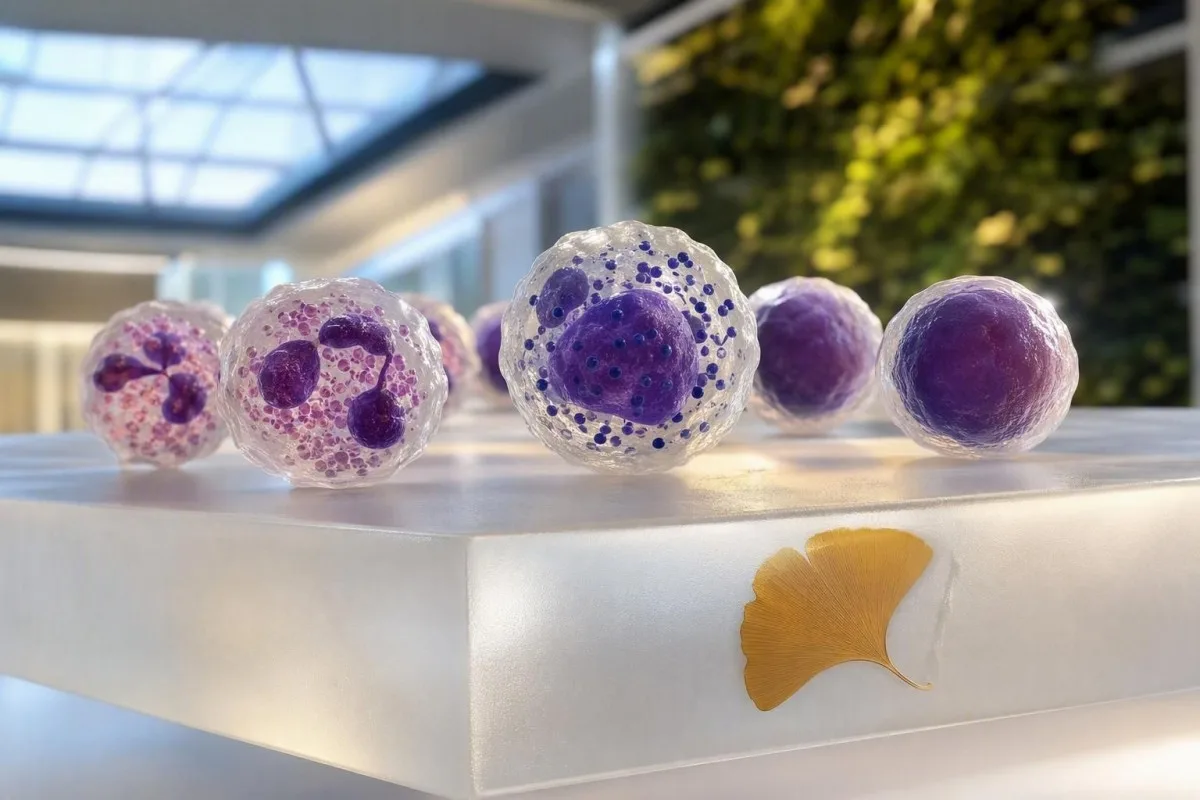
ຜູ້ໃຫຍ່ສ່ວນຫຼາຍມີຈຳນວນ basophils ສຸດທ້າຍ 0.00–0.10 × 10⁹/L (0–100/µL), ໃນຂະນະທີ່ອັດຕາສ່ວນແມ່ນປົກກະຕິ 0–1%. ອັດຕາສ່ວນທີ່ຜິດປົກກະຕິເລັກນ້ອຍມັກຈະສະທ້ອນເຖິງການປ່ຽນແປງຂອງເມັດເລືອດຂາວອື່ນໆ; ຈຳນວນ basophils ສຸດທ້າຍແມ່ນຜົນລັບທີ່ປົກກະຕິແລ້ວຈະນຳພາການຕິດຕາມ.


- Basophils ທີ່ແນ່ນອນ (Absolute basophils) ປົກກະຕິແມ່ນ 0.00–0.10 × 10⁹/L (0–100/µL) ໃນຜູ້ໃຫຍ່ ແລະມີປະໂຫຍດທາງການແພດຫຼາຍກວ່າອັດຕາສ່ວນພຽງຢ່າງດຽວ.
- ອັດຕາສ່ວນ basophil ປົກກະຕິແມ່ນ 0–1% ຂອງເມັດເລືອດຂາວ, ແຕ່ມັນສາມາດເພີ່ມຂຶ້ນໄດ້ເມື່ອ neutrophils ຫຼື lymphocytes ຫຼຸດລົງ ແມ້ວ່າຈຳນວນສຸດທ້າຍຈະເປັນປົກກະຕິ.
- ເດັກນ້ອຍ ມັກຈະໃຊ້ຂີດຈຳກັດເທິງທີ່ໃຊ້ໄດ້ຈິງດຽວກັນທີ່ 0.10 × 10⁹/L ຫຼັງຈາກອາຍຸເດັກນ້ອຍ, ແຕ່ໄລຍະເວລາສະເພາະຕາມອາຍຸຂອງຫ້ອງທົດລອງຈະມີສິດກ່ອນ.
- CBCซ้ำ ໃນ 2–8 ອາທິດແມ່ນສົມເຫດສົມຜົນສຳລັບ basophilia ທີ່ໂດດດ່ຽວ, ອ່ອນໆ ຫຼັງຈາກພູມແພ້, ການຕິດເຊື້ອ, ຫຼືການປ່ຽນແປງຢາ.
- Basophilia ທີ່ຍັງຄົງຢູ່ ສູງກວ່າ 0.20 × 10⁹/L ຄວນໄດ້ຮັບການກວດສອບໂດຍນັກຊ່ຽວຊານ, ໂດຍສະເພາະກັບເມັດເລືອດຂາວສູງ, ໂລກເລືອດຈາງ, ມ้ามໃຫຍ່, ຫຼືອາການທົ່ວໄປ.
- ກວດທົບທວນດ່ວນ ແມ່ນມີຄວາມຈຳເປັນສຳລັບ leukocytosis ທີ່ຮຸນແຮງ, ນ້ຳໜັກຫຼຸດໂດຍບໍ່ມີສາເຫດ, ເຫື່ອອອກໃນຕອນກາງຄືນ, ໄຂ້, ຫຼືຮູ້ສຶກເຕັມທ້ອງນ້ອຍພາຍໃຕ້ກະດູກຂ້າງຊ້າຍ.
- Basophils ສູນ ຢູ່ໃນການນັບຄົບຖ້ວນແບບອັດຕະໂນມັດແມ່ນເລື່ອງປົກກະຕິ ແລະ ໂດຍທົ່ວໄປແລ້ວບໍ່ມີຄວາມສຳຄັນທາງຄລີນິກ.
- Kantesti AI ອ່ານຄ່າ basophils ພ້ອມກັນກັບຈຳນວນເມັດເລືອດຂາວທັງໝົດ, eosinophils, ຈຳນວນ platelets, haemoglobin, ແລະ ຜົນການກວດກ່ອນໜ้านີ້ ແທນທີ່ຈະຖືເອົາແຕ່ທຸງໜຶ່ງເປັນການວິນິດໄສ.
ຈຳນວນ basophils ສຸດທ້າຍທຽບກັບອັດຕາສ່ວນ basophil
ຈຳນວນ absolute basophils 0.00–0.10 × 10⁹/L ໂດຍທົ່ວໄປແລ້ວແມ່ນປົກກະຕິໃນຜູ້ໃຫຍ່, ໃນຂະນະທີ່ ສ່ວນຮ້ອຍຂອງ basophil 0–1% ເປັນພຽງສ່ວນໜຶ່ງຂອງຈຳນວນເມັດເລືອດຂາວທັງໝົດ. ເມື່ອທັງສອງບໍ່ສອດຄ່ອງກັນ, ທ່ານໝໍໂດຍທົ່ວໄປແລ້ວຈະໃຫ້ຄວາມສຳຄັນກັບຜົນລัพธ์ absolute ຫຼາຍກວ່າ.
ສ່ວນຮ້ອຍອາດຈະເບິ່ງຄືວ່າສູງພຽງແຕ່ຍ້ອນວ່າເມັດເລືອດຂາວປະເພດອື່ນຕໍ່າ. ຕົວຢ່າງ, 1.5% basophils ທີ່ມີຈຳນວນເມັດເລືອດຂາວ 3.0 × 10⁹/L ໃຫ້ຜົນລัพธ์ absolute ພຽງແຕ່ 0.045 × 10⁹/L—ເຊິ່ງຢູ່ໃນຊ່ວງປົກກະຕິຂອງຜູ້ໃຫຍ່ຈໍານວນຫຼາຍ. ນັ້ນຄືເຫດຜົນທີ່ທຸງສ່ວນຮ້ອຍພຽງຢ່າງດຽວບໍ່ຄ່ອຍບອກເລື່ອງທັງໝົດ.
ການຄິດໄລ່ແມ່ນຊື່ສັດ: ຈຳນວນເມັດເລືອດຂາວທັງໝົດ × ສ່ວນຮ້ອຍ basophil ÷ 100. ຈຳນວນເມັດເລືອດຂາວ 12.0 × 10⁹/L ແລະ basophils 2% ໃຫ້ 0.24 × 10⁹/L, ເຊິ່ງເປັນການເພີ່ມຂຶ້ນທີ່ແທ້ຈິງ. ສໍາລັບບໍລິບົດທີ່ກວ້າງກວ່າ, ເບິ່ງຄູ່ມືຂອງພວກເຮົາກ່ຽວກັບ អ្វីដែល CBC រួមបញ្ចូល.
ແຄນເທສຕີ ເປັນ AI ເຄື່ອງວິເຄາະເລືອດ ທີ່ປ່ຽນສ່ວນຮ້ອຍໃຫ້ເປັນຄ່າ absolute ທີ່ສາມາດປຽບທຽບທາງຄລີນິກໄດ້ເມື່ອລາຍງານຕົ້ນສະບັບສະໜອງການນັບຄົບຖ້ວນ. ຈາກປະສົບການຂອງຂ້ອຍ, ການປ່ຽນແປງດັ່ງກ່າວໜຶ່ງຄັ້ງຊ່ວຍຫຼຸດຜ່ອນຄວາມຕົກໃຈທີ່ບໍ່ຈຳເປັນຫຼາຍຫຼັງຈາກການກວດສຸຂະພາບຕາມປົກກະຕິ.
ເປັນຫຍັງຈຳນວນ absolute ຈຶ່ງຄົງທີ່ກວ່າ
ເຄື່ອງວິເຄາະອັດຕະໂນມັດນັບເຫດການຂອງຈຸລັງຫຼາຍພັນຄັ້ງ, ແຕ່ basophils ໂດຍທົ່ວໄປແລ້ວແມ່ນຫາຍາກ—ມັກຈະໜ້ອຍກວ່າ 1 ໃນ 100 ເມັດເລືອດຂາວ. ດັ່ງນັ້ນ, ການປ່ຽນແປງຂອງການວິເຄາະ ແລະຊີວະວິທະຍາເລັກນ້ອຍສາມາດເຮັດໃຫ້ສ່ວນຮ້ອຍປ່ຽນແປງໄດ້ຫຼາຍກວ່າຈຳນວນ absolute.
ລະດັບອ້າງອິງ basophil ໃຊ້ໄດ້ຈິງຕາມອາຍຸ
ຫ້ອງທົດລອງສ່ວນໃຫຍ່ໃຊ້ຊ່ວງອ້າງອิง absolute basophil 0.00–0.10 × 10⁹/L ຕັ້ງແຕ່ໄວເດັກຈົນຮອດຜູ້ໃຫຍ່, ແຕ່ຊ່ວງສຳລັບເດັກເກີດໃໝ່ອາດຈະກວ້າງກວ່າ. ໃຊ້ຊ່ວງທີ່ພິມຢູ່ຂ້າງຜົນການກວດຂອງທ່ານເອງ, ເພາະວ່າຂອບເຂດອ້າງອิงຂຶ້ນກັບວິທີການວິເຄາະ ແລະ ປະຊາກອນສຸຂະພາບທ້ອງຖິ່ນຂອງຫ້ອງທົດລອງ.
ສໍາລັບເດັກນ້ອຍໃນອາທິດທໍາອິດຂອງຊີວິດ, ຫ້ອງທົດລອງເດັກບາງແຫ່ງຍອມຮັບ absolute basophils ສູງເຖິງປະມານ 0.20–0.40 × 10⁹/L. ລະບົບພູມຄຸ້ມກັນຂອງເດັກເກີດໃໝ່ກໍາລັງປັບຕົວຢ່າງໄວ, ດັ່ງນັ້ນຂອບເຂດຂອງຜູ້ໃຫຍ່ບໍ່ຄວນນໍາໃຊ້ກັບຜົນການກວດຂອງເດັກເກີດໃໝ່ໂດຍບໍ່ມີຄໍາແນະນໍາຈາກເດັກ.
ຕັ້ງແຕ່ອາຍຸປະມານ 1 ປີຂຶ້ນໄປ, ຫຼາຍບໍລິການກໍໃຊ້ຂອບເຂດເທິງທີ່ໃຊ້ໄດ້ຈິງປະມານ 0.10 × 10⁹/L, ຫຼື 100/µL. ຜົນລัพธ์ 0.11 × 10⁹/L ໃນເດັກທີ່ເຕີບໂຕດີດ້ວຍຈຳນວນເມັດເລືອດຂາວປົກກະຕິ ໂດຍທົ່ວໄປແລ້ວຈະເປັນຄຳຖາມໃຫ້ກວດຄືນ ແລະ ພິຈາລະນາ, ບໍ່ແມ່ນເລື່ອງສຸກເສີນ.
CLSI EP28-A3c ອະທິບາຍວ່າເປັນຫຍັງຫ້ອງທົດລອງຈຶ່ງສ້າງຕັ້ງ ຫຼື ກວດສອບຊ່ວງອ້າງອິງຂອງຕົນເອງ ແທນທີ່ຈະນຳໃຊ້ຊ່ວງສາກົນ (CLSI, 2010). ຄູ່ມືຊ່ວງອາຍຸ neutrophil ສະແດງຫຼັກການດຽວກັນສໍາລັບການນັບຄົບຖ້ວນອີກອັນໜຶ່ງ.
ເຂົ້າໃຈຫົວໜ່ວຍ basophil ໃນລາຍງານຂອງອັງກິດ, ສະຫະລັດ ແລະສາກົນ
จำนวนเบโซฟิล 0.10 × 10⁹/L เท่ากับ 100/µL, ดังนั้นรายงานที่ใช้หน่วยต่างกันสามารถอธิบายผลลัพธ์เดียวกันได้ การตรวจนับเม็ดเลือดสมบูรณ์ของสหราชอาณาจักรมักรายงานเป็น ×10⁹/L ในขณะที่ห้องปฏิบัติการของสหรัฐอเมริกามักใช้ cells/µL หรือ K/µL.
ในการแปลง ×10⁹/L เป็น cells/µL ให้คูณด้วย 1,000 ดังนั้น 0.05 × 10⁹/L เท่ากับ 50/µL; 0.25 × 10⁹/L เท่ากับ 250/µL รายงานที่แสดง 0.0 อาจถูกปัดเศษเป็นทศนิยมหนึ่งตำแหน่ง แทนที่จะพิสูจน์ว่าไม่มีเบโซฟิลเลย.
ค่าที่ระบุว่าเป็น 0.2 K/µL เท่ากับ 0.20 × 10⁹/L ความแตกต่างนั้นสำคัญเพราะ 0.2% และ 0.2 K/µL เป็นการวัดผลที่แตกต่างกันโดยสิ้นเชิง ผู้ป่วยมักสับสนระหว่างการเปรียบเทียบรายงานจากสองประเทศ.
หากรายงานของคุณระบุ FBC แทน CBC ส่วนประกอบส่วนใหญ่จะเหมือนกัน คำอธิบายการนับเม็ดเลือดสมบูรณ์ของสหราชอาณาจักร แปลคำศัพท์ทั่วไป.
ເປັນຫຍັງຈຳນວນ basophil ຈຶ່ງເພີ່ມຂຶ້ນ ຫຼືຫຼຸດລົງ
ภาวะเบโซฟิลเพิ่มขึ้นเล็กน้อยมักเกี่ยวข้องกับอาการแพ้ การอักเสบเรื้อรัง การฟื้นตัวจากการติดเชื้อ หรือการเปลี่ยนแปลงของระบบภูมิคุ้มกันที่เกี่ยวข้องกับยา. จำนวนที่ต่ำหรือไม่มีเบโซฟิลเลยมักไม่มีความหมาย เนื่องจากเซลล์เหล่านี้หมุนเวียนในปริมาณที่น้อยมาก.
เบโซฟิลมีตัวรับสำหรับ IgE และสามารถปล่อยฮิสตามีนและสารสื่อกลางอื่น ๆ หลังจากการสัมผัสสารก่อภูมิแพ้ โรคจมูกอักเสบจากภูมิแพ้ตามฤดูกาล, โรคผื่นลมพิษเรื้อรัง, โรคหอบหืด และโรคผิวหนังบางชนิด อาจเกิดขึ้นร่วมกับการเพิ่มขึ้นเล็กน้อย แม้ว่าจำนวนปกติจะไม่สามารถตัดโรคใดโรคหนึ่งออกหรือยืนยันได้ก็ตาม.
ภาวะพร่องไทรอยด์, โรคลำไส้อักเสบ, โรคข้ออักเสบรูมาตอยด์ และการติดเชื้อเรื้อรังบางชนิด อาจเกี่ยวข้องกับภาวะเบโซฟิลเพิ่มขึ้นด้วย คำถามที่เป็นประโยชน์ไม่ใช่ “โรคใดเป็นสาเหตุ?” แต่ “มีสัญญาณอื่น ๆ อะไรบ้าง?”—CRP, อีโอซิโนฟิล, อาการ, ประวัติการใช้ยา และแนวโน้ม ล้วนมีความสำคัญ.
ระดับ IgE และจำนวนอีโอซิโนฟิลที่สูงขึ้นสามารถสนับสนุนรูปแบบการแพ้ได้ ในขณะที่อาการคันเพียงอย่างเดียวอาจต้องมีการทบทวนที่กว้างขึ้น บทความของเราเกี่ยวกับ การตรวจเลือดสำหรับอาการคันที่ผิวหนัง อธิบายขีดจำกัดการใช้งานของการทดสอบ CBC.
ເມື່ອໃດຄວນເຮັດ CBCซ้ำສຳລັບ basophils?
ตรวจ CBC ซ้ำใน 2–8 สัปดาห์ สำหรับการเพิ่มขึ้นของเบโซฟิลเพียงเล็กน้อยและแยกได้ หลังจากมีสิ่งกระตุ้นชั่วคราว โดยที่คุณรู้สึกสบายดีและส่วนที่เหลือของการนับเป็นที่น่าพอใจ. ตรวจซ้ำเร็วขึ้น โดยทั่วไปภายในไม่กี่วันถึง 2 สัปดาห์ เมื่อจำนวนเม็ดเลือดขาวทั้งหมดเพิ่มขึ้นหรือมีเซลล์ผิดปกติหลายสาย.
สำหรับจำนวนเบโซฟิลสัมบูรณ์ 0.11–0.20 × 10⁹/L หลังจากเป็นหวัด, อาการภูมิแพ้กำเริบ, การฉีดวัคซีน, หรือการใช้สเตียรอยด์ในระยะสั้น ฉันมักจะชอบการตรวจซ้ำครั้งเดียวอย่างสงบ แทนที่จะเป็นการทดสอบต่อเนื่อง พยายามใช้ห้องปฏิบัติการเดียวกัน และบันทึกอาการป่วยล่าสุด ยาใหม่ การเปลี่ยนแปลงการสูบบุหรี่ และการได้รับสเตียรอยด์.
ຢ່າພະຍາຍາມ “ປັບປຸງ” ຈໍານວນກ່ອນການກວດຄືນ. ການດື່ມນໍ້າແມ່ນມີເຫດຜົນ, ແຕ່ອາຫານເສີມ, ຢາແພ້, ຢາສະເຕີຣອຍ, ແລະການອອກກໍາລັງກາຍແບບດົນນານສາມາດປ່ຽນແປງຄວາມແຕກຕ່າງທີ່ກວ້າງຂວາງ. ຂອງພວກເຮົາ ຄູ່ມືການຕີລາຄາການທົດສອບເລືອດ ລາຍລະອຽດຜົນກະທົບຂອງເວລາທົ່ວໄປ.
ແຄນເທສຕີ ເປັນ ແພລດຟອມການອ່ານຜົນກວດເລືອດຂອງ AI ທີ່ປຽບທຽບຄວາມແຕກຕ່າງໃນປະຈຸບັນກັບ CBCs ກ່ອນໜ້ານີ້ ແລະ ຕິດປ້າຍການເພີ່ມຂຶ້ນຢ່າງຕໍ່ເນື່ອງແຕກຕ່າງຈາກປ້າຍຄັ້ງດຽວ. ແນວໂນ້ມໃນໄລຍະ 3-6 ເດືອນ ມັກຈະມີຂໍ້ມູນຫຼາຍກວ່າຈຸດທົດສະນິຍົມດຽວ.
ວິທີການກຽມຕົວສຳລັບການກວດ basophil ຄືນໃໝ່ທີ່ເຊື່ອຖືໄດ້
ການກວດຫາ Basophil ໂດຍທົ່ວໄປບໍ່ຕ້ອງການການອົດອາຫານ, ແຕ່ການກວດ CBC ຄືນໃໝ່ແມ່ນມີຄວາມໝາຍຫຼາຍທີ່ສຸດເມື່ອທ່ານບໍ່ໄດ້ປ່ວຍຮ້າຍແຮງ ແລະ ສະພາບການເກັບຕົວຢ່າງແມ່ນຄ້າຍຄືກັນ. ຕັ້ງເປົ້າໝາຍນໍ້າໃນຮ່າງກາຍປົກກະຕິ, ອາຫານທົ່ວໄປ, ແລະມື້ປົກກະຕິແທນທີ່ຈະປ່ຽນແປງຢ່າງຮຸນແຮງ.
ຫຼີກລ້ຽງການກຳນົດເວລາສຳລັບການກວດຄືນທີ່ບໍ່ຮີບດ່ວນໃນລະຫວ່າງເປັນໄຂ້, ການອັກເສບແພ້ຢ່າງຮຸນແຮງ, ຫຼືມື້ຫຼັງຈາກກິດຈະกรรม endurance ທີ່ໜັກໜ່ວງຜິດປົກກະຕິ ຖ້າເປົ້າໝາຍແມ່ນເພື່ອສ້າງພື້ນຖານ. ຮໍໂມນຄວາມເຄັ່ງຕຶງສ້ວຍແຫຼມ ແລະການປ່ຽນແປງຂອງແຫຼວສາມາດເຄື່ອນຍ້າຍສ່ວນຍ່ອຍຂອງເມັດເລືອດຂາວຫຼາຍຊະນິດເປັນເວລາຫຼາຍຊົ່ວໂມງຫາຫຼາຍມື້.
ບອກແພດໝໍ ຫຼື ເຈົ້າໜ້າທີ່ເກັບເລືອດ ກ່ຽວກັບຢາສະເຕີຣອຍລະບົບ, ລິດທຽມ, ການປິ່ນປົວທີ່ບັນຈຸເອັບພິເນຟຣິນ, ການປິ່ນປົວດ້ວຍຊີວະພາບເມື່ອບໍ່ດົນມານີ້, ແລະອາຫານເສີມໃໝ່ໃດໆ. Steroids ມັກຈະຫຼຸດຈໍານວນ basophils ແລະ eosinophils ທີ່ໄຫຼວຽນ, ດັ່ງນັ້ນຜົນໄດ້ຮັບທີ່ “ປົກກະຕິ” ໃນຂະນະທີ່ກິນຢາອາດຈະບໍ່ສະແດງເຖິງພື້ນຖານທີ່ບໍ່ໄດ້ຮັບການປິ່ນປົວຂອງທ່ານ.
ຄຸນນະພາບຂອງຕົວຢ່າງຍັງມີຄວາມສຳຄັນ. ຕົວຢ່າງ EDTA ທີ່ກ້າມ ແລະ ການວິເຄາະທີ່ຊັກຊ້າສາມາດເຮັດໃຫ້ຄວາມແຕກຕ່າງອັດຕະໂນມັດໜ້ອຍລົງ; ຖ້າຄ່າ CBC ຫຼາຍຄ່ານີ້ເບິ່ງຄືວ່າຜິດປົກກະຕິຮ່ວມກັນ, ໃຫ້ທົບທວນ ເມື່ອຕ້ອງການແຕ້ມຄືນ.
ຮູບແບບ CBC ທີ່ເຮັດໃຫ້ basophils ສູງມີຄວາມໝາຍສຳຄັນຫຼາຍຂຶ້ນ
Basophilia ເປັນທີ່ໜ້າກັງວົນຫຼາຍຂຶ້ນເມື່ອ basophils ຢ່າງແທ້ຈິງເກີນ 0.20 × 10⁹/L ແລະເກີດຂຶ້ນກັບເມັດເລືອດຂາວທີ່ສູງຢ່າງຕໍ່ເນື່ອງຂ້າງເທິງ 11.0 × 10⁹/L, ໂລກເລືອດຈາງ, ການປ່ຽນແປງຂອງ platelets, ຫຼືເມັດເລືອດຂາວທີ່ຍັງບໍ່ເປັນຜູ້ໃຫຍ່. ການປະສົມປະສານ—ບໍ່ແມ່ນ basophils ຢ່າງດຽວ—ກໍານົດວ່າແພດຈະສືບສວນໄວປານໃດ.
ຜູ້ຊາຍອາຍຸ 44 ປີ ທີ່ຂ້ອຍໄດ້ທົບທວນ ມີ basophils 0.28 × 10⁹/L, ເມັດເລືອດຂາວ 16.4 × 10⁹/L, platelets 610 × 10⁹/L, ແລະຄວາມຮູ້ສຶກອີ່ມໄວ. ຮູບແບບນັ້ນຕ້ອງການເສັ້ນທາງ hematology ພາຍໃນອາທິດດຽວກັນ; ຜົນໄດ້ຮັບ basophil ດຽວບໍ່ໄດ້ເຮັດໃຫ້ການວິນິດໄສ, ແຕ່ມັນເປັນຄໍາແນະນໍາທີ່ສໍາຄັນ.
Basophilia ຄຽງຄູ່ກັບ neutrophils ສູງ ແລະ ອາການຂອງ spleen ສາມາດເກີດຂຶ້ນໃນ myeloproliferative neoplasms, ລວມທັງ chronic myeloid leukaemia. European LeukemiaNet ແນະນຳການກວດຫາມະເລັງ ແລະ ການປະເມີນໂດຍຜູ້ຊ່ຽວຊານ ເມື່ອຮູບແບບທາງຄລີນິກ ແລະ ການນັບເລືອດເຮັດໃຫ້ມີຄວາມເປັນໄປໄດ້ນັ້ນ (Hochhaus et al., 2020).
ການປິ່ນປົວເລືອດຢູ່ແຂນຂາສາມາດແຍກການປ່ຽນແປງທີ່ແທ້ຈິງອອກຈາກຄວາມບໍ່ແນ່ນອນຂອງເຄື່ອງວິເຄາະ ແລະອາດສະແດງເຖິງການເພີ່ມຂຶ້ນຂອງເມັດເລືອດຂາວຫຼືເມັດເລືອດທີ່ບໍ່ປົກກະຕິ. ອ່ານເພີ່ມເຕີມກ່ຽວກັບ ເສັ້ນທາງ CBC ຂອງມະເຮັງເມັດເລືອດ ໂດຍບໍ່ຄາດຫວັງວ່າການນັບຜິດປົກກະຕິໝາຍເຖິງມະເລັງ.
ອາການ ແລະຜົນລັບທີ່ຕ້ອງການການເອົາໃຈໃສ່ທາງການແພດຢ່າງຮີບດ່ວນ
ຊອກຫາການປະເມີນທາງການແພດຮີບດ່ວນສຳລັບ basophilia ທີ່ມີໄຂ້, ເຫື່ອອອກກາງຄືນຢ່າງຮຸນແຮງ, ນ້ຳໜັກຫຼຸດໂດຍບໍ່ມີຄຳອະທິບາຍ, ຮອຍຟົກຊໍ້າໃໝ່, ຫາຍໃຈຝຶດ, ຄວາມເມື່ອຍລ້າຮຸນແຮງ, ຫຼືອາການເຕັມທ້ອງສ່ວນເທິງເບື້ອງຊ້າຍ. ອາການເຫຼົ່ານີ້ບໍ່ໄດ້ເກີດຈາກຜົນ basophil ທີ່ເພີ່ມຂຶ້ນເລັກນ້ອຍ; ພວກມັນເປັນສັນຍານວ່າຮູບພາບທາງຄລີນິກທີ່ກວ້າງກວ່າຕ້ອງການການປະເມີນ.
ການນັບເມັດເລືອດທັງໝົດສູງກວ່າ 30 × 10⁹/L, ຄ່າເພີ່ມຂຶ້ນຢ່າງໄວ, ຫຼືເມັດເລືອດຂາວທີ່ຍັງບໍ່ເປັນຜູ້ໃຫຍ່ທີ່ເຫັນໄດ້ໃນລາຍງານຄວນໄດ້ຮັບການປຶກສາຫາລືຢ່າງຮີບດ່ວນກັບແພດທີ່ສັ່ງໃຫ້ກວດ. ອາການເຈັບຫົວຮຸນແຮງ, ການປ່ຽນແປງທາງສາຍຕາ, ເຈັບໜ້າເອິກ, ຫຼືອາການທາງລະບົບປະສາດ ຕ້ອງການການປະເມີນສຸກເສີນ ໂດຍບໍ່ຄໍານຶງເຖິງຈໍານວນ basophil.
ຄົນສ່ວນໃຫຍ່ທີ່ມີ 0.11–0.20 × 10⁹/L basophils ແລະບໍ່ມີອາການ ບໍ່ຕ້ອງການການເບິ່ງແຍງສຸກເສີນ. ເຖິງຢ່າງໃດກໍ່ຕາມ, ນີ້ແມ່ນໜຶ່ງໃນຂົງເຂດທີ່ບໍລິບົດມີຄວາມສໍາຄັນຫຼາຍກວ່າຕົວເລກ, ໂດຍສະເພາະຖ້າຜົນໄດ້ຮັບກ່ອນໜ້ານີ້ແມ່ນ 0.02 × 10⁹/L ແລະການນັບໃໝ່ກໍາລັງເພີ່ມຂຶ້ນ.
ຖ້າທ່ານຍັງມີອາການຫາຍໃຈຝຶດ ຫຼື pallor, ຄ່າ hemoglobin ແລະ platelet ທີ່ມາຄຽງຄູ່ອາດຈະມີຄວາມສໍາຄັນຫຼາຍກວ່າ; ເບິ່ງຂອງພວກເຮົາ ຄູ່ມືກວດເລືອດຫາຍໃຈຝຶດ.
Basophils ຕ່ຳ ຫຼືຜົນລັບເປັນສູນໝາຍຄວາມວ່າແນວໃດ
ຜົນຂອງ basophil 0.00 × 10⁹/L ໂດຍທົ່ວໄປແມ່ນປົກກະຕິ ແລະ ບໍ່ຄ່ອຍຕ້ອງການກວດຄືນດ້ວຍຕົນເອງ. Basophils ອາດຈະຢູ່ຕໍ່າກວ່າຂີດຈຳກັດການລາຍງານຂອງເຄື່ອງວິເຄາະເນື່ອງຈາກວ່າມັນເປັນສິ່ງທີ່ຫາຍາກຕາມທຳມະຊາດໃນການໄຫຼວຽນ.
ຄວາມເຄັ່ງຄຽດສ້ວຍແຫຼມ, ການຕິດເຊື້ອ, ການຖືພາ, hyperthyroidism, ແລະການປິ່ນປົວດ້ວຍ corticosteroids ທັງ ໝົດ ສາມາດຫຼຸດລົງ basophils ທີ່ໄຫຼວຽນໄດ້ຊົ່ວຄາວ. ແຕ່ຍັງບໍ່ມີອາການທີ່ຮັບຮູ້ໄດ້ທີ່ເກີດຈາກ basophils ຕ່ຳທີ່ໂດດດ່ຽວ, ບໍ່ຄືກັບ neutropenia ທີ່ມີຄວາມ ສຳຄັນທາງຄລີນິກ.
ບັນຫາການວິເຄາະແມ່ນງ່າຍທີ່ຈະພາດ: ຖ້າພຽງແຕ່ basophils ຈຳນວນໜ້ອຍຖືກນັບ, ຄວາມແຕກຕ່າງຂອງຕົວຢ່າງແບບປົກກະຕິສາມາດປ່ຽນ 0.01 × 10⁹/L ໃຫ້ເປັນ 0.00 × 10⁹/L ໃນການແຕ້ມຄັ້ງຕໍ່ໄປ. ນັ້ນບໍ່ແມ່ນການປ່ຽນແປງທາງຊີວະວິທະຍາຢ່າງແນ່ນອນ.
ຄຳແນະນຳພາກປະຕິບັດຂອງ Dr. Thomas Klein ແມ່ນໃຫ້ລະເລີຍທຸງ basophil ຕ່ຳເມື່ອສ່ວນທີ່ເຫຼືອຂອງ CBC ແຂງແຮງ ແລະບໍ່ມີອາການທີ່ກ່ຽວຂ້ອງ. ຄູ່ມືສະເພາະຂອງພວກເຮົາອະທິບາຍ basophils ທີ່ສູນ.
Basophils ໃນການຖືພາ ແລະຊີວິດຕໍ່ມາ
ການຖືພາ ແລະ ຄວາມເຖົ້າບໍ່ມີຈຸດຕັດ basophil ພິເສດອັນດຽວ; ໄລຍະຫ່າງຂອງຫ້ອງທົດລອງການລາຍງານ ແລະຮູບແບບເມັດເລືອດຂາວທັງ ໝົດ ຍັງຄົງເປັນການອ້າງອິງທີ່ດີທີ່ສຸດ. ການຖືພາມັກຈະເພີ່ມເມັດເລືອດຂາວທັງ ໝົດ ຜ່ານ neutrophils, ເຊິ່ງສາມາດເຮັດໃຫ້ເປີເຊັນ basophil ປະກົດຕ່ຳລົງໂດຍບໍ່ມີການຫຼຸດລົງ basophil ທີ່ແທ້ຈິງ.
ໃນລະຫວ່າງການຖືພາ, ຈຳນວນເມັດເລືອດຂາວທັງ ໝົດ 12–15 × 10⁹/L ອາດຈະເປັນທາງສະລີລະວິທະຍາ, ໂດຍສະເພາະໃນໄລຍະສຸດທ້າຍຂອງການຖືພາ, ດັ່ງນັ້ນການຕີຄວາມໝາຍໂດຍອີງໃສ່ເປີເຊັນຈຶ່ງບໍ່ໜ້າເຊື່ອຖືຫຼາຍຂຶ້ນ. ການນັບ basophil ຢ່າງແທ້ຈິງຍັງຄົງເປັນທີ່ຕ້ອງການ, ແຕ່ອາການທີ່ໜ້າເປັນຫ່ວງຍັງຄົງມີອິດທິພົນຕໍ່ໄລຍະອ້າງອີງ.
ໃນຜູ້ສູງອາຍຸ, ການນັບ basophil ທີ່ຍັງຄົງຢູ່ສູງກວ່າ 0.20 × 10⁹/L ຕ້ອງການຄວາມເອົາໃຈໃສ່ເນື່ອງຈາກການໃຊ້ຢາ ແລະ ຄວາມຜິດປົກກະຕິຂອງໄຂກະດູກແມ່ນພົບເລື້ອຍຂຶ້ນຕາມອາຍຸ. ນັ້ນບໍ່ໄດ້ເຮັດໃຫ້ມັນເປັນການວິນິດໄສ; ມັນພຽງແຕ່ຫຼຸດຜ່ອນຂີດຈຳກັດສຳລັບການເບິ່ງແນວໂນ້ມ CBC ແລະ smear.
ສຳລັບຂໍ້ຜິດພາດໃນການຕີຄວາມໝາຍສະເພາະການຖືພາອື່ນໆ, ກວດຄືນ ສັນຍານເຕືອນສີແດງຂອງການກວດເລືອດໃນເວລາຖືພາ.
ຢາ, ພູມແພ້ ແລະການປ່ຽນແປງຂອງ basophil
ອາການແພ້ອາດຈະເກີດຂື້ນພ້ອມກັບ basophils ທີ່ສູງຂຶ້ນເລັກນ້ອຍ, ໃນຂະນະທີ່ corticosteroids ລະບົບມັກຈະຫຼຸດລົງພາຍໃນສອງສາມມື້. ຮູບແບບໃດໜຶ່ງບໍ່ໄດ້ຢັ້ງຢືນການວິນິດໄສພູມແພ້ ຫຼືພິສູດວ່າຢາຊະນິດໃດຮັບຜິດຊອບ.
Antihistamines ຕົ້ນຕໍແມ່ນປິດກັ້ນຕົວຮັບ histamine; ພວກມັນບໍ່ໄດ້ເຮັດໃຫ້ການນັບ basophil ກັບຄືນສູ່ສະພາບປົກກະຕິຢ່າງໜ້າເຊື່ອຖື. Prednisolone ທາງປາກ ແລະ glucocorticoids ລະບົບອື່ນໆສາມາດແຈກຢາຍເມັດເລືອດຂາວຄືນໃໝ່, ມັກຈະຫຼຸດລົງ eosinophils ແລະ basophils ໃນຂະນະທີ່ເພີ່ມ neutrophils ທີ່ໄຫຼວຽນ.
Lithium ເປັນຢາທີ່ພົບເຫັນໄດ້ໜ້ອຍແຕ່ມີປະໂຫຍດເພາະມັນສາມາດເພີ່ມການຜະລິດເມັດເລືອດຂາວ. ຢາຊີວະພາບ, ການປິ່ນປົວດ້ວຍเคมีบำบัด, ແລະການປິ່ນປົວທີ່ເສີມສ້າງພູມຄຸ້ມກັນບໍ່ຄວນຢຸດເຊົາເນື່ອງຈາກຜົນ CBC ດຽວ—ຖາມທີມແພດຜູ້ສັ່ງຢາວ່າຜົນໄດ້ຮັບນັ້ນເຂົ້າກັບແຜນການຕິດຕາມຂອງພວກເຂົາແນວໃດ.
ການນັບ basophil ທີ່ເພີ່ມຂຶ້ນຄຽງຄູ່ກັບອາການຫາຍໃຈດັງ, ຜື່ນ, ໃບໜ້າບວມ, ຫຼືເປັນລົມຄວນໄດ້ຮັບການຈັດການເປັນບັນຫາອາການ, ບໍ່ແມ່ນບັນຫາຫ້ອງທົດລອງ. ຂອງພວກເຮົາ ຄູ່ມື IgE ສູງ ອະທິບາຍວ່າເຄື່ອງໝາຍພູມແພ້ຊ່ວຍເຫຼືອ ແລະບ່ອນໃດທີ່ເຮັດໃຫ້ເຂົ້າໃຈຜິດ.
ນັກຊ່ຽວຊານກວດຫຍັງຫຼັງຈາກ basophilia ທີ່ຍັງຄົງຢູ່
ອາການ basophilia ຢ່າງແທ້ຈິງທີ່ຍັງຄົງຢູ່ມັກຈະກະຕຸ້ນໃຫ້ມີການກວດ CBCซ้ำ, ການກວດ smear ດ້ວຍມື, ການທົບທວນຢາ ແລະອາການ, ຈາກນັ້ນການທົດສອບເປົ້າໝາຍຖ້າຈຳນວນເມັດເລືອດຂາວທັງ ໝົດ ຫຼືສາຍຈຸລັງອື່ນໆຜິດປົກກະຕິ. ແຜນມະເລັງກວ້າງບໍ່ແມ່ນຂັ້ນຕອນທຳອິດທົ່ວໄປສຳລັບການເພີ່ມຂຶ້ນເລັກນ້ອຍທີ່ໂດດດ່ຽວ.
ຈຸດແບ່ງແຍກທຳອິດຄືບໍ່ວ່າຜົນໄດ້ຮັບນັ້ນໂດດດ່ຽວ. ລະດັບ hemoglobin, platelets, ຈຳນວນເມັດເລືອດຂາວທີ່ໝັ້ນຄົງ, ແລະ smear ປົກກະຕິສະໜັບສະໜູນແຜນການທີ່ລະມັດລະວັງ; ໂລກເລືອດຈາງ, thrombocytosis, leukocytosis, ຫຼື splenomegaly ຈະເພີ່ມການປະເມີນໄປໃນທິດທາງອື່ນ.
ເມື່ອພະຍາດ myeloproliferative ມີຄວາມເປັນໄປໄດ້, ແພດອາດຈະຮ້ອງຂໍການທົດສອບ BCR::ABL1, ການທົດສອບ JAK2, lactate dehydrogenase, urate, ແລະການທົບທວນໂດຍຜູ້ຊ່ຽວຊານ. Valent et al. ອະທິບາຍ basophilia ທີ່ຍັງຄົງຢູ່ເປັນການຄົ້ນພົບທີ່ມີຄວາມໝາຍໃນການຈັດປະເພດ neoplasms basophilic ແລະ myeloid (Valent et al., 2022).
Kantesti’s neural networkระบุการรวมกันที่สมควรได้รับการตรวจสอบ แต่ไม่สามารถวินิจฉัยมะเร็งเม็ดเลือดขาวจาก CBC ได้ ວິທີການຢືນຢັນທາງການແພດຂອງພວກເຮົາ อธิบายว่าเหตุใดการตีความผลทางห้องปฏิบัติการจึงต้องมีการควบคุมดูแลทางคลินิก.
ວິທີຕິດຕາມ basophils ໂດຍບໍ່ຕ້ອງຟ້າວຕອບສະໜອງ
แนวโน้มของเบโซฟิลที่มีความหมายคือการเปลี่ยนแปลงตามทิศทางอย่างต่อเนื่องใน CBC ที่เปรียบเทียบกันได้ ไม่ใช่การเคลื่อนไหวเพียงครั้งเดียวจาก 0.04 เป็น 0.08 × 10⁹/L. ด้วยขีดจำกัดอ้างอิงสำหรับผู้ใหญ่ที่ 0.10 × 10⁹/L ค่าทั้งสองยังคงอยู่ในช่วงแม้ว่าจะแตกต่างกันในเชิงปริมาณก็ตาม.
บันทึกจำนวนที่แน่นอน, เปอร์เซ็นต์, จำนวนเซลล์เม็ดเลือดขาวทั้งหมด, นิวโทรฟิล, อีโอซิโนฟิล, ฮีโมโกลบิน, เกล็ดเลือด, วันที่, การเจ็บป่วยล่าสุด และยา หลังจากการเจาะแต่ละครั้ง บันทึกเล็กๆ น้อยๆ นี้ให้ข้อมูลที่เป็นประโยชน์แก่แพทย์ของคุณมากกว่าภาพหน้าจอของสัญญาณเตือนที่แยกจากกัน.
ແຄນເທສຕີ ເປັນ ឧបករណ៍វិភាគតេស្តឈាមដែលដំណើរការដោយ AI ใช้ใน 127+ ประเทศเพื่อเปรียบเทียบผล CBC ตามกาลเวลาในขณะที่รักษาช่วงที่ระบุของห้องปฏิบัติการต้นทาง Dr. Thomas Klein แนะนำให้ตรวจสอบผลลัพธ์ที่เปรียบเทียบกันได้อย่างน้อยสองผลก่อนที่จะกำหนดความหมายให้กับการเปลี่ยนแปลงของส่วนประกอบเม็ดเลือดที่ผิดปกติเล็กน้อย.
กฎที่มีประโยชน์: หากจำนวนที่แน่นอนยังคงต่ำกว่า 0.10 × 10⁹/L จำนวนเซลล์เม็ดเลือดขาวทั้งหมดคงที่ และคุณรู้สึกสบายดี การติดตามผลตามปกติในการตรวจเลือดครั้งต่อไปที่วางแผนไว้มักจะเพียงพอ ใช้ของเรา คู่มือความต่างของผลตรวจเลือด เพื่อตัดสินว่าการเปลี่ยนแปลงน่าจะเป็นจริงหรือไม่.
ຄຳຖາມທີ່ຈະຖາມໃນການນັດໝາຍຕິດຕາມ
คำถามติดตามผลที่ดีที่สุดคือ “จำนวนเบโซฟิลที่แน่นอนของฉันคือเท่าใด และมีอะไรเปลี่ยนแปลงอีกบ้างใน CBC?” การใช้คำพูดดังกล่าวจะนำการสนทนาไปสู่ตัวแปรที่เปลี่ยนแปลงความเสี่ยงทางคลินิกจริงๆ.
สอบถามว่าจำนวนดังกล่าวเป็นจำนวนใหม่, ต่อเนื่อง, เพิ่มขึ้น หรือมีแนวโน้มที่จะเกิดจากปฏิกิริยาหรือไม่; จำเป็นต้องมีการตรวจสไลด์หรือไม่; และควรทำการตรวจ CBC ครั้งต่อไปเมื่อใด นำรายการการติดเชื้อล่าสุด, อาการแพ้, ยา, อาหารเสริม, การเดินทาง, และประวัติครอบครัวของโรคเกี่ยวกับเลือดมาด้วย.
หากคุณมีจำนวนที่แน่นอนสูงกว่า 0.20 × 10⁹/L ร่วมกับจำนวนเซลล์เม็ดเลือดขาวทั้งหมดที่สูงขึ้น ให้สอบถามว่าการปรึกษาแผนกโลหิตวิทยาเหมาะสมหรือไม่ หากจำนวนดังกล่าวสูงกว่าปกติเพียงเล็กน้อยและแยกจากกัน ให้สอบถามว่าการเปลี่ยนแปลงใดจะกระตุ้นให้ทำการทดสอบเร็วขึ้นแทนที่จะคาดการณ์สิ่งที่เลวร้ายที่สุด.
มาตรฐานการศึกษาที่แพทย์ตรวจสอบแล้วของ Kantesti อยู่ภายใต้การดูแลผ่านของเรา ຄະນະທີ່ປຶກສາທາງການແພດ. ณ วันที่ 30 สิงหาคม 2026 แนวทางที่ปลอดภัยที่สุดยังคงเรียบง่าย: ตีความจำนวนที่แน่นอน, ยืนยันความต่อเนื่อง, และดำเนินการเร็วขึ้นเฉพาะเมื่อรูปแบบที่กว้างขึ้นนั้นเหมาะสม.
ຄໍາຖາມທີ່ຖາມເລື້ອຍໆ
ຈໍານວນ Basophil ປົກກະຕິໃນຜູ້ໃຫຍ່ແມ່ນເທົ່າໃດ?
ລະດັບອ້າງອີງປົກກະຕິສຳລັບຜູ້ໃຫຍ່ຂອງເມັດເລືອດຂາວຊະນິດ Basophil ຢູ່ທີ່ 0.00–0.10 × 10⁹/L, ເທົ່າກັບ 0–100 cells/µL. ຫ້ອງທົດລອງສ່ວນຫຼາຍລາຍງານເປັນເປີເຊັນ Basophil 0–11%, ເຖິງແມ່ນວ່າເປີເຊັນອາດເຮັດໃຫ້ເຂົ້າໃຈຜິດໄດ້ເມື່ອຈຳນວນເມັດເລືອດຂາວທັງໝົດປ່ຽນແປງ. ລະດັບອ້າງອີງທີ່ພິມໂດຍຫ້ອງທົດລອງຂອງທ່ານເອງຈະມີຜົນບັງຄັບໃຊ້ກ່ອນ, ເນື່ອງຈາກວິທີການ ແລະ ປະຊາກອນອ້າງອີງທ້ອງຖິ່ນແຕກຕ່າງກັນ. ຜົນການກວດຄັ້ງດຽວທີ່ 0.11 × 10⁹/L ໂດຍປົກກະຕິແລ້ວຄວນໄດ້ຮັບການພິຈາລະນາຕາມສະພາບການ ຫຼື ການກວດຊ้ำຕາມແຜນ, ບໍ່ແມ່ນການປິ່ນປົວສຸກເສີນ.
2% basophils ສູງບໍ?
2% ຂອງ basophil ຢູ່ເຫນືອບາງຊ່ວງສ່ວນຮ້ອຍຂອງຫ້ອງທົດລອງ, ແຕ່ມັນບໍ່ພຽງພໍທີ່ຈະຕັດສິນຄວາມສ່ຽງໂດຍບໍ່ມີການນັບຈໍານວນເມັດເລືອດຂາວທັງຫມົດ. ດ້ວຍຈໍານວນເມັດເລືອດຂາວ 4.0 × 10⁹/L, 2% ເທົ່າກັບຈໍານວນ basophil ທີ່ແທ້ຈິງ 0.08 × 10⁹/L, ເຊິ່ງມັກຈະເປັນປົກກະຕິ. ດ້ວຍຈໍານວນເມັດເລືອດຂາວ 15.0 × 10⁹/L, 2% ດຽວກັນເທົ່າກັບ 0.30 × 10⁹/L ແລະສົມຄວນໄດ້ຮັບການທົບທວນທາງຄລີນິກ. ໃຫ້ຊອກຫາຈໍານວນ basophil ທີ່ແທ້ຈິງກ່ອນທີ່ຈະຕີຄວາມໝາຍສ່ວນຮ້ອຍ.
ເມື່ອໃດຂ້ອຍຄວນເຮັດ CBC ຊ້ຳສຳລັບ basophils ສູງ?
ການตรวจ CBCซ้ำใน 2–8 สัปดาห์ถือว่าสมเหตุสมผลทั่วไปสำหรับภาวะเม็ดเลือดขาวชนิดเบโซฟิลสูงเล็กน้อยที่แยกได้ประมาณ 0.11–0.20 × 10⁹/L หลังจากการเจ็บป่วย อาการภูมิแพ้กำเริบ หรือการเปลี่ยนแปลงยา ควรตรวจซ้ำเร็วขึ้นเมื่อจำนวนเม็ดเลือดขาวรวมเพิ่มขึ้น จำนวนเม็ดเลือดขาวชนิดเบโซฟิลสูงกว่า 0.20 × 10⁹/L หรือฮีโมโกลบินและเกล็ดเลือดก็ผิดปกติด้วย ใช้ห้องปฏิบัติการเดียวกันเมื่อเป็นไปได้เนื่องจากวิธีการวิเคราะห์และช่วงอ้างอิงจะแตกต่างกัน อาการไข้ น้ำหนักลด เหงื่อออกตอนกลางคืน ฟกช้ำ หรือรู้สึกแน่นบริเวณท้องส่วนบนด้านซ้าย จำเป็นต้องได้รับการตรวจทางการแพทย์อย่างเร่งด่วน แทนที่จะรอการตรวจซ้ำตามกำหนด.
Basophils of zero are not dangerous.
ການນັບ Basophil 0.00 × 10⁹/L ໂດຍທົ່ວໄປແລ້ວບໍ່ເປັນອັນຕະລາຍ ແລະ ໂດຍທົ່ວໄປແລ້ວບໍ່ຈໍາເປັນຕ້ອງຕິດຕາມຖ້າສ່ວນທີ່ເຫຼືອຂອງ CBC ປົກກະຕິ. Basophils ເປັນຈຸລັງທີ່ຫາຍາກ, ດັ່ງນັ້ນການຈໍາແນກອັດຕະໂນມັດແບບປົກກະຕິອາດລາຍງານສູນ ເພາະຈໍານວນທີ່ກວດພົບໄດ້ຕໍ່າກວ່າການປັດ گرد hoặc ຄວາມແມ່ນຍໍາຂອງການລາຍງານ. Corticosteroids, ຄວາມເຄັ່ງຕຶງສ້ວຍແຫຼມ, ການຖືພາ, ແລະການຕິດເຊື້ອສາມາດຫຼຸດລົງ basophils ທີ່ໄຫຼວຽນໄດ້ຊົ່ວຄາວ. ຜູ້ຊ່ຽວຊານດ້ານການແພດບໍ່ໄດ້ວິນິດໄສການຂາດພູມຕ້ານທານຈາກ basophils ຕ່ໍາທີ່ໂດດດ່ຽວ.
ພູມແພ້ສາມາດເຮັດໃຫ້ມີເມັດເລືອດຂາວ Basophils ສູງໄດ້ບໍ?
ภาวะภูมิแพ้อาจเกิดขึ้นพร้อมกับจำนวน basophils ที่สูงขึ้นเล็กน้อย เนื่องจาก basophils มีส่วนร่วมในกระบวนการตอบสนองทางภูมิคุ้มกันที่เกี่ยวข้องกับ IgE และปล่อยสารสื่อกลาง เช่น ฮีสตามีน การมีจำนวน basophils สูงไม่ได้พิสูจน์ว่าเป็นสาเหตุของอาการแพ้ และหลายคนที่มีอาการแพ้รุนแรงก็มีจำนวน basophils ปกติ จำนวนที่สูงกว่า 0.20 × 10⁹/L ที่คงอยู่หลังจากอาการแพ้ทุเลาลง ควรได้รับการทบทวนร่วมกับผล CBC ทั้งหมด Eosinophils, IgE ทั้งหมด, อาการทางผิวหนัง และการได้รับยา อาจให้ข้อมูลบริบทที่มีประโยชน์มากกว่า.
ຈໍານວນ Basophil ເທົ່າໃດຈຶ່ງຊີ້ບອກວ່າເປັນມະເລ็งເມັດເລືອດຂາວ?
ບໍ່ມີການນັບເມັດເລືອດຂາວໂຄດຊະນິດດຽວສາມາດບົ່ງບອກພະຍາດເລືອດຂາວໄດ້, ແຕ່ການເພີ່ມຂຶ້ນຢ່າງຕໍ່ເນື່ອງຂອງເມັດເລືອດຂາວໂຄດຢ່າງຖາວອນສູງກວ່າ 0.20 × 10⁹/L ປະກອບດ້ວຍການເພີ່ມຂຶ້ນຂອງຈໍານວນເມັດເລືອດຂາວ, ໂລກເລືອດຈາງ, ຄວາມຜິດປົກກະຕິຂອງເກັດເລືອດ, ເມັດເລືອດຂາວທີ່ຍັງບໍ່ເຕັມທີ່, ຫຼືອາການຂອງຕ່ອມນ້ຳເຫຼືອງໂຕໃຫຍ່ຄວນກະຕຸ້ນໃຫ້ມີການປະເມີນທາງການແພດ. Basophilia ສາມາດເກີດຂຶ້ນໄດ້ໃນພະຍາດເລືອດຂາວໄມລອຍຂອງເມັດເລືອດຂາວຊໍາເຮື້ອ (chronic myeloid leukaemia) ແລະການເຕີບໂຕເກີນຂອງເນື້ອເຍື່ອໃນໄຂກະດູກຊະນິດອື່ນໆ (myeloproliferative neoplasms), ແຕ່ສາເຫດທີ່ເປັນປະຕິກິລິယာຍັງຄົງເປັນທົ່ວໄປກວ່າສຳລັບການເພີ່ມຂຶ້ນທີ່ໂດດດ່ຽວເລັກນ້ອຍ. ແພດອາດສັ່ງຍ້ອມເມັດເລືອດ (smear) ແລະການທົດສອບທາງໂມເລກຸນແບບສະເພາະເຊັ່ນ BCR::ABL1 ເມື່ອຮູບແບບລວມສະໜັບສະໜູນເທົ່ານັ້ນ. ຈໍານວນເມັດເລືອດຂາວທັງໝົດປົກກະຕິ ແລະ CBC ທີ່ໝັ້ນຄົງ ຈະປ່ຽນລະດັບຄວາມເປັນຫ່ວງຢ່າງຫຼວງຫຼາຍ.
ຮັບການວິເຄາະຜົນກວດເລືອດດ້ວຍ AI ທັນທີ
ເຂົ້າຮ່ວມຜູ້ໃຊ້ຫຼາຍກວ່າ 2 ລ້ານຄົນທົ່ວໂລກ ທີ່ໄວ້ໃຈ Kantesti ສຳລັບການວິເຄາະການກວດເລືອດທີ່ທັນທີ ແລະຖືກຕ້ອງ. ອັບໂຫຼດຜົນກວດເລືອດຂອງທ່ານ ແລະຮັບການຕີຄວາມໝາຍຢ່າງຄົບຖ້ວນຂອງ biomarker 15,000+ ໃນວິນາທີ.
📚 ບົດຄວາມວິຈັຍທີ່ອ້າງອີງ
Klein, T., Mitchell, S., & Weber, H. (2026). ຄູ່ມືປະເພດເລືອດ B ລົບ, ການກວດເລືອດ LDH ແລະຈຳນວນເມັດເລືອດແດງອ່ອນ (Reticulocyte Count). ການຄົ້ນຄວ້າທາງການແພດຂອງ AI Kantesti.
Klein, T., Mitchell, S., & Weber, H. (2026). ຖອກທ້ອງຫຼັງຈາກອົດອາຫານ, ມີຈຸດດຳໃນອາຈົມ ແລະ ຄູ່ມືກ່ຽວກັບລະບົບຍ່ອຍອາຫານ ປີ 2026. ການຄົ້ນຄວ້າທາງການແພດຂອງ AI Kantesti.
📖 ເອກະສານອ້າງອີງທາງການແພດພາຍນອກ
ສະຖາບັນມາດຕະຖານດ້ານຄລີນິກ ແລະ ຫ້ອງທົດລອງ (2010). การกำหนด, การสร้าง, และการตรวจสอบช่วงอ้างอิงในห้องปฏิบัติการคลินิก. CLSI EP28-A3c.
⚕️ ຂໍ້ສັງເກດທາງການແພດ
ບົດຄວາມນີ້ມີຈຸດປະສົງເພື່ອການສຶກສາເທົ່ານັ້ນ ແລະບໍ່ແມ່ນຄຳແນະນຳທາງການແພດ. ຄວນປຶກສາຜູ້ໃຫ້ບໍລິການດ້ານສຸຂະພາບທີ່ມີຄຸນວຸດທິສະເໝີ ສຳລັບການວິນິດໄຊ ແລະ ການຕັດສິນໃຈດ້ານການຮັກສາ.
ສັນຍານຄວາມໄວ້ໃຈ E-E-A-T
ປະສົບການ
ການທົບທວນຄລີນິກຂອງແພດຜູ້ນຳພາ ກ່ຽວກັບຂັ້ນຕອນການຕີຄວາມໝາຍຜົນການກວດໃນຫ້ອງທົດລອງ.
ຄວາມຊ່ຽວຊານ
ວິຊາການແພດທົດລອງ (ການແພດທາງຫ້ອງທົດລອງ) ເນັ້ນໃສ່ວ່າຕົວຊີ້ວັດ (biomarkers) ມີພຶດຕິກຳແນວໃດໃນບັນບົດທາງຄລີນິກ.
ຄວາມເປັນອຳນາດ
ຂຽນໂດຍທ່ານດຣ. Thomas Klein ໂດຍມີການກວດທານໂດຍທ່ານດຣ. Sarah Mitchell ແລະ ສາດສະດາຈານດຣ. Hans Weber.
ຄວາມໜ້າເຊື່ອຖື
ການຕີຄວາມໝາຍອີງຕາມຫຼັກຖານດ້ວຍເສັ້ນທາງຕິດຕາມທີ່ຊັດເຈນ ເພື່ອຫຼຸດການຕົກໃຈ.