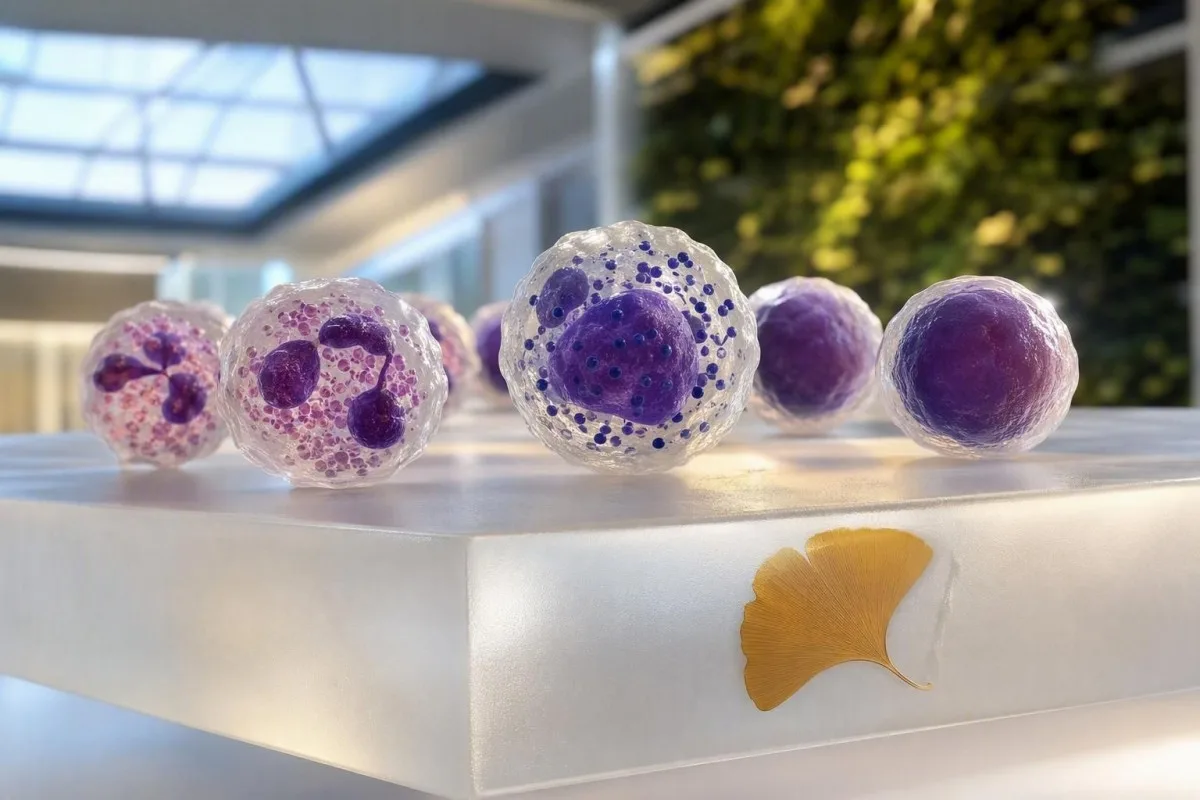
په ډېری بالغو کې د 0.00–0.10 × 10⁹/L (0–100/µL) مطلق بيسوفيلونه شتون لري، په داسې حال کې چې سلنه معمولا 0–1% وي. یوه لږه غیر معمولي سلنه اکثرا په نورو سپینو حجرو کې بدلونونه منعکس کوي؛ د بيسوفيل شمیره هغه پایله ده چې معمولا د تعقیب لپاره کارول کیږي.


- مطلق بازوفیلز په بالغو کې معمولا 0.00–0.10 × 10⁹/L (0–100/µL) وي او د یوازې سلنې څخه ډیر کلینیکي ګټور دي.
- د بازوفیلز سلنه په عام ډول د سپینو حجرو 0–1% وي، مګر دا کولی شي لوړ شي کله چې نیوتروفیل یا لیمفوسایټس راټیټ شي حتی که مطلق شمیر نورمال وي.
- ماشومان په نویو زېږېدلو ماشومانو وروسته په عام ډول 0.10 × 10⁹/L پوري د عملي پورتنۍ حد کاروي، مګر د لابراتوار د عمر ځانګړې وقفه لومړیتوب لري.
- یو تکراري CBC په 2–8 اونیو کې د الرجی، انفیکشن، یا درملو بدلیدو وروسته د جلا، لږ بيسوفیلیا لپاره مناسب دی.
- دوامداره بيسوفيلیا له 0.20 × 10⁹/L څخه لوړ د ډاکټر د بیاکتنې مستحق دي، په ځانګړي توګه د لوړ سپینو حجرو، انیمیا، سپلینومیګالي، یا اساسي نښو سره.
- عاجله بیاکتنه د سخت لیوکوسایټوسس، ناڅاپي وزن کمیدل، د شپې لخوا ډیرې خولې، تبه، یا د کیڼو پښتنو لاندې د لومړني بشپړتیا لپاره تضمین کیږي.
- صفر بيسوفيلونه په اتوماتیک توپیر کې عام دي او معمولا هیڅ کلینیکي اهمیت نلري.
- کانټیستی AI د بېسوفیلونو د شمیرلو تر څنګ د سپینو حجرو بشپړ شمیر، ایوسینوفیلونه، د پلیټ لیټونو شمیر، هیموګلوبین، او پخوانۍ پایلې لوستل کیږي، نه دا چې یوه علامه د تشخیص په توګه وګڼل شي.
مطلق بيسوفيلونه د بيسوفيل سلنې په پرتله
په لویانو کې د 0.00–0.10 × 10⁹/L مطلق بېسوفیلونه عموما نورمال دي, ، په داسې حال کې چې د بېسوفیل فیصدي 0–1% د سپینو حجرو له بشپړ شمیر څخه یوه برخه ده. کله چې دا دوه سره موافق نه وي، ډاکټران معمولا په مطلق شمیر ډیر تمرکز کوي.
یوه فیصدي ښایي یوازې د دې له امله لوړه ښکاره شي چې د سپینو حجرو بل ډول کم وي. د مثال په توګه، 1.5% بېسوفیلونه د 3.0 × 10⁹/L سپینو حجرو شمیر سره یوازې 0.045 × 10⁹/L مطلق شمیر تولیدوي—چې د ډیرو لویانو لپاره په عادي حدودو کې دی. له همدې امله یوه فیصدیزي علامه یوازې په ندرت سره ټول معلومات ورکوي.
محاسبه مستقیمه ده: د سپینو حجرو بشپړ شمیر × د بېسوفیل فیصدي ÷ 100. د 12.0 × 10⁹/L سپینو حجرو شمیر او 2% بېسوفیلونه 0.24 × 10⁹/L ورکوي، چې دا یوه حقیقي زیاتوالی دی. د پراخې ساحې لپاره، زموږ لارښود ته مراجعه وکړئ CBC څه پکې شامل دي.
کانټیسټي یو دی د AI د وینې معاینې شنونکی چې په اتوماتيک ډول فیصدي په کلینیکي توګه د پرتله کیدونکي مطلق شمیرو ته بدلوي کله چې اصلي راپور توپیر وړاندې کوي. زما په تجربه، دا یوه بدله د عادي روغتیايي معاینې وروسته د بې ځایه اندیښنې مخه نیسي.
ولې مطلق شمیره ثبات لري
اتوماتیک تحلیل کونکي زرګونه حجروي پیښې شمېري، مګر بېسوفیلونه معمولا نادر وي—ډیری وختونه له 100 سپینو حجرو څخه کم وي. له همدې امله کوچني تحلیلي او بیولوژیکي بدلونونه فیصدي له مطلق شمیر څخه ډیر په څرګنده توګه بدلولی شي.
د عمر له مخې د بيسوفيل عملي حوالې وقفه
ډیری لابراتوارونه له ماشومتوب څخه تر لویوالي پورې د 0.00–0.10 × 10⁹/L د مطلق بېسوفیلونو منظم ساحه کاروي, ، مګر د نویو زیږیدلو ساحې ممکن پراخې وي. ستاسو د خپلې پایلې تر څنګ چاپ شوي ساحې وکاروئ، ځکه چې د محدودیتونو حواله د تحلیل کونکي میتود او لابراتوار د ځایی روغتیايي نفوس پورې اړه لري.
په ماشومانو کې د ژوند په لومړیو اونیو کې، ځینې د ماشومانو لابراتوارونه تر 0.20–0.40 × 10⁹/L پورې مطلق بېسوفیلونه مني. د نویو زیږیدلو معافیتي سیسټم په چټکۍ سره تطبیق کیږي، نو د ماشومانو له مشورې پرته د لویانو پرتلې باید په نوي زیږیدلي پایله ونه تطبیق شي.
له شاوخوا 1 کال څخه وروسته، ډیری خدمات د 0.10 × 10⁹/L یا 100/µL په شاوخوا کې یو عملي پورتنۍ حد پلي کوي. په یوه ښه وده کونکي ماشوم کې د 0.11 × 10⁹/L پایله چې د سپینو حجرو بشپړ شمیر یې نورمال وي، معمولا د بیا تکرار او شرایطو پوښتنه وي، نه بیړني حالت.
CLSI EP28-A3c تشریح کوي چې ولې لابراتوارونه خپل د حوالې ساحې تاسیس یا تاییدوي نه دا چې نړیواله ساحه پور واخلي (CLSI, 2010). زموږ د نیوټروفیل عمر-ساحې لارښود د بل توپیري شمیرنې لپاره ورته اصل ښیې.
په انګلستان، متحده ایالاتو او نړیوالو راپورونو کې د بيسوفيل واحدونو پوهیدل
د 0.10 × 10⁹/L د باسوفیل شمیر 100/µL سره برابر دی, ، نو د مختلفو واحدونو په کارولو سره راپورونه ورته پایله تشریح کولی شي. د انګلستان بشپړ د وینې شمیرې اکثرا ×10⁹/L راپور کوي، پداسې حال کې چې د متحده ایالاتو لابراتوارونه په عام ډول د حجرو/µL یا K/µL کاروي.
د ×10⁹/L څخه حجرو/µL ته د بدلولو لپاره، په 1,000 ضرب کړئ. په دې توګه 0.05 × 10⁹/L د 50/µL سره برابر دی؛ 0.25 × 10⁹/L د 250/µL سره برابر دی. د 0.0 ښودلو راپور ممکن د واقعیا هیڅ باسوفیل نه شتون ثابتولو پرځای تر یوې اعشاریې نقطې پورې ګرد شي.
د 0.2 K/µL په توګه لیست شوي ارزښت د 0.20 × 10⁹/L سره برابر دی. دا توپیر مهم دی ځکه چې 0.2% او 0.2 K/µL په بشپړه توګه مختلف اندازه کول دي. ناروغان په منظم ډول د دوه هیوادونو له راپورونو سره پرتله کولو کې دوی سره ګډوډ کوي.
که ستاسو راپور د CBC پرځای FBC وايي، اجزا تر ډیره حده یو شان دي؛ زموږ د انګلستان د وینې بشپړ شمیر تشریح کونکی عام اصطلاحات ژباړي.
ولې د بيسوفيل شمیرې لوړیږي یا کمیږي
لږ باسوفيليا اکثرا د الرجی، مزمن انفلاسیون، د انفیکشن څخه روغیدل، یا د درملو پورې اړوند معافیتي بدلون سره مل وي. لږ شمیر یا صفر باسوفیل معمولا معنی نلري ځکه چې دا حجرې په خورا لږ شمیر کې گردش کوي.
باسوفیلونه د IgE لپاره ریسیپټرې لري او د الرجن د تماس وروسته کولی شي هیستامین او نور واسطې خوشې کړي. موسمي الرجیک رینیتس، مزمن خارښ، اسما، او ځینې پوستکي ناروغۍ کولی شي د کوچني لوړوالي سره همغږي شي، که څه هم یو عادي شمیر د دوی هیڅ یو رد یا شامل نه کوي.
هایپوتایرایډیزم، د انفلاسیون لرونکي کولمو ناروغي، روماتیک اختلالات، او ځینې مزمن انفیکشنونه ممکن د باسوفيليا سره هم تړاو ولري. ګټور سوال دا نه دی چې “کوم ناروغي دا لامل کیږي؟” بلکې “نور کومې نښې شتون لري؟”—CRP، ایوسینوفیلونه، علایم، د درملو تاریخ، او د لاري اغیزه مهمه ده.
لوړ IgE او ایوسینوفیل شمیر د الرجیک نمونې ملاتړ کولی شي، پداسې حال کې چې یوازې خارښ ممکن پراخه بیاکتنې ته اړتیا ولري؛ زموږ مقاله د خارش لرونکي پوستکي لپاره د وینې ازموینې د CBC ازموینې عملي محدودیتونه تشریح کوي.
د بيسوفيلونو لپاره کله باید د CBC تکرار وکړئ؟
د لنډمهاله محرک وروسته د معتدل، یوازې باسوفیل لوړیدو لپاره په 2-8 اونیو کې د CBC تکرار کړئ، په دې شرط چې تاسو ښه احساس کوئ او د شمیر پاتې برخه ډاډمنه وي. په دې توګه ژر تکرار کړئ، معمولا د ورځو څخه تر 2 اونیو پورې، کله چې ټول سپینې حجرې لوړیږي یا ډیری غیر معمولي د حجرو لیکې شتون لري.
د سړې، د الرجی د څپې، واکسین، یا لنډ سټیریډ کورس وروسته د 0.11-0.20 × 10⁹/L د مطلق باسوفیل شمیر لپاره، زه اکثرا د ازموینې له یوه لړۍ څخه یو ارام تکرار غوره کوم. هڅه وکړئ چې ورته لابراتوار وکاروئ، او د وروستي ناروغۍ، نوي درملو، د سګرټ څښلو بدلونونو، او د سټیریډ افشا کیدو ریکارډ وساتئ.
د بیا ازموینې دمخه د شمیر “ښه کولو” هڅه مه کوئ. هایډریشن منطقي ده، مګر بشپړونکي، انټي هیسټامینونه، کورټیکوسټرایډز، او شدید برداشت تمرین کولی شي پراخ توپیر بدل کړي. زموږ دليل توقيت اختبارات الدم جزئیات اثرات رایج زمانی را بیان می کند.
کانټیسټي یو دی AI د وینې ازموینې تشریح پلیټفارم که تفاضل فعلی را با CBC های قبلی مقایسه می کند و یک افزایش مداوم را متفاوت از یک پرچم یکبار مصرف علامت گذاری می کند. روند 3-6 ماهه اغلب آموزنده تر از یک نقطه اعشار منفرد است.
د باور وړ بيسوفيل بیا ازموینې لپاره څنګه چمتو شئ
آزمایش بازوفیل معمولاً نیازی به ناشتا بودن ندارد، اما تکرار CBC زمانی قابل تفسیرترین است که شما به شدت بیمار نباشید و شرایط جمع آوری مشابه باشد. به جای تغییرات شدید، مایعات طبیعی، وعده های غذایی معمولی و یک روز روتین را هدف قرار دهید.
از زمان بندی مجدد غیر فوری در طول تب، شعله ور شدن شدید آلرژیک، یا روز بعد از یک رویداد استقامتی بیش از حد سخت، در صورتی که هدف ایجاد خط پایه باشد، اجتناب کنید. هورمون های استرس حاد و تغییرات مایع می توانند چندین زیرمجموعه گلبول سفید را برای ساعت ها تا روزها جابجا کنند.
در مورد کورتیکواستروئیدهای سیستمیک، لیتیوم، درمان های حاوی اپی نفرین، درمان بیولوژیکی اخیر، و هر مکمل جدید به پزشک یا خون گیرنده اطلاع دهید. استروئیدها بیشتر بازوفیل ها و ائوزینوفیل های در گردش را کاهش می دهند، بنابراین یک نتیجه “نرمال” در حین مصرف آنها ممکن است خط پایه بدون درمان شما را نشان ندهد.
کیفیت نمونه هنوز هم مهم است. نمونه های EDTA منعقد شده و تجزیه و تحلیل تاخیری می تواند تفاضلات خودکار را کمتر قابل اعتماد کند؛ اگر چندین مقدار CBC با هم عجیب به نظر می رسند، بازبینی کنید چه زمانی نیاز به نمونه گیری مجدد است.
CBC نمونې چې لوړ بيسوفیلونه ډیر د پام وړ کوي
بازوفیلیا زمانی نگران کننده تر است که بازوفیل های مطلق از 0.20 × 10⁹/L تجاوز کند و همراه با گلبول های سفید پایدار بالاتر از 11.0 × 10⁹/L، کم خونی، تغییرات پلاکت، یا سلول های نابالغ رخ دهد. این ترکیب — نه صرفاً بازوفیل ها — تعیین می کند که پزشکان با چه سرعتی تحقیق می کنند.
من یک فرد 44 ساله را بررسی کردم که بازوفیل هایش 0.28 × 10⁹/L، گلبول های سفید 16.4 × 10⁹/L، پلاکت هایش 610 × 10⁹/L، و احساس سیری زودرس داشت. آن الگو مستلزم یک مسیر خون شناسی در همان هفته بود؛ نتیجه بازوفیل منفرد تشخیص را ایجاد نکرد، اما یک سرنخ مهم بود.
بازوفیلیا همراه با نوتروفیل های بالا و علائم طحال می تواند در نئوپلاسم های میلوپرولیفراتیو، از جمله لوسمی میلوئید مزمن رخ دهد. European LeukemiaNet زمانی که الگوی بالینی و شمارش خون این احتمال را مطرح می کند، آزمایش مولکولی و ارزیابی تخصصی را توصیه می کند (Hochhaus et al., 2020).
یک لام محیطی می تواند تغییرات تفاضلی واقعی را از عدم قطعیت تحلیلگر تشخیص دهد و ممکن است شیفت چپ یا سلول های غیر معمول را نشان دهد. درباره بیشتر بخوانید مسیرهای CBC سرطان خون بدون اینکه فرض شود شمارش غیر طبیعی به معنای سرطان است.
هغه نښې او پایلې چې عاجل طبي پاملرنې ته اړتیا لري
در صورت بازوفیلیا همراه با تب، تعریق شبانه شدید، کاهش وزن ناخواسته، کبودی جدید، تنگی نفس، خستگی شدید، یا پر شدن بالای شکم چپ، ارزیابی فوری پزشکی را جستجو کنید. این علائم توسط نتیجه خفیف بازوفیل بالا به خودی خود ایجاد نمی شوند؛ آنها نشان می دهند که تصویر بالینی گسترده تر نیاز به ارزیابی دارد.
شمارش کل گلبول های سفید بالاتر از 30 × 10⁹/L، مقادیر در حال افزایش سریع، یا گرانولوسیت های نابالغ قابل مشاهده در گزارش باید به طور فوری با پزشک سفارش دهنده مورد بحث قرار گیرد. سردرد شدید، تغییر دید، درد قفسه سینه، یا علائم عصبی بدون توجه به شمارش بازوفیل نیاز به ارزیابی اورژانسی دارند.
اکثر افرادی که 0.11-0.20 × 10⁹/L بازوفیل و بدون علائم دارند، نیازی به مراقبت اورژانسی ندارند. با این حال، این یکی از آن مناطقی است که زمینه بیش از عدد اهمیت دارد، به خصوص اگر نتایج قبلی 0.02 × 10⁹/L بوده و شمارش جدید در حال افزایش است.
اگر تنگی نفس یا رنگ پریدگی نیز دارید، مقادیر هموگلوبین و پلاکت همراه ممکن است فوریت بیشتری داشته باشند؛ ما را ببینید دليل فحص الدم لضيق التنفس.
د بيسوفيلونو ټیټ شمیر یا صفر پایله څه معنی لري
نتیجه بازوفیل 0.00 × 10⁹/L معمولاً طبیعی است و به ندرت به تنهایی نیاز به تکرار دارد. بازوفیل ها ممکن است زیر آستانه گزارش دهی تحلیلگر باشند زیرا به طور طبیعی در گردش خون کمیاب هستند.
شدید فشار، انفیکشن، امیندوارۍ، هایپرتایرویډیزم، او د کورتیکوسټرایډ درملنه کولی شي په لنډمهاله توګه د circulating basophils کم کړي. مګر د جلا شوي ټیټ باسوفیل له امله هیڅ پیژندل شوی نښې سنډروم شتون نلري، د کلینیکي پلوه مهم نیوټروپینیا برعکس.
تحلیلي مسله په اسانۍ سره له پامه غورځول کیدی شي: که یوازې یو څو باسوفیلونه شمیرل شوي وي، د نمونې اخیستنې معمول تغیر کولی شي د 0.01 × 10⁹/L څخه 0.00 × 10⁹/L ته په راتلونکي وخت بدل شي. دا اړینه نده چې بیولوژیکي بدلون وي.
د ډاکټر توماس کلین عملي مشوره دا ده چې د ټیټ باسوفیل بیرغ له پامه غورځوئ کله چې د CBC پاتې برخه سمه وي او کومې اړونده نښې شتون ونلري. زموږ ځانګړې لارښود تشریح کوي صفر باسوفیلونه.
د امیندوارۍ او وروسته عمر کې بيسوفيلونه
امیندوارۍ او عمر ته هیڅ ځانګړی باسوفیل کټ آف شتون نلري؛ د تفتیش لابراتوار وقفه او د سپینې وینې ټولې حجرو نمونې د حوالې لپاره غوره پاتې دي. امیندوارۍ معمولا د نیوټروفیلونو له لارې ټولې سپینې وینې حجرې زیاتوي، کوم چې کولی شي د ریښتینې باسوفیل کمښت پرته د باسوفیل فیصد ټیټ ښکاره کړي.
د امیندوارۍ په جریان کې، د 12-15 × 10⁹/L سپینې وینې مجموعي شمیره فیزیولوژیکي کیدی شي، په ځانګړي توګه د امیندوارۍ په وروستیو مرحلو کې، نو د فیصدي پر بنسټ تفسیر لا هم لږ معتبر کیږي. مطلق باسوفیل شمیره غوره پاتې ده، مګر اندیښمنونکي نښې لا هم د حوالې وقفې څخه تیریږي.
په زړو خلکو کې، د 0.20 × 10⁹/L څخه پورته د باسوفیل شمیره د پام وړ ده ځکه چې د درملو بار او د هډوکي مغز اختلالات د عمر سره ډیریږي. دا تشخیص نه کوي؛ دا یوازې د CBC رجحان او سمییر په لیدلو لپاره حد ټیټوي.
د امیندوارۍ ځانګړي نورو تفسیري ستونزو لپاره، بیاکتنه وکړئ د امیندوارۍ د وینې-ټیسټ خطر نښې.
درمل، الرجی او د بيسوفيل بدلونونه
د الرجی نښې ممکن د لږ لوړ باسوفیلونو سره همغږي شي، پداسې حال کې چې سیسټمیک کورتیکوسټرایډونه ډیری وختونه په څو ورځو کې دوی کموي. هیڅ نمونه د الرجی تشخیص تایید یا دا ثابتوي چې یو درمل مسؤل دی.
انټي هیستامینونه په لومړي سر کې د هیستامین ریسیپټرې بلاک کوي؛ دوی په معتبره توګه د باسوفیل شمیره نورمال نه کوي. د خولې پر بنسټ پریډنیزولون او نور سیسټمیک ګلوکوکورتیکایډونه کولی شي د سپینې وینې حجرې توزیع کړي، ډیری وختونه ایوسینوفیلونه او باسوفیلونه کم کړي پداسې حال کې چې circulating neutrophils زیاتوي.
لیتیم یو لږ عام مګر ګټور درمل دی ځکه چې دا کولی شي د سپینې وینې حجرو تولید زیات کړي. بایوولوژیک درمل، کیموتراپي، او د معافیت تنظیمي درملنه هیڅکله د یو CBC پایلې له امله نه ودریدل - د نسخې ټیم څخه پوښتنه وکړئ چې پایله د دوی د نظارت پلان سره څنګه مطابقت لري.
د wheeze، hives، مخ د پړسوب، یا بې هوښۍ سره لوړ باسوفیل شمیره باید د نښې ستونزې په توګه اداره شي، نه د لابراتوار پزل. زموږ لوړ IgE لارښود تشریح کوي چې د الرجی نښې چیرته مرسته کوي او چیرته دوی غلط لاره ښیې.
ډاکټران د دوامداره بيسوفيلیا وروسته څه معاینه کوي
دوامداره مطلق باسوفیلیا معمولا د تکراري CBC، لاسي سمییر بیاکتنه، د درملو او نښو بیاکتنه، بیا په نښه شوي ازموینه هڅوي که چیرې د سپینې وینې ټول شمیر یا نور د حجرو کرښې غیر معمولي وي. د پراخو سرطان پینلونه د لږ جلا شوي زیاتوالي لپاره لومړنی ګام ندي.
لومړۍ څانګه دا ده چې پایله جلا شوې ده که نه. یو باثباته هیموګلوبین، پلیټلیټونه، د سپینې وینې حجرې شمیر، او نورمال سمییر د محافظه کار پلان ملاتړ کوي؛ انیمیا، تromocytosis، leukocytosis، یا splenomegaly ارزونه په بل لوري فشار راوړي.
کله چې د مایلوپرولیفیریټي اختلال احتمال شتون ولري، کلینیکان ممکن د BCR::ABL1 ازموینه، JAK2 ازموینه، ل actuetate dehydrogenase، urate، او متخصص بیاکتنه غوښتنه وکړي. والینټ او نور. دوامداره باسوفیلیا د باسوفیلیک او مایلوید نيوپلاسمونو په طبقه بندي کې د معنی لرونکي موندنې په توګه بیانوي (والینټ او نور.، 2022).
Kantesti's عصبي شبکه هغه ترکیبونه پیژني چې بیاکتنه غواړي مګر د CBC څخه لیوکیمیا تشخیص نه کوي. زموږ د طبي تایید (validation) طریقه تشریح کوي چې ولې د لابراتواري تفسیر باید کلینیکي نظارت وساتي.
د بيسوفیلونو سره له زیاتې اندیښنې پرته څنګه تعقیب کړئ
د باسوفیل معنی لرونکی رجحان د پرتله کیدونکي CBCs له لارې یو دوامداره سمتي بدلون دی، نه یوازې له 0.04 څخه 0.08 × 10⁹/L ته یو بدلون. د 0.10 × 10⁹/L بالغ انډول حد سره، دواړه ارزښتونه د عددي توپیر سره سره په حد کې پاتې کیږي.
د سپینې وینې حجرو مطلق شمیر، سلنه، ټول سپینې حجرې، نیوتروفیلونه، ایوسینوفیلونه، هیموګلوبین، پلیټلیټونه، نیټه، وروستی ناروغي، او درمل د هر څاڅکي وروسته خوندي کړئ. دا کوچنی ریکارډ ستاسو ډاکټر ته د سکرین شاټونو په پرتله ډیر د کارولو وړ معلومات ورکوي.
کانټیسټي یو دی د AI پر بنسټ د وینې ازموینې تحلیل وسیله د 127+ هیوادونو په اوږدو کې د CBC پایلو د اوږدمهاله پرتله کولو لپاره کارول کیږي پداسې حال کې چې د سرچینې لابراتوار پته شوي انټروال ساتل کیږي. ډاکټر توماس کلین پهграниي توپیري بدلون ته معنی ورکولو دمخه لږترلږه دوه پرتله کیدونکي پایلو بیاکتنه وړاندیز کوي.
یو ګټور اصول: که چیرې مطلق شمیر د 0.10 × 10⁹/L لاندې پاتې شي، د سپینې وینې ټول شمیر باثباته وي، او تاسو ښه احساس کوئ، ستاسو د راتلونکي پلان شوي وینې ازموینې کې معمول تعقیب معمولا کافي وي. زموږ وکاروئ د وینې-ازموینې د توپیر لارښود د قضاوت کولو لپاره چې ایا بدلون احتمال لري ریښتیا وي.
په تعقیبي ملاقات کې د پوښتلو وړ پوښتنې
د تعقیب غوره پوښتنه دا ده “زما مطلق باسوفیل شمیر څه دی، او په CBC کې نور څه بدل شوي؟” دا بیان هغه تغیراتو ته خبرې اترې لارښوونه کوي چې په حقیقت کې کلینیکي خطر بدلوي.
پوښتنه وکړئ چې ایا شمیر نوی، دوامداره، لوړیږي، یا احتمال لري غبرګون لرونکی وي؛ ایا د غاښونو بیاکتنه اړینه ده؛ او کله چې راتلونکی CBC باید واخیستل شي. د وروستیو انتاناتو، الرجی نښو، درملو، بشپړونکو، سفر، او د وینې د اختلالاتو د کورنۍ تاریخ لیست راوړئ.
که تاسو د 0.20 × 10⁹/L څخه لوړ مطلق شمیر لرئ او د سپینې وینې لوړ شمیر لرئ، پوښتنه وکړئ چې ایا د هیماتولوژي ان پټ مناسب دی. که شمیر یوازې په حد کې لږ لوړ وي او یوازې وي، پوښتنه وکړئ چې کوم بدلون به د بدترین فرض کولو پرځای د وخت دمخه ازموینې ته اړ کړي.
د Kantesti لخوا د معالجینو لخوا بیاکتنه شوي تعلیمي معیارونه زموږ له لارې اداره کیږي د طبي مشورتي بورډ. د 2026 د اګست تر 30 پورې، ترټولو خوندي چلند ساده پاتې کیږي: مطلق شمیر تفسیر کړئ، تسلسل تایید کړئ، او یوازې هغه وخت ګړندی عمل وکړئ کله چې پراخه نمونې اجازه ورکړي.
پوښتل شوې پوښتنې
په لویانانو کې د باسوفیل نورمال شمیر څو دی؟
د مطلق بېسوفیلونو لپاره د بالغانو عام حواله وقفه 0.00–0.10 × 10⁹/L ده، چې دا د 0–100 حجرو/µL سره مساوي ده. ډیری لابراتوارونه د 0–1% بېسوفیل سلنه راپوروي، که څه هم کله چې د سپینو حجرو مجموعي شمیر بدل شي نو سلنه مغشوش کونکی کیدی شي. ستاسو د خپل لابراتوار لخوا چاپ شوي حواله وقفه لومړیتوب لري ځکه چې میتودونه او محلي حوالې نفوس توپیر لري. د 0.11 × 10⁹/L یوه جلا پایله معمولا د اضطراري پاملرنې پرځای د شرایطو یا پلان شوي تکرار مستحقه ده.
ایا د 2% بازوفیلونه لوړ دي؟
د باسوفیل سلنه چې 2% ده د ډیری لابراتواري سلسلې څخه لوړه ده، مګر د سپینو حجرو له شمېرې پرته د خطر قضاوت لپاره کافي نده. د سپینو حجرو سره 4.0 × 10⁹/L، 2% د 0.08 × 10⁹/L مطلق باسوفیل شمیر سره برابر دی، کوم چې ډیری وخت نورمال وي. د 15.0 × 10⁹/L سپینو حجرو سره، ورته 2% 0.30 × 10⁹/L سره برابر دی او د کلینیکي بیاکتنې مستحق دی. تل د فیصدي تفسیر کولو دمخه مطلق باسوفیل شمیر ومومئ.
د لوړ بسموفیلونو لپاره د CBC تکرار کله وکړم؟
د یوې ناروغۍ، د الرجی د خرابیدو، یا د درملو له بدلون وروسته د 0.11-0.20 × 10⁹/L شاوخوا د لږ تر لږه جلا شوي بېسوفیلیا لپاره د 2-8 اونیو په موده کې د CBC تکرار کول معمولا منطقي دي. کله چې د سپینو حجرو ټول شمیر زیاتیږي، د بېسوفیل شمیر له 0.20 × 10⁹/L څخه لوړ وي، یا هیموګلوبین او پلیټلیټونه هم غیر معمولي وي، نو ژر تکرار کړئ. کله چې امکان ولري ورته لابراتوار وکاروئ ځکه چې د تحلیل کونکي میتودونه او د حوالې وقفه توپیر لري. تبه، د وزن ضایع، د شپې خولې، ټپي کیدل، یا د معدې پورتنۍ چپې برخې ډکول د معمول بیا ازموینې ته د انتظار پرځای د سمدستي طبي بیاکتنې مستحق دي.
ایا د باسوفیل صفر خطرناک دي؟
د باسوفیل شمیره 0.00 × 10⁹/L معمولا خطرناک نه وي او که نور CBC نورمال وي نو معمولا تعقیب ته اړتیا نه لري. باسوفیلونه نادر حجرې دي، نو معمول اتوماتیک توپیر ممکن صفر راپور کړي ځکه چې کشف شوي شمیره د ګرد کولو یا راپور ورکولو دقیقیت څخه ښکته وي. کورټیکوسټرایډز، شدید فشار، امیندوارۍ او انفیکشن کولی شي په لنډمهاله توګه د circulating باسوفیلونو کچه ټیټه کړي. کلینیکيان د یوازې ټیټ باسوفیلونو څخه د معافیت کمښت تشخیص نه کوي.
ایا الرجي کولی شي د باسوفیلونو لوړه کچه رامنځته کړي؟
الرژيک شرایطو سره د باسوفیلونو لږ لوړوالی سره سمون کیدلی شي ځکه باسوفیلونه په IgE پورې اړوند معافیتي عکس العملونو کې برخه اخلي او د هسټامین په څیر منځګړیتوبونه خپروي. د باسوفیلونو لوړ شمیر دا ثابت نه کوي چې الرجی یې لامل دی، او ډیری خلک چې د الرجی جدي نښې لري د باسوفیلونو عادي شمیر لري. د 0.20 × 10⁹/L څخه لوړ شمیرونه چې د الرجی نښو له منځه تللو وروسته دوام کوي باید د ټول CBC سره بیاکتنه شي. ایوسینوفیلونه، ټول IgE، د پوستکي نښې، او د درملو د کارولو تاریخ ممکن ډیر ګټور معلومات چمتو کړي.
کوم د بازوفیل شمیره د لیوکیمیا شک پیدا کوي؟
په تنهایي کې د باسوفیل شمېر د لیوکیمیا تشخیص نه کوي، خو په دوامداره توګه د 0.20 × 10⁹/L څخه لوړ د سپینو وینې حجرو زیاتوالی (leukocytosis)، د وینې کمښت (anaemia)، د پلیټلیټ غیرعادي والی، ناپاخه ګرانولوسایټس، یا د تلی د نښو (splenic symptoms) سره د باسوفیلیا شتون باید طبي ارزونې ته وهڅوي. باسوفیلیا په مزمنه مایلوایډ لیوکیمیا (chronic myeloid leukaemia) او نورو مایلوپرولیفیریټیو نیوپلازما (myeloproliferative neoplasms) کې کیدی شي، خو د لږې یوازېنۍ زیاتوالي لپاره یې بیا عکس العملي لاملونه ډیر عام دي. ډاکټران کیدای شي یوازې هغه وخت د سمییر (smear) او هدفمند مالیکولر ازموینې (targeted molecular testing) لکه BCR::ABL1 امر وکړي کله چې پراخ انځور یې ملاتړ وکړي. د وینې د سپینو حجرو عادي ټول شمیر او باثباته CBC د اندیښنې کچه په پام وړ بدلون ورکوي.
همدا نن د AI په مرسته د وینې ازموینې تحلیل ترلاسه کړئ
له 2M+ څخه زیات کاروونکي په ټوله نړۍ کې زموږ په Kantesti باور لري چې د لابراتوار ازموینو تحلیل په فوري او دقیق ډول کوي. خپل د وینې ازموینې پایلې اپلوډ کړئ او په ثانیو کې د 15,000+ بایومارکرونو بشپړه تشریح ترلاسه کړئ.
📚 د څېړنې خپرونې چې حواله شوې دي
کلین، ټي، مېچېل، ایس، او وېبر، ایچ. (2026). د وینې ډول B منفي، د LDH د وینې ازموینې او د Reticulocyte شمېرنې لارښود. Kantesti د AI طبي څېړنه.
کلین، ټي، مېچېل، ایس، او وېبر، ایچ. (2026). د روژې وروسته اسهال، په غایطه موادو کې تور داغونه او د معدې ناروغي لارښود ۲۰۲۶. Kantesti د AI طبي څېړنه.
📖 بهرني طبي مراجع
د کلینیکي او لابراتواري معیارونو انسټیټیوټ (2010). په کلینیکي لابراتوار کې د انډول وقفو تعریف کول، تاسیس کول، او تصدیق کول. CLSI EP28-A3c.
هوچهاوس A et al. (2020). د کرونیک مایلوډ لیوکیمیا درملنې لپاره د اروپا لیوکیمیا نت 2020 سپارښتنې. د ويني سرطان.
والینټ P et al. (2022). د باسوفیل لیوکیمیا او اړوندو اختلالاتو لپاره وړاندیز شوي تشخیصي معیارونه او طبقه بندي. د ويني سرطان.
⚕️ طبي ردونه
دا مقاله یوازې د زده کړې لپاره ده او طبي مشوره نه جوړوي. د تشخیص او درملنې د پرېکړو لپاره تل د وړ روغتیايي خدمت وړاندې کوونکي سره سلا وکړئ.
د E-E-A-T باور نښې
تجربه
د ډاکټر تر مشرۍ لاندې کلینیکي بیاکتنه د لابراتواري تفسیر د کاري بهیرونو لپاره.
تخصص
د لابراتواري طب تمرکز پر دې چې بایومارکرونه په کلینیکي شرایطو کې څنګه چلند کوي.
واک ورکول
د ډاکټر توماس کلاین له خوا لیکل شوی، د ډاکټر سارا میچل او پروف. ډاکټر هانس ویبر له خوا بیاکتنه.
اعتبار
د شواهدو پر بنسټ تفسیر د روښانه تعقیبي لارو چارو سره، تر څو اندیښنه کمه شي.