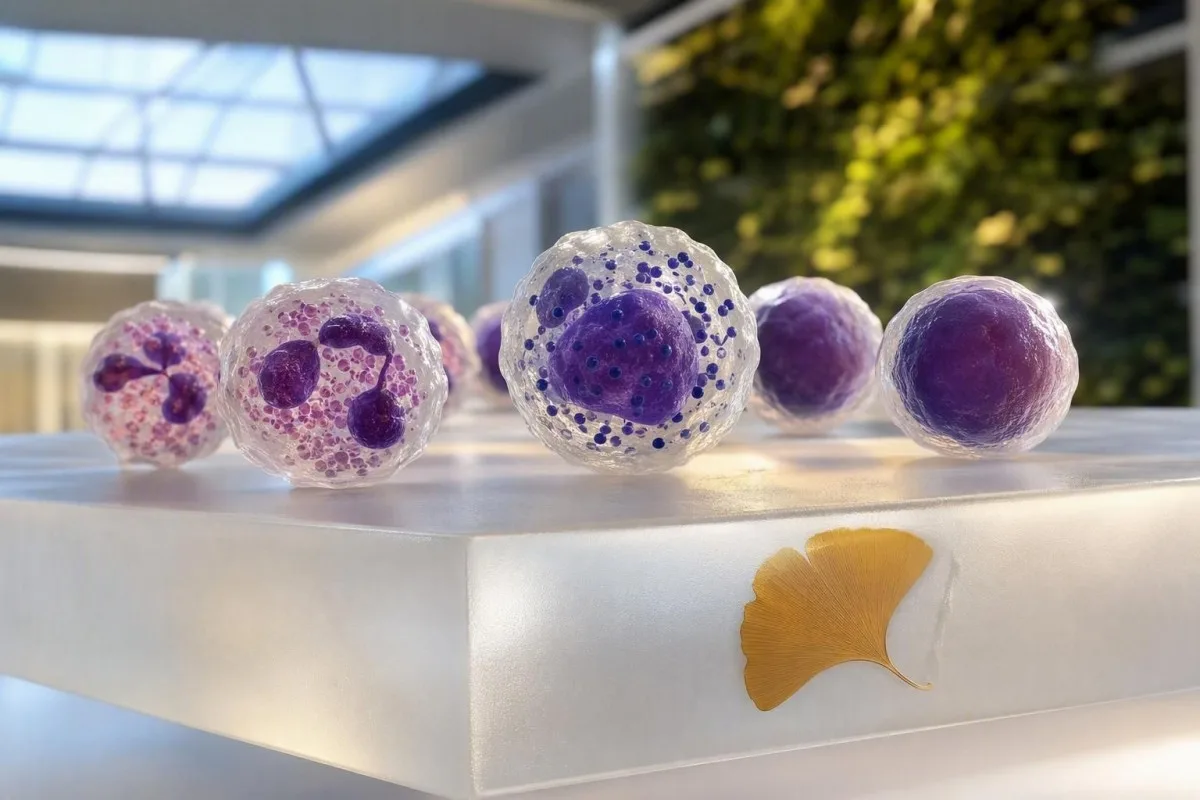
Heldu gehienek 0,00–0,10 × 10⁹/L (0–100/µL) basofilo absolutu dituzte, eta portzentajea, oro har, 0–1% izaten da. Portzentaje ezohiko samarra izateak beste zelula zuri batzuen aldaketak islatzen ditu sarri; basofiloen kopuru absolutua da jarraipena gidatzen duen emaitza.


- Basofilo absolutuak zuri-zelulen %0–1% izaten da ohikoena, baina handitu egin daiteke neutrofiloak edo linfozitoak jaisten direnean, kopuru absolutua normala bada ere.
- Basofiloen ehunekoa askotan 0,10 × 10⁹/L-ko tarte gainekoen antzeko tarte praktikoa erabiltzen dute jaio ondoren, baina laborategiko adinaren araberako tarteak lehentasuna du.
- Haurrak Errepikatutako CBC bat.
- 2–8 aste barru, ohikoak ez diren basofilia arin isolatua izateagatik, alergia, infekzio edo botiken aldaketaren ondoren. Basofilia iraunkorra.
- 0,20 × 10⁹/L-tik gora izateak medikuaren ebaluazioa merezi du, batez ere zuri-zelula kopuru altua, anemia, splenomegalia edo konstituzio-sintomak badira. leukozitosi nabarmena, azaldu gabeko pisua galtzea, gaueko izerdiak, sukarra edo ezkerreko saihets azpian goiz betetako sentsazioa izateagatik.
- Berrikuspen premiazkoa Zero basofilo.
- Zero basophils automatizatuan egiten den diferentzial-analisian ohikoa da eta normalean ez du esanahi klinikorik.
- Kantesti AI basofiloak zelula zuri osoekin, eosinofiloekin, plaketen kopuruarekin, hemoglobinarekin eta aurreko emaitzekin batera irakurtzen dira, flag bat diagnostikotzat hartu beharrean.
Basofilo absolutuak basofiloen portzentajearen aurrean
Basofilo absolutuak 0,00–0,10 × 10⁹/L-koak dira normalean helduetan, eta basofiloen ehunekoak 0–1% zelula zuri osoen kopuruaren zati bat baino ez da. Biak bat ez badatoz, klinikoek emaitza absolutuari ematen diote normalean pisu handiagoa.
Ehuneko bat altua izan daiteke beste zelula zuri mota bat baxua delako. Adibidez, 1,5% basofiloek, 3,0 × 10⁹/L-ko zelula zuri kopuruarekin, 0,045 × 10⁹/L-ko kopuru absolutua sortzen dute, helduentzako tarte askoren barruan. Horregatik, ehuneko-flag batek bakarrik gutxitan kontatzen du istorio osoa.
Kalkulua zuzena da: zelula zuri osoak × basofiloen ehunekoak ÷ 100. 12,0 × 10⁹/L-ko zelula zuri-kopuruak eta 2% basofiloek 0,24 × 10⁹/L ematen dute, benetako igoera dena. Testuinguru zabalago baterako, ikusi gure gida zer sartzen den CBC batean.
Kantesti bat da. AI odol-analisi analizatzailea , ehunekoak bereizketa-analisiaren emaitzekin alderatu daitezkeen kopuru absolutu bihurtzen dituena, iturri-txostenak diferentzial-analisia ematen badu. Nire esperientzian, bihurketa horrek ohiko osasun-egiaztapen baten ondoren beharrezkoak ez diren beldur asko ekiditen ditu.
Zergatik kopuru absolutua egonkorragoa den
Analizatzaile automatizatuak milaka gertaera zelular kontatzen dituzte, baina basofiloak normalean arraroak dira; askotan, zelula zuri batzuetatik 1 baino gutxiago. Beraz, aldaketa analitiko eta biologiko txikiek ehunekoa kopuru absolutua baino nabarmenago mugi dezakete.
Adinari erreferentziazko basofilo-tarte praktikoak
Laborategi gehienek basofilo absolutuen erreferentzia-tarte bat erabiltzen dute 0,00–0,10 × 10⁹/L, haurtzarotik helduarora arte, baina jaioberrien tarteak zabalagoak izan daitezke. Erabili zure emaitzaren ondoan inprimatutako tartea, erreferentzia-mugak analizatzailearen metodoaren eta laborategiko tokiko biztanleria osasuntsuaren araberakoak baitira.
Jaioberrietan, lehenengo asteetan, haur-laborategi batzuek 0,20–0,40 × 10⁹/L-ra arteko basofilo absolutuak onartzen dituzte. Sistema immunologiko neonatalak azkar egokitzen ari da, beraz, helduen mugak ez dira inposatu behar jaioberri baten emaitzari, pediatriaren iritzirik gabe.
Urtebete inguru hasi eta gero, zerbitzu askok 0,10 × 10⁹/L inguruko edo 100/µL-ko muga altu praktiko bat ezartzen dute. 0,11 × 10⁹/L-ko emaitza, ondo hazten ari den haur batean, zelula zuri-kopuru normalarekin, normalean berriro egiaztatzeko eta testuingurua aztertzeko galdera da, ez premiazko egoera bat.
CLSI EP28-A3c-ak azaltzen du zergatik laborategiek beren erreferentzia-tarteak ezartzen edo balioztatzen dituzten unibertsal bat hartu beharrean (CLSI, 2010). Gure neutrofiloen adin-tarteko gida printzipio bera erakusten du beste diferentzial-analisia batentzat.
Erresuma Batuko, AEBetako eta nazioarteko txostenetako basofiloen unitateak ulertzea
Basofiloen 0,10 × 10⁹/L kopurua 100/µL-ren baliokidea da, beraz, unitate desberdinak erabiltzen dituzten txostenek emaitza bera deskriba dezakete. Erresuma Batuko odol-zenbaketa osoek ×10⁹/L erabiltzen dute askotan, AEBetako laborategiek, berriz, oro har, zelulak/µL edo K/µL erabiltzen dituzte.
×10⁹/L zelula/µL bihurtzeko, bider 1.000. Horrela, 0,05 × 10⁹/L 50/µL-ren baliokidea da; 0,25 × 10⁹/L 250/µL-ren baliokidea da. 0,0 gisa zerrendatutako txosten bat baliteke hamartar batean biribildu izana, literalki basofilorik ez dagoela frogatu beharrean.
0,2 K/µL gisa zerrendatutako balio bat 0,20 × 10⁹/L-ren baliokidea da. Desberdintasun horrek axola du, 0,2% eta 0,2 K/µL guztiz desberdinak baitira. Pazienteek ohikoan nahasten dituzte bi herrialdetako txostenak alderatzean.
Zure txostenak FBC dio CBC beharrean, osagaiak neurri handi batean berdinak dira; gure Erresuma Batuko odol-zenbaketa osoari buruzko azalpena ohiko terminologia itzultzen du.
Zergatik handitzen edo gutxitzen diren basofilo-kopuruak
Basofilia arinak gehienetan alajeriak, hantura kronikoak, infekzio batetik berreskuratzeak edo botikek eragindako sistema immunologikoaren aldaketak laguntzen ditu. Kopuru baxua edo basofilo zero ez da esanguratsua normalean, zeluletako hauek kopuru oso txikietan zirkulatzen baitute.
Basofiloek IgE-rako errezeptoreak dituzte eta histamina eta beste bitartekari batzuk askatu ditzakete alergenoen esposizioaren ondoren. Alergiak eragindako errinitis sasoikoak, anafilaxia kronikoak, asmak eta zenbait larruazaleko nahasteek gorakada txiki batekin bat egin dezakete, nahiz eta kopuru normal batek ez dituen horietako batzuk zehaztu edo baztertu.
Hipotiroidismoak, hesteetako hanturazko gaixotasunek, nahaste erreumatikoek eta zenbait infekzio kronikok ere basofiliarekin lotu daitezke. Galdera baliagarria ez da “zein gaixotasunek eragiten du hau?” baizik eta “zein beste seinale daude bertan?”—CRP, eosinofiloak, sintomak, botiken historia eta ibilbidea axola dira guztiak.
IgE eta eosinofiloen kopuru altu batek alergiari ekarpen egin diezaioke, eta azkura isolatuak berrikuspen zabalagoa behar izan dezake; gure artikuluak azkura duten larruazalerako odol-analitikei buruz CBC proben mugak azaltzen ditu.
Noiz errepikatu behar duzu CBC bat basofiloetarako?
Errepikatu CBC bat 2–8 aste barru behin-behineko arrazoi baten ondorioz basofiloen gorakada arin eta isolatua izanez gero, ondo sentitzen bazara eta gainerako kopurua lasaigarria bada. Errepikatu lehenago, normalean egun batzuetatik 2 aste ingurura, leukozito guztien kopurua igotzen bada edo zelula-lerro anomalo ugari badaude.
Hotz baten, sasi-alergi baten, txerto baten edo steroid kurso labur baten ondoren 0,11–0,20 × 10⁹/L basofilo kopuru absolutua izanez gero, sarritan errepikatze lasai bat nahiago dut proba-kaskada baten gainetik. Saiatu laborategi bera erabiltzen, eta erregistratu azken gaixotasuna, botika berriak, erretzeko ohituren aldaketak eta steroid esposizioa.
Ez saiatu hobetzen zenbaketa berriz aztertu aurretik. Hidratazioa zentzuzkoa da, baina osagarriek, antihistaminikoek, kortikosteroideek eta neke handiko ariketa luzeek desberdintasun zabalagoa alda dezakete. Gure odol-proba-kronograma gida ohiko denbora-efektuak zehazten ditu.
Kantesti bat da. AI odol-analisien interpretazio-plataforma Oraingo desberdintasuna aurreko CBCekin alderatzen du eta ohiko igoera bat-bateko banderatze batetik modu desberdinean markatzen du. 3–6 hilabetetan joera bat puntu dezimal bakar bat baino informagarriagoa izaten da askotan.
Nola prestatu basofiloen balorazio fidagarri baterako
Basofiloen probak ez du normalean baraualdia eskatzen, baina CBC errepikatuak gehien interpretatzen dira akutuan gaixo ez zaudenean eta bilketa-baldintzak antzekoak direnean. Bilatu likido normalak, ohiko otorduak eta ohiko egun bat, muturreko aldaketen ordez.
Saihestu ez-premia duten berriz aztertzea sukarrarekin, alergia larriarekin edo ohiz kanpoko ariketa luze baten ondorengo egunean, oinarrizko egoera ezartzea helburu bada. Estres hormonal akutuek eta fluido-aldaketek zelula zuri batzuen azpitaldeak mugi ditzakete orduz egunetara.
Esan klinikoari edo flebotomiari kortikosteroide sistemikoei, litioari, epinefrina duten tratamenduei, azkeneko terapiei biologikoei eta edozein osagarri berriari buruz. Steroideek ohikoago jaisten dituzte zirkulatzen duten basofiloak eta eosinofiloak, beraz, horiek hartzen ari zaren bitartean emaitza “normala” izan ez dezake zure tratamendurik gabeko oinarrizko egoera adierazten.
Laginaren kalitateak oraindik axola du. EDTA lagin koagulatuek eta analisi atzeratuek desberdintasun automatizatuak gutxiago fidagarriak egin ditzakete; hainbat CBC balio batera arraroak badira, berrikusi marrazketa bat behar denean.
Basofiloak handitzea esanguratsuago bihurtzen duten CBC ereduak
Basofilia kezka handiagoa da basofilo absolutuek 0,20 × 10⁹/L gainditzen dutenean eta 11,0 × 10⁹/L baino gehiagoko globulu zuri iraunkorrak, anemia, plaketen aldaketak edo zelula ez-helduak gertatzen direnean. Konbinazioak—ez basofiloak bakarrik—zehazten du zenbaterainoko azkar aztertzen duten klinikoek.
Berrikusi nuen 44 urteko pertsona batek 0,28 × 10⁹/L basofilo, 16,4 × 10⁹/L zelula zuri, 610 × 10⁹/L plaketa eta asetze goiztiarra zituen. Eredu horrek asteko hematologia bide bat justifikatu zuen; basofiloen emaitza indibidualak ez zuen diagnostikoa egin, baina gako garrantzitsua izan zen.
Basofilia neutrofilo altuekin eta sintoma splenikoekin batera neoplasia mieloproliferatiboetan gerta daiteke, leuzemia mieloide kronikoa barne. European LeukemiaNet-ek proba molekularrak eta espezialista ebaluazioa gomendatzen ditu, eredu klinikoak eta odol-zenbaketak aukera hori sortzen dutenean (Hochhaus et al., 2020).
Atalezko frota batek benetako desberdintasun aldaketak bereiz ditzake analizatzailearen ziurgabetasunetik eta ezkerreko desplazamendua edo zelula atipikoak erakutsi ditzake. Irakurri gehiago minbiziaren odol-zenbaketa bideei buruz kontu anormal batek minbizia esan nahi duela suposatu gabe.
Berehalako arreta medikoa behar duten sintomak eta emaitzak
Bilatu premiazko mediku ebaluazioa basofiliarekin batera sukarra, gaueroko izerdiak, pisua galtzea azaldu gabe, ubeldura berriak, arnasestua, neke larria edo goiko-ezkerreko sabelaren betetasuna. Sintoma hauek ez dira basofiloen emaitza apur bat altu baten ondorioz sortzen; irudi kliniko zabalago bat ebaluatu behar dela adierazten dute.
30 × 10⁹/L baino gehiagoko globulu zuri kopuru osoak, balio azkar igotzen direnak, edo txosten batean granulozito ez-helduak ikusteak premiazko eztabaida izan behar du eskatzaile klinikoarekin. Buruko min larriak, ikusmen aldaketak, bularreko mina edo sintoma neurologikoek larrialdi ebaluazioa behar dute basofiloen kopurua kontuan hartu gabe.
0,11–0,20 × 10⁹/L basofilo eta sintomarik gabeko pertsona gehienek ez dute larrialdi arreta behar. Hala ere, hau testuinguruak zenbakia baino gehiago axola duen arlo horietako bat da, batez ere aurreko emaitzak 0,02 × 10⁹/L izan ziren eta oraingo kopurua igotzen ari bada.
Arnesteko zailtasuna edo zurbiltasuna baduzu, lagundutako hemoglobinaren eta plaketen balioek berehalakoago axola dezakete; ikusi gure arnasestuaren odol-analisien gida.
Zer esan nahi dute basofilo gutxiek edo zero emaitzak
0,00 × 10⁹/L basofiloen emaitza normalean normala da eta gutxitan errepikatu behar da bakarrik. Basofiloak aztertzailearen berri emateko atalasearen azpitik egon daitezke, zirkulazioan naturalak diren gutxi direlako.
Estres akutua, infekzioa, haurdunaldia, hipertiroidismoa eta kortikoide tratamenduak zirkulatzen duten basofiloak aldi baterako murriztu ditzakete. Hala ere, ez dago basofilo baxu isolatuek eragindako ondoz ondoko sintoma sindromerik, neutropenia kliniko esanguratsuaren aurkakoa.
Analisi arazoa erraz gal daiteke: basofilo gutxi batzuk bakarrik kontatzen badira, ohiko laginketa aldakortasunak 0,01 × 10⁹/L bihurtu dezake 0,00 × 10⁹/L hurrengo aldian. Hori ez da nahitaez aldaketa biologikoa.
Thomas Klein doktorearen aholku praktikoa da basofilo baxuen abisua ez ikustea, gainerako CBC osasuntsua bada eta ez badago sintoma garrantzitsurik. Gure gida espezializatuak azaltzen du basofiloak zeroan.
Basofiloak haurdunaldian eta geroagoko bizitzan
Haurdunaldia eta zahartzeak ez dute basofilo mozketa berezirik; laborategiaren tartea eta globulu zuri guztien eredua erreferentzia onena izaten jarraitzen dute. Haurdunaldia dela eta, globulu zuri kopuru osoa handitzen da neutrofiloen bidez, eta horrek basofiloen ehunekoa txikiagoa ematea eragin dezake benetako basofiloen murrizketarik gabe.
Haurdunaldian, 12–15 × 10⁹/L-ko globulu zuri kopuru osoa fisiologikoa izan daiteke, batez ere gestazioaren amaieran, beraz, ehunekoetan oinarritutako interpretazioa are gutxiago fidagarria da. Basofiloen kopuru absolutuak hobesten jarraitzen du, baina sintoma kezkagarriek erreferentzia-tartea gainditzen dute oraindik.
Heldu nagusien artean, 0,20 × 10⁹/L-tik gorako basofilo kopuru iraunkor berri batek arreta merezi du, izan ere, botiken karga eta hezur-muineko nahasteak ohikoagoak bihurtzen dira adinarekin. Horrek ez du diagnostiko egiten; soilik murrizten du CBC joera eta irristaketa aztertzeko atalasea.
Haurdunaldiaren inguruko interpretazio-tranpa zehatzagoak ikusteko, berrikusi haurdunaldiko odol-analisirako bandera gorriak.
Medikamentuek, alergiak eta basofiloen gorabeherak
Alergiak diren sintomek basofilo apur bat altuekin bat egin dezakete, eta kortikoide sistemikoek egun gutxitan murrizten dituzte. Eredu horietako batek ere ez du alergiarik baieztatzen ezta botikaren erantzukizuna frogatzen ere.
Antihistaminikoek histamina-hartzaileak blokeatzen dituzte batez ere; ez dute fidagarri normalizatzen basofilo-kopurua. Prednisolona ahotik eta beste glukokortikoide sistemiko batzuek globulu zuriak berriz banatu ditzakete, sarritan eosinofiloak eta basofiloak murriztuz, zirkulatzen duten neutrofiloak handitzen diren bitartean.
Litioa ez da ohikoa baina erabilgarria den botiken arrasto bat da, globulu zuri ekoizpena areagotu dezakeelako. Botika biologikoak, kimioterapia eta tratamendu inumano-modulatzaileak ez dira inoiz eten behar CBC emaitza bakar batengatik; galdetu errezeta ematen duen taldeari emaitza nola egokitzen den euren jarraipen planen.
Basofilo-kopuru altua, txioak, erlauntza, aurpegiko hantura edo ahultasuna izanez gero, sintoma arazo gisa kudeatu behar da, ez laborategi-puzzle gisa. Gure IgE altua gida azaltzen du non laguntzen duten alergi markatzaileek eta non engainatzen duten.
Zer egiaztatzen dute klinikoek basofilia iraunkorraren ondoren
Basofilia absolutu iraunkorrak, normalean, CBC errepikatzea, irristaketa manualaren berrikuspena, botiken eta sintomen berrikuspena eskatzen du, gero probak egitea baldin eta globulu zuri kopuru osoa edo beste zelula-lerro batzuk abnormalak badira. Minbizi-panel zabalak ez dira ohiko lehen urratsa gorakada txiki isolatu baterako.
Lehenengo adar-puntua emaitza isolatua den ala ez da. Hemoglobina egonkorra, plaketak, globulu zuri-kopurua eta irristaketa normala osasuntsu mantentzen diren plan baten alde egiten dute; anemia, tronbozitopenia, leukozitosi edo esplegomealiak ebaluazioa beste norabide batera bultzatzen dute.
Nahasmendu mieloproliferatiboa posible denean, klinikoek BCR::ABL1 probak, JAK2 probak, laktato deshidrogenasa, uratoak eta espezialisten berrikuspena eska ditzakete. Valent et al.-ek basofilia iraunkorra aurkikuntza esanguratsu gisa deskribatzen dute nahasmendu mieloproliferatiboen (Valent et al., 2022) sailkapenean.
Kantesti-ren sare neuronalak berrikustea merezi duten konbinazioak identifikatzen ditu, baina ez du leuzemia diagnostikatzen CBC batetik. Gure baliozkotze medikoko ikuspegia azaltzen du zergatik gorde behar duen laborategiko interpretazioak gainbegirada klinikoak.
Nola jarraitu basofiloak gehiegi erreakzionatu gabe
Basofilo-joera esanguratsu bat aldaketa norabidekoa da CBC konparagarrietan, ez mugimendu bakarra 0,04tik 0,08 × 10⁹/L-ra. Helduen erreferentzia-muga 0,10 × 10⁹/L denez, balio biak tartean daude, zenbakiz desberdinak izan arren.
Gorde zenbaki absolutua, ehunekoa, leukozito totalak, neutrofiloak, eosinofiloak, hemoglobina, plaketak, data, azken gaixotasuna eta botikak hartu ondoren. Errekor txiki honek informazio erabilgarriagoa ematen dio zure medikuari, adierazle isolatuen pantaila-argiei baino.
Kantesti bat da. AI bidezko odol-analisien analisi-tresna 127+ herrialdeetan erabiltzen da CBCren emaitzak longitudinalki alderatzeko, jatorrizko laborategiaren tarte deklaratua mantenduz. Thomas Klein doktoreak gomendatzen du gutxienez bi emaitza konparagarri berrikustea aldaketa mugatu bati esanahia esleitu aurretik.
Arau erabilgarria: zenbaki absolutua 0,10 × 10⁹/L azpitik jarraitzen badu, leukozito totalak egonkor badaude eta ondo sentitzen bazara, zure hurrengo odol-probako jarraipen arrunta nahikoa izaten da normalean. Erabili gure odol-probaren aldearen gida aldaketa bat benetakoa den epaitzeko.
helduetan 0,00–0,10 × 10⁹/L (0–100/µL) izaten dira eta portzentaje bat baino erabilgarriagoak dira klinikoki.
Jarraipenerako galderarik onena honakoa da: “Zein da nire basofilo absolutu kopurua, eta zer gehiago aldatu da CBCan?” Hitzordua horrek arrisku klinikoa aldatzen duten aldagaietara bideratzen du.
Galdetu ea kopurua berria, iraunkorra, goranzkoa edo erreaktiboa den; ea baliozkotze berrikuspena behar den; eta noiz hartu behar den hurrengo CBC. Ekarri azken infekzioen, alergiaren sintomen, botiken, osagarrien, bidaien eta odol-nahasteen familiako historiako zerrenda.
0,20 × 10⁹/L-tik gorako zenbaki absolutua eta leukozito totalen maila altua baduzu, galdetu ea hematologiaren sarrera egokia den. Kopurua tartearen gainetik apur bat badago eta isolatuta, galdetu zer aldaketak eragingo lukeen proba goiztiarrago bat esan nahi beste, okerrena pentsatuz baino.
Kantesti-ren mediku-berrikusitako hezkuntza-arauak gure bidez gainbegiratzen dira Medikuntza Aholku Batzordea. 2026ko abuztuaren 30etik aurrera, ikuspegi seguruena sinplea izaten jarraitzen du: zenbaki absolutua interpretatu, iraunkortasuna baieztatu eta azkarrago jokatu zabalagoak hala eskatzen badu bakarrik.
Maiz egiten diren galderak
Zein da basofiloen kopuru normala helduetan?
Basofilo absolutuen helduen erreferentzia tarte arrunta 0,00–0,10 × 10⁹/L da, hau da, 0–100 zelulul/µL. Laborategi gehienek basofiloen ehuneko bat ematen dute, 0–11 TP54T, nahiz eta ehuneko hori nahasgarria izan daitekeen globulu zuri guztien kopurua aldatzen denean. Zure laborategiak emandako erreferentzia-tarteak lehentasuna du, metodoak eta tokiko erreferentzia-populazioak desberdinak baitira. 0,11 × 10⁹/L-ko emaitza isolatu batek, normalean, testuingurua edo errepikatze planifikatua eskatzen du, premiazko arreta baino gehiago.
2% basofiloak altuak al dira?
Zeren %2% balioa laborategiko ehuneko tarte askoren gainetik dago, baina ez da nahikoa arriskua baloratzeko leukozitoen zenbateko osoa kontuan hartu gabe. 4,0 x 10⁹/L leukozito-kopuruarekin, %2% balioak 0,08 x 10⁹/L basofilo absolutuen kopurua esan nahi du, eta hori normalean balio normala izaten da. 15,0 x 10⁹/L leukozito-kopuruarekin, %2% berak 0,30 x 10⁹/L balioa du eta azterketa klinikoa merezi du. Kopurua interpretatu aurretik, aurkitu beti basofilo absolutu kopurua.
Zelako da berriro CBC bat egin behar dudanean basofilo altuak baditut?
2–8 aste barruko CBC errepikatu bat egitea arrazoizkoa izan ohi da gaixotasun baten, alergia-agerraldi baten edo botika-aldaketaren ondoren 0,11–0,20 × 10⁹/L inguruko basofilia isolatu leun baterako. Errepikatu lehenago, globulu zuri osoak gora egiten badu, basofilo kopurua 0,20 × 10⁹/L baino handiagoa bada, edo hemoglobinak eta plaketek ere anomaliak badituzte. Erabili lehenago laborategi bera ahal denean, analizatzailearen metodoak eta erreferentzia-tarteak desberdinak baitira. Sukarrak, pisua galtzeak, gau-igospenek, ubeldurek edo sabelaldeko ezker-goiko betetasunak azterketa mediko azkarra eskatzen dute ohiko berrikuspen bat itxaron beharrean.
Baxofiloak zero dira arriskutsuak?
0,00 × 10⁹/L-ko basofilo kopurua ez da arriskutsua izan ohi eta, oro har, ez du jarraipenik behar CBCren gainerako emaitzak normalak badira. Basofiloak zelula arraroak dira, beraz, ohiko diferentzial automatizatu batek zero eman dezake, hautemandako kopurua biribiltze edo zehaztasun-txostenaren azpitik baitago. Kortikoideek, estres akutua, haurdunaldia eta infekzioek aldi baterako murriztu ditzakete zirkulatzen duten basofiloak. Klinikariak ez dute immunitate-defizientziarik diagnostikatzen basofilo baxu isolatuetatik.
Alergiak basofilo altuak sor ditzake?
Alergia-egoerak basofilo mailaketa apalekin batera gerta daitezke, basofiloak IgE-arekiko inmunoerantzunetan parte hartzen dutelako eta bitartekariak askatzen dituztelako, hala nola histamina. Basofiloen kopuru altuak ez du frogatzen alergiak direla kausa, eta alergia-sintoma garrantzitsuak dituzten pertsona askok basofilo-kopuru normalak dituzte. Alergia-sintomak baretu ondoren mantentzen diren 0,20 × 10⁹/L-tik gorako kopuruak CBC osoarekin berrikusi behar dira. Eosinofiloek, IgE totalak, larruazaleko sintomek eta botiken esposizioak testuinguru erabilgarriagoa eman dezakete.
Zein basofilo kopuruk iradokitzen du leuzemia?
Ez dago basofilo kopuru bakar batek leuzemia diagnostikatzen duenik, baina 0,20 × 10⁹/L baino gehiagoko basofilia absolutua iraunkorrak, leukozitosi, anemia, plaketen anomaliak, granulozito heldugabeak edo sintoma espelnikoak izanez gero, mediku ebaluazioa egin beharko litzateke. Basofilia leuzemia mieloide kronikoan eta beste neoplasi mielooproliferatibo batzuetan ager daiteke, baina kausa erreaktiboak ohikoagoak dira oraindik altuera isolatu txikietarako. Mediku klinikoek tepia eta BCR::ABL1 bezalako azterketa molekularrak eska ditzakete, eredu zabalagoak onartzen duenean bakarrik. Globulu zuri kopuru oso normalak eta CBC egonkorrak nabarmen aldatzen dute kezka maila.
Lortu gaur AI bidezko odol-analisien analisia
Batu mundu osoko 2 milioi erabiltzaile baino gehiagok Kantesti-n konfiantza dutenak, laborategiko analisiak berehala eta zehaztasunez aztertzeko. Igo zure odol-analisien emaitzak eta jaso 15,000+ biomarkatzaileen interpretazio integrala segundo gutxitan.
📚 Erreferentziatutako ikerketa-argitalpenak
Klein, T., Mitchell, S., & Weber, H. (2026). Odol-mota B negatiboa, LDH odol-analisia eta erretikulocito-kontaketa gida. Kantesti AI Medical Research.
Klein, T., Mitchell, S., & Weber, H. (2026). Baraualdiaren ondoren beherakoa, gorotzetan orban beltzak eta GI gida 2026. Kantesti AI Medical Research.
📖 Kanpoko erreferentzia medikoak
Clinical and Laboratory Standards Institute (2010). Erreferentzia Tarifen Definitzea, Ezartzea eta Egiztatzea Laborategi Klinikoan. CLSI EP28-A3c.
⚕️ Ohar medikoa
Artikulu hau hezkuntza-helburuetarako da soilik eta ez du mediku-aholkurik ematen. Diagnostiko- eta tratamendu-erabakietarako, beti kontsultatu osasun-profesional kualifikatu bati.
E-E-A-T Konfiantza-seinaleak
Esperientzia
Medikuek gidatutako berrikuspen klinikoa laborategiko interpretazioaren lan-fluxuei buruz.
Espezializazioa
Laborategiko medikuntzaren ikuspegia biomarkatzaileek testuinguru klinikoan nola jokatzen duten aztertzean.
Autoritatea
Dr. Thomas Klein-ek idatzia, eta Dr. Sarah Mitchell eta Prof. Dr. Hans Weber-ek berrikusia.
Fidagarritasuna
Ebidentzian oinarritutako interpretazioa, alarma murrizteko jarraipen-bide argiekin.