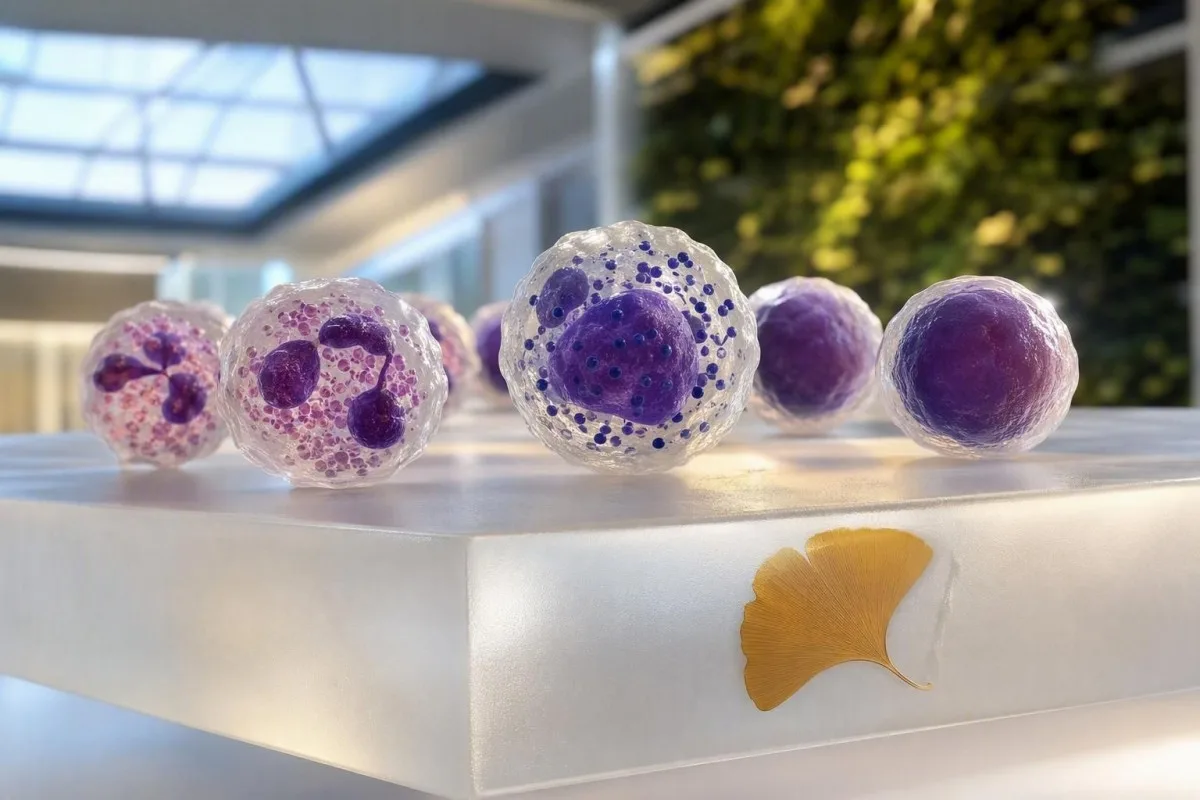
მოზრდილთა აბსოლუტური ბაზოფილიების უმეტესობა შეადგენს 0.00–0.10 × 10⁹/ლ (0–100/µლ), ხოლო პროცენტული მაჩვენებელი ჩვეულებრივ 0–1%-ია. ოდნავ უჩვეულო პროცენტული მაჩვენებელი ხშირად ასახავს სხვა ლეიკოციტების ცვლილებებს; აბსოლუტური ბაზოფილიების რაოდენობა არის ის შედეგი, რომელიც ჩვეულებრივ განსაზღვრავს შემდგომ მონიტორინგს.


- აბსოლუტური ბაზოფილები ჩვეულებრივ შეადგენს 0.00–0.10 × 10⁹/ლ (0–100/µლ) მოზრდილებში და უფრო კლინიკურად სასარგებლოა, ვიდრე მხოლოდ პროცენტული მაჩვენებელი.
- ბაზოფილების პროცენტი ჩვეულებრივ შეადგენს თეთრი სისხლის უჯრედების 0–1%-ს, მაგრამ შეიძლება გაიზარდოს, როდესაც ნეიტროფილები ან ლიმფოციტები მცირდება, მაშინაც კი, თუ აბსოლუტური რაოდენობა ნორმალურია.
- ბავშვები ჩვეულებრივ იყენებენ იმავე პრაქტიკულ ზედა ზღვარს, 0.10 × 10⁹/ლ-ს ჩვილობის ასაკის შემდეგ, მაგრამ ლაბორატორიის ასაკობრივი ნორმა პრიორიტეტულია.
- განმეორებითი CBC 2–8 კვირის განმავლობაში გონივრულია იზოლირებული, მსუბუქი ბაზოფილიისთვის ალერგიის, ინფექციის ან მედიკამენტის ცვლილების შემდეგ.
- პერსისტენტული ბაზოფილია 0.20 × 10⁹/ლ-ზე მეტი საჭიროებს კლინიცისტის შეფასებას, განსაკუთრებით მაღალი ლეიკოციტების, ანემიის, სპლენომეგალიის ან გენერალიზებული სიმპტომების შემთხვევაში.
- სასწრაფო გადახედვა საჭიროა მკვეთრი ლეიკოციტოზის, დაუზუსტებელი წონის დაკლების, ღამის ოფლიანობის, ცხელების ან მარცხენა ნეკნის ქვეშ ადრეული სისავსის დროს.
- ნულოვანი ბაზოფილიები ავტომატურ ჰემატოლოგიურ ანალიზატორზე ბაზოფილიის აღმოჩენა ხშირია და, ჩვეულებრივ, არ აქვს კლინიკური მნიშვნელობა.
- კანტესტი ხელოვნური ინტელექტი აკონტროლებს ბაზოფილებს თეთრი სისხლის საერთო რაოდენობასთან, ეოზინოფილებთან, თრომბოციტების რაოდენობასთან, ჰემოგლობინთან და წინა შედეგებთან ერთად, ვიდრე ერთ დროშას დიაგნოზად ჩათვლის.
აბსოლუტური ბაზოფილიები ბაზოფილიების პროცენტული მაჩვენებლის წინააღმდეგ
ბაზოფილების აბსოლუტური რაოდენობა 0.00–0.10 × 10⁹/ლ ჩვეულებრივ ნორმალურია მოზრდილებში, მაშინ როდესაც ბაზოფილების პროცენტული მაჩვენებელი 0–1% არის მხოლოდ თეთრი სისხლის საერთო რაოდენობის ნაწილი. როდესაც ეს ორი ერთმანეთს არ ეთანხმება, კლინიცისტები, ჩვეულებრივ, მეტ ყურადღებას აქცევენ აბსოლუტურ მაჩვენებელს.
პროცენტული მაჩვენებელი შეიძლება მაღალი ჩანდეს მხოლოდ იმიტომ, რომ თეთრი სისხლის უჯრედების სხვა ტიპი დაბალია. მაგალითად, 1.5% ბაზოფილი თეთრი სისხლის უჯრედების რაოდენობით 3.0 × 10⁹/ლ იძლევა აბსოლუტურ რაოდენობას მხოლოდ 0.045 × 10⁹/ლ - ბევრი ზრდასრულის ნორმის ფარგლებში. ამიტომ პროცენტული დროშა იშვიათად გვიყვება სრულ სურათს.
გამოთვლა მარტივია: თეთრი სისხლის საერთო რაოდენობა × ბაზოფილიების პროცენტული მაჩვენებელი ÷ 100. თეთრი სისხლის რაოდენობა 12.0 × 10⁹/ლ და ბაზოფილიების 2% იძლევა 0.24 × 10⁹/ლ, რაც რეალური მომატებაა. ფართო კონტექსტისთვის იხილეთ ჩვენი გზამკვლევი რა შედის CBC-ში.
კანტესტი არის AI სისხლის ტესტის ანალიზატორი რომელიც გარდაქმნის პროცენტულ მაჩვენებლებს კლინიკურად შედარებად აბსოლუტურ რაოდენობებად, როდესაც წყაროს ანგარიში იძლევა დიფერენციალურ დათვლას. ჩემი გამოცდილებით, ეს ერთი გარდაქმნა ხელს უშლის არასაჭირო შიშების დიდ ნაწილს რუტინული ჯანმრთელობის შემოწმების შემდეგ.
რატომ არის აბსოლუტური რიცხვი უფრო სტაბილური
ავტომატური ანალიზატორები ითვლიან ათასობით უჯრედულ მოვლენას, მაგრამ ბაზოფილიები ჩვეულებრივ იშვიათია - ხშირად 1-ზე ნაკლები 100 თეთრ უჯრედზე. ამიტომ მცირე ანალიტიკურ და ბიოლოგიურმა ცვლილებებმა შეიძლება უფრო შესამჩნევად იმოქმედოს პროცენტულ მაჩვენებელზე, ვიდრე აბსოლუტურ რაოდენობაზე.
პრაქტიკული ბაზოფილიების ნორმები ასაკის მიხედვით
უმეტესი ლაბორატორიები იყენებენ ბაზოფილიების აბსოლუტურ ნორმატიულ დიაპაზონს 0.00–0.10 × 10⁹/ლ ბავშვობიდან ზრდასრულობამდე, მაგრამ ახალშობილთა დიაპაზონი შეიძლება უფრო ფართო იყოს. გამოიყენეთ თქვენი შედეგის გვერდით დაბეჭდილი დიაპაზონი, რადგან ნორმატიული ლიმიტები დამოკიდებულია ანალიზატორის მეთოდზე და ლაბორატორიის ადგილობრივ ჯანმრთელ პოპულაციაზე.
ჩვილებისთვის სიცოცხლის პირველ კვირებში, ზოგიერთი პედიატრიული ლაბორატორია იღებს ბაზოფილიების აბსოლუტურ რაოდენობას დაახლოებით 0.20–0.40 × 10⁹/ლ-მდე. ნეონატალური იმუნური სისტემა სწრაფად ადაპტირდება, ამიტომ ზრდასრულთა ზღვრები არ უნდა დაეკისროს ახალშობილის შედეგს პედიატრიული ჩარევის გარეშე.
დაახლოებით 1 წლის ასაკიდან, ბევრი სამსახური იყენებს პრაქტიკულ ზედა ზღვარს დაახლოებით 0.10 × 10⁹/ლ, ან 100/µლ. შედეგი 0.11 × 10⁹/ლ ჯანმრთელ ბავშვში ნორმალური თეთრი სისხლის საერთო რაოდენობით, ჩვეულებრივ, მოითხოვს განმეორებით შემოწმებას და კონტექსტის გათვალისწინებას, არა კი გადაუდებელ მდგომარეობას.
CLSI EP28-A3c ხსნის, თუ რატომ ადგენენ ან გადაამოწმებენ ლაბორატორიები საკუთარ ნორმატიულ დიაპაზონებს, ნაცვლად უნივერსალური დიაპაზონის გამოყენებისა (CLSI, 2010). ჩვენი ნეიტროფილების ასაკობრივი დიაპაზონის გზამკვლევი აჩვენებს იგივე პრინციპს სხვა დიფერენციალური დათვლისთვის.
ბაზოფილიების ერთეულების გაგება დიდი ბრიტანეთის, აშშ-ისა და საერთაშორისო ანგარიშებში
ბაზოფილების რაოდენობა 0.10 × 10⁹/L უდრის 100/µL, ამიტომ სხვადასხვა ერთეულების გამოყენებით მოხსენებებს შეუძლიათ ერთი და იგივე შედეგის აღწერა. დიდი ბრიტანეთის სისხლის სრული დათვლა ხშირად იუწყება ×10⁹/L, ხოლო აშშ-ს ლაბორატორიები ჩვეულებრივ იყენებენ უჯრედებს/µL ან K/µL.
×10⁹/L-ის უჯრედებზე/µL-ზე გადასაყვანად, გაამრავლეთ 1000-ზე. ამრიგად, 0.05 × 10⁹/L უდრის 50/µL; 0.25 × 10⁹/L უდრის 250/µL. ანგარიში, რომელიც აჩვენებს 0.0, შეიძლება დამრგვალდეს ერთ ათწილად ნიშნამდე, ნაცვლად იმისა, რომ დაამტკიცოს, რომ ბაზოფილები ფაქტობრივად არ არის.
0.2 K/µL-ად ჩამოთვლილი მნიშვნელობა უდრის 0.20 × 10⁹/L. ეს განსხვავება მნიშვნელოვანია, რადგან 0.2% და 0.2 K/µL სრულიად განსხვავებული გაზომვებია. პაციენტები რეგულარულად ურევენ მათ ორი ქვეყნის ანგარიშების შედარებისას.
თუ თქვენს ანგარიშში ნათქვამია FBC CBC-ის ნაცვლად, კომპონენტები ძირითადად იგივეა; ჩვენი სისხლის სრული დათვლის სახელმძღვანელო დიდი ბრიტანეთისთვის თარგმნის გავრცელებულ ტერმინოლოგიას.
რატომ იმატებს ან იკლებს ბაზოფილიების რაოდენობა
ბაზოფილიის ზომიერი ხარისხი ყველაზე ხშირად თან ახლავს ალერგიას, ქრონიკულ ანთებას, ინფექციისგან გამოჯანმრთელებას ან წამლისმიერ იმუნურ ცვლილებას. ბაზოფილების დაბალი რაოდენობა ან ნულოვანი რაოდენობა, როგორც წესი, უმნიშვნელოა, რადგან ეს უჯრედები ძალიან მცირე რაოდენობით მიმოიქცევიან.
ბაზოფილები ატარებენ IgE-ის რეცეპტორებს და შეუძლიათ ჰისტამინის და სხვა მედიატორების გამოყოფა ალერგენის ზემოქმედების შემდეგ. სეზონური ალერგიული რინიტი, ქრონიკული ჭინჭრის ციება, ასთმა და ზოგიერთი კანის დაავადება შეიძლება თან ახლდეს მცირე მატებას, თუმცა ნორმალური რაოდენობა არცერთს არ გამორიცხავს და არც ადასტურებს.
ჰიპოთირეოზი, ანთებითი დაავადება ნაწლავები, რევმატოიდული დარღვევები და ზოგიერთი ქრონიკული ინფექცია ასევე შეიძლება ასოცირებული იყოს ბაზოფილიასთან. სასარგებლო კითხვა არ არის “რა დაავადება იწვევს ამას?”, არამედ “რა სხვა სიგნალებია წარმოდგენილი?” — CRP, ეოზინოფილები, სიმპტომები, მედიკამენტების ისტორია და ტრაექტორია — ყველაფერი მნიშვნელოვანია.
მომატებული IgE და ეოზინოფილების რაოდენობა შეიძლება მხარი დაუჭიროს ალერგიულ სურათს, ხოლო იზოლირებული ქავილი შეიძლება საჭიროებდეს უფრო ფართო მიმოხილვას; ჩვენი სტატია სისხლის ანალიზებზე ქავილიანი კანისთვის ხსნის CBC ტესტირების პრაქტიკულ შეზღუდვებს.
როდის უნდა გაიმეოროთ CBC ბაზოფილიების შესამოწმებლად?
გაიმეორეთ CBC 2–8 კვირის შემდეგ ბაზოფილების ზომიერი, იზოლირებული მომატებისთვის დროებითი გამომწვევი ფაქტორის შემდეგ, იმ პირობით, რომ თავს კარგად გრძნობთ და დანარჩენი ანალიზი დამაიმედებელია. გაიმეორეთ უფრო ადრე, ჩვეულებრივ დღეებიდან 2 კვირამდე, როდესაც ლეიკოციტების საერთო რაოდენობა იზრდება ან არსებობს უჯრედების მრავალი ხაზის ანომალია.
აბსოლუტური ბაზოფილების რაოდენობის 0.11–0.20 × 10⁹/L-ის შემდეგ გაციება, თივის ცხელების გამწვავება, ვაქცინაცია ან სტეროიდების მოკლე კურსი, ხშირად მირჩევნია ერთი მშვიდი განმეორებითი ანალიზი ტესტირების კასკადის ნაცვლად. სცადეთ გამოიყენოთ იგივე ლაბორატორია და ჩაწერეთ ბოლოდროინდელი ავადმყოფობა, ახალი მედიკამენტები, მოწევის ცვლილებები და სტეროიდების ზემოქმედება.
ნუ ეცდებით, რომ ხელოვნურად “გააუმჯობესოთ” შედეგი ხელახალ ანალიზამდე. დატენიანება გონივრულია, თუმცა დანამატები, ანტიჰისტამინური საშუალებები, კორტიკოსტეროიდები და ინტენსიური გამძლეობითი ვარჯიში შეიძლება ცვლიდნენ ფართო დიფერენციალს. ჩვენი სისხლის ანალიზის დროის სახელმძღვანელო აღწერს გავრცელებულ დროით ეფექტებს.
კანტესტი არის AI სისხლის ანალიზის განმარტების პლატფორმა რომელიც ადარებს მიმდინარე დიფერენციალს წინა CBC-ებთან და განასხვავებს მუდმივ ზრდას შემთხვევითი სიგნალისგან. 3–6 თვის ტრენდი ხშირად უფრო ინფორმაციულია, ვიდრე ერთი ათწილადი.
როგორ მოვემზადოთ სანდო ბაზოფილიების ხელახალი ტესტირებისთვის
ბაზოფილების ანალიზი ჩვეულებრივ არ მოითხოვს უზმოდ ყოფნას, მაგრამ განმეორებითი CBC ყველაზე კარგად ფასდება, როდესაც არ ხართ მწვავედ ავად და შეგროვების პირობები მსგავსია. იბრძოლეთ ნორმალური სითხეების, ჩვეულებრივი კვებისა და რუტინული დღისთვის, ექსტრემალური ცვლილებების ნაცვლად.
მოერიდეთ არა-გადაუდებელი ხელახალი ანალიზის დაგეგმვას ცხელების, ალერგიული გამწვავების ან უჩვეულოდ მძიმე გამძლეობითი ღონისძიების მომდევნო დღეს, თუ მიზანია ბაზალური დონის დადგენა. მწვავე სტრესის ჰორმონები და სითხის ცვლილებები შეიძლება ცვლიდნენ თეთრი უჯრედების რამდენიმე ქვეჯგუფს საათების ან დღეების განმავლობაში.
აცნობეთ ექიმს ან ფლებოტომისტს სისტემური კორტიკოსტეროიდების, ლითიუმის, ეპინეფრინის შემცველი მკურნალობის, ბიოლოგიური თერაპიის და ნებისმიერი ახალი დანამატის შესახებ. სტეროიდები უფრო ხშირად ამცირებენ ცირკულირებად ბაზოფილებს და ეოზინოფილებს, ამიტომ მათ მიღებისას “ნორმალური” შედეგი შეიძლება არ ასახავდეს თქვენს განკურნებამდე არსებულ ბაზალურ დონეს.
ნიმუშის ხარისხი კვლავ მნიშვნელოვანია. შედედებული EDTA ნიმუშები და დაგვიანებული ანალიზი შეიძლება გახადოს ავტომატური დიფერენციალი ნაკლებად სანდო; თუ რამდენიმე CBC მნიშვნელობა ერთად გამოიყურება უცნაურად, გადახედეთ როდესაც საჭიროა ახალი სინჯის აღება.
CBC-ის ის ნიმუშები, რომლებიც ზრდის ბაზოფილიების რაოდენობას უფრო მნიშვნელოვნად
ბაზოფილია უფრო შემაშფოთებელია, როდესაც აბსოლუტური ბაზოფილები აღემატება 0.20 × 10⁹/ლ და გვხვდება მუდმივ თეთრ სისხლის უჯრედებთან 11.0 × 10⁹/ლ-ზე მეტი, ანემიასთან, თრომბოციტების ცვლილებებთან ან ახალგაზრდა უჯრედებთან ერთად. კომბინაცია - არა მარტო ბაზოფილები - განსაზღვრავს, თუ რამდენად სწრაფად იძიებენ ექიმები.
44 წლის პაციენტს, რომელიც მე განვიხილე, ჰქონდა ბაზოფილები 0.28 × 10⁹/ლ, თეთრი უჯრედები 16.4 × 10⁹/ლ, თრომბოციტები 610 × 10⁹/ლ და ადრეული სისავსის შეგრძნება. ამ სურათმა მოითხოვა იმავე კვირის ჰემატოლოგიური გზა; ბაზოფილების ინდივიდუალური შედეგი არ იძლეოდა დიაგნოზს, მაგრამ ეს იყო მნიშვნელოვანი მინიშნება.
ბაზოფილია, მაღალ ნეიტროფილებთან და სპლენომეგალიის სიმპტომებთან ერთად, შეიძლება გამოვლინდეს მიელოპროლიფერაციულ ნეოპლაზმებში, ქრონიკული მიელოიდური ლეიკემიის ჩათვლით. European LeukemiaNet გვირჩევს მოლეკულურ ტესტირებას და სპეციალისტის შეფასებას, როდესაც კლინიკური და სისხლის ანალიზის სურათი ამ შესაძლებლობას ზრდის (Hochhaus et al., 2020).
პერიფერიული ნაცხი განასხვავებს რეალურ დიფერენციალურ ცვლილებებს ანალიზატორის გაურკვევლობისგან და შეიძლება აჩვენოს მარცხენა ცვლა ან ატიპური უჯრედები. წაიკითხეთ მეტი სისხლის კიბოს CBC გზებზე დაუშვებლად, რომ პათოლოგიური რაოდენობა ნიშნავს კიბოს.
სიმპტომები და შედეგები, რომლებიც საჭიროებენ სასწრაფო სამედიცინო ყურადღებას
მიმართეთ სასწრაფო სამედიცინო დახმარებას ბაზოფილიისთვის, თანმხლები ცხელებით, უხვი ღამის ოფლიანობით, აუხსნელი წონის დაკლებით, ახალი სისხლჩაქცევებით, ქოშინით, მძიმე დაღლილობით ან ზედა მარცხენა მუცლის სისავსით. ეს სიმპტომები არ არის გამოწვეული ბაზოფილების ოდნავ მომატებული შედეგით; ისინი მიუთითებენ, რომ უფრო ფართო კლინიკური სურათი საჭიროებს შეფასებას.
თეთრი უჯრედების საერთო რაოდენობა 30 × 10⁹/ლ-ზე მეტი, სწრაფად მზარდი მნიშვნელობები ან ანგარიშზე გრანულოციტების ხილვადი ახალგაზრდა ფორმები უნდა განიხილოთ სასწრაფოდ დამნიშნველ ექიმთან. ძლიერი თავის ტკივილი, მხედველობის ცვლილება, გულმკერდის ტკივილი ან ნევროლოგიური სიმპტომები საჭიროებს გადაუდებელ შეფასებას ბაზოფილების რაოდენობის მიუხედავად.
უმეტესობას, ვისაც აქვს 0.11–0.20 × 10⁹/ლ ბაზოფილი და არ აქვს სიმპტომები, არ სჭირდება სასწრაფო დახმარება. მიუხედავად ამისა, ეს არის ის სფეროებიდან, სადაც კონტექსტი უფრო მნიშვნელოვანია, ვიდრე რიცხვი, განსაკუთრებით თუ წინა შედეგები იყო 0.02 × 10⁹/ლ და ახალი რაოდენობა იზრდება.
თუ თქვენ ასევე გაქვთ ქოშინი ან ფერმკრთალობა, თანმხლები ჰემოგლობინის და თრომბოციტების მნიშვნელობები შეიძლება უფრო მეტად იყოს მნიშვნელოვანი; იხილეთ ჩვენი სუნთქვის გაძნელების სისხლის ანალიზის სახელმძღვანელო.
რა იწვევს ბაზოფილიების დაბალ რაოდენობას ან ნულოვან შედეგს
ბაზოფილების 0.00 × 10⁹/ლ შედეგი ჩვეულებრივ ნორმალურია და იშვიათად საჭიროებს განმეორებით ანალიზს თავისთავად. ბაზოფილი შეიძლება იყოს ანალიზატორის ანგარიშგების ზღვრის ქვემოთ, რადგან ისინი ბუნებრივად იშვიათია მიმოქცევაში.
მწვავე სტრესმა, ინფექციამ, ორსულობამ, ჰიპერთირეოიდიზმმა და კორტიკოსტეროიდულმა მკურნალობამ შეიძლება დროებით შეამციროს მიმოქცევაში მყოფი ბაზოფილები. თუმცა, არ არსებობს აღიარებული სიმპტომური სინდრომი, რომელიც გამოწვეულია იზოლირებული დაბალი ბაზოფილებით, კლინიკურად მნიშვნელოვანი ნეიტროპენიისგან განსხვავებით.
ანალიტიკური პრობლემა ადვილად გამოირჩევა: თუ მხოლოდ რამდენიმე ბაზოფილია დათვლილი, რუტინული შერჩევის ცვალებადობამ შეიძლება 0.01 × 10⁹/ლ გადააქციოს 0.00 × 10⁹/ლ მომდევნო სინჯზე. ეს აუცილებლად არ არის ბიოლოგიური ცვლილება.
დოქტორ თომას კლაინის პრაქტიკული რჩევაა, უგულებელყოთ დაბალი ბაზოფილების დროშა, როდესაც CBC-ის დანარჩენი ნაწილი ნორმაშია და არ არის შესაბამისი სიმპტომები. ჩვენი სპეციალური გზამკეცი აგიხსნით ბაზოფილები ნულზე.
ბაზოფილიები ორსულობისა და შემდგომ ასაკში
ორსულობას და დაბერებას არ აქვთ ერთი სპეციალური ბაზოფილების ზღვარი; ანგარიშგების ლაბორატორიის ინტერვალი და თეთრი უჯრედების სრული სურათი რჩება საუკეთესო მითითებად. ორსულობა ხშირად ზრდის თეთრი უჯრედების საერთო რაოდენობას ნეიტროფილების გამო, რამაც შეიძლება შეამციროს ბაზოფილების პროცენტული წილი ნამდვილი ბაზოფილების შემცირების გარეშე.
ორსულობის დროს, თეთრი უჯრედების საერთო რაოდენობა 12–15 × 10⁹/ლ შეიძლება იყოს ფიზიოლოგიური, განსაკუთრებით გესტაციის გვიან პერიოდში, ამიტომ პროცენტზე დაფუძნებული ინტერპრეტაცია კიდევ უფრო ნაკლებად სანდო ხდება. აბსოლუტური ბაზოფილების რაოდენობა რჩება სასურველად, მაგრამ შემაშფოთებელი სიმპტომები კვლავ გადაფარავს მითითების ინტერვალს.
ხანდაზმულებში, ახლად მდგრადი ბაზოფილების რაოდენობა 0.20 × 10⁹/ლ-ზე მეტი ყურადღებას იმსახურებს, რადგან მედიკამენტების ტვირთი და ძვლის ტვინის დარღვევები ასაკთან ერთად უფრო ხშირია. ეს არ ხდის მას დიაგნოსტიკურს; ის უბრალოდ ამცირებს CBC ტენდენციისა და ნაცხის დათვალიერების ზღვარს.
ორსულობასთან დაკავშირებული სხვა ინტერპრეტაციის ხაფანგების შესახებ, იხილეთ ორსულობის სისხლის ანალიზის „წითელი დროშები“.
მედიკამენტები, ალერგიები და ბაზოფილიების ცვლილებები
ალერგიის სიმპტომები შეიძლება ემთხვეოდეს ოდნავ მომატებულ ბაზოფილებს, ხოლო სისტემური კორტიკოსტეროიდები ხშირად ამცირებენ მათ რამდენიმე დღეში. არცერთი ნიმუში არ ადასტურებს ალერგიის დიაგნოზს და არც ამტკიცებს, რომ წამალია პასუხისმგებელი.
ანტიჰისტამინები ძირითადად ბლოკავს ჰისტამინის რეცეპტორებს; ისინი საიმედოდ არ ახდენენ ბაზოფილების რაოდენობის ნორმალიზებას. პერორალურმა პრედნიზოლონმა და სხვა სისტემურმა გლუკოკორტიკოიდებმა შეიძლება გადაანაწილონ თეთრი უჯრედები, ხშირად ამცირებენ ეოზინოფილებს და ბაზოფილებს, ხოლო ზრდის მიმოქცევაში მყოფ ნეიტროფილებს.
ლითიუმი ნაკლებად გავრცელებული, მაგრამ სასარგებლო წამლის მინიშნებაა, რადგან მას შეუძლია თეთრი უჯრედების წარმოქმნის გაზრდა. ბიოლოგიური მედიკამენტები, ქიმიოთერაპია და იმუნომოდულაციური მკურნალობა არასოდეს არ უნდა შეწყდეს ერთი CBC შედეგის გამო – ჰკითხეთ დამნიშნავ გუნდს, თუ როგორ შეესაბამება შედეგი მათ მონიტორინგის გეგმას.
მომატებული ბაზოფილების რაოდენობა ხიხინთან, ჭინჭრის ციებასთან, სახის შეშუპებასთან ან გულის წასვლასთან ერთად უნდა განიხილებოდეს როგორც სიმპტომის პრობლემა, არა ლაბორატორიული თავსატეხი. ჩვენი მაღალი IgE გზამკეცი ხსნის, სად გვეხმარება ალერგიის მარკერები და სად გვაბნევს.
რას ამოწმებენ კლინიცისტები ბაზოფილიების პერსისტენტული მომატების შემდეგ
მუდმივი აბსოლუტური ბაზოფილია ჩვეულებრივ იწვევს განმეორებით CBC-ს, ნაცხის ხელით გადახედვას, მედიკამენტებისა და სიმპტომების მიმოხილვას, შემდეგ კი მიზანმიმართულ ტესტირებას, თუ თეთრი უჯრედების საერთო რაოდენობა ან სხვა უჯრედების ხაზები არანორმალურია. კიბოს ფართო პანელები არ არის ჩვეულებრივი პირველი ნაბიჯი მცირე იზოლირებული ზრდისთვის.
პირველი განშტოების წერტილი არის ის, არის თუ არა შედეგი იზოლირებული. სტაბილური ჰემოგლობინი, თრომბოციტები, თეთრი უჯრედების რაოდენობა და ნორმალური ნაცხი ძლიერ უჭერს მხარს კონსერვატიულ გეგმას; ანემია, თრომბოციტოზი, ლეიკოციტოზი ან სფენომეგალია აფასებას განსხვავებული მიმართულებით უბიძგებს.
როდესაც მიელოპროლიფერაციული აშლილობა სავარაუდოა, კლინიცისტებმა შეიძლება მოითხოვონ BCR::ABL1 ტესტირება, JAK2 ტესტირება, ლაქტატდეჰიდროგენაზა, შარდმჟავა და სპეციალისტის შეფასება. ვალენტმა და სხვ. აღწერენ მუდმივ ბაზოფილიას, როგორც მნიშვნელოვან შედეგს ბაზოფილური და მიელოიდური ნეოპლაზმების კლასიფიკაციაში (ვალენტი და სხვ., 2022).
Kantesti-ის ნეირონული ქსელი ამოიცნობს კომბინაციებს, რომლებიც საჭიროებენ გადამოწმებას, მაგრამ არ სვამს ლეიკემიის დიაგნოზს CBC-ის საფუძველზე. ჩვენი სამედიცინო ვალიდაციის მიდგომა ხსნის, რატომ უნდა შენარჩუნდეს კლინიკური ზედამხედველობა ლაბორატორიული ინტერპრეტაციისთვის.
როგორ აკონტროლოთ ბაზოფილიები გადაჭარბებული რეაქციის გარეშე
ბაზოფილების ტრენდი ნიშნავს მდგრად მიმართულ ცვლილებას შედარებად CBC-ებში, და არა ერთჯერად მოძრაობას 0.04-დან 0.08 × 10⁹/ლ-მდე. მოზრდილთა ნორმის 0.10 × 10⁹/ლ-ის ფარგლებში, ორივე მაჩვენებელი რჩება ნორმის ფარგლებში, მიუხედავად რიცხვითი სხვაობისა.
შეინახეთ აბსოლუტური რაოდენობა, პროცენტული მაჩვენებელი, ლეიკოციტების საერთო რაოდენობა, ნეიტროფილები, ეოზინოფილები, ჰემოგლობინი, თრომბოციტები, თარიღი, ბოლო ავადმყოფობა და მედიკამენტები ყოველი სინჯის აღების შემდეგ. ეს მცირე ჩანაწერი აძლევს თქვენს ექიმს უფრო მეტ სასარგებლო ინფორმაციას, ვიდრე იზოლირებული სიგნალების ეკრანის ანაბეჭდები.
კანტესტი არის AI-ზე დაფუძნებული სისხლის ანალიზის (blood test analysis) ხელსაწყო გამოიყენება 127+ ქვეყნებში CBC-ის შედეგების გრძელვადიანი შედარებისთვის, ხოლო ინარჩუნებს წყარო ლაბორატორიის დადგენილ ინტერვალს. დოქტორი თომას კლაინი გვირჩევს, რომ საზღვრულ დიფერენციალურ ცვლილებას მნიშვნელობის მინიჭებამდე შევადაროთ მინიმუმ ორი შედარებადი შედეგი.
სასარგებლო წესი: თუ აბსოლუტური რაოდენობა რჩება 0.10 × 10⁹/ლ-ზე ნაკლები, ლეიკოციტების საერთო რაოდენობა სტაბილურია და თქვენ თავს კარგად გრძნობთ, ჩვეულებრივ საკმარისია რუტინული მეთვალყურეობა თქვენს მომდევნო დაგეგმილ სისხლის ანალიზზე. გამოიყენეთ ჩვენი სისხლის ანალიზის სხვაობების სახელმძღვანელო იმის შესაფასებლად, თუ რამდენად სავარაუდოა ცვლილება.
კითხვები, რომლებიც უნდა დაისვას შემდგომ ვიზიტზე
საუკეთესო შემდგომი კითხვაა: “რა არის ჩემი აბსოლუტური ბაზოფილების რაოდენობა და კიდევ რა შეიცვალა CBC-ში?” ეს ფორმულირება საუბარს მიმართავს იმ ცვლადებისკენ, რომლებიც რეალურად ცვლიან კლინიკურ რისკს.
იკითხეთ, არის თუ არა რაოდენობა ახალი, მდგრადი, მზარდი თუ სავარაუდოდ რეაქტიული; საჭიროა თუ არა ნაცხის გადახედვა; და როდის უნდა ჩატარდეს შემდეგი CBC. მოიტანეთ ბოლო ინფექციების, ალერგიის სიმპტომების, მედიკამენტების, დანამატების, მოგზაურობის და სისხლის დაავადებების ოჯახური ანამნეზის სია.
თუ თქვენ გაქვთ აბსოლუტური რაოდენობა 0.20 × 10⁹/ლ-ზე მეტი, პლუს მომატებული ლეიკოციტების საერთო რაოდენობა, იკითხეთ, არის თუ არა ჰემატოლოგიური ჩარევა მიზანშეწონილი. თუ რაოდენობა მხოლოდ ოდნავ აღემატება ნორმას და იზოლირებულია, იკითხეთ, რა ცვლილება გამოიწვევს უფრო ადრეულ გამოკვლევას, ვიდრე უარესის ვარაუდი.
Kantesti-ის ექიმთა მიერ გადამოწმებული საგანმანათლებლო სტანდარტები ჩვენი სამედიცინო საკონსულტაციო საბჭო. მეშვეობით კონტროლდება. 2026 წლის 30 აგვისტოს მდგომარეობით, ყველაზე უსაფრთხო მიდგომა რჩება მარტივი: ინტერპრეტაცია გაუკეთეთ აბსოლუტურ რაოდენობას, დაადასტურეთ მდგრადობა და იმოქმედეთ უფრო სწრაფად მხოლოდ მაშინ, როდესაც უფრო ფართო ნიმუში ამას ამართლებს.
ხშირად დასმული კითხვები
რა არის ბაზოფილების ნორმალური რაოდენობა მოზრდილებში?
აბსოლუტური ბაზოფილების საერთო ზრდასრული საცნობი ინტერვალი შეადგენს 0.00–0.10 × 10⁹/ლ, რაც უდრის 0–100 უჯრედს/µლ. ლაბორატორიების უმეტესობა იუწყება ბაზოფილების 0–11% პროცენტს, თუმცა პროცენტული მაჩვენებელი შეიძლება მცდარი იყოს, როდესაც იცვლება ლეიკოციტების საერთო რაოდენობა. თქვენი ლაბორატორიის მიერ დაბეჭდილი საცნობი ინტერვალი უპირატესია, რადგან მეთოდები და ადგილობრივი საცნობი პოპულაციები განსხვავდება. 0.11 × 10⁹/ლ-ის იზოლირებული შედეგი, როგორც წესი, საჭიროებს კონტექსტს ან დაგეგმილ განმეორებას, ვიდრე გადაუდებელ დახმარებას.
არის თუ არა 2% ბაზოფილი მაღალი?
ბაზოფილების 2% პროცენტი ბევრი ლაბორატორიის ნორმალურ მაჩვენებელზე მაღალია, თუმცა მთლიანი ლეიკოციტების რაოდენობის გარეშე რისკის შეფასება შეუძლებელია. ლეიკოციტების 4.0 × 10⁹/ლ რაოდენობისას, 2% შეადგენს აბსოლუტურ ბაზოფილთა რაოდენობას 0.08 × 10⁹/ლ, რაც ხშირად ნორმად ითვლება. ლეიკოციტების 15.0 × 10⁹/ლ რაოდენობისას, იგივე 2% შეადგენს 0.30 × 10⁹/ლ და საჭიროებს კლინიკურ შეფასებას. პროცენტული მაჩვენებლის ინტერპრეტაციამდე ყოველთვის განსაზღვრეთ აბსოლუტური ბაზოფილების რაოდენობა.
როდის უნდა გავიმეორო CBC მაღალი ბაზოფილებისთვის?
დაავადების, ალერგიული რეაქციის გამწვავების ან მედიკამენტების შეცვლის შემდეგ, დაახლოებით 0.11–0.20 × 10⁹/ლ-მდე მსუბუქი, იზოლირებული ბაზოფილიისთვის, 2–8 კვირის შემდეგ CBC-ის განმეორებითი ჩატარება ჩვეულებრივ დასაშვებია. ჩაიტარეთ უფრო ადრე, როდესაც ლეიკოციტების საერთო რაოდენობა იზრდება, ბაზოფილების რაოდენობა აღემატება 0.20 × 10⁹/ლ-ს, ან თუ ჰემოგლობინი და თრომბოციტებიც ანორმალურია. გამოიყენეთ ერთი და იგივე ლაბორატორია, თუ ეს შესაძლებელია, რადგან ანალიზატორების მეთოდები და ნორმების დიაპაზონები განსხვავდება. ცხელება, წონის კლება, ღამის ოფლიანობა, სისხლჩაქცევები ან მუცლის ზედა მარცხენა მხარის სისავსე საჭიროებს სასწრაფო სამედიცინო შეფასებას, ვიდრე რუტინული ხელახალი ანალიზის მოლოდინში.
არის თუ არა ნულოვანი ბაზოფილი საშიში?
ბაზოფილების რაოდენობა 0.00 × 10⁹/ლ, როგორც წესი, საშიში არ არის და ზოგადად არ საჭიროებს შემდგომ კვლევას, თუ CBC-ის დანარჩენი მაჩვენებლები ნორმალურია. ბაზოფილები იშვიათი უჯრედებია, ამიტომ რუტინულმა ავტომატურმა დიფერენციაციამ შეიძლება ნულოვანი შედეგი აჩვენოს, რადგან გამოვლენილი რიცხვი მრგვალდება ან ანგარიშდება ტექნიკური სიზუსტის ქვემოთ. კორტიკოსტეროიდებმა, მწვავე სტრესმა, ორსულობამ და ინფექციებმა შეიძლება დროებით შეამცირონ ბაზოფილების ცირკულირება. კლინიცისტები არ სვამენ იმუნოდეფიციტის დიაგნოზს იზოლირებული დაბალი ბაზოფილების საფუძველზე.
შეიძლება თუ არა ალერგიამ გამოიწვიოს ბაზოფილია?
ალერგიულმა მდგომარეობებმა შესაძლოა თან ახლდეს ბაზოფილების მსუბუქად მომატებული რაოდენობა, რადგან ბაზოფილები მონაწილეობენ IgE-სთან დაკავშირებულ იმუნურ პასუხებში და გამოყოფენ მედიატორებს, როგორიცაა ჰისტამინი. ბაზოფილების მაღალი რაოდენობა არ ამტკიცებს, რომ ალერგია არის მიზეზი, და ალერგიის მნიშვნელოვანი სიმპტომების მქონე ბევრ ადამიანს ბაზოფილების ნორმალური რაოდენობა აქვს. 0.20 × 10⁹/L-ზე მეტი რაოდენობა, რომელიც გრძელდება ალერგიის სიმპტომების გაქრობის შემდეგ, უნდა შეფასდეს სრული CBC-ს ფარგლებში. ეოზინოფილები, მთლიანი IgE, კანის სიმპტომები და მედიკამენტების მიღება შეიძლება უფრო სასარგებლო კონტექსტს იძლეოდეს.
რა ბაზოფილების რაოდენობა მიუთითებს ლეიკემიაზე?
ლეიკემიის დიაგნოსტიკას მხოლოდ ბაზოფილების რაოდენობა არ იძლევა, თუმცა ლეიკოციტოზის, ანემიის, თრომბოციტების ანომალიების, არამწიფებული გრანულოციტების ან ელენთის სიმპტომების ფონზე აბსოლუტური ბაზოფილიის მუდმივი მაჩვენებელი 0.20 × 10⁹/ლ-ზე მეტი, სამედიცინო შეფასებას მოითხოვს. ბაზოფილია შეიძლება გამოვლინდეს ქრონიკული მიელოიდური ლეიკემიისა და სხვა მიელოპროლიფერაციული ნეოპლაზმების დროს, თუმცა მსუბუქი იზოლირებული მომატებისთვის რეაქტიული მიზეზები უფრო ხშირია. კლინიცისტებმა შეიძლება შეუკვეთონ ნაცხი და მიზანმიმართული მოლეკულური ტესტირება, როგორიცაა BCR::ABL1, მხოლოდ მაშინ, როდესაც უფრო ფართო სურათი ამას ამართლებს. ნორმალური საერთო თეთრი სისხლის რაოდენობა და სტაბილური CBC მნიშვნელოვნად ცვლის შეშფოთების დონეს.
მიიღეთ AI-ით გაძლიერებული სისხლის ანალიზის განმარტება დღეს
შეუერთდით 2 მილიონზე მეტ მომხმარებელს მთელ მსოფლიოში, რომლებიც ენდობიან Kantesti-ს ლაბორატორიული ანალიზების მყისიერ და ზუსტ განმარტებაში. ატვირთეთ თქვენი სისხლის ანალიზის შედეგები და მიიღეთ 15,000+ ბიომარკერების ყოვლისმომცველი ინტერპრეტაცია წამებში.
📚 მითითებული კვლევითი პუბლიკაციები
კლაინი, ტ., მიტჩელი, ს., და ვებერი, ჰ. (2026). B უარყოფითი სისხლის ჯგუფი, LDH სისხლის ანალიზი და რეტიკულოციტების რაოდენობის სახელმძღვანელო. Kantesti AI სამედიცინო კვლევა.
კლაინი, ტ., მიტჩელი, ს., და ვებერი, ჰ. (2026). შიმშილის შემდეგ დიარეა, შავი ლაქები განავალში და კუჭ-ნაწლავის ტრაქტის სახელმძღვანელო 2026. Kantesti AI სამედიცინო კვლევა.
📖 გარე სამედიცინო წყაროები
კლინიკური და ლაბორატორიული სტანდარტების ინსტიტუტი (2010). განსაზღვრა, დადგენა და დამოწმება საკონტროლო ინტერვალების კლინიკურ ლაბორატორიაში. CLSI EP28-A3c.
⚕️ სამედიცინო პასუხისმგებლობის შეზღუდვა
ეს სტატია მხოლოდ საგანმანათლებლო მიზნებისთვისაა და არ წარმოადგენს სამედიცინო რჩევას. დიაგნოზისა და მკურნალობის გადაწყვეტილებებისთვის ყოველთვის მიმართეთ კვალიფიციურ ჯანდაცვის სპეციალისტს.
E-E-A-T სანდოობის სიგნალები
გამოცდილება
ექიმის ხელმძღვანელობით კლინიკური მიმოხილვა ლაბორატორიული ინტერპრეტაციის სამუშაო პროცესებზე.
ექსპერტიზა
ლაბორატორიული მედიცინის აქცენტი იმაზე, როგორ იქცევიან ბიომარკერები კლინიკურ კონტექსტში.
ავტორიტეტულობა
დაწერილია დოქტორ თომას კლაინის მიერ, მიმოხილვა: დოქტორ სარა მიტჩელისა და პროფესორ დოქტორ ჰანს ვებერის მიერ.
სანდოობა
მტკიცებულებებზე დაფუძნებული ინტერპრეტაცია, მკაფიო შემდგომი ნაბიჯებით, რათა შემცირდეს განგაშის დონე.