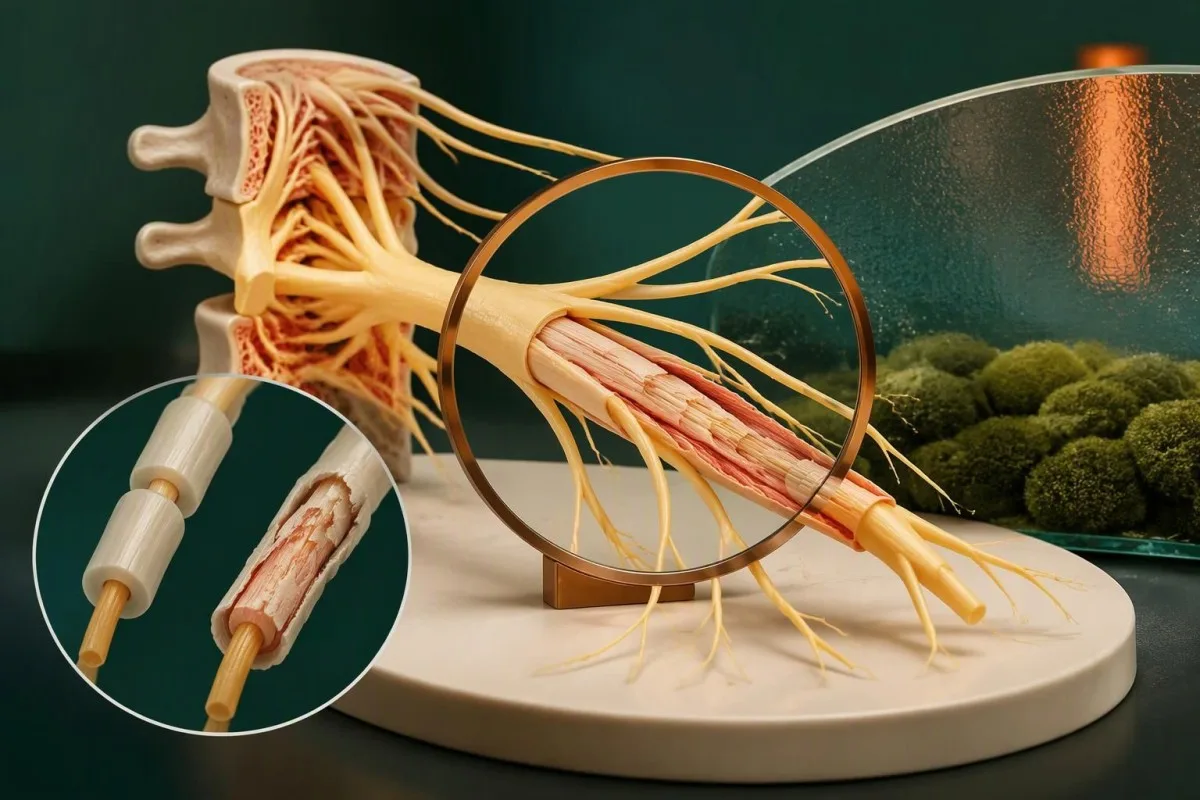
სისუსტე, რომელიც ვრცელდება ან ცვლის სიარულის უნარს, შეფასებას საჭიროებს — და არა ნორმალური სისხლის ანალიზით დამშვიდებას. სუნთქვის ან ყლაპვის გაძნელება, ან თავის აწევის შეუძლებლობა, მდგომარეობას გადაუდებელს ხდის.


- პროგრესირებადი სისუსტე რომელიც საათების ან დღეების განმავლობაში მძიმდება, განსაკუთრებით ორივე ფეხში, საჭიროებს გადაუდებელ პირისპირ შეფასებას; სწრაფად გავრცელებული სისუსტე კი სასწრაფო დახმარებას მოითხოვს.
- გადაუდებელი სიმპტომები მოიცავს ქოშინს, სუსტ ხველას, გადაცდენას, ნერწყვის ყლაპვის გაძნელებას ან უსაფრთხოდ დგომის ან სიარულის შეუძლებლობას. დარეკეთ თქვენს ადგილობრივ გადაუდებელი დახმარების ნომერზე.
- ახლანდელი ინფექცია გიიენ-ბარეს სინდრომის შემთხვევების დაახლოებით ორ მესამედს წინ უძღვის, ჩვეულებრივ, წინა 6 კვირის განმავლობაში; დიაგნოზისთვის ინფექცია აუცილებელი არ არის.
- აღმავალი სისუსტე ხშირად ფეხებიდან იწყება და ზემოთ ვრცელდება, თუმცა შეიძლება სახის, უპირატესად ხელების და სხვა ვარიანტებიც გამოვლინდეს.
- სისხლის ნორმალური ანალიზები ვერ გამორიცხავს გიიენ-ბარეს სინდრომს, მაშინაც კი, როცა CBC, CRP, ელექტროლიტები და კრეატინკინაზა ლაბორატორიულ ნორმის ფარგლებშია.
- ადრეული ტესტირება შეიძლება შეცდომაში შემყვანი იყოს: პაციენტების დაახლოებით 30–50%-ს ცერებროსპინალურ სითხეში ცილის დონე პირველი კვირის განმავლობაში ნორმალური რჩება.
- სუნთქვის მონიტორინგი მოიცავს სუნთქვის ძალის განმეორებით გაზომვას; ფილტვების სასიცოცხლო ტევადობა 20 მლ/კგ-ზე ნაკლები საგანგაშო ზღვარია ჰოსპიტალში და არა სახლში სკრინინგული ტესტი.
- ეფექტიანი მკურნალობა მოიცავს ინტრავენურ იმუნოგლობულინს ან პლაზმის გაცვლას. იმუნოგლობულინის გავრცელებული სქემაა 0.4 გ/კგ/დღე 5 დღის განმავლობაში, ჰოსპიტალში დანიშვნითა და მონიტორინგით.
როდის საჭიროებს სისუსტე გადაუდებელ შეფასებას?
გიიენ-ბარეს სინდრომის სიმპტომები გადაუდებელია, როდესაც სისუსტე საათების ან დღეების განმავლობაში პროგრესირებს, ვრცელდება ან გავლენას ახდენს სიარულზე, სუნთქვაზე ან ყლაპვაზე. დაუყოვნებლივ მიმართეთ გადაუდებელ დახმარებას, თუ სისუსტე სწრაფად მძიმდება, უსაფრთხოდ სიარული შეუძლებელია, გაქვთ ყელში გადასცდენა ან სუნთქვის გაძნელება; ნორმალური რუტინული სისხლის ანალიზები არ ნიშნავს, რომ ამ სიმპტომების სახლში დაკვირვება უსაფრთხოა.
ახალი სისუსტე ნიშნავს ფიზიკური უნარის დაკარგვას და არა მხოლოდ გამოფიტვის შეგრძნებას: ფეხი ედება იატაკს, დგომა რთულდება ან ჭიქა გივარდებათ, რადგან ხელს მოჭიდება არ შეუძლია. 12–24 საათში განვითარებული ცვლილება განსაკუთრებით საყურადღებოა, თუმცა უფრო ნელი პროგრესირებაც შეიძლება სერიოზული იყოს. თუ სიარული სახიფათოა, მოაწყვეთ დახმარება და თავად ნუ მართავთ მანქანას ან კიბეზე ასვლით ნუ შეამოწმებთ გამუდმებით საკუთარ ძალას.
განვიხილოთ საილუსტრაციო შემთხვევა: 42 წლის ადამიანი ფაღარათის შემდეგ გამოჯანმრთელდება, ორივე ტერფში ჩხვლეტას გრძნობს, მეორე დილით კი კიბეზე ასასვლელად მოაჯირს ეყრდნობა. ფუნქციის ახალი დაკარგვა მდგომარეობის გადაუდებლობას ცვლის; მხოლოდ ადრეული ჩხვლეტა დიაგნოზის დასადგენად საკმარისი არ იყო. გადაუდებელი დახმარების ექიმებმა რამდენიმე შესაძლო მიზეზი უნდა შეაფასონ, მათ შორის გიიენ-ბარეს სინდრომი, ზურგის ტვინის დაავადება და ელექტროლიტების მძიმე დარღვევა.
მე ვარ თომას კლაინი, MD, სამედიცინო დირექტორი Kantesti-ის გაერთიანებული სამეფოს ორგანიზაციაში. Kantesti არის AI სისხლის ანალიზის განმმარტებელი, რომელსაც ლაბორატორიული მონაცემების ახსნა შეუძლია, მაგრამ ის ვერ ადგენს, არის თუ არა პროგრესირებადი სისუსტის მიზეზი გიიენ-ბარეს სინდრომი. ჩემი კლინიკური პრიორიტეტი აქ მარტივია: დამამშვიდებელ ანგარიშს ჯერ ნევროლოგიური გამოკვლევა უნდა უსწრებდეს, იქნება მასში 5 შედეგი თუ 50.
რა არის გიიენ-ბარეს სინდრომის ადრეული ნიშნები?
გიიენ-ბარეს სინდრომის ადრეული ნიშნებია ჩხვლეტა, ფეხების ან ზურგის ტკივილი და ორივე ფეხში მზარდი სისუსტე. სისუსტე შეიძლება რამდენიმე დღის განმავლობაში ზემოთ გავრცელდეს, მაგრამ აუცილებელი არ არის, რომ ის იდეალურად სიმეტრიული იყოს ან ჯერ ტერფებიდან დაიწყოს; ზოგიერთ პაციენტს ადრეულ ეტაპზევე უვითარდება სახის სისუსტე ან მოძრაობების კოორდინაციის გაძნელება.
ფრაზა აღმავალი სისუსტე აღწერს პროცესს, რომელიც ფეხებიდან ხელებისკენ, სახისკენ ან სუნთქვის კუნთებისკენ ვრცელდება და არა შეგრძნებას, რომელიც სხეულში ფიზიკურად ზემოთ გადაადგილდება. ადამიანს შეიძლება თავიდან დაბალი სკამიდან წამოდგომა გაუჭირდეს, 1–2 დღის შემდეგ კი ხელების აწევა. ჩაინიშნეთ, რომელი აქტივობები შეიცვალა; ფუნქციური მაგალითები, ჩვეულებრივ, უფრო ინფორმაციულია, ვიდრე იმის თქმა, რომ სისუსტე ძლიერად იგრძნობა.
ტკივილი შეიძლება აშკარა სისუსტეს უსწრებდეს და იყოს ღრმა, მტანჯველი ან ზურგიდან ფეხებისკენ გავრცელებული. ბავშვის ავადმყოფობის შემდეგ სიარულზე უარი შეიძლება ტკივილით, სისუსტით ან ორივეთი იყოს გამოწვეული; შესაძლოა, ბავშვმა დაბუჟება გარკვევით ვერ აღწეროს. რამდენიმე დღეში განვითარებული სიარულის ახალი სირთულე ექიმმა უნდა შეაფასოს და არ უნდა ჩათვალოს, რომ ეს უბრალოდ ბავშვის უხალისობა ან დაღლილობაა.
მხოლოდ ჩხვლეტა გიიენ-ბარეს სინდრომზე გაცილებით ხშირია, ხოლო ერთი მოჭერილი ნერვის არეში შემოფარგლული სიმპტომები სხვა მიზეზზე მიუთითებს. ჩვენს გზამკვლევში დაბალი კალციუმით გამოწვეული ჩხვლეტა ახსნილია მეტაბოლური ხასიათის ერთ-ერთი ალტერნატიული მიზეზი. თუმცა ჩხვლეტა, რომელსაც 24–48 საათში ძალის გაზომვადი დაკარგვა ემატება, უფრო საყურადღებოა, ვიდრე პოზის შეცვლის შემდეგ გამავალი ჩხვლეტა.
რით განსხვავდება ნერვული სისუსტე ჩვეულებრივი დაღლილობისგან?
ნამდვილი სისუსტე ამცირებს ძალას, რომლის გამომუშავებაც კუნთს შეუძლია; დაღლილობა კი ენერგიას ან გამძლეობას ამცირებს ისე, რომ საწყისი ძალა აუცილებელი არ არის შემცირდეს. გიიენ-ბარეს სინდრომი საყურადღებოა, როდესაც ადრე შესრულებადი აქტივობები ფიზიკურად შეუძლებელი ან თანდათან უფრო რთული ხდება, განსაკუთრებით საათებისა და დღეების განმავლობაში და არა ერთი უჩვეულოდ დატვირთული დღის შემდეგ.
დაღლილ ადამიანს შეიძლება კიბეზე ასვლა არ უნდოდეს, მაგრამ გასინჯვისას ჩვეული ძალა მაინც გამოავლინოს. ნერვული სისუსტის მქონე ადამიანს დასვენების შემდეგაც შეიძლება არ შეეძლოს ტერფის წინა ნაწილის აწევა ან სკამიდან წამოდგომა. სახლში ამ ნიშნების გარჩევა ყოველთვის იოლი არ არის: ტკივილმა, ართრიტმა, ქოშინმა და თავბრუსხვევამაც შეიძლება ხელი შეუშალოს იმავე აქტივობას, ამიტომ 1 წარუმატებელი მცდელობა დიაგნოზს არ ნიშნავს.
Iron deficiency can cause fatigue before anemia appears, as discussed in დაბალი ფერიტინი ანემიამდე. But a low ferritin result does not adequately explain new ascending weakness over 2 days. Two conditions can coexist; finding one abnormal blood result should not stop the examination when the symptom pattern points toward an additional neurological problem.
Vitamin B12 deficiency can cause numbness, gait difficulty, and weakness, usually with a more gradual course than typical Guillain-Barre syndrome. The interpretation of borderline vitamin B12 results may require additional testing, and a normal CBC does not exclude neurological B12 deficiency. Do not spend the next 7 days trying supplements if strength is actively deteriorating.
რატომ შეიძლება სისუსტე ინფექციის გადატანის შემდეგ დაიწყოს?
Guillain-Barre syndrome usually reflects an immune attack on peripheral nerves, sometimes triggered by an infection that has already improved. Approximately two-thirds of patients report an illness within the preceding 6 weeks, commonly diarrhea or a respiratory illness; others have no identifiable trigger.
Campylobacter jejuni is a well-established trigger, but Guillain-Barre syndrome is not simply an infection spreading into the nerves. Molecular mimicry means that parts of a microorganism resemble structures on nerves, allowing an immune response to react with both. Willison et al. described this mechanism in their 2016 Lancet review; it helps explain why diarrhea may have ended 1–3 weeks before weakness begins.
The absence of fever is not reassuring once neurological symptoms appear. A person can have a temperature of 36.8°C, a normal white-cell count, and clinically significant peripheral nerve dysfunction because the original infection and subsequent immune process are different events. Asking about the previous 6 weeks—not just whether someone feels infected today—can materially change the diagnostic picture.
A positive antibody result also needs context: EBV ანტისხეულების ნიმუშებისადმი can reflect old exposure rather than a current illness. Identifying a possible trigger may help explain the history, but neither a positive nor a negative infection test confirms or excludes Guillain-Barre syndrome. The immediate decision is about neurological function, not proving which microorganism started the process.
სუნთქვის, ყლაპვისა და გულის რომელი სიმპტომებია გადაუდებელი?
Breathing difficulty, a weak cough, choking, inability to swallow saliva, and rapidly worsening neck weakness are emergency warning signs. Guillain-Barre syndrome can also disrupt heart rate and blood pressure; fainting or marked palpitations alongside progressive weakness requires emergency assessment, even when oxygen saturation appears normal.
About 20% of patients develop respiratory failure requiring ventilation, according to Leonhard et al. (2019). A finger oxygen reading of 98% does not exclude weakening breathing muscles: oxygenation may remain normal while ventilation is becoming inadequate. Hospital teams therefore assess cough strength, swallowing, respiratory effort, and serial measurements rather than wait for a low oxygen number.
A vital capacity below 20 mL/kg, inspiratory pressure weaker than approximately −30 cmH2O, or expiratory pressure below 40 cmH2O raises concern in hospital. For a 70 kg adult, 20 mL/kg corresponds to 1.4 L; these are warning thresholds interpreted alongside trends and examination, not automatic stand-alone decisions. Facial weakness can also interfere with a mouthpiece seal and make measurements less reliable.
Respiratory assessment may include the tests explained in our არტერიული სისხლის გაზების სახელმძღვანელო, but a normal early result cannot replace repeated examination. If swallowing is unsafe, do not offer food, drinks, or tablets while waiting for emergency help. Avoid breath-holding challenges or repeated counting tests at home; neither can certify that progressing weakness is safe.
რას აფასებს ნევროლოგიური გამოკვლევა?
The neurological examination looks for the distribution of weakness, reduced tendon reflexes, sensory changes, and cranial nerve involvement. Clinicians also assess walking, swallowing, and breathing; the combination matters more than any single sign, and preserved reflexes do not completely exclude a Guillain-Barre variant.
Clinicians commonly grade muscle power from 0 to 5, where 5 represents normal power and 0 represents no visible contraction. Testing the same muscle groups again can reveal deterioration that a general question about feeling better misses. A change from lifting a limb against resistance to only lifting it against gravity can matter even when the patient still manages a few steps.
Reduced or absent ankle and knee reflexes support the classic diagnosis because the reflex circuit depends on functioning peripheral nerves. Early Guillain-Barre syndrome and some motor variants can retain reflexes, however; a single normal reflex examination on day 1 is not a dependable exclusion. The examiner also checks eye movements, facial strength, voice quality, and neck flexion rather than examining only the legs.
Different patterns redirect the investigation. Fluctuating eyelid droop and fatigable weakness with preserved sensation may suggest a neuromuscular junction problem, discussed in our მიასთენიის ანტისხეულების ტესტირების სახელმძღვანელოს. Sudden one-sided weakness suggests another emergency, such as stroke, while a clear sensory level or early sphincter disturbance raises concern for spinal cord disease; these distinctions cannot be settled by 1 blood panel.
რატომ შეიძლება გიიენ-ბარეს სინდრომის დროს რუტინული სისხლის ანალიზების შედეგები ნორმალური იყოს?
Routine bloodwork cannot rule out Guillain-Barre syndrome because standard panels do not measure peripheral nerve conduction or establish the relevant immune nerve injury. CBC, CRP, electrolytes, kidney tests, and creatine kinase help identify alternatives and complications, but all can be normal in a patient who needs urgent neurological care.
A potassium of 4.2 mmol/L, CRP of 2 mg/L, and CK of 85 U/L could all fall within local reference intervals while substantial nerve weakness is developing. Those results make certain metabolic, inflammatory, or muscle explanations less likely; they do not provide a neurological clearance certificate. The distinction is between excluding a particular alternative and excluding the condition causing the presenting symptoms.
ჩვენი electrolyte panel explanation covers abnormalities that can cause weakness independently. Kantesti is an AI blood test interpretation platform that helps explain such results, but there is no normal laboratory value our AI can use to exclude Guillain-Barre syndrome. A report containing 20 normal results must not override worsening walking, swallowing, or breathing.
Clinical standards require acknowledging what a tool has not assessed, as outlined in our კლინიკურ ვალიდაციის ჩარჩოს. Bloodwork can guide kidney monitoring before treatment, reveal glucose disturbances, or identify low sodium during admission. If a patient becomes weaker 12 hours after a reassuring panel, the new clinical information should trigger reassessment—not another attempt to interpret the same numbers.
კიდევ რამ შეიძლება გამოიწვიოს სისუსტის სწრაფი პროგრესირება?
Rapid weakness can also result from spinal cord compression, stroke, electrolyte disorders, muscle disease, myasthenia gravis, toxins, and certain metabolic conditions. Some are equally urgent; emergency assessment is needed to localize the problem and decide which tests should follow, rather than assume every post-infection symptom is Guillain-Barre syndrome.
A potassium concentration around 2.5 mmol/L can produce serious weakness and requires prompt assessment, particularly with cardiac symptoms; it is not a threshold patients should wait to reach. Low potassium weakness usually has a different examination and biochemical explanation from immune neuropathy. Conversely, a normal potassium result removes only one possible cause—it does not settle the diagnosis of new weakness.
Marked muscle tenderness, dark urine, and a substantially elevated CK suggest muscle injury rather than a purely peripheral nerve process. Our explanation of მაღალი კრეატინ კინაზას სიმპტომების შესახებ discusses that pattern, including why CK above 5 times the laboratory upper limit can support rhabdomyolysis in the right setting. Guillain-Barre syndrome may cause pain, but a dramatic CK elevation needs its own explanation.
Acute porphyria can combine abdominal symptoms, autonomic disturbance, and motor neuropathy, making it an uncommon but consequential alternative. Testing may require urine collected during symptoms, as explained in our porphyria diagnostic testing guide. Bring a medication list and mention new supplements or exposures from the preceding 4–6 weeks; details that seem unrelated can change which urgent tests are appropriate.
როგორ ეხმარება ნერვის გამტარობის კვლევები დიაგნოზის დასმას?
Nerve conduction studies measure how electrical signals travel through peripheral nerves and can support Guillain-Barre syndrome diagnosis. They may show slowed conduction, conduction block, delayed responses, or reduced response amplitudes; early studies can be inconclusive, so testing sometimes needs to be repeated.
Surface electrodes record responses after a nerve receives a brief electrical stimulus. Conduction velocity is measured in m/s, while response amplitudes and timing provide additional information about nerve function. The neurologist considers several nerves together; one slower result can reflect temperature, a pre-existing entrapment, or technical conditions rather than Guillain-Barre syndrome. Hands and feet must be appropriately warm for reliable interpretation.
Demyelinating forms tend to disturb signal timing and conduction, whereas axonal forms often reduce motor response amplitudes. These categories help characterize the neuropathy but do not determine the emergency response on their own. Some patterns evolve across the first 1–3 weeks, and preserved sensory responses can occur in motor-predominant variants; a normal sensory study is therefore not the same as a normal neurological evaluation.
Targeted antibody testing answers a different question from electrical studies. Our guide to neurological antibody interpretation illustrates why antibody results require a compatible syndrome rather than being interpreted in isolation. For suspected Guillain-Barre syndrome, anti-ganglioside testing is selective—not a routine screening panel that reliably rules the condition out—and treatment should not wait several days for a specialized result.
რას აჩვენებს გიიენ-ბარეს სინდრომის დროს ლუმბალური პუნქცია?
Lumbar puncture can support Guillain-Barre syndrome by showing elevated cerebrospinal fluid protein with relatively few white cells. This pattern is called albuminocytological dissociation, but it may be absent early and is not specific enough to establish the diagnosis without the clinical examination.
Many laboratories use an adult CSF protein upper limit near 45 მგ/დლ, equivalent to 0.45 g/L, although age-adjusted limits may be higher. Protein rises because the nerve-root barrier becomes more permeable; the result is not a direct count of damaged nerves. An older adult with a mildly elevated value needs different interpretation from a younger patient with the same number.
Leonhard et al. (2019) report normal CSF protein in approximately 30–50% during week 1 და 10–30% during week 2. A lumbar puncture performed on the second day of weakness can therefore be nondiagnostic despite genuine disease. The collection date should be documented relative to symptom onset; otherwise, an early normal result can be given more exclusionary weight than it deserves.
A CSF white-cell count above 50 cells/µL should prompt a search for an alternative or additional diagnosis; even 10–50 cells/µL deserves careful contextual assessment. Testing for oligoclonal bands in CSF addresses different inflammatory questions and does not replace protein and cell-count interpretation. Lumbar puncture supports the diagnosis—it neither measures breathing safety nor treats Guillain-Barre syndrome.
შეიძლება ადრეულმა ნორმალურმა ტესტებმა გიიენ-ბარეს სინდრომი ვერ გამოავლინოს?
Yes—normal early nerve conduction studies or cerebrospinal fluid protein can occur in Guillain-Barre syndrome. A compatible, progressing clinical syndrome remains concerning despite negative supportive tests, and repeat examination or testing may be needed; worsening weakness should never wait for an outpatient repeat-test appointment.
The 2023 EAN/PNS guideline places the clinical picture at the center of diagnosis and uses investigations to support it and examine alternatives (van Doorn et al., 2023). Most patients reach their greatest weakness within 4 კვირის of onset. That time frame describes the illness; it is not permission to wait 4 weeks before seeking help or beginning hospital monitoring.
A repeat nerve conduction study after 1–3 კვირის განმავლობაში may clarify an initially equivocal result, depending on the presentation and the neurologist’s judgment. Serial strength, reflex, and respiratory assessments often provide actionable information sooner. My rule for interpreting a negative test is to ask whether the test was capable of detecting the condition at that particular stage, not just whether the printed result says normal.
A sensory level, prominent early bladder dysfunction, marked asymmetry, or other atypical findings may make spinal imaging especially important. Our discussion of AQP4 antibodies and diagnosis explains one different inflammatory neurological pathway. If symptoms deteriorate after discharge from an initial assessment—even within 24 hours—return for urgent reassessment and describe exactly what you can no longer do.
რა ხდება საავადმყოფოში, როცა გიიენ-ბარეს სინდრომზე ეჭვი აქვთ?
Hospital care combines respiratory and cardiac monitoring with treatment when the clinical severity warrants it. Intravenous immunoglobulin and plasma exchange are effective therapies; clinicians may start treatment before every supportive test is definitive when progressing weakness or breathing and swallowing involvement makes delay unsafe.
გავრცელებული IVIG regimen is 0.4 g/kg/day for 5 days, giving a total of 2 g/kg. The 2023 EAN/PNS guideline recommends IVIG within 2 weeks of weakness onset for patients unable to walk unaided, with additional clinical considerations for other severe presentations (van Doorn et al., 2023). Kidney function, hydration, thrombosis risk, and product-specific precautions influence how treatment is delivered.
Plasma exchange usually involves 4–5 exchanges over 1–2 weeks; guideline-supported treatment timing extends to 4 weeks in patients unable to walk unaided. These are specialist decisions, not interchangeable home options. Corticosteroids do not improve Guillain-Barre syndrome outcomes, and routinely combining plasma exchange followed immediately by IVIG is not recommended; a second IVIG course is also not an automatic response to slow recovery.
Monitoring continues beyond limb strength because arrhythmias, blood-pressure swings, swallowing problems, and sodium disturbances may complicate admission. Our SIADH laboratory interpretation guide explains one possible sodium-related pattern, although IVIG and laboratory methods can also complicate interpretation. A sodium result of 128 mmol/L requires clinical evaluation, not an assumption that every low result during treatment has the same cause.
რას უნდა ელოდნენ პაციენტები გამოჯანმრთელების პერიოდში?
Guillain-Barre syndrome recovery usually takes weeks to months, and improvement in nerve function may lag behind treatment. Rehabilitation, fatigue management, pain treatment, and reassessment of any renewed weakness matter more than chasing a blood biomarker; there is no routine blood test that confirms complete neurological recovery.
Leonhard et al. (2019) report that approximately 80% of patients regain independent walking by 6 months, but outcomes vary substantially with severity, age, and nerve injury. That figure does not promise a return to previous stamina, work demands, or sport by the same date. Persistent fatigue and neuropathic pain can remain after walking improves, so rehabilitation goals should track more than distance.
A sudden setback deserves reassessment rather than being attributed automatically to rehabilitation fatigue. Continued deterioration beyond ჩვეულებრივ კარგი ამბავია, მაშინაც კი, თუ შედეგი რჩება დაბალ-ნორმალურ დიაპაზონში, და, or repeated deteriorations after initial improvement, can prompt consideration of acute-onset chronic inflammatory demyelinating polyneuropathy and other explanations. Record medication changes and functional milestones; our guide to შედეგები საავადმყოფოდან გაწერის შემდეგ explains why laboratory trends may change independently of nerve recovery.
Kantesti is an AI-powered blood test analysis tool that can help organize laboratory follow-up during rehabilitation, such as kidney function or medication-related changes. Our AI ტექნოლოგიის გზამკვლევი explains the interpretation workflow, not a neurological recovery test. A stable CBC across 3 visits may be useful background information, but walking strength, swallowing, respiratory function, and the treating clinician’s assessment remain the decisive measures.
როგორ უნდა გამოიყენოთ ეს რეკომენდაციები და მათ დასადასტურებლად მოყვანილი კვლევები?
Use this guidance to recognize urgency and prepare for assessment, not to diagnose Guillain-Barre syndrome yourself. As of October 13, 2026, the disease-specific sources listed below include the 2023 EAN/PNS guideline, the 2019 ten-step clinical review, and the 2016 Lancet review; our separate laboratory publications are not Guillain-Barre diagnostic evidence.
Bring a short symptom timeline: the first day of tingling, the first lost physical ability, any diarrhea or respiratory illness within 6 weeks, and the time of each test. Include medications, supplements, and recent exposures without delaying emergency departure to assemble paperwork. A useful message is, “Yesterday I could rise unaided; today I cannot,” rather than “All 12 blood results were normal.”
I’m Thomas Klein, MD, and the boundary I want readers to remember is that laboratory interpretation cannot replace urgent neurological assessment. Kantesti’s სამედიცინო საკონსულტაციო ინფორმაცია describes our clinical governance; it should not be read as a substitute for the team examining an individual patient. Three questions belong with that team: Is strength worsening, is breathing or swallowing affected, and what alternative diagnosis must be excluded now?
Kantesti’s broader research catalogue includes a viral diagnostic testing publication და hematology marker interpretation publication. The 2 repository references below concern those separate topics, not Guillain-Barre syndrome; a DOI identifies a deposited work and does not itself establish peer review or validate neurological triage. For rapidly progressing weakness, the next step is care—not another upload.
ხშირად დასმული კითხვები
რა არის გიიენ-ბარეს სინდრომის პირველი სიმპტომები?
გიიენ-ბარეს სინდრომის პირველი სიმპტომები ხშირად მოიცავს ტერფებში ჩხვლეტის შეგრძნებას, ფეხების ან ზურგის ტკივილს და ორივე ფეხში მზარდ სისუსტეს. სისუსტე შეიძლება გამოვლინდეს სკამიდან ადგომის ან კიბეზე ასვლის გაძნელებით 1–3 დღის განმავლობაში, თუმცა სიმპტომების გამოვლენის სურათი განსხვავდება. სხვადასხვა ვარიანტის დროს შეიძლება განვითარდეს სახის სისუსტე, კოორდინაციის პრობლემები ან მკლავებში უპირატესად გამოხატული სიმპტომები. ახალი სისუსტე, რომელიც ვრცელდება ან უარესდება, საჭიროებს დაუყოვნებლივ პირისპირ შეფასებას.
შეუძლია თუ არა სისხლის ნორმალურმა ანალიზებმა გიიენ-ბარეს სინდრომის გამორიცხვა?
სისხლის რუტინული ანალიზების ნორმალური შედეგებით გიიენ-ბარეს სინდრომის გამორიცხვა შეუძლებელია, რადგან ისინი პერიფერიული ნერვების ფუნქციას არ აფასებს. მაგალითად, კალიუმის 4.2 mmol/L და CRP-ის 2 mg/L მაჩვენებლები შეიძლება ადგილობრივი საცნობარო ინტერვალების ფარგლებში იყოს, მიუხედავად ნერვების კლინიკურად მნიშვნელოვანი სისუსტისა. სისხლის ანალიზები ალტერნატიული მიზეზებისა და მკურნალობასთან დაკავშირებული რისკების გამოვლენას უწყობს ხელს. პროგრესირებადი სისუსტის შემთხვევაში კვლავ საჭიროა ნევროლოგიური გამოკვლევა; დამხმარე გამოკვლევებად გამოიყენება ნერვის გამტარობის კვლევა და ლუმბალური პუნქცია.
როდის უნდა ჩაითვალოს სისუსტე ან ჩხვლეტის შეგრძნება გადაუდებელ მდგომარეობად?
სწრაფად გაუარესებული სისუსტე, სიარულისას უსაფრთხოების დარღვევა, სუნთქვის გაძნელება, მოხრჩობის შეგრძნება ან ნერწყვის გადაყლაპვის შეუძლებლობა გადაუდებელ მდგომარეობად უნდა ჩაითვალოს. მხოლოდ ჩხვლეტის შეგრძნება გიიენ-ბარეს სინდრომისთვის დამახასიათებელი არ არის, მაგრამ ჩხვლეტის შეგრძნების შემდეგ 24–48 საათის განმავლობაში ძალის დაკარგვა მდგომარეობის გადაუდებლობას ცვლის. ჟანგბადის სატურაციის ნორმალური მაჩვენებელი, მათ შორის 98%-ის ტოლი მაჩვენებელი, სუნთქვის კუნთების დასუსტებას არ გამორიცხავს. მძიმე ან სწრაფად პროგრესირებადი სიმპტომების შემთხვევაში დარეკეთ თქვენი ადგილობრივი გადაუდებელი დახმარების ნომერზე და თავად ნუ მართავთ ავტომობილს, თუ სისუსტის გამო მართვა უსაფრთხო არ არის.
ინფექციიდან რამდენ ხანში შეიძლება დაიწყოს გიიენ-ბარეს სინდრომი?
გიიენ-ბარეს სინდრომი შეიძლება დაიწყოს ინფექციის გაუმჯობესების შემდეგ, ჩვეულებრივ, მომდევნო რამდენიმე კვირის განმავლობაში. პაციენტების დაახლოებით ორი მესამედი აღნიშნავს ინფექციას წინა 6 კვირის განმავლობაში, ხშირად დიარეას ან რესპირატორულ დაავადებას. ნევროლოგიური სიმპტომები იმუნურ პროცესს ასახავს და არა აუცილებლად მიმდინარე ინფექციას. ბოლო დროს გადატანილი ავადმყოფობის ვერგახსენება გიიენ-ბარეს სინდრომს არ გამორიცხავს.
შეიძლება თუ არა წელის პუნქციის შედეგი ნორმალური იყოს გიიენ-ბარეს სინდრომის ადრეულ სტადიაზე?
წელის პუნქციამ Guillain-Barre-ის სინდრომის ადრეულ სტადიაზე შეიძლება გამოავლინოს ცერებროსპინალური სითხის ცილის ნორმალური დონე. 2019 წლის ათსაფეხურიანი კლინიკური მიმოხილვის თანახმად, პირველი კვირის განმავლობაში პაციენტების დაახლოებით 30–50%-ს, ხოლო მეორე კვირის განმავლობაში 10–30%-ს ცილის ნორმალური დონე აქვს. ცილის მომატებული დონე ლეიკოციტების შედარებით მცირე რაოდენობასთან ერთად დიაგნოზს ამყარებს, თუმცა მისთვის სპეციფიკური არ არის. ადრეულ ეტაპზე მიღებულმა ნორმალურმა შედეგმა არ უნდა გადაწონოს ნევროლოგიური გამოკვლევის თავსებადი, პროგრესულად გაუარესებული სურათი.
როგორ მკურნალობენ გიიენ-ბარეს სინდრომს?
გიიენ-ბარეს სინდრომის სამკურნალოდ, როდესაც კლინიკური სიმძიმე მკურნალობას საჭიროებს, გამოიყენება ინტრავენური იმუნოგლობულინი ან პლაზმის გაცვლა, ჰოსპიტალური მონიტორინგისა და მხარდამჭერი მოვლის პარალელურად. იმუნოგლობულინის გავრცელებული სქემაა 0.4 გ/კგ/დღეში 5 დღის განმავლობაში, ჯამში 2 გ/კგ. პლაზმის გაცვლა, ჩვეულებრივ, მოიცავს 4–5 პროცედურას 1–2 კვირის განმავლობაში. კორტიკოსტეროიდები არ აუმჯობესებს გიიენ-ბარეს სინდრომის გამოსავლებს, ხოლო მკურნალობის მეთოდისა და დროის შერჩევა სპეციალისტის შეფასებას მოითხოვს.
მიიღეთ AI-ით გაძლიერებული სისხლის ანალიზის განმარტება დღეს
შეუერთდით 2 მილიონზე მეტ მომხმარებელს მთელ მსოფლიოში, რომლებიც ენდობიან Kantesti-ს ლაბორატორიული ანალიზების მყისიერ და ზუსტ განმარტებაში. ატვირთეთ თქვენი სისხლის ანალიზის შედეგები და მიიღეთ 15,000+ ბიომარკერების ყოვლისმომცველი ინტერპრეტაცია წამებში.
📚 მითითებული კვლევითი პუბლიკაციები
კლაინი, ტ., მიტჩელი, ს., და ვებერი, ჰ. (2026). ნიპას ვირუსის სისხლის ანალიზი: ადრეული გამოვლენისა და დიაგნოსტიკის სახელმძღვანელო 2026. Kantesti AI სამედიცინო კვლევა.
კლაინი, ტ., მიტჩელი, ს., და ვებერი, ჰ. (2026). B უარყოფითი სისხლის ჯგუფი, LDH სისხლის ანალიზი და რეტიკულოციტების რაოდენობის სახელმძღვანელო. Kantesti AI სამედიცინო კვლევა.
📖 გარე სამედიცინო წყაროები
van Doorn PA et al. (2023). European Academy of Neurology/Peripheral Nerve Society Guideline on diagnosis and treatment of Guillain–Barré syndrome. European Journal of Neurology.
Leonhard SE et al. (2019). Diagnosis and management of Guillain–Barré syndrome in ten steps. Nature Reviews Neurology.
Willison HJ, Jacobs BC, van Doorn PA. (2016). Guillain-Barré syndrome. The Lancet.
⚕️ სამედიცინო პასუხისმგებლობის შეზღუდვა
ეს სტატია მხოლოდ საგანმანათლებლო მიზნებისთვისაა და არ წარმოადგენს სამედიცინო რჩევას. დიაგნოზისა და მკურნალობის გადაწყვეტილებებისთვის ყოველთვის მიმართეთ კვალიფიციურ ჯანდაცვის სპეციალისტს.
E-E-A-T სანდოობის სიგნალები
გამოცდილება
ექიმის ხელმძღვანელობით კლინიკური მიმოხილვა ლაბორატორიული ინტერპრეტაციის სამუშაო პროცესებზე.
ექსპერტიზა
ლაბორატორიული მედიცინის აქცენტი იმაზე, როგორ იქცევიან ბიომარკერები კლინიკურ კონტექსტში.
ავტორიტეტულობა
დაწერილია დოქტორ თომას კლაინის მიერ, მიმოხილვა: დოქტორ სარა მიტჩელისა და პროფესორ დოქტორ ჰანს ვებერის მიერ.
სანდოობა
მტკიცებულებებზე დაფუძნებული ინტერპრეტაცია, მკაფიო შემდგომი ნაბიჯებით, რათა შემცირდეს განგაშის დონე.