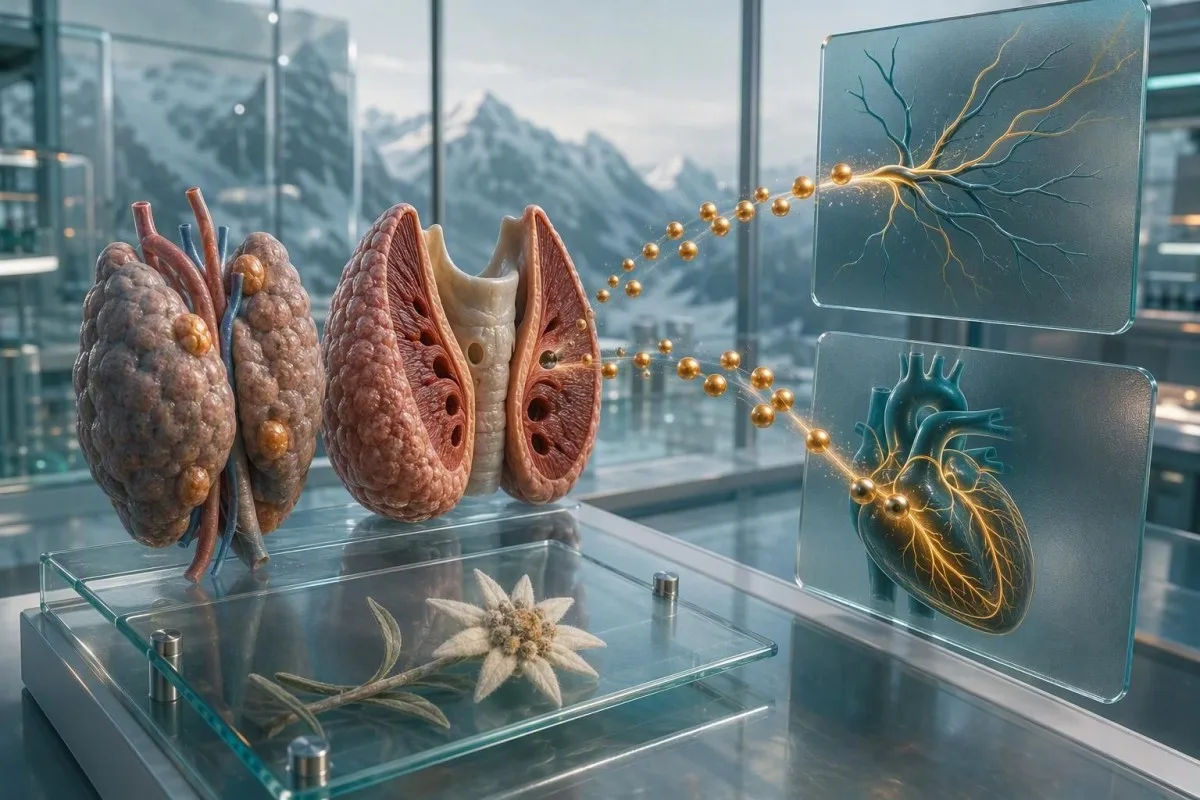
პირის ღრუს გარშემო ჩხვლეტა, ხელის კრუნჩხვები და კანკალი შეიძლება მიუთითებდეს კალციუმის დაბალ დონეზე, მაგრამ კრუნჩხვები, სუნთქვის გაძნელება, გულის წასვლა ან ახალი არარეგულარული გულისცემა საჭიროებს სასწრაფო შეფასებას. რიცხვი მნიშვნელოვანია, თუმცა დაცემის სიჩქარე და იონიზებული კალციუმის დონე ხშირად უფრო მნიშვნელოვანია.


- საგანგებო ნიშნები მოიცავს კრუნჩხვებს, გულის წასვლას, სტრიდორს, დაბნეულობას ან მდგრად არარეგულარულ გულისცემას; მიმართეთ სასწრაფო დახმარებას დამატებითი დანამატების მიღების ნაცვლად.
- იონიზებული კალციუმი ჩვეულებრივ შეადგენს დაახლოებით 1.15-1.33 mmol/L; ის ზომავს ბიოლოგიურად აქტიურ კალციუმს და უპირატესობა ენიჭება მწვავე ავადმყოფობის დროს.
- მთლიანი კალციუმი ჩვეულებრივ მერყეობს დაახლოებით 8.5-10.5 mg/dL (2.12-2.62 mmol/L), მაგრამ ანგარიშის ლაბორატორიის დიაპაზონი არის ის, რაც უნდა გამოიყენოთ.
- პერიორალური ჩხვლეტა და კარპოპედული სპაზმი არის ჰიპოკალციემიის კლასიკური სიმპტომები, გამოწვეული ნერვებისა და კუნთების მომატებული აგზნებადობით.
- მძიმე ჰიპოკალცემია ხშირად განისაზღვრება როგორც კორექტირებული კალციუმი 1.9 mmol/L (7.6 mg/dL) ქვემოთ, განსაკუთრებით სიმპტომების ან ეკგ ცვლილებების არსებობისას.
- მაგნიუმის დეფიციტი შეუძლია თავიდან აიცილოს პარათირეოიდული ჰორმონის გამოყოფა, ამიტომ კალციუმი შეიძლება არ გამოსწორდეს მანამ, სანამ მაგნიუმი არ შეიცვლება.
- ალბუმინი მნიშვნელოვანია იმიტომ, რომ დაბალმა ალბუმინმა შეიძლება შეამციროს მთლიანი კალციუმი იონიზებული კალციუმის შემცირების გარეშე; კორექტირებული მნიშვნელობა მხოლოდ შეფასებაა.
- არ იმკურნალოთ თვითნებურად აგრესიულად მაღალი დოზით კალციუმით, თუ გაქვთ თირკმელების დაავადება, იღებთ დიგოქსინს ან გაქვთ მძიმე სიმპტომები.
როდესაც დაბალი კალციუმის სიმპტომები საჭიროებენ სასწრაფო დახმარებას
კალციუმის დაბალი დონის სიმპტომები სასწრაფო დახმარებას საჭიროებს დაუყოვნებლივ, როდესაც ჩხვლეტას ან კრუნჩხვებს თან ახლავს კრუნჩხვა, გულის წასვლა, დაბნეულობა, მაღალი ტონის ხმაურიანი სუნთქვა, მძიმე ქოშინი ან ახალი მუდმივი არარეგულარული გულისცემა. ეს მახასიათებლები შეიძლება ასახავდეს ნერვული ან გულის მწვავე არასტაბილურობას, არა ჩვეულებრივ დიეტურ დეფიციტს.
კალციუმის მაჩვენებელი ქვემოთ 1.9 mmol/ლ (7.6 მგ/დლ) ზოგადად მოზრდილებში მძიმედ ითვლება, განსაკუთრებით თუ სიმპტომები არსებობს. სასწრაფო დახმარების ექიმები ჩვეულებრივ იღებენ ეკგ-ს და იმეორებენ კალციუმს მაგნიუმთან, ფოსფატთან, კრეატინინთან და ალბუმინთან ერთად, ვიდრე ერთ რიცხვს დაეყრდნობიან.
პაციენტებს ვეუბნები, რომ მხოლოდ ხელის კრუნჩხვა არასასიამოვნოა, მაგრამ არა ავტომატურად საშიში; ხელის კრუნჩხვა ყელის დაჭიმვით, ხმის ცვლილებით ან ჰაერის ჩასუნთქვის გაძნელებით განსხვავებულია. ხორხის კუნთებს შეუძლიათ სპაზმი მწვავე ჰიპოკალციემიის დროს, და ეს საჭიროებს მონიტორინგს ინტრავენური კალციუმით.
2026 წლის 20 აგვისტოს მდგომარეობით, ყველაზე უსაფრთხო წესი მარტივია: ნუ მართავთ მანქანას, თუ სიმპტომები მძიმდება. გადაუდებელი ელექტროლიტური სიმპტომების უფრო ფართო ნიმუში მოცემულია ჩვენს ელექტროლიტური გადაუდებელი დახმარების სახელმძღვანელოში.
საერთო ჩხვლეტის, კანკალისა და კრუნჩხვების ნიშნები
კალციუმის დაბალი დონის ჩხვლეტა ჩვეულებრივ იწყება ტუჩების, თითების წვერების ან ფეხის თითების გარშემო და შეიძლება პროგრესირებდეს მტკივნეულ ხელის ან ფეხის სპაზმამდე. ჰიპოკალციემია ამცირებს ნერვების აგზნების ბარიერს, ამიტომ სიმპტომები შეიძლება ელექტროშოკის მსგავსი იყოს სისუსტის განვითარებამდეც კი.
კლასიკური პოზაა კარპოპედული სპაზმი: მაჯა იხრება და თითები უნებურად იკეცება. ჩემი კლინიკური გამოცდილებით, პაციენტები ხშირად აღწერენ მას, როგორც ხელებს, რომლებიც დროებით არ ემორჩილებიან, ვიდრე ტიპიურ ხბოს კრუნჩხვას ვარჯიშის შემდეგ.
ლოყის დაჭერისას სახის კუნთების შეკუმშვა, ე.წ. ჩვოსტეკის ნიშანი, თავისთავად არ არის დიაგნოსტიკური; ის შეიძლება გამოვლინდეს კალციუმის ნორმალური დონის მქონე ადამიანებში. სისხლის ანალიზი, სიმპტომების დრო, მჟავა-ტუტოვანი ბალანსი და მედიკამენტების ისტორია ბევრად უფრო სასარგებლოა, ვიდრე სახლში საწოლთან ჩატარებული ნიშნების მცდელობა.
პანიკასთან დაკავშირებულმა ჰიპერვენტილაციამ შეიძლება გამოიწვიოს იგივე წვრილმანი შეგრძნება, რადგან რესპირატორული ალკალოზი დროებით ამცირებს იონიზებულ კალციუმს, აუცილებლად არ ცვლის მთლიან კალციუმს. თუ კანკალი, ოფლიანობა ან შიმშილი ასევე გამოხატულია, შეადარეთ ნიმუში ჰიპოგლიკემიის გაფრთხილების ნიშნები.
გულის და სუნთქვის ნიშნები, რომლებიც ცვლიან ტრიაჟს
ჰიპოკალციემიამ შეიძლება გაახანგრძლივოს QT ინტერვალი ეკგ-ზე და მძიმე შემთხვევებში გამოიწვიოს საშიში რიტმის დარღვევები ან გულის უკმარისობის სიმპტომები. პალპიტაციები საჭიროებენ იმავე დღის სამედიცინო რჩევას, როდესაც ისინი თან ახლავს კალციუმის დაბალ დონეს, თავბრუსხვევას, ტკივილს გულმკერდის არეში ან გულის წასვლამდე.
გახანგრძლივებულმა QT-მ არ ამტკიცებს, რომ კალციუმი არის მიზეზი; დაბალმა მაგნიუმმა, გარკვეულმა მედიკამენტებმა, თანდაყოლილმა გრძელი QT სინდრომებმა და დაბალმა კალიუმმა ასევე შეიძლება შეიტანონ წვლილი. ექიმების შეშფოთების მიზეზი ამ კომბინაციით არის ის, რომ ელექტროლიტების რამდენიმე დარღვევა ერთად ზრდის არითმიის რისკს ბევრად მეტად, ვიდრე რბილი იზოლირებული კალციუმის მაჩვენებელი.
კალციუმის დაბალი დონის გამო ქოშინი უჩვეულოა, მაგრამ სასწრაფოა, როდესაც ის ასახავს ლარინგოსპაზმს, ბრონქოსპაზმს ან გულის დისფუნქციას. ადამიანს, რომელსაც არ შეუძლია სრული წინადადებებით ლაპარაკი, აქვს მოლურჯო-რუხი ტუჩები ან გრძნობს სისუსტეს, სჭირდება სასწრაფო დახმარება, მაშინაც კი, თუ ლაბორატორიული ანგარიში ჯერ არ გამოქვეყნებულა.
კანტესტი არის AI სისხლის ტესტის ანალიზატორი რომელიც კითხულობს კალციუმს მაგნიუმთან, კალიუმთან, თირკმელების მარკერებთან და ალბუმინთან ერთად, რადგან ელექტროლიტის ერთი დროებითი გადახრა იშვიათად ხსნის მთელ კლინიკურ სურათს. სიმპტომებზე დაფუძნებული გულის კლინიკური კონტექსტისთვის იხილეთ ჩვენი პალპიტაციების სისხლის ანალიზის სახელმძღვანელო.
რომელი კალციუმის მნიშვნელობებია მსუბუქი, მძიმე ან კრიტიკული?
ზრდასრულთა მთლიანი კალციუმის დონე ჩვეულებრივ არის დაახლოებით 2.12-2.62 mmol/L (8.5-10.5 mg/dL), ხოლო იონიზებული კალციუმის დონე ჩვეულებრივ არის დაახლოებით 1.15-1.33 mmol/L. ნორმალური მნიშვნელობები ოდნავ განსხვავდება ანალიზატორის, ასაკის, ორსულობის სტატუსისა და ადგილობრივი ლაბორატორიული მეთოდის მიხედვით.
სიმპტომები ხშირად ვლინდება, როდესაც მთლიანი კალციუმი ეცემა დაახლოებით 1.9 ммოლ/ლ, მაგრამ 2.45-დან 2.00 მმოლ/ლ-მდე სწრაფმა ვარდნამ შეიძლება გამოიწვიოს მეტი ჩხვლეტა, ვიდრე ხანგრძლივად არსებულმა 1.90 მმოლ/ლ-მა. ეს არის ერთი მიზეზი, რის გამოც ექიმი კითხულობს ფარისებრი ჯირკვლის ან კისრის ოპერაციის, ღებინების, გადასხმის და ბოლო ავადმყოფობის შესახებ გადაუდებლობის გადაწყვეტამდე.
ძველი კორექციის ფორმულა ამატებს 0.8 მგ/დლ-ზე, მთლიან კალციუმს ყოველ 1 გ/დლ-ზე, როდესაც ალბუმინი 4.0 გ/დლ-ზე დაბალია. ეს არის უხეში სკრინინგის ინსტრუმენტი, არა იონიზებული კალციუმის შემცვლელი, განსაკუთრებით კრიტიკულად დაავადებულთათვის, თირკმელების დაავადების ან ძირითადი მჟავა-ტუტოვანი დისბალანსის დროს.
დოქტორ თომას კლაინის პრაქტიკული რჩევაა, გადაიღოთ ან შეინახოთ ორიგინალური ანგარიში, მათ შორის ერთეულები და ნორმალური მნიშვნელობები. ასტერიკები ლაბორატორიული მითითებებია, დიაგნოზი კი არა; ჩვენი სახელმძღვანელო დიაპაზონს მიღმა ლაბორატორიული ნიშნების შესახებ ახსნილია, რატომ.
რატომ შეიძლება მაგნიუმი და ფოსფატი ხსნიდეს კრუნჩხვებს
მაგნიუმის დაბალმა დონემ შეიძლება გამოიწვიოს ან შეინარჩუნოს ჰიპოკალციემია, დაქვეითებული პარათირეოიდული ჰორმონის სეკრეციისა და მოქმედების გამო. ამრიგად, კალციუმის დანამატებმა შეიძლება მცირე გაუმჯობესება გამოიწვიოს, სანამ მაგნიუმის დეფიციტი არ გამოსწორდება.
შრატის მაგნიუმის დონე ჩვეულებრივ შეადგენს დაახლოებით 0.70-1.00 მმოლ/ლ (1.7-2.4 მგ/დლ), თუმცა ნორმალური შრატის მნიშვნელობები ყოველთვის არ გამორიცხავს ორგანიზმში დაგროვილი მარაგების დეფიციტს. შარდმდენები, პროტონული ტუმბოს ინჰიბიტორები, ალკოჰოლის ზემოქმედება, დიარეა და ზოგიერთი ქიოთერაპიული პრეპარატი ხშირი მიზეზებია.
ფოსფატი იძლევა სასარგებლო მინიშნებას: დაბალი კალციუმი მაღალი ფოსფატი შეიძლება მიუთითებდეს პარათირეოიდული ჰორმონის აქტივობის დაქვეითებაზე ან თირკმლის ფუნქციის მძიმე დარღვევაზე, ხოლო დაბალი კალციუმი დაბალ ფოსფატთან ერთად შეიძლება მიუთითებდეს D ვიტამინის დეფიციტი ან მალაბსორბცია. ეს არის სურათები, არა განაჩენი, და კლინიკური გარემოებები განსაზღვრავს მომდევნო ნაბიჯებს.
ეს დიფერენცირება განსაკუთრებით სასარგებლოა კისრის ოპერაციის შემდეგ, როდესაც კალციუმის დონის დაქვეითება და შეუსაბამოდ დაბალი PTH შეიძლება მიუთითებდეს პოსტოპერაციულ ჰიპოპარათირეოიდიზმზე. დამატებითი ინფორმაცია იხილეთ დაბალი პარათირეოიდული ჰორმონის სურათების შესახებ და მაგნიუმთან დაკავშირებული მიზეზების შესახებ.
მთლიანი კალციუმი, ალბუმინი და იონიზებული კალციუმი არ იცვლება
ალბუმინის დაბალი დონე შეიძლება იწვევდეს მთლიანი კალციუმის მაჩვენებლის შემცირებას, მაშინ როცა ბიოლოგიურად აქტიური იონიზებული კალციუმი ნორმალურია. იონიზებული კალციუმის ტესტირება უპირატესია, როდესაც სიმპტომები მწვავეა, ალბუმინის დონე არანორმალურია, ან სავარაუდოა მჟავა-ტუტოვანი დისბალანსი.
დაახლოებით 45% კალციუმი ცირკულირებს იონიზებული ფორმით, დაახლოებით 40% უკავშირდება ალბუმინს, ხოლო დანარჩენი კომპლექსდება ანიონებთან, როგორიცაა ფოსფატი და ციტრატი. მხოლოდ იონიზებული კალციუმი პირდაპირ განსაზღვრავს მემბრანის აგზნებადობას, ამიტომ ის საუკეთესოდ შეესაბამება სიმპტომებს.
ტურნიკეტის ხანგრძლივად დატოვება, სინჯის დაგვიანებული აღება ან ჰაერთან იონიზებული კალციუმის სინჯის ზემოქმედება შეიძლება შეიცვალოს შედეგი pH-ის ცვლილების გამო. ლაბორატორიები ხშირად მოითხოვენ სწრაფ, ანაერობულ დამუშავებას; ეს უმნიშვნელო პრე-ანალიტიკური დეტალი შეიძლება თავიდან აგაცილოთ არასაჭირო გადაუდებელი მიმართვა.
კანტესტის AI სისხლის ანალიზის განმარტების პლატფორმა ხსნის, თან ახლავს თუ არა დაბალი მთლიანი კალციუმი დაბალ ალბუმინს და მიუთითებს, როდის შეიძლება გადაწყვიტოს გაურკვევლობა იონიზებული გაზომვამ. ცილა-დაკავშირებული ანალიტების ფიზიოლოგიის შესახებ იხილეთ ჩვენი სახელმძღვანელო შრატის ცილების საცნობარო მაჩვენებლებისთვის.
თირკმელების დაავადება ქმნის განსხვავებულ დაბალი კალციუმის ნიმუშს
ქრონიკული თირკმლის დაავადებამ შეიძლება შეამციროს კალციუმი კალციტრიოლის წარმოქმნის დაქვეითების, ფოსფატის შეკავების და მეორადი ჰიპერპარათირეოიდიზმის გამო. ამ სიტუაციაში, ერთი კალციუმის მაჩვენებლის მკურნალობა ფოსფატის, PTH-ის და თირკმლის ფუნქციის შემოწმების გარეშე შეიძლება იყოს კონტრპროდუქტიული.
როდესაც eGFR ეცემა ქვემოთ 60 მლ/წთ/1.73 მ² მინიმუმ 3 თვის განმავლობაში, აღინიშნება ქრონიკული თირკმლის დაავადება და მინერალურ-ძვლოვანი მონიტორინგი ხდება სულ უფრო აქტუალური. KDIGO-ს რეკომენდაციები ხაზს უსვამს კალციუმის, ფოსფატის, PTH-ის და ტუტე ფოსფატაზას ტენდენციების დაცვას, ვიდრე ერთ კონკრეტულ მაჩვენებელზე ფოკუსირებას.
კალციუმის კარბონატის ტაბლეტი ასევე მოქმედებს როგორც ფოსფატის მაკავებელი, რაც სასარგებლოა შერჩეული პაციენტებისთვის, მაგრამ შეიძლება გამოიწვიოს ყაბზობა და არასასურველი კალციუმის დატვირთვა. სწორედ ამიტომ, თირკმლის დაავადების მქონე პირმა არ უნდა დაიწყოს გრამ-დონის კალციუმის დამატებითი მიღება თირკმლის გუნდის რჩევის გარეშე.
დაბალი კალციუმი, მაღალი ფოსფატი და დაქვეითებული eGFR საჭიროებს დაგეგმილ სამედიცინო მეთვალყურეობას, მაშინაც კი, თუ დღეს არ არის ჩხვლეტის შეგრძნება. ჩვენი CKD სტადიების სახელმძღვანელო ეხმარება eGFR-ისა და შარდის ალბუმინის შედეგების კონტექსტში მოთავსებაში.
D ვიტამინის დეფიციტი უბრალო დაბალი კალციუმის დიეტის წინააღმდეგ
D ვიტამინის დეფიციტი ამცირებს ნაწლავში კალციუმის შეწოვას და შეიძლება გამოიწვიოს დაბალი კალციუმი, მაღალი PTH, ძვლების ტკივილი და პროქსიმალური კუნთების სისუსტე. მოზრდილებში კალციუმის დაბალი დონის შემთხვევების უმეტესობა არ არის გამოწვეული მხოლოდ კალციუმის დიეტური მიღებით.
25-ჰიდროქსვიტამინ D-ის კონცენტრაცია ქვემოთ 25 ნმოლ/ლ (10 ნგ/მლ) ფართოდ განიხილება როგორც მძიმე დეფიციტი, ხოლო არასაკმარისობის ზღვრები განსხვავდება 50-დან 75 ნმოლ/ლ-მდე პროფესიულ ჯგუფებში. მტკიცებულებები შერეულია იმასთან დაკავშირებით, თუ სად უნდა იყოს ჯანმრთელი ადამიანის მიზანი ამ დიაპაზონის ზემოთ.
ზრდასრულებს, როგორც წესი, სჭირდებათ 1,000-1,200 მგ კალციუმი დღეში საკვებიდან და დანამატებიდან ერთად, ასაკისა და სქესის მიხედვით, მაგრამ მიზანი არ არის შრატის კალციუმის გაზრდა დიეტით ღამით. იოგურტი, გამდიდრებული მცენარეული ალტერნატივები, კალციუმით მომზადებული ტოფუ, ძვლებით შეჭმული პატარა თევზი და ფოთლოვანი მწვანილი შეიძლება წვლილი შეიტანონ.
თუ კრუნჩხვები დაიწყო შემზღუდავი დიეტის, ბარიატრიული ქირურგიის ან თვეების შენობაში გატარების შემდეგ, მიმართეთ ვიტამინ D-ს, PTH-ს, მაგნიუმს, ფოსფატს და ტუტე ფოსფატაზას, ვიდრე მხოლოდ კალციუმის შეკვეთას. საკვების წყაროები და რეალისტური მოლოდინები გაშუქებულია ვიტამინ D-ს საკვების სახელმძღვანელო მითითებები.
ფაღარათი, ცელიაკია და მალაბსორბციის ნიშნები
ქრონიკული დიარეა, ცხიმიანი განავალი, დაუგეგმავი წონის დაკლება ან რკინის დეფიციტი დაბალი კალციუმის თანხლებით იწვევს მალაბსორბციის ეჭვს. ცელიაკიის დაავადება, ანთებითი ნაწლავის დაავადება, პანკრეასის უკმარისობა და კუჭ-ნაწლავის წინა ოპერაციამ შეიძლება შეამციროს კალციუმის და ვიტამინ D-ს შეწოვა.
ცელიაკიის სკრინინგი, როგორც წესი, იწყება ქსოვილის ტრანსგლუტამინაზა IgA-ით პლუს მთლიანი IgA, სანამ ადამიანი მოიხმარს გლუტენს. დაბალი მთლიანი IgA-მ შეიძლება გამოიწვიოს ცრუ დამამშვიდებელი IgA-ზე დაფუძნებული ცელიაკიის ტესტი, ამიტომ შესაძლოა საჭირო გახდეს IgG-ზე დაფუძნებული ანალიზი.
ერთი უგულებელყოფილი მინიშნებაა დაბალი კალციუმის, დაბალი ფერიტინის და მომატებული ტუტე ფოსფატაზას კომბინაცია; მას შეუძლია მიუთითოს გახანგრძლივებული კვებითი ნივთიერებების მალაბსორბცია ძვლის მომატებული ბრუნვით. ეს არ დიაგნოსტიკას ცელიაკიის დაავადებას, მაგრამ საკმარისია ფოკუსირებული ისტორიისა და მიზნობრივი ტესტირების გასამართლებლად.
კანტესტი არის AI-ზე დაფუძნებული სისხლის ანალიზის (blood test analysis) ხელსაწყო რომელიც ამოიცნობს დაკავშირებულ საკვებ ნივთიერებებს და მინერალურ დროშებს პანელების მიხედვით, კალციუმის შედეგის, როგორც ცალკეული პრობლემის მკურნალობის ნაცვლად. თუ დიარეა სურათის ნაწილია, გადახედეთ დიარეასთან დაკავშირებული ლაბორატორიული მინიშნებები და IgA ტესტირების ხაფანგები.
მედიკამენტები და მკურნალობა, რომლებმაც შეიძლება შეამცირონ კალციუმი
ბისფოსფონატები, დენოსუმაბი, ციკალცინეტი, მარყუჟის შარდმდენები, ანტიკონვულსანტები, ცისპლატინი და დიდი ციტრატის დატვირთვა ტრანსფუზიის დროს შეიძლება გამოიწვიოს ჰიპოკალციემია. რისკი ყველაზე მაღალია, როდესაც ვიტამინ D დაბალია, თირკმლის ფუნქცია შემცირებულია ან მაგნიუმი დაქვეითებულია.
დენოსუმაბთან დაკავშირებული ჰიპოკალციემია შეიძლება მოხდეს ინექციიდან დღეების ან კვირების შემდეგ და შეიძლება იყოს გახანგრძლივებული თირკმელების მოწინავე დაავადების შემთხვევაში. ახალი ძვლის გამაძლიერებელი ინექციის შემდეგ სიმპტომები უნდა მოითხოვდეს დროულ კალციუმის, მაგნიუმის, ფოსფატის, კრეატინინის და ვიტამინ D-ს ტესტირებას, ვიდრე დაკვირვებით ლოდინს.
მასიურმა ტრანსფუზიამ შეიძლება დროებით შეამციროს იონიზებული კალციუმი, რადგან ციტრატი აკავშირებს კალციუმს; ექიმები ამას ყურადღებით აკონტროლებენ რეანიმაციის დროს. იგივე კონცეფცია ხსნის, თუ რატომ შეიძლება სიმპტომები სწრაფად იცვლებოდეს საავადმყოფოში, განსხვავებით ნელი ვარდნისგან, რომელიც გამოწვეულია ცუდი შეყვანით.
მიიტანეთ ყოველი რეცეპტი, ურეცეპტოდ გაცემული პროდუქტი, ანტაციდი და დანამატი მიმოხილვაზე — განსაკუთრებით დოზა და დაწყების თარიღი. ხანგრძლივი მჟავა-სუპრესიული თერაპია ასევე მოითხოვს უფრო ფართო შემოწმებას; ჩვენი PPI მონიტორინგის სტატია ხსნის საკვებ ნივთიერებების კუთხეს.
დაბალი კალციუმი ბავშვებში, ორსულებსა და ხანდაზმულებში
ჩვილებში და ბავშვებში კალციუმის საცნობარო დიაპაზონები უფრო მაღალია, ხოლო ორსულობა ხშირად ამცირებს მთლიან კალციუმს ალბუმინის დაქვეითების გამო ნამდვილი იონიზებული ჰიპოკალციემიის გარეშე. ასაკმა და ფიზიოლოგიურმა მდგომარეობამ, შესაბამისად, შეიძლება მთლიანად შეცვალოს ინტერპრეტაცია.
ახალშობილთა ჰიპოკალციემია შეიძლება გამოვლინდეს კანკალით, ცუდი კვებით, აპნოეით ან კრუნჩხვით და საჭიროებს გადაუდებელ პედიატრიულ შეფასებას. ბავშვებში კლინიცისტები ითვალისწინებენ ნაადრევ მშობიარობას, D ვიტამინის სტატუსს, ფოსფატის მიღებას, გენეტიკურ მდგომარეობებს და დედის დიაბეტს კალციუმის გაზომვასთან ერთად.
ორსულობის დროს საერთო კალციუმის დონე შეიძლება დაეცეს დაახლოებით 0.5 მგ/დლ (0.12 მმოლ/ლ) ალბუმინის დაცემის გამო, ხოლო იონიზებული კალციუმი ჩვეულებრივ სტაბილური რჩება. ორსულობის დროს ახალი ჩხვლეტა ან სპაზმები კვლავ საჭიროებს განხილვას, რადგან ჰიპერვენტილაცია, მაგნიუმის დეფიციტი და პრეეკლამფსიასთან დაკავშირებული მოვლა შეიძლება გართულდეს.
ხანდაზმულებში ხშირად ემთხვევა მოტეხილობები, დაბალი D ვიტამინის დონე, თირკმელების დაავადება და მრავალი მედიკამენტი. გამოიყენეთ ასაკისთვის სპეციფიკური კონტექსტი ჩვენი ბავშვთა კალციუმის სახელმძღვანელოდან და მიმართეთ კლინიცისტის რჩევას მაღალი დოზით დანამატების დამატებამდე.
როგორ ადასტურებენ კლინიცისტები ნამდვილად დაბალი კალციუმის შედეგს
დადასტურებული ჰიპოკალციემიის გამოკვლევა ჩვეულებრივ მოიცავს კალციუმის, ალბუმინის, იონიზებული კალციუმის (შესაბამისად), მაგნიუმის, ფოსფატის, კრეატინინის, PTH და 25-ჰიდროქსვიტამინ D-ის განმეორებით ტესტირებას. ეკგ ტესტირება სწრაფად ემატება, როდესაც სიმპტომები მნიშვნელოვანია ან კალციუმის დონე ძლიერ დაბალია.
განმეორებითი სინჯი გონივრულია, თუ ადამიანი თავს კარგად გრძნობს და საერთო კალციუმი მხოლოდ ოდნავ დაბალია, განსაკუთრებით მაშინ, როდესაც ალბუმინიც დაბალია. თუმცა, განმეორებითი ტესტირება არ უნდა აჭიანურებდეს სასწრაფო დახმარებას კრუნჩხვების, სტრიდორის, სინკოპეს ან სიმპტომური კალციუმის დონის გამო, რომელიც უფრო დაბალია ვიდრე 1.9 ммოლ/ლ.
PTH უნდა გაიზარდოს, როდესაც კალციუმი დაბალია; ნორმალური ან დაბალი PTH, შესაბამისად, შეიძლება იყოს შეუსაბამოდ დაბალი და მიუთითებდეს ჰიპოპარათირეოიდიზმზე. პირიქით, მაღალი PTH ხშირად ნიშნავს, რომ ორგანიზმი სათანადოდ რეაგირებს D ვიტამინის დეფიციტზე, თირკმელების დაავადებაზე ან შეწოვის დარღვევაზე.
Kantesti AI-ს შეუძლია სერიული მინერალური შედეგების ორგანიზება თარიღის მიხედვით, რაც ხელს უწყობს ერთჯერადი ლაბორატორიული ანომალიის გარჩევას დაღმავალი ტრაექტორიისგან. თუ არსებობს სინჯის პრობლემის ეჭვი, ჩვენი განმეორებითი ტესტის ხელახალი აღების სახელმძღვანელო ხსნის, რას ამოწმებს ლაბორატორიები.
უსაფრთხო მკურნალობა: რატომ მეტი კალციუმი ყოველთვის უკეთესი არ არის
სიმპტომური მძიმე ჰიპოკალციემია მკურნალობს საავადმყოფოში მონიტორინგით ინტრავენური კალციუმით, ხოლო სტაბილურ მსუბუქ შემთხვევებს ჩვეულებრივ მართავენ მიზეზის დადგენით და პერორალური კალციუმის ან D ვიტამინის შერჩევით გამოყენებით. სწორი დოზა დამოკიდებულია მიზეზზე, თირკმელების ფუნქციაზე, ფოსფატზე და თანმხლებ მედიკამენტებზე.
სტაბილური მოზრდილებისთვის კლინიცისტები ხშირად იყენებენ 1000-2000 მგ დღეში ელემენტარული კალციუმი გაყოფილი დოზებით მოკლე პერიოდის განმავლობაში, როდესაც ეს მითითებულია; კალციუმის კარბონატის წონა ეტიკეტზე არ არის იგივე, რაც ელემენტარული კალციუმი. კალციუმის კარბონატი საუკეთესოდ შეიწოვება ჭამის დროს, ხოლო კალციუმის ციტრატი შეიძლება სასურველი იყოს დაბალი კუჭის მჟავიანობის დროს.
ზედმეტმა დანამატმა კალციუმმა შეიძლება გამოიწვიოს ყაბზობა, თირკმლის ქვები, ჰიპერკალციემია და მედიკამენტების ურთიერთქმედება. გამოყავით კალციუმი ლევოთიროქსინთან, რკინასთან, ტეტრაციკლინთან და ქინოლონთან ანტიბიოტიკებთან მინიმუმ 4 საათი თუ ფარმაცევტი არ მოგცემთ სხვა ინსტრუქციებს.
ენდოკრინოლოგიის საზოგადოების საგანგებო მითითებები გვირჩევს ინტრავენურ კალციუმის გლუკონატს მწვავე სიმპტომური ჰიპოკალციემიისთვის მონიტორინგის ქვეშ, არა ტაბლეტების თვითნებურად გაზრდას (Turner et al., 2016). Kantesti-ის ტექნოლოგიის გზამკვლევი აღწერს, თუ როგორ იყენებს ჩვენი კლინიკური წესები სასწრაფო კომბინაციებს ადამიანის მიმოხილვისთვის.
პრაქტიკული მომდევნო ნაბიჯების გეგმა დაბალი კალციუმის დაფიქსირების შემდეგ
თუ გაქვთ მსუბუქი ჩხვლეტა ან წყვეტილი კრუნჩხვები გადაუდებელი ნიშნების გარეშე, დანიშნეთ სასწრაფო კლინიკური შეფასება და წარმოადგინეთ სრული ანგარიში, მედიკამენტების სია და სიმპტომების ქრონოლოგია. თუ გაქვთ მძიმე სიმპტომები, მიმართეთ სასწრაფო დახმარებას ახლავე, ვიდრე ონლაინ ინტერპრეტაციას დაელოდებით.
ჩაწერეთ, დაიწყო თუ არა სიმპტომები კისრის ოპერაციის, ძვლის ჯანმრთელობისთვის ინექციის, ღებინების ან დიარეის, ახალი შარდმდენის, შემზღუდავი დიეტის ან ჰოსპიტალიზაციის შემდეგ. ეს დეტალები ხშირად უფრო სწრაფად ავიწროვებს მიზეზს, ვიდრე უმიზნოდ ფართო პანელების გამეორება.
დოქტორმა თომას კლაინმა ნახა ბევრი პაციენტი, რომლებიც დამშვიდდნენ კალციუმის გაანგარიშების კორექციის შემდეგ, როდესაც საჭირო იყო იონიზებული კალციუმი, და ბევრი სხვა, შეშინებული კეთილთვისებიანი ალბუმინთან დაკავშირებული სრული კალციუმის დარღვევით. შესაბამისი შემდეგი ტესტი დამოკიდებულია სიმპტომებსა და კონტექსტზე, ამიტომ კლინიკური შეფასება რჩება ცენტრალურ როლში.
Kantesti მუშაობს ექიმის ზედამხედველობით და კონფიდენციალურობაზე ორიენტირებული ანგარიშების დამუშავებით იმ ადამიანებისთვის, ვისაც სჭირდება თავისი შედეგების სტრუქტურირებული მიმოხილვა დროთა განმავლობაში. ჩვენი სამედიცინო საკონსულტაციო საბჭო მიმოიხილავს უსაფრთხოების შეტყობინებების კლინიკურ პრინციპებს; სიზუსტის მეთოდები ხელმისაწვდომია ჩვენს სამედიცინო ვალიდაციის მიმოხილვაში.
ხშირად დასმული კითხვები
რა არის დაბალი კალციუმის პირველი სიმპტომები?
ყველაზე ადრეული დაბალი კალციუმის სიმპტომები ხშირად არის დაბუჟება პირის ღრუს, თითების ან ფეხის თითების გარშემო, რასაც მოჰყვება კრუნჩხვები ან კუნთების სპაზმი. სიმპტომები ჩნდება იმის გამო, რომ იონიზებული კალციუმის დაქვეითება ზრდის ნერვებისა და კუნთების აგზნებადობას. საერთო კალციუმის დონე დაახლოებით 2.12 მმოლ/ლ (8.5 მგ/დლ) ქვემოთ შეიძლება იყოს არანორმალური, მაგრამ სიმპტომები უკეთესად ასოცირდება იონიზებულ კალციუმთან და ცვლილების სიჩქარესთან. ახალი დაბუჟება ხელის სპაზმით, პალპიტაციით ან სუნთქვის გაძნელებით საჭიროებს სასწრაფო სამედიცინო შეფასებას.
რა კალციუმის დონეზე უნდა მივიდე სასწრაფოში?
სასწრაფო შეფასება აუცილებელია კრუნჩხვების, გულის წასვლის, დაბნეულობის, ხმაურიანი ან გაძნელებული სუნთქვის, კუნთების ძლიერი სპაზმის ან გულის რიტმის მუდმივი არარეგულარული ცემის დროს, კალციუმის ნებისმიერ დონეზე. 1.9 მმოლ/ლ (7.6 მგ/დლ) ქვემოთ არსებული კორექტირებული საერთო კალციუმი ხშირად მძიმედ ითვლება, განსაკუთრებით სიმპტომების არსებობისას. ნუ დაელოდებით, სანამ კალციუმის დანამატი იმოქმედებს, თუ სიმპტომები მძიმდება. გადაუდებელი დახმარების ექიმებს შეუძლიათ სწრაფად შეამოწმონ იონიზებული კალციუმი, მაგნიუმი, ფოსფატი, თირკმელების ფუნქცია და ელექტროკარდიოგრამა (ეკგ).
დაბალი კალციუმი იწვევს თუ არა დაბუჟებას ნორმალური ვიტამინი D-ს დროს?
დიახ, დაბალი კალციუმით გამოწვეული ჩხვლეტა შეიძლება მოხდეს ნორმალური ვიტამინი D-ის დროსაც, რადგან ჰიპოპარათირეოზი, დაბალი მაგნიუმი, თირკმელების დაავადება, მედიკამენტები, მწვავე ჰიპერვენტილაცია და ციტრატის ზემოქმედება შეიძლება ამცირებდეს იონიზებულ კალციუმს. 25-ჰიდროქსით ვიტამინი D-ის ნორმალური მაჩვენებელი არ ზომავს PTH-ის ფუნქციას ან მაგნიუმის სტატუსს. კლინიცისტები ხშირად ამოწმებენ მაგნიუმს, ფოსფატს, კრეატინინს, PTH-ს, ალბუმინს და ზოგჯერ იონიზებულ კალციუმს, როდესაც ჩხვლეტა გრძელდება. იონიზებული კალციუმის საცნობი ინტერვალი ხშირად არის დაახლოებით 1.15-1.33 mmol/L, თუმცა ლაბორატორიები განსხვავდება.
შეიძლება თუ არა შფოთვამ ან ჰიპერვენტილაციამ გამოიწვიოს კალციუმის დაბალი დონის სიმპტომები?
ჰიპერვენტილაციამ შეიძლება გამოიწვიოს ჩხვლეტის შეგრძნება, ხელის კრუნჩხვები და თავბრუსხვევა სისხლში pH-ის მომატებისა და იონიზებული კალციუმის დროებითი შემცირების გამო. საერთო კალციუმის დონე შეიძლება ნორმალური დარჩეს, რადგან კალციუმი ორგანიზმიდან არ გამოდის, არამედ გადადის იონიზებული ფორმიდან ცილებთან შეკავშირებულ ფორმაში. სიმპტომები უნდა გაუმჯობესდეს სუნთქვის ნორმალიზების შემდეგ, მაგრამ პირველი ეპიზოდი გულმკერდის ტკივილით, გულის წასვლით, მძიმე ქოშინით ან ხანგრძლივი სპაზმით მაინც საჭიროებს გადაუდებელ შეფასებას. განმეორებითი ეპიზოდები არ უნდა მიეწეროს ავტომატურად შფოთვას კალციუმის, მაგნიუმის და შესაბამისი სამედიცინო ისტორიის გადამოწმების გარეშე.
რა არის განსხვავება კალციუმის დეფიციტსა და ჰიპოკალციემიას შორის?
კალციუმის დეფიციტი, როგორც წესი, აღნიშნავს არასაკმარის კვებით მიღებას ან კალციუმის უარყოფით ბალანსს დროთა განმავლობაში, მაშინ როდესაც ჰიპოკალციემია გულისხმობს სისხლში კალციუმის კონცენტრაციის დაქვეითებას. ადამიანს შეიძლება ჰქონდეს კვებითი მიღების დაბალი მაჩვენებელი სისხლში კალციუმის ნორმალური დონით, რადგან PTH ძვლიდან იღებს კალციუმს შრატის დონის შესანარჩუნებლად. პირიქით, მწვავე ჰიპოკალციემია შეიძლება განვითარდეს ადეკვატური მიღების მიუხედავად ფარისებრი ჯირკვლის ოპერაციის, გარკვეული მედიკამენტების ან მაგნიუმის მწვავე დეფიციტის შემდეგ. ზრდასრულებს, როგორც წესი, ესაჭიროებათ დაახლოებით 1,000-1,200 მგ კალციუმი ყოველდღიურად საკვებიდან და დანამატებიდან ერთად, ასაკისა და სქესის მიხედვით.
კალციუმის დანამატების მიღება კუნთების კრუნჩხვებს შეაჩერებს?
კალციუმის დანამატები ეხმარება კალციუმის დეფიციტს ან ჰიპოკალციემიის ზოგიერთ სტაბილურ მიზეზს, მაგრამ ისინი საიმედოდ ვერ მკურნალობენ კუნთების ყველა სპაზმს. დეჰიდრატაცია, მაგნიუმის დაბალი დონე, ნერვის შეკუმშვა, მედიკამენტების გვერდითი მოვლენები, პერიფერიული არტერიების დაავადება და ფიზიკური დატვირთვის შედეგად გამოწვეული კუნთების დაღლილობა შეიძლება გამოიწვიოს მსგავსი სიმპტომები. სტაბილური მკურნალობა ხშირად იყენებს 1,000-2,000 მგ ელემენტარულ კალციუმს დღეში გაყოფილი დოზებით მხოლოდ მაშინ, როდესაც კლინიცისტის მიერ დადასტურებულია მითითება. თირკმელების დაავადების, თირკმლის ქვების, სარკოიდოზის ან დიგოქსინის გამოყენების მქონე პირებმა უნდა მიმართონ კლინიცისტს მაღალი დოზით კალციუმის მიღებამდე.
მიიღეთ AI-ით გაძლიერებული სისხლის ანალიზის განმარტება დღეს
შეუერთდით 2 მილიონზე მეტ მომხმარებელს მთელ მსოფლიოში, რომლებიც ენდობიან Kantesti-ს ლაბორატორიული ანალიზების მყისიერ და ზუსტ განმარტებაში. ატვირთეთ თქვენი სისხლის ანალიზის შედეგები და მიიღეთ 15,000+ ბიომარკერების ყოვლისმომცველი ინტერპრეტაცია წამებში.
📚 მითითებული კვლევითი პუბლიკაციები
კლაინი, ტ., მიტჩელი, ს., და ვებერი, ჰ. (2026). Kantesti LTD. (2026). 100,000 სინთეზური ტესტ-შემთხვევის საფუძველზე Kantesti სისხლის-ტესტის განმარტების ძრავის წინასწარ-რეგისტრირებული, რუბრიკაზე დაფუძნებული ავტომატიზებული ტექნიკური ბენჩმარკი. Figshare.. Kantesti AI სამედიცინო კვლევა.
კლაინი, ტ., მიტჩელი, ს., და ვებერი, ჰ. (2026). Kantesti LTD. (2026). კლინიკური ვალიდაციის ჩარჩო v2.0 (სამედიცინო ვალიდაციის გვერდი). Zenodo.. Kantesti AI სამედიცინო კვლევა.
📖 გარე სამედიცინო წყაროები
⚕️ სამედიცინო პასუხისმგებლობის შეზღუდვა
ეს სტატია მხოლოდ საგანმანათლებლო მიზნებისთვისაა და არ წარმოადგენს სამედიცინო რჩევას. დიაგნოზისა და მკურნალობის გადაწყვეტილებებისთვის ყოველთვის მიმართეთ კვალიფიციურ ჯანდაცვის სპეციალისტს.
E-E-A-T სანდოობის სიგნალები
გამოცდილება
ექიმის ხელმძღვანელობით კლინიკური მიმოხილვა ლაბორატორიული ინტერპრეტაციის სამუშაო პროცესებზე.
ექსპერტიზა
ლაბორატორიული მედიცინის აქცენტი იმაზე, როგორ იქცევიან ბიომარკერები კლინიკურ კონტექსტში.
ავტორიტეტულობა
დაწერილია დოქტორ თომას კლაინის მიერ, მიმოხილვა: დოქტორ სარა მიტჩელისა და პროფესორ დოქტორ ჰანს ვებერის მიერ.
სანდოობა
მტკიცებულებებზე დაფუძნებული ინტერპრეტაცია, მკაფიო შემდგომი ნაბიჯებით, რათა შემცირდეს განგაშის დონე.