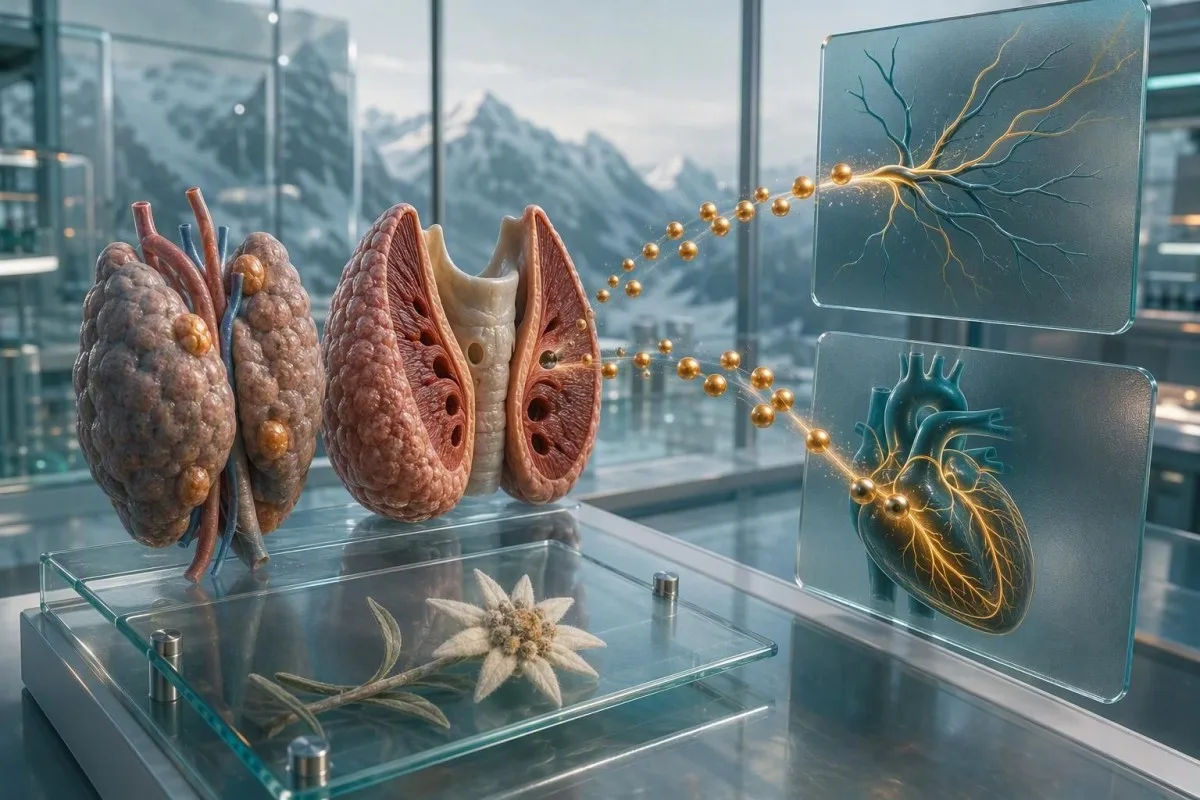
तोंडाभोवती मुंग्या येणे, हाताला पेटके येणे आणि ताठरता येणे ही कॅल्शियमची पातळी कमी असल्याचे लक्षण असू शकते, परंतु आकडी येणे, श्वास घेण्यास त्रास होणे, बेशुद्ध पडणे किंवा अनियमित हृदयाचे ठोके वा·जणे यासारख्या गंभीर लक्षणांसाठी तातडीने वैद्यकीय मदतीची गरज आहे. संख्या महत्त्वाची असली तरी, पडण्याचा वेग आणि आयोनइज्ड कॅल्शियमची पातळी अधिक महत्त्वाची ठरते.


- आपत्कालीन चिन्हे आकडी येणे, बेशुद्ध पडणे, स्ट्रायडर (श्वास घेताना आवाज येणे), गोंधळ किंवा अनियमित हृदयाचे ठोके कायम राहणे; अतिरिक्त सप्लीमेंट्स घेण्याऐवजी आपत्कालीन वैद्यकीय मदत घ्या.
- आयनाइझ्ड कॅल्शियम साधारणपणे 1.15-1.33 mmol/L असते; हे जैविक दृष्ट्या सक्रिय कॅल्शियम मोजते आणि तीव्र आजारादरम्यान प्राधान्य दिले जाते.
- एकूण कॅल्शियम साधारणपणे 8.5-10.5 mg/dL (2.12-2.62 mmol/L) असते, परंतु प्रयोगशाळेची स्वतःची संदर्भ श्रेणी वापरावी.
- तोंडाभोवती मुंग्या येणे आणि कार्पोपेडल स्पाझम (हात आणि पायांच्या बोटांना पेटके येणे) ही वाढलेल्या मज्जासंस्था आणि स्नायूंच्या उत्तेजनेमुळे होणारी हायपोकॅल्सेमियाची (कमी कॅल्शियम) वैशिष्ट्यपूर्ण लक्षणे आहेत.
- तीव्र हायपोकॅल्सेमिया साधारणपणे 1.9 mmol/L (7.6 mg/dL) पेक्षा कमी कॅल्शियम म्हणून परिभाषित केले जाते, विशेषतः जेव्हा लक्षणे किंवा ECG बदल उपस्थित असतात.
- मॅग्नेशियमची कमतरता पॅराथायरॉइड हार्मोन बाहेर पडण्यास प्रतिबंध करू शकते, त्यामुळे मॅग्नेशियम बदलले जात नाही तोपर्यंत कॅल्शियम सुधारू शकत नाही.
- अल्ब्युमिन महत्त्वाचे आहे कारण कमी अल्ब्युमिनमुळे आयोनइज्ड कॅल्शियम कमी न होता एकूण कॅल्शियम कमी होऊ शकते; दुरुस्त केलेले मूल्य (corrected value) केवळ एक अंदाज आहे.
- स्वतःहून जास्त उपचार करू नका जर तुम्हाला किडनीचा आजार असेल, तुम्ही डिगॉक्सिन (digoxin) घेत असाल किंवा गंभीर लक्षणे दिसत असतील, तर जास्त डोस कॅल्शियम (calcium) वापरू नका.
लो कॅल्शियम (कमी कॅल्शियम) ची लक्षणे आणि आपत्कालीन काळजीची गरज
तात्काळ वैद्यकीय मदतीची गरज असते जेव्हा बधिरता (tingling) किंवा स्नायू आखडणे (cramps) ही लक्षणे फिट येणे, बेशुद्ध होणे, गोंधळणे, श्वास घेताना कर्कश आवाज येणे, तीव्र धाप लागणे किंवा नवीन कायमस्वरूपी अनियमित हृदयाचे ठोके येणे यासोबत दिसतात. ही वैशिष्ट्ये तीव्र न्यूरोमस्क्युलर (neuromuscular) किंवा कार्डियाक (cardiac) अस्थिरता दर्शवू शकतात, आहारातील सामान्य कमतरता नाही.
कॅल्शियमची पातळी खाली 1.9 mmol/L (7.6 mg/dL) असल्यास, विशेषतः लक्षणे असल्यास, प्रौढांमध्ये सामान्यतः गंभीर मानली जाते. आपत्कालीन डॉक्टर सहसा ECG (इलेक्ट्रोकार्डिओग्राम) काढतात आणि मॅग्नेशियम (magnesium), फॉस्फेट (phosphate), क्रिएटिनिन (creatinine) आणि अल्ब्युमिन (albumin) सह कॅल्शियमची पातळी पुन्हा तपासतात, केवळ एका संख्येवर अवलंबून न राहता.
मी रुग्णांना सांगतो की केवळ हातांना गोळे येणे (hand cramping) अस्वस्थ करणारे आहे परंतु आपोआप धोकादायक नाही; हातांना गोळे येण्यासोबत घसा घट्ट होणे, आवाजात बदल होणे किंवा श्वास घेणे कठीण होणे वेगळे आहे. तीव्र हायपोकॅल्सेमियामध्ये (hypocalcemia) स्वरयंत्राचे स्नायू आखडू शकतात आणि त्यासाठी शिरेतून कॅल्शियम देऊन निरीक्षण करणे आवश्यक आहे.
20 ऑगस्ट 2026 पर्यंत, सर्वात सुरक्षित नियम सोपा आहे: लक्षणे वाढत असल्यास स्वतः गाडी चालवू नका. तातडीच्या इलेक्ट्रोलाइट (electrolyte) लक्षणांचे विस्तृत स्वरूप आमच्या इलेक्ट्रोलाइट आपत्कालीन मार्गदर्शिकेत (electrolyte emergency guide).
सामान्य मुंग्या, ताठरता आणि पेटके येण्याची चिन्हे
हायपोकॅल्सेमियामुळे (hypocalcemia) होणारी बधिरता (tingling) सामान्यतः ओठांभोवती, बोटांच्या टोकांवर किंवा पायाच्या बोटांभोवती सुरू होते आणि वेदनादायक हात किंवा पायाचे स्नायू आखडण्यापर्यंत (spasm) वाढू शकते. हायपोकॅल्सेमिया (Hypocalcemia) मज्जातंतूंना उत्तेजित होण्याची मर्यादा कमी करते, त्यामुळे अशक्तपणा येण्यापूर्वीच ही लक्षणे विजेसारखी धक्कादायक वाटू शकतात.
क्लासिक स्थिती म्हणजे कार्पोपेडल स्पाझम (carpopedal spasm): मनगट वाकते आणि बोटे आपोआप एकत्र येतात. माझ्या क्लिनिकल अनुभवानुसार, रुग्ण अनेकदा याला व्यायामानंतरच्या सामान्य पोटऱ्या आखडण्याऐवजी (calf cramp) हात तात्पुरते नियंत्रणात नाहीत असे वर्णन करतात.
गाल टॅप केल्यावर चेहऱ्याची अनैच्छिक हालचाल, ज्याला च्वोस्टेक चिन्ह (Chvostek sign) म्हणतात, ते स्वतःहून निदान करणारे नाही; हे सामान्य कॅल्शियम असलेल्या लोकांमध्ये देखील होऊ शकते. घरच्या घरी तपासणीच्या खुणा शोधण्यापेक्षा रक्ताचा अहवाल, लक्षणांची वेळ, ऍसिड-बेस स्थिती (acid-base status) आणि औषधांचा इतिहास खूप उपयुक्त ठरतो.
पॅनिकमुळे (Panic) होणारे अति-श्वसन (hyperventilation) देखील समान मुंग्या येण्याची भावना (pins-and-needles sensation) निर्माण करू शकते, कारण श्वसन अल्कालोसिस (respiratory alkalosis) एकूण कॅल्शियममध्ये बदल न करता आयनीकृत कॅल्शियम (ionized calcium) तात्पुरते कमी करते. जर कंप, घाम येणे किंवा भूक देखील प्रबळ असेल, तर या लक्षणांची तुलना हायपोग्लायसेमियाची चेतावणी चिन्हे.
हृदय आणि श्वासोच्छवासाची लक्षणे जी ट्रायएज (रुग्ण तपासणी आणि प्राधान्य क्रम) बदलतात
हायपोकॅल्सेमिया (Hypocalcemia) ECG वर QT अंतराल (QT interval) वाढवू शकते आणि गंभीर प्रकरणांमध्ये, धोकादायक लय बिघडणे (rhythm disturbances) किंवा हृदय अपयश (heart failure) सारखी लक्षणे ट्रिगर करू शकते. कमी कॅल्शियमची पातळी, चक्कर येणे, छातीत अस्वस्थता किंवा बेशुद्धी येण्यासारखी लक्षणे दिसल्यास, ठोक्यांकडे (Palpitations) त्याच दिवशी वैद्यकीय सल्ला घ्यावा.
वाढलेले QT अंतराल कॅल्शियम हे कारण आहे हे सिद्ध करत नाही; कमी मॅग्नेशियम, काही औषधे, जन्मजात लांब-QT सिंड्रोम (congenital long-QT syndromes) आणि कमी पोटॅशियम देखील कारणीभूत ठरू शकतात. डॉक्टर या संयोजनाबद्दल का काळजी करतात याचे कारण म्हणजे अनेक इलेक्ट्रोलाइट असंतुलन एकत्र मिळून एका किरकोळ कॅल्शियमच्या समस्येपेक्षा जास्त प्रमाणात अरिथमियाचा (arrhythmia) धोका वाढवतात.
कमी कॅल्शियममुळे होणारा धाप लागणे असामान्य आहे परंतु जेव्हा ते स्वरयंत्राचे आखडणे (laryngospasm), श्वासनलिकेचे आखडणे (bronchospasm) किंवा हृदयाचे बिघडलेले कार्य दर्शवते तेव्हा ते तातडीचे असते. ज्या व्यक्तीला पूर्ण वाक्य बोलता येत नाही, ज्यांचे ओठ निळसर-राखाडी दिसतात किंवा ज्यांना चक्कर येत आहे, त्यांना प्रयोगशाळेचा अहवाल येण्यापूर्वीच आपत्कालीन सेवांची आवश्यकता असते.
कांटेस्टी हा एक एआय रक्त चाचणी विश्लेषक जे कॅल्शियमसोबत मॅग्नेशियम (magnesium), पोटॅशियम (potassium), किडनीचे मार्कर (kidney markers) आणि अल्ब्युमिन (albumin) तपासते, कारण एकाच इलेक्ट्रोलाइटमुळे संपूर्ण क्लिनिकल चित्र स्पष्ट होत नाही. लक्षणांवर आधारित हृदय संबंधित माहितीसाठी, आमचे धडधड/पलपलणे (palpitations) रक्त-परीक्षण मार्गदर्शकात (blood-test guide).
कॅल्शियमची कोणती मूल्ये सौम्य, गंभीर किंवा गंभीर आहेत?
प्रौढांमधील एकूण कॅल्शियम सामान्यतः सुमारे 2.12-2.62 mmol/L (8.5-10.5 mg/dL) असते, तर आयनीकृत कॅल्शियम (ionized calcium) सामान्यतः सुमारे 1.15-1.33 mmol/L असते. संदर्भ अंतराल विश्लेषक, वय, गर्भधारणेची स्थिती आणि स्थानिक प्रयोगशाळेच्या पद्धतीनुसार थोडेसे बदलतात.
एकूण कॅल्शियम साधारणपणे खाली आल्यावर लक्षणे दिसू लागतात 1.9 mmol/L, परंतु 2.45 वरून 2.00 mmol/L पर्यंत वेगाने घट झाल्यास 1.90 mmol/L च्या दीर्घकाळापासून असलेल्या मूल्यापेक्षा जास्त मुंग्या येऊ शकतात. यामुळेच डॉक्टर निर्णय घेण्यापूर्वी थायरॉईड किंवा मानेची शस्त्रक्रिया, उलट्या, रक्तसंक्रमण आणि अलीकडील आजार याबद्दल विचारतात.
जुने सुधार सूत्र अल्ब्युमिन 4.0 g/dL पेक्षा प्रत्येक 1 g/dL कमी झाल्यावर एकूण कॅल्शियममध्ये वाढ करते. हे एक अंदाजित स्क्रीनिंग साधन आहे, आयनाइज्ड कॅल्शियमला पर्याय नाही, विशेषतः गंभीर आजारी लोक, मूत्रपिंडाचा आजार किंवा मोठ्या ऍसिड-बेस डिस्टर्बन्समध्ये. 0.8 mg/dL अल्ब्युमिन 4.0 g/dL पेक्षा कमी असलेल्या प्रत्येक 1 g/dL साठी एकूण कॅल्शियममध्ये. हे एक अंदाजित स्क्रीनिंग टूल आहे, विशेषतः गंभीर आजारी लोकांसाठी, किडनी रोग किंवा मोठ्या ऍसिड-बेस डिस्टर्बन्ससाठी आयनीकृत कॅल्शियमचा पर्याय नाही.
डॉ. थॉमस क्लेन यांचा व्यावहारिक सल्ला म्हणजे मूळ अहवाल, युनिट्स आणि संदर्भ श्रेणीसह फोटो काढा किंवा जतन करा. Asterisks हे निदानाऐवजी प्रयोगशाळेचे प्रॉम्प्ट आहेत; आमचे मार्गदर्शक श्रेणीबाहेरील लॅब फ्लॅग्स का ते स्पष्ट करते.
मॅग्नेशियम आणि फॉस्फेटमुळे पेटके का येतात?
मॅग्नेशियमची कमतरता पॅराथायरॉईड हार्मोन स्राव आणि कार्यामध्ये अडथळा आणून हायपोकॅल्सेमिया (कॅल्शियमची कमतरता) निर्माण करू शकते किंवा टिकवून ठेवू शकते. त्यामुळे मॅग्नेशियमची कमतरता दूर होईपर्यंत कॅल्शियम सप्लिमेंट्समुळे फारसा फायदा होत नाही.
सीरम मॅग्नेशियम सामान्यतः सुमारे असते 0.70-1.00 mmol/L (1.7-2.4 mg/dL), तथापि सामान्य सीरम मूल्ये नेहमीच शरीरातील एकूण साठ्याची कमतरता वगळत नाहीत. मूत्रवर्धक, प्रोटॉन-पंप इनहिबिटर, अल्कोहोलचे सेवन, अतिसार आणि काही केमोथेरपी एजंट हे वारंवार योगदान देणारे घटक आहेत.
फॉस्फेट एक उपयुक्त संकेत देते: कमी कॅल्शियमसह उच्च फॉस्फेट पॅराथायरॉईड हार्मोनची कमी क्रियाशीलता किंवा किडनीचे प्रगत कार्य बिघडणे दर्शवू शकते, तर कमी कॅल्शियमसह कमी फॉस्फेट व्हिटॅमिन डी ची कमतरता किंवा मालऍबसॉर्प्शनमुळे असू शकते. हे नमुने आहेत, निकाल नाहीत, आणि पुढील उपचार वैद्यकीय परिस्थितीवर अवलंबून असतात.
मानेच्या शस्त्रक्रियेनंतर हे फरक विशेषतः उपयुक्त ठरतो, जेव्हा कॅल्शियम कमी होणे आणि अपेक्षेपेक्षा कमी PTH पोस्टऑपरेटिव्ह हायपोपॅराथायरॉईडीझम ओळखू शकते. याबद्दल अधिक वाचा पॅराथायरॉईड हार्मोनचे कमी नमुने आणि मॅग्नेशियम-संबंधित कारणे.
एकूण कॅल्शियम, अल्ब्युमिन आणि आयोनइज्ड कॅल्शियम एकमेकांना बदलले जाऊ शकत नाहीत
कमी अल्ब्युमिनमुळे एकूण कॅल्शियम कमी दिसू शकते, जरी जैविक दृष्ट्या सक्रिय आयोनिक कॅल्शियम सामान्य असले तरी. लक्षणे तीव्र असल्यास, अल्ब्युमिन असामान्य असल्यास किंवा ऍसिड-बेस असंतुलन असण्याची शक्यता असल्यास, आयोनिक कॅल्शियम हा प्राधान्याचा चाचणी आहे.
साधारणपणे 45% कॅल्शियम आयोनिक स्वरूपात फिरते, सुमारे 40% अल्ब्युमिन-बाउंड असते आणि उर्वरित भाग फॉस्फेट आणि सायट्रेट सारख्या ॲनायनशी जोडलेला असतो. केवळ आयोनिक कॅल्शियम थेट मेम्ब्रेनची उत्तेजितता निर्धारित करते, म्हणूनच ते लक्षणांशी उत्तम जुळते.
जास्त वेळ लावलेले टर्निक्वेट, नमुन्याला विलंब होणे किंवा आयोनिक-कॅल्शियमच्या नमुन्याला हवेत उघड करणे यामुळे pH बदलामुळे निकालावर परिणाम होऊ शकतो. प्रयोगशाळांना जलद, ऍनारोबिक हाताळणीची आवश्यकता असते; ही सामान्य प्री-ॲनालिटिक तपशील अनावश्यक आपत्कालीन रेफरल टाळू शकते.
कांटेस्टीचे AI रक्त तपासणी अहवाल समजून घ्या प्लॅटफॉर्म कमी एकूण कॅल्शियमसोबत कमी अल्ब्युमिन आहे की नाही हे स्पष्ट करते आणि अनिश्चितता सोडवण्यासाठी आयोनिक मापन कधी उपयुक्त ठरेल हे सुचवते. प्रथिन-बाउंड ॲनालाईट्समागील फिजिओलॉजीसाठी, आमचे वापरा मार्गदर्शक: सीरम प्रोटीन्स संदर्भ मार्गदर्शिका.
मूत्रपिंडाचा आजारामुळे कमी कॅल्शियमचे वेगळे स्वरूप
कॅल्सीट्रिओल उत्पादन कमी झाल्यामुळे, फॉस्फेट टिकून राहिल्यामुळे आणि दुय्यम हायपरपॅराथायरॉईडीझममुळे क्रोनिक किडनी डिसीजमुळे कॅल्शियम कमी होऊ शकते. या परिस्थितीत, फॉस्फेट, PTH आणि किडनीच्या कार्याकडे लक्ष न देता एका कॅल्शियम मूल्यावर उपचार करणे प्रतिकूल ठरू शकते.
जेव्हा eGFR खाली येते 60 मिली/मिनिट/1.73 मी² किमान 3 महिन्यांसाठी, क्रोनिक किडनी डिसीज उपस्थित असतो आणि मिनरल-हाड देखरेख अधिकाधिक संबंधित बनते. KDIGO मार्गदर्शक तत्त्वे एकाच लक्ष्याचा पाठपुरावा करण्याऐवजी कॅल्शियम, फॉस्फेट, PTH आणि अल्कधर्मी फॉस्फेटेजच्या ट्रेंडचे अनुसरण करण्यावर जोर देतात.
कॅल्शियम कार्बोनेट टॅब्लेट फॉस्फेट बाइंडर म्हणून देखील कार्य करते, जे निवडक लोकांसाठी उपयुक्त आहे परंतु बद्धकोष्ठता आणि अवांछित कॅल्शियम लोड होऊ शकते. म्हणूनच किडनीच्या आजार असलेल्या व्यक्तीने मूत्रपिंड टीमच्या सल्ल्याशिवाय ग्रॅम-स्तरीय पूरक कॅल्शियम सुरू करू नये.
कमी कॅल्शियम, जास्त फॉस्फेट आणि कमी झालेले eGFR असल्यास आज किटकिट जाणवत नसली तरी वैद्यकीय नियमित तपासणी आवश्यक आहे. आमचे CKD स्टेजेस मार्गदर्शक eGFR आणि मूत्र अल्ब्युमिनचे निकाल संदर्भात ठेवण्यास मदत करते.
व्हिटॅमिन डी ची कमतरता विरुद्ध सामान्य कमी कॅल्शियम असलेला आहार
व्हिटॅमिन डी ची कमतरता आतड्यांतील कॅल्शियम शोषण कमी करते आणि यामुळे कॅल्शियम कमी होणे, PTH वाढणे, हाडांमध्ये वेदना आणि जवळच्या स्नायूंची कमजोरी होऊ शकते. प्रौढांमधील बहुतेक कमी कॅल्शियमची प्रकरणे केवळ आहारातील कॅल्शियम सेवनामुळे होत नाहीत.
25-हायड्रॉक्सीव्हिटॅमिन डी ची एकाग्रता खाली 25 nmol/L (10 ng/mL) पेक्षा खालीच दर्शवतात गंभीरपणे कमतरता मानली जाते, तर अपुरेपणाचे थ्रेशोल्ड भिन्न आहेत 50 आणि 75 nmol/L व्यावसायिक गटांमध्ये. निरोगी व्यक्तीची पातळी त्या श्रेणीच्या वर किती असावी याबद्दलचे पुरावे संमिश्र आहेत.
प्रौढांना सामान्यतः आवश्यक आहे 1,000-1,200 mg कॅल्शियम दररोज अन्न आणि पूरक आहारातून एकत्रितपणे, वय आणि लिंगानुसार, परंतु ध्येय म्हणजे आहारातून रक्तातील कॅल्शियम एका रात्रीत वाढवणे नव्हे. दही, फोर्टिफाइड वनस्पतींचे पर्याय, कॅल्शियममध्ये सेट केलेले टोफू, हाडांसहित खाल्लेले छोटे मासे आणि पालेभाज्या यात योगदान देऊ शकतात.
जर प्रतिबंधात्मक आहार, बॅरिएट्रिक शस्त्रक्रिया किंवा घराबाहेर अनेक महिने राहिल्यानंतर पेटके सुरू झाले, तर केवळ कॅल्शियमऐवजी व्हिटॅमिन डी, पीटीएच, मॅग्नेशियम, फॉस्फेट आणि अल्कलाइन फॉस्फेटची तपासणी करा. अन्न स्रोत आणि वास्तववादी अपेक्षा यात समाविष्ट आहेत व्हिटॅमिन डी अन्न मार्गदर्शक तत्त्वे.
अतिसार, सेलिआक रोग आणि मेलॲबसॉर्प्शन (पोषक तत्वांचे शोषण न होणे) ची चिन्हे
तीव्र अतिसार, तेलकट मल, अनपेक्षित वजन कमी होणे किंवा लोह कमतरतेसह कमी कॅल्शियम शोषण वाढण्याची चिंता वाढवते. कोएलिक रोग, दाहक आतडी रोग, स्वादुपिंड अपुरेपणा आणि पूर्वीची जठरोगविषयक शस्त्रक्रिया या सर्वांमुळे कॅल्शियम आणि व्हिटॅमिन डीचे शोषण कमी होऊ शकते.
कोएलिक तपासणी सामान्यतः टिश्यू ट्रान्सग्लुटामिनेज IgA आणि एकूण IgA सह सुरू होते, तर व्यक्ती ग्लुटेन खात असते. कमी एकूण IgA मुळे IgA-आधारित कोएलिक चाचणी चुकीची दिलासादायक ठरू शकते, म्हणून IgG-आधारित चाचणीची आवश्यकता असू शकते.
एक दुर्लक्षित संकेत म्हणजे कमी कॅल्शियम, कमी फेरिटिन आणि वाढलेले अल्कलाइन फॉस्फेट यांचे संयोजन; हे हाडांचे वाढलेले टर्नओव्हरसह दीर्घकाळ पोषक तत्वांचे मालॲबसॉर्प्शन दर्शवू शकते. हे कोएलिक रोगाचे निदान करत नाही, परंतु केंद्रित इतिहास आणि लक्ष्यित चाचण्यांचे समर्थन करण्यासाठी पुरेसे आहे.
कांटेस्टी हा एक AI-चालित रक्त चाचणी विश्लेषण साधन जी एकाच समस्येसारख्या कॅल्शियम परिणामावर उपचार करण्याऐवजी पॅनेलमध्ये संबंधित पोषक तत्वे आणि खनिजांचे ध्वज ओळखते. जर अतिसार चित्राचा भाग असेल, तर पुनरावलोकन करा अतिसार-संबंधित प्रयोगशाळा संकेत आणि IgA चाचणीतील अडचणी.
कॅल्शियमची पातळी कमी करू शकणारी औषधे आणि उपचार
बायस्फोस्फोनेट्स, डेनोसुमाब, सिनाकल्सेट, लूप डाययुरेटिक्स, अँटीकॉन्व्हल्संट्स, सिस्प्लॅटिन आणि ट्रान्सफ्यूजन दरम्यान सायट्रेटचे मोठे प्रमाण हायपोकॅल्सेमियाला कारणीभूत ठरू शकते. व्हिटॅमिन डी कमी असताना, मूत्रपिंडाचे कार्य कमी असताना किंवा मॅग्नेशियम कमी असताना धोका सर्वाधिक असतो.
डेनोसुमाब-संबंधित हायपोकॅल्सेमिया इंजेक्शनच्या काही दिवसांपासून ते आठवड्यांपर्यंत होऊ शकतो आणि प्रगत मूत्रपिंडाच्या आजारात तो दीर्घकाळ टिकू शकतो. नवीन हाडांना बळकट करणाऱ्या इंजेक्शननंतरची लक्षणे सावध निरीक्षणाऐवजी वेळेवर कॅल्शियम, मॅग्नेशियम, फॉस्फेट, क्रिएटिनिन आणि व्हिटॅमिन डी चाचणी करण्यास प्रवृत्त करावी.
सायट्रेट कॅल्शियमला बांधत असल्यामुळे मोठ्या प्रमाणात ट्रान्सफ्यूजन तात्पुरते आयोनिक कॅल्शियम कमी करू शकते; पुनरुज्जीवन करताना चिकित्सक यावर बारकाईने लक्ष ठेवतात. रुग्णालयात लक्षणे वेगाने बदलू शकतात याचे स्पष्टीकरण देते, जे कमी सेवनामुळे होणाऱ्या हळू घसरणीच्या विपरीत आहे.
प्रत्येक प्रिस्क्रिप्शन, ओव्हर-द-काउंटर उत्पादन, अँटासिड आणि पूरक आहार पुनरावलोकनासाठी आणा - विशेषतः डोस आणि सुरू करण्याची तारीख. दीर्घकाळ ऍसिड-सप्रेसिंग थेरपी देखील व्यापक तपासणीस पात्र आहे; आमचे पीपीआय मॉनिटरिंग लेख पोषक तत्वांच्या दृष्टिकोनाची माहिती देतो.
मुलांमध्ये, गरोदरपणात आणि वृद्ध व्यक्तींमध्ये कमी कॅल्शियम
इन्फंट्स आणि मुलांमध्ये कॅल्शियमची संदर्भ श्रेणी जास्त असते आणि गर्भधारणेमुळे अल्ब्युमिन कमी झाल्यामुळे खरी आयोनिक हायपोकॅल्सेमिया नसतानाही एकूण कॅल्शियम कमी होते. त्यामुळे वय आणि शारीरिक स्थिती अर्थ लावणे पूर्णपणे बदलू शकते.
नवजात अर्भकांमध्ये हायपोकॅल्सेमिया (hypocalcemia) मध्ये थरथर कापणे, कमी दूध पिणे, श्वास थांबणे किंवा झटके येणे अशी लक्षणे दिसू शकतात आणि यासाठी तातडीने बालरोगतज्ञांकडून तपासणी करणे आवश्यक आहे. मुलांमध्ये, डॉक्टर्स कॅल्शियमच्या पातळीसोबतच अकाली जन्म, व्हिटॅमिन डी ची स्थिती, फॉस्फेटचे सेवन, अनुवांशिक परिस्थिती आणि आईला असलेला मधुमेह या गोष्टींचा विचार करतात.
गर्भधारणेदरम्यान, एकूण कॅल्शियम सुमारे 0.5 mg/dL (0.12 mmol/L) ने कमी होऊ शकते. कारण अल्ब्युमिन कमी होते, तर आयनीकृत कॅल्शियम (ionized calcium) सामान्यतः स्थिर राहते. गर्भधारणेदरम्यान नवीन मुंग्या येणे किंवा स्नायू आखडणे याकडे लक्ष देणे आवश्यक आहे कारण अति-श्वसन (hyperventilation), मॅग्नेशियमची कमतरता आणि प्री-एक्लॅम्पसिया (pre-eclampsia) शी संबंधित काळजीमुळे चित्र अधिक गुंतागुंतीचे होऊ शकते.
वृद्ध प्रौढांमध्ये, फ्रॅक्चर, व्हिटॅमिन डी ची कमतरता, मूत्रपिंडाचा आजार आणि अनेक औषधे यांचा एकत्रित परिणाम दिसून येतो. आमच्या मुलांच्या कॅल्शियम मार्गदर्शकाकडून वयानुसार विशिष्ट माहिती मिळवा आणि उच्च डोसचे सप्लीमेंट्स (supplements) सुरू करण्यापूर्वी डॉक्टरांचा सल्ला घ्या.
डॉक्टर खरोखर कमी कॅल्शियमचे निदान कसे करतात
हायपोकॅल्सेमिया (hypocalcemia) ची पुष्टी करण्यासाठी सामान्यतः पुन्हा कॅल्शियम, अल्ब्युमिन, शक्य असल्यास आयनीकृत कॅल्शियम (ionized calcium), मॅग्नेशियम, फॉस्फेट, क्रिएटिनिन (creatinine), पीटीएच (PTH) आणि 25-हायड्रॉक्सीव्हिटॅमिन डी (25-hydroxyvitamin D) तपासले जाते. लक्षणे गंभीर असल्यास किंवा कॅल्शियम खूप कमी असल्यास त्वरित ईसीजी (ECG) चाचणी केली जाते.
जर व्यक्तीला बरे वाटत असेल आणि एकूण कॅल्शियमची पातळी किंचित कमी असेल, विशेषतः जेव्हा अल्ब्युमिन (albumin) देखील कमी असेल, तेव्हा पुन्हा नमुना घेणे योग्य ठरते. परंतु झटके, घरघर, बेशुद्धी किंवा लक्षणात्मक कॅल्शियम कमी असल्यास आपत्कालीन उपचारांना विलंब होऊ नये. 1.9 mmol/L.
कॅल्शियम कमी असताना पीटीएच (PTH) वाढला पाहिजे; त्यामुळे सामान्य किंवा कमी पीटीएच (PTH) पातळी अयोग्यरित्या कमी असू शकते आणि हायपोपॅराथायरॉइडिझम (hypoparathyroidism) दर्शवू शकते. याउलट, उच्च पीटीएच (PTH) म्हणजे शरीर व्हिटॅमिन डी ची कमतरता, मूत्रपिंडाचा आजार किंवा शोषणातील बिघाड यांना योग्य प्रतिसाद देत आहे.
Kantesti AI मालिका खनिजांच्या निकालांना तारखेनुसार आयोजित करू शकते, जे एकाच वेळी आलेली प्रयोगशाळेतील विसंगती (laboratory anomaly) आणि सातत्याने होणारी घट (downward trajectory) यांच्यातील फरक ओळखण्यास मदत करते. जर नमुन्यामध्ये समस्या असल्याची शंका असेल, तर आमचे पुन्हा चाचणी करण्यासंबंधी मार्गदर्शक प्रयोगशाळांमध्ये काय तपासले जाते हे स्पष्ट करते.
सुरक्षित उपचार: जास्त कॅल्शियम नेहमीच चांगले का नसते
लक्षणात्मक तीव्र हायपोकॅल्सेमिया (hypocalcemia) चा उपचार रुग्णालयात नियंत्रित इंट्राव्हेनस कॅल्शियम (intravenous calcium) देऊन केला जातो, तर स्थिर सौम्य प्रकरणांमध्ये कारणाचे निराकरण करून आणि तोंडी कॅल्शियम (oral calcium) किंवा व्हिटॅमिन डी (vitamin D) चा गरजेनुसार वापर करून व्यवस्थापन केले जाते. योग्य डोस कारण, मूत्रपिंडाचे कार्य, फॉस्फेट आणि इतर औषधे यांवर अवलंबून असतो.
स्थिर प्रौढांसाठी, डॉक्टर सामान्यतः 1,000-2,000 mg दररोज मूलद्रव्य कॅल्शियम (elemental calcium) विभागून थोड्या कालावधीसाठी आवश्यकतेनुसार वापरतात; लेबलवरील कॅल्शियम कार्बोनेटचे वजन (calcium carbonate weight) हे मूलद्रव्य कॅल्शियम (elemental calcium) सारखे नसते. जेवणासोबत कॅल्शियम कार्बोनेट (calcium carbonate) चांगले शोषले जाते, तर कमी पोटात ऍसिड (stomach acid) असल्यास कॅल्शियम सायट्रेट (calcium citrate) अधिक फायदेशीर ठरू शकते.
जास्त प्रमाणात सप्लीमेंटल कॅल्शियम (supplemental calcium) मुळे बद्धकोष्ठता, मूत्रपिंडातील खडे, हायपरकॅल्सेमिया (hypercalcemia) आणि औषधांशी परस्परसंवाद (medication interactions) होऊ शकतात. लेव्होथायरॉक्झिन (levothyroxine), लोह, टेट्रासायक्लिन (tetracycline) अँटीबायोटिक्स (antibiotics) आणि क्विनोलोन (quinolone) अँटीबायोटिक्स (antibiotics) पासून कॅल्शियम किमान 4 तासांपेक्षा जास्त उशीर झाला असेल, वेगळे ठेवा, जोपर्यंत फार्मासिस्ट (pharmacist) वेगळ्या सूचना देत नाही.
द सोसायटी फॉर एंडोक्रिनोलॉजी (Society for Endocrinology) च्या आपत्कालीन मार्गदर्शनानुसार, तीव्र लक्षणात्मक हायपोकॅल्सेमिया (hypocalcemia) साठी तोंडी गोळ्यांचा स्वतःहून वापर न करता, निरीक्षणाखाली इंट्राव्हेनस कॅल्शियम ग्लुकोनेट (intravenous calcium gluconate) वापरण्याची शिफारस केली जाते (टर्नर एट अल., 2016). Kantesti चे तंत्रज्ञान मार्गदर्शक वर्णन करते की आमचे क्लिनिकल नियम (clinical rules) मानवी पुनरावलोकनासाठी (human review) आपत्कालीन संयोजनांना (urgent combinations) प्राधान्य कसे देतात.
कमी कॅल्शियम आढळल्यानंतर पुढील योग्य उपाययोजना
जर तुम्हाला आपत्कालीन चिन्हे नसताना सौम्य मुंग्या येणे किंवा अधूनमधून पेटके येत असतील, तर त्वरित वैद्यकीय तपासणीची व्यवस्था करा आणि संपूर्ण अहवाल, औषधांची यादी आणि लक्षणांचा टाइमलाइन घेऊन या. जर तुम्हाला गंभीर लक्षणे दिसत असतील, तर ऑनलाइन अहवालाची प्रतीक्षा करण्याऐवजी त्वरित आपत्कालीन वैद्यकीय मदत घ्या.
लक्षणे मानेच्या शस्त्रक्रियेनंतर, हाडांच्या आरोग्यासाठी इंजेक्शननंतर, उलट्या किंवा जुलाबानंतर, नवीन लघवीचे औषध (diuretic) घेतल्यावर, प्रतिबंधित आहार (restrictive diet) घेतल्यावर किंवा रुग्णालयात दाखल झाल्यानंतर सुरू झाली का, हे लिहून ठेवा. ही माहिती अनेकदा व्यापक चाचण्या (broad panels) पुन्हा न करता लवकर कारण शोधण्यात मदत करते.
डॉ. थॉमस क्लेन (Dr. Thomas Klein) यांनी आयनाइज्ड कॅल्शियमची (ionized calcium) गरज असताना सुधारित कॅल्शियम गणनेमुळे (calcium calculation) अनेक रुग्णांना दिलासा मिळताना पाहिला आहे, आणि अल्ब्युमिन-संबंधित (albumin-related) एकूण कॅल्शियम फ्लॅगमुळे (total calcium flag) अनेकजण अनावश्यकपणे घाबरलेले पाहिले आहेत. पुढील योग्य चाचणी लक्षणांवर आणि संदर्भावर अवलंबून असते, म्हणूनच वैद्यकीय निर्णय (clinical judgment) मध्यवर्ती राहतो.
Kantesti हे डॉक्टरांच्या देखरेखेखाली आणि गोपनीयता-केंद्रित अहवाल हाताळणीसह काम करते, जेणेकरून ज्यांना त्यांच्या निकालांचे कालांतराने संरचित दृश्य (structured view) आवश्यक आहे त्यांना मदत मिळू शकेल. आमचे वैद्यकीय सल्लागार मंडळ सुरक्षितता संदेशामागील (safety messaging) वैद्यकीय तत्त्वे (clinical principles) पुनरावलोकन करते; अचूकता पद्धती (accuracy methods) आमच्या वैद्यकीय पडताळणीचा आढावा.
सतत विचारले जाणारे प्रश्न
कमी कॅल्शियमची पहिली लक्षणे कोणती?
हाडांमधील कॅल्शियमच्या कमतरतेची सुरुवातीची लक्षणे म्हणजे तोंड, बोटे किंवा पायाच्या बोटांभोवती मुंग्या येणे, त्यानंतर स्नायूंचे आकुंचन किंवा पिळवटणे. आयनीकृत कॅल्शियम कमी झाल्यामुळे मज्जासंस्था आणि स्नायूंची उत्तेजना वाढते, ज्यामुळे ही लक्षणे दिसतात. सुमारे 2.12 mmol/L (8.5 mg/dL) पेक्षा कमी असलेले एकूण कॅल्शियम असामान्य असू शकते, परंतु लक्षणे आयनीकृत कॅल्शियम आणि बदलाच्या वेगाशी अधिक संबंधित असतात. हातांना पेटके येणे, छातीत धडधडणे किंवा श्वास घेण्यास त्रास होणे यांसारख्या नवीन मुंग्या आल्यास त्वरित वैद्यकीय तपासणी आवश्यक आहे.
किती कॅल्शियम पातळीवर मला आपत्कालीन कक्षात जावे?
सीझर्स, बेशुद्ध होणे, गोंधळणे, धाप लागणे किंवा श्वास घेण्यास त्रास होणे, तीव्र स्नायू पेटके किंवा कोणत्याही कॅल्शियम पातळीवर सतत अनियमित हृदयाचे ठोके असल्यास आपत्कालीन मूल्यांकन योग्य आहे. 1.9 mmol/L (7.6 mg/dL) पेक्षा कमी असलेले सुधारित एकूण कॅल्शियम गंभीर मानले जाते, विशेषतः जेव्हा लक्षणे दिसतात. लक्षणांमध्ये वाढ होत असल्यास कॅल्शियम सप्लिमेंट काम करते की नाही हे पाहण्यासाठी थांबू नका. आपत्कालीन चिकित्सक त्वरित आयनीकृत कॅल्शियम, मॅग्नेशियम, फॉस्फेट, मूत्रपिंडाचे कार्य आणि ईसीजी तपासू शकतात.
कमी कॅल्शियममुळे व्हिटॅमिन डी सामान्य असूनही मुंग्या येऊ शकतात का?
होय, सामान्य व्हिटॅमिन डी असताना कॅल्शियम कमी झाल्यामुळे मुंग्या येणे (tingling) होऊ शकते कारण हायपोपॅराथायरॉईडीझम, मॅग्नेशियमची कमतरता, मूत्रपिंडाचा आजार, औषधे, तीव्र हायपरव्हेंटिलेशन आणि सायट्रेट एक्सपोजरमुळे आयनीकृत कॅल्शियम (ionized calcium) कमी होऊ शकते. 25-हायड्रॉक्सीव्हिटॅमिन डी (25-hydroxyvitamin D) चा सामान्य निकाल PTH कार्याचे किंवा मॅग्नेशियमच्या स्थितीचे मापन करत नाही. क्लिनिशियन अनेकदा मॅग्नेशियम, फॉस्फेट, क्रिएटिनिन, PTH, अल्ब्युमिन आणि कधीकधी आयनीकृत कॅल्शियमची तपासणी करतात जेव्हा मुंग्या येणे कायम राहते. आयनीकृत कॅल्शियमसाठी सामान्यतः 1.15-1.33 mmol/L च्या जवळ एक संदर्भ श्रेणी (reference interval) असते, जरी प्रयोगशाळांमध्ये फरक असू शकतो.
चिंता किंवा हायपरव्हेंटिलेशनमुळे कॅल्शियमची कमतरता जाणवू शकते का?
रक्तातील pH वाढल्याने आणि आयनीकृत कॅल्शियम तात्पुरते कमी झाल्याने हायपरव्हेंटिलेशनमुळे मुंग्या येणे, हाताला पेटके येणे आणि डोके हलके वाटणे यांसारखी लक्षणे दिसू शकतात. एकूण कॅल्शियम सामान्य राहू शकते कारण कॅल्शियम शरीरातून बाहेर न पडता आयनीकृत स्वरूपातून प्रथिन-बद्ध स्वरूपात स्थलांतरित होते. श्वासोच्छ्वास सामान्य झाल्यावर लक्षणे सुधारली पाहिजेत, परंतु छातीत दुखणे, बेशुद्ध पडणे, श्वास घेण्यास तीव्र त्रास होणे किंवा सतत आकुंचन यांसारख्या पहिल्या लक्षणांचे त्वरित मूल्यांकन करणे आवश्यक आहे. वारंवार येणाऱ्या लक्षणांना कॅल्शियम, मॅग्नेशियम आणि संबंधित वैद्यकीय इतिहास तपासल्याशिवाय आपोआप चिंतेचे कारण मानू नये.
कॅल्शियमची कमतरता आणि हायपोकॅल्सीमिया यांमध्ये काय फरक आहे?
कॅल्शियमची कमतरता म्हणजे सामान्यतः आहारामधून पुरेसे कॅल्शियम न मिळणे किंवा कालांतराने शरीरात कॅल्शियमचे संतुलन बिघडणे, तर हायपोकॅल्सीमिया म्हणजे रक्तातील कॅल्शियमची पातळी कमी असणे. ज्या व्यक्तीच्या आहारात कॅल्शियम कमी आहे, तरीही त्याच्या रक्तातील कॅल्शियमची पातळी सामान्य असू शकते, कारण पॅराथायरॉइड हार्मोन (PTH) रक्तातील पातळी टिकवून ठेवण्यासाठी हाडांमधून कॅल्शियम खेचून घेतो. याउलट, थायरॉईड शस्त्रक्रिया, काही औषधे किंवा मॅग्नेशियमच्या तीव्र कमतरतेनंतर पुरेसे कॅल्शियम घेत असूनही अचानक हायपोकॅल्सीमिया होऊ शकतो. प्रौढ व्यक्तींना वय आणि लिंगानुसार दररोज अन्न आणि सप्लिमेंट्समधून सुमारे 1,000-1,200 mg कॅल्शियमची आवश्यकता असते.
कॅल्शियम सप्लिमेंट्स घेतल्याने स्नायूंचे पेटके थांबतील का?
कॅल्शियम सप्लिमेंट्स कॅल्शियमच्या कमतरतेवर किंवा हायपोकॅल्सीमियाच्या (hypocalcemia) विशिष्ट स्थिर कारणांवर मदत करतात, परंतु ते सर्व स्नायूंच्या पेटकेवर (muscle cramps) विश्वसनीयपणे उपचार करत नाहीत. निर्जलीकरण (dehydration), मॅग्नेशियमची कमी पातळी, मज्जातंतूचे कॉम्प्रेशन (nerve compression), औषधांचे परिणाम, पेरिफेरल आर्टरी डिसीज (peripheral artery disease) आणि व्यायामामुळे होणारा स्नायूंचा थकवा (exercise-related muscle fatigue) यांसारखी लक्षणे दिसू शकतात. स्थिर उपचारांमध्ये (stable treatment) अनेकदा दररोज 1,000-2,000 मिग्रॅ. मूलद्रव्य कॅल्शियम (elemental calcium) विभागून (divided doses) दिले जाते, तेही केवळ जेव्हा क्लिनिशियन (clinician) कारण निश्चित करतात. मूत्रपिंडाचा आजार (kidney disease), मूत्रपिंडातील खडे (kidney stones), सारकॉइडोसिस (sarcoidosis) किंवा डिगॉक्सिन (digoxin) वापरणाऱ्यांनी उच्च-डोस कॅल्शियम घेण्यापूर्वी क्लिनिशियनचा सल्ला घ्यावा.
आजच AI-संचालित रक्त तपासणी विश्लेषण मिळवा
जगभरातील 2 दशलक्षांहून अधिक वापरकर्त्यांमध्ये सामील व्हा, जे तात्काळ आणि अचूक प्रयोगशाळा चाचणी विश्लेषणासाठी Kantesti वर विश्वास ठेवतात. तुमचे रक्त तपासणी अहवाल अपलोड करा आणि काही सेकंदांत 15,000+ बायोमार्कर्सचे सर्वसमावेशक अर्थ लावणे मिळवा.
📚 संदर्भित संशोधन प्रकाशने
क्लेन, टी., मिशेल, एस., आणि वेबर, एच. (2026). Kantesti LTD. (2026). 100,000 synthetic test cases वर Kantesti Blood-Test Interpretation Engine साठी एक Pre-Registered, Rubric-Based Automated Technical Benchmark. Figshare.. Kantesti AI वैद्यकीय संशोधन.
क्लेन, टी., मिशेल, एस., आणि वेबर, एच. (2026). Kantesti LTD. (2026). क्लिनिकल व्हॅलिडेशन फ्रेमवर्क v2.0 (मेडिकल व्हॅलिडेशन पेज). Zenodo.. Kantesti AI वैद्यकीय संशोधन.
📖 बाह्य वैद्यकीय संदर्भ
⚕️ वैद्यकीय अस्वीकरण
हा लेख केवळ शैक्षणिक उद्देशांसाठी आहे आणि वैद्यकीय सल्ला ठरत नाही. निदान आणि उपचार निर्णयांसाठी नेहमी पात्र आरोग्यसेवा प्रदात्याशी सल्लामसलत करा.
E-E-A-T विश्वास संकेत
अनुभव
प्रयोगशाळेतील अहवाल समजून घेण्याच्या कार्यप्रवाहांचे डॉक्टरांच्या नेतृत्वाखालील क्लिनिकल पुनरावलोकन.
कौशल्य
बायोमार्कर्स क्लिनिकल संदर्भात कसे वागतात यावर प्रयोगशाळा वैद्यकाचा भर.
अधिकृतता
डॉ. थॉमस क्लाइन यांनी लिहिलेले, आणि डॉ. सारा मिशेल व प्रा. डॉ. हान्स वेबर यांनी पुनरावलोकन केलेले.
विश्वासार्हता
पुराव्यावर आधारित अर्थ लावणे, घाबरवणाऱ्या सूचना कमी करण्यासाठी स्पष्ट पुढील मार्गांसह.