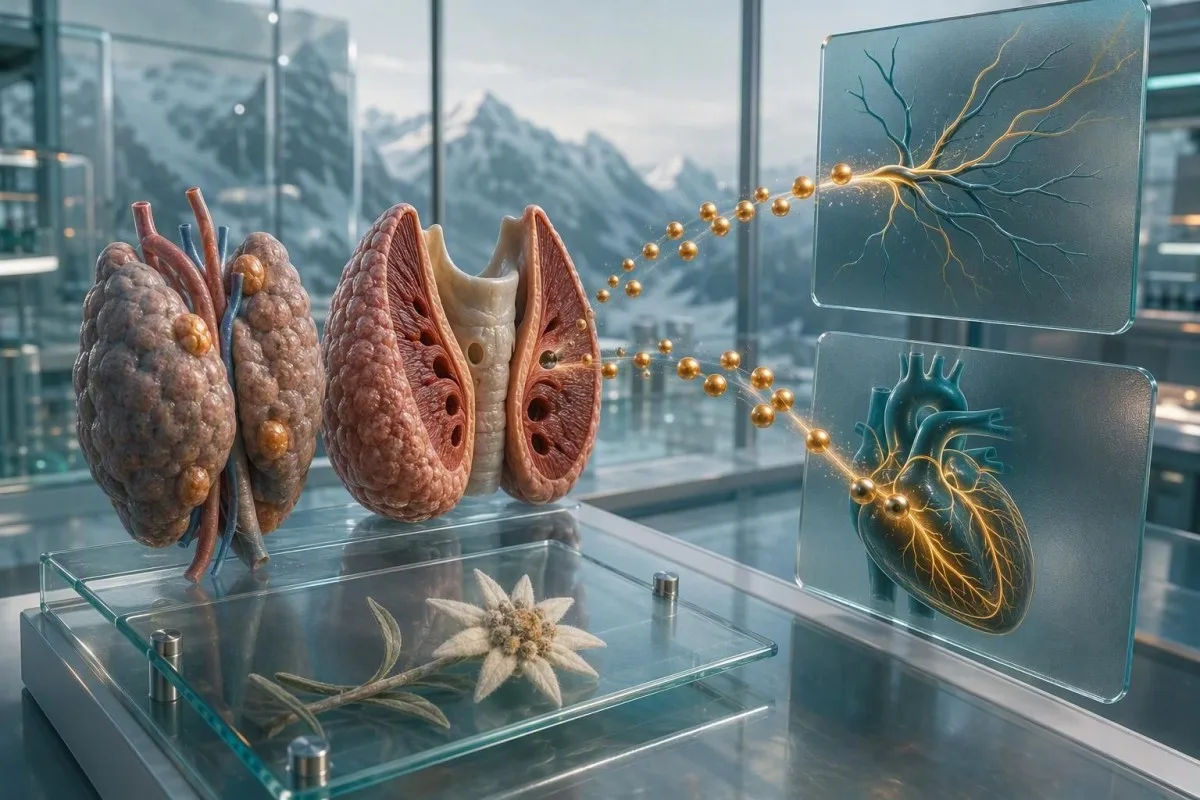
Трнцење око уста, грчеви у рукама и подрхтавање могу указивати на низак ниво калцијума, али напади, отежано дисање, несвестица или нови неправилан рад срца захтевају хитну процену. Број је важан, иако су брзина пада и ниво јонизованог калцијума често важнији.


- Знаци хитности укључују нападе, несвестицу, стридор, конфузију или продужен неправилан рад срца; потражите хитну помоћ уместо узимања додатних суплемената.
- Јонизовани калцијум је обично око 1,15-1,33 mmol/L; мери биолошки активни калцијум и препоручен је током акутних болести.
- Укупни калцијум обично износи око 8,5-10,5 mg/dL (2,12-2,62 mmol/L), али опсег лабораторије која издаје резултат је меродаван.
- Периорбитално трнцење и карпопедални спазам су класични симптоми хипокалцемије узроковани повећаном нервном и мишићном ексцитабилности.
- Teška hipokalcemija се често дефинише као кориговани калцијум испод 1,9 mmol/L (7,6 mg/dL), посебно када су присутни симптоми или промене на ЕКГ-у.
- недостатак магнезијума може спречити ослобађање паратироидног хормона, тако да се ниво калцијума можда неће нормализовати док се магнезијум не надокнади.
- Албумин је важан јер низак ниво албумина може снизити укупни калцијум без снижавања јонизованог калцијума; коригована вредност је само процена.
- Немојте се агресивно самолечити sa visokim dozama kalcijuma ako imate bolest bubrega, uzimate digoksin ili imate teške simptome.
Када симптоми ниског нивоа калцијума захтевају хитну помоћ
Simptomi niske razine kalcija zahtijevaju hitnu medicinsku pomoć odmah kada se utrnuće ili grčevi pojave sa napadom, nesvjesticom, konfuzijom, zviždavim bučnim disanjem, teškom otežanošću disanja ili novim, upornim nepravilnim otkucajima srca. Ove karakteristike mogu odražavati akutnu neuromuskularnu ili srčanu nestabilnost, a ne uobičajeni nedostatak u ishrani.
Rezultat kalcijuma ispod 1,9 mmol/L (7,6 mg/dL) se generalno smatra teškim kod odraslih, posebno ako su prisutni simptomi. Ljekari hitne pomoći obično urade EKG i ponove nivo kalcijuma uz magnezijum, fosfat, kreatinin i albumin, umjesto da se oslanjaju na samo jednu brojku.
Pacijentima kažem da je grčenje šaka samo po sebi neugodno, ali nije automatski opasno; grčenje šaka uz stezanje u grlu, promjenu glasa ili poteškoće pri udisanju je nešto drugo. Laringealni mišići mogu grčiti u akutnoj hipokalcijemiji, a to zahtijeva praćeno liječenje intravenskim kalcijumom.
Od 20. avgusta 2026. godine, najsigurnije pravilo je jednostavno: nemojte sami voziti ako se simptomi pogoršavaju. Širi obrazac hitnih simptoma elektrolita pokriven je u našem vodiču za hitne slučajeve elektrolita.
Уобичајени знаци трнцења, подрхтавања и грчева
Utrnuće uslijed niske razine kalcija obično počinje oko usana, vrhova prstiju ruku ili nogu i može napredovati do bolnog grčenja šaka ili stopala. Hipokalcijemija snižava prag pri kojem nervi pucaju, pa simptomi mogu biti iznenađujuće električni čak i prije nego što se razvije slabost.
Klasično držanje je karpopedalni spazam: zglob se savija, a prsti se nekontrolisano skupljaju. U mom kliničkom iskustvu, pacijenti to često opisuju kao šake koje privremeno ne slušaju, umjesto uobičajenog grča u listu nakon vježbanja.
Trzanje lica kada se potapše obraz, poznato kao Chvostekov znak, nije samo po sebi dijagnostički; može se javiti kod osoba sa normalnim nivoom kalcijuma. Krvni nalaz, tajming simptoma, acidobazni status i istorija lijekova su daleko korisniji nego pokušaj kućnog testiranja znakova na licu mjesta.
Hiperventilacija povezana sa paničnim napadom može uzrokovati isti osjećaj iglica jer respiratorna alkaloza privremeno snižava jonizovani kalcijum, a da se ne mijenja nužno ukupni kalcijum. Ako su drhtavica, znojenje ili glad takođe izraženi, uporedite obrazac sa upozoravajući znaci hipoglikemije.
Знаци за срце и дисање који мењају тријажу
Hipokalcijemija može produžiti QT interval na EKG-u i, u teškim slučajevima, izazvati opasne poremećaje ritma ili simptome srčane insuficijencije. Palpitacije zaslužuju klinički savjet istog dana kada prate nizak nivo kalcijuma, vrtoglavicu, nelagodu u grudima ili prednesvjesticu.
Produženi QT ne dokazuje da je kalcijum uzrok; niski magnezijum, određeni lijekovi, kongenitalni dugi QT sindromi i niski kalijum također mogu doprinijeti. Razlog zašto se kliničari brinu o kombinaciji je taj što nekoliko poremećaja elektrolita zajedno povećava rizik od aritmija mnogo više nego blago izolirano odstupanje kalcijuma.
Otežano disanje uzrokovano niskim nivoom kalcijuma je neuobičajeno, ali hitno kada odražava laringospazam, bronhospazam ili srčanu disfunkciju. Osoba koja ne može govoriti pune rečenice, ima plavo-sive usne ili se osjeća slabo, treba hitnu pomoć, čak i ako laboratorijski izvještaj još nije stigao.
Кантести је АИ анализатор крви koji prikazuje kalcijum uz magnezijum, kalijum, bubrežne markere i albumin, jer jedan odstupajući elektrolit rijetko objašnjava cijelu kliničku sliku. Za klinički kontekst zasnovan na simptomima, pogledajte naš водич за палпитације и тест крви.
Које вредности калцијума су благе, тешке или критичне?
Ukupni kalcijum kod odraslih je obično oko 2,12-2,62 mmol/L (8,5-10,5 mg/dL), dok je jonizovani kalcijum obično oko 1,15-1,33 mmol/L. Referentni intervali se malo razlikuju zavisno od analizatora, starosti, trudničkog statusa i lokalne laboratorijske metode.
Simptomi se često javljaju kada ukupni kalcijum padne ispod otprilike 1,9 mmol/L, ali nagli pad sa 2,45 na 2,00 mmol/L može izazvati više trnjenja nego dugotrajna vrednost od 1,90 mmol/L. To je jedan od razloga zašto lekar pita o operaciji štitne žlezde ili vrata, povraćanju, transfuzijama i nedavnoj bolesti pre nego što odluči o hitnosti.
Stara korekciona formula dodaje 0,8 mg/dL ukupnom kalcijumu za svaki 1 g/dL kada je albumin ispod 4,0 g/dL. To je grubo sredstvo za skrining, a ne zamena za jonizovani kalcijum, posebno kod kritično bolesnih osoba, bolesti bubrega ili značajnih poremećaja acidobaznog statusa.
Praktični savet dr Tomasa Kleina je da se fotografiše ili zadrži originalni izveštaj, uključujući jedinice i referentni opseg. Asterisci su laboratorijski pokazatelji, a ne dijagnoze; naš vodič za van opsega laboratorijskih oznaka објашњава зашто.
Зашто магнезијум и фосфат могу објаснити грчеве
Nizak magnezijum može uzrokovati ili održavati hipokalcemiju ometajući sekreciju i dejstvo paratiroidnog hormona. Stoga suplementi kalcijuma mogu proizvesti malo poboljšanje dok se ne ispravi iscrpljenost magnezijuma.
Serumski magnezijum obično iznosi oko 0,70-1,00 mmol/L (1,7-2,4 mg/dL), iako normalne serumske vrednosti ne isključuju uvek iscrpljene ukupne telesne zalihe. Diuretici, inhibitori protonske pumpe, izloženost alkoholu, dijareja i neki hemioterapeutski agensi su česti faktori.
Fosfat daje koristan trag: nizak kalcijum sa висок фосфат može ukazivati na nisku aktivnost paratiroidnog hormona ili uznapredovalu bubrežnu disfunkciju, dok nizak kalcijum sa niskim fosfatom može odgovarati недостатак витамина Д или малапсорпцији. Ово су обрасци, а не пресуде, а клинички контекст одлучује о даљим корацима.
Разлика је посебно корисна након операције врата, када падајући калцијум и неодговарајуће низак ПТХ могу идентификовати постоперативни хипопаратиреоидизам. Прочитајте више о обрасцима ниског паратироидног хормона и узроцима повезаним са магнезијумом.
Укупни калцијум, албумин и јонизовани калцијум нису заменљиви
Низак албумин може учинити да укупан калцијум изгледа низак када је биолошки активни јонизовани калцијум нормалан. Јонизовани калцијум је пожељнији тест када су симптоми акутни, албумин је абнормалан, или је вероватна поремећај кисело-базне равнотеже.
Отприлике 45% калцијума циркулише у јонизованом облику, око 40% је везано за албумин, а остатак је комплексиран са анјона као што су фосфат и цитрат. Само јонизовани калцијум директно одређује ексцитабилност мембране, због чега најбоље одговара симптомима.
Предуго остављена турникет, кашњење у обради узорка или излагање узорка јонизованог калцијума ваздуху може променити резултат услед промене pH вредности. Лабораторије често захтевају брзо, анаеробно руковање; овај свакодневни пре-аналитички детаљ може спречити непотребно хитно упућивање.
Кантестијев AI платформа за тумачење крвне слике објашњава да ли је низак укупан калцијум праћен ниским албумином и сугерише када би јонизовано мерење решило несигурност. За физиологију протеинских аналита, користите наш referentni vodič za proteine seruma.
Бубрежна болест ствара другачији образац ниског нивоа калцијума
Хронична болест бубрега може снизити калцијум услед смањене производње калцитриола, задржавања фосфата и секундарног хиперпаратиреоидизма. У овом контексту, лечење вредности калцијума без разматрања фосфата, ПТХ и функције бубрега може бити контрапродуктивно.
Када eGFR падне испод 60 mL/min/1.73 m² током најмање 3 месеца, присутна је хронична болест бубрега, а праћење минерално-коштаног метаболизма постаје све релевантније. KDIGO смернице наглашавају праћење трендова у калцијуму, фосфату, ПТХ и алкалној фосфатази, уместо јурења једног циља.
Таблета калцијум карбоната такође делује као везиво фосфата, што је корисно за одабране особе, али може изазвати затвор и нежељено оптерећење калцијумом. Због тога особа са бубрежном болешћу не би требало да започне суплементацију калцијума у грамским количинама без савета реналног тима.
Низак калцијум уз висок фосфат и смањен eGFR заслужује планирано медицинско праћење, чак и ако данас нема трњења. Наш vodič za stadijume HBB помаже у контекстуализацији резултата eGFR и албумина у урину.
недостатак витамина Д у односу на једноставну дијету са ниским садржајем калцијума
Недостатак витамина Д смањује цревну апсорпцију калцијума и може изазвати низак калцијум, висок ПТХ, бол у костима и слабост проксималних мишића. Већина случајева ниског калцијума код одраслих није узрокована само уносом калцијума у исхрани.
Концентрација 25-хидроксивитамина Д испод 25 нмол/Л (10 нг/мЛ) се широко сматра тешким недостатком, док прагови за инсуфицијенцију варирају између 50 и 75 nmol/L преко професионалних група. Докази су заправо помешани о томе где циљ здраве особе треба да буде изнад тог опсега.
Одраслима је генерално потребно 1.000-1.200 mg калцијума дневно из хране и додатака исхрани заједно, у зависности од узраста и пола, али циљ није да се серумски калцијум нагло повећа исхраном преко ноћи. Јогурт, обогаћене биљне алтернативе, тофу направљен са калцијумом, ситне рибе једене са костима и зелено лиснато поврће могу допринети.
Ако су се грчеви појавили након рестриктивне дијете, баријатријске хирургије или вишемесечног боравка у затвореном, затражите витамин D, PTH, магнезијум, фосфат и алкалну фосфатазу уместо да наручујете само калцијум. Извори хране и реална очекивања покривени су у водичу за храну богату витамином D.
Дијареја, целијакија и знаци малапсорпције
Хронични дијареја, масни столица, непланирани губитак тежине или недостатак гвожђа уз низак ниво калцијума изазивају забринутост због малапсорпције. Целијакија, инфламаторна болест црева, панкреасна инсуфицијенција и претходна гастроинтестинална операција могу смањити апсорпцију калцијума и витамина D.
Скрининг на целијакију обично почиње са ткивном трансглутаминазом IgA плус укупним IgA док особа једе глутен. Низак ниво укупног IgA може довести до лажно охрабрујућег IgA теста за целијакију, тако да може бити потребан IgG тест.
Један пропуштен траг је комбинација ниског калцијума, ниског феритина и повишене алкалне фосфатазе; то може указивати на продужену малапсорпцију хранљивих материја са повећаним обртом костију. То не дијагностикује целијакију, али је довољно да се оправда усмерена анамнеза и циљано тестирање.
Кантести је Алат за анализу крвних тестова уз помоћ AI који идентификује повезане нутријенте и минералне маркере у панелима уместо третирања резултата калцијума као усамљеног проблема. Ако је дијареја део слике, прегледајте лабораторијске трагове повезане са дијарејом и замке IgA тестирања.
Лекови и третмани који могу снизити ниво калцијума
Бифосфонати, деносумаб, цинакалцет, диуретици петље, антиконвулзиви, цисплатин и велика оптерећења цитратом током трансфузије могу изазвати хипокалцемију. Ризик је највећи када је витамин D низак, функција бубрега је смањена или је магнезијум исцрпљен.
Хипокалцемија повезана са деносумабом може се јавити данима до недељама након ињекције и може бити продужена код узнапредовале болести бубрега. Симптоми након нове ињекције за јачање костију треба да изазову благовремено тестирање калцијума, магнезијума, фосфата, креатинина и витамина D уместо пажљивог чекања.
Масивна трансфузија може привремено снизити јонизовани калцијум јер се цитрат везује за калцијум; клиничари то пажљиво прате током реанимације. Исти концепт објашњава зашто се симптоми могу брзо мењати у болници, за разлику од споријег опадања узрокованог недовољним уносом.
Донесите сваки рецепт, лекове без рецепта, антикиде и суплементе на преглед — посебно дозу и датум почетка. Дуготрајна терапија за супресију киселине такође захтева ширу проверу; наш чланак о праћењу PPI објашњава аспект исхране.
Низак ниво калцијума код деце, трудница и старијих особа
Референтни опсези калцијума су виши код одојчади и деце, а трудноћа често снижава укупни калцијум због нижег албумина без праве јонизоване хипокалцемије. Стога, узраст и физиолошко стање могу потпуно променити интерпретацију.
Појава хипокалцемије код новорођенчади може се манифестовати треперењем, слабим храњењем, апнејом или нападима и захтева хитну педијатријску процену. Код деце, лекари узимају у обзир превременост, статус витамина Д, унос фосфата, генетске услове и дијабетес мајке заједно са мерењем калцијума.
Током трудноће, укупни калцијум може пасти за приближно 0,5 mg/dL (0,12 mmol/L) како албумин пада, док јонизовани калцијум обично остаје стабилан. Нови трнци или грчеви у трудноћи и даље заслужују преглед јер хипервентилација, недостатак магнезијума и брига везана за прееклампсију могу закомпликовати слику.
Код старијих особа, фрактуре, низак ниво витамина Д, болести бубрега и вишеструки лекови често се преклапају. Користите контекст прилагођен узрасту из нашег водича за калцијум код деце и потражите савет лекара пре додавања суплемената високих доза.
Како клиницисти потврђују заиста низак резултат калцијума
Потврђена обрада хипокалцемије обично укључује понављање калцијума, албумина, јонизованог калцијума када је прикладно, магнезијума, фосфата, креатинина, PTH и 25-хидроксивитамина Д. ЕКГ тестирање се брзо додаје када су симптоми значајни или је калцијум веома низак.
Поновно узимање узорака је разумно ако се особа осећа добро и укупни калцијум је само благо низак, посебно када је албумин такође низак. Али поновно тестирање не би требало да одложи хитну помоћ код напада, стридора, синкопе или симптоматског калцијума испод 1,9 mmol/L.
PTH би требало да порасте када је калцијум низак; нормалан или низак PTH стога може бити неприкладно низак и указивати на хипопаратиреоидизам. Насупрот томе, високи PTH често значи да тело адекватно реагује на недостатак витамина Д, болест бубрега или поремећену апсорпцију.
Kantesti AI може организовати серијске резултате минерала по датуму, што помаже у разликовању једнократне лабораторијске аномалије од трајекторије опадања. Ако се сумња на проблем са узорком, наш водич за поновно узимање узорака објашњава шта лабораторије проверавају.
Безбедан третман: Зашто више калцијума није увек боље
Симптоматска тешка хипокалцемија се лечи у болници уз праћење интравенског калцијума, док се стабилни благи случајеви обично управљају решавањем узрока и селективном употребом оралног калцијума или витамина Д. Тачна доза зависи од узрока, функције бубрега, фосфата и истовремено коришћених лекова.
За стабилне одрасле, лекари обично користе 1.000-2.000 mg елементарног калцијума дневно у подељеним дозама током краћих периода када је индицирано; тежина калцијум карбоната на етикети није иста као елементарни калцијум. Калцијум карбонат се најбоље апсорбује са оброцима, док калцијум цитрат може бити пожељнији код ниске желудачне киселине.
Превише додатног калцијума може изазвати затвор, камење у бубрегу, хиперкалцемију и интеракције са лековима. Одвојите калцијум од левотироксина, гвожђа, тетрациклинских антибиотика и квинолонских антибиотика за најмање 4 сата осим ако фармацеут не да другачија упутства.
Смернице за хитне случајеве Ендокринолошког друштва препоручују интравенски калцијум глуконат за акутну симптоматску хипокалцемију под надзором, а не "уради сам" ескалацију таблета (Тurner et al., 2016). Kantesti's технолошки водич описује како наша клиничка правила дају предност хитним комбинацијама за преглед код људи.
Практичан план за следећи корак након упозорења на низак ниво калцијума
Ako imate blago peckanje ili povremene grčeve bez hitnih znakova, dogovorite hitan klinički pregled i donesite kompletan izveštaj, listu lekova i vremensku liniju simptoma. Ako imate teške simptome, potražite hitnu medicinsku pomoć odmah, umesto da čekate na online tumačenje.
Zapišite da li su se simptomi pojavili nakon operacije vrata, injekcije za zdravlje kostiju, povraćanja ili dijareje, novog diuretika, restriktivne dijete ili boravka u bolnici. Ti detalji često brže sužavaju uzrok nego ponovljeno nasumično testiranje širokih panela.
Dr. Thomas Klein je video mnoge pacijente kojima je prijala korigovana kalkulacija kalcijuma kada je bio potreban jonizovani kalcijum, i mnoge druge uznemirene benignim upozorenjem ukupnog kalcijuma povezanim sa albuminom. Odgovarajući sledeći test zavisi od simptoma i konteksta, zbog čega klinički sud ostaje centralni.
Kantesti radi pod nadzorom lekara i rukovanjem izveštajima sa fokusom na privatnost za ljude kojima je potreban strukturiran pregled njihovih rezultata tokom vremena. Naši Медицински саветодавни одбор pregledaju kliničke principe koji stoje iza bezbednosnog saopštenja; metode tačnosti su dostupne u našem прегледа медицинске валидације.
Често постављана питања
Koji su prvi simptomi niske razine kalcija?
Najraniji niski simptomi kalcijuma su često trnci oko usta, prstiju na rukama ili nogama, nakon čega sledi trzanje ili grčevi mišića. Simptomi se javljaju jer nizak jonizovani kalcijum povećava ekscitabilnost nerava i mišića. Ukupan kalcijum ispod oko 2,12 mmol/L (8,5 mg/dL) može biti nenormalan, ali simptomi se bolje povezuju sa jonizovanim kalcijumom i brzinom promene. Novo peckanje sa spazmom šake, lupanje srca ili otežano disanje zahteva hitnu medicinsku procenu.
Na kom nivou kalcijuma treba da idem u hitnu pomoć?
Hitna procena je adekvatna za konvulzije, nesvesticu, konfuziju, otežano ili bučno disanje, teške mišićne spazme ili trajni nepravilan srčani ritam pri bilo kom nivou kalcijuma. Korektovan ukupni kalcijum ispod 1,9 mmol/L (7,6 mg/dL) se obično smatra teškim, posebno kada su prisutni simptomi. Nemojte čekati da vidite da li dodatak kalcijuma deluje ako se simptomi pogoršavaju. Lekari hitne pomoći mogu brzo proveriti jonizovani kalcijum, magnezijum, fosfate, funkciju bubrega i EKG.
Da li nizak nivo kalcijuma može izazvati osećaj trnjenja, ali uz normalan nivo vitamina D?
Da, nizak kalcijum koji uzrokuje trnjenje može se javiti uz normalan vitamin D jer hipoparatireoidizam, nizak nivo magnezijuma, bubrežna bolest, lekovi, akutna hiperventilacija i izlaganje citratu mogu sniziti jonizovani kalcijum. Normalan rezultat 25-hidroksivitamina D ne meri funkciju PTH ili status magnezijuma. Lekari često proveravaju magnezijum, fosfat, kreatinin, PTH, albumin, a ponekad i jonizovani kalcijum kada trnjenje potraje. Jonizovani kalcijum obično ima referentni interval blizu 1,15-1,33 mmol/L, iako se laboratorije razlikuju.
Može li anksioznost ili hiperventilacija uzrokovati simptome niske razine kalcija?
Hiperventilacija može uzrokovati trnjenje, grčeve u rukama i vrtoglavicu podizanjem pH krvi i prolaznim smanjenjem jonizovanog kalcijuma. Ukupan kalcijum može ostati normalan jer kalcijum prelazi iz jonizovanog u protein-vezani oblik umesto da napusti telo. Simptomi bi trebalo da se poboljšaju normalizacijom disanja, ali prva epizoda sa bolom u grudima, nesvjesticom, teškom otežanošću disanja ili upornim spazmom i dalje zahtijeva hitnu procjenu. Povratne epizode se ne bi trebale automatski pripisivati anksioznosti bez pregleda kalcijuma, magnezijuma i relevantne medicinske istorije.
Koja je razlika između deficita kalcijuma i hipokalcemije?
Deficit kalcijuma se obično odnosi na neadekvatan unos putem ishrane ili negativni balans kalcijuma tokom vremena, dok hipokalcemija znači izmerenu nisku koncentraciju kalcijuma u cirkulaciji. Osoba može imati nizak unos putem ishrane uz normalan kalcijum u krvi jer PTH izvlači kalcijum iz kostiju radi očuvanja nivoa u serumu. Nasuprot tome, akutna hipokalcemija se može razviti uprkos adekvatnom unosu nakon operacije štitne žlezde, određenih lekova ili teškog deficita magnezijuma. Odraslima je obično potrebno oko 1.000-1.200 mg kalcijuma dnevno iz hrane i suplemenata zajedno, zavisno od starosti i pola.
Da li će uzimanje suplemenata kalcijuma zaustaviti grčeve mišića?
Suplementi kalcijuma pomažu kod nedostatka kalcijuma ili određenih uzroka stabilne hipokalcemije, ali ne leče pouzdano sve mišićne grčeve. Dehidratacija, nizak nivo magnezijuma, kompresija nerava, dejstvo lekova, bolest perifernih arterija i zamor mišića povezan sa vežbanjem mogu izazvati slične simptome. Stabilno lečenje često koristi 1.000–2.000 mg elementarnog kalcijuma dnevno u podeljenim dozama samo kada lekar potvrdi indikaciju. Osobe sa oboljenjem bubrega, bubrežnim kamencem, sarkoidozom ili osobe koje koriste digoksin treba da se posavetuju sa lekarom pre uzimanja kalcijuma u visokim dozama.
Укључите AI анализу крвне слике данас
Придружите се више од 2 милиона корисника широм света који верују Kantesti-у за тренутну и прецизну анализу лабораторијских тестова. Отпремите своје резултате крвне слике и добијте свеобухватно тумачење 15,000+ биомаркера за неколико секунди.
📚 Референциране научне публикације
Klajn, T., Mičel, S., i Veber, H. (2026). Kantesti LTD. (2026). Претходно регистровани, рубрик-вођени аутоматизовани технички бенчмарк Kantesti мотора за тумачење крвних тестова на 100.000 синтетичких тест случајева. Figshare.. Kantesti AI Medical Research.
Klajn, T., Mičel, S., i Veber, H. (2026). Kantesti LTD. (2026). Okvir za kliničku validaciju v2.0 (Stranica za medicinsku validaciju). Zenodo.. Kantesti AI Medical Research.
📖 Спољне медицинске референце
⚕️ Медицинска одрицање одговорности
Овај чланак је само у образовне сврхе и не представља медицински савет. За одлуке о дијагнози и лечењу увек се консултујте са квалификованим здравственим радником.
Е-Е-А-Т сигнали поверења
Искуство
Клиничка ревизија процеса тумачења лабораторијских налаза коју води лекар.
Експертиза
Фокус на лабораторијску медицину: како се биомаркери понашају у клиничком контексту.
Ауторитативност
Написао др Томас Клајн, уз рецензију др Саре Мичел и проф. др Ханса Вебера.
Поузданост
Тумачење засновано на доказима, са јасним путевима праћења како би се смањила узнемиреност.