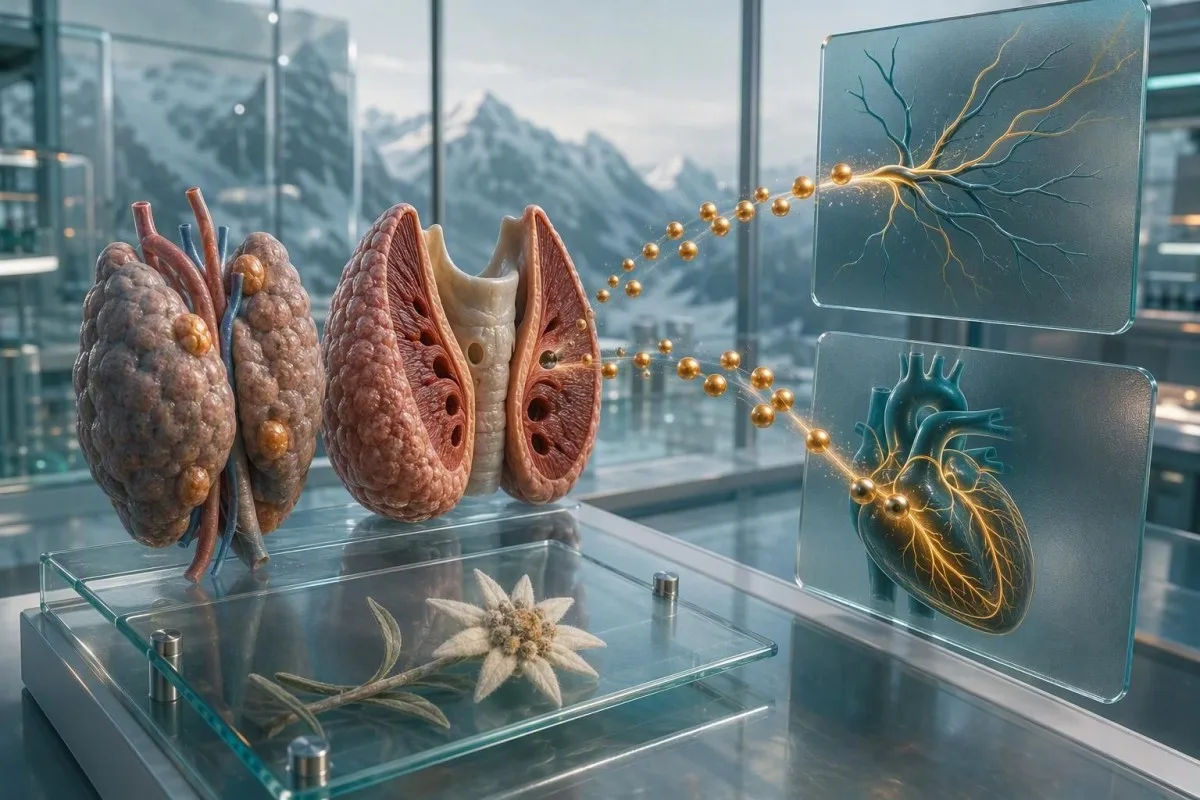
Амны сэрвээ, хөлийн гар мушгих, татах нь кальцийн дутагдлыг илтгэж болох ч таталт, амьсгал давхцах, ухаан алдах, шинэхэн хэм алдагдсан зүрхний цохилт зэрэг нь яаралтай эмнэлгийн тусламж шаардлагатайг илтгэнэ. Хэмжээ нь чухал боловч уналтын хурд болон ионжуулсан кальцийн түвшин нь илүү чухал байдаг.


- Яаралтай тусламжийн шинж тэмдгүүд таталт, ухаан алдах, хүрхрээ, төөрөлдөх, эсвэл тогтвортой хэм алдагдсан зүрхний цохилт зэргийг агуулна; илүүдэл нэмэлт бүтээгдэхүүн уухын оронд яаралтай тусламж ав.
- Ионжсон кальци нь ойролцоогоор 1.15-1.33 ммоль/л байдаг; энэ нь биологийн идэвхтэй кальцийг хэмждэг бөгөөд цочмог өвчний үед илүүд үздэг.
- Нийт кальци нь ойролцоогоор 8.5-10.5 мг/дл (2.12-2.62 ммоль/л) байдаг, гэхдээ лабораторийн тогтоосон хязгаарыг ашиглах ёстой.
- Амны хэсэг орчмын сэрвээ болон гар хөлийн булчингийн агчилт нь мэдрэл болон булчингийн хэт мэдрэмжтэй байдлаас үүдэлтэй гипокальциемийн сонгодог шинж тэмдгүүд юм.
- Хүнд гипокальциеми нь ихэвчлэн 1.9 ммоль/л (7.6 мг/дл) -аас доош залруулсан кальци гэж тодорхойлогддог, ялангуяа шинж тэмдэг эсвэл ЭКГ-ийн өөрчлөлтүүд байвал.
- Магнийн дутагдал нь паратиреоид гормоны ялгаралтыг зогсоож болно, тиймээс магнийг нөхөж өгөх хүртэл кальци нөхөн төлжихгүй байж болно.
- Альбумин чухал учир нь бага альбумин нь ионжуулсан кальцийг бууруулж чадахгүйгээр нийт кальцийг бууруулж болно; залруулсан утга нь зөвхөн таамаглал юм.
- Өөрийгөө эрчимтэй эмчлэх хэрэггүй бөөрний өвчин, дигоксин ууж байгаа, эсвэл хүнд шинж тэмдэг илэрсэн тохиолдолд өндөр тунгаар кальци уух.
Хэзээ бага кальцийн шинж тэмдэг яаралтай тусламж шаарддаг вэ
Цусны кальци багасах шинж тэмдэг нь хуруу, хөлний мэдээ алдалт, таталт зэрэг нь таталт, ухаан алдах, төөрөлдөх, өндөр чанга амьсгал гарах, амьсгалахад хүндрэлтэй болох, эсвэл шинэ тогтмол бус зүрхний цохилттой хамт илэрвэл яаралтай эмнэлгийн тусламж авах шаардлагатай. Эдгээр шинж тэмдгүүд нь цочмог мэдрэл-булчингийн эсвэл зүрхний тогтворгүй байдлыг илтгэж болох бөгөөд энгийн хоол тэжээлийн дутагдал биш юм.
Кальцийн хэмжээ буурсан 1.9 ммоль/л (7.6 мг/дл) нь насанд хүрэгчдэд, ялангуяа шинж тэмдэг илэрвэл хүнд гэж үздэг. Яаралтай тусламжийн эмч нар ихэвчлэн ЭКГ хийлгэж, кальци, магний, фосфат, креатинин, альбуминыг давтан шалгадаг бөгөөд ганцхан тоонд найдахаас илүүтэй.
Би өвчтөнүүдэд зөвхөн гарын таталт нь таагүй боловч аюултай биш; гарын таталттай хавсарсан хоолойн чангарал, хоолойн өөрчлөлт, амьсгалахад хүндрэлтэй байдал нь өөр юм. Цочмог гипокальцеми үед ларингеаль булчингууд спазм үүсгэж болно, энэ нь судсаар кальци хийх замаар хяналттай эмчилгээ шаарддаг.
2026 оны 8-р сарын 20-ны байдлаар хамгийн аюулгүй дүрэм нь энгийн: шинж тэмдэг нэмэгдэж байвал өөрөө машинаа жолоодох хэрэггүй. Электролитийн яаралтай тусламжийн ерөнхий шинж тэмдгүүдийн талаар манай электролитийн яаралтай тусламжийн гарын авлага.
Нийтлэг сэрвээ, татах, мушгих шинж тэмдгүүд
Цусны кальци багасах үед мэдээ алдалт нь ихэвчлэн уруул, хурууны үзүүр, хөлний хуруу орчмоос эхэлж, өвдөлттэй гар, хөлний таталт болж нэмэгдэж болно. Гипокальцеми нь мэдрэл цочрох босгыг бууруулдаг тушав, тиймээс сулрал үүсэхээс өмнө шинж тэмдгүүд нь гайхалтай цахилгаан мэт мэдрэгдэж болно.
Сонгодог байрлал нь карпопедал спазмюм: бугуй нь нугалагдаж, хуруунууд нь өөрийн мэдэлгүй татагддаг. Миний эмнэлзүйн туршлагаар, өвчтөнүүд ихэвчлэн дасгал хийсний дараа хөлний таталт шиг бус, харин гар нь түр хугацаагаар захирагдахаа больсон гэж тодорхойлдог.
Хацар товших үед нүүрний булчин татах, т.б. Чвостек шинж гэгддэг нь дангаараа оношлогдохгүй; энэ нь кальцийн хэмжээ хэвийн хүмүүст тохиолдож болно. Цусны шинжилгээний үр дүн, шинж тэмдгийн цаг хугацаа, хүчил-шүлтийн байдал, эмийн түүх нь гэртээ орны дэргэдэх шинж тэмдгийг олохоос хамаагүй илүү ашигтай байдаг.
Айдас төрүүлсэн хэт их амьсгалах нь амьсгалын алкалоз нь нийт кальцийн хэмжээг өөрчлөхгүйгээр ионжсон кальцийг түр зуур бууруулдаг тул ижил төстэй зүү шиг мэдрэмжийг үүсгэдэг. Хэрэв чичрэх, хөлрөх, эсвэл өлсөх шинж тэмдэг илэрвэл энэ дүрсийг дараах байдалтай харьцуулна уу. гипогликемийн анхааруулах дохио (warning signs).
Зүрх, амьсгалын шинж тэмдгүүд нь эмнэлгийн яаралтай тусламжийн дарааллыг өөрчилдөг
Гипокальцеми нь ЭКГ дээр QT интервалыг уртасгаж, хүнд тохиолдолд аюултай хэм алдалт эсвэл зүрхний дутагдлын шинж тэмдгийг үүсгэдэг. Цусны кальци бага байгаа, толгой эргэх, цээж өвдөх, эсвэл ойрын үед ухаан алдах шинж тэмдэгтэй хавсарсан тохиолдолд зүрхний цохилт нь ижил өдрийн эмнэлгийн зөвлөгөө шаарддаг.
Урт QT нь кальци шалтгаан болж байгааг нотлохгүй; бага магний, зарим эм, төрөлхийн урт QT хам шинж, бага кали ч нөлөөлж болно. Эмч нар энэ хослолоос айдаг шалтгаан нь хэд хэдэн электролитийн тэнцвэр алдагдал нь зөвхөн кальцийн бага зэргийн илэрхийллээс хамаагүй илүү хэм алдагдлын эрсдэлийг нэмэгдүүлдэг явдал юм.
Цусны кальци багаснаас болж амьсгалахад хүндрэлтэй болох нь ховор боловч ларингоспазм, бронхоспазм, эсвэл зүрхний үйл ажиллагааны доголдол үүсгэж байгааг илтгэвэл яаралтай байдаг. Бүтэн өгүүлбэр хэлж чадахгүй, уруул нь хөх-саарал өнгөтэй, эсвэл ухаан алдах шинжтэй хүн лабораторийн тайлан гараагүй байсан ч яаралтай тусламжийн үйлчилгээнд хандах хэрэгтэй.
Кантести бол AI цусны шинжилгээний анализатор магний, кали, бөөрний маркер, альбумин зэргийг хамт уншдаг, учир нь ганцхан электролит нь бүхэл бүтэн эмнэлзүйн дүр зургийг ховорхон тайлбарладаг. Шинж тэмдэг дээр суурилсан зүрхний нөхцөл байдлыг харахын тулд манай зүрх дэлсэх (palpitations) ба шинжилгээний гарын авлага.
Кальцийн аль утгууд нь бага, хүнд, эсвэл маш хүнд байдаг вэ?
Насанд хүрэгчдийн нийт кальцийн хэмжээ ихэвчлэн 2.12-2.62 ммоль/л (8.5-10.5 мг/дл) байдаг бол ионжсон кальцийн хэмжээ ихэвчлэн 1.15-1.33 ммоль/л байдаг. Лабораторийн хэмжээ нь төхөөрөмж, нас, жирэмсний байдал, орон нутгийн лабораторийн аргаас хамаарч бага зэрэг ялгаатай байдаг.
Нийт кальци нь ойролцоогоор буурах үед шинж тэмдгүүд ихэвчлэн гарч ирдэг 1.9 ммоль/л, гэхдээ 2.45-ээс 2.00 ммоль/л хүртэл хурдан унах нь 1.90 ммоль/л-ийн удаан хугацааны үнэ цэнэтэй харьцуулахад илүү их мэдрэл өвдөхөд хүргэж болзошгүй юм. Энэ нь эмч яаралтай шийдвэр гаргахаасаа өмнө бамбай булчирхай эсвэл хүзүүний мэс засал, бөөлжилт, цус сэлбэлт, саяхан өвдсөн байдал зэргийг асуудаг нэг шалтгаан юм.
Хуучин залруулгын томъёо нь 4.0 г/дл-ээс доош альбумины 1 г/дл тутамд нийт кальцид нэмдэг. Энэ нь зөвхөн тандалтын хэрэгсэл бөгөөд ионжуулсан кальцийн орлуулагч биш, ялангуяа маш их өвчтэй хүмүүс, бөөрний өвчин, эсвэл гол хүчил-суурь тэнцвэргүй байдал зэрэгт хэрэглэнэ. 0.8 мг/дл -ыг нийт кальцид нэмнэ.
Доктор Томас Клейний практик зөвлөгөө бол нэгж ба хэмжээтэй хамт анхны тайланг зураг авах эсвэл хадгалах явдал юм. Од нь оношлогоо биш лабораторийн сануулга юм; бидний гарын авлага хязгаараас гадуурх лабораторийн тэмдэглэгээг яагаад гэдгийг тайлбарладаг.
Яагаад магний, фосфат нь мушгих байдлыг тайлбарлаж чаддаг вэ
Магнийн дутагдал нь паратироидын гормоны ялгаралт ба үйл ажиллагааг бууруулснаар гипокальциемийг үүсгэж эсвэл хадгалж болно. Тиймээс магнийн нөөц дуусч, залруулагдах хүртэл кальцийн нэмэлтүүд бага зэрэг сайжруулалт авчрах болно.
Сиймэгийн магний нь ойролцоогоор урсана 0.70-1.00 ммоль/л (1.7-2.4 мг/дл), хэдийгээр хэвийн сиймэгийн үнэ цэнэ нь бие махбодийн нийт нөөц дууссан байдлыг үгүйсгэхгүй. Шээс хөөх эм, протон шахуургын дарангуйлагч, архины хэрэглээ, суулгалт, зарим хими эмчилгээний бодисууд нь байнга нэмэгдүүлдэг.
Фосфат нь ашигтай ойлголтыг өгдөг: бага кальци нь өндөр фосфат нь паратироид гормоны идэвхжил бага эсвэл бөөрний дутагдал хүндэрснийг илтгэж болох бөгөөд, харин кальци ба фосфат бага байвал D витамины дутагдал эсвэл шимэгдэлтийн дутагдал байж болно. Эдгээр нь загвар болохоос шийдвэр биш бөгөөд эмнэлзүйн нөхцөл байдал дараагийн алхмыг шийднэ.
Хүзүүний мэс заслын дараа кальци буурч, паратироид гормон (PTH) хэт бага байвал мэс заслын дараах гипопаратиреозыг илрүүлэхэд энэ ялгаа нь онцгой ач холбогдолтой. Үүний талаар дэлгэрэнгүй уншина уу паратироид гормон багасах загварууд болон магнийтэй холбоотой шалтгаанууд.
Нийт кальци, альбумин, ионжуулсан кальци нь харилцан солигдох боломжгүй
Альбумин бага байх нь биологийн идэвхтэй ионжсон кальци хэвийн байхад нийт кальцийг бага харагдуулж болно. Ионжсон кальцийн шинжилгээ нь цочмог шинж тэмдэг илэрсэн, альбумин хэвийн бус эсвэл хүчил-шүлтийн тэнцвэр алдагдсан тохиолдолд илүү тохиромжтой.
Ойролцоогоор 45% кальци ионжсон хэлбэрээр эргэлддэг, ойролцоогоор 40% нь альбуминд холбогддог бөгөөд үлдсэн хэсэг нь фосфат, цитрат зэрэг анионуудтай нийлмэл болдог. Зөвхөн ионжсон кальци нь мембраны сэрэлтийг шууд тодорхойлдог тул шинж тэмдгүүдтэй хамгийн сайн нийцдэг.
Хэт удаан тогтоосон судасны хавчаар, хожимдсон дээж эсвэл агаарт ил гарсан ионжсон кальцийн дээж нь pH өөрчлөлтөөр үр дүнг өөрчилж болно. Лабораториуд ихэвчлэн хурдан, анаэроб эмчилгээ шаарддаг; энэ энгийн урьдчилсан шинжилгээний нарийвчилсан мэдээлэл нь шаардлагагүй яаралтай шилжүүлэлтээс урьдчилан сэргийлж чадна.
Кантести AI цусны шинжилгээний тайлал платформ нь нийт кальци бага байвал альбумин бага байгаа эсэхийг тайлбарлаж, ионжсон хэмжилтийг хэзээ хийх нь тодорхой бус байдлыг шийдвэрлэх боломжтойг санал болгож байна. Уургийн холбогдолтой шинжилгээний физиологийн үндсийг мэдэхийн тулд манай ийлдэс уургийн лавлах гарын авлага.
Бөөрний өвчин нь бага кальцийн өөр өөр хэв маягийг бий болгодог
Архаг бөөрний өвчин нь кальцитриол үйлдвэрлэл буурч, фосфат хуримтлагдаж, хоёрдогч гиперпаратиреоз үүсгэснээр кальцийг бууруулж болно. Энэ тохиолдолд фосфат, PTH болон бөөрний функцийг харгалзахгүйгээр нэг кальцийн хэмжээг эмчлэх нь үр дүнгүй болно.
eGFR буурч 60 мл/мин/1.73 м²-оос доогуур 3 сар ба түүнээс дээш хугацаанд архаг бөөрний өвчин үүсдэг бөгөөд эрдэс-ясны хяналт улам чухал болдог. KDIGO зөвлөмж нь нэг зорилтыг хөөцөлдөхөөс илүү кальци, фосфат, PTH, шүтлэг шүлтийн фосфатазын чиг хандлагыг дагахыг онцолдог.
Кальцийн карбонатын эм нь фосфатын холбогч болж ажилладаг бөгөөд энэ нь сонгогдсон хүмүүст тустай боловч өтгөн хатах, хүсээгүй кальцийн ачаалал үүсгэж болзошгүй. Тийм учраас бөөрний өвчтэй хүн бөөрний багийн зөвлөгөөгүйгээр грамм хэмжээтэй нэмэлт кальцийг эхлүүлж болохгүй.
Кальци бага, фосфат их, eGFR буурсан нь өнөөдөр ямар нэгэн мэдрэмжгүй байсан ч төлөвлөгөөтэй эмнэлгийн хяналт шаардлагатай. Манай CKD үе шатлалын заавар нь eGFR болон шээсний альбумины үр дүнг ойлгоход тусалдаг.
D витамины дутагдал ба энгийн бага кальцийн хоолны дэглэм
D витамины дутагдал нь гэдэсний кальцийн шимэгдэлтийг бууруулж, кальци бага, PTH их, ясны өвдөлт, проксималь булчингийн сулрал үүсгэж болно. Насанд хүрэгчдийн дунд кальци багасах тохиолдлын ихэнх нь хоолны дэглэмийн кальцийн хэрэглээ дангаараа шалтгагаан болдоггүй.
25-гидроксивитамин D-ийн концентраци буурсан нь 25 нмоль/л (10 нг/мл)-ээс доош гэж тэмдэглээд, нь ноцтой дутагдал гэж өргөн хүлээн зөвшөөрөгддөг бөгөөд дутагдлын босго нь хооронд нь өөр өөр байдаг 50 ба 75 нмоль/л мэргэжлийн бүлгүүдийн дунд. Эрүүл хүний зорилт байх ёстой түвшнээс дээш байх талаарх нотлгоо нь холимог байна.
Насанд хүрэгчдэд ихэвчлэн хэрэгтэй 1,000-1,200 мг хоол болон нэмэлт тэжээлийг хослуулан нэг хоногт кальци, нас, хүйсээс хамаарч, гэхдээ зорилго нь хоол тэжээлээр цусны кальцийг шөнийн дотор дээшлүүлэхгүй байх явдал юм. Өрөм, бэхжүүлсэн ургамлын орлуулагч, кальциар бэхжүүлсэн тофу, ястай нь жижиг загас, навчит ногоо нь нэмэр болно.
Хэрэв хязгаарлагдсан хоолны дэглэм, ходоодны мэс засал, эсвэл хэдэн сар дотор байсны дараа хатгалт үүссэн бол зөвхөн кальцийг захиалахын оронд витамин D, PTH, магни, фосфат, шүлтлэг фосфатазыг асуугаарай. Хоол тэжээлийн эх үүсвэр, бодит хүлээлт нь витамин D хоолны гарын авлага.
Суулгалт, целиак өвчин, шимэгдэлтийн дутагдал
Архаг суулгалт, тослог өтгөн, жингийн алдагдал, эсвэл бага кальцитай хавсарсан төмрийн дутагдал нь шимэгдэлтийн талаар санаа зовдог. Coeliac өвчин, үрэвсэлт гэдэсний өвчин, нойр булчирхайн дутагдал, гэдэс ходоодонд хийсэн мэс засал нь кальци, витамин D-ийн шимэгдэлтийг бууруулж болно.
Coeliac-ийн шинжилгээ нь ихэвчлэн глютен идэж байх үедээ эсийн трансглютаминаза IgA болон нийт IgA-аас эхэлдэг. Нийт IgA бага байх нь coeliac-ийн IgA-д суурилсан шинжилгээг хуурамчаар тайвшруулж болно, тиймээс IgG-д суурилсан шинжилгээ шаардлагатай байж болно.
Гэмгүй нэг анхаарал сарниулах зүйл бол бага кальци, бага ферритин, өндөр шүлтлэг фосфатазын хослол юм; энэ нь ясны эргэлт ихэссэнээс болж удаан хугацаагаар шим тэжээлийн шимэгдэлтийг бууруулж байгааг харуулж болно. Энэ нь coeliac өвчнийг оношлохгүй, гэхдээ эрчимтэй түүх, зорилтот шинжилгээг хийхэд хангалттай.
Кантести бол AI-аар ажилладаг цусны шинжилгээний үр дүнгийн шинжилгээний хэрэгсэл энэ нь дангаараа кальцийн үр дүнг нэг асуудал гэж үзэхээс илүүтэй холбогдох шим тэжээл, эрдэс бодисын тэмдгүүдийг бүхэлд нь илрүүлдэг. Хэрэв суулгалт нь зурагт багтсан бол дахин хяна. суулгалттай холбоотой лабораторийн тэмдэглэл болон IgA шинжилгээний алдаанууд.
Кальцийг бууруулж болох эм, эмчилгээ
Бифосфонат, деносумаб, цинкалцет, гогцоо шээс хөөх эм, мэдрэлгүйжүүлэх эм, цисплатин, цус сэлбэх үед цитратын агууламж их байх нь гипокальцеми үүсгэж болно. Витамин D бага, бөөрний үйл ажиллагаа буурсан, эсвэл магни дутагдсан үед эрсдэл хамгийн өндөр байдаг.
Деносумабтай холбоотой гипокальцеми нь тарилга хийснээс хойш хэд хоног эсвэл долоо хоногт тохиолдож болно, хүндрэлтэй бөөрний өвчтэй хүмүүст удаан үргэлжилж болно. Ясны бэхжүүлсэн шинэ тарилгын дараах шинж тэмдгүүд нь ажиглалттай хүлээхээс илүүтэйгээр кальци, магни, фосфат, креатинин, витамин D-ийн цаг алдалгүй шинжилгээг хийлгэх шаардлагатай.
Их хэмжээний цус сэлбэх нь цитрат кальцийг холбодог тул түр зуур ионжсон кальцийг бууруулж болно; эмч нар сэхээн амьдруулах үед үүнийг анхааралтай ажигладаг. Ижил төстэй ойлголт нь хоол тэжээлийн дутагдлаас болж удаан хугацаагаар буурснаас ялгаатай нь эмнэлэгт шинж тэмдгүүд яагаад хурдан өөрчлөгдөж болохыг тайлбарладаг.
Бүх жороор олгох, эмийн сангийн, антацид, нэмэлт тэжээлийг хянан үзэхэд оруулаарай — ялангуяа тун ба эхлэх огноо. Урт хугацааны хүчил дарах эмчилгээ нь өргөн хүрээний шалгалтыг шаарддаг; манай PPI хянах нийтлэл шим тэжээлийн өнцгийг тайлбарладаг.
Хүүхэд, жирэмсэн эмэгтэй, ахмад настнуудын бага кальци
Нялхас, хүүхдүүдэд кальцийн харьцуулах хязгаарлалт өндөр байдаг, жирэмслэлт нь ихэвчлэн альбумин багатай байдаг тул жинхэнэ ионжсон гипокальцемигүйгээр нийт кальцийг бууруулдаг. Тиймээс нас, физиологийн байдал нь орчуулгыг бүхэлд нь өөрчилж чадна.
Няраах хүүхдийн гипокальциеми нь чичирхийлэх, удаан хооллох, амьсгал давч, эсвэл таталт зэрэг шинж тэмдгээр илэрч болно. Хүүхдэд эмч нар төрсний дараах байдал, D витамины дутагдал, фосфатын хэрэглээ, генетикийн өвчин, эхийн чихрийн шижин зэргийг кальцийн хэмжилттэй хамт авч үздэг.
Жирэмсний үед нийт кальцийн хэмжээ ойролцоогоор буурч болно 0.5 мг/дл (0.12 ммоль/л) альбумин буурахтай зэрэгцэн, харин ионжуулсан кальцийн хэмжээ ихэвчлэн тогтвортой байдаг. Жирэмсний үед шинээр мэдрэл өвдөх эсвэл спазм гарах нь хэт ислийлт, магнийн дутагдал, преэклампсийн улмаас үүссэн тусламж нь нөхцөл байдлыг улам хүндрүүлж болзошгүй тул эмчийн хяналт шаардлагатай.
Өндөр настай хүмүүст хугарал, D витамины дутагдал, бөөрний өвчин, олон төрлийн эмүүд ихэвчлэн давхцдаг. Манай хүүхдийн кальцийн гарын авлагаас насны онцлогтой холбоотой мэдээлэл авч, өндөр тунгийн нэмэлт бэлдмэл нэмэхийн өмнө эмчээс зөвлөгөө аваарай.
Эмч нар бодит байдалтай бага кальцийн үр дүнг хэрхэн баталгаажуулдаг вэ
Батлагдсан гипокальциемийн шинжилгээнд ихэвчлэн кальци, альбумин, шаардлагатай тохиолдолд ионжуулсан кальци, магний, фосфат, креатинин, PTH, болон 25-гидроксивитамин D-г дахин хэмжих орно. Хэрэв шинж тэмдэг нь ач холбогдолтой байвал эсвэл кальцийн хэмжээ маш бага байвал ЭКГ шинжилгээг түргэн хийдэг.
Хэрэв хүн сайн байгаа бөгөөд нийт кальцийн хэмжээ нь бага зэрэг буурсан, ялангуяа альбумины хэмжээ бага байвал давтан шинжилгээ хийх нь зүйтэй. Гэхдээ давтан шинжилгээ нь таталт, гулгих, ухаан алдах, эсвэл шинж тэмдэг бүхий кальцийн хэмжээ бага байх зэрэг яаралтай тусламжийг хойшлуулж болохгүй. 1.9 ммоль/л.
Кальцийн хэмжээ бага байх үед PTH-ийн хэмжээ ихсэх ёстой; тиймээс хэвийн эсвэл бага PTH нь буруугаар бага байж, гипопаратиреодизмыг илтгэж болно. Үүний эсрэгээр, өндөр PTH нь бие нь D витамины дутагдал, бөөрний өвчин, эсвэл шимэгдэлт муудсанд зохих ёсоор хариу үйлдэл үзүүлж байгааг илтгэнэ.
Kantesti AI нь цуврал эрдэс бодисын үр дүнгээс өдөр хоногоор нь ангилж, нэг удаагийн лабораторийн гажигийг доошилж буй чиглэлээс ялгахад тусалдаг. Хэрэв дээжийн асуудал байж болзошгүй гэж үзвэл манай давтан шинжилгээний дахин авах гарын авлага лабораториуд юу шалгадаг тухай тайлбарласан.
Аюулгүй эмчилгээ: Яагаад илүү их кальци нь үргэлж сайн байдаггүй вэ
Шинж тэмдэг бүхий хүнд гипокальциемийг эмнэлэгт хяналттай судсаар кальцийн дуслаар эмчилдэг бол тогтвортой хөнгөн тохиолдлуудыг ихэвчлэн шалтгааныг нь шийдэж, сонгомол байдлаар амны уусмалаар кальци эсвэл D витамин хэрэглэдэг. Зөв тун нь шалтгаан, бөөрний үйл ажиллагаа, фосфат, болон хам шинж эмчилгээ зэрэгт хамаарна.
Тогтвортой насанд хүрэгчдэд эмч нар ихэвчлэн хэрэглэдэг 1,000-2,000 мг / хоногт агуулагдах кальци хуваасан тунгаар богино хугацаанд шаардлагатай үед; шошгон дээрх кальцийн карбонатын жин нь агуулагдах кальцитай адилгүй. Кальцийн карбонат нь хоолтой хамт хамгийн сайн шингэдэг бол кальцийн цитрат нь ходоодны бага хүчилтэй үед илүү тохиромжтой байдаг.
Хэт их нэмэлт кальци нь өтгөн хатах, бөөрний чулуу, гиперкальциеми, болон эмийн харилцан үйлчлэл үүсгэж болно. Левотироксин, төмөр, тетрациклиний антибиотик, болон хинолоны антибиотиктой кальцийг дор хаяж 4 цагаас илүү хугацаанд тээвэрлэлтийн явцад саатсан, эсвэл хүнд хэлбэрийн шингэн алдалтын үед авсан бол дээжийг давтах нь их хэмжээний нэмэлт шинжилгээ захиалахаас илүү ихийг танд зааж өгдөг. Энэ бол коагуляцийн (цус бүлэгнэлтийн) клиникт хамгийн түгээмэл “хүнд биш” засваруудын нэг. эм зүйч өөр заавар өгөөгүй л бол.
Эрчим хүчний эмнэлгийн нийгэмлэгийн яаралтай тусламжийн удирдамж нь хяналтан дор байгаа хурц шинж тэмдэг бүхий гипокальциемийг эмчлэхэд судсаар кальцийн глюконатыг зөвлөдөг бөгөөд хавтгай эм (Төрнер болон бусад, 2016) -ийг бие даан нэмэгдүүлэхийг зөвлөдөггүй. Kantesti-ийн технологийн гарын авлага нь манай эмнэлзүйн дүрмүүд хүний хяналтад яаралтай хослолуудыг хэрхэн тэргүүлэх талаар тайлбарладаг.
Бага кальцийн шинжилгээний дараах бодит алхмууд
Хөнгөн мэдрэлийн шинж тэмдэг эсвэл үе үе татвалзвал эрчимтэй шинж тэмдэггүй бол нэн даруй эмнэлгийн хяналт тогтоож, бүрэн тайлан, эмчилгээний жагсаалт, шинж тэмдгийн цаг хугацааг аваачиж өгнө. Хэрэв танд хүнд шинж тэмдэг илэрвэл онлайн орчуулгыг хүлээлгүйгээр яаралтай тусламж аваарай.
Хорт хавдрын мэс засал, ясны эрүүл мэндийн тариа, бөөлжих, суулгах, шинэ шээс хөөх эм, хоолны дэглэм, эмнэлэгт хэвтэх зэргээс болж шинж тэмдэг үүссэн эсэхийг тэмдэглэнэ. Эдгээр дэлгэрэнгүй мэдээллүүд нь олон талт шинжилгээг дахин хийхээс илүүтэйгээр шалтгааныг илүү хурдан тогтоодог.
Доктор Томас Кляйн нь ионжсон кальци шаардлагатай байсан үед кальцийн тооцооллыг залруулснаар тайвширсан олон өвчтөнүүдийг, мөн альбуминаас үүдэлтэй нийт кальцийн баймж өгөгдсөнөөр айсан олон өвчтөнүүдийг харсан. Дараагийн зохих шинжилгээ нь шинж тэмдэг болон нөхцөл байдлаас хамаарна, тиймээс эмнэлзүйн дүгнэлт нь чухал хэвээр байна.
Kantesti нь эмчийн хяналт болон нууцлалыг хадгалсан тайлантай ажиллаж, үр дүнгээ цаг хугацаагаар бүтэцтэй харах шаардлагатай хүмүүст зориулагдсан. Манай Эмнэлгийн зөвлөх зөвлөл нь аюулгүй байдлын зурвасын үндсэн эмнэлзүйн зарчмуудыг хянадаг; нарийвчлалын аргууд нь манай эмнэлзүйн баталгаажуулалтын тойм.
Байнга асуудаг асуултууд
Цагаан цусан дахь кальцийн дутагдлын шинж тэмдэг юу вэ?
Цайс уушгины халууралттай хамт мэдрэлийн эсүүд болон булчингийн сэрэлт нэмэгдсэний улмаас үүсдэг. Цайс нь булчингийн спазм, амьсгал давчдах, зүрх дэлших зэрэг шинж тэмдгүүдтэй холбоотой. Нийт цайсын хэмжээ 2.12 ммоль/л (8.5 мг/дл) -аас доогуур байвал хэвийн бус байж болох боловч ионжуулсан цайсын түвшин болон өөрчлөлтийн хурдтай илүү сайн хамааралтай байдаг. Амьсгал давчдах, зүрх дэлших, мэдрэлийн эсүүд хэт сэрэмтгий болох зэрэг шинж тэмдэг илэрвэл яаралтай эмнэлгийн тусламж авах шаардлагатай.
Кальцийн хэдэн түвшинд яаралтай түргэн тусламж авах шаардлагатай вэ?
Кальцийн түвшинг үл хамааран хууч, ухаан алдах, төөрөлдөх, амьсгалж чадахгүй эсвэл амьсгалахад хүндрэлтэй байх, булчингийн хүчтэй таталт, тогтмол бус зүрхний цохилт зэрэг шинж тэмдэг илэрвэл яаралтай үзлэг хийлгэх шаардлагатай. Кальцийн хэмжээ 1.9 ммоль/л (7.6 мг/дл) -аас доогуур байвал, ялангуяа шинж тэмдэг илэрсэн тохиолдолд ихэвчлэн ноцтой гэж үздэг. Хэрэв шинж тэмдгүүд нь хурцдаж байвал кальцийн нэмэлт эмчилгээ үр дүнтэй эсэхийг хүлээж суух хэрэггүй. Яаралтай тусламжийн эмч нар ионжуулсан кальци, магний, фосфат, бөөрний үйл ажиллагаа, зүрхний цахилгаан бичлэгийг (ЭКГ) хурдан шалгаж болно.
Кальцийн дутагдал нь витамин D хэвийн байх үед мэдээ алдалт үүсгэж болох уу?
Тийм ээ, кальцийн бага хэмжээтэйгээс үүдэлтэй мэдээ алдалт нь хэвийн витамин D-тэй байсан ч тохиолдож болно. Учир нь гипопаратиреоидизм, магнийн бага хэмжээ, бөөрний өвчин, эм, хурц гипервентилаци, цитраттай харьцах нь ионжуулсан кальцийн хэмжээг бууруулж болно. 25-гидроксивитамин D-гийн хэвийн үзүүлэлт нь PTH-ийн үйл ажиллагаа эсвэл магнийн төлөв байдлыг хэмждэггүй. Эмч нар ихэвчлэн мэдээ алдалт үргэлжилбэл магний, фосфат, креатинин, PTH, альбумин, заримдаа ионжуулсан кальцийг шалгадаг. Ионжуулсан кальцийн хэвийн хязгаар нь ихэвчлэн 1.15-1.33 ммоль/л орчим байдаг боловч лабораториуд өөр өөр байдаг.
Түг зовиурь эсвэл хэт амьсгалах нь кальцийн бага хэмжээний шинж тэмдгийг үүсгэж болох уу?
Хэт амьсгалах нь цусны рН-ийг нэмэгдүүлж, ионжсон кальцийг түр зуур бууруулснаар мэдээ алдалт, гар хөших, толгой эргэх зэрэг шинж тэмдгийг үүсгэж болно. Кальци нь биеэс гадагшлахгүй, харин ионжсон хэлбэрээс уурагт холбогдох хэлбэрт шилждэг тул нийт кальцийн хэмжээ хэвийн байж болно. Амьсгал хэвийн болох үед шинж тэмдгүүд арилах ёстой, гэхдээ цээж өвдөх, ухаан алдах, амьсгаадах, эсвэл удаан хугацаагаар спазм үүссэн тохиолдолд эхний илрэл нь яаралтай эмнэлгийн тусламж шаардлагатай. Давтагдсан илрэлүүдийг кальци, магнийн түвшин болон холбогдох анамнезийг нягтлахгүйгээр шууд сэтгэл түгшүүртэй холбон дүгнэж болохгүй.
Кальцийн дутагдал болон гипокальциемийн ялгаа юу вэ?
Кальцийн дутагдал нь ихэвчлэн хоол тэжээлээр хангалттай хэрэглэдэггүй эсвэл цаг хугацаа өнгөрөх тусам кальцийн сөрөг тэнцэлтэй холбоотой байдаг бол гипокальциеми гэдэг нь судасны цусан дахь кальцийн агууламж бага байгааг хэмжсэн утга юм. Хүний биед хоол тэжээлээр авах кальцийн хэмжээ бага байсан ч цусны кальцийн хэмжээ хэвийн байж болно, учир нь PTH нь сийвэнгийн түвшинг хадгалахын тулд яснаас кальцийг татна. Үүнтэй зэрэгцэн, бамбай булчирхайг мэс заслаар авхуулсны дараа, зарим эм, эсвэл магни дутагдсаны улмаас хангалттай хэрэглэж байсан ч гипокальциеми үүсч болно. Насанд хүрэгчдэд нас, хүйсээс хамааран хоол, нэмэлт тэжээлээс хослуулбал өдөвsplit-ээс 1000-1200 мг кальцийн хэрэгцээтэй байдаг.
Кальцийн нэмэлт уух нь булчингийн спазмыг зогсоох болов уу?
Кальцийн нэмэлт нь кальцийн дутагдал эсвэл гипокальциемийн сонгомол тогтвортой шалтгааныг эмчлэхэд тусалдаг боловч булчингийн бүх спазмыг найдвартай эмчилдэггүй. Хэрэв та гипокальциемийн улмаас булчингийн спазмтай бол кальцийн нэмэлтийг хэрэглэх талаар эмчээсээ зөвлөгөө аваарай. Хэрэв та кальцийн дутагдалтай бол эмч зөвлөснөөр өдөрт 1000-2000 мг кальцийн нэмэлтийг ууж болно. Бөөрний өвчин, бөөрний чулуу, саркоидоз эсвэл дигоксин хэрэглэдэг хүмүүс өндөр тунгаар кальци уухаасаа өмнө эмчээсээ зөвлөгөө авах ёстой.
Өнөөдөр AI-аар дэмжигдсэн цусны шинжилгээний тайлал аваарай
Лабораторийн шинжилгээний агшин зуур, үнэн зөв тайлалд итгэдэг дэлхийн 2 сая гаруй хэрэглэгчтэй нэгдээрэй. Цусны шинжилгээний хариугаа байршуулж, 15,000+ биомаркеруудын цогц тайллыг хэдхэн секундын дотор аваарай.
📚 Иш татсан судалгааны нийтлэлүүд
Клейн, Т., Митчелл, С., ба Вебер, Х. (2026). Kantesti LTD. (2026). 100,000 синтетик тест кейс дээрх Kantesti Blood-Test Interpretation Engine-ийн Kantesti-ийн урьдчилан бүртгэгдсэн, рубрик суурьтай автомат техникийн benchmark. Figshare.. Kantesti AI Медикл Рисерч.
Клейн, Т., Митчелл, С., ба Вебер, Х. (2026). Kantesti LTD. (2026). Клиник баталгаажуулалтын хүрээ v2.0 (Medical Validation Page). Zenodo.. Kantesti AI Медикл Рисерч.
📖 Гадаад эмнэлгийн лавлагаа
⚕️ Эмнэлгийн мэдэгдэл
Энэ нийтлэл зөвхөн боловсролын зорилготой бөгөөд эмнэлгийн зөвлөгөө биш болно. Оношилгоо, эмчилгээний шийдвэр гаргахдаа мэргэшсэн эрүүл мэндийн үйлчилгээ үзүүлэгчтэй заавал зөвлөлдөнө.
E-E-A-T итгэлийн дохио
Туршлага
Эмчийн удирдлагатай лабораторийн тайлалын ажлын урсгалын клиник хяналт.
Мэргэшсэн байдал
Биомаркерууд клиникийн нөхцөлд хэрхэн ажиллаж/өөрчлөгдөж байгаад чиглэсэн лабораторийн анагаах ухаан.
Эрх мэдэл
Доктор Томас Клейн бичсэн, Доктор Сара Митчелл, Проф. Доктор Ханс Вебер нар хянан тохиолдуулсан.
Найдвартай байдал
Сэрэмжлүүлгийг бууруулахын тулд тодорхой дараагийн алхамтай, нотолгоонд суурилсан тайлал.