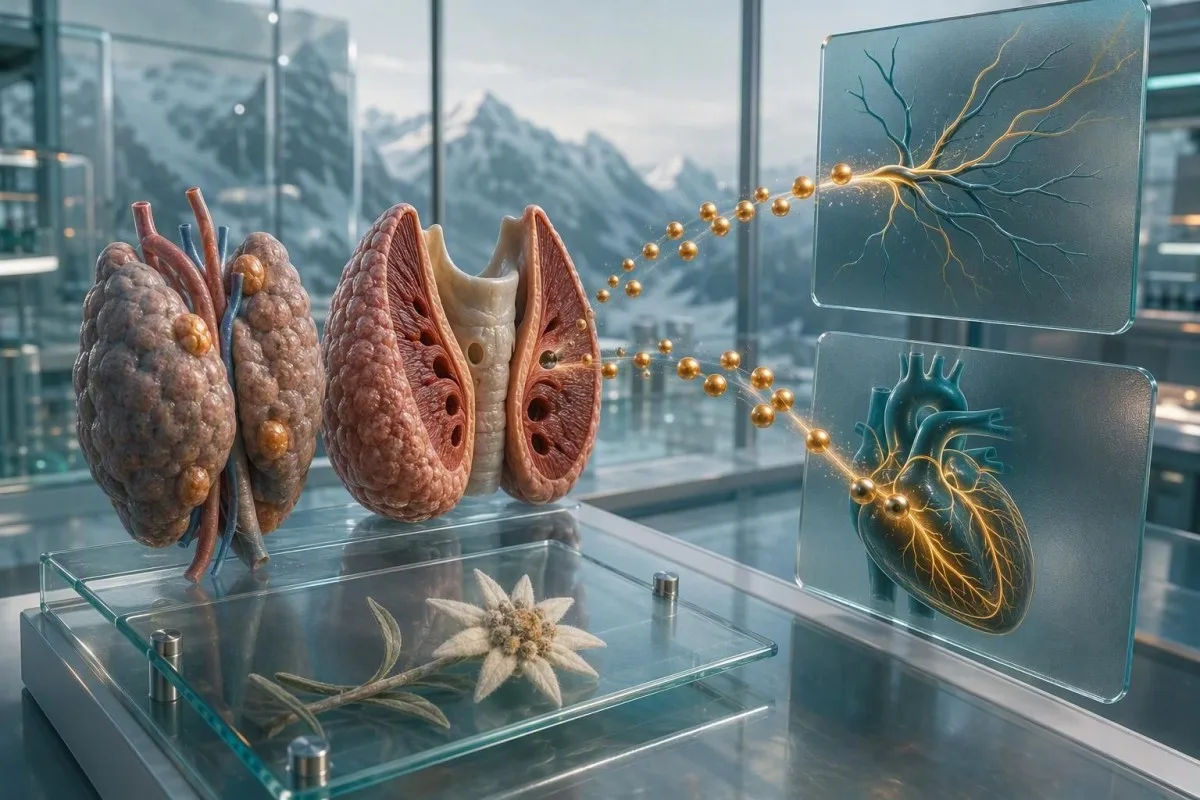
Ауыздың айналасының шаншуы, қолдың қысылуы және дірілдеуі кальцийдің төмендігін білдіруі мүмкін, бірақ құрысулар, тыныс алу қиындығы, естен тану немесе жаңа ретсіз жүрек соғысы жедел жәрдемді талап етеді. Сан маңызды, бірақ құлау жылдамдығы және иондалған кальций деңгейі жиі маңыздырақ.


- Төтенше жағдай белгілері құрысу, естен тану, стридор, шатасу немесе ұзаққа созылған ретсіз жүрек соғысы; қосымша қоспаларды қабылдаудың орнына жедел жәрдем алыңыз.
- Иондалған кальций әдетте шамамен 1.15-1.33 ммоль/л болады; ол биологиялық белсенді кальцийді өлшейді және жедел ауру кезінде артықшылықты болып табылады.
- Жалпы кальций әдетте шамамен 8.5-10.5 мг/дл (2.12-2.62 ммоль/л) болады, бірақ есеп беруші зертхананың диапазоны қолданылуы керек.
- Периралды шаншу және карпопедалды спазм - нерв пен бұлшықеттің қозуының жоғарылауынан туындаған классикалық гипокальциемия симптомдары.
- Ауыр гипокальциемия әдетте түзетілген кальций 1.9 ммоль/л (7.6 мг/дл) төмен болғанда, әсіресе симптомдар немесе ЭКГ өзгерістері болған кезде анықталады.
- Магний жетіспеушілігі паратироид гормонының бөлінуін болдырмауы мүмкін, сондықтан магний толтырылмайынша кальций түзетілмеуі мүмкін.
- Альбумин маңызды себебі төмен альбумин жалпы кальцийді иондалған кальцийді төмендетпей төмендетуі мүмкін; түзетілген мән тек бағалау болып табылады.
- Өздігінен емдемеңіз бөйректегі ауруыңыз болса, дигоксин қабылдасаңыз немесе ауыр симптомдарыңыз болса, жоғары дозалы кальциймен.
Қашан төмен кальций симптомдары жедел жәрдемді талап етеді
Төмен кальций симптомдары жансыздану немесе құрысулар, естен тану, шатасу, жоғары дыбысты тыныс алу, қатты ентігу немесе жаңа тұрақты емес жүрек соғысымен бірге пайда болған кезде дереу шұғыл көмекке мұқтаж. Бұл белгілер кәдімгі диеталық тапшылықты емес, жедел нейромышечкая немесе жүрек-тамыр тұрақсыздығын көрсетеді.
Кальцийдің нәтижесі төмен 1,9 ммоль/л (7,6 мг/дл) әдетте ересектерде, әсіресе симптомдар болған кезде, ауыр деп саналады. Шұғыл жағдайлар дәрігерлері әдетте бір сандық көрсеткішке сенгенше, ЭКГ және кальцийді магний, фосфат, креатинин және альбуминмен қайта тексеруді жүргізеді.
Мен пациенттерге тек қолдың құрысуы ыңғайсыз, бірақ міндетті түрде қауіпті емес екенін айтамын; қолдың құрысуы мен тамақтың тарылуы, дауыстың өзгеруі немесе ауа алудың қиындауы басқаша. Ларингеалды бұлшықеттер жедел гипокальциемияда спазмға ұшырауы мүмкін, және бұл тамыр ішілік кальциймен бақыланатын емдеуді қажет етеді.
2026 жылдың 20 тамызынан бастап ең қауіпсіз ереже қарапайым: симптомдар күшейіп бара жатса, өзіңіз көлік жүргізбеңіз. Шұғыл электролиттік симптомдардың кеңірек үлгісі біздің электролиттік шұғыл жәрдем нұсқаулығымызда.
Жалпы шаншу, дірілдеу және қысылу белгілері
Төмен кальцийдің жансыздануы әдетте ерін, саусақ ұштары немесе саусақтар айналасында басталады және ауыр қол немесе аяқ спазмына дейін ұлғаюы мүмкін. Гипокальциемия жүйкелердің қозу шегін төмендетеді, сондықтан әлсіздік пайда болмай тұрып, симптомдар таңқаларлықтай электрлік сезілуі мүмкін.
Классикалық поза - бұл карпопедалды спазм: білек бүгіліп, саусақтар еріксіз жиналып қалады. Менің клиникалық тәжірибемде пациенттер көбінесе оны жаттығудан кейінгі әдеттегі бөксе құрысуы емес, уақытша бағынбайтын қолдар деп сипаттайды.
Жақтың тартылуы, бетіне ұрған кезде, Хофманн белгісі деп аталады, өзіндік диагностикалық мәнге ие емес; бұл қалыпты кальцийі бар адамдарда да кездесуі мүмкін. Қан нәтижесі, симптомдардың уақыты, қышқыл-сілтілік жағдай және дәрі-дәрмектер тарихы үйдегі төсек белгілерін тырысудан әлдеқайда пайдалы.
Тыныс алудың жиілеуінен туындаған паника сол инелер мен инелерді сезінуге себеп болуы мүмкін, себебі респираторлық алкалоз жалпы кальцийді өзгертпестен иондалған кальцийді уақытша төмендетеді. Егер діріл, терлеу немесе аш қалу да басым болса, үлгіні салыстырыңыз гипогликемия туралы ескерту белгілері.
Трильяжды өзгертетін жүрек және тыныс алу белгілері
Гипокальциемия ЭКГ-да QT аралығын ұзартуы мүмкін, ал ауыр жағдайларда қауіпті ырғақ бұзылуларына немесе жүрек жеткіліксіздігі симптомдарына әкелуі мүмкін. Жүрек соғысының күрт өзгеруі, төмен кальций нәтижесі, бас айналу, кеудедегі ауырсыну немесе естен тану алдындағы жағдаймен бірге жүрген кезде сол күнгі клиникалық кеңесті қажет етеді.
Ұзартылған QT кальцийдің себебі екенін дәлелдемейді; төмен магний, кейбір дәрі-дәрмектер, туа біткен ұзартылған QT синдромдары және төмен калий де әсер етуі мүмкін. Клиницистердің бұл комбинациядан қорқу себебі - бірнеше электролиттік бұзылулар бірге аритмия қаупін жеке кальцийдің жеңіл белгісінен әлдеқайда арттырады.
Төмен кальцийден болатын ентігу сирек кездеседі, бірақ ларингоспазм, бронхоспазм немесе жүрек дисфункциясын көрсететін болса, шұғыл. Толық сөйлемдермен сөйлей алмайтын, ерні көк-сұр реңдес немесе есінен тануды сезінетін адамға зертханалық есеп әлі келмеген күннің өзінде де шұғыл медициналық қызметтер қажет.
Кантести - бұл AI қан анализінің анализаторы кальцийді магний, калий, бүйрек маркерлері және альбуминмен бірге оқитын, себебі бір белгіленген электролит сирек жағдайдың толық клиникалық суретін түсіндіреді. Симптомдарға негізделген жүрек-тамыр контексті үшін біздің жүрек қағуы (палпитация) қан талдауы жөніндегі нұсқаулық.
Қандай кальций мәндері жеңіл, ауыр немесе өте ауыр болады?
Ересектердегі жалпы кальций әдетте 2,12-2,62 ммоль/л (8,5-10,5 мг/дл) құрайды, ал иондалған кальций әдетте 1,15-1,33 ммоль/л құрайды. Сілтеме аралықтары анализаторға, жасқа, жүктілік мәртебесіне және жергілікті зертхана әдісіне байланысты аздап өзгереді.
Жалпы кальций шамамен төмендегенде симптомдар жиі пайда болады 1.9 ммоль/л-ден төмен болғанда әсіресе алаңдатарлық., бірақ 2,45-тен 2,00 ммоль/л-ге дейін тез төмендеу ұзақ уақыт бойы 1,90 ммоль/л мәнінен гөрі көп шаншуды тудыруы мүмкін. Бұл дәрігердің жеделділікті шешпес бұрын қалқанша безі немесе мойын операциясы, құсу, қан құю және жақында болған ауру туралы сұрауының себебі.
Ескі түзету формуласы жалпы кальцийге альбумин 4,0 г/дл-дан төмен болған әрбір 1 г/дл үшін қосады. Бұл жақсы скрининг құралы, әсіресе ауыр науқастарда, бүйрек ауруларында немесе қышқыл-сілтілі тепе-теңдіктің елеулі бұзылуында иондалған кальцийдің орнын толтыра алмайды. 0,8 мг/дл , бірақ жақсы скрининг құралы, әсіресе ауыр науқастарда, бүйрек ауруларында немесе қышқыл-сілтілі тепе-теңдіктің елеулі бұзылуында иондалған кальцийдің орнын толтыра алмайды.
Др. Томас Клейннің практикалық кеңесі – бірліктері мен сілтеме диапазонын қоса алғанда, бастапқы есепті суретке түсіру немесе сақтау. Жұлдызшалар диагноз емес, зертхана белгілері болып табылады; біздің нұсқаулығымыз референттік шектен тыс зертханалық белгілерге арналған нұсқаулығымызда неге екенін түсіндіреді.
Неліктен магний мен фосфат қысылуды түсіндіре алады
Төмен магний паратиреоидты гормон секрециясы мен әрекетін нашарлату арқылы гипокальциемияны тудыруы немесе сақтауы мүмкін. Сондықтан магний тапшылығы түзетілгенше кальций қоспалары аз ғана жақсаруды тудыруы мүмкін.
Қан сарысуындағы магний әдетте шамамен 0,70-1,00 ммоль/л (1,7-2,4 мг/дл), бірақ қалыпты сарысулық мәндер әрқашан жалпы ағзадағы қорлардың азаюын жоққа шығара бермейді. Диуретиктер, протонды сорғыш ингибиторлары, алкогольдің әсері, диарея және кейбір химиотерапия агенттері жиі себеп болады.
Фосфат пайдалы кеңес береді: төмен кальций және жоғары фосфат паратиреоид гормонының төмен белсенділігін немесе бүйрек дисфункциясының асқынған түрін көрсетуі мүмкін, ал төмен кальций мен төмен фосфат D дәрумені жетіспеушілігін немесе мальабсорбцияны көрсетуі мүмкін. Бұл үлгілер, үкімдер емес, ал клиникалық жағдай келесі қадамдарды анықтайды.
Бұл айырмашылық әсіресе мойынға жасалған операциядан кейін пайдалы, себебі кальцийдің төмендеуі және сәйкессіз төмен PTH операциядан кейінгі гипопаратиреозды анықтай алады. туралы көбірек оқыңыз паратиреоид гормонының төмен үлгілері және магнийге байланысты себептер.
Жалпы кальций, альбумин және иондалған кальций алмастырылмайды
Төмен альбумин жалпы кальцийді биологиялық белсенді иондалған кальций қалыпты болған кезде төмен сияқты көрсетуі мүмкін. Иондалған кальций симптомы күшті болғанда, альбумин қалыпсыз болғанда немесе қышқыл-сілті теңгерімсіздігі ықтимал болғанда артықшылықты тест болып табылады.
Шамамен 45% кальций иондалған түрде айналысады, шамамен 40% альбуминмен байланысқан, ал қалғаны фосфат және цитрат сияқты аниондармен комплекстелген. Тек иондалған кальций мембрананың қозуын тікелей анықтайды, сондықтан ол симптомдармен жақсы сәйкес келеді.
Тым ұзақ байланған турникет, кешіктірілген үлгі немесе ауаға иондалған кальций үлгісінің әсер етуі pH өзгеруі арқылы нәтижені өзгертуі мүмкін. Зертханалар жиі жылдам, анаэробты өңдеуді талап етеді; бұл қарапайым пре-аналитикалық егжей-тегжей маңызды емес шұғыл шақыруды болдырмауға көмектеседі.
Кантештидікі AI қан талдауы нәтижесін түсіндіру платформасы төмен жалпы кальцийдің альбуминнің төмендеуімен бірге жүретінін түсіндіреді және иондалған өлшем белгісіздікті жоятын кезде ұсынады. Ақуызбен байланысқан аналиттердің физиологиясы үшін бізді пайдаланыңыз қан сарысуындағы ақуыздардың анықтамалық нұсқаулығы.
Бүйрек ауруы әртүрлі төмен кальций үлгісін жасайды
Созылмалы бүйрек ауруы кальцийді калцитриолдың өндірілуінің азаюы, фосфаттың іркілуі және екіншілік гиперпаратиреоз арқылы төмендетуі мүмкін. Бұл жағдайда фосфатты, PTH және бүйрек функциясын қарамай бір кальций мәнін емдеу кері әсер етуі мүмкін.
eGFR төмендеген кезде 60 мл/мин/1.73 м² кем дегенде 3 ай бойы созылмалы бүйрек ауруы бар болып саналады және минералды-сүйек мониторингі маңыздырақ болады. KDIGO нұсқаулары жалғыз мақсатты іздеуден гөрі кальций, фосфат, PTH және сілтілі фосфатаза тенденцияларын қадағалауды баса көрсетеді.
Кальций карбонаты таблеткасы фосфат байлаушы ретінде де әрекет етеді, бұл таңдалған адамдар үшін пайдалы, бірақ іш қатуды және қажетсіз кальций жүктемесін тудыруы мүмкін. Сондықтан бүйрек ауруы бар адам бүйрек тобының кеңесінсіз граммдық қосымша кальцийді бастамауы керек.
Төмен кальций, жоғары фосфат және төмендеген eGFR бүгін қышу болмаса да, жоспарлы медициналық бақылауды талап етеді. Біздің CKD сатылары жөніндегі нұсқаулық eGFR және зәр альбумині нәтижелерін контекстке қоюға көмектеседі.
D дәрумені жетіспеушілігі қарапайым төмен кальций диетасына қарсы
D дәруменінің жетіспеушілігі ішекте кальцийдің сіңуін азайтады және төмен кальцийді, жоғары PTH, сүйек ауырсынуын және проксимальды бұлшықет әлсіздігін тудыруы мүмкін. Ересектердегі кальцийдің төмендеуінің көп жағдайлары тек тағамдағы кальцийдің мөлшерінен туындамайды.
25-гидроксивитамин D концентрациясы төмен 25 нмоль/л (10 нг/мл)-ден төмен болғанда ғана белгілеп, кеңінен қатты жетіспеушілік болып саналады, ал жетіспеушілік шектері арасында өзгереді 50 және 75 нмоль/л кәсіби топтар арасында. Денсаулығы жақсы адамның бұл көрсеткіштен жоғары болуы керектігі туралы дәлелдер аралас.
Ересектерге қажет 1000-1200 мг кальций тағам мен қоспалардан күніне, жасына және жынысына байланысты, бірақ мақсат - қандағы кальцийді бірден диетамен көтеру емес. Йогурт, нығайтылған өсімдікке негізделген баламалар, кальциймен дайындалған тофу, сүйегімен бірге жейтін ұсақ балықтар және жапырақты көкөністер бұл үшін пайдалы болуы мүмкін.
Егер құрысулар диетаны шектеу, семіздікке операция жасау немесе бірнеше ай бойы үйде отырудан кейін басталса, тек кальцийді емес, D дәруменін, PTH, магний, фосфат және сілтілік фосфатазаны тексеруді сұраңыз. Тағам көздері және нақты күтулер D дәрумені тағам бойынша нұсқаулықта.
Диарея, целиакия және мальабсорбция белгілері
Созылмалы диарея, майлы нәжіс, себепсіз салмақ жоғалту немесе темір тапшылығы және төмен кальций мальабсорбцияға күдік тудырады. Целиакия, қабыну ішек ауруы, ұйқы безінің жеткіліксіздігі және бұрын жасалған ас қорыту жүйесіне жасалған операциялар кальций мен D дәруменінің сіңуін азайтуы мүмкін.
Целиакияны скринингі әдетте адам глютен жеп жатқан кезде жүргізілетін IgA-ға қарсы тін трансглутаминазасы мен жалпы IgA-ны тексеруден басталады. Төмен жалпы IgA целиакияны тексерудің жалған сенімді IgA-негізделген нәтижесін беруі мүмкін, сондықтан IgG-ге негізделген зерттеу қажет болуы мүмкін.
Назар аударылмаған бір белгі - төмен кальций, төмен ферритин және жоғары сілтілік фосфатазаның үйлесімі; бұл ұзаққа созылған қоректік заттардың мальабсорбциясын және сүйек айналымының жоғарылауын көрсетеді. Бұл целиакияны диагностикалай алмайды, бірақ толық тарихты жүргізуге және мақсатты тестілеуді жүзеге асыруға негіз болады.
Кантести - бұл AI арқылы қуаттандырылған қан талдауын жүргізу құралы бұл кальций нәтижесін жеке мәселе ретінде қараудың орнына, панельдер бойындағы байланысты қоректік заттар мен минералдық белгілерді анықтайды. Егер диарея суреттің бір бөлігі болса, қараңыз диареяға қатысты зертханалық белгілер және IgA тестілеуінің асқынулары.
Қандағы кальцийді төмендетуі мүмкін дәрі-дәрмектер мен емдеу әдістері
Бифосфонаттар, деносумаб, цинакалцет, ілмекті диуретиктер, антиконвульсанттар, цисплатин және қан құю кезіндегі үлкен цитрат жүктемелері гипокальциемияны тудыруы мүмкін. D дәрумені төмен болғанда, бүйрек функциясы төмендегенде немесе магний таусылғанда қауіп жоғары.
Деносумабқа байланысты гипокальциемия инъекциядан кейін күндер мен апталар ішінде пайда болуы мүмкін және бүйрек ауруының соңғы сатыларында ұзаққа созылуы мүмкін. Сүйекті нығайтатын жаңа инъекциядан кейінгі симптомдар күтудің орнына, уақтылы кальций, магний, фосфат, креатинин және D дәруменін тексеруді талап етеді.
Үлкен қан құю цитрат кальциймен байланысатындықтан, иондалған кальцийді уақытша төмендетуі мүмкін; клиницистер бұл қалпына келтіру кезінде мұны мұқият бақылайды. Бірдей тұжырымдама, ауруханада симптомдардың неліктен тез өзгеретінін түсіндіреді, бұл нашар тұтынудан болатын баяу төмендеуден айырмашылығы.
Әрбір рецепт, рецептсіз берілетін өнім, антацид және қоспаны шолуға әкеліңіз - әсіресе дозасын және басталу мерзімін. Қышқылды азайтатын ұзақ мерзімді терапия да кеңірек тексеруді талап етеді; біздің PPI бақылау мақаласы қоректік заттар бұрышын түсіндіреді.
Балаларда, жүктілікте және егде жастағы адамдарда төмен кальций
Сәбилер мен балаларда кальцийдің нормативті диапазондары жоғарырақ, ал жүктілік әдетте альбуминнің төмендеуі арқылы жалпы кальцийді төмендетеді, бірақ шынайы иондалған гипокальциемия болмайды. Жасы мен физиологиялық жағдайы сондықтан интерпретацияны толығымен өзгертуі мүмкін.
Жаңа туылған нәрестелердегі гипокальциемия дірілдеу, нашар тамақтану, апноэ немесе құрысулармен көрінуі мүмкін және шұғыл педиатриялық бағалауды талап етеді. Балаларда клиницистер кальцийді өлшеумен қатар, мерзімінен бұрын туылу, D дәруменінің статусы, фосфатты қабылдау, генетикалық жағдайлар және аналық қант диабетін ескереді.
Жүктілік кезінде альбуминнің азаюына байланысты жалпы кальций шамамен 0,5 мг/дл (0,12 ммоль/л) төмендеуі мүмкін, ал иондалған кальций әдетте тұрақты қалады. Жүктілік кезінде пайда болған жаңа діріл немесе спазм әлі де қарауды талап етеді, себебі гипервентиляция, магний тапшылығы және преэклампсияға байланысты күтім суретті күрделілендіруі мүмкін.
Егде жастағы адамдарда сынықтар, D дәруменінің төмендеуі, бүйрек ауруы және көптеген дәрі-дәрмектер жиі кездеседі. Біздің балаларға арналған кальций нұсқаулығымыздан жасқа сәйкес контексті пайдаланыңыз және жоғары дозалы қоспаларды қоспас бұрын клиницист кеңесіне жүгініңіз.
Клиницистер нақты төмен кальций нәтижесін қалай растайды
Расталған гипокальциемияны тексеру әдетте қайталап кальций, альбумин, қажет болған жағдайда иондалған кальций, магний, фосфат, креатинин, PTH және 25-гидроксивитамин D қамтиды. Ағымдағы ЭКГ сынағы симптомдар маңызды болғанда немесе кальций өте төмен болғанда тез қосылады.
Адам өзін жақсы сезінсе және жалпы кальций тек аздап төмен болса, әсіресе альбумин де төмен болса, қайталап сынақ алу ақылға қонымды. Бірақ қайталап сынақ алу құрысу, стридор, естен тану немесе симптомды кальцийдің төмендеуі үшін шұғыл емдеуді кешіктірмеуі керек. 1.9 ммоль/л-ден төмен болғанда әсіресе алаңдатарлық..
Кальций төмен болғанда PTH жоғарылауы керек; сондықтан қалыпты немесе төмен PTH тиістісінше төмен болуы мүмкін және гипопаратиреозды көрсетуі мүмкін. Керісінше, жоғары PTH көбінесе ағзаның D дәруменінің жетіспеушілігіне, бүйрек ауруына немесе сіңірудің бұзылуына дұрыс жауап беретінін білдіреді.
Kantesti AI сериялы минералды нәтижелерді күн бойынша ұйымдастыра алады, бұл бір реттік зертханалық аномалияны төмендеу траекториясынан ажыратуға көмектеседі. Егер сынақ мәселесі күдік тудырса, біздің қайталап сынақты қайта жүргізу жөніндегі нұсқаулығымыз зертханалар нені тексеретінін түсіндіреді.
Қауіпсіз емдеу: Неліктен кальцийді көп ішу әрқашан жақсы емес
Симптоматикалық ауыр гипокальциемия ауруханада бақыланатын вена ішіне кальциймен емделеді, ал тұрақты жеңіл жағдайлар әдетте себебін жою және ішілетін кальцийді немесе D дәруменін іріктеп қолдану арқылы басқарылады. Дұрыс доза себепке, бүйрек функциясына, фосфатқа және бір мезгілде қолданылатын дәрі-дәрмектерге байланысты.
Тұрақты ересектер үшін клиницистер әдетте қолданылады күніне 1000-2000 мг элементтік кальций белгіленген кезде қысқа мерзімдерге бөлінген дозаларда; жапсырмадағы кальций карбонатының салмағы элементтік кальциймен бірдей емес. Кальций карбонаты тамақпен бірге ең жақсы сіңеді, ал кальций цитраты аз асқазан қышқылымен артықшылықты болуы мүмкін.
Тым көп қосымша кальций іш қату, бүйрек тастары, гиперкальциемия және дәрі-дәрмектермен өзара әрекеттесуі мүмкін. Кальцийді левотироксиннен, темірден, тетрациклин антибиотиктерінен және хинолон антибиотиктерінен кем дегенде 4 сағаттан артық кідірсе фармаколог басқа нұсқаулар бермесе.
Эндокринология қоғамының шұғыл жетекшілігі жедел симптоматикалық гипокальциемия үшін бақылау астындағы вена ішіне кальций глюконатын ұсынады, ал өзіңіз жасайтын планшеттерді көбейту емес (Тёрнер және т.б., 2016). Kantesti's технологиялық нұсқаулық біздің клиникалық ережелеріміз адам шолатын шолу үшін шұғыл комбинацияларды қалай басымдыққа ие ететінін сипаттайды.
Төмен кальций белгісінен кейін практикалық келесі қадам жоспары
Егер сізде жедел белгілерсіз жеңіл шаншу немесе мезгіл-мезгіл құрысу болса, жедел клиникалық қарауды ұйымдастырыңыз және толық есепті, дәрі-дәрмектер тізімін және симптомдар хронологиясын алып келіңіз. Егер сізде ауыр симптомдар болса, онлайн интерпретацияны күткенше, жедел жәрдемге қазір жүгініңіз.
Симптомдардың мойын операциясынан, сүйек денсаулығына арналған инъекциядан, құсу немесе диареядан, жаңа диуретиктерден, қатаң диетадан немесе ауруханада жатқаннан кейін басталғанын жазып алыңыз. Бұл мәліметтер кең панельдерді тағы бір рет тағайындаудан гөрі, себебін тезірек анықтауға көмектеседі.
Доктор Томас Кляйн иондалған кальций қажет болған кезде түзетілген кальцийді есептеуден сабыр тапқан көптеген пациенттерді, сондай-ақ альбуминмен байланысты жалпы кальций белгісінен қорқып қалған көптеген пациенттерді көрген. Келесі тиісті тест симптомдар мен контекстке байланысты, сондықтан клиникалық бағалау орталық болып қала береді.
Kantesti нәтижелерді уақыт бойынша жүйелі түрде қарайтын адамдар үшін дәрігердің қадағалауымен және құпиялылыққа бағытталған есепті өңдеумен жұмыс істейді. Біздің Медициналық консультативтік кеңес қауіпсіздік хабарламаларының клиникалық принциптерін қарайды; дәлдік әдістері біздің медициналық валидацияға шолу.
Жиі қойылатын сұрақтар
Калцийдің аздығының алғашқы белгілері қандай?
Ең ерте кальций тапшылығының белгілері әдетте ауыз, саусақтар немесе аяқ-қолдардың ұйілуі, содан кейін бұлшықеттердің жиырылуы немесе құрысуы болып табылады. Белгілер иондалған кальцийдің төмендеуі жүйке мен бұлшықеттің қозуын арттыратындықтан пайда болады. Шамамен 2,12 ммоль/л (8,5 мг/дл) төмен жалпы кальций қалыпсыз болуы мүмкін, бірақ белгілер иондалған кальциймен және өзгеріс жылдамдығымен жақсырақ байланысты. Қолдың спазмымен, жүрек соғысымен немесе дем алу қиындықтарымен бірге пайда болатын жаңа ұйілу жедел медициналық бағалауды қажет етеді.
Қандай кальций деңгейінде жедел жәрдемге баруым керек?
Кандай кальций деңгээлинде болбосун, талма, эс-учун жоготуу, башаламандык, дем алуунун оорлошу же оор болушу, катуу булчуң спазмы же туруктуу жүрөк ритминин бузулушу шашылыш баалоону талап кылат. 1,9 ммоль/л (7,6 мг/дл) төмөнкү түзөтүлгөн жалпы кальций, айрыкча симптомдор бар болгондо, оор деп эсептелет. Симптомдор күчөгөн учурда кальций кошулмасы жардам береби деп күтпөңүз. Шашылыш жардам көрсөтүүчү клиницисттер иондоштурулган кальцийди, магнийди, фосфатты, бөйрөк функциясын жана ЭКГны тез текшере алышат.
Төмен кальцийдің әсерінен тітіркену пайда болуы мүмкін бе, бірақ D дәрумені қалыпты болса ше?
Иә, қалқанша безінің қызметінің төмендеуі, магнийдің азаюы, бүйрек аурулары, дәрі-дәрмектер, жедел гипервентиляция және цитраттың әсері сияқты жағдайларда кальцийдің азаюына байланысты еріннің жансыздануы байқалуы мүмкін. Қалқанша безінің қызметінің төмендеуі байқалғанда, әдетте 25-гидроксивитамин D деңгейі қалыпты болса да, ерін жансыздануы мүмкін. Қалқанша безінің қызметінің төмендеуі байқалғанда, әдетте 25-гидроксивитамин D деңгейі қалыпты болса да, магнийдің жетіспеушілігі, бүйрек ауруы, дәрі-дәрмектер, жедел гипервентиляция және цитраттың әсері сияқты жағдайларда кальцийдің азаюына байланысты ерін жансыздануы мүмкін. Қалыпты 25-гидроксивитамин D нәтижесінде қалқанша безінің қызметі немесе магний жағдайы өлшенбейді. Тұрақты жансыздану кезінде дәрігерлер жиі магнийді, фосфатты, креатининді, қалқанша безінің қызметін, альбуминді және кейде иондалған кальцийді тексереді. Иондалған кальцийдің әдеттегі сараптамалық интервалы 1,15-1,33 ммоль/л шамасында болады, бірақ зертханалар әртүрлі болуы мүмкін.
Мазалану немесе тыныс алудың жиілеп кетуі кальцийдің төмендеу белгілерін тудыруы мүмкін бе?
Гипервентиляция қанның рН-ын көтеріп, иондалған кальцийді уақытша азайту арқылы шаншу, қолдың тартылуы және бас айналуды тудыруы мүмкін. Кальций ағзадан шықпай, иондалған түрден ақуызға байланысқан түрге ауысатындықтан, жалпы кальций қалыпты болуы мүмкін. Тыныс алу қалыпқа келгенде симптомдар жақсаруы керек, бірақ кеудедегі ауырсыну, естен тану, қатты демалудың қиындауы немесе ұзақ спазмы бар бірінші эпизодтарға жедел бағалау қажет. Қайталанатын эпизодтар кальцийді, магнийді және тиісті медициналық тарихын қарамай-ақ, дереу мазасыздыққа жатқызылмауы керек.
Кальцийдің жетіспеушілігі мен гипокальциемияның айырмашылығы неде?
Кальцийдің жетіспеушілігі әдетте уақыт өте келе тағамдық қабылдаудың жеткіліксіздігін немесе кальцийдің теріс балансын білдіреді, ал гипокальциемия циркуляциядағы кальцийдің өлшенген төмен концентрациясын білдіреді. Адамның қандағы кальций деңгейі қалыпты болса да, тағамдық қабылдауы төмен болуы мүмкін, себебі РТН сарысу деңгейін сақтау үшін сүйектен кальцийді тартады. Керісінше, қалқанша безіндегі операциядан кейін, белгілі бір дәрі-дәрмектерден немесе магнийдің қатты тапшылығынан жедел гипокальциемия пайда болуы мүмкін. Ересектерге жас пен жынысына байланысты, тағам мен қоспалардан күніне шамамен 1000-1200 мг кальций қажет.
Кальций қоспаларын қабылдау бұлшықеттің тартылуын тоқтата ма?
Кальций қоспалары кальций тапшылығын немесе гипокальциемияның таңдаулы тұрақты себептерін емдеуге көмектеседі, бірақ олар барлық бұлшықеттің түйілуін сенімді түрде емдемейді. Сұйықтық жоғалту, магнийдің төмендеуі, нервтің қысылуы, дәрі-дәрмектердің әсері, шеткері артерия ауруы және жаттығуларға байланысты бұлшықеттің шаршауы ұқсас белгілерді тудыруы мүмкін. Тұрақты емдеу әдетте клиникалық дәрігер себебін растаған кезде ғана күніне 1000-2000 мг элементтік кальцийді бөлінген дозаларда қолдануды қамтиды. Бүйрек ауруы, бүйрек тастары, саркоидоз немесе дигоксин қолданатындар жоғары дозалы кальций қабылдамас бұрын емдеуші дәрігерден кеңес алуы керек.
Бүгін AI арқылы қан талдауы нәтижесін алыңыз
Kantesti-ті лезде әрі дәл зертханалық талдау үшін сенетін бүкіл әлем бойынша 2 миллионнан астам пайдаланушыға қосылыңыз. Қан анализінің нәтижелерін ж.үктеп, бірнеше секунд ішінде 15,000+ биомаркерлерінің жан-жақты түсіндірмесін алыңыз.
📚 Сілтеме жасалған ғылыми жарияланымдар
Кляйн, Т., Митчелл, С., & Вебер, Х. (2026). Kantesti LTD. (2026). 100,000 синтетикалық тест жағдайындағы Kantesti Blood-Test Interpretation Engine үшін алдын ала тіркелген, рубрикаға негізделген автоматтандырылған техникалық эталон. Figshare.. Kantesti AI медициналық зерттеулер.
Кляйн, Т., Митчелл, С., & Вебер, Х. (2026). Kantesti LTD. (2026). Клиникалық валидациялау құрылымы v2.0 (Медициналық валидациялау беті). Zenodo.. Kantesti AI медициналық зерттеулер.
📖 Сыртқы медициналық сілтемелер
KDIGO CKD-MBD Update Work Group (2017). KDIGO 2017 созылмалы бүйрек ауруы–минералды және сүйек бұзылыстарын диагностикалау, бағалау, алдын алу және емдеу бойынша клиникалық практикаға арналған нұсқаулықты жаңарту.Ересектердегі темір тапшылығы анемиясын басқаруға арналған Британдық гастроэнтерология қоғамының нұсқаулықтары.
⚕️ Медициналық ескерту
Бұл мақала тек білім беру мақсатында ғана және медициналық кеңес болып табылмайды. Диагноз және ем туралы шешімдер үшін әрдайым білікті медицина қызметкеріне жүгініңіз.
E-E-A-T сенім сигналдары
Тәжірибе
Дәрігер басқаратын зертханалық талдауды түсіндіру жұмыс ағындарын клиникалық шолу.
Сараптама
Биомаркерлердің клиникалық контексте қалай әрекет ететініне зертханалық медицина фокусы.
Билік
Доктор Томас Клейн жазған, доктор Сара Митчелл және профессор доктор Ханс Вебер шолған.
Сенімділік
Дабыл қаупін азайту үшін айқын бақылау жолдарымен дәлелге негізделген түсіндіру.