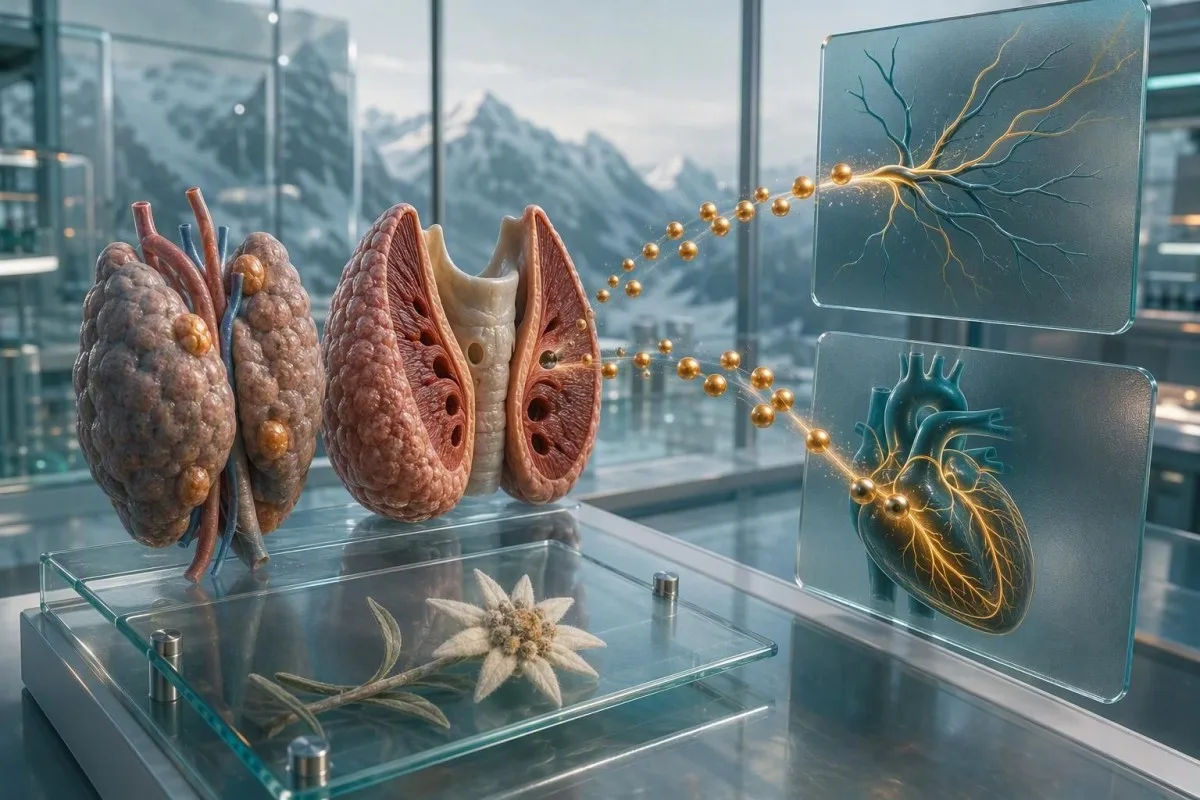
อาการชาบริเวณรอบปาก ตะคริวที่มือ และกล้ามเนื้อกระตุกอาจบ่งบอกถึงภาวะแคลเซียมต่ำ แต่การชัก หายใจลำบาก หน้ามืด หรือหัวใจเต้นผิดจังหวะแบบใหม่ๆ จำเป็นต้องได้รับการประเมินฉุกเฉิน จำนวนมีความสำคัญ แม้ว่าความเร็วของการลดลงและระดับแคลเซียมไอออนิกมักจะสำคัญกว่าก็ตาม.


- สัญญาณภาวะฉุกเฉิน รวมถึงอาการชัก หน้ามืด เสียงแหบในลำคอ สับสน หรือหัวใจเต้นผิดจังหวะที่คงอยู่; ควรขอความช่วยเหลือฉุกเฉิน แทนที่จะรับประทานอาหารเสริมเพิ่ม.
- แคลเซียมแบบไอออน (ionized calcium) โดยทั่วไปอยู่ที่ประมาณ 1.15-1.33 mmol/L; ใช้ในการวัดแคลเซียมที่ออกฤทธิ์ทางชีวภาพ และแนะนำให้ใช้ในช่วงเจ็บป่วยเฉียบพลัน.
- แคลเซียมรวม โดยทั่วไปอยู่ที่ประมาณ 8.5-10.5 mg/dL (2.12-2.62 mmol/L) แต่ควรใช้ช่วงอ้างอิงของห้องปฏิบัติการที่รายงานผล.
- อาการชาบริเวณรอบปาก และกล้ามเนื้อกระตุกที่มือเป็นอาการของภาวะแคลเซียมในเลือดต่ำที่พบได้บ่อย ซึ่งเกิดจากการเพิ่มขึ้นของความตื่นเต้นของเส้นประสาทและกล้ามเนื้อ.
- ภาวะแคลเซียมต่ำรุนแรง มักนิยามว่าแคลเซียมที่ปรับค่าแล้วต่ำกว่า 1.9 mmol/L (7.6 mg/dL) โดยเฉพาะอย่างยิ่งเมื่อมีอาการหรือการเปลี่ยนแปลงคลื่นไฟฟ้าหัวใจ (ECG).
- ขาดแมกนีเซียม สามารถยับยั้งการหลั่งพาราไทรอยด์ฮอร์โมนได้ ดังนั้นแคลเซียมอาจไม่ปรับค่าจนกว่าแมกนีเซียมจะถูกทดแทน.
- อัลบูมินมีความสำคัญ เนื่องจากอัลบูมินต่ำอาจทำให้แคลเซียมทั้งหมดลดลงโดยไม่ลดแคลเซียมไอออนิก ค่าที่ปรับค่าแล้วเป็นเพียงการประมาณการ.
- อย่ารักษาตัวเองอย่างหักโหม ด้วยแคลเซียมปริมาณสูงหากคุณมีโรคไต กำลังรับประทานยาไดโกซิน หรือมีอาการรุนแรง.
เมื่ออาการแคลเซียมต่ำจำเป็นต้องได้รับการดูแลฉุกเฉิน
อาการแคลเซียมต่ำต้องการการดูแลฉุกเฉินทันที เมื่อมีอาการชาหรือตะคริวร่วมกับอาการชัก หน้ามืด สับสน การหายใจเสียงดังผิดปกติ หายใจลำบากอย่างรุนแรง หรือหัวใจเต้นผิดจังหวะอย่างต่อเนื่อง. ลักษณะเหล่านี้สามารถสะท้อนถึงความไม่คงที่ของระบบประสาทและกล้ามเนื้อหรือระบบหัวใจแบบเฉียบพลัน ไม่ใช่การขาดแคลเซียมจากอาหารทั่วไป.
ผลแคลเซียมต่ำกว่า 1.9 mmol/L (7.6 mg/dL) โดยทั่วไปถือว่ารุนแรงในผู้ใหญ่ โดยเฉพาะอย่างยิ่งหากมีอาการ แพทย์ฉุกเฉินมักจะทำการตรวจคลื่นไฟฟ้าหัวใจ (ECG) และตรวจซ้ำแคลเซียมร่วมกับแมกนีเซียม ฟอสเฟต ครีเอตินิน และอัลบูมิน แทนที่จะอาศัยตัวเลขเพียงค่าเดียว.
ฉันบอกผู้ป่วยว่าอาการมือเป็นตะคริวเพียงอย่างเดียวทำให้ไม่สบายตัว แต่ไม่เป็นอันตรายโดยอัตโนมัติ อาการมือเป็นตะคริวร่วมกับอาการเจ็บคอ เสียงเปลี่ยน หรือหายใจลำบาก เป็นคนละเรื่องกัน กล้ามเนื้อกล่องเสียงอาจกระตุกในภาวะแคลเซียมในเลือดต่ำเฉียบพลัน และต้องได้รับการรักษาด้วยแคลเซียมทางหลอดเลือดดำภายใต้การดูแล.
ณ วันที่ 20 สิงหาคม 2026 กฎที่ปลอดภัยที่สุดนั้นง่ายๆ คือ: อย่าขับรถด้วยตัวเองหากอาการกำลังแย่ลง รูปแบบอาการผิดปกติของอิเล็กโทรไลต์ที่กว้างขึ้นครอบคลุมอยู่ใน คู่มือภาวะอิเล็กโทรไลต์ผิดปกติฉุกเฉิน.
สัญญาณทั่วไปของการชา การกระตุก และตะคริว
อาการชาจากแคลเซียมต่ำมักเริ่มรอบๆ ริมฝีปาก ปลายนิ้วมือ หรือนิ้วเท้า และอาจลุกลามไปจนถึงอาการตะคริวที่มือหรือเท้าที่เจ็บปวด. ภาวะแคลเซียมในเลือดต่ำจะลดเกณฑ์ที่เส้นประสาทจะทำงาน ดังนั้นอาการต่างๆ จึงอาจรู้สึกเหมือนไฟฟ้าช็อตก่อนที่จะเกิดอาการอ่อนแรง.
ท่าทางคลาสสิกคือ ภาวะตะคริวที่มือและเท้า (carpopedal spasm): ข้อมืองอและนิ้วมือหดเข้าหากันโดยไม่สมัครใจ จากประสบการณ์ทางคลินิกของฉัน ผู้ป่วยมักอธิบายว่ามือไม่เชื่อฟังชั่วคราว มากกว่าตะคริวที่น่องหลังออกกำลังกายทั่วไป.
การกระตุกของใบหน้าเมื่อแตะแก้ม เรียกว่า Chvostek sign ไม่ใช่การวินิจฉัยในตัวเอง แต่อาจเกิดขึ้นในผู้ที่มีระดับแคลเซียมปกติ ผลการตรวจเลือด ระยะเวลาของอาการ สภาวะกรด-ด่าง และประวัติการใช้ยา มีประโยชน์มากกว่าการพยายามตรวจอาการข้างเตียงที่บ้าน.
การหายใจเร็วเกินไปที่เกิดจากความตื่นตระหนกสามารถทำให้เกิดอาการเหมือนเข็มทิ่มได้เช่นกัน เนื่องจากภาวะอัลคาโลซิสจากการหายใจทำให้แคลเซียมไอออนลดลงชั่วคราวโดยไม่จำเป็นต้องเปลี่ยนแปลงแคลเซียมทั้งหมด หากมีอาการสั่น เหงื่อออก หรือหิวเด่นชัดด้วย ให้เปรียบเทียบรูปแบบกับ สัญญาณเตือนภาวะน้ำตาลในเลือดต่ำ.
สัญญาณหัวใจและการหายใจที่เปลี่ยนลำดับการคัดกรอง
ภาวะแคลเซียมในเลือดต่ำสามารถทำให้ช่วง QT ในคลื่นไฟฟ้าหัวใจยาวนานขึ้น และในกรณีที่รุนแรง อาจกระตุ้นให้เกิดภาวะหัวใจเต้นผิดจังหวะอันตรายหรืออาการหัวใจล้มเหลว. อาการใจสั่นสมควรได้รับการประเมินทางการแพทย์ในวันเดียวกันเมื่อมีผลแคลเซียมต่ำร่วมด้วย เวียนศีรษะ เจ็บหน้าอก หรือใกล้เป็นลม.
ช่วง QT ที่ยาวนานไม่ได้พิสูจน์ว่าแคลเซียมเป็นสาเหตุเสมอไป ภาวะแมกนีเซียมต่ำ ยาบางชนิด กลุ่มอาการ QT ยาวแต่กำเนิด และภาวะโพแทสเซียมต่ำ ก็อาจเป็นสาเหตุได้เช่นกัน เหตุผลที่แพทย์กังวลเกี่ยวกับทั้งสองอย่างร่วมกันคือ ภาวะอิเล็กโทรไลต์ผิดปกติหลายอย่างร่วมกันจะเพิ่มความเสี่ยงต่อภาวะหัวใจเต้นผิดจังหวะได้มากกว่าค่าแคลเซียมที่ผิดปกติเล็กน้อยเพียงอย่างเดียว.
อาการหายใจลำบากจากแคลเซียมต่ำเป็นอาการที่พบได้ไม่บ่อย แต่เป็นเรื่องเร่งด่วนเมื่อสะท้อนถึงภาวะกล่องเสียงหดเกร็ง หลอดลมตีบ หรือการทำงานของหัวใจผิดปกติ ผู้ที่ไม่สามารถพูดเป็นประโยคเต็มได้ ริมฝีปากสีฟ้าอมเทา หรือรู้สึกหน้ามืด ควรขอความช่วยเหลือฉุกเฉิน แม้ว่ารายงานผลห้องปฏิบัติการจะยังไม่ออก.
คันเตสตีเป็น เครื่องวิเคราะห์ผลเลือด AI ที่อ่านค่าแคลเซียมร่วมกับแมกนีเซียม โพแทสเซียม สารบ่งชี้การทำงานของไต และอัลบูมิน เนื่องจากอิเล็กโทรไลต์ที่ผิดปกติเพียงอย่างเดียวมักไม่สามารถอธิบายภาพรวมทางคลินิกทั้งหมดได้ สำหรับบริบทของหัวใจที่เกี่ยวข้องกับอาการ โปรดดู คู่มือการตรวจเลือดสำหรับอาการใจสั่น.
ค่าแคลเซียมใดถือว่าน้อย รุนแรง หรือวิกฤต?
ระดับแคลเซียมทั้งหมดในผู้ใหญ่โดยทั่วไปประมาณ 2.12-2.62 mmol/L (8.5-10.5 mg/dL) ในขณะที่แคลเซียมไอออนประมาณ 1.15-1.33 mmol/L. ช่วงอ้างอิงอาจแตกต่างกันเล็กน้อยตามเครื่องวิเคราะห์ อายุ สถานะการตั้งครรภ์ และวิธีการของห้องปฏิบัติการในท้องถิ่น.
อาการมักปรากฏเมื่อแคลเซียมรวมลดลงต่ำกว่าประมาณ 1.9 มิลลิโมล/ลิตร, แต่การลดลงอย่างรวดเร็วจาก 2.45 เป็น 2.00 mmol/L อาจทำให้เกิดอาการชาได้มากกว่าค่าที่คงอยู่นานที่ 1.90 mmol/L นั่นคือเหตุผลประการหนึ่งที่แพทย์จะสอบถามเกี่ยวกับการผ่าตัดไทรอยด์หรือคอ การอาเจียน การถ่ายเลือด และการเจ็บป่วยล่าสุดก่อนตัดสินใจเกี่ยวกับความเร่งด่วน.
สูตรการปรับค่าแบบเก่าจะบวก 0.8 มก./ดล. เพิ่มเข้าไปในแคลเซียมรวมสำหรับทุกๆ 1 g/dL ที่อัลบูมินต่ำกว่า 4.0 g/dL เป็นเครื่องมือคัดกรองคร่าวๆ ไม่สามารถใช้ทดแทนแคลเซียมไอออนได้ โดยเฉพาะในผู้ป่วยวิกฤต โรคไต หรือภาวะกรด-ด่างผิดปกติอย่างรุนแรง.
คำแนะนำเชิงปฏิบัติของ Dr. Thomas Klein คือการถ่ายรูปหรือเก็บรายงานฉบับเดิมไว้ รวมถึงหน่วยและช่วงอ้างอิง เครื่องหมายดอกจันเป็นตัวบ่งชี้ของห้องปฏิบัติการมากกว่าการวินิจฉัย คู่มือของเราเกี่ยวกับ สถานะธงผลเกิน/ต่ำกว่าช่วงอ้างอิงของห้องปฏิบัติการ อธิบายว่าทำไม.
เหตุใดแมกนีเซียมและฟอสเฟตจึงอธิบายอาการตะคริวได้
แมกนีเซียมต่ำสามารถทำให้เกิดหรือคงภาวะแคลเซียมต่ำ (hypocalcemia) โดยส่งผลกระทบต่อการหลั่งและการทำงานของฮอร์โมนพาราไทรอยด์. ดังนั้น การเสริมแคลเซียมอาจให้ผลเพียงเล็กน้อยจนกว่าจะแก้ไขภาวะแมกนีเซียมพร่องได้.
แมกนีเซียมในเซรุ่มมักจะมีค่าประมาณ 0.70-1.00 mmol/L (1.7-2.4 mg/dL), แม้ว่าค่าแมกนีเซียมในเซรุ่มปกติอาจไม่สามารถตัดความเป็นไปได้ของการพร่องแมกนีเซียมในร่างกายทั้งหมดได้ ยาขับปัสสาวะ ยาลดกรดในกระเพาะอาหาร (proton-pump inhibitors) การสัมผัสแอลกอฮอล์ ท้องร่วง และยาเคมีบำบัดบางชนิดเป็นปัจจัยที่ก่อให้เกิดภาวะนี้บ่อยครั้ง.
ฟอสเฟตให้เบาะแสที่เป็นประโยชน์: แคลเซียมต่ำร่วมกับ ฟอสเฟตสูง อาจบ่งชี้ถึงการทำงานของฮอร์โมนพาราไทรอยด์ต่ำหรือภาวะไตวายขั้นรุนแรง ในขณะที่แคลเซียมต่ำร่วมกับฟอสเฟตต่ำอาจเข้าได้กับ ภาวะขาดวิตามินดี หรือภาวะดูดซึมผิดปกติ นี่เป็นรูปแบบ ไม่ใช่คำตัดสิน และสถานการณ์ทางคลินิกจะเป็นตัวกำหนดขั้นตอนต่อไป.
การแยกแยะนี้มีประโยชน์อย่างยิ่งหลังการผ่าตัดคอ เมื่อระดับแคลเซียมที่ลดลงและ PTH ที่ต่ำอย่างไม่เหมาะสมอาจบ่งชี้ถึงภาวะพาราไทรอยด์พร่องหลังผ่าตัด อ่านเพิ่มเติมเกี่ยวกับ รูปแบบฮอร์โมนพาราไทรอยด์ต่ำ และ สาเหตุที่เกี่ยวข้องกับแมกนีเซียม.
แคลเซียมทั้งหมด อัลบูมิน และแคลเซียมไอออนิกไม่สามารถใช้แทนกันได้
อัลบูมินต่ำอาจทำให้แคลเซียมทั้งหมดดูต่ำ ในขณะที่แคลเซียมอิออนที่ออกฤทธิ์ทางชีวภาพปกติ. แคลเซียมอิออนเป็นการตรวจที่แนะนำ เมื่อมีอาการเฉียบพลัน อัลบูมินผิดปกติ หรือน่าจะมีความผิดปกติของกรด-ด่าง.
โดยประมาณ 45% ของแคลเซียมไหลเวียนในรูปอิออน ประมาณ 40% จับกับอัลบูมิน และส่วนที่เหลือจะรวมกับแอนไอออน เช่น ฟอสเฟตและซิเตรต เฉพาะแคลเซียมอิออนเท่านั้นที่กำหนดการกระตุ้นของเยื่อหุ้มเซลล์โดยตรง ซึ่งเป็นเหตุผลว่าทำไมจึงตรงกับอาการได้ดีที่สุด.
การใช้สายรัดห้ามนานเกินไป การส่งตัวอย่างล่าช้า หรือการสัมผัสตัวอย่างแคลเซียมอิออนกับอากาศ สามารถเปลี่ยนแปลงผลลัพธ์ได้เนื่องจากการเปลี่ยนแปลงค่า pH ห้องปฏิบัติการมักต้องการการจัดการที่รวดเร็วและไม่ใช้ออกซิเจน รายละเอียดเบื้องต้นที่ธรรมดานี้สามารถป้องกันการส่งต่อไปยังห้องฉุกเฉินโดยไม่จำเป็น.
คันเตสตี แพลตฟอร์มการแปลผลตรวจเลือดของ AI อธิบายว่าแคลเซียมทั้งหมดต่ำมีอัลบูมินต่ำร่วมด้วยหรือไม่ และแนะนำเมื่อการวัดค่าอิออนจะช่วยคลายความไม่แน่นอน สำหรับสรีรวิทยาเบื้องหลังสารที่จับโปรตีน ใช้ our คู่มืออ้างอิงโปรตีนในซีรัม.
โรคไตสร้างรูปแบบแคลเซียมต่ำที่แตกต่างกัน
โรคไตเรื้อรังสามารถทำให้แคลเซียมต่ำผ่านการลดการผลิตแคลซิไตรออล การกักเก็บฟอสเฟต และภาวะพาราไทรอยด์ฮอร์โมนสูงทุติยภูมิ. ในสถานการณ์นี้ การรักษาค่าแคลเซียมค่าหนึ่งโดยไม่พิจารณาฟอสเฟต PTH และการทำงานของไต อาจส่งผลเสียได้.
เมื่อ eGFR ลดลงต่ำกว่า ต่ำกว่า 60 mL/min/1.73 m² เป็นเวลาอย่างน้อย 3 เดือน จะมีภาวะโรคไตเรื้อรัง และการติดตามผลแร่ธาตุในกระดูกจะมีความเกี่ยวข้องมากขึ้น แนวทาง KDIGO เน้นการติดตามแนวโน้มของแคลเซียม ฟอสเฟต PTH และฟอสฟาเตสอัลคาไลน์ มากกว่าการมุ่งเป้าไปที่เป้าหมายเดียว.
ยาเม็ดแคลเซียมคาร์บอเนตยังทำหน้าที่เป็นตัวจับฟอสเฟต ซึ่งมีประโยชน์สำหรับผู้ที่เลือก แต่ก็อาจทำให้ท้องผูกและมีการสะสมแคลเซียมที่ไม่ต้องการได้ นี่คือเหตุผลที่ผู้ป่วยโรคไตไม่ควรเริ่มรับประทานแคลเซียมเสริมในระดับกรัมโดยไม่ได้รับคำแนะนำจากทีมแพทย์โรคไต.
แคลเซียมต่ำร่วมกับฟอสเฟตสูงและ eGFR ลดลง ควรได้รับการติดตามทางการแพทย์อย่างวางแผน แม้ว่าจะยังไม่มีอาการชาในวันนี้ก็ตาม Our คู่มือระยะของ CKD ช่วยจัดอันดับผล eGFR และอัลบูมินในปัสสาวะให้อยู่ในบริบท.
ขาดวิตามินดี เปรียบเทียบกับอาหารแคลเซียมต่ำแบบง่ายๆ
ภาวะขาดวิตามินดีลดการดูดซึมแคลเซียมในลำไส้ และอาจทำให้แคลเซียมต่ำ PTH สูง ปวดกระดูก และกล้ามเนื้ออ่อนแรงบริเวณต้นขา. กรณีแคลเซียมต่ำในผู้ใหญ่ส่วนใหญ่ไม่ได้เกิดจากการบริโภคแคลเซียมจากอาหารเพียงอย่างเดียว.
ความเข้มข้นของ 25-hydroxyvitamin D ต่ำกว่า 25 นาโนโมล/ลิตร (10 นาโนกรัม/มล.) ถือว่าขาดอย่างรุนแรง ขณะที่เกณฑ์ของภาวะไม่เพียงพอจะแตกต่างกันไปในแต่ละ 50 ถึง 75 nmol/L ในกลุ่มวิชาชีพต่างๆ หลักฐานยังผสมปนเปกันไปว่าระดับเป้าหมายของบุคคลที่มีสุขภาพดีควรอยู่เหนือช่วงนั้นหรือไม่.
โดยทั่วไปผู้ใหญ่ต้องการ 1,000-1,200 มก ของแคลเซียมต่อวันจากอาหารรวมกับอาหารเสริม ขึ้นอยู่กับอายุและเพศ แต่เป้าหมายไม่ใช่การเร่งให้แคลเซียมในเลือดสูงขึ้นอย่างรวดเร็วด้วยอาหารภายในชั่วข้ามคืน โยเกิร์ต เครื่องดื่มจากพืชเสริม แครกเกอร์ เต้าหู้ที่ใช้แคลเซียมเสริม ปลาเล็กที่กินทั้งก้าง และผักใบเขียวสามารถช่วยได้.
หากอาการตะคริวเริ่มขึ้นหลังจากรับประทานอาหารจำกัดรูปแบบ การผ่าตัดลดความอ้วน หรือการอยู่แต่ในบ้านเป็นเวลาหลายเดือน ให้ตรวจหาระดับวิตามินดี, PTH, แมกนีเซียม, ฟอสเฟต และอัลคาไลน์ฟอสฟาเทส แทนที่จะสั่งตรวจแคลเซียมเพียงอย่างเดียว แหล่งอาหารและความคาดหวังที่สมจริงจะกล่าวถึงใน คำแนะนำอาหารเสริมวิตามินดี.
สัญญาณท้องเสีย โรคแพ้กลูเตน และภาวะดูดซึมผิดปกติ
ท้องร่วงเรื้อรัง อุจจาระมีไขมัน น้ำหนักลดโดยไม่ตั้งใจ หรือภาวะโลหิตจางจากการขาดธาตุเหล็ก ร่วมกับแคลเซียมต่ำ แสดงถึงความกังวลเรื่องการดูดซึมผิดปกติ. โรคเซลิแอค โรคลำไส้อักเสบ ภาวะตับอ่อนทำงานบกพร่อง และการผ่าตัดทางเดินอาหารก่อนหน้านี้ ล้วนสามารถลดการดูดซึมแคลเซียมและวิตามินดีได้.
การตรวจคัดกรองโรคเซลิแอคโดยทั่วไปจะเริ่มด้วยการตรวจ IgA ต่อทรานส์กลูตามิเนสของเนื้อเยื่อ (tissue transglutaminase IgA) ร่วมกับ IgA ทั้งหมด (total IgA) ในขณะที่บุคคลนั้นรับประทานกลูเตน การมีระดับ IgA ทั้งหมดต่ำอาจทำให้ผลการตรวจโรคเซลิแอคที่อิง IgA มีค่าเป็นลบเท็จ ดังนั้นอาจจำเป็นต้องใช้วิธีตรวจวัดแบบ IgG.
เบาะแสที่มักถูกมองข้ามคือการรวมกันของแคลเซียมต่ำ, เฟอร์ริตินต่ำ, และอัลคาไลน์ฟอสฟาเทสสูง ซึ่งอาจบ่งชี้ถึงการดูดซึมสารอาหารผิดปกติเป็นเวลานานพร้อมกับการสลายกระดูกที่เพิ่มขึ้น ซึ่งไม่ได้เป็นการวินิจฉัยโรคเซลิแอค แต่ก็เพียงพอที่จะทำให้ต้องซักประวัติอย่างละเอียดและการทดสอบที่ตรงเป้าหมาย.
คันเตสตีเป็น เครื่องมือวิเคราะห์ผลตรวจเลือดที่ขับเคลื่อนด้วย AI ซึ่งระบุสารอาหารและแร่ธาตุที่เกี่ยวข้องที่ผิดปกติในแผงตรวจ แทนที่จะปฏิบัติต่อผลแคลเซียมเป็นปัญหาเดียว หากมีอาการท้องร่วงร่วมด้วย ให้ตรวจสอบ เบาะแสทางห้องปฏิบัติการที่เกี่ยวข้องกับอาการท้องร่วง และ ข้อควรระวังในการตรวจ IgA.
ยาและการรักษาที่อาจทำให้แคลเซียมต่ำลง
ยาบิสฟอสโฟเนต, เดโนซูแมบ, ซินาคาลเซ็ต, ยาขับปัสสาวะแบบห่วง, ยาต้านอาการชัก, ซิสพลาติน, และการให้สารละลายซิเตรตปริมาณมากระหว่างการให้เลือด อาจทำให้เกิดภาวะแคลเซียมในเลือดต่ำ. ความเสี่ยงจะสูงที่สุดเมื่อวิตามินดีต่ำ การทำงานของไตลดลง หรือแมกนีเซียมหมดไป.
ภาวะแคลเซียมในเลือดต่ำที่เกี่ยวข้องกับเดโนซูแมบ อาจเกิดขึ้นได้หลายวันถึงหลายสัปดาห์หลังจากการฉีด และอาจยาวนานในผู้ที่เป็นโรคไตขั้นรุนแรง อาการหลังจากการฉีดยาเสริมสร้างกระดูกตัวใหม่ ควรแจ้งให้ตรวจวัดระดับแคลเซียม, แมกนีเซียม, ฟอสเฟต, ครีเอตินีน และวิตามินดีอย่างทันท่วงที แทนที่จะรอสังเกตอาการ.
การให้เลือดปริมาณมากอาจทำให้แคลเซียมที่แตกตัวเป็นไอออนลดลงชั่วคราว เนื่องจากซิเตรตจับกับแคลเซียม แพทย์จะสังเกตการณ์สิ่งนี้อย่างใกล้ชิดระหว่างการช่วยชีวิต แนวคิดเดียวกันนี้อธิบายได้ว่าทำไมอาการอาจผันผวนอย่างรวดเร็วในโรงพยาบาล ต่างจากการลดลงอย่างช้าๆ ที่เกิดจากการรับประทานอาหารไม่เพียงพอ.
นำยาทุกชนิดที่แพทย์สั่ง, ยาที่หาซื้อได้เอง, ยาเคลือบกระเพาะ, และอาหารเสริมมาให้ตรวจด้วย โดยเฉพาะขนาดยาและวันที่เริ่มใช้ การบำบัดด้วยยาเพื่อลดกรดในระยะยาวก็ควรได้รับการตรวจสอบที่กว้างขึ้น บทความ การติดตามผล PPI ของเราอธิบายมุมมองด้านสารอาหาร.
แคลเซียมต่ำในเด็ก สตรีมีครรภ์ และผู้สูงอายุ
ช่วงอ้างอิงแคลเซียมจะสูงกว่าในทารกและเด็ก และการตั้งครรภ์มักทำให้แคลเซียมทั้งหมดลดลงเนื่องจากอัลบูมินต่ำ โดยไม่มีภาวะแคลเซียมในเลือดต่ำที่แท้จริง. ดังนั้น อายุและสภาวะทางสรีรวิทยาจึงสามารถเปลี่ยนแปลงการตีความได้อย่างสิ้นเชิง.
ภาวะแคลเซียมในเลือดต่ำในทารกแรกเกิดอาจแสดงอาการสั่น การดูดกลืนลำบาก ภาวะหยุดหายใจ หรืออาการชัก และต้องได้รับการประเมินจากแพทย์กุมารเวชอย่างเร่งด่วน ในเด็ก แพทย์พิจารณาภาวะคลอดก่อนกำหนด ภาวะวิตามินดี ระดับฟอสเฟต โรคทางพันธุกรรม และโรคเบาหวานของมารดา ควบคู่ไปกับการวัดระดับแคลเซียม.
ในระหว่างตั้งครรภ์ ระดับแคลเซียมทั้งหมดอาจลดลงประมาณ 0.5 มก./ดล. (0.12 มิลลิโมล/ลิตร) เนื่องจากระดับอัลบูมินลดลง ในขณะที่ระดับแคลเซียมไอออนไนซ์มักคงที่ อาการชาหรือกล้ามเนื้อกระตุกใหม่ๆ ในระหว่างตั้งครรภ์ยังคงต้องได้รับการตรวจสอบ เนื่องจากภาวะหายใจเร็วเกินไป ภาวะขาดแมกนีเซียม และการดูแลที่เกี่ยวข้องกับภาวะครรภ์เป็นพิษอาจทำให้ภาพรวมซับซ้อนขึ้น.
สำหรับผู้สูงอายุ ภาวะกระดูกหัก ภาวะขาดวิตามินดี โรคไต และยาหลายชนิดมักเกิดขึ้นพร้อมกัน ใช้บริบทที่จำเพาะตามอายุจาก คู่มือแคลเซียมสำหรับเด็ก ของเรา และขอคำแนะนำจากแพทย์ก่อนเริ่มรับประทานอาหารเสริมในปริมาณสูง.
แพทย์ยืนยันผลแคลเซียมต่ำจริงได้อย่างไร
การตรวจหาภาวะแคลเซียมในเลือดต่ำที่ยืนยันแล้วมักจะรวมถึงการวัดระดับแคลเซียม อัลบูมิน แคลเซียมไอออนไนซ์ (เมื่อเหมาะสม) แมกนีเซียม ฟอสเฟต ครีเอตินีน PTH และ 25-hydroxyvitamin D ซ้ำ. การตรวจคลื่นไฟฟ้าหัวใจ (ECG) จะถูกเพิ่มเข้ามาอย่างรวดเร็วเมื่อมีอาการสำคัญ หรือระดับแคลเซียมต่ำมาก.
การวัดซ้ำมีความเหมาะสมหากบุคคลนั้นรู้สึกสบายดีและระดับแคลเซียมทั้งหมดต่ำเพียงเล็กน้อย โดยเฉพาะอย่างยิ่งเมื่อระดับอัลบูมินก็ต่ำเช่นกัน แต่การทดสอบซ้ำไม่ควรรบกวนการดูแลฉุกเฉินสำหรับอาการชัก การหายใจมีเสียงหวีด อาการหน้ามืด หรืออาการของแคลเซียมต่ำกว่า 1.9 มิลลิโมล/ลิตร.
PTH ควรจะเพิ่มขึ้นเมื่อระดับแคลเซียมต่ำ ดังนั้น PTH ที่ปกติหรือต่ำจึงอาจต่ำอย่างไม่เหมาะสมและบ่งชี้ถึงภาวะต่อมพาราไทรอยด์ทำงานน้อยกว่า ในทางกลับกัน PTH ที่สูงมักหมายความว่าร่างกายกำลังตอบสนองอย่างเหมาะสมต่อภาวะขาดวิตามินดี โรคไต หรือการดูดซึมที่ผิดปกติ.
Kantesti AI สามารถจัดระเบียบผลการตรวจแร่ธาตุตามลำดับเวลา ซึ่งช่วยแยกความผิดปกติของห้องปฏิบัติการเพียงครั้งเดียวออกจากการลดลงอย่างต่อเนื่อง หากสงสัยว่ามีปัญหาเกี่ยวกับตัวอย่าง คู่มือการเจาะเลือดซ้ำ ของเราอธิบายว่าห้องปฏิบัติการตรวจสอบอะไรบ้าง.
การรักษาที่ปลอดภัย: ทำไมการให้แคลเซียมเพิ่มจึงไม่ใช่สิ่งที่ดีที่สุดเสมอไป
ภาวะแคลเซียมในเลือดต่ำรุนแรงที่มีอาการจะได้รับการรักษาในโรงพยาบาลด้วยแคลเซียมทางหลอดเลือดดำภายใต้การดูแล ในขณะที่กรณีที่ไม่รุนแรงและคงที่มักจะจัดการโดยการแก้ไขสาเหตุและการใช้แคลเซียมในรูปแบบรับประทานหรือวิตามินดีเฉพาะกรณี. ปริมาณที่ถูกต้องขึ้นอยู่กับสาเหตุ การทำงานของไต ฟอสเฟต และยาที่ใช้ร่วมกัน.
สำหรับผู้ใหญ่ที่มีอาการคงที่ แพทย์มักใช้ แคลเซียมธาตุ 1,000-2,000 มก. ต่อวัน ในปริมาณที่แบ่งให้ในช่วงเวลาสั้นๆ เมื่อมีข้อบ่งชี้ น้ำหนักของแคลเซียมคาร์บอเนตบนฉลากไม่เหมือนกับแคลเซียมธาตุ แคลเซียมคาร์บอเนตจะดูดซึมได้ดีที่สุดเมื่อรับประทานพร้อมอาหาร ในขณะที่แคลเซียมซิเตรตอาจดีกว่าเมื่อมีกรดในกระเพาะอาหารต่ำ.
แคลเซียมเสริมมากเกินไปอาจทำให้ท้องผูก นิ่วในไต ภาวะแคลเซียมในเลือดสูง และปฏิกิริยาระหว่างยากับยา แยกแคลเซียมออกจากยา levothyroxine ธาตุเหล็ก ยาปฏิชีวนะกลุ่มเตตราไซคลิน และยาปฏิชีวนะกลุ่มควินอโลน อย่างน้อย 4 ชั่วโมง เว้นแต่เภสัชกรจะให้คำแนะนำอื่น.
คำแนะนำฉุกเฉินของ Society for Endocrinology แนะนำให้ใช้แคลเซียมกลูโคเนตทางหลอดเลือดดำสำหรับภาวะแคลเซียมในเลือดต่ำเฉียบพลันที่มีอาการภายใต้การดูแล ไม่ใช่การเพิ่มยาเม็ดด้วยตนเอง (Turner et al., 2016) Kantesti คู่มือเทคโนโลยี อธิบายว่ากฎทางคลินิกของเราจัดลำดับความสำคัญของการรวมกันเร่งด่วนเพื่อการตรวจสอบโดยมนุษย์ได้อย่างไร.
แผนขั้นตอนต่อไปที่ใช้งานได้จริงหลังพบสัญญาณแคลเซียมต่ำ
หากคุณมีอาการชาเล็กน้อยหรือตะคริวเป็นครั้งคราวโดยไม่มีสัญญาณฉุกเฉิน ให้เข้ารับการตรวจประเมินทางคลินิกอย่างเร่งด่วน พร้อมนำรายงานฉบับสมบูรณ์ รายการยา และลำดับเวลาของอาการมาด้วย. หากคุณมีอาการรุนแรง ให้รีบไปพบแพทย์ทันที แทนที่จะรอการแปลผลออนไลน์.
บันทึกว่าอาการเริ่มขึ้นหลังจากการผ่าตัดคอ การฉีดยาเพื่อสุขภาพกระดูก การอาเจียนหรือท้องเสีย ยาขับปัสสาวะตัวใหม่ อาหารที่จำกัด หรือการนอนโรงพยาบาลหรือไม่ รายละเอียดเหล่านั้นมักจะช่วยจำกัดสาเหตุให้แคบลงได้เร็วกว่าการทำรายการตรวจกว้างๆ ซ้ำๆ โดยไม่เลือก.
ดร. โทมัส ไคลน์ ได้เห็นผู้ป่วยหลายรายที่รู้สึกสบายใจขึ้นจากการคำนวณแคลเซียมที่ถูกต้องเมื่อจำเป็นต้องใช้แคลเซียมไอออนไนซ์ และผู้ป่วยอีกหลายรายที่ตกใจกับผลแคลเซียมทั้งหมดที่เกี่ยวข้องกับอัลบูมินซึ่งไม่ร้ายแรง การตรวจครั้งต่อไปที่เหมาะสมขึ้นอยู่กับอาการและบริบท ซึ่งเป็นเหตุผลว่าทำไมการตัดสินใจทางคลินิกจึงยังคงเป็นหัวใจสำคัญ.
Kantesti ทำงานภายใต้การดูแลของแพทย์และการจัดการรายงานที่เน้นความเป็นส่วนตัวสำหรับผู้ที่ต้องการมุมมองที่เป็นระบบของผลลัพธ์เมื่อเวลาผ่านไปของเรา คณะกรรมการที่ปรึกษาทางการแพทย์ ทบทวนหลักการทางคลินิกที่อยู่เบื้องหลังข้อความเกี่ยวกับความปลอดภัย วิธีการความแม่นยำมีอยู่ในของเรา ภาพรวมการยืนยันทางการแพทย์.
คำถามที่พบบ่อย
อาการแรกของภาวะแคลเซียมต่ำคืออะไร
อาการแคลเซียมต่ำในระยะแรกมักมีอาการชาบริเวณรอบปาก นิ้วมือ หรือนิ้วเท้า ตามมาด้วยอาการกล้ามเนื้อกระตุก หรือเป็นตะคริว อาการเหล่านี้เกิดขึ้นเนื่องจากระดับแคลเซียมไอออนที่ต่ำลงทำให้เส้นประสาทและกล้ามเนื้อมีความไวต่อการกระตุ้นมากขึ้น ระดับแคลเซียมทั้งหมดที่ต่ำกว่าประมาณ 2.12 mmol/L (8.5 mg/dL) อาจผิดปกติ แต่อาการจะสัมพันธ์กับระดับแคลเซียมไอออนและอัตราการเปลี่ยนแปลงได้ดีกว่า อาการชาใหม่ร่วมกับอาการกล้ามเนื้อเกร็งที่มือ หัวใจเต้นผิดปกติ หรือหายใจลำบากต้องได้รับการประเมินทางการแพทย์อย่างเร่งด่วน.
ฉันควรไปห้องฉุกเฉินเมื่อระดับแคลเซียมเท่าใด?
การประเมินภาวะฉุกเฉินมีความเหมาะสมสำหรับอาการชัก อาการหน้ามืด อาการสับสน การหายใจมีเสียงดังหรือหายใจลำบาก กล้ามเนื้อกระตุกรุนแรง หรือหัวใจเต้นผิดจังหวะอย่างต่อเนื่อง ไม่ว่าระดับแคลเซียมจะเท่าใดก็ตาม ระดับแคลเซียมรวมที่แก้ไขแล้วต่ำกว่า 1.9 mmol/L (7.6 mg/dL) ถือว่ารุนแรงโดยทั่วไป โดยเฉพาะอย่างยิ่งเมื่อมีอาการอยู่ ห้ามรอเพื่อดูว่าผลิตภัณฑ์เสริมแคลเซียมได้ผลหรือไม่ หากอาการกำลังแย่ลง แพทย์เวชปฏิบัติฉุกเฉินสามารถตรวจแคลเซียมไอออน แมกนีเซียม ฟอสเฟต การทำงานของไต และคลื่นไฟฟ้าหัวใจ (ECG) ได้อย่างรวดเร็ว.
แคลเซียมต่ำทำให้เกิดอาการชาได้หรือไม่ ในขณะที่วิตามินดีปกติ?
ใช่ อาการชาที่เกิดจากแคลเซียมต่ำสามารถเกิดขึ้นได้แม้จะมีวิตามินดีปกติ เนื่องจากภาวะต่อมพาราไทรอยด์ทำงานน้อย ภาวะแมกนีเซียมต่ำ โรคไต ยา การหายใจเร็วเฉียบพลัน และการสัมผัสกับสารซิเตรต สามารถทำให้ระดับแคลเซียมไอออนิก (ionized calcium) ลดลงได้ ผลการตรวจ 25-hydroxyvitamin D ปกติไม่ได้วัดการทำงานของ PTH หรือระดับแมกนีเซียม แพทย์มักจะตรวจแมกนีเซียม ฟอสเฟต ครีเอตินีน PTH อัลบูมิน และบางครั้งแคลเซียมไอออนิก เมื่ออาการชามีต่อเนื่อง ระดับแคลเซียมไอออนิกมักจะมีช่วงอ้างอิงใกล้เคียง 1.15-1.33 mmol/L แม้ว่าห้องปฏิบัติการจะแตกต่างกัน.
อาการวิตกกังวลหรือภาวะหายใจเร็วเกินไปทำให้เกิดอาการแคลเซียมต่ำได้หรือไม่
ภาวะหายใจเร็วเกินไป (Hyperventilation) อาจทำให้เกิดอาการชา มือเกร็ง และรู้สึกมึนงงได้ โดยเกิดจากการที่ค่า pH ในเลือดสูงขึ้นและการลดลงของแคลเซียมไอออน (ionized calcium) ชั่วคราว ปริมาณแคลเซียมทั้งหมดอาจยังคงปกติ เนื่องจากแคลเซียมเปลี่ยนจากรูปไอออนไปเป็นรูปแบบที่จับกับโปรตีนแทนที่จะออกจากร่างกาย อาการควรจะดีขึ้นเมื่อการหายใจกลับสู่ภาวะปกติ แต่หากมีอาการเจ็บหน้าอก หน้ามืด หายใจลำบากอย่างรุนแรง หรือกล้ามเนื้อเกร็งนานผิดปกติในครั้งแรก ควรได้รับการประเมินอย่างเร่งด่วน ไม่ควรด่วนสรุปว่าอาการที่เกิดขึ้นซ้ำๆ เกิดจากความวิตกกังวลโดยไม่ได้ทบทวนระดับแคลเซียม แมกนีเซียม และประวัติทางการแพทย์ที่เกี่ยวข้อง.
ความแตกต่างระหว่างภาวะขาดแคลเซียมและภาวะแคลเซียมในเลือดต่ำคืออะไร?
ภาวะขาดแคลเซียมโดยทั่วไปหมายถึงการได้รับแคลเซียมจากอาหารไม่เพียงพอ หรือภาวะเสียสมดุลแคลเซียมสุทธิเมื่อเวลาผ่านไป ในขณะที่ภาวะแคลเซียมในเลือดต่ำ (hypocalcemia) หมายถึงระดับแคลเซียมที่วัดได้ในกระแสเลือดต่ำกว่าปกติ บุคคลอาจได้รับแคลเซียมจากอาหารต่ำแต่มีระดับแคลเซียมในเลือดปกติได้ เนื่องจากฮอร์โมนพาราไทรอยด์ (PTH) ดึงแคลเซียมออกจากกระดูกเพื่อรักษาระดับแคลเซียมในซีรั่ม ในทางตรงกันข้าม ภาวะแคลเซียมในเลือดต่ำเฉียบพลันอาจเกิดขึ้นได้แม้ว่าจะได้รับแคลเซียมเพียงพอแล้วก็ตาม หลังการผ่าตัดต่อมไทรอยด์ การใช้ยาบางชนิด หรือภาวะแมกนีเซียมในเลือดต่ำรุนแรง โดยทั่วไปผู้ใหญ่ต้องการแคลเซียมประมาณ 1,000-1,200 มิลลิกรัมต่อวันจากอาหารและผลิตภัณฑ์เสริมอาหารรวมกัน ขึ้นอยู่กับอายุและเพศ.
การทานแคลเซียมเสริมช่วยป้องกันตะคริวได้หรือไม่?
แคลเซียมเสริมช่วยภาวะขาดแคลเซียมหรือสาเหตุของภาวะแคลเซียมในเลือดต่ำที่คงที่บางอย่าง แต่ไม่สามารถรักษาอาการตะคริวของกล้ามเนื้อได้ทั้งหมดอย่างน่าเชื่อถือ ภาวะขาดน้ำ แมกนีเซียมต่ำ การกดทับเส้นประสาท ผลจากยา โรคหลอดเลือดแดงส่วนปลาย และความล้าของกล้ามเนื้อที่เกี่ยวข้องกับการออกกำลังกาย สามารถทำให้เกิดอาการคล้ายคลึงกันได้ การรักษาที่คงที่มักใช้แคลเซียมธาตุ 1,000-2,000 มก. ต่อวัน โดยแบ่งให้เมื่อแพทย์ยืนยันข้อบ่งชี้เท่านั้น ผู้ที่มีโรคไต นิ่วในไต โรคซาร์คอยโดซิส หรือใช้ยาไดโกซิน ควรปรึกษาแพทย์ก่อนรับประทานแคลเซียมปริมาณสูง.
รับการวิเคราะห์ผลตรวจเลือดด้วย AI วันนี้
เข้าร่วมผู้ใช้งานมากกว่า 2 ล้านคนทั่วโลกที่ไว้วางใจ Kantesti สำหรับการวิเคราะห์ผลตรวจทางห้องแล็บแบบทันทีและแม่นยำ อัปโหลดผลตรวจเลือดของคุณ แล้วรับการอ่านผลตรวจเลือดอย่างครอบคลุมของไบโอมาร์กเกอร์ 15,000+ ภายในไม่กี่วินาที.
📚 งานวิจัยที่อ้างอิง
Klein, T., Mitchell, S., & Weber, H. (2026). Kantesti LTD. (2026). การทดสอบเทียบเคียงทางเทคนิคแบบอัตโนมัติที่ลงทะเบียนล่วงหน้าและยึดตามรูบริกของ Kantesti Blood-Test Interpretation Engine บนเคสทดสอบสังเคราะห์ 100,000 เคส Figshare..
Klein, T., Mitchell, S., & Weber, H. (2026).
Kantesti LTD. (2026). Clinical Validation Framework v2.0 (Medical Validation Page). Zenodo.
..
📖 อ้างอิงทางการแพทย์ภายนอก
⚕️ ข้อสงวนสิทธิ์ทางการแพทย์
บทความนี้จัดทำเพื่อวัตถุประสงค์ด้านการศึกษาเท่านั้น และไม่ถือเป็นคำแนะนำทางการแพทย์ โปรดปรึกษาผู้ให้บริการด้านสุขภาพที่มีคุณสมบัติเหมาะสมเสมอสำหรับการตัดสินใจด้านการวินิจฉัยและการรักษา.
สัญญาณความน่าเชื่อถือ E-E-A-T
ประสบการณ์
การทบทวนเชิงคลินิกโดยแพทย์ที่นำโดยกระบวนการตีความผลตรวจในห้องแล็บ.
ความเชี่ยวชาญ
โฟกัสด้านเวชศาสตร์ห้องปฏิบัติการเกี่ยวกับพฤติกรรมของไบโอมาร์กเกอร์ในบริบททางคลินิก.
อำนาจ
เขียนโดย ดร. โธมัส ไคลน์ (Dr. Thomas Klein) พร้อมทบทวนโดย ดร. ซาราห์ มิตเชลล์ (Dr. Sarah Mitchell) และ ศ.ดร. ฮันส์ เวเบอร์ (Prof. Dr. Hans Weber).
ความน่าเชื่อถือ
การตีความที่อิงหลักฐาน พร้อมเส้นทางการติดตามที่ชัดเจนเพื่อลดความตื่นตระหนก.