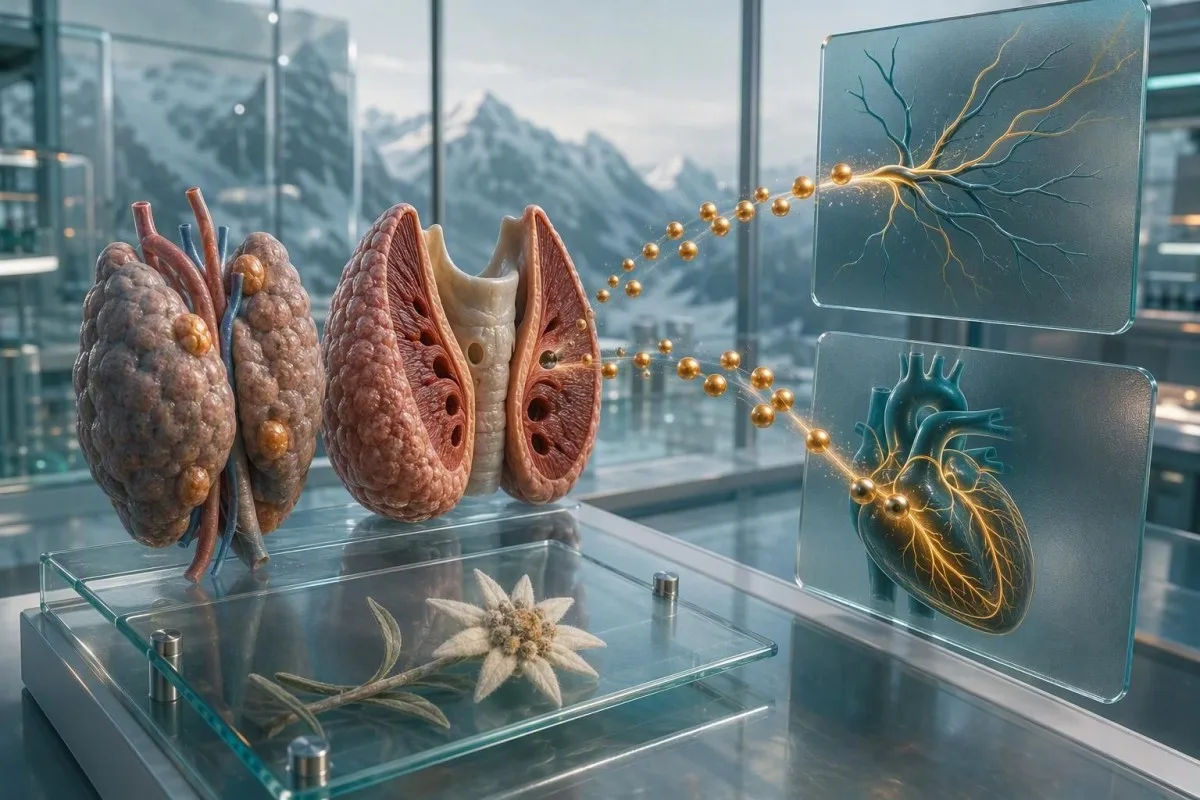
Brnenie okolo úst, kŕče v rukách a tras môžu signalizovať nízku hladinu vápnika, ale záchvaty, dýchavičnosť, mdloby alebo nový nepravidelný srdcový rytmus si vyžadujú pohotovostné vyšetrenie. Počet je dôležitý, hoci rýchlosť poklesu a hladina iónového vápnika sú často dôležitejšie.


- Urgentné príznaky zahŕňajú záchvat, mdloby, stridor, zmätenosť alebo pretrvávajúci nepravidelný srdcový rytmus; vyhľadajte pohotovostnú starostlivosť namiesto užívania dodatočných doplnkov.
- Ionizovaný vápnik je zvyčajne okolo 1,15-1,33 mmol/l; meria biologicky aktívny vápnik a je preferovaný počas akútneho ochorenia.
- Celkový vápnik zvyčajne sa pohybuje okolo 8,5-10,5 mg/dl (2,12-2,62 mmol/l), ale rozsah referenčnej laboratórie je ten, ktorý sa má použiť.
- Periorálne brnenie a karpopedálny spazmus sú klasické príznaky hypokalcémie spôsobené zvýšenou nervovou a svalovou dráždivosťou.
- Ťažká hypokalciémia je často definovaný ako korigovaný vápnik pod 1,9 mmol/l (7,6 mg/dl), najmä ak sú prítomné príznaky alebo zmeny EKG.
- Nedostatok horčíka môže zabrániť uvoľňovaniu parathyroidného hormónu, takže vápnik sa nemusí upraviť, kým sa nedoplní horčík.
- Albumín je dôležitý pretože nízky albumín môže znížiť celkový vápnik bez zníženia iónového vápnika; korigovaná hodnota je len odhad.
- Neliečte sa agresívne sami s vysokou dávkou vápnika, ak máte ochorenie obličiek, užívate digoxín alebo máte závažné príznaky.
Kedy príznaky nízkej hladiny vápnika vyžadujú pohotovostnú starostlivosť
Nízke hladiny vápnika si vyžadujú okamžitú pohotovostnú starostlivosť, keď sa brnenie alebo kŕče vyskytnú so záchvatom, mdlobou, zmätenosťou, piskľavým hlučným dýchaním, závažnou dušnosťou alebo novou pretrvávajúcou nepravidelnou srdcovou činnosťou. Tieto prejavy môžu odrážať akútnu neuromuskulárnu alebo kardiálnu nestabilitu, nie bežný nedostatok v strave.
Výsledok vápnika pod 1,9 mmol/l (7,6 mg/dl) sa u dospelých zvyčajne považuje za závažný, najmä ak sú prítomné príznaky. Pohotovostní lekári zvyčajne vykonajú EKG a zopakujú vápnik s horčíkom, fosfátom, kreatinínom a albumínom namiesto toho, aby sa spoliehali na jedno číslo.
Pacientom hovorím, že samotné kŕče v rukách sú nepríjemné, ale nie automaticky nebezpečné; kŕče v rukách plus tesnosť hrdla, zmena hlasu alebo ťažkosti s nadýchnutím sú iné. Laryngeálne svaly sa môžu pri akútnej hypokalcémii kŕčovito sťahovať, čo si vyžaduje monitorované liečenie intravenóznym vápnikom.
Od 20. augusta 2026 platí najbezpečnejšie pravidlo: nešoférujte sami, ak sa príznaky zhoršujú. Širší obraz urgentných elektrolytových príznakov je opísaný v našej sprievodca pri elektrolytových pohotovostiach.
Bežné príznaky brnenia, trasu a kŕčov
Nízke hladiny vápnika – brnenie zvyčajne začína okolo pier, končekov prstov alebo prstov na nohách a môže prerásť do bolestivých kŕčov rúk alebo nôh. Hypokalcémia znižuje prah, pri ktorom sa nervy aktivujú, takže príznaky sa môžu javiť ako šokujúco elektrické ešte pred nástupom slabosti.
Klasická poloha je karpopedálny spazmus: zápästie sa ohýba a prsty sa nedobrovoľne sťahujú k sebe. V mojej klinickej praxi pacienti často opisujú, že ruky dočasne neposlúchajú, namiesto typických kŕčov lýtok po cvičení.
Fascial twitching pri poklepaní líca, nazývaný Chvostekov príznak, nie je sám o sebe diagnostický; môže sa vyskytnúť u ľudí s normálnou hladinou vápnika. Výsledok z krvi, načasovanie príznakov, acidobázický stav a anamnéza liekov sú oveľa užitočnejšie ako skúšanie domácich vyšetrení pri lôžku.
Hyperventilácia vyvolaná panikou môže spôsobiť rovnaký pocit mravčenia, pretože respiračná alkalóza dočasne znižuje iónový vápnik bez nevyhnutnej zmeny celkového vápnika. Ak sú výrazné aj chvenie, potenie alebo hlad, porovnajte vzor s varovné signály hypoglykémie.
Príznaky srdca a dýchania, ktoré menia triedenie pacientov
Hypokalcémia môže predĺžiť interval QT na EKG a v závažných prípadoch vyvolať nebezpečné poruchy rytmu alebo príznaky zlyhania srdca. Búšenie srdca si zaslúži klinické poradenstvo v ten istý deň, keď sprevádza nízky výsledok vápnika, závraty, bolesť na hrudníku alebo blízkosť mdloby.
Predĺžený QT nedokazuje, že príčinou je vápnik; nízky horčík, určité lieky, vrodené syndrómy dlhého QT a nízky draslík môžu tiež prispievať. Dôvodom, prečo sa lekári obávajú tejto kombinácie, je to, že niekoľko elektrolytových porúch dohromady zvyšuje riziko arytmií oveľa viac ako mierne izolované zníženie vápnika.
Dušnosť z nízkeho vápnika je neobvyklá, ale urgentná, keď odráža laryngospazmus, bronchospazmus alebo srdcovú dysfunkciu. Osoba, ktorá nevie hovoriť celé vety, má modro-šedé pery alebo sa cíti slabá, potrebuje pohotovostné služby, aj keď laboratórna správa ešte nebola doručená.
Kantesti je Analyzátor krvných testov s umelou inteligenciou ktorá uvádza vápnik spolu s horčíkom, draslíkom, obličkovými markermi a albumínom, pretože jeden chybný elektrolyt zriedka vysvetľuje celý klinický obraz. Pre kontext srdca založený na príznakoch si pozrite náš sprievodca vyšetrením krvi pri palpitáciách.
Ktoré hodnoty vápnika sú mierne, závažné alebo kritické?
Celkový vápnik u dospelých je zvyčajne okolo 2,12 – 2,62 mmol/l (8,5 – 10,5 mg/dl), zatiaľ čo iónový vápnik je zvyčajne okolo 1,15 – 1,33 mmol/l. Referenčné intervaly sa mierne líšia v závislosti od analyzátora, veku, tehotenského stavu a miestnej laboratórnej metódy.
Symptómy sa často objavia, keď celkový vápnik klesne pod približne 1,9 mmol/l, ale rýchly pokles z 2,45 na 2,00 mmol/l môže spôsobiť viac brnenia ako dlhodobá hodnota 1,90 mmol/l. To je jeden z dôvodov, prečo lekár pred rozhodnutím o naliehavosti kladie otázky o operácii štítnej žľazy alebo krku, vracaní, transfúziách a nedávnom ochorení.
Starý korekčný vzorec pridáva , zatiaľ čo jej skutočná filtrácia už klesá, a preto k celkovému vápniku za každý 1 g/dl, o ktorý je albumín pod 4,0 g/dl. Je to hrubý skríningový nástroj, nie náhrada ionizovaného vápnika, najmä u kriticky chorých osôb, pri ochorení obličiek alebo pri významnej poruche acidobázickej rovnováhy.
Praktická rada Dr. Thomasa Kleina znie: odfoťte si alebo si ponechajte pôvodnú správu vrátane jednotiek a referenčného rozsahu. Hviezdičky sú laboratórne pokyny, nie diagnózy; náš sprievodca po mimo rozsah laboratórnych príznakov vysvetľuje prečo.
Prečo horčík a fosfát môžu vysvetľovať kŕče
Nízka hladina magnézia môže spôsobiť alebo udržať hypokalcémiu tým, že zhoršuje sekréciu a účinok parathormónu. Doplnky vápnika preto môžu priniesť len malé zlepšenie, kým sa neodstráni vyčerpanie magnézia.
Séra magnézium sa bežne pohybuje okolo 0,70-1,00 mmol/l (1,7-2,4 mg/dl), hoci normálne sérové hodnoty vždy nevylučujú vyčerpané celotelové zásoby. Diuretiká, inhibítory protónovej pumpy, expozícia alkoholu, hnačka a niektoré chemoterapeutické látky sú častými prispievateľmi.
Fosfát poskytuje užitočný ukazovateľ: nízky vápnik s vysoké fosfáty môže poukazovať na nízku aktivitu paratireoidného hormónu alebo pokročilé poškodenie obličiek, zatiaľ čo nízky vápnik s nízkym fosfátom môže zodpovedať nedostatku vitamínu D alebo malabsorpcie. Toto sú vzory, nie rozsudky, a klinické prostredie rozhoduje o tom, čo nasleduje.
Rozdiel je obzvlášť užitočný po operácii krku, keď klesajúci vápnik a neprimerane nízke PTH môžu identifikovať pooperačný hypoparatyreoidizmus. Prečítajte si viac o vzoroch nízkeho paratireoidného hormónu a príčinách súvisiacich s horčíkom.
Celkový vápnik, albumín a iónový vápnik nie sú zameniteľné
Nízky albumín môže spôsobiť, že celkový vápnik vyzerá nízko, keď je biologicky aktívny ionizovaný vápnik normálny. Ionizovaný vápnik je preferovaný test, keď sú príznaky akútne, albumín je abnormálny alebo je pravdepodobná porucha acidobázickej rovnováhy.
Približne 45% vápnika cirkuluje v ionizovanej forme, asi 40% je viazaný na albumín a zvyšok je komplexovaný s aniónmi, ako je fosfát a citrát. Iba ionizovaný vápnik priamo určuje membránovú excitabilitu, a preto najlepšie zodpovedá príznakom.
Príliš dlho zviazaný turniket, oneskorený odber alebo vystavenie vzorky ionizovaného vápnika vzduchu môže zmeniť výsledok prostredníctvom zmeny pH. Laboratóriá často vyžadujú rýchlu, anaeróbnu manipuláciu; tento všedný preanalytický detail môže zabrániť zbytočnému núdzovému odporúčaniu.
Kantestiho platforma na interpretáciu krvného testu AI vysvetľuje, či je nízky celkový vápnik sprevádzaný nízkym albumínom a naznačuje, kedy meranie ionizovaného vápnika odstráni neistotu. Pre fyziológiu proteínmi viazaných analyltov použite naše príručka referenčných hodnôt sérových bielkovín.
Ochorenie obličiek vytvára iný vzor nízkej hladiny vápnika
Chronické ochorenie obličiek môže znížiť vápnik prostredníctvom zníženej produkcie kalcitriolu, retencie fosfátov a sekundárneho hyperparatyreoidizmu. V tomto prostredí môže byť liečba jednej hodnoty vápnika bez pohľadu na fosfát, PTH a funkciu obličiek kontraproduktívna.
Keď eGFR klesne pod eGFR pod 60 ml/min/1,73 m² po dobu najmenej 3 mesiacov, je prítomné chronické ochorenie obličiek a monitorovanie minerálov a kostí sa stáva čoraz relevantnejším. Pokyny KDIGO zdôrazňujú sledovanie trendov vápnika, fosfátov, PTH a alkalickej fosfatázy namiesto naháňania jedného cieľa.
Tableta uhličitanu vápenatého pôsobí aj ako viazač fosfátov, čo je užitočné pre vybraných ľudí, ale môže spôsobiť zápchu a nežiaduce zaťaženie vápnikom. Preto by osoba s ochorením obličiek nemala začať užívať doplnkový vápnik v gramových dávkach bez rady renálneho tímu.
Nízky vápnik plus vysoký fosfát a znížené eGFR si zaslúžia plánované lekárske sledovanie, aj keď dnes nie je žiadne mravčenie. Naša Sprievodca štádiami CKD pomáha umiestniť výsledky eGFR a albumínu v moči do kontextu.
Nedostatok vitamínu D verzus diéta s nízkym obsahom vápnika
Nedostatok vitamínu D znižuje absorpciu vápnika v črevách a môže spôsobiť nízky vápnik, vysoké PTH, bolesť kostí a proximálnu svalovú slabosť. Väčšina prípadov nízkeho vápnika u dospelých nie je spôsobená samotným príjmom vápnika v strave.
Koncentrácia 25-hydroxyvitamínu D pod 25 nmol/L (10 ng/mL) sa všeobecne považuje za ťažký nedostatok, zatiaľ čo prahové hodnoty pre nedostatočnosť sa líšia medzi 50 a 75 nmol/L naprieč profesionálnymi skupinami. Dôkazy sú úprimne zmiešané, pokiaľ ide o to, kde by mal cieľ zdravého človeka sedieť nad týmto rozsahom.
Dospelí všeobecne potrebujú 1 000 – 1 200 mg vápnika denne z potravy plus doplnkov v kombinácii, v závislosti od veku a pohlavia, ale cieľom nie je prinútiť sérový vápnik stúpnuť stravou cez noc. Jogurt, obohatené rastlinné alternatívy, tofu s vápnikom, malé ryby zjedené s kosťami a listová zelenina môžu prispieť.
Ak kŕče začali po reštriktívnej diéte, bariatrickej operácii alebo mesiacoch doma, požiadajte o vitamín D, PTH, horčík, fosfát a alkalickú fosfatázu namiesto objednania samotného vápnika. Zdroje potravy a realistické očakávania sú pokryté v odporúčaní pre potraviny s vitamínom D.
Príznaky hnačky, celiakie a malabsorpcie
Chronický hnačka, mastné stolice, nechcené chudnutie alebo nedostatok železa spolu s nízkym vápnikom vyvoláva obavy z malabsorpcie. Coeliakia, zápalové ochorenie čriev, pankreatická insuficiencia a predchádzajúca gastrointestinálna chirurgia môžu znížiť vstrebávanie vápnika a vitamínu D.
Skríning na celiakiu zvyčajne začína s IgA anti-tissuelovou transglutaminázou plus celkovou IgA, zatiaľ čo osoba konzumuje lepok. Nízka celková IgA môže viesť k falošne upokojujúcemu testu na celiakiu založenému na IgA, takže môže byť potrebný test založený na IgG.
Jedným z prehliadaných príznakov je kombinácia nízkeho vápnika, nízkeho feritínu a zvýšenej alkalickej fosfatázy; môže naznačovať dlhodobú malabsorpciu živín so zvýšeným obratom kostí. Nediagnostikuje celiakiu, ale je dostatočný na zdôvodnenie zameranej anamnézy a cieleného testovania.
Kantesti je Nástroj na analýzu krvných testov poháňaný AI ktorá identifikuje súvisiace nutričné a minerálne príznaky naprieč panelmi namiesto liečby výsledku vápnika ako osamelého problému. Ak je súčasťou obrazu hnačka, skontrolujte laboratórne príznaky súvisiace s hnačkou a úskalia testovania IgA.
Lieky a liečby, ktoré môžu znížiť hladinu vápnika
Bisfosfonáty, denosumab, cinacalcet, kľučkové diuretiká, antikonvulzíva, cisplatina a veľké záťaže citrátom počas transfúzie môžu spôsobiť hypokalcemiu. Riziko je najvyššie, keď je vitamín D nízky, funkcia obličiek je znížená alebo je horčík vyčerpaný.
Hypokalcemia súvisiaca s denosumabom sa môže vyskytnúť dni až týždne po injekcii a môže byť predĺžená pri pokročilom ochorení obličiek. Symptómy po novej injekcii na posilnenie kostí by mali vyvolať včasné testovanie vápnika, horčíka, fosfátov, kreatinínu a vitamínu D namiesto pokojného čakania.
Masívna transfúzia môže dočasne znížiť ionizovaný vápnik, pretože citrát viaže vápnik; lekári to počas resuscitácie pozorne monitorujú. Rovnaký koncept vysvetľuje, prečo sa symptómy môžu v nemocnici rýchlo meniť, na rozdiel od pomalšieho poklesu spôsobeného nízkym príjmom.
Prineste každý predpis, voľne predajný produkt, antacidum a doplnok na kontrolu – najmä dávku a dátum začatia. Dlhodobá liečba potláčajúca kyselinu si tiež vyžaduje širšiu kontrolu; náš článok o monitorovaní PPI vysvetľuje nutričný uhol pohľadu.
Nízka hladina vápnika u detí, tehotných žien a starších dospelých
Referenčné rozsahy vápnika sú u dojčiat a detí vyššie a tehotenstvo často znižuje celkový vápnik prostredníctvom nižšieho albumínu bez skutočnej ionizovanej hypokalcemie. Vek a fyziologický stav preto môžu úplne zmeniť interpretáciu.
Novorodenecká hypokalcémia sa môže prejaviť trasením, slabým kŕmením, apnoe alebo záchvatmi a vyžaduje si urgentné pediatrické posúdenie. U detí lekári popri meraní vápnika zvažujú predčasný pôrod, stav vitamínu D, príjem fosfátov, genetické ochorenia a materskú cukrovku.
Počas tehotenstva sa celkový vápnik môže znížiť približne o 0,5 mg/dL (0,12 mmol/L) v dôsledku poklesu albumínu, zatiaľ čo ionizovaný vápnik zvyčajne zostáva stabilný. Nové brnenie alebo kŕče v tehotenstve si stále zaslúžia posúdenie, pretože hyperventilácia, nedostatok horčíka a starostlivosť súvisiaca s preeklampsiou môžu situáciu skomplikovať.
U starších dospelých sa často vyskytujú zlomeniny, nízky vitamín D, ochorenie obličiek a užívanie viacerých liekov. Použite kontext špecifický pre vek z našej príručky o vápniku pre deti a pred podaním vysokých dávok doplnkov vyhľadajte lekársku pomoc.
Ako lekári potvrdzujú skutočne nízky výsledok vápnika
Potvrdené vyšetrenie hypokalcémie zvyčajne zahŕňa opakované vyšetrenie vápnika, albumínu, ionizovaného vápnika, ak je to vhodné, horčíka, fosfátov, kreatinínu, PTH a 25-hydroxyvitamínu D. Testovanie EKG sa rýchlo pridáva, keď sú príznaky významné alebo je vápnik výrazne nízky.
Opakovaný odber vzorky je rozumný, ak sa osoba cíti dobre a celkový vápnik je len mierne nízky, najmä ak je nízky aj albumín. Opakované testovanie by však nemalo odkladať núdzovú starostlivosť pri záchvatoch, stridore, synkope alebo symptomatickom vápniku pod 1,9 mmol/l.
PTH by mal stúpať, keď je vápnik nízky; normálna alebo nízka PTH môže byť preto neprimerane nízka a poukazovať na hypoparatyreoidizmus. Naopak, vysoká PTH často znamená, že telo primerane reaguje na nedostatok vitamínu D, ochorenie obličiek alebo narušené vstrebávanie.
Kantesti AI dokáže organizovať sériové výsledky minerálov podľa dátumu, čo pomáha rozlíšiť jednorazovú laboratórnu anomáliu od klesajúcej trajektórie. Ak sa podozrieva problém so vzorkou, naša príručka o opakovanom odberu vzorky vysvetľuje, čo laboratóriá kontrolujú.
Bezpečná liečba: Prečo viac vápnika nie je vždy lepšie
Symptomatická ťažká hypokalcémia sa lieči v nemocnici monitorovanou intravenóznou infúziou vápnika, zatiaľ čo stabilné mierne prípady sa zvyčajne riešia odstránením príčiny a selektívnym podávaním perorálneho vápnika alebo vitamínu D. Správna dávka závisí od príčiny, funkcie obličiek, fosfátov a súbežných liekov.
U stabilných dospelých pacienti bežne používajú 1 000 – 2 000 mg elementárneho vápnika denne v delených dávkach počas krátkych období, ak je to indikované; váha uhličitanu vápenatého na etikete nie je rovnaká ako elementárny vápnik. Uhličitan vápenatý sa najlepšie vstrebáva s jedlom, zatiaľ čo citrát vápenatý môže byť vhodnejší pri nízkej žalúdočnej kyseline.
Príliš veľa doplnkového vápnika môže spôsobiť zápchu, obličkové kamene, hyperkalcémiu a interakcie s liekmi. Oddeľte vápnik od levotyroxínu, železa, tetracyklínových antibiotík a chinolónových antibiotík najmenej 4 hodiny pokiaľ lekárnik neposkytne iné pokyny.
Sprievodca núdzovou starostlivosťou Spoločnosti pre endokrinológiu odporúča pre akútnu symptomatickú hypokalcémiu intravenózny glukonát vápenatý pod monitorovaním, nie svojpomocné zvyšovanie dávky tabliet (Turner a kol., 2016). Kantesti technologický sprievodca opisuje, ako naše klinické pravidlá uprednostňujú urgentné kombinácie na ľudskú kontrolu.
Praktický plán ďalších krokov po zistení nízkej hladiny vápnika
Ak máte mierne brnenie alebo občasné kŕče bez núdzových príznakov, dohodnite si urýchlené lekárske vyšetrenie a prineste kompletnú správu, zoznam liekov a časovú os príznakov. Ak máte závažné príznaky, vyhľadajte okamžitú lekársku pomoc hneď, ako čakajte na online interpretáciu.
Zapíšte si, či sa príznaky začali po operácii krku, injekcii na zdravie kostí, vracaní alebo hnačke, novom diuretiku, reštriktívnej diéte alebo hospitalizácii. Tieto podrobnosti často rýchlejšie zúžia príčinu ako bez rozdielu opakovať rozsiahle panely.
Dr. Thomas Klein videl mnohých pacientov upokojených korigovaným výpočtom vápnika, keď bol potrebný ionizovaný vápnik, a mnohých iných znepokojených neškodným flagom celkového vápnika súvisiacim s albumínom. Vhodný ďalší test závisí od príznakov a kontextu, preto klinické posúdenie zostáva ústredné.
Kantesti spolupracuje s lekárskym dohľadom a manipuláciou so správami zameranou na súkromie pre ľudí, ktorí potrebujú štruktúrovaný pohľad na svoje výsledky v priebehu času. Naše Lekárska poradná rada preskúmava klinické princípy bezpečného posielania správ; metódy presnosti sú k dispozícii v našej prehľad lekárskej validácie.
Často kladené otázky
Aké sú prvé príznaky nízkej hladiny vápnika?
Najskoršie príznaky nízkej hladiny vápnika sú často brnenie okolo úst, prstov na rukách alebo nohách, po ktorom nasledujú zášklby alebo svalové kŕče. Príznaky sa vyskytujú preto, lebo nízka hladina ionizovaného vápnika zvyšuje dráždivosť nervov a svalov. Celková hladina vápnika pod približne 2,12 mmol/L (8,5 mg/dL) môže byť abnormálna, ale príznaky lepšie korelujú s ionizovaným vápnikom a rýchlosťou zmeny. Nové brnenie s kŕčom ruky, búšenie srdca alebo ťažkosti s dýchaním si vyžadujú urýchlené lekárske vyšetrenie.
Pri akej hladine vápnika mám ísť na pohotovosť?
Záchranné posúdenie je vhodné pri záchvatoch, mdlobách, zmätenosti, hlučnom alebo sťaženom dýchaní, silnom svalovom spazme alebo trvalej nepravidelnej srdcovej činnosti pri akejkoľvek hladine vápnika. Korigovaný celkový vápnik pod 1,9 mmol/l (7,6 mg/dl) sa bežne považuje za závažný, najmä ak sú prítomné príznaky. Nečakajte, či doplnok vápnika zaberie, ak sa príznaky zhoršujú. Pohotovostní lekári môžu rýchlo skontrolovať ionizovaný vápnik, horčík, fosfát, funkciu obličiek a EKG.
Môže nízky obsah vápnika spôsobiť brnenie, ale normálny vitamín D?
Áno, nízka hladina vápnika s brnením sa môže vyskytnúť aj pri normálnom vitamíne D, pretože hypoparatyreoidizmus, nízka hladina horčíka, ochorenie obličiek, lieky, akútna hyperventilácia a expozícia citrátu môžu znížiť ionizovaný vápnik. Normálny výsledok 25-hydroxyvitamínu D nemeria funkciu PTH ani stav horčíka. Lekári často kontrolujú horčík, fosfát, kreatinín, PTH, albumín a niekedy aj ionizovaný vápnik, ak brnenie pretrváva. Ionizovaný vápnik má bežne referenčný interval blízko 1,15-1,33 mmol/l, hoci laboratóriá sa líšia.
Môže úzkosť alebo hyperventilácia spôsobiť príznaky nízkeho vápnika?
Hyperventilácia môže spôsobiť brnenie, kŕče v rukách a závraty tým, že dočasne zvýši pH krvi a zníži hladinu ionizovaného vápnika. Celkový vápnik môže zostať normálny, pretože vápnik sa presúva z ionizovanej formy do bielkovinami viazanej formy, namiesto toho, aby opustil telo. Symptómy by sa mali zlepšiť s normalizáciou dýchania, ale prvá epizóda s bolesťou na hrudníku, mdlobou, silnou dýchavičnosťou alebo pretrvávajúcimi kŕčmi si stále vyžaduje urgentné vyšetrenie. Opakujúce sa epizódy by sa nemali automaticky pripisovať úzkosti bez preskúmania hladiny vápnika, horčíka a relevantnej anamnézy.
Aký je rozdiel medzi deficitom vápnika a hypokalciémiou?
Deficit vápnika zvyčajne znamená nedostatočný príjem v strave alebo dlhodobá negatívna bilancia vápnika, zatiaľ čo hypokalcémia znamená nameranú nízku koncentráciu vápnika v obehu. Človek môže mať nízky príjem vápnika v strave s normálnou hladinou vápnika v krvi, pretože PTH čerpá vápnik z kostí, aby zachoval hladiny v sére. Naopak, akútna hypokalcémia sa môže vyvinúť aj napriek primeranému príjmu po operácii štítnej žľazy, pri niektorých liekoch alebo pri závažnom nedostatku horčíka. Dospelí zvyčajne potrebujú denne asi 1 000 – 1 200 mg vápnika z potravy a doplnkov spolu, v závislosti od veku a pohlavia.
Zastavia užívanie doplnkov vápnika svalové kŕče?
Vápnikové doplnky pomáhajú pri nedostatku vápnika alebo pri vybraných stabilných príčinách hypokalcémie, ale nespoľahlivo liečia všetky svalové kŕče. Dehydratácia, nízka hladina horčíka, útlak nervov, účinky liekov, ochorenie periférnych artérií a únava svalov súvisiaca s cvičením môžu spôsobovať podobné príznaky. Stabilná liečba často používa 1 000 – 2 000 mg elementárneho vápnika denne v rozdelených dávkach, iba ak lekár potvrdí indikáciu. Osoby s ochorením obličiek, obličkovými kameňmi, sarkoidózou alebo užívajúce digoxín by sa mali pred užitím vysokých dávok vápnika poradiť s lekárom.
Získajte analýzu krvných testov s podporou AI už dnes
Pridajte sa k viac než 2 miliónom používateľov na celom svete, ktorí dôverujú Kantesti pri okamžitej a presnej analýze laboratórnych testov. Nahrajte svoje výsledky krvných testov a získajte komplexnú interpretáciu biomarkerov 15,000+ v priebehu sekúnd.
📚 Citované publikácie výskumu
Klein, T., Mitchell, S., & Weber, H. (2026). Kantesti LTD. (2026). Predregistrovaný, rubrikami riadený automatizovaný technický benchmark Kantesti Blood-Test Interpretation Engine na 100 000 syntetických testovacích prípadoch. Figshare.. Kantesti AI Medical Research.
Klein, T., Mitchell, S., & Weber, H. (2026). Kantesti LTD. (2026). Klinický rámec validácie v2.0 (Stránka lekárskej validácie). Zenodo.. Kantesti AI Medical Research.
📖 Externé lekárske referencie
⚕️ Vyhlásenie o lekárskej starostlivosti
Tento článok je určený len na vzdelávacie účely a nepredstavuje lekárske poradenstvo. Pri rozhodnutiach o diagnostike a liečbe sa vždy poraďte s kvalifikovaným poskytovateľom zdravotnej starostlivosti.
Signály dôvery E-E-A-T Trust Signals
Skúsenosti
Klinické hodnotenie vedené lekárom pracovných postupov interpretácie laboratórnych výsledkov.
Odbornosť
Laboratórna medicína so zameraním na to, ako sa biomarkery správajú v klinickom kontexte.
Autoritatívnosť
Napísané Dr. Thomasom Kleinom, recenzia Dr. Sarah Mitchell a prof. Dr. Hans Weber.
Dôveryhodnosť
Interpretácia založená na dôkazoch s jasnými následnými krokmi na zníženie poplachu.