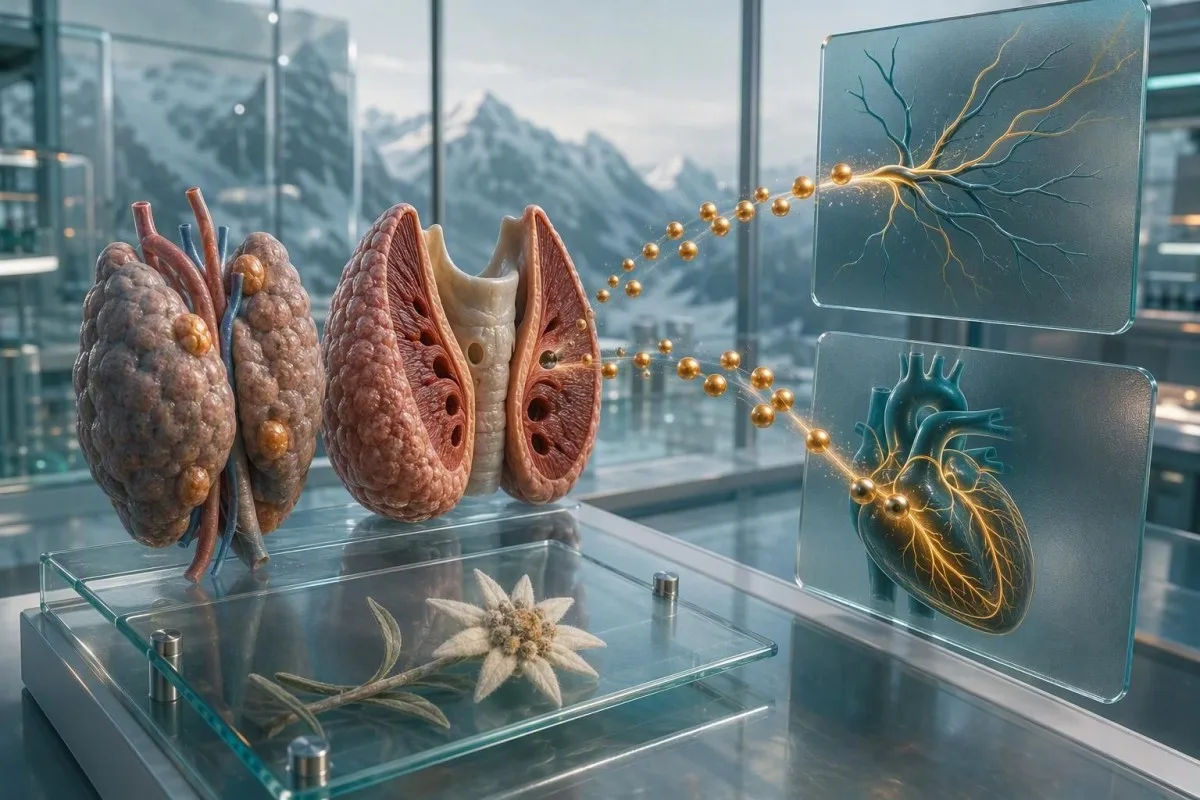
Suu ümbruses kipitus, käekrampide ja tõmblused võivad viidata madalale kaltsiumisisaldusele, kuid krambid, hingamisraskused, minestamine või uus ebaregulaarne südametöö vajavad erakorralist hindamist. Arv omab tähtsust, kuigi kukkumise kiirus ja ioniseeritud kaltsiumi tase on sageli tähtsamad.


- Hädaolukorra märgid sisaldab krampe, minestamist, stridoorit, segasust või püsivat ebaregulaarset südametööd; otsige erakorralist abi, selle asemel et võtta lisatooteid.
- Ioniseeritud kaltsium on tavaliselt umbes 1,15–1,33 mmol/L; see mõõdab bioloogiliselt aktiivset kaltsiumi ja on eelistatud ägeda haiguse ajal.
- Kogu kaltsium on tavaliselt umbes 8,5–10,5 mg/dL (2,12–2,62 mmol/L), kuid aruandva labori vahemik on see, mida tuleb kasutada.
- Perioraalne kipitus ja karpopedaalne spast on klassikalised hüpokaltseemia sümptomid, mis on põhjustatud suurenenud närvi- ja lihasereaktiivsusest.
- Raske hüpokaltseemia on sageli defineeritud kui korrigeeritud kaltsium alla 1,9 mmol/L (7,6 mg/dL), eriti kui esinevad sümptomid või EKG muutused.
- Magneesiumi puudus võib takistada paratüreoidhormooni vabanemist, seega ei pruugi kaltsium korrigeeruda enne, kui magneesium on asendatud.
- Albumiinil on tähtsust kuna madal albumiin võib vähendada üldist kaltsiumi, ilma et see vähendaks ioniseeritud kaltsiumi; korrigeeritud väärtus on vaid hinnang.
- Ärge ravige ennast agressiivselt koos suure annuse kaltsiumiga, kui teil on neeruhaigus, te võtate digoksiini või teil on raskeid sümptomeid.
Millal vajavad madala kaltsiumisisalduse sümptomid erakorralist abi
Madala kaltsiumi sümptomid vajavad kohest erakorralist abi, kui kipitus või krambid esinevad koos krambihoogude, minestamise, segasuse, kõrge tooniga müriseva hingamise, tugeva hingeldamise või uue püsiva ebaregulaarse südamerütmiga. Need tunnused võivad peegeldada ägedat neuromuskulaarset või südame ebastabiilsust, mitte tavalist toitumisest tingitud puudujääki.
Kaltsiumi tase alla 1,9 mmol/l (7,6 mg/dl) peetakse täiskasvanutel üldiselt raskeks, eriti kui esinevad sümptomid. Erakorralise meditsiini arstid teevad tavaliselt EKG ja korduvad kaltsiumi koos magneesiumi, fosfaadi, kreatiniini ja albumiiniga, selle asemel et tugineda ühele numbrile.
Ma ütlen patsientidele, et ainult käte kramp on ebamugav, kuid mitte automaatselt ohtlik; käte kramp koos kõritiheduse, hääle muutuse või õhu sissevõtmise raskusega on midagi muud. Laringeaalsed lihased võivad ägeda hüpokaltseemia korral spasme tekitada ja see vajab intravenoosse kaltsiumi abil jälgimist.
Alates 20. augustist 2026 on kõige ohutum reegel lihtne: ärge sõitke ise, kui sümptomid ägenevad. Laiemalt esinevad ägedad elektrolüütide sümptomid on käsitletud meie elektrolüütide erakorralise abi juhendis.
Levinud kipitus-, tõmblus- ja krampide tunnused
Madala kaltsiumi kipitus algab tavaliselt suu ümber, sõrmeotstes või varvastes ja võib progresseeruda valulikuks käe- või jalakrampiks. Hüpokaltseemia alandab närvide erutumise lävendit, seega võivad sümptomid tunda anda elektrilised isegi enne nõrkuse tekkimist.
Klassikaline poos on karpopedaalne spasm: randme painutamine ja sõrmede tahtmatu kokkutõmbamine. Minu kliinilises kogemuses kirjeldavad patsiendid seda sageli kui käsi, mis ajutiselt ei kuuletu, mitte tüüpilist säärekramp pärast treeningut.
Näo tõmblemine põse koputamisel, mida nimetatakse Chvosteki märgiks, ei ole iseenesest diagnostiline; see võib esineda inimestel, kelle kaltsium on normaalne. Vereanalüüs, sümptomite ajastus, happe-aluse tasakaal ja ravimite ajalugu on palju kasulikumad kui kodus voodiäärsete tunnuste proovimine.
Paanika-põhine hüperventilatsioon võib põhjustada sama torkimistunde, kuna hingamisteede alkaloos ajutiselt alandab ioniseeritud kaltsiumi, muutmata tingimata üldist kaltsiumi. Kui esineb ka värisemist, higistamist või nälga, võrrelge seda mustrit hüpoglükeemia hoiatusmärgid.
Südame- ja hingamissümptomid, mis muudavad triaaži
Hüpokaltseemia võib pikendada EKG-l QT-intervalli ja rasketel juhtudel põhjustada ohtlikke rütmihäireid või südamepuudulikkuse sümptomeid. Südamepekslemine vajab sama päeva kliinilist nõustamist, kui see kaasneb madala kaltsiumi taseme, pearingluse, valu rinnus või peaaegu minestamise korral.
Pikendatud QT ei tõesta, et kaltsium on põhjus; madal magneesium, teatud ravimid, kaasasündinud pika QT sündroomid ja madal kaalium võivad samuti kaasa aidata. Põhjus, miks arste muretseb kombinatsioon, on see, et mitmed elektrolüütide häired koos suurendavad arütmiariski palju rohkem kui kerge isoleeritud kaltsiumi probleem.
Hingeldus madala kaltsiumi tõttu on ebatavaline, kuid kiireloomuline, kui see peegeldab larüngospasmi, bronhospasmi või südame düsfunktsiooni. Inimene, kes ei suuda täis lauseid rääkida, kellel on sinakashallid huuled või kes tunneb end nõrgana, vajab erakorralist abi, isegi kui laboratoorne aruanne pole veel ilmunud.
Kantesti on AI vereanalüüsi analüsaator mis näitab kaltsiumi koos magneesiumi, kaaliumi, neeru markerite ja albumiiniga, sest üksainus kõrvalekalletega elektrolüüt selgitab harva kogu kliinilist pilti. Sümptomipõhise südame konteksti jaoks vt meie südamekloppimise vereanalüüsi juhend.
Millised kaltsiumiväärtused on kerged, rasked või kriitilised?
Täiskasvanu üldine kaltsiumi tase on tavaliselt umbes 2,12–2,62 mmol/l (8,5–10,5 mg/dl), samas kui ioniseeritud kaltsiumi tase on tavaliselt umbes 1,15–1,33 mmol/l. Referentsvahemikud erinevad veidi analysaatori, vanuse, rasedusoleku ja kohaliku laboratoorsete meetodite järgi.
Sümptomid ilmnevad sageli siis, kui kogu kaltsiumi tase langeb umbes alla 1,9 mmol/l, kuid kiire langus 2,45-lt 2,00 mmol/l-ni võib põhjustada rohkem kipitust kui pikaajaline väärtus 1,90 mmol/l. See on üks põhjus, miks arst enne kiireloomulisuse otsustamist küsib kilpnäärme- või kaelapiirkonna operatsiooni, oksendamise, vereülekannete ja hiljutiste haiguste kohta.
Vana korrigeerimisvalem lisab 0,8 mg/dl kogukaltsiumile iga 1 g/dl kohta, mil albumiin on alla 4,0 g/dl. See on ligikaudne sõeluuringu tööriist, mitte ioniseeritud kaltsiumi asendaja, eriti kriitiliselt haigetel inimestel, neeruhaiguse või suure happe-aluseline häire korral.
Dr. Thomas Kleini praktiline nõuanne on teha foto või säilitada originaalaruanne, sealhulgas ühikud ja referentsvahemik. Tärnid on laboratoorsed vihjed, mitte diagnoosid; meie juhend piiridest väljas olevate laborilippude kohta selgitab, miks.
Miks magneesium ja fosfaat võivad krampide põhjuseks olla
Madal magneesiumitase võib põhjustada või säilitada hüpokaltseemiat, kahjustades paratüreoidhormooni sekretsiooni ja toimet. Seetõttu võivad kaltsiumilisandid anda vähe abi enne, kui magneesiumipuudus on korrigeeritud.
Seerumi magneesiumitase on tavaliselt umbes 0,70–1,00 mmol/l (1,7–2,4 mg/dl), kuigi normaalsed seerumiväärtused ei välista alati kogu keha varude ammendumist. Diureetikumid, prootonpumba inhibiitorid, alkoholi tarbimine, kõhulahtisus ja mõned keemiaravimid on sagedased tegurid.
Fosfaat annab kasuliku vihje: madal kaltsiumitase koos kõrge fosfaadiga võib viidata madalale paratüreoidhormooni aktiivsusele või kaugelearenenud neerunõrkusele, samas kui madal kaltsium koos madala fosfaadiga võib sobida D-vitamiini puudus või malabsorptsioon. Need on mustrid, mitte otsused, ja kliiniline olukord määrab, mis järgneb.
Vahet on eriti kasulik teha pärast kaelalõikust, kui langev kaltsium ja ebaproportsionaalselt madal PTH võivad tuvastada operatsioonijärgse hüpoparatüroidismiga. Loe lisaks madala paratüreoidhormooni mustritest ja magneesiumiga seotud põhjustest.
Kokkuvõttev kaltsium, albumiin ja ioniseeritud kaltsium ei ole asendatavad
Madal albumiin võib muuta kogu kaltsiumi taseme näiliselt madalaks, kui bioloogiliselt aktiivne ioniseeritud kaltsium on normaalne. Ioniseeritud kaltsiumi määramine on eelistatud test, kui sümptomid on ägedad, albumiini tase on ebanormaalne või tõenäoliselt esineb happe-aluseline tasakaaluhäire.
Umbes 45% kaltsiumist ringleb ioniseeritud kujul, ligikaudu 40% on seotud albumiiniga ja ülejäänu on seotud anioonidega nagu fosfaat ja tsitraat. Ainult ioniseeritud kaltsium määrab otseselt membraani erutuvuse, mistõttu see kõige paremini vastab sümptomitele.
Liiga kaua jäänud verevõtutuurikett, hilinenud proovivõtt või ioniseeritud kaltsiumi proovi kokkupuude õhuga võib pH muutuse tõttu tulemust muuta. Laborid nõuavad sageli kiiret anaeroobset käitlemist; see igapäevane preanalüütiline detail võib ära hoida tarbetu erakorralise suunamise.
Kantesti AI vereanalüüsi tulemuste tõlgendamise platvorm selgitab, kas madalat kogu kaltsiumi taset saadab madal albumiin ja pakub välja, millal ioniseeritud mõõtmine ebakindlust lahendaks. Proteiiniga seotud analüütide füsioloogia kohta kasutage meie seerumi valkude võrdlusjuhend.
Neerukahjustus tekitab erineva madala kaltsiumi mustri
Krooniline neeruhaigus võib kaltsiumi taset alandada vähenenud kaltsitriooli tootmise, fosfaadi retentsiooni ja sekundaarse hüperparatüroidismi kaudu. Selles olukorras võib ühe kaltsiumi taseme ravimine, ilma et vaadataks fosfaati, PTH-d ja neerufunktsiooni, olla vastupidine.
Kui eGFR langeb alla 60 ml/min/1,73 m² vähemalt 3 kuu jooksul, on krooniline neeruhaigus olemas ja mineraal-luu monitooring muutub üha olulisemaks. KDIGO juhised rõhutavad kaltsiumi, fosfaadi, PTH ja leeliselise fosfataasi trendide jälgimist, mitte üksikute sihtmärkide tagaajamist.
Kaltsiumkarbonaadi tablett toimib ka fosfaadi sidujana, mis on kasulik valitud patsientidele, kuid võib põhjustada kõhukinnisust ja soovimatut kaltsiumikoormust. Sellepärast ei tohiks neeruhaigusega inimene alustada grammi tasemel lisakaltsiumi ilma nefroloogi meeskonna nõuandeta.
Madal kaltsium koos kõrge fosfaadi ja langenud eGFR-iga väärib planeeritud meditsiinilist jälgimist, isegi kui täna pole kipitust. Meie CKD staadiumide juhend aitab asetada eGFR ja uriini albumiini tulemused konteksti.
D-vitamiini puudus versus lihtne madala kaltsiumi dieet
D-vitamiini puudus vähendab kaltsiumi imendumist soolest ja võib põhjustada madalat kaltsiumi taset, kõrget PTH taset, luuvalu ja proksimaalset lihasnõrkust. Enamiku täiskasvanute madala kaltsiumi juhtumite põhjus ei ole ainult toidulisandi kaltsiumi tarbimine.
25-hüdroksüvitamiin D kontsentratsioon alla 25 nmol/l (10 ng/ml) peetakse laialdaselt raskeks puuduseks, samas kui alajaotuse piirid varieeruvad 50 ja 75 nmol/L vahel erinevate kutsealade lõikes. Tõendid selle kohta, kus peaks olema tervel inimesel tase selle vahemiku kohal, on ausalt öeldes vastakad.
Täiskasvanud vajavad tavaliselt 1000–1200 mg kaltsiumi päevas toidust ja toidulisanditest kokku, sõltuvalt vanusest ja soost, kuid eesmärk ei ole dieediga seerumi kaltsiumi üleöö üles suruda. Toidud nagu jogurt, rikastatud taimsed alternatiivid, kaltsiumiga valmistatud tofu, väiksed luudega kalad ja lehtköögiviljad võivad anda oma panuse.
Kui krambid tekkisid pärast piiravat dieeti, bariaatrilist operatsiooni või kuid kestnud siseriigis viibimist, paluge kaltsiumi üksi määramise asemel määrata D-vitamiini, PTH, magneesiumi, fosfaadi ja leeliselise fosfataasi tase. Toiduallikad ja realistlikud ootused on käsitletud D-vitamiini toidujuhistes.
Kõhulahtisuse, tsöliaakia ja malabsorptsiooni tunnused
Krooniline kõhulahtisus, rasused väljaheited, tahtmatu kaalukaotus või rauavaegus koos madala kaltsiumitasemega tekitavad muret imendumishäirete pärast. Tsöliaakia, põletikuline soolehaigus, kõhunäärme puudulikkus ja varasem seedetrakti operatsioon võivad kõik vähendada kaltsiumi ja D-vitamiini imendumist.
Tsöliaakia sõeluuring algab tavaliselt kude transglutaminaasi IgA ja kogu IgA määramisega, samal ajal kui inimene sööb gluteeni. Madal kogu IgA tase võib anda valesti rahuldava IgA-põhise tsöliaakia testi, seega võib vaja minna IgG-põhist analüüsi.
Üks tähelepanuta jäänud vihje on madala kaltsiumi, madala ferritiini ja kõrgenenud leeliselise fosfataasi kombinatsioon; see võib viidata pikaajalisele toitainete imendumishäirele koos luu pöörlemise suurenemisega. See ei diagnoosi tsöliaakiat, kuid sellest piisab, et õigustada põhjalikku anamneesi ja sihipärast testimist.
Kantesti on AI-põhine vereanalüüsi analüüsitööriist mis tuvastab seotud toitainete ja mineraalide lipud paneelide kaudu, selle asemel et käsitleda kaltsiumi tulemust üksikprobleemina. Kui kõhulahtisus on osa pildist, vaadake üle kõhulahtisusega seotud laboratoorsed vihjed ja IgA testimise ohud.
Ravimid ja ravimeetodid, mis võivad kaltsiumi vähendada
Bisfosfonaadid, denosumab, cinacalcet, lingidiureetikumid, krambivastased ravimid, tsisplatiin ja suured tsitraadikoormused transfusiooni ajal võivad põhjustada hüpokaltseemiat. Risk on kõige suurem, kui D-vitamiini tase on madal, neerufunktsioon on langenud või magneesium on ammendunud.
Denosumabiga seotud hüpokaltseemia võib tekkida päevi kuni nädalaid pärast süstimist ja võib olla pikaajaline raske neeruhaiguse korral. Sümptomid pärast uut luud tugevdavat süstimist peaksid põhjustama õigeaegse kaltsiumi, magneesiumi, fosfaadi, kreatiniini ja D-vitamiini määramise, mitte lihtsalt ootamist.
Massiivne transfusioon võib ajutiselt vähendada ioniseeritud kaltsiumi, kuna tsitraat seob kaltsiumi; kliinikud jälgivad seda elustamise ajal tähelepanelikult. Sama kontseptsioon selgitab, miks sümptomid võivad haiglas kiiresti kõikuda, erinevalt aeglasemast langusest, mis on põhjustatud ebapiisavast tarbimisest.
Tooge ülevaatamiseks kõik retseptiravimid, käsimüügiravimid, antatsiidid ja toidulisandid – eriti annus ja alguskuupäev. Pikaajaline happesummutav ravi nõuab samuti laiema kontrolli; meie PPI jälgimise artikkel selgitab toitainete aspekti.
Madal kaltsiumisisaldus lastel, rasedatel ja eakatel inimestel
Kaltsiumi referentsvahemikud on imikutel ja lastel kõrgemad ning rasedus alandab sageli kogu kaltsiumi taset madalama albumiini tõttu, ilma et tegelikult oleks ioniseeritud hüpokaltseemiat. Seetõttu võivad vanus ja füsioloogiline seisund tõlgendust täielikult muuta.
Vastsündinu hüpokaltseemia võib avalduda tõmbluste, halva toitumise, apnoe või krampide kujul ja nõuab kiiret pediaatrilist hindamist. Lastel arvestavad arstid koos kaltsiumi mõõtmisega enneaegsust, D-vitamiini taset, fosfaadi tarbimist, geneetilisi seisundeid ja ema diabeeti.
Raseduse ajal võib kogu kaltsium langeda ligikaudu 0,5 mg/dl (0,12 mmol/l) albumiini langusega, samas kui ioniseeritud kaltsium tavaliselt püsib stabiilsena. Uued kipitused või krambid raseduse ajal väärivad siiski ülevaatamist, kuna hüperventilatsioon, magneesiumipuudus ja preeklampsiaga seotud ravi võivad olukorda keeruliseks muuta.
Eakatel inimestel esinevad sageli luumurrud, madal D-vitamiini tase, neeruhaigused ja mitmed ravimid. Kasutage meie laste kaltsiumijuhendi vanusest tulenevaid kontekste ja otsige arsti nõu enne kõrge annusega toidulisandite lisamist.
Kuidas arstid kinnitavad tõeliselt madalat kaltsiumitulemust
Kinnitatud hüpokaltseemia uuring hõlmab tavaliselt korduvkaltsiumi, albumiini, vajadusel ioniseeritud kaltsiumi, magneesiumi, fosfaati, kreatiniini, PTH ja 25-hüdroksüvitamiin D määramist. Kui sümptomid on märkimisväärsed või kaltsium on väga madal, lisatakse kiiresti EKG uuring.
Korduv vereproov on mõttekas, kui inimene tunneb end hästi ja kogu kaltsium on vaid veidi madal, eriti kui ka albumiin on madal. Kuid korduv testimine ei tohiks viivitada erakorralise abi andmisega krampide, stridori, sünkoobi või sümptomaatilise madala kaltsiumi korral alla 1,9 mmol/l.
PTH peaks kaltsiumi madaluse korral tõusma; normaalne või madal PTH võib seetõttu olla ebaproportsionaalselt madal ja viidata hüpoparatüreoosile. Vastupidi, kõrge PTH tähendab sageli, et keha reageerib D-vitamiini puudusele, neeruhaigusele või imendumishäiretele adekvaatselt.
Kantesti AI suudab järjestikuseid mineraalide tulemusi kuupäeva järgi korraldada, mis aitab eristada ühekordset laborianomaaliat allapoole suunatud trajektoorist. Kui kahtlustatakse vereproovi probleem, selgitab meie kordustesti uuesti võtmise juhend , mida laborid kontrollivad.
Ohutu ravi: miks rohkem kaltsiumi ei ole alati parem
Sümptomaatilist rasket hüpokaltseemiat ravitakse haiglas jälgitava intravenoosse kaltsiumiga, samas kui stabiilseid kergeid juhtumeid hallatakse tavaliselt põhjuse kõrvaldamise ja suukaudse kaltsiumi või D-vitamiini valikulise kasutamisega. Õige annus sõltub põhjusest, neerufunktsioonist, fosfaadist ja samaaegsetest ravimitest.
Stabiilsete täiskasvanute puhul kasutavad arstid tavaliselt 1000-2000 mg elementaarset kaltsiumi päevas jagatud annustena lühikeste perioodide jooksul, kui see on näidustatud; sildil olev kaltsiumkarbonaadi kaal ei ole sama, mis elementaarse kaltsiumi kaal. Kaltsiumkarbonaati imendub kõige paremini koos toidukordadega, samas kui kaltsiumtsitraat võib olla eelistatav madala maohappesuse korral.
Liigne lisakaltsium võib põhjustada kõhukinnisust, neerukivisid, hüperkaltseemiat ja ravimite koostoimeid. Eraldage kaltsium levotüroksiinist, rauast, tetratsükliini antibiootikumidest ja kinoloonantibiootikumidest vähemalt 4 tunni , välja arvatud juhul, kui apteeker annab teistsuguseid juhiseid.
Endokrinoloogia Seltsi erakorralise abi juhend soovitab ägeda sümptomaatilise hüpokaltseemia korral jälgimise all intravenoosset kaltsiumglükonaati, mitte tablettide iseenda eskaleerimist (Turner et al., 2016). Kantesti's tehnoloogia juhend kirjeldab, kuidas meie kliinilised reeglid seavad prioriteediks inimlikuks ülevaatamiseks hädavajalikud kombinatsioonid.
Praktiline järgmise sammu plaan madala kaltsiumi lipu järel
Kui teil on kerge kipitus või vahelduvad krambid ilma hädaolukorra tunnusteta, korraldage kiire arstlik läbivaatus ja võtke kaasa täielik aruanne, ravimite loetelu ja sümptomite ajaskaala. Kui teil on raskeid sümptomeid, otsige kohe erakorralist abi, mitte ärge oodake veebipõhist tõlgendust.
Kirjutage üles, kas sümptomid algasid pärast kaelakirurgiat, luude tervise süstimist, oksendamist või kõhulahtisust, uut diureetikumi, piiravat dieeti või haiglas viibimist. Need üksikasjad kitsendavad sageli põhjust kiiremini kui laiade paneelide ükskõikset kordamist.
Dr. Thomas Klein on näinud palju patsiente, keda rahustas korrigeeritud kaltsiumi arvutus, kui vajati ioniseeritud kaltsiumi, ja paljusid teisi, keda häiris healoomuline albumiiniga seotud kogu kaltsiumi häire. Sobiv järgmine test sõltub sümptomitest ja kontekstist, mistõttu kliiniline otsustusvõime jääb kesksesse kohta.
Kantesti töötab arsti järelevalve ja privaatsust arvestava aruannete käitlemisega inimeste jaoks, kes vajavad oma tulemuste struktureeritud vaadet aja jooksul. Meie Meditsiininõukogu vaatab läbi ohutusalase sõnumivahetuse aluseks olevad kliinilised põhimõtted; täpsusmeetodid on saadaval meie meditsiinilise valideerimise ülevaade.
Korduma kippuvad küsimused
Millised on madala kaltsiumisisalduse esimesed sümptomid?
Varasemad madala kaltsiumisisalduse sümptomid on sageli kipitus suu, sõrmede või varvaste ümber, millele järgneb tõmblemine või lihasspasm. Sümptomid tekivad, kuna madal ioniseeritud kaltsium suurendab närvide ja lihaste erutuvust. Kaltsiumi kogukontsentratsioon alla umbes 2,12 mmol/l (8,5 mg/dl) võib olla ebanormaalne, kuid sümptomid korreleeruvad paremini ioniseeritud kaltsiumi ja muutuste kiirusega. Uus kipitus koos käe spasmi, südamepekslemise või hingamisraskustega vajab kiiret meditsiinilist hindamist.
Millisele kaltsiumitasemele reageerides peaksin pöörduma erakorralise meditsiini osakonda?
Hädaolukorra hindamine on sobiv krampide, minestamise, segasuse, müriseva või raskendatud hingamise, tugevate lihasspasmide või püsiva ebaregulaarse südametegevuse korral olenemata kaltsiumi tasemest. Korrigeeritud kogu kaltsiumi tase alla 1,9 mmol/L (7,6 mg/dL) loetakse tavaliselt raskeks, eriti sümptomite esinemisel. Ärge oodake, kas kaltsiumilisand toimib, kui sümptomid süvenevad. Erakorralise meditsiini spetsialistid saavad kiiresti kontrollida ioniseeritud kaltsiumi, magneesiumi, fosfaati, neerude funktsiooni ja EKG-d.
Kas madal kaltsiumitase tekitada kipitust, kuid normaalsel D-vitamiini tasemel?
Jah, madalale kaltsiumitaseemele viitav kipitus võib esineda ka normaalse D-vitamiini taseme korral hüpoparatüreoidismi, madala magneesiumitaseme, neeruhaiguse, teatud ravimite, ägeda hüperventilatsiooni ja sidrunhappe kokkupuute tõttu, mis võivad vähendada ioniseeritud kaltsiumi taset. Normaalselt D-vitamiini (25-hüdroksüvitamiini D) tulemus ei mõõda paratüreoidhormooni (PTH) funktsiooni ega magneesiumi taset. Arstid kontrollivad sageli magneesiumi, fosfaati, kreatiniini, PTH, albumiini ja mõnikord ioniseeritud kaltsiumi, kui kipitus jätkub. Ioniseeritud kaltsiumi referentsvahemik on tavaliselt umbes 1,15–1,33 mmol/L, kuigi see võib laborite lõikes varieeruda.
Kas ärevus või hüperventilatsioon võivad põhjustada madala kaltsiumisisalduse sümptomeid?
Hüperventilatsioon võib põhjustada kipitust, käte krambitamist ja peapööritust, tõstes vere pH-d ja vähendades ajutiselt ioniseeritud kaltsiumi. Kaltsiumi kogus võib jääda normaalseks, sest kaltsium nihkub ioniseeritud vormilt valguga seotud vormile, mitte ei lahku kehast. Sümptomid peaksid paranema hingamise normaliseerumisel, kuid esimene episood koos valu rinnus, minestamise, raske hingeldamise või püsiva spasmi korral vajab siiski kiiret hindamist. Korduvaid episoode ei tohiks automaatselt omistada ärevusele, ilma et oleks läbi vaadatud kaltsiumi, magneesiumi ja vastavat meditsiinilist ajalugu.
Mis on kaltsiumipuuduse ja hüpokaltseemia vahe?
Kaltsiumipuudulikkus viitab tavaliselt ebapiisavale toitumisalasele tarbimisele või aja jooksul negatiivsele kaltsiumibilansile, samas kui hüpokaltseemia tähendab veres ringleva kaltsiumi mõõdetud madalat kontsentratsiooni. Inimesel võib olla madal toitumisalane tarbimine normaalse vere kaltsiumitasemega, kuna PTH mobiliseerib kaltsiumi luudest, et säilitada seerumi taset. Vastupidi, äge hüpokaltseemia võib tekkida vaatamata piisavale tarbimisele pärast kilpnäärme operatsiooni, teatud ravimite või raske magneesiumipuuduse korral. Täiskasvanud vajavad üldiselt umbes 1000–1200 mg kaltsiumi päevas toidust ja toidulisanditest kokku, sõltuvalt vanusest ja soost.
Kas kaltsiumilisandid peatavad lihaskrambid?
Kaltsiumilisandid aitavad kaltsiumipuuduse või valitud stabiilsete hüpokaltseemia põhjuste korral, kuid need ei ravi usaldusväärselt kõiki lihaskrampe. Sarnaseid sümptomeid võivad põhjustada dehüdratsioon, madal magneesiumitase, närvikompressioon, ravimite mõjud, perifeerse arteriaalse haigus või treeninguga seotud lihasväsimus. Stabiilne ravi kasutab sageli 1000–2000 mg elementaarset kaltsiumi päevas jagatud annustena ainult siis, kui kliinik on näidustuse kinnitanud. Neerukahjustuse, neerukivide, sarkoidoosi või digoksiini kasutamisega inimesed peaksid enne suurte kaltsiumi annuste võtmist konsulteerima arstiga.
Hangi AI-toega vereanalüüsi analüüs juba täna
Liitu enam kui 2 miljoni kasutajaga üle maailma, kes usaldavad Kantesti-d kohese ja täpse laborianalüüsi jaoks. Laadi üles oma vereanalüüsi tulemused ja saad põhjaliku tõlgenduse 15,000+ biomarkerite kohta sekunditega.
📚 Viidatud teaduspublikatsioonid
Klein, T., Mitchell, S., & Weber, H. (2026). Kantesti LTD. (2026). Eelregistreeritud, rubriigipõhine automatiseeritud tehniline võrdlusnäitaja Kantesti vereanalüüsi tõlgendamise mootori jaoks 100 000 sünteetilise testjuhtumi põhjal. Figshare.. Kantesti AI Medical Research.
Klein, T., Mitchell, S., & Weber, H. (2026). Kantesti LTD. (2026). Kliinilise valideerimise raamistik v2.0 (Meditsiinilise valideerimise leht). Zenodo.. Kantesti AI Medical Research.
📖 Välised meditsiinilised viited
⚕️ Meditsiiniline lahtiütlus
Käesolev artikkel on mõeldud üksnes hariduslikel eesmärkidel ega kujuta endast meditsiinilist nõuannet. Diagnoosi ja ravivalikute otsuste tegemiseks konsulteeri alati kvalifitseeritud tervishoiutöötajaga.
E-E-A-T usaldussignaalid
Kogemus
Arsti juhitud kliiniline ülevaade labori tõlgendamise töövoogudest.
Ekspertiis
Laborimeditsiin keskendub sellele, kuidas biomarkerid käituvad kliinilises kontekstis.
Autoriteetsus
Kirjutanud dr Thomas Klein, ülevaade: dr Sarah Mitchell ja prof dr Hans Weber.
Usaldusväärsus
Tõenduspõhine tõlgendus selgete edasiste sammudega, et vähendada ärevust.