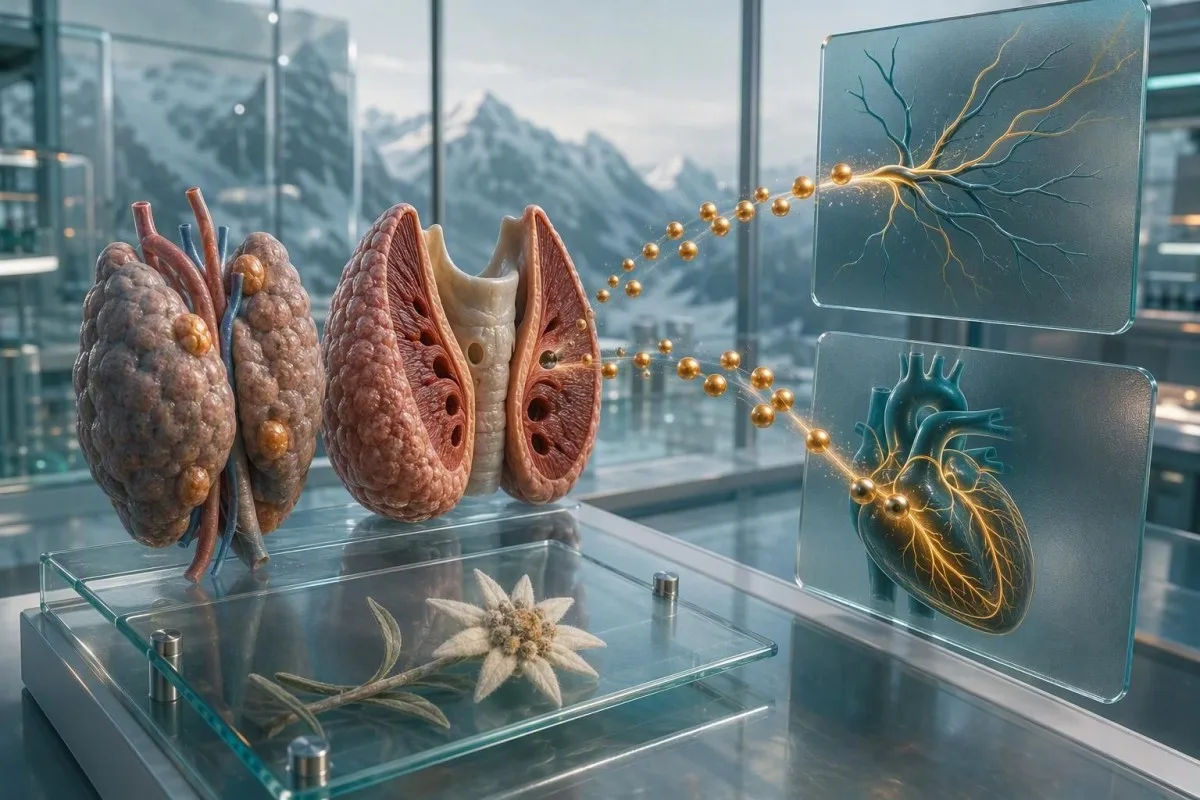
මුඛය වටා හිරිවැටීම, අත්වල කැක්කුම සහ වෙව්ලීම අඩු කැල්සියම් පෙන්නුම් කළ හැකිය, නමුත් අල්ලා ගැනීම්, හුස්ම ගැනීමේ අපහසුතා, සිහිය නැතිවීම හෝ අලුත් අක්රමවත් හෘද ස්පන්දනයක් සඳහා හදිසි තක්සේරුවක් අවශ්ය වේ. වේගය සහ අයනීකරණය කරන ලද කැල්සියම් මට්ටම බොහෝ විට ඊට වඩා වැදගත් වුවත්, සංඛ්යාව වැදගත් වේ.


- හදිසි අනතුරු ලක්ෂණ අල්ලා ගැනීම්, සිහිය නැතිවීම, ස්ට්රයිඩෝර්, ව්යාකූලත්වය හෝ දිගුකාලීන අක්රමවත් හෘද ස්පන්දනයක් ඇතුළත් කරන්න; අමතර අතිරේක ගැනීමට වඩා හදිසි ප්රතිකාර සොයන්න.
- අයනීකෘත කැල්සියම් සාමාන්යයෙන් 1.15-1.33 mmol/L පමණ වේ; එය ජීව විද්යාත්මකව ක්රියාකාරී කැල්සියම් මනිනු ලබන අතර උග්ර අසනීප කාලය තුළ එය වඩාත් සුදුසුය.
- මුළු කැල්සියම් සාමාන්යයෙන් 8.5-10.5 mg/dL (2.12-2.62 mmol/L) පමණ වේ, නමුත් වාර්තා කරන රසායනාගාරයේ පරාසය භාවිතා කළ යුතු එකයි.
- මුඛය වටා හිරිවැටීම සහ කාපෝපෙඩල් ස්පාස්ම් වැඩි ස්නායු හා මාංශ පේශි උද්දීපනය නිසා ඇතිවන සම්භාව්ය හයිපොකල්සිමියා රෝග ලක්ෂණ වේ.
- දරුණු හයිපොකැල්සීමියා බොහෝ විට නිවැරදි කරන ලද කැල්සියම් 1.9 mmol/L (7.6 mg/dL) ට වඩා අඩු ලෙස අර්ථ දැක්වේ, විශේෂයෙන් රෝග ලක්ෂණ හෝ ECG වෙනස්කම් පවතින විට.
- මැග්නීසියම් ඌනතාවය පැරාතිරොයිඩ් හෝමෝන මුදා හැරීම වැළැක්විය හැකිය, එබැවින් මැග්නීසියම් නැවත පිරවෙන තුරු කැල්සියම් නිවැරදි නොවිය හැකිය.
- ඇල්බියුමින් වැදගත් අඩු ඇල්බියුමින් අයනීකරණය කරන ලද කැල්සියම් අඩු නොකර සම්පූර්ණ කැල්සියම් අඩු කළ හැකි බැවිනි; නිවැරදි කරන ලද අගය යනු හුදෙක් අනුමානයකි.
- ආක්රමණශීලීව ස්වයං-ප්රතිකාර නොකරන්න z visoko dozo kalcija, če imate bolezen ledvic, jemljete digoksin ali imate hude simptome.
අඩු කැල්සියම් රෝග ලක්ෂණ සඳහා හදිසි ප්රතිකාර අවශ්ය වන විට
Simptomi nizkega kalcija potrebujejo takojšnjo nujno oskrbo, ko se mravljinčenje ali krči pojavijo s konvulzijami, omedlevico, zmedo, piskanjem med dihanjem, hudo dušnostjo ali novim vztrajnim nerednim srčnim utripom. Te značilnosti lahko kažejo na akutno nevronsko ali srčno nestabilnost, ne na običajno prehransko pomanjkanje.
Rezultat kalcija pod 1,9 mmol/l (7,6 mg/dl) se pri odraslih običajno obravnava kot hud, še posebej, če so prisotni simptomi. Nujni zdravniki običajno opravijo EKG in ponovijo kalcij z magnezijem, fosfati, kreatininom in albuminom, namesto da bi se zanašali na eno samo številko.
Bolnikom povem, da je samo krč v roki neudoben, vendar ne samodejno nevaren; krč v roki skupaj z zategnjenostjo v grlu, spremembo glasu ali težavo pri vdihavanju zraka je drugačen. Laringealne mišice lahko v akutni hipokalcemiji spazmirajo, kar zahteva nadzorovano zdravljenje z intravenskim kalcijem.
Od 20. avgusta 2026 je najvarnejše pravilo preprosto: ne vozite sami, če se simptomi poslabšajo. Širši vzorec nujnih elektrolitskih simptomov je opisan v našem vodniku za nujne primere elektrolitov.
පොදු හිරිවැටීම, වෙව්ලීම සහ කැක්කුම පිළිබඳ ඉඟි
Mravljinčenje pri nizkem kalciju se običajno začne okoli ustnic, konic prstov ali prstov na nogah in lahko napreduje v boleče krče v rokah ali nogah. Hipokalcemija znižuje prag, pri katerem se živci sprožijo, zato se lahko simptomi začutijo kot presenetljivi električni sunki še preden se pojavi oslabelost.
Klasična drža je karpopedalni spazem: zapestje se upogne in prsti se neprostovoljno privzdignejo. Po mojih kliničnih izkušnjah bolniki to pogosto opisujejo kot roke, ki začasno ne ubogajo, namesto običajnega krča v mečih po vadbi.
trzanje obraza ob tapkanju po licu, imenovano Chvostekov znak, samo po sebi ni diagnostično; lahko se pojavi pri ljudeh z normalno ravnijo kalcija. Krvni izvid, čas pojava simptomov, stanje kislinsko-bazičnega ravnovesja in zgodovina zdravljenja so veliko bolj uporabni kot poskus domačih kliničnih znakov.
Hiperventilacija zaradi panike lahko povzroči enak občutek mravljinčenja, ker respiratorna alkaloza začasno zniža ionizirani kalcij, ne da bi nujno spremenila skupni kalcij. Če so prisotni tudi tresavica, znojenje ali lakota, primerjajte vzorec z hypoglycemia අනතුරු ඇඟවීම්.
ට්රయేජ් වෙනස් කරන හෘද සහ ශ්වසන සංඥා
Hipokalcemija lahko podaljša interval QT na EKG-ju in v hudih primerih sproži nevarne motnje ritma ali simptome odpovedi srca. Palpitacije si zaslužijo pregled pri zdravniku še isti dan, ko spremljajo nizek kalcij v krvi, omotico, bolečine v prsih ali skorajšnje omedlevico.
Podaljšan QT ne dokazuje, da je kalcij vzrok; prispevati k temu lahko tudi nizek magnezij, določena zdravila, prirojeni sindromi dolgega QT in nizek kalij. Razlog, zakaj zdravnike skrbi ta kombinacija, je, da več motenj elektrolitov skupaj poveča tveganje za aritmijo veliko bolj kot blago izolirano odstopanje kalcija.
Dušnost zaradi nizkega kalcija je nenavadna, vendar nujna, ko odraža laringospazem, bronhospazem ali srčno disfunkcijo. Oseba, ki ne more izgovoriti polnih stavkov, ima modro-sive ustnice ali se počuti omotično, potrebuje nujno pomoč, tudi če laboratorijski izvid še ni na voljo.
කන්ටෙස්ටි යනු AI රුධිර පරීක්ෂණ විශ්ලේෂකය ki prikazuje kalcij poleg magnezija, kalija, ledvičnih markerjev in albumina, ker redko kateri sam elektrolit pojasni celotno klinično sliko. Za kontekst srčnih težav glede na simptome glejte naš palpitations රුධිර පරීක්ෂණ මාර්ගෝපදේශය.
කුමන කැල්සියම් අගයන් මෘදු, දරුණු හෝ තීරණාත්මකද?
Skupni kalcij pri odraslih je običajno okoli 2,12-2,62 mmol/l (8,5-10,5 mg/dl), medtem ko je ionizirani kalcij običajno okoli 1,15-1,33 mmol/l. Referenčni intervali se rahlo razlikujejo glede na analizator, starost, nosečnost in lokalno laboratorijsko metodo.
Simptomi se pogosto pojavijo, ko skupni kalcij pade pod približno 1.9 mmol/L, vendar lahko hiter padec z 2,45 na 2,00 mmol/L povzroči več mravljinčenja kot dolgotrajna vrednost 1,90 mmol/L. To je eden od razlogov, zakaj zdravnik pred odločitvijo o nujnosti sprašuje o operaciji ščitnice ali vratu, bruhanju, transfuzijah in nedavni bolezni.
Stara korekcijska formula dodaja 0.8 mg/dL k skupnemu kalciju za vsak 1 g/dL, ko je albumin pod 4,0 g/dL. To je grobo orodje za presejanje, ne nadomestilo za ioniziran kalcij, zlasti pri kritično bolnih, bolnikih z ledvičnimi boleznimi ali z večjimi motnjami kislinsko-bazičnega ravnotežja.
Praktični nasvet dr. Thomasa Kleina je, da fotografirate ali obdržite izvirno poročilo, vključno z enotami in referenčnim območjem. Zvezdice so laboratorijski pozivi, ne diagnoze; naš vodnik po out-of-range lab flags පිළිබඳ අපගේ ලිපිය ඒක පැහැදිලි කරයි.
මැග්නීසියම් සහ පොස්පේට් ඇයි කැක්කුමට හේතු විය හැක්කේ
Nizek magnezij lahko povzroči ali vzdržuje hipokalcemijo s poslabšanjem izločanja in delovanja paratiroidnega hormona. Zato lahko dodatki kalcija povzročijo malo izboljšanja, dokler ne odpravite izčrpanosti magnezija.
Serumski magnezij običajno znaša približno 0,70–1,00 mmol/L (1,7–2,4 mg/dL), čeprav normalne serumske vrednosti ne izključujejo vedno izčrpanih telesnih zalog. Diuretiki, zaviralci protonske črpalke, izpostavljenost alkoholu, driska in nekatera kemoterapevtska sredstva so pogosti dejavniki.
Fosfat daje koristno namig: nizek kalcij z ඉහළ පොස්පේට් පහත් පැරතිරොයිඩ් හෝමෝන ක්රියාකාරිත්වය හෝ දියුණු වකුගඩු අක්රියතාවයක් පෙන්නුම් කළ හැකි අතර, අඩු කැල්සියම් සහ අඩු පොස්පේට් විටමින් D ඌනතාවය හෝ මැලAbsorption (malabsorption) වලට ගැලපේ. මේවා රටා මිස තීන්දු නොවන අතර, ඊළඟට සිදුවන්නේ කුමක්ද යන්න තීරණය කරන්නේ සායනික පසුබිමයි.
බෙල්ලේ සැත්කමකින් පසු, වැටෙන කැල්සියම් සහ අනුචිතව අඩු PTH පශ්චාත් ශල්ය හයිපෝපැරතිරොයිඩ්වාදය හඳුනා ගත හැකි විට, මෙම වෙනස විශේෂයෙන් ප්රයෝජනවත් වේ. පිළිබඳව තවදුරටත් කියවන්න පහත් පැරතිරොයිඩ් හෝමෝන රටා සහ මැග්නීසියම්-අඩු හේතු.
සම්පූර්ණ කැල්සියම්, ඇල්බියුමින් සහ අයනීකරණය කරන ලද කැල්සියම් හුවමාරු කළ නොහැක
අඩු ඇල්බුමින්, ජෛවීය වශයෙන් ක්රියාකාරී අයනීකරණය කළ කැල්සියම් සාමාන්ය වන විට මුළු කැල්සියම් අඩු වන ලෙස පෙනී යයි. රෝග ලක්ෂණ තියුණු වන විට, ඇල්බුමින් අසාමාන්ය වන විට, හෝ අම්ල-පාදක ආබාධයක් ඇතිවිය හැකි විට අයනීකරණය කළ කැල්සියම් වඩාත් සුදුසු පරීක්ෂණයයි.
දළ වශයෙන් 45% කැල්සියම් අයනීකරණය කළ ආකාරයෙන් සංසරණය වේ, පමණ 40% ඇල්බුමින්-බැඳී ඇති අතර, ඉතිරි කොටස පොස්පේට් සහ සිට්රේට් වැනි ඇනායන සමඟ සංකීර්ණ වේ. අයනීකරණය කළ කැල්සියම් පමණක් ස්නායු පටලයේ උද්දීපනය සෘජුවම තීරණය කරයි, ඒ නිසා එය රෝග ලක්ෂණ සමඟ හොඳින් ගැළපේ.
අධික ලෙස දිගු කරන ලද රුධිරය එකතැන රඳවා ගැනීමේ පටියක්, ප්රමාද වූ සාම්පලයක්, හෝ වාතයට අයනීකරණය කළ කැල්සියම් සාම්පලයක් නිරාවරණය කිරීම pH වෙනසක් හරහා ප්රතිඵලය වෙනස් කළ හැකිය. රසායනාගාරවලට බොහෝ විට වේගවත්, වායු රහිත හැසිරීම් අවශ්ය වේ; මෙම සාමාන්ය විශ්ලේෂණාත්මක විස්තරය අනවශ්ය හදිසි යොමු කිරීමක් වැළැක්විය හැකිය.
කන්ටෙස්ටිගේ AI රුධිර පරීක්ෂණ ප්රතිඵල වේදිකාව අඩු මුළු කැල්සියම්, අඩු ඇල්බුමින් සමඟ තිබේද යන්න පැහැදිලි කරන අතර, අයනීකරණය කළ මිනුමක් අවිනිශ්චිතතාවය විසඳිය හැක්කේ කවදාද යන්න යෝජනා කරයි. ප්රෝටීන්-බැඳී ඇති විශ්ලේෂක පිටුපස ඇති කායික විද්යාව සඳහා, අපගේ භාවිතා කරන්න සෙරුම් ප්රෝටීන සඳහා යොමු මාර්ගෝපදේශය.
වකුගඩු රෝගය වෙනස් අඩු-කැල්සියම් රටාවක් නිර්මාණය කරයි
නිදන්ගත වෘක්කීය රෝග, කැල්සිට්රියෝල් නිෂ්පාදනය අඩුවීම, පොස්පේට් රඳවා තබා ගැනීම සහ ද්විතියික හයිපර්පැරතිරොයිඩ්වාදය නිසා කැල්සියම් අඩු විය හැක. මෙම පසුබිමේදී, පොස්පේට්, PTH සහ වකුගඩු ක්රියාකාරිත්වය නොබලා එක් කැල්සියම් අගයක් ප්රතිකාර කිරීම ප්රති-ඵලදායක විය හැකිය.
eGFR පහත වැටෙන විට 60 mL/min/1.73 m² මාස 3 ක් සඳහා, නිදන්ගත වෘක්කීය රෝග පවතී, සහ ඛනිජ-අස්ථි නිරීක්ෂණය වඩාත් අදාළ වේ. KDIGO මාර්ගෝපදේශය තනි ඉලක්කයක් පසුපස හඹා යාමට වඩා කැල්සියම්, පොස්පේට්, PTH සහ ක්ෂාරීය පොස්පේටේස් හි ප්රවණතා අනුගමනය කිරීමේ වැදගත්කම අවධාරණය කරයි.
කැල්සියම් කාබනේට් ටැබ්ලටයක් පොස්පේට් බන්ධනයක් ලෙසද ක්රියා කරයි, එය තෝරාගත් පුද්ගලයින්ට ප්රයෝජනවත් නමුත් මලබද්ධය සහ අනවශ්ය කැල්සියම් පැටවීම ඇති කළ හැකිය. මේ හේතුව නිසා වකුගඩු රෝග ඇති පුද්ගලයෙකුට වකුගඩු කණ්ඩායමේ උපදෙස් නොමැතිව ග්රෑම්-මට්ටමේ අතිරේක කැල්සියම් ආරම්භ නොකළ යුතුය.
අඩු කැල්සියම් plus ඉහළ පොස්පේට් සහ අඩු eGFR, අද හිරිවැටීමක් නොමැති වුවද, සැලසුම්ගත වෛද්ය අනුගමනයක් ලැබිය යුතුය. අපගේ CKD අදියර මාර්ගෝපදේශය eGFR සහ මුත්රා ඇල්බුමින් ප්රතිඵල සන්දර්භගත කිරීමට උපකාරී වේ.
විටමින් D ඌනතාවය එදිරිව සරල අඩු-කැල්සියම් ආහාර වේලක්
විටමින් D ඌනතාවය බඩවැල් කැල්සියම් අවශෝෂණය අඩු කරන අතර අඩු කැල්සියම්, ඉහළ PTH, අස්ථි අපහසුතාවය සහ සමීප මාංශ පේශි දුර්වලතාවයට හේතු විය හැක. වැඩිහිටි අඩු-කැල්සියම් අවස්ථා බොහොමයක් ආහාරයට ගන්නා කැල්සියම් ප්රමාණය නිසා පමණක් සිදු නොවේ.
25-හයිඩ්රොක්සිවිටමින් D සාන්ද්රණය පහළින් 25 nmol/L (10 ng/mL) ට පහළින් පමණක් වන අතර දරුණු ඌනතාවයක් ලෙස පුළුල් ලෙස සලකනු ලැබේ, අතර ඌනතාවය සඳහා සීමාවන් අතර වෙනස් වේ 50 සහ 75 nmol/L čez strokovne skupine. Dokazi so iskreno mešani glede tega, kje bi se ciljna vrednost zdrave osebe nahajala nad tem območjem.
Odrasli običajno potrebujejo 1.000–1.200 mg kalcija na dan iz hrane in dodatkov skupaj, odvisno od starosti in spola, vendar cilj ni prisilno dvigniti serumskega kalcija s prehrano čez noč. Prispevati, jogurt, obogateni rastlinski nadomestki, tofu, pripravljen s kalcijem, majhne ribe, ki jih uživamo s kostmi, in listnata zelenjava.
Če so se krči začeli po restriktivni dieti, bariatric surgery ali mesecih v zaprtih prostorih, prosite za vitamin D, PTH, magnezij, fosfat in alkalno fosfatazo namesto naročanja samo kalcija. Živila in realna pričakovanja so zajeti v navodilih za hrano z vitaminom D.
පාචනය, Coeliac රෝගය සහ Malabsorption ඉඟි
Kronična driska, mastna blata, nenamerna izguba teže ali pomanjkanje železa ob nizkem kalciju povzročajo skrb glede malabsorpcije. Coeliac disease, inflammatory bowel disease, pancreatic insufficiency in predhodna gastrointestinalna operacija lahko zmanjšajo absorpcijo kalcija in vitamina D.
Coeliac screening se običajno začne s tkivno transglutaminazo IgA plus skupno IgA, medtem ko oseba uživa gluten. Nizka skupna IgA lahko povzroči napačno pomirjujoč coeliac test, ki temelji na IgA, zato je morda potrebna analiza, ki temelji na IgG.
Ena spregledana sled je kombinacija nizkega kalcija, nizkega feritina in povišane alkalne fosfataze; lahko kaže na dolgotrajno malabsorpcijo hranil s povečanim prometom kosti. Ne diagnosticira coeliac disease, vendar je dovolj, da upraviči ciljno anamnezo in usmerjeno testiranje.
කන්ටෙස්ටි යනු AI මගින් බලගැන්වූ රුධිර පරීක්ෂණ විශ්ලේෂණ මෙවලම ki prepozna sorodne markerje hranil in mineralov v različnih panelih namesto zdravljenja kalcijevega rezultata kot samostojnega problema. Če je driska del slike, preglejte laboratorijske sledi, povezane z drisko සහ pasti pri testiranju IgA.
කැල්සියම් අඩු කළ හැකි ඖෂධ සහ ප්රතිකාර
Bisphosphonates, denosumab, cinacalcet, zankasti diuretiki, antikonvulzivi, cisplatin in velike količine citrata med transfuzijo lahko povzročijo hipokalcemijo. Tveganje je najvišje, ko je vitamin D nizek, ledvična funkcija zmanjšana ali magnezij izčrpan.
Hipokalcemija, povezana z denosumabom, se lahko pojavi dneve do tedne po injiciranju in se lahko podaljša pri napredovali ledvični bolezni. Simptomi po novem injiciranju za krepitev kosti bi morali sprožiti pravočasno testiranje kalcija, magnezija, fosfata, kreatinina in vitamina D namesto čakanja in opazovanja.
Masivna transfuzija lahko začasno zniža ionizirani kalcij, ker se citrat veže na kalcij; zdravniki to med reanimacijo natančno spremljajo. Isti koncept pojasnjuje, zakaj se simptomi lahko hitro nihajo v bolnišnici, v nasprotju s počasnejšim upadom, ki ga povzroča slab vnos.
Prinesite vsak recept, izdelke brez recepta, antacide in dodatke na pregled – še posebej odmerek in datum začetka. Dolgotrajna terapija za zmanjšanje kisline prav tako upravičuje širšo preveritev; naš članek o nadzoru PPI pojasnjuje vidik hranil.
ළමුන්, ගැබ් ගැනීම් සහ වැඩිහිටියන් තුළ අඩු කැල්සියම්
Referenčne vrednosti kalcija so pri dojenčkih in otrocih višje, nosečnost pa pogosto zniža skupni kalcij zaradi nižjega albumina brez prave ionske hipokalcemije. Starost in fiziološko stanje lahko zato popolnoma spremenita interpretacijo.
අලුත උපන් බිළිඳුන්ගේ හයිපොකල්සිමියාව ජිටර්, දුර්වල පෝෂණය, අප්නියාව හෝ කැළඹීම් සමඟ ඉදිරිපත් විය හැකි අතර ළමා රෝග විශේෂඥ වෛද්යවරයෙකුගේ හදිසි තක්සේරුවක් අවශ්ය වේ. ළමුන් තුළ, වෛද්යවරු කල්තියා උපත, විටමින් D තත්ත්වය, පොස්පේට් ගැනීම, ජානමය තත්වයන් සහ මව්වරුන්ගේ දියවැඩියාව කැල්සියම් මිනුම් සමඟ සලකා බලයි.
ගර්භණී සමයේදී, සම්පූර්ණ කැල්සියම් පහත වැටීමට ලක්විය හැක 0.5 mg/dL (0.12 mmol/L) ඇල්බුමින් පහත වැටෙන විට, අයනීකෘත කැල්සියම් සාමාන්යයෙන් ස්ථාවරව පවතින අතර. ගර්භණී සමයේදී නව හිරිවැටීමක් හෝ කැක්කුමක් තවමත් සමාලෝචනය ලැබිය යුතු වන්නේ අධි වාතාශ්රය, මැග්නීසියම් ඌනතාවය සහ පූර්ව-eclampsia-සම්බන්ධිත රැකවරණය තත්ත්වය සංකීර්ණ කළ හැකි බැවිනි.
වැඩිහිටියන් සඳහා, අස්ථි බිඳීම්, අඩු විටමින් D, වකුගඩු රෝගය සහ බහු ඖෂධ බොහෝ විට එකිනෙකට සම්බන්ධ වේ. අපගේ සිට වයස්-අනුරූප සන්දර්භය භාවිතා කරන්න ළමුන්ගේ කැල්සියම් මාර්ගෝපදේශය සහ අධි මාත්රාවලින් අතිරේක එකතු කිරීමට පෙර වෛද්ය උපදෙස් ලබා ගන්න.
සායනික වෛද්යවරු සැබෑ අඩු කැල්සියම් ප්රතිඵලයක් තහවුරු කරන්නේ කෙසේද?
තහවුරු කරන ලද හයිපොකල්සිමියා වැඩ-යෝග්යතාවය සාමාන්යයෙන් නැවත කැල්සියම්, ඇල්බුමින්, අයනීකෘත කැල්සියම් සුදුසු විට, මැග්නීසියම්, පොස්පේට්, ක්රියේටිනින්, PTH, සහ 25-හයිඩ්රොක්සිවිටමින් D ඇතුළත් වේ. රෝග ලක්ෂණ සැලකිය යුතු නම් හෝ කැල්සියම් දැඩි ලෙස අඩු නම් ECG පරීක්ෂණය ඉක්මනින් එකතු කරනු ලැබේ.
පුද්ගලයෙකුට හොඳ හැඟීමක් ඇත්නම් සහ සම්පූර්ණ කැල්සියම් තරමක් අඩු නම්, විශේෂයෙන් ඇල්බුමින් ද අඩු නම්, නැවත පරීක්ෂණයක් යෝග්ය වේ. නමුත් නැවත පරීක්ෂාව කැළඹීම්, ස්ට්රයිඩෝර්, සිංකෝප් හෝ රෝග ලක්ෂණ සහිත කැල්සියම් වලට පහළින් හදිසි සත්කාර ප්රමාද නොකළ යුතුය. 1.9 mmol/L.
කැල්සියම් අඩු වූ විට PTH ඉහළ යා යුතුය; එබැවින් සාමාන්ය හෝ අඩු PTH අනුපාතයකින් අඩු විය හැකි අතර හයිපොපරාතිරොයිඩ්වාදය වෙත යොමු විය හැකිය. ඊට වෙනස්ව, ඉහළ PTH බොහෝ විට ශරීරය විටමින් D ඌනතාවය, වකුගඩු රෝගය හෝ අවශෝෂණය අඩුවීම සඳහා නිසි ලෙස ප්රතිචාර දක්වන බව අදහස් කරයි.
Kantesti AI මගින් දිනය අනුව ඛනිජ ප්රතිඵල ශ්රේණිගත කළ හැකිය, එය එක්-කාලීන රසායනාගාර අසාමාන්යතාවයක් අවපාත ගමන් මාර්ගයකින් වෙන්කර හඳුනා ගැනීමට උපකාරී වේ. නියැදි ගැටලුවක් සැක කෙරේ නම්, අපගේ නැවත පරීක්ෂණ නැවත ඇඳීමේ මාර්ගෝපදේශය රසායනාගාර පරීක්ෂා කරන දේ පැහැදිලි කරයි.
ආරක්ෂිත ප්රතිකාර: ඇයි වැඩි කැල්සියම් සැම විටම වඩා හොඳ නැත්තේ
රෝග ලක්ෂණ සහිත දරුණු හයිපොකල්සිමියාව රෝහලේදී අධීක්ෂණය කරන ලද අභ්යන්තර කැල්සියම් සමඟ ප්රතිකාර කරනු ලැබේ, අතර ස්ථාවර මෘදු අවස්ථා සාමාන්යයෙන් හේතුව විසඳීමෙන් සහ තෝරාගත් මුඛ කැල්සියම් හෝ විටමින් D භාවිතා කිරීමෙන් කළමනාකරණය කරනු ලැබේ. නිවැරදි මාත්රාව රඳා පවතින්නේ හේතුව, වකුගඩු ක්රියාකාරිත්වය, පොස්පේට් සහ සමගාමී ඖෂධ මත ය.
ස්ථාවර වැඩිහිටියන් සඳහා, වෛද්යවරු සාමාන්යයෙන් භාවිතා කරන්නේ 1,000-2,000 mg දිනපතා මූලද්රව්ය කැල්සියම් සති අට සඳහා බෙදා දුන් මාත්රාවලින්; ලේබලයේ කැල්සියම් කාබනේට් බර මූලද්රව්ය කැල්සියම් වලට සමාන නොවේ. කැල්සියම් කාබනේට් ආහාර සමඟ හොඳින් අවශෝෂණය වේ, අතර කැල්සියම් සිටේට් අඩු ආමාශයික අම්ල සමඟ වඩාත් සුදුසු විය හැකිය.
අතිරේක කැල්සියම් අධික ලෙස ගැනීමෙන් මලබද්ධය, වකුගඩු ගල්, හයිපර්කල්සිමියාව සහ ඖෂධ අන්තර්ක්රියා ඇති විය හැක. කැල්සියම් ලෙවෝතයිරොක්සින්, යකඩ, ටෙට්රාසයික්ලින් ප්රතිජීවක සහ ක්විනොලෝන් ප්රතිජීවක වලින් අවම වශයෙන් වෙන් කරන්න 4කට වඩා ප්රවාහනයේදී ප්රමාද වුණා නම්, හෝ දරුණු විජලනයක් අතරතුර ලබාගත්තා නම්, සාම්පලය නැවත කිරීම බොහෝ අමතර පරීක්ෂණ ලැයිස්තුවක් ඇණවුම් කිරීමට වඩා ඔබට වැඩි දේ කියා දෙයි. එය coagulation clinic එකේ බොහෝ විට සිදුවන අඩු නාට්යමය විසඳුම්වලින් එකකි. ෆාමසිස්ට් විසින් වෙනත් උපදෙස් ලබා දෙන තුරු.
Society for Endocrinology's emergency guidance, උග්ර රෝග ලක්ෂණ සහිත හයිපොකල්සිමියාව සඳහා අධීක්ෂණය යටතේ අභ්යන්තර කැල්සියම් ග්ලූකොනේට් නිර්දේශ කරයි, පෙති වල ස්වයං-උග්රවීමක් නොවේ (Turner et al., 2016). Kantesti's තාක්ෂණික මාර්ගෝපදේශය මිනිස් සමාලෝචනය සඳහා අපගේ සායනික රීති හදිසි සංයෝගවලට ප්රමුඛත්වය දෙන ආකාරය විස්තර කරයි.
අඩු කැල්සියම් ධජයක් පසු ප්රායෝගික ඊළඟ පියවර සැලැස්මක්
Če imate blago mravljenje ali občasne krče brez nujnih znakov, se dogovorite za takojšen klinični pregled in prinesite celotno poročilo, seznam zdravil in časovnico simptomov. Če imate hude simptome, poiščite nujno pomoč takoj, namesto da čakate na spletno interpretacijo.
Zapišite si, ali so se simptomi začeli po operaciji vratu, injekciji za zdravje kosti, bruhanju ali driski, novem diuretikumu, omejevalni dieti ali hospitalizaciji. Ti podatki pogosto hitreje zožijo vzrok kot ponavljajoče se široke panele brez razlikovanja.
Dr. Thomas Klein je videl veliko bolnikov, ki jih je pomirila popravljena kalcijeva izračuna, ko je bil potreben ionizirani kalcij, in veliko drugih, ki jih je prestrašila benigna kalcijeva zastavica, povezana z albuminom. Ustrezna naslednja preiskava je odvisna od simptomov in konteksta, zato klinična presoja ostaja osrednja.
Kantesti deluje pod nadzorom zdravnika in z obravnavo poročil, ki varuje zasebnost, za ljudi, ki potrebujejo strukturiran pogled na svoje rezultate v daljšem obdobju. Naše වෛද්ය උපදේශක මණ්ඩලය pregleduje klinična načela varnostnih sporočil; metode natančnosti so na voljo v našem වෛද්ය සනාථ කිරීමේ දළ විශ්ලේෂණය සඳහා මූලික වේ.
නිතර අසන ප්රශ්න
Kaj so prvi znaki nizkega kalcija?
Najzgodnejši znaki nizke ravni kalcija so pogosto mravljinčenje okoli ust, prstov na rokah ali nogah, čemur sledijo trzanje ali mišični krči. Simptomi se pojavijo, ker nizka raven ioniziranega kalcija poveča živčno in mišično ekscitabilnost. Skupni kalcij pod približno 2,12 mmol/L (8,5 mg/dL) je lahko nenormalen, vendar simptomi bolje korelirajo z ioniziranim kalcijem in hitrostjo sprememb. Novo mravljinčenje z mišičnimi spazmi v roki, palpitacijami ali težkim dihanjem zahteva takojšnjo zdravniško oceno.
Na kakšni ravni kalcija naj grem na urgenco?
V primerih epileptičnih napadov, omedlevice, zmedenosti, oteženega ali glasnega dihanja, hudih mišičnih krčev ali trajne nepravilne srčne aktivnosti pri kateri koli vrednosti kalcija je nujen takojšen pregled. Popravljena skupna vrednost kalcija pod 1,9 mmol/L (7,6 mg/dL) se običajno šteje za hudo, še posebej, če so prisotni simptomi. Ne čakajte, da preverite, ali dodatek kalcija deluje, če se simptomi poslabšujejo. Nujni zdravniki lahko hitro preverijo ionizirani kalcij, magnezij, fosfat, delovanje ledvic in EKG.
Ali nizka raven kalcija lahko povzroči mravljinčenje, a normalna raven vitamina D?
Da, nizka kalcijeva mravljinčenja se lahko pojavijo pri normalnem vitaminu D, ker lahko hipoparatiroidizem, nizka raven magnezija, bolezen ledvic, zdravila, akutna hiperventilacija in izpostavljenost citratu znižajo nivo ioniziranega kalcija. Normalni rezultat 25-hidroksivitamina D ne meri delovanja PTH ali statusa magnezija. Klinični zdravniki pogosto preverijo magnezij, fosfate, kreatinin, PTH, albumin in včasih ioniziran kalcij, če mravljinčenje vztraja. Ioniziran kalcij ima običajno referenčni interval blizu 1,15-1,33 mmol/L, čeprav se laboratoriji razlikujejo.
Ali lahko tesnoba ali hiperventilacija povzročita simptome nizkega kalcija?
Hiperventilacija lahko povzroči mravljinčenje, krče v rokah in omotičnost z začasnim zvišanjem pH krvi in zmanjšanjem ioniziranega kalcija. Skupni kalcij lahko ostane normalen, ker se kalcij premakne iz ionizirane v beljakovinsko vezano obliko, namesto da bi zapustil telo. Simptomi naj bi se izboljšali s normalizacijo dihanja, vendar prvi epizodi s bolečino v prsih, omedlevico, hudo težko sapo ali vztrajnim krčem še vedno potrebujejo nujno oceno. Ponavljajočih se epizod ne smemo samodejno pripisovati tesnobi, ne da bi pregledali kalcij, magnezij in ustrezno zdravstveno anamnezo.
Kaj je razlika med pomanjkanjem kalcija in hipokalcemijo?
Pomanjkanje kalcija se običajno nanaša na nezadosten vnos s hrano ali negativno kalcijevo bilanco skozi čas, medtem ko hipokalcemija pomeni merjeno nizko koncentracijo kalcija v obtoku. Oseba lahko zaužije premalo kalcija s hrano, vendar ima normalno raven kalcija v krvi, ker PTH črpa kalcij iz kosti, da ohrani serumske ravni. Nasprotno, akutna hipokalcemija se lahko razvije kljub zadostnemu vnosu po ščitnični operaciji, zaradi nekaterih zdravil ali hude pomanjkljivosti magnezija. Odrasli običajno potrebujejo približno 1.000–1.200 mg kalcija dnevno iz hrane in dodatkov skupaj, odvisno od starosti in spola.
Ali jemanje dodatkov kalcija lahko prepreči mišične krče?
Kalcijev dodatek pomaga pri pomanjkanju kalcija ali pri izbranih vzrokih stabilne hipokalcemije, vendar ne zdravi zanesljivo vseh mišičnih krčev. Dehidracija, nizka raven magnezija, stiskanje živcev, učinki zdravil, periferna arterijska bolezen in utrujenost mišic, povezana z vadbo, lahko povzročijo podobne simptome. Stabilno zdravljenje pogosto uporablja 1000-2000 mg elementarnega kalcija na dan v deljenih odmerkih le, ko zdravnik potrdi indikacijo. Ljudje z boleznijo ledvic, ledvičnimi kamni, sarkoidozo ali tisti, ki jemljejo digoksin, naj se pred jemanjem visokih odmerkov kalcija posvetujejo z zdravnikom.
අදම AI බලයෙන් රුධිර පරීක්ෂණ විශ්ලේෂණය ලබාගන්න
තත්පර කිහිපයකින් ක්ෂණික හා නිවැරදි රසායනාගාර පරීක්ෂණ විශ්ලේෂණය සඳහා Kantesti විශ්වාස කරන ලොව පුරා මිලියන 2කට වැඩි පරිශීලකයන්ට එක්වන්න. ඔබගේ රුධිර පරීක්ෂණ ප්රතිඵල උඩුගත කර, තත්පර කිහිපයකින් 15,000+ ජෛව සලකුණු පිළිබඳ සවිස්තර අර්ථකථනය ලබාගන්න.
📚 යොමු කර ඇති පර්යේෂණ ප්රකාශන
ක්ලයින්, ටී., මිචෙල්, එස්., සහ වෙබර්, එච්. (2026). Kantesti LTD. (2026). 100,000 කෘත්රිම (synthetic) පරීක්ෂණ නඩු (test cases) මත Kantesti Blood-Test Interpretation Engine සඳහා පෙර-ලියාපදිංචි කළ (Pre-Registered), රූබ්රික්-පාදක (Rubric-Based) ස්වයංක්රීය තාක්ෂණික සීමාමානය (Technical Benchmark). Figshare.. Kantesti AI වෛද්ය පර්යේෂණ.
ක්ලයින්, ටී., මිචෙල්, එස්., සහ වෙබර්, එච්. (2026). Kantesti LTD. (2026). Clinical Validation Framework v2.0 (වෛද්ය වලංගුකරණ පිටුව). Zenodo.. Kantesti AI වෛද්ය පර්යේෂණ.
📖 බාහිර වෛද්ය යොමු
⚕️ වෛද්ය වියාචනය
මෙම ලිපිය අධ්යාපනික අරමුණු සඳහා පමණක් වන අතර වෛද්ය උපදෙස් ලෙස නොසැලකේ. රෝග නිદાન සහ ප්රතිකාර තීරණ සඳහා සෑම විටම සුදුසුකම් ලත් සෞඛ්ය සේවා සපයන්නෙකුගෙන් උපදෙස් ලබාගන්න.
E-E-A-T විශ්වාස සංඥා
අත්දැකීම්
වෛද්යවරයා විසින් මෙහෙයවන ලද රසායනාගාර අර්ථකථන ක්රියාවලි පිළිබඳ සමාලෝචනය.
ප්රවීණතාව
සායනික සන්දර්භය තුළ ජෛව සලකුණු (biomarkers) හැසිරෙන ආකාරය පිළිබඳ රසායනාගාර වෛද්ය විද්යා අවධානය.
අධිකාරීත්වය
ආචාර්ය තෝමස් ක්ලයින් විසින් ලියන ලද අතර ආචාර්ය සාරා මිචෙල් සහ මහාචාර්ය ආචාර්ය හෑන්ස් වෙබර් විසින් සමාලෝචනය කරන ලදී.
විශ්වසනීයත්වය
අනතුරු ඇඟවීම් අඩු කිරීමට පැහැදිලි පසුකැඳවීම් මාර්ග සහිත සාක්ෂි-පාදක අර්ථකථනය.