A fasting flag usually means no calories for a specified period before collection, but plain water and many prescribed medicines may still be allowed.

ძირითადი დასკვნები
- უზმო აუცილებელია usually means no food or caloric drinks for 8–12 hours before collection, unless the laboratory gives a different interval.
- ჩვეულებრივი წყალი is generally allowed and can make sample collection easier; coffee, tea, juice, milk, gum, and sweeteners may alter results.
- მედიკამენტები should not be stopped automatically; ask the ordering clinician whether each medicine should be taken with water, delayed, or adjusted.
- If you already ate, tell the phlebotomy team the time and food consumed; some tests can proceed while glucose or triglycerides may need rescheduling.
- უზმოზე გლუკოზა of 126 mg/dL or 7.0 mmol/L or higher can meet a diabetes diagnostic threshold when confirmed appropriately, but one non-fasting result cannot be interpreted the same way.
- ტრიგლიცერიდები can rise substantially after a meal, while many cholesterol measurements remain clinically usable without fasting.
- Diabetes medicines create a special safety issue because fasting can cause hypoglycaemia; never change insulin or sulfonylurea dosing without individualized instructions.
- კანტესტი can organize fasting status, collection time, units, and reference intervals when interpreting uploaded laboratory results, but it cannot replace the ordering clinician or laboratory.
What the fasting instruction means
უზმო აუცილებელია on a lab order means the laboratory wants a defined period without calories before collecting the specimen, most often 8–12 hours. The instruction controls pre-test conditions; it does not diagnose a disease, and it does not automatically mean every test on the order needs fasting.

A fasting interval begins after the last caloric intake and ends when the sample is collected. For example, an order marked fasting for 8 hours usually permits dinner at 7:00 p.m. and collection from 3:00 a.m. onward, although many clinics prefer a morning appointment after 8–12 hours.
The main purpose is to reduce short-term effects from food, especially on glucose, triglycerides, and some metabolic measurements. A meal can change glucose within minutes and triglycerides over several hours, so comparing a post-meal result with a fasting reference interval can create a misleading impression.
კანტესტი არის AI სისხლის ტესტის ანალიზატორი that can place a reported result beside its collection time, units, and stated fasting status rather than treating one number as self-explanatory. For preparation details before a first set of tests, see our baseline blood test guide.
Why some blood tests require fasting
Laboratories request fasting when recent calories could materially change the measurement or its interpretation. The most common reasons involve glucose testing, triglycerides, insulin, and certain specialized metabolic or absorption studies.
უზმოზე გლუკოზა is intended to represent glucose after at least 8 hours without calories, while a random glucose test has no such requirement. The American Diabetes Association's 2024 Standards of Care uses a fasting plasma glucose threshold of 126 mg/dL, or 7.0 mmol/L, for diabetes diagnosis when the result is confirmed in the appropriate clinical setting.
Fasting can also standardize insulin and C-peptide measurements, although laboratories differ in their preparation instructions. A fasting insulin result of 20 µIU/mL cannot be interpreted reliably without knowing the glucose level, the duration of fasting, recent exercise, and whether glucose-lowering treatment was used.
Not every chemistry test needs fasting: sodium, potassium, thyroid-stimulating hormone, and a complete blood count commonly remain interpretable after ordinary meals. Our სისხლის ტესტის ბიომარკერები გიდირავენ. explains why a single lab order can contain tests with different preparation requirements.
How many hours should you fast
Most routine fasting blood tests require 8–12 hours without calories, but the exact interval belongs to the laboratory or ordering clinician. A longer fast is not automatically better and may be unsafe for children, pregnancy, diabetes, or people taking medicines that lower glucose.
ერთი 8-საათიანი შიმშილის შემდეგ is common for fasting glucose, while lipid testing instructions may specify 9–12 hours. Oral glucose tolerance testing can require a different protocol, including a prescribed fasting period followed by a measured glucose drink, so it should never be improvised from a routine fasting instruction.
For a hypothetical appointment at 8:00 a.m., finishing dinner by 8:00 p.m. provides 12 hours, but a small late snack at 10:30 p.m. would reset the practical fasting clock. Water remains useful during those hours because dehydration can make collection more difficult and may concentrate some measurements.
Fasting conditions can vary between laboratories by several hours because assays and local protocols differ. Our სისხლის ანალიზის ვადების სახელმძღვანელო covers other timing influences, including recent illness, strenuous activity, and medication changes.
Can you drink water before fasting labs
Plain water is usually allowed before fasting blood tests, and drinking a normal amount can support hydration without supplying calories. The safest default is still to follow the exact written instruction because some specialized tests impose additional restrictions.
Water contains essentially no carbohydrate, protein, or fat, so it does not produce the post-meal metabolic response that fasting is designed to avoid. A practical target is ordinary thirst-guided intake rather than forcing several litres; excessive water in a short period can disturb sodium balance, particularly in people with kidney or heart conditions.
A few sips may be enough before collection, but a full glass of plain water is commonly acceptable. Flavoured water, electrolyte drinks, sports beverages, juice, milk, and sweetened medicines can contain calories or glucose; even 20–30 kcal may technically break a strict fasting protocol.
If your order includes a specialized test rather than routine chemistry, ask the laboratory whether water is allowed and in what amount. Our metabolic panel testing guide separates tests commonly bundled together from tests that have distinct preparation rules.
Coffee, tea, gum, smoking, and exercise
Black coffee, tea, chewing gum, smoking, vaping, and strenuous exercise may not meet a strict fasting definition even when they contain few or no calories. Plain water is the least ambiguous choice during the final 8–12 hours.
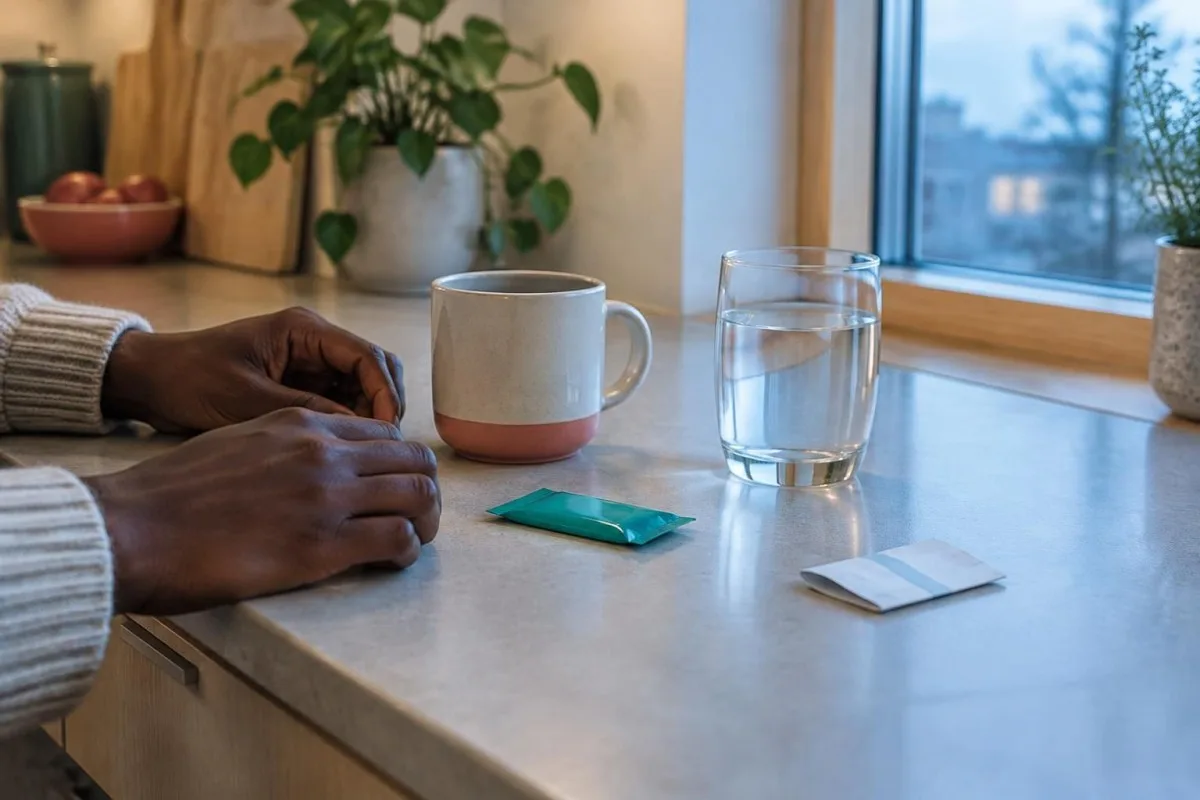
Black coffee has very few calories but can affect catecholamines, cortisol, gastrointestinal activity, and possibly glucose in some people. Sugar, milk, cream, and flavoured syrups clearly add calories, so a laboratory may ask you to avoid all coffee for 8–12 hours rather than debate the size of the metabolic effect.
Chewing gum can stimulate digestive hormones and may contain sugar or sweeteners; nicotine can increase sympathetic activity and temporarily change heart rate and glucose handling. Avoiding gum, tobacco, vaping, and nicotine replacement during the final 8 hours gives the laboratory a cleaner baseline.
Hard exercise before testing can raise creatine kinase, lactate, and sometimes glucose, while a 20-minute walk usually has a smaller effect. For a morning appointment, keep activity light on the preceding evening and review our executive testing timing guide if travel or sleep disruption is also involved.
Which medications can you take
Most prescribed medicines should be taken as directed unless the ordering clinician or laboratory gives a specific alternative. Medication instructions are individualized because withholding treatment can be more dangerous than the small effect it may have on a laboratory result.
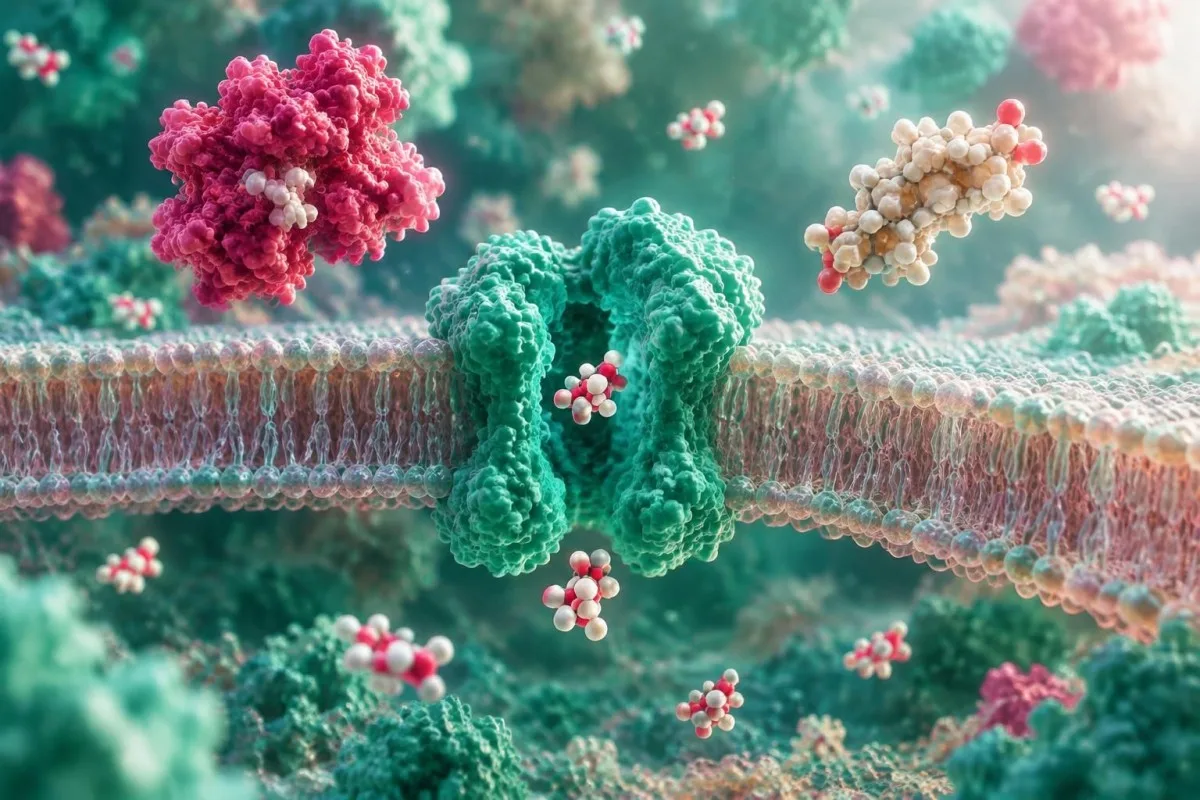
Take essential medicines with a small amount of plain water when the prescriber has said they are safe during fasting. Do not independently stop steroids, seizure medicines, insulin, anticoagulants, blood-pressure drugs, or thyroid replacement; the correct plan depends on the medicine, dose, test, and collection time.
Some medicines deliberately alter the result being measured. Biotin supplements can interfere with certain immunoassays, while corticosteroids can raise glucose and suppress some inflammatory markers; the relevant washout period may be 24–72 hours or longer, so the clinician must specify it rather than relying on a general fasting rule.
A person taking levothyroxine may be asked to delay the morning dose until after thyroid blood collection, whereas another patient may be told to take it normally. Our senior blood-test medication guide explains why medication lists and exact dosing times belong in the interpretation record.
Special precautions with diabetes medicines
People using insulin or medicines that can cause hypoglycaemia need individualized fasting instructions before laboratory testing. A fasting glucose test is not worth an avoidable low-glucose episode, especially when the appointment is delayed beyond the planned 8–12 hours.
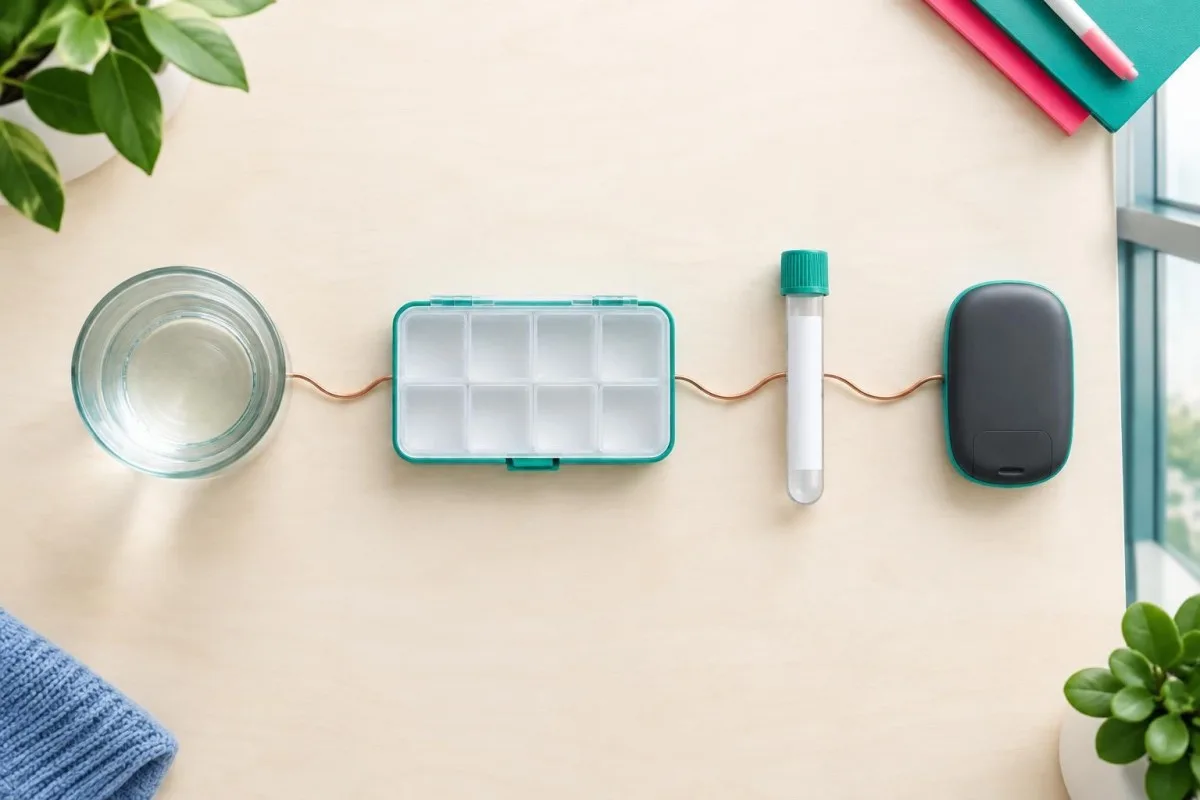
Insulin, sulfonylureas such as gliclazide or glimepiride, and some combination therapies can lower glucose while food intake is absent. Symptoms such as sweating, tremor, confusion, or a glucose reading below 70 mg/dL, or 3.9 mmol/L, require the person's established hypoglycaemia plan rather than continued fasting.
Never reduce or omit a diabetes medicine solely because an order says fasting required; contact the prescribing team in advance. A hypothetical patient scheduled at 7:30 a.m. may receive different instructions for basal insulin, rapid-acting insulin, and a sulfonylurea, even though all three are diabetes treatments.
კანტესტი არის AI-ზე დაფუძნებული სისხლის ანალიზის (blood test analysis) ხელსაწყო that can help organize glucose results alongside treatment timing, but it cannot tell a person to change insulin or prescribe a fasting dose. Review our guide to low glucose causes and medicines for warning symptoms and context.
What to do if you already ate
If you ate before a fasting test, tell the laboratory exactly what you consumed and when; do not hide it or automatically cancel. The team may collect tests unaffected by food, modify the order, or ask you to reschedule the tests most sensitive to recent calories.
Record the meal time, approximate contents, and any coffee, alcohol, supplements, or medication taken afterward. A banana at 7:00 a.m. and a full breakfast at 7:00 a.m. are both non-fasting states, but the expected effect on glucose and triglycerides may differ substantially.
Do not fast for an extra 16–24 hours to compensate unless a clinician specifically instructs you. Prolonged fasting can cause dehydration, dizziness, ketone production, or medication-related hypoglycaemia, and it does not erase the fact that the original collection conditions were non-standard.
If the specimen is collected anyway, the report may document non-fasting status rather than invalidate every result. Our repeat blood test guide explains why laboratories sometimes repeat only selected measurements instead of discarding an entire panel.
How food changes glucose results
Food can raise glucose within minutes, so a post-meal glucose result cannot be interpreted using a fasting reference interval. Fasting plasma glucose is defined after at least 8 hours without calories, while random or post-meal glucose has a different clinical meaning.
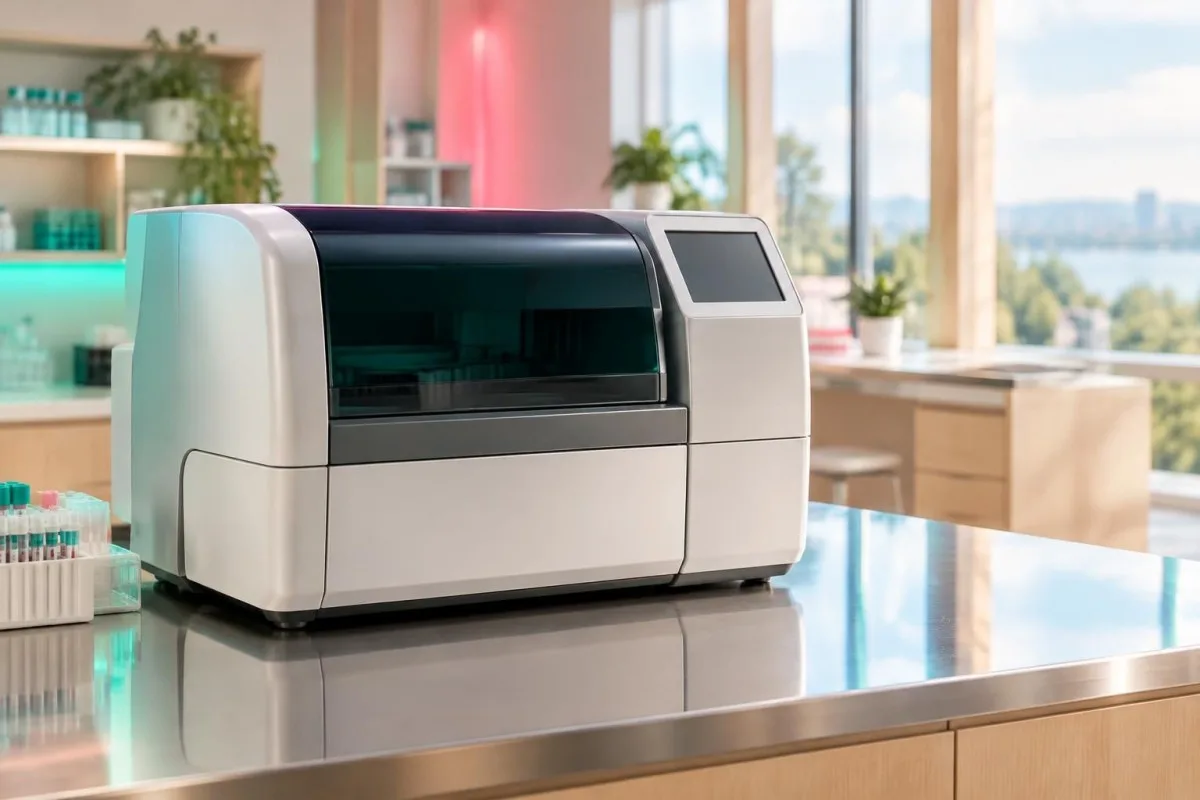
The 2024 American Diabetes Association Standards of Care define diabetes using fasting plasma glucose of at least 126 mg/dL, or 7.0 mmol/L, or other diagnostic criteria that require appropriate confirmation. A glucose of 150 mg/dL after breakfast is not equivalent to a fasting glucose of 150 mg/dL.
A hypothetical 52-year-old with a fasting glucose of 128 mg/dL on two separate days may warrant diabetes evaluation, while a single non-fasting value of 128 mg/dL may simply reflect a recent meal. The reason context matters is that glucose absorption, insulin release, stress hormones, and physical activity all change the number.
Marked thirst, frequent urination, vomiting, confusion, or a very high home glucose reading needs clinical advice rather than online interpretation. Our high glucose symptoms guide describes warning patterns that should not wait for a routine appointment.
Fasting before cholesterol and triglycerides
Fasting is sometimes requested for a lipid panel because triglycerides rise after eating, but many cholesterol tests remain clinically useful without fasting. The strongest reason to reschedule is usually a specific triglyceride or metabolic question, not the mere presence of total cholesterol testing.
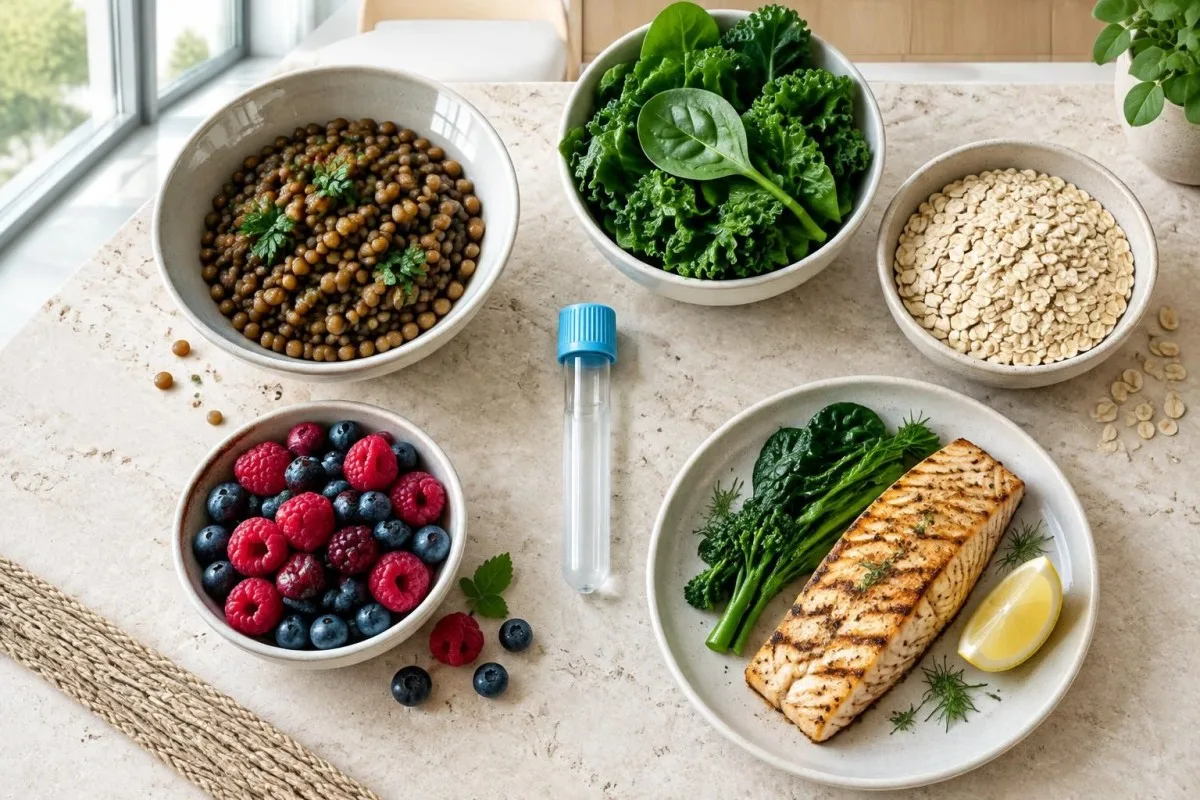
The 2016 European consensus statement by Nordestgaard and colleagues concluded that non-fasting lipid profiles are generally suitable for routine cardiovascular risk assessment, while fasting can help when triglycerides are very high or a metabolic disorder is being evaluated. A non-fasting triglyceride result above about 400 mg/dL, or 4.5 mmol/L, commonly prompts a fasting repeat.
A meal can make triglycerides rise noticeably for several hours, while calculated LDL cholesterol may become less reliable when triglycerides are high. The 2018 AHA/ACC cholesterol guideline also supports using the full clinical context rather than treating one lipid value as an isolated diagnosis.
For example, triglycerides of 310 mg/dL after a large meal are not interpreted like fasting triglycerides of 310 mg/dL, particularly if pancreatitis risk or inherited lipid disease is being considered. See our borderline triglyceride guide for repeat-testing decisions.
Which tests usually do not need fasting
Many routine tests do not require fasting, including a complete blood count, thyroid tests, and electrolytes, although a bundled order may contain one fasting-sensitive measurement. The exact test names and laboratory protocol matter more than the phrase metabolic panel alone.
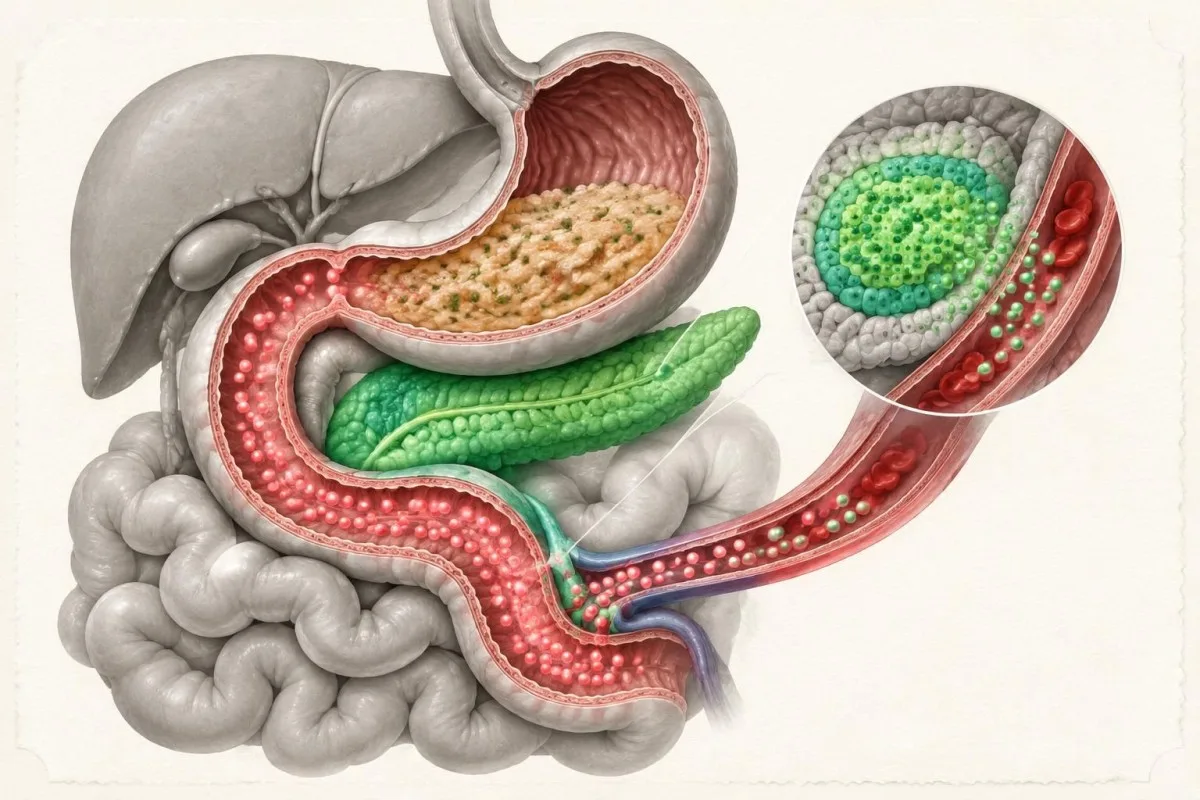
A complete blood count generally measures cellular elements that are not meaningfully altered by one ordinary meal, while sodium and potassium are primarily influenced by fluid balance, kidney handling, and medications. Fasting is therefore often unnecessary for those tests unless another test on the same order requires it.
Liver enzymes such as ALT and AST do not usually require fasting, but alcohol, strenuous exercise, and a recent illness can affect them. Iron, vitamin B12, folate, and hormone tests may have separate timing rules; some laboratories prefer morning collection or a pre-dose sample even when calories are not the main concern.
Kantesti can distinguish test names within a combined report, but it should not infer that every analyte shared one preparation protocol. Our complete biomarker reference is useful when an order contains chemistry, haematology, endocrine, and nutritional markers together.
Children, pregnancy, and older adults
Children, pregnant people, and older adults may need modified fasting instructions because prolonged food restriction can cause dizziness, dehydration, or low glucose more quickly. A routine 8–12-hour adult instruction should not be transferred automatically to every age or clinical situation.
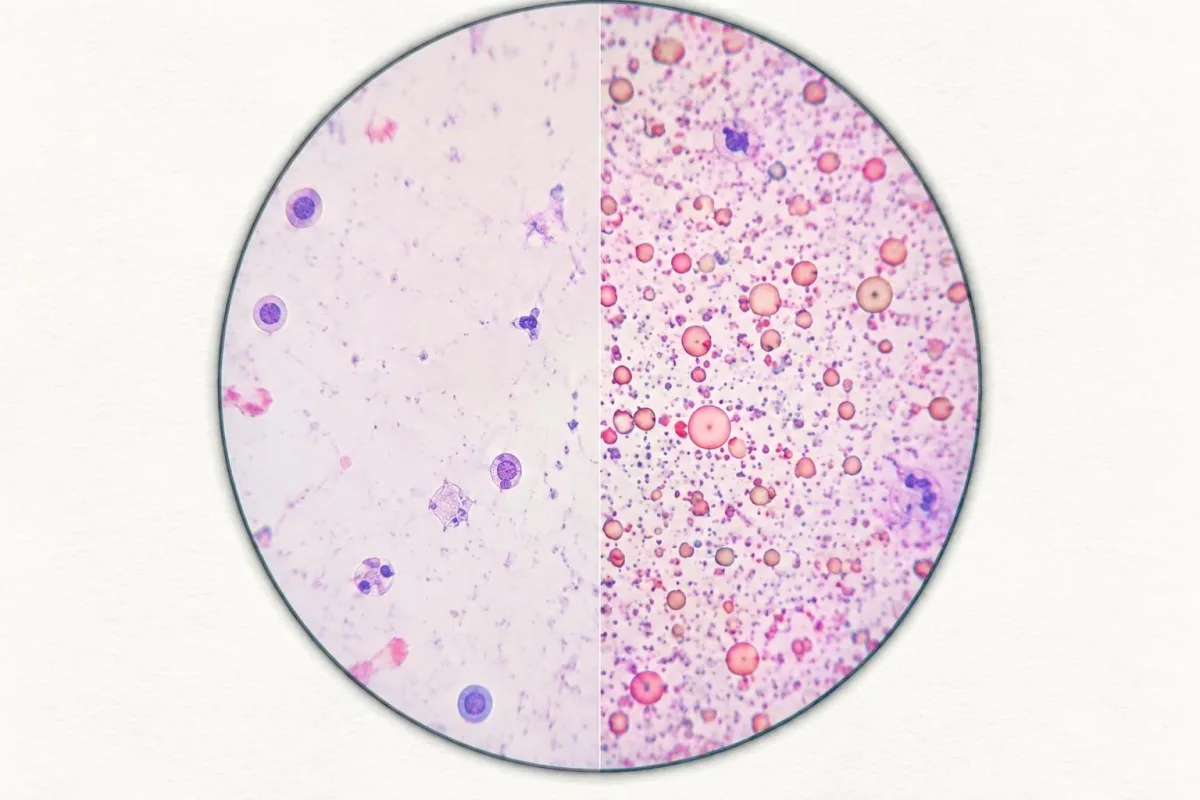
Young children may be scheduled early to shorten fasting, while infants often follow a dedicated feeding protocol set by the laboratory or clinician. A child who becomes pale, sleepy, or unusually irritable during fasting should be assessed promptly rather than pushed toward a longer interval.
Pregnancy can increase nausea and the risk of feeling faint during prolonged fasting, while diabetes in pregnancy may require especially precise glucose testing. Older adults with kidney disease, frailty, or glucose-lowering treatment may also need hydration and medication instructions that differ from a healthy adult's 10-hour fast.
If a person cannot safely fast, the clinician may choose a non-fasting test, a different appointment time, or a supervised protocol. Our children's blood-test safety guide explains why age and clinical context limit automated interpretation.
How to prepare the night before
The night before fasting labs, eat a normal meal, stop calories at the instructed time, drink plain water, and avoid unusual alcohol intake or strenuous exercise. Preparation should create a typical baseline, not a crash diet or an artificially prolonged fast.
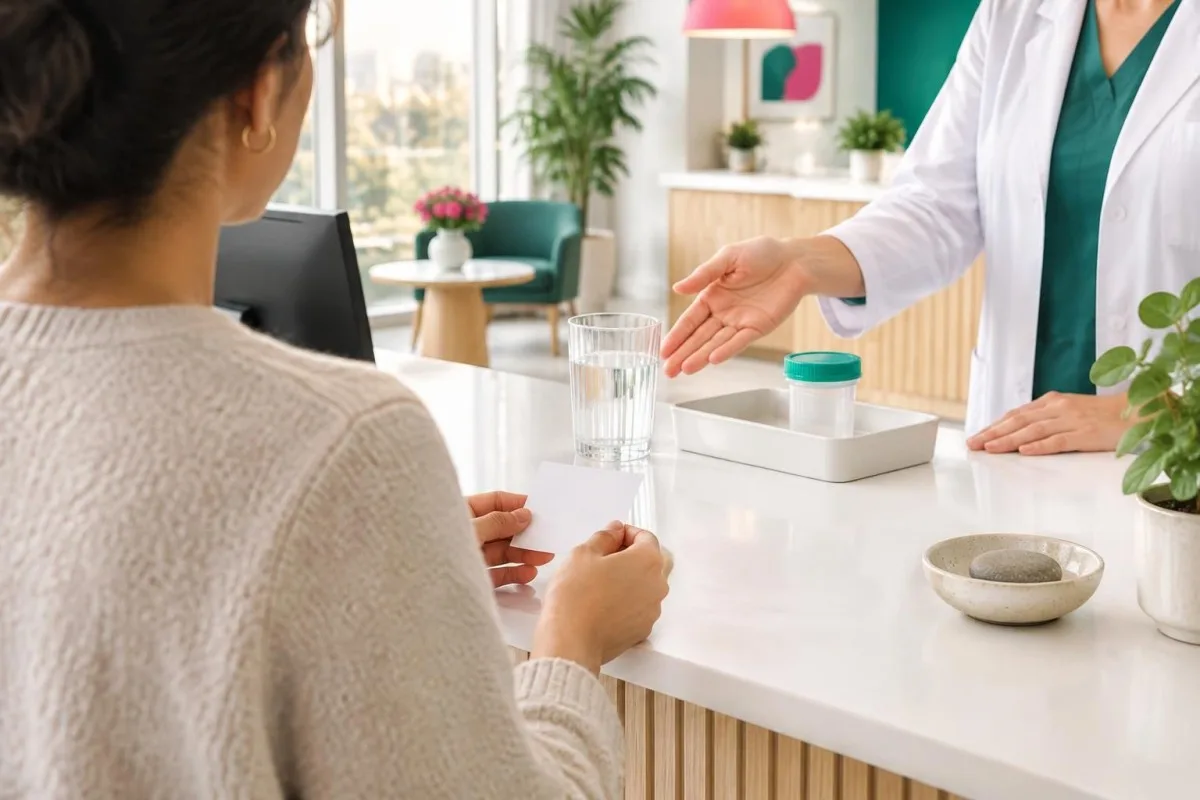
A balanced evening meal 8–12 hours before collection is usually preferable to a very fatty feast or an unusually low-carbohydrate meal. Large alcohol intake can affect triglycerides, liver enzymes, hydration, and glucose beyond the fasting interval, so avoiding alcohol for at least 24 hours is a prudent preparation when the laboratory agrees.
Make a short checklist: last calories, water allowed, medicine plan, appointment time, and transport if dizziness is possible. Keep the morning calm because a rushed commute, a hard workout, or 30 minutes of vigorous activity can add biological variation unrelated to the condition being investigated.
People who travel across time zones may need to follow elapsed hours rather than local clock labels. Our პირველი ჩასხმის მომზადების ჩამონათვალი helps record these practical details before a baseline result is created.
What happens on the collection morning
On collection morning, tell the staff your last calorie time, water intake, medicines, supplements, and any symptoms. The laboratory can then document whether the intended fasting condition was achieved and decide whether a delayed or repeat test is safer.
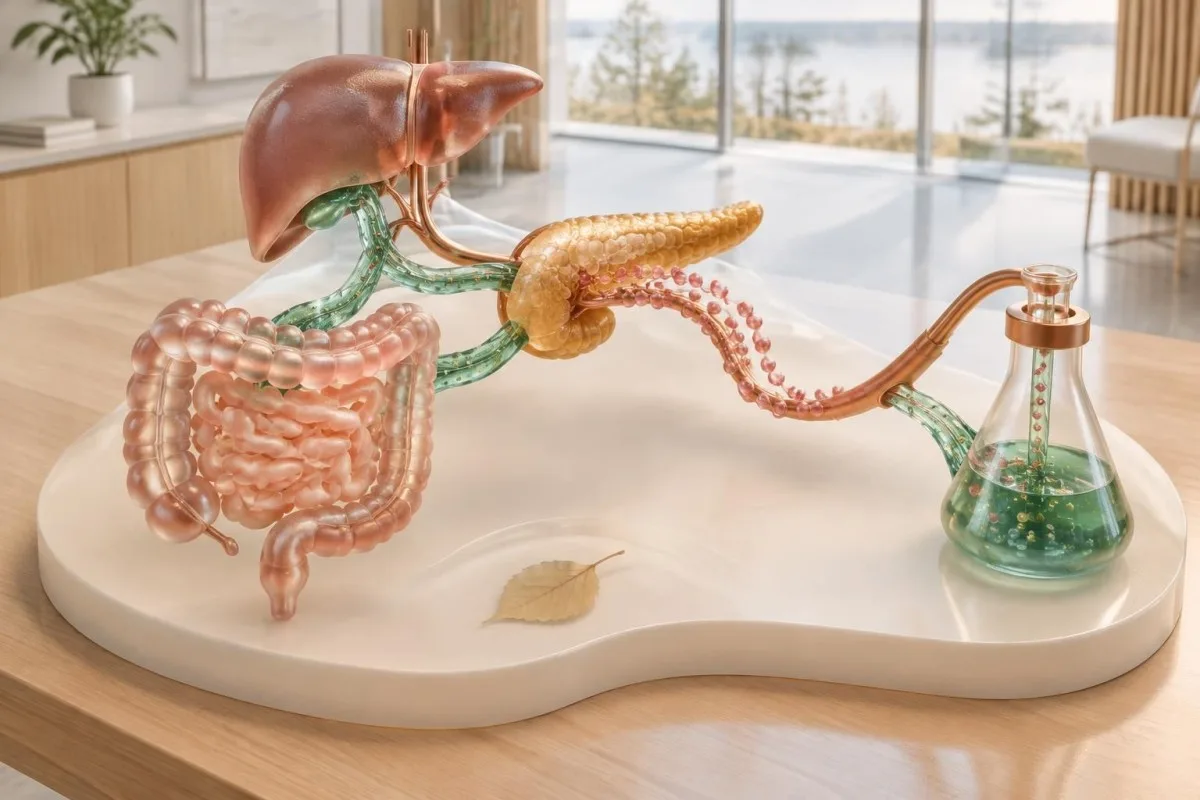
A sample collection appointment may take only a few minutes, but the preparation history can change interpretation for 24 hours or longer. If the appointment is delayed by 2 hours, tell staff because a planned 10-hour fast may become a 12-hour fast, which matters more for some patients than others.
After collection, eat and drink normally unless another procedure requires restriction. If you feel faint, inform staff immediately; sitting or lying safely under supervision is more appropriate than trying to walk away while fasting, especially after a 12-hour interval.
Do not judge a result from the number alone: compare it with collection time, fasting status, units, reference interval, and medication timing. Kantesti's AI სისხლის ანალიზის ტრენდის ანალიზატორი can help compare repeated results when those contextual fields are available.
How fasting status affects interpretation
Fasting status is a clinical context field, not a result by itself, and it can determine whether a reference interval applies. A glucose, triglyceride, or insulin value without collection-time information may be impossible to classify confidently.
Reference intervals are usually built under defined conditions, but laboratories do not all use identical methods or populations. Two laboratories may report different triglyceride ranges or glucose flags because of assay design, calibration, and local policy; use the interval printed beside your own result.
A fasting glucose of 110 mg/dL, or 6.1 mmol/L, may fall into an impaired-fasting-glucose category in some guidance, while the same number after a meal has a different meaning. Clinicians disagree about some borderline thresholds and often repeat the test, use HbA1c, or evaluate symptoms rather than making a decision from one borderline value.
კანტესტი არის AI ლაბორატორიული ტესტის ინტერპრეტაციის სერვისზე that can summarize patterns across reports when fasting status and dates are present, while the ordering clinician remains responsible for diagnosis. Our სამედიცინო ვალიდაციის ინფორმაცია describes why automated interpretation should be treated as decision support rather than a substitute for clinical review.
When to call before the appointment
Call the laboratory or ordering clinician before testing if the order is unclear, you take glucose-lowering medicine, you are pregnant, you cannot fast safely, or you already consumed calories. A 5-minute clarification can prevent an unnecessary repeat collection or a dangerous medication mistake.
Ask four direct questions: how many hours, whether plain water is allowed, whether each medicine should be taken, and what to do if you eat. Written instructions are particularly valuable when the order includes a glucose tolerance test, therapeutic drug level, endocrine test, or a medicine that must be taken with food.
Urgent symptoms change the priority from preparation to care. Severe confusion, fainting, persistent vomiting, chest pain, severe shortness of breath, or suspected glucose below 70 mg/dL requires prompt medical assessment rather than waiting for a fasting appointment.
For technical questions about Kantesti's data handling or report workflow, the ნდობის ცენტრი explains our privacy, safety, and responsible-use approach. Medical questions about whether to postpone or alter a test still belong with the laboratory or prescribing clinician.
The practical plan for a fasting order
The practical plan is simple: confirm the fasting duration, stop calories for the requested 8–12 hours, drink plain water, follow individualized medication advice, and report any food or drink before collection. Fasting improves comparability for selected tests, but it is not a universal requirement for every laboratory measurement.
The most useful record includes the last calorie time, collection time, water or caffeine intake, exercise, medicines, supplements, and symptoms. These details can explain why two glucose results taken 7 days apart differ by 18 mg/dL without implying that the underlying disease suddenly changed.
A fasting instruction should never lead someone with diabetes, frailty, pregnancy-related nausea, or a history of fainting to continue without advice. If conditions change, the safest action is to call the laboratory and ordering team, document the answer, and follow the revised plan rather than guessing.
კანტესტი არის AI ბიომარკერების ინტერპრეტაციის პლატფორმა designed to connect laboratory numbers with timing, units, trends, and related results; it does not authorize medication changes or replace urgent care. For a deeper explanation of how our neural network handles laboratory context, read the AI ტექნოლოგიის გზამკვლევი.
ხშირად დასმული კითხვები
რას ნიშნავს ლაბორატორიული კვლევის დანიშნულებაში მითითება „უზმოზე“?
ჩვეულებრივ, „უზმოზე ყოფნა აუცილებელია“ ნიშნავს, რომ ლაბორატორიული ნიმუშის აღებამდე 8–12 საათის განმავლობაში არ უნდა მიიღოთ საკვები ან კალორიული სასმელები. ჩვეულებრივი წყლის დალევა, როგორც წესი, ნებადართულია, თუმცა ყავამ, რძემ, წვენმა, დამატკბობლებმა, საღეჭმა რეზინმა და დანამატებმა შეიძლება მკაცრი შიმშილის რეჟიმი დაარღვიოს. დანიშნული მედიკამენტების მიღება ავტომატურად არ უნდა შეწყვიტოთ, რადგან ინსულინის, კრუნჩხვის საწინააღმდეგო მედიკამენტებისა და სტეროიდების, ისევე როგორც სხვა მკურნალობის შემთხვევაში, ინდივიდუალური მითითებებია საჭირო. თუ უკვე ჭამეთ, აცნობეთ ლაბორატორიას, რომელ საათზე და რა მიიღეთ.
შეიძლება თუ არა უზმოზე სისხლის ანალიზის ჩატარებამდე წყლის დალევა?
Plain water is usually permitted before fasting blood tests, including after an overnight fast of about 8–12 hours. Normal hydration can make sample collection easier and is generally less disruptive than dehydration. Avoid flavoured water, electrolyte drinks, juice, milk, and sweetened beverages because they may contain calories or glucose. People with heart or kidney disease should follow their clinician's fluid advice rather than forcing large amounts of water.
შეიძლება თუ არა უზმოზე ჩასატარებელ ანალიზებამდე შავი ყავის დალევა?
Black coffee may contain very few calories, but it can still affect hormones, sympathetic activity, gastrointestinal function, or glucose in some people, so it may not meet a laboratory's strict fasting instruction. The safest choice is plain water during the final 8–12 hours. Coffee with milk, cream, sugar, or syrup clearly adds calories and breaks the fast. Ask the laboratory if its protocol specifically permits black coffee.
Should I take medications before fasting blood work?
Medication instructions before fasting blood work depend on the medicine, test, dose, and collection time. Essential prescriptions are often taken with a small amount of water, but diabetes medicines, levothyroxine, steroids, anticoagulants, and therapeutic drug levels may require special timing. Do not stop or change a medicine on your own, even after an 8–12-hour fast. Contact the ordering clinician or laboratory before the appointment for written instructions.
What should I do if I ate before a fasting lab test?
Tell the laboratory what you ate and the exact time, rather than hiding it or automatically fasting for another 16–24 hours. The team may perform tests unaffected by food and reschedule glucose, insulin, or triglyceride measurements that require standardized conditions. A meal can raise glucose within minutes and triglycerides for several hours, but the effect depends on the food and the individual. Do not change diabetes medication without medical advice.
How long do I need to fast before a cholesterol test?
Many lipid tests can be performed after an ordinary meal, but a laboratory may request 9–12 hours of fasting when triglycerides, inherited lipid disease, or a metabolic disorder is being evaluated. Non-fasting lipid testing is often clinically useful for routine cardiovascular risk assessment. A triglyceride result above about 400 mg/dL, or 4.5 mmol/L, commonly leads to a fasting repeat. Follow the specific instruction on your order because laboratories use different protocols.
მიიღეთ სისხლის ანალიზის შედეგების ახსნა
ატვირთეთ თქვენი ლაბორატორიული ანგარიში და Kantesti-ის AI რამდენიმე წამში თითოეულ ბიომარკერს მარტივი ენით აგიხსნით. მას მსოფლიოში 2 მილიონზე მეტი ადამიანი იყენებს.
ცნობები
- Klein, T., Mitchell, S., & Weber, H. (2026). მრავალენოვანი AI-ის დახმარებით კლინიკური გადაწყვეტილებების მხარდაჭერა ჰანტავირუსის ადრეული ტრიაჟისთვის: დიზაინი, საინჟინრო ვალიდაცია და რეალურ პირობებში დანერგვა 50,000 ინტერპრეტირებულ სისხლის ანალიზის ანგარიშზე დაყრდნობით. Kantesti AI-ის სამედიცინო კვლევა. DOI
- Klein, T., Mitchell, S., & Weber, H. (2026). Kantesti სისხლის-ტესტის ინტერპრეტაციის ძრავის პრე-რეგისტრირებული, რუბრიკაზე დაფუძნებული ავტომატიზებული ტექნიკური ბენჩმარკი 100,000 სინთეზურ ტესტ-შემთხვევაზე. Kantesti AI-ის სამედიცინო კვლევა. DOI
- ამერიკის დიაბეტის ასოციაციის პროფესიული პრაქტიკის კომიტეტი (2024). 2. დიაბეტის დიაგნოსტიკა და კლასიფიკაცია: დიაბეტის მოვლის სტანდარტები — 2024. Diabetes Care. DOI
- Nordestgaard BG და სხვ. (2016). Fasting Is Not Routinely Required for Determination of a Lipid Profile: Clinical and Laboratory Implications Including Flagging at Desirable Concentration Cut-Points—A Joint Consensus Statement from the European Atherosclerosis Society and European Federation of Clinical Chemistry and Laboratory Medicine. ევროპის გულის ჟურნალი. DOI PubMed
- გრანდი ს.მ. და სხვ. (2019). 2018 წლის AHA/ACC/AACVPR/AAPA/ABC/ACPM/ADA/AGS/APhA/ASPC/NLA/PCNA-ის სახელმძღვანელო სისხლში ქოლესტერინის მართვის შესახებ. ცირკულაცია. DOI PubMed
- 2 მილიონი+გაანალიზებული ტესტები
- 127+ქვეყნები
- 100+ენები
სამედიცინო გუნდის შესახებ


E-E-A-T სანდოობის სიგნალები
გამოცდილება
ექიმის ხელმძღვანელობით კლინიკური მიმოხილვა ლაბორატორიული ინტერპრეტაციის სამუშაო პროცესებზე.
ექსპერტიზა
ლაბორატორიული მედიცინის აქცენტი იმაზე, როგორ იქცევიან ბიომარკერები კლინიკურ კონტექსტში.
ავტორიტეტულობა
სამედიცინო თვალსაზრისით რეცენზირებულია დოქტორ თომას კლაინის მიერ, დოქტორ სარა მიტჩელისა და პროფესორ ჰანს ვებერის მონაწილეობით.
სანდოობა
მტკიცებულებებზე დაფუძნებული ინტერპრეტაცია, მკაფიო შემდგომი ნაბიჯებით, რათა შემცირდეს განგაშის დონე.


სამედიცინო პასუხისმგებლობის შეზღუდვის განცხადება
ეს სტატია მხოლოდ საგანმანათლებლო მიზნებისთვისაა და არ წარმოადგენს სამედიცინო რჩევას. დიაგნოზისა და მკურნალობის გადაწყვეტილებებისთვის ყოველთვის მიმართეთ კვალიფიციურ ჯანდაცვის სპეციალისტს.
გამოქვეყნდა · დაუკავშირდით სარედაქციო გუნდს
გამოქვეყნებულია Kantesti Ltd-ის მიერ, რეგისტრირებულია ინგლისსა და უელსში, კომპანიის №. 17090423, ლონდონი, გაერთიანებული სამეფო.
