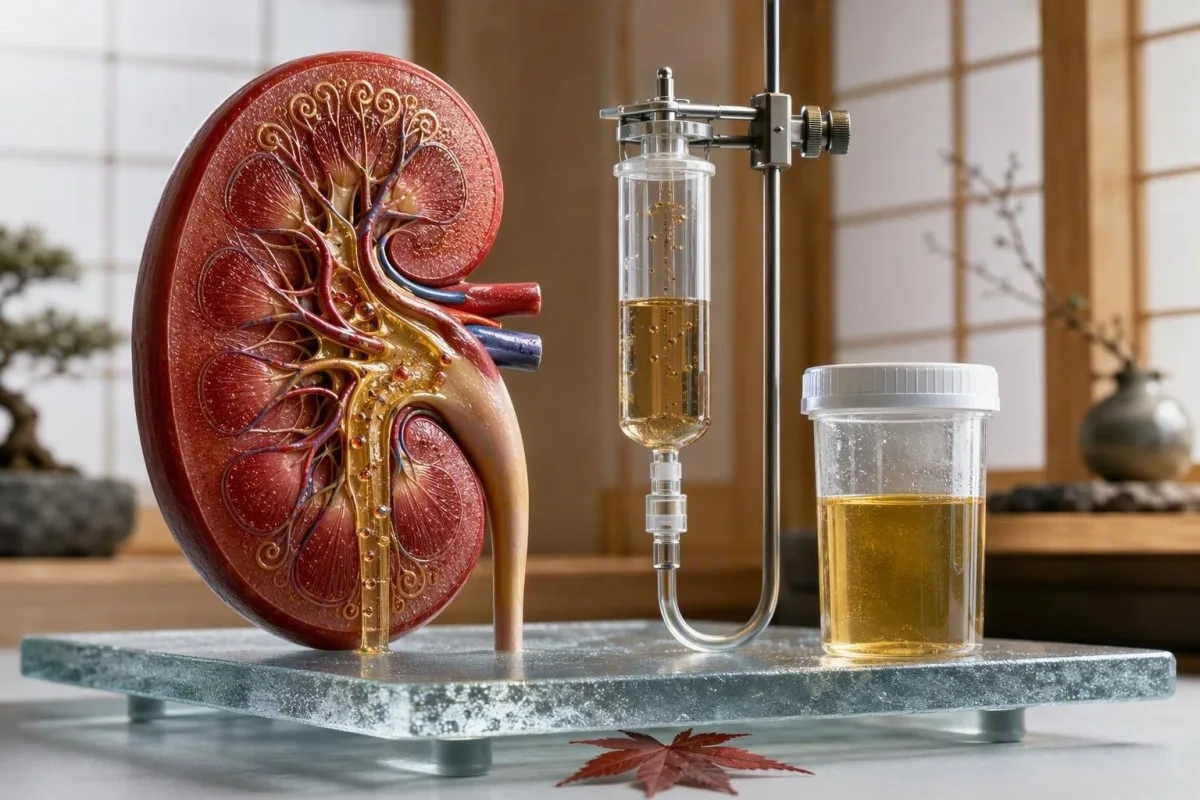
SIADH არის ნიმუშის დიაგნოზი, არა ერთი არანორმალური შედეგი. სასარგებლო მინიშნებები მიიღება დაახლოებით იმავე დროს აღებული სისხლისა და შარდის ნიმუშებიდან, შემდეგ კი ინტერპრეტირდება მედიკამენტებთან, ფარისებრი ჯირკვლის ფუნქციასთან, კორტიზოლთან და მოცულობის სტატუსთან ერთად.


- ჭეშმარიტი ჰიპოტონური ჰიპონატრიემია ნიშნავს, რომ შრატის ნატრიუმი არის 135 მმოლ/ლ-ზე დაბლა და გაზომილი შრატის ოსმოლალობა ჩვეულებრივ 275 მ mobilité/კგ-ზე დაბლაა.
- SIADH შარდის ოსმოლალობა შეუსაბამოდ აღემატება 100 მ mobilité/კგ-ს შრატის დაბალი ოსმოლალობის მიუხედავად; თირკმელები ინარჩუნებენ წყალს, როდესაც მათ უნდა გამოიმუშაონ განზავებული შარდი.
- შარდის ნატრიუმი 30 მ mobilité/ლ-ზე მეტი მხარს უჭერს SIADH-ს მხოლოდ დიურეზულების, თირკმელზედა ჯირკვლის უკმარისობის, ფარისებრი ჯირკვლის დაავადებისა და კლინიკურად აშკარა სითხის დეფიციტის გამორიცხვის შემდეგ.
- დეჰიდრატაციის ნიმუში ჩვეულებრივ იწვევს კონცენტრირებულ შარდს შარდის ნატრიუმით 30 მ mobilité/ლ-ზე ნაკლები, მომატებული შარდოვანას ან BUN, და შემცირებული მიმოქცევის მოცულობის ნიშნები.
- თირკმელზედა ჯირკვლის უკმარისობა შეიძლება გამოიყურებოდეს თითქმის იდენტურად SIADH-ს, ამიტომ დილის დაბალი კორტიზოლი ან ორაზროვანი შედეგი საჭიროებს სასწრაფო კლინიკურ შემდგომ შეფასებას SIADH-ის დიაგნოსტირებამდე.
- მძიმე სიმპტომები როგორიცაა კრუნჩხვები, დაბნეულობა, განმეორებითი ღებინება ან ცნობიერების დაქვეითება დაბალი ნატრიუმით მოითხოვს სასწრაფო დახმარებას; მკურნალობა არ უნდა დაელოდოს ონლაინ ინტერპრეტაციას.
- კორექციის უსაფრთხოება საკითხები: ქრონიკული ჰიპონატრიემიის დროს, შრატის ნატრიუმის დონე არ უნდა გაიზარდოს 8 მმოლ/ლ-ზე მეტი 24-საათიან პერიოდში ოსმოსური დემიელინაციის რისკის მქონე პაციენტებისთვის.
- დრო მნიშვნელოვანია ვინაიდან ინტრავენური ნატრიუმის ქლორიდის ხსნარის ინფუზიამ, შარდმდენმა დოზამ ან რამდენიმე ლიტრმა წყალმა შეიძლება შეცვალოს შარდის ნატრიუმი და ოსმოლალობა საათების განმავლობაში.
რატომ საჭიროებს SIADH სისხლისა და შარდის შეწყვილებული ტესტირებას
A SIADH სისხლის ანალიზი არის დაბალი შრატის ნატრიუმი დაბალი შრატის ოსმოლალობით, შერწყმული შარდთან, რომელიც რჩება ზედმეტად კონცენტრირებული და შედარებით მდიდარი ნატრიუმით. პრაქტიკული თვალსაზრისით, ორგანიზმს აქვს ზედმეტი წყალი ნატრიუმთან მიმართებაში, რადგან ანტიდიურეზული ჰორმონის აქტივობა ნორმალურად არ ითიშება; ნატრიუმის მხოლოდ ერთი მაჩვენებელი ვერ ადასტურებს ამას.
შრატის ნატრიუმი ქვემოთ 135 მმოლ/ლ განსაზღვრავს ჰიპონატრიემიას, მაგრამ ნატრიუმი არის კონცენტრაცია და არა სხეულში არსებული მთლიანი ნატრიუმის საზომი. ადამიანს შეიძლება ჰქონდეს დაბალი ნატრიუმი წყლის შეკავების, მარილის დაკარგვის, მაღალი გლუკოზის, ლაბორატორიული არტეფაქტის ან ამ მდგომარეობების კომბინაციის გამო; ჩვენი სახელმძღვანელო დაბალი ნატრიუმის სიმპტომებზე ხსნის, თუ რატომ არის სიმპტომების სიმძიმე ხშირად დამოკიდებული დაცემის სიჩქარეზე და არა ზუსტ რიცხვზე.
პირველი სასარგებლო განშტოება არის შრატის ოსმოლალობის გაზომვა: 275 მმოსმ/კგ-ზე ნაკლები მიუთითებს ჰიპოტონურ ჰიპონატრიემიაზე, იმ გარემოზე, სადაც განიხილება SIADH. დოქტორ თომას კლაინის კლინიკური წესი მარტივია: არასოდეს დაასვათ SIADH-ის დიაგნოზი ბაზისური მეტაბოლური პანელის საფუძველზე გლუკოზის, ტრიგლიცერიდების, მთლიანი ცილის და, იდეალურად, გაზომილი ოსმოლალობის შემოწმებამდე.
კანტესტი არის AI სისხლის ტესტის ანალიზატორი რომელიც განიხილავს ნატრიუმს, გლუკოზას, შარდოვანას, კრეატინინს და შარდის შესაბამის მაჩვენებლებს, როგორც ერთ ფიზიოლოგიურ პრობლემას, ნიშნების კრებულის ნაცვლად. ჩვენს მიმოხილვებში ყველაზე საშიში შეცდომაა ნატრიუმის 122 მმოლ/ლ-ის შემდეგ დამშვიდება, როდესაც ანგარიშში არ არის თანამედროვე შარდის კვლევები ან სიმპტომების ისტორია; ჩვენი კლინიკური გამოყენების შემთხვევები აჩვენებს, თუ რატომ ცვლის დაკარგული კონტექსტი მომდევნო ნაბიჯს.
რა სინამდვილეში ნიშნავს SIADH
SIADH ნიშნავს არაადეკვატური ანტიდიურეზის სინდრომს, ისტორიულად ცნობილი როგორც არაადეკვატური ანტიდიურეზული ჰორმონის სეკრეცია. სინდრომი შეიძლება გამოწვეული იყოს მედიკამენტებით, გულისრევით, ფილტვების ან ცენტრალური ნერვული სისტემის დარღვევებით, ტკივილით, პოსტოპერაციული სტრესით და ზოგჯერ ავთვისებიანი სიმსივნეებით; ლაბორატორიული ნიმუში განსაზღვრავს წყლის მეტაბოლიზმს, არა ძირითად გამომწვევს.
შრატის ნატრიუმი და ოსმოლალობა: ჭეშმარიტი წყლის ჭარბის დადასტურება
შრატის ოსმოლალობა 275 მმოსმ/კგ-ზე ნაკლები ნატრიუმით 135 მმოლ/ლ-ზე ნაკლები ადასტურებს ჰიპოტონურ ჰიპონატრიემიას, მაგრამ ის თავისთავად არ განსაზღვრავს SIADH-ს. ნორმალური ან მაღალი ოსმოლალობა ექიმებს მიმართავს გლუკოზის, მანიტოლის, კონტრასტული აგენტების, ალკოჰოლის ან ფსევდოჰიპონატრიემიისკენ.
უმეტესი ლაბორატორიები იუწყებიან გამოთვლილ ოსმოლალობას, რომელიც ჩვეულებრივ შეფასებულია როგორც 2 × ნატრიუმი + გლუკოზა + შარდოვანა მმოლ/ლ-ში, მაგრამ გაზომილი ოსმოლალობა სასურველია, როდესაც დიაგნოზი გაურკვეველია. გაზომილ და გამოთვლილ მნიშვნელობებს შორის არსებითი სხვაობა შეიძლება გამოავლინოს გაუზომავი ოსმოლები; ეს არის ერთ-ერთი მიზეზი, რის გამოც ნატრიუმის შედეგი შეიძლება იყოს კლინიკურად რეალური, მაგრამ არ წარმოადგენდეს SIADH-ს.
გლუკოზა დაახლოებით 13.9 მმოლ/ლ (250 მგ/დლ) ამცირებს გაზომილ ნატრიუმს წყლის უჯრედებიდან პლაზმაში გადაადგილებით. ხშირად გამოყენებული კორექცია არის დაახლოებით 1.6-დან 2.4 მმოლ/ლ ნატრიუმის დამატება ყოველ 5.6 მმოლ/ლ (100 მგ/დლ) გლუკოზაზე 5.6 მმოლ/ლ-ზე მეტი, თუმცა ექიმები კამათობენ ზუსტ ფაქტორზე ძალიან მაღალი გლუკოზის დროს.
ძალიან მაღალმა ტრიგლიცერიდებმა ან პარაპროტეინებმა შეიძლება გამოიწვიოს ფსევდოჰიპონატრიემია არაპირდაპირი იონ-სელექტიური ანალიზებით, ხოლო გაზომილი ოსმოლალობა ნორმალური რჩება. შეადარეთ ნატრიუმის შედეგი ძირითადი მეტაბოლური პანელი და იკითხეთ, იყენებდა თუ არა ლაბორატორია პირდაპირ ან არაპირდაპირ ელექტროდს, სანამ წყლის ბალანსის დარღვევას ჩათვლიდით.
SIADH შარდის ოსმოლალობა: თირკმლის მინიშნება, რომელიც ცვლის საქმეს
შარდის ოსმოლალობა 100 mOsm/kg-ზე მეტი ჰიპოტონურ პაციენტში ნიშნავს, რომ ანტიდიურეზული ჰორმონის აქტივობა არსებობს. SIADH-ში შარდის ოსმოლალობა ხშირად არის 200-დან 600 mOsm/kg-მდე, თუმცა შარდის არც ერთი ცალკეული მნიშვნელობა არ არის დიაგნოსტიკური.
შარდის ოსმოლარობა 100 mOsm/kg ან ნაკლები მიუთითებს თითქმის მაქსიმალურად განზავებულ შარდზე და ნაკლებად სავარაუდოს ხდის SIADH-ს. ეს ნიმუში შეესაბამება პირველად პოლიდიფსიას ან დაბალი კონცენტრაციის შემცველობის მიღებას, როდესაც წყლის მიღება აღემატება თირკმელების მიერ თავისუფალი წყლის გამოყოფის უნარს; განსაკუთრებით აქტუალურია იმ ადამიანებში, რომლებიც მოიხმარენ ძალიან ცოტა ცილასა და მარილს.
აქ არის ეწინააღმდეგებოდა ინტუიციას: შარდის კონცენტრაცია ავტომატურად არ ნიშნავს დეჰიდრატაციას. როგორც ჰიპოვოლემია, ასევე SIADH ზრდის ანტიდიურეზული ჰორმონის დონეს, მაგრამ დეჰიდრატაცია ამას სათანადოდ აკეთებს მიმოქცევის შესანარჩუნებლად, ხოლო SIADH ამას აკეთებს კლინიკურად ადეკვატური ეფექტური არტერიული მოცულობის მიუხედავად.
ჰიპონატრიემიის ევროპული რეკომენდაცია გვირჩევს შარდის ოსმოლალობას, როგორც ადრეულ დისკრიმინატორს, რადგან მოცულობის ფიზიკური შეფასება ხშირად არასანდოა (Spasovski et al., 2014). წაიკითხეთ ჩვენი უფრო ღრმა ახსნა შარდის ოსმოლარობის ტესტი თუ თქვენი ანგარიში იყენებს mOsm/kg-ს ნაცვლად ცალკეული სითხის სპეციფიკური სიმძიმის დიპსტიკისა.
რატომ შეიძლება ცალკეული შარდის ნიმუში იყოს მცდარი
შარდის ოსმოლალობა შეიძლება სწრაფად შემცირდეს გულისრევის შემდგომ, ტკივილის კონტროლის შემდეგ ან შემაწუხებელი მედიკამენტის შეწყვეტის შემდეგ. თუ შარდი შეგროვდა ინტრავენური სითხის შემდეგ, მარყუჟის შარდმდენის შემდეგ ან სისხლის ნიმუშის აღებიდან რამდენიმე საათში, მე მას მტკიცებულების ნაცვლად მინიშნებად ვთვლი.
შარდის ნატრიუმი: SIADH დეჰიდრატაციის და დაბალი ეფექტური მოცულობის წინააღმდეგ
შარდის ნატრიუმი 30 mmol/L-ზე მეტი მხარს უჭერს SIADH-ს ჰიპოტონურ ჰიპონატრიემიაში, როდესაც საკვების მარილის მიღება ჩვეულია და შარდმდენები არ არის. შარდის ნატრიუმი 30 mmol/L-ზე ნაკლები უფრო ხშირად მიუთითებს თირკმელების ნატრიუმის კონსერვაციაზე ღებინების, დიარეის, ოფლიანობის, გულის უკმარისობის, ციროზის ან ნამდვილი დეჰიდრატაციის გამო.
არასტანდარტული SIADH-ის შემთხვევაში თირკმელები არ არიან ნატრიუმზე დამოკიდებული, ამიტომ შარდის ნატრიუმი ხშირად არის 30 მმოლ/ლ-ზე ზემოთ და შეიძლება აღემატებოდეს 60 mmol/L-ს. შარდოვანა ხშირად დაბალია, ხოლო შრატის შარდმჟავა შეიძლება იყოს 4 მგ/დლ-ზე (0.24 mmol/L) ქვემოთ, რადგან მსუბუქი მოცულობის გაფართოება ზრდის შარდმჟავას კლირენსს.
68 წლის პაციენტს, რომელიც იღებს ჰიდროქლორთიაზიდს, შეიძლება ჰქონდეს შარდის ნატრიუმი 55 mmol/L და შარდის კონცენტრაცია კუჭის ვირუსის შემდეგ; ეს არ ადასტურებს SIADH-ს. თიაზიდთან ასოცირებული ჰიპონატრიემია შეიძლება მიბაძოს ყველა კლასიკურ ლაბორატორიულ მახასიათებელს, ამიტომ მედიკამენტების სია არ არის ადმინისტრაციული დეტალი, არამედ დიაგნოსტიკური მონაცემები.
შარდის ნატრიუმი ნაკლებად სანდოა შარდმდენების შემდეგ, თირკმელების დაავადების მოწინავე სტადიაში ან ძალიან დაბალი დიეტური ნატრიუმის შემთხვევაში. შეადარეთ იგი კრეატინინს, შარდოვანას და ელექტროლიტების პანელი იმის ნაცვლად, რომ 30 mmol/L-ის ზღვარი მკაცრ კედლად მიიჩნიოთ.
შარდმჟავას ფრაქციული ექსკრეცია
შარდოვანას ფრაქციული ექსკრეცია მომატებული 12% შეიძლება მხარი დაუჭიროს SIADH-ს, განსაკუთრებით მაშინ, როდესაც დიურეტიკები ბუნდოვნებს შარდის ნატრიუმს. ის ჩვეულებრივ ნორმალიზდება SIADH-ის კორექციის შემდეგ, ხოლო თირკმლის მარილის დანაკლისის მდგომარეობები მას გაზრდილს ტოვებს; ეს სპეციალისტის სფეროა, მაგრამ შეიძლება სასარგებლო იყოს, როდესაც ისტორია არ ემთხვევა.
როგორ გამოიყურება დეჰიდრატაცია SIADH-ისგან განსხვავებულად ლაბორატორიულ ტესტებზე
დეჰიდრატაცია ჩვეულებრივ იწვევს შარდის კონცენტრაციას დაბალი შარდის ნატრიუმით, შრატის კრეატინინთან შედარებით მომატებული შარდოვანათი და მოცულობის დაკარგვის კლინიკური ნიშნებით. SIADH ასევე ხშირად იწვევს შარდის კონცენტრაციას, მაგრამ პაციენტები ჩვეულებრივ კლინიკურად ევოლემიურები არიან და არ აქვთ იგივე ნატრიუმ-შემნახველი თირკმლის პასუხი.
ღებინების, დიარეის ან ძლიერი ოფლიანობისას, თირკმელი ჩვეულებრივ ამცირებს შარდის ნატრიუმს 20-30 მმოლ/ლ-ზე ნაკლებამდე ხოლო შარდის ოსმოლალობა იზრდება 100 მმ-ოსმ/კგ-ზე მეტით. შარდოვანა შეიძლება გაიზარდოს არაპროპორციულად კრეატინინთან შედარებით, მაგრამ ეს თანაფარდობა დამოკიდებულია ცილის მიღებაზე, კუჭ-ნაწლავის სისხლდენაზე, სტეროიდებზე და ღვიძლის ფუნქციაზე, ამიტომ ის არის დამხმარე და არა საბოლოო.
SIADH-ში არტერიული წნევა და გამოკვლევა შეიძლება ნორმალურად გამოიყურებოდეს, თუმცა დახვეწილი აღმოჩენები მნიშვნელოვანია: არ არის ორთოსტატული სიმპტომები, არ არის მშრალი ლორწოვანი გარსები, არ არის პერიფერიული შეშუპება და არ არის იძულებითი კუჭ-ნაწლავის დანაკარგი. მე მინახავს პაციენტები, რომლებსაც "გაუწყლოვნებულს" უწოდებენ მხოლოდ იმიტომ, რომ მათი შარდი მუქი იყო; შარდის ფერი არის ცუდი შემცვლელი ნატრიუმის ფიზიოლოგიისთვის, როგორც ჩვენი მუქი შარდის სახელმძღვანელო განიხილავს.
ფრთხილი იზოტონური სალინის გამოწვევა შეიძლება დაეხმაროს შერჩეულ მონიტორინგულ პირობებში: ჰიპოვოლემიური ჰიპონატრიემია ტენდენციას აჩვენებს გაუმჯობესებისკენ, რადგან მოცულობა აქვეითებს ანტიდიურეზულ ჰორმონს. SIADH-ში, სალინმა შეიძლება ვერ შეძლოს ნატრიუმის აწევა ან შეიძლება გააუარესოს იგი, როდესაც შარდი ბევრად უფრო კონცენტრირებულია, ვიდრე ინფუზია; ეს არასოდეს არ უნდა იყოს სახლის ექსპერიმენტი.
რატომ შეიძლება სალინმა გააუარესოს SIADH
0.9% სალინის ერთი ლიტრი შეიცავს 154 მმოლ ნატრიუმს, მაგრამ თირკმელი, რომელიც აწარმოებს შარდს 600 მმ-ოსმ/კგ-ზე, შეიძლება გამოყოს ნატრიუმი, ხოლო პროპორციულად მეტი წყალი შეინარჩუნოს. ეს "გამარილების საწინააღმდეგო" ეფექტი ყველაზე სავარაუდოა, როდესაც შარდის ნატრიუმი პლუს კალიუმი მაღალია შრატის ნატრიუმთან შედარებით.
თირკმელზედა ჯირკვლის უკმარისობა: SIADH-ის მიმბაძველი, რომელიც კლინიცისტებმა უნდა გამორიცხონ
თირკმელზედა ჯირკვლის უკმარისობა შეიძლება გამოიწვიოს დაბალი ნატრიუმი, დაბალი შრატის ოსმოლალობა, შარდის ოსმოლალობა 100 მმ-ოსმ/კგ-ზე მეტი და შარდის ნატრიუმი 30 მმოლ/ლ-ზე მეტი — თითქმის იგივე ნიმუში, როგორც SIADH. ამრიგად, კორტიზოლის შეფასება არის უსაფრთხო SIADH-ის კვლევის ნაწილი, განსაკუთრებით დაღლილობის, წონის დაკლების, დაბალი არტერიული წნევის, ჰიპერკალიემიის ან სტეროიდების ზემოქმედებისას.
დილის შრატის კორტიზოლი დაახლოებით 15-18 მიკროგრამი/დლ (414-497 ნმოლ/ლ) ჩვეულებრივ, კლინიკურად მნიშვნელოვან თირკმელზედა ჯირკვლის უკმარისობას ნაკლებად სავარაუდოს ხდის, რაც დამოკიდებულია ანალიზზე და პირობებზე. მნიშვნელობები ქვემოთ 3-5 მიკროგრამი/დლ (83-138 ნმოლ/ლ) არის შემაშფოთებელი, ხოლო შუალედური შედეგები ხშირად საჭიროებს ACTH სტიმულაციის ტესტს, ჭორების ნაცვლად.
პირველადი თირკმელზედა ჯირკვლის უკმარისობა ხშირად იწვევს მაღალ კალიუმს, რადგან ალდოსტერონი დეფიციტურია, მაგრამ მეორადი თირკმელზედა ჯირკვლის უკმარისობას შეიძლება ჰქონდეს ნორმალური კალიუმი და მაინც გამოიწვიოს მძიმე ჰიპონატრიემია. მექანიზმი არის კორტიზოლის დეფიციტი, რომელიც ზრდის ანტიდიურეზული ჰორმონის გამოყოფას, არა უბრალოდ მარილის დანაკარგს.
2013 წლის ექსპერტთა პანელმა, რომელსაც ხელმძღვანელობდა ვერბალისი, ურჩევს თირკმელზედა ჯირკვლის უკმარისობის გამორიცხვას SIADH-ის დასადგენად (Verbalis et al., 2013). თუ ეს შესაძლებლობა თქვენს ანგარიშშია, ჩვენი მიმოხილვა ადისონის დაავადების ლაბორატორიული მინიშნებები შეიძლება დაგეხმაროთ მოამზადოთ მიზანმიმართული კითხვები სასწრაფო კლინიცისტის მიმოხილვისთვის.
სტეროიდული მედიკამენტები ართულებს ტესტირებას
პრედნიზოლონმა, ჰიდროკორტიზონმა და ზოგიერთმა ინექციურმა სტეროიდმა შეიძლება შეცვალოს კორტიზოლის ინტერპრეტაცია და დათრგუნოს თირკმელზედა ჯირკვლის ღერძი. არ შეწყვიტოთ დანიშნული სტეროიდები "სუფთა ტესტის მისაღებად"; მოულოდნელმა მოხსნამ შეიძლება გამოიწვიოს თირკმელზედა ჯირკვლის კრიზი.
ფარისებრი ჯირკვლის ტესტები: როდესაც ჰიპოთირეოზი ნამდვილად ხსნის დაბალ ნატრიუმს
მძიმე ჰიპოთირეოიდიზმმა შეიძლება დაარღვიოს წყლის ექსკრეცია, მაგრამ ჩვეულებრივი სუბკლინიკური ჰიპოთირეოიდიზმი იშვიათად ხსნის მნიშვნელოვან ჰიპონატრიემიას. TSH და თავისუფალი T4 შემოწმდება SIADH-ის დიაგნოზამდე, რადგან ფარისებრი ჯირკვლის ფუნქციის ღრმა უკმარისობა მკურნალობადია და შეიძლება თანაარსებობდეს სხვა მიზეზებთან.
კლინიკურად მნიშვნელოვანი ჰიპოთირეოიდული ჰიპონატრიემია ყველაზე სავარაუდოა მძიმე დაავადების დროს, განსაკუთრებით მიქსედემის ფიზიოლოგიის დროს დაბალი თავისუფალი T4, ბრადიკარდიით, ჰიპოთერმიით ან გულის შემცირებული გამომუშავებით. TSH 6 mIU/L ნორმალური თავისუფალი T4-ით ხშირია და არ უნდა გახდეს მოსახერხებელი ახსნა ნატრიუმის 121 mmol/L-ის გამო.
Kantesti AI არის AI სისხლის ანალიზის განმარტების პლატფორმა რომელიც ადარებს TSH-ს და თავისუფალ T4-ს ნატრიუმთან, თირკმელების ფუნქციასთან და მედიკამენტების მიღების დროთან, რადგან დაფიქსირებული TSH-ის შედეგი შეიძლება ყურადღების გადატანას უფრო გადაუდებელ თირკმელზედა ჯირკვლის ან წამლებთან დაკავშირებულ მიზეზზე. ნორმალური TSH არ გამორიცხავს ცენტრალურ ჰიპოთირეოიდიზმს; დაბალი თავისუფალი T4 არ მომატებული TSH-ით იმსახურებს განსხვავებულ გზას, რომელიც ახსნილია ჩვენს სტატიაში დაბალი თავისუფალი T4 ნორმალური TSH-ით.
ფარისებრი ჯირკვლის შემცვლელი თერაპია უნდა დარეგულირდეს დადგენილი ფარისებრი ჯირკვლის ჩვენებების მიხედვით, და არა როგორც სწრაფი ნატრიუმის სამკურნალო საშუალება. ჩემი გამოცდილებით, ნატრიუმი ხშირად უმჯობესდება მხოლოდ მას შემდეგ, რაც მოგვარდება წყლის შეკავების ჭეშმარიტი მამოძრავებელი მიზეზი - გულისრევა, მედიკამენტები, კორტიზოლის დეფიციტი ან ავადმყოფობა.
ჰიპოფიზის დაავადება ცვლის კვლევას
თავის ტკივილი, მხედველობის ველის სიმპტომები, დაბალი ლიბიდო, აუხსნელი დაბალი არტერიული წნევა ან ჰიპოფიზის მრავალი დაბალი ჰორმონი იწვევს ცენტრალური ჰიპოფიზის დაავადების ეჭვს. ამ სიტუაციაში, შეამოწმეთ კორტიზოლი ლევოთიროქსინის დაწყებამდე, რადგან ფარისებრი ჯირკვლის ჰორმონმა შეიძლება გაზარდოს კორტიზოლის კლირენსი.
ორსულობა, ასაკი და სხეულის ზომის განსხვავებები SIADH ინტერპრეტაციაში
ორსულობა ამცირებს ნორმალურ ოსმოსურ ზღურბლს და შრატის ნატრიუმს დაახლოებით 4-5 mmol/L-ით, ამიტომ ნატრიუმი 130 mmol/L-ის ახლოს შეიძლება იყოს ფიზიოლოგიური ორსულობის დასაწყისში, მაგრამ მაინც საჭიროებს კონტექსტს. ხანდაზმულ ადამიანებს აქვთ მედიკამენტებთან დაკავშირებული ჰიპონატრიემიის უფრო მაღალი რისკი და ხშირად წარმოადგენენ დაცემით ან დაბნეულობით, ვიდრე წყურვილით.
არასპეციფიკური ორსულობის დროს შრატის ოსმოლალობა ტიპიურად მცირდება დაახლოებით 5-10 mOsm/kg და ნატრიუმი შეიძლება დამკვიდრდეს 130-134 mmol/L-ის ახლოს, რადგან ოსმოსტატი გადადის. ნატრიუმი 130 mmol/L-ზე დაბლა, ნევროლოგიური სიმპტომები, ჰიპერტენზია, ღვიძლის ანომალიები ან პროტეინურია საჭიროებს სასწრაფო მეანე-გინეკოლოგიურ შეფასებას ნორმალურ ორსულობის ცვლილებად უგულებელყოფის ნაცვლად.
75 წელზე უფროსი ასაკის ადამიანებში ხშირად გადაიკვეთება SSRI, თიაზიდები, კარბამაზეპინი, დესმოპრესინი და დაბალი ოსმოსური დიეტები. მხოლოდ 5 mmol/L-ის ნატრიუმის შემცირება შეიძლება იყოს მნიშვნელოვანი, როდესაც ბაზალური კოგნიცია მყიფეა; სიარულის არასტაბილურობა და დაცემა შეიძლება იყოს პირველი შესამჩნევი ნიშნები.
თირკმელების ფილტრაცია ბუნებრივად იცვლება ორსულობის დროს და ინტერპრეტაცია უნდა იყენებდეს ორსულობის ცნობიერებას; ჩვენი სახელმძღვანელო ორსულობის eGFR მნიშვნელობები ხსნის, თუ რატომ არის ანგარიშებული eGFR ხშირად არასწორი ორსულობის დროს. სითხის შეზღუდვა უნდა იყოს ინდივიდუალური ორსულობისა და სისუსტის დროს, და არა გენერიული SIADH-ის ბროშურის კოპირება.
სხეულის დაბალი მასა არ არის უმნიშვნელო დეტალი
45 კგ ადამიანს აქვს ნაკლები მთლიანი სხეულის წყალი, ვიდრე 100 კგ ადამიანს, ამიტომ იგივე წყლის დატვირთვა ან წამლის დოზა შეიძლება გამოიწვიოს ნატრიუმის უფრო დიდი ცვლილება. მოხუც პაციენტებს ასევე აქვთ ნაკლები ფიზიოლოგიური რეზერვი, თუ ნატრიუმი სწრაფად იცვლება.
მედიკამენტების ეფექტები, რომლებიც ბაძავენ ან იწვევენ SIADH-ს
თიაზიდური შარდმდენები, SSRI, SNRI, კარბამაზეპინი, ოქსკარბაზეპინი, დესმოპრესინი და ზოგიერთი ანტიფსიქოტიკა არის ჰიპოტონური ჰიპონატრიემიის ხშირი მედიკამენტური მიზეზები. ზოგიერთი იწვევს ნამდვილ SIADH ფიზიოლოგიას, ხოლო თიაზიდებს შეუძლიათ SIADH-ის იმიტირება გაზავების და ნატრიუმის დაკარგვის დარღვევის გზით.
თიაზიდთან დაკავშირებული ჰიპონატრიემია ხშირად იწყება პირველი 2 კვირის დოზის დაწყებიდან ან გაზრდიდან რამდენიმე თვის შემდეგ, თუმცა ის შეიძლება გამოვლინდეს თვეების შემდეგ, როდესაც დაემატება ავადმყოფობა, საკვების მიღების შემცირება ან ზედმეტი წყლის მიღება. მარყუჟის შარდმდენები ნაკლებად იწვევენ ამ კონკრეტულ სურათს, რადგან ისინი ამცირებენ თირკმლის კონცენტრაციის უნარს.
SSRI-თან ასოცირებული ჰიპონატრიემია ყველაზე ხშირად გვხვდება ხანდაზმულებში, დაბალი სხეულის წონის მქონე პირებში და მათში, ვინც ასევე იღებს შარდმდენებს. ახალი ანტიდეპრესანტი არ არის ავტომატურად დამნაშავე, მაგრამ დროული თანმიმდევრობა უფრო მნიშვნელოვანია, ვიდრე სახელმძღვანელო სია: აღწერეთ ყოველი დაწყება, შეწყვეტა და დოზის ცვლილება წინა 30 დღის განმავლობაში.
არ შეწყვიტოთ კრუნჩხვის საწინააღმდეგო, ფსიქიატრიული, ჰორმონალური ან სისხლის წნევის წამლები ექიმის დანიშნულების გარეშე, რომელმაც იცის ჩვენება. დაბალი ქლორიდი შეიძლება თან ახლდეს შარდმდენების გამოყენებას და ღებინებას; ჩვენი ახსნა დაბალი ქლორიდის შედეგები დაგეხმარებათ ელექტროლიტების უფრო ფართო სურათის გარჩევაში.
ურეცეპტოდ გასაცემი წამლები
დესმოპრესინი, რომელიც გამოიყენება ნოქტურიისთვის, განსაკუთრებულ ყურადღებას იმსახურებს, რადგან დოზის მიღების შემდეგ თავისუფლად დალევამ შეიძლება გამოიწვიოს წყლის უეცარი შეკავება. NSAID-ებს ასევე შეუძლიათ ანტიდიურეზული ჰორმონის მოქმედების გაძლიერება მიდრეკილ პირებში, განსაკუთრებით მიმდინარე დაავადების დროს.
დაბალი ხსნარის მიღება და ჭარბი წყალი: ნიმუშები, რომლებიც არ არის SIADH
პირველადი პოლიდიფსია და საკვების ძალიან დაბალი შემცველობა ჩვეულებრივ იწვევს შარდის ოსმოლალობას 100 mOsm/kg ან ნაკლებს, კლასიკური SIADH-ისგან განსხვავებით. გარჩევა მნიშვნელოვანია, რადგან მკაცრი სითხის შეზღუდვამ შეიძლება ხელიდან გაუშვას არასრულფასოვანი კვება, ალკოჰოლთან დაკავშირებული დაავადება ან საშიში სწრაფი კორექცია, მას შემდეგ რაც საკვების მიღება განახლდება.
თირკმელებს სჭირდებათ ხსნარი - ძირითადად შარდოვანა ცილისა და ელექტროლიტებისგან - წყლის გამოსაყოფად. ყოველდღიურად ხელმისაწვდომი მხოლოდ 250 mOsm ხსნარით, ადამიანს შეუძლია გამოყოს დაახლოებით 2.5 ლ შარდი 100 mOsm/kg-ზე, მაგრამ მხოლოდ 1 ლ, თუ ანტიდიურეზული ჰორმონი ინარჩუნებს შარდს 250 mOsm/kg-ზე.
პირველადი პოლიდიფსიის დროს შარდი ხშირად საოცრად განზავებულია და ისტორია შეიძლება უფრო მეტს ამჟღავნებდეს, ვიდრე 4-6 ლ სითხის მიღება დღეში, თუმცა გახსენება არასრულყოფილია. დაბალი ხსნარის ჰიპონატრიემიის დროს შარდოვანა შეიძლება იყოს დაბალი და კვების ისტორია შეიძლება გამოავლინოს ცილებისა და მარილის ცუდი მიღების ბოლოდროინდელი პერიოდი.
კეტონები, დაბალი შარდოვანა და წონის დაკლება შეიძლება მიუთითებდეს არასრულფასოვან კვებაზე ან გახანგრძლივებულ მარხვაზე SIADH-ის ნაცვლად. გადახედეთ ჩვენს სტატიას შარდის კეტონები თუ კეტოზი არსებობს; დიაბეტური კეტოაციდოზი არის ცალკე გადაუდებელი შემთხვევა და შეიძლება დაამახინჯოს ნატრიუმის ინტერპრეტაცია.
რესტარტის რისკი
როდესაც კვება აღდგება, ნატრიუმი შეიძლება მოსალოდნელზე უფრო სწრაფად გაიზარდოს, რადგან თირკმელი აღიდგენს ხსნარის გამოყოფას. საავადმყოფოს გუნდები ხშირად აკონტროლებენ ნატრიუმს მაღალი რისკის მქონე პაციენტებში, ზოგჯერ ყოველ 2-4 საათში აქტიური კორექციის დროს.
თირკმელების, გულის და ღვიძლის დაავადებები: დაბალი ნატრიუმი SIADH-ის გარეშე
გულის უკმარისობა, ციროზი და თირკმელების მოწინავე დაავადება იწვევს ჰიპონატრიემიას დაბალი არტერიული მოცულობის გამო, არა პირველადი SIADH-ის გამო. ამ პირობებმა მაინც შეიძლება გამოიწვიოს კონცენტრირებული შარდი, მაგრამ შეშუპება, პერფუზიის შემცირება, დაბალი ალბუმინი ან გაფილტრაციის დარღვევა ჩვეულებრივ ცვლის საერთო სურათს.
გულის უკმარისობისა და ციროზის დროს ორგანიზმს შეიძლება ჰქონდეს ჭარბი მთლიანი წყალი და ნატრიუმი, მაგრამ გრძნობს არასაკმარის არტერიულ შევსებას, რაც აქტივირებს ანტიდიურეზულ ჰორმონს და ნატრიუმის შემნახველ გზებს. შარდის ნატრიუმი ხშირად ქვემოთ 30 მმოლ/ლ თუ შარლდენი ან თირკმლის დაზიანება არ ამახინჯებს შედეგს.
თირკმლის ქრონიკული დაავადება ზღუდავს როგორც წყლის გამოყოფას, ასევე შარდის კონცენტრაციას, ამიტომ შარდის ოსმოლალობა შეიძლება ახლოს იყოს პლაზმის ოსმოლალობასთან დაახლოებით 250-350 mOsm/kg. ამ სიტუაციაში, SIADH-ის კლასიკური ზღვრები კარგავენ სიზუსტეს და ნეფროლოგიური ჩარევა უფრო სასარგებლოა, ვიდრე შარდის განმეორებითი ანალიზი.
პროტეინურია, კასტები, ალბუმინი, კრეატინინის დინამიკა და შეშუპება არ არის მეორეხარისხოვანი საკითხები; ისინი ეხმარებიან ფიზიოლოგიის ამოცნობაში. ჩვენი პრაქტიკული სახელმძღვანელო შარდის სპეციფიკური სიმკვრივე ხსნის, თუ რატომ არ შეუძლია დიპსტიკის შეფასებას შეცვალოს გაზომილი შარდის ოსმოლალობა თირკმლის რთულ შემთხვევებში.
შეშუპება არ გამორიცხავს საფრთხეს
შეშუპების მქონე პირს კვლავ შეუძლია განუვითარდეს მძიმე ნევროლოგიური სიმპტომები ნატრიუმის დონით 120 მმოლ/ლ-ზე ნაკლები. სითხის სტატუსი ხსნის მიზეზს, მაგრამ არ ამცირებს მწვავე სიმპტომური ჰიპონატრიემიის გადაუდებლობას.
ნიმუშის აღების დრო, IV სითხეები და ლაბორატორიული ხაფანგები
სისხლი და შარდი იდეალურ შემთხვევაში უნდა იქნას აღებული ინტრავენური სითხეების მიღებამდე და ერთმანეთისგან რამდენიმე საათის განმავლობაში, რადგან მკურნალობამ შეიძლება სწრაფად შეცვალოს SIADH-ის ლაბორატორიული შედეგები. დაგვიანებულმა შარდის სინჯმა შეიძლება აღწეროს მკურნალობის პასუხი და არა ჰიპონატრიემიის მიზეზი.
ერთი ლიტრი ფიზიოლოგიური ხსნარი, ფუროსემიდის დოზა, გულისრევის საწინააღმდეგო მკურნალობა, ტკივილგამაყ ανασθე, ან დესმოპრესინის შეწყვეტამ შეიძლება შეცვალოს შარდის გამოყოფა და ოსმოლალობა საათების განმავლობაში. ჩაწერეთ სინჯის აღების ზუსტი დრო, ბოლოდროინდელი სითხის მიღება, IV თერაპია და მედიკამენტები; ეს ჩვეულებრივი დეტალი ხშირად ხსნის SIADH-ის ლაბორატორიული შედეგების აშკარად წინააღმდეგობრივ სურათს.
ჰემოლიზი ჩვეულებრივ არ იწვევს ცრუ დაბალ ნატრიუმს, მაგრამ ძლიერმა ჰიპერლიპიდემიამ, ჰიპერპროტეინემიამ და ნიმუშის დაბინძურებამ შეიძლება. ნატრიუმის შედეგი, რომელიც მკვეთრად განსხვავდება წინა დღის მაჩვენებლისგან კლინიკური ახსნის გარეშე, უნდა მოითხოვდეს ხელახლა აღებას ან უშუალო იონ-სელექტიური ელექტროდის გაზომვას, არა დიაგნოზს ელექტრონული ცხრილის საშუალებით.
Kantesti AI ადარებს თარიღებს და აფიქსირებს დაუჯერებელ ცვლილებებს, მაგრამ მას არ შეუძლია დაინახოს დაუფიქსირებელი ფიზიოლოგიური ხსნარის ინფუზია ან გამოტოვებული დოზა. გამოიყენეთ სისხლის ანალიზის ვადებისთვის (timeline) ავადმყოფობის, ვარჯიშის, მარხვის, სითხის მიღებისა და მედიკამენტების მოვლენების აღსანიშნავად თითოეული შედეგის გვერდით.
შარდის სპეციფიკური სიმძიმე არ არის ოსმოლალობა
სპეციფიკური სიმძიმე ასახავს ნაწილაკების მასას, ასევე კონცენტრაციას და შეიძლება დამახინჯდეს გლუკოზის, ცილის ან კონტრასტული ნივთიერებების მიერ. 1.020 მნიშვნელობა საიმედოდ არ ითარგმნება კონკრეტულ mOsm/kg მნიშვნელობად ყველა პაციენტში.
ფოკუსირებული SIADH გამოკვლევა, რომელსაც კლინიცისტები ჩვეულებრივ შეუკვეთავენ
SIADH-ის უსაფრთხო შეფასება ჩვეულებრივ მოიცავს შრატის ნატრიუმს, კალიუმს, გლუკოზას, შარდოვანას, კრეატინინს, გაზომილ შრატის ოსმოლალობას, შარდის ოსმოლალობას, შარდის ნატრიუმს, TSH, თავისუფალ T4 და დილის კორტიზოლს. მიზანია დადასტურდეს ჰიპოტონური ჰიპონატრიემია და გამოირიცხოს შექცევადი მიმბაძველები SIADH-ის ეტიკეტის მინიჭებამდე.
დამატებითი ტესტები დამოკიდებულია კონტექსტზე: შარდმჟავა, ღვიძლის მარკერები, ლიპიდური პროფილი, მთლიანი ცილა, ACTH, გულმკერდის გამოსახულება, ტვინის გამოსახულება ან მედიკამენტების მიმოხილვა შეიძლება იყოს შესაბამისი. აშკარად ევოლემიურ პაციენტში ნატრიუმით 126 მმოლ/ლ, ერთდროული ოსმოლალობის წყვილი და კორტიზოლი, როგორც წესი, უფრო ინფორმაციულია, ვიდრე ფართო, არაფოკუსირებული ტესტირება.
ჰორნის და ზიცეტეს მითითებების შედარება ხაზს უსვამს, რომ მხოლოდ მოცულობის გამოკვლევას აქვს შეზღუდული დიაგნოსტიკური სიზუსტე და მხარს უჭერს შარდზე ორიენტირებულ ბიოქიმიურ მიდგომას (Hoorn and Zietse, 2017). ამიტომ ნორმალურად გამომყურებელმა გამოკვლევამ არ უნდა გადაფაროს შარდის ოსმოლალობა 550 mOsm/kg და შრატის ოსმოლალობა 260 mOsm/kg.
დოქტორი თომას კლაინი გვირჩევს ყოველი შედეგის გვერდის ფოტოს გადაღებას, მათ შორის სინჯის აღების დროს, საცნობარო ინტერვალს და მედიკამენტების სიას, ვიზიტამდე. ჩვენი AI სამედიცინო ანგარიშის უსაფრთხოების ჩამონათვალი ხსნის, თუ როგორ უნდა შევინარჩუნოთ წყაროს დეტალები, რომლებიც საჭიროა ინტერპრეტაციისთვის.
როდის ხდება გამოსახულება აქტუალური
ახალმა, მდგრადმა SIADH-მა, რომელსაც არ აქვს მკაფიო წამალი ან მწვავე დაავადება, შეიძლება მოითხოვოს გულმკერდის გამოსახულება, განსაკუთრებით ხანდაზმულებში, რომლებიც ეწევიან ან აქვთ რესპირატორული სიმპტომები. გამოსახულება განისაზღვრება ანამნეზით და გამოკვლევით; ის არ არის აუცილებელი ყოველი 132 მმოლ/ლ ნატრიუმისთვის.
რას ნიშნავს მკურნალობის რიცხვები და რატომ შეიძლება იყოს ნატრიუმის კორექცია საშიში
ჰიპონატრიემიის მძიმე სიმპტომური შემთხვევები მკურნალობენ საავადმყოფოში, ფრთხილად მონიტორინგირებადი ჰიპერტონული ხსნარით, ხოლო ქრონიკული SIADH-ის მართვა მიზნად ისახავს მიზეზს და წყლის ბალანსის კონტროლს. საშიშროება ორმხრივია: როგორც უმკურნალო თავის ტვინის შეშუპებამ, ასევე ზედმეტად სწრაფმა კორექციამ შეიძლება გამოიწვიოს მუდმივი ნევროლოგიური დაზიანება.
ჰიპონატრიემიის გამო კრუნჩხვების, კომის, ღრმა დაბნეულობის ან მძიმე ღებინების დროს, მითითებები ხშირად იყენებენ 100-150 მლ 3% ხსნარი როგორც წყვეტილი ბოლუსი განმეორებითი ნატრიუმის შემოწმებით. პირველადი მიზანია მცირე ზრდა დაახლოებით 4-6 მმოლ/ლ-ით ცერებრალური შეშუპების შესამცირებლად, არა დაუყოვნებლივი ნორმალიზებისთვის.
ქრონიკული ჰიპონატრიემიისთვის, ბევრი კლინიცისტი ზღუდავს კორექციას 8 მმოლ/ლ-ზე მეტით 24 საათში ოსმოსური დემიელინაციის მაღალი რისკის მქონე პირებისთვის, მათ შორის ალკოჰოლიზმი, არასრულფასოვანი კვება, ღვიძლის მძიმე დაავადება, ჰიპოკალემია ან ძალიან დაბალი საწყისი ნატრიუმი. ზოგიერთი მითითება იძლევა 10 მმოლ/ლ-ს პირველ დღეს დაბალი რისკის მქონე პაციენტებისთვის, მაგრამ მე ვამჯობინებ სიფრთხილეს, რადგან რიცხვი შეიძლება მოულოდნელად გაიზარდოს, როგორც კი ვასოპრესინი დაეცემა.
სითხის შეზღუდვა ხშირად იწყება დაახლოებით 800-1000 მლ დღეში სტაბილური SIADH-ის დროს, მაგრამ მისი წარმატება დამოკიდებულია შარდის კონცენტრაციაზე და ხსნარის მიღებაზე. შარდოვანა, მარილის შემცველი მარყუჟის დიურეტიკები ან ვაზოპრესინის ანტაგონისტები არის სპეციალისტის გადაწყვეტილებები; Kantesti არის AI-ზე დაფუძნებული სისხლის ანალიზის (blood test analysis) ხელსაწყო შექმნილია აქტუალური ნიმუშის აღსანიშნავად, არა გადაუდებელი დახმარების დანიშვნა ან ჩანაცვლება. გადახედეთ ჩვენს ტექნიკურ კლინიკურ ზედამხედველობაში როდესაც განიხილავთ, როგორ განიხილება ავტომატური ინტერპრეტაცია სამედიცინო თვალსაზრისით.
კალიუმის კორექციაც ზრდის ნატრიუმს
კალიუმი არის ეფექტური ოსმოლი, ამიტომ ჰიპოკალემიის მკურნალობამ შეიძლება გაზარდოს შრატის ნატრიუმი ხსნარის გარეშეც. ეს ადვილად გამოირჩევა 24-საათიანი მთლიანი კორექციის მაჩვენებლის გამოთვლისას.
როდესაც დაბალი ნატრიუმი ან შესაძლო SIADH საჭიროებს სასწრაფო სამედიცინო დახმარებას
მიმართეთ სასწრაფო დახმარებას ახლავე კრუნჩხვების, გულის წასვლის, ახალი მძიმე დაბნეულობის, გამოხატული ძილიანობის, განმეორებითი ღებინების, ძლიერი თავის ტკივილის ან სუნთქვის გაძნელების შემთხვევაში, ცნობილი ან საეჭვო დაბალი ნატრიუმით. 120 მმოლ/ლ-ზე დაბალი ნატრიუმი საჭიროებს იმავე დღეს კლინიკურ შეფასებას, თუნდაც სიმპტომები მსუბუქი იყოს, განსაკუთრებით მაშინ, როდესაც ვარდნა შეიძლება იყოს ახალი.
დაუყოვნებლივ დაუკავშირდით ექიმს, რომელმაც დანიშნა ტესტი, ნატრიუმის შესახებ 125-129 მმოლ/ლ, ახალი მედიკამენტების მიღება, კიბოს მკურნალობა, ორსულობა, თირკმელზედა ჯირკვლის სიმპტომები ან მნიშვნელოვანი დაღმავალი ტენდენცია. არ დალიოთ დამატებითი წყალი, არ მიიღოთ მარილის აბები ან არ შეზღუდოთ ყველა სითხე ინდივიდუალური რჩევის მიღებამდე; თითოეულ ქმედებას შეუძლია გააუარესოს განსხვავებული მიზეზი.
2026 წლის 27 აგვისტოს მდგომარეობით, ყველაზე სასარგებლო პაციენტის წვლილი არის ზუსტი ანამნეზი: ყოველდღიური სითხეები, ალკოჰოლის მიღება, ბოლოდროინდელი ღებინება ან დიარეა, ყველა რეცეპტი და დამატება, IV სითხეები, ტკივილი, გულისრევა, ფილტვის სიმპტომები და წინა ნატრიუმის მნიშვნელობები. ეს ანამნეზი ხშირად უფრო ეფექტურად განასხვავებს ტრანზიტორულ ანტიდიურეზული ჰორმონის გამოყოფას მდგრადი SIADH-ისგან, ვიდრე დამატებითი იზოლირებული ქიმიური პანელი.
Kantesti-ის სამედიცინო გუნდი იყენებს ნიმუშებზე დაფუძნებულ შედეგების მიმოხილვას ექიმის ზედამხედველობით; მკითხველებს შეუძლიათ ნახონ ამ პროცესის უკან მყოფი კლინიცისტები ჩვენს სამედიცინო საკონსულტაციო საბჭო. თუ შედეგები გაუგებარია, მიიტანეთ ორიგინალი ლაბორატორიული ანგარიში და ეს შე pairing-ის ჩარჩო ლიცენზირებულ კლინიცისტთან, ნაცვლად იმისა, რომ თვითმკურნალობდეთ ნატრიუმის რიცხვს.
კითხვები, რომლებიც უნდა წაიღოთ თქვენს დანიშვნაზე
იკითხეთ, დადასტურებულია თუ არა ჰიპონატრიემია როგორც ჰიპოტონური, შეგროვდა თუ არა შარდი მკურნალობამდე, შემოწმდა თუ არა კორტიზოლი და თავისუფალი T4, და შეუძლია თუ არა მედიკამენტმა ან დაბალი ხსნარის მიღებამ აიხსნას ნიმუში. ეს ოთხი შეკითხვა ინარჩუნებს დისკუსიას მკურნალობის შემცვლელ მიზეზებზე.
ხშირად დასმული კითხვები
რა სისხლის ანალიზის შედეგები მიუთითებს SIADH-ზე?
SIADH-ის ეჭვი ჩნდება, როდესაც შრატის ნატრიუმი 135 მმოლ/ლ-ზე ნაკლებია, შრატის ოსმოლალობა 275 მ modalités/კგ-ზე ნაკლებია, შარდის ოსმოლალობა 100 მ modalidades/კგ-ზე მეტია, ხოლო შარდის ნატრიუმი, როგორც წესი, 30 მ modalities/ლ-ზე მეტია. პაციენტი, როგორც წესი, კლინიკურად ევოლემიურია, არ აღენიშნება დამაჯერებელი დეჰიდრატაცია, შეშუპება, თირკმლის უკმარისობა, თირკმელზედა ჯირკვლის უკმარისობა ან მძიმე ჰიპოთირეოზი. შარდოვანას და შრატის შარდმჟავას დაბალი დონე, დაახლოებით 4 მგ/დლ-ზე ნაკლები, დამატებით მხარდაჭერას იძლევა, მაგრამ არცერთი მათგანი ცალკე არ არის დიაგნოსტიკური. ექიმებმა უნდა ინტერპრეტაცია გაუკეთონ ამ ტესტებს თითქმის ერთდროულად აღებულ სისხლისა და შარდის ნიმუშებზე.
SIADH-ის დროს რა შარდის ოსმოლალობაა ტიპიური?
SIADH-ის დროს შარდის ოსმოლარობა შეუსაბამოდ მაღალია (>100 mOsm/kg), მიუხედავად შრატის ოსმოლარობის დაბალი დონისა, ხოლო პაციენტების უმეტესობას აღენიშნება 200-600 mOsm/kg ფარგლებში. 100 mOsm/kg ან ნაკლები შარდის ოსმოლარობა SIADH-ის საწინააღმდეგო არგუმენტია, რადგან ის აჩვენებს, რომ თირკმელს შეუძლია შარდის ადეკვატურად განზავება. დეჰიდრატაციამაც შეიძლება გამოიწვიოს 100 mOsm/kg-ზე მეტი შარდის ოსმოლარობა, ამიტომ საჭიროა შარდის ნატრიუმის და კლინიკური მოცულობის შეფასება. სალუმის, შარდმდენების ან გულისრევის მკურნალობის შემდეგ აღებული ნიმუში შეიძლება იყოს შეცდომაში შემყვანი.
შეიძლება თუ არა დეჰიდრატაციამ გამოიწვიოს ნატრიუმის დაბალი დონე და ჰგავდეს SIADH-ს?
დიახ, ღებინების, დიარეის, ოფლიანობის ან არასაკმარისი მიღების შედეგად გამოწვეულმა დეჰიდრატაციამ შეიძლება გამოიწვიოს ჰიპოტონური ჰიპონატრიემია შარდის კონცენტრაციით 100 mOsm/კგ-ზე მეტი. ჩვეულებრივი დეჰიდრატაციისას, შარდის ნატრიუმი ჩვეულებრივ 20-30 მმოლ/ლ-ზე ნაკლებია, რადგან თირკმელები ინარჩუნებენ ნატრიუმს, ხოლო შარდოვანა შეიძლება გაიზარდოს კრეატინინთან შედარებით. SIADH-ის შემთხვევაში შარდის ნატრიუმი ხშირად 30 მმოლ/ლ-ზე მეტია სითხის დაქვეითების მკაფიო ნიშნების გარეშე. შარდმდენებმა შეიძლება გაართულოს ამ განსხვავების დადგენა, ამიტომ მედიკამენტების ისტორია აუცილებელია.
რატომ იკვლევენ კორტიზოლს, როდესაც ექიმებს ეჭვი აქვთ SIADH-ზე?
კორტიზოლი იზომება, რადგან თირკმელზედა ჯირკვლის უკმარისობამ შეიძლება გამოიწვიოს იგივე ნიმუში (დაბალი ნატრიუმი, დაბალი შრატის ოსმოლალობა, კონცენტრირებული შარდი), რაც SIADH-ს ახასიათებს. დილის კორტიზოლის დონე, დაახლოებით 15-18 მკგ/დლ-ზე მეტი (დამოკიდებულია ანალიზზე და კლინიკურ გარემოზე), ჩვეულებრივ, თირკმელზედა ჯირკვლის მნიშვნელოვან უკმარისობას ნაკლებად სავარაუდოს ხდის; 3-5 მკგ/დლ-ზე დაბალი შედეგი შემაშფოთებელია. შუალედური მნიშვნელობების შემთხვევაში ხშირად საჭიროა ACTH სტიმულაციის ტესტი. თირკმელზედა ჯირკვლის უკმარისობის გამოტოვება სახიფათოა, რადგან ის მოითხოვს სტეროიდულ ჩანაცვლებას და არა მხოლოდ სითხის შეზღუდვას.
SSRI-მ ან შარდმდენმა შეიძლება თუ არა გამოიწვიოს SIADH-ის ლაბორატორიული მაჩვენებლები?
SSRI, SNRI, კარბამაზეპინი, ოქსკარბაზეპინი და დესმოპრესინი შეიძლება იწვევდნენ SIADH-ის მსგავს წყლის შეკავებას, ხოლო თიაზიდური შარდმდენები შეიძლება ძალიან ჰგავდნენ SIADH-ის ლაბორატორიულ შედეგებს. თიაზიდით გამოწვეული ჰიპონატრიემია ხშირად ვითარდება მკურნალობის დაწყებიდან ან დოზის გაზრდიდან 14 დღის განმავლობაში, მაგრამ თანმხლები დაავადება შეიძლება მოგვიანებითაც გამოიწვიოს. შარდის ნატრიუმი შეიძლება დარჩეს 30 mmol/L-ზე მეტი ორივე მდგომარეობისას, ამიტომ წამლების მიღების ქრონოლოგია კლინიკურად გადამწყვეტია. პაციენტებმა არ უნდა შეწყვიტონ დანიშნული ფსიქიატრიული, კრუნჩხვების საწინააღმდეგო ან სისხლის წნევის წამლები ექიმის რჩევის გარეშე.
რამდენად სწრაფად შეიძლება დაბალი ნატრიუმის დონის უსაფრთხოდ კორექცია?
ქრონიკული ჰიპონატრიემიის დროს, ბევრი კლინიცისტი მიზნად ისახავს ნატრიუმის კორექციას 8 მმოლ/ლ ან ნაკლებზე 24 საათის განმავლობაში პაციენტებისთვის, რომლებიც ოსმოსური დემიელინაციის მაღალი რისკის ქვეშ არიან, როგორიცაა დასუსტებული კვება, ალკოჰოლიზმი, ღვიძლის მძიმე დაავადება, ჰიპოკალემია ან ძალიან დაბალი ნატრიუმი. გადაუდებელმა სიმპტომებმა შეიძლება მოითხოვოს 3% ხსნარის 100-150 მლ ბოლუსები საავადმყოფოში, დაახლოებით 4-6 მმოლ/ლ-ის თავდაპირველი მატების მისაღწევად. ზუსტი სამიზნე დამოკიდებულია ხანგრძლივობაზე, სიმპტომებზე და რისკ-ფაქტორებზე. ნატრიუმის მკურნალობა მოითხოვს სისხლის განმეორებით ანალიზებს, რადგან სპონტანურმა წყლის დიურეზმა შეიძლება გამოიწვიოს კორექციის მოულოდნელი აჩქარება.
მიიღეთ AI-ით გაძლიერებული სისხლის ანალიზის განმარტება დღეს
შეუერთდით 2 მილიონზე მეტ მომხმარებელს მთელ მსოფლიოში, რომლებიც ენდობიან Kantesti-ს ლაბორატორიული ანალიზების მყისიერ და ზუსტ განმარტებაში. ატვირთეთ თქვენი სისხლის ანალიზის შედეგები და მიიღეთ 15,000+ ბიომარკერების ყოვლისმომცველი ინტერპრეტაცია წამებში.
📚 მითითებული კვლევითი პუბლიკაციები
კლაინი, ტ., მიტჩელი, ს., და ვებერი, ჰ. (2026). ქალთა ჯანმრთელობის სახელმძღვანელო: ოვულაცია, მენოპაუზა და ჰორმონალური სიმპტომები. Kantesti AI სამედიცინო კვლევა.
კლაინი, ტ., მიტჩელი, ს., და ვებერი, ჰ. (2026). მრავალენოვანი AI-ით მხარდაჭერილი კლინიკური გადაწყვეტილების მხარდაჭერა ჰანტავირუსის ადრეული ტრიაჟისთვის: დიზაინი, ინჟინერული ვალიდაცია და რეალურ პირობებში განთავსება 50,000 ინტერპრეტირებული სისხლის ტესტის ანგარიშზე. Kantesti AI სამედიცინო კვლევა.
📖 გარე სამედიცინო წყაროები
⚕️ სამედიცინო პასუხისმგებლობის შეზღუდვა
ეს სტატია მხოლოდ საგანმანათლებლო მიზნებისთვისაა და არ წარმოადგენს სამედიცინო რჩევას. დიაგნოზისა და მკურნალობის გადაწყვეტილებებისთვის ყოველთვის მიმართეთ კვალიფიციურ ჯანდაცვის სპეციალისტს.
E-E-A-T სანდოობის სიგნალები
გამოცდილება
ექიმის ხელმძღვანელობით კლინიკური მიმოხილვა ლაბორატორიული ინტერპრეტაციის სამუშაო პროცესებზე.
ექსპერტიზა
ლაბორატორიული მედიცინის აქცენტი იმაზე, როგორ იქცევიან ბიომარკერები კლინიკურ კონტექსტში.
ავტორიტეტულობა
დაწერილია დოქტორ თომას კლაინის მიერ, მიმოხილვა: დოქტორ სარა მიტჩელისა და პროფესორ დოქტორ ჰანს ვებერის მიერ.
სანდოობა
მტკიცებულებებზე დაფუძნებული ინტერპრეტაცია, მკაფიო შემდგომი ნაბიჯებით, რათა შემცირდეს განგაშის დონე.