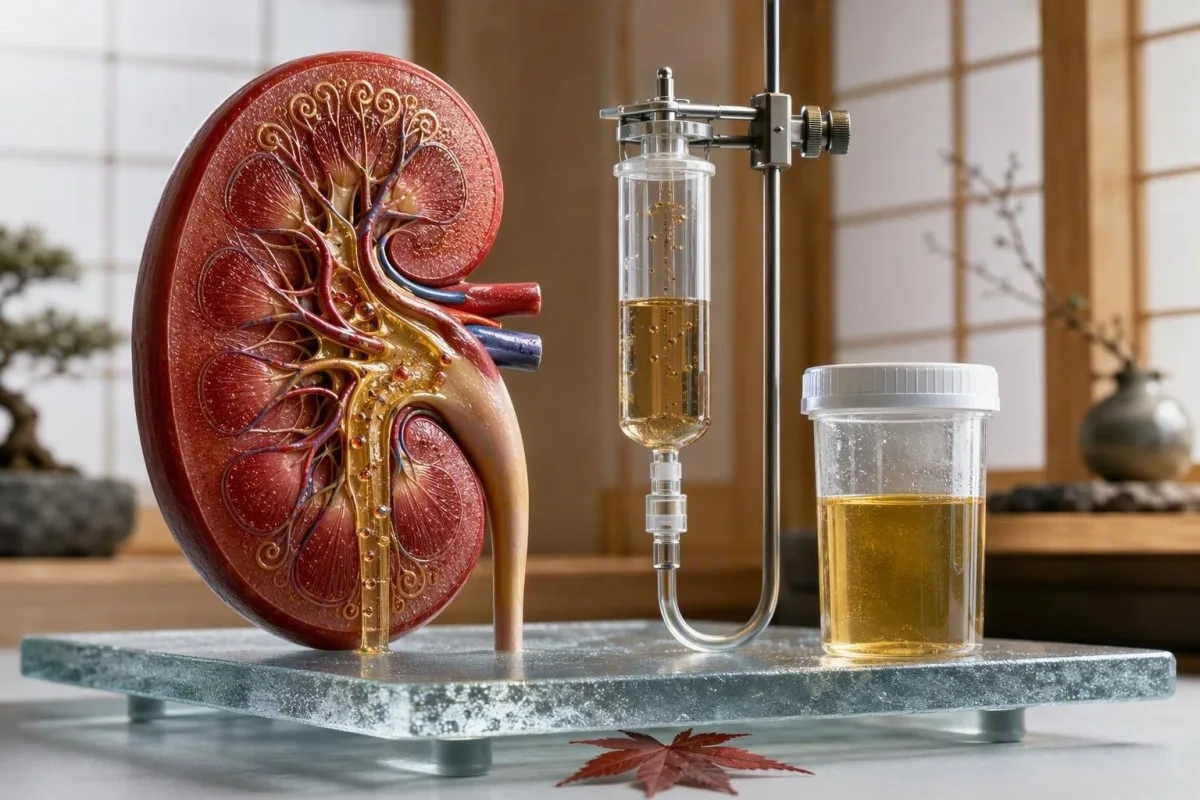
SIADH គឺជាការធ្វើរោគវិនិច្ឆ័យតាមលំនាំ មិនមែនជាលទ្ធផលមិនប្រក្រតីតែមួយទេ។ ព័ត៌មានជំនួយដ៏មានប្រយោជន៍មកពីឈាម និងទឹកនោមដែលប្រមូលបានក្នុងពេលតែមួយ រួចមកបកស្រាយរួមជាមួយថ្នាំ មុខងារក្រពេញទីរ៉ូអ៊ីត កម្រិត cortisol និងស្ថានភាពបរិមាណសារធាតុរាវក្នុងរាងកាយ។.


- ภาวะโซเดียมในเลือดต่ำจริง (True hypotonic hyponatremia) មានន័យថាសូដ្យូមក្នុងសេរ៉ូមទាបជាង 135 mmol/L និងអޮស្មូឡាលីធីសេរ៉ូមដែលបានវាស់ជាធម្មតាទាបជាង 275 mOsm/kg។.
- អޮស្មូឡាលីធីទឹកនោម SIADH ខ្ពស់មិនសមរម្យជាង 100 mOsm/kg ទោះបីជាមានអޮស្មូឡាលីធីសេរ៉ូមទាបក៏ដោយ។ តម្រងនោមរក្សានូវជាតិទឹកនៅពេលដែលពួកគេគួរតែផលិតទឹកនោមដែលធ្វើឱ្យទឹកនោមមានជាតិទឹកទាប។.
- សូដ្យូមក្នុងទឹកនោម ខ្ពស់ជាង 30 mmol/L គាំទ្រ SIADH បន្ទាប់ពីបានបដិសេធថ្នាំបញ្ចេញទឹកនោម ការខ្សោយក្រពេញ Adrenal ជំងឺក្រពេញទីរ៉ូអ៊ីត និងការខ្វះជាតិទឹកដែលឃើញច្បាស់តាមគ្លីនិក។.
- លំនាំខះជាតិទឹក ជាធម្មតាផលិតទឹកនោមដែលមានជាតិទឹកខ្ពស់ជាមួយនឹងសូដ្យូមក្នុងទឹកនោមទាបជាង 30 mmol/L, កម្រិត BUN កើនឡើង, និងរោគសញ្ញានៃការថយចុះបរិមាណឈាមរត់។.
- ការខ្សោយមុខងារក្រពេញអាឌ្រីណាល់ (Adrenal insufficiency) អាចមើលទៅស្ទើរតែដូច SIADH ដូច្នេះកម្រិត cortisol ពេលព្រឹកទាប ឬលទ្ធផលមិនច្បាស់លាស់ត្រូវការការតាមដានគ្លីនិកបន្ទាន់ មុនពេលធ្វើរោគវិនិច្ឆ័យ SIADH។.
- រោគសញ្ញាធ្ងន់ធ្ងរ ដូចជាប្រកាច់ ភ័ន្តច្រឡំ ក្អួតរឿយៗ ឬស្មារតីថយចុះជាមួយនឹងសូដ្យូមទាប ត្រូវការការថែទាំបន្ទាន់។ ការព្យាបាលមិនត្រូវរង់ចាំការបកស្រាយតាមអ៊ីនធឺណិតទេ។.
- የጥገና ደኅንነት ጉዳዮች፡- በከባድ ሃይፖናትሬሚያ ውስጥ የሴረም ሶዲየም ከ 8 mmol/L በ 24 ሰዓት ውስጥ ባለው ጊዜ ውስጥ ለከፍተኛ የኦስሞቲክ ዲሜሊኔሽን አደጋ ላይ ላሉ ታካሚዎች ከ 8 mmol/L በላይ ከፍ ሊል አይገባም።.
- ពេលវេលាមានសារៈសំខាន់ ምክንያቱም IV ሳላይን መርፌ፣ ዳይሬቲክ መጠን ወይም ብዙ ሊትር ውሃ ባክሎች ውስጥ የሽንት ሶዲየም እና የኦስሞላሊቲ ለውጥ ሊያመጡ ስለሚችሉ።.
ហេតុអ្វីបានជា SIADH ទាមទារការពិនិត្យឈាម និងទឹកនោមជាគូ
A SIADH የደም ምርመራ ንድፍ ዝቅተኛ የሴረም ሶዲየም እና ዝቅተኛ የሴረም ኦስሞላሊቲ ያሳያል፣ ይህም አሁንም በጣም የተከማቸ እና በአንጻራዊ ሁኔታ ሶዲየም-የበለጸገ ሽንት ጋር ይዛመዳል። በተግባር፣ ሰውነት ከሶዲየም ጋር ሲነጻጸር ከመጠን በላይ ውሃ ስላለው፣ የፀረ-ዲዩሬቲክ ሆርሞን እንቅስቃሴ በተለመደው ሁኔታ አይጠፋም፤ የሶዲየም እሴት ብቻ ይህንን ማረጋገጥ አይችልም።.
የሴረም ሶዲየም ከ 135 mmol/L በታች ሃይፖናትሬሚያን ይገልጻል፣ ነገር ግን ሶዲየም የጠቅላላ የሰውነት ሶዲየም መለኪያ ሳይሆን የብዛት መለኪያ ነው። አንድ ሰው ከውሃ መቆጠብ፣ ከጨው መጥፋት፣ ከፍተኛ ግሉኮስ፣ የላብራቶሪ ጉድለት፣ ወይም ከእነዚህ ውስጥ የአንዱ ድብልቅ ውጤት ዝቅተኛ ሶዲየም ሊኖረው ይችላል፤ የኛ መመሪያ រោគសញ្ញាសូដ្យូមទាប ምልክቶች ክብደት ብዙውን ጊዜ ከመጠን በላይ መውደቅን ፍጥነት እንጂ ትክክለኛውን ቁጥር እንደማያመለክት ያብራራል።.
የመጀመሪያው ጠቃሚ መከፋፈያ የሴረም ኦስሞላሊቲ መለኪያ ነው፡- ከ 275 mOsm/kg ያነሰ ሃይፖቶኒክ ሃይፖናትሬሚያን ያመለክታል፣ ይህም SIADH የሚታሰብበት ሁኔታ ነው። የዶክተር ቶማስ ክላይን ክሊኒካዊ ህግ ቀላል ነው፡ ግሉኮስ፣ ትራይግሊሰሪድስ፣ አጠቃላይ ፕሮቲን እና በተለይም የሚለካውን ኦስሞላሊቲ ሳያረጋግጡ ከመሠረታዊ የሜታቦሊክ ፓነል SIADH በጭራሽ አይሰይሙ።.
កាន់តេស្ទី គឺជា ឧបករណ៍វិភាគឈាម AI የሶዲየም፣ የግሉኮስ፣ የዩሪያ፣ የ creatinine እና የተጣመሩ የሽንት ግኝቶችን እንደ አንድ የፊዚዮሎጂ ችግር እንጂ እንደ ባንዲራዎች ስብስብ ሳይሆን ያነባል። በእኛ ግምገማዎች ውስጥ በጣም አደገኛ የሆነው ስህተት የ 122 mmol/L ሶዲየም በኋላ ማረጋገጫ ነው፣ የሪፖርቱ ምንም አይነት የዘመነ የሽንት ጥናቶች ወይም የበሽታ ምልክቶች ታሪክ የሌለው፤; የእኛ ክሊኒካዊ አጠቃቀም ጉዳዮች አውድ ማጣት የሚቀጥለውን እርምጃ እንዴት እንደሚቀይር ያሳያሉ።.
SIADH በእርግጥ ምን ማለት ነው
SIADH ለሲንድሮም ኦፍ ኢንአፕሮፕሪያት አንቲዲዩሬሲስ የቆመ ሲሆን በታሪክም ኢንአፕሮፕሪያት አንቲዲዩሬቲክ ሆርሞን ሴክሬሽን ይባላል። ሲንድሮም ከመድኃኒቶች፣ ማቅለሽለሽ፣ የሳንባ ወይም የማዕከላዊ የነርቭ ሥርዓት በሽታዎች፣ ህመም፣ ከቀዶ ጥገና በኋላ ውጥረት እና አልፎ አልፎም ካንሰር ሊከሰት ይችላል፤ የላቦራቶሪ ንድፍ የውሃ አያያዝን እንጂ የመነሻውን መንስኤ አይለይም።.
សេរ៉ូម សូដ្យូម និង អޮស្មូឡាលីធី៖ ការបញ្ជាក់ពីការលើសជាតិទឹកពិតប្រាកដ
ከ 275 mOsm/kg በታች የሴረም ኦስሞላሊቲ ከ 135 mmol/L በታች ሶዲየም ሃይፖቶኒክ ሃይፖናትሬሚያን ያረጋግጣል, ፣ ነገር ግን SIADH ብቻውን አያረጋግጥም። መደበኛ ወይም ከፍተኛ ኦስሞላሊቲ ዶክተሮችን ወደ ግሉኮስ፣ ማንኒቶል፣ ኮንትራስ ወኪሎች፣ አልኮሆሎች፣ ወይም የውሸት ሃይፖናትሬሚያ ይገፋፋቸዋል።.
አብዛኛዎቹ ላቦራቶሪዎች የተሰላውን ኦስሞላሊቲ ሪፖርት ያደርጋሉ፣ በተለምዶ እንደ 2 × sodium + glucose + urea በ mmol/L ይገመታል፣ ነገር ግን የተለካው ኦስሞላሊቲ ምርመራው ግልጽ በማይሆንበት ጊዜ ይመረጣል። በመለኪያ እና በተሰላው እሴቶች መካከል ትርጉም ያለው ክፍተት የማይለኩ ኦስሞሎችን ሊያሳይ ይችላል፤ ይህ የሶዲየም ውጤት ክሊኒካዊ በሆነ መንገድ እውን ሊሆን የሚችልበት አንዱ ምክንያት SIADH አለመሆኑ ነው።.
ከግሉኮስ በላይ፣ ወደ 13.9 mmol/L (250 mg/dL) የውሃ ልውውጥ ከሴሎች ወደ ፕላዝማ በማድረግ የሶዲየም መጠን ይቀንሳል። በተለምዶ ጥቅም ላይ የሚውለው ማስተካከያ ከ 5.6 mmol/L በላይ ለሆነ ለእያንዳንዱ 5.6 mmol/L (100 mg/dL) ግሉኮስ ከ 1.6 እስከ 2.4 mmol/L ሶዲየም ይጨምራል፣ ምንም እንኳን ክሊኒኮች በከፍተኛ ግሉኮስ ላይ ባለው ትክክለኛ ምክንያት ባይስማሙም።.
በጣም ከፍተኛ የሆኑ ትራይግሊሰር[ALT]ዶች ወይም ፓራፕሮቲኖች በተዘዋዋሪ የ ion-selective assays የውሸት ሃይፖናትሬሚያን ሊያስከትሉ ይችላሉ፣ የተለካው የኦስሞላሊቲ ግን የተለመደ ሆኖ ይቆያል። የሶዲየም ውጤቱን ከ ការពិនិត្យមូលដ្ឋាននៃសារធាតុរំលាយក្នុងឈាម (basic metabolic panel) ጋር ያወዳድሩ እና የውሃ-ሚዛን መዛባትን ከመገመትዎ በፊት ላቦራቶሪው ቀጥተኛ ወይም ተዘዋዋሪ ኤሌክትሮድ እንደተጠቀመ ይጠይቁ።.
អޮស្មូឡាលីធីទឹកនោម SIADH៖ ព័ត៌មានជំនួយពីតម្រងនោមដែលផ្លាស់ប្តូរករណី
ሃይፖቶኒክ በሽተኛ ውስጥ ከ 100 mOsm/kg በላይ ያለው የሽንት ኦስሞላሊቲ ፀረ-ሽንት ሆርሞን እንቅስቃሴ መኖሩን ያሳያል።. በ SIADH ውስጥ፣ ምንም እንኳን አንድ የሽንት እሴት ምርመራ ባይሆንም የሽንት ኦስሞላሊቲ ብዙውን ጊዜ ከ 200 እስከ 600 mOsm/kg ነው።.
ភាពអូសម៉ូឡារីតនៃទឹកនោមដែលមាន 100 mOsm/kg ወይም ከዚያ በታች በከፍተኛ ሁኔታ የተበረዘ ሽንት ያሳያል እና SIADH የማይቻል ያደርገዋል። ያ ሁኔታ ከዋናው ፖሊዲፕሲያ ወይም ዝቅተኛ-ሶልት intake ጋር ይጣጣማል፣ የውሃ intake ከኩላሊቱ ነፃ ውሃ የማውጣት ችሎታ ይበልጣል፤ በተለይ በጣም ትንሽ ፕሮቲን እና ጨው በሚወስዱ ሰዎች ዘንድ ጠቃሚ ነው።.
ይህ ተቃራኒ የሆነ ነጥብ እነሆ፡ የተከማቸ ሽንት በራስ-ሰር ድርቀት ማለት አይደለም። ሁለቱም ሃይፖቮሌሚያ እና SIADH ፀረ-ሽንት ሆርሞን ከፍ ያደርጋሉ፣ ነገር ግን ድርቀት ዝውውርን ለማስጠበቅ በተገቢው ሁኔታ ያደርገዋል፣ SIADH ግን በተግባር በቂ የሆነ የደም ዝውውር ቢኖርም ያደርገዋል።.
የአውሮፓው የሃይፖናትሬሚያ መመሪያ የሽንት ኦስሞላሊቲን እንደ ቀደምት መለያየት ይመክራል ምክንያቱም የድምጽ መጠን አካላዊ ግምገማ ብዙውን ጊዜ አስተማማኝ ስላልሆነ (Spasovski et al., 2014)። የኛን ጥልቅ ማብራሪያ ያንብቡ ការធ្វើតេស្ត urine osmolality ሪፖርትዎ ከ dipstick specific gravity ይልቅ mOsm/kg የሚጠቀም ከሆነ።.
አንድ የሽንት ናሙና ለምን ሊሳሳት ይችላል
ማቅለሽለሽ ከተረጋጋ፣ ህመም ከተቆጣጠረ፣ ወይም የሚያበሳጭ መድሃኒት ከተቋረጠ የሽንት ኦስሞላሊቲ በፍጥነት ሊወድቅ ይችላል። ሽንት ከደም ሥር ፈሳሽ በኋላ፣ ከ loop diuretic በኋላ፣ ወይም ከደም ናሙና ሰዓታት በኋላ ከተሰበሰበ፣ እንደ ማረጋገጫ ሳይሆን እንደ ፍንጭ እቆጥረዋለሁ።.
សូដ្យូមក្នុងទឹកនោម៖ SIADH ទល់នឹងការខ្សោះជាតិទឹក និងបរិមាណសកម្មទាប
ከ 30 mmol/L በላይ ያለው የሽንት ሶዲየም በሃይፖቶኒክ ሃይፖናትሬሚያ ውስጥ SIADHን ይደግፋል በተለይም የአመጋገብ የጨው intake የተለመደ ከሆነ እና ዳይሬቲክስ ከሌለ።. ከ 30 mmol/L በታች ያለው የሽንት ሶዲየም በማስታወክ፣ ተቅማጥ፣ ላብ፣ የልብ ድካም፣ የጉበት ሲርሆሲስ፣ ወይም እውነተኛ ድርቀት ምክንያት የኩላሊት ሶዲየም ጥበቃን ያሳያል።.
ባልተወሳሰበ SIADH፣ ኩላሊቶቹ የሶዲየም-አቪድ አይደሉም፣ ስለዚህ የሽንት ሶዲየም ብዙውን ጊዜ លើស 30 mmol/L እና ከ 60 mmol/L ሊበልጥ ይችላል። ዩሪያ ብዙ ጊዜ ዝቅተኛ ነው፣ እና የሴረም ዩሪክ አሲድ ከ 4 mg/dL (0.24 mmol/L) በታች ሊሆን ይችላል ምክንያቱም ቀላል የድምጽ መጠን መስፋፋት የዩሬት ማጽዳትን ይጨምራል።.
ሃይድሮክሎሮቲያዚድ የሚወስድ 68 ዓመት የሆነ ሰው የሆድ ቫይረስ ካለበት በኋላ የሽንት ሶዲየም 55 mmol/L እና የተከማቸ ሽንት ሊኖረው ይችላል፤ ያ SIADHን አያረጋግጥም። የታይዛይድ- ጋር የተገናኘ ሃይፖናትሬሚያ እያንዳንዱን ክላሲክ የላብራቶሪ ባህሪ ሊመስል ይችላል፣ ለዚህም ነው የመድኃኒት ዝርዝሩ አስተዳደራዊ ዝርዝር ሳይሆን የምርመራ መረጃ የሆነው።.
የሽንት ሶዲየም ከዳይሬቲክስ በኋላ፣ ከከባድ የኩላሊት በሽታ ጋር፣ ወይም በጣም ዝቅተኛ የአመጋገብ ሶዲየም ጋር ያነሰ አስተማማኝ ነው። ከ creatinine፣ urea እና tអេឡិចត្រូលីត (electrolyte) បន្ទះ ጋር ያጣምሩት እንጂ የ 30 mmol/L cutoffን እንደ ጥብቅ ግድግዳ ከመቁጠር ይልቅ።.
ការបញ្ចេញអ៊ុយរ៉ាតជាភាគរយ
ការបញ្ចេញអ៊ុយរ៉ាតជាភាគរយខ្ពស់ជាង 12% អាចគាំទ្រ SIADH ជាពិសេសនៅពេលដែលថ្នាំបញ្ចេញទឹកនោមធ្វើឲ្យសូដ្យូមក្នុងទឹកនោមមិនច្បាស់។ វាជាធម្មតាក្លាយទៅជាធម្មតាវិញ បន្ទាប់ពីការព្យាបាល SIADH ខណៈពេលដែលស្ថានភាពខ្វះអំបិលរបស់តម្រងនោមអាចធ្វើឲ្យវានៅតែខ្ពស់។ នេះគឺជាតំបន់ឯកទេស ប៉ុន្តែវាអាចមានប្រយោជន៍នៅពេលដែលរឿងរ៉ាវមិនសម។.
ហេតុអ្វីបានជាការខ្សោះជាតិទឹកមានលក្ខណៈខុសពី SIADH លើការធ្វើតេស្តមន្ទីរពិសោធន៍
ការខ្វះជាតិទឹក ជាធម្មតាបណ្តាលឲ្យមានទឹកនោមខាប់ជាមួយនឹងសូដ្យូមក្នុងទឹកនោមទាប ការកើនឡើងនៃអ៊ុយរ៉េដែលទាក់ទងទៅនឹង creatinine និងភស្តុតាងគ្លីនិកនៃការបាត់បង់បរិមាណ។. SIADH ក៏ជារឿយៗផលិតទឹកនោមខាប់ផងដែរ ប៉ុន្តែអ្នកជំងឺ ជាធម្មតាមានបរិមាណរាវក្នុងខ្លួនធម្មតា និងមិនមានការឆ្លើយតបដូចគ្នានៃតម្រងនោមក្នុងការរក្សាសូដ្យូមទេ។.
ជាមួយនឹងការក្អួត រាគ ឬការបែកញើសខ្លាំង តម្រងនោមជាធម្មតាធ្វើឲ្យសូដ្យូមក្នុងទឹកនោមថយចុះមក ក្រោម 20-30 mmol/L ខណៈពេលដែល osmolality ក្នុងទឹកនោម កើនឡើងលើសពី 100 mOsm/kg។ អ៊ុយរ៉េអាចកើនឡើងមិនសមាមាត្រទៅនឹង creatinine ប៉ុន្តែសមាមាត្រនេះត្រូវបានប៉ះពាល់ដោយការទទួលទានប្រូតេអ៊ីន ការហូរឈាមក្នុងក្រពះពោះវៀន ស្តេរ៉ូអ៊ីត និងមុខងារថ្លើម ដូច្នេះវាជាការគាំទ្រជាជាងការសម្រេចចិត្ត។.
ក្នុង SIADH សម្ពាធឈាម និងការពិនិត្យអាចលេចចេញជារោគសញ្ញាធម្មតា ប៉ុន្តែរោគសញ្ញាដែលមិនទាន់ឃើញច្បាស់គឺសំខាន់៖ គ្មានរោគសញ្ញា orthostatic គ្មានភ្នាសរំអិលស្ងួត គ្មានអាការៈហើមនៅផ្នែកខាងក្រៅនៃរាងកាយ និងមិនមានការបាត់បង់ក្រពះពោះវៀនដែលបង្ខំ។ ខ្ញុំបានឃើញអ្នកជំងឺត្រូវបានគេហៅថា "ខ្វះជាតិទឹក" គ្រាន់តែដោយសារតែទឹកនោមរបស់ពួកគេមានពណ៌ងងឹត។ ពណ៌ទឹកនោមគឺជាសញ្ញាបង្ហាញពីសរីរវិទ្យាសូដ្យូមមិនល្អ ដោយសារតែរបស់យើង ទឹកនោមខ្មៅ discusses.
ការប្រកួតប្រជែងដោយប្រុងប្រយ័ត្នដោយទឹកអំបិល Isotonic អាចជួយបានក្នុងស្ថានភាពដែលបានជ្រើសរើសដែលត្រូវបានត្រួតពិនិត្យ៖ ภาวะ hyponatremia hypovolemic មានទំនោរកាន់តែប្រសើរឡើង នៅពេលដែលបរិមាណ suppresses អរម៉ូន antidiuretic ។ នៅក្នុង SIADH ទឹកអំបិលអាចបរាជ័យក្នុងការបង្កើនសូដ្យូម ឬអាចធ្វើឲ្យវាកាន់តែអាក្រក់ទៅទៀត នៅពេលដែលទឹកនោមមាន osmolality ខ្ពស់ជាង infusion ។ វាគួរតែជាការពិសោធន៍នៅផ្ទះ។.
ហេតុអ្វីបានជាទឹកអំបិលអាចធ្វើឲ្យ SIADH កាន់តែអាក្រក់
ទឹកអំបិល 0.9TP54T ចំនួនមួយលីត្រ មានផ្ទុកសូដ្យូម 154 mmol ប៉ុន្តែតម្រងនោមដែលផលិតទឹកនោមក្នុងកម្រិត 600 mOsm/kg អាចបញ្ចេញសូដ្យូម ខណៈពេលដែលរក្សាក្នុងសមាមាត្រទឹកកាន់តែច្រើន។ ប្រសិទ្ធភាព "desalination" នេះទំនងជាកើតមានបំផុត នៅពេលដែលសូដ្យូមក្នុងទឹកនោម បូកនឹងប៉ូតាស្យូមមានកម្រិតខ្ពស់ បើប្រៀបធៀបទៅនឹងសូដ្យូមក្នុងឈាម។.
ការខ្សោយក្រពេញ Adrenal៖ ការធ្វើត្រាប់តាម SIADH ដែលគ្រូពេទ្យត្រូវតែបដិសេធ
Adrenal insufficiency អាចផលិតសូដ្យូមទាប osmolality ក្នុងឈាមទាប osmolality ក្នុងទឹកនោមលើសពី 100 mOsm/kg និងសូដ្យូមក្នុងទឹកនោមលើសពី 30 mmol/L - ស្ទើរតែដូចគ្នានឹង SIADH ។. ដូច្នេះ ការវាយតម្លៃ cortisol គឺជាផ្នែកមួយនៃការធ្វើរោគវិនិច្ឆ័យ SIADH ដែលមានសុវត្ថិភាព ជាពិសេសជាមួយនឹងភាពអស់កម្លាំង ការសម្រកទម្ងន់ សម្ពាធឈាមទាប ภาวะ hyperkalemia ឬការប៉ះពាល់នឹងស្តេរ៉ូអ៊ីត។.
Cortisol ពេលព្រឹកខ្ពស់ជាងប្រហែល 15-18 micrograms/dL (414-497 nmol/L) ជាធម្មតាធ្វើឲ្យ adrenal insufficiency ដែលមានសារៈសំខាន់ខាងគ្លីនិកមិនទំនងទេ ដោយអាស្រ័យលើការវិភាគ និងបរិស្ថាន។ តម្លៃទាបជាង 3-5 micrograms/dL (83-138 nmol/L) គឺជារឿងគួរឲ្យព្រួយបារម្ភ ខណៈពេលដែលលទ្ធផលមធ្យម ជាញឹកញាប់ត្រូវការតេស្ត ACTH stimulation ជាជាងការទាយ។.
Adrenal insufficiency បឋម ជាញឹកញាប់បណ្តាលឲ្យមានប៉ូតាស្យូមខ្ពស់ ដោយសារតែ aldosterone មិនគ្រប់គ្រាន់ ប៉ុន្តែ secondary adrenal insufficiency អាចមានប៉ូតាស្យូមធម្មតា និងនៅតែបណ្តាលឲ្យមាន hyponatremia ធ្ងន់ធ្ងរ។ យន្តការនេះគឺ cortisone deficiency បង្កើនការបញ្ចេញអរម៉ូន antidiuretic មិនមែនជាការបាត់បង់អំបិលសាមញ្ញទេ។.
គណៈកម្មការអ្នកជំនាញឆ្នាំ 2013 ដែលដឹកនាំដោយ Verbalis ណែនាំឲ្យលុបបំបាត់ adrenal insufficiency មុនពេលសម្រេចចិត្តលើ SIADH (Verbalis et al., 2013)។ ប្រសិនបើលទ្ធភាពនេះមាននៅក្នុងរបាយការណ៍របស់អ្នក នោះ ការពិនិត្យទូទៅរបស់យើងលើ Addison disease laboratory clues អាចជួយលោកអ្នកក្នុងការរៀបចំសំណួរគោលដៅសម្រាប់ការពិនិត្យបន្ទាន់ដោយវេជ្ជបណ្ឌិត។.
ថ្នាំស្តេរ៉អុីតធ្វើឱ្យការធ្វើតេស្តស្មុគស្មាញ
Prednisolone, hydrocortisone និងថ្នាំស្តេរ៉អុីតចាក់មួយចំនួនអាចផ្លាស់ប្តូរការបកស្រាយ cortisol និងបង្ក្រាបអ័ក្សក្រពេញ Adrenal ។ កុំឈប់ប្រើថ្នាំស្តេរ៉អុីតតាមវេជ្ជបញ្ជាដើម្បី "ទទួលបានលទ្ធផលតេស្តច្បាស់លាស់" ការបញ្ឈប់ជាបន្ទាន់អាចបង្កឱ្យមានវិបត្តិក្រពេញ Adrenal ។.
ការពិនិត្យក្រពេញធីរ៉ូអ៊ីត៖ នៅពេលដែល hypothyroidism ពិតជាពន្យល់ពីសូដ្យូមទាប
ជំងឺក្រពេញធីរ៉ូអ៊ីតធ្ងន់ធ្ងរអាចធ្វើឱ្យការបញ្ចេញទឹកមានបញ្ហា ប៉ុន្តែជំងឺក្រពេញធីរ៉ូអ៊ីតsubclinical ធម្មតា កម្រនឹងពន្យល់ពី hyponatremia ដែលមានអត្ថន័យ ។. TSH និង free T4 ត្រូវបានពិនិត្យមុនពេលធ្វើរោគវិនិច្ឆ័យ SIADH ដោយសារតែជំងឺក្រពេញធីរ៉ូអ៊ីតខ្សោយធ្ងន់ធ្ងរអាចព្យាបាលបាន ហើយអាចកើតឡើងជាមួយមូលហេតុផ្សេងទៀត ។.
Hyponatremia ពីជំងឺក្រពេញធីរ៉ូអ៊ីតដែលសំខាន់ផ្នែកវេជ្ជសាស្ត្រ ទំនងជាកើតមានបំផុតក្នុងជំងឺធ្ងន់ធ្ងរ ជាពិសេស myxedema physiology ដែលមាន free T4 ទាប bradycardia ជំងឺ hypothermia ឬការកាត់បន្ថយលំហូរឈាម ។ TSH 6 mIU/L ជាមួយនឹង free T4 ធម្មតា គឺជារឿងធម្មតា ហើយមិនគួរក្លាយជាការពន្យល់ងាយស្រួលសម្រាប់ sodium 121 mmol/L នោះទេ ។.
Kantesti AI គឺជាអ្វីមួយដែល វេទិកាបកស្រាយការធ្វើតេស្តឈាម AI ដែលប្រៀបធៀប TSH និង free T4 ជាមួយនឹង sodium, ការងារតម្រងនោម និងពេលវេលាប្រើប្រាស់ថ្នាំ ដោយសារតែលទ្ធផល TSH ដែលត្រូវបានសម្គាល់អាចបង្វែរការយកចិត្តទុកដាក់ពីមូលហេតុបន្ទាន់ជាងដែលទាក់ទងនឹងក្រពេញ Adrenal ឬថ្នាំ ។ TSH ធម្មតា មិនបដិសេធជំងឺក្រពេញធីរ៉ូអ៊ីតកណ្តាលទេ; free T4 ទាបជាមួយនឹង TSH ដែលមិនកើនឡើង គឺសមនឹងទទួលបានផ្លូវផ្សេង ដែលបានពន្យល់នៅក្នុងអត្ថបទរបស់យើងអំពី free T4 ទាបជាមួយនឹង TSH ធម្មតា.
ការព្យាបាលដោយការជំនួសក្រពេញធីរ៉ូអ៊ីតគួរតែត្រូវបានកែសម្រួលសម្រាប់ប្រភេទនៃជំងឺក្រពេញធីរ៉ូអ៊ីតដែលបានបង្កើតឡើង មិនមែនជាការព្យាបាល sodium រហ័សនោះទេ ។ តាមបទពិសោធន៍របស់ខ្ញុំ sodium ជារឿយៗប្រសើរឡើងតែបន្ទាប់ពីអ្នកបើកបរដែលធ្វើឱ្យទឹកខ្វះខាតពិតប្រាកដ - ចង្អោរ, ថ្នាំ, កង្វះ cortisol, ឬជំងឺ - ក៏ត្រូវបានដោះស្រាយផងដែរ ។.
ជំងឺ Pituitary ផ្លាស់ប្តូរការងារ
ការឈឺក្បាល, រោគសញ្ញានៃការមើលឃើញ, ការថយចុះចំណង់ផ្លូវភេទ, សម្ពាធឈាមទាបដែលមិនអាចពន្យល់បាន ឬអរម៉ូន Pituitary ទាបច្រើន បង្កើនការព្រួយបារម្ភអំពីជំងឺ Pituitary កណ្តាល ។ ក្នុងស្ថានភាពបែបនោះ ចូរពិនិត្យ cortisol មុនពេលចាប់ផ្តើម levothyroxine ដោយសារតែអរម៉ូនធីរ៉ូអ៊ីតអាចបង្កើនការបោសសំអាត cortisol ។.
ភាពខុសគ្នានៃការមានផ្ទៃពោះ អាយុកាន់តែច្រើន និងទំហំរាងកាយក្នុងការបកស្រាយ SIADH
ការមានផ្ទៃពោះធ្វើឱ្យកម្រិត osmotic ធម្មតា និង serum sodium ថយចុះប្រហែល 4-5 mmol/L ដូច្នេះ sodium ជិត 130 mmol/L អាចជារឿងធម្មតានៅក្នុងដំណាក់កាលដំបូងនៃការមានផ្ទៃពោះ ប៉ុន្តែនៅតែតម្រូវឱ្យមានបរិបទ ។. មនុស្សចាស់មានហានិភ័យខ្ពស់នៃការកើត hyponatremia ដែលទាក់ទងនឹងថ្នាំ ហើយជារឿយៗបង្ហាញខ្លួនជាមួយនឹងការដួល ឬការភាន់ច្រឡំ ជាជាងការស្រេកទឹក ។.
ក្នុងអំឡុងពេលមានផ្ទៃពោះដែលមិនមានផលវិបាក serum osmolality ថយចុះជាធម្មតាដោយប្រហែល 5-10 mOsm/kg ហើយ sodium អាចនឹង settles នៅជិត 130-134 mmol/L ដោយសារតែ osmostat ត្រូវបានកំណត់ឡើងវិញ ។ Sodium ក្រោម 130 mmol/L, រោគសញ្ញាសរសៃប្រសាទ, ជំងឺលើសសម្ពាធឈាម, ភាពមិនប្រក្រតីនៃថ្លើម ឬ proteinuria តម្រូវឱ្យមានការវាយតម្លៃផ្នែកសម្ភពបន្ទាន់ ជាជាងការបដិសេធថាជាការផ្លាស់ប្តូរធម្មតានៃការមានផ្ទៃពោះ ។.
ចំពោះមនុស្សដែលមានអាយុលើសពី 75 ឆ្នាំ SSRIs, thiazides, carbamazepine, desmopressin និងរបបអាហារដែលមានជាតិ solute ទាប ជារឿយៗកើតឡើងជាមួយគ្នា ។ ការធ្លាក់ចុះ sodium ត្រឹមតែ 5 mmol/L អាចមានសារៈសំខាន់ នៅពេលដែលការយល់ដឹងជាមូលដ្ឋានមានភាពផុយស្រួយ; ភាពមិនស្ថិតស្ថេរនៃការដើរ និងការដួលអាចជាសញ្ញាដែលអាចមើលឃើញដំបូង ។.
ការច្រោះតម្រងនោមផ្លាស់ប្តូរជាធម្មតាក្នុងអំឡុងពេលមានផ្ទៃពោះ ហើយការបកស្រាយគួរតែប្រើឯកសារយោងដែលដឹងពីការមានផ្ទៃពោះ; មគ្គុទ្ទេសក៍របស់យើងស្តីពី តម្លៃ eGFR នៃការមានផ្ទៃពោះ ពន្យល់ថាហេតុអ្វីបានជា eGFR ដែលត្រូវបានរាយការណ៍ ជាញឹកញាប់មិនត្រូវបានផ្ទៀងផ្ទាត់ក្នុងការមានផ្ទៃពោះ ។ ការកំណត់ការទទួលទានសារធាតុរាវ គួរតែត្រូវបានធ្វើជាលក្ខណៈបុគ្គល ក្នុងការមានផ្ទៃពោះ និងភាពផុយស្រួយ មិនមែនចម្លងពីឯកសារ SIADH ទូទៅនោះទេ ។.
ទម្ងន់រាងកាយទាបមិនមែនជាព័ត៌មានលម្អិតដែលមិនសំខាន់
មនុស្សទម្ងន់ 45 គីឡូក្រាម មានទឹកក្នុងរាងកាយសរុបតិចជាងមនុស្ស 100 គីឡូក្រាម ដូច្នេះ ការផ្ទុកទឹក ឬកម្រិតថ្នាំដូចគ្នា អាចបណ្តាលឱ្យមានការផ្លាស់ប្តូរ sodium កាន់តែធំ ។ អ្នកជំងឺដែលមានភាពផុយស្រួយ ក៏មានសមត្ថភាពទប់ទល់តិចជាង ប្រសិនបើ sodium ផ្លាស់ប្តូរយ៉ាងឆាប់រហ័ស ។.
ឥទ្ធិពលនៃថ្នាំដែលធ្វើត្រាប់តាម ឬបង្កឱ្យមាន SIADH
ថ្នាំបញ្ចេញទឹកនោម thiazide, SSRIs, SNRIs, carbamazepine, oxcarbazepine, desmopressin និងថ្នាំប្រឆាំងរោគវិកលចរិកមួយចំនួន គឺជាមូលហេតុញឹកញាប់នៃ hypotonic hyponatremia ដែលទាក់ទងនឹងថ្នាំ ។. አንዳንዶቹ እውነተኛ SIADH ፊዚዮሎጂን ያመጣሉ፤ እንደገናም ታይዛይዶች የሽንት መወፈርንና የሶዲየም መጥፋትን በማዳከም SIADH ን ሊመስሉ ይችላሉ።.
ታይዛይድ-ነክ የደም ማነስ ብዙ ጊዜ የሚጀምረው ከጀመሩ ወይም መጠኑን ከጨመሩ በኋላ ባሉት የመጀመሪያ 2 សប្តាហ៍ ውስጥ ነው፤ ይሁን እንጂ ሕመም፣ የተቀነሰ የምግብ ፍጆታ ወይም ተጨማሪ የውኃ ፍጆታ ሲጨመርባቸው ወራት ሊወስድ ይችላል። የሉፕ ዲዩሪቲኮች የኩላሊቱን የማጎልበት አቅም ስለሚቀንሱ ይህንን ልዩ ስርዓተ-ጥለት የመፍጠር ዕድላቸው አነስተኛ ነው።.
SSRI-ተያያዥ የደም ማነስ በዕድሜ የገፉ አዋቂዎች፣ ዝቅተኛ የሰውነት ክብደት ያላቸው ሰዎች እና በተጨማሪ ዲዩሪቲኮችን በሚወስዱ ሰዎች ላይ በጣም የተለመደ ነው። አዲስ የፀረ-ጭንቀት መድኃኒት ሁልጊዜ ተጠያቂ አይደለም፤ ነገር ግን የጊዜ ቅደም ተከተል ከትምህርት ቤት መጽሐፍ ዝርዝር የበለጠ አስፈላጊ ነው፤ ባሉት 30 ቀናት ውስጥ ያደረጉትን እያንዳንዱን ጅምር፣ ማቆም እና የመጠን ለውጥ ይመዝግቡ።.
ያለ በሽተኛው የሕክምና ፍላጎት የሚያውቅ ሐኪም ሳይመክር የቂጥኝ፣ የአእምሮ ሕመም፣ የሆርሞን ወይም የደም ግፊት መድኃኒቶችን አያቁሙ። ዝቅተኛ ክሎራይድ ከዲዩሪቲክ አጠቃቀም እና ከማስታወክ ጋር አብሮ ሊሄድ ይችላል፤ የ ዝቅተኛ ክሎራይድ ውጤቶች ማብራሪያ የእርስዎን ሰፋ ያለ የኤሌክትሮላይት ስርዓተ-ጥለት ለመለየት ይረዳል።.
ከሐኪም ውጭ የሚገዙ አስተዋፅዖዎች
ለምሽት ሽንት የሚያገለግለው ዴስሞፕረስሲን ልዩ ትኩረት ይገባዋል፤ ምክንያቱም ከተወሰደ በኋላ በነፃነት መጠጣት ከፍተኛ የውኃ መከማቸት ሊያስከትል ይችላል። NSAIDs እንዲሁ ለተጋለጡ ሰዎች፣ በተለይም በሕመም ጊዜ የፀረ-ዲዩሪቲክ ሆርሞን ተግባርን ሊያባብሱ ይችላሉ።.
ការទទួលទានសារធាតុរាវទាប និងការលើសជាតិទឹក៖ លំនាំដែលមិនមែនជា SIADH
የመጀመሪያ ደረጃ ፖሊዲፕሲያ እና በጣም ዝቅተኛ የአመጋገብ ውህድ መጠን ብዙውን ጊዜ የሽንት ኦስሞላሊቲ 100 mOsm/kg ወይም ከዚያ በታች ያደርጋሉ፤ ይህም ከክላሲክ SIADH የተለየ ነው።. ገደብ የለሽ የውኃ መገደብ ብቻ የተመጣጠነ ምግብ እጦት፣ ከአልኮል ጋር የተያያዘ ሕመም፣ ወይም የውህድ መጠን ሲመለስ አደገኛ ፈጣን እርማት ሊያሳጣ ይችላል።.
ኩላሊቱ ውኃን ለመልቀቅ ውህድ መጠን—በዋናነት ከፕሮቲን የሚገኝ ዩሪያ እና ኤሌክትሮላይቶች— ያስፈልገዋል። በቀን 250 mOsm ውህድ መጠን ብቻ ሲኖር፣ አንድ ሰው በ100 mOsm/kg 2.5 ሊትር ያህል ሽንት ሊያወጣ ይችላል፣ ነገር ግን የፀረ-ዲዩሪቲክ ሆርሞን ሽንትን በ250 mOsm/kg ላይ ካደረገ 1 ሊትር ብቻ ነው።.
በመጀመሪያ ደረጃ ፖሊዲፕሲያ፣ ሽንት ብዙ ጊዜ የሚያስደንቅ ደካማ ሲሆን ታሪኩም ከ 4-6 ሊትር የውኃ ፍጆታ በላይ ሊያሳይ ይችላል፤ ምንም እንኳን ትውስታ ፍጹም ባይሆንም። በዝቅተኛ ውህድ የደም ማነስ፣ ዩሪያ ዝቅተኛ ሊሆን ይችላል እና የአመጋገብ ታሪክ በቅርብ ጊዜ ዝቅተኛ የፕሮቲን እና የጨው ፍጆታ ጊዜ ሊያሳይ ይችላል።.
ኪቶኖች፣ ዝቅተኛ ዩሪያ እና የክብደት መቀነስ SIADH ከማለት ይልቅ የተመጣጠነ ምግብ እጦት ወይም የረጅም ጊዜ ጾምን ሊያመለክቱ ይችላሉ። የ የሽንት ኪቶኖች ጽሑፋችንን ይመልከቱ፤ ኪቶሲስ ካለ፤ የስኳር በሽታ ኪቶአሲዶሲስ የተለየ ድንገተኛ ሁኔታ ነው እና የሶዲየም ትርጓሜን ሊያዛባ ይችላል።.
የመልሶ መመገብ አደጋ
የተመጣጠነ ምግብ ሲመለስ፣ ኩላሊቱ የውህድ መጠንን የመልቀቅ አቅሙን ስለሚያገኝ ሶዲየም ከሚጠበቀው በላይ በፍጥነት ሊጨምር ይችላል። የሆስፒታል ቡድኖች በከፍተኛ ተጋላጭ ታካሚዎች ላይ ሶዲየምን በተደጋጋሚ ይቆጣጠራሉ፤ አንዳንድ ጊዜ ንቁ እርማት በሚደረግበት ጊዜ በየ2-4 ሰዓቱ።.
ជំងឺតម្រងនោម បេះដូង និងថ្លើម៖ សូដ្យូមទាបដោយគ្មាន SIADH
የልብ ድካም፣ የጉበት ሲርሆሲስ እና የላቀ የኩላሊት ሕመም በዝቅተኛ ውጤታማ የደም ዝውውር ምክንያት የደም ማነስን ያመጣሉ እንጂ በዋና SIADH ምክንያት አይደለም።. እነዚህ ሁኔታዎች አሁንም ከፍተኛ መጠን ያለው ሽንት ሊያስከትሉ ይችላሉ፤ ነገር ግን እብጠት፣ የተቀነሰ የደም ፍሰት፣ ዝቅተኛ አልቡሚን ወይም የተዳከመ ማጣሪያ በአጠቃላይ ምስሉን ይለውጣሉ።.
በልብ ድካም እና በጉበት ሲርሆሲስ ውስጥ ሰውነት ከመጠን በላይ ውሃ እና ሶዲየም ሊኖረው ይችላል ነገር ግን በቂ የደም ቧንቧ መሙላት ይሰማዋል, ይህም ፀረ-ዲዩሪቲክ ሆርሞን እና ሶዲየም-የሚይዙ መንገዶችን ያንቀሳቅሳል. የሽንት ሶዲየም ብዙውን ጊዜ ከ 30 mmol/L በታች ነው, ከዳይሬክቲክስ ወይም ከኩላሊት ጉዳት በስተቀር ውጤቱን ያደናግር.
የላቀ የኩላሊት በሽታ የውሃ መውጣትን እና የሽንት ትኩረትን ይገድባል, ስለዚህ የሽንት ኦስሞላሊቲ በፕላዝማ ኦስሞላሊቲ አካባቢ ሊቀመጥ ይችላል 250-350 mOsm/kg. ያ ሁኔታ, ክላሲክ SIADH ገደቦች ትክክለኛነት ያጣሉ እና የኔፍሮሎጂ ግብአት ከተደጋጋሚ የሽንት ምርመራ የበለጠ ጠቃሚ ነው.
ፕሮቲኑሪያ, ሽፋኖች, አልቡሚን, creatinine አዝማሚያ እና እብጠት የጎን ጉዳዮች አይደሉም; ፊዚዮሎጂን ለመለየት ይረዳሉ. የእኛ ተግባራዊ መመሪያ ទម្ងន់ជាក់លាក់នៃទឹកនោម በተወሳሰበ የኩላሊት ሁኔታ ውስጥ የሽንት ኦስሞላሊቲን ከመለካት ይልቅ የዲፕስቲክ ግምትን መተካት እንደማይችል ያብራራል.
እብጠት አደጋን አያግድም
እብጠት ያለበት ሰው ከ 120 mmol/L በታች በሆነ የሶዲየም መጠን ከባድ የነርቭ ምልክቶች ሊፈጠሩ ይችላሉ. የፈሳሽ ሁኔታ መንስኤውን ያብራራል ነገር ግን አጣዳፊ ምልክታዊ hyponatremia አስቸኳይነትን አይቀንስም.
ពេលវេល(採樣)、靜脈輸液和實驗室陷阱
ደም እና ሽንት በ IV ፈሳሾች ፊት ለፊት እና እርስ በእርስ ባሉ ጥቂት ሰዓታት ውስጥ መሰብሰብ አለባቸው, ምክንያቱም ህክምና SIADH የላብ ውጤቶችን በፍጥነት ሊለውጥ ስለሚችል. ዘግይቶ የሽንት ናሙና የ hyponatremia መንስኤን ከመግለጥ ይልቅ ለህክምና ያለውን ምላሽ ሊገልጽ ይችላል.
አንድ ሊትር ሳላይን, የ furosemide መጠን, ፀረ-ማቅለሽለሽ ህክምና, የህመም ማስታገሻ, ወይም desmopressin ማቆም በሰዓታት ውስጥ የሽንት ምርትን እና ኦስሞላሊቲን ሊለውጡ ይችላሉ. ትክክለኛውን የመሰብሰቢያ ጊዜ, የቅርብ ጊዜ የፈሳሽ ፍጆታ, IV ህክምና እና መድሃኒቶች ይመዝግቡ; ይህ ተራ ዝርዝር ብዙውን ጊዜ የሚቃረኑ የሚመስሉ SIADH የላብ ውጤቶችን ይፈታል.
Hemolysis በተለምዶ በውሸት ዝቅተኛ ሶዲየም አይፈጥርም, ነገር ግን ከፍተኛ hyperlipidemia, hyperproteinemia እና ናሙና ብክለት ሊያስከትሉ ይችላሉ. ከክሊኒካዊ ማብራሪያ ውጭ ከትላንትናው እሴት በከፍተኛ ሁኔታ የሚለይ የሶዲየም ውጤት እንደገና መሳል ወይም ቀጥተኛ ion-selective electrode measurement, በስፕሬድሼት ምርመራ ሳይሆን, ሊጠይቅ ይገባል.
Kantesti AI ቀኖችን ያነፃፅራል እና የማይታመኑ ለውጦችን ይጠቁማል, ነገር ግን ያልተመዘገበ ሳላይን infusion ወይም የጎደለ መጠን ማየት አይችልም. ይጠቀሙ ខ្សែពេលវេលានៃការធ្វើតេស្តឈាម ከእያንዳንዱ ውጤት አጠገብ ህመም, የአካል ብቃት እንቅስቃሴ, ጾም, የፈሳሽ ፍጆታ እና የመድኃኒት ክስተቶችን ለመመዝገብ.
የሽንት ልዩ የስበት ኃይል ኦስሞላሊቲ አይደለም
ልዩ የስበት ኃይል የ particle mass ን እንደ ትኩረትን ያንጸባርቃል እና በግሉኮስ, ፕሮቲን ወይም ንፅፅር ሚዲያ ሊዛባ ይችላል. የ 1.020 እሴት በየታካሚው በተወሰነ mOsm/kg እሴት ውስጥ በယုံကြည်ነት አይተረጎምም.
ការពិនិត្យ SIADH ដែលគ្រូពេទ្យតែងតែបញ្ជា
ደህንነቱ የተጠበቀ SIADH ግምገማ ብዙውን ጊዜ የሴረም ሶዲየም, ፖታሲየም, ግሉኮስ, ዩሪያ, creatinine, የተለካ የሴረም ኦስሞላሊቲ, የሽንት ኦስሞላሊቲ, የሽንት ሶዲየም, TSH, ነፃ T4 እና የጠዋት ኮርቲሶልን ያጠቃልላል. ዓላማው hypotonic hyponatremia ን ማረጋገጥ እና SIADH መለያ ከመስጠትዎ በፊት ሊቀለበሱ የሚችሉ አስመሳይዎችን ማስወገድ ነው.
ተጨማሪ ምርመራዎች በዐውደ-ጽሑፉ ላይ ይመሰረታሉ: uric acid, የጉበት ምልክቶች, የሊፕድ መገለጫ, ጠቅላላ ፕሮቲን, ACTH, የደረት ምስል, የአንጎል ምስል ወይም የመድኃኒት ግምገማ ተገቢ ሊሆን ይችላል. በ 126 mmol/L ሶዲየም ባለው የይስሙላ-ዩቮሌሚክ ታካሚ, የቅርብ ጊዜ ኦስሞላሊቲ ጥንድ እና ኮርቲሶል ከሰፊው, ያልተተኮረ ምርመራ የበለጠ መረጃ ሰጭ ናቸው.
የሆርን እና የዚትሴ የመመሪያ ንፅፅር የድምጽ መጠን ምርመራ ብቻ የተወሰነ የምርመራ ትክክለኛነት እንዳለው አፅንዖት ይሰጣል እና የሽንት-መጀመሪያ ባዮኬሚካል አቀራረብን (Hoorn and Zietse, 2017) ይደግፋል. ይህ ለምን መደበኛ የሚመስል ምርመራ የ 550 mOsm/kg የሽንት ኦስሞላሊቲ እና የ 260 mOsm/kg የሴረም ኦስሞላሊቲን እንደማይሽር ያብራራል.
ዶክተር ቶማስ ክላይን ከመጎብኘትዎ በፊት የመሰብሰቢያ ጊዜን, የዋቢ ክልልን እና የመድኃኒት ዝርዝርን ጨምሮ የእያንዳንዱን የውጤት ገጽ ፎቶግራፍ እንዲያነሱ ይመክራሉ። የእኛ AI የህክምና ሪፖርት ደህንነት ፍተሻ ዝርዝር ያብራራል፤ የውጤቱን ዝርዝሮች እንዴት መጠበቅ እንደሚቻል ያብራራል፤ የትርጓሜው አስፈላጊነት።.
ምስል መቼ ጠቃሚ ይሆናል
አዲስ፣ የማያቋርጥ SIADH ያለ ግልጽ መድሃኒት ወይም አጣዳፊ ህመም የደረት ምስል እንዲታይ ሊያደርግ ይችላል፣ በተለይም በአረጋውያን ላይ ሲጋራ የሚያጨሱ ወይም የመተንፈሻ አካላት ምልክቶች ካላቸው። ምርመራው የሚመራው በታሪክ እና በምርመራ ነው፤ ለእያንዳንዱ 132 mmol/L ሶዲየም በራስ-ሰር አይጠየቅም።.
អត្ថន័យនៃលេខការព្យាបាល និងហេតុអ្វីបានជាការកែតម្រូវសូដ្យូមអាចមានគ្រោះថ្នាក់
ከባድ ምልክት ያለበት ሃይፖናትሬሚያ በሆስፒታል ውስጥ በጥንቃቄ በተቆጣጠረ ሃይፐርቶኒክ ሳላይን ይታከማል፣ ሥር በሰደደ SIADH አስተዳደር ደግሞ መንስኤውን እና የተስተካከለ የውሃ ሚዛንን ያነጣጠራል።. አደጋው በሁለት መንገድ ነው፡ ያልታከመ የአንጎል እብጠት እና ከመጠን በላይ ፈጣን ማስተካከያ ሁለቱም ቋሚ የነርቭ ጉዳት ሊያስከትሉ ይችላሉ።.
ለሚጥል በሽታ፣ ለአእምሮ ህመም፣ ለከፍተኛ ግራ መጋባት ወይም ለከባድ ማስታወክ በሃይፖናትሬሚያ ምክንያት፣ መመሪያዎች በብዛት ይጠቀማሉ። 100-150 ሚሊ ሊትር የ 3% ሳላይን እንደ ጊዜያዊ ቦለስ ከድጋሚ የሶዲየም ምርመራ ጋር። የመጀመሪያው ዓላማ የአንጎል እብጠትን ለመቀነስ ትንሽ መነሳት ነው 4-6 mmol/L፣ ወዲያውኑ መደበኛ ማድረግ አይደለም።.
ሥር በሰደደ ሃይፖናትሬሚያ፣ ብዙ ክሊኒኮች ማስተካከያውን ይገድባሉ። 8 mmol/L ក្នុងរយៈពេល 24 ម៉ោង ለአልኮል ሱሰኝነት፣ ለተመጣጠነ ምግብ እጦት፣ ለከባድ የጉበት በሽታ፣ ለሃይፖካሌሚያ ወይም በጣም ዝቅተኛ የሶዲየም መጠን ላለባቸው ሰዎች። አንዳንዶቹ መመሪያዎች ለዝቅተኛ አደጋ ላለባቸው ታካሚዎች በቀን 10 mmol/L ይፈቅዳሉ፣ ነገር ግን ፀረ-ዲዩሬቲክ ሆርሞን በሚቀንስበት ጊዜ ቁጥሩ በድንገት ሊጨምር ስለሚችል መጠንቀቅን እመርጣለሁ።.
የፈሳሽ ገደብ በተረጋጋ SIADH በቀን ወደ 800-1,000 ሚሊ ሊትር ገደማ ይጀምራል፣ ነገር ግን ስኬቱ በሽንት ክምችት እና በ solute intake ላይ የተመሰረተ ነው። ዩሪያ፣ ከጨው ጋር የሚሰሩ ሉፕ ዳይሬቲክስ፣ ወይም ቫሶፕሬሲን ተቃዋሚዎች የልዩ ባለሙያ ውሳኔዎች ናቸው፤ Kantesti አንድ ነው። ឧបករណ៍វិភាគតេស្តឈាមដោយ AI ጠቃሚውን ንድፍ ለማሳየት የተነደፈ እንጂ አስቸኳይ እንክብካቤን ለመጻፍ ወይም ለመተካት አይደለም። የእኛን ይገምግሙ ការត្រួតពិនិត្យផ្នែកព្យាបាលបច្ចេកទេស ራስ-አማቂ ትርጓሜ በህክምና እንዴት እንደሚገመገም ሲያስቡ።.
የፖታሺየም ማስተካከያ እንዲሁ ሶዲየምን ከፍ ያደርገዋል።
ፖታሺየም ውጤታማ የሆነ ኦስሞል ነው፣ ስለዚህ ሃይፖካሌሚያን ማከም ያለ ሳላይን እንኳን የሴረም ሶዲየምን ሊጨምር ይችላል። ይህ በጠቅላላው የ 24-ሰዓት የማስተካከያ መጠን ሲሰላ በቀላሉ ሊታለፍ ይችላል።.
ហេតុអ្វីបានជាសូដ្យូមទាប ឬ SIADH ដែលអាចកើតមានត្រូវការការថែទាំវេជ្ជសាស្រ្តបន្ទាន់
ለሚጥል በሽታ፣ ራስን መሳት፣ አዲስ የከፍተኛ ግራ መጋባት፣ ከፍተኛ እንቅልፍ፣ ተደጋጋሚ ማስታወክ፣ ከባድ ራስ ምታት ወይም የመተንፈስ ችግር በታወቀ ወይም በተጠረጠረ ዝቅተኛ ሶዲየም ጋር ወዲያውኑ የድንገተኛ ህክምና ይፈልጉ።. ከ 120 mmol/L በታች የሆነ ሶዲየም ምልክቶቹ ቀላል ቢመስሉም እንኳ በቀን ውስጥ ክሊኒካዊ ግምገማ ይገባዋል፣ በተለይም ውድቀቱ በቅርቡ ሊሆን ይችላል።.
ለሶዲየም የዘገበውን ክሊኒሺያን ያለምንም መዘግየት ይደውሉ። 125-129 mmol/L, አዲስ የመድኃኒት ተጋላጭነት፣ የካንሰር ሕክምና፣ እርግዝና፣ የአድሬናል ምልክቶች ወይም ጉልህ የሆነ የመውረድ አዝማሚያ። የግለሰብ ምክር ከመቀበልዎ በፊት ሆን ብለው ተጨማሪ ውሃ አይጠጡ፣ የጨው ክኒኖችን አይውሰዱ ወይም ሁሉንም ፈሳሾች አይገድቡ፤ እያንዳንዱ እርምጃ የተለያየን ምክንያት ሊያባብስ ይችላል።.
ከአሁን ጀምሮ ነሐሴ 27 ቀን 2026 ዓ.ም. ድረስ፣ እጅግ ጠቃሚው የታካሚ አስተዋፅኦ ትክክለኛ ታሪክ ነው፡ የዕለት ተዕለት ፈሳሾች፣ የአልኮል ፍጆታ፣ የቅርብ ጊዜ ማስታወክ ወይም ተቅማጥ፣ ሁሉም የታዘዙ እና ተጨማሪዎች፣ IV ፈሳሾች፣ ህመም፣ ማቅለሽለሽ፣ የሳንባ ምልክቶች እና የቀድሞ የሶዲየም እሴቶች። ያ ታሪክ ከሁለተኛ የተለየ የኬሚስትሪ ፓነል ይልቅ፣ ጊዜያዊ ፀረ-ዲዩሬቲክ ሆርሞን መለቀቅን ከማያቋርጥ SIADH ይልቅ በተደጋጋሚ ይለያል።.
Kantesti's የህክምና ቡድን የሀኪሞችን ቁጥጥር በመጠቀም የንድፍ-ተኮር የውጤት ግምገማ ይጠቀማል፤ አንባቢዎች በኛ ላይ ያለውን የህክምና ሂደት ማየት ይችላሉ። ក្រុមប្រឹក្សាប្រឹក្សាវេជ្ជសាស្ត្រ. ውጤቶቹ ግራ የሚያጋቡ ከሆኑ፣ ራስን ከመድኃኒት ከመሆን ይልቅ፣ የዋናውን ላቦራቶሪ ሪፖርት እና ይህን የተጣመረ-ሙከራ ማዕቀፍ ለፈቃድ ላለው ክሊኒሺያን ይዘው ይሂዱ።.
សំណួរដែលត្រូវយកទៅសួរនៅពេលណាត់ជួប
ሃይፖናትሬሚያ ሃይፖቶኒክ መሆኑን ያረጋግጣሉ፣ ህክምና ከመደረጉ በፊት ሽንት ተሰብስቧል፣ የ cortisol እና free T4 ምርመራ ተደርጓል፣ እና መድሃኒት ወይም ዝቅተኛ-solute intake ንድፉን ሊያብራራ ይችላል ብለው ይጠይቁ። those አራት ጥያቄዎች ማስተካከያውን በሚቀይሩ ምክንያቶች ላይ ውይይቱን ያቆያሉ።.
សំណួរដែលសួរញឹកញាប់
លទ្ធផលពិនិត្យឈាមអ្វីខ្លះដែលបង្ហាញពី SIADH?
SIADH ның белгілері: сарысудағы натрийдің 135 ммоль/л төмен болуы, сарысудың осмоляльдылығының 275 мМос/кг төмен болуы, зәрдің осмоляльдылығының 100 мМос/кг жоғары болуы және зәрдегі натрийдің әдетте 30 ммоль/л жоғары болуы. Пациент әдетте клиникалық тұрғыдан эуволемияда болады, шамадан тыс сусыздану, ісіну, бүйрек жеткіліксіздігі, бүйрек үсті безінің жеткіліксіздігі немесе ауыр гипотиреоз сияқты белгілер жоқ. Сарысудағы мочевина мен қандағы қышқылдың шамамен 4 мг/дл төмен болуы қосымша қолдау көрсете алады, бірақ олардың ешқайсысы жеке алғанда диагностикалық емес. Дәрігерлер бұл тесттерді шамамен бір уақытта алынған қан мен зәрден алынған мәліметтерді интерпретациялауы керек.
SIADH ནང་ གི་ ཅཱ་ གི་ འཁྲུད་ ནད་ གི་ ཚད་ ཇི་ ཙམ་ ཡིན་ནམ།
SIADH ནང་གི་ སྨད་ཚ་འདེམས་པའི་ འདྲ་མཚུངས་ 100 mOsm/kg ཡན་ཡོད་པ་ སྨད་ཚ་འདེམས་པའི་ དམའ་བའི་ འདྲ་མཚུངས་ ཡོད་ནའང་། ནད་པ་མང་པོར་ 200 ནས་ 600 mOsm/kg བར་གྱི་ གྲངས་ཚད་ཡོད། སྨད་ཚ་འདེམས་པའི་ འདྲ་མཚུངས་ 100 mOsm/kg མན་ཡིན་ན་ SIADH དང་ འགལ་བ་སྟོན་པ་ཡིན་ རྒྱུ་མཚན་ནི་ མངར་གྱི་ འདྲ་མཚུངས་ འཇུར་ཐུབ་པ་ གསལ་བཤད་བྱེད་ཀྱི་ཡོད། ཆུ་སྐམ་པོས་ཀྱང་ 100 mOsm/kg ཡན་གྱི་ སྨད་ཚ་འདེམས་པའི་ འདྲ་མཚུངས་ བསྐུལ་ཐུབ་པས་ སྨད་ཚ་ འདྲ་མཉམ་ དང་ ནད་གཅོང་ནད་གཞིའི་ འཇལ་བར་ དགོས་མཁོ་ཡོད། དགག་ཡིག་ འདི་ བསལ་དཀར་ ཕྱི་བཅོས་ དབང་སྐྱེད་ སྨན་ ཡང་ན་ སྐྱུག་པོ་ བཅོས་པའི་ རྗེས་སུ་ འཐེན་པ་ ནོར་འཁྲུལ་ ཐེབས་ སྲིད།.
Dehydration low sodium and SIADH
አዎ፣ በማስታወክ፣ ተቅማጥ፣ ላብ ወይም በቂ ምግብ ባለመውሰድ ምክንያት የሚከሰት የውሃ እጥረት ከ100 mOsm/kg በላይ በተጠናከረ ሽንት የሃይፖቶኒክ ሃይፖናትሬሚያን ሊያስከትል ይችላል። በቀላል የውሃ እጥረት፣ ኩላሊቶች ሶዲየምን ስለሚጠብቁ እና ዩሪያ ከ creatinine ጋር ሲነፃፀር ከፍ ሊል ስለሚችል የሽንት ሶዲየም በተለምዶ ከ20-30 mmol/L በታች ነው። SIADH ከ30 mmol/L በላይ በሆነ የሽንት ሶዲየም እና ግልጽ የፈሳሽ እጥረት ምልክቶች በሌሉበት ጊዜ ይከሰታል። ዳይሬቲክስ ይህንን ልዩነት ሊያደበዝዙ ስለሚችሉ የመድኃኒት ታሪክ አስፈላጊ ነው።.
ዶክተሮች SIADH ን በሚጠረጥሩበት ጊዜ ለምን ኮርቲሶል ምርመራ ይደረጋል?
የኮርቲሶል መጠን የሚመረጠው አድሬናል እጥረት SIADH ተመሳሳይ ዝቅተኛ የሶዲየም፣ ዝቅተኛ የሴረም ኦስሞላሊቲ፣ የተከማቸ የሽንት ስዕል ሊያስከትል ስለሚችል ነው። የጧት ኮርቲሶል ከ15-18 ማይክሮግራም/ዲኤል በላይ፣ እንደ ምርመራ እና ክሊኒካዊ ሁኔታ፣ ጉልህ የሆነ አድሬናል እጥረት የማይመስል ያደርገዋል፤ ከ3-5 ማይክሮግራም/ዲኤል በታች ያለው ውጤት ያሳስባል። መካከለኛ እሴቶች ACTH ማነቃቂያ ምርመራ ሊያስፈልጋቸው ይችላል። አድሬናል እጥረት አለመኖር አደገኛ ነው ምክንያቱም የፈሳሽ ገደብ ብቻ ሳይሆን ስቴሮይድ መተካት ስለሚያስፈልገው።.
SSRI ཡང་ན་ ཆུ་ སྨན་ གྱིས་ SIADH ဓာတ်ခွဲ འབྲས་བུ་ ཐོན་ སྲིད།
SSRIs, SNRIs, carbamazepine, oxcarbazepine iyo desmopressin waxa ay keeni karaan kayd biyo oo la mid ah SIADH, halka daawooyinka biyaha ee thiazide ay si dhow u sameyn karaan natiijooyinka laab-ka-laab SIADH. Dhiig-yarida dhiig-baxa ee la xiriirta thiazide waxa ay si joogto ah u soo baxdaa 14 maalmood gudahood oo la bilaabo ama la kordhiyo daaweynta, laakiin cudurka isbarbar socda waxa uu sababi karaa wax yar ka dib. Sodium-ka kaadida waxa ay ku sii jiri kartaa in ka badan 30 mmol/L labadaba xaaladood, sidaa awgeed waqtiga daawada ayaa go'aan muhiim u ah. Bukaannada waa inaysan joojin daawooyinka loo qoray ee maskaxda, qallal, ama cadaadiska dhiigga iyagoo aan la tashan dhakhtar.
À quel point la correction d'une hyponatrémie peut-elle être rapide et sûre ?
ከፍተኛ የሶዲየም መጠንን ከመጠን በላይ የማስተካከል አደጋ ላይ ያሉ ታካሚዎችን በሚመለከት፣ ብዙ ክሊኒሻኖች ማስተካከያው በ24 ሰአት ውስጥ ከ8 mmol/L በታች ወይም እኩል እንዲሆን ያነጣጠራሉ። እነዚህም የተመጣጠነ ምግብ እጥረት፣ አልኮል አላግባብ መጠቀም፣ ከባድ የጉበት በሽታ፣ የፖታስየም መጠን ዝቅተኛ መሆን ወይም የሶዲየም መጠን በጣም ዝቅተኛ የሆኑ ታካሚዎችን ያጠቃልላሉ። የድንገተኛ ጊዜ ምልክቶች በሆስፒታል ውስጥ 100-150 ሚሊ ሊትር የ 3% ሳላይን ቦለሶችን በመጠቀም በግምት 4-6 mmol/L የመጀመሪያ ጭማሪ ለማግኘት ሊያስፈልጉ ይችላሉ። ትክክለኛው ግብ የሚወሰነው በበሽታው ቆይታ፣ ምልክቶች እና ለአደጋ የተጋለጡ ምክንያቶች ላይ ነው። የሶዲየም ህክምና ተደጋጋሚ የደም ምርመራዎችን ይፈልጋል ምክንያቱም የውሃ ዳይሬሲስ በራሱ ተነሳሽነት ማስተካከያውን ባልተጠበቀ ሁኔታ እንዲፋጠን ስለሚያደርግ ነው።
.ទទួលការវិភាគឈាមដោយ AI ដែលមានថាមពលថ្ងៃនេះ
ចូលរួមជាមួយអ្នកប្រើប្រាស់ជាង 2 លាននាក់នៅទូទាំងពិភពលោក ដែលទុកចិត្ត Kantesti សម្រាប់ការវិភាគលទ្ធផលតេស្តមន្ទីរពិសោធន៍ភ្លាមៗ និងត្រឹមត្រូវ។ ផ្ទុកឡើងលទ្ធផលពិនិត្យឈាមរបស់អ្នក ហើយទទួលការបកស្រាយយ៉ាងទូលំទូលាយនៃសញ្ញាសម្គាល់ (biomarkers) 15,000+ ក្នុងរយៈពេលប៉ុន្មានវិនាទី។.
📚 ឯកសារស្រាវជ្រាវដែលបានយោង
Klein, T., Mitchell, S., & Weber, H. (2026). មគ្គុទ្ទេសក៍សុខភាពស្ត្រី៖ ការបញ្ចេញពងអូវុល ការអស់រដូវ និងរោគសញ្ញាអ័រម៉ូន.។ ការស្រាវជ្រាវវេជ្ជសាស្ត្រដោយ AI របស់ Kantesti។.
Klein, T., Mitchell, S., & Weber, H. (2026). ការគាំទ្រការសម្រេចចិត្តផ្នែកគ្លីនិកដោយមានជំនួយពី AI ក្នុងការធ្វើរោគវិនិច្ឆ័យដំបូងនៃជំងឺហាន់តាវីរុស: ការរចនា ការផ្ទៀងផ្ទាត់វិស្វកម្ម និងការដាក់ឱ្យប្រើក្នុងពិភពពិតលើរបាយការណ៍ធ្វើតេស្តឈាមជាង 50,000 ករណី.។ ការស្រាវជ្រាវវេជ្ជសាស្ត្រដោយ AI របស់ Kantesti។.
📖 ឯកសារយោងវេជ្ជសាស្ត្រខាងក្រៅ
Spasovski G et al. (2014)។. ការណែនាំស្តីពីការអនុវត្តព្យាបាលលើការវិនិច្ឆ័យនិងការព្យាបាលជំងឺខ្វះជាតិសូដ្យូមក្នុងឈាម.។ European Journal of Endocrinology។.
Verbalis JG et al. (2013). ការធ្វើរោគវិនិច្ឆ័យ ការវាយតម្លៃ និងការព្យាបាលនៃ hyponatremia៖ អនុសាសន៍ពីក្រុមអ្នកជំនាញ.។ American Journal of Medicine។.
Hoorn EJ និង Zietse R (2017)។. ការធ្វើរោគវិនិច្ឆ័យ និងការព្យាបាលនៃ Hyponatremia: ការចងក្រងនៃគោលការណ៍ណែនាំ. Journal of the American Society of Nephrology។.
⚕️ ការបដិសេធផ្នែកវេជ្ជសាស្ត្រ
អត្ថបទនេះមានគោលបំណងសម្រាប់ការអប់រំប៉ុណ្ណោះ ហើយមិនមែនជាការផ្តល់ដំបូន្មានផ្នែកវេជ្ជសាស្ត្រទេ។ សូមពិគ្រោះជាមួយអ្នកផ្តល់សេវាសុខភាពដែលមានសមត្ថភាពជានិច្ច សម្រាប់ការសម្រេចចិត្តអំពីការធ្វើរោគវិនិច្ឆ័យ និងការព្យាបាល។.
សញ្ញាទុកចិត្ត E-E-A-T
បទពិសោធន៍
ការពិនិត្យព្យាបាលដោយវេជ្ជបណ្ឌិតលើដំណើរការការបកស្រាយលទ្ធផលមន្ទីរពិសោធន៍។.
ជំនាញ
ផ្តោតលើវិទ្យាសាស្ត្រមន្ទីរពិសោធន៍ថា សញ្ញាសម្គាល់ (biomarkers) មានឥរិយាបថយ៉ាងដូចម្តេចក្នុងបរិបទព្យាបាល។.
ភាពមានសិទ្ធិអំណាច
សរសេរដោយវេជ្ជបណ្ឌិត Thomas Klein ជាមួយការពិនិត្យឡើងវិញដោយវេជ្ជបណ្ឌិត Sarah Mitchell និងសាស្ត្រាចារ្យវេជ្ជបណ្ឌិត Hans Weber។.
ភាពគួរឱ្យទុកចិត្ត
ការបកស្រាយដោយផ្អែកលើភស្តុតាង ជាមួយផ្លូវបន្តតាមដានច្បាស់លាស់ ដើម្បីកាត់បន្ថយការភ័យខ្លាច។.