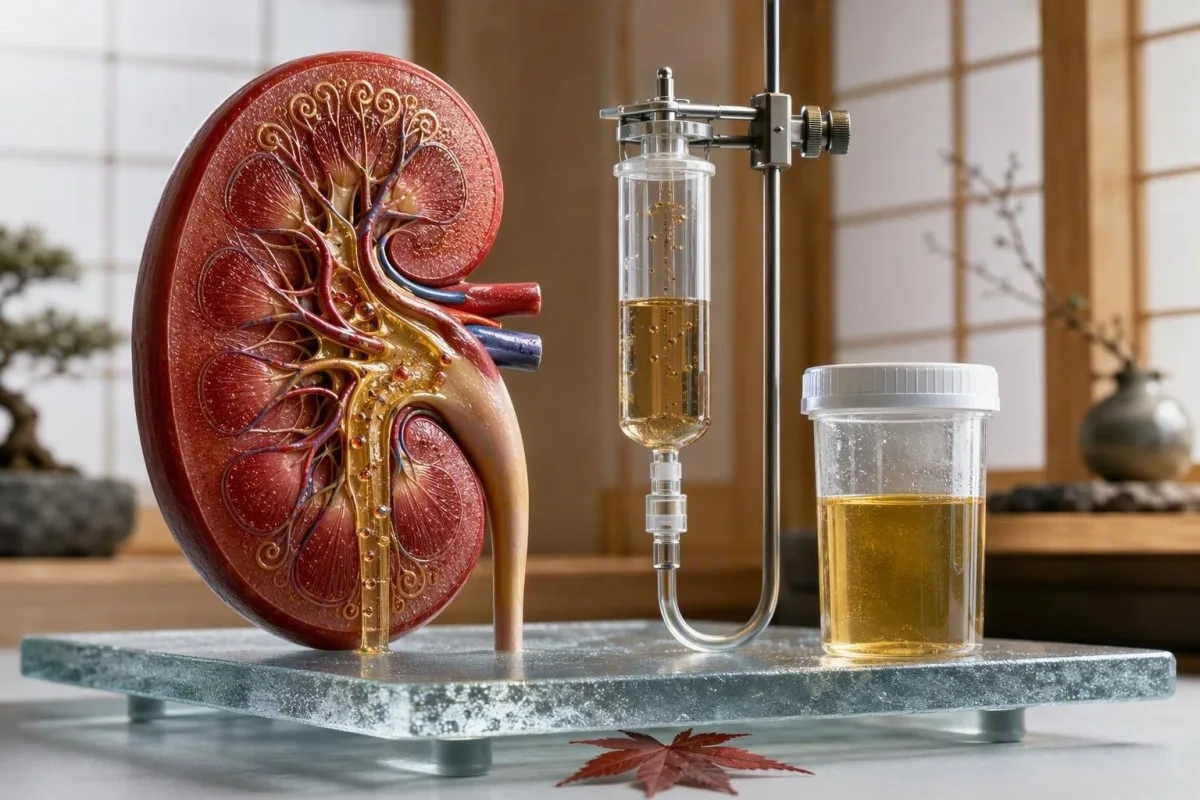
SIADH ir atestu diagnostika, nevis viena patoloģiska vērtība. Noderīgas norādes iegūst no aptuveni vienlaikus savāktām asins un urīna analīzēm, ko pēc tam interpretē kopā ar medikamentiem, vairogdziedzera darbību, kortizolu un šķidruma līdzsvara stāvokli.


- Patiesa hipotoniska hiponatriēmija nozīmē, ka seruma nātrija līmenis ir zemāks par 135 mmol/L un izmērītā seruma osmolalitāte parasti ir zemāka par 275 mOsm/kg.
- SIADH urīna osmolalitāte ir neadekvāti augstāka par 100 mOsm/kg, neskatoties uz zemo seruma osmolalitāti; nieres patur ūdeni, kad tām vajadzētu veidot atšķaidītu urīnu.
- Urīna nātrijs virs 30 mmol/L atbalsta SIADH tikai pēc diurētisko līdzekļu, virsnieru mazspējas, vairogdziedzera slimību un klīniski acīmredzamas šķidruma izsīkuma izslēgšanas.
- Dehidratācijas modelis parasti rada koncentrētu urīnu ar urīna nātrija līmeni zem 30 mmol/L, paaugstinātu urīnvielu vai BUN, un samazināta cirkulējošā šķidruma pazīmēm.
- Virsnieru mazspēja var izskatīties gandrīz identiski SIADH, tāpēc zems rīta kortizola līmenis vai šaubīgs rezultāts prasa neatliekamu klīnisko novērošanu pirms SIADH diagnosticēšanas.
- Smagi simptomi tādas kā krampji, apjukums, atkārtota vemšana vai samazināta apziņa ar zemu nātrija līmeni prasa neatliekamo palīdzību; ārstēšana nedrīkst gaidīt tiešsaistes interpretāciju.
- Korekcijas drošība svarīgāk: hroniskas hiponatriēmijas gadījumā serumā esošā nātrija koncentrācija jebkurā 24 stundu periodā parasti nedrīkst pārsniegt 8 mmol/L pacientiem ar augstu osmotiskās demielinizācijas risku.
- Svarīgs ir laiks jo IV fizioloģiskā šķīduma infūzija, diurētiskā deva vai vairāki litri ūdens var mainīt urīna nātrija koncentrāciju un osmolalitāti dažu stundu laikā.
Kāpēc SIADH prasa vienlaicīgu asins un urīna analīžu veikšanu
A SIADH asins analīzes aina ir zema serumā esošā nātrija koncentrācija ar zemu izmērīto serumā esošo osmolalitāti, kas savienota ar urīnu, kurš joprojām ir pārāk koncentrēts un relatīvi bagāts ar nātriju. Praktiski runājot, organismā ir lieks ūdens attiecībā pret nātriju, jo antidiurētiskā hormona darbība nenoregulējas normāli; tikai nātrija vērtība to nevar pierādīt.
Seruma nātrija koncentrācija zem 135 mmol/l definē hiponatriēmiju, taču nātrijs ir koncentrācija, nevis kopējā nātrija daudzuma organismā mērījums. Cilvēkam var būt zems nātrija līmenis ūdens aiztures, sāls zuduma, augsta glikozes līmeņa, laboratorijas artefakta vai šo faktoru kombinācijas dēļ; mūsu ceļvedis uz zema nātrija simptomiem paskaidro, kāpēc simptomu smagums bieži vien atbilst krituma ātrumam, nevis precīzam skaitlim.
Pirmais noderīgais sadalījums ir izmērītā serumā esošā osmolalitāte: mazāk nekā 275 mOsm/kg norāda uz hipotonisku hiponatriēmiju, situācijā, kurā tiek apsvērta SIADH. Dr. Tomasa Kleina klīniskais noteikums ir vienkāršs: nekad neuzlieciet SIADH diagnozi, pamatojoties tikai uz pamata vielmaiņas paneli, pirms nav pārbaudīta glikoze, triglicerīdi, kopējais proteīns un vēlams izmērītā osmolalitāte.
Kantesti ir AI asins analīžu analizators kas aplūko nātriju, glikozes, urīnvielas, kreatinīna un savienotos urīna rādījumus kā vienu fizioloģisku problēmu, nevis atsevišķu karodziņu kopumu. Mūsu apskatēs visbīstamākā kļūda ir mierinājums pēc nātrija līmeņa 122 mmol/L, kad ziņojumā nav vienlaicīgu urīna izmeklējumu vai slimības vēstures; mūsu klīniskie lietošanas gadījumi parāda, kāpēc trūkstošais konteksts maina nākamo soli.
Ko SIADH faktiski nozīmē
SIADH ir sindroms, kas nozīmē neatbilstošu antidiurēzi, ko vēsturiski sauca par neatbilstošu antidiurētiskā hormona izdalīšanos. Sindroms var rasties medikamentu, slikta dūša, plaušu vai centrālās nervu sistēmas traucējumu, sāpju, pēcoperācijas stresa un reizēm ļaundabīgu audzēju dēļ; laboratoriskais modelis identificē ūdens metabolismu, nevis pamata cēloni.
Seruma nātrijs un osmolalitāte: patiesa ūdens pārslodzes apstiprināšana
Seruma osmolalitāte zem 275 mOsm/kg ar nātrija koncentrāciju zem 135 mmol/L apstiprina hipotonisku hiponatriēmiju, bet tas pats par sevi neidentificē SIADH. Normāla vai augsta osmolalitāte norāda ārstus uz glikozes, manitola, kontrastvielu, alkoholu vai pseidohiponatriēmiju.
Lielākā daļa laboratoriju ziņo par aprēķināto osmolalitāti, ko parasti aprēķina kā 2 × nātrijs + glikoze + urīnviela mmol/L, bet izmērītā osmolalitāte ir vēlama, ja diagnoze ir neskaidra. Jēgpilna atšķirība starp izmērīto un aprēķināto vērtību var atklāt nemērītas osmolus; tas ir viens iemesls, kāpēc nātrija rādījums var būt klīniski reāls, bet nenorādīt uz SIADH.
Glikoze virs aptuveni 13,9 mmol/L (250 mg/dL) samazina izmērīto nātrija koncentrāciju, pārvietojot ūdeni no šūnām uz plazmu. Parasti lietotais korekcijas koeficients pievieno aptuveni 1,6 līdz 2,4 mmol/L nātrija uz katriem 5,6 mmol/L (100 mg/dL) glikozes virs 5,6 mmol/L, lai gan ārstiem ir atšķirīgi viedokļi par precīzu koeficientu ļoti augsta glikozes līmeņa gadījumā.
Ļoti augsts triglicerīdu vai paraproteīnu līmenis var izraisīt pseidohipOnatriēmiju ar netiešiem jonu selektīvajiem testiem, kamēr izmērītā osmolalitāte paliek normāla. Salīdziniet nātrija rezultātu ar pamata vielmaiņas paneli un jautājiet, vai laboratorija izmantoja tiešu vai netiešu elektrodu pirms ūdens bilances traucējumu pieņemšanas.
SIADH urīna osmolalitāte: nieru rādītājs, kas maina gadījuma analīzi
Urīna osmolalitāte virs 100 mOsm/kg hipotOnatrēmijas pacientam nozīmē, ka klātesošs antidiurētiskā hormona darbība. SIADH gadījumā urīna osmolalitāte bieži ir no 200 līdz 600 mOsm/kg, lai gan neviena atsevišķa urīna vērtība nav diagnostiska.
Urīna osmolalitāte 100 mOsm/kg vai zemāka norāda gandrīz maksimāli atšķaidītu urīnu un padara SIADH maz ticamu. Šis modelis atbilst primārai polidipsijai vai zemas koncentrācijas uzņemšanai, kur ūdens patēriņš pārsniedz nieres spēju izdalīt brīvo ūdeni; tas ir īpaši svarīgi cilvēkiem, kuri patērē ļoti maz olbaltumvielu un sāls.
Šeit ir pretintuitīvs punkts: koncentrēts urīns nenozīmē automātiski dehidratāciju. Gan hipovolēmija, gan SIADH paaugstina antidiurētisko hormonu, taču dehidratācija to dara atbilstoši, lai saglabātu cirkulāciju, savukārt SIADH to dara, neskatoties uz klīniski adekvātu efektīvu artēriju tilpumu.
ja jūsu ziņojumā ir izmantoti mOsm/kg, nevis urīna svars. urīna osmolalitātes tests ja jūsu ziņojumā tiek izmantota mOsm/kg vērtība, nevis dipstika specifiskais svars.
Kāpēc viena urīna analīze var maldināt
Urīna osmolalitāte var ātri samazināties pēc tam, kad ir mazinātas slikta dūša, kontrolētas sāpes vai pārtraukta kaitīga zāle. Ja urīns tika savākts pēc intravenozām šķidrumiem, pēc cilpas diurētiskā līdzekļa vai dažas stundas pēc asins parauga, es to uzskatu par pavedienu, nevis pierādījumu.
Urīna nātrijs: SIADH pret dehidratāciju un zemu efektīvo šķidruma daudzumu
Urīna nātrijs virs 30 mmol/L atbalsta SIADH hipotOnatrēmijas gadījumā, ja uztura sāls patēriņš ir parasts un diurētiskie līdzekļi nav klāt. Urīna nātrijs zem 30 mmol/L biežāk norāda uz nieru nātrija aizturi vemšanas, caurejas, svīšanas, sirds mazspējas, cirozes vai īstas dehidratācijas dēļ.
Ne sarežģītā SIADH gadījumā nieres nav nātriju alkstošas, tāpēc urīna nātrijs ir bieži virs 30 mmol/L un var pārsniegt 60 mmol/L. Urīnviela bieži ir zema, un seruma urīnskābe var būt zem 4 mg/dL (0,24 mmol/L), jo neliela apjoma paplašināšanās palielina urātu klīrensu.
68 gadus vecs pacients, kurš lieto hidrohlortiazīdu, var lietot 55 mmol/L urīna nātriju un koncentrētu urīnu pēc kuņģa vīrusa; tas neapstiprina SIADH. Tiazīdu izraisīta hipOnatriēmija var atdarināt visas klasiskās laboratorijas iezīmes, tāpēc medikamentu saraksts nav administratīva detaļa, bet gan diagnostikas dati.
nevis apstrādājot 30 mmol/L robežu kā stingru sienu. elektrolītu panelis nevis 30 mmol/L slieksni uzskatot par stingru robežu.
Frakcionētā urātu izdalīšanās
Frakcionētā urātu izdalīšanās virs 12% var atbalstīt SIADH, īpaši, ja diurētiskie līdzekļi maskē urīna nātriju. Tas parasti normalizējas pēc SIADH korekcijas, savukārt nieru sāls izskalošanās gadījumos tas var palikt paaugstināts; šī ir speciālista joma, taču tā var būt noderīga, ja klīniskā aina nav tipiska.
Kā dehidratācija atšķiras no SIADH laboratoriskajās analīzēs
Dehidratācija parasti izraisa koncentrētu urīnu ar zemu urīna nātriju, paaugstinātu urīnvielu attiecībā pret kreatinīnu un klīniskas apjoma zuduma pazīmes. SIADH bieži rada arī koncentrētu urīnu, taču pacienti parasti ir klīniski eirovēmiski un viņiem nav tādas pašas nātriju saudzējošas nieru reakcijas.
Vemšanas, caurejas vai stipras svīšanas gadījumā nieres parasti samazina urīna nātriju līdz zem 20-30 mmol/L , savukārt urīna osmolalitāte paaugstinās virs 100 mOsm/kg. Urīnviela var palielināties nesamērīgi attiecībā pret kreatinīnu, taču šo attiecību ietekmē olbaltumvielu uzņemšana, kuņģa-zarnu trakta asiņošana, steroīdi un aknu darbība, tāpēc tā ir atbalstoša, nevis noteicoša.
SIADH gadījumā asinsspiediens un izmeklēšana var šķist normāli, tomēr smalkas pazīmes ir svarīgas: nav ortostatisku simptomu, nav sausu gļotādu, nav perifēras tūskas un nav nopietnu kuņģa-zarnu trakta zudumu. Esmu redzējis pacientus, ko sauc par "dehidrētiem" vienkārši tāpēc, ka viņu urīns bija tumšs; urīna krāsa ir slikts nātrija fizioloģijas rādītājs, kā mūsu tumšā urīna ceļvedis apskata.
Piesardzīga izotoniskā fizioloģiskā šķīduma infūzija var palīdzēt noteiktos uzraudzītos apstākļos: hipovolēmiskā hiponatriēmija mēdz uzlaboties, jo tilpums nomāc antidiurētisko hormonu. SIADH gadījumā fizioloģiskais šķīdums var nespēt paaugstināt nātrija līmeni vai pat pasliktināt to, ja urīns ir daudz koncentrētāks nekā infūzija; tas nekad nedrīkst būt mājas eksperiments.
Kāpēc fizioloģiskais šķīdums var pasliktināt SIADH
Viens litrs 0,9% fizioloģiskā šķīduma satur 154 mmol nātrija, taču niere, kas ražo urīnu ar koncentrāciju 600 mOsm/kg, var izdalīt nātriju, vienlaikus proporcionalāli vairāk saglabājot ūdeni. Šis "desalinizācijas" efekts ir visizplatītākais, kad urīna nātrijs plus kālijs ir augsts attiecībā pret serumā esošo nātriju.
Virsnieru mazspēja: SIADH imitācija, kas klīnicistiem jāizslēdz
Adrenālā nepietiekamība var izraisīt zemu nātrija līmeni, zemu seruma osmolalitāti, urīna osmolalitāti virs 100 mOsm/kg un urīna nātriju virs 30 mmol/L — gandrīz tāds pats modelis kā SIADH. Tāpēc kortizola noteikšana ir daļa no drošas SIADH izmeklēšanas, īpaši gadījumos ar nogurumu, svara zudumu, zemu asinsspiedienu, hiperkaliēmiju vai steroīdu lietošanu.
Rīta seruma kortizols virs aptuveni 15-18 mikrogrami/dL (414-497 nmol/L) parasti padara klīniski nozīmīgu virsnieru mazspēju maz ticamu, atkarībā no testa metodes un apstākļiem. Vērtības zem 3-5 mikrogramiem/dL (83-138 nmol/L) ir satraucošas, savukārt vidēji rezultāti bieži prasa ACTH stimulācijas testu, nevis minējumus.
Primāra virsnieru mazspēja bieži izraisa augstu kālija līmeni, jo trūkst aldosterona, taču sekundāra virsnieru mazspēja var būt ar normālu kālija līmeni un joprojām izraisīt smagu hiponatriēmiju. Mehānisms ir kortizola deficīts, kas palielina antidiurētiskā hormona atbrīvošanos, nevis vienkārši sāls zudums.
2013. gada ekspertu grupa, ko vadīja Verbalis, iesaka izslēgt virsnieru mazspēju pirms SIADH diagnosticēšanas (Verbalis et al., 2013). Ja šī iespēja ir jūsu ziņojumā, mūsu pārskats par Addisona slimības laboratoriskajām pazīmēm var palīdzēt sagatavot mērķtiecīgus jautājumus steidzamai klīnisko speciālistu apskatei.
Steroīdu medikamenti sarežģī testēšanu
Prednizolons, hidro kortizons un daži injicējamie steroīdi var ietekmēt kortizola interpretāciju un nomākt virsnieru asi. Nepārtrauciet izrakstītos steroīdus, lai "iegūtu tīru testu"; pēkšņas pārtraukšanas var izraisīt virsnieru krīzi.
Vairogdziedzera analīzes: kad hipotireoze patiešām izskaidro zemu nātrija līmeni
Smaga hipotireoze var traucēt ūdens izdalīšanos, bet parasta subklīniska hipotireoze reti izskaidro nozīmīgu hiponatriēmiju. Pirms SIADH diagnozes noteikšanas tiek pārbaudīts TSH un brīvais T4, jo dziļa vairogdziedzera mazspēja ir ārstējama un var pastāvēt līdztekus citiem cēloņiem.
Klīniski nozīmīga hipotiroīdā hiponatriēmija visvairāk ir iespējama smagas slimības gadījumā, īpaši miksedēmas fizioloģijā ar zemu brīvo T4, bradikardiju, hipotermiju vai samazinātu sirds izsviedi. TSH 6 mIU/L ar normālu brīvo T4 ir bieži sastopams, un tam nevajadzētu kļūt par ērtu skaidrojumu nātrija līmenim 121 mmol/L.
Kantesti AI ir AI asins analīžu rezultātu platforma kas salīdzina TSH un brīvo T4 ar nātrija, nieru darbības un medikamentu laiku, jo atzīmēts TSH rezultāts var novērst uzmanību no steidzamāka virsnieru vai ar zālēm saistīta cēloņa. Normāls TSH neizslēdz centrālu hipotireozi; zems brīvais T4 ar nepaaugstinātu TSH prasa citu pieeju, kas izskaidrota mūsu rakstā par zemu brīvo T4 ar normālu TSH.
Vairogdziedzera aizstājterapija jāpielāgo atbilstoši apstiprinātām vairogdziedzera indikācijām, nevis jālieto kā ātra nātrija ārstēšana. Manā pieredzē nātrija līmenis bieži uzlabojas tikai pēc tam, kad ir novērsts patiesais ūdens aiztures cēlonis — slikta dūša, medikamenti, kortizola deficīts vai slimība.
Hipofīzes slimība maina izmeklēšanu
Galvassāpes, redzes lauka simptomi, zems libido, neizskaidrojams zems asinsspiediens vai vairāki zemi hipofīzes hormoni rada bažas par centrālu hipofīzes slimību. Šādā gadījumā pārbaudiet kortizola līmeni pirms levotiroksīna lietošanas uzsākšanas, jo vairogdziedzera hormons var paātrināt kortizola klīrensu.
Grūtniecība, vecāks vecums un ķermeņa izmēra atšķirības SIADH interpretācijā
Grūtniecība pazemina normālo osmotisko slieksni un serumā nātrija līmeni par aptuveni 4-5 mmol/L, tāpēc nātrija līmenis ap 130 mmol/L var būt fizioloģisks grūtniecības sākumā, bet joprojām prasa kontekstu. Gados vecākiem cilvēkiem ir lielāks medikamentu izraisītas hiponatriēmijas risks, un viņi bieži izrāda kritienus vai apjukumu, nevis slāpes.
Ne sarežģītas grūtniecības laikā seruma osmolalitāte parasti samazinās par apmēram 5-10 mOsm/kg un nātrija līmenis var nostabilizēties ap 130-134 mmol/L, jo osmostats tiek pārregulēts. Nātrija līmenis zem 130 mmol/L, neiroloģiski simptomi, hipertensija, aknu patoloģijas vai proteinūrija prasa steidzamu dzemdniecības novērtēšanu, nevis noraidīšanu kā normālas grūtniecības izmaiņas.
Cilvēkiem, kas vecāki par 75 gadiem, bieži sastopami SSRI, tiazīdi, karbamazepīns, desmopresīns un diētas ar zemu osmolalitāti. Nātrija kritums tikai par 5 mmol/L var būt nozīmīgs, ja sākotnējā kognitīvā funkcija ir trausla; līdzsvara nestabilitāte un kritieni var būt pirmās novērojamās pazīmes.
Grūtniecības laikā nieru filtrācija dabiski mainās, un interpretācijā jāizmanto grūtniecības izpratnes atsauces; mūsu ceļvedis par grūtniecības eGFR vērtībām izskaidro, kāpēc ziņotais eGFR bieži nav apstiprināts grūtniecības laikā. Šķidruma ierobežojumam grūtniecības un trausluma gadījumā jābūt individuālam, nevis jākopē no vispārīgas SIADH rokasgrāmatas.
Zems ķermeņa masas indekss nav nenozīmīga detaļa
45 kg cilvēkam ir mazāk kopējā ķermeņa ūdens nekā 100 kg cilvēkam, tāpēc tāda pati ūdens slodze vai zāļu deva var radīt lielāku nātrija pārmaiņu. Trausliem pacientiem ir arī mazākas fizioloģiskās rezerves, ja nātrija līmenis ātri mainās.
Medikamentu ietekme, kas imitē vai izraisa SIADH
Tiazīdu diurētiskie līdzekļi, SSRI, SNRI, karbamazepīns, okskarbazepīns, desmopresīns un daži antipsihotiskie līdzekļi ir bieži medikamenti, kas izraisa hipotonisku hiponatriēmiju. Daži rada patiesu SIADH fizioloģiju, savukārt tiazīdi var atdarināt SIADH, kavējot atšķaidīšanu un nātrija zudumu.
Tiazīdu izraisīta hiponatriēmija bieži sākas pirmo 2 nedēļām pēc medikamentu lietošanas uzsākšanas vai devas palielināšanas, taču tā var rasties arī mēnešus vēlāk, kad pievienojas slimība, samazināta pārtikas uzņemšana vai papildu šķidruma uzņemšana. Cilpas diurētiskie līdzekļi mazāk visticamāk izraisa šo konkrēto shēmu, jo tie samazina nieru koncentrēšanas spēju.
SSRI izraisīta hiponatriēmija visbiežāk sastopama gados vecākiem cilvēkiem, cilvēkiem ar zemu ķermeņa svaru un tiem, kuri arī lieto diurētiskos līdzekļus. Jauns antidepresants ne vienmēr ir vainīgs, taču hronoloģiskā secība ir svarīgāka nekā mācību grāmatas saraksts: dokumentējiet katru medikamentu uzsākšanu, pārtraukšanu un devas maiņu iepriekšējās 30 dienās.
Nepārtrauciet pretkrampju, psihiatrisko, hormonu vai asinsspiediena zāļu lietošanu bez ārsta, kurš zina indikācijas. Zems hlorīda līmenis var būt saistīts ar diurētisko līdzekļu lietošanu un vemšanu; mūsu skaidrojums par zemu hlorīda līmeni var palīdzēt atšķirt plašāku elektrolītu shēmu.
Bezrecepšu medikamentu ietekme
Dezmopresīns, ko lieto urinācijas traucējumu gadījumā naktī, prasa īpašu uzmanību, jo brīva dzeršana pēc devas lietošanas var izraisīt strauju šķidruma aizturi. NPL var pastiprināt arī antidiurētiskā hormona darbību jutīgiem cilvēkiem, īpaši slimības laikā.
Zems sāls patēriņš un lieks ūdens: modeļi, kas nav SIADH
Primārā polidipsija un ļoti zema diētas šķīstošo vielu uzņemšana parasti izraisa urīna osmolalitāti 100 mOsm/kg vai mazāk, atšķirībā no klasiskā SIADH. Atšķirība ir svarīga, jo stingra šķidruma ierobežošana var nenovērst malnutrīciju, ar alkoholu saistītas slimības vai bīstamu ātru korekciju, kad atjaunojas šķīstošo vielu uzņemšana.
Lai nieres izvadītu ūdeni, tām ir nepieciešamas šķīstošās vielas – galvenokārt urīnviela no olbaltumvielām un elektrolīti. Ja dienā ir pieejamas tikai 250 mOsm šķīstošās vielas, cilvēks var izvadīt apmēram 2,5 litrus urīna ar koncentrāciju 100 mOsm/kg, bet tikai 1 litru, ja antidiurētiskais hormons uztur urīna koncentrāciju 250 mOsm/kg.
Primāras polidipsijas gadījumā urīns bieži ir ievērojami atšķaidīts, un vēsture var atklāt vairāk nekā 4-6 L šķidruma uzņemšanu dienā, lai gan atcerēšanās ir nepilnīga. Hiponatriēmijas gadījumā ar zemu šķīstošo vielu daudzumu urīnviela var būt zema, un diētas vēsture var atklāt nesenu sliktu olbaltumvielu un sāls uzņemšanas periodu.
Ketoni, zema urīnviela un svara zudums var liecināt par nepietiekamu uzturu vai ilgstošu badošanos, nevis SIADH. Pārskatiet mūsu rakstu par urīna ketoniem ja ir klātesoša ketozes, diabētiskā ketoacidoze ir atsevišķa neatliekamā situācija un var sagrozīt nātrija interpretāciju.
Pārmērīgas ēdināšanas risks
Kad uzturs tiek atjaunots, nātrija līmenis var paaugstināties straujāk, nekā gaidīts, jo nieres atgūst spēju izvadīt šķīstošās vielas. Slimnīcas personāls bieži uzrauga nātrija līmeni augsta riska pacientiem, dažreiz ik pēc 2-4 stundām aktīvas korekcijas laikā.
Klīnicistu parasti pasūtītā SIADH izmeklēšana
Sirds mazspēja, ciroze un progresējoša nieru slimība izraisa hiponatriēmiju zema efektīvā arteriālā tilpuma dēļ, nevis primāras SIADH. Šie stāvokļi joprojām var izraisīt koncentrētu urīnu, taču tūska, samazināta perfūzija, zems albumīna līmenis vai samazināta filtrācija parasti maina kopējo ainu.
Sirds mazspējas un cirozes gadījumā organismā var būt pārmērīgs kopējais šķidruma un nātrija daudzums, taču tiek uztverta nepietiekama arteriālā piepildīšanās, aktivizējot antidiurētiskā hormona un nātriju aizturošās sistēmas. Urīna nātrija līmenis bieži ir zem 30 mmol/L ja vien diurētiskie līdzekļi vai nieru bojājumi neattiecina rezultātu.
Progresējoša nieru slimība ierobežo gan ūdens izdalīšanos, gan urīna koncentrēšanu, tāpēc urīna osmolalitāte var būt tuvu plazmas osmolalitātei ap 250-350 mOsm/kg. Tādā situācijā klasiskās SIADH robežas zaudē precizitāti, un nefrologa iesaiste ir noderīgāka nekā atkārtoti vienreizēji urīna paraugi.
Proteinūrija, cilindri, albumīns, kreatinīna tendence un tūska nav blakus jautājumi; tie palīdz noteikt fizioloģiju. Mūsu praktiskais ceļvedis urīna īpatnējais svars paskaidro, kāpēc sloksnes testa aplēse nevar aizstāt izmērīto urīna osmolalitāti sarežģītā nieru gadījumā.
Tūska neizslēdz briesmas
Personai ar tūsku joprojām var attīstīties smagi neiroloģiski simptomi pie nātrija līmeņa zem 120 mmol/L. Šķidruma statuss izskaidro cēloni, bet ne samazina akūtas simptomātiskas hiponatriēmijas steidzamību.
Paraugu ņemšanas laiks, IV šķidrumi un laboratorijas kļūmes
Asinis un urīns ideālā gadījumā jāievāc pirms IV šķidrumiem un dažu stundu laikā viens pēc otra, jo ārstēšana var strauji mainīt SIADH laboratorijas rezultātus. Aizkavēts urīna paraugs var aprakstīt reakciju uz terapiju, nevis hiponatriēmijas cēloni.
Litrs fizioloģiskā šķīduma, furosemīda deva, ārstēšana pret sliktu dūšu, pretsāpju līdzekļi vai desmopressin pārtraukšana var mainīt urīna izdalīšanos un osmolalitāti dažu stundu laikā. Reģistrējiet precīzus ievākšanas laikus, neseno šķidruma uzņemšanu, IV terapiju un medikamentus; šī ikdienišķā detaļa bieži vien atrisina acīmredzami pretrunīgus SIADH laboratorijas rezultātus.
Hemolīze parasti nerada viltus zemu nātrija līmeni, bet lielas hiperlipidēmijas, hiperproteinēmijas un parauga piesārņojums var. Nātrija rezultāts, kas krasi atšķiras no vakardienas vērtības bez klīniskas skaidrojuma, prasa atkārtotu paraugu vai tiešu jonu selektīvā elektroda mērījumu, nevis diagnozi ar izklājlapu.
Kantesti AI salīdzina datumus un atzīmē mazticamas izmaiņas, bet tā nevar redzēt nereģistrētu fizioloģiskā šķīduma infūziju vai izlaistu devu. Izmantojiet asins analīžu laika grafiku lai blakus katram rezultātam atzīmētu slimības, fiziskās slodzes, badošanās, šķidruma uzņemšanas un medikamentu notikumus.
Urīna īpatnējais svars nav osmolalitāte
Īpatnējais svars atspoguļo daļiņu masu, kā arī koncentrāciju, un to var izkropļot glikoze, proteīns vai kontrastvielas. Vērtība 1,020 neļauj ticami pāriet uz konkrētu mOsm/kg vērtību katram pacientam.
Rūpīgā SIADH izmeklēšana, ko parasti nozīmē klīnicisti
Droša SIADH izvērtēšana parasti ietver serumā nātriju, kāliju, glikozi, urīnvielu, kreatinīnu, izmērīto serumu osmolalitāti, urīna osmolalitāti, urīna nātriju, TSH, brīvo T4 un rīta kortizolu. Mērķis ir apstiprināt hipotono hiponatriēmiju un izslēgt atgriezeniskus atdarinājumus pirms SIADH etiķetes piešķiršanas.
Papildu testi ir atkarīgi no konteksta: urīnskābe, aknu marķieri, lipīdu profils, kopējais proteīns, ACTH, krūškurvja attēlveidošana, smadzeņu attēlveidošana vai medikamentu apskats var būt piemēroti. Šķietami eirovolemiskiem pacientiem ar nātrija līmeni 126 mmol/L, vienlaicīgs osmolalitātes pāris un kortizols parasti ir informatīvāki nekā plaši, nekoncentrēti testi.
Hoorn un Zietse vadlīniju salīdzinājums uzsver, ka tikai apjoma izmeklēšanai ir ierobežota diagnostiskā precizitāte un tas atbalsta bioķīmisko pieeju, kas vērsta uz urīnu (Hoorn un Zietse, 2017). Tāpēc normāli izskatīgs izmeklējums nedrīkst atcelt urīna osmolalitāti 550 mOsm/kg un serumu osmolalitāti 260 mOsm/kg.
Dr. Thomas Klein iesaka pirms apmeklējuma nofotografēt katru rezultātu lapu, ieskaitot ievākšanas laiku, atsauces intervālu un medikamentu sarakstu. Mūsu AI medicīniskā ziņojuma drošības pārbaudes saraksts izskaidro, kā saglabāt avota datus, kas nepieciešami interpretācijai.
Kad attēlveidošana kļūst nozīmīga
Jauns, noturīgs SIADH bez skaidri nosakāmas zāles vai akūtas slimības varētu prasīt krūškurvja attēldiagnostiku, īpaši gados vecākiem cilvēkiem ar smēķēšanas vēsturi vai elpošanas simptomiem. Attēlveidošana tiek mērķēta, pamatojoties uz anamnēzi un izmeklēšanu; tā nav automātiski nepieciešama katrai nātrija vērtībai 132 mmol/L.
Ko nozīmē ārstēšanas skaitļi un kāpēc nātrija korekcija var būt bīstama
Smagu simptomātisku hiponatriēmiju ārstē slimnīcā ar rūpīgi monitorētu hipertonisku sāls šķīdumu, savukārt hroniskas SIADH ārstēšanas mērķis ir cēloņa novēršana un kontrolēta ūdens līdzsvara uzturēšana. Briesmas ir divvirzienu: neārstēta smadzeņu tūska un pārmērīgi ātra korekcija var radīt neatgriezeniskus neioloģiskus bojājumus.
Krampju, komas, dziļas apmulsumības vai smagas vemšanas gadījumā, ko izraisa hiponatriēmija, vadlīnijās bieži izmanto 100-150 mL 3% sāls šķīduma kā periodisku bolusu ar atkārtotām nātrija pārbaudēm. Sākotnējais mērķis ir neliels pieaugums par aptuveni 4-6 mmol/L, lai samazinātu smadzeņu tūsku, nevis tūlītēju normalizāciju.
Hroniskas hiponatriēmijas gadījumā daudzi ārsti ierobežo korekciju līdz 8 mmol/L 24 stundu laikā personām, kurām ir augsts osmotiskās demielinizācijas risks, tostarp alkoholisma, nepietiekama uztura, smagas aknu slimības, hipokaliēmijas vai ļoti zema sākotnējā nātrija līmeņa gadījumā. Dažas vadlīnijas pieļauj 10 mmol/L pirmajā dienā pacientiem ar zemāku risku, bet es dodu priekšroku piesardzībai, jo līmenis var neparedzēti pieaugt, kad samazinās antidiurētiskā hormona līmenis.
Šķidruma ierobežojums bieži vien sākas apmēram 800-1000 mL dienā stabiliem SIADH gadījumiem, taču tā panākumi ir atkarīgi no urīna koncentrācijas un šķīdinātāju uzņemšanas. Urīnvielas, cilpas diurētiķu ar sāli vai vazopresīna antagonistu lietošana ir speciālistu lēmumi; 10% sāls šķīdums ir ar AI balstīts asins analīzes rīks izstrādāts, lai atzīmētu atbilstošo modeli, nevis lai izrakstītu vai aizstātu neatliekamo palīdzību. Skatiet mūsu tehniskā klīniskā uzraudzībā apsverot, kā automātiska interpretācija tiek medicīniski pārskatīta.
Kālija korekcija arī paaugstina nātriju
Kālijs ir efektīvs osmolīts, tāpēc hipokaliēmijas ārstēšana var palielināt serumā nātrija līmeni pat bez sāls šķīduma. Tas viegli tiek palaists garām, aprēķinot kopējo 24 stundu korekcijas ātrumu.
Kad zems nātrija līmenis vai iespējamā SIADH prasa neatliekamu medicīnisko palīdzību
Nekavējoties meklējiet neatliekamo palīdzību krampju, samaņas zuduma, jaunas smagas apmulsumības, izteiktas miegainības, atkārtotas vemšanas, stipru galvassāpju vai elpošanas grūtību gadījumā ar zināmu vai aizdomām par zemu nātrija līmeni. Nātrija līmenis zem 120 mmol/L prasa klīnisko novērtēšanu tajā pašā dienā, pat ja simptomi šķiet viegli, īpaši, ja samazinājums varētu būt nesens.
Nekavējoties sazinieties ar ārstu, kurš noteicis analīzes, attiecībā uz nātriju 125–129 mmol/L, jaunu medikamentu lietošanu, vēža ārstēšanu, grūtniecību, virsnieru simptomiem vai nozīmīgu tendenci uz samazināšanos. Nelietojiet apzināti papildu ūdeni, nesadzeriet sāls tabletes vai neierobežojiet visus šķidrumus pirms individuālu ieteikumu saņemšanas; katra darbība var pasliktināt kādu citu cēloni.
Sākot ar 2026. gada 27. augustu, visvērtīgākais pacienta ieguldījums ir precīza anamnēze: ikdienas šķidrumu uzņemšana, alkohola lietošana, nesena vemšana vai caureja, visas receptes un uztura bagātinātāji, IV šķidrumi, sāpes, slikta dūša, plaušu simptomi un iepriekšējās nātrija vērtības. Šī anamnēze bieži vien efektīvāk nekā papildu izolēts ķīmijas panelis atšķir pārejošu antidiurētiskā hormona izdalīšanos no noturīga SIADH.
10% sāls šķīduma medicīnas komanda izmanto uz modeļiem balstītu rezultātu pārskatīšanu ar ārsta uzraudzību; lasītāji var redzēt šī procesa ārstus mūsu Medicīnas konsultatīvā padome. Ja rezultāti ir mulsinoši, nogādājiet oriģinālo laboratorijas atskaiti un šo savietoto testu sistēmu pie licencēta ārsta, nevis pašārstējieties, pamatojoties uz nātrija vērtību.
Jautājumi, ko ņemt līdzi uz vizīti
Jautājiet, vai hiponatriēmija ir apstiprināta kā hipotona, vai urīns tika savākts pirms ārstēšanas, vai tika pārbaudīts kortizols un brīvais T4, un vai zāles vai zems šķīdinātāju uzņemšanas līmenis var izskaidrot modeli. Šie četri jautājumi palīdz saglabāt diskusiju par cēloņiem, kas maina ārstēšanu.
Bieži uzdotie jautājumi
Kādi asins analīzes rezultāti norāda uz SIADH?
SIADH (Sirds nepietiekamības izraisītā antidiurētiskā hormona sekrēcija) tiek ieteikta, ja serumā nātrijs ir zemāks par 135 mmol/L, izmērītā serumā osmolalitāte ir zemāka par 275 mOsm/kg, urīna osmolalitāte ir augstāka par 100 mOsm/kg un urīna nātrijs parasti ir virs 30 mmol/L. Pacients parasti ir klīniski eivolēmisks, bez pārliecinošiem dehidratācijas, tūskas, nieru mazspējas, virsnieru mazspējas vai smagas hipotireozes simptomiem. Zems urīnvielas un serumā urīnskābes līmenis zem apmēram 4 mg/dL var papildus atbalstīt diagnozi, taču neviens no tiem nav diagnostisks atsevišķi. Ārstiem ir jāinterpretē šie testi, kas veikti no gandrīz vienlaicīgi savāktām asins un urīna analīzēm.
Kāda urīna osmolalitāte ir tipiska SIADH gadījumā?
Urīna osmolalitāte SIADH gadījumā nepamatoti pārsniedz 100 mOsm/kg, neskatoties uz zemo serumā esošo osmolalitāti, un daudziem pacientiem tā svārstās starp 200 un 600 mOsm/kg. Urīna osmolalitāte 100 mOsm/kg vai zemāka runā pretī SIADH, jo tas parāda, ka nieres spēj atbilstoši atšķaidīt urīnu. Dehidratācija var izraisīt arī urīna osmolalitāti virs 100 mOsm/kg, tāpēc ir nepieciešami urīna nātrija un klīniskās šķidruma uzņemšanas novērtējumi. Paraugs, kas savākts pēc fizioloģiskā šķīduma, diurētisko līdzekļu vai slikta dūšas ārstēšanas, var būt maldinošs.
Vai dehidratācija var izraisīt zemu nātrija līmeni un izskatīties kā SIADH?
Jā, dehidratācija vemšanas, caurejas, svīšanas vai nepietiekama uzņemšanas dēļ var izraisīt hipotonisku hiponatriēmiju ar koncentrētu urīnu virs 100 mOsm/kg. Vienkāršas dehidratācijas gadījumā urīna nātrija koncentrācija parasti ir zem 20–30 mmol/L, jo nieres taupa nātriju, un urīnvielas līmenis var būt paaugstināts attiecībā pret kreatinīnu. SIADH biežāk ir urīna nātrija koncentrācija virs 30 mmol/L bez skaidrām šķidruma zuduma pazīmēm. Diurētiskie līdzekļi var padarīt šo atšķirību neskaidru, tāpēc medikamentu vēsture ir būtiska.
Kāpēc tiek pārbaudīts kortizols, ja ārsti ir aizdomīgi par SIADH?
Kortizolu pārbauda, jo virsnieru mazspēja var radīt tādu pašu zema nātrija, zemas seruma osmolalitātes, koncentrēta urīna modeli kā SIADH. Rīta kortizola līmenis virs aptuveni 15-18 mikrogramiem/dL, atkarībā no testēšanas metodes un klīniskās situācijas, parasti padara nozīmīgu virsnieru mazspēju maz ticamu; rezultāts zem 3-5 mikrogramiem/dL ir satraucošs. Vidējās vērtības bieži prasa ACTH stimulācijas testu. Virsnieru mazspējas nediagnosticēšana ir bīstama, jo tā prasa steroīdu aizstāšanu, nevis tikai šķidruma ierobežošanu.
Vai SSRI vai arī diurētiskās zāles var izraisīt SIADH laboratoriskos rezultātus?
SSRI, SNRI, karbamazepīns, okskarbazepīns un desmopresīns var izraisīt SIADH līdzīgu šķidruma aizturi, savukārt tiazīdu diurētiskie līdzekļi var ļoti līdzināties SIADH laboratorijas atradumiem. Tiazīdu izraisīta hiponatriēmija bieži attīstās 14 dienu laikā pēc ārstēšanas uzsākšanas vai palielināšanas, taču starp esošajām slimībām tā var izraisīties vēlāk. Ar abām slimībām urīna nātrija līmenis var palikt virs 30 mmol/L, tāpēc medikamentu lietošanas laiks ir klīniski izšķirošs. Pacientiem nedrīkst pārtraukt parakstītos psihiatriskos, pretepileptiskos vai asinsspiediena medikamentus bez konsultēšanās ar izrakstītāju.
Cik ātri droši var koriģēt zemu nātrija līmeni?
Hroniskas hiponatriēmijas gadījumā daudzi klīnicisti cenšas uzturēt nātrija korekciju 8 mmol/L vai zemāk 24 stundu laikā pacientiem ar augstu demielinizācijas risku, piemēram, tiem, kuriem ir malnutrīcija, alkoholisms, smaga aknu slimība, hipokaliēmija vai ļoti zems nātrija līmenis. Neatliekamās palīdzības simptomu gadījumā slimnīcā var būt nepieciešami 100-150 mL 3% nātrija hlorīda bolusi, lai panāktu sākotnēju pieaugumu par aptuveni 4-6 mmol/L. Precīzs mērķis ir atkarīgs no ilguma, simptomiem un riska faktoriem. Nātrija ārstēšanai nepieciešami atkārtoti asins analīzes, jo spontāna ūdens diurēze var negaidīti paātrināt korekciju.
Iegūstiet AI vadītu asins analīžu analīzi jau šodien
Pievienojieties vairāk nekā 2 miljoniem lietotāju visā pasaulē, kuri uzticas Kantesti tūlītējai, precīzai laboratorijas analīžu interpretācijai. Augšupielādējiet savas asins analīzes rezultātus un dažu sekunžu laikā saņemiet visaptverošu 15,000+ biomarķieru interpretāciju.
📚 Atsauces pētniecības publikācijas
Kleins, T., Mičels, S., un Vēbers, H. (2026). Sieviešu veselības ceļvedis: ovulācija, menopauze un hormonālie simptomi. Kantesti AI Medicīnas pētījumi.
Kleins, T., Mičels, S., un Vēbers, H. (2026). Daudzvalodu AI palīdzība klīniskās lēmumu pieņemšanas atbalstā agrīnai hantavīrusa noteikšanai: projektēšana, inženierzinātņu validācija un reāllaika ieviešana vairāk nekā 50 000 interpretētu asins analīžu pārskatu gadījumā. Kantesti AI Medicīnas pētījumi.
📖 Ārējās medicīniskās atsauces
⚕️ Medicīniskā atruna
Šis raksts ir paredzēts tikai izglītojošiem nolūkiem un nav medicīnisks padoms. Vienmēr konsultējieties ar kvalificētu veselības aprūpes speciālistu, lai pieņemtu lēmumus par diagnostiku un ārstēšanu.
E-E-A-T uzticēšanās signāli
Pieredze
Ārstu vadīta klīniskā laboratorijas interpretācijas darbplūsmu pārskatīšana.
Ekspertīze
Laboratorijas medicīnas fokuss uz to, kā biomarķieri uzvedas klīniskā kontekstā.
Autoritāte
Sagatavojis Dr. Thomas Klein, pārskatījusi Dr. Sarah Mitchell un prof. Dr. Hans Weber.
Uzticamība
Uz pierādījumiem balstīta interpretācija ar skaidriem turpmākās rīcības ceļiem, lai mazinātu trauksmi.