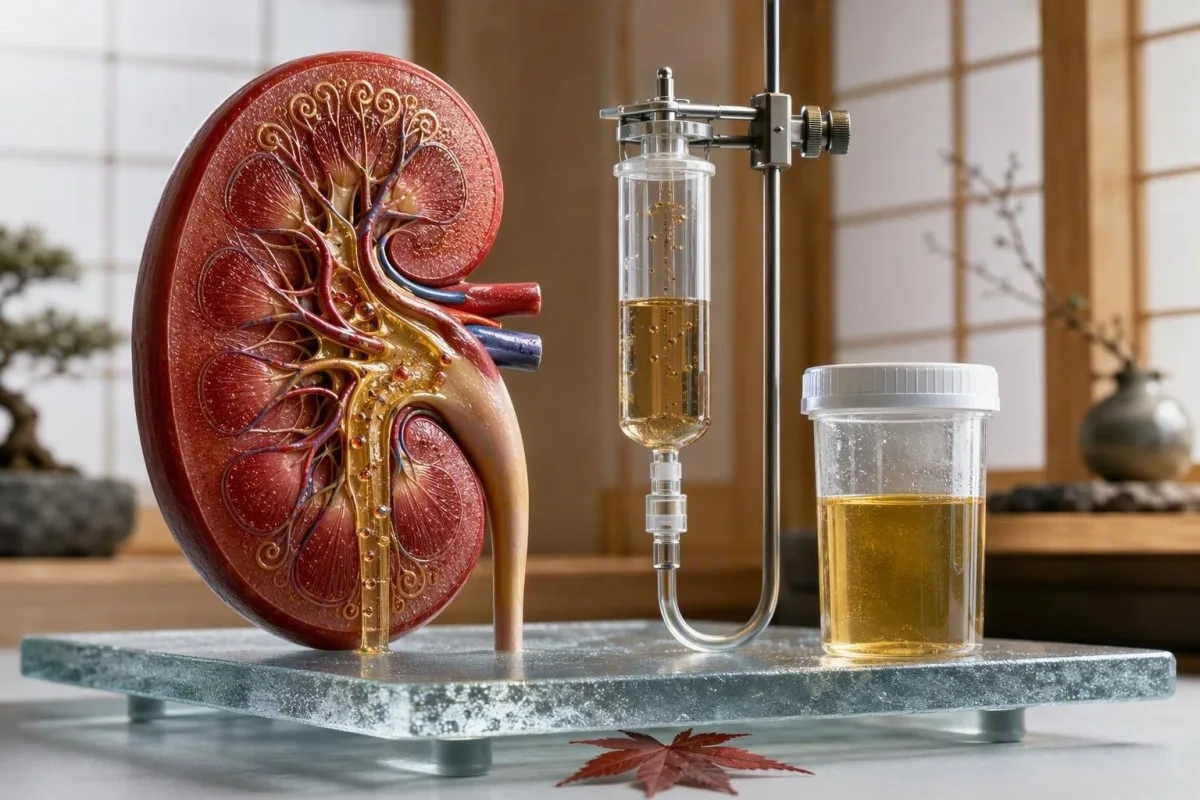
SIADH - бұл жалпы диагноз, жеке бір аномалия емес. Қан мен зәрді шамамен бір уақытта алғанда, оны дәрі-дәрмектермен, қалқанша без анализімен, кортизолмен және көлемдік күймен бірге талдағанда пайдалы белгілер пайда болады.


- Шынайы гипотоникалық гипонатриемия сарысудағы натрийдің 135 ммоль/л-ден төмен екенін және өлшенген сарысу осмолялділігінің әдетте 275 мМос/кг-нан төмен екенін білдіреді.
- SIADH зәр осмолялділігі сарысу осмолялділігі төмен болғанымен, 100 мМос/кг-нан жоғары болуы керек; бүйректер сұйық зәр шығаруы керек кезде суды ұстап қалады.
- Несептегі натрий 30 ммоль/л-ден жоғары болса, диуретиктерді, адренал жеткіліксіздігін, қалқанша без ауруын және клиникалық айқын сұйықтықтың азаюын жоққа шығарғаннан кейін ғана SIADH-ты қолдайды.
- Сусыздану үлгісі әдетте 30 ммоль/л-ден төмен зәр натрийі, жоғарыланған несеп немесе BUN және айналымдағы көлемнің азаю белгілері бар концентрленген зәрді шығарады.
- Бүйрек үсті безі жеткіліксіздігі SIADH-қа іс жүзінде ұқсас көрінуі мүмкін, сондықтан төмен таңертеңгі кортизол немесе күмәнді нәтиже SIADH диагнозы қойылмай тұрып, жедел клиникалық бақылауды қажет етеді.
- Ауыр симптомдар құрысу, шатасу, қайталанатын құсу немесе төмен натриймен сананың төмендеуі сияқты жағдайларға жедел көмек қажет; емдеу онлайн талдауды күтпеуі керек.
- Түзету қауіпсіздігі мәселелері: созылмалы гипонатриемияда, осмотикалық демиелинизацияның жоғары қаупі бар пациенттер үшін қан сарысуындағы натрийдің 24 сағат ішінде 8 ммоль/л - ден аспауы керек.
- Уақыт маңызды себебі IV салиналық инфузия, диуретикалық доза немесе бірнеше литр су несептегі натрий мен осмоляльділікті бірнеше сағат ішінде өзгерте алады.
Неліктен SIADH-қа қан мен зәрді жұптастырып сынау қажет
A SIADH қан анализі сипаттамасы: қан сарысуындағы натрийдің төмендігі, қан сарысуының осмоляльділігінің төмендігі, несептің тым концентрленген және салыстырмалы түрде натрийге бай болуы. Практикалық тұрғыдан алғанда, ағзада натрийге қатысты артық су бар, өйткені антидиуретикалық гормонның белсенділігі қалыпты түрде өшірілмейді; тек натрий мәні мұны дәлелдей алмайды.
Қан сарысуындағы натрийдің төмендеуі 135 ммоль/л гипонатриемияны анықтайды, бірақ натрий бүкіл ағзадағы натрийдің мөлшерін емес, концентрацияны білдіреді. Адам судың іркілуі, тұздың жоғалуы, глюкозаның жоғарылауы, зертханалық артефакт немесе осылардың қоспасынан төмен натрийге ие болуы мүмкін; біздің нұсқаулығымыз нұсқаулықта ауру белгілерінің ауырлығы көбінесе нақты сандық көрсеткіштен гөрі, төмендеу жылдамдығына сәйкес келетінін түсіндіреді.
Бірінші пайдалы айырмашылық - қан сарысуының өлшенген осмоляльділігі: 275 мОсм/кг - дан аз гипотоникалық гипонатриемияны көрсетеді, бұл SIADH қарастырылатын жағдай. Доктор Томас Кляйнның клиникалық ережесі қарапайым: ешқашан глюкозаны, триглицеридтерді, жалпы ақуызды және мүмкіндігінше өлшенген осмоляльділікті тексермей, негізгі метаболикалық панелінен SIADH деп белгілемеңіз.
Кантести - бұл AI қан анализінің анализаторы натрийді, глюкозаны, мочевинаны, креатининды және зертханалық қанның табылғандарын бір физиологиялық мәселе ретінде қарастырады, бірақ бірнеше белгілердің жиынтығы ретінде емес. Біздің шолуларымызда ең қауіпті қателік - 122 ммоль/л натрийден кейін сенімділік, егер есепте зертханалық зерттеулер немесе ауру тарихы болмаса; біздің клиникалық қолдану жағдайларымыз контекстті жоғалту келесі қадамды қалай өзгертетінін көрсетеді.
SIADH нені білдіреді
SIADH - инappropriate antidiuresis синдромы, тарихи түрде inappropriate antidiuretic hormone secretion деп аталды. Синдром дәрі-дәрмектерден, жүрек айнуынан, өкпе немесе орталық жүйке жүйесінің бұзылуларынан, ауырсынудан, операциядан кейінгі стресстен және кейде қатерлі ісіктен туындауы мүмкін; зертханалық сипаттама суды өңдеуді анықтайды, негізгі себебін емес.
Сарысудағы натрий мен осмолялділік: судың артық мөлшерін растау
Қан сарысуының осмоляльділігі 275 мОсм/кг - дан аз, натрий 135 ммоль/л - ден аз, гипотоникалық гипонатриемияны растайды, бірақ ол SIADH -ті өзімен-өзі анықтамайды. Қалыпты немесе жоғары осмоляльділік клиницистерді глюкоза, маннитол, контрастты агенттер, спирттер немесе псевдогипонатриемияға бағыттайды.
Көптеген зертханалар есептелген осмоляльділікті, әдетте 2 × натрий + глюкоза + мочевина (ммоль/л) ретінде бағалайды, бірақ өлшенген осмоляльділік диагноз анық болмаған кезде артықшылықты болып табылады. Өлшенген және есептелген мәндер арасындағы мағыналы алшақтық өлшенбеген осмолептерді ашуы мүмкін; бұл натрий нәтижесі клиникалық тұрғыдан нақты болуының бір себебі, бірақ SIADH -ті білдірмеуі мүмкін.
Глюкоза шамамен 13,9 ммоль/л (250 мг/дл) - ден жоғары жасушалардан плазмаға судың ауысуынан өлшенген натрийді төмендетеді. Жалпы қолданылатын түзету 5,6 ммоль/л (100 мг/дл) глюкозадан жоғары әр 5,6 ммоль/л (100 мг/дл) глюкозаға шамамен 1,6-2,4 ммоль/л натрийді қосады, бірақ клиницистер өте жоғары глюкозадағы нақты коэффициентке келіспейді.
Өте жоғары триглицеридтер немесе парапротеиндер жанама ион-селективді анализдер кезінде жалған гипонатриемияны тудыруы мүмкін, ал өлшенген осмоляльдылық қалыпты қалады. Натрий нәтижесін негізгі метаболизм панелі салыстырыңыз және су-тепе-теңдік бұзылуын болжамас бұрын зертхананың тікелей немесе жанама электродты қолданғанын сұраңыз.
SIADH зәр осмолялділігі: жағдайды өзгертетін бүйрек белгісі
Гипотониялық науқастағы 100 мОсм/кг жоғары зәр осмоляльдылығы антидиуретикалық гормонның белсенділігі бар екенін білдіреді. SIADH кезінде зәр осмоляльдылығы көбінесе 200-ден 600 мОсм/кг дейін болады, бірақ зәрдің бір мәні де диагностикалық емес.
Несеп осмолалдылығы 100 мОсм/кг немесе одан аз іс жүзінде барынша сұйылтылған зәрді білдіреді және SIADH ықтималдығын төмендетеді. Бұл үлгі бастапқы полидипсияға немесе төмен ерітінді қабылдауға сәйкес келеді, мұнда суды қабылдау бүйректің еркін суды шығару қабілетінен асады; бұл әсіресе өте аз ақуыз бен тұз тұтынатын адамдарда маңызды.
Міне, парадокс: концентрленген зәрдің өзінен-өзі сусыздануды білдірмейді. Гиповолемия да, SIADH да антидиуретикалық гормонды жоғарылатады, бірақ сусыздану циркуляцияны сақтау үшін тиісінше қамтамасыз етеді, ал SIADH клиникалық түрде жеткілікті тиімді артериялық көлемге қарамастан солай жасайды.
Еуропалық гипонатриемия бойынша нұсқаулық зерттеуді ерте ажыратушы ретінде зәр осмоляльдылығын ұсынады, себебі көлемді физикалық бағалау көбінесе сенімсіз болады (Spasovski et al., 2014). Тереңірек түсіндірмесін оқыңыз Несеп осмолалдылығын тексеру егер сіздің есебіңізде дипстик-спецификалық меншіктік салмақ орнына mOsm/kg қолданылса.
Бір зәр үлгісі неліктен алдауы мүмкін
Құсу басылғаннан, ауырсыну бақыланғаннан немесе себепші дәрі-дәрмек алынып тасталғаннан кейін зәр осмоляльдылығы тез төмендеуі мүмкін. Егер зәрді вена ішіне сұйықтық, ілмекті диуретик немесе қан үлгісінен кейін бірнеше сағат өткен соң алса, мен оны дәлел емес, белгі ретінде қараймын.
Зәрдегі натрий: SIADH-ты сусызданумен және төмен тиімді көлеммен салыстыру
Диеталық тұзды қалыпты қабылдаған және диуретиктер жоқ болған кезде гипотониялық гипонатриемияда 30 ммоль/л жоғары зәр натрийі SIADH-ті қолдайды. 30 ммоль/л төмен зәр натрийі құсу, диарея, терлеу, жүрек жеткіліксіздігі, цирроз немесе нақты сусызданудан бүйректің натрийді сақтауын жиі көрсетеді.
Қалыпты SIADH кезінде бүйректер натрийді жақсы сақтамайды, сондықтан зәрдегі натрий көбінесе 30 ммоль/л-ден жоғары және 60 ммоль/л асуы мүмкін. Зәр көбінесе төмен болады, ал қан сарысуындағы қышқылдың мөлшері 4 мг/дл (0,24 ммоль/л) төмен болуы мүмкін, себебі жеңіл көлемдік кеңею зәр қышқылының шығарылуын арттырады.
Гидрохлоротиазид қабылдайтын 68 жастағы науқаста ішек вирусынан кейін 55 ммоль/л зәр натрийі және концентрленген зәр болуы мүмкін; бұл SIADH-ті анықтамайды. Тиазидпен байланысты гипонатриемия әрбір классикалық зертханалық белгісіне ұқсас болуы мүмкін, сондықтан дәрі-дәрмектер тізімі әкімшілік емес, диагностикалық деректер болып табылады.
Диуретиктерден кейін, бүйрек ауруының өршуі кезінде немесе өте төмен диеталық натрий кезінде зәр натрийі аз сенімді болады. Оны креатининмен, мочевинамен және электролиттер панелі 30 ммоль/л кесуін қатаң қабырға ретінде қараудан гөрі.
Зәр қышқылының фракциялық шығарылуы
ЗUR-ден жоғары фракциялық шығарылуы 12% SIADH-ты қолдай алады, әсіресе диуретиктер зәр натрийін бұрмалаған кезде. Әдетте SIADH түзетілгеннен кейін қалыпқа келеді, ал бүйрек тұзын жоғалтатын күйлер оны жоғарылатуы мүмкін; бұл мамандарға арналған аймақ, бірақ оқиға сәйкес келмеген кезде пайдалы болуы мүмкін.
Зертханалық зерттеулерде сусыздану SIADH-тан қалай ерекшеленеді
Сусыздану әдетте төмен зәр натрийімен, креатининге қатысты жоғарылаған мочевинамен және көлемді жоғалтудың клиникалық белгілерімен тығыз зәр тудырады. SIADH да тығыз зәр шығаруы мүмкін, бірақ науқастар әдетте клиникалық эуволемиялық болады және натрийді сақтайтын бірдей бүйрек реакциясына ие болмайды.
Құсу, диарея немесе қатты терлеу кезінде бүйрек әдетте зәр натрийін төмендетеді 20-30 ммоль/л төмен ал зәр осмоляльдылығы 100 мОсм/кг жоғарылайды. Мочевина креатининге қатысты пропорционалды емес түрде жоғарылауы мүмкін, бірақ бұл қатынас ақуызды тұтынуға, асқазан-ішек қан кетуіне, стероидтерге және бауыр функциясына әсер етеді, сондықтан ол анықтамалық емес, қолдаушы болып табылады.
SIADH-та қан қысымы және тексеру қалыпты көрінуі мүмкін, бірақ нәзік табылғандар маңызды: ортостатикалық симптомдар жоқ, шырышты қабықтар құрғақ емес, перифериялық ісіну жоқ және асқазан-ішек жоғалтуы жоқ. Мен науқастардың зәрлері қара болғандықтан "сусызданған" деп аталғанын көргенмін; зәрдің түсі натрий физиологиясы үшін нашар көрсеткіш болып табылады, өйткені біздің несептің қоюлануы жөніндегі нұсқаулық талқылайды.
Таңдалған бақыланатын жағдайларда мұқият изотоникалық тұзды эстафета көмектесе алады: гиповолемиялық гипонатриемия көлем антидиуретикалық гормонды басатындықтан жақсаруға бейім. SIADH-та тұзды ерітінді натрийді көтере алмауы немесе зәр ерітіндіден әлдеқайда тығыз болғанда оны нашарлатуы мүмкін; бұл ешқашан үйдегі тәжірибе болмауы керек.
Неліктен тұзды ерітінді SIADH-ты нашарлатуы мүмкін
0,9% тұзды ерітіндінің бір литрінде 154 ммоль натрий бар, бірақ 600 мОсм/кг-да зәр шығаратын бүйрек натрийді шығарып, суды пропорционалды түрде көбірек ұстап қалуы мүмкін. Бұл "тұздан айыру" әсері зәр натрийі мен калий қандағы натрийге қатысты жоғары болған кезде ең ықтимал.
Адренал жеткіліксіздігі: дәрігерлер SIADH-ты жоққа шығаруы керек mimik-і
Адренал жеткіліксіздігі төмен натрий, төмен қандағы осмоляльдылық, 100 мОсм/кг жоғары зәр осмоляльдылығы және 30 ммоль/л жоғары зәр натрийін тудыруы мүмкін — SIADH-пен дерлік бірдей үлгі. Сондықтан кортизолды бағалау қауіпсіз SIADH жұмысын жүргізудің бөлігі болып табылады, әсіресе шаршау, салмақ жоғалту, төмен қан қысымы, гиперкалиемия немесе стероидтік әсер ету кезінде.
Шамамен жоғары таңертеңгі қандағы кортизол 15-18 микрограмм/дл (414-497 нмоль/л) әдетте клиникалық маңызды адренал жеткіліксіздікті ықтимал емес етеді, бұл бағалау мен жағдайға байланысты. Мәндер төмен 3-5 микрограмм/дл (83-138 нмоль/л) алаңдатады, ал аралық нәтижелер болжамнан гөрі ACTH стимуляциясын талап етеді.
Негізгі адренал жеткіліксіздігі әдетте жоғары калийді тудырады, себебі альдостерон жеткіліксіз, бірақ екіншілік адренал жеткіліксіздік қалыпты калийге ие болып, ауыр гипонатриемияны тудыруы мүмкін. Механизм - кортизолдың жеткіліксіздігі антидиуретикалық гормонның бөлінуін арттырады, жай тұз жоғалту емес.
Verbalis басқарған 2013 жылғы сарапшылар тобы SIADH-қа тоқталу алдында адренал жеткіліксіздікті жоюға кеңес береді (Verbalis et al., 2013). Егер бұл мүмкіндік сіздің есебіңізде болса, біздің шолуымыз Аддисон ауруының зертханалық белгілері жедел клиницистің тексеруіне арналған сұрақтарды дайындауға көмектеседі.
Стероидті дәрі-дәрмектер сынақты қиындатады
Преднизолон, гидрокортизон және инъекциялық стероидтер кортизолды интерпретациялауды өзгертіп, адреналды осьті баса алады. "Таза сынақ" алу үшін тағайындалған стероидтерді тоқтатпаңыз; кенеттен тоқтату адреналды дағдарысты тудыруы мүмкін.
Қалқанша без анализі: гипотиреоз төмен натрийді қалай түсіндіреді
Ауыр гипотиреоз суды шығаруды нашарлатуы мүмкін, бірақ қалыпты субклиникалық гипотиреоз сирек кездесетін мағыналы гипонатриемияны түсіндіреді. SIADH диагнозы қойылғанға дейін TSH және еркін T4 тексереді, өйткені терең тиреоидті жеткіліксіздікті емдеуге болады және басқа себептермен қатар болуы мүмкін.
Клиникалық маңызды гипотиреоздық гипонатриемия ең ауыр ауруда, әсіресе төмен еркін T4, брадикардия, гипотермия немесе жүрек шығарылымының төмендеуі бар микседема физиологиясында ықтимал. 6 мТл/л TSH еркін T4 қалыпты болғанда жиі кездеседі және 121 ммоль/л натрийге ыңғайлы түсініктеме болмауы керек.
Kantesti AI — бұл AI қан талдауы нәтижесін түсіндіру платформасы TSH және еркін T4-ті натриймен, бүйрек функциясымен және дәрі-дәрмек уақытымен салыстыратын, өйткені белгіленген TSH нәтижесі шұғыл адреналды немесе дәрі-дәрмекке байланысты себептен алаңдатуы мүмкін. Қалыпты TSH орталық гипотиреозды жоққа шығармайды; жоғарылатылмаған TSH бар төмен еркін T4 басқа жолды талап етеді, біздің мақаламызда түсіндірілген қалыпты TSH бар төмен еркін T4.
Қалқанша безді алмастыруды белгіленген қалқанша без көрсеткіштері бойынша реттеу керек, жедел натрий емі ретінде қолданбау керек. Менің тәжірибем бойынша, натрий жиі тек шынайы суды ұстап қалу драйвері — жүрек айнуы, дәрі-дәрмек, кортизол жеткіліксіздігі немесе ауру — емделгеннен кейін ғана жақсарады.
Гипофиз ауруы жұмысты өзгертеді
Бас ауруы, көру аймағының симптомдары, либидоның төмендеуі, түсініксіз төмен қан қысымы немесе бірнеше төмен гипофиз гормондары орталық гипофиз ауруына алаңдаушылық тудырады. Бұл жағдайда, левотироксинді бастамас бұрын кортизолды тексеріңіз, өйткені қалқанша без гормоны кортизолдың клиренсін арттыруы мүмкін.
Жүктілік, егде жас және дене өлшемінің айырмашылықтары SIADH талдауында
Жүктілік қалыпты осмотикалық шекті және қандағы натрийді шамамен 4-5 ммоль/л төмендетеді, сондықтан 130 ммоль/л жақын натрий жүктіліктің басында физиологиялық болуы мүмкін, бірақ әлі де контекстті талап етеді. Егде жастағы адамдарда дәрі-дәрмекке байланысты гипонатриемия қаупі жоғары және көбінесе шөлдеу емес, құлау немесе шатасумен көрінеді.
Қалыпты жүктілік кезінде қандағы осмолялділік әдетте шамамен азаяды 5-10 мОсм/кг және натрий 130-134 ммоль/л жақын болуы мүмкін, өйткені осмостат қайта орнатылады. 130 ммоль/л төмен натрий, неврологиялық симптомдар, гипертензия, бауырдың бұзылуы немесе протеинурия жүктіліктің қалыпты өзгеруі ретінде елемеуден гөрі, шұғыл акушерлік бағалауды талап етеді.
75 жастан асқан адамдарда SSRI, тиазидтер, карбамазепин, десмопрессин және төмен ерітінді диеталары жиі кездеседі. Базалық когнитивтің нәзік болуы кезінде тек 5 ммоль/л натрийдің төмендеуі маңызды болуы мүмкін; жүріс-тұрыс тұрақсыздығы және құлауы бірінші байқалатын белгілер болуы мүмкін.
Бүйрек сүзгісі жүктілік кезінде табиғи түрде өзгереді және интерпретация жүктілікке бейім сілтемелерді пайдалануы керек; біздің нұсқаулығымыз жүктілік eGFR мәндері есептелген eGFR жүктілікте жиі расталмайтынын түсіндіреді. Сұйықтықты шектеу жүктілікте және әлсіздікте жекелендірілуі керек, жалпы SIADH парағынан көшірілмеуі керек.
Төмен дене массасы ұсақ бөлшек емес
45 кг адамда 100 кг адамға қарағанда дене суының жалпы мөлшері аз, сондықтан бірдей су жүктемесі немесе дәрі-дәрмек дозасы натрийдің үлкен ығысуын тудыруы мүмкін. Әлсіз науқастарда натрий тез өзгерген жағдайда физиологиялық резерв аз.
SIADH-ты имитациялайтын немесе тудыратын дәрі-дәрмектердің әсері
Тиазидті диуретиктер, SSRI, SNRI, карбамазепин, оксарбазепин, десмопрессин және кейбір антипсихотиктер гипотоникалық гипонатриемияның жиі дәрі-дәрмек себептері болып табылады. Кейбіреулері шынайы SIADH физиологиясын тудырады, ал тиазидтер суды азайтудың және натрийдің жоғалуының нашарлауы арқылы SIADH-ті имитациялай алады.
Тиазидке байланысты гипонатриемия көбінесе емдеуді бастағаннан немесе дозаны арттырғаннан кейін алғашқы 2 апта ішінде басталады, бірақ ауру, тамақтанудың азаюы немесе суды көп ішу қосылған кезде бірнеше айдан кейін пайда болуы мүмкін. Ілмекті диуретиктер бүйрекке суды шоғырландыру қабілетін төмендететіндіктен, бұл ерекше үлгіні сирек тудырады.
ССРО-ға байланысты гипонатриемия егде жастағы адамдарда, салмағы аз адамдарда және диуретиктерді қабылдайтындарда жиі кездеседі. Жаңа антидепрессант міндетті түрде кінәлі емес, бірақ уақытша тізбек дәрігердің оқулық тізімінен маңыздырақ: алдыңғы 30 күн ішіндегі әрбір бастауды, тоқтатуды және дозаны өзгертуді құжаттаңыз.
Сізді емдеуші дәрігердің көрсетілімін білмейінше, құрысуға қарсы, психиатриялық, гормондық немесе қан қысымына қарсы дәрі-дәрмектерді тоқтатпаңыз. Диуретиктерді қолдану және құсу кезінде хлоридтің төмендігі байқалуы мүмкін; біздің хлоридтің төмендігі туралы түсіндірмесіміз жалпы электролиттік үлгіні ажыратуға көмектеседі.
Дәрігердің рецептісіз сатылатын қосымшалар
Түнгі зәр шығару үшін қолданылатын десмопрессин ерекше назар аударуға тұрарлық, себебі дозадан кейін еркін ішу судың кенеттен іркілуіне әкелуі мүмкін. ҚҚСП-лар, әсіресе ауру кезінде, сезімтал адамдарда антидиуретикалық гормонның әсерін күшейтуі мүмкін.
Төмен ерітінділерді тұтыну және артық су: SIADH емес үлгілер
Бастапқы полидипсия және диетадағы ерітіндінің өте төмен болуы әдеттегі SIADH-дан айырмашылығы, зәрдің осмолялдылығы 100 мОсм/кг немесе одан аз болуына әкеледі. Бұл айырмашылық маңызды, себебі тек сұйықтықты қатаң шектеу тамақтанбауды, алкогольге байланысты ауруды немесе ерітінді қабылдау қалпына келген кезде қауіпті жылдам түзетуді елемеуі мүмкін.
Бүйректің суды шығару үшін ерітіндісі, негізінен ақуыздан алынған мочевина және электролиттер қажет. Күніне тек 250 мОсм ерітінді болған кезде, адам 100 мОсм/кг-да 2,5 л зәр шығара алады, бірақ антидиуретикалық гормон зәрді 250 мОсм/кг-да ұстаса, тек 1 л ғана шығарады.
Бастапқы полидипсияда зәр жиі айқын сұйылтылған болады және тарихты бағалауда күніне 4-6 литр сұйықтық ішуді көрсетуі мүмкін, бірақ еске түсіру жетілмеген. Төмен ерітінділік гипонатриемияда мочевина аз болуы мүмкін, ал диета тарихы жақында ақуыз мен тұздың нашар қабылдануын көрсетуі мүмкін.
Кетондар, төмен мочевина және салмақ жоғалту SIADH-ға қарағанда тамақтанбауды немесе ұзаққа созылған ашығуды білдіруі мүмкін. Егер кетоз бар болса, зәр кетондарын қарастырыңыз; диабеттік кетоацидоз бөлек төтенше жағдай болып табылады және натрийді интерпретациялауды бұзуы мүмкін.
Қайта тамақтандыру қаупі
Тамақтану қалпына келтірілген кезде, бүйрек ерітіндісін шығаруды қалпына келтіргенде натрий күтілгеннен жылдам көтерілуі мүмкін. Аурухана командалары жоғары тәуекелді науқастарда, кейде белсенді түзету кезінде әр 2-4 сағат сайын натрийді жиі бақылайды.
Бұйрек, жүрек және бауыр аурулары: SIADH-сыз төмен натрий
Жүрек жеткіліксіздігі, цирроз және бүйрек ауруының өршуі SIADH-ға емес, әсерлі артериялық көлемнің төмендігі арқылы гипонатриемияға әкеледі. Бұл жағдайлар әлі де шоғырланған зәрді тудыруы мүмкін, бірақ ісіну, қан айналымының төмендеуі, альбуминнің төмендеуі немесе сүзгіштің бұзылуы әдетте жалпы суретті өзгертеді.
Жүрек жеткіліксіздігі мен циррозда ағзада артық су мен натрий болуы мүмкін, бірақ артериялық толудың жеткіліксіздігін сезініп, антидиуретикалық гормон мен натрийді сақтау жолдарын белсендіреді. Зәрдегі натрий әдетте төмен болады, 30 ммоль/л диуретиктер немесе бүйрек жарақаты нәтижені бұзбаса.
Жетілген бүйрек ауруы суды шығаруды да, зәрді қоюландыруды да шектейді, сондықтан зәрдің осмолялдығы плазма осмолялдығына жақын болуы мүмкін 250-350 мОсм/кг. Бұл жағдайда, классикалық SIADH шектеулері дәлдігінен айырылады және нефрологияның қатысуы зәрді қайта-қайта сынаудан гөрі пайдалырақ.
Протеинурия, цилиндрлер, альбумин, креатинин тренді және ісіну жанама мәселелер емес; олар физиологияны анықтауға көмектеседі. Біздің практикалық нұсқаулығымыз зəрдің меншікті салмағы күрделі бүйрек жағдайында сынақ таяқшасының бағасы өлшенген зәр осмолялдығын алмастыра алмайтынын түсіндіреді.
Ісіну қауіпті жоққа шығармайды
Ісінуі бар адам натрий 120 ммоль/л төмен болғанда да ауыр неврологиялық симптомдарды дамыта алады. Сұйықтық мәртебесі себебін түсіндіреді, бірақ жедел симптоматикалық гипонатриемияның шұғылдығын төмендетпейді.
Үлгіні алу уақыты, IV сұйықтықтары және зертханадағы қателіктер
Қан мен зәрді, егер мүмкін болса, IV сұйықтықтардан бұрын және бір-бірінен бірнеше сағат ішінде жинау керек, себебі ем SIADH зертханалық нәтижелерін тез өзгертуі мүмкін. Кешіктірілген зәр сынамасы гипонатриемияның себебінен гөрі терапияға жауапты сипаттай алады.
Бір литр тұз ерітіндісі, фуросемид дозасы, жүрек айнуына қарсы ем, ауырсынуды басатын дәрі, немесе десмопрессинді тоқтату сағат ішінде зәр шығаруды және осмолялдықты өзгертуі мүмкін. Нақты жинау уақытын, соңғы сұйықтықтарды ішуді, IV терапияны және дәрі-дәрмектерді жазып алыңыз; бұл қарапайым мәлімет көбінесе SIADH зертханалық нәтижелерінің қайшылықты көрінетін жауаптарын шешеді.
Гемолиз әдетте жалған төмен натрийді тудырмайды, бірақ айтарлықтай гиперлипидемия, гиперпротеинемия және сынаманың ластануы мүмкін. Клиникалық түсіндірусіз кешегі мәнінен айтарлықтай ерекшеленетін натрий нәтижесі қайта сынауды немесе тікелей иондық-селективті электродты өлшеуді талап етуі керек, электрондық кесте арқылы диагноз қоюды емес.
Kantesti AI күндерді салыстырады және мүмкін емес өзгерістерді белгілейді, бірақ ол жазылмаған тұз ерітіндісін немесе өткізіп алған дозаны көре алмайды. Пайдаланыңыз қан талдауының уақыт шкаласы үшін ауруды, жаттығуды, оразаны, сұйықтықтарды ішуді және әр нәтиженің қасына дәрі-дәрмектерді жазу үшін.
Зәрдің меншікті салмағы осмолялдық емес
Меншікті салмақ бөлшектер массасын, сондай-ақ концентрацияны көрсетеді және глюкоза, ақуыз немесе контрасттық заттармен бұрмалануы мүмкін. 1.020 мәні әрбір пациентте белгілі бір мОсм/кг мәніне сенімді түрде аударылмайды.
Дәрігерлер әдетте бұйыратын шоғырланған SIADH зерттеуі
Қауіпсіз SIADH бағалау әдетте қан сарысуындағы натрий, калий, глюкоза, мочевина, креатинин, өлшенген сарысу осмолялдығы, зәр осмолялдығы, зәр натрийі, TSH, еркін T4 және таңертеңгі кортизолды қамтиды. Мақсат - гипотоникалық гипонатриемияны растау және SIADH белгісін қоймас бұрын қайтымды мимикаларды жоққа шығару.
Қосымша тесттер контекстке байланысты: зәр қышқылы, бауыр маркерлері, липид профилі, жалпы ақуыз, АКТГ, кеуде қуысының суреті, мидың суреті немесе дәрі-дәрмектерді қарау қажет болуы мүмкін. Натрийі 126 ммоль/л болатын, көбінесе эуволемиялық пациентте, бір мезгілдегі осмолялдық жұбы және кортизол кең, фокусталмаған сынақтардан гөрі ақпаратты болады.
Hoorn және Zietse нұсқаулықтарының салыстыруы тек көлемді тексерудің диагностикалық дәлдігі шектеулі екенін атап көрсетеді және зәрге бағытталған биохимиялық тәсілді қолдайды (Hoorn және Zietse, 2017). Сондықтан қалыпты көрінетін тексеру зәр осмолялдығы 550 мОсм/кг және сарысу осмолялдығы 260 мОсм/кг-ны жоққа шығармауы керек.
Доктор Томас Кляйн әр нәтиже бетінің, соның ішінде жинау уақыты, сілтеме аралығы және дәрі-дәрмектер тізімін, кездесу алдында фотосуретке түсіруді ұсынады. Біздің AI медициналық есеп қауіпсіздік бақылау парағы тәржімалауға қажетті бастапқы мәліметтерді қалай сақтау керектігін түсіндіреді.
Визуализация маңызды болған кезде
Жаңа, тұрақты SIADH, әдеттегі дәрі-дәрмектерсіз немесе жедел ауруларсыз, кеуде қуысының суретін түсіруді талап етуі мүмкін, әсіресе егде жастағы темекі шегетін немесе тыныс алу симптомдары бар адамдарда. Визуализация тарихы мен тексерумен бағытталады; әрбір 132 ммоль/л натрий үшін міндетті емес.
Емдеу сандары нені білдіреді және неге натрийді түзету қауіпті болуы мүмкін
Ауыр симптоматикалық гипонатриемия ауруханада мұқият бақыланатын гипертоникалық тұзды ерітіндімен емделеді, ал созылмалы SIADH басқару себебін және су теңгерімін бақылауды мақсат етеді. Қауіп екі жақты: емделмеген ми ісінуі және тым жылдам түзету мидың тұрақты неврологиялық зақымдануына әкелуі мүмкін.
Гипонатриемияға байланысты құрысу, кома, терең шатасу немесе ауыр құсу үшін нұсқаулықтар жиі қолданылады 100-150 мл 3% тұзды ерітіндісі қайталанатын натрий тексерулерімен, уақытша тамшылатып беру ретінде. Бастапқы мақсат - ми ісінуін азайту үшін шамамен 4-6 ммоль/л-ге шамалы көтерілу, дереу қалыпқа келтіру емес.
Созылмалы гипонатриемия үшін көптеген клиницистер түзетуді шектейді 24 сағатта 8 ммоль/л-ден артық көтеру алкоголизм, тамақтанбау, бауырдың ауыр ауруы, гипокалиемия немесе бастапқы натрийдің өте төмен болуы сияқты осмотикалық демиелинизация қаупі жоғары адамдар үшін. Кейбір нұсқаулықтар төменгі қауіпті пациенттер үшін бірінші күні 10 ммоль/л рұқсат береді, бірақ мен сақтықты қолдаймын, өйткені антидиуретикалық гормон төмендеген кезде сан күтпеген жерден өсуі мүмкін.
Сұйықтықты шектеу тұрақты SIADH үшін әдетте күніне 800-1000 мл шамасында басталады, бірақ оның табысты болуы зәрдің концентрациясы мен ерітіндінің түсуіне байланысты. Зәр, тұзы бар ілмекті диуретиктер немесе вазопрессин антагонистері - мамандар шешімі; Kantesti - бұл AI арқылы қуаттандырылған қан талдауын жүргізу құралы жедел көмекті тағайындау немесе ауыстыру үшін емес, тиісті үлгіні белгілеуге арналған. Біздің техникалық клиникалық бақылау қараңыз, автоматтандырылған интерпретация медициналық тұрғыдан қалай қаралатынын ескере отырып.
Калийді түзету де натрийді жоғарылатады
Калий тиімді осмол болып табылады, сондықтан гипокалиемияны емдеу тұзды ерітіндісіз де қандағы натрийді арттыруы мүмкін. Бұл жалпы 24 сағаттық түзету мөлшерін есептеу кезінде оңай байқалмайды.
Төмен натрий немесе SIADH болуы жедел медициналық көмекті қажет ететін жағдайлар
Натрийдің белгілі немесе күдікті төмендігімен құрысу, естен тану, жаңа ауыр шатасу, айқын ұйқышылдық, қайталанатын құсу, ауыр бас ауруы немесе тыныс алу қиындығы үшін қазір шұғыл көмекке жүгініңіз. 120 ммоль/л-ден төмен натрий, әсіресе төмендеу жақында болған жағдайда, симптомдар жеңіл көрінгенімен, күндізгі клиникалық бағалауды талап етеді.
Натрий үшін тестті тағайындаған клиницисті дереу шақырыңыз 125-129 ммоль/л, жаңа дәрі-дәрмектерді қабылдау, ракқа қарсы ем, жүктілік, бүйрек үсті безінің симптомдары немесе мағыналы төмендеу үрдісі. Жеке кеңес алмай тұрып, суды қосымша ішпеңіз, тұз таблеткаларын қабылдамаңыз немесе сұйықтықты толығымен шектемеңіз; әрбір әрекет әртүрлі себепті ушықтыруы мүмкін.
2026 жылғы 27 тамыздағы жағдай бойынша, пациенттің ең пайдалы үлесі - бұл дәл тарих: күнделікті сұйықтықтар, алкогольді тұтыну, жақында құсу немесе диарея, барлық рецептілер мен қоспалар, IV сұйықтықтар, ауырсыну, жүрек айну, өкпе симптомдары және бұрынғы натрий мәндері. Бұл тарих көбінесе бір реттік антидиуретикалық гормонның бөлінуін тұрақты SIADH-тен қосымша оқшауланған химиялық панельге қарағанда тиімдірек ажыратады.
Kantesti медициналық тобы дәрігердің бақылауымен үлгіге негізделген нәтижелерді қарауды қолданады; оқырмандар бұл процестің артындағы клиницистерді біздің Медициналық консультативтік кеңес. сайтында көре алады. Нәтижелер түсініксіз болса, бастапқы зертханалық есепті және бұл жұптық тесттер жиынтығын натрий санын өзін-өзі емдеуден гөрі, лицензияланған клиницистке апарыңыз.
Қабылдауға апаратын сұрақтар
Гипонатриемия гипотоникалық ретінде расталды ма, емдеу алдында зәр алынды ма, кортизол мен еркін T4 тексерілді ме, және дәрі-дәрмек немесе төмен ерітіндісі бар тамақтану үлгіні түсіндіре ала ма деп сұраңыз. Бұл төрт сұрақ емдеуді өзгертетін себептерге шоғырлануды қамтамасыз етеді.
Жиі қойылатын сұрақтар
SIADH-ты қандай қан анализінің нәтижесі көрсетеді?
Сәйкессіздіктің антидиуретикалық гормоны (САДГ) синдромы қан сарысуындағы натрийдің 135 ммоль/л төмендігі, анықталған қан сарысуының осмолялдығының 275 мОсм/кг төмендігі, зәр осмолялдығының 100 мОсм/кг жоғарылығы және зәрдегі натрийдің әдетте 30 ммоль/л жоғарылығымен ұсынылады. Адам әдетте клиникалық түрде эуволемиялық болады, айқын сусыздану, ісіну, бүйрек жеткіліксіздігі, бүйрек үсті безінің жеткіліксіздігі немесе ауыр гипотиреоз жоқ. Зәрдегі мочевинаның және қан сарысуындағы қышқылдың шамамен 4 мг/дл төмен болуы қосымша қолдау көрсете алады, бірақ екеуі де жекелей диагноз қоюға жатпайды. Клиникалық дәрігерлер осы тесттерді бір мезгілде алынған қан мен зәрден интерпретациялауы керек.
SIADH-та қандай несеп осмоляльдығы тән?
SIADH ауруындағы зәр осмолдылығы 100 мМосм/кг-нан жоғары болады, бұл сарысу осмолдылығының төмен болуына қарамастан, көптеген науқастарда 200-600 мМосм/кг аралығында болады. 100 мМосм/кг немесе одан төмен зәр осмолдылығы SIADH-қа қарсы дәлел болып табылады, себебі ол бүйректің зәрді дұрыс сұйылта алатындығын көрсетеді. Сұйықтықтардың тапшылығы да 100 мМосм/кг-нан жоғары зәр осмолдылығын тудыруы мүмкін, сондықтан зәрдегі натрий және клиникалық көлемді бағалау қажет. Салин, диуретиктер немесе жүрек айнуды емдеуден кейін алынған үлгі жаңылыстыруы мүмкін.
Суиба, дегидратация салдарынан натрий деңгейі төмендеп, SIADH-қа ұқсас болуы мүмкін бе?
Иә, сусыздану, құсу, іш өту, терлеу немесе нашар ішу гипотоникалық гипонатриемияны, зәрдің 100 мМос/кг-нан жоғары концентрациялануымен тудыруы мүмкін. Қарапайым сусыздануда, бүйректер натрийді үнемдейтіндіктен, зәр натрийі әдетте 20-30 ммоль/л төмен болады, ал мочевина креатининге қарағанда жоғарылауы мүмкін. SIADH-та зәр натрийі 30 ммоль/л жоғары болады, сұйықтық тапшылығының айқын белгілері жоқ. Диуретиктер бұл айырмашылықты бұлыңғырлай алады, сондықтан дәрі-дәрмек тарихы өте маңызды.
Неліктен дәрігерлер SIADH-тен күдіктенгенде кортизолды тексереді?
Кортизолды тексереді, себебі бүйрек үсті безінің жеткіліксіздігі SIADH сияқты, натрийдің төмендеуіне, сарысу осмоляльдігінің төмендеуіне және зәрдің концентрленуіне себеп болуы мүмкін. Таңертеңгі кортизолдың шамамен 15-18 мкг/дл-ден жоғары болуы, зертхана мен клиникалық жағдайға байланысты, әдетте бүйрек үсті безінің елеулі жеткіліксіздігін жоққа шығарады; 3-5 мкг/дл-ден төмен нәтиже алаңдатушылық тудырады. Аралық мәндерде жиі ACTH стимуляциялық тесті қажет болуы мүмкін. Бүйрек үсті безінің жеткіліксіздігін елемеу қауіпті, себебі оны сұйықтықты шектеумен ғана емес, стероидпен алмастыру қажет.
SSRI немесе диуретик Синдром Шварцмана-Айзенберга-Даймонд-Хеллер (SIADH) зертханалық нәтижелерін тудыруы мүмкін бе?
SSRI, SNRI, карбамазепин, окс карбазепин және десмопрессин SIADH- тәрізді суды ұстап қалуды тудыруы мүмкін, ал тиазидті диуретиктер SIADH зертханалық нәтижелерін жақыннан көрсете алады. Тиазидпен байланысты гипонатриемия жиі емдеуді бастағаннан немесе дозаны арттырғаннан кейін 14 күн ішінде дамиды, бірақ басқа аурулар оны кейінірек тудыруы мүмкін. Екі жағдайда да зәрдегі натрий 30 ммоль/л жоғары болуы мүмкін, сондықтан дәрі-дәрмектердің қабылдану уақыты клиникалық тұрғыдан шешуші болып табылады. Пациенттер психиатриялық, эпилепсияға қарсы немесе қан қысымына қарсы рецепт бойынша берілген дәрілерді тағайындаған дәрігердің кеңесінсіз тоқтатпауы керек.
Натрийді төмендетуді қаншалықты жылдам қауіпсіз түзетуге болады?
Созылмалы гипонатриемияда көптеген клиницистер осмотикалық демиелинизация қаупі жоғары пациенттерде, мысалы, тамақтанбау, алкоголизм, бауырдың ауыр аурулары, гипокалиемия немесе өте төмен натрий жағдайларында, 24 сағат ішінде натрийді түзетуді 8 ммоль/л немесе одан төмен деңгейде ұстауға тырысады. Шұғыл жағдайлардағы симптомдарға болжамды 4-6 ммоль/л бастапқы өсуге жету үшін ауруханада 3% тұздығының 100-150 мл инфузиялары қажет болуы мүмкін. Нақты мақсат уақыттың ұзақтығына, симптомдарға және қауіп факторларына байланысты. Натрийді емдеуде қанды қайта-қайта тексеру қажет, өйткені судың өздігінен диурезі түзетудің күтпеген жерден жеделдетуіне әкелуі мүмкін.
Бүгін AI арқылы қан талдауы нәтижесін алыңыз
Kantesti-ті лезде әрі дәл зертханалық талдау үшін сенетін бүкіл әлем бойынша 2 миллионнан астам пайдаланушыға қосылыңыз. Қан анализінің нәтижелерін ж.үктеп, бірнеше секунд ішінде 15,000+ биомаркерлерінің жан-жақты түсіндірмесін алыңыз.
📚 Сілтеме жасалған ғылыми жарияланымдар
Кляйн, Т., Митчелл, С., & Вебер, Х. (2026). Әйелдер денсаулығына арналған нұсқаулық: овуляция, менопауза және гормоналды белгілер. Kantesti AI медициналық зерттеулер.
Кляйн, Т., Митчелл, С., & Вебер, Х. (2026). Ерте Хантавирус триажына арналған көптілді AI көмегімен клиникалық шешім қабылдауды қолдау: дизайн, инженерлік валидация және 50,000 интерпретацияланған қан талдауы есебі бойынша нақты өмірде орналастыру. Kantesti AI медициналық зерттеулер.
📖 Сыртқы медициналық сілтемелер
⚕️ Медициналық ескерту
Бұл мақала тек білім беру мақсатында ғана және медициналық кеңес болып табылмайды. Диагноз және ем туралы шешімдер үшін әрдайым білікті медицина қызметкеріне жүгініңіз.
E-E-A-T сенім сигналдары
Тәжірибе
Дәрігер басқаратын зертханалық талдауды түсіндіру жұмыс ағындарын клиникалық шолу.
Сараптама
Биомаркерлердің клиникалық контексте қалай әрекет ететініне зертханалық медицина фокусы.
Билік
Доктор Томас Клейн жазған, доктор Сара Митчелл және профессор доктор Ханс Вебер шолған.
Сенімділік
Дабыл қаупін азайту үшін айқын бақылау жолдарымен дәлелге негізделген түсіндіру.